Articles written by
arabian post staff

OPEC+ is on track to implement its scheduled oil output increase in October, even as global energy markets experience fluctuations due to disruptions in Libya and uncertain demand growth, particularly in China. The coalition, led by Saudi Arabia and Russia, plans to raise production by 180,000 barrels per day as part of an effort to gradually reverse the significant production cuts made earlier in the year.

This decision comes as the group navigates a complex landscape marked by lower-than-expected demand growth and ongoing supply issues. Libya, a key member of OPEC, has faced significant production setbacks due to internal conflicts, putting additional pressure on global oil supplies. Despite these challenges, OPEC+ aims to proceed with the output hike to maintain stability in the market.

Market analysts have expressed mixed reactions to the planned increase, citing concerns over the potential for oversupply in a market already grappling with sluggish demand. The slowdown in China, the world’s largest oil importer, has particularly raised alarms, as it could dampen the impact of any production hikes. Nevertheless, OPEC+ remains committed to its strategy, with the group’s leaders emphasizing the importance of a measured approach to balancing supply and demand.

Brent crude prices, a key benchmark for global oil, have shown volatility in response to these developments, recently hovering around $79 per barrel. The upcoming U.S. Federal Reserve decisions on interest rates are also being closely watched, as they could influence economic growth and, consequently, oil demand in the coming months.

OPEC+ will continue to monitor the situation closely, adjusting its strategy as necessary to respond to the evolving market conditions. This ongoing recalibration highlights the delicate balance the group must strike between supporting prices and ensuring sufficient supply to meet global needs.

Brookfield Asset Management is in advanced discussions with Abu Dhabi’s ADQ and other sovereign wealth funds to acquire the Spanish plasma therapeutics company Grifols, a deal valued at approximately $10.6 billion. The move comes as Grifols, a leading producer of plasma-derived medicines, faces significant financial pressure due to mounting debt.

The proposed acquisition would involve Brookfield collaborating with major lenders to refinance Grifols’ existing obligations through a combination of loans and high-yield bonds. This financial restructuring could provide the necessary capital to stabilize Grifols while potentially leading to its privatization, a prospect that may see current shareholders being bought out above market rates due to specific financing clauses.

Brookfield’s interest in Grifols aligns with its strategy of investing in distressed but fundamentally strong companies. For Grifols, the potential takeover offers a lifeline as it struggles with declining revenues and rising debt, which has impacted its share prices and overall market performance. The company’s shares have experienced volatility, fluctuating between $7 and $17 per share over the past year, with a notable recovery in recent weeks.

If successful, the acquisition would not only mark one of the most significant deals in the pharmaceutical sector this year but could also shift the landscape of the plasma therapeutics market, with Brookfield and its partners gaining control of a critical player in the industry. However, the complexity of the deal, combined with the need to navigate regulatory approvals and potential resistance from stakeholders, means that the outcome remains uncertain.

As Brookfield continues to finalize terms with ADQ and other potential investors, the market is closely watching the developments, with Grifols’ stock reacting positively to the news. The strategic importance of Grifols’ assets, including its extensive network of blood donation centers, underscores the high stakes involved in this acquisition, which could have far-reaching implications for the global healthcare market.

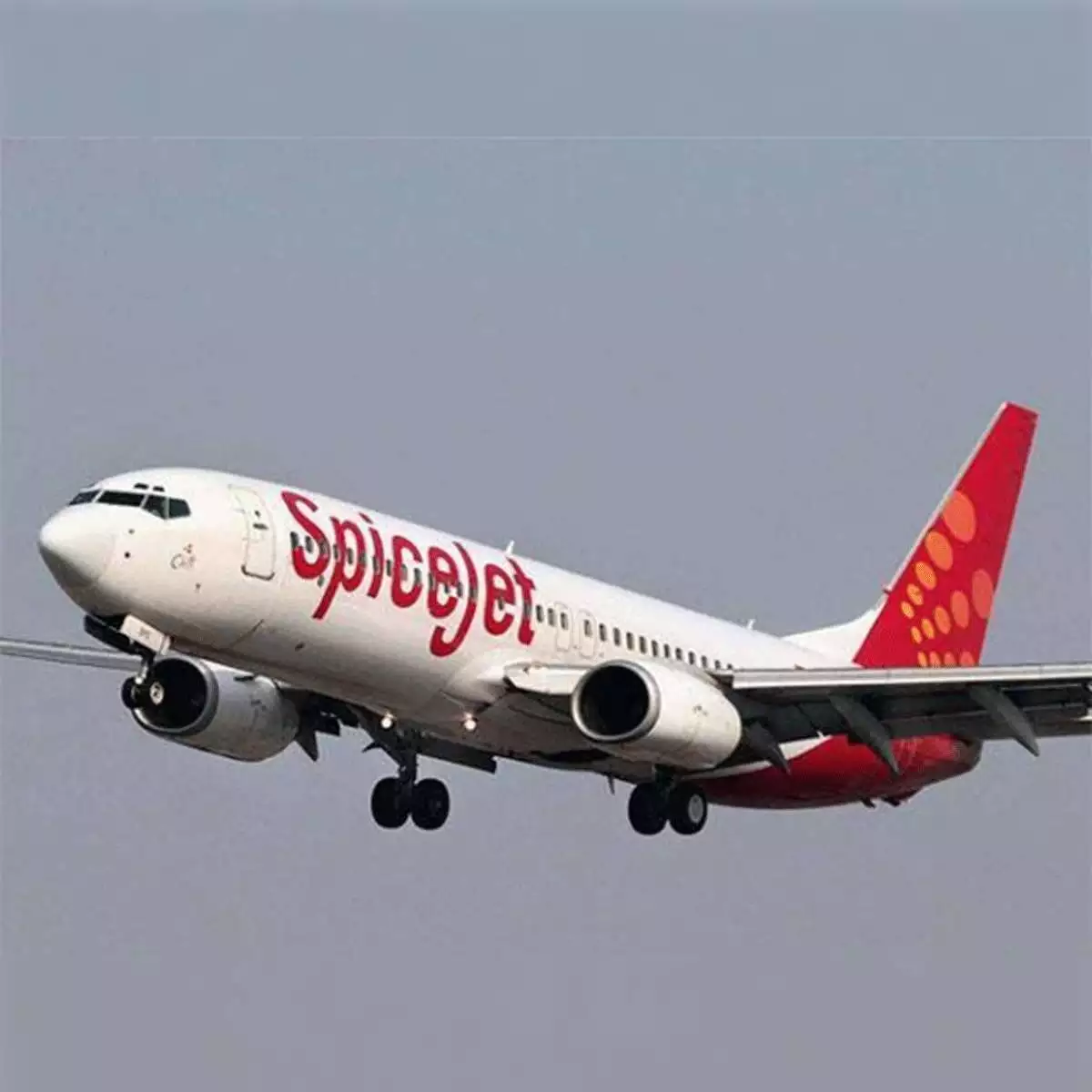
SpiceJet’s stock has fallen sharply by over 6% following a directive from the Directorate General of Civil Aviation (DGCA) placing the airline under intensified scrutiny. The DGCA’s decision comes after identifying significant safety and financial issues during a recent inspection.

The aviation regulator’s enhanced oversight is a response to concerns about SpiceJet’s operational practices and financial stability. The DGCA’s inspection revealed numerous deficiencies, particularly in the airline’s adherence to safety protocols and maintenance procedures. These findings have prompted the regulator to impose stricter monitoring measures to ensure compliance with aviation safety standards.

SpiceJet, which has faced financial turmoil in recent years, has been struggling with mounting debts and operational challenges. The airline’s financial stress has been exacerbated by rising operational costs and a shrinking market share. The DGCA’s move reflects growing unease about the airline’s ability to address these issues effectively while maintaining safety standards.

The special audit conducted by the DGCA also highlighted concerns about SpiceJet’s fleet management and crew training. These issues, combined with the airline’s ongoing financial difficulties, have raised questions about its long-term viability and its capacity to sustain operations safely.

In response to the DGCA’s findings, SpiceJet has committed to implementing corrective measures to address the identified deficiencies. The airline has stated that it is working closely with the regulator to ensure all safety and operational standards are met. SpiceJet’s management has also pledged to improve its financial health through various restructuring efforts and cost-cutting measures.

Investors have reacted negatively to the news, leading to a significant drop in SpiceJet’s share price. The decline reflects market concerns about the airline’s ability to overcome its current challenges and restore investor confidence. Analysts have warned that continued regulatory scrutiny and financial instability could further impact the airline’s stock performance in the near term.

The DGCA’s decision underscores the critical importance of regulatory oversight in maintaining safety standards within the aviation industry. It also highlights the broader challenges faced by airlines in managing financial pressures while ensuring compliance with stringent safety regulations.

As SpiceJet navigates this turbulent period, the airline’s ability to address the DGCA’s concerns and stabilize its financial situation will be crucial in determining its future prospects. The outcome of this heightened surveillance will likely influence both the airline’s operational strategies and investor sentiment in the coming months.

Saxo Bank has announced a substantial 35% increase in its adjusted net profit for the first half of 2024, reaching USD 76 million, up from USD 56 million during the same period last year. This impressive growth reflects the bank’s strong performance across various financial sectors and robust trading volumes.

The bank attributes its success to a combination of strategic investments, increased trading activity, and enhanced client engagement. Saxo Bank’s diverse range of financial products and services, including its advanced trading platforms and investment solutions, have contributed to its ability to capture a significant share of the market.

Key to this growth has been Saxo Bank’s expansion into new markets and the continued enhancement of its digital trading platforms. The bank’s efforts to leverage cutting-edge technology and data analytics have enabled it to offer more tailored investment solutions and improve overall client satisfaction. As a result, Saxo Bank has seen a notable rise in both retail and institutional clients.

Moreover, Saxo Bank’s strong performance is underpinned by a favorable market environment characterized by increased volatility and higher trading volumes. The bank’s ability to effectively navigate market fluctuations and capitalize on trading opportunities has been a crucial factor in its financial success.

The bank has also emphasized its commitment to sustainable growth and innovation. Investments in technology and infrastructure have been pivotal in maintaining a competitive edge and delivering value to clients. Saxo Bank’s focus on sustainability is reflected in its strategic initiatives aimed at reducing operational costs and enhancing efficiency.

Saxo Bank’s management has expressed optimism about the future, citing a positive outlook for the remainder of 2024. The bank plans to continue its strategic expansion and innovation efforts, aiming to further strengthen its market position and deliver consistent results. The successful execution of its growth strategy positions Saxo Bank as a leading player in the global financial services industry.

Saxo Bank’s robust performance in the first half of 2024 underscores its ability to adapt to changing market conditions and drive significant financial growth. The bank’s focus on technology, market expansion, and client satisfaction continues to be a key driver of its success.

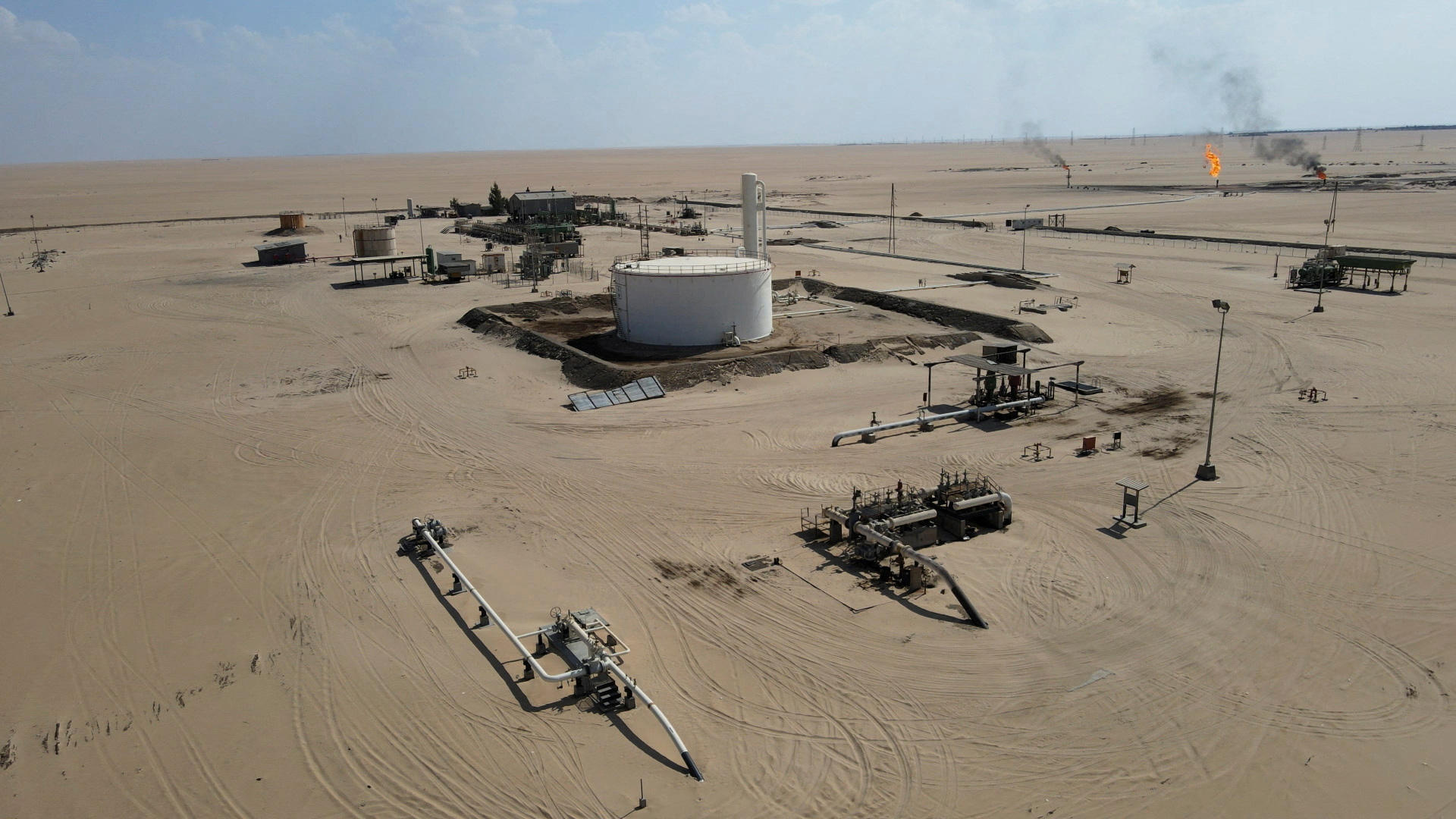
Libya’s ongoing political conflict is jeopardizing its vital oil production, potentially leading to severe disruptions in global supply chains. The strife between rival factions in the country has intensified, raising concerns about the stability of Libya’s oil sector, a crucial component of the global energy market.

The National Oil Corporation (NOC) has reported escalating security threats and operational interruptions at key oil facilities. Production at several major sites, including the Sharara and El Feel fields, has already experienced significant reductions. The disruptions are a direct result of the clashes between the Government of National Unity (GNU) and the House of Representatives (HoR), each backed by different armed groups.

The GNU, based in Tripoli, and the HoR, which controls parts of eastern Libya, have been embroiled in a protracted power struggle. This rivalry has led to a series of blockades and attacks on oil infrastructure, severely impacting the country’s output. The disruption comes at a time when global oil markets are already grappling with volatility due to various geopolitical tensions and economic uncertainties.

Libya’s oil sector, which accounts for approximately 90% of its revenue, has long been a target in the country’s broader conflict. The recent escalation has resulted in reduced exports and financial losses, exacerbating the economic strain on the nation. Analysts warn that prolonged instability could lead to a more prolonged and deep-seated disruption of Libya’s oil exports, affecting global oil prices and supply stability.

International stakeholders, including the United Nations and major oil companies, are closely monitoring the situation. The UN has called for a cessation of hostilities and a return to dialogue to mitigate the impact on oil production. However, the divided political landscape makes it challenging to achieve a consensus or enforce effective measures.

Libya’s oil industry was recovering from years of conflict and mismanagement when the current crisis hit. The industry had seen incremental improvements in production levels and infrastructure upgrades. Yet, the recent conflict threatens to reverse these gains, putting more strain on an already fragile sector.

The uncertainty surrounding Libya’s oil supply has prompted some countries and corporations to seek alternative energy sources or increase their reserves in anticipation of potential shortages. This shift could lead to changes in global energy markets, influencing everything from oil prices to energy policies worldwide.

Efforts to mediate the conflict and stabilize the oil sector have been ongoing, but the entrenched political divisions pose significant obstacles. The situation remains fluid, with potential for further escalation or, conversely, a resolution if diplomatic efforts gain traction.

As the international community watches closely, the immediate concern remains the security of Libya’s oil infrastructure and the broader implications for global energy stability.

Invictus Investment, a company listed on the Abu Dhabi Securities Exchange (ADX), is significantly strengthening its foothold in Africa through the acquisition of a prominent food processing entity. The acquisition, which aligns with Invictus’s broader strategy to diversify its operations across the continent, focuses on expanding its portfolio in the agribusiness sector. This move is part of a larger plan to invest over AED 1 billion across North and East Africa, with the aim of integrating further into the food processing value chain.

The company’s recent actions underscore its commitment to growing its presence in Africa, particularly in the agri-food sector. The acquisition enables Invictus to tap into the region’s rapidly expanding market for processed food products, including staples like flour, pasta, and animal feed. Invictus is not only focusing on the supply of raw agro-commodities but also on providing finished products, thereby adding significant value to its offerings.

Amir Daoud Abdellatif, CEO of Invictus, highlighted the importance of this acquisition as a pivotal step in achieving the company’s long-term goals. Abdellatif emphasized that the company is keen on forming strategic partnerships across various African markets, ensuring that Invictus remains at the forefront of the region’s food processing industry. He noted that the expansion is designed to cater to the rising consumer demand and the increasing need for food security across Africa.

In addition to this acquisition, Invictus has successfully completed over one million metric tonnes of agro-commodity exports to Egypt this year alone. This achievement reflects the company’s ability to scale its operations and manage significant volumes of trade within the region. The company’s strategic investments are expected to create a ripple effect across the African agribusiness landscape, enhancing the availability of essential food products and contributing to the continent’s economic growth.

This latest development marks a significant milestone in Invictus’s broader expansion strategy, which is set to include more acquisitions and partnerships in the coming years. As Invictus continues to diversify its portfolio and expand its market reach, the company is poised to play a crucial role in Africa’s food processing and agribusiness sectors, positioning itself as a key player in the region.

The acquisition is expected to have a positive impact on Invictus’s financial performance, with analysts predicting that it will drive revenue growth and improve the company’s market share in Africa. As the company continues to implement its ambitious expansion plans, it is likely to attract further attention from investors and stakeholders interested in the African agribusiness sector.

This strategic move by Invictus Investment underscores the growing importance of Africa as a key market for global agribusiness players, as well as the increasing demand for food processing capabilities across the continent.

Aggregate net profits for companies listed on Gulf Cooperation Council (GCC) exchanges grew by 5.7% year on year (YoY) during the second quarter of 2024, driven by broad-based growth across most regional markets. This performance reflects the resilience of key sectors amid global economic challenges, with particular strength observed in the banking, materials, and telecommunications industries.

Saudi Arabia, the largest economy in the region, saw a 2.6% YoY increase in aggregate net profits, reaching $39.1 billion in Q2-2024. The banking, materials, and telecommunications sectors were the main contributors to this growth. However, several sectors, including energy and consumer services, experienced profit declines, tempering the overall increase.

The United Arab Emirates (UAE) displayed robust financial results across both its main markets, Dubai and Abu Dhabi. Dubai-listed companies reported a significant 30.9% YoY rise in net profits, totaling $6.7 billion. Banks, capital goods, and telecommunications companies drove this growth, with these sectors accounting for over 80% of the exchange’s aggregate earnings.

Abu Dhabi’s companies experienced a more moderate 4.7% YoY increase in net profits, amounting to $8.3 billion. The banking and energy sectors were the primary growth drivers, with the latter witnessing a 20.7% YoY surge in profits. However, on a half-year basis, Abu Dhabi’s total net profits slightly declined by 2.2% compared to the same period in 2023.

Bahrain and Kuwait also reported positive financial performances. Bahrain-listed companies achieved a 37.5% YoY rise in total net profits for Q2-2024, driven by gains in the banking and materials sectors. Meanwhile, Kuwait’s listed firms saw a modest 1.0% YoY growth in net profits, with the real estate sector showing the most significant improvement, reporting a 104.4% jump in profits.

Qatar’s stock market recorded a 5.6% YoY gain in total earnings for Q2-2024, reaching $3.35 billion. The banking, insurance, and capital goods sectors were the primary contributors, although this growth was partially offset by declines in the materials and real estate sectors.

In contrast, Oman was the only GCC market to report a slight decline in total net profits, with a 0.9% YoY decrease to $506.4 million in Q2-2024. This was largely due to underperformance in several key sectors, despite growth in banking and commercial services.

The overall 5.7% YoY growth in the GCC’s aggregate net profits highlights the region’s economic resilience, with a diverse range of sectors contributing to the financial health of these markets. As the global economic landscape continues to evolve, the GCC remains a key area of focus for investors seeking stability and growth opportunities.

Advertisements

The Independents Group, a global luxury marketing communications conglomerate, has solidified its expansion strategy by acquiring the creative powerhouse Bureau Betak. This acquisition is part of the group’s broader plan to strengthen its presence in the Middle East, following a successful $400 million investment round led by FL Entertainment and TowerBrook Capital Partners.

Bureau Betak, renowned for producing high-profile fashion events, will play a crucial role in the group’s ambitions to offer integrated services across the luxury, lifestyle, and fashion sectors. The move comes as The Independents Group aims to double its size by 2025, with a focus on key markets including Dubai and Riyadh.

The acquisition aligns with the group’s strategy to consolidate its position as a global leader in brand positioning, particularly in the luxury sector. The addition of Bureau Betak’s expertise is expected to enhance The Independents’ capabilities in delivering comprehensive, creative solutions to luxury brands, further fueling its growth trajectory.

This strategic move not only expands The Independents’ global footprint but also reinforces its commitment to innovation and excellence in the luxury marketing industry. As the group continues to grow, it remains focused on creating a one-stop-shop for brands seeking high-end marketing and communication services across multiple regions.

With Bureau Betak now under its umbrella, The Independents Group is poised to become a dominant force in the Middle East, setting new standards in the luxury event production and marketing landscape.

Passengers of SpiceJet, India’s budget airline, faced an unexpected hurdle at Dubai International Airport after being denied check-in due to unpaid dues by the airline. The move forced SpiceJet to operate flights without passengers, intensifying concerns over the airline’s ongoing financial struggles.

Dubai’s decision to block check-in came as a result of SpiceJet’s failure to settle outstanding payments. This incident marks another significant setback for the airline, which has been grappling with operational and financial challenges for some time. Despite efforts to raise funds, SpiceJet has encountered multiple issues, including a recent financial dispute with Mumbai Airport, which was resolved only hours before the airport issued a warning about potential disruptions to the airline’s operations.

The situation at Dubai Airport has drawn attention from aviation authorities, with India’s Ministry of Civil Aviation monitoring the developments closely. As SpiceJet continues to face mounting pressure, the airline’s ability to sustain its operations remains in question, raising broader concerns within the industry.

This development is part of a broader trend of financial instability within the airline, further exacerbated by increasing operational costs and declining revenues. The airline’s woes have prompted speculation about its future viability, as it struggles to maintain smooth operations amid growing financial obligations.

Qatar is reportedly in advanced discussions to acquire a significant stake in a German refinery currently owned by Russia’s state-controlled oil company, Rosneft. This deal, if finalized, could see the Qatar Investment Authority (QIA) strengthen its already substantial investment portfolio, which includes a nearly 19% stake in Rosneft.

The negotiations involve Qatar being the last remaining bidder for the refinery assets, which were seized by the German government following the fallout from Russia’s military actions in Ukraine. The Qatari delegation has been actively engaged in high-level talks with German officials, with the potential acquisition seen as a strategic move to secure long-term energy interests in Europe.

Germany’s government, which previously took control of Rosneft’s operations in the country, is expected to support the transaction, given the geopolitical implications and the need to stabilize energy supplies in the region. This aligns with Germany’s broader strategy to reduce dependency on Russian energy while ensuring operational continuity at critical infrastructure sites.

Rosneft’s German assets have been under scrutiny as Europe seeks to disentangle itself from Russian energy influence, making Qatar’s interest particularly timely. The Qatari government’s deep ties with Russia and its financial muscle could provide the necessary leverage to close the deal.

Qatar’s pursuit of these assets underscores the Gulf nation’s ambition to expand its energy footprint in Europe, leveraging its vast wealth to gain strategic assets in key markets. The move also reflects the growing importance of energy security in a rapidly changing geopolitical landscape.

The ongoing negotiations are being closely watched by industry analysts, who see this potential acquisition as a significant development in the global energy sector, particularly in light of shifting alliances and the evolving dynamics of energy supply chains.

The deal, if completed, would further cement Qatar’s role as a critical player in the global energy market, positioning it alongside other major energy-exporting nations that are capitalizing on the changing geopolitical environment. The outcome of these negotiations could have far-reaching implications for the future of energy security in Europe and beyond.

Further updates on this evolving story are expected as the negotiations progress.

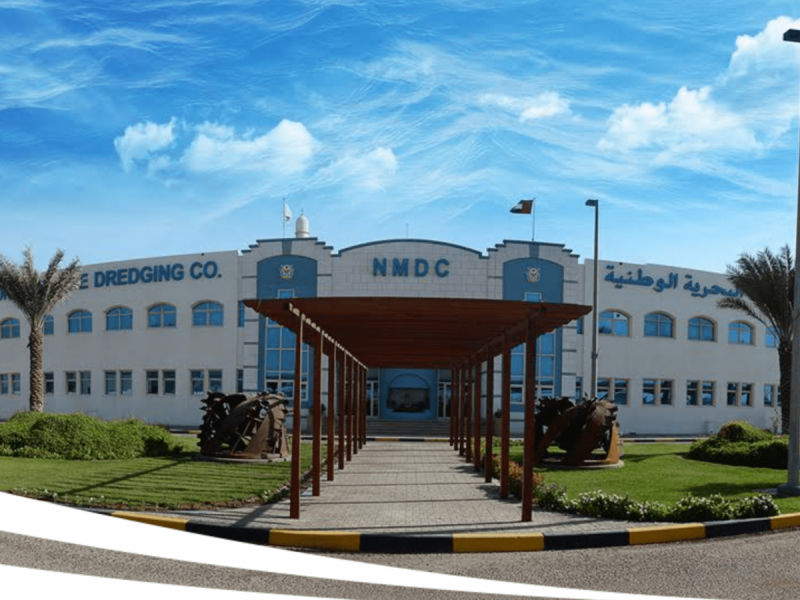
The UAE-based NMDC Group is preparing for what is set to be the country’s largest initial public offering (IPO) of the year. The firm, which was established as a subsidiary of the Abu Dhabi National Oil Company (ADNOC), aims to raise up to $2 billion through the listing. The company is now majority-owned by Alpha Dhabi Holding.

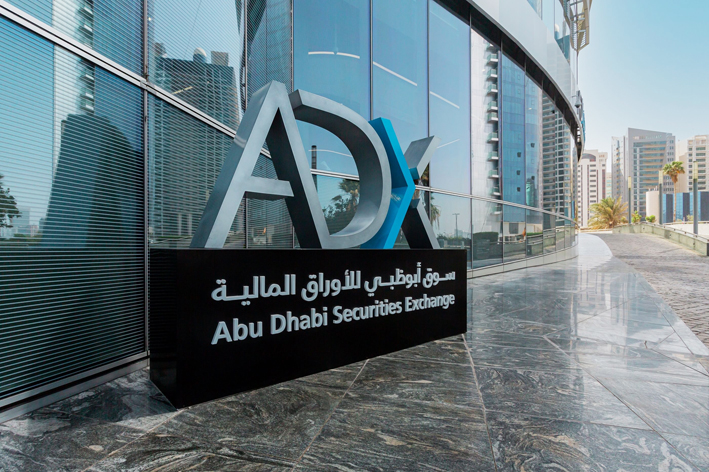
NMDC provides integrated drilling services across the Middle East, has announced plans to float around 7.5% of its shares on the Abu Dhabi Securities Exchange (ADX). The IPO will offer approximately 1.5 billion shares to institutional and retail investors, marking a significant milestone in the UAE’s financial markets.

The NMDC IPO comes at a time of fluctuating oil prices and global economic uncertainties. NMDC has reported substantial revenue growth over the past few years, driven by increasing demand for its drilling services and an expanding portfolio of projects across the region.

Global air cargo demand surged in July 2024, marking the eighth consecutive month of double-digit growth, according to data released by the International Air Transport Association (IATA). Middle Eastern carriers led this momentum with a significant 14.7% year-on-year increase in demand, a reflection of the robust performance seen across all regions.

This upswing comes as global demand, measured in cargo tonne-kilometers (CTKs), rose by 13.6% compared to July 2023. The remarkable growth is attributed to several factors, including a rise in global trade, booming e-commerce, and ongoing capacity constraints in maritime shipping, which have increasingly driven demand toward air freight. The peak season for air cargo is still ahead, signaling a potential continuation of these positive trends.

Asia-Pacific airlines recorded the strongest regional performance, with a 17.6% year-on-year growth in demand, bolstered by a 19.8% rise on the Within-Asia trade lane. Middle Eastern carriers maintained their strong position, particularly on the Europe-Middle East route, which saw an impressive 32.2% increase in demand.

Capacity, measured in available cargo tonne-kilometers (ACTKs), also expanded in July, growing by 8.3% globally. This growth was largely driven by a 12.8% increase in international belly capacity, supported by a thriving passenger market, and a 6.9% rise in international freighter capacity.

IATA’s Director General, Willie Walsh, noted the resilience of the air cargo industry amidst various political and economic challenges, highlighting the sector’s ability to adapt to shifting demand patterns. He also pointed out that despite challenges, including flight cancellations and airport disruptions caused by severe weather events in North America and the Caribbean, the industry continued to demonstrate strong performance.

Overall, July’s performance underscores the vital role air cargo plays in global trade, especially in regions where other modes of transport face limitations. With the peak shipping season approaching, the air cargo sector is poised to continue its robust growth trajectory into the latter half of the year.

A major Egyptian consortium has unveiled plans for a substantial phosphoric acid production facility in Abu Tartur, marking a significant investment of $1.2 billion. The project aims to leverage the region’s rich phosphate reserves to boost both domestic and international supply.

The consortium, composed of several prominent Egyptian industrial players, is evaluating two primary funding strategies. One approach involves sourcing approximately 65% of the necessary investment from external financing entities, with the remaining 35% being covered through internal funds. This dual strategy underscores the group’s commitment to securing a robust financial foundation for the ambitious venture.

The Abu Tartur project is set to utilize the region’s abundant phosphate resources, which are among the largest in the world. This development aligns with Egypt’s broader economic strategy to enhance its industrial capabilities and reduce dependency on imported raw materials. The phosphoric acid produced will be crucial for various sectors, including agriculture and manufacturing.

The consortium’s decision to embark on this project highlights a strategic shift towards expanding Egypt’s role in the global phosphate market. The facility is expected to significantly increase local production capacity, which will not only meet growing domestic demands but also position Egypt as a key player in the international market.

The consortium’s plans include advanced technologies aimed at maximizing efficiency and minimizing environmental impact. By integrating state-of-the-art production methods, the project aims to set a new standard for sustainable industrial practices in the region.

In addition to economic benefits, the project is anticipated to create numerous job opportunities and contribute to regional development. This aligns with Egypt’s broader objectives of fostering industrial growth and boosting employment in underdeveloped areas.

Overall, the phosphoric acid project in Abu Tartur represents a pivotal moment for Egypt’s industrial sector. The consortium’s approach to funding and project execution will be closely watched as it unfolds, with significant implications for the country’s economic landscape and its position in the global market.

Pakistan’s central bank is actively pursuing $4 billion in financial support from Middle Eastern banks to address a significant funding gap in the country’s economy. This strategic move aims to bolster Pakistan’s foreign exchange reserves and stabilize its financial situation amid ongoing economic challenges.

The need for external financial assistance has become more pressing as Pakistan grapples with a substantial trade deficit and a weakening currency. The country’s financial authorities have been engaged in discussions with several banks in the Middle East, seeking their participation in bridging the critical funding shortfall.

Pakistan’s central bank chief highlighted that the proposed funds are crucial for managing the nation’s economic stability. These funds would help mitigate the pressure on foreign reserves, which have been under strain due to persistent trade imbalances and rising import costs. The central bank is focused on securing this financial support to ensure the smooth functioning of the economy and maintain investor confidence.

The initiative to secure funding from Middle Eastern banks reflects Pakistan’s broader strategy to diversify its sources of financial support and reduce dependence on traditional Western lenders. This approach is part of a broader economic reform agenda aimed at stabilizing the economy and fostering sustainable growth.

Middle Eastern banks, known for their substantial financial resources, have been a target for many countries seeking to address economic imbalances. Pakistan’s outreach to these institutions aligns with its efforts to build stronger economic ties with the region and tap into its financial capabilities.

The central bank’s efforts come at a time when Pakistan is also negotiating with international financial institutions for additional support. These negotiations are critical for the country as it seeks to balance its budget and address its economic vulnerabilities.

The potential $4 billion infusion from Middle Eastern banks would provide a significant boost to Pakistan’s foreign exchange reserves, allowing the country to better manage its external debt obligations and enhance its economic stability. This move is expected to alleviate some of the immediate financial pressures and provide a more favorable environment for economic recovery.

In parallel, Pakistan’s government is implementing a series of reforms aimed at improving fiscal discipline and enhancing economic efficiency. These measures are designed to address long-standing structural issues and create a more resilient economic framework.

The central bank’s outreach to Middle Eastern banks underscores the importance of international financial collaboration in addressing global economic challenges. As Pakistan navigates its path to economic stability, securing support from key financial players will be crucial in achieving its financial and economic goals.

This funding initiative represents a pivotal moment in Pakistan’s economic strategy, highlighting the country’s proactive approach to managing its financial challenges and seeking innovative solutions to bolster its economic position.

Arabian Post Staff -Dubai Saudi Arabia’s Public Investment Fund (PIF) is among the investors that have encountered financial setbacks due to Vista Equity Partners’ acquisition of Pluralsight Inc., according to sources familiar with the situation. The investment, which was part of PIF’s broader strategy to diversify and expand its global footprint, did not yield the anticipated returns, leading to significant losses. Vista Equity Partners, a private equity […]

Saudi Arabia’s Public Investment Fund (PIF) has successfully secured a $15 billion revolving credit facility from a consortium of international banks. This move is a significant step in PIF’s ongoing efforts to bolster its financial capacity as it pursues an aggressive investment strategy aimed at diversifying the kingdom’s economy under the Vision 2030 plan.

The revolving credit facility, which allows the fund to borrow, repay, and borrow again up to the agreed limit, will provide PIF with greater financial flexibility as it looks to capitalize on investment opportunities across various sectors. This latest facility is in addition to the fund’s previous credit arrangements, marking a continuation of its strategy to leverage global financial markets to fund its initiatives.

PIF, which manages over $700 billion in assets, has been pivotal in spearheading Saudi Arabia’s economic diversification. The fund has made significant investments in technology, renewable energy, and other emerging industries, both within the kingdom and globally. With the new credit facility, PIF is expected to further expand its portfolio, focusing on sectors that align with the Vision 2030 goals, including tourism, entertainment, and clean energy.

The consortium of banks involved in the deal includes several of the world’s leading financial institutions, underscoring the confidence of international markets in PIF’s strategy and the broader economic reforms being undertaken in Saudi Arabia. The terms of the facility are reportedly favorable, reflecting PIF’s robust credit standing and the attractiveness of its investment portfolio.

This development is part of a broader trend where sovereign wealth funds are increasingly tapping into global financial markets to enhance their liquidity and investment capabilities. PIF’s strategy involves not only direct investments but also partnerships with international companies and institutions, aimed at bringing technology and expertise into Saudi Arabia.

As the kingdom continues its transformation, PIF’s ability to secure substantial credit facilities such as this one will be crucial in ensuring it can meet its ambitious targets. The fund’s investments are expected to play a key role in reducing Saudi Arabia’s reliance on oil revenues, fostering innovation, and creating new economic opportunities for the kingdom’s population.

This latest financial move is a clear indication of PIF’s growing influence in global markets and its commitment to achieving the long-term objectives of Vision 2030.

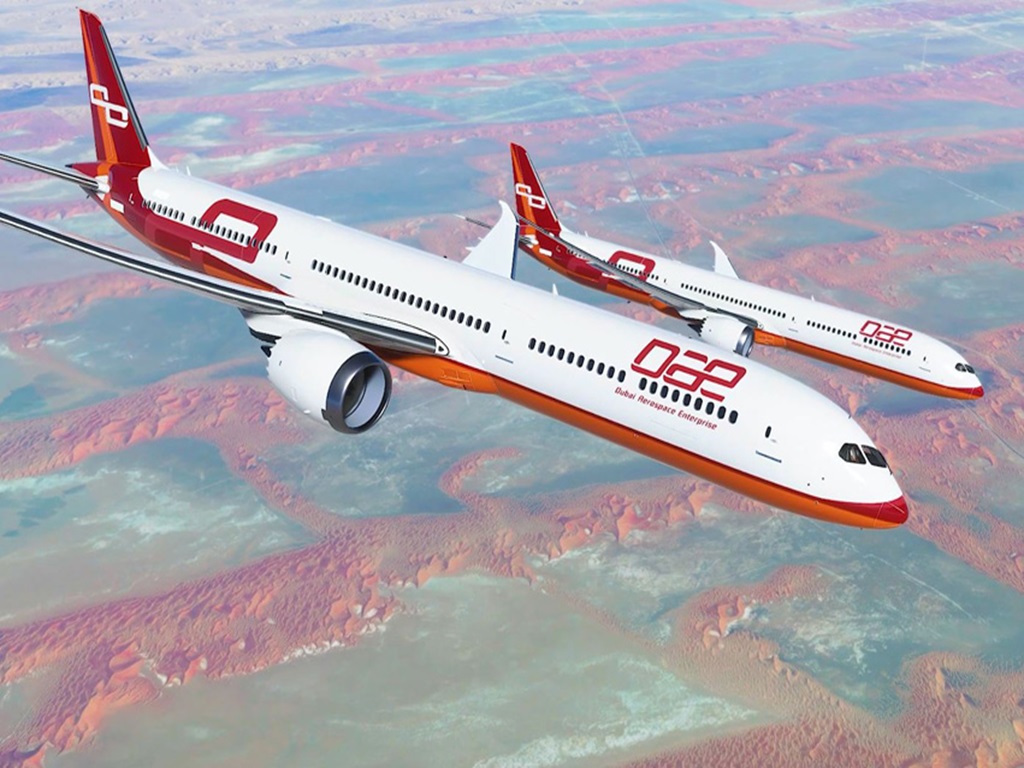
Dubai Aerospace Enterprise (DAE) has finalized a significant acquisition agreement to purchase 23 new aircraft for $1.1 billion. This strategic move is part of DAE’s ongoing efforts to expand its fleet and strengthen its position as a leading player in the global aviation leasing market.

The deal, signed in late August 2024, underscores DAE’s commitment to enhancing its asset portfolio in response to the growing demand for commercial aircraft. The acquisition includes a mix of narrow-body and wide-body aircraft, with delivery scheduled over the next several years. The exact models and the manufacturers involved in the deal have not been disclosed, but industry insiders suggest that the aircraft will likely serve the needs of DAE’s diverse clientele, ranging from low-cost carriers to full-service airlines.

DAE has been on an aggressive growth trajectory, leveraging both organic and inorganic means to boost its fleet size. This acquisition follows a series of strategic purchases and leasing agreements aimed at expanding the company’s market share. The $1.1 billion deal also reflects the confidence of DAE in the long-term recovery and growth of the aviation sector, which has shown resilience despite recent global challenges.

This transaction positions DAE to better serve its airline customers worldwide, many of whom are seeking to modernize their fleets with more fuel-efficient aircraft. As the industry gradually recovers from the economic impact of the global pandemic, the demand for newer, more cost-effective planes is expected to rise, benefiting companies like DAE that are prepared to meet this demand.

DAE’s CEO, Firoz Tarapore, emphasized the strategic importance of this deal in the context of the company’s broader growth strategy. He highlighted the company’s ability to execute large-scale acquisitions and its focus on delivering value to its shareholders. This acquisition is seen as a critical step in reinforcing DAE’s leadership in the aviation leasing market, where competition has intensified with new entrants and existing players ramping up their operations.

The aviation leasing industry has seen a resurgence of activity in 2024, with several major deals and mergers reshaping the competitive landscape. DAE’s latest move is expected to further consolidate its position as one of the top aircraft lessors globally. With this acquisition, DAE’s fleet will reach new heights, enhancing its ability to offer a broad range of leasing solutions to airlines worldwide.

This acquisition marks a significant milestone in DAE’s growth journey and reflects the broader trends in the aviation industry, where leasing companies are playing an increasingly pivotal role in fleet management. As airlines continue to navigate the challenges of fluctuating demand and rising operational costs, leasing firms like DAE are expected to remain at the forefront, providing flexible solutions that help carriers optimize their fleets.

DAE’s expansion is also indicative of the broader recovery in the aviation sector, where passenger numbers and cargo volumes are gradually returning to pre-pandemic levels. This positive trend is likely to drive further investments in new aircraft, with leasing companies positioned to capitalize on the increasing need for modern, efficient fleets.

The successful completion of this deal further solidifies DAE’s reputation as a dynamic and forward-looking player in the aviation leasing industry, capable of seizing opportunities in a rapidly evolving market. The company’s strategic acquisitions and robust financial performance continue to attract attention from industry analysts, who view DAE as a key player in the ongoing transformation of the global aviation landscape.

Dubai and Abu Dhabi have risen to prominence as premier destinations for executive digital nomads, according to the latest Savills Executive Nomad Index for 2023. Dubai clinched the top spot, outpacing other global cities thanks to its thriving fintech and financial services sectors, a tax-free environment, and a high standard of living. The city’s appeal is further bolstered by its world-class digital infrastructure, with the UAE boasting the fastest mobile internet speeds globally. This combination of factors has positioned Dubai as a magnet for high-earning professionals who have the flexibility to work remotely.

Abu Dhabi, a new entrant in the top five, has also made significant strides, ranking fourth in the index. The capital’s growing reputation as a hub for technology and innovation, coupled with its cultural offerings and high quality of life, has made it an attractive destination for digital nomads seeking a dynamic yet stable environment. The city’s strategic location and excellent connectivity, with Abu Dhabi International Airport serving as a key gateway to the world, further enhance its appeal.

This year’s index highlights a shift in the global landscape for remote work, with cities that offer robust digital infrastructure, favorable business conditions, and an exceptional quality of life taking the lead. Dubai and Abu Dhabi’s rise in the rankings underscores the growing importance of these factors for executive nomads, who prioritize seamless digital connectivity and a vibrant, cosmopolitan lifestyle.

The Savills report also noted the emergence of new locations such as Malaga, which took second place due to its cultural appeal and the introduction of Spain’s digital nomad visa. However, it is the Middle Eastern cities that have captured the attention of the global workforce, with both Dubai and Abu Dhabi setting the standard for what executive nomads seek in a remote work destination.

French authorities have intensified their legal scrutiny of Telegram, issuing an arrest warrant for Nikolai Durov, co-founder of the encrypted messaging platform, alongside his brother and CEO, Pavel Durov. The warrant, reportedly dated March 25, 2024, reveals that the investigation into Telegram’s operations is broader and began earlier than previously understood.

The investigation, spearheaded by France’s Office for the Fight against Violence against Minors (OFMIN), centers on serious allegations including fraud, drug trafficking, cyberbullying, organized crime, and the promotion of terrorism. Authorities accuse Telegram of failing to adequately address criminal activities on its platform, leading to the legal actions against the Durov brothers.

Pavel Durov, who is currently in the spotlight, was reportedly taken into custody by French authorities upon his arrival in Paris from Baku, Azerbaijan. His arrest has sparked international attention, with reactions ranging from criticism of French law enforcement to calls for the protection of free speech. Notable figures, including Elon Musk and Robert F. Kennedy Jr., have voiced their support for Durov, emphasizing the importance of free expression in the digital age.

Despite the legal pressures, Pavel Durov maintains that Telegram is committed to user privacy and has no intention of complying with data-sharing demands from any government. In a statement made earlier this year, he underscored Telegram’s role as a bastion of privacy and freedom, particularly as Western governments push for tighter regulations on digital platforms.

As the investigation unfolds, the involvement of other key figures in Telegram’s leadership, such as Vice President Ilya Perekopsky, remains unclear. Although Perekopsky is mentioned in the case summary, no warrant has been confirmed for him.

Telegram’s controversial stance on user privacy and content moderation has made it a focal point in global discussions on the balance between free speech and the prevention of online crime. The platform’s refusal to cooperate with certain regulatory frameworks, particularly in the West, has attracted both praise and criticism.

This case marks a significant moment in the ongoing global debate over the responsibilities of tech companies in moderating content and complying with legal standards. The outcome of the Durov brothers’ legal battles in France may set a precedent for how governments handle similar cases in the future.

This evolving situation continues to draw international attention, with potential implications for the future of encrypted messaging services worldwide.

The International Falcon Breeders Auction 2024, organized by the Saudi Falcons Club, concluded with record-breaking sales surpassing $2.7 million. This annual event, held in Riyadh, is recognized as the largest of its kind globally and has attracted significant attention from falconers, breeders, and enthusiasts worldwide.

During the auction, which ran for several weeks, rare and elite falcon breeds were showcased, drawing participants from 16 countries. The auction featured twelve nights of intense bidding, with some falcons fetching prices never before seen in the auction’s history. The highest sale recorded was for two exceptional falcons, which sold for over $1 million collectively, setting new benchmarks in the global falconry market.

The event not only served as a commercial hub but also as a cultural exchange platform, where breeders and investors from various regions converged to share knowledge and foster collaborations. The Saudi Falcons Club emphasized its commitment to preserving the rich heritage of falconry while promoting environmental awareness and supporting scientific research related to falcon breeding.

This year’s auction witnessed an increase in both the number of participating farms and the quality of falcons presented, reflecting the auction’s growing prestige and the successful outcomes of its previous editions. The success of the auction further solidifies Saudi Arabia’s position as a leading global destination for falconry.

As the auction wraps up, the anticipation for next year’s event is already building, with breeders and falconers eager to see what new records will be set and what innovative developments will emerge in the world of falconry. The International Falcon Breeders Auction continues to play a pivotal role in shaping the future of this ancient practice, blending tradition with modern commerce.

Amid a backdrop of rising tensions and shifting political landscapes, Israel faces a critical juncture in its ongoing struggle with Iran. As support for Prime Minister Benjamin Netanyahu continues to grow, the question of whether Israel should intensify its confrontation with Iran is gaining prominence. While the prospect of such a move may appeal to some as a demonstration of strength and resolve, the unpredictable nature of warfare poses significant risks that must be carefully considered.

Netanyahu has long positioned himself as a staunch defender of Israel’s security, particularly in relation to the perceived threat from Iran. His rhetoric and actions have consistently underscored the view that Iran’s nuclear ambitions and regional influence constitute an existential danger to Israel. Over the years, Netanyahu has been vocal about the need to curb Iran’s power, and his administration has supported a range of strategies, including military strikes, covert operations, and diplomatic pressure, to achieve this goal.

Recent developments have only heightened the stakes. Iran’s nuclear program appears to be advancing at a rapid pace, with reports suggesting that it may soon reach a critical threshold. Additionally, Iran’s influence in the region, through its support for proxy groups such as Hezbollah and its involvement in conflicts in Syria and Yemen, remains a significant concern for Israel. The strategic calculus for Israel is therefore becoming increasingly complex, as it weighs the potential benefits and costs of escalating the conflict with Iran.

Support for Netanyahu’s hardline approach has been bolstered by several factors. Domestically, his political standing has improved, partly due to his handling of security issues and his ability to present himself as a strong leader in times of crisis. The recent normalization agreements between Israel and several Arab states have also enhanced his reputation, suggesting that Israel’s regional position is stronger than ever. These developments may lead some to believe that now is the opportune moment to confront Iran more directly, capitalizing on Netanyahu’s political momentum and the perceived alignment of regional interests.

However, the decision to escalate the conflict with Iran is fraught with peril. Wars, by their very nature, are unpredictable and can spiral out of control in ways that are difficult to foresee. Even with superior military capabilities, Israel cannot guarantee a quick and decisive victory. Iran is a formidable adversary with a well-established military and a network of regional allies that could respond to Israeli aggression in ways that might destabilize the entire Middle East.

One of the key risks associated with a larger war is the potential for it to draw in other regional and global powers. The Middle East is a complex web of alliances and enmities, and any significant escalation by Israel could provoke responses from other countries, including Russia, Turkey, and the United States. Each of these actors has its own interests and objectives in the region, and their involvement could complicate Israel’s strategic objectives, leading to a protracted and costly conflict.

Moreover, there is the question of public opinion, both domestically and internationally. While Netanyahu may enjoy growing support within Israel, particularly among those who prioritize security concerns, there is also a segment of the population that is wary of the consequences of another major war. The memory of past conflicts, such as the 2006 Lebanon War and the ongoing tensions in Gaza, serves as a reminder of the human and economic toll that war can exact. Internationally, Israel could face increased scrutiny and criticism, particularly if civilian casualties were to mount, which could undermine its diplomatic standing and erode the support it currently enjoys from key allies.

The economic implications of a larger conflict should not be overlooked either. Israel’s economy, while robust, is not immune to the shocks that accompany military conflicts. Prolonged warfare could disrupt trade, deter investment, and strain public finances, leading to long-term economic challenges. The costs of rebuilding and addressing the humanitarian fallout of war could be substantial, diverting resources away from other critical areas such as education, healthcare, and infrastructure.

Given these considerations, the argument against escalating the conflict with Iran gains considerable weight. While the desire to neutralize a perceived threat is understandable, the risks associated with a larger war are significant. Netanyahu’s leadership has been characterized by a willingness to take bold actions, but in this case, caution may be the more prudent course.

Israel’s security concerns are legitimate, and the threat posed by Iran is real. However, history has shown that wars often produce unintended consequences. The 2003 invasion of Iraq by the United States serves as a cautionary tale of how even well-intentioned military interventions can lead to long-term instability and suffering. Israel must weigh the potential short-term gains of weakening Iran against the long-term risks of igniting a broader regional conflict.

Diplomatic efforts, while challenging, offer an alternative path. The international community, including Israel’s allies, has a vested interest in preventing a larger war in the Middle East. Diplomatic channels, including negotiations and multilateral efforts to curb Iran’s nuclear ambitions, should be pursued with renewed vigor. While diplomacy may not provide immediate results, it offers the possibility of a more sustainable and less costly resolution to the ongoing tensions.

The decision to escalate or avoid a larger conflict with Iran is one that will define Netanyahu’s legacy and Israel’s future. It is a decision that requires careful consideration of the potential consequences, both known and unknown. The support for Netanyahu’s approach is undeniable, but the wisdom of pursuing a path of greater confrontation remains questionable. Wars are rarely as simple as they appear at the outset, and the costs of miscalculation can be immense.

As Israel navigates this complex and dangerous terrain, the choice it makes will have profound implications for its security, its economy, and its standing in the world. The allure of a decisive victory over a formidable adversary is strong, but the risks of a broader conflict may ultimately outweigh the potential rewards. Israel must tread carefully, recognizing that while strength is essential, so too is the wisdom to avoid unnecessary and potentially catastrophic conflict.


flynas, Saudi Arabia’s leading low-cost airline, is set to significantly expand its operations in the UAE, introducing eight new direct routes between Saudi Arabia and the Emirates. This ambitious expansion, scheduled to commence in September, aligns with the airline’s broader goal of increasing connectivity in the region.

The new routes will make flynas the only Saudi airline to serve all four major UAE airports. These include Al Maktoum International Airport (DWC) in Dubai, Abu Dhabi’s Sheikh Zayed International Airport, and Sharjah International Airport. The expansion is expected to elevate the number of daily flights between Saudi Arabia and the UAE to over 20, enhancing accessibility for both business and leisure travelers.

Key routes launching include services from Riyadh to DWC and from Jeddah to both Abu Dhabi and Sharjah. These additions reflect flynas’ strategic vision to broaden its reach, catering to growing demand in the UAE-Saudi corridor, especially under Saudi Arabia’s Vision 2030 plan, which seeks to position the kingdom as a global transport hub.

The airline’s network is poised to expand further, targeting 165 destinations worldwide, underscoring its commitment to strengthening regional ties and offering more travel options to its passengers. As the airline continues to grow, it remains a pivotal player in fostering greater connectivity between Saudi Arabia and the UAE.

Nasdaq is making strides toward expanding its financial offerings by seeking approval from the U.S. Securities and Exchange Commission (SEC) for a new set of bitcoin index options. This move, if sanctioned, would mark a significant step forward in the integration of digital assets into mainstream financial markets.

Nasdaq’s proposal is focused on introducing options tied to a bitcoin index, which would offer investors a new way to gain exposure to the cryptocurrency market. The exchange’s submission to the SEC underscores the growing interest in bitcoin-related financial products, especially as institutional and retail demand for cryptocurrency exposure continues to rise.

The proposed bitcoin index options would operate similarly to other index options, allowing investors to speculate on the future price of bitcoin without needing to hold the underlying asset. This would provide a level of risk management and flexibility that could appeal to a broader range of investors. The timing of this move coincides with a period of heightened interest in digital assets, driven by bitcoin’s increased adoption and the introduction of various bitcoin exchange-traded funds (ETFs).

Currently, the SEC has not yet approved options based on any individual exchange-traded funds tied to spot bitcoin prices. The regulatory body has been cautious in its approach to cryptocurrency-related products, citing concerns about market manipulation, investor protection, and the overall stability of the financial system. Despite this, there has been a gradual shift in the SEC’s stance, with more openness to considering such products, particularly as the market matures and safeguards are implemented.

Nasdaq’s initiative reflects a broader trend within the financial industry, where traditional exchanges and financial institutions are increasingly exploring the integration of digital assets. This is part of a larger effort to bridge the gap between traditional finance and the rapidly evolving cryptocurrency sector. By offering bitcoin index options, Nasdaq aims to provide a regulated and transparent environment for investors to participate in the cryptocurrency market, potentially paving the way for other exchanges to follow suit.

The introduction of bitcoin index options would also have significant implications for market dynamics. It could lead to increased liquidity in the bitcoin market, as more participants enter through these new financial instruments. Additionally, it could influence bitcoin’s price stability, as options trading can impact the supply and demand balance of the underlying asset.

However, the SEC’s decision will likely hinge on several factors, including the overall security of the proposed product, the measures in place to prevent market manipulation, and the potential impact on investors. The regulatory body has been under pressure to strike a balance between fostering innovation in the financial markets and ensuring the protection of investors. The outcome of Nasdaq’s application could set a precedent for future cryptocurrency-related financial products in the United States.

If approved, Nasdaq’s bitcoin index options could significantly enhance the accessibility and appeal of cryptocurrency investments, particularly for institutional investors who may have been hesitant to enter the market due to regulatory uncertainties. This development would also signal a further legitimization of bitcoin as a financial asset, potentially driving broader acceptance and adoption.

Nasdaq’s pursuit of SEC approval for bitcoin index options represents a pivotal moment in the ongoing evolution of the financial markets. As the intersection of traditional finance and digital assets continues to develop, the decisions made by regulatory bodies like the SEC will play a crucial role in shaping the future of the industry.

Saudi Arabia and Ethiopia have taken a significant step towards bolstering their economic ties through the establishment of a new business council. The Federation of Saudi Chambers announced that the Saudi-Ethiopian Business Council, approved by the General Authority for Foreign Trade, will operate for the 2024-2028 term. This initiative aims to enhance trade and investment opportunities between the two nations, aligning with Saudi Arabia’s broader strategy to deepen its economic relations with Africa.

The council will be led by Abdullah bin Mohammed Al-Ajmi as president, with Omar bin Abdullah Al-Kharashi and Misfer bin Musaad Al-Shahrani serving as vice presidents. The council’s formation follows discussions held during the Saudi-Ethiopian Business Forum in June 2024, where both countries expressed a mutual interest in exploring new avenues for economic collaboration.

Ethiopia, with a GDP of approximately $205 billion in 2022, is one of Africa’s largest economies. However, trade between Saudi Arabia and Ethiopia has remained relatively modest, with bilateral trade valued at less than SR1.3 billion ($346 million). The new council aims to address this gap by fostering stronger business partnerships, particularly in key sectors such as agriculture, mining, petrochemicals, food industries, tourism, real estate, and construction.

Al-Ajmi emphasized Ethiopia’s attractive investment environment and its strategic role as a trade hub for Central Africa. The council is expected to play a pivotal role in supporting Saudi exports and targeting growth sectors in Ethiopia, potentially unlocking new economic opportunities for both nations.

This development is part of Saudi Arabia’s broader effort to expand its influence and economic reach across Africa, with Ethiopia positioned as a critical partner in this strategy. The establishment of the council marks a significant milestone in Saudi-Ethiopian relations, promising to elevate their economic ties to new heights over the next four years.

This initiative not only underscores the importance of Ethiopia in Saudi Arabia’s Africa strategy but also signals a concerted effort to diversify economic partnerships and explore untapped markets on the continent. The coming years will likely see increased Saudi investment in Ethiopia, as the council works to bridge the existing trade gap and create new opportunities for economic collaboration.

Private equity giant Blackstone Inc. is actively negotiating a substantial loan of approximately A$5.5 billion (US$3.7 billion) with a consortium of banks to support its bid for Australian data center operator AirTrunk. The loan, expected to have a tenure of five years, is a key component of Blackstone’s strategy to expand its presence in the rapidly growing data center sector, reflecting a broader trend of increasing investor interest in digital infrastructure.

AirTrunk, founded in 2015 by industry veteran Robin Khuda, has emerged as a leading player in the Asia-Pacific data center market. The company operates large-scale, hyperscale data centers across Australia, Japan, and Singapore, serving major technology companies, cloud service providers, and enterprises. With the demand for cloud computing and digital services surging, AirTrunk’s facilities have become critical infrastructure, attracting interest from global investors.

Blackstone’s pursuit of AirTrunk comes at a time when the data center industry is experiencing unprecedented growth. The ongoing digital transformation, accelerated by the COVID-19 pandemic, has driven companies and governments to enhance their digital capabilities. This shift has led to increased demand for data storage, processing, and management solutions, with data centers at the core of these developments.

The loan negotiations highlight Blackstone’s commitment to securing a significant stake in the data center market, which is expected to continue its expansion in the coming years. The private equity firm has a history of investing in infrastructure assets, and its interest in AirTrunk aligns with its broader investment strategy. By acquiring AirTrunk, Blackstone aims to capitalize on the growth potential of the data center sector in the Asia-Pacific region, where digital economies are booming.

AirTrunk’s valuation, which could reach as high as A$10 billion (US$6.7 billion), reflects the strategic importance of data centers in the modern economy. Investors are increasingly viewing these facilities as essential infrastructure, akin to utilities such as electricity and water. The trend is driven by the critical role data centers play in supporting digital services, e-commerce, and cloud computing, which have become integral to the global economy.

The potential acquisition would also mark one of the largest deals in the data center industry, underscoring the scale of investment required to operate and expand these facilities. For Blackstone, securing the A$5.5 billion loan is crucial to funding the acquisition and ensuring that it can outbid other interested parties. The firm is reportedly in talks with multiple lenders, including international and Australian banks, to finalize the financing.

As the data center sector continues to attract significant capital, competition among investors is intensifying. Blackstone’s bid for AirTrunk reflects the broader trend of private equity firms and institutional investors seeking to gain exposure to digital infrastructure. The growth of cloud computing, artificial intelligence, and the Internet of Things (IoT) is expected to further drive demand for data centers, making them a highly attractive asset class.

The outcome of Blackstone’s loan negotiations and its bid for AirTrunk will be closely watched by industry analysts and investors. A successful acquisition would position Blackstone as a major player in the Asia-Pacific data center market, enabling it to leverage AirTrunk’s existing operations and expand its footprint in the region.

As the deal progresses, Blackstone’s ability to secure financing and execute the acquisition will be key factors determining the success of its strategy. The firm is likely to face competition from other potential buyers, highlighting the high stakes involved in the data center market. The deal’s outcome could set a precedent for future investments in the sector, as investors continue to seek opportunities in digital infrastructure.

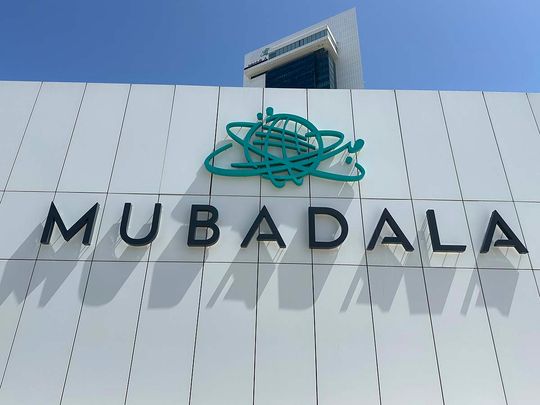
Abu Dhabi’s Mubadala Investment Company, in partnership with Singapore-based CBC Group, has finalized a $680 million acquisition of the Chinese neurology and allergy business of Belgian pharmaceutical giant UCB. This strategic move strengthens Mubadala’s presence in the Chinese healthcare sector, a market with significant growth potential.

The deal encompasses UCB’s neurology products, including Keppra, Vimpat, and Neupro, along with its allergy medications, Zyrtec and Xyzal, in mainland China. Additionally, it includes UCB’s manufacturing facility in Zhuhai, a key asset for local production. Together, these products generated approximately €131 million ($146.5 million) in sales within China in 2023.

Mubadala’s head of China, Mohamed Albadr, emphasized that this acquisition aligns with the company’s long-term strategy to expand its healthcare investments in Asia, particularly in sectors with robust growth potential. The investment is expected to enhance UCB’s capacity to deliver innovative treatments in the region, benefiting from Mubadala’s financial backing and strategic expertise.

The transaction, currently awaiting regulatory approvals, is anticipated to be finalized by the fourth quarter of 2024. PJT Partners served as the financial advisor to Mubadala and CBC Group, while Clifford Chance provided legal counsel.

This move is part of Mubadala’s broader strategy to diversify its portfolio, particularly in the biotechnology and pharmaceutical sectors, where it has been increasingly active. The company has shown a strong commitment to expanding its influence in global healthcare, with recent investments spanning biotechnology firms and other healthcare-related ventures. The collaboration with CBC Group underscores the strategic importance of the Chinese market and highlights Mubadala’s continued focus on sectors poised for substantial growth.

As the deal progresses, it will likely influence the dynamics of the Chinese pharmaceutical industry, particularly in neurology and allergy treatments, where UCB’s products have already established a strong foothold. The integration of these assets into Mubadala’s portfolio could pave the way for future expansions and partnerships in the region, further solidifying its position as a key player in the global healthcare market.

Qatar’s Estithmar Holding has successfully issued a $137 million sukuk, marking a significant step in its strategic expansion plans. This move comes as part of the company’s efforts to diversify its funding sources and strengthen its position in the financial markets. The sukuk, structured to comply with Islamic finance principles, has been well-received by investors, reflecting confidence in Estithmar’s growth trajectory.

Estithmar Holding, known for its diverse portfolio ranging from healthcare to real estate, is leveraging this capital to fuel its ongoing projects and explore new opportunities within and beyond Qatar. The company’s expansion aligns with the broader economic vision of Qatar, which aims to bolster non-oil sectors through robust infrastructure and service-based developments.

The issuance of this sukuk also underscores the growing demand for Islamic financial instruments in the Gulf region, particularly as companies seek Sharia-compliant ways to raise capital. The funds raised through this sukuk will support Estithmar’s various ventures, including real estate developments, healthcare projects, and other strategic initiatives that are expected to contribute significantly to Qatar’s economic diversification efforts.

As Estithmar Holding continues to expand, this sukuk issuance represents a crucial step in securing the financial resources necessary to sustain and accelerate its growth. The company’s focus on strategic investments and sustainable growth is likely to enhance its position as a key player in Qatar’s evolving economic landscape.

This move is part of a broader trend in the Gulf Cooperation Council (GCC) region, where companies are increasingly turning to sukuk as a preferred financing tool, driven by investor demand and favorable market conditions. The successful issuance of this sukuk not only highlights Estithmar’s financial acumen but also signals growing investor confidence in the region’s economic stability and future prospects.

As Estithmar Holding deploys the capital from this sukuk, the company is expected to continue its trajectory of robust growth, contributing to the development of key sectors within Qatar and reinforcing its status as a leading conglomerate in the region.

Abu Dhabi Investment Authority (ADIA), the sovereign wealth fund of Abu Dhabi, has further expanded its presence in India’s renewable energy sector by investing in Premier Energies. This strategic move comes as Premier Energies, one of India’s leading solar module manufacturers, gears up for an initial public offering (IPO).

The investment by ADIA underscores its growing interest in India’s green energy market, which has been a key focus area for global investors. Premier Energies, known for its extensive production capacity and innovation in solar energy, plans to use the funds to scale its operations and expand its product offerings.

This investment aligns with ADIA’s broader strategy of diversifying its portfolio and increasing its exposure to high-growth markets in Asia. India, with its ambitious renewable energy targets and favorable government policies, has become a prime destination for such investments. ADIA’s involvement in Premier Energies is expected to bolster the company’s market position ahead of its IPO, signaling strong institutional support.

Over the years, ADIA has steadily increased its investments in India, targeting various sectors including technology, e-commerce, and now, renewable energy. This latest investment highlights the growing trend of Gulf-based sovereign funds seeking opportunities in India’s rapidly expanding economy. As Premier Energies prepares for its public listing, ADIA’s backing is likely to attract further investor interest, solidifying the company’s status as a key player in India’s solar energy industry.

ADIA’s investment in Premier Energies is part of a larger wave of capital inflows into India from sovereign wealth funds, particularly from the Middle East. The Indian government’s push towards renewable energy, combined with the country’s economic growth, makes it an attractive destination for these funds. ADIA’s investment strategies continue to evolve, focusing on sectors that are poised for long-term growth and sustainability, with India playing a crucial role in its portfolio.

This strategic move by ADIA not only strengthens its position in the renewable energy sector but also demonstrates the growing confidence of international investors in India’s economic prospects. Premier Energies’ IPO, supported by ADIA’s investment, is expected to be a significant milestone in the company’s growth journey and a testament to the increasing global interest in India’s renewable energy potential.

Lunate Capital LLC has introduced a new Shariah-compliant exchange-traded fund (ETF) focused on Indian equities. This initiative marks a significant expansion for the Abu Dhabi-based asset management firm, which operates under the regulatory framework of the Securities and Commodities Authority (SCA) and is a subsidiary of Lunate Holding RSC Limited. The Chimera ETF aims to attract investors interested in adhering to Islamic finance principles while gaining exposure to the dynamic Indian stock market.

The Chimera ETF, launched on August 27, 2024, is designed to align with Shariah laws by avoiding investments in industries such as alcohol, gambling, and pork, and ensuring that financial transactions comply with Islamic principles. The fund’s portfolio will be comprised of companies listed on Indian exchanges that meet these criteria, providing investors with a way to participate in India’s growing economy while adhering to their religious beliefs.

Lunate Capital’s decision to focus on Indian equities is driven by the country’s robust economic growth and increasing market opportunities. India has emerged as a key player in the global economy, with its diverse market presenting significant potential for investment. The Chimera ETF is expected to offer investors a diversified exposure to various sectors, including technology, pharmaceuticals, and consumer goods, reflecting India’s economic diversity.

The introduction of this ETF comes at a time when interest in Shariah-compliant financial products is on the rise, particularly among investors in the Middle East and Southeast Asia. The growth of Islamic finance has been notable in recent years, with many investors seeking opportunities that align with their ethical and religious standards. By launching this fund, Lunate Capital aims to cater to this growing market segment and provide a tailored investment solution.

The ETF’s launch is also a strategic move for Lunate Capital, positioning the firm as a significant player in the Islamic finance sector. The company’s expertise in managing Shariah-compliant investments, combined with its focus on high-growth markets like India, is expected to enhance its reputation and attract a broader investor base. The Chimera ETF will be traded on the Abu Dhabi Securities Exchange (ADX) and is expected to draw significant interest from both regional and international investors.

As global investment trends continue to evolve, the demand for ethical and Shariah-compliant financial products is likely to increase. Lunate Capital’s new ETF is poised to benefit from this trend by offering a product that aligns with investors’ values while tapping into the lucrative Indian market. The launch underscores the growing convergence between Islamic finance and global investment opportunities, highlighting the expanding role of Shariah-compliant products in diverse financial markets.

This development reflects broader trends in the financial industry, where traditional investment products are being adapted to meet the needs of a diverse and global investor base. By integrating Shariah compliance with a focus on high-growth markets, Lunate Capital is setting a precedent for how Islamic finance can intersect with emerging economic opportunities.

FNP.ae, a premier online gifting platform in the UAE, marked Emirati Women’s Day by taking on the role of official Floral Partner at the 4th Annual Abaya Rally in Dubai. This event, which has gained prominence over the years, focuses on celebrating the achievements and contributions of Emirati women.

Held at the Dubai Autodrome, the Abaya Rally is a unique celebration that blends traditional values with contemporary sportsmanship. It showcases women’s empowerment through a vibrant display of abayas in a competitive yet celebratory environment. This year’s event attracted a diverse group of participants, including both seasoned drivers and newcomers, all united in their commitment to promoting the role of women in the UAE.

FNP.ae’s involvement as the Floral Partner underscores the company’s dedication to supporting significant cultural and social milestones. Their contribution included providing floral arrangements that added elegance to the event and complemented the visual aesthetics of the rally. The collaboration highlighted FNP.ae’s ongoing efforts to engage in community-focused initiatives that honor and uplift women.

The Abaya Rally has evolved since its inception, reflecting broader societal changes and advancements in women’s roles across various sectors. It serves not only as a platform for showcasing driving skills but also as a celebration of Emirati women’s resilience and achievements in a variety of fields.

Event organizers emphasized the importance of recognizing Emirati women’s contributions and fostering a supportive environment that encourages their participation in various activities, including motorsports. This year’s rally included several high-profile guests and speakers who highlighted the significant strides made by women in the UAE.

Participants and attendees alike praised the event for its role in challenging stereotypes and providing a platform for women to showcase their talents and achievements. The rally also included various activities designed to engage the community and promote awareness about women’s rights and empowerment.

FNP.ae’s role in the rally reflects a broader trend of corporate social responsibility in the UAE, where businesses are increasingly involved in supporting cultural and social initiatives. Their support for the Abaya Rally is part of a larger commitment to celebrating and empowering women in the UAE.

As the rally concluded, it was clear that the event had successfully met its goal of honoring Emirati women while also providing a dynamic and engaging experience for all involved. The continued growth and success of the Abaya Rally highlight the positive impact of collaborative efforts between businesses and community organizations in promoting gender equality and empowerment.

Overall, the Abaya Rally and FNP.ae’s involvement illustrate a strong commitment to celebrating Emirati women’s achievements and supporting their continued advancement in various fields. The event’s success contributes to a broader dialogue about the role of women in society and the importance of recognizing their contributions.

VISHNU RAJA
RYO YAMADA
HITORI GOTOH
IKUYO KITA