Articles written by
arabian post staff

Saudi National Bank has successfully issued a $750 million five-year Formosa bond, attracting an order book totaling $1.1 billion, including $121 million from joint lead managers. The bond, priced at the Secured Overnight Financing Rate plus 120 basis points, is scheduled to be listed on the Taipei Exchange on 17th March. Crédit Agricole CIB and KGI Securities Co Ltd served as joint managers, with HSBC acting as the lead manager.

Formosa bonds are debt instruments issued in Taiwan but denominated in foreign currencies, typically targeting international investors seeking exposure to foreign issuers. This issuance marks SNB’s second foray into the Formosa market, following its inaugural $500 million five-year senior unsecured floating-rate note bond in July 2024. That initial issuance was part of SNB’s $5 billion Euro Medium Term Note Programme and was notable for being the first by a Saudi bank in the Taiwanese market.

The latest bond issuance underscores SNB’s strategic efforts to diversify its funding sources and strengthen its presence in international capital markets. The oversubscription by $350 million indicates robust investor confidence in SNB’s creditworthiness and the economic stability of Saudi Arabia. This confidence is further bolstered by the bank’s proactive engagement with a broad set of top-tier international investors, reflecting the strong appeal of SNB’s credit profile to the global investor community.

In the broader context, Gulf Cooperation Council banks have been increasingly tapping into the Formosa bond market to diversify their funding bases and access competitive pricing. For instance, Qatar National Bank Group, the region’s largest bank, completed a $1 billion five-year Formosa bond issuance under its Euro Medium Term Note Programme in the first half of 2024. This trend highlights the growing significance of the Formosa market as an attractive platform for Middle Eastern banks seeking to broaden their investor base and secure favorable funding terms.

SNB’s successful bond issuance aligns with Saudi Arabia’s Vision 2030 initiatives, which aim to diversify the Kingdom’s economy and reduce its dependence on oil revenues. By accessing international capital markets and engaging with a diverse range of investors, SNB is contributing to the development of a more resilient and diversified financial sector in Saudi Arabia.

The choice of SOFR as the benchmark rate for the bond pricing reflects a broader shift in global financial markets toward alternative reference rates, following the phase-out of the London Interbank Offered Rate . SOFR, based on overnight transactions in the U.S. Treasury repurchase market, is considered a more robust and reliable benchmark, aligning with international best practices.
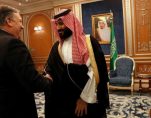

President Donald Trump announced plans to visit Saudi Arabia within the next six weeks to finalize an agreement for the kingdom to invest $1 trillion in the U.S. economy over the next four years, including substantial purchases of military equipment. This development underscores the strengthening economic ties between Washington and Riyadh.

Speaking to reporters in the Oval Office, Trump highlighted that his first overseas trip during his initial term in 2017 was to Riyadh, where Saudi investments were then estimated at $350 billion. He noted that the kingdom’s financial capacity has grown since, stating, “They’ve gotten richer, we’ve all gotten older.” At Trump’s behest, the Saudis have agreed to significantly increase their investments in American companies, encompassing various sectors, notably defense. The President expressed his intention to visit Saudi Arabia to formalize this agreement, emphasizing his positive relationship with the kingdom’s leadership.

Saudi Arabia’s Crown Prince Mohammed bin Salman has been instrumental in advancing the kingdom’s Vision 2030 initiative, aiming to diversify the economy beyond oil dependence. The substantial investment in the U.S. aligns with this strategy, seeking to bolster the kingdom’s global economic footprint and strengthen bilateral relations with key allies.

The planned investment includes significant procurement of U.S. military equipment, reflecting Saudi Arabia’s ongoing efforts to modernize its armed forces amid regional security challenges. This move is expected to benefit American defense contractors and contribute to job creation within the United States.

In addition to defense, the investment is anticipated to span various sectors, potentially including technology, infrastructure, and energy. Such diversification aligns with both nations’ interests in fostering innovation and sustainable economic growth.

The announcement comes at a time when the global economy faces uncertainties, and substantial foreign investments are viewed as a positive indicator of confidence in the U.S. market. Analysts suggest that this agreement could stimulate economic activity and enhance the strategic partnership between the two countries.

However, this development is not without its critics. Some policymakers express concerns regarding the implications of deepening ties with Saudi Arabia, citing human rights issues and regional geopolitical tensions. They advocate for a balanced approach that considers both economic benefits and ethical considerations.

The forthcoming visit also holds geopolitical significance. Saudi Arabia has been taking a more prominent role in U.S. foreign policy, with plans to host a U.S.-Ukraine meeting to discuss a ceasefire in the ongoing conflict. This initiative positions Riyadh as a mediator in international affairs, potentially enhancing its diplomatic standing.

Trump’s engagement with Saudi Arabia extends to other domains. In February, he met with officials from the PGA Tour and the Saudi-owned LIV Golf to address a rift between the two organizations, indicating the breadth of U.S.-Saudi interactions beyond traditional sectors.

The UAE Ministry of Economy, in partnership with Integra Seven, a prominent public policy research and consulting firm, convened the ‘Future of Jobs’ workshop in Dubai. This initiative brought together senior representatives from 14 key economic entities and companies nationwide, focusing on strategies to empower, attract, and retain talented individuals, aligning with the nation’s vision for economic diversification and innovation.

The workshop provided an exclusive preview of the forthcoming UAE Future Tech Talent Report 2024, scheduled for release in October. Participants included business leaders and talent experts from organisations such as Fragomen, Du, Amazon Web Services , Coffeee.io, DP World, Dubai Knowledge Park, Dulsco Group, e&, HSBC, MCG Talent, Nabta Health, Standard Chartered, and Stripe. Discussions centred on the latest trends in tech talent and policy-driven strategies to bolster the UAE’s position as a global hub for skilled professionals.

Dr Thani bin Ahmed Al Zeyoudi, Minister of State for Foreign Trade and Minister in charge of Global Talent Attraction and Retention, emphasised the critical role of public-private collaboration in shaping the national economic agenda. He stated, “Public-private dialogue is at the core of our approach to developing our national economic agenda. This roundtable on talent attraction is part of a series of important discussions that support our broader vision of crafting policies that ensure continued growth and diversification, advancing our ambitions to foster an economy based on knowledge and innovation.”

The roundtable addressed several key policy areas, including the intensifying global competition for tech talent. Participants explored the role of the UAE’s national brand in attracting global talent and recognised the importance of refining strategies to ensure sustained access to specialised skills that support the country’s economic ambitions.

Natalia Sycheva, Managing Director of Integra Seven, highlighted the significance of the insights revealed in the upcoming UAE Future Tech Talent Report 2024, building on the findings from the previous year’s edition. She remarked, “While the 2023 report identified key trends that have since been reinforced, the 2024 edition uncovers several new and, in some cases, unexpected developments. These will be critical for business leaders and policymakers to carefully assess as they plan for the future.”

As discussions progressed, senior executives examined ways to close skills gaps, enhance collaboration between educational institutions and industry, and streamline the integration of local and international talent into the UAE workforce. The roundtable emphasised the need for an agile, future-focused approach to workforce development, ensuring the UAE remains at the forefront of the global tech talent race.

The UAE Future Tech Talent Report 2024, scheduled for release in October, aims to offer comprehensive insights and actionable recommendations for both businesses and policymakers. This initiative underscores the UAE’s commitment to fostering a knowledge-based economy and solidifying its status as a global incubator for skilled professionals.

Abu Dhabi-based conglomerate International Holding Company has divested 8.448 million shares, equating to a 0.73% stake, in Adani Enterprises Limited for ₹1,831.82 crore. This transaction was executed through IHC’s subsidiaries, Green Vitality RSC and Green Energy Investment Holding RSC, via open market deals on the Bombay Stock Exchange on Wednesday.

The shares were sold at an average price of ₹2,168.1 per share. Concurrently, Envestcom Holding RSC Ltd offloaded an identical number of shares in two tranches at the same price. Following these transactions, AEL’s stock experienced a 4.57% uptick, closing at ₹2,244.85 on the BSE.

IHC, a diversified entity with interests spanning agriculture, healthcare, real estate, and utilities, has been actively adjusting its investment portfolio concerning the Adani Group. In 2022, IHC invested approximately $2 billion in three Adani Group companies: Adani Green Energy, Adani Transmission, and Adani Enterprises. By September 2023, IHC announced the sale of its stakes in Adani Green Energy and Adani Transmission but increased its holding in Adani Enterprises to over 5%. As of the latest available data, Green Enterprises Investment Holding holds 40,191,038 shares in Adani Enterprises, representing a 3.48% stake.

Adani Enterprises, the flagship entity of the Adani Group, has faced significant scrutiny and market fluctuations in recent years. The conglomerate’s rapid expansion into sectors such as energy, infrastructure, and logistics has attracted both investor interest and regulatory attention. The divestment by IHC is perceived by market analysts as a strategic portfolio rebalancing rather than a reflection of the company’s performance.

The transaction has prompted discussions among investors regarding the future trajectory of Adani Enterprises. While some view the sale as a routine investment decision by IHC, others speculate about potential implications for the company’s stock performance and market perception. Notably, despite the substantial share sale, Adani Enterprises’ stock demonstrated resilience by closing higher on the day of the transaction.

In the broader market context, other Adani Group stocks also exhibited positive movements. For instance, shares of Adani Green Energy surged over 10%, aligning with a general rally in the equity market. This trend indicates sustained investor confidence in the conglomerate’s diversified business operations.

IHC’s decision to adjust its stake in Adani Enterprises underscores the dynamic nature of global investment strategies. As multinational corporations continually reassess their portfolios to align with evolving market conditions and corporate objectives, such transactions are becoming increasingly commonplace. Investors and market observers will be keenly monitoring subsequent filings and disclosures to gauge the long-term impact of this divestment on both IHC and Adani Enterprises.

Oil prices in the Middle East have experienced a significant decline, with the cost of Oman crude on the Gulf Mercantile Exchange falling below Brent crude for the first time since late 2024. This shift marks the end of the Middle Eastern grade’s longest run of premiums over the global benchmark since 2023. The downturn is largely attributed to the anticipated increase in oil supplies from OPEC+ nations, prompting a selloff in the region’s crudes.

The Organization of the Petroleum Exporting Countries and its allies, collectively known as OPEC+, have confirmed plans to proceed with a gradual increase in oil production starting April 2025. This decision involves unwinding the 2.2 million barrels per day of voluntary production cuts that were implemented to stabilize the market. The phased approach will see an average monthly rise of 137,000 bpd, extending until September 2026. Notably, the United Arab Emirates will receive a 300,000 bpd increase in its production target over this period.

This strategic move by OPEC+ reflects a response to healthier market fundamentals and a positive outlook for global oil demand. However, the group has emphasized flexibility, stating that the planned production increases may be paused or reversed if market conditions warrant such adjustments. This adaptability aims to maintain oil market stability amid evolving economic landscapes.

The announcement has exerted downward pressure on global oil prices. Brent crude futures fell by 1.6%, settling at $71.62 per barrel, while West Texas Intermediate crude dropped by 2.0%, closing at $68.37 per barrel. These figures represent the lowest closing prices for Brent and WTI since early December 2024.

Market analysts attribute the price decline to multiple factors beyond the anticipated OPEC+ supply boost. President Donald Trump’s recent announcement of imposing tariffs on imports from Canada and Mexico, as well as increasing duties on Chinese goods, has raised concerns about potential dampening effects on energy demand. Additionally, the U.S. decision to pause military aid to Ukraine and speculation about easing sanctions on Russia have contributed to market volatility and uncertainty.

The increase in oil production is expected to come from several OPEC members and their allies, adding approximately 2.2 million barrels over the next 18 months. Analysts suggest that this decision could lead to oversupply issues, further pressuring prices if demand does not keep pace. This situation has negatively impacted major oil company stocks, with significant declines observed in Exxon Mobil, Chevron, BP, Shell, and Total Energies.

The shifting dynamics in the oil market underscore a potential transition of influence from traditional producers like OPEC to other global players. The rise of electric vehicles, advancements in fuel efficiency, and reduced reliance on oil for power and heating have contributed to weaker demand, challenging the market power of oil-producing nations.

Arabian Post Staff -Dubai RayNeo has unveiled its latest smart glasses, the Air 3s, promising to revolutionise the wearable display market with significant upgrades in both visual and audio performance. Priced at $259, these glasses are set to launch in April 2025, offering consumers an affordable yet advanced option for immersive viewing experiences. Building upon the foundation of its predecessor, the Air 2s, the Air 3s introduces […]

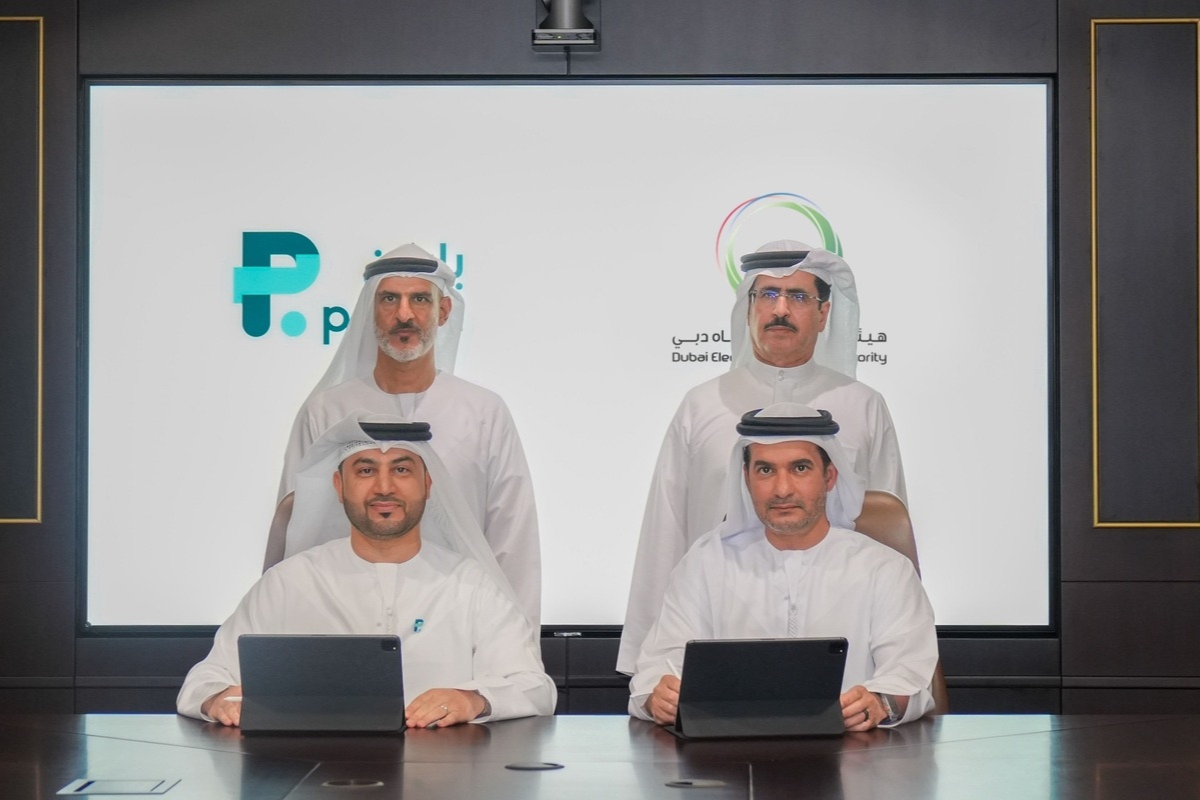
Dubai is set to enhance its electric vehicle infrastructure through a strategic collaboration between the Dubai Electricity and Water Authority and Parkin Company PJSC, the city’s leading provider of paid public parking facilities. This initiative aims to install new EV charging stations by the first quarter of 2025, reinforcing Dubai’s commitment to sustainable transportation.

The forthcoming charging stations will operate on alternating current , each offering a capacity of 22 kilowatts. Strategically positioned at prime parking locations managed by Parkin, each station is designed to serve two parking spaces. The focus will be on specific on-street parking areas in Zones A and C, targeting high-density residential communities that currently have limited access to EV charging facilities. This strategic placement aims to address the growing demand for EV infrastructure in densely populated areas.

To enhance user convenience, customers will be able to pay for both parking and charging fees through Parkin’s integrated app and digital wallet, streamlining the transaction process. This seamless payment system is expected to encourage more residents to consider transitioning to electric vehicles by simplifying the charging experience.

DEWA currently operates approximately 740 EV charging points across Dubai and has ambitious plans to expand this network to 1,000 stations by the end of 2025. This expansion aligns with Dubai’s broader sustainability goals and reflects the city’s proactive approach to supporting green mobility. The partnership with Parkin is a significant step towards achieving these objectives, as it leverages Parkin’s extensive network of parking facilities to provide accessible charging options for EV users.

This collaboration is part of DEWA’s ongoing efforts to enhance sustainability and encourage the use of environmentally friendly electric vehicles. By increasing the availability of EV charging stations in convenient locations, DEWA and Parkin aim to support the UAE’s vision for a sustainable future and reduce carbon emissions in the transportation sector.

The initiative also supports the Dubai Green Mobility Strategy 2030, which aims to promote the use of sustainable transport and reduce the emirate’s carbon footprint. By expanding the EV charging infrastructure, Dubai is taking concrete steps towards achieving its environmental goals and encouraging residents to adopt cleaner modes of transportation.

The integration of EV charging stations into Parkin’s facilities represents a significant advancement in Dubai’s efforts to promote sustainable mobility. As the largest provider of paid public parking facilities in the emirate, Parkin’s involvement ensures that EV users will have greater access to charging stations in convenient locations, thereby supporting the global transition to electric vehicles.

The collaboration between DEWA and Parkin underscores Dubai’s commitment to fostering a sustainable urban environment. By investing in EV infrastructure and promoting green mobility, the city is positioning itself as a leader in environmental sustainability and innovation.

Advertisements

Telecommunications provider du has launched a new Travel eSIM service aimed at enhancing connectivity for transit passengers passing through the United Arab Emirates . This initiative allows travellers to maintain seamless data connectivity across more than 190 countries without the need for physical SIM cards.

The Travel eSIM is designed to offer convenience and affordability to international travellers. By scanning a QR code, users can activate the eSIM on their compatible devices, enabling immediate access to data services without the hassle of purchasing local SIM cards or incurring roaming charges. This digital solution aligns with the global shift towards eSIM technology, which integrates SIM functions directly into devices, eliminating the need for physical cards.

Fahad Al Hassawi, CEO of du, highlighted the company’s commitment to enhancing customer experiences: “Our Travel eSIM is a testament to du’s dedication to innovation and customer-centric solutions. We understand the needs of modern travellers and aim to provide them with seamless connectivity, no matter where they are in the world.”

The eSIM offers a range of data bundles tailored to different durations and data requirements. For instance, users can select packages that provide unlimited data for specific periods, such as one day or seven days, depending on their travel needs. This flexibility ensures that both short-term visitors and long-term travellers can find a plan that suits their usage patterns.

To activate the eSIM, travellers can visit du’s official website or authorized retailers to purchase a data bundle. After completing the purchase, they receive a QR code, which, when scanned, installs the eSIM profile on their device. It’s recommended to activate the eSIM upon arrival at the destination to ensure the data bundle period aligns with the travel schedule. Devices must be eSIM compatible and network unlocked to utilize this service.

The introduction of the Travel eSIM addresses common challenges faced by international travellers, such as the inconvenience of swapping physical SIM cards and the unpredictability of roaming charges. By offering a digital solution, du aims to streamline the connectivity process, allowing users to stay connected with ease.

In addition to data services, the eSIM provides access to local networks, enhancing the quality and reliability of the connection. This feature is particularly beneficial for business travellers who require consistent and high-speed internet access for work-related tasks.

The global eSIM market has been experiencing significant growth, driven by the increasing adoption of eSIM-compatible devices and the demand for flexible connectivity solutions. Analysts predict that the number of eSIM-enabled smartphones will continue to rise, further solidifying the importance of services like du’s Travel eSIM in the telecommunications industry.

Travellers have expressed positive feedback regarding the convenience of eSIMs. A user on a travel forum shared their experience: “I arrived in Dubai and was able to get a tourist eSIM from the Virgin mobile shop. It was a straightforward process and didn’t involve getting a normal SIM as a stepping stone.” Such testimonials underscore the practicality and user-friendliness of eSIM technology.

However, it’s essential for users to ensure their devices are compatible with eSIM technology. Most modern smartphones from leading manufacturers support eSIM functionality, but travellers are advised to verify compatibility before attempting to install the eSIM. Additionally, devices should be network unlocked to prevent any activation issues.

Saudi Arabia has unveiled an ambitious plan to attract investments totaling approximately 375 billion Saudi riyals into its mining sector by 2035, as part of its Vision 2030 initiative aimed at reducing dependence on oil revenues. Khalid Al-Mudaifer, the Deputy Minister of Industry and Mineral Resources for Mining Affairs, announced this strategic objective during the BMO Global Metals, Mining, and Critical Minerals Conference held in Miami from February 23 to 26, 2025.

The Kingdom has already secured investments amounting to 75 billion riyals in mining projects since the implementation of a landmark law designed to attract investors. Al-Mudaifer highlighted that these efforts have significantly boosted the sector’s growth, with the number of mining companies operating in Saudi Arabia increasing from six in 2020 to 133 by the end of 2023.

As part of its Vision 2030 economic diversification strategy, Saudi Arabia aims to position mining as a key pillar of its economy. The Kingdom’s mineral wealth is now valued at 9.3 trillion riyals, up from previous estimates of 5 trillion riyals, reflecting intensified exploration efforts and a growing global demand for critical minerals. Annual exploration spending has risen by 32%, outpacing the global average.

In line with these developments, Saudi Arabia has been actively engaging in international partnerships to bolster its mining sector. Notably, the Kingdom signed nine investment agreements totaling over $9.32 billion in the metals and mining sector with companies including India’s Vedanta and China’s Zijin Group during the World Investment Conference in Riyadh. These deals aim to support Saudi Arabia’s Vision 2030 plan to diversify the economy and attract significant foreign investment.

Saudi Aramco, the world’s largest oil company, plans to expand its investments in lithium production, aiming to become a mining hub and diversify from oil. In collaboration with the state-owned mining firm Ma’aden, Aramco targets commercial lithium production by 2027 to meet increasing demand driven by electric vehicles. This strategic shift aligns with the Kingdom’s efforts to establish a lithium refining and export industry, leveraging its energy competitiveness and infrastructure.

Saudi Arabia’s ambitious $124 billion dividend payout to Aramco shareholders is facing increasing scrutiny as the kingdom grapples with rising fiscal pressures and economic uncertainty. The payout, one of the largest in history, is at the heart of the country’s financial strategy, but concerns about the sustainability of this massive distribution are growing.

The kingdom has long relied on its state-owned oil giant, Saudi Aramco, as a major source of revenue, particularly in funding its Vision 2030 diversification programme. However, with global oil prices experiencing volatility and the kingdom’s economic growth showing signs of strain, questions are being raised about whether such a hefty payout can continue to be supported by the nation’s financial structure.

Saudi Arabia’s fiscal challenges are not new but have intensified recently due to various factors, including fluctuations in oil prices and a need to fund extensive public sector projects aimed at reducing the kingdom’s dependence on oil exports. This shift towards diversification involves significant investments in non-oil sectors such as technology, entertainment, and tourism. While these sectors hold promise for future growth, they have not yet generated the same level of revenue as oil, leaving the government in a delicate position.

Aramco’s profits have been a key contributor to the kingdom’s financial health, with the company remaining one of the world’s most profitable corporations. In 2023, Aramco’s net income exceeded $160 billion, allowing it to maintain its status as the highest dividend-paying company globally. This enabled the state to continue its lavish payouts to shareholders, including the Saudi government itself, which holds a majority stake.

Despite Aramco’s healthy profits, the global energy landscape has shifted significantly. Rising energy costs, geopolitical instability, and increasing competition from renewable energy sources are all factors that could impact the oil industry’s long-term profitability. Saudi Arabia’s ability to balance these challenges with its ambitious payout policy could prove to be a major hurdle.

The kingdom’s fiscal outlook is further complicated by its commitment to maintaining its social and economic development programs, which are pivotal for the success of Vision 2030. The state has allocated significant sums to infrastructure, healthcare, and housing initiatives, all of which are critical for securing the country’s long-term economic stability. However, these expenditures, combined with the substantial payout to Aramco shareholders, create a significant strain on public finances.

To address these challenges, Saudi Arabia is looking to restructure its approach to fiscal management, exploring options such as public debt and non-oil revenue streams. Some analysts suggest that this could involve revising the Aramco dividend model, potentially reducing the payout in favour of reinvesting in the country’s non-oil sectors.

The pressure on the Saudi government is not only financial but also political. With global attention focused on Saudi Arabia’s economic reforms, any deviation from its ambitious growth plans could undermine investor confidence, which has been a cornerstone of its economic strategy. International investors, particularly those in the energy sector, are closely monitoring the situation, aware that any decision to alter the dividend payout could have ripple effects throughout the global markets.

The geopolitical landscape adds another layer of complexity to the situation. Saudi Arabia’s position within OPEC and its ongoing efforts to stabilise global oil prices play a key role in its economic future. However, OPEC’s decisions are increasingly influenced by non-member countries and shifting global consumption patterns. As demand for oil from traditional markets in Europe and the US declines, Saudi Arabia faces the dual challenge of maintaining oil revenues while simultaneously adapting to a future in which oil may no longer be the dominant driver of global growth.

In the wake of these uncertainties, Aramco’s leadership remains focused on enhancing its operations and securing long-term profitability. The company has committed to expanding its investments in petrochemicals, refining, and other energy-related sectors, as well as pursuing green energy initiatives that could ensure its relevance in the post-oil era. However, even with these efforts, Aramco faces growing competition from other energy giants and the increasing pressure to adopt sustainable practices in response to global climate concerns.

Saudi Arabia’s fiscal trajectory will likely remain unpredictable for the foreseeable future, especially as the country navigates the complexities of economic diversification while maintaining its oil revenue base. The government’s ability to balance its financial commitments to both Aramco and its broader economic goals will be crucial in shaping the future of its financial landscape.

MoneyHash, a leading payment orchestration platform operating in the Middle East and Africa , has been honoured as one of the UAE’s Future 100 companies, acknowledging its significant contributions to fintech innovation in the region. This accolade underscores the company’s commitment to addressing the complex payment infrastructure challenges faced by businesses across the MEA region.

Founded by Egyptian entrepreneurs, MoneyHash offers a unified application programming interface that simplifies the integration of various payment methods and providers. This solution streamlines the checkout experience for businesses, reducing operational costs and enhancing scalability across different markets. The platform’s ability to navigate the fragmented payment landscape in emerging markets has positioned it as a crucial player in the regional fintech ecosystem.

In January 2025, MoneyHash secured $5.2 million in pre-Series A funding, led by Flourish Ventures, a global fintech investor known for backing industry leaders such as Chime and FlutterWave. New investors, including Saudi Arabia’s Vision Ventures, Arab Bank’s venture capital arm, and Emurgo Kepple Ventures, also participated in the round. Notably, Jason Gardner, founder and former CEO of Marqeta, made his first investment in the MEA region through this funding round. This financial boost followed a $4.5 million seed round in early 2024, reflecting the company’s rapid growth and the increasing confidence of investors in its business model.

The payment landscape in emerging markets is often characterized by high failure rates and operational challenges. Each market presents a unique set of payment providers, methods, and regulations, leading to increased operational costs and revenue leakage for businesses. MoneyHash addresses these issues by offering a unified platform that integrates various payment solutions, thereby reducing complexity and improving efficiency. According to Nader Abdelrazik, co-founder and CEO of MoneyHash, failure rates in these markets are three times the global average, with fraud rates and cart abandonment over 20% higher than in developed markets. By leveraging their extensive experience in the MEA region, MoneyHash aims to transform payments from a cost and risk center into a growth enabler for businesses.

The UAE’s Future 100 initiative aims to support the top 100 emerging companies that play a vital role in the competitiveness of the country’s future economy sectors. The program has secured 25 new partnerships, spanning strategic, media, and community collaborations, to support these emerging companies. The inaugural list of Future 100 companies was unveiled on December 2, highlighting businesses that are expected to drive innovation and economic growth in the UAE.

MoneyHash’s recognition as a Future 100 company not only highlights its innovative approach to payment solutions but also emphasizes the growing importance of fintech in the region’s economic development. As businesses in the MEA region continue to seek efficient and scalable payment solutions, platforms like MoneyHash are poised to play a pivotal role in shaping the future of commerce.

The company’s recent funding and accolades reflect a broader trend of increased investment in fintech solutions that address the unique challenges of emerging markets. By simplifying payment processes and reducing operational hurdles, MoneyHash empowers businesses to focus on growth and customer engagement, thereby contributing to the overall economic development of the region.

Alef Group’s Hayyan community is redefining sustainable living in Sharjah, seamlessly integrating modern luxury with environmental consciousness. This innovative development offers residents a harmonious blend of nature and contemporary amenities, setting a new standard for eco-friendly living in the region.

Located in the heart of Sharjah, Hayyan is a meticulously planned villa community that emphasizes a deep connection with nature. The development boasts expansive green spaces, including the emirate’s largest community park spanning 1,000,000 square feet. This unmanicured green area features over 40,000 trees, enhancing Sharjah’s ecological landscape and providing residents with a serene environment.

Central to Hayyan’s design is its commitment to sustainability. The community incorporates 80,000 square feet dedicated to organic edible gardens, promoting local food production and fostering a sense of community among residents. These allotments encourage sustainable living practices, allowing residents to engage in organic farming and enjoy fresh produce.

A standout feature of Hayyan is its impressive water lagoon, covering 50,000 square feet. Recognized as the largest in Sharjah, this lagoon offers a unique recreational space for residents, enhancing the community’s appeal and providing a tranquil setting for various water-based activities.

The architectural design of Hayyan reflects a harmonious blend of modern aesthetics and natural elements. The villas and townhouses are crafted to maximize natural light and ventilation, reducing reliance on artificial energy sources. This design philosophy not only enhances the living experience but also aligns with global sustainability goals by minimizing the community’s carbon footprint.

Alef Group’s vision for Hayyan extends beyond individual residences. The development includes a comprehensive range of amenities designed to promote a healthy and active lifestyle. Residents have access to walking and cycling paths, sports facilities, and communal spaces that encourage social interaction and physical well-being. These features are thoughtfully integrated into the natural landscape, ensuring that the community’s design promotes both environmental sustainability and residents’ quality of life.

The strategic location of Hayyan along Emirates Road ensures seamless connectivity to major hubs in Sharjah and the broader United Arab Emirates. This accessibility enhances the community’s appeal, offering residents the tranquility of suburban living without compromising on urban conveniences.

Alef Group’s commitment to delivering high-quality developments is evident in Hayyan’s construction and planning. The use of sustainable building materials, coupled with innovative design practices, underscores the company’s dedication to environmental stewardship. This approach not only benefits the environment but also ensures long-term value for residents and investors alike.

The introduction of neighborhoods like Samr within Hayyan reflects Alef Group’s ongoing efforts to diversify housing options and cater to varying lifestyle preferences. These neighborhoods are designed to offer a unique living experience, combining luxury with sustainability, and are set to become sought-after addresses in Sharjah.

Dubai’s Roads and Transport Authority and Dubai Holding have entered into a landmark agreement valued at AED 6 billion to significantly enhance the emirate’s road infrastructure. The signing ceremony, attended by H.H. Sheikh Ahmed bin Saeed Al Maktoum, Chairman of Dubai Holding, underscores the city’s dedication to improving connectivity and reducing traffic congestion across key urban areas.

The comprehensive plan focuses on upgrading access points and internal road networks in several prominent communities, including Jumeirah Village Circle , Dubai Production City, Business Bay, Palm Jumeirah, and International City . These enhancements aim to streamline traffic flow, bolster road safety, and significantly reduce travel times for residents and visitors alike.

In Jumeirah Village Circle, the project entails the development of four additional access points featuring grade-separated interchanges. This initiative is designed to double the capacity of the area’s entry and exit points, potentially reducing travel time on internal roads and access points by up to 70%. The improvements are also expected to enhance traffic safety and ensure seamless flow at intersections.

For Dubai Production City, new bridges will be constructed to improve access from Sheikh Mohammed bin Zayed Road. These upgrades are anticipated to cut travel time at entry and exit points and improve traffic flow on internal roads by 50%.

In Business Bay, the agreement includes surface improvements at intersections leading from Sheikh Zayed Road and the construction of a pedestrian bridge at the intersection with First Al Khail Road. These measures aim to enhance pedestrian safety and optimize traffic flow. Upgrades to internal roads in the Towers Area are expected to reduce travel time by 30% across entry and exit points and internal routes.

Palm Jumeirah will see the construction of additional acceleration and deceleration lanes at six locations to optimize traffic flow. Two pedestrian bridges will replace at-grade crossings, enhancing mobility and ensuring pedestrian safety while reducing travel time within Palm Jumeirah by 40%.

The project also covers the expansion of the road marking the entrance into International City from Manama Street by adding a new lane, widening internal roads, and upgrading surface intersections with traffic signals. These enhancements are expected to streamline traffic flow, enhance road safety, and reduce travel time from 15 minutes to just five minutes.

H.H. Sheikh Ahmed bin Saeed Al Maktoum emphasized that this strategic partnership reflects a shared vision of a city that is not only innovative but also seamlessly accessible. He stated that through projects like these, Dubai Holding reaffirms its commitment to shaping the future of the emirate by developing world-class communities and infrastructure that enhance connectivity, mobility, and quality of life for all who call Dubai home. Together with RTA, they are reinforcing Dubai’s position as a leading global hub in urban innovation.

Mattar Al Tayer, Director-General and Chairman of the Board of Executive Directors of RTA, expressed his pleasure in signing the agreement with Dubai Holding to enhance access points for the group’s key development areas. He stated that this agreement will enhance the capacity of internal roads and access points, leading to reduced travel times, improved connectivity for residents and visitors, and greater road safety for all users. Al Tayer added that RTA remains dedicated to fostering strategic partnerships with real estate developers to ensure the road infrastructure in development areas can effectively accommodate traffic demand, enhancing seamless mobility for residents and visitors. The projects under this agreement are expected to reduce travel time and increase the capacity of entry and exit points by 30 to 70%.

Amit Kaushal, Group Chief Executive Officer of Dubai Holding, underscored the company’s support for RTA and its efforts to enhance connectivity and accessibility across the city, particularly in some of Dubai’s most dynamic destinations. He noted that Dubai Holding is dedicated to delivering integrated, future-ready developments that meet the evolving needs of businesses and communities. Kaushal highlighted that these road enhancements will not only reduce travel times and improve road capacity but also elevate the overall experience of their communities, reinforcing Dubai Holding’s commitment to shaping a more connected and sustainable Dubai.

This agreement aligns with Dubai’s broader strategy to invest in infrastructure that supports economic growth and enhances the quality of life for its residents. By collaborating on such large-scale projects, RTA and Dubai Holding aim to address the growing transportation needs of the city, ensuring efficient and safe mobility for all.

Chinese artificial intelligence startup DeepSeek has unveiled data suggesting its V3 and R1 models could achieve a theoretical daily cost-profit ratio of 545%. citeturn0news9 This revelation has significant implications for the AI industry, particularly concerning operational efficiencies and cost structures.

According to DeepSeek’s disclosure, the daily operational cost for these models amounts to $87,072. This figure is based on the rental expense of Nvidia’s H800 graphics processing units , priced at $2 per hour. In contrast, the models are projected to generate daily revenues of $562,027, leading to the stated 545% cost-profit ratio. citeturn0news9

However, DeepSeek has cautioned that actual revenues may be lower due to various factors, including different model costs, free access via web and app platforms, and reduced developer fees during off-peak hours. citeturn0news9

The company’s pricing strategy has been notably aggressive. DeepSeek recently announced discounts of up to 75% for developers during off-peak hours, specifically from 1630 GMT to 0030 GMT. This move aims to attract a broader developer base and challenge global competitors by offering more affordable integration options. citeturn0news10

Beijing has expressed support for DeepSeek’s advancements, emphasizing that the company seeks to complement, rather than compete directly with, U.S. AI giants like OpenAI and Google DeepMind. The Chinese embassy in Washington highlighted the collaborative potential of global AI developments, reflecting a preference for cooperation over competition. citeturn0news11

DeepSeek’s models have seen rapid adoption across various sectors in China, including hospitals, local governments, car manufacturers, and state-owned enterprises. This widespread integration is attributed to the models’ low deployment costs and the company’s open-source strategy, which have facilitated seamless adoption. Notably, endorsements from President Xi Jinping and major Chinese corporations like Tencent, BYD, and Great Wall Motor have further propelled DeepSeek’s prominence in the AI landscape. citeturn0news12

The company’s cost-efficient approach has raised questions about the high expenditure models prevalent among U.S. AI firms. DeepSeek’s ability to deliver competitive performance using less powerful and more affordable hardware challenges the existing paradigms of AI development and deployment costs.

Saudi Arabia’s leading low-cost airline, Flynas, has secured a Murabaha financing agreement worth SAR 495 million with Bank Aljazira to fund the acquisition of three Airbus A320neo aircraft. This strategic move aligns with Flynas’s ambitious expansion plans, aiming to enhance its operational capacity and competitiveness within the regional aviation sector.

The financing deal underscores Flynas’s commitment to modernizing its fleet and expanding its network coverage. The addition of the A320neo aircraft is expected to improve operational efficiency and support the airline’s goal of adding over 100 aircraft by the end of 2030, as part of a total order of 280 aircraft. This expansion is anticipated to contribute significantly to the growth of the Saudi aviation sector, aligning with the Kingdom’s Vision 2030 objectives.

Bank Aljazira’s involvement in this financing arrangement highlights the bank’s role in supporting the aviation industry’s growth in Saudi Arabia. The Sharia-compliant Murabaha financing structure reflects the bank’s commitment to providing tailored financial solutions that meet the specific needs of its clients while adhering to Islamic banking principles.

In July 2022, Flynas became the first airline to sign a purchase and leaseback agreement with AviLease, a subsidiary of the Public Investment Fund , for 12 Airbus A320neo aircraft. This collaboration marked a significant milestone in Flynas’s expansion strategy and demonstrated the airline’s proactive approach to fleet modernization.

The recent financing agreement with Bank Aljazira is a continuation of Flynas’s efforts to strengthen its fleet and expand its operations. The acquisition of the new A320neo aircraft is expected to enhance Flynas’s competitiveness in the regional aviation market and support the airline’s long-term growth objectives.

Flynas’s expansion plans are also expected to have a positive impact on the Saudi aviation sector as a whole. The airline’s growth is anticipated to increase connectivity within the Kingdom and beyond, supporting tourism and economic development in line with Vision 2030.

The financing agreement with Bank Aljazira demonstrates the bank’s commitment to supporting key sectors in Saudi Arabia, including aviation. By providing Sharia-compliant financing solutions, Bank Aljazira is playing a crucial role in facilitating the growth of the aviation industry and supporting the Kingdom’s economic diversification efforts.

The addition of the new Airbus A320neo aircraft to Flynas’s fleet is expected to enhance the airline’s operational efficiency and support its expansion into new markets. The A320neo is known for its fuel efficiency and advanced technology, making it a valuable asset for airlines seeking to optimize their operations and reduce environmental impact.

Saudi Arabia’s Public Investment Fund , managing assets totaling $925 billion, has imposed a one-year suspension on PricewaterhouseCoopers from securing advisory and consulting contracts. This directive, effective until February 2026, affects PwC’s operations within one of the world’s most lucrative markets. The firm’s auditing services, however, remain unaffected.

Executives across PIF and its over 100 subsidiaries received instructions to cease awarding consulting projects to PwC. The fund did not publicly disclose the reasons behind this decision, and representatives from both PIF and PwC declined to comment.

This development comes two years after PwC established its regional headquarters in Saudi Arabia, obtaining a license to operate within the kingdom. The firm employs more than 2,000 professionals across Riyadh, Jeddah, AlUla, Al Khobar, and Dhahran, with operations spanning over 20 locations in the Middle East.

PwC’s non-audit services in the region encompass mergers and acquisitions, tax advisory, and strategic consulting. The Middle East has been the fastest-growing geography within PwC UK, the corporate entity overseeing the firm’s activities in the region. In its most recent fiscal year, PwC reported revenues of £1.97 billion in the Middle East, marking a 26% increase from the previous year.

The PIF plays a pivotal role in Saudi Arabia’s Vision 2030, an ambitious initiative aimed at diversifying the economy away from oil dependence. The fund has been instrumental in launching nearly 100 affiliated companies, including the $1.5 trillion Neom project—a futuristic city on the kingdom’s west coast. Other significant projects under PIF’s purview involve developing historic sites like Diriyah and AlUla into global tourist destinations.

The Middle East represents one of the most profitable markets for global consulting firms, including McKinsey & Company and Boston Consulting Group. The PIF’s decision to suspend PwC’s advisory role may have implications for the consulting landscape in the region, given the fund’s substantial influence and investment activities.

This move aligns with a broader trend of fiscal prudence within Saudi Arabia. The kingdom has been recalibrating its ambitious Vision 2030 economic transformation plans, emphasizing financial transparency and ethical governance. Government departments have been instructed to reduce spending on consultants, and state-related entities are tightening their budgets. Some projects are being scaled back or phased over extended timelines to ensure economic stability.

PwC has not publicly commented on the suspension but is expected to address the concerns raised by PIF. Meanwhile, other consulting firms operating in the region may face closer scrutiny as Saudi Arabia reinforces its commitment to financial integrity and accountability.

Parkin Company PJSC, Dubai’s leading provider of paid public parking facilities, has reported a net profit of Dhs120 million for the fourth quarter of 2024, marking a 13% increase compared to the same period last year. This growth comes despite the introduction of a 9% corporate tax rate earlier in the year.

The company’s total revenue for Q4 2024 reached Dhs265 million, a 30% year-on-year surge. This uptick is attributed to a rise in parking transactions and the addition of approximately 10,400 new parking spaces, expanding Parkin’s portfolio to over 206,000 spaces. Public parking transactions increased by 16% to 36.9 million, with the average public parking utilisation rate improving by 2.4 percentage points to 28.3%.

Earnings before interest, taxes, depreciation, and amortisation for the quarter stood at Dhs158.2 million, reflecting a 42% increase from the previous year. EBITDA margins expanded to 60%, up from 55% in Q4 2023, underscoring the company’s operational efficiency and revenue growth.

For the full year 2024, Parkin reported a net profit of Dhs423.5 million, a 7% rise from the previous year. Annual revenue reached Dhs925.2 million, up 19% year-on-year, driven by the expansion of parking spaces, increased transaction volumes, and higher utilisation rates. Revenue from fines saw a significant increase of 37%, amounting to Dhs249.1 million, while seasonal permits rose by 36% to 139,000. Developer parking revenue also experienced a 19% growth, totalling Dhs69.5 million.

In response to the strong financial performance, Parkin has announced a cash dividend for the second half of 2024, scheduled for distribution in April 2025, pending shareholder approval.

Looking ahead, the company plans to implement a variable pricing tariff in early April 2025. This initiative aims to optimise parking space utilisation and enhance revenue streams. For the fiscal year 2025, Parkin projects revenue from the public parking segment to be between Dhs520 million and Dhs550 million.

Arabian Post Staff -Dubai Casio has unveiled the DW-5000R, a meticulous re-creation of its inaugural G-SHOCK model, the DW-5000C, which first debuted in 1983. This release pays homage to the original design while integrating modern enhancements to meet contemporary standards. The DW-5000R is set to launch in Japan on December 13, 2024, priced at 33,000 yen , with global availability details yet to be announced. The DW-5000C […]

Investors are rapidly acquiring assets with Russian connections, betting on a potential relaxation of sanctions as diplomatic efforts to resolve the Ukraine conflict intensify. This surge in interest reflects a growing belief that the geopolitical landscape may soon shift, opening avenues for financial gains.

President Donald Trump’s recent diplomatic engagements have fueled this speculation. In a series of high-profile meetings, Trump has emphasized the urgency of achieving peace in Ukraine. During discussions with UK Prime Minister Keir Starmer, Trump underscored the necessity of finalizing a peace agreement promptly to end Europe’s most devastating conflict in decades. Starmer, in turn, pledged to deploy British peacekeeping troops alongside France, signaling a robust European commitment to stabilizing the region.

Further bolstering investor confidence, Ukrainian President Volodymyr Zelensky’s visit to the White House culminated in discussions about a significant economic agreement. This prospective deal aims to fund Ukraine’s post-war reconstruction, with the United States potentially securing a stake in Ukraine’s rare earth elements. Such an arrangement could not only expedite Ukraine’s recovery but also strengthen economic ties between the two nations.

The financial markets have been quick to respond to these developments. Investors are actively seeking opportunities in assets with even tenuous links to Russia, anticipating that a diplomatic resolution could lead to the lifting or easing of existing sanctions. This trend is evident in the increased trading volumes of Russian government and corporate bonds, as well as equities of companies with significant exposure to the Russian market.

However, this surge in investment activity is not without its complexities. The U.S. Treasury Department has previously imposed strict regulations prohibiting American investors from purchasing Russian debt or equities in secondary markets. These measures were designed to exert economic pressure on Russia in response to its actions in Ukraine. Despite the current optimism, these sanctions remain in effect, and any potential easing would require formal policy changes.

Market analysts caution that while the prospect of sanctions relief presents lucrative opportunities, it also carries significant risks. The geopolitical situation remains fluid, and diplomatic negotiations can be unpredictable. Investors are advised to conduct thorough due diligence and remain cognizant of the legal and ethical implications of engaging with Russian-linked assets under the current sanctions regime.

In addition to the economic discussions, security assurances are a critical component of the ongoing negotiations. President Trump has indicated that Russian President Vladimir Putin may be amenable to the presence of European peacekeeping forces in Ukraine as part of a comprehensive peace deal. This potential concession could pave the way for a cessation of hostilities and create a more stable environment for investment and reconstruction efforts.

European leaders have also been actively engaged in the peace process. French President Emmanuel Macron, during his visit to Washington, emphasized the importance of a balanced approach that addresses both security concerns and economic interests. Macron highlighted the European Union’s substantial support for Ukraine and cautioned against any agreements that might inadvertently reward aggression. His stance underscores the need for a unified and strategic approach to the peace negotiations.

Merger and acquisition activity in the Middle East and North Africa region experienced a significant uptick in 2024, with total deal value reaching $92.3 billion, a 7% increase from the previous year. The number of deals also rose by 3%, totaling 701 transactions compared to 679 in 2023. This growth has been largely attributed to substantial reforms in capital markets, strategic policy changes, and enhanced efforts to attract foreign investments.

The Gulf Cooperation Council countries were at the forefront of this surge, accounting for 580 deals worth $90 billion. Cross-border transactions played a pivotal role, representing 52% of the total deal volume and 74% of the overall value. Sovereign wealth funds such as the Abu Dhabi Investment Authority , Mubadala Investment Company from the United Arab Emirates , and the Public Investment Fund from Saudi Arabia were instrumental in driving this activity.

The UAE emerged as a key player, recording the region’s largest M&A deal of the year. Clayton Dubilier & Rice, Stone Point Capital, and Mubadala Investment announced the acquisition of Truist Insurance for $12.4 billion. Following closely, Saudi Aramco acquired a 22.5% stake in Rabigh Refining and Petrochemical Company from Japan’s Sumitomo Chemical for $8.9 billion. Additionally, a consortium comprising PAG, Mubadala, and ADIA acquired a 60% stake in China’s Zhuhai Wanda Commercial Management Group for $8.3 billion.

Outbound deals dominated the M&A landscape, contributing 61% of the total deal value with 199 transactions amounting to $56.6 billion. The MENA region continued to attract foreign direct investment, with 163 inbound deals valued at $11.4 billion, marking an 18% increase in volume and a 42% surge in value compared to 2023.

Sector-wise, technology and consumer products led in deal volume, each experiencing a 10% year-on-year increase. The United States stood out as the largest acquiring country outside the region, with 48 transactions totaling $4.6 billion.

The UAE maintained its position as a preferred investment destination, achieving the highest volume and value for inbound transactions. The country recorded 96 deals valued at $7.6 billion, representing 67% of the total deal value. The technology sector was particularly vibrant, with 35 deals driven by the nation’s focus on artificial intelligence, cybersecurity, and digital transformation. Notably, Microsoft’s $1.5 billion acquisition of Abu Dhabi’s Group 42 underscored the strengthening ties between the UAE and the United States.

Saudi Arabia also attracted significant investment, with the UAE and Saudi Arabia collectively reporting 318 deals valued at $29.6 billion. Both countries were among the top bidders in the MENA region, highlighting their active participation in the M&A landscape. In 2024, the United States was the favored target destination for MENA investors, with 41 deals amounting to $19.9 billion.

Domestic M&A activity saw an uptick, contributing 48% of the total deal volume with 339 deals, up from 333 in 2023. The combined disclosed value of domestic transactions stood at $24.4 billion. The technology and consumer products sectors attracted increased investor interest, fueled by digital transformation and evolving consumer behaviors, together accounting for 35% of the total domestic deal volume.

The oil and gas sector continued its upward trajectory, leading in disclosed deal value with $9 billion, representing 37% of the total domestic deal value. This was largely due to Saudi Aramco’s $8.9 billion acquisition of Rabigh Refining and Petrochemical Company.

Dubai’s real estate market witnessed a 0.57% decline in property prices in January 2025, marking the first downturn since mid-2022. This shift suggests a potential stabilisation in a market that has seen consistent growth over the past two years.

According to Property Monitor’s latest report, the average price per square foot in January stood at AED 1,484 . Despite the price reduction, the month recorded 14,413 transactions, the highest-ever sales volume for January. However, this figure represents a 4.6% decrease compared to December 2024.

The median prices for different property types were reported as follows: apartments at AED 1,350,000, townhouses at AED 2,610,000, and villas at AED 6,915,888. These figures indicate a slight moderation in prices across various segments.

Industry experts attribute this price correction to several factors, including an increase in housing supply and a natural market adjustment following a prolonged period of rapid price escalation. The surge in property values over the past two years has been partly driven by an influx of high-net-worth individuals seeking luxury residences in Dubai.

In response to the growing demand, developers have accelerated construction projects. Notably, nearly 9,000 villas are slated for completion by the end of this year, with an additional 19,700 expected by 2025. This expansion aims to address the housing needs of a population projected to reach 5.8 million by 2040.

While the luxury segment has been a significant driver of the market, there are emerging concerns about affordability for middle-income residents. The rapid appreciation in property values has led to increased living costs, prompting discussions about sustainable growth and the necessity for diverse housing options.

Bitcoin, the world’s largest cryptocurrency by market value, experienced a significant decline on Friday, falling over 5% to a three-and-a-half-month low. The digital asset traded below $80,000 for the first time since November 11, reaching $79,666.

This downturn has erased approximately a quarter of Bitcoin’s market value since mid-December, when it peaked at $105,000. The recent decline is attributed to uncertainties surrounding U.S. President Donald Trump’s impending tariff plans and crypto policy, as well as diminished investor confidence following a substantial $1.5 billion hack involving rival cryptocurrency Ether.

President Trump confirmed that a 25% tariff on Mexican and Canadian goods, along with an additional 10% on Chinese imports, will commence on March 4. This announcement has led to a sell-off in risk-sensitive assets, including cryptocurrencies. The broader tech sector has also been affected, with major indices like the Dow Jones, S&P 500, and Nasdaq experiencing considerable losses.

The recent $1.5 billion hack of Ether from the Bybit exchange has further exacerbated negative sentiment in the crypto market. This incident has raised concerns about the security of digital assets, leading to increased withdrawals from Bitcoin-backed exchange-traded funds.

Market analysts suggest that if key support levels, such as $82,000, do not hold, Bitcoin might face further losses. The decline is also influenced by a broader risk-off environment, significant outflows from spot Bitcoin ETFs, and macroeconomic uncertainties.

The Real Estate Regulatory Agency at Dubai Land Department has announced the formation and registration of 127 new owners’ committees across the emirate. This initiative aims to enhance governance and sustainability in jointly owned properties, empowering property owners to actively participate in community management.

RERA received a substantial number of applications for these committees, approving them based on established criteria. This surge in interest indicates a growing enthusiasm among property owners to engage in the oversight of their communities. Registration remains open to all eligible applicants, both individuals and companies, though each committee is limited to nine members, underscoring the importance of early application to secure a role in decision-making processes.

These owners’ committees are instrumental in improving the quality of life within their communities. They are tasked with reviewing budgets, setting maintenance priorities, and overseeing shared services, thereby ensuring efficient management of jointly owned properties. Property management companies will collaborate with the newly formed committees to elect a chairperson and vice-chairperson, assign responsibilities, and initiate the execution of designated tasks.

RERA will supervise the workflow, coordinating between management companies and owners’ committees, and monitoring developments to ensure smooth and effective operations. The agency emphasizes its commitment to maintaining direct communication with all property owners, inviting them to join the owners’ committees. Applications from individuals will be reviewed and approved directly.

In Karnataka, the Real Estate Regulatory Authority has also been active in promoting transparency and accountability in the real estate sector. The Karnataka RERA has issued several circulars and notices aimed at enhancing compliance and protecting the interests of property buyers and owners. These include invitations for eligible candidates to apply for various positions within the authority, notifications regarding National Lok-Adalat sessions, and directives for the submission of annual audit reports as per Section 4 of the RERA Act, 2016. Additionally, the authority has published a list of promoters pending for recovery as arrears of land revenue who have not complied with its orders. These efforts reflect Karnataka RERA’s dedication to enforcing regulations and ensuring that stakeholders adhere to the legal requirements governing the real estate industry.

The establishment of owners’ committees in Dubai and the regulatory measures in Karnataka signify a broader trend towards enhanced governance in the real estate sector. By fostering active participation from property owners and enforcing stringent compliance measures, these initiatives aim to create sustainable and well-managed communities, ultimately leading to increased resident satisfaction and investment security.

Property owners interested in joining the owners’ committees in Dubai must meet specific criteria, including residing in the property, holding a valid UAE ID, providing a certificate of good conduct issued by Dubai Police, and settling all outstanding service fees. The Real Estate Regulatory Agency has clarified that registration is open until 31 January 2025, with priority given to the first nine registrants. Members will be approved by RERA, and the committee members for each group will be announced in February.

In Karnataka, real estate agents and developers are encouraged to register with RERA to gain credibility and trust among buyers. The registration process involves submitting the necessary documents, such as proof of identity, address, and educational qualifications, along with the prescribed fees. Upon approval, registrants receive a unique registration number from Karnataka RERA, signifying their compliance with the state’s real estate regulations.

The United Arab Emirates has solidified its position as a global nexus for trade and investment, with Ernst & Young projecting the nation to be among its fastest-growing markets worldwide in the next five to ten years. This optimistic outlook is attributed to substantial opportunities for collaboration across both public and private sectors, as highlighted by Anthony O’Sullivan, EY’s Managing Partner in the UAE.

Speaking at Investopia 2025 in Abu Dhabi, O’Sullivan emphasized EY’s strategic focus on the UAE and the broader Middle East and North Africa region. He noted that EY’s global leadership is keenly aware of the region’s attractive investment climate and robust economic growth policies, which have been instrumental in fostering a conducive environment for business expansion.

EY’s commitment to the UAE is underscored by its longstanding presence since 1966, with its Dubai office now serving as the largest in the region, housing several regional leaders and key clients. This deep-rooted establishment has enabled EY to play a pivotal role in the nation’s economic diversification efforts, aligning with the UAE’s Vision 2031 plan to reduce oil dependency and promote sustainable growth.

The UAE’s strategic initiatives have yielded tangible results. In 2024, the nation achieved a record non-oil trade value of 3 trillion dirhams , marking a 14.6% increase from the previous year. This milestone reflects the UAE’s proactive approach in forging Comprehensive Economic Partnership Agreements with various countries, enhancing its global trade relations. Notably, exports to CEPA partner nations surged by 42.3% in 2024, accounting for a quarter of the total non-oil exports.

O’Sullivan also highlighted the transformative role of technology and artificial intelligence across various sectors. He asserted that these technologies are vital in enhancing operational efficiency and improving financial compliance. “Technology and data are now integral to any business, particularly in consulting,” he stated. “We utilize AI to enhance tax compliance, helping clients meet regulatory requirements more efficiently. AI also plays a role in financial auditing, enabling better financial data analysis and consistency, allowing teams to focus on advisory services rather than routine tasks.”

EY’s integration of AI-driven solutions extends beyond internal processes. The firm leverages its extensive global network and consultancy expertise to assist clients in adopting these advanced technologies, thereby bolstering their competitiveness in an increasingly digital economy.

The UAE’s appeal as a consulting hub is further amplified by its strategic location and favorable business environment. The Gulf Cooperation Council region, which includes the UAE, experienced a 13.2% growth in consultancy services in 2023. This surge is driven by national efforts to diversify economies away from oil reliance, with major consulting firms establishing strong presences to support public sector projects and economic transformation initiatives.

Arabian Post Staff -Dubai The United Arab Emirates is experiencing heightened competition in its job market due to a significant influx of expatriate professionals. This surge has led to a reassessment of salary structures, with legacy expatriates witnessing a decline in the lucrative packages once prevalent. According to the Robert Half 2025 Salary Guide, the UAE’s growing expatriate population has expanded the talent pool, enabling employers to […]

Saudi Arabia’s residential real estate market is experiencing significant affordability challenges as property prices continue to escalate, particularly in major urban centers like Riyadh. According to Knight Frank’s Summer 2024 Saudi Arabia Residential Market Review, the first half of 2024 saw a 38% surge in total real estate transactions across all asset classes, totaling over 106,700 deals. The total value of these transactions grew by 50% to SAR 127.3 billion during the same period. Residential transactions accounted for 61% of all real estate deals by value, with a 41% increase in the number of deals, reaching just under 91,860 sales. The value of residential transactions rose by 48% to SAR 77.6 billion. citeturn0search2

Despite the robust activity, the market is grappling with deepening affordability issues. Knight Frank’s Winter 2023-24 report highlighted a 36% decline in the total value of mortgages issued, amounting to SAR 74.2 billion, as higher interest rates and escalating property prices deter potential buyers. Mortgage rates have risen from 3% to 5% over the past year, further eroding purchasing power, especially in the villa segment. This trend indicates that while transaction volumes are increasing, the financial burden on buyers is intensifying. citeturn0search3

The government’s ambitious Vision 2030 plan aims to achieve a 70% homeownership rate by the end of the decade. However, the Financial Times reported that property prices in Riyadh have surged dramatically since the pandemic, with house prices rising by 81% and apartment prices by 56% since 2020. This rapid appreciation has made homeownership increasingly unattainable for many Saudis, particularly in Riyadh, where the current homeownership rate stands at 53.2%. To combat this, the National Housing Company has initiated projects to construct over 30,000 housing units, and state-subsidized bank loans are being offered to assist buyers. Despite these efforts, the influx of young Saudis to Riyadh for new job opportunities has intensified demand, further driving up prices. citeturn0news9

Knight Frank’s research indicates that 77% of expatriates residing in Saudi Arabia are interested in purchasing homes within the Kingdom. However, 75% are willing to allocate under SAR 1.5 million for a property, with almost 40% unwilling to spend over SAR 750,000. This presents a significant challenge, as average prices in cities like Riyadh are approximately SAR 800,000 for a two-bedroom apartment and SAR 2.7 million for a three-bedroom villa. The disparity between expatriates’ budgets and prevailing market prices underscores the pressing need for more affordable housing options. citeturn0search8

The affordability crisis is further exacerbated by the Kingdom’s substantial investments in mega-projects under the Vision 2030 initiative. Business Insider reported that Saudi Arabia has invested $1.3 trillion in real estate and infrastructure over the past eight years, with the Neom megacity project alone receiving $28.7 billion in funding. While these projects aim to modernize the economy and reduce dependence on oil revenue, they have also contributed to rising property values, making it more challenging for average citizens to enter the housing market. citeturn0news10

Careem, the region’s leading multi-service platform, has announced a partnership with Bustanica, the world’s largest vertical farm, to deliver fresh, pesticide-free produce directly to customers across the United Arab Emirates . This collaboration aims to enhance access to high-quality, locally grown vegetables, reinforcing the nation’s commitment to food security and sustainable agricultural practices.

Bustanica, a $40 million investment by Emirates Flight Catering and Crop One Holdings, operates a 330,000-square-foot facility near Al Maktoum International Airport in Dubai. Utilising advanced hydroponic technology, the farm produces over 1,000,000 kilograms of leafy greens annually, including lettuce, spinach, parsley, and kale. The innovative farming methods employed allow for cultivation without soil, natural sunlight, or pesticides, and use 95% less water than traditional agriculture.

Through this partnership, Careem’s customers can order Bustanica’s fresh produce via the Careem app, ensuring convenient access to nutritious greens harvested daily. The produce is grown in a controlled environment, free from pesticides, herbicides, and chemicals, guaranteeing high-quality, clean, and safe food options for consumers.

Bustanica’s facility operates on a continuous production cycle, driven by machine learning, artificial intelligence, and a team of experts in agronomy, engineering, horticulture, and plant science. This approach ensures a consistent supply of fresh produce, unaffected by external factors such as weather or pests. The closed-loop system employed in the farm recycles water, leading to significant conservation of resources—saving over 250 million litres annually compared to traditional farming methods.

The collaboration between Careem and Bustanica not only provides consumers with easy access to fresh, locally grown produce but also supports the UAE’s National Food Security Strategy 2051. This strategy emphasises sustainable food production through advanced technology and smart solutions, aiming to balance food security with resource conservation and economic diversification.

By integrating Bustanica’s produce into its delivery platform, Careem is contributing to the promotion of healthy eating habits and the reduction of the UAE’s reliance on imported foods. This initiative aligns with the global trend of adopting vertical farming and other innovative agricultural practices to address food security challenges, especially in regions with arid climates and limited arable land.

The partnership also highlights the role of technology in revolutionising the agriculture sector. Bustanica’s use of artificial intelligence and machine learning optimises growing conditions, enhances crop yields, and ensures the efficient use of resources. This model of farming presents a viable solution for sustainable food production in urban settings, reducing the carbon footprint associated with food transportation and promoting environmental conservation.

As the UAE prepares to host the COP28 summit, initiatives like the Careem-Bustanica partnership underscore the nation’s commitment to environmental sustainability and innovative solutions to global challenges. By investing in and supporting such projects, the UAE is positioning itself as a leader in sustainable agriculture and food security on the world stage.

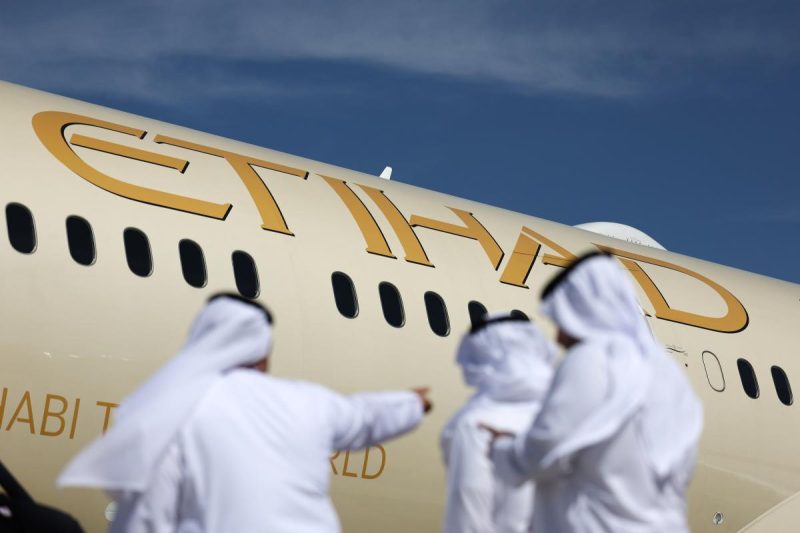
Etihad Airways is set to announce the launch of an initial public offering worth $1 billion, sources have revealed. This marks a significant milestone in the aviation industry, as it would be the first public listing by a major Gulf airline in nearly two decades.

The airline, which is fully owned by Abu Dhabi’s sovereign wealth fund ADQ, intends to offer 20% of its business to the public, with the funds raised being allocated towards accelerating its expansion plans. The decision to go public highlights Etihad’s ambitions to position itself as a stronger player in the global airline industry.

The move also underscores the growing trend among Gulf-based companies to raise capital through IPOs, following a wave of high-profile listings in the region. The Middle East has witnessed a surge in IPO activity in recent years, driven by a desire for diversification and economic growth, in line with the region’s broader efforts to reduce reliance on oil revenues.

Etihad’s decision to open up its equity to public investors is part of a larger strategy aimed at enhancing its operational capabilities and competing more effectively with regional and international rivals. The airline’s plans include expanding its fleet, increasing flight frequencies, and potentially adding new routes to cater to growing demand in key global markets.

The IPO also reflects the broader changes taking place in the aviation sector, particularly in the Gulf region. Airlines in the region, such as Emirates and Qatar Airways, have been aggressively investing in their fleets and expanding their networks in a bid to capture more market share. Etihad’s move to become a publicly traded entity comes as the airline looks to consolidate its position as a leading regional carrier, competing with its peers.

Sources close to the matter suggest that Etihad’s management team is optimistic about the potential success of the IPO, given the ongoing recovery in the global travel industry following the challenges posed by the COVID-19 pandemic. The airline is reportedly confident that investors will be attracted to its growth prospects, as air travel demand rebounds and the aviation sector experiences a strong recovery.

The IPO will be managed by a consortium of financial institutions, which are expected to handle the share sale process. The precise timing of the launch is yet to be confirmed, but it is anticipated to take place in the coming days. As part of the offering, Etihad is likely to sell a portion of its shares to institutional investors, with a smaller portion allocated to retail investors.

Etihad Airways has faced a challenging few years as it navigated the impacts of the global pandemic, which resulted in a significant decline in air travel demand. However, the airline has implemented a series of cost-cutting measures and streamlined its operations in an effort to adapt to the changing market environment. These efforts, coupled with its focus on expanding its network and enhancing its product offering, have positioned Etihad for long-term growth.

Despite the challenges faced by the airline, Etihad has remained committed to its vision of becoming a global aviation leader. The airline’s investment in new technologies, customer service initiatives, and sustainability measures has helped bolster its reputation and attract a loyal customer base. By tapping into the capital markets, Etihad hopes to strengthen its financial position and continue to invest in its future growth.

The IPO is expected to be closely watched by market analysts, investors, and industry experts alike, as it could signal the beginning of a new era for Gulf airlines. If successful, Etihad’s IPO could set a precedent for other regional carriers considering similar moves. Airlines in the region are under increasing pressure to modernize their fleets, improve operational efficiencies, and adapt to changing consumer preferences.

Etihad’s decision to go public is part of the wider trend in the Gulf region, where state-owned companies are increasingly seeking to diversify their operations and raise funds to support growth initiatives. The UAE government has been actively encouraging the privatization of certain state-owned entities to promote economic development and attract foreign investment.

The Emirates Nuclear Energy Corporation has entered into a strategic partnership with nuclear technology firm newcleo to advance nuclear energy projects in Europe and the Middle East and North Africa region. This collaboration aims to explore the deployment of Lead-cooled Fast Reactor technology, focusing on decarbonising energy-intensive industries and facilitating knowledge transfer between the entities.

As part of the agreement, ENEC is considering a direct investment in newcleo, potentially amounting to €500 million. This investment would support newcleo’s ongoing development of LFR technology, which utilises liquid lead as a coolant to enhance safety and efficiency in nuclear reactors. The partnership also encompasses co-investment plans to deploy LFR projects within the MENA region, targeting sectors that require substantial energy inputs, such as manufacturing and petrochemicals.

Mohamed Al Hammadi, CEO of ENEC, highlighted the significance of this alliance: “Collaborating with newcleo aligns with our commitment to sustainable energy solutions. By integrating advanced nuclear technologies, we aim to address the growing energy demands while reducing carbon emissions in the region.”

Stefano Buono, CEO of newcleo, expressed optimism about the partnership’s potential: “Our innovative LFR technology offers a pathway to efficient and safe nuclear energy. Partnering with ENEC provides an opportunity to implement these solutions on a broader scale, accelerating the transition to clean energy.”

The LFR technology developed by newcleo is designed to operate with fast neutrons at atmospheric pressure and high temperatures, utilising liquid lead or lead-bismuth alloy as a coolant. This approach offers several advantages, including a high boiling point, beneficial neutronic properties, and non-reactivity with water and air, which collectively enhance the reactor’s safety and efficiency.

In addition to technological collaboration, the partnership aims to facilitate knowledge transfer and capacity-building initiatives. This includes hands-on training programs using research reactors and operational facilities, enabling the development of a skilled workforce proficient in advanced nuclear technologies.

This alliance exemplifies a growing trend of international cooperation in the nuclear energy sector. By combining ENEC’s regional expertise with newcleo’s technological innovations, the partnership seeks to create a model for public-private collaboration that could extend beyond their respective markets, potentially influencing global nuclear energy strategies.

Abu Dhabi’s Tadweer Group has partnered with FAMS Technologies to introduce the region’s first AI-driven Integrated Waste Management Platform, marking a significant advancement in the emirate’s approach to waste management. This innovative platform leverages Artificial Intelligence and the Internet of Things to enhance efficiency and sustainability across all stages of waste handling.

The newly launched platform is designed to revolutionise waste management by integrating AI and IoT technologies into every phase, from collection to disposal. By utilising real-time data and predictive analytics, the system aims to optimise waste collection routes, monitor processing facilities, and improve overall operational efficiency. This approach not only reduces operational costs but also minimises environmental impact by decreasing carbon emissions associated with waste transportation and processing.

Eng. Ali Al Dhaheri, CEO and Managing Director of Tadweer Group, emphasised the transformative potential of this initiative, stating that the collaboration with FAMS Technologies aligns with Tadweer’s mission to build an integrated waste management system and drive the conversion of waste into an economic asset. He highlighted that the AI-driven platform is a testament to their commitment to redefining waste management in the emirate and keeping pace with the global transition towards a circular economy.

The partnership with FAMS Technologies brings together Tadweer’s extensive experience in waste management and FAMS’s expertise in AI and IoT solutions. This collaboration is poised to set new benchmarks in the industry, positioning Abu Dhabi as a leader in adopting cutting-edge technologies for environmental sustainability. The AI-Integrated Waste Management Platform is expected to serve as a model for other regions aiming to modernise their waste management practices.

In addition to technological advancements, the platform is designed with scalability in mind, allowing for future expansions and integrations. This flexibility ensures that the system can adapt to the growing needs of Abu Dhabi’s urban landscape and its increasing waste management demands. The platform’s modular architecture facilitates the incorporation of new technologies and processes as they emerge, ensuring that Abu Dhabi remains at the forefront of sustainable waste management practices.

The implementation of this AI-driven platform is anticipated to have far-reaching economic benefits. By streamlining operations and reducing waste-related expenditures, the system is expected to generate cost savings for the municipality. These savings can be redirected towards other sustainability initiatives, further enhancing the city’s environmental stewardship. Moreover, the platform’s data-driven approach provides valuable insights that can inform policy decisions and strategic planning in waste management.


Environmental experts have lauded this initiative as a significant step towards achieving a circular economy in the region. By transforming waste into a resource through efficient management and processing, Abu Dhabi is making strides in reducing its ecological footprint. The AI-Integrated Waste Management Platform exemplifies how technology can be harnessed to address environmental challenges, setting a precedent for other cities worldwide.

This development comes as part of Tadweer Group’s broader strategy to enhance sustainability and environmental responsibility in Abu Dhabi. The group has been actively involved in various initiatives aimed at promoting recycling, waste reduction, and resource optimisation. The introduction of the AI-driven platform complements these efforts, providing a comprehensive solution that addresses multiple facets of waste management.

VISHNU RAJA
RYO YAMADA
HITORI GOTOH
IKUYO KITA