Articles written by
arabian post staff

Dubai’s evolution from a luxury stopover for the rich to a permanent global wealth capital is accelerating. The emirate is set to attract nearly 10,000 millionaires in 2025, underscoring its growing prominence in the global wealth landscape. Betterhomes, in a report titled Dubai: No Longer a Pit Stop, But the Finish Line for Global Wealth, suggests that Dubai’s appeal to high-net-worth individuals is rising faster than ever.

As of December 2024, Dubai is home to 81,200 resident millionaires. This number represents a significant contribution to the UAE’s total of 130,500 dollar millionaires, marking a remarkable 98% increase over the past decade. The data suggests a global shift in wealth migration, with Dubai becoming one of the top destinations for individuals seeking a stable and prosperous environment.

This migration is not just about wealth management; it reflects a broader trend of shifting global economic power. As 142,000 millionaires are expected to relocate globally in 2025, even if only 5% choose Dubai, it could result in 7,100 new millionaires moving to the emirate. This influx will bring an estimated $7.1 billion in new investment, further cementing Dubai’s status as a global wealth hub.

Dubai’s rapid growth can be attributed to several factors. The emirate’s strategic positioning as a gateway between the East and West, combined with a pro-business environment, makes it an attractive destination for HNWIs. The city’s tax-friendly policies, high-quality infrastructure, and investment opportunities have created an ecosystem where wealth can thrive. Dubai’s real estate market, in particular, has become a focal point for international investors, with luxurious residential developments attracting the world’s wealthiest individuals.

The UAE government has also played a crucial role in fostering this growth. Policies designed to attract and retain foreign investment, such as long-term residence visas and tax incentives, have positioned Dubai as a welcoming city for the global elite. These policies align with the broader goals of diversifying the UAE economy and reducing its reliance on oil exports.

A significant driver of this transformation is Dubai’s appeal as a global business hub. The emirate’s financial markets, world-class logistics infrastructure, and connectivity have attracted numerous multinational corporations, making it a key centre for finance, technology, and innovation. With the UAE’s commitment to sustainability and innovation, Dubai is increasingly seen as a place where wealth can not only be preserved but also expanded.

As Dubai’s appeal grows, it is not just millionaires from neighbouring regions who are flocking to the city. The attraction extends to global citizens, with individuals from the Americas, Europe, and Asia seeking to benefit from Dubai’s cosmopolitan lifestyle and tax advantages. According to experts, this influx of global talent will continue to fuel Dubai’s economy, bringing with it new ideas, technologies, and business ventures.

While Dubai’s rise as a global wealth centre is undeniable, the city faces challenges as it balances its rapid growth with sustainability goals. The demand for housing, for instance, is placing pressure on the real estate market. While demand is robust, especially for luxury properties, experts warn that an oversupply of high-end homes could lead to a correction in the market. However, this is a concern that city planners are addressing with strategic zoning and development projects designed to keep the market stable.

As the number of millionaires in Dubai grows, so does the competition for limited resources. While the city offers world-class amenities, there are concerns about rising costs of living, which could make it less accessible to middle-class families. These dynamics could shape how the city evolves in the coming years, with a focus on ensuring that growth is inclusive and that Dubai remains a livable city for all its residents.

Dubai is poised to see a substantial rise in its millionaire population, with projections indicating that up to 10,000 affluent individuals could relocate to the emirate by the end of 2024. This influx is expected to further solidify Dubai’s position as a premier destination for global wealth, driven by a combination of favourable tax policies, a booming property market, and a growing reputation as a business hub.

As of December 2024, Dubai’s population of resident millionaires is forecast to grow to 81,200, significantly contributing to the UAE’s total of 130,500 millionaires. The surge is linked to Dubai’s ongoing efforts to attract wealthy individuals and investors through various initiatives, such as long-term residency programmes and tax advantages, which have made it an increasingly attractive place to live and do business.

The growth of millionaires in the UAE is not just a result of Dubai’s policies but also the broader trends in the global economy, with high-net-worth individuals seeking stability and investment opportunities in the face of geopolitical uncertainty. Wealth management firms, real estate brokers, and investment advisors have all noted the heightened interest from international clients in securing properties in the emirate.

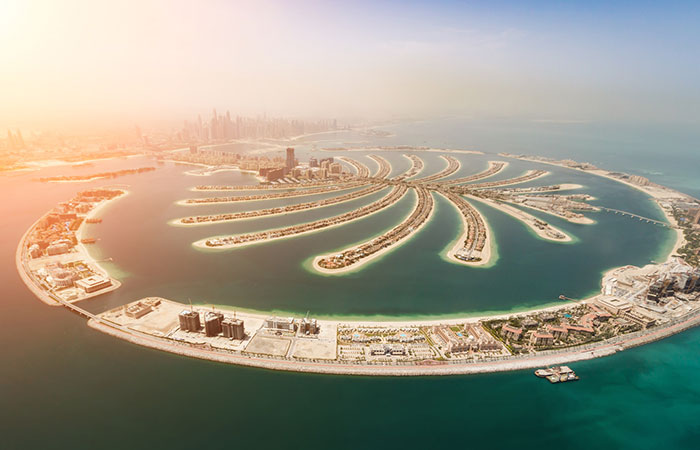
Dubai’s luxury property market is one of the key factors driving this influx. The demand for high-end residential units has been on a steady rise, with prime real estate in sought-after locations such as Palm Jumeirah, Downtown Dubai, and Dubai Marina witnessing increasing sales. This growth has been further fuelled by the city’s transformation into a financial and cultural hub, alongside its status as a global tourism hotspot.

The emirate’s real estate sector has been particularly attractive to millionaires looking to invest in luxurious homes that offer not only aesthetic appeal but also potential for high returns. Dubai’s strategic position as a gateway between the East and West makes it an ideal location for international investors, offering tax incentives and the possibility of high rental yields in a stable economic environment.

The UAE’s relaxed residency laws, particularly the Golden Visa programme, have made it easier for wealthy individuals to relocate and establish themselves in Dubai. The programme grants long-term residency permits to investors, entrepreneurs, and skilled professionals, thus encouraging a more permanent presence of the ultra-wealthy in the city. It is these factors that have contributed to Dubai’s appeal as a sanctuary for wealth and a hub for international business activity.

With its pro-business environment, ease of living, and world-class infrastructure, Dubai continues to attract entrepreneurs and executives looking to make the city their new home. Additionally, the city’s vast infrastructure, which includes state-of-the-art airports, world-class medical facilities, and a thriving arts and culture scene, only adds to its desirability for those with significant financial means.

The role of real estate developers has been critical in meeting the needs of this burgeoning millionaire class. Developers are increasingly focused on delivering bespoke, high-end properties that cater specifically to the tastes of the global elite. These residences offer everything from private pools and exclusive beach access to cutting-edge smart home technology and private helipads. The push for luxury is evident across all sectors, from private villas to penthouses that offer unparalleled views of the city’s skyline.

The local government has also been proactive in ensuring that the infrastructure keeps pace with this growing demand. New residential and commercial developments are being planned across Dubai, especially in emerging areas like Dubai Creek Harbour and Dubai South, which offer a mix of luxury living and connectivity to key business districts and international airports.

For many of these new residents, Dubai is not just a place to live but also a base from which to manage their global business interests. The city’s financial services sector is thriving, with an increasing number of wealth management firms and family offices establishing a presence in the emirate. These firms provide a full range of services, including estate planning, investment management, and tax consulting, ensuring that wealthy individuals can efficiently manage their wealth while residing in the UAE.

Dubai has begun trial operations of its pumped-storage hydroelectric plant in Hatta, delivering electricity into the city’s grid. The facility, which has already generated more than 17,900 MWh during testing, will free up surplus power beyond Hatta’s 39 MW local demand for export. Emirates 247 cites HE Saeed Mohammed Al Tayer, MD & CEO of the Dubai Electricity and Water Authority, confirming the start of electricity exports from the plant during his site visit.

The Hatta plant boasts a 250 MW generation capacity, 1,500 MWh of storage, and is designed to last up to 80 years—backed by a Dh1.42 billion investment. Underground construction includes two 110-tonne water valves, a command-and-control centre and an upper dam spanning 210,000 sqm, built with compressed concrete walls measuring 72 m and 37 m high.

DEWA’s scheme aligns closely with emirate-wide initiatives under the Clean Energy Strategy 2050 and the Net-Zero Carbon Emissions Strategy 2050, which aim for 100 percent clean energy supply by mid-century.

Trial operations of this pioneering project began earlier in the year, with operational tests launched in January 2025. DEWA confirmed the plant was 96.82 percent complete around that time and anticipated beginning energy exports in April 2025.

The hydropower station employs a cyclic system: during off-peak hours, clean electricity from the Mohammed bin Rashid Al Maktoum Solar Park is used to pump water from the lower reservoir to the upper dam. When demand spikes, water flows back through a 1.2 km tunnel, converting stored potential energy into kinetic energy to drive turbines. The conversion process delivers electricity to the grid in as little as 90 seconds, with a turnaround efficiency of 78.9 percent.

Hatta lies roughly 140 km south-east of central Dubai in the Hajar Mountains. The project includes an innovative design featuring two 125 MW Francis-type pump turbines capable of reversible operation—a technical solution by a consortium led by ANDRITZ Hydro, STRABAG and ÖZKAR, contracted in 2019.

This pumped-storage facility is the first of its kind in the Gulf region and a flagship example of how heat-resistant hydropower systems may outperform large-scale battery storage in desert climates.

During his visit, Al Tayer toured the station’s subterranean power station, inspected the upper dam’s compressed concrete walls, and oversaw functional tests of the pumping and generation mechanism. The station’s speedy response time and storage efficiency are designed to bolster Dubai’s grid resilience while reducing reliance on fossil fuel generation.

Australia’s Santos revealed that a takeover proposal valued at US $18.7 billion, spearheaded by a consortium under the Abu Dhabi National Oil Company, will not be concluded by the extended 22 August deadline and now faces a delay of at least four weeks. The investment group, including ADNOC’s XRG arm, Abu Dhabi Development Holding Company and private equity firm Carlyle, cited the need to finalise regulatory and due diligence clearances across multiple jurisdictions—including Australia, Papua New Guinea and the United States—before completing a binding scheme implementation agreement.

Santos confirmed that negotiations remain “collaborative” yet incomplete, with both parties still to secure agreement on acceptable terms for a binding SIA. Given the outstanding conditions, signing before the end of the week appears unlikely.

The implications for Santos’ investors were swift: its shares slid up to 3.5 per cent, reaching A$7.68—a five-week low—marking it as one of the ASX 200’s most notable underperformers.

The bid, if executed, would become Australia’s largest-ever all-cash corporate takeover. Santos’ enterprise value, factoring in net debt, stands at approximately A$36.4 billion, signalling a major transaction in the energy sector.

Industry analysts emphasise that regulatory approvals remain the most significant obstacles. Australia’s Foreign Investment Review Board, in particular, presents a critical test given the strategic sensitivity of energy infrastructure. Papuan New Guinea and U. S. authorities also must grant clearance.

James Hood of Regal Funds Management expressed palpable market unease, observing that the share price response reflects “increased risk and uncertainty.” Kaushal Ramesh from Rystad Energy characterised the execution of a deal of this magnitude as “never going to be an easy transaction”, especially with national energy security and regulatory scrutiny in play. Another investor, Jamie Hannah of Van Eck, reiterated that the key challenge isn’t procedural but regulatory—from the FIRB in Australia.

As a result of the delay, Santos will release its interim earnings on 25 August, instead of the previously planned 20 August.

Interest in the Pikka oil project in Alaska—expected to commence production mid-2026—adds further strategic weight to Santos’ asset base and may influence regulatory and investor perspectives on the transaction.

ADVERTISEMENT

The United Arab Emirates registered some US$25.4 billion in mergers and acquisitions through the first six months of 2025, making up approximately 43 per cent of all M&A transactions across the Middle East and North Africa—which totalled US$58.7 billion during the period, according to data from EY’s latest MENA M&A Insights report.

MENA deal-making demonstrated robust momentum in the first half of 2025, with 425 transactions reflecting a 31 per cent increase in volume and a 19 per cent rise in overall value compared with the same period in 2024, as EY’s analysis shows.

Cross-border activity surged, accounting for 55 per cent of all deals by number and 78 per cent by value—marking the highest cross-border level in the past five years. Key sectors driving these overseas transactions included chemicals and technology, which together represented two-thirds of cross-border deal value. Among the most significant was the US$16.5 billion deal in which Borealis AG and OMV AG acquired a 64 per cent stake in Borouge plc.

Domestic deal-making remained energetic too. Homegrown transactions constituted 45 per cent of all deals by volume and 22 per cent of the total value, amounting to 192 deals worth US$12.8 billion—an impressive 94 per cent year-on-year rise in value. The technology and diversified industrial products sectors were prominent in this category. A standout deal was AI and cloud services firm Group 42’s acquisition of a 40 per cent stake in Khazna Data Centres for US$2.2 billion.

EY’s MENA EY-Parthenon Leader, Brad Watson, emphasised that the mid-year results underline how resilient and dynamic the region’s M&A market is. He pointed to sustained appeal for investors, underpinned by stable oil prices, infrastructure expansion and a strategic emphasis on growth industries such as technology, chemicals, and industry. I n particular, he noted that the UAE continues to attract significant global capital, thanks to its strong regulatory environment and push for economic diversification, alongside growing collaborative ties with Europe, Asia, and North America.

When compared with mid-2024 performance, the jump is clear. In the first half of last year, the MENA region recorded 321 deals valued at US$49.2 billion. That represented only a modest 1 per cent increase in volume and 12 per cent growth in value over the prior year. Deal values in the UAE and the Kingdom of Saudi Arabia accounted for US$9.8 billion out of that total.

Looking at the broader picture, 2024 closed with 701 MENA M&A deals worth US$92.3 billion, reflecting a 3 per cent rise in deal volume and 7 per cent gain in value compared with 2023. Cross-border transactions were the primary engine, making up 52 per cent of deal volume and 74 per cent of value.

The UAE’s growing prominence in M&A stems from both deliberate policy reforms and strategic positioning. Domestic investors, notably sovereign wealth funds and government-related entities such as ADIA and Mubadala, have been highly active across both home-market and international transactions. At the same time, global investors have responded favourably to the region’s economic diversification efforts, regulatory clarity, and infrastructural thrust.

A bold partnership between the Central Bank of the UAE and Presight, the AI arm of G42, is unfolding a new era in financial infrastructure. The joint venture will embed artificial intelligence across core systems – spanning digital currency, instant and real-time payments, card services and open finance platforms – designed, built, and managed within the UAE. The agreement places AI at the heart of systems such as the Central Bank Digital Currency, Instant Payments, Domestic Card Scheme, National Card Switch, Real-Time Gross Settlement, and Open Finance network.

The initiative underpins the Financial Infrastructure Transformation Programme, a sweeping architectural modernisation blueprint launched by CBUAE in February 2023, with full deployment anticipated by 2026. Where CBUAE once relied on external vendors for supervisory technology and data systems, the new venture shifts toward a sovereign, AI-driven approach.

Ebrahim Obaid Al Zaabi, Assistant Governor for Monetary Policy and Financial Stability, characterised the venture as a strategic move “to ensure the UAE’s financial market infrastructure remains resilient, secure, efficient and future-ready.” He also noted that merging FIT’s leadership with Presight’s technological prowess will reinforce the UAE’s financial ecosystem and underpin national economic stability, strengthening its position as a global financial centre.

Thomas Pramotedham, Chief Executive of Presight, described the venture as a “decisive leap forward,” stating that by “focusing exclusively on AI-driven financial solutions, we are creating a sovereign finance technology powerhouse that will redefine how financial markets operate—faster, with applied intelligence, and more securely than ever before.”

Already, FIT has delivered functional platforms like Instant Payments and the Jaywan card scheme, with CBDC infrastructure currently under development. The venture now takes over these critical functions — charged with developing, maintaining and safeguarding them under a sovereign, AI-backed framework.

Beyond financial rails, this AI integration offers promise across several performance benchmarks: settlement speed, fraud detection, transparency, and cost efficiency all stand to improve. These enhancements align with broader technological sovereignty goals: reducing dependence on foreign providers, enhancing cybersecurity responsiveness, and supporting fintech innovation with locally administered smart infrastructure.

In a parallel development, the Emirates Institute of Finance’s Innovation Hub has entered into a Memorandum of Understanding with HSBC, Al Maryah Community Bank, Presight, and Core42 to explore applications of both traditional and generative AI across banking. The objective is to augment operational efficiency, strengthen cybersecurity, and enrich customer service within the banking sector.

In the broader academic and regulatory sphere, scholars have analysed the transformative potential of AI in finance, alongside its risks: regulatory opacity, bias, data privacy issues, systemic vulnerabilities, and ethical concerns. Recent studies advocate for explainability, human oversight, auditability, and adaptive, principled governance frameworks to safeguard trust while fostering innovation.

By embedding AI at the infrastructure layer, the UAE initiative intersects with these academic prescriptions — though realisation of such ideals will hinge on effective governance, transparency, and operational resilience. As financial systems globalise and grow increasingly complex, ensuring AI’s reliable, accountable implementation will determine whether this model achieves its promise.

Saudi Aramco has concluded an $11 billion deal for the lease and leaseback of its Jafurah natural gas processing facilities with a consortium led by Global Infrastructure Partners, a subsidiary of BlackRock. This significant agreement marks a major milestone in Aramco’s strategy to expand its natural gas production and diversify its energy portfolio.

The Jafurah field, located in the Eastern Province of Saudi Arabia, is one of the largest non-associated gas developments globally, with estimated reserves of 229 trillion standard cubic feet of raw gas and 75 billion barrels of condensate. Aramco has long prioritised Jafurah as a key part of its energy transition efforts and broader plans to bolster the Kingdom’s gas capacity, aiming for a 60% increase in gas production by 2030.

The consortium, which includes some of the world’s most prominent investment funds, will provide substantial capital to help accelerate the development of the Jafurah field. The deal enables Aramco to monetise its midstream assets while maintaining operational control over the gas reserves. This transaction is seen as a strategic move to finance the development of Saudi Arabia’s gas infrastructure without sacrificing long-term ownership or production rights.

Jafurah plays a pivotal role in Saudi Arabia’s Vision 2030, the ambitious blueprint to diversify its economy and reduce reliance on oil exports. With natural gas being seen as a cleaner alternative to oil, it is a cornerstone of the Kingdom’s strategy to increase domestic energy production and meet rising demand for electricity and industrial use.

Under the terms of the agreement, Aramco will continue to oversee the development and operation of the field, while the international consortium will take on responsibility for the infrastructure, including gas pipelines and processing plants. This partnership is seen as a win-win for both parties, as it enables Aramco to raise capital for further investments in energy projects, while the consortium gains access to one of the most valuable energy assets in the world.

GIP’s involvement in the deal signals its growing interest in the energy sector, particularly in large-scale infrastructure projects. The firm’s experience in managing complex, long-term investments in global infrastructure positions it well to handle the technical and financial challenges associated with Jafurah. As part of BlackRock’s broader investment strategy, the deal also aligns with the company’s focus on sustainable energy and infrastructure development.

The Jafurah field’s importance to Saudi Arabia’s economic future cannot be overstated. The natural gas produced from Jafurah will support the Kingdom’s power generation capacity, which is projected to increase significantly in the coming years. By tapping into the untapped potential of Jafurah, Aramco aims to reduce its reliance on crude oil for domestic power generation, freeing up more oil for export.

Saudi Arabia’s push for gas development has garnered attention from global investors, eager to tap into the Kingdom’s rich natural resources and growing energy sector. This agreement with GIP is a testament to the global interest in the Middle East’s energy markets, and the broader trend of institutional investors seeking long-term, stable returns from the region’s energy infrastructure.

The deal’s financial structure, involving both lease and leaseback elements, is designed to provide Aramco with flexibility while enabling the consortium to generate revenue from the gas assets over time. The leaseback aspect allows Aramco to retain ownership of the gas reserves, while the lease portion provides the consortium with a stable revenue stream from the operations of the Jafurah facilities.

Advertisements
ADVERTISEMENT

Arabian Post Staff Abu Dhabi has experienced a significant 10.3% rise in certificates of origin, underscoring the ongoing expansion of its non-oil exports. This increase highlights the Emirate’s growing role as a regional hub for trade and investment, further diversifying its economic landscape. Certificates of origin are essential documents for businesses, validating that products are manufactured or processed in a specific country. They play a crucial role […]

Data released by the Statistical Centre for the Cooperation Council for the Arab Countries of the Gulf reveals a notable decline in the Gulf Cooperation Council’s national income for 2023. The value of gross national income for the GCC region stood at US$2.143 trillion, down 2.7% from the previous year’s figure of US$2.202 trillion. This reduction marks a significant shift in the economic landscape of the Gulf nations.

In 2023, the disposable national income, which measures the income available for consumption and savings after taxes and transfers, also saw a downturn, reaching US$1.989 trillion, compared to US$2.515 trillion in 2022. This represents a 3% decrease in the financial resources available for the region’s residents and businesses.

The GCC’s national income data reflects broader economic trends and shifts in the region’s economic structure, with particular attention given to the changes in the oil and non-oil sectors. While the non-oil sector has grown in importance, the oil sector remains a substantial contributor to the region’s total income. By the close of 2023, the non-oil sector’s value added to the economy amounted to US$513 billion, while the oil sector still held a dominant position with a contribution of US$603.5 billion. Despite the oil sector’s continued strength, the overall decline in GNI suggests that broader economic challenges are at play.

The sharp contrast in performance between the oil and non-oil sectors could be attributed to various factors, including fluctuations in global oil prices and shifting demand for the region’s primary energy exports. While the oil industry continues to be a critical economic driver, the Gulf countries have increasingly turned to diversification efforts, investing heavily in areas such as finance, technology, and tourism to reduce reliance on oil.

The results also reflect global economic pressures, particularly the ongoing impacts of inflation, geopolitical instability, and supply chain disruptions. These external factors have influenced both domestic consumption patterns and investment flows within the region. The 2023 decline in disposable national income indicates that households and businesses in the GCC are experiencing reduced financial flexibility, possibly affecting consumption and investment decisions moving forward.

Despite these challenges, the GCC economies have shown resilience in their attempts to navigate shifting global economic conditions. Several countries within the group, notably Saudi Arabia and the United Arab Emirates, have implemented ambitious plans for economic diversification under initiatives like Vision 2030. These efforts aim to transform their economies by reducing dependency on oil, focusing instead on sectors such as renewable energy, digital innovation, and high-tech industries.

The non-oil sector’s performance is a critical metric of success for these diversification strategies. In 2023, the growth of this sector, while still overshadowed by oil, highlights the ongoing transformation of the region’s economic framework. The expansion of industries such as construction, manufacturing, and services contributes to this shift, providing the region with a more balanced economic profile, though the full impact of these changes will take time to fully materialise.

Dubai Metro has taken a significant step forward with the integration of artificial intelligence into its operational maintenance model, marking a notable enhancement in its rail system’s efficiency and safety protocols. The shift to AI-powered solutions aims to revolutionise how maintenance is approached, ensuring quicker response times and more proactive management of the city’s rapidly expanding metro infrastructure.

The new AI technology focuses on automating the detection of faults and predicting potential breakdowns before they occur. This shift towards predictive maintenance is in line with Dubai’s wider goals of improving transportation infrastructure through innovation. AI’s role in this transformation goes beyond simply automating tasks; it serves as a core tool in enabling more intelligent decision-making for the Dubai Metro’s operations.

With a network that spans 75 kilometres and operates across multiple lines, the Dubai Metro has grown to be one of the most recognised urban transit systems in the world. Over 200,000 passengers rely on the metro each day, making it essential to maintain high levels of safety and operational reliability. By integrating AI, the metro can now leverage real-time data to monitor equipment and infrastructure, identifying anomalies that would otherwise be overlooked by human inspection.

AI-driven algorithms allow for continuous analysis of various parameters, including train speed, track conditions, and mechanical performance. This data is gathered via sensors installed across the metro system, from trains to trackside infrastructure. When any irregularities are detected, the system alerts maintenance teams, prioritising interventions based on urgency and potential impact. The technology also facilitates remote diagnostics, reducing the need for engineers to physically inspect the system unless absolutely necessary.

This predictive maintenance model promises to cut costs and downtime significantly. According to experts, the AI system is expected to reduce unplanned disruptions by up to 30%, which will directly benefit both passengers and operational teams. Reduced downtime means trains will spend less time off-track for repairs, contributing to a smoother, more reliable service.

The integration of AI into the Dubai Metro’s maintenance strategy is expected to pave the way for similar technological applications across other sectors of the city’s public transportation network. With Dubai’s long-term plans to further expand its metro network, AI will be crucial in ensuring that the growth of this infrastructure remains sustainable and efficient.

However, the implementation of such sophisticated technology also poses challenges, particularly in terms of data privacy and system security. As AI becomes more deeply integrated into the operational framework of Dubai Metro, it is essential to establish robust cybersecurity measures to prevent potential hacking or system failures. The Dubai Roads and Transport Authority, which oversees metro operations, has already placed emphasis on maintaining secure networks, working closely with experts to safeguard sensitive operational data.

AI’s potential in transforming public transport is not unique to Dubai. Several cities globally are also exploring how AI can be applied to enhance the efficiency and sustainability of urban rail systems. In Europe and Asia, metros have begun adopting similar technologies to improve service reliability and reduce the environmental impact of their operations. Dubai’s adoption of AI technology, however, stands out as a benchmark for its scope and ambition, setting a new standard for metro operations in the region.

ADVERTISEMENT

Dubai Police has added an Audi RS7 to their renowned luxury vehicle fleet, further enhancing their ability to patrol the city in style. The new addition is part of the force’s continuous strategy to maintain a cutting-edge, effective, and visually striking presence on the streets.

This high-performance sports sedan, known for its bold design and advanced technology, is not just a fast patrol car but also a symbol of Dubai’s commitment to innovation. With a 4.0-litre V8 engine that delivers 591 horsepower, the Audi RS7 can reach speeds exceeding 190 mph, making it an impressive tool for rapid response to emergencies.

Equipped with the latest in automotive technology, the RS7 comes with adaptive cruise control, a virtual cockpit, and a range of high-tech sensors designed to optimise the driving experience and enhance the vehicle’s performance during patrols. The inclusion of this car is a significant upgrade to the Dubai Police fleet, which already features luxury models like the Lamborghini Aventador and the Ferrari FF.

While the new Audi RS7 will serve its primary function as a high-speed pursuit vehicle, it is also designed to make a strong visual statement. The sleek lines of the car, along with its distinctive police livery, ensure that it is not just a functional asset but a powerful presence on Dubai’s roads.

The vehicle’s addition comes as part of Dubai’s broader approach to using advanced technology in law enforcement. The city’s police force has long been at the forefront of adopting futuristic tools, from drones to cutting-edge surveillance systems. With a history of utilising high-end vehicles for patrol, Dubai Police’s decision to integrate the Audi RS7 further reinforces the city’s status as a global leader in both innovation and public safety.

The luxury fleet serves multiple purposes. Not only does it offer superior performance for rapid response and high-speed chases, but it also projects a strong image of modernity and strength. For the city that is known for its extravagant skyline and technological innovations, the vehicles used by law enforcement need to mirror the forward-thinking ethos that characterises Dubai.

As part of Dubai’s broader strategy, the police department has also made considerable investments in eco-friendly and electric vehicles. This transition is in line with Dubai’s goal to become a global hub for green technology. The police force’s vehicle fleet includes hybrid and electric models, balancing the need for high performance with sustainability. While the Audi RS7 itself is a petrol-powered sports car, its inclusion is indicative of the continued diversity in the types of vehicles within the fleet.

Bullish bets on rising US oil prices plunged to a 16-year low as mounting expectations of an oversupplied market and cooling fears of sanctions on Russian crude prompted a sharp pullback by traders.

Net-long positions in West Texas Intermediate futures dropped by nearly 30,000 contracts in a single week, reaching just over 49,000—a level not seen since 2009. The shift came amid forecasts from the International Energy Agency and the US government signalling that global oil supplies will outstrip demand well into 2026, tipping sentiment decisively bearish.

Analysts have noted that expectations of Russian sanctions are beginning to fade. While geopolitical risks had earlier supported price premiums, markets now reckon that even if sanctions are imposed, ample spare capacity among OPEC+ producers and resilient non-OPEC output would cushion any disruptions. Compounding the downward pressure, the US Energy Information Administration reported an unexpected build of 3 million barrels in crude inventories, further weighing on prices.

The retreat in bullish positions is consistent with a broader narrative of abundant supply. In late July, hedge funds slashed their net-long WTI positions to their lowest since mid-April, driven by OPEC+ ramping up production and a surge in US crude stockpiles—a rise of 7.7 million barrels recorded at the end of July. Earlier in the year, speculators trimmed net-long holdings by half over a five-week span amid deteriorating technical outlooks, trade-war concerns and expectations that OPEC+ would taper production cuts.

Despite these bearish trends, forecasters caution that demand could provide occasional counter-currents. Wildfires in Canada have temporarily removed around 350,000 barrels per day of oil from production, supporting prices in the short term. Meanwhile, geopolitical flashpoints—including tensions around Iran’s nuclear programme and Russian export vulnerability—could intermittently bolster outlooks. But with OPEC+ intent on increasing output—for example, by 411,000 barrels per day in July—and projections indicating a supply surplus growing to over a million barrels per day by year-end, the dominant trend remains one of oversupply.

This convergence of factors—ample supplies, fading sanctions risk, swelling US inventories and rising OPEC+ output—has catalysed a reappraisal of market dynamics by speculators. The resulting collapse in bullish positioning reflects a recalibration of expectations amid shifting fundamentals.

Narratives of tight supply have lost momentum, leading to a revaluation of oil’s near-term trajectory across trading desks worldwide.

The United Arab Emirates’s cloud-seeding programme continues to play a pivotal role in enhancing water resources, generating between 168 million and 838 million cubic metres of extra rainfall annually, of which 84 million to 419 million cubic metres is usable water—significant volumes in a country where the total annual rainfall stands at approximately 6.7 billion cubic metres.

Efforts are particularly intensive in 2025, with 185 cloud-seeding missions already carried out to date, including 39 operations in July alone. These missions, executed using advanced tools such as hygroscopic flares, nanomaterials and electric-charge emitters, aim to raise rainfall by 10 to 25 per cent under favourable conditions.

The programme is backed by a technologically advanced infrastructure. The UAE employs a fleet of four dedicated aircraft, 12 trained pilots, and utilises more than 60 weather stations, an integrated radar network, and the Emirates Weather Enhancement Factory, which produces high-quality seeding flares. With over 900 flight hours each year, the initiative represents a significant operational commitment.

New investments have further enhanced the programme’s precision and effectiveness. The integration of artificial intelligence and machine-learning tools enables real-time analysis of meteorological data, optimising cloud-seeding timing and target areas. Additionally, nano-enhanced flares, with superior rain-inducing capabilities, are being developed and deployed.

Scientific assessment supports the programme’s efficacy. A statistical study comparing historical rainfall data found that cloud seeding has contributed to a 22.8 per cent average increase in annual surface rainfall over seeded zones between 2010 and 2019. Other estimates suggest enhancements of up to 30–35 per cent in clear atmospheres and 10–15 per cent in more humid environments.

On the cost front, cloud seeding remains economical. Harvestable water produced through cloud seeding costs just $0.01 to $0.04 per cubic metre, compared with approximately $0.31 per cubic metre from advanced desalination plants. This makes rain enhancement a compelling supplementary strategy in the face of rising demand and declining groundwater levels.

While cloud seeding bolsters water availability, it does not function in isolation. Broad concerns remain regarding drainage infrastructure, which has demonstrated limitations during extreme rainfall events. For instance, heavy storms in April 2024 overwhelmed urban systems—while some speculated about cloud-seeding’s role, authorities and experts concluded that infrastructure constraints and climate-change-driven weather intensity were the primary causes.

Nevertheless, those involved in the research highlight the programme’s strategic importance. Alya Al Mazroui, Director of the UAEREP, emphasises its growing global recognition and potential applicability in other water-scarce regions. The programme—which is administered under the Ministry of Presidential Affairs and backed by the National Centre of Meteorology—continues to drive innovation in rain enhancement science.

Accumulated losses at Abu Dhabi-listed Invest Bank stand at AED 1.653 billion, equivalent to 51.6 per cent of its paid-up capital, slightly down from AED 1.69 billion reported in March 2025. The losses originate from legacy impairments dating back to the first quarter of 2018 and continue to erode the lender’s financial position.

The bank has launched efforts to stabilise its financial health by de-risking its balance sheet. At the same time, the Government of Sharjah, as the major shareholder, has injected capital aimed at bolstering liquidity—a strategic move that aims to shore up the bank’s resilience.

Looking back, Invest Bank reported more severe accumulated losses in earlier years. At the end of 2019, those losses amounted to AED 2.21 billion, roughly 70 per cent of capital—a stark contrast to the current levels. By the third quarter of 2022, the accumulated losses were AED 2.16 billion, or about 68.2 per cent of capital, largely due to persistent non-performing loans. In response, the bank implemented remediation measures, writing off AED 2.10 billion in accumulated losses by September 2023, bringing the ratio down to approximately 20 per cent of capital. That period also saw a significant share capital increase.

Combined, these figures reveal a notable, though gradual, trajectory of improvement—from 70 per cent of capital in 2019, easing to 20 per cent by late 2023, before creeping back up to 51.6 per cent in the year through March 2025.

The strategic role of the Government of Sharjah remains pivotal. Following its initial 50.07 per cent stake in 2019—acquired via a substantial capital injection—the emirate later transferred roughly 20.48 per cent of its shares to the Sharjah Social Security Fund at the end of December 2024, retaining around 70.06 per cent ownership. This shareholder reorganisation suggests an internal shift in governance structure, while financial backing continues.

Invest Bank is navigating a complex path of recovery. Its efforts to de-risk and recapitalise, combined with consistent shareholder support, offer a cautious optimism. But the level of accumulated losses still significantly exceeds capital, and ongoing remediation will be critical to restore full financial stability.

ADVERTISEMENT

ADNOC Group’s six publicly listed entities posted a combined net profit of USD 4.7 billion for the first half of 2025, underscoring how the widespread deployment of advanced artificial intelligence across operations has sharpened efficiency and underpinned robust growth.

At the heart of this transformation lies MEERAi, ADNOC’s proprietary AI platform. It is deployed across ADNOC Gas, ADNOC Distribution, ADNOC Drilling, ADNOC Logistics & Services, Fertiglobe and Borouge, delivering real-time, data-driven insights that are elevating decision-making and operational precision across the board.

ADNOC Gas achieved a record Q2 net income of USD 1.385 billion, marking a 16 per cent year-on-year rise, while EBITDA increased 8 per cent to USD 2.256 billion, propelled by surging local demand and operational prowess. Investors will see the payoff as the board approved an interim dividend of USD 1.792 billion, up 5 per cent, due for disbursement in September 2025. MEERAi’s impact was central in guiding the board’s strategic decisions.

ADNOC Distribution delivered its highest first-half EBITDA to date—USD 566 million, up 10 percent—with net profit climbing 12.2 percent to USD 358 million. Fuel volumes surged to a record 7.62 billion litres, and non-fuel retail gross profit lifted 14.9 percent. The AI-driven enhancements include predictive fuel-demand forecasting, intelligent assortment planning and hyper-personalised customer offerings. The company introduced MEERAi to its board for real-time strategic oversight, and it expects to distribute a USD 350 million dividend in October 2025.

ADNOC Drilling also delivered standout performance, with management attributing its ability to scale through diverse energy cycles to advanced technologies including AI. The board approved a USD 217 million second-quarter dividend in August 2025. The company is also pursuing regional expansion, including a majority stake acquisition in SLB’s land drilling business across Kuwait and Oman.

Borouge’s AI, digitalisation and technology programme generated USD 307 million in value, including an AI-powered control room in collaboration with Honeywell and integration with MEERAi. New product innovations such as medical-grade polyolefins and recyclable packaging also featured prominently.

Meanwhile, ADNOC’s broader push to harness AI is also playing a central role in its clean-energy pivot. Following earlier investments in AI tools like RoboWell and AR360, which generated USD 500 million in value and reduced around one million tonnes of CO₂ emissions between 2022 and 2023, the company is now deploying AI to advance low-carbon energy frontiers including hydrogen and carbon management, in partnership with entities such as SOCAR, Microsoft and Masdar.

Across all six listed companies, the near-term financial performance echoes the effectiveness of ADNOC’s strategy of embedding AI across both core operations and emerging markets. The unified deployment of MEERAi is not just enhancing control-room functions, but reshaping boardroom dynamics, driving smarter strategy execution, operational optimisation, emissions reduction and product innovation.

Key players in this transformation include the leadership of ADNOC Distribution, championing digital retail evolution; ADNOC Drilling’s CEO Abdulla Ateya Al Messabi, who has publicly credited AI for the company’s resilience and growth momentum; and the broader ADNOC executive team, aligning technology and energy transition goals. Their collective efforts are reinforcing ADNOC’s position as a global energy player committed to leveraging AI for sustainable value creation.

Air Arabia Abu Dhabi has announced the commencement of seasonal flights connecting the UAE capital to Yekaterinburg, Russia, marking an important step in the airline’s expansion strategy. The new service, which will operate during the winter months, offers a direct, low-cost option for travellers between the two regions, catering to the rising demand for affordable travel during peak seasons.

The flights, operating non-stop, provide an efficient travel option for those seeking to connect between the UAE and Russia. Air Arabia’s Abu Dhabi-based operations have grown rapidly, with the airline seeking to solidify its position as a key player in the region’s budget airline sector. The new route to Yekaterinburg highlights the airline’s commitment to enhancing connectivity between the Middle East and Russia, particularly as demand for travel has surged.

Yekaterinburg, one of Russia’s major cultural and industrial hubs, has become a significant destination for business and leisure travel from the UAE. The city, which is located in the Ural region, is known for its rich history, thriving arts scene, and strategic importance as an economic centre. The direct flight to this city will make it easier for both tourists and business professionals to travel, bolstering the already strong ties between Russia and the UAE.

This launch also reflects a broader trend in the aviation industry, where low-cost carriers are rapidly expanding their international routes to cater to an increasing number of travellers looking for budget-friendly travel options. As competition intensifies among airlines, Air Arabia’s expansion is timely, offering more affordable alternatives to traditional, higher-priced carriers, and positioning the airline as a competitive force in the region.

The decision to introduce seasonal flights also underscores Air Arabia’s flexibility in adapting to seasonal travel demand. As the winter season typically sees an uptick in travel, the airline is poised to cater to holidaymakers and those travelling for business, aligning with the growing interest in international travel. By offering this seasonal route, Air Arabia aims to provide its customers with more options without compromising on affordability.

For the UAE market, this development is significant. As the country continues to strengthen its position as a global hub for travel and tourism, having direct air links to cities in Russia, such as Yekaterinburg, provides an added dimension to the UAE’s international appeal. The move comes as part of a wider strategy to enhance bilateral relations between the UAE and Russia, focusing on expanding both tourism and business opportunities.

Air Arabia’s service to Yekaterinburg is also expected to appeal to a broader demographic, especially Russian nationals residing in the UAE. The ease of direct travel will foster stronger connections between these communities and provide greater access to the cultural and economic opportunities of both countries. With Russia being a major trading partner of the UAE, the new flight route is expected to foster greater collaboration in both sectors.

The airline has also taken steps to ensure that its passengers are well catered for. In line with its low-cost offering, the airline continues to provide high-quality service at an affordable price, which includes modern aircraft with amenities that appeal to a wide range of customers.

Accumulated losses for the Abu Dhabi-listed Invest Bank now stand at AED 1.653 billion, equivalent to 51.6 per cent of its paid-up capital, down slightly from AED 1.69 billion at the end of March 2025. These losses, originating from legacy impairments dating back to the first quarter of 2018, remain a substantial drag on the bank’s financial health.

The Government of Sharjah, which acts as the majority shareholder, has bolstered the bank’s liquidity through a capital injection and strategic measures designed to de-risk the balance sheet. These interventions include a comprehensive capital restructuring plan adopted in 2023 and the institution of a guarantee agreement covering up to AED 3 billion of impaired assets.

Despite the persistent burden of past impairments, the bank’s losses have shown a modest reduction, signalling the early results of the corrective strategy. The 2023 restructuring plan introduced a rights issue that raised the Government of Sharjah’s ownership to approximately 88.11 per cent, accompanied by a guarantee mechanism offering protection against further asset write-downs.

In parallel, Sharjah moved to diversify its holdings by transferring around 20.48 per cent of its stake to the Sharjah Social Security Fund in December 2024. After this transfer, Sharjah’s direct stake stood at about 70.06 per cent, while the Social Security Fund held approximately 18.04 per cent and other shareholders accounted for the remaining nearly 11.9 per cent.

Implementing this layered support strategy, which combines equity infusion, strong shareholder backing, and balance sheet protection, reflects an effort to restore the bank to a sustainable footing. The guarantee agreement, now active since September 2023, stipulates a five-year term and includes a cap of AED 800 million per calendar year, with no cap in the final year.

These developments are unfolding against a backdrop of stringent regulatory expectations and internal governance refinements undertaken in 2024. Invest Bank has sought to strengthen oversight mechanisms and align its policies with Central Bank of the UAE and Securities & Commodities Authority frameworks.

Where analysts had previously flagged the bank’s loss ratio—over two-thirds of capital—as a red flag, the current trajectory points to a gradual stabilisation. That being said, the legacy burden remains sizeable, and the effectiveness of the restructuring continues to hinge on the realisation of impaired assets and sustained shareholder support.

On the ground, Invest Bank continues operations across the UAE, including branches in Sharjah, Dubai and Abu Dhabi, along with a Beirut branch in liquidation following a regulatory decision.

ADVERTISEMENT

Arabian Post Staff -Dubai Asset management across the Gulf Cooperation Council grew to $2.2 trillion in assets under management in 2024, an expansion of 9 per cent from the previous year, according to the 23rd edition of Boston Consulting Group’s Global Asset Management report, From Recovery to Reinvention. With market performance as the primary engine of that growth, rather than new investor inflows, the region remains somewhat […]

du has initiated live deployment of 5G-Advanced technology on its network, becoming the first operator in the region—and marking the United Arab Emirates as the first country—to roll out this next-generation capability in cooperation with Huawei. This accomplishment underscores du’s ambition to pioneer telecommunications innovation and strengthen the nation’s digital infrastructure.

The rollout centres on the Dual Band Active Antenna Unit, operating simultaneously in the 3.7 GHz and 2.6 GHz bands. Conceived by du and realised in collaboration with Huawei, this advanced solution merges hardware consolidation with enhanced spectrum efficiency, delivers superior network performance, and significantly trims energy consumption and carbon footprint.

According to du’s chief technology officer, the deployment represents “a monumental leap forward” for both the operator and the telecom sector in the UAE. He stressed that the milestone reflects du’s dedication to offering world-class connectivity and aligns with national objectives to position the country as a global technology leader—in parallel emphasising the importance of building sustainable, future-ready networks.

From Huawei’s perspective, Felix Liu, head of its Carrier Business for the UAE, noted that the company is honoured to support this frontier in 5G-Advanced infrastructure. He described the 5G Dual Band AAU as a flagship solution delivering outstanding network performance and user experience while resonating with the UAE’s sustainability goals.

This achievement builds on du’s history in the region’s 5G evolution. In 2024, du and Huawei introduced the Middle East’s first indoor 5G-Advanced network using three-carrier aggregation alongside Huawei’s LampSite X solution, achieving peak speeds of 5.1 Gb/s in spaces such as malls, hotels, airports, and residential buildings. Prior to that, the two companies had collaborated on a “5G-Advanced Country” initiative and unveiled a 5G-A-enabled demonstration villa featuring 10 Gbps Fixed Wireless Access and XR capabilities.

Technical advances in this live deployment include more efficient use of spectrum and reduced dependence on extensive hardware—a strategic move given the growing demand for capacity and coverage. Dual-band AAUs are expected to support dense urban environments while reducing operational energy use.

This development assumes added significance against the backdrop of the UAE’s broader digital transformation objectives. The Telecommunications and Digital Government Regulatory Authority has championed advanced 5G trials, including initiatives to unlock 10 Gbps speeds with 6 GHz spectrum, in collaboration with service providers such as du.

The industry now closely watches how the live 5G-Advanced network, powered by dual-band AAUs, will impact key user segments—whether in high-density urban zones, enterprise campuses, or immersive content scenarios. Future use cases could span ultra-high-definition streaming, real-time XR, holographic conferencing, and enhanced industrial IoT applications. du and Huawei’s previous commitment, through a memorandum of understanding, to establish a joint innovation centre to drive 5G-A adoption and incubate next-generation services indicates a clear roadmap for expanding from infrastructure to ecosystem development.

Oil prices held steady after a slight decline in thin trading, with market participants awaiting a critical meeting between US and Russian leaders. Global benchmark Brent crude remained above $66 per barrel, while West Texas Intermediate hovered around $63.

The modest drop in prices, which amounted to a 0.8% decrease in the previous session, marked a quiet period in the market as traders refrained from making significant moves. Investors are now looking ahead to upcoming discussions between US Secretary of State Marco Rubio and Russian Foreign Minister Sergey Lavrov. These talks are expected to set the stage for a high-stakes summit between President Joe Biden and Russian President Vladimir Putin, scheduled for later this week.

The ongoing volatility in oil markets, coupled with geopolitical uncertainty, has contributed to the recent fluctuation in prices. Despite this, oil has largely remained above the $60 per barrel mark, as tightening supplies and ongoing tensions in key production regions continue to support price levels.

Analysts are paying close attention to the diplomatic developments between the US and Russia, which could have broader implications for the energy sector. Market sentiment has been influenced by both nations’ roles as major players in global energy production and their influence on decisions within organisations such as OPEC+.

The summit will centre around various issues, including security concerns and energy policies. With both nations holding significant sway in global oil production, the discussions could have far-reaching consequences for the market. A breakthrough or escalated tension could prompt either a surge or a dip in oil prices depending on the outcome of the talks.

Investors are also looking at other global factors that could sway oil prices. In the US, the energy industry is continuing to recover from the impacts of the pandemic, with some analysts forecasting a strong rebound in demand as economies continue to reopen. However, the overall uncertainty surrounding economic recovery, inflation concerns, and ongoing supply chain issues are making the market particularly sensitive to external events.

OPEC+, the alliance of oil-producing nations, has played a significant role in stabilising prices in the past year. Its production cuts, alongside the gradual return of demand, have helped lift oil prices from the lows seen in 2020. As the group navigates production decisions and adapts to the changing landscape, it has become a crucial player in shaping the trajectory of global oil markets.

In addition to geopolitical tensions, the market is also contending with shifting dynamics in energy consumption. The growing push for renewable energy and the evolving role of electric vehicles are reshaping demand forecasts. With governments around the world pledging to reduce carbon emissions and transition towards greener energy sources, there is a growing expectation that long-term demand for fossil fuels may face pressure. This evolving energy landscape will inevitably impact the future of oil markets.

Despite these broader trends, short-term market activity is heavily influenced by supply-demand imbalances, particularly in the wake of global events. As the US and Russia prepare for their talks, traders will continue to watch for any signals of change in the balance of power within the energy sector. A shift in policy or a sudden geopolitical event could have immediate and lasting effects on oil prices.

Aldar Properties has unveiled its latest project, the Fahid Beach Terraces, a luxurious six-building residential community set along a pristine stretch of coastline on Fahid Island, Abu Dhabi. Positioned as the emirate’s first coastal wellness destination, the development promises a new standard of living, combining scenic views with world-class amenities.

The Fahid Beach Terraces feature expansive living spaces, with each unit offering panoramic sea views and access to a private, dedicated beachfront. The community aims to create an idyllic living environment that blends modern comfort with the serenity of nature. The development is situated in close proximity to key leisure and retail destinations, offering both seclusion and accessibility.

At the heart of the community is an exclusive beachfront clubhouse, a central hub for residents. The clubhouse houses an array of wellness-focused amenities designed to promote health and relaxation. These facilities include an outdoor pool, a state-of-the-art gym, and spa services, ensuring that residents can enjoy an elevated lifestyle. Aldar has emphasised that the design of the community integrates the principles of sustainability, creating an eco-conscious living experience.

The Fahid Beach Terraces are also set to offer various recreational options, such as walking paths, yoga areas, and sports courts. These spaces are strategically positioned throughout the community, allowing residents to enjoy both social activities and moments of personal tranquillity.

Aldar’s vision for the project is to offer a complete lifestyle solution. The development is not just about luxurious residences but is aimed at creating a well-rounded living experience with a strong focus on health and well-being. Fahid Island’s unique location along Abu Dhabi’s coastline further strengthens this concept, with the community’s design capturing the essence of both modern living and nature.

The properties within the community are set to cater to high-net-worth individuals seeking a premium living experience. Aldar’s commitment to quality is evident in the materials used throughout the development, ensuring that each home meets the highest standards of craftsmanship. Additionally, the architecture of the buildings reflects contemporary design principles, featuring sleek lines and expansive windows that maximize the views of the surrounding environment.

As part of its larger strategy to cater to the growing demand for luxurious residential spaces in the UAE, Aldar’s Fahid Beach Terraces is expected to set a benchmark for future coastal developments in the region. The project adds to Aldar’s extensive portfolio of premium properties, further cementing the developer’s position as a leading force in the real estate market.

The development is anticipated to attract both local and international buyers, with its focus on wellness and luxury making it a highly desirable location for investors. As the UAE continues to position itself as a global hub for business and leisure, projects like Fahid Beach Terraces offer a glimpse into the future of upscale living, where quality of life and environmental sustainability are paramount.

With the increasing interest in wellness-oriented lifestyles, particularly in the wake of the global pandemic, the Fahid Beach Terraces cater to a demographic that values both health and comfort. The concept of wellness in residential design has grown in importance, and Aldar’s innovative approach to integrating these elements into a luxurious environment speaks to this shift in consumer preferences.

Dubai’s real estate sector has seen a notable surge in licensed activities, with 4,049 new registrations reported in the first half of 2025. This increase highlights the city’s continuing appeal as a hub for global investment, underscoring its position as a growing economic powerhouse.

The expansion in real estate-related activities is a key indicator of investor confidence in Dubai’s property market. The city’s ongoing efforts to enhance its investment climate, alongside the development of new regulations and policies, have solidified its standing as a global player in the real estate sector. The uptick in the number of new real estate ventures reflects a broader trend of diversification in the market, as Dubai seeks to expand beyond traditional residential and commercial projects into emerging sectors like hospitality, mixed-use developments, and smart city infrastructure.

The Dubai Land Department has been instrumental in driving these developments by continuing its focus on transparency, innovation, and regulatory improvements. One of the standout features of Dubai’s property market has been its emphasis on simplifying procedures for investors, which has directly contributed to the rise in new real estate-related ventures. The DLD’s efforts to digitise property transactions and improve investor accessibility have been particularly significant in this regard.

Dubai’s status as a business-friendly environment has also played a critical role in attracting international investors. Policies such as long-term residency visas, 100% foreign ownership in certain sectors, and reforms in property ownership laws have all enhanced the city’s attractiveness to global capital. The emirate’s strategic location, offering easy access to both Eastern and Western markets, has further positioned it as a key destination for multinational companies and high-net-worth individuals looking to invest in its growing real estate sector.

Dubai’s commitment to diversification has allowed it to weather global economic fluctuations better than many other markets. The emirate’s drive towards sustainability and innovation in urban planning has led to the development of numerous smart city projects, which blend residential, commercial, and leisure spaces in ways that appeal to both investors and residents. These initiatives have attracted attention from international real estate developers who view Dubai as a model for the future of urban living.

The diversification of Dubai’s real estate market is not limited to the types of properties being developed, but also to the services and amenities that accompany them. The growing prominence of serviced apartments, co-working spaces, and eco-friendly developments shows that the market is increasingly catering to a wide range of needs. The ongoing shift towards more integrated communities reflects broader global trends, such as the rise in remote working and demand for work-life balance.

Dubai’s real estate sector has also been buoyed by its ambitious infrastructure projects, such as the expansion of its transport network, the Dubai Expo City, and the upcoming World Expo 2030, which is expected to bring even more global attention and investment to the emirate. The government’s plans to develop future-focused infrastructure align with global trends in technology, sustainability, and connectivity, positioning the city as a model for future urban development.

Investor interest in Dubai’s property market is further supported by the city’s relatively stable macroeconomic environment. The UAE’s strong economic performance, backed by diversification efforts in sectors like tourism, technology, and renewable energy, continues to drive demand for commercial and residential properties alike. Despite global uncertainties, the Dubai real estate market remains a safe haven for investors, thanks to its robust regulatory framework, investor-friendly policies, and a growing base of international buyers.

Santos has agreed to extend the exclusive due diligence period for its proposed $18.7 billion acquisition by an international consortium led by Abu Dhabi’s National Oil Company. The extension, which will last until August 22, follows ADNOC’s initial offer made in June to purchase Australia’s second-largest gas producer. The consortium’s offer, priced at $5.76 per Santos share, includes ADNOC’s investment arm XRG, Abu Dhabi Development Holding Company, and the private equity firm Carlyle.

The agreement marks a significant step in ADNOC’s strategy to expand its global portfolio, particularly in the energy-rich Australian market. ADNOC, which has shown increasing interest in diversifying its energy assets, is now in the midst of an exclusive window to scrutinise the deal further. This process allows the consortium to continue its due diligence without competing offers interfering, a critical phase before a final agreement can be reached.

The initial bid, which valued Santos at approximately $18.7 billion, garnered attention for its scale and ambition. The offer of $5.76 per share represents a premium over Santos’ market value at the time the proposal was made. As the deal progresses, market observers are watching closely for any developments that might influence the final terms.

Santos, headquartered in Adelaide, is a key player in the Australian energy sector, with substantial stakes in natural gas fields and LNG projects. The company’s assets are seen as valuable in the context of rising global energy demands, particularly in Asia-Pacific markets. Santos has been working to strengthen its position in the energy sector, with a focus on cleaner energy options while maintaining its role as a major fossil fuel supplier.

The involvement of ADNOC in this deal is particularly noteworthy. ADNOC, already a dominant player in the global oil and gas industry, has been exploring opportunities outside of the Middle East as part of its broader strategy to secure energy assets worldwide. The consortium’s bid for Santos highlights ADNOC’s intentions to further diversify its portfolio, especially in the burgeoning Asia-Pacific energy market.

ADQ, Abu Dhabi’s sovereign wealth fund, has also been actively investing in international markets. Known for its strategic acquisitions, ADQ’s partnership with ADNOC on this deal strengthens its position in global energy investments. Carlyle, a prominent private equity firm, adds another layer of financial muscle to the consortium, indicating the serious intent behind the bid.

The extended due diligence period provides all parties involved the time needed to ensure that the terms of the acquisition are fully evaluated. This includes a detailed analysis of Santos’ financial health, operations, and future prospects. The due diligence process is critical to determining whether the proposed offer is fair and in line with the long-term strategic goals of ADNOC and its partners.

Although the extension has been granted, market analysts remain cautious. They are closely monitoring how global energy market fluctuations might impact the deal’s progression. The energy sector, while lucrative, remains volatile, influenced by factors such as shifting geopolitical landscapes, regulatory changes, and the ongoing transition towards renewable energy sources.

In addition to financial considerations, the deal’s strategic value for ADNOC and its partners cannot be understated. For ADNOC, securing a larger foothold in Australia’s gas sector could provide both immediate returns and long-term stability, particularly in the face of fluctuating oil prices. Furthermore, as global energy companies look to meet the growing demand for liquefied natural gas, the acquisition of Santos could bolster ADNOC’s LNG production capabilities.

Santos’ shareholders will also be closely watching the developments, with many likely to evaluate the offer in light of the company’s future growth potential. Santos has been positioning itself to leverage Australia’s growing demand for LNG, particularly from China and Japan, two of the world’s largest LNG importers. However, concerns over the impact of external factors on the gas market could complicate the evaluation of such an offer.

The Gulf region is fast becoming a significant alternative hub for Indian jewellery manufacturing and exports, spurred by rising trade tensions between the US and India. Experts point to the growing challenges faced by Indian jewellers, particularly as American tariffs on Indian imports climb in response to geopolitical factors, including India’s continued oil purchases from Russia.

The latest move by the US, led by an executive order from President Donald Trump, has intensified trade uncertainties. The executive order, signed on Wednesday, introduces a hefty 25 per cent tariff on Indian goods, with specific implications for the jewellery sector. This tariff hike, effective in three weeks, increases the overall tariff burden on Indian imports to 50 per cent—one of the highest rates the US has imposed on its trading partners.

For years, India has been the global leader in jewellery manufacturing, with a robust presence in the international market, particularly in the US. However, the imposition of punitive tariffs has forced many Indian jewellers to rethink their export strategies. The Gulf region, traditionally a key market for Indian gold and precious stones, is now gaining prominence as a strategic manufacturing base, offering a more favourable trade environment.

The decision to shift operations to the Gulf is driven by a combination of factors, including the region’s strategic geographic position and its trade agreements with major markets. Countries like the UAE and Bahrain have long been involved in the jewellery trade, but as tariffs increase on Indian exports to the US, their roles are now being redefined. Experts suggest that the Gulf’s advanced infrastructure, coupled with an array of free trade agreements, makes it an attractive destination for manufacturing and re-exporting high-end jewellery to global markets, including the US.

The Dubai Gold and Jewellery Group, one of the region’s leading jewellery trade bodies, has welcomed the shift, noting the opportunities it presents for growth. The UAE, in particular, has developed an attractive ecosystem for jewellery manufacturers, offering tax incentives, access to advanced technology, and a well-established logistics network. These benefits make it an appealing alternative for Indian jewellers seeking to bypass the punitive tariffs imposed by the US.

India’s reliance on the US market for jewellery exports, particularly in the high-end sector, has been significant. However, as the tariff burden becomes heavier, companies are exploring alternatives that provide both cost-effectiveness and access to lucrative international markets. Several large manufacturers have already established bases in the UAE, with plans to expand their operations further into the region.

A noteworthy trend is the increasing collaboration between Indian and Gulf-based jewellery firms. These partnerships are focused on expanding manufacturing capabilities while reducing reliance on traditional export routes. The UAE, with its business-friendly policies, is proving to be an ideal locale for jewellery production, particularly for smaller-scale businesses that are unable to absorb the full impact of the US tariffs.

One of the key drivers of this shift is the growing US demand for luxury goods, including jewellery. The tariff hike, while discouraging direct exports from India, has not dampened the appetite for high-quality jewellery. Instead, it has prompted companies to explore alternative routes to meet this demand. Experts point out that the Gulf provides a strategic advantage for such businesses, offering them the flexibility to maintain their competitive edge without the added burden of trade barriers.

The Gulf’s importance in the global jewellery trade has long been overlooked in favour of established centres like India. However, as geopolitical tensions continue to shape trade flows, the region’s position as a central player in the jewellery manufacturing process is becoming more evident. Industry insiders predict that over the next few years, the Gulf’s jewellery manufacturing and export capabilities will only grow stronger, reshaping the global jewellery supply chain.

For Indian jewellery manufacturers, the shift to the Gulf represents a broader strategy to diversify their risk exposure. By establishing a presence in markets that are less susceptible to abrupt policy changes, Indian companies are better positioned to mitigate the impact of volatile geopolitical situations. The expansion of Gulf-based jewellery production also ensures that India maintains a foothold in the lucrative US market, even as tariffs continue to escalate.

VISHNU RAJA
RYO YAMADA
HITORI GOTOH
IKUYO KITA
Social Media Auto Publish Powered By : XYZScripts.com