Articles written by
arabian post staff

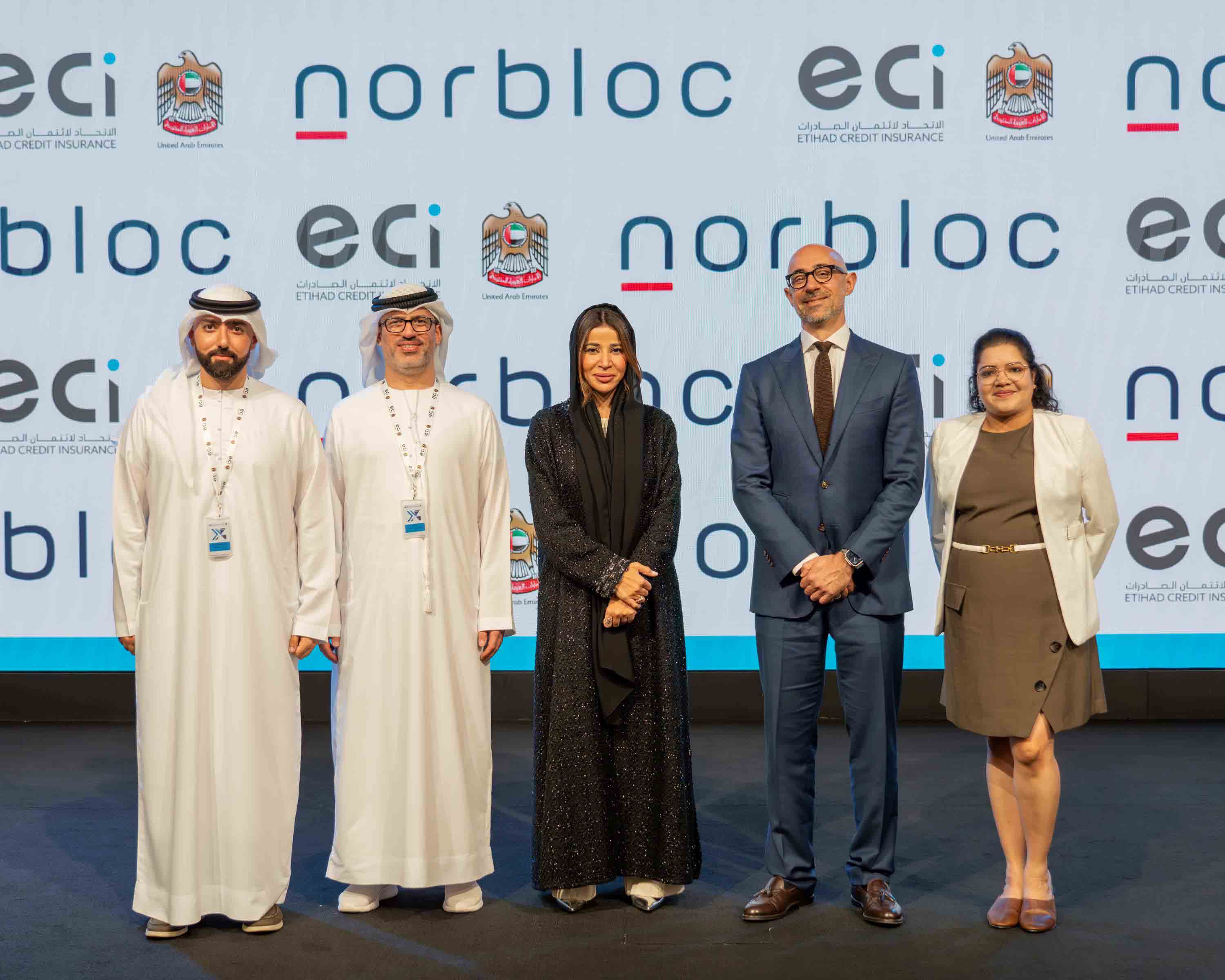
Emirates NBD has formally joined the National Incubator Network through a newly signed memorandum of understanding (MoU) with Sandooq Al Watan, a strategic step aimed at enhancing the country’s startup ecosystem. The collaboration is expected to unlock new opportunities for entrepreneurs and further drive the UAE’s vision of fostering a dynamic, innovation-driven economy.

The MoU, signed by Yasser Al Gergawi, Director-General of Sandooq Al Watan, and representatives from Emirates NBD, marks a significant development in the UAE’s efforts to provide enhanced support for emerging businesses. This partnership will integrate Emirates NBD’s business incubator into the National Incubator Network, aligning the bank’s existing resources and expertise with a national strategy to empower local startups and entrepreneurs.

The move is seen as a direct response to the growing demand for incubators and accelerators that can help navigate the challenges faced by startups, particularly in competitive sectors such as technology, fintech, and healthcare. As the UAE continues to position itself as a hub for innovation, initiatives like this are crucial in ensuring that new businesses have the tools and networks needed to scale and succeed.

Emirates NBD’s business incubator brings a wealth of resources to the table, including access to funding, strategic mentorship, and operational support. These elements are designed to help startups refine their business models, gain market traction, and ultimately reach their potential in an increasingly complex marketplace. Through this collaboration, entrepreneurs will have the opportunity to tap into a wide range of resources from both the bank and other key players in the National Incubator Network.

Sandooq Al Watan’s involvement adds another layer of support, providing access to its vast network of investors, thought leaders, and other stakeholders crucial for business development. With its mission to drive sustainable economic growth through innovation and knowledge sharing, Sandooq Al Watan plays a pivotal role in connecting the dots between entrepreneurs and potential sources of funding and expertise. This collaboration will not only boost the prospects of individual startups but will also contribute to the broader objective of diversifying the UAE’s economy away from its traditional reliance on oil and gas.

The National Incubator Network, a key initiative under the UAE government’s broader innovation agenda, has seen growing momentum since its inception. The network’s focus on collaboration, knowledge exchange, and resource-sharing is expected to create a more robust and interconnected ecosystem for entrepreneurs. By joining this network, Emirates NBD and Sandooq Al Watan are signaling their commitment to nurturing homegrown talent and supporting the growth of startups that can drive forward the UAE’s long-term economic vision.

This initiative also aligns with the UAE’s broader vision for the future, where innovation is a cornerstone of national development. With a growing focus on sustainable industries, the UAE has been keen to promote the development of technology-driven startups that can address key challenges such as climate change, urbanization, and healthcare.

The partnership between Emirates NBD and Sandooq Al Watan is not only a win for entrepreneurs but also an indication of the increasing role that private sector institutions are playing in the UAE’s broader economic transformation. Banks and financial institutions, traditionally viewed as gatekeepers to capital, are now becoming key players in the startup ecosystem, offering more than just financial support. The collaboration between the two organizations exemplifies this shift, providing entrepreneurs with a comprehensive package of services and opportunities designed to accelerate their business growth.

One of the notable aspects of this collaboration is the focus on knowledge sharing. Both Emirates NBD and Sandooq Al Watan are well-positioned to leverage their extensive networks to connect startups with mentors, industry leaders, and investors who can provide invaluable advice and insights. This exchange of knowledge is critical in helping young companies navigate the challenges of scaling operations, managing growth, and positioning themselves for long-term success.

As the UAE moves forward with its innovation agenda, it is clear that partnerships like the one between Emirates NBD and Sandooq Al Watan will play an integral role in shaping the future of the country’s startup ecosystem. By connecting entrepreneurs with the right resources, expertise, and networks, this collaboration is set to drive forward a new wave of growth and innovation in the UAE’s economy.

The much-anticipated release of Netflix’s “Squid Game” Season 2 on December 26, 2024, has coincided with a notable decline in the stock prices of several South Korean companies linked to the series. Investors had high expectations for the new season, hoping it would replicate the unprecedented success of its predecessor. However, early reviews suggest that while the season offers compelling thrills, it may not fully meet the lofty anticipations set by the original.

On December 27, the Korea Composite Stock Price Index (KOSPI) experienced a downturn, with entertainment and media companies bearing the brunt. Notably, shares of Studio Dragon, a prominent South Korean production company, fell by 3.5%, closing at 82,000 KRW. Similarly, CJ ENM, a major entertainment conglomerate, saw its stock decline by 2.8% to 115,000 KRW. These movements reflect investor sentiment influenced by the mixed critical reception of “Squid Game” Season 2.

The new season continues the narrative of protagonist Seong Gi-hun, portrayed by Lee Jung-jae, as he re-enters the deadly competition with the aim of dismantling it from within. Critics have noted that while the season introduces intense new challenges and delves deeper into character backgrounds, it serves more as a bridge to the anticipated third season rather than delivering a standalone arc. This perception may have tempered investor enthusiasm, impacting related stock performances.

Despite the stock market reaction, “Squid Game” remains a significant cultural phenomenon, with the new season attracting substantial global viewership. Netflix’s stock (NFLX) showed resilience, with only a marginal decline of 0.85%, closing at $924.14 on December 26. This suggests that while regional partners may experience volatility, the streaming giant continues to maintain investor confidence.

Industry analysts advise monitoring the performance of South Korean entertainment stocks in the coming weeks, as audience reception and viewership metrics for “Squid Game” Season 2 become more apparent. The series’ impact on the global entertainment landscape underscores the interconnectedness of media productions and financial markets, highlighting the importance of critical reception in influencing investor behavior.

As the season unfolds, its reception will likely play a pivotal role in shaping the financial trajectories of associated companies. Investors and stakeholders should remain attentive to audience feedback and critical analyses to gauge the long-term implications of the series’ performance on the South Korean entertainment industry.

Binance, a leading global cryptocurrency exchange, has projected that India will spearhead international cryptocurrency regulation by 2025. This perspective follows Binance’s registration with India’s Financial Intelligence Unit (FIU-IND) as a reporting entity, marking its 19th regulatory achievement worldwide.

The registration underscores Binance’s commitment to adhering to anti-money laundering (AML) standards and enhancing security within the digital asset ecosystem. By aligning with India’s regulatory framework, Binance aims to offer services tailored to Indian users, contributing to the global evolution of digital assets.

India’s proactive approach to cryptocurrency regulation is evident through its recent initiatives. The Securities and Exchange Board of India (SEBI) has expressed openness to overseeing cryptocurrency trade, proposing a multi-regulatory approach. This stance contrasts with the Reserve Bank of India’s preference for a ban, highlighting a divergence in regulatory perspectives within the country.

Despite stringent regulations and high taxes on crypto trading, India has led the world in cryptocurrency adoption for the second consecutive year. A report by Chainalysis indicates extensive usage of both centralized exchange and decentralized finance assets in the country. This widespread adoption reflects the resilience and adaptability of the Indian crypto community.

Binance’s registration with FIU-IND comes after a period of regulatory challenges in India. In June 2024, the Financial Intelligence Unit imposed a fine of approximately $2.25 million on Binance for operating in the country without proper registration, violating local anti-money laundering regulations. Following this, Binance took corrective measures to comply with Indian laws, leading to its current registered status.

The Indian government’s stance on cryptocurrencies has evolved over time. While the Reserve Bank of India had previously imposed a ban on crypto dealings in 2018, this was overturned by the Supreme Court. Subsequently, the government implemented a tax on crypto transactions and required exchanges to register locally, indicating a shift towards regulation rather than prohibition.

Industry experts predict that by 2025, the crypto industry will experience mainstream adoption, regulatory clarity, and financial integration. This anticipated evolution underscores the importance of robust regulatory frameworks to ensure the safe and efficient operation of digital asset markets.

Binance’s commitment to compliance is further demonstrated by its substantial investments in compliance programs. In 2023, the company spent $213 million on compliance, a 35% increase from the previous year. This investment includes expanding staffing and incorporating artificial intelligence to enhance efficiency, reflecting Binance’s dedication to turning compliance into a competitive edge.

Abu Dhabi’s tourism industry is experiencing significant growth, marked by a substantial increase in visitor numbers and a corresponding expansion of its workforce. From January to October 2024, the emirate welcomed 4.8 million hotel guests, surpassing pre-pandemic figures and achieving a 26 percent increase in international arrivals compared to 2023.

This surge in tourism has been accompanied by a notable rise in employment within the sector. The World Travel & Tourism Council (WTTC) forecasts that by the end of 2024, the UAE’s travel and tourism sector will employ nearly 833,000 individuals, reflecting an increase of more than 23,500 jobs from the previous year.

Abu Dhabi’s ambitious Tourism Strategy 2030 aims to further elevate the sector’s contribution to the economy. The strategy sets a target of attracting 40 million visitors and generating 178,000 new jobs by 2030, which would bring the total employment in the tourism sector to approximately 366,000.

The emirate’s hotel industry has mirrored this upward trend. In the first five months of 2024, Abu Dhabi hotels received over 2.4 million guests, generating revenues totaling AED 3.18 billion. The distribution of hotel guests during this period was as follows: 498,700 in January, 507,400 in February, 433,700 in March, 500,080 in April, and 471,800 in May.

The UAE’s broader tourism sector has also demonstrated robust performance. In the first half of 2024, hotel establishment revenues across the seven emirates increased by 7 percent to reach AED 24.6 billion. The number of hotel guests during this period reached approximately 15.3 million, reflecting a 13 percent growth compared to the same period in 2023.

Abu Dhabi’s commitment to enhancing its tourism offerings is evident in its strategic initiatives and investments. The Department of Culture and Tourism – Abu Dhabi (DCT Abu Dhabi) has been instrumental in promoting the emirate as a premier global destination, focusing on cultural tourism, heritage preservation, and the development of world-class attractions. Notably, more than 3.9 million visitors have engaged with Abu Dhabi’s cultural sites, museums, and landmarks, underscoring the increasing importance of cultural tourism as part of the city’s diverse offerings.

The private sector has also played a pivotal role in this growth trajectory. Etihad Airways, the state-owned Abu Dhabi carrier, reported a 66 percent increase in net profit for the first nine months of 2024, earning AED 1.4 billion compared to AED 814 million in the same period the previous year. This financial upturn is attributed to a 35 percent increase in passenger traffic, with the airline transporting 13.6 million passengers over the year.

The expansion of the tourism sector has had a positive ripple effect on employment. The WTTC forecasts that by 2034, the sector will contribute more than AED 275 billion to the UAE economy, accounting for almost 11 percent of the GDP, and is projected to employ over 928,000 people across the country, with one in nine residents working in the sector.

Abu Dhabi’s strategic vision for tourism is not only focused on increasing visitor numbers but also on enhancing the quality of experiences offered. The emirate is investing in infrastructure development, regulatory improvements, and the advancement of digital transformation in civil aviation to support the ongoing travel recovery and ensure seamless and secure cross-border mobility.

ADVERTISEMENT

Kuwait’s Council of Ministers has approved a new tax measure imposing a 15% levy on multinational corporations operating within the country, effective January 1, 2025.

The legislation targets multinational entities engaged in cross-border operations, aligning Kuwait’s tax policies with international standards aimed at curbing tax evasion and ensuring the retention of tax revenues domestically.

Deputy Prime Minister and Minister of State for Cabinet Affairs, Sherida Abdullah Al-Muasherji, confirmed the cabinet’s endorsement of the “Multinational Entities Group Tax Law,” emphasizing its role in preventing the diversion of tax revenues to other jurisdictions.

This initiative is part of a broader global movement toward implementing a minimum corporate tax rate, following agreements facilitated by the Organisation for Economic Co-operation and Development (OECD). The OECD’s Inclusive Framework on Base Erosion and Profit Shifting (BEPS) introduced a two-pillar solution to address tax challenges arising from the digitalization of the economy. Pillar Two establishes a global minimum corporate tax rate of 15%, applicable to multinational groups with revenues exceeding €750 million.

Kuwait’s decision mirrors similar actions by neighboring Gulf Cooperation Council (GCC) countries. The United Arab Emirates (UAE) announced an increase in corporate tax to 15% for large multinational enterprises, effective January 1, 2025. This domestic minimum top-up tax applies to multinational enterprises with consolidated global revenues of €750 million or more in at least two of the four financial years immediately preceding the financial year in which the tax applies.

Bahrain has also indicated plans to introduce a domestic minimum top-up tax starting January 1, 2025, targeting large multinational enterprises.

These measures reflect a regional commitment to adhering to international tax reforms designed to promote fairness and transparency in the global financial system. By implementing the 15% tax on multinational corporations, Kuwait aims to enhance its fiscal framework, reduce tax base erosion, and ensure that profits generated within its borders are adequately taxed.

The new tax law is expected to impact various sectors where multinational corporations have a significant presence, including oil and gas, finance, and telecommunications. Companies operating in Kuwait will need to assess their tax strategies and compliance mechanisms to align with the forthcoming regulations.

Abu Dhabi’s Mubadala Investment Company has acquired an 80% stake in both Global Medical Supply Chain (GMSC) and Al Ittihad Drug Store (IDS) from GlobalOne Healthcare Holding (GHH), which retains a 20% share. This strategic move enhances Mubadala’s presence in healthcare logistics and pharmaceutical distribution, aligning with the UAE’s vision to establish a robust life sciences infrastructure.

Established in 2015, GMSC offers comprehensive supply chain services for medical products, including demand planning, procurement, logistics, inventory management, warehousing, and maintenance. Serving over 200 medical facilities across the UAE, GMSC sources a wide range of products from nearly 400 suppliers, ensuring a reliable supply chain for medical needs.

Founded in 1987, IDS is a leading distributor of pharmaceutical and consumer healthcare products in the UAE. With a portfolio exceeding 1,000 products from over 40 suppliers, IDS services hospitals, pharmacies, and supermarkets nationwide, covering therapeutic categories such as anti-infectives, asthma, diabetes, and oncology.

Ismail Ali Abdulla, Executive Director of UAE Clusters at Mubadala’s UAE Investments Platform, stated that the expanding pharmaceutical market drives an increasing demand for specialized and efficient drug logistics solutions. By integrating GMSC and IDS into their portfolio, Mubadala aims to create a vertically integrated life sciences sector in the UAE, encompassing the entire value chain from logistics and distribution to specialized manufacturing.

This acquisition follows Mubadala’s recent strategic growth in the healthcare sector. Its specialty pharmaceutical business, KELIX bio, acquired a 100% stake in four pharma assets from GHH, including Bioventure, Bioventure Healthcare, Gulf Inject, and Wellpharma. These efforts underscore Mubadala’s commitment to strengthening the UAE’s healthcare and pharmaceutical sectors as part of broader national ambitions for drug security and economic diversification.

Advertisements
ADVERTISEMENT

Saudi Arabia is ramping up its digital transformation within the transportation sector, unveiling a series of strategic initiatives aimed at improving mobility, boosting efficiency, and fostering economic growth. As the Kingdom continues its push to modernize under Vision 2030, these efforts reflect a growing focus on technology-driven solutions that are expected to reshape the way people and goods move across the country.

The government’s latest plans involve deploying cutting-edge technologies such as artificial intelligence (AI), Internet of Things (IoT), and smart mobility solutions across various transportation systems. A key component of this digital overhaul is the integration of data analytics to optimize traffic management, enhance logistics services, and provide a seamless experience for commuters. These efforts are designed not only to address current challenges but also to position Saudi Arabia as a leader in global transportation innovation.

One of the most ambitious projects is the introduction of autonomous vehicles within the Kingdom. Saudi Arabia has already begun trials of driverless cars, with the aim of incorporating them into public transport networks in major cities like Riyadh and Jeddah. This initiative is part of a broader effort to reduce road congestion and carbon emissions while improving safety and convenience for travelers.

The digitalization of the transport sector is also closely tied to Saudi Arabia’s efforts to expand its rail network. The Haramain High-Speed Railway, which connects Mecca and Medina, is a prime example of how digital systems are enhancing the efficiency of rail travel. With the integration of AI-powered systems, the railway’s operations are becoming more streamlined, with real-time data helping to manage train schedules, predict maintenance needs, and ensure the safety of passengers.

The Kingdom is investing heavily in the development of smart airports. King Khalid International Airport in Riyadh and King Abdulaziz International Airport in Jeddah are set to undergo major digital upgrades that will introduce biometric screening, automated check-ins, and enhanced baggage tracking. These advancements aim to make air travel more efficient and secure, aligning with global trends in aviation technology.

As part of the Vision 2030 initiative, Saudi Arabia is also enhancing its maritime transport sector. Digital tools are being implemented in port management to increase efficiency in cargo handling and reduce turnaround times for ships. The adoption of blockchain technology for logistics and supply chain management is also being explored, ensuring that Saudi Arabia’s ports remain competitive on the global stage.

The private sector is playing an integral role in these transformations, with a number of tech firms collaborating with the government to develop smart transportation solutions. For instance, partnerships with international companies are bringing advanced AI technologies and IoT systems to help manage urban mobility. These collaborations are not only helping to fast-track the digitalization process but also positioning Saudi Arabia as an attractive hub for global tech investors.

The government has also launched several initiatives to promote the development of digital skills among the Saudi workforce. A growing emphasis on tech education and training programs is expected to ensure that local talent is equipped to drive the digital revolution in transportation. This focus on education and workforce development is seen as crucial to the long-term sustainability of these innovations.

While the initiatives have been met with optimism, there are challenges that Saudi Arabia will need to address to fully realize the potential of its digital transformation. Cybersecurity concerns, the need for significant infrastructure investment, and the management of large-scale data systems will be key areas to monitor as the projects progress. Moreover, ensuring equitable access to these technologies, particularly in rural areas, will be an important consideration to avoid creating digital divides.

Internationally, Saudi Arabia’s digital transport initiatives are receiving attention as a model for other nations aiming to modernize their transportation systems. The Kingdom’s strategic location as a global logistics hub is further underscored by these projects, as they are expected to strengthen its position in the broader global supply chain network. As such, these developments not only serve local needs but also contribute to Saudi Arabia’s ambitions to diversify its economy and reduce its dependency on oil revenues.

Oil prices experienced a modest increase on Monday, buoyed by lower-than-expected U.S. inflation data that has rekindled hopes for potential policy easing. However, the market remains cautious due to projections of a supply surplus in the coming year.

Brent crude futures rose by 36 cents, or 0.5%, reaching $73.30 per barrel. Similarly, U.S. West Texas Intermediate (WTI) crude futures climbed 39 cents, or 0.6%, to $69.85 per barrel. This uptick follows a period where both benchmarks had seen declines exceeding 2% in the previous week, influenced by signals from the U.S. Federal Reserve indicating a more measured approach to policy easing.

Analysts interpret the subdued inflation figures as a potential catalyst for the Federal Reserve to consider easing monetary policies, which could stimulate economic growth and, by extension, increase energy demand. Tony Sycamore, an analyst at IG Markets, noted that the cooling inflation data has alleviated concerns following the Federal Reserve’s recent hawkish stance on rate cuts.

Despite these positive indicators, the oil market is contending with forecasts of a supply surplus in 2025. J.P. Morgan analysts project that supply will outpace demand by approximately 1.2 million barrels per day next year, exerting downward pressure on prices. This anticipated surplus is compounded by expectations of peaking oil consumption in major markets.

In China, the world’s largest crude importer, state-owned refiner Sinopec forecasts that the nation’s oil consumption will peak by 2027, driven by declining demand for diesel and gasoline. This projection adds to concerns about future demand in a market already wary of oversupply.

The strength of the U.S. dollar is another factor influencing oil prices. A robust dollar makes oil more expensive for holders of other currencies, potentially dampening demand. The dollar’s recent ascent to a two-year high has added pressure to commodity prices, including oil.

Hyundai’s commitment to sustainable transport solutions has taken a significant step forward with the launch of two Hydrogen Fuel Cell Buses into public service in Abu Dhabi. This move marks a milestone in the Emirate’s ongoing efforts to reduce its carbon footprint and transition toward more environmentally friendly transportation options. The buses, Hyundai’s Elec City FC and Universe FC, are now operational, providing a cleaner, quieter alternative to conventional diesel-powered vehicles.

The buses are part of a broader initiative to enhance the UAE’s public transport infrastructure with cutting-edge, eco-friendly technologies. Hyundai, in partnership with its exclusive UAE distributor, Juma Al Majid Co., is working to introduce hydrogen-powered vehicles that align with the UAE’s sustainability goals. These buses emit zero emissions, relying on hydrogen fuel cells to generate electricity, which is a significant step in tackling urban pollution and promoting energy-efficient transit options.

The launch follows the successful delivery of the first two hydrogen fuel cell buses in November 2024. The Emirate of Abu Dhabi has set its sights on becoming a leader in green technologies, with public transportation being a key area of focus. The hydrogen buses are a critical part of this transition, offering a practical solution to reducing the reliance on fossil fuels while meeting growing urban mobility demands.

The new buses are designed for both efficiency and comfort, providing passengers with a smooth and quiet ride. The Elec City FC is a fully electric bus equipped with a hydrogen fuel cell system, while the Universe FC, a larger model, is intended for longer journeys and is also powered by hydrogen fuel cells. Both models are expected to meet the rigorous standards of public transport fleets while offering a significant reduction in greenhouse gas emissions.

Juma Al Majid Co. has been instrumental in making this transition possible. As Hyundai’s exclusive distributor in the UAE, the company has facilitated the deployment of these advanced vehicles as part of its wider strategy to introduce green technology solutions across various sectors in the UAE. Their efforts are aligned with the UAE’s Vision 2021, which includes plans to reduce the country’s carbon emissions by 16 percent by 2025.

The UAE government’s commitment to clean energy is exemplified by the National Agenda, which includes ambitious targets for sustainability and diversification of energy sources. The introduction of hydrogen buses is a step toward fulfilling these targets, particularly in the transport sector, which is one of the largest contributors to emissions. Public transport in Abu Dhabi, already home to a growing fleet of electric buses, is being transformed into a more energy-efficient system through such innovations.

Hydrogen-powered vehicles have been gaining traction globally due to their ability to offer long ranges and quick refueling times compared to traditional battery-powered electric vehicles. Hydrogen buses, which use fuel cells to convert hydrogen into electricity, are particularly suited to long-distance travel and heavy-duty applications like public transportation. The technology behind hydrogen fuel cells allows for a high energy density, enabling the buses to travel longer distances without the need for frequent refueling.

The UAE has increasingly focused on hydrogen as a key component of its energy strategy, with a series of government-backed initiatives aimed at making the nation a hub for hydrogen production and utilization. The launch of the hydrogen fuel cell buses is part of a broader strategy to position the UAE as a leader in the global shift towards hydrogen energy. The nation is working on establishing hydrogen hubs and expanding its infrastructure for the production, storage, and distribution of hydrogen fuel.

Experts suggest that hydrogen will play an essential role in the future of transportation, not just in the UAE, but globally. With its clean energy potential, hydrogen is seen as a promising solution for reducing emissions in sectors that are difficult to electrify, such as long-haul transport, heavy-duty trucks, and buses. The successful operation of the first hydrogen fuel cell buses in Abu Dhabi may pave the way for other cities across the UAE to adopt similar technologies, contributing to the region’s green transition.

The introduction of these buses comes at a time when the world is increasingly focused on sustainable transportation solutions. With the transport sector contributing significantly to global carbon emissions, many countries are investing in green technologies to reduce their environmental impact. Hydrogen fuel cells, alongside electric batteries, are seen as key alternatives to conventional fossil fuel engines.

Abu Dhabi’s use of hydrogen buses is expected to encourage further investment in alternative fuel technologies. The public sector’s role in championing clean energy solutions is essential in building consumer confidence in these new technologies. The continued success of hydrogen-powered buses will not only help reduce emissions but also serve as a model for other cities in the region.

The long-term impact of this initiative could extend beyond public transportation. As hydrogen technology advances, the integration of hydrogen fuel cells into other sectors, such as construction, logistics, and even aviation, could become a viable option. In the coming years, the infrastructure for hydrogen production and distribution is expected to expand significantly, further enabling its adoption across various industries.

ADVERTISEMENT

Arabian Post Staff -Dubai Jared Kushner’s investment firm, Affinity Partners, has secured an additional $1.5 billion in funding from the Qatar Investment Authority and Abu Dhabi-based asset manager Lunate. This significant capital infusion extends the investment period of Affinity’s debut fund to 2029, positioning the firm for sustained growth in the competitive private equity landscape. Kushner, founder of the Miami-based firm, disclosed these developments during an episode […]

The Gulf economies are expected to continue their upward trajectory despite ongoing geopolitical tensions across the Middle East, according to the latest report from the International Monetary Fund (IMF). The region’s resilience, the IMF suggests, is driven by its diversified economic base, robust fiscal policies, and higher oil prices, which have counterbalanced the adverse effects of regional instability.

While the Middle East remains a hotspot for geopolitical risks, including tensions in Yemen, Syria, and Iran, the Gulf Cooperation Council (GCC) states—namely Saudi Arabia, the UAE, Qatar, Kuwait, Bahrain, and Oman—are poised for solid growth. The IMF’s economic outlook for the Gulf for the upcoming year signals a stable trajectory, with growth projections ranging from 3.2% to 3.5% for most of the member states. This comes on the back of strong economic fundamentals and the region’s strategic efforts to diversify away from oil dependency.

According to the IMF, the GCC’s fiscal prudence and economic diversification initiatives are vital drivers of the positive outlook. Non-oil sectors such as finance, real estate, tourism, and technology have become key contributors to economic growth. Saudi Arabia, for instance, has ramped up its Vision 2030 reform plan, focusing on broadening its economic base and reducing the country’s dependency on hydrocarbons. These efforts have led to an uptick in foreign direct investment and economic activity outside of oil.

The region’s handling of fiscal policies has played a crucial role in shielding it from the negative impacts of external shocks. Governments in the Gulf have generally maintained sound fiscal policies, with substantial fiscal surpluses bolstering state coffers, even as global oil prices fluctuate. For instance, Saudi Arabia and the UAE have used their oil revenues to fund ambitious infrastructure and diversification projects that promote long-term stability.

Saudi Arabia’s economic transformation efforts, notably under the leadership of Crown Prince Mohammed bin Salman, are already yielding results. The kingdom’s GDP has experienced robust growth, especially in non-oil sectors such as entertainment, sports, and tourism. Major projects like Neom, the futuristic city being developed in the northwest, and the Red Sea Project are expected to generate significant economic activity in the coming years. These initiatives reflect a long-term vision to create new economic hubs and reduce reliance on oil.

The UAE, another key player in the Gulf, has also shown a remarkable shift towards diversifying its economy. Dubai’s push to become a global center for technology and finance is starting to pay off, with the city positioning itself as a regional leader in both fintech and blockchain. Abu Dhabi’s focus on renewable energy and clean technologies is further strengthening the UAE’s long-term economic resilience. With such initiatives, the UAE is set to continue its strong performance, with growth forecasts suggesting the economy will expand by 4% over the next year.

Qatar has similarly proven its economic resilience. The country’s investment in liquefied natural gas (LNG) projects has enhanced its export capabilities, enabling it to weather external market fluctuations. Qatar has also shifted its focus to developing a more diverse economy, emphasizing finance, sports, and education, particularly through initiatives like the Qatar National Vision 2030.

The IMF also highlighted that Kuwait and Oman are expected to experience moderate growth, driven by their diversified economies and investments in non-oil sectors, including infrastructure and services. Although Oman has faced fiscal challenges in the past, its recent economic reforms and strategic investments are expected to yield positive results in the coming years. Similarly, Kuwait’s substantial sovereign wealth fund continues to provide a financial cushion, enabling the country to continue its development plans despite challenges.

Despite the ongoing tensions in neighboring countries, the Gulf states have managed to maintain political stability, a crucial element in sustaining investor confidence. The UAE’s role as a neutral hub for international trade, coupled with Qatar’s robust diplomatic efforts, has further insulated the region from potential instability. While conflicts in Yemen, Syria, and Iraq present challenges, the Gulf countries have largely shielded their economies from these disturbances through strong governance and military spending.

The Gulf’s active participation in global energy markets continues to provide it with a cushion against external shocks. Oil remains a crucial driver of revenue, but the higher global oil prices in the past year have supported economic resilience. Saudi Arabia and the UAE have also taken steps to ensure that their energy resources are used sustainably, with the UAE focusing on clean energy initiatives and Saudi Arabia looking to become a leader in green hydrogen production.

The region’s financial markets have also performed admirably in the face of geopolitical risk. Stock exchanges across the Gulf have been showing positive growth, with investors confident in the long-term prospects of the region. The UAE, in particular, has seen a surge in its financial markets, fueled by investor confidence in its economic diversification plans. Furthermore, the region’s strong banking sectors and their adaptation to digital banking and fintech have made them more attractive to foreign investors.

On the global stage, the Gulf has increasingly become a key partner in trade and investment. Its strategic location, at the crossroads of Europe, Asia, and Africa, continues to make it a central hub for international trade. In addition, initiatives such as the GCC’s Free Trade Agreement and the bloc’s involvement in the World Trade Organization (WTO) strengthen its position as a trade powerhouse.

Elite Group Holding, a diversified UAE-based conglomerate, has announced plans to develop a one million square foot integrated facility in Dubai Industrial City, with an investment of Dhs100 million. This strategic move aims to bolster the company’s presence in the automotive and e-commerce sectors.

The new facility is expected to support Elite Group Holding’s expansion and strengthen its foothold in these industries. The company, known for its luxury automotive dealership, The Elite Cars, holds exclusive partnerships with brands such as Zenvo Automotive, Jetour, and Soueast. Additionally, it operates ART Elite Car Rental and other subsidiaries.

Saud Abu Alshawareb, Executive Vice President of Industrial at TECOM Group, emphasized the significance of the automotive industry’s pursuit of innovation in driving economic activity, attracting investment, and creating new skill-based jobs. He noted that Elite Group Holding’s investment underscores the growing confidence in the UAE’s robust business ecosystem and its attractiveness for companies seeking to expand their regional footprint.

The project aligns with several UAE national strategies, including Operation 300bn, Make it in the Emirates, and the Dubai Economic Agenda ‘D33’. By enhancing efficiencies across vital sectors such as automotive and e-commerce, the new hub is expected to catalyze industry excellence and positively impact society and the economy.

Tamer Abu Khalaf, partner of Elite Group Holding, expressed enthusiasm about the company’s future growth and the project’s role in expanding its presence in key sectors. He stated that this investment marks a pivotal step in broadening their footprint across key sectors and solidifying their presence in the dynamic region. Khalaf highlighted that Dubai Industrial City aligns perfectly with their vision to innovate and lead in industries shaping tomorrow’s economy, offering a center of excellence to drive efficiency, sustainability, and innovation across their operations.

The group’s growth strategy includes launching new branches, expanding dealership networks, and building strategic partnerships to bring leading luxury and premium automotive brands to the UAE. Their focus on eco-friendly solutions, such as electric and hybrid vehicles, and advancing digital integration across e-commerce and automotive operations aligns with the UAE’s sustainability goals.

The facility’s strategic location within Dubai Industrial City offers several advantages, including proximity to Al Maktoum International Airport, Jebel Ali Port, and key national roadways. This positioning will allow Elite Group Holding to streamline operations and expand its reach in both local and international markets. The site will also benefit from an Etihad Rail freight terminal, further enhancing its logistics capabilities.

Arabian Post Staff -Dubai The United Arab Emirates (UAE) generates between AED 10 and 11 billion annually through indirect taxes, constituting a substantial portion of the federal budget, which totals approximately AED 65 billion. Younis Haji Al Khoori, Undersecretary of the Ministry of Finance, highlighted the pivotal role of these tax revenues in bolstering economic growth and strengthening the federal government’s financial position. Indirect taxes in the […]

ADVERTISEMENT

AD Ports Group has successfully refinanced and upsized its revolving credit facility (RCF) to $2.125 billion, enhancing its financial flexibility. This move sees the RCF increased from $1 billion, a strategic decision to bolster the company’s liquidity and further its investment ambitions. The new facility comprises both AED and USD tranches, offering a diversified funding structure that aligns with AD Ports’ expansive growth plans across multiple sectors.

The RCF, now one of the largest in the region, is designed to provide AD Ports with the capacity to pursue its long-term strategic initiatives. The group has positioned itself as a key player in the maritime, logistics, and infrastructure sectors, and this refinancing represents a significant step in its ability to seize emerging opportunities. With the upsized facility, AD Ports aims to fuel its investments in major infrastructure projects, improve its service offerings, and support the increasing demand in global trade.

In an official statement, the company outlined that the new RCF would enhance its liquidity position, enabling it to better capitalize on future expansion opportunities. This includes investments in port infrastructure, logistics, and real estate development, which are central to its growth strategy. The refinancing also comes at a time when AD Ports is actively looking to expand its footprint in new and existing markets, including Asia, Europe, and Africa.

AD Ports Group’s new financing structure offers a blend of flexibility and stability, a crucial element given the current economic environment. The group’s diversified portfolio, which spans across container ports, logistics hubs, industrial zones, and offshore services, provides a strong foundation for leveraging this expanded credit line. Additionally, the refinanced facility includes terms that reflect the group’s improved financial standing, with favorable pricing and extended maturity.

Industry experts have pointed to this refinancing as a sign of the growing strength and financial health of AD Ports. The company’s continued expansion into various sectors has made it a formidable player in the global logistics and maritime industry. The RCF upsizing comes in response to a significant increase in demand for port and logistics services, particularly in the Middle East and beyond, as global supply chains continue to evolve and expand.

The refinancing also highlights AD Ports’ ability to secure competitive financing terms, despite global market fluctuations. This positions the company as a leader in the regional logistics and transportation sectors, equipped with a robust balance sheet to support ambitious growth. By securing favorable credit conditions, AD Ports ensures its ability to navigate the complexities of international trade, enhance its global connectivity, and better serve its diverse customer base.

As part of the refinancing, AD Ports also emphasized its commitment to sustainability and digital transformation, which are integral to its long-term strategy. The company has been investing heavily in smart port technologies, green energy solutions, and digital logistics platforms. These investments are not only expected to improve operational efficiency but also ensure that AD Ports remains at the forefront of innovations in the global trade and logistics sectors.

The expansion of the RCF aligns with AD Ports Group’s vision of becoming a global leader in integrated logistics and transportation services. With access to enhanced capital resources, the company is better positioned to expand its portfolio of services, such as warehousing, cargo handling, and integrated supply chain solutions. The upsized facility ensures that AD Ports has the flexibility to take advantage of opportunities in both developed and emerging markets, continuing to diversify its offerings and increase its market share.

Experts believe that this move will further strengthen AD Ports’ competitive edge, particularly in the UAE and GCC markets, where demand for infrastructure and logistics services continues to grow. The company’s long-term focus on infrastructure development and modernization makes it a pivotal player in shaping the region’s economic future, and the RCF upsizing ensures that it has the financial muscle to execute its plans effectively.

As AD Ports Group continues to expand its global presence, this refinancing positions it to maintain its momentum and meet the evolving needs of its clients and stakeholders. The facility’s enhanced size reflects the company’s strategic shift toward larger-scale operations, enabling it to tackle both regional and global challenges with increased financial agility.

This development also marks a significant milestone for AD Ports as it seeks to integrate more sustainable practices into its operations. The group’s investment in green technologies, including renewable energy solutions for its ports and logistics hubs, is expected to play a central role in its ability to secure future growth. By aligning its financing with its sustainability goals, AD Ports is demonstrating its commitment to responsible business practices while positioning itself for continued success.

Dubai Aerospace Enterprise (DAE) has successfully secured $201 million in compensation from its insurers following significant losses caused by the imposition of sanctions on Russia. The payout marks a major step in DAE’s effort to recover from the financial toll these sanctions have taken on its business operations. The aviation firm, which owns and manages a fleet of aircraft leased to airlines worldwide, has been significantly impacted by the sanctions imposed in response to Russia’s invasion of Ukraine.

The sanctions have led to a dramatic disruption of DAE’s aircraft leasing operations in Russia. The company’s portfolio includes several jets leased to Russian airlines, which became subject to forced returns, asset seizures, and outright grounding. DAE was forced to cancel contracts and find ways to recover its assets after the Russian government passed laws preventing the return of foreign-owned aircraft. As part of the fallout from these geopolitical events, many of DAE’s high-value assets were left stranded in Russia, leaving the company with substantial financial exposure.

The payout from the insurers, which was finalized after a prolonged claims process, is seen as a crucial recovery for DAE. Industry analysts note that the company faced a complex and multifaceted challenge. Not only did it deal with physical asset seizures, but there were also legal hurdles and the financial uncertainty stemming from Russia’s refusal to honor contracts. The compensation is intended to cover losses related to the seizure of aircraft, the loss of aircraft value, and the non-repayment of lease agreements that were disrupted by the sanctions.

Although the compensation is a significant milestone, experts suggest that DAE’s recovery is far from complete. While the financial assistance will certainly ease the company’s liquidity constraints, the long-term effects of the sanctions remain a concern for the aviation industry at large. Leasing companies that operated in Russia are continuing to grapple with similar challenges, including the revaluation of aircraft that were once thought to be secured assets but are now devalued due to their involuntary relocation or grounding.

This payout is also a clear example of the broader economic impact of international sanctions on the aviation industry. Leasing companies, such as DAE, which provide aircraft to global airlines, have been facing increasingly complex legal and operational challenges in Russia. Industry experts underline that the aircraft leasing market is built on a delicate balance of international agreements and regulatory frameworks. When nations are cut off from the global financial system, as Russia has been, it creates a domino effect, severely impacting businesses that rely on cross-border contracts and financial protections.

The aviation sector, which was already reeling from the impact of the COVID-19 pandemic, is now forced to confront the unintended consequences of geopolitical tensions. Leasing companies, in particular, are under pressure as they try to recover from the crisis. Some firms have opted to write off assets, while others, like DAE, are seeking legal recourse and insurance compensation. The question of how insurers assess the financial impact of sanctions-related losses is likely to be an ongoing point of discussion in the industry.

In addition to the insurance settlement, DAE has been exploring alternative strategies to mitigate its losses. The company has ramped up efforts to lease out its remaining fleet to non-Russian airlines, and it is working on a comprehensive restructuring plan to reduce exposure to regions that may pose future risks due to political instability. These efforts are part of a broader trend in the aviation leasing industry where companies are looking for ways to diversify their portfolios and reduce dependence on volatile markets.

DAE’s experience highlights the need for better risk management frameworks in the aviation industry. Experts argue that the complexities of international regulations, combined with the unpredictability of global political events, mean that companies need to adopt more proactive approaches to risk mitigation. Insurers, too, may need to reassess the terms under which they offer coverage to aviation firms, particularly in high-risk regions like Russia.

For DAE, securing the insurance payout is a step in stabilizing the company’s finances, but it is clear that the road to full recovery is long and uncertain. The situation in Russia continues to evolve, and the leasing company will need to navigate a constantly shifting geopolitical landscape. As it works to recover its losses, DAE is also paying close attention to the broader implications of the sanctions on its business model, as well as the potential for further disruptions in its international leasing operations.

UAE-based agricultural giant Al Dahra is reportedly in negotiations to lease agricultural land in Kenya, a move that could further strengthen the company’s presence in the East African market. The discussions center around large-scale agricultural operations that could span thousands of hectares, contributing to both local food production and Al Dahra’s wider global portfolio.

The proposed farmland lease is part of a growing trend in which foreign companies, particularly from the Gulf region, are investing in Africa’s agricultural sector. Kenya, with its favorable climate and strategic location, has long been a target for agribusiness investments. For Al Dahra, which operates across a diverse range of agricultural sectors such as crop production, animal feed, and trading, the potential lease offers an opportunity to tap into a fertile land base for its agribusiness operations.

Kenya’s government, eager to modernize its agricultural sector and boost exports, has been welcoming foreign investment. The nation’s agricultural policy includes initiatives aimed at increasing productivity and establishing partnerships with international players. Al Dahra’s move is in line with Kenya’s ongoing efforts to enhance its agricultural infrastructure and food security, offering both a business opportunity for Al Dahra and a potential solution to local supply chain challenges.

A key aspect of the deal is the access to Kenya’s extensive irrigation networks, which are critical for maintaining consistent crop yields in the face of fluctuating weather patterns. The UAE-based company, with its expertise in water-efficient farming technologies, would be well-positioned to utilize these systems. The partnership could also support Kenya’s ambitions to increase agricultural exports, particularly in sectors such as horticulture, floriculture, and cereals, which have seen steady growth in recent years.

Al Dahra has established itself as a significant player in international agriculture, with operations in more than 15 countries. Its move into Kenya aligns with the UAE’s broader strategy to diversify its economic interests, particularly in the agriculture and food security sectors. With the increasing pressures of climate change and growing demand for food worldwide, investments like these are expected to play a crucial role in global food production systems.

The agreement could also have broader regional implications, as Kenya is viewed as a key agricultural hub within the East African Community (EAC). If successful, it would provide a model for other foreign agribusinesses looking to expand into the region, further integrating Kenya into global supply chains.

However, the negotiations come amid a backdrop of growing scrutiny regarding land leasing practices in Africa. Critics argue that large-scale land acquisitions by foreign firms can lead to land dispossession, adversely affecting local communities. There are also concerns about the environmental impact of large agribusinesses on local ecosystems. As such, the terms of the lease will likely face close examination by both Kenyan stakeholders and international watchdogs. It remains to be seen how Al Dahra addresses these issues, but it is expected that the company will work closely with local authorities and stakeholders to mitigate potential risks.

Al Dahra’s reputation for sustainable practices could play a pivotal role in easing concerns over the environmental and social impacts of its operations. The company has made significant strides in promoting sustainable farming techniques, including using innovative irrigation methods and reducing water usage in its farming operations. These efforts are crucial in an environment like Kenya, where water scarcity is a significant challenge.

The broader context of this move is also influenced by the growing importance of food security in the UAE. With limited arable land and water resources at home, the UAE has been investing in agricultural projects abroad for years. These investments not only ensure the country’s food supply but also provide economic and strategic advantages. As the UAE looks to secure long-term food security, projects like Al Dahra’s farming lease in Kenya are central to this vision.

Kenya, too, stands to benefit significantly from such investments. The East African nation has grappled with issues such as land degradation, inconsistent rainfall, and low agricultural productivity. Foreign investments like the one proposed by Al Dahra could provide the necessary capital, technology, and expertise to address these challenges. Additionally, the job creation and technological advancements that accompany such large-scale agricultural operations could help uplift rural communities.

ADVERTISEMENT

The Oman Investment Authority (OIA) has acquired a stake in xAI, the artificial intelligence company founded by entrepreneur Elon Musk. This strategic investment aligns with OIA’s objective to diversify its international portfolio and leverage advanced technologies across various sectors.

Established in March 2023 and officially launched in July of the same year, xAI has rapidly positioned itself among the top five companies in the AI industry. The firm specializes in developing advanced AI systems, including generative AI models designed to understand and interpret complex data.

In December 2024, xAI secured approximately $6 billion in equity financing, elevating its valuation to $50 billion. This substantial funding round attracted investments from prominent venture capital firms such as Andreessen Horowitz, Lightspeed Venture Partners, Sequoia Capital, and Tribe Capital.

The OIA’s investment in xAI is part of Oman’s broader strategy to integrate advanced AI technologies into its economy. Abdulsalam Mohammed Al Murshidi, Chairman of OIA, emphasized that this move aims to benefit from globally advanced technologies across various sectors.

xAI has recently achieved significant milestones, including the establishment of a cutting-edge data center in the United States and the launch of an enhanced version of its platform, Grok-2. These developments are expected to bolster the company’s capabilities in processing and analyzing real-time data, further solidifying its position in the AI sector.

Elon Musk’s ventures have experienced remarkable growth, with his net worth surpassing $400 billion, making him the world’s wealthiest individual. This financial ascent is largely attributed to the success of companies like Tesla, SpaceX, and xAI. Notably, SpaceX has reached a valuation of $350 billion, establishing it as the world’s most valuable startup.

JJJ, a new hedge fund established by former Moore Capital executives, has made a significant move into Dubai’s thriving financial market, joining a growing list of hedge funds that are increasingly eyeing the Middle East for expansion. The firm’s decision to set up shop in Dubai comes as part of a larger trend in the financial world, with several major hedge funds diversifying their portfolios and strategies by targeting the region’s rapidly developing financial infrastructure.

Dubai’s status as a global business hub continues to rise, with the emirate offering a favorable regulatory environment, access to wealth management opportunities, and strategic proximity to both emerging and developed markets. While the city has long been a financial nexus, the past few years have seen an influx of hedge funds, private equity firms, and asset managers. This has been driven by various factors, including political stability, economic diversification, and reforms that have made Dubai an increasingly attractive destination for investors.

The move by JJJ is part of a broader trend of hedge funds exploring opportunities outside of their traditional bases in Europe and the United States. Firms are seeking not only the benefits of a more competitive regulatory environment but also the ability to tap into the vast capital reserves held in the Middle East. The region is home to some of the wealthiest sovereign wealth funds and private investors in the world, offering hedge funds the opportunity to manage capital from highly liquid sources.

Dubai’s financial ecosystem has been evolving to meet the demands of global investors, with key initiatives such as the Dubai International Financial Centre (DIFC) and the Dubai Financial Market (DFM) enhancing the city’s status as a financial powerhouse. The DIFC, in particular, has introduced reforms to make it easier for foreign firms to operate, including offering tax incentives, regulatory flexibility, and a wide range of financial products designed to appeal to global investors.

Hedge funds such as Bridgewater Associates, Citadel, and Renaissance Technologies have already made substantial investments in the Middle East, setting up operations or partnerships in Dubai to take advantage of these changing dynamics. The attraction is clear: with the city’s tax advantages, world-class infrastructure, and access to high-net-worth individuals, Dubai offers a unique blend of opportunity for firms looking to expand globally.

JJJ’s entrance into the market signals its belief in the growing potential of Dubai as a financial center. The firm’s founders, who built their careers at Moore Capital before launching their own venture, have chosen the UAE as a base to further expand their global strategy. Dubai’s thriving real estate, tourism, and technology sectors provide additional opportunities for diversification, and the financial ecosystem is uniquely poised to help firms manage and grow assets in these sectors.

Market analysts are observing that Dubai’s development as a financial hub is accelerating. The UAE government has focused on attracting international investors through a series of economic reforms, including the introduction of a new visa system aimed at increasing foreign talent and capital inflows. Additionally, the UAE has strengthened its financial regulations to align more closely with international standards, helping to bolster the confidence of global investors.

The UAE’s efforts to enhance its financial landscape come at a time when many traditional financial centers, particularly in Europe, are facing economic challenges. With the UK navigating post-Brexit uncertainties and European financial markets encountering growing regulatory pressures, Dubai’s business-friendly environment and stable geopolitical landscape provide an appealing alternative. As a result, Dubai has emerged as a go-to location for hedge funds seeking to reduce their reliance on markets that are less certain or experiencing instability.

One of the key factors driving hedge funds to Dubai is the emirate’s strong connection to the global oil industry, which remains a significant driver of wealth in the region. The UAE’s energy sector continues to evolve, with a growing emphasis on renewable energy investments and green technologies. Hedge funds are positioning themselves to tap into these new opportunities, aligning with the region’s broader vision for sustainable development.

Dubai’s geographic location also makes it an attractive proposition for hedge funds looking to diversify their global investment strategies. Sitting at the crossroads of Asia, Europe, and Africa, the city serves as a bridge between markets in these regions, giving hedge funds access to a wide range of assets and opportunities. Dubai’s proximity to fast-growing emerging markets, particularly in Asia and Africa, allows hedge funds to tap into growing economies while also maintaining their existing connections to established markets in the West.

JJJ’s foray into the Dubai market comes at a time when the global hedge fund industry is seeing an increasing appetite for alternative investments. These funds, which traditionally relied on traditional equity and bond markets, are now diversifying their portfolios to include private equity, real estate, and other alternative asset classes. Dubai, with its dynamic growth and diverse industries, offers an ideal environment for this kind of diversification.

Princess Resorts is set to transform Jamaica’s tourism sector with the development of the country’s first-ever casino, marking a significant milestone in the nation’s hospitality and entertainment offerings. The resort, which is expected to open in 2025, will feature a $400 million investment, making it one of the most ambitious projects in the Caribbean region in recent years. The development will not only add a new layer to Jamaica’s resort scene but will also create a considerable impact on the local economy, both in terms of tourism and employment.

The integrated resort will consist of 1,005 rooms, including a variety of luxury accommodations, with overwater suites designed to provide guests with exclusive and high-end experiences. This expansion into the casino and gaming market highlights the increasing demand for diverse tourist attractions and is seen as a pivotal step in attracting new types of visitors to the island, particularly those interested in gaming and luxury entertainment.

Jamaica’s tourism industry, which has long been known for its beautiful beaches, vibrant culture, and all-inclusive resorts, has faced increasing competition from other Caribbean destinations. The introduction of a casino resort is expected to bolster the country’s appeal, particularly to affluent travelers seeking a comprehensive luxury vacation experience. The resort’s casino will offer a range of gaming options, from traditional table games to modern slot machines, catering to both seasoned players and newcomers to the gaming world.

The resort is also expected to serve as a catalyst for broader economic growth. According to industry experts, the project will generate hundreds of jobs, including those in hospitality, security, construction, and management, contributing to the island’s employment rate. Local businesses are also poised to benefit from the influx of international tourists who will spend on dining, shopping, and other leisure activities outside the resort complex.

Princess Resorts has a history of successful luxury developments, with locations in other parts of the Caribbean, including the Bahamas. The company’s decision to invest in Jamaica is seen as a strategic move to capitalize on the island’s stable tourism industry and its position as one of the top destinations in the region. While the development promises to bring new opportunities to Jamaica, it also raises questions about the balance between mass tourism and preserving the island’s cultural and environmental heritage.

Local stakeholders have expressed mixed reactions to the casino project. While some view it as a necessary step toward diversifying Jamaica’s tourism offerings, others are concerned about the potential negative impacts on local communities. There is growing concern that the expansion of large-scale resorts with integrated gaming facilities could lead to increased commercialization, potentially eroding the island’s unique cultural identity and its natural landscapes.

The Jamaican government has remained supportive of the project, citing its potential to boost the economy and elevate the country’s profile as a luxury tourism destination. Authorities have stressed that the development is in line with the government’s broader strategy to attract high-net-worth individuals and families, while also creating sustainable job opportunities for Jamaicans. The regulatory framework for the casino’s operations will be closely monitored, with the aim of ensuring that gaming activities comply with local laws and are integrated responsibly into the broader tourism ecosystem.

While the Jamaican government has embraced the project, critics argue that there should be a more comprehensive examination of the social implications of introducing a casino culture. Gambling addiction, increased crime, and the potential for exploitation of vulnerable communities are among the concerns raised by various advocacy groups. To mitigate these risks, local leaders have called for the implementation of responsible gaming practices and stronger community support mechanisms to ensure that the benefits of the development outweigh any adverse effects.

The casino will likely set a new benchmark for the Caribbean resort market, with developers looking to Princess Resorts as a model for future integrated casino-resort developments across the region. Many see the move as a signal of the growing importance of gaming in the tourism industry, which has long been dominated by beach resorts and eco-tourism. As Jamaica positions itself as a leading destination for luxury travelers and gaming enthusiasts, the success of this project will undoubtedly have broader implications for the Caribbean’s tourism and hospitality sectors.

Hundreds of eager visitors flocked to Caesars Virginia for the grand opening of the highly anticipated casino in Danville, Virginia, with a significant number traveling from nearby North Carolina. The event, which took place on Tuesday, attracted a large crowd, showcasing the appeal of the new facility to both locals and out-of-state casino-goers.

The opening of Caesars Virginia marks a pivotal moment in the region’s economic development, as the facility brings gaming, entertainment, and employment opportunities to the area. Situated just over the state line, the casino’s strategic location is expected to draw significant foot traffic from North Carolina, where gambling options are more limited.

Caesars Virginia, the state’s first casino, occupies a sprawling space that includes a casino floor, hotel accommodations, dining options, and entertainment venues. The facility is designed to offer a complete entertainment experience, catering not only to avid gamblers but also to those seeking a more comprehensive leisure experience.

The casino, located in the southern part of Danville, was built to capitalize on Virginia’s expanded gaming industry. State lawmakers legalized commercial casinos in 2020, with Caesars being the first to open its doors in this burgeoning market. The opening is part of a broader effort to stimulate economic growth and attract tourists to the region, especially in the wake of a changing landscape for gaming in the southeastern United States.

For North Carolina residents, the allure of Caesars Virginia’s grand opening was undeniable. With only a limited number of gambling options within the state’s borders, North Carolinians have frequently crossed state lines to visit casinos in nearby locations, such as those in Cherokee, North Carolina. Caesars Virginia, however, offers a new, nearby alternative that is expected to become a destination for both seasoned gamblers and newcomers alike.

Many attendees at the grand opening expressed excitement over the expanded gaming options now available in the area. “It’s great to have something this big and exciting so close to home,” said one attendee from Raleigh, North Carolina. The crowd at the event included a mix of seasoned casino visitors and newcomers eager to explore what the new venue had to offer.

The casino’s opening also highlights the growing competition among regional gaming markets. As Virginia continues to open its doors to the gaming industry, neighboring states like North Carolina are reevaluating their own stances on expanded gambling. In particular, North Carolina has been under pressure to revisit its gambling laws, as casinos like Caesars Virginia and the nearby casinos in South Carolina increasingly draw attention from potential gamblers.

Caesars Virginia offers a wide range of gaming options, from slot machines to table games, along with plans for a poker room in the future. In addition to the gambling offerings, the casino has invested in upscale dining options, entertainment venues, and luxury accommodations, positioning itself as not just a casino, but a comprehensive entertainment hub. The development is expected to create numerous jobs in the region, providing both direct employment in the casino itself and indirect job creation in sectors such as hospitality, retail, and services.

One of the key factors that helped make Caesars Virginia a reality was the financial investment from Caesars Entertainment, one of the largest casino and entertainment companies in the world. The company has deep roots in the gaming industry, and its experience and expertise were pivotal in ensuring the success of the project. The company’s long-standing reputation in the industry has been a significant draw for both gamblers and investors, further bolstering confidence in the casino’s future success.

For Danville, the opening represents a major milestone in the city’s revitalization efforts. The area has faced economic challenges in the past, including job losses due to the decline of manufacturing and tobacco industries. However, Caesars Virginia offers the potential to reverse these trends by bringing in new revenue streams, both through gambling and tourism. Local businesses stand to benefit from the influx of visitors, and the city itself could see long-term economic growth as a result of the casino’s opening.

The grand opening also signifies the growing trend of casinos being seen as economic drivers for their communities. As gambling becomes increasingly legalized across the country, more and more cities are seeking to tap into this lucrative industry. Danville’s choice to embrace the expansion of the gaming sector is a clear reflection of the city’s determination to adapt to changing economic realities.

While the grand opening was a celebration for many, there are concerns from some segments of the community about the potential social impacts of the casino. Critics have raised issues surrounding the possibility of increased gambling addiction, as well as the long-term effects of having a large casino in a community with a relatively small population. Nevertheless, the city has expressed confidence that Caesars Virginia will operate responsibly, with a focus on promoting responsible gaming practices.

The United Arab Emirates continues to solidify its position as a leader in global competitiveness, securing impressive rankings across various international indices in 2024. This success is attributed to the country’s strategic vision, progressive leadership, and investment in key sectors such as technology, infrastructure, and education.

According to the latest reports, the UAE ranks highly in multiple key performance indicators, reflecting its robust economy, forward-thinking policies, and well-developed infrastructure. The country’s emphasis on innovation, digital transformation, and sustainability has propelled it to the forefront of global competitiveness rankings. The World Economic Forum (WEF) Global Competitiveness Index, along with reports from the International Institute for Management Development (IMD), have highlighted the UAE’s growth trajectory in areas like business environment, digital readiness, and ease of doing business.

A key element in this achievement is the UAE’s continued push towards diversifying its economy. Efforts to reduce dependency on oil and expand non-oil sectors, particularly in finance, real estate, tourism, and renewable energy, have paid off. The country’s leadership has consistently invested in cutting-edge infrastructure and created an attractive business environment for international investors. This foresight has made the UAE an appealing destination for both foreign companies and skilled talent from around the world.

The UAE government’s leadership in prioritizing digitalization and innovation has also played a pivotal role in improving its competitive position. Initiatives such as the UAE Vision 2021 and the more recent National Innovation Strategy have facilitated the development of smart cities, e-governance platforms, and a thriving tech sector. Dubai, in particular, has become a global hub for technology startups and financial services, bolstering the UAE’s reputation as a competitive global player.

Another contributing factor is the UAE’s leadership in sustainability efforts. As the country shifts toward a greener economy, it has gained recognition for its strides in renewable energy, with projects like the Mohammed bin Rashid Al Maktoum Solar Park, one of the largest solar power projects in the world. Additionally, the UAE’s commitment to the UN’s Sustainable Development Goals (SDGs) has further cemented its standing as a global leader in sustainable growth.

While the UAE continues to excel, it also faces challenges that could impact its future competitiveness. The global economic climate, geopolitical factors, and shifts in energy markets are areas of concern. However, the UAE’s adaptability and strong governance systems have shown the country’s resilience in navigating these obstacles.

The UAE’s emphasis on education and skills development has proven essential in driving long-term competitiveness. By investing heavily in world-class educational institutions, both public and private, the country has cultivated a skilled workforce capable of meeting the demands of a rapidly evolving global economy. Programs such as the Mohammed bin Rashid Al Maktoum Foundation’s scholarship initiative and various partnerships with renowned international universities have supported the nation’s transition to a knowledge-based economy.

Despite the country’s success, there are ongoing efforts to ensure that the competitive edge is maintained. These efforts include advancing the national innovation ecosystem, enhancing digital infrastructure, and improving regulations to keep pace with global best practices. The UAE’s focus on ensuring economic resilience and sustainability positions it as a regional leader with the potential to further improve its global standing in the years to come.

Looking ahead, the UAE aims to strengthen its competitiveness by focusing on sectors such as artificial intelligence, biotechnology, and space exploration. Investments in these future-forward industries not only align with global trends but also position the country at the forefront of new technologies. The UAE’s space ambitions, embodied by initiatives such as the Hope Probe and Mars mission, highlight its determination to lead in cutting-edge research and development.

Crude oil markets across the Middle East have become increasingly constrained as the United Arab Emirates (UAE) takes steps to limit its oil exports, while international sanctions continue to affect flows from Iran. These combined actions have contributed to a tightening of global oil supplies, pushing prices higher for key Middle Eastern grades.

The UAE, one of the world’s top oil producers, has recently implemented measures to limit its output, joining other OPEC+ members in their efforts to stabilize oil markets amid fluctuating demand and economic uncertainty. This move is part of a broader strategy by the UAE to control production levels more closely, ensuring that the global supply remains in balance with the demand.

Meanwhile, the ongoing sanctions on Iran have added another layer of complexity to the Middle Eastern oil landscape. Despite some efforts to revive the nuclear deal, Tehran continues to face restrictions that prevent it from fully participating in the global oil trade. As a result, Iran’s oil exports have been significantly curtailed, with the country struggling to bypass restrictions designed to limit its oil revenues. This has further squeezed the market and contributed to higher prices for several crude grades.

The tightening of the market has had a noticeable impact on prices. For example, the price of Dubai crude, a key benchmark for Middle Eastern oil, has seen a substantial increase, reflecting the reduced availability of supply. The price uptick is particularly significant for countries in Asia, where Middle Eastern crude is a primary source of oil. The sharp rise in prices has prompted concerns among buyers about the sustainability of the situation, especially as global energy demand continues to grow.

Oil prices in the Middle East have also been influenced by broader geopolitical and economic trends. As countries like China and India recover from the pandemic and resume higher levels of industrial activity, their demand for crude oil has surged. This demand has been further amplified by supply restrictions in other regions, notably from Russia and Venezuela, where political and economic challenges have hampered production. These dynamics have intensified the pressure on Middle Eastern producers to ensure they can meet the global demand while managing the ongoing challenges posed by sanctions and production cuts.

The UAE’s decision to limit its oil exports aligns with broader efforts within the Organization of the Petroleum Exporting Countries (OPEC+) to curb production in response to shifting market conditions. OPEC+ has long been at the forefront of managing global oil output to prevent significant price fluctuations that could destabilize the market. However, the ongoing cuts, which have been in place for much of 2024, are a delicate balancing act. If production levels are reduced too much, they risk pushing prices too high, which could spark inflationary pressures around the world.

This delicate balance is evident in the price movements of several key crude grades. Brent crude, the global benchmark, has risen steadily, driven by supply concerns from key oil-producing regions, including the Middle East. Similarly, West Texas Intermediate (WTI) has seen price increases, partly due to concerns about the tight supply from OPEC+ nations.

Sanctions on Iran continue to play a significant role in these price shifts. Despite some efforts by Tehran to circumvent sanctions by selling oil on the black market, international restrictions remain in place, making it difficult for the country to regain its former market share. Iran’s oil exports, which once accounted for a substantial portion of global supply, have dropped significantly since the US re-imposed sanctions after exiting the nuclear deal. While there have been sporadic efforts to negotiate a return to the deal, these have so far yielded little in terms of significant policy changes or sanctions relief.

For the oil markets, these combined challenges—UAE production cuts and Iranian sanctions—represent a dual pressure point that is expected to persist throughout 2024. Experts warn that the global oil market will continue to face volatility as geopolitical uncertainties, economic growth trajectories, and supply disruptions intertwine.

While the UAE’s actions are likely to continue to drive the market dynamics in the short term, the long-term outlook for the region’s oil supply remains uncertain. The UAE, along with other key players like Saudi Arabia, will need to carefully navigate the challenges of balancing global demand with domestic energy strategies. In particular, the UAE’s push to manage its oil output more closely may have significant implications for global oil prices, especially if other members of OPEC+ follow suit.

Arab nations have ramped up their recruitment of migrant workers, capitalizing on the global surge in demand for labour across various sectors. As economic recovery accelerates worldwide, these countries are seeing an influx of foreign workers filling key roles in industries such as construction, hospitality, healthcare, and retail. The trend has intensified due to the increasing need for skilled and semi-skilled labour, particularly in the wake of the COVID-19 pandemic, which had earlier disrupted migration flows.

This growing demand for foreign labour in the Gulf states, such as the United Arab Emirates (UAE), Saudi Arabia, Qatar, and Kuwait, reflects a broader global phenomenon where labour shortages are pushing countries to adopt more flexible immigration policies. These nations have long relied on migrant workers to fuel their economies, but the scale and scope of the current influx are higher than before, driven by ambitious infrastructure projects, the rapid expansion of new industries, and a burgeoning consumer market.

The demand for migrant workers is particularly high in the construction sector. With large-scale projects such as the World Expo 2020 in Dubai and the 2022 FIFA World Cup infrastructure projects in Qatar, Arab nations have become magnets for workers from countries like India, Bangladesh, Pakistan, and the Philippines. In these countries, millions of people are seeking better opportunities abroad, often choosing the Gulf region for its proximity, relatively higher wages, and work availability. The UAE, for instance, has seen an increase in foreign labour as it continues to diversify its economy, moving away from oil dependency and investing in tourism, real estate, and technology.

In response, governments in the Gulf have streamlined visa processes, introduced new work schemes, and made significant changes to labour laws in an attempt to better manage the growing migrant population. The Saudi government, for example, has rolled out its Vision 2030 initiative, which includes large-scale projects requiring substantial foreign manpower, while also pushing for reforms to ensure fairer treatment of migrant workers.

Despite these efforts to regulate and manage the migrant workforce, challenges remain. Migrant workers often face difficult working conditions, including long hours and low wages, especially in the construction and service industries. Human rights organizations have regularly highlighted concerns over worker exploitation, inadequate living conditions, and restrictions on freedom of movement. These concerns have prompted some governments to introduce reforms aimed at improving the welfare of migrant workers, including enhancing housing standards and addressing unpaid wages.

The COVID-19 pandemic also played a significant role in reshaping migration trends within the Arab states. During the height of the pandemic, strict lockdown measures and border closures disrupted the flow of migrant workers. However, as vaccination efforts gained ground and restrictions eased, there was a swift rebound in the demand for foreign workers. This led to a rapid recovery in the number of migrant workers coming to the Gulf region, particularly for roles in healthcare, where there has been a significant push to employ foreign doctors and nurses to cope with the demand created by the pandemic.

Qatar’s shift towards a more comprehensive legal framework for migrant workers, which includes a minimum wage law and abolishment of the kafala system, reflects a growing recognition of the need to balance economic growth with fair labour standards. However, critics argue that the changes, while significant, may not go far enough to ensure the complete protection of migrant workers’ rights. Moreover, the influx of migrant workers can sometimes put a strain on social services and infrastructure, leading to concerns over housing shortages and rising costs in certain urban areas.

While the recruitment of migrant workers is essential for the continued economic growth of the region, it has sparked debate about the long-term sustainability of such a workforce model. Some experts have pointed out that reliance on migrant labour, without sufficient investment in the local workforce or a focus on upskilling nationals, could lead to social inequalities. Additionally, the ongoing geopolitical situation and economic shifts could affect the stability of migration flows, leading to a need for more robust policies to ensure both the welfare of workers and the long-term economic health of the region.

The growing migrant workforce also reflects a significant demographic shift in these countries. The UAE, for example, has a population where expatriates outnumber nationals, with migrants forming the backbone of the economy. This demographic imbalance raises questions about the long-term social and political implications, particularly as migrant workers often face difficulties in achieving permanent residency or citizenship. Some Gulf states have introduced policies that provide greater rights to long-term residents, but these changes have been incremental.

At the same time, the rise of technology and automation in sectors such as manufacturing and logistics could alter the demand for migrant workers in the coming years. As automation takes over certain low-skilled jobs, it is likely that there will be a shift towards a more skilled migrant workforce. Countries like Saudi Arabia and the UAE are already focusing on training their workforce to meet the demands of new technologies, which could reduce their reliance on foreign workers in the long run.

VISHNU RAJA
RYO YAMADA
HITORI GOTOH
IKUYO KITA
Social Media Auto Publish Powered By : XYZScripts.com