Articles written by
arabian post staff

The South Korean won has plunged to its lowest value against the U.S. dollar in 2025, reflecting growing concerns about global economic challenges and domestic market dynamics. As of Monday morning, the won was trading at 1,471.35 per dollar, a drop of 13.3 won from the previous session. This marks the weakest performance for the currency this year, signaling a potential shift in the financial landscape of the region.

Several factors are contributing to the depreciation of the Korean won, primarily the U.S. Federal Reserve’s tightening of monetary policy. With interest rates in the United States remaining high, capital flows are increasingly favoring the dollar, leaving emerging market currencies like the won under pressure. As the U.S. economy maintains its growth trajectory, the dollar’s strength has increased, putting further downward pressure on the won. Analysts predict this trend could continue if the Fed’s policies remain unchanged in the near term.

The fluctuation of the won is closely tied to South Korea’s economic performance, particularly its trade balance. Exports, a critical component of South Korea’s economy, have been struggling due to reduced global demand, particularly from China, one of the country’s largest trading partners. South Korea’s semiconductor exports, once a pillar of its economy, have experienced a significant slowdown, a trend exacerbated by a global semiconductor oversupply and tightening chip export controls from neighboring countries.

While South Korea’s central bank, the Bank of Korea , has attempted to stabilize the won through currency interventions, these efforts have not been enough to reverse the trend. The BOK’s decision to keep interest rates steady for most of last year, alongside its cautious approach to monetary easing, has raised concerns about its ability to support the won in the face of external pressures. This has led to increased speculation about future rate cuts, which could further weaken the won.

Domestic economic concerns also contribute to the currency’s poor performance. Consumer confidence has taken a hit amid rising living costs and a struggling job market. Youth unemployment, in particular, remains a challenge, and inflation, though moderate, has been persistent. These factors have kept domestic demand subdued, affecting the broader economic outlook and fueling fears of stagnation.

The won’s dip also reflects wider regional trends. Many other Asian currencies, including the Japanese yen and the Chinese yuan, have also faced downward pressure as the global economic environment remains volatile. However, the won’s sharp decline is drawing more attention, particularly given the importance of South Korea’s exports to the global technology supply chain. As a major exporter of semiconductors, displays, and other electronic components, the health of the South Korean economy is critical to the global tech sector.

The Korean government is under increasing pressure to address the weakening won. President Yoon Suk-yeol’s administration has faced criticism for not taking decisive action to support the currency. Financial experts have called for more robust measures, including potential interventions in the currency market or revising fiscal policies to stimulate economic growth. However, any intervention risks further destabilizing the economy, particularly in the face of persistent global inflation and supply chain disruptions.

For investors and businesses in South Korea, the weakening of the won presents both risks and opportunities. Importers, particularly those reliant on raw materials priced in U.S. dollars, are likely to see increased costs, further squeezing their margins. On the other hand, exporters may benefit from the weaker won as their products become more competitive in global markets. However, this potential upside for exporters is tempered by the ongoing global economic slowdown and the uncertainty surrounding future demand for South Korean goods.

The decline in the won also raises questions about South Korea’s broader economic strategy. Some experts argue that the government needs to adopt a more flexible monetary policy, potentially focusing on greater fiscal stimulus to support domestic demand and alleviate the burden on businesses. The government could also look at diversifying its trade partners and finding new markets for its exports, particularly in regions less affected by global economic fluctuations.

On the international stage, the won’s depreciation could complicate South Korea’s relationships with key partners, particularly the U.S. and China. A weak currency can make trade more challenging, potentially raising the cost of South Korean exports and creating diplomatic tensions. South Korea’s geopolitical position, as a key player in both the U.S.-led security alliance and its economic relationship with China, makes currency fluctuations a sensitive issue in global diplomacy.

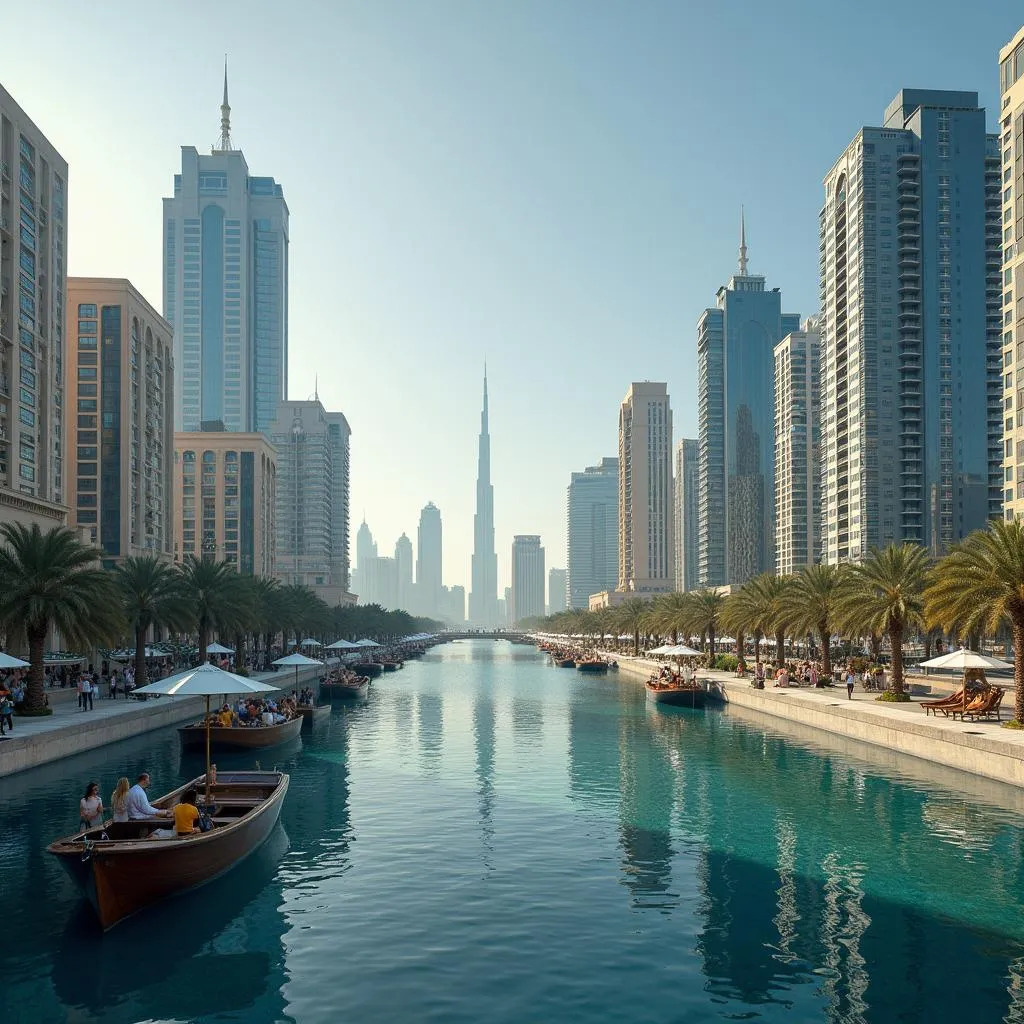
Dubai’s residential real estate market is experiencing significant growth, driven by a substantial influx of new residents. In the first half of 2024, over 220,000 individuals relocated to the city, reinforcing the escalating demand for housing. This trend has been further emphasized by Amira Sajwani, Managing Director of DAMAC Properties, who noted the ongoing increase in the need for residential units.

The surge in population is attributed to Dubai’s status as a global business hub, offering numerous employment opportunities and a high standard of living. The city’s strategic location, favorable tax policies, and dynamic economic environment continue to attract expatriates and investors worldwide. As a result, the real estate sector is experiencing heightened activity, with both sales and rental markets witnessing upward trends.

In response to the growing demand, developers are accelerating the construction of residential projects. DAMAC Properties, under the leadership of Amira Sajwani, is actively expanding its portfolio to cater to the diverse needs of the new residents. The company’s commitment to delivering quality housing solutions aligns with Dubai’s vision of becoming a leading global city.

Dubai is continuing to strengthen its position as a global luxury real estate hub with the introduction of new $100 million mansions aimed at attracting the world’s ultra-wealthy buyers. These high-end properties, designed with a blend of opulence and cutting-edge technology, offer unparalleled luxury and exclusivity, reinforcing the city’s appeal among high-net-worth individuals seeking a lavish lifestyle in one of the most cosmopolitan cities in the world.

The move comes amid Dubai’s ongoing efforts to diversify its economy and reduce dependence on oil. By creating an environment conducive to wealth generation, the city aims to secure its place as a key player in the global luxury real estate market, appealing to billionaires and other affluent individuals from various industries such as finance, technology, and entertainment. The launch of these multimillion-dollar homes aligns with Dubai’s broader strategy to foster growth in its property sector while attracting international investors.

The new mansions are situated in some of the city’s most prestigious neighborhoods, including Palm Jumeirah and Emirates Hills, both of which are synonymous with opulence and sophistication. These locations are well-established as the prime residential areas for Dubai’s elite, boasting spectacular views, private beach access, and proximity to world-class facilities such as five-star hotels, shopping malls, and golf courses. The homes, which range in size from 20,000 to 30,000 square feet, offer unmatched privacy and security, with residents benefiting from state-of-the-art surveillance systems and 24-hour concierge services.

Architecturally, the mansions represent a fusion of traditional Arabian design with modern, minimalist aesthetics. The developers have incorporated advanced technologies such as home automation systems, environmental sustainability features, and even artificial intelligence-driven energy efficiency, ensuring that the properties meet the highest standards of luxury and functionality. Many of these homes also come with private pools, spas, cinemas, and expansive outdoor spaces designed for both relaxation and entertainment.

Another attractive feature is the availability of bespoke services tailored to the needs of each buyer. Personalized interior design, exclusive art collections, and even custom-built furniture are part of the package, allowing wealthy residents to create a space that reflects their individual tastes and lifestyles. The presence of renowned luxury brands like Rolls-Royce and Lamborghini further enhances the appeal, with private showrooms and exclusive car services available to residents.

Dubai’s real estate market has been resilient even in the face of global economic challenges. The city’s stable political environment, tax-free policies, and world-class infrastructure make it an attractive destination for the ultra-wealthy, particularly in light of geopolitical uncertainties elsewhere. The luxury sector has seen steady growth, fueled by a consistent influx of foreign investors seeking safe havens for their wealth. The introduction of these new mansions is expected to build on that momentum, catering to the growing demand for extraordinary homes that offer both lavish living and a secure, high-profile address.

While the $100 million price tag may seem astronomical to many, the value proposition is clear for those looking to buy into Dubai’s elite real estate market. The growing trend of “safe haven” investments, where the ultra-wealthy look to protect their assets in politically stable environments, makes Dubai’s prime properties even more appealing. As the city continues to position itself as a beacon for global wealth, the demand for luxury residences remains high, with Dubai consistently ranking among the world’s most sought-after destinations for property investment.

In addition to the allure of luxury living, these new mansions offer buyers a unique opportunity to be part of Dubai’s thriving cultural and social scene. The city’s reputation as a global business hub, its numerous luxury shopping destinations, and its burgeoning arts and entertainment industries provide an attractive backdrop for those seeking not just a home, but an elevated lifestyle.

Despite the substantial cost, the market for Dubai’s high-end properties is seeing increasing interest from international buyers, especially from regions such as Europe, Russia, and China. These global buyers are attracted not only by the mansions themselves but by the broader appeal of Dubai as a tax-free haven, providing access to a safe, stable environment for both living and investing. The city’s legal framework, which is favorable to foreign investors, also ensures that the luxury real estate market remains competitive and attractive.

Dubai’s government has been proactive in making it easier for foreign buyers to invest in property. Recent reforms, such as offering long-term residency visas to investors and property owners, have further contributed to the growth of the luxury real estate market. The ease of doing business in the city, combined with its strategic location at the crossroads of Europe, Asia, and Africa, ensures that Dubai remains an ideal base for wealthy individuals looking to expand their global portfolios.

Abu Dhabi’s real estate market experienced a significant surge in activity during January, reaching a total value of $2.88 billion in transactions. This marks a considerable increase in both sales and investments, reflecting growing investor confidence in the emirate’s property sector.

The uptick in transactions follows a series of market dynamics that have been shaping the real estate landscape in the UAE capital. According to the latest figures from the Abu Dhabi Department of Municipalities and Transport , the volume of deals spans various segments, including residential, commercial, and industrial properties. Notably, the residential sector continues to dominate, with a large portion of transactions involving high-value villas and apartments in sought-after areas.

The government’s commitment to fostering economic growth, especially through initiatives targeting real estate, has played a key role in stimulating demand. These policies have aimed at attracting foreign investments, bolstering infrastructure, and improving overall market conditions. New regulatory measures, such as those aimed at simplifying property ownership laws for non-residents and expanding property options, have also helped to enhance market stability.

Throughout January, luxury real estate in prime locations, particularly on Yas Island and Saadiyat Island, saw a noticeable uptick in demand. These areas, known for their high-end residential developments and world-class amenities, have become magnets for international buyers. Properties in these locations have attracted investors looking for both secure capital growth and high rental returns.

The office space market has also shown resilience, as businesses continue to expand operations in Abu Dhabi, despite global challenges. Leasing activity for commercial properties remains strong, especially for Grade-A office spaces, as companies seek modern and flexible work environments. The UAE capital’s status as a regional business hub has contributed to this demand, alongside its increasing appeal as a destination for multinational corporations.

The data further highlights the rise of off-plan sales, with developers offering new projects across multiple residential communities. These off-plan sales, which accounted for a significant portion of the month’s total value, demonstrate the ongoing confidence in Abu Dhabi’s long-term real estate prospects. The availability of flexible financing options and competitive prices in comparison to global property markets have positioned Abu Dhabi as a desirable market for investors seeking stable returns.

The UAE’s Vision 2021 agenda, which aims to diversify the economy and reduce reliance on oil, has undoubtedly influenced the real estate sector’s strong performance. A considerable focus has been placed on infrastructure development and sustainability, including green building initiatives and smart city projects, which align with global trends. These initiatives are expected to sustain the growth of Abu Dhabi’s property market in the long term, as both local and international investors turn their attention to properties with sustainable features and advanced technologies.

The value of transactions in the commercial sector, including retail and hospitality properties, has shown positive movement. As the UAE recovers from the global disruptions caused by the COVID-19 pandemic, tourism and hospitality sectors are also seeing a boost, with a surge in demand for short-term rental spaces. Investors are capitalizing on this, focusing on both residential and commercial assets that cater to the increasing influx of tourists and business travelers.

Analysts suggest that the robust performance of the real estate market is also tied to global economic conditions. As many countries continue to grapple with inflationary pressures and market volatility, Abu Dhabi’s relatively stable economic environment is increasingly seen as a safe haven for investors. This trend is expected to continue, with forecasts pointing to sustained growth in the property market throughout 2025.

As Abu Dhabi continues to make strides toward becoming a global financial and cultural hub, its real estate market is likely to remain a key contributor to the emirate’s economic growth. The government’s focus on developing a diverse and attractive real estate sector, along with ongoing investments in infrastructure, is expected to support the market’s expansion.

ADVERTISEMENT

Abu Dhabi National Oil Company and Austria’s OMV have confirmed ongoing negotiations to establish a new global leader in the polyolefins sector. The merger, which would combine ADNOC’s Borouge, OMV’s Borealis, and Canada’s Nova Chemicals, is poised to create one of the world’s largest polyolefin groups. The two companies described the discussions as progressing in a “constructive and positive manner.”

Both ADNOC and OMV have been increasing their focus on expanding their footprint in the chemicals and petrochemicals sectors, particularly in polyolefins, which are critical for manufacturing a wide range of products, from packaging materials to automotive components. The merger would not only boost the companies’ market positions but also position the new entity as a major player in the global chemicals market.

The polyolefins industry has seen steady growth in recent years, driven by demand for packaging, consumer goods, and industrial applications. The merger, if completed, would give the combined entity a significant advantage in this competitive market, leveraging the resources and technological expertise of each participant. Experts suggest that the combined scale and enhanced capabilities could make the group a leader in producing polyethylene and polypropylene, two of the most widely used plastics globally.

ADNOC’s Borouge, based in the UAE, has been a key player in the polyolefins market for years, with a focus on high-quality, innovative products. Meanwhile, Borealis, controlled by OMV, is a leading European chemicals company with an established presence in polyolefins and advanced chemicals. Nova Chemicals, a wholly owned subsidiary of Canada’s Mubadala Investment Company, brings further expertise and production capacity to the table.

The merger would allow the three companies to capitalize on each other’s strengths. Borouge, for instance, has extensive experience in the Middle East and Asia, while Borealis has a strong European and North American footprint. Nova Chemicals’ established position in North America would be complemented by the global reach of the other two. Together, the companies would form a formidable force in both developed and emerging markets, ensuring a diversified supply chain and the ability to serve a broader range of industries.

This deal comes at a time when the polyolefins market is facing new challenges and opportunities. As the global demand for sustainable materials rises, the new entity may also benefit from growing interest in recyclable and eco-friendly plastic alternatives. Industry analysts speculate that the merger could help the group meet these demands by accelerating research into more sustainable production methods and product offerings.

The proposed combination would also be a notable shift in ADNOC’s strategy. Historically, the company has been heavily involved in the exploration and production of oil and gas. However, the increasing focus on petrochemical expansion aligns with broader regional goals to diversify the economy and reduce dependence on crude oil exports. By increasing its stake in high-value industries like polyolefins, ADNOC could secure more stable revenue streams in the coming years, particularly as global demand for petrochemicals continues to rise.

For OMV, the deal represents a significant opportunity to consolidate its position in the chemicals sector, aligning with its long-term strategy of enhancing its refining and petrochemical operations. The company has been expanding its portfolio in this space and aims to increase the contribution of chemicals to its overall business, helping to buffer against the volatility of oil and gas prices.

The announcement of the merger talks has raised questions about the potential regulatory hurdles the companies may face, particularly in Europe, where anti-trust laws are stringent. The deal would need to be assessed by competition regulators to ensure that the merger does not significantly reduce competition in the polyolefins market. Both ADNOC and OMV have stated that they are committed to ensuring compliance with all regulatory requirements.

Despite these challenges, analysts remain optimistic about the potential benefits of the deal. A merger of this scale would enable the combined company to drive innovation, improve efficiency, and leverage economies of scale. The global polyolefins market, valued at tens of billions of dollars, could see a new dominant player emerge, with the capacity to set trends and dictate pricing across key regions.

In addition to the market implications, the merger could reshape the supply chain dynamics for polyolefins. By merging production capacities and expanding global reach, the new group would be better positioned to serve large multinational customers who rely on polyolefins for various applications. This could include sectors like automotive, packaging, and construction, all of which are seeing shifts toward higher performance and more sustainable materials.

Arabian Post Staff -Dubai Dubai International Airport achieved a remarkable milestone in 2024, handling 92.3 million passengers, marking a nearly 6 percent annual increase. This achievement further cements Dubai’s status as one of the world’s leading global tourist hubs and the busiest airport by international traffic. The figure surpasses the airport’s November forecast of 91.9 million passengers, underscoring the sustained growth of Dubai’s aviation sector. This year’s […]

Abu Dhabi sovereign wealth fund ADQ has entered into a strategic joint venture with global investment firm Orion Resource Partners to focus on investments in metals and mining. The announcement was made on Thursday, marking a significant expansion of ADQ’s portfolio in critical minerals. This partnership is expected to inject $1.2 billion over the next four years, targeting mining operations in emerging markets across Africa, Asia, and Latin America.

The 50-50 joint venture will be headquartered in Abu Dhabi, reinforcing the UAE’s growing influence in global resource investment. The capital infusion will be deployed across a wide range of asset classes, including equity, senior debt, and production-linked instruments such as royalties, enabling the partners to diversify their approach while providing flexible financial support to mining companies.

This collaboration comes as demand for critical minerals, particularly those essential for green energy and technology, continues to surge worldwide. By strategically positioning itself in emerging markets, ADQ aims to tap into the growing potential of these sectors, while also ensuring a steady supply of materials for industries such as electric vehicles, renewable energy, and technology manufacturing.

The UAE has increasingly sought to diversify its investments, with sovereign wealth funds like ADQ playing a central role in expanding the nation’s economic footprint beyond oil. This partnership with Orion represents a key step in the UAE’s strategy to enhance its global financial influence, especially in sectors aligned with future growth, such as critical minerals.

The joint venture is expected to leverage Orion’s expertise in the mining sector, with the firm’s global experience providing a competitive edge in identifying and managing investments. Orion Resource Partners, known for its investments in natural resources and energy, will bring its deep market insights and operational capabilities to ensure the success of the venture.

The partners have already identified several opportunities in the target regions, which have abundant mineral reserves but often face challenges such as political instability, infrastructure limitations, and regulatory hurdles. By focusing on emerging markets, ADQ and Orion hope to unlock value in these regions, driving economic development while securing access to essential resources.

The decision to focus on mining companies in Africa, Asia, and Latin America aligns with global trends indicating a growing shift toward these regions, which have vast untapped mineral potential. These markets are becoming increasingly attractive to investors looking to capitalize on the expanding demand for metals critical to clean energy transitions. As nations commit to reducing their carbon footprints, the need for raw materials like lithium, cobalt, and nickel is escalating, placing these regions in the spotlight.

For ADQ, the partnership with Orion reflects its broader strategy to develop a well-rounded investment portfolio that includes not only traditional assets but also strategic holdings in critical industries. This move also signals ADQ’s commitment to responsible and sustainable investments, with the fund placing a strong emphasis on environmental, social, and governance factors in its investment decisions.

The joint venture’s investments will not be limited to equity stakes but will also include senior debt and other instruments such as royalties, allowing the partners to support mining companies with the flexibility to meet their funding needs across different stages of their development. This varied approach provides opportunities for both high-growth and stable, income-generating assets.

The UAE’s growing focus on the mining sector is also linked to its efforts to enhance energy security and ensure the long-term availability of essential raw materials. By forming such partnerships and investing in mining, the UAE can build stronger links with emerging markets while ensuring that its own economic and industrial sectors are less dependent on external sources of critical minerals.

ADQ’s decision to form this venture with Orion comes at a time when other global investors are also increasing their exposure to the mining sector. With the rise of sustainable investment practices and the need to secure critical minerals for the global green energy revolution, mining is set to remain an important area for international capital flows.

Through this partnership, ADQ and Orion aim to establish themselves as key players in the global mining sector, specifically targeting regions that are expected to become increasingly central to the global supply chain for critical minerals. As the world transitions to cleaner energy and technology, the demand for these minerals is only expected to increase, making such investments highly strategic for the long-term success of the partners involved.

The venture also highlights the UAE’s growing role in shaping the future of global industries. As one of the world’s leading financial hubs, Abu Dhabi is positioning itself to attract international capital and play a key role in industries that will drive future economic growth, from sustainable energy to advanced technology.

Advertisements
ADVERTISEMENT

Hamas has released three Israeli hostages, including 19-year-old soldier Agam Berger, as part of ongoing ceasefire negotiations. Berger, who was captured during the October 2023 attack, was handed over to the Red Cross in Gaza and is now undergoing medical assessment before reuniting with her family. The other released hostages are Arbel Yehud, 29, and 80-year-old Gadi Moses. Additionally, five Thai nationals were freed in this latest exchange.

The ceasefire agreement, brokered by U.S.-led mediators, aims to facilitate the release of hostages in exchange for Palestinian prisoners. Under the terms, Hamas is expected to release a total of 33 hostages, while Israel will free approximately 1,900 Palestinian prisoners. This truce seeks to halt the intense conflict that has resulted in significant casualties on both sides.

The release of Berger, the last female soldier held in Gaza, was met with celebrations in Tel Aviv. Footage showed her waving to the crowd upon her release, indicating she is alive and well. The emotional return has been a source of relief for her family and supporters.

The ceasefire has also allowed hundreds of thousands of Palestinians to return to northern Gaza, though they face significant devastation upon their return. Negotiations for further exchanges and a permanent end to the war are ongoing, with the next phase focusing on releasing remaining hostages and withdrawing Israeli troops from Gaza. The final phase will involve returning the bodies of deceased hostages and reconstructing Gaza.

The October 7, 2023, attack by Hamas resulted in over 1,200 deaths and 250 kidnappings, sparking the subsequent conflict. The recent releases are part of efforts to de-escalate tensions and work towards a more lasting peace in the region.

As part of the ceasefire deal, Israel has agreed to release 110 Palestinian prisoners. The truce, which paused the conflict earlier this month, is part of a larger deal aiming for a more extended halt in hostilities and the release of more captives. However, negotiations for a deeper, lasting peace remain complex and uncertain.

The release of hostages and prisoners is seen as a significant step towards de-escalation, but the path to a lasting peace remains fraught with challenges. Both sides have expressed a commitment to continuing negotiations, with the hope of achieving a more comprehensive resolution to the conflict.

The international community continues to monitor the situation closely, with many nations expressing support for the ceasefire and the ongoing negotiations. The hope is that these developments will lead to a sustainable peace and stability in the region.

As the situation evolves, the focus remains on the safe return of all hostages and the implementation of measures to prevent further escalation. The coming days and weeks will be critical in determining the future trajectory of the Israeli-Palestinian conflict.

The recent releases have provided a glimmer of hope in an otherwise tumultuous period, highlighting the potential for diplomacy and negotiation to yield positive outcomes even in the most challenging circumstances.

While significant hurdles remain, the progress made thus far underscores the importance of continued dialogue and the pursuit of peaceful solutions to longstanding conflicts.

The international community remains cautiously optimistic, recognizing that while the road ahead is uncertain, the recent developments represent a meaningful step towards a more peaceful and stable future for both Israelis and Palestinians.

The situation remains fluid, and stakeholders on all sides are urged to exercise restraint and continue working towards a comprehensive and lasting resolution to the conflict.

The hope is that through sustained efforts and mutual compromise, a durable peace can be achieved, bringing an end to the cycle of violence and suffering that has plagued the region for decades.

The recent hostage releases serve as a reminder of the human cost of the conflict and the urgent need for a resolution that ensures the safety and well-being of all individuals affected by the ongoing strife.

As negotiations continue, the focus remains on achieving tangible outcomes that pave the way for a peaceful coexistence between Israelis and Palestinians, fostering a future where both communities can thrive in harmony.

The international community stands ready to support these efforts, recognizing that a lasting peace in the Middle East is not only a regional imperative but also a global one, with far-reaching implications for international stability and security.

The path to peace is seldom straightforward, but the recent developments offer a beacon of hope, illustrating that even in the face of deep-seated animosities, progress is possible through dialogue, negotiation, and a shared commitment to a better future.

As the world watches, the actions taken in the coming days will be pivotal in shaping the course of the Israeli-Palestinian conflict and determining whether this moment of hope can be transformed into a lasting reality.

The release of hostages and the ongoing ceasefire negotiations represent a critical juncture, offering an opportunity to break the cycle of violence and lay the groundwork for a sustainable peace that benefits all parties involved.

The international community remains engaged, ready to assist in facilitating dialogue and providing support to ensure that the progress made is not only preserved but also built upon in the pursuit of a just and enduring resolution to the conflict.

The inaugural Sharjah Festival of African Literature concluded on 28th January 2025, having attracted over 10,000 visitors. The event, which was launched as part of Sharjah’s cultural calendar, aimed to spotlight African literature, with a focus on celebrating diverse narratives and fostering intercultural dialogue.

Held at various venues across the Emirate, the festival hosted a series of panel discussions, book signings, author readings, and workshops, engaging literature enthusiasts, scholars, and professionals. With its emphasis on African voices, SFAL served as a platform to explore the rich literary traditions of the continent, providing a stage for both established and emerging authors.

African literature has seen a significant rise in global visibility in recent years, with writers from the continent earning international acclaim. The festival capitalized on this trend by featuring some of the most prominent literary figures in Africa today. The lineup included Nobel laureates, award-winning novelists, poets, and scholars from across the African diaspora, contributing to a diverse and dynamic program.

The festival’s programming was designed to engage audiences of all ages and backgrounds, with sessions tailored to both adults and younger readers. Discussions ranged from contemporary African literature to the role of storytelling in preserving cultural identity. The event also delved into the complexities of post-colonial narratives and the evolving role of African literature in shaping global perspectives on social issues, identity, and history.

Many of the panels focused on the intersection of African literature with global themes, reflecting the current challenges and triumphs within the continent. These discussions addressed subjects such as climate change, gender equality, and the impact of digital media on traditional storytelling. The festival’s creators aimed to create a space where attendees could engage critically with these topics and gain a deeper understanding of how African authors are reshaping the global literary landscape.

In addition to the literary discussions, the festival featured a vibrant marketplace showcasing a range of African literature, from classic works to contemporary titles, offering attendees the opportunity to purchase books and interact directly with the authors. This helped foster a deeper connection between writers and readers, creating an interactive and immersive literary experience.

Notable guests included Ngũgĩ wa Thiong’o, one of Africa’s most celebrated authors, whose work often examines the role of language and culture in shaping national identities. His keynote address captivated audiences with its reflection on the power of African literature to bring about social change. Other highlighted figures included Chimamanda Ngozi Adichie, whose writing addresses themes of feminism and Nigerian identity, and Tsitsi Dangarembga, whose work reflects Zimbabwe’s socio-political landscape.

The Sharjah Festival of African Literature also served as a reminder of the significant role that cultural festivals play in building bridges between different regions of the world. The event facilitated the exchange of ideas and fostered a greater appreciation for African literary traditions, offering attendees an opportunity to engage with writers and thinkers whose works often challenge the status quo.

The festival also highlighted the role of Sharjah as a cultural hub, reflecting the emirate’s growing influence in the global literary community. Sharjah has long been dedicated to promoting literacy and cultural exchange, and events like SFAL contribute to this broader goal of fostering an environment where creativity and knowledge can flourish. The success of SFAL reinforced Sharjah’s position as a key player in the cultural dialogue between the Arab world and Africa.

Abu Dhabi’s real estate sector has experienced a significant surge in foreign direct investment (FDI), with a 225% increase in the first half of 2024 compared to the same period in 2023. The emirate attracted AED 3.28 billion ($893 million) from 971 individual investors spanning 75 countries, including the United States, the United Kingdom, China, Kazakhstan, and Russia. ([adrec.gov.ae](https://adrec.gov.ae/en/News/Foreign-Direct-investments?utm_source=chatgpt.com))

This influx of foreign capital underscores the growing confidence in Abu Dhabi’s property market. The Abu Dhabi Real Estate Centre (ADREC), the regulatory body overseeing the sector, attributes this growth to strategic initiatives aimed at positioning the emirate as a premier global investment destination. Rashed Al Omaira, Acting Director General of ADREC, emphasized the emirate’s commitment to creating a business-friendly environment characterized by innovation, transparency, and efficiency. ([adrec.gov.ae](https://adrec.gov.ae/en/News/Foreign-Direct-investments?utm_source=chatgpt.com))

In the first half of 2024, the real estate market recorded 12,439 transaction activities valued at AED 36.2 billion ($9.85 billion). This includes AED 23.7 billion from 7,088 sales and purchase transactions and AED 12.5 billion from 5,351 mortgage transactions. ([adrec.gov.ae](https://adrec.gov.ae/en/News/Foreign-Direct-investments?utm_source=chatgpt.com))

The surge in FDI is part of a broader trend of international interest in Abu Dhabi’s real estate. In February 2024, Fiera Capital, a Toronto-listed fund managing $166 billion in assets, announced the opening of its first Middle East office in Abu Dhabi. The firm plans to establish an office in Saudi Arabia within the next 18 to 24 months, aiming to engage more closely with sovereign wealth funds, family offices, pension funds, and listed corporations in the region. ([Financial News London](https://www.fnlondon.com/articles/fiera-capital-plans-saudi-arabia-office-following-middle-east-foray-in-2024-ac7cc384?utm_source=chatgpt.com))

Additionally, Abu Dhabi’s Modon Holding has been active in international real estate investments. The company acquired half of Citadel’s new office tower at Broadgate in the City of London, marking a strategic entry into the London real estate market. The tower at 2 Finsbury Avenue is set to complete in 2027 and is one-third pre-let to Citadel. ([ft.com](https://www.ft.com/content/ed5b219c-e18a-4b8b-bfe8-88430f7dbd76?utm_source=chatgpt.com))

Modon Holding also expanded its portfolio by acquiring the luxury development La Zagaleta in Marbella, Spain. This acquisition includes the Majarambuz project, a 2.2 million square meter development in Sotogrande. The group plans to develop these areas while maintaining the exclusivity and legacy of the original developments. ([Cinco Días](https://cincodias.elpais.com/companias/2024-12-19/modon-holding-con-sede-en-abu-dabi-adquiere-en-marbella-la-urbanizacion-de-lujo-la-zagaleta.html?utm_source=chatgpt.com))

In Egypt, a partnership between Egypt’s Safwat Kaliouby Group (SKG) and the Emirati KSH Investment Company resulted in a 24 billion Egyptian pound ($500 million) agreement to develop a real estate project along the Nile in Cairo. The project will span 20,000 square meters and include residential and commercial towers, as well as a five-star hotel. ([reuters.com](https://www.reuters.com/markets/deals/egyptian-emirati-companies-sign-500-mln-real-estate-deal-egypt-2024-07-09/?utm_source=chatgpt.com))

These developments highlight Abu Dhabi’s growing influence in the global real estate market and its strategic efforts to attract and deploy foreign direct investment. The emirate’s focus on creating a transparent and efficient investment environment continues to position it as a preferred destination for investors worldwide.

ADVERTISEMENT

Arabian Post Staff -Dubai The United Arab Emirates (UAE) is implementing a series of strategic initiatives to enhance its property sector and attract increased investment. These measures come on the heels of significant growth in the real estate market, which has experienced substantial expansion in recent years. In 2023, the UAE’s property market demonstrated remarkable resilience and growth. The International Monetary Fund (IMF) reported that property prices […]

The Ras Al Khaimah Economic Zone (RAKEZ) has achieved an extraordinary milestone in 2024, welcoming over 13,000 new companies into its business ecosystem. This record growth marks a significant expansion for the free zone, reflecting its growing appeal to both regional and international businesses looking to capitalize on the strategic advantages offered by the UAE’s business-friendly environment.

This surge in company registrations can be attributed to a combination of factors, including the free zone’s comprehensive range of services, its cost-effective infrastructure, and the robust business climate in Ras Al Khaimah. As one of the fastest-growing economic zones in the region, RAKEZ has established itself as a vital hub for diverse industries, including manufacturing, logistics, technology, and services.

The 13,000 new companies span various sectors, underlining the broad interest in the region’s diverse economic opportunities. This growth not only strengthens RAKEZ’s position as a key player in the UAE’s economic landscape but also contributes significantly to the emirate’s overall economic development.

The free zone’s flexibility in offering tailor-made business solutions has become increasingly attractive to entrepreneurs, particularly in sectors like technology, e-commerce, and logistics, which have seen significant demand for their services. RAKEZ’s efforts to continuously enhance its infrastructure, improve customer services, and adapt to market trends have played a central role in its success.

Key to RAKEZ’s growth has been its ability to provide businesses with efficient, cost-effective solutions for setting up operations in the UAE. The zone offers a range of services, including 100% foreign ownership, zero taxation, and a simple licensing process that is especially appealing to start-ups and international companies entering the Middle East market.

Another factor contributing to the zone’s growth is the ongoing global demand for logistics and manufacturing services. As the UAE continues to develop as a global trade hub, companies in these sectors are finding Ras Al Khaimah’s strategic location and modern infrastructure increasingly appealing for establishing a foothold in the region.

For many entrepreneurs and international companies, RAKEZ’s proximity to key markets in Europe, Asia, and Africa is a major draw. The economic zone’s proximity to ports, airports, and trade routes makes it an ideal location for global logistics companies looking to expand their footprint in the Middle East and North Africa (MENA) region. With modern infrastructure that includes state-of-the-art warehouses and business parks, RAKEZ has become a preferred choice for firms seeking to establish a presence in this region.

RAKEZ’s efforts to promote innovation and technology-based industries have been a cornerstone of its success. The free zone has attracted a growing number of technology-driven companies, with particular focus on areas such as artificial intelligence, data analytics, and software development. With initiatives aimed at fostering innovation, RAKEZ continues to position itself as a leading destination for tech start-ups and established firms alike.

The zone has also focused on sustainability, which has increasingly become a significant factor for companies when choosing their business location. The UAE’s commitment to green initiatives, combined with RAKEZ’s sustainable infrastructure and green energy solutions, has contributed to its reputation as a responsible and forward-thinking business environment.

RAKEZ’s strategic focus on customer satisfaction and ease of doing business has been another key factor behind its success. The free zone provides a wide array of services that streamline the process for businesses, including fast-track licensing, streamlined visa processing, and operational support. The customer-centric approach has made it easier for companies to set up and grow, which in turn has contributed to RAKEZ’s ongoing expansion.

The steady rise in the number of new business registrations can also be seen as a testament to the overall economic resilience of Ras Al Khaimah. The emirate has shown impressive growth in various sectors, with increased foreign direct investment (FDI) and a stable business environment that continues to attract international players.

Another key driver for RAKEZ’s success has been the government’s commitment to fostering economic diversification. The UAE’s focus on creating a conducive environment for businesses to thrive has played a crucial role in ensuring that RAKEZ remains an attractive option for entrepreneurs and multinational corporations. By encouraging investment in non-oil sectors, the government has made significant strides in positioning the country as a diversified, future-ready economy.

As the global business landscape continues to evolve, RAKEZ is well-positioned to remain a major player in the UAE’s free zone ecosystem. The region’s continued growth will be shaped by its ability to attract new companies, encourage innovation, and adapt to the changing needs of a globalized economy. With its increasing prominence in key sectors like logistics, manufacturing, and technology, RAKEZ is set to remain a crucial component of Ras Al Khaimah’s economic development strategy.

Arabian Post Staff -Dubai Dubai’s real estate sector has reached unprecedented heights in 2024, recording 180,900 transactions valued at approximately $142.4 billion. This marks a significant increase from 2023, which saw 133,100 sales worth $112.2 billion. The primary market experienced substantial growth, with first-time sales from developers rising by 30% to $91.1 billion. Transaction volumes in this segment surged by 51%, totaling 119,800 units. The average price […]

Abu Dhabi-based private equity firm MGX has made a substantial contribution to former President Donald Trump’s ambitious $100 billion artificial intelligence (AI) initiative. This investment, reportedly one of the largest in the tech space, is set to fuel groundbreaking developments in AI technology, specifically in areas like data processing and autonomous systems. The strategic partnership between MGX and Trump’s venture signals the UAE’s growing interest in the AI sector and positions both entities as key players in the global AI race.

The AI project, which aims to revolutionize industries such as healthcare, finance, and manufacturing, is part of Trump’s broader strategy to solidify his legacy in technological innovation. The initiative, described as the largest private-sector investment in AI, is intended to foster a new era of automation and machine learning. Experts in the field believe the collaboration with MGX could accelerate the timeline for implementing AI technologies at scale.

MGX, which has a history of backing high-profile ventures, is known for its investments in technology startups and its involvement in cutting-edge sectors. The firm’s decision to back Trump’s AI initiative underscores the growing convergence between Middle Eastern capital and American tech ventures. This partnership comes at a time when both the UAE and the United States are competing to lead in the rapidly evolving AI landscape.

The move also aligns with the UAE’s vision to diversify its economy and establish itself as a global leader in emerging technologies. Through strategic investments, the country has sought to expand its footprint in the global tech market, which is rapidly becoming dominated by AI-driven advancements. In recent years, the UAE has invested heavily in tech startups and AI research, positioning itself as a hub for innovation in the Middle East.

MGX’s contribution to the AI initiative marks a significant step in its expansion plans, particularly in terms of its growing influence in the global tech industry. The firm’s investment in AI technologies follows its track record of supporting businesses that aim to revolutionize established sectors. By entering the AI space, MGX not only bolsters its portfolio but also positions itself at the forefront of a rapidly evolving field.

Trump’s AI venture is expected to have far-reaching implications, particularly in sectors such as autonomous vehicles, smart cities, and healthcare. The potential of AI to automate complex tasks and process massive datasets holds the promise of transforming industries and improving efficiency across multiple sectors. However, experts warn that the ethical and societal impacts of widespread AI adoption will need to be carefully managed, with attention to issues such as job displacement and data privacy.

While the details of the deal between MGX and Trump’s venture remain closely guarded, insiders suggest that the collaboration will focus on the development of AI systems capable of transforming traditional industries. This includes advancements in predictive analytics, machine learning algorithms, and natural language processing, all of which have the potential to revolutionize how businesses operate.

The partnership is also expected to draw attention from policymakers and regulators, especially as the global debate over the regulation of AI intensifies. As AI becomes an increasingly powerful tool, questions about its ethical use, data security, and impact on employment will likely become central to the political discourse. Trump’s backing of AI is likely to spur more interest from global governments seeking to navigate the complex issues surrounding AI deployment.

At the heart of this initiative is the drive to position AI as a catalyst for economic growth and technological advancement. By aligning himself with MGX, Trump is positioning his venture at the intersection of innovation and capital, securing the funding necessary to scale his AI vision. The partnership serves as a demonstration of how private sector investments can shape the future of technological development, particularly in a field as dynamic and impactful as artificial intelligence.

For MGX, this deal represents a further expansion into the global tech sector, adding to its diverse portfolio of high-value investments. The firm’s deep pockets and commitment to backing groundbreaking technologies make it an influential player in the AI field. As the demand for AI solutions grows, particularly in sectors like healthcare and finance, MGX’s stake in the AI space is poised to yield substantial returns in the coming years.

As AI technology continues to evolve, both MGX and Trump’s venture are betting on its transformative power. The partnership serves as a reminder of the growing influence of private equity in shaping the future of technological development. With the combined resources of MGX and Trump’s ambition, the AI venture is set to become a cornerstone in the next wave of technological innovation.

ADVERTISEMENT

Dubai Investments is gearing up to take its subsidiary companies public, with plans for an initial public offering (IPO), according to the company’s CEO. The move reflects the growing trend among Middle Eastern conglomerates to unlock value and attract investment by listing some of their high-performing subsidiaries. The company, a prominent player in the UAE’s investment sector, has not specified a timeline or details about which subsidiaries will be included in the offering, but the announcement marks a significant step in Dubai Investments’ ongoing strategy to diversify its capital base and enhance its market position.

The UAE has seen a surge in IPO activity in recent years, with companies from various sectors, including real estate, energy, and financial services, opting to go public to leverage favorable market conditions. Dubai Investments, with its diverse portfolio spanning sectors like manufacturing, real estate, and healthcare, is positioning itself to tap into this growing market momentum.

The decision to pursue an IPO aligns with the broader push by UAE-based companies to boost their financial profiles and capital flexibility. UAE’s stock exchanges have seen a revival of IPO activity, with several high-profile listings, such as those of Dubai-based Emirates Central Cooling Systems Corporation (Empower) and the real estate developer Emaar Properties. These IPOs, coupled with the UAE government’s efforts to make the country more attractive to foreign investors, have set a strong precedent for other major firms like Dubai Investments to follow suit.

CEO of Dubai Investments, Khaled Al Huraimel, expressed optimism regarding the company’s plans, pointing to a robust market appetite for high-growth companies with a diversified asset base. He emphasized that the decision to list subsidiaries will help maximize shareholder value and unlock greater capital for reinvestment into core operations. With Dubai’s stock market seeing record levels of participation, the potential for a successful IPO seems favorable.

As part of Dubai Investments’ growth strategy, the IPOs will likely be part of a broader restructuring that focuses on enhancing operational efficiencies and sharpening the strategic direction of its subsidiary companies. These subsidiaries, which include some of the UAE’s most successful ventures in manufacturing, real estate, and healthcare, stand to benefit from increased visibility and liquidity once listed. The capital raised from the IPO could be reinvested into expanding these businesses, as well as funding new projects and acquisitions, further solidifying Dubai Investments’ footprint in the region.

Market analysts expect the IPOs to create a ripple effect across the UAE’s business landscape, potentially encouraging other conglomerates in the region to pursue similar paths. By going public, Dubai Investments and its subsidiaries will gain access to a larger pool of capital, allowing them to expand operations more aggressively, strengthen market share, and accelerate their regional and international growth plans.

The UAE government’s pro-business initiatives, including efforts to attract foreign investments and regulatory reforms aimed at increasing market transparency, have made the country an attractive destination for initial public offerings. These efforts are part of the UAE’s broader economic diversification strategy, which aims to reduce reliance on oil revenues and foster the growth of non-oil sectors. The country’s stock exchanges, particularly the Dubai Financial Market (DFM) and the Abu Dhabi Securities Exchange (ADX), have benefited from these policies, experiencing increased investor interest and a rise in IPOs in recent months.

Experts believe that the market conditions are ripe for Dubai Investments to capitalize on the growing investor demand for stocks from well-established firms with strong operational histories. With a track record of success across various sectors, Dubai Investments is well-positioned to attract a wide range of institutional and retail investors who are eager to tap into the growth potential of its diverse subsidiary companies.

The company’s move to pursue an IPO comes at a time when Dubai is further consolidating its position as a regional financial hub, thanks to government-backed initiatives aimed at making the city an appealing destination for business and investment. Dubai’s ease of doing business, robust infrastructure, and investor-friendly regulations make it a favorable environment for companies like Dubai Investments to expand their capital base and achieve long-term growth.

However, the decision to go public also carries risks. IPOs can be volatile, particularly in times of global uncertainty or market fluctuations. Dubai Investments will need to carefully navigate the process to ensure that its subsidiaries are positioned for success post-listing. The company’s management will also need to ensure that the IPOs do not dilute the control or influence of its parent company, preserving its strategic direction and long-term vision.

For Dubai Investments, listing its subsidiaries is a key part of its transformation and efforts to modernize its portfolio. While the IPO route is seen as a way to enhance liquidity and raise capital, it also provides an opportunity to unlock value from a number of high-growth subsidiaries, many of which have proven resilient in the face of economic challenges.

DP World has launched a multi-currency stablecoin aimed at transforming cross-border trade payments. This initiative seeks to reduce settlement costs, enhance transparency, and expedite transaction times for international businesses.

The company is collaborating with leading financial institutions and technology providers to address inefficiencies in traditional cross-border payment systems. By leveraging blockchain technology, DP World aims to offer a more efficient and secure alternative to conventional banking methods.

The stablecoin solution is designed to simplify and accelerate cross-border payments, ultimately helping businesses in emerging economies navigate the complexities of global trade and unlock new growth opportunities. This initiative is part of DP World’s broader strategy to offer end-to-end solutions for its customers and facilitate seamless global trade.

Sultan Ahmed bin Sulayem, DP World’s group chairman and CEO, emphasized the significance of this development, stating, “By introducing stablecoin-based payment options, we are not just addressing a critical gap in the trade ecosystem but also reaffirming our commitment to innovation and leadership in global commerce. This initiative aligns with DP World’s broader mission to enhance trade flows and economic development in regions that need it most.”

The new payment system is designed to drastically reduce settlement costs and times for cross-border transactions. For example, a textile manufacturer in Ethiopia that exports raw cotton to an Indian fabric producer currently faces significant delays in receiving payments due to the traditional correspondent banking systems, which require multiple intermediaries. This process often leads to settlement times extending over several days, or even weeks. By adopting stablecoin-based payments, DP World aims to streamline this process, reducing both the time and cost associated with cross-border transactions.

The initiative also seeks to improve financial accessibility for businesses of all sizes. In the Ethiopian example, the textile supplier faces cash flow constraints that limit its ability to scale operations or meet new orders. Similarly, the Indian fabric producer is often unsure whether shipments will be dispatched on time due to payment delays. The stablecoin solution will provide more predictable, real-time transactions that can help both businesses plan and manage their operations more efficiently.

The Abu Dhabi government has unveiled the “Abu Dhabi Government Digital Strategy 2025-2027,” a comprehensive plan to establish the emirate as a global leader in artificial intelligence (AI)-driven governance. Spearheaded by the Department of Government Enablement – Abu Dhabi (DGE), the strategy entails an investment of Dhs13 billion over the next three years to foster innovation and accelerate technology adoption across government operations.

Central to this initiative is the ambition to become the world’s first fully AI-native government by 2027, integrating AI across all digital services. The strategy outlines the deployment of over 200 innovative AI solutions aimed at enhancing public service delivery and optimizing governmental processes. This move is expected to contribute more than Dhs24 billion to Abu Dhabi’s gross domestic product (GDP) by 2027 and create over 5,000 new jobs, aligning with the emirate’s economic diversification and Emiratisation efforts.

A significant component of the strategy is the “AI for All” program, designed to equip citizens with the necessary skills to leverage AI applications effectively. This initiative underscores the government’s commitment to inclusive technological advancement, ensuring that the benefits of AI integration are accessible to the entire population.

The strategy also emphasizes the development of a robust digital infrastructure, aiming for 100% adoption of sovereign cloud computing for government operations and the complete digitization and automation of processes. This includes the creation of a unified digital enterprise resource planning (ERP) platform to streamline operations and enhance efficiency.

His Excellency Ahmed Hisham Al Kuttab, Chairman of the DGE, stated, “The Abu Dhabi Government Digital Strategy 2025-2027 reflects our leadership’s vision of being an AI-native government, seamlessly integrating AI across all government systems for a future that is proactive, agile, and fully technology-enabled.” He added that incorporating AI, cloud technologies, and data-driven insights will transform public service delivery, optimize government operations, and drive sustainable economic growth.

This strategic move builds upon more than a decade of digital evolution in Abu Dhabi, transitioning from e-government to smart services, and now to AI-powered governance. Recent initiatives, such as the third evolution of the TAMM platform (TAMM 3.0) and the Abu Dhabi Program for Effortless Customer Experience, lay the foundation for next-generation digital solutions rooted in AI, sustainability, cloud computing, and data analytics.

The government’s commitment to cybersecurity is also evident, with plans to develop comprehensive digital guidelines and frameworks to maintain the highest standards of security. This proactive approach aims to prepare the emirate for future technological challenges and ensure the integrity of its digital infrastructure.

ADVERTISEMENT

The International Monetary Fund (IMF) has revised its 2025 gross domestic product (GDP) growth projection for Saudi Arabia downward to 3.3%, attributing this adjustment primarily to the extension of oil production cuts by the Organization of the Petroleum Exporting Countries and its allies (OPEC+).

This revision marks a significant decrease from the IMF’s earlier forecast of 4.6% growth for the same period. The 2024 growth estimate has also been lowered to 1.4%. These adjustments have influenced the broader economic outlook for the Middle East and Central Asia region, with the IMF now anticipating a growth rate of 3.6% in 2025, down from the 3.9% projected in October.

The downward revision is largely due to the decision by OPEC+ to extend oil production cuts. In December, the alliance, which includes Saudi Arabia, postponed the commencement of output increases by three months to April 2025 and further extended the full unwinding of cuts, citing concerns over weak demand and rising production from non-OPEC+ countries.

Despite the anticipated slowdown in oil sector growth, Saudi Arabia is actively pursuing its Vision 2030 initiative, aimed at diversifying the economy and reducing dependence on oil revenues. The non-oil sector has shown resilience, with projections indicating growth rates exceeding 4% in both 2024 and 2025. This expansion is supported by substantial investments in large-scale projects, including NEOM and the Red Sea developments.

The IMF also forecasts a 2.6% decline in energy commodity prices for 2025, a more significant drop than previously expected. This projection reflects the complex dynamics of global oil markets, where production decisions by major exporters like Saudi Arabia play a crucial role in influencing prices.

Hedge funds are recalibrating their positions in the oil market as geopolitical tensions in the Middle East introduce new uncertainties. The recent escalation of conflicts, particularly involving Israel and Iran, has prompted a reassessment of oil price trajectories among major financial players.

In October 2024, oil futures and options trading reached unprecedented levels. The Intercontinental Exchange (ICE) reported a total of 68.44 million barrels traded, surpassing the previous record set in March 2020. Similarly, the CME Group noted a single-day volume record for weekly crude oil options on October 18, with 58,132 contracts exchanged. This surge in trading activity reflects heightened concerns over potential disruptions to oil infrastructure and anticipated price volatility due to the ongoing Middle East conflicts.

Despite the geopolitical turmoil, oil prices have exhibited volatility. Following initial spikes due to fears of supply disruptions, Brent crude futures experienced a decline of approximately $4 per barrel, fluctuating between $70 and $81 throughout October. This price movement underscores the market’s complex response to geopolitical events and underlying supply-demand dynamics.

Market analysts have observed that while geopolitical conflicts pose upward risks to oil prices, traders are also contending with weak fundamentals projected for 2025. Factors such as potential oversupply, especially if OPEC+ decides to increase production, contribute to a bearish outlook. In response, the market has seen a notable 38% year-on-year increase in West Texas Intermediate (WTI) crude oil monthly options traded on the CME, indicating a strategic shift towards options for risk management.

The Organization of the Petroleum Exporting Countries and its allies (OPEC+) have played a pivotal role in influencing market sentiment. In October, OPEC+ decided to delay its planned December output increase by one month to counteract weak demand and rising supply pressures. This decision reflects the group’s cautious approach in navigating the delicate balance between supporting prices and maintaining market share.

Hedge funds’ strategies have evolved in tandem with these developments. In September 2024, money managers reduced their combined net-long positions on Brent and WTI by 99,889 lots, bringing the total to 139,242 lots—the lowest level recorded since March 2011. This significant reduction in bullish bets indicates a cautious stance amid concerns of growing supply and weakening demand.

However, the landscape shifted in October as geopolitical tensions escalated. The increased risk of a region-wide Middle East war led to a 3% rise in oil prices, with Brent surpassing $80 per barrel for the first time since August. This price movement was likely driven by money managers closing bearish bets due to the heightened risk of disruptions to Middle Eastern oil supplies.

The Dubai Land Department (DLD) has announced that private property owners along Sheikh Zayed Road—from the Trade Centre Roundabout to the Water Canal—and in the Al Jaddaf area are now eligible to convert their properties to freehold ownership. This policy change is applicable to all nationalities, encompassing a total of 457 plots: 128 on Sheikh Zayed Road and 329 in Al Jaddaf.

To initiate the conversion process, property owners should first verify their eligibility through the “Dubai REST” application. The procedure requires submitting an application to the DLD for property evaluation and valuation. Following this, common area fees and service charges will be determined in line with the Real Estate Regulatory Authority’s guidelines. A conversion fee amounting to 30% of the property’s valuation, based on its Gross Floor Area, will be applicable. Upon payment, a new map and freehold ownership title deed will be issued to the owner.

This initiative is anticipated to enhance the market value of properties in these areas, particularly for those opting for freehold conversion. It is also expected to bolster the economic appeal of these locations, paving the way for real estate developments tailored to freehold investors and attracting new investment to Sheikh Zayed Road and Al Jaddaf.

Eng. Marwan Ahmed bin Ghalita, Director General of DLD, stated that enabling private property owners in the designated areas to convert their properties to freehold ownership will drive significant growth in Dubai’s real estate sector. This move aligns with Dubai’s Real Estate Strategy 2033, reinforcing the city’s position as a global economic hub and a leading destination for real estate investment.

The distinction between leasehold and freehold ownership is significant. Leasehold grants property rights for a fixed term, up to 99 years, without ownership of the land. In contrast, freehold ownership provides absolute ownership of both the property and the land it occupies, allowing owners to sell, lease, or occupy at their discretion. While the initial cost of purchasing a leasehold property may be lower, there are limitations on modifications, which often require approval from the freehold owner.

The UAE Securities and Commodities Authority (SCA) has appointed a new chairperson following the resignation of its CEO, marking a significant leadership transition at the country’s main financial regulatory body. This appointment comes as the UAE continues its efforts to modernize and enhance the resilience of its financial markets amidst global challenges.

The SCA, tasked with overseeing the UAE’s securities and commodities markets, plays a crucial role in shaping the financial ecosystem, ensuring transparency, and safeguarding investor interests. This leadership change is being closely observed by financial stakeholders, especially as the region seeks to bolster investor confidence and attract global capital.

Industry experts point to the leadership change as part of a broader wave of reforms aimed at streamlining the regulatory environment. Over the past few years, the UAE has enacted several measures to strengthen its financial infrastructure, promote corporate governance, and boost market liquidity. This reshuffle at the SCA comes at a time when the government is keen on expanding the role of the UAE’s stock markets on the global stage.

The outgoing CEO had held the position for several years, during which he was instrumental in driving the authority’s modernization initiatives. Under his leadership, the SCA took steps to improve the regulatory framework and enhance market supervision, earning praise for its efforts in fostering a more transparent environment. However, his departure, described as a personal decision, comes at a time when the UAE stock market is seeing increasing volatility, driven by external factors such as oil price fluctuations and shifting geopolitical dynamics.

The incoming head of the SCA is well-regarded within the financial community for their experience in both private and public sector financial services. Experts believe the new leadership will bring a renewed focus on innovation, digital transformation, and the diversification of financial products. Analysts are optimistic that the new chairperson will continue to build on the momentum of regulatory reforms while focusing on long-term sustainability and investor protection.

As the UAE stock market continues to evolve, regulatory oversight will remain a key element in its development. Analysts predict that the SCA’s new leadership will prioritize initiatives aimed at increasing market transparency and aligning with global best practices. These efforts are seen as essential in maintaining investor confidence, particularly in an era of rapid technological advancements and growing demands for sustainable finance.

Financial analysts also note the critical role that the SCA will play in the UAE’s broader economic diversification efforts. With the government’s ambitious Vision 2030 initiative in full swing, the financial sector is expected to contribute more significantly to the country’s GDP, particularly as sectors like technology, renewable energy, and tourism continue to expand. The new leadership is expected to drive initiatives that not only safeguard financial stability but also support the growth of non-oil industries, which are increasingly becoming central to the country’s economic future.

Market analysts will be watching the SCA’s next moves closely, especially as the UAE government seeks to enhance its attractiveness as a financial hub. This will include aligning with global standards for financial reporting and disclosure, which is seen as a crucial step in attracting more international investors. As the global economy continues to face headwinds, from trade tensions to economic slowdowns, the UAE’s efforts to position itself as a robust financial center will be critical to its long-term success.

With the leadership transition underway, there is anticipation that the SCA will further accelerate its efforts to improve market liquidity, streamline regulations, and increase the range of investment products available to both domestic and international investors. Many expect the incoming leadership to continue efforts to expand the scope of capital markets, exploring new avenues such as sustainable investing and green finance, in line with the UAE’s commitment to sustainable development goals.

Wizz Air Abu Dhabi is evaluating the potential to introduce flights to Syria, aiming to broaden its network and offer more travel options to passengers. This consideration aligns with the airline’s strategy to expand its presence in the Middle East and connect underserved destinations.

The airline has experienced significant growth, carrying over 3.5 million passengers in 2024, a 20% increase from the previous year. This expansion has been accompanied by the introduction of innovative travel products, such as the Wizz MultiPass and All You Can Fly memberships, which sold out within 48 hours of their launch. These initiatives cater to travelers seeking affordable and flexible options for exploring multiple destinations throughout the year.

In addition to exploring new routes, Wizz Air Abu Dhabi is increasing the number of flights between Abu Dhabi and Tel Aviv following the recent ceasefire agreement between Israel and Hamas. The airline had previously scaled back its Tel Aviv-Abu Dhabi service due to the conflict but is now working to restore services to meet growing demand.

A significant legal dispute has emerged between Abu Dhabi’s Mubadala Investment Company and Getir’s founders, centering on control of the Turkish rapid delivery service. Founder Nazım Salur has announced plans to pursue legal action against Mubadala, accusing the investment firm of breaching a June 2024 restructuring agreement. Salur alleges that Mubadala is attempting an “illegal coup” to seize the founders’ shares.

In response, Mubadala asserts that its actions aim to ensure Getir’s financial stability and protect employment for over 18,000 Turkish employees. The company claims that its proposed plan has been unanimously approved by Getir’s independent directors and is set to be presented to shareholders for approval at an upcoming extraordinary general meeting.

This dispute follows a significant restructuring in June 2024, when Getir secured a $250 million investment from Mubadala. The restructuring involved splitting the company into two entities: one focusing on food and grocery delivery operations in Turkey, managed by Mubadala, and the other handling e-commerce, finance, and mobility services, led by Salur and the other founders.

Aldar Properties PJSC has secured a $2.45 billion (AED 9 billion) sustainability-linked syndicated revolving credit facility, marking the largest such deal by a real estate company in the Middle East. This five-year senior unsecured facility comprises both conventional and Islamic tranches in UAE dirham and US dollar currencies, enhancing Aldar’s liquidity to approximately AED 27 billion.

The syndication attracted participation from 15 prominent international and regional financial institutions, including Abu Dhabi Commercial Bank, Bank of China, Citi, Dubai Islamic Bank, HSBC, and J.P. Morgan. This broad participation underscores the strong confidence in Aldar’s creditworthiness and strategic growth plans.

Faisal Falaknaz, Group Chief Financial and Sustainability Officer at Aldar, stated that the facility is a significant milestone reflecting the trust and confidence that global and regional banks place in Aldar’s business model and growth trajectory. He emphasized that this facility, along with a recent $1 billion hybrid notes issuance, positions Aldar to drive strategic initiatives and capitalize on emerging opportunities.

The facility is linked to sustainability performance targets, showcasing Aldar’s commitment to measurable environmental, social, and governance (ESG) objectives. By integrating sustainability into its financing framework, Aldar reinforces its position as a leader in sustainable growth while supporting its broader ambitions of creating long-term value for stakeholders.

VISHNU RAJA
RYO YAMADA
HITORI GOTOH
IKUYO KITA
Social Media Auto Publish Powered By : XYZScripts.com