Articles written by
arabian post staff

Leaders at the 51st G7 summit convening in Kananaskis, Canada, are confronting an abrupt surge in hostilities between Israel and Iran, marked by intensified airstrikes, rising civilian casualties, and mounting diplomatic tensions. With missile barrages and pre‑emptive assaults already claiming hundreds of lives, the summit agenda has shifted dramatically, prioritising strategies to contain the conflict and avert a broader regional war.

Israeli forces launched “Operation Rising Lion” on 13 June, targeting Iran’s nuclear, ballistic missile, and military infrastructure—including key command centres and Iranian Revolutionary Guard facilities around Tehran—and killed high‑ranking officials and scientists. Iran retaliated with a wave of over 270 missiles, deploying new tactics that overwhelmed Israel’s air defences and struck densely populated urban areas such as Tel Aviv and Haifa. As of 16 June, at least five Israelis were killed and more than 100 injured in the latest overnight strikes. Iranian health authorities report a death toll of at least 224, predominantly civilians, and over 1,200 wounded.

The rapid escalation has introduced fresh complexity to international diplomacy. U.S. President Donald Trump vetoed an Israeli proposal to target Iran’s Supreme Leader Ayatollah Ali Khamenei, emphasising that such action would only inflame the situation. Trump has also signalled the possibility of brokering a deal, suggesting Iran “must make a deal before there is nothing left” and voicing optimism that peace negotiations could emerge from this crisis.

European leaders are urging urgent collective action. German Chancellor Friedrich Merz asserted at the summit that unity is essential to prevent Iran’s nuclear ambitions, uphold Israel’s right to self‑defence, curb escalation, and open diplomatic channels. He indicated that measures could include sanctions, and emphasised cooperation with regional actors such as Oman to reduce tensions with Iran and Yemen’s Houthi rebels. Meanwhile, Ursula von der Leyen and Emmanuel Macron deployed diplomats to press for negotiation, although Macron’s optimism about a swift resolution contrasts with ongoing military deployment in the region.

Britain has signalled readiness to support Israel with defensive and civil aid while advocating restraint. Prime Minister Keir Starmer has reinforced diplomatic engagement with Trump, Netanyahu, and Gulf leaders, and authorised RAF Typhoon jets as a contingency against potential Iranian threats to UK bases. Nonetheless, Iran has dismissed ceasefire calls while military operations continue.

Canada, hosting the summit, has abandoned the traditional joint communiqué, opting instead for chair’s summaries to manage discord—particularly over trade and Middle East policy—between the U.S. and other participants. Canadian Prime Minister Mark Carney emphasised the summit focus on peace, security, supply chains, and jobs—prioritising a co‑ordinated response to the Israel‑Iran crisis.

G7 officials are crafting a unified statement urging Iran to halt its nuclear programme and Israel to pause expansive military action, signalling tangible diplomatic pressure backed by clear consequences for non‑compliance. However, persistent disagreements across the bloc—over trade, relations with Russia, and climate policy—complicate efforts to forge a consensus.

Regional actors are mobilising diplomatic channels. Qatar and Oman are reportedly engaged in shuttle diplomacy to de‑escalate the conflict. Simultaneously, Iran‑backed groups, including militias in Iraq and Houthis in Yemen, are extending hostilities across front lines, prompting concern that the confrontation may metastasise into a wider regional war.

The humanitarian fallout is grave. Large‑scale displacement is underway as Iranians flee Tehran after warnings issued by Israeli forces to civilians near weapons facilities. Hospitals in northern provinces are stretched, while the Iranian Red Crescent has launched mobile clinics to address urgent needs. Energy markets have also reacted sharply: Brent crude prices spiked as Gulf insecurity intensified.

Analysts warn the conflict risks triggering retaliatory terror attacks in the West and disrupting global energy security. The G7 faces a pivotal test: coordinating military readiness, civilian protection, sanctions, nuclear non‑proliferation, and active diplomacy, all while preserving internal unity amid geopolitical divisions.

Turkish authorities have clearly denied that Turkish Technic conducted any maintenance on the Boeing 787‑8 Dreamliner of Air India Flight 171, which crashed on 12 June 2025 near Ahmedabad, resulting in 279 fatalities. The Directorate of Communications’ Centre for Countering Disinformation labelled the claims “false” and “disinformation”, emphasising that existing agreements with Air India in 2024–25 strictly covered Boeing 777 aircraft—not the 787‑8 model involved in the disaster.

Flight AI 171 had lifted off from Sardar Vallabhbhai Patel International Airport bound for London Gatwick, crashed approximately 30 seconds later into a hostel block of B. J. Medical College in Ahmedabad’s Meghani­nagar area. Of the 242 onboard, only one passenger survived; the crash also claimed around 38 lives on the ground.

Turkish officials reiterated that the maintenance contract signed with Air India was limited to B777 aircraft serviced at Turkish Technic’s Istanbul facilities, and never extended to Dreamliner models. They acknowledged awareness of the company that last serviced the crashed aircraft, but refrained from naming it to avoid speculation amid the ongoing investigation.

The denial followed sensational allegations by yoga guru Baba Ramdev, who suggested a Turkish maintenance firm’s involvement, describing a possible “foreign conspiracy.” Turkish agencies sharply rejected his claims as baseless and manipulative.

The crash—the first fatal hull-loss involving a Boeing 787 since its entry into service—has sparked a major international investigation. India’s Aircraft Accident Investigation Bureau is leading the probe under Annex 13 protocols, with support from Boeing, GE Aerospace, and UK and US aviation authorities. Investigators are examining multiple lines of inquiry, including engine thrust anomalies, flap alignment, landing gear deployment, possible bird strike, and maintenance protocols.

India’s civil aviation regulator has ordered additional inspections across Air India’s Boeing 787 fleet, comprising 33 jets, and directed IndiGo to review its single 787. This unprecedented disaster, marking the deadliest global aviation accident involving a 787 in over a decade, has sharpened scrutiny on Air India’s maintenance regimes and Boeing’s safety standing.

Eyewitness and CCTV footage captured a distressing mayday call: “Thrust not achieved. Falling,” suggesting a rapid loss of lift. Preliminary observations indicate that the aircraft may have experienced dual-engine thrust failure or malfunctioning flaps or landing gear, heightening the risk of aerodynamic stall.

An aviation expert, retired captain Alok Singh, stressed that while the Boeing 787 platform is broadly reliable, such incidents often arise from a confluence of mechanical issues, procedural errors, or environmental factors such as bird ingestion. Meanwhile, industry analyst Steven Chen has advanced the theory that inadvertent flap retraction by the co‑pilot during take‑off may have disrupted lift, though this remains speculative pending flight data.

The Aircraft Accident Investigation Bureau has recovered the flight data recorder. Retrieval of the cockpit voice recorder is still in progress. Both are expected to yield critical insight into procedural actions and system failures. India’s government has established a high-level panel with a three-month deadline to issue findings.

In response to the tragedy and international concern, Boeing and GE Aerospace withdrew from the Paris Air Show to concentrate on search and investigative support. Boeing’s CEO Kelly Ortberg expressed condolences and pledged full cooperation, even as the company navigates ongoing operational and reputational pressures following prior safety incidents.

Air India, now under Tata Group ownership since 2022, has announced financial compensation packages for victims’ families and is working with authorities on victim identification through DNA and dental records. Public anxiety has surged, with many calling for systemic reforms in aircraft maintenance oversight, cross-border service dependencies, and regulatory enforcement.

Turkish Airlines and TAP Air Portugal have deepened their codeshare collaboration, extending shared services to a host of new international destinations. Under the broadened agreement unveiled at the IATA Annual General Meeting on 4 June, travellers can now book seamless flights on routes to Brazil, Morocco, Qatar and Mauritius, while Turkish domestic holiday hotspots Dalaman and Bodrum are also integrated into the expanded arrangement.

Bilal Ekşi, chief executive of Turkish Airlines, explained that the enhanced alliance “offers greater flexibility and a wider range of travel options” and aims to bolster tourist and business connectivity between Türkiye and Portugal. TAP Air Portugal CEO Luís Rodrigues underscored that strategic partnerships are essential for extending the airline’s reach eastwards, remarking that the arrangement “provides our global passengers and our Portuguese community with increased options to visit new and exciting places using our Turkish Airlines partner”.

Both carriers are members of the Star Alliance network, which encompasses more than 1,160 airports in over 190 countries. Turkish Airlines, holding a Guinness World Record since December 2024 for servicing the largest number of countries, flies to 340 destinations across 129 countries, while TAP Air Portugal ranks as Europe’s safest airline and leads European service to Brazil.

The update enhances booking convenience and connectivity for passengers. With the codeshare, flyers can book single-ticket itineraries that combine flights operated by each carrier, gain through-check of baggage, and accrue loyalty benefits across both their Miles&Smiles and TAP Miles&Go programmes. The inclusion of Brazil responds to TAP’s strong presence in South America, where the airline operates over 1,250 weekly flights to 14 cities.

Beyond South America, the new route options into North Africa, the Middle East, and the Indian Ocean signify a strategic push to diversify leisure and business travel offerings. Dalaman and Bodrum, already popular among European tourists, have now become a seamless gateway for Portuguese travellers to experience Turkish coastlines within the shared network.

Theresa Walsh, aviation analyst at AeroInsight Strategies, noted that although codeshare agreements are common, this specific expansion stands out due to its geographical reach: “Covering holiday-centric jets like Dalaman and bridging long-haul markets from Lisbon to São Paulo or Doha offers a genuinely integrated experience.” She projected that ticket sales could rise by up to 8–10% on the newly covered routes over the next year.

Industry experts highlight that the move may also serve as a template for TAP as it navigates its planned partial privatisation. Portugal’s government is preparing to offload its 51% stake in TAP, with a 49% stake open to bids from Air France‑KLM, Lufthansa or IAG. Strengthening international partnerships may enhance TAP’s value proposition to prospective investors by showcasing expanded network synergy.

Passenger advocacy groups have raised the question of whether such agreements might introduce pricing complexity, as combining two carriers can involve disparate fare rules. Both airlines have reassured the public that prices will remain transparent, with unified booking and support frameworks across shared routes.

Operationally, the partners will synchronise schedules, optimise cabin connections, and co‑ordinate service protocols. TAP’s fleet of Airbus NEO aircraft, lauded for fuel efficiency, will fly in conjunction with Turkish Airlines’ diverse mix of modern jets.

Premier travel agents in Lisbon and Istanbul report immediate upticks in enquiries. João Ribeiro, a senior agent at Lusitano Travel, commented: “Our clients value simplicity. Booking Lisbon–Bodrum via Istanbul on one ticket, with aligned timings and baggage allowances, is exactly the evolution they want.”

The alliance extension comes as both airlines seek to rebalance portfolios in response to shifting tourism trends and evolving geopolitics. Airlines across Europe are recalibrating their route maps to lean on partnership networks, minimising standalone risk. The expanded Turkish‑TAP codeshare is among the most notable examples of this trend in 2025.

Abu Dhabi hosted the culminating round of the Grand Prix Grappling World Tour at Mubadala Arena, Zayed Sports City, drawing hundreds of athletes from over 50 nations yesterday. The UAE secured top position in the overall standings, with 31,000 points, narrowly surpassing Brazil’s 30,600 and Russia’s 19,000, highlighting Emirati athletic rise in combat sports.

Leading the charge was Khaled Al Shehhi, who seized gold in the professional division after a series of commanding performances. Demonstrating exceptional physical strength and technical finesse, Al Shehhi attributed his victory to years of rigorous training and unwavering institutional backing from national leadership. He praised the diversity of grappling styles present and affirmed that the title represents a “significant milestone” in his career.

In the heavyweight division, Pouya Rahmani also took home gold. He commended the tournament’s professionalism, citing world‑class refereeing and flawless logistical arrangements, which, he added, elevated his performance amid a passionate crowd.

Organised by the Abu Dhabi Jiu‑Jitsu Pro Federation, the event underlined Abu Dhabi’s growing stature as a global combat‑sports hub. Its presence on the AJP calendar consistently attracts elite talent and contributes to the city’s international sporting profile.

Analysts note that this iteration—held on 14 June 2025—reflects a wider trend of rising investment and performance in grappling disciplines across the Gulf. With significant prize money and global ranking points at stake, UK‑based grappling commentator James Carter remarked: “This tournament is fast evolving into a key international stage for pro grapplers—it draws tactical competitors from Europe, South America, and Asia alike.”

Data from AJP shows this year’s event awarded 2,000 global ranking points to each champion—an incentive that has increased both participation and competitive intensity.

At the closing ceremony, Tareq Al Bahri, general manager of AJP, lauded the standard of competition and Emirati athletes’ achievements. He emphasised that national development programmes have been instrumental in nurturing home‑grown talent, with jiu‑jitsu federations investing in grassroots camps and international coaching exchanges.

Veteran coach Maria Fernandez, who oversees female grappling teams across the region, observed that the UAE’s multi‑tiered strategy—combining youth training, scholarships, and elite events at Mubadala Arena—has yielded visible results. “What we’ve seen here isn’t just isolated wins; it’s structural change. The UAE is visibly closing the gap with traditionally dominant nations like Brazil and Russia,” she said.

Looking ahead, organisers confirm that the Abu Dhabi stop is set to remain a keystone of the 2025‑26 AJP Grappling World Tour. Future events, including youth and professional categories, will continue at Mubadala Arena and additional venues across the emirate, reinforcing Abu Dhabi’s role in hosting elite martial‑arts competition.

For Khaled Al Shehhi and Pouya Rahmani, the gold medals on home soil represent both personal triumph and national pride. Their performances, supported by a robust governance and funding framework, signal a shifting landscape in global grappling—a sport now gaining serious ground in the Middle East.

ADVERTISEMENT

Ajman has emerged as the host for the 58th Asian Fitness and Bodybuilding Championship, taking place from 15 to 17 June 2025 at the Emirates Hospitality Centre. The emirate, hosting the event for the first time, extends a formal welcome under the patronage of His Highness Sheikh Ammar bin Humaid Al Nuaimi, Crown Prince of Ajman and Chairman of the Executive Council, with the presence of Sheikh Abdulaziz bin Humaid Al Nuaimi, Chairman of the Ajman Department of Tourism Development.

Delegations from 23 nations across Asia will converge on Ajman this week, marking a notable heightening of the emirate’s stature within international sports circles. The Asian Bodybuilding and Fitness Federation’s congress also convened on 14 June, assembling leading officials and athletes to chart governance, standards and growth pathways for the sport across the continent.

IFBB President Dr Rafael Santonja expressed strong approval of Ajman’s preparations. He praised the local authorities’ logistical efforts and voiced confidence that the event will proceed in “the best possible manner,” reflecting meticulous planning.

By integrating top-tier competition with a high-level governance forum, Ajman seeks to project itself as a dynamic arena for Asia’s sporting peaks. The congress set the stage for the championships, drawing attention to the need for continuity between seasonally organised regional fests and global-level federation oversight.

Competitors span multiple divisions, including bodybuilding by height, men’s and women’s physique, fitness challenge categories, and adaptive contests such as wheelchair bodybuilding and para-bodybuilding. The comprehensive format reflects the IFBB’s commitment to expanding inclusivity, with winners across senior classes earning IFBB Pro Cards, enhancing the stakes for participants.

Logistics have been arranged to accommodate the influx of athletes, officials and support staff. Delegations arrived on 14 June, as confirmed by weigh-ins and registration hosted at the Bahi Ajman Palace Hotel. The adjacent Asian Federation congress was conducted at Ajman Saray Hotel. Recommended airports include Sharjah and Dubai, easing international access to the host emirate.

Entry structures show stringent anti-doping controls, with compliance to WADA standards in place. National federations have a stringent responsibility to vet athletes, especially those with past doping violations. Consent to drug testing was mandatory upon registration.

Registration fees include accommodation and meals from 14 to 18 June, with athletes opting for single or shared rooms at Bahi Ajman Palace Hotel. Crossover category participants incur a USD 100 surcharge.

The championship schedule unfolds across three days, with prejudging commencing on Day 2. Finals continue through Day 3 and Day 4 before closing events conclude on 17 June. Delegations depart on 18 June. This compact time-frame underscores an intention to deliver a high-impact, tightly controlled competition.

Ajman’s hosting aligns with a broader push to diversify its economy through sporting tourism and cultural diplomacy. The tourism authority unveiled the event’s logo and mascot—‘Mayed’—alongside traditional Emirati performances, highlighting the interplay between sporting and cultural platforms. The championship is expected to catalyse increased occupancy in the hospitality sector and heightened international visibility.

Preparatory logistics—hotel accommodations, venue readiness, anti-doping protocols, and athlete transport—underscore Ajman’s growing capacity to stage large-scale events. Federal backing ensures alignment with Wahid leadership’s vision to see the emirate emerge as a regional hub for international gatherings across sports, business, and tourism.

The intersection of high-performance sport, organisational governance and cultural presentation at Ajman’s inaugural hosting of the Asian Fitness and Bodybuilding Championship signals the emirate’s aspiration to position itself prominently on Asia’s event map.

Over 1,800 flights have been disrupted and more than 650 cancelled after Israel’s airstrikes on Iran prompted sweeping airspace closures over Israel, Iran, Iraq, Jordan, and Syria, prompting carriers worldwide to reroute or suspend services. Tel Aviv’s Ben Gurion Airport remains closed indefinitely, while Iran’s state media confirmed grounding all flights. The European Union’s aviation safety agency has classified the region as a high-risk zone.

Flight-tracking platforms like Flightradar24 and Cirium recorded a sudden clearance of air traffic in the affected region. Planes were diverted south via Egypt and Saudi Arabia or north through Turkey, Azerbaijan, and Central Asia. Airlines such as Emirates, Qatar Airways, Etihad, Air India, Lufthansa, British Airways, Delta, United, and El Al have either cancelled or dequeued flights due to safety concerns.

El Al announced suspension of all inbound and outbound operations, evacuating its fleet from Israel. Its budget counterpart, Israir, has similarly withdrawn aircraft from Tel Aviv, with full suspension through to at least 15 June. On the US side, United suspended its Newark–Tel Aviv service until 30 June, and Delta halted routes from JFK through 31 August.

In Europe, national carriers tightened flight operations. Lufthansa extended cancellations to Tel Aviv and Tehran through July, and halted flights to Amman and Beirut until 20 June. KLM, SWISS, Aegean, Ryanair, and EasyJet collectively cancelled flights into Israel, some as late as October. Turkish Airlines, Flydubai, Pegasus, and AJet suspended routes to Iran, Iraq, Jordan, and Syria until mid‑June.

The flight disruptions are exacting a toll on airlines’ financial performance. US carriers Delta, United and American saw share prices fall between 3.5% and 5%, while the US Global JETS ETF dropped around 3.5%. Rising oil prices—spiking between 7% and 11%—have compounded the burden. Investor sentiment across transatlantic carriers remains cautious as volatility in the Middle East continues to unsettle markets.

Aviation risk consultancy Osprey Flight Solutions reports six commercial aircraft have been shot down unintentionally, with three near-miss incidents since 2001, including downed civilian jets in Kazakhstan and Sudan. Such events have heightened the emphasis on airspace risk assessment in conflict zones. International Air Transport Association Director‑General Willie Walsh stressed the need for more coordinated information sharing between states, airlines, and global flight advisory systems.

Operation Rising Lion, the designation given to Israel’s offensive, involved over 200 fighter jets striking more than 100 Iranian targets—including nuclear enrichment sites at Natanz, ballistic missile facilities, and senior military commanders. Iran retaliated with missile and drone strikes, although most were intercepted. The escalation has forced Israel to place its defence units on high alert for further retaliation.

Operationally, airlines have adapted fast. Air India rerouted 12–16 flights—spanning transatlantic and Europe‑India services—via Vienna, Frankfurt and other hubs. Emirates diverted flights from Manchester to Istanbul, and Flydubai rerouted services from Belgrade to Yerevan. Abu Dhabi’s airports issued advisories urging passengers to verify status before travelling, as disruptions are expected to persist through the weekend.

The widespread closure underscores the commercial aviation sector’s exposure to geopolitical volatility. As routes are restructured to avoid conflict zones, carriers face longer routings, elevated fuel costs, crew redeployments, and cancellations—all eroding profit margins already weakened by post‑pandemic recovery strains.

Safety remains paramount. While no civilian aircraft have been lost in the current hostilities, the track record of past downings amplifies concerns. Airlines now rely heavily on real‑time risk intelligence from platforms like OPSGROUP’s Safe Airspace and coordination with aviation authorities. Russia’s Rosaviatsia has also barred its carriers from the contested airspace and banned flights to Iran and Israel until at least 26 June.

Global aviation authorities now face calls to bolster measures: real‑time intelligence sharing, harmonised flight advisories, and contingency routing to maintain safety while minimising disruption. But as long as the Israel‑Iran confrontation rages, the skies remain fragile. Passengers worldwide are urged to monitor airline communications and government travel advisories as the situation remains highly fluid.

Markets across the Gulf and beyond plunged on Friday following a sharp military escalation after Israel struck Iranian nuclear and military sites, triggering drone counter‑attacks by Iran and a broader risk‑off reaction among investors.

Dubai’s benchmark index tumbled 5.1%, its steepest single‑day loss since May 2022, while Abu Dhabi’s dropped 3.5% before paring losses. The rout extended into Israel, where the shekel slid as much as 3.5% against the dollar, with long‑dated Israeli bonds and select regional government debt also weakening.

Commodity markets mirrored investor anxiety. Brent crude surged over 6%, touching its highest level in nearly five months, as traders assessed the risk of supply disruptions through the Strait of Hormuz. Gold likewise rallied, reaching two‑month highs as capital flowed into safe‑haven assets.

Airline stocks were among the hardest hit. Air Arabia shares plunged more than 4%—some reports suggest nearly 8%—as carriers rerouted flights away from airspace over Iran, Israel, Iraq and Jordan. Regional exchanges in Riyadh and Doha were closed on Friday, with trading set to resume on Sunday amid anticipation of continued volatility.

The market shockwaves reverberated worldwide. Europe, Asia and US indices all registered dips: the S&P 500 dropped roughly 0.4% mid‑day, the Dow slipped nearly 1.8% and the Nasdaq around 1.3%, while Tokyo’s Nikkei and Hong Kong’s Hang Seng also declined.

Analysts warned that while markets historically absorb such shocks fairly quickly, the sustained threat of conflict brings inflation and growth risks. Chris Scicluna of Daiwa Capital Markets noted the initial oil spike “hasn’t been too extreme” but cautioned that a sustained rise toward US $80 oil would be problematic for central banks. Meanwhile, Tariq Kakish of FH Capital pointed out that geopolitical instability remains “the key factor affecting investors’ sentiments”.

Concerns centred on the Strait of Hormuz, which channels approximately one‑third of global seaborne oil, raising the potential for disruption. Demand for insurance on tankers in the Gulf surged, and traders remain on edge over possible Iranian retaliation targeting shipping or oil infrastructure. However, OPEC+ sources suggest that Saudi Arabia and others retain sufficient spare capacity and are monitoring the situation closely.

Financial markets also showed classic risk‑off behaviour: US Treasury bonds rallied even as yields ticked higher, reflecting investor concerns about energised inflation, as per Axios commentary. The dollar strengthened, while gold and the Swiss franc benefited from increased flight‑to‑safety demand.

In Asia, the ASX 200 slipped modestly, offsetting losses in financials and consumer sectors with gains in energy and mining stocks. In Mumbai, Reliance Industries’ shares fell nearly 1.8% as Brent crude surged past $75 per barrel amidst the tensions.

Political and economic analysts emphasise two themes: the possibility of an enduring inflation shock from energy price escalation, and the risk of prolonged conflict dragging in wider regional powers. While some argue Gulf states may help mitigate supply-side shocks via increased production, others highlight that even modest increases in oil prices could influence global inflation and central bank policy.

Despite the turbulence, multiple analysts noted past flare‑ups between Israel and Iran tended to cool within weeks, with markets rebounding once diplomatic pathways re‑opened. Yet this episode differs: it involves overt attacks deep into Iranian territory, targeting nuclear and ballistic infrastructure, and marking a new phase in the conflict. The outcome may recalibrate norms for military engagement in the region—and investor expectations alongside them.

Advertisements
ADVERTISEMENT

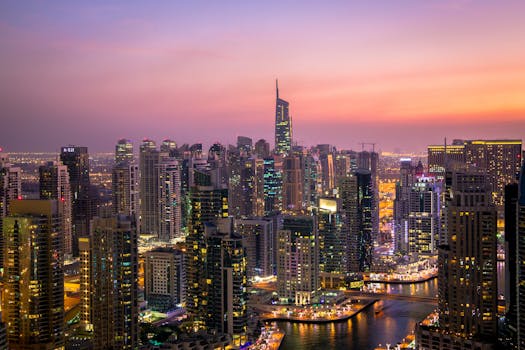
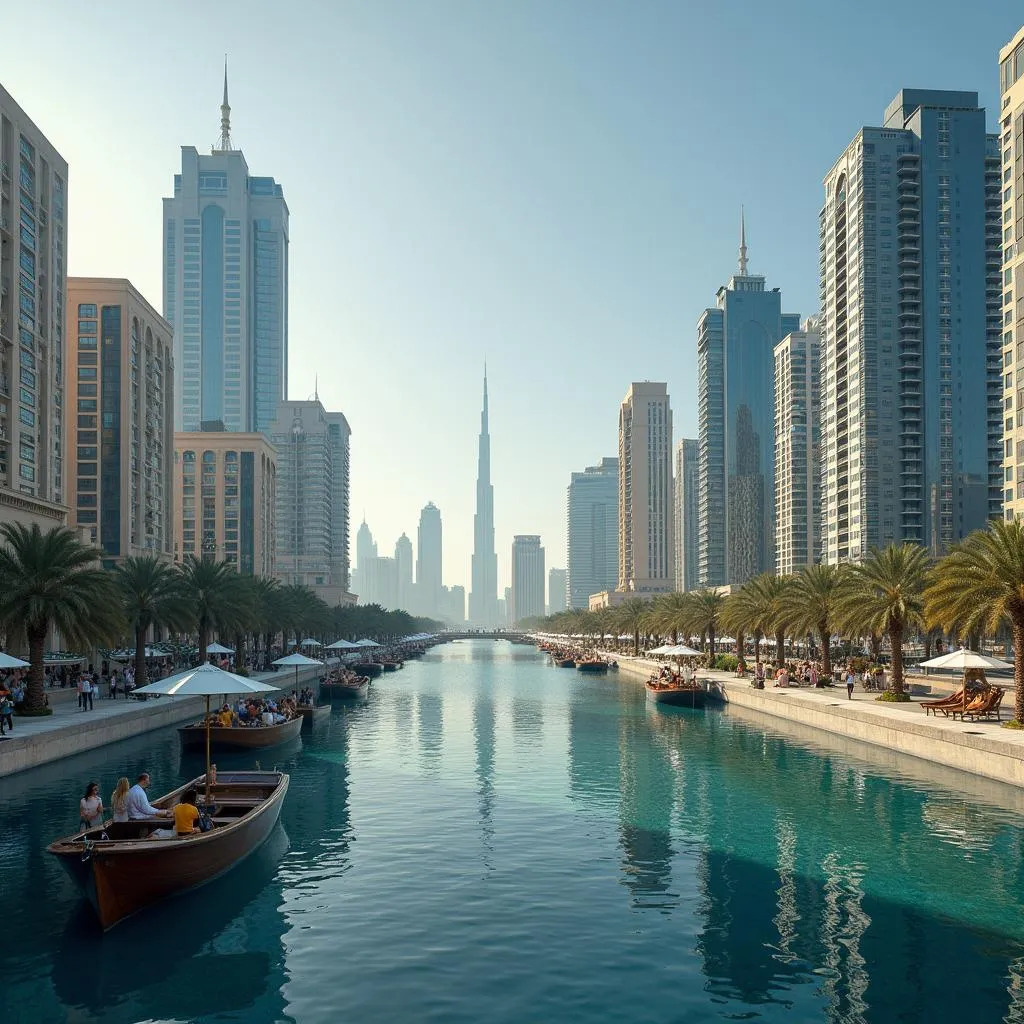
A blaze in the upper levels of the 67‑storey Marina Pinnacle tower in Dubai Marina was extinguished after nearly six hours of intense firefighting effort on Friday night, authorities confirmed, with no reported injuries.

Flames erupted at approximately 9:30 pm from one of the upper floors, prompting urgent deployment of Dubai Civil Defence teams. Thick smoke was seen billowing around the 60th floor, and emergency crews worked swiftly to evacuate 3,820 residents from 764 apartments. Multiple agencies—including ambulances and mental health support units—remained on standby as containment operations got underway.

By 1:44 am, the Dubai Media Office reported that evacuation was complete and efforts to contain the fire were ongoing. By 2:21 am, the full evacuation was confirmed safe and injury-free. Civil Defence officials continued extinguishing hotspots until around 3:30 am, declaring the blaze under control roughly six hours after it began.

The 67‑storey Marina Pinnacle tower, also known as Tiger Tower, sits adjacent to The Torch, another residential high‑rise with its own history of fire incidents in 2015 and 2017. In this case, the presence of fire-resistant cladding and a coordinated emergency response were credited for preventing injuries and halting the spread of flames to neighbouring structures.

Residents who fled described chaotic scenes as they left their flats in pyjamas, some carrying pets, and congregated outside the tower in the late‑night heat. One resident recalled smelling pungent smoke on the 49th floor and racing down emergency staircases alongside neighbours.

Considering the recurring fire incidents in high-rise buildings across the emirate, safety standards have been under scrutiny. In 2018, amended Fire and Life Safety Code regulations mandated the use of NFPA‑285 fire safety tests on cladding systems. Despite regulatory tightening, buildings like Marina Pinnacle and The Torch, which had earlier vulnerabilities, retained updated materials and protocols.

Dubai Civil Defence said its upgraded equipment, including specialised aerial vehicles and rapid deployment teams, enabled quicker access to upper‑floor blazes. Officials pointed out that the absence of injuries reflected improvements since prior incidents.

Emergency units also cordoned off the surrounding area as a precaution, urging nearby residents and motorists to avoid the marina precinct until the scene was safe.

With the fire now suppressed, engineers and inspectors are beginning a thorough investigation into its cause, though authorities have yet to release detailed findings. Civil Defence will examine potential factors including electrical faults, balcony grill cooking, or cladding degradation.

Evacuees have been offered temporary accommodation and healthcare evaluations. Petra Morgan, one of the residents, described waiting in the street with other tenants and pets, noting the presence of mental‑health professionals among responders providing calming reassurance.

This incident again highlights the persistent risks of high‑rise living in dense urban environments such as Dubai Marina. While past fires have prompted stricter building regulations, ongoing vigilance is deemed vital. Experts have pointed out that fire-alarm systems, stairwell access, staff training, and rapid evacuation protocols remain crucial elements in minimising harm.

Abu Dhabi‑based IHC, in collaboration with BlackRock and Lunate, has officially launched Reinsurance Intelligence Quotient—RIQ—a global, AI‑native reinsurance platform headquartered in the Abu Dhabi Global Market. Anchored by over US $1 billion in initial equity, RIQ aims to underwrite more than US $10 billion in liabilities, spanning property and casualty, life, and specialty lines.

The platform unites human talent with advanced artificial intelligence to refine risk selection, cost control, underwriting, and customer service. Its AI core provides real‑time insights and precision decision‑making, seeking to optimise capital deployment on a global scale. Registered with the Financial Services Regulatory Authority of ADGM, RIQ is in the final stages of securing full regulatory approval.

The board of directors, chaired by Dr Sultan Ahmed Al Jaber, includes notable figures such as Syed Basar Shueb, H E Mohamed Hassan Alsuwaidi, Sofia Abdellatif Lasky, and RIQ CEO Mark Wilson, former leader at Aviva and AIA. The governance structure positions RIQ to balance regional expertise with global vision, leveraging its strategic partners.

The initiative builds on a May plan unveiled by IHC, BlackRock, and Lunate to establish an AI‑powered reinsurer targeting US $10 billion in liabilities with over US $1 billion in capital. BlackRock will contribute its Aladdin technology and insurance asset management services, while Lunate brings private and public market investment capabilities.

IHC CEO Syed Basar Shueb has emphasised the venture’s role in accelerating Abu Dhabi’s and the wider region’s nascent insurance and capital market ecosystems. “RIQ is the embodiment of IHC’s vision to invest in the next frontier of global financial services,” Shueb stated. Meanwhile, RIQ CEO Mark Wilson described the platform as purpose‑built for a changing market, combining speed and flexibility backed by deep capital.

Dr Al Jaber, who also serves as UAE’s minister of industry and advanced technology, said the platform would “connect global capital with high‑growth markets, all from the heart of Abu Dhabi’s thriving financial centre”. This reflects a broader strategic push by Abu Dhabi to position itself as a hub for innovative financial services and AI‑driven offerings.

Analysts have observed that RIQ’s AI‑native architecture could challenge traditional reinsurance models, where legacy systems often hinder real‑time pricing accuracy and capital efficiency. With global risk landscapes evolving due to climate change, cyber threats, and geopolitical instability, the deployment of AI in underwriting and risk transfer represents a notable shift in industry norms.

Industry commentators note that IHC, already one of the region’s largest investment houses, continues to accelerate its diversification strategy, adding reinsurance to its growing portfolio that spans technology, energy, real estate, healthcare, and food production. Its ability to marshal more than US $455 billion in assets and maintain tight ties to the Abu Dhabi ruling establishment adds strategic depth to RIQ’s capital and governance framework.

Key trends marking this launch include the convergence of finance and bleeding‑edge technology, a stronger regional emphasis on insurance capacity, and elevated geopolitical importance of financial resilience. RIQ is set to capitalise on these developments, channeling global capital into emerging markets, while establishing Abu Dhabi as a next‑generation centre for financial innovation.

Ahmedabad authorities have recovered both black boxes from the wreckage of the Boeing 787 Dreamliner that crashed shortly after departure en route to London Gatwick, killing 241 of the 242 people aboard and dozens on the ground. Emphasis now is on analysing flight data and cockpit voice recordings to establish whether engine thrust, control surfaces or pilot actions led to the fatal descent. India’s Aircraft Accident Investigation Bureau is spearheading the probe, with support from UK, US and Boeing specialists.

Rescue and forensic teams continued sifting through the charred remains of buildings and aircraft debris in Ahmedabad’s densely populated medical college area. They are gathering fragments of flaps, landing gear, engines and fuel systems to reconstruct the sequence of events. Authorities have also collected dental records and DNA samples to identify victims whose remains were severely burned.

Preliminary scrutiny points to a sudden loss of thrust or possible flap misalignment during the initial climb. Flight-tracking data indicates the aircraft briefly ascended to about 625 feet before entering a steep descent, around 475 ft per minute, video footage shows abnormal wing-flap positioning and attempts at emergency corrective actions.

India’s Directorate General of Civil Aviation has issued an immediate directive for pre-departure technical checks across Air India’s 787-8 and 787-9 fleet, including engine-system diagnostics, cabin-air compressors, hydraulics and fuel-pressure systems. These measures are mandatory before the affected aircraft can resume service. GE Aerospace has pledged full cooperation with the inspections, while Boeing and US aviation regulators have dispatched technical teams to support the investigation.

Prime Minister Narendra Modi, shortly after arriving at the site, described the event as “heartbreaking beyond words” and met with the lone survivor, British national Viswashkumar Ramesh, who recalled escaping the fuselage through an exit door and was treated for minor injuries. The survivor’s account provides a rare eyewitness perspective amid the apex of data analysis in the coming days.

Air India’s reputation and “world-class airline” ambitions under Tata Group ownership are under intense international scrutiny. Experts warn the incident—Air India’s first fatal accident in decades and the first crash of a 787 Dreamliner—could severely undermine trust in the carrier’s safety oversight. The regulator’s maintenance order seeks to allay those concerns, but aviation analysts emphasise that rebuilding credibility will require transparent investigation and disciplined operational safeguards.

Families of victims remain in anguish, many having to wait for dental and DNA verification to identify the deceased. Hospital staff and forensic teams are painstakingly processing remains amidst anxious relatives at Ahmedabad Civil Hospital. Emotional distress is intensifying calls for accountability and answers as grieving relatives await official findings.

Experts caution aviation investigations can span several months, often involving layered analysis of mechanical faults, human errors, manufacturing quality and maintenance procedures. The cooperation of international agencies—including UK’s Air Accidents Investigation Branch, the US NTSB and FAA—forms the backbone of a thorough inquiry, especially given multiple jurisdictions involved.

Next steps hinge on decoding the black boxes, which are being analysed at a specialised laboratory in New Delhi. A clearer picture is expected to emerge once flight parameters, cockpit communications and mechanical readings are correlated with crash-site reconstructions.

The urgency around maintenance audits and global oversight has intensified as aviation authorities aim to prevent similar tragedies. Meanwhile, the carrier’s elderly 787 fleet—many delivered in 2014–15—remain grounded pending conclusive safety checks.

ADVERTISEMENT

Sharjah Publishing City Free Zone has been awarded the globally recognised “Great Place to Work” certification for the second year running, underscoring its commitment to cultivating a top-tier workplace. The accolade, granted by an independent authority with over three decades of experience in measuring workplace culture, reflects outstanding performance across key employee experience metrics.

Employees gave the organisation exceptionally high ratings, with 94 per cent satisfaction in workplace hospitality, 90 per cent approval of leadership behaviour, 87 per cent for engagement and 86 per cent in innovation. Equity and fairness also scored strongly—over 70 per cent in relevant categories. A remarkable 99 per cent of staff reported feeling physically safe at work and welcomed upon arrival, while 96 per cent noted unbiased, gender-neutral treatment and approachable management. These figures speak to a supportive environment where employees feel secure, valued and motivated.

Behind these high scores lies a deliberate strategy focused on trust-building, transparent leadership and collaborative culture. Through the Great Place to Work® Trust Model™, SPC’s approach places employees as the cornerstone of its service delivery model. The environment it fosters not only benefits staff morale but also translates into superior customer experience, reflected in prompt and efficient services.

The achievement is particularly notable given the scale of SPC’s operations. The free zone hosts more than 9,600 businesses spanning over 40 countries, including more than 1,500 publishers and investors, and is a vital hub for educational and cultural content creation. Its ecosystem supports not only publishing but also broader creative, technological and entrepreneurial sectors.

SPC’s origins date back to its launch in 2017 under the guidance of Dr Sheikh Sultan bin Muhammed Al Qasimi, Ruler of Sharjah, as the world’s first dedicated publishing free zone. From the outset, it was positioned to capitalise on Sharjah’s increasing appeal as a global cultural and knowledge-based economy, offering 100 per cent foreign ownership, full capital repatriation and a broad spectrum of licensing activities.

Since its establishment, SPC has continuously upgraded both its work environment and customer services. In May 2024, it introduced 24/7 operational support and guaranteed a three-business-day turnaround for bank account openings. It also pioneered an AI-enabled “instant licence” system in collaboration with Sharjah’s Investor Services Centre, delivering trade licences in under five minutes. These initiatives demonstrate its dedication to efficiency and tech-enabled service delivery.

The free zone’s appeal stretches well beyond the publishing community. Over 2,000 Indian-owned businesses operate in SPC, drawn by its strategic location and integrated support infrastructure. These enterprises benefit from a platform that promotes global expansion and cross-border reach. SPC has also diversified licensing options to include e‑commerce, cybersecurity, AI, biotech and robotics, reflecting its ambition to cater for a wide range of creative and technological ventures.

Yet SPC has not been without critique. Some business owners on public forums have expressed frustration over service quality and administrative delays during setup. One Reddit user described licences issued “once you get the hang of things” albeit noting initial frustrations, while another labelled the free zone as “incredibly frustrating to deal with” but acknowledged smooth operation post-launch. These mixed reviews highlight areas for SPC to improve consistency in customer experience and operational support.

Despite these occasional criticisms, SPC remains a top choice for entrepreneurs and SMEs. An MoU with Amazon UAE in August 2024 aims to aid free zone businesses in scaling digitally and accessing Amazon’s e‑commerce network. Additionally, partnerships with financial institutions like Mashreq Bank provide priority banking services and support to its licensees.

The second consecutive Great Place to Work certification confirms SPC’s rising profile within Sharjah’s broader economic ecosystem. It aligns with Sharjah’s strategy to diversify its economy through nurturing creative, cultural and knowledge-based industries. Leadership at SPC points to this workplace accolade as affirming its role in attracting and retaining talent, as well as driving innovation in service delivery.

U.S. Securities and Exchange Commission chair Paul Atkins has formally withdrawn several cryptocurrency-focused rule proposals initiated under former chair Gary Gensler, representing a decisive shift in regulatory strategy.

At the centre of the SEC’s action are two major proposals: amendments to Exchange Act Rule 3b‑16, which sought to classify decentralized finance protocols as securities exchanges, and the implementation of enhanced custody requirements under the Investment Advisers Act for client crypto assets. The withdrawal, confirmed on 13 June 2025, reflects a broader deregulatory drive under the current administration.

Rule 3b‑16 had been poised to expand the SEC’s definition of “exchange” to include systems bringing together buyers and sellers of securities via smart contracts and other DeFi mechanisms. The proposal would have subjected many decentralised platforms to full regulatory oversight, unsettling industry participants and drawing criticism from blockchain developers and legal experts. Many in the crypto sector argued the move would permanently conflate DeFi infrastructure with traditional securities exchanges, hampering innovation.

The custody rule aimed to require investment advisers to deposit all client crypto assets with “qualified custodians” such as banks or registered broker‑dealers. That would have effectively sidelined many crypto-native custodians that don’t meet these standards. Proponents cited the need for robust safeguards, while opponents warned the rule would force clients into a narrow pool of custodians and increase costs.

The SEC’s withdrawal announcement emphasised that it will not pursue finalisation of these proposals and may “consider new rulemaking in the future.” The reversals are part of a broader retreat from Gensler-era initiatives, including planned ESG reporting mandates and cybersecurity obligations. Acting chair Mark Uyeda had suspended both the DeFi exchange and custody rules in March, and this withdrawal gives that decision official effect.

Market reaction was swift. Coinbase’s chief legal officer, Paul Grewal, declared on X that the agency had scrapped “3b16, qualified custodian, and all other unfinished Gensler rule proposals.” Crypto platforms welcomed the rollback, viewing it as a reaffirmation of self‑custody and decentralised financial innovation.

Institutional stakeholders also voiced support. Brian Laverdure, Senior VP of Digital Assets and Innovation Policy at ICBA, noted the agency’s publication had “withdraws several NPRMs” including definition of “exchange” changes and safeguarding rules, sending confidence ripples through community banks and investment advisers.

The shift in posture follows President Donald Trump’s commitment to reducing regulatory burdens on markets. In tandem, SEC staff and FINRA dismantled a long-standing 2019 joint statement on broker‑dealer custody of digital asset securities on 15 May, paving the way for regulated intermediaries to offer crypto custody services under established rules.

The SEC’s deregulatory drive is echoed in recent comments from Uyeda, who in March announced the agency might scrap or significantly amend crypto custody rules introduced during the previous administration. He emphasised a pivot towards “effective and cost‑efficient regulations that respect the limits of our statutory authority”.

Critics caution that this pivot could expose clients to risks. While standards for DeFi governance, custodial integrity, and cybersecurity remain under voluntary frameworks, there are concerns that stripping formal oversight could open institutional and retail investors to vulnerabilities. Legal analysts predict renewed debate over the SEC’s authority to classify new financial structures as securities.

DeFi proponents, for their part, argue the withdrawal presents an opportunity. With regulatory certainty withdrawn, startups and developers may double down on innovation, integrating hybrid compliance models that rely on decentralised autonomy rather than central oversight. Meanwhile, traditional custodians and broker‑dealers are expected to enter the crypto space more aggressively, now freed from the obligation of specialist “qualified custodian” status.

Remaining questions include whether Congress will move to impose legislative frameworks on digital assets and whether the SEC will pursue fresh proposals under a different legal theory. Commissioner Hester Peirce has signalled support for further dialogue and interpretative guidance, reinforcing a more incremental, consultative regulatory model.

The SEC is now scheduled to hold stakeholder forums and public consultations in the coming months. Industry watchers are closely tracking these developments to assess whether the rollback represents a long-term deregulatory reorientation or a temporary reprieve preceding fresh oversight efforts.

Qatar has embarked on the printing stage of an ambitious architectural endeavour, deploying what are now the world’s largest 3D construction printers to build two public schools. Spearheaded by UCC Holding alongside the Public Works Authority, Ashghal, the project forms part of a broader plan to erect 14 new educational facilities under a public–private partnership, but these two structures alone span 40,000 m²—roughly 40 times larger than any previous 3D‑printed building worldwide.

Two custom-built BODXL printers supplied by Denmark’s COBOD each measure 50 m in length, 30 m in width and 15 m in height—dimensions comparable to a Boeing 737 hangar—making them the largest construction printers ever deployed. The twin schools, each covering 20,000 m² on 100 × 100 m plots, are two-storey edifices designed to showcase scalable, next-gen educational infrastructure.

Extensive preparatory work preceded the launch, including site development, printer assembly and more than 100 full‑scale test prints at a Doha-based trial site using a BOD2 printer. These trials refined concrete mix formulations suited to Qatar’s hot climate and developed bespoke nozzles to enhance precision. In May 2025, UCC engineers trained with COBOD specialists in print sequencing, structural layering and on‑site quality management, cementing Qatar’s local expertise in advanced construction technology.

The project offers clear environmental and operational benefits over conventional construction. By reducing raw material waste, lowering concrete consumption and cutting carbon emissions, 3D printing aligns with sustainable development goals. On‑site production cuts transport requirements and supply chain risk, while round‑the‑clock printing—including overnight operations—helps avoid thermal stress, minimises dust and noise and accelerates timelines.

Architectural design draws inspiration from Qatar’s landscape: sweeping, dune‑inspired curves are possible only through 3D printing’s geometric flexibility—a feat difficult and costly via traditional means. Scheduled to be completed by December 2025, the initiative is expected to redefine sustainable infrastructure while fortifying Qatar’s position as a global innovation hub.

Co‑founder of COBOD, Henrik Lund‑Nielsen, remarked that this marks both a technological milestone and an environmental turning point in building methodology. A spokesperson at UCC Holding said the venture “sets a global benchmark” in construction, as Qatar continues to drive pioneering engineering projects across the Gulf.

Stock markets across Asia plunged as global investors rushed to safe-haven assets following a military strike by Israel on Iran’s nuclear and ballistic missile facilities, intensifying geopolitical tensions in the Middle East. U.S. equity futures dropped sharply, while commodity prices surged—fuelled by fears of supply disruption and escalating conflict.

Crude oil futures reacted violently, with Brent surging about 9 % to approximately US $75.36 per barrel and West Texas Intermediate climbing to US $74.20, both marking the largest daily gains in months. Goldman strategists and energy analysts attributed the spike to risk premiums linked to potential retaliation and threats to regional infrastructure, especially across the Strait of Hormuz.

Precious metals and defensive currencies were also swept up in the panic. Spot gold rose by around 1.5 % to trade near US $3,434 per ounce, inching closer to its April record peak of US $3,500. The Swiss franc strengthened by roughly 0.4 % to reach two‑month highs against the U.S. dollar, while the yen appreciated by about 0.3 %—classic indicators of risk-off sentiment.

Asia’s leading equity indices suffered notable losses: Tokyo’s Nikkei 225 fell between 1.2 % and 1.4 %, Seoul’s Kospi dropped about 1.1 %, and Hong Kong’s Hang Seng declined roughly 0.8 %. U.S. S&P 500 E‑mini futures and Nasdaq futures plunged between 1.7 % and 1.8 %, while Pan‑European STOXX 50 futures slid around 1.6 %.

In India, the Nifty 50 and Sensex tumbled approximately 1.2 %, with the oil and gas sector leading losses thanks to narrower refining margins and soaring crude prices. Stocks of Bharat Petroleum, Indian Oil Corporation and HPCL each shed between 3.5 % and 6 %. Airline stocks, already shaken by a recent Air India crash near Ahmedabad, declined further as travel costs and uncertainty weighed heavily.

Debt markets saw a flight to quality. U.S. Treasury bonds rallied, pushing the 10‑year yield down to around 4.31–4.35 %, its lowest in a month. Currency markets mirrored these moves: the dollar index rose around 0.5 %, while the euro and sterling retreated slightly.

Analysts suggested the next moves hinge on Iran’s response. Charu Chanana, chief strategist at Saxo, noted that if tensions ignite, safe-haven demand and commodity volatility will likely persist. Matthew Haupt from Wilson Asset Management described this as a “classical risk‑off move,” adding that duration and scale of Tehran’s likely response will shape market impact.

This episode compounds earlier market strains. The global economy already faces headwinds from volatile U.S. trade policy and high inflation, while negotiations over Iran’s nuclear programme have stalled. A planned sixth round of talks in Oman was overshadowed as military actions overshadowed diplomacy.

Market indicators suggest traders are swiftly reducing risk exposure ahead of the weekend. Tony Sycamore from IG forecast continued selling in equities, saying that prudent investors will likely trim positions until further clarity emerges.

Energy market strategists warned of wider contagion. According to Saul Kavonic of MST Marquee, unless Iran specifically targets major oil infrastructure, supply impact remains limited—but persistent unrest could be enough to constrain output and flow through the region.

ADVERTISEMENT

An Air India Boeing 787‑8 Dreamliner operating as Flight 171 bound for London Gatwick took off from Ahmedabad’s Sardar Vallabhbhai Patel International Airport at 13:38 IST on 12 June 2025, issued a mayday call shortly after lift‑off, lost contact at approximately 625 ft altitude and plummeted into a doctors’ hostel at B.J. Medical College in the Meghani Nagar neighbourhood. Authorities confirm that at least 204 bodies have been recovered from the crash site, with numerous fatalities among residents on the ground.

The passenger manifest listed 242 occupants—230 passengers and 12 crew, comprising two pilots and ten cabin attendants. Nationalities aboard included 169 Indian citizens, 53 British nationals, seven Portuguese and a Canadian. Though initial reports suggested no survivors, one individual reportedly escaped; several building residents and medical students also suffered injuries as rescue operations intensified amid thick smoke and scattered wreckage.

Flight tracking data from Flightradar24 and eyewitness descriptions indicated that the aircraft was flying unusually low, with the landing gear still extended and flaps in abnormal positions, heightening concerns of possible mechanical malfunction or human error. US aviation consultant Anthony Brickhouse noted the landing gear remained deployed at a stage in the climb when it should have retracted, underscoring anomalies observed before impact.

Boeing and GM Aerospace have dispatched technical teams to assist Indian investigators, working alongside the Directorate General of Civil Aviation, the Aircraft Accident Investigation Bureau and experts from the US National Transportation Safety Board. Weather conditions at the time were reported as clear, with no adverse meteorological factors contributing to the incident.

Prime Minister Narendra Modi described the tragedy as “heartbreaking beyond words,” pledging to coordinate relief efforts, while UK Prime Minister Keir Starmer, King Charles III and Canadian officials offered their condolences and consular aid. Ahmedabad’s airport, managed by the Adani Group, briefly halted operations before resuming limited flights; civil hospitals have established emergency corridors to transport the injured.

Flight 171 marks the first fatal crash involving a Boeing 787 since the Dreamliner entered service in 2011, prompting heightened scrutiny of one of the world’s most advanced long‑haul airliners and raising urgent questions around maintenance, training and design vulnerabilities. The aircraft, tail number VT‑ANB, was delivered to Air India in January 2014 and had completed long‑haul rotations the previous week.

This catastrophe compounds Air India’s legacy of accidents, most notably the 2020 Air India Express Kozhikode runway overrun. Following its acquisition by the Tata Group—completed in 2022—and fleet modernisation efforts, including a $70 billion aircraft order in 2023, the airline’s safety record will now be intensely evaluated.

Boeing’s share value fell by over 6% in pre‑market trading in the US, and analysts suggest this may jeopardise confidence amidst its ongoing recovery from earlier quality and delivery issues. In Ahmedabad, emergency services continue to investigate the building’s collapse and the toll of ground casualties—some reports indicate five hospital beds were destroyed in the crash—while DNA matching and victim identification efforts proceed at affected medical facilities.

Flight 171 is currently the deadliest aviation incident of 2025, surpassing the Jeju Air accident in December, and registers as the first hull‑loss of a 787 aircraft.

Brussels has moved to recalibrate its anti-money laundering framework with a significant update to its high‑risk third‑country list. The European Commission has put forward a delegated regulation that, pending a one-month scrutiny by the European Parliament and member states, would remove the United Arab Emirates from the bloc’s “high‑risk” list under the Fourth Anti‑Money Laundering Directive. Simultaneously, Algeria and Lebanon—alongside eight others—will be newly classified as jurisdictions with “strategic deficiencies” in their national AML and counter‑terrorism financing frameworks.

The UAE, delisted in tandem with Barbados, Gibraltar, Jamaica, Panama, the Philippines, Senegal and Uganda, has undergone a sequence of reforms aimed at strengthening judicial oversight, regulatory compliance, and enforcement against illicit financial flows. Its exit from the FATF’s grey list in February 2024 marked the start of a broader crackdown that included the creation of specialised courts for financial crimes and a succession of heavy penalties—most recently, a ₫3.3 million fine imposed by the Central Bank on multiple currency exchange houses for compliance violations.

In Brussels, Commissioner Maria Luís Albuquerque emphasised that the overhaul aligns with global standards and is based on rigorous evaluations involving FATF findings, bilateral dialogues and onsite assessments. The process reflects a broader ambition to shore up the integrity of Europe’s financial system by enforcing transparency and curbing illicit financial flows.

The inclusion of Algeria, Lebanon, Angola, Côte d’Ivoire, Kenya, Laos, Monaco, Namibia, Nepal and Venezuela signals rising concern about governance standards in these jurisdictions. Algeria’s entry follows high-profile anti-corruption prosecutions and its low standing in Transparency International’s Corruption Perceptions Index. Lebanon’s designation reflects ongoing socioeconomic volatility and persistent finance networks linked to non-state armed actors.

Monaco, already on the FATF grey list since mid‑2024, was also added to the EU’s high‑risk list despite its recent enhancements to its financial intelligence unit and AML supervisor. The Commission acknowledged its progress while noting unresolved weaknesses.

The dynamics surrounding the UAE’s delisting, however, are not without controversy. Previously, the European Parliament blocked the move, echoing concerns voiced by Transparency International, citing insufficient progress. Opposition is noted to persist among MEPs, particularly from Spain and its stance on Gibraltar, complicating consensus.

From an economic standpoint, the delistings carry tangible incentives. Banks and financial institutions across the EU will scale back enhanced due diligence on transactions linked to the UAE, reducing compliance burdens and speeding up capital flows. Analysts suggest this could enhance foreign investment, signalling confidence in the UAE’s reputation as a global financial hub and factoring into ongoing free-trade negotiations with the EU.

Despite the acknowledged legislative reforms in the UAE, dissent persists. German Green MEP Rasmus Andresen criticised the move as premature, warning that regulatory gaps remain that could be exploited for illicit financial activities. Commission spokespersons framed the update as technical, decoupled from trade ambitions, though the timing follows the launch of EU–UAE trade negotiations in April.

On the other side, proponents speak of a “reputational course correction” for the UAE, part of a sweeping strategy since 2022 that included legislative overhauls, enforcement operations and judicial mechanisms to reinforce compliance with FATF standards.

Should no objections arise during the legislative review, the updated list will come into force in late July. Transaction oversight requirements across EU financial institutions will adjust accordingly, with the UAE reclassified and new protocols applying to the newly added jurisdictions.

ADVERTISEMENT

Defense Secretary Pete Hegseth informed the Senate Appropriations Committee on 11 June 2025 that the United States and Qatar have not yet formalised any agreement transferring a Boeing 747‑8 jetliner gifted by the Qatari royal family for potential use as Air Force One. Lawmakers pressing for details were met with repeated deferrals, as Hegseth invoked security and confidentiality concerns.

Senators voiced concern over the lack of transparency surrounding the gift. Senator Jack Reed of Rhode Island demanded insight into contractual terms and timeframe for retrofitting the aircraft to meet presidential standards, only to be told such information was “not for public consumption”. The Pentagon has neither disclosed cost estimates nor identified a specific US contractor for the extensive upgrade work required, including secure communications, defensive capabilities and airworthiness certification.

Despite earlier assurances from Air Force Secretary Troy Meink that retrofitting expenses could remain under USD 400 million, Democrats remain sceptical. Senator Chris Murphy pointed out that past Air Force One modernisation efforts have encountered significant budget escalations, sometimes reaching billions, and questioned the wisdom of funding work on a foreign jet when replacement aircraft are already in production.

Republicans, including Senators Jim Risch and Roger Marshall, defended the deal, asserting that Qatar and the UAE are strong US allies and that the jet donation alleviates procurement delays with Boeing. Secretary Hegseth echoed this view, suggesting that accepting Qatar’s jet could temporarily ease reliance on delayed Boeing‑built VC‑25B aircraft, though he declined to specify projected completion dates or key benchmarks.

Ethical concerns persist across party lines. Opponents argue that accepting a luxury aircraft from a foreign government may trigger Foreign Emoluments Clause issues or at least generate the appearance of impropriety. Qatar, meanwhile, has maintained that the nature of the transaction is under review—possibly a lease or outright purchase rather than a gift—though final details remain unresolved.

The Boeing 747‑8 in question, approximately 13 years old, features lavish interiors and advanced technology, earning it the nickname “palace in the sky.” Converting it to a presidential transport requires secure communications suites, defensive countermeasures, and structural modifications—a process estimated to span years. While Pentagon officials suggest costs may be contained beneath USD 400 million, analysts warn that upgrades for classified systems and nuclear safety could push costs well above one billion dollars.

Beyond the technical and ethical dimensions, questions remain over how accepting Qatar’s jet might affect broader US defence priorities. Some argue that prioritising resources for a foreign-made interim aircraft could detract from funding the delayed VC‑25B programme, which is pivotal to modernising the presidential fleet.

At the same hearing, Hegseth also dismissed calls for transparency, stating that budgetary and negotiating processes must remain classified for national security. This response intensified criticism from Democratic senators, who claim taxpayers deserve clarity on military expenditures and foreign transfers of high-value assets.

Meanwhile, Senate Republicans rejected two resolutions aiming to pause arms sales to Qatar and the UAE, signalling ongoing bipartisan support for the Gulf states despite growing unease over Trump administration’s foreign dealings. Republicans emphasised the strategic importance of maintaining strong defence cooperation, downplaying concerns over the aircraft gift.

The debate is set to continue as the Air Force advances planning and preliminary feasibility studies. Key upcoming moments include formalisation of the memorandum of understanding, selection of retrofit contractors, and disclosure of cost and timeline projections. The outcome will test the administration’s balance between diplomatic expediency, financial responsibility, and institutional transparency.

Dubai Land Department’s second tokenised property offering was fully subscribed in just one minute and 58 seconds, marking the fastest-ever blockchain-backed real estate transaction globally. The project, made available through the PRYPCO Mint platform, attracted 149 investors across 35 nationalities, while more than 10,700 others joined a waitlist to participate. The speed of uptake underscores growing trust in digital property ownership within the emirate’s broader Property Tokenization Initiative.

The feature property—a one‑bedroom apartment in Kensington Waters on Mohammed Bin Rashid City—was valued at AED 1.5 million, discounted from an estimated AED 1.875 million. Fractional ownership began at AED 2,000, enabling micro‑investing in prime Dubai real estate. This landmark offering followed an inaugural tokenisation in May 2025, which sold out within 24 hours, suggesting escalating global appetite for fractional property investments.

PRYPCO Mint is jointly operated by the Dubai Land Department and PRYPCO, under a regulatory framework accredited by the Virtual Asset Regulatory Authority, the UAE Central Bank, and Dubai Future Foundation within the Real Estate Sandbox initiative. The blockchain infrastructure is built by Ctrl Alt on the XRP Ledger and supported by Zand Digital Bank, ensuring tokens align with official title deeds.

Market data indicates robust momentum behind this pivot to tokenisation. In May, Dubai recorded total real estate sales of AED 66.8 billion, a 44 per cent increase year-on-year. The surge was driven by a 314 per cent rise in primary sales, with experts citing tokenisation as a catalyst for further growth. Scott Thiel, CEO of Tokinvest, observed that “tokenisation will not just accompany the next record, we believe, it will help drive it,” signalling strong confidence in the emerging asset class.

Dubai’s roadmap for tokenised real estate charts transformative ambitions. The DLD estimates that by 2033 tokenised assets could account for 7 per cent of the city’s total real estate market—equivalent to roughly US$16 billion. The first offering had drawn 224 investors from over 40 countries, with certificates of ownership now logged on the blockchain to ensure legal validity.

Industry insiders have noted the implications across the investment ecosystem. Zaher El Orm, a blockchain advocate in Dubai, commented that the asset “sold out in less than two minutes … with an average investment of around AED 10,000, a clear demonstration of the market’s appetite for on‑chain, fractional property investment,” adding that title certifications were issued within hours.

Earlier in the year, DAMAC Group—one of the UAE’s major developers—agreed to tokenize its assets worth US$1 billion via the MANTRA platform, reinforcing Dubai’s ambition to become a global digital assets hub. This aligns with regulatory updates from VARA in May extending tokenisation frameworks to real-world assets, bolstering transparency and operational efficiency.

Dubai Land Department and PRYPCO are now preparing to expand PRYPCO Mint’s offerings, encouraging investors to register early. Future phases aim to include international participants and onboard additional developers, scaling the initiative beyond its pilot phase.

Tokenisation is reshaping Dubai’s real estate landscape. By lowering barriers to entry, increasing liquidity, and embedding ownership in blockchain-secured records, Dubai is forging a path toward a digitally enabled property market that caters to both local and global investors. As the platform extends its reach, tokenised offerings may soon become a mainstream vehicle for property investment.

The World Bank has raised its forecast for the UAE’s gross domestic product to 4.6 percent in 2025, marking a notable upward revision of 0.6 percentage points from its January outlook. The renewed projection is driven by strong momentum in non‑oil sectors—tourism, construction, transportation and finance—while the phased easing of OPEC+ production cuts is expected to support oil output growth.

Overall GCC growth is also tipped to rise to 3.2 percent in 2025, climbing further to 4.5 percent in 2026 and 4.8 percent in 2027. Globally, however, the World Bank projects a slowdown to 2.3 percent in 2025, the weakest expansion outside recessions since 2008 — due mainly to elevated trade tensions and policy uncertainty.

Within the UAE, the non‑oil sector is poised to expand by roughly 4.9 percent in 2025, outpacing oil‑based growth. This upturn reflects robust activity in tourism, real estate, transport, and financial services. The first nine months of 2024 saw non‑oil GDP rise by 4.5 percent, a stronger contributor than the 1.5 percent growth recorded in oil GDP.

Analysts point to the UAE’s strategic economic diversification as central to this trajectory. Public investment in infrastructure and tech industries, alongside governance reforms aimed at enhancing the business environment, have significantly boosted competitiveness. Free‑zone facilities and logistics integration—especially in Abu Dhabi—are improving supply chain efficiency, while the nation’s Comprehensive Economic Partnership Agreements are broadening international trade links.

OPEC+ adjustments remain influential. The group is implementing a gradual withdrawal from voluntary oil output limits between May 2025 and September 2026, which the World Bank says will bolster oil GDP amid global price pressures. The UAE’s oil GDP is thus anticipated to gain ground after a lull, providing a stabilising complement to the diversification agenda.

Risks persist, including uncertainty around global trade, fluctuating energy prices, and regulatory slowdowns. The World Bank notes that logistics sectors across the GCC could be affected by broader trade disruptions. Meanwhile, lower oil revenues may limit fiscal flexibility, even as sovereign buffers remain robust.

In Abu Dhabi, economic diversification efforts are visibly gaining traction. The non‑oil sector there grew by 6.2 percent in 2024, representing over half of the emirate’s GDP at AED 644.3 billion. Large‑scale initiatives—such as new business districts, enhanced transport infrastructure, and collaborative zones linking academia with private industry—are expanding economic capacity.

Despite global headwinds, the UAE’s fiscal position remains sound. The 2024 fiscal surplus stood at approximately 4.6 percent of GDP, supported by counter‑cyclical spending and healthy sovereign reserves. Inflation has moderated to near 2.3 percent, with the Central Bank maintaining supportive liquidity without compromising price stability.

Employment is also expected to benefit. The International Labour Organization projects job growth to remain around 3.3 percent in 2025, with unemployment steady at roughly 2.1 percent. Nonetheless, structural issues—such as high youth unemployment and gender disparities—persist, particularly among younger and female cohorts.

Looking ahead, the UAE is on track to sustain growth above 4 percent through 2027, with oil and non‑oil sectors contributing in tandem. Yet, global vulnerabilities underscore the need for continued diversification, fiscal prudence and trade resilience.

Dubai master developer Emaar Properties has introduced VYOM, a digital resale platform designed to streamline the sale of Emaar homes through secure, transparent and user‑controlled processes. Available now to global users, the platform enables homeowners and investors to manage listings, upload images, set prices and handle inquiries—all within an integrated, intuitive interface.

Mohamed Ali Alabbar, Emaar’s founder, emphasised that VYOM reflects a shift towards autonomy, trust and speed in the property market. “VYOM is more than a platform—it’s a new way of thinking about property resale,” he said, adding that it places control firmly in the hands of customers. The move addresses persistent inefficiencies in traditional resale methods, including pricing opaqueness, communication delays and fragmented processes.

VYOM emerges as part of Emaar’s broader digital transformation strategy. The platform aims to reduce friction in resale transactions, allowing direct buyer‑seller interactions without intermediaries. For users, the result is a streamlined experience: creation of personalised listings, real‑time updates, and enhanced transparency across the transaction journey.

Analysts suggest the launch positions Emaar ahead in a market increasingly adopting digital property solutions. Industry commentary notes that VYOM could prompt competitors—such as Damac Properties—to roll out similar digital resale or even rental platforms. One real estate expert reflected, “With Damac launching its e‑commerce property site, a trend is underway”—a transformation likely driven by rising online demand.

Emaar views VYOM as the first stage of a phased rollout. Future enhancements include integrated rental management and expanded analytics tools, offering marketing insights and valuation support to users. The initial launch focuses on resale, but the roadmap points to a full‑cycle platform guiding owners from purchase through resale and rental.

Market conditions in Dubai reinforce the appeal of digital platforms. Transaction volumes remain buoyant, and buyers are increasingly seeking end‑to‑end online clarity. Traditional resale has been hampered by agents’ commissions and uneven quality, often leaving sellers and buyers without real‑time updates or direct communication. VYOM seeks to bridge these gaps.

Emaar’s track record lends weight to this evolution. The company has been steadily digitising its portfolio, incorporating virtual tours, property management apps and smart home integrations in key UAE developments. VYOM aligns with these investments, reinforcing Emaar’s image as a tech‑forward developer.

Technology infrastructure behind VYOM is built on robust security and data‑protection standards, ensuring user authenticity, encrypted communications, and verified listings. This digital-first model is expected to reduce instances of fraud and misinformation that sometimes plague secondary property markets.

Investor sentiment appears optimistic. Although Emaar has not disclosed specific growth targets, experts believe VYOM could significantly boost customer retention and retention rates for repeat domestic and overseas investors. A senior property economist commented that such platforms “elevate resale liquidity and deepen buyer confidence in the Emaar brand”.

The Dubai Land Department, while not officially commenting, has previously expressed support for digitisation in property services and title registration. Platforms like VYOM may dovetail with government efforts to digitalise real estate transactions across the emirate, including escrow reforms and blockchain‑enabled land registry trials.

Homeowners who have previewed VYOM report an improved experience. One early user noted that the ability to revise prices instantly and manage viewings through the platform eliminated delays often caused by agent coordination. The user highlighted how features such as buyer messaging templates helped standardise and speed up negotiations, while integrated market insights assisted pricing strategies.

Emaar has also invested in training programmes for sales teams and customer‑care staff to ensure consistent support for VYOM users. This back‑end readiness suggests the platform will do more than merely exist online; it will be backed by human expertise and service continuity.

Financial analysts underscore the commercial implications. VYOM can retain undisclosed resale transaction fees and promote secondary market activity within Emaar’s ecosystem. Over time, data harvested from user behaviour could feed predictive tools, generating new revenue through ancillary services such as refinancing, renovation or interior design partnerships tied to resale activity.

While VYOM’s earliest phase targets the resale of Emaar properties—off‑plan and completed—broader implications may follow. Market watchers consider the platform a bellwether for digital transformation in real‑estate heavyweights, signalling a shift towards owner-empowered brokerage and vertical integration.

Arabian Post Staff -Dubai G‑SHOCK has released its GA‑V01 in the UAE, marking a significant step forward in hybrid timepiece design by blending analogue presence with digital clarity in a robust, contemporary form. The GA‑V01 introduces a distinctive spherical aesthetic, combining a full‑screen LCD display with striking analogue hands that pivot via a magnetic “Shock Release Hand” mechanism. This innovation absorbs impacts by allowing the minute hand […]

Deyaar Development PJSC has officially launched Downtown Residences, a twin-tower residential project rising to a striking 445 metres in Dubai’s golden triangle where Sheikh Zayed Road meets Downtown Dubai and Business Bay. The development will house 522 units across one- to three-bedroom apartments, duplexes, penthouses and an exclusive Royal Palace perched at the summit, marking a new milestone in vertical luxury living.

Dubai is amid a surge of super‑tall skyscraper projects. Alongside Deyaar’s venture, Burj Azizi is planned to reach approximately 725 metres, while Burj Binghatti Jacob & Co is projected at around 557 metres. Downtown Residences, with more than 110 floors, will rank among the tallest residential towers in the emirate and is set for delivery in the fourth quarter of 2030.

Deyaar’s chief executive, Saeed Mohammed Al Qatami, described the project as a transformation of urban living, combining comfort, style and advanced amenities. He emphasised its potential to attract both residents and investors while enhancing the Dubai skyline. The company signals that the project is part of its strategy, expanding its 2025 pipeline beyond an earlier target of AED 8 billion through new launches.

Drawing inspiration from Maslow’s Hierarchy of Needs, the design concept organises the residential experience into five vertical zones, each catering to a different level of wellbeing and lifestyle aspiration. The lower zone—Dynamic Avenue—will include family areas such as children’s creative spaces, playrooms, and communal lounges, fostering social connection. The Sensory Oasis, positioned midway, will offer floating gardens, air yoga zones, AI-powered meditation pods and an “invisible spa” combined with fitness amenities.

At roughly 100 floors high, Summit Society will provide private dining venues, exclusive lounges, and a screening room. The Residents’ Club will include AI-enhanced workspaces, executive pods and networking hubs, while the Sky Pinnacle 360 zone culminating in the Sky Mansion and Royal Palace will represent the architectural pinnacle.

Architecture highlights include a dramatic central slit, vertical gardens woven through the structure, and podium-level urban oases. Outdoor terraces and community spaces such as The Collective and Serenity Haven aim to blend urban energy with serenity. Panoramic views of the Burj Khalifa, Arabian Gulf and Sheikh Zayed Road will feature prominently, underscoring the building’s centrality and visual impact. The site is also adjacent to the Business Bay metro station, emphasising convenience and connectivity.

In context, Downtown Residences forms part of a robust real estate market supported by government initiatives such as long‑term residency schemes and golden visa programmes, along with strong investor interest. Last year, Dubai recorded AED 761 billion in real estate deals, a 20 percent year-over-year increase, while unit prices rose nearly 19 percent. However, recent analysis from Fitch warns of a potential 15 percent price correction in the face of increasing supply as new units deliver in 2025 and 2026.

Within the current landscape, several super‑tall residential towers are either in planning or under construction. For instance, the 557‑metre Burj Binghatti Jacob & Co is expected to top out in 2027. Meanwhile, the 725‑metre Burj Azizi and a host of other vertical developments are progressing. Downtown Residences will complement these, contributing to a vertical growth strategy that increasingly defines Dubai’s urban identity.

Deyaar, with a 23‑year history in the UAE real estate sector, has previously completed numerous projects across Business Bay and downtown districts. The developer anticipates concluding the current series of launches with AED 4 billion in sales for 2025.

Compared with the tallest completed residential towers in Dubai, such as Marina 101 and Princess Tower, Downtown Residences will exceed these heights, adding further prestige to the skyline. In the under‑construction category, towers like Bayz 101 and Six Senses are among peers.

Dubbed a “vertical residential community”, Downtown Residences aims to offer more than luxury living; it’s intended as a lifestyle destination combining wellness, exclusivity and high‑end design. By aligning with evolving buyer preferences—especially among high‑net‑worth and remote‑worker demographics—the development emphasises contextually relevant amenities, location and architectural prominence.

As Dubai positions itself at the forefront of global luxury real estate, Deyaar’s Downtown Residences emerges as a test case in balancing scale, innovation and market demand. With units reportedly starting from AED 1.8 million, early indicators suggest strong investor interest in the lower‑priced tiers. Simultaneously, the Royal Palace and sky‑level offerings reflect ambitions to cater to ultra‑luxury buyers.

Deyaar’s vision, articulated by both Al Qatami and Patrick Bernard Rouse, frames Downtown Residences as more than just a building—it is a calibrated response to hierarchical human needs and emerging market dynamics. By integrating connectivity, wellbeing, community and status across vertical zones, the concept attempts to redefine high‑rise living.

Gulf Navigation Holding PJSC has signed a definitive agreement to acquire the assets and subsidiaries of Nasdaq‑listed Brooge Energy for AED 3.2 billion, a move set to significantly expand its midstream oil and gas capacity. The transaction spans a blend of cash, share issuance, and mandatory convertible bonds, with completion anticipated by the close of the third quarter of 2025, subject to regulatory and shareholder approvals.

The bulk of the deal involves taking over Brooge Petroleum and Gas Investment Company FZE, its Phase III FZE entity, and BPGIC Phase 3 Limited—each operating advanced crude, fuel oil, and refined petroleum storage facilities in Fujairah. These strategically located assets will double GulfNav’s existing infrastructure, reinforcing its footprint at a key UAE bunkering and storage hub.

Under the structured settlement, GulfNav will allocate 358.8 million new shares at AED 1.25 each to Brooge Energy, enforceable with a 12‑month lock‑up period. It will also issue AED 2.336 billion in mandatory convertible bonds convertible at the same share price and restricted similarly. Existing shareholders have access to AED 500 million in MCBs at AED 1.10 per share, with major investors covering any unclaimed portion. Additionally, AED 460 million will be disbursed in cash.

Chief Executive Ahmad Kilani described this acquisition as transformational, explaining that integrating Brooge’s storage infrastructure with GulfNav’s maritime services will “unlock operational synergies, enhance storage capacity and drive long‑term value for shareholders.” Incoming facilities in Fujairah are expected to enhance logistical efficiency, lower costs, and broaden GulfNav’s revenue mix.

This move aligns with GulfNav’s strategy to transition from a legacy maritime operator to a diversified energy‑logistics conglomerate. The firm’s board was authorised in March 2025 to proceed with the asset acquisition, capital increase, and issue of MCBs, all in light of its shareholders’ approval. Regulatory processes and amendments to the company’s articles of association—particularly regarding foreign ownership—are now underway.

Brooge Energy has previously attracted scrutiny. In December 2024, U.S. investors filed a fraud claim against auditor Ernst & Young, alleging that revenues were overstated by between 30% and 80% during 2018–2020. The firm reached a $5 million settlement with the U.S. Securities and Exchange Commission over irregular accounting practices. Despite these concerns, GulfNav maintains the deal offers strategic value, citing diligence and planned regulatory housekeeping prior to close.

Analysts note the landmark nature of this deal; GulfNav’s storage assets are poised to surge, positioning it as a key player in the region’s rapidly evolving energy-logistics ecosystem. Fujairah’s strategic location outside the Strait of Hormuz means its terminals are well placed to serve global crude oil logistics, with Brooge’s high-tech blending capabilities offering an edge in operational efficiency.

Transaction conditions encompass customary requirements: shareholder approvals, regulatory consents, debt settlements, and commercial registration. GulfNav expects to finalise the share and bond issuance in tandem with regulatory clearance, with the goal of closing by end‑Q3 2025. After completion, the Brooge Energy shareholders and bondholders will receive equity in GulfNav under lock‑up terms.

Post-acquisition, GulfNav’s board plan includes integrating Brooge’s board representatives to ensure continuity and operational alignment throughout the transition. Integration is expected to elevate GulfNav’s EBITDA margins and open fresh revenue streams via enhanced storage, blending, and bunkering services.

Although GulfNav navigates complexities from Brooge’s previous accounting controversies, analysts emphasise the strategic benefits—particularly the ability to offer complete maritime-to-storage and product blending services from a single platform. The expanded Fujairah facilities will allow GulfNav to capitalise on growing crude export flows, further supported by Abu Dhabi’s energy growth ambitions.

With conventional execution risk low, attention now shifts to securing regulatory and legal clearances, along with capital-raising for the MCB component. Successful completion will mark GulfNav’s transformation into a fully integrated energy logistics powerhouse, ready to meet regional demand while delivering enhanced returns to investors.

VISHNU RAJA
RYO YAMADA
HITORI GOTOH
IKUYO KITA
Social Media Auto Publish Powered By : XYZScripts.com