Articles written by
arabian post staff

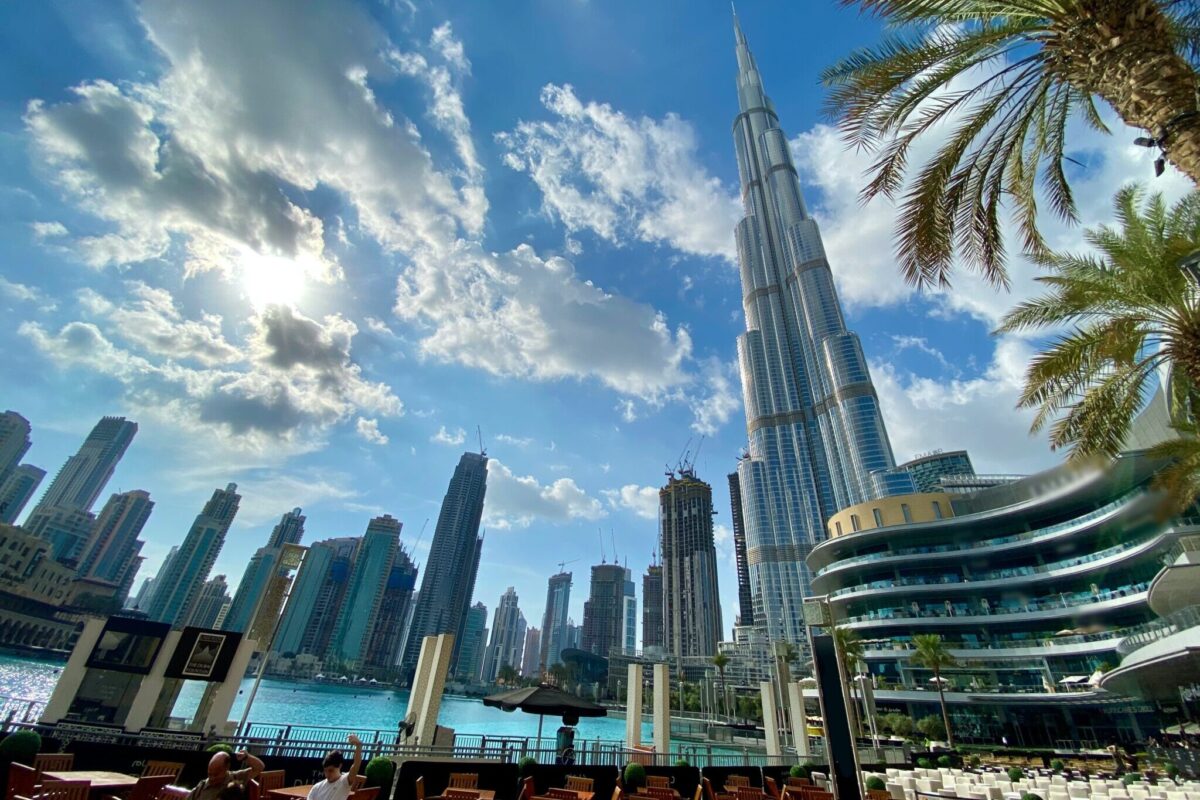
Dubai’s Roads and Transport Authority (RTA) is set to roll out four new metro link bus routes starting August 30. This initiative is designed to enhance the efficiency of the city’s public transportation network, promising improved connectivity and faster commutes for residents and visitors alike.

The new routes will connect various key areas of the Emirate, complementing the existing metro lines and addressing gaps in the current transportation infrastructure. The RTA’s move is part of a broader strategy to streamline travel and reduce congestion across the city.

The routes are meticulously planned to serve high-density areas and major business hubs, ensuring that commuters can transition seamlessly between the metro and bus services. This integration aims to minimize wait times and enhance the overall travel experience.

In addition to improving connectivity, the new bus routes are expected to alleviate traffic congestion by providing an efficient alternative to private vehicle use. This aligns with Dubai’s ongoing efforts to promote sustainable transportation options and reduce the city’s carbon footprint.

The RTA has conducted extensive studies to determine the optimal routes, considering factors such as passenger demand, traffic patterns, and urban development. The new bus lines are strategically aligned with major residential and commercial zones, ensuring that they meet the needs of a diverse commuter base.

The introduction of these routes also includes upgraded amenities for passengers. The buses will feature modern facilities designed to enhance comfort and accessibility, including real-time tracking systems and air-conditioned interiors.

Public response to the announcement has been positive, with many residents expressing anticipation for the improved travel options. The RTA has emphasized its commitment to continual improvement and responsiveness to public feedback in shaping Dubai’s transport infrastructure.

As the launch date approaches, the RTA is preparing to implement additional measures to ensure a smooth transition to the new service. These include updated schedules, enhanced signage, and public information campaigns to familiarize commuters with the new routes.

Overall, the addition of these four new metro link bus routes represents a significant step forward in Dubai’s public transportation evolution. By enhancing connectivity and providing a more efficient travel experience, the RTA aims to support the city’s growth and development while addressing the needs of its diverse population.

Isbank CEO, Hakan Aran, acknowledged significant hurdles for the bank as it navigates the complex economic landscape of Turkey. The country’s soaring inflation and fluctuating interest rates have cast a long shadow over the financial sector. In a notable development, Aran outlined plans for a strategic rate cut in November, a move anticipated to affect both the bank’s operations and the broader Turkish economy.

Aran’s statement came on the heels of Isbank’s centennial celebrations, marking 100 years of operation. This milestone underscores the institution’s long-standing presence in the Turkish financial market, which is currently under intense scrutiny due to the nation’s economic volatility. Despite Isbank’s historic achievements, the challenges posed by Turkey’s economic conditions are expected to shape its future strategies.

Inflation in Turkey has surged to unprecedented levels, driven by a combination of global economic pressures and domestic factors. The Central Bank of Turkey has responded with high interest rates, aiming to curb inflation and stabilize the currency. However, this policy has led to a constrained lending environment, impacting banks’ profitability and operational flexibility.

Isbank’s upcoming rate cut is a strategic response to these economic pressures. By lowering its rates, Isbank aims to stimulate lending and support economic growth amidst a challenging environment. The decision aligns with broader efforts by Turkish authorities to balance inflation control with economic growth stimulation. Aran emphasized that the rate cut is designed to enhance the bank’s competitiveness and support its clients during these turbulent times.

As Isbank celebrates its 100th anniversary, the institution reflects on a century of navigating Turkey’s economic ups and downs. The anniversary provides an opportunity for introspection and reassessment of the bank’s strategies in the face of evolving economic conditions. Aran highlighted that while the historical legacy of Isbank is a source of pride, the focus must remain on adapting to contemporary challenges.

The Turkish financial sector, including Isbank, is grappling with a tight economic environment marked by high inflation rates and fluctuating currency values. The Central Bank’s high interest rate policy, while aimed at stabilizing the economy, has created a complex landscape for financial institutions. Banks are required to balance the need for competitive interest rates with the necessity of maintaining financial stability and profitability.

Aran’s approach involves a nuanced understanding of these economic dynamics. The planned rate cut is seen as a proactive measure to mitigate some of the adverse effects of the high-interest environment. By adjusting its rates, Isbank aims to enhance its lending capabilities and provide better support to its clients, particularly businesses and individuals affected by the current economic pressures.

The broader context of Turkey’s economic challenges includes global factors such as energy price fluctuations and supply chain disruptions, which have exacerbated inflationary pressures. Domestic economic policies and geopolitical factors also play a crucial role in shaping the financial environment.

Isbank’s response to these challenges reflects a broader trend among Turkish banks to adapt their strategies in response to changing economic conditions. As the financial sector continues to evolve, the ability to navigate these challenges effectively will be crucial for maintaining stability and fostering growth.

The strategic decisions made by Isbank, including the anticipated rate cut, will be closely watched by analysts and stakeholders within the financial sector. These decisions will not only impact the bank’s operations but also have broader implications for Turkey’s economic landscape.

Mubadala Investment Company, in collaboration with CBC Group, has taken full control of UCB Pharma’s mature business in China. This strategic move involves the acquisition of UCB’s neurology and allergy portfolios, including the Zhuhai manufacturing facility. UCB, a Belgium-based biopharma leader, continues to focus on expanding its presence in China, especially in neurology and immunology. The deal aligns with Mubadala’s broader strategy to grow its healthcare investments across Asia, particularly in high-growth sectors like pharmaceuticals. The transaction is set to close by Q4 2024, pending regulatory approvals.

UAE airlines are markedly extending their global reach, driven by the country’s vibrant tourism and business environments, alongside a rebound in travel demand. Emirates and Etihad, the two flagship carriers, are spearheading this international expansion, seizing opportunities in key markets across Asia, Europe, and the Americas.

Emirates is ramping up its operations with new routes and increased frequencies to strategic destinations. The airline recently announced plans to introduce direct flights to several underserved cities, aiming to bolster connectivity between the UAE and emerging markets. This growth aligns with the UAE’s vision to enhance its position as a global travel hub. Emirates’ expansion is underscored by its ongoing investment in new aircraft, with the latest fleet additions promising increased efficiency and comfort for passengers.

Etihad Airways is similarly expanding its network, focusing on strengthening its presence in high-demand regions. The airline has outlined an ambitious strategy to grow its routes and enhance service offerings, catering to both leisure and business travelers. Recent enhancements to Etihad’s fleet and service model reflect its commitment to maintaining a competitive edge in the global aviation market.

The UAE’s aviation sector benefits from a robust domestic economy and a thriving tourism industry, which together drive significant demand for international travel. The country’s strategic geographical location further enhances its role as a pivotal transit hub, linking major global markets. The resurgence in global travel post-pandemic has provided a substantial boost to UAE airlines, which are capitalizing on this uptick to solidify their international footprint.

The expansion efforts by Emirates and Etihad are also supported by substantial investments in airport infrastructure. Dubai International Airport and Abu Dhabi International Airport are undergoing major upgrades to accommodate the increasing passenger flow and to enhance overall operational efficiency. These enhancements are designed to support the growing number of flights and ensure a seamless travel experience for passengers.

The competitive landscape in the aviation industry is becoming increasingly dynamic, with UAE airlines positioning themselves to capitalize on market opportunities. Both Emirates and Etihad are leveraging their extensive networks and strategic partnerships to offer a comprehensive range of travel options, appealing to a diverse customer base.

Analysts suggest that the aggressive expansion by UAE airlines reflects broader trends in the aviation industry, where major carriers are focusing on growth and market penetration. The UAE’s airlines are not only expanding their routes but are also enhancing their services to attract and retain passengers, amid growing competition from other global carriers.

The UAE’s airlines are poised for a significant global impact as they continue to expand their networks and adapt to shifting market dynamics. This growth is supported by the country’s strong economic foundation and strategic investments in infrastructure, positioning UAE airlines as major players in the global aviation sector.

ADVERTISEMENT

A coalition of major construction firms has announced a groundbreaking joint venture to develop the UAE’s ambitious high-speed rail network. This collaboration, involving several leading companies, aims to construct a state-of-the-art rail system that will enhance connectivity across the region.

The project, spearheaded by a consortium of international and local contractors, represents a significant investment in the UAE’s infrastructure. It is expected to revolutionize travel within the country, providing a high-speed link between major cities and boosting economic activity.

The UAE government has prioritized this rail initiative as part of its broader strategy to modernize transportation and support sustainable development. The high-speed rail network is designed to address the increasing demand for efficient and eco-friendly travel options while promoting regional integration.

The joint venture includes renowned global engineering firms and regional construction giants, each bringing their expertise to ensure the project’s success. The consortium is tasked with the design, construction, and operation of the rail system, which will feature advanced technology to provide a seamless travel experience.

This high-speed rail project is anticipated to significantly reduce travel times between key urban centers, potentially transforming the daily commute for thousands of residents and improving logistical efficiencies for businesses. The network will also serve as a model for future transportation projects in the region.

The UAE’s commitment to infrastructure development is further underscored by this initiative, reflecting its strategic focus on enhancing connectivity and supporting economic growth. The joint venture’s work will not only modernize the country’s transport sector but also set a new benchmark for high-speed rail projects globally.

As the consortium moves forward with planning and construction, stakeholders are closely monitoring the project’s progress and impact. The development is seen as a pivotal step in the UAE’s broader vision to position itself as a leader in innovative transportation solutions and sustainable development.

Burgan Bank has received the green light from the Central Bank of Kuwait to proceed with its plans for the full acquisition of Bahrain’s United Gulf Bank (UGB). This pivotal development marks a significant step forward for Burgan Bank, as it aims to consolidate its position in the region through this strategic acquisition. Both institutions are owned by Kuwait Projects Co (KIPCO), a leading investment firm in the region.

The acquisition is set to undergo further evaluation and requires final approvals from the relevant authorities in both Kuwait and Bahrain. The Central Bank of Bahrain is expected to play a crucial role in the final stages of this transaction, ensuring that all regulatory requirements are met.

Burgan Bank’s acquisition of UGB is part of a broader strategy to strengthen its financial portfolio and expand its influence in the Gulf Cooperation Council (GCC) region. The bank has been focusing on enhancing its operational efficiency and expanding its market presence, and this acquisition is seen as a critical component of that strategy.

UGB, headquartered in Bahrain, has a well-established presence in the financial markets, providing a range of investment services. Its integration into Burgan Bank is expected to bring synergies that will benefit both entities, particularly in terms of shared expertise and resources.

This acquisition comes at a time when regional banks are increasingly looking to consolidate and strengthen their positions in the face of economic challenges and changing market dynamics. Burgan Bank’s move reflects a broader trend in the banking sector, where mergers and acquisitions are being used as tools to achieve greater stability and growth.

The market will be closely monitoring the next steps in this acquisition, especially regarding the regulatory approvals and the eventual integration process between the two banks. If successful, this move will significantly bolster Burgan Bank’s footprint in the GCC financial landscape.

The outcome of this acquisition could set a precedent for future deals in the region, as banks continue to navigate the complexities of the current economic environment. With the backing of KIPCO, Burgan Bank is well-positioned to leverage this acquisition to enhance its competitive edge and deliver value to its stakeholders.

As the situation develops, further details will emerge, particularly concerning the impact on both banks’ operations and the potential benefits for their customers and shareholders. The financial community will be watching closely as Burgan Bank takes the necessary steps to finalize this significant acquisition.

QatarEnergy has solidified its position as a key player in the global energy market by signing a long-term agreement to supply Kuwait with three million tons of liquefied natural gas (LNG) annually for the next 15 years. This significant deal, finalized on Monday, marks the second such agreement between the two nations since 2020, highlighting Kuwait’s growing reliance on imported LNG to meet its increasing power generation needs.

The agreement was formalized during a ceremony in Kuwait, with QatarEnergy’s CEO Saad Sherida al-Kaabi and Kuwait Petroleum Corporation’s (KPC) CEO Sheikh Nawaf al-Sabah leading the signing. The deliveries, scheduled to commence in January 2025, will provide a steady supply of LNG to fuel Kuwait’s power plants, a critical component of the country’s energy infrastructure.

This new deal follows a similar 15-year agreement signed in 2021, under which Qatar also committed to supplying three million tons of LNG annually to Kuwait’s Al-Zour terminal. The Al-Zour facility, operated by KPC’s subsidiary KIPIC, is one of the largest LNG import terminals globally, with a capacity of 22 million tons per annum.

QatarEnergy’s North Field LNG expansion project, which is expected to increase the country’s production capacity from 77 million tons per annum to 142 million tons by 2030, underpins these long-term supply commitments. This massive project includes the construction of six new LNG trains, with four dedicated to the North Field East expansion and two to the North Field South expansion.

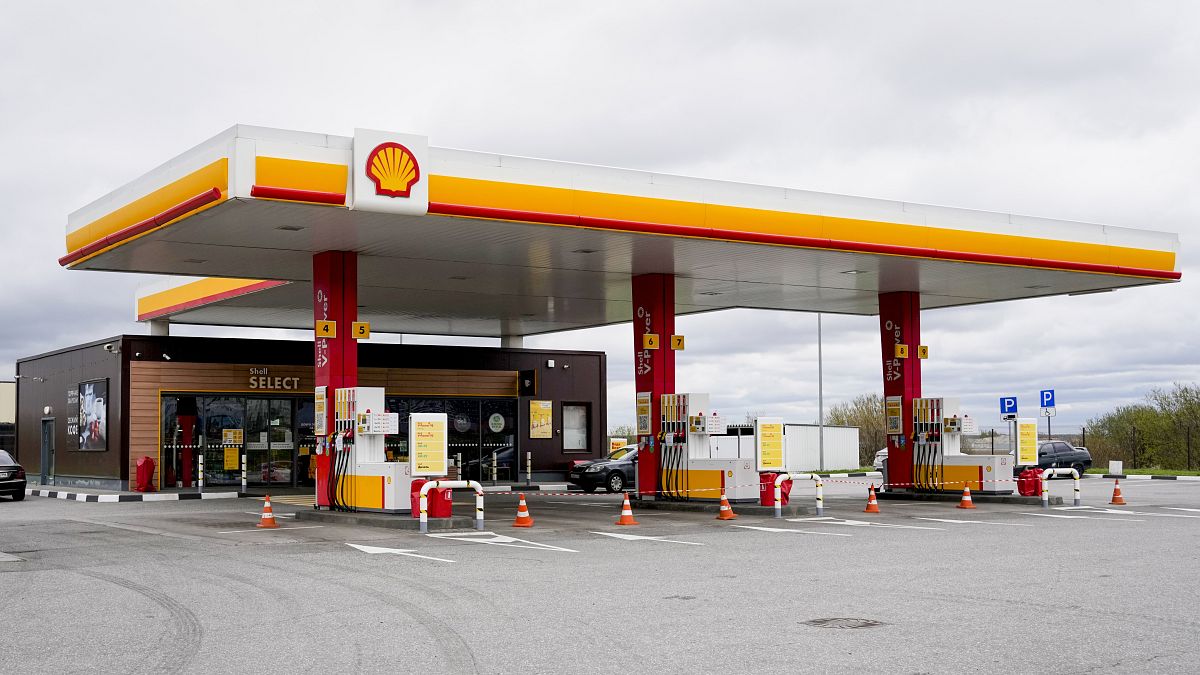
The North Field project has attracted substantial international investment, with major energy companies such as Shell, ExxonMobil, and TotalEnergies partnering with QatarEnergy. These collaborations are set to significantly boost Qatar’s LNG output, reinforcing the nation’s status as one of the world’s leading LNG exporters.

Beyond Kuwait, QatarEnergy has been actively securing LNG supply deals globally. In 2024 alone, the company signed agreements with Taiwan’s CPC, India’s Petronet LNG, and Excelerate Energy in the U.S., further expanding its reach in key markets. These strategic moves are part of QatarEnergy’s broader vision to maintain its dominance in the LNG sector amid growing global demand.

The latest agreement with Kuwait is not only a testament to the strong bilateral relations between the two Gulf nations but also underscores Qatar’s pivotal role in meeting the energy needs of the region. As global energy dynamics continue to evolve, QatarEnergy’s strategic expansions and long-term contracts position it as a critical supplier in the world’s energy landscape.

Advertisements
ADVERTISEMENT

A groundbreaking joint venture between Marlan Space, a subsidiary of International Holding Company (IHC), and U.S.-based Loft Orbital marks a significant milestone for the United Arab Emirates’ burgeoning space sector. This new venture, named Orbitworks, is set to become the first private space infrastructure company in the Middle East, focusing on the production of commercial low Earth orbit (LEO) satellite constellations.

With an initial investment exceeding $100 million, Orbitworks plans to construct a state-of-the-art facility in the UAE, where up to 50 satellites weighing 500 kilograms each will be produced annually. The facility, expected to begin operations by early 2025, will leverage advanced hardware and software technologies to meet the growing demand for satellite-based services in telecommunications, Earth observation, and scientific research.

Loft Orbital, established in 2017 and known for its rapid and reliable deployment of payloads into space, brings substantial expertise to the partnership. The company’s CEO, Pierre-Damien Vaujour, emphasized the importance of this collaboration in advancing the UAE’s space ambitions. He noted that Loft Orbital is excited to support the UAE’s vision of becoming a global space powerhouse.

The collaboration also includes partnerships with local technology providers and component manufacturers, ensuring that the UAE’s ecosystem is deeply integrated into the project. Orbitworks aims to bolster the UAE’s AI capabilities by offering a straightforward path for AI companies to deploy their applications into orbit.

This joint venture is poised to play a pivotal role in the UAE’s strategy to become a leader in the global space industry. The first satellite from this venture is anticipated to be launched as early as the first quarter of 2026, reflecting the rapid progress of this ambitious project.

Pavel Durov, the founder and CEO of Telegram, was detained by French authorities at Le Bourget airport near Paris. The arrest took place after Durov disembarked from a private jet arriving from Azerbaijan. French security forces, acting on a warrant issued by the Office for Minors, detained Durov as part of an ongoing investigation into allegations related to terrorism, drug trafficking, and money laundering.

The arrest follows mounting pressure from European law enforcement agencies over Telegram’s perceived lack of cooperation in combating criminal activities on its platform. Authorities have criticized Telegram for its minimal content moderation, arguing that this has allowed various illegal activities, including fraud and narcotics distribution, to flourish unchecked.

Durov, who holds both French and Russian citizenship, was accompanied by his bodyguard and an unidentified woman at the time of his arrest. The charges against him are currently under review, and further legal action is expected as the investigation progresses. The case has sparked widespread attention, as it raises questions about the responsibilities of tech companies in regulating content and cooperating with law enforcement.

The investigation has drawn international scrutiny, particularly regarding the implications for digital privacy and freedom of expression on messaging platforms like Telegram. Durov has been a vocal advocate for user privacy, often clashing with governments over the issue. His arrest could potentially set a precedent for how authorities handle similar cases involving tech executives and their platforms.

The case is ongoing, and French authorities have yet to release detailed information on the specific charges Durov may face. However, this development marks a significant escalation in the legal challenges facing Telegram and its controversial stance on user privacy versus public safety.

A tropical storm warning is now in effect for Hawaii’s Big Island as Tropical Storm Hone approaches, bringing with it the threat of significant rain and wind. Forecasts predict that the storm will intensify over the coming days, with the southern parts of the island expected to experience heavy precipitation and strong gusts.

The National Weather Service has indicated that Hone could deliver wind speeds reaching up to 60 mph, along with up to 6 inches of rain in some areas. Such conditions are likely to cause localized flooding and could potentially lead to power outages and wind damage across the affected regions.

Emergency services are on high alert, preparing for the storm’s impact by securing critical infrastructure and mobilizing resources for potential evacuations. Residents have been advised to prepare for adverse weather conditions, including securing outdoor items, stocking up on emergency supplies, and staying informed through official channels.

The storm’s trajectory suggests that it will make landfall on the southern coast of the Big Island, with the potential to affect coastal communities and low-lying areas. Authorities are particularly concerned about the possibility of flash floods and mudslides, which could pose significant risks to safety and property.

Meteorologists are closely monitoring Hone’s movement, noting that while the storm is currently categorized as a tropical storm, fluctuations in intensity are possible as it approaches Hawaii. The system’s development is being tracked in real-time to provide accurate updates and warnings.

Residents and visitors are encouraged to follow local advisories and heed evacuation orders if issued. The combination of high winds and heavy rainfall poses a serious risk, and preparedness is key to minimizing impact and ensuring safety.

As the storm progresses, more detailed forecasts and updates will be provided to help the community stay informed and take necessary precautions. Emergency management officials continue to coordinate efforts to mitigate the storm’s impact and ensure a swift response to any arising challenges.

Overall, the arrival of Tropical Storm Hone underscores the importance of readiness in the face of severe weather events, with all eyes on the evolving situation as it develops over the coming days.

ADVERTISEMENT

Nick Saban, the legendary Alabama football coach who has transformed the Crimson Tide over his 17-year tenure, is set to make his debut on ESPN’s College GameDay. This Saturday, ahead of the Week Zero clash between Florida State and Georgia Tech, Saban will be celebrated by the Alabama football community.

Saban’s impact on Alabama’s football program is monumental. Under his leadership, the Crimson Tide has secured multiple national championships, including in 2009, 2011, 2012, 2015, and 2017. His tenure is noted for its emphasis on rigorous training, strategic excellence, and a winning mentality that has reshaped college football.

The upcoming College GameDay appearance marks a significant milestone for Saban, who has been instrumental in Alabama’s rise to dominance. His coaching philosophy and success on the field have made him a central figure in the sport, and his debut on GameDay underscores the recognition of his contributions to college football.

Saban’s approach has always been methodical and meticulous, focusing on both player development and tactical innovation. His ability to adapt and evolve has kept Alabama at the forefront of college football, drawing attention from fans and analysts alike. This has not only elevated the program but also set new standards in coaching and performance.

The College GameDay segment will provide an opportunity for fans to see Saban in a different light, as he shares his insights and experiences in a format distinct from his usual coaching role. The broadcast will also highlight the close bond between Saban and the Alabama football community, showcasing the mutual respect and admiration that have developed over the years.

The significance of this event is amplified by Saban’s storied career and the ongoing success of the Alabama football program. As he steps into the College GameDay spotlight, the football world will be reminded of the profound impact he has had on the sport and the legacy he continues to build.

This debut comes at a time when Alabama remains a key contender in college football, with the program continuing to attract top talent and maintain high performance levels. Saban’s role in this ongoing success story will be a focal point of the GameDay broadcast, providing a fitting tribute to his contributions.

The attention on Saban during College GameDay is not just about celebrating his past achievements but also recognizing his influence on the future of college football. As he shares his perspectives and experiences, viewers will gain insight into the mind of one of the sport’s most influential figures.

In preparation for the Week Zero matchup between Florida State and Georgia Tech, the Alabama football program is using this opportunity to honor Saban’s legacy. His impact on the game and the program will be highlighted, providing fans with a deeper appreciation for the man behind the successes.

As Saban makes his College GameDay debut, it serves as a moment to reflect on his remarkable career and the enduring legacy he has built. The event promises to be a celebration of his contributions to college football and a recognition of his role in shaping the sport’s landscape.

Andrés Manuel López Obrador’s push for a sweeping judicial reform is stirring unease among investors and political analysts alike. The outgoing Mexican President’s proposed changes aim to significantly alter the structure and operation of the country’s judiciary, raising concerns about potential disruptions to Mexico’s legal and economic stability.

López Obrador’s reform proposal includes restructuring the judiciary to increase government oversight and streamline judicial processes. His administration argues that these changes are necessary to combat corruption and inefficiency within the judicial system. However, critics view the reforms as a consolidation of power that could undermine judicial independence and the rule of law.

Investors are particularly concerned about how these changes might affect the stability of Mexico’s legal environment. The proposed reforms could lead to uncertainties in the enforcement of contracts and property rights, which are crucial for business operations and foreign investment. This has resulted in a cautious approach by both domestic and international investors, who are wary of potential shifts in the legal landscape that could impact their investments.

The reform plan has sparked significant debate among Mexican lawmakers and the public. Supporters argue that the changes are a necessary step to modernize the judiciary and address long-standing issues of corruption and inefficiency. They believe that a more streamlined and accountable judiciary will ultimately benefit the country’s democratic institutions and economic development.

Opponents, however, fear that the reforms could erode the separation of powers and lead to increased political interference in the judiciary. They argue that this could result in a less impartial judicial system, which might not be conducive to fostering a stable business environment. Concerns have been raised about the potential for the executive branch to exert undue influence over judicial decisions, which could undermine investor confidence.

The backlash against the proposed reforms has been notable among business leaders and economic analysts. Some have called for a reevaluation of the reform’s implications for Mexico’s investment climate, emphasizing the need for a balance between necessary judicial improvements and the preservation of judicial independence.

As López Obrador prepares to hand over the presidency, the fate of the judicial reform remains uncertain. The incoming administration will have to navigate the complex political and economic implications of the proposed changes. The new leadership’s stance on the reform will likely be closely watched by investors and political observers, who will be keen to assess how the transition might impact Mexico’s legal and business environments.

The broader implications of the judicial reform are also a topic of significant concern. Analysts are examining how similar reforms in other countries have affected their judicial systems and investor confidence. These comparisons could provide insights into the potential outcomes of López Obrador’s proposal and guide stakeholders in their assessment of Mexico’s evolving political and economic landscape.

As the situation develops, it will be crucial for all parties involved to carefully consider the potential impact of the judicial reforms on Mexico’s legal and economic stability. The interplay between the proposed changes and the broader political and economic environment will likely shape the future trajectory of Mexico’s investment climate and legal system.

Ukrainian President Volodymyr Zelenskyy has reiterated his urgent call for increased and expedited defense aid from the United States and its allies, as the conflict with Russia continues to intensify. Following a phone call with U.S. President Joe Biden, Zelenskyy emphasized that Ukraine’s ability to defend itself hinges on the timely delivery of military support. The U.S. has pledged an additional $500 million in budgetary aid, yet Kyiv continues to press for more comprehensive and immediate assistance to bolster its defenses against Russian advances.

China has allocated an additional 50 million yuan ($7 million) to bolster flood prevention and relief efforts in Liaoning Province, as the region grapples with severe flooding. This new injection of funds from the central government underscores the escalating challenges faced by northeastern China due to extreme weather conditions, which have already caused widespread damage.

Heavy rainfall has battered Liaoning, leading to severe flooding that has displaced thousands of residents, destroyed infrastructure, and inundated large swathes of agricultural land. The decision to provide additional financial support aims to address the immediate needs of affected communities and to reinforce the region’s capacity to manage the ongoing crisis.

The Liaoning Provincial Flood Control and Drought Relief Headquarters has been at the forefront of coordinating rescue and relief operations, working in tandem with national emergency response teams. The added funds will be directed towards critical areas such as evacuation, emergency shelter provisions, and the repair of damaged infrastructure, including roads, bridges, and power lines.

Meteorological reports indicate that the province has experienced rainfall levels far exceeding seasonal averages, contributing to the severity of the flooding. The province’s river systems, including the Liao River, have swollen to dangerous levels, prompting authorities to issue warnings and to implement emergency measures. The situation has been exacerbated by the region’s geographical vulnerabilities, with mountainous areas particularly prone to landslides, further complicating relief efforts.

Authorities have been swift in their response, deploying thousands of rescue personnel to the hardest-hit areas. The People’s Liberation Army (PLA) has also been mobilized, providing critical support in evacuating residents and fortifying flood defenses. Despite these efforts, the scale of the disaster has overwhelmed local resources, necessitating the additional financial support from the central government.

The flooding in Liaoning is part of a broader pattern of extreme weather that has affected several regions across China this summer. Unusually heavy rainfall, driven by climate anomalies, has led to similar crises in other provinces, stretching the country’s disaster response capabilities. The Chinese government has emphasized the need for a coordinated national response, recognizing that the impacts of climate change are likely to increase the frequency and intensity of such events.

The additional funding for Liaoning will also be used to strengthen the province’s long-term resilience to flooding. This includes investments in improving drainage systems, reinforcing riverbanks, and enhancing early warning systems. Experts have called for a reassessment of flood management strategies across the country, advocating for a more integrated approach that considers both immediate response and long-term adaptation to changing climate patterns.

Economic losses from the flooding in Liaoning are expected to be significant, with early estimates running into billions of yuan. The agricultural sector, a key component of the region’s economy, has been particularly hard-hit, with large areas of crops destroyed. The destruction of infrastructure is also likely to have long-term repercussions, disrupting transport and logistics in the province.

The government’s swift action in allocating additional funds is a clear indication of its commitment to mitigating the impact of natural disasters and protecting the livelihoods of those affected. However, the situation in Liaoning remains fluid, with ongoing concerns about further rainfall and the potential for additional flooding.

As rescue and relief operations continue, authorities are urging residents in vulnerable areas to remain vigilant and to adhere to evacuation orders. The focus now is on stabilizing the situation and ensuring that those affected receive the necessary assistance as quickly as possible.

The response to the Liaoning flooding will likely serve as a critical test of China’s disaster management systems, highlighting the need for continued investment in infrastructure and preparedness to cope with the growing threat of climate-related disasters.

ADVERTISEMENT

Sanofi has initiated the process of selling its consumer health unit, with France’s PAI Partners and the Abu Dhabi Investment Authority (ADIA) emerging as key players in the bidding. The French pharmaceutical giant is exploring options to maximize value, which includes a potential sale or separate listing of the unit.

As part of this strategic move, Sanofi has set a mid-July deadline for first-round bids. Among the prospective buyers, private equity firm PAI Partners, in collaboration with ADIA, is considered a strong contender. Other potential bidders include industry heavyweights like Blackstone, Advent International, and Clayton Dubilier & Rice.

Sanofi’s consumer health business, known for popular over-the-counter brands, has garnered significant interest from global investors. The company is evaluating various separation scenarios with the aim of concluding the transaction by the end of 2024. This move aligns with Sanofi’s broader strategy to streamline its operations and focus on core pharmaceutical activities.

The involvement of ADIA signals growing interest from sovereign wealth funds in the pharmaceutical sector, reflecting the appeal of stable, cash-generating assets in the healthcare industry. As the bidding process unfolds, the collaboration between PAI Partners and ADIA is expected to play a crucial role in the outcome of this high-stakes deal.

Sanofi’s decision to potentially divest its consumer health unit underscores the ongoing trend among large pharmaceutical companies to reallocate resources and focus on more profitable segments like innovative drugs and biotechnology. The outcome of this sale could have significant implications for the global healthcare market, particularly in the consumer health sector.

Bank of Singapore, one of Asia’s leading private banks, is setting its sights on the Middle East as a key growth region. The bank aims to significantly increase its private banking assets in the region, targeting the Middle East to contribute up to 20% of its total assets under management (AUM) within the next three to five years, a substantial rise from the current 10%.

Ranjit Khanna, head of private banking for Europe and the Middle East and CEO of the bank’s Dubai hub, emphasized the strategic importance of the Middle East, particularly the UAE, in the bank’s expansion plans. Dubai has emerged as a major destination for global millionaires, driven by favorable government policies, a business-friendly environment, and attractive residency programs like the golden visa.

Bank of Singapore’s expansion into the Middle East is part of a broader trend among wealth managers, particularly in Asia, who are increasingly establishing a presence in Dubai. This shift is fueled by growing diplomatic ties between China and the Middle East and the rising demand for wealth diversification among high-net-worth individuals in the region.

As of the end of September 2023, the Bank of Singapore’s AUM stood at $116 billion, up from $20 billion in 2010, with the majority of assets currently managed out of its Singapore and Hong Kong hubs. The Middle East, however, is quickly gaining ground as a crucial market for the bank, with the UAE’s role as a cross-border wealth hub becoming increasingly prominent. The UAE saw the highest growth in cross-border wealth inflows among Middle Eastern countries, driven by investments from Saudi Arabia and other prosperous markets in the region.

Khanna believes that the Middle East and Asia will be dominant regions in wealth management over the next decade, further solidifying the bank’s strategic focus on these areas as key drivers of growth.

This aggressive expansion strategy underscores the bank’s commitment to enhancing its presence in the Middle East, leveraging the region’s economic dynamism and the burgeoning wealth of its high-net-worth population.

UAE-based banks have attracted $14.7 billion in new three-month deposits within the first five months of 2024, as revealed by the Central Bank of the UAE. This increase reflects an 8.9% growth in deposits, which rose from AED 604.99 billion at the end of December 2023 to AED 659.01 billion by May 2024. The substantial majority of these deposits, around 90.9%, were held by national banks. The trend underscores the growing trust and stability within the UAE banking sector.

ADVERTISEMENT

Arabian Post Staff A Welsh bank has stunned locals by receiving a postcard that was mailed 121 years ago. The postcard, addressed to a former branch of the bank in Brecon, Wales, was finally delivered this week, marking an extraordinary delay in its journey. The postcard was originally sent in 1903, a time when the Welsh town was much different from today. The card, featuring a scenic […]

The Central Bank of Nigeria’s (CBN) latest Business Expectations Survey (BES) unveils an optimistic outlook for Nigeria’s economic landscape, projecting a significant increase in job creation across diverse sectors. This forward-looking analysis reflects a notable shift in the country’s economic trajectory, driven by an enhanced business environment and strategic investments.

The CBN’s survey highlights a robust confidence among Nigerian businesses regarding their capacity to expand and generate employment opportunities. A substantial number of businesses across various industries anticipate scaling up operations in the coming months, driven by favorable economic conditions and supportive government policies.

The survey data suggests that sectors such as manufacturing, technology, and services are at the forefront of this job creation wave. Businesses within the manufacturing sector are particularly optimistic, attributing their positive outlook to increased domestic demand and improvements in infrastructure. This sector, traditionally a cornerstone of Nigeria’s economy, is expected to leverage these advancements to boost production and employment.

Technology firms, riding the wave of digital transformation, are also poised to contribute significantly to job growth. The expansion of tech startups and the increased adoption of digital solutions are expected to create numerous opportunities in IT and related fields. This sector’s growth is further supported by investments in innovation and the burgeoning tech ecosystem in Nigeria.

The services sector, encompassing a wide range of industries from financial services to hospitality, is also anticipating a surge in job creation. The sector’s growth is driven by rising consumer demand, economic diversification, and infrastructural developments. This trend is indicative of a broader economic shift towards a service-oriented economy, reflective of global patterns.

Key to this positive outlook is the role of government policies and economic reforms. Recent initiatives aimed at improving the ease of doing business, such as streamlined regulatory processes and incentives for small and medium-sized enterprises (SMEs), are likely to have a significant impact. These measures are designed to create a more favorable business environment, encouraging investment and entrepreneurial activity.

Moreover, the CBN’s survey underscores the impact of macroeconomic stability on business confidence. Efforts to stabilize inflation, manage exchange rates, and address fiscal challenges are contributing to a more predictable economic environment, fostering greater investment and growth prospects.

The anticipated job growth is expected to have ripple effects throughout the economy. As businesses expand, there will be increased demand for skilled labor, which could drive improvements in educational and training programs. Additionally, the rise in employment opportunities is likely to stimulate consumer spending, further fueling economic growth.

Challenges remain, however. Businesses will need to navigate potential obstacles such as global economic uncertainties, supply chain disruptions, and fluctuations in commodity prices. Effective management of these challenges will be crucial in sustaining the positive trajectory projected by the CBN’s survey.

The CBN’s Business Expectations Survey paints an encouraging picture for Nigeria’s job market, with various sectors poised to drive significant employment growth. This optimistic forecast reflects broader economic improvements and the positive impact of supportive policies and reforms. As businesses prepare to expand and create new job opportunities, the Nigerian economy stands to benefit from a more dynamic and resilient labor market.

A transformative agricultural initiative spearheaded by the International Center for Biosaline Agriculture (ICBA) has been unveiled in Karakalpakstan, Uzbekistan, showcasing innovative approaches to farming in arid regions. Funded by the Abu Dhabi Fund for Development (ADFD), this project marks a significant advancement in the fight against desertification and food insecurity in the region.

This landmark project, under the umbrella of Global South-South and Triangular Cooperation, is designed to enhance agricultural productivity and sustainability in one of the most challenging environments in Central Asia. The initiative focuses on leveraging scientific research, technological innovation, and the empowerment of local women to drive sustainable agricultural practices.

Karakalpakstan, located in the northwestern part of Uzbekistan, faces severe environmental challenges, including water scarcity, soil salinity, and the harsh climatic conditions characteristic of the Aral Sea basin. The ICBA’s project, supported by ADFD, addresses these issues by introducing resilient crop varieties, efficient irrigation techniques, and sustainable land management practices.

A key feature of the project is the introduction of salt-tolerant crops, which are vital for improving agricultural yields in saline-affected soils. These crops include varieties of barley, quinoa, and sorghum, which have been specifically selected for their ability to thrive in harsh conditions. The ICBA’s research has shown that these crops not only survive but also produce significant yields, offering a sustainable solution for local farmers struggling with soil salinity.

The project also emphasizes the role of women in agriculture, recognizing their critical contribution to food security and rural development. Through targeted training programs, local women are being equipped with the knowledge and skills needed to adopt and manage innovative agricultural practices. This focus on gender empowerment is aimed at ensuring that the benefits of the project are widely shared within the community, fostering economic resilience and social equity.

Innovative irrigation methods are another cornerstone of the project. The introduction of drip irrigation systems and other water-saving technologies is expected to significantly reduce water usage while maximizing crop yields. These techniques are particularly crucial in Karakalpakstan, where water resources are extremely limited and traditional irrigation methods are no longer sustainable.

The ICBA’s approach also includes the restoration of degraded lands through the use of biosaline agriculture techniques. By planting salt-tolerant species and implementing soil conservation measures, the project aims to rehabilitate large areas of land that have been rendered unproductive due to high salinity levels. This not only enhances agricultural output but also contributes to environmental conservation efforts in the region.

The project has garnered significant attention from international development agencies and experts in sustainable agriculture. It is being hailed as a model for other regions facing similar environmental challenges, particularly in the Global South. The success of the project in Karakalpakstan is expected to inspire the replication of similar initiatives in other parts of the world, where the impacts of climate change and land degradation are increasingly threatening food security.

The ICBA’s collaboration with ADFD exemplifies the power of international partnerships in addressing global challenges. By combining financial resources with cutting-edge scientific research and local expertise, the project is delivering tangible benefits to communities in Karakalpakstan and setting a precedent for future development projects in arid and semi-arid regions.

As the project continues to evolve, its impact is expected to extend beyond agriculture, contributing to broader goals of poverty reduction, environmental sustainability, and regional stability. The lessons learned from this initiative will be invaluable in shaping future strategies for sustainable development in vulnerable regions worldwide.

Karakalpakstan’s agricultural transformation, driven by ICBA and supported by ADFD, represents a beacon of hope for other regions grappling with similar challenges. This project underscores the importance of science, innovation, and inclusive development in creating a more resilient and sustainable future for all.

UBS Group AG’s push against increased capital requirements has been firmly rejected by Swiss Finance Minister Karin Keller-Sutter. Despite the bank’s substantial lobbying efforts, Keller-Sutter has maintained her stance, indicating that the proposed new regulations will proceed as planned.

UBS has been advocating for more leniency regarding capital requirements, arguing that the proposed rules could impose undue constraints on its operations and profitability. The lobbying campaign has included high-profile meetings and extensive dialogue with policymakers, aiming to influence the Swiss government’s decision on financial regulations.

However, Keller-Sutter’s response has been unequivocal. She emphasized that the government is committed to strengthening financial stability and ensuring that large financial institutions are adequately capitalized to withstand potential economic shocks. Her firm position reflects a broader trend among regulators worldwide, who are increasingly focusing on enhancing the resilience of the banking sector.

The debate over capital requirements is part of a larger global discussion about financial regulation following the 2008 financial crisis. Regulators and financial institutions continue to grapple with finding the right balance between maintaining financial stability and supporting economic growth. UBS’s lobbying efforts highlight the tension between these objectives, as banks seek to mitigate regulatory burdens while regulators aim to protect the financial system.

Keller-Sutter’s decision underscores Switzerland’s commitment to upholding stringent financial standards. The country has long been a global financial hub, and its regulatory policies often set a precedent for other nations. The Finance Minister’s stance signals a firm resolve to prioritize financial stability over industry lobbying.

The implications of this decision are significant for UBS and the broader banking sector. If the new capital requirements are implemented, UBS may need to adjust its financial strategies to comply with the regulations. This could involve raising additional capital, altering its investment strategies, or adjusting its business operations to align with the new requirements.

UBS’s lobbying efforts are not an isolated case. Financial institutions worldwide regularly engage in lobbying to influence regulatory policies that affect their operations. The effectiveness of such campaigns can vary, depending on the political climate, regulatory environment, and the strength of the arguments presented.

Keller-Sutter’s firm position has been met with both support and criticism from various stakeholders. Supporters argue that strong capital requirements are essential for preventing future financial crises and protecting the stability of the global financial system. Critics, however, contend that excessive regulatory constraints could stifle innovation and economic growth.

As the debate continues, the focus remains on how best to balance regulatory demands with the needs of the financial sector. UBS’s lobbying efforts reflect the ongoing negotiation between regulators and financial institutions over the future of banking regulations. The outcome of this issue will likely have far-reaching implications for the financial industry, both in Switzerland and globally.

Swiss Finance Minister Karin Keller-Sutter’s rejection of UBS’s lobbying against increased capital requirements emphasizes the Swiss government’s commitment to maintaining rigorous financial standards. The resolution of this issue will be closely watched by financial institutions and regulators alike, as it could shape the future of banking regulation in Switzerland and beyond.

Kenya’s recent decision to impose new levies on cereals, legumes, herbs, and tubers has triggered widespread protests from traders, who argue that the move breaches regional trade agreements. The new tax regime, effective immediately, aims to boost government revenue but has faced backlash from within the East African Community (EAC), where economic integration and free trade are cornerstones.

Traders and industry experts have voiced concerns that the additional levies could destabilize regional trade networks. They argue that such measures undermine the EAC’s commitment to facilitating trade and reducing barriers within the region. The EAC, comprising Kenya, Uganda, Tanzania, Rwanda, Burundi, and South Sudan, has worked to establish a common market to enhance economic cooperation and reduce trade friction among member states.

Kenyan officials, however, maintain that the new levies are necessary to address local market imbalances and promote the growth of domestic agricultural sectors. The government argues that these taxes will support local farmers by reducing the influx of imported goods that they claim undercut local prices.

Economic analysts warn that these levies could lead to retaliatory measures from neighboring countries, potentially escalating into a broader trade dispute within the EAC. Such conflicts could disrupt supply chains and increase costs for consumers, particularly in countries dependent on cross-border trade.

The East African Business Council (EABC) has expressed strong disapproval of Kenya’s policy shift. The council’s representatives argue that the new levies could create significant hurdles for regional trade, particularly for small and medium-sized enterprises that lack the resources to absorb additional costs. They call for urgent dialogue between the Kenyan government and EAC trade officials to resolve the issue without further escalating tensions.

Farmers in Kenya are also divided on the impact of the new levies. While some support the policy as a way to protect local agriculture, others fear that the increased costs will lead to higher prices for consumers and reduced competitiveness of Kenyan products in the regional market. This internal division reflects broader concerns about how best to balance national interests with regional cooperation.

The controversy has also drawn attention from international trade observers, who highlight the potential implications for the EAC’s broader economic goals. The community’s vision includes the creation of a single market and a customs union, which are at risk if member states impose unilateral trade barriers.

As the debate continues, the Kenyan government has pledged to review the impact of the new levies and engage in discussions with regional trade partners. However, the situation remains fluid, with stakeholders closely monitoring developments and preparing for possible adjustments in trade policies.

The unfolding dispute underscores the challenges facing regional integration efforts in East Africa, where balancing national policy objectives with the commitment to free trade and economic cooperation is increasingly complex.

Chainwireio.net, a trailblazer in Decentralized Physical Infrastructure Networks (DePIN), has appointed Tory Green as its new Chief Strategy Officer. This strategic move aims to bolster the company’s innovative approach in integrating physical and digital infrastructure.

Tory Green, previously a senior executive at a leading tech firm, brings extensive experience in strategic planning and operational leadership. Her appointment is expected to drive Chainwireio.net’s mission of transforming the infrastructure landscape through decentralized solutions.

Green’s role will focus on accelerating the company’s growth and refining its strategic vision. With her background in scaling tech startups and her expertise in infrastructure development, Green is well-positioned to enhance Chainwireio.net’s competitive edge in the rapidly evolving DePIN sector.

Chainwireio.net’s DePIN framework aims to create a decentralized network of physical infrastructure, which integrates seamlessly with blockchain technology to provide scalable and secure solutions. This innovative approach is poised to address inefficiencies in traditional infrastructure systems and offer new opportunities for investment and development.

Under Green’s leadership, Chainwireio.net plans to expand its portfolio of DePIN projects, which include smart city infrastructure, decentralized energy solutions, and secure data centers. The company anticipates that her strategic insights will be crucial in navigating the complexities of these large-scale projects and in forging partnerships that align with its long-term objectives.

The appointment comes at a pivotal time for Chainwireio.net as it prepares to launch several high-profile initiatives aimed at revolutionizing the infrastructure sector. Green’s extensive network and experience are expected to play a significant role in positioning the company as a leader in the DePIN industry.

With Green’s guidance, Chainwireio.net is set to enhance its strategic operations, drive innovation, and solidify its position in the market. The company’s focus on leveraging decentralized technology to optimize physical infrastructure represents a significant advancement in the sector, and Green’s leadership is anticipated to be a key factor in its continued success.

A fresh volcanic eruption occurred on the Reykjanes Peninsula in southwestern Iceland on Thursday, marking the sixth eruption in the region since December. The volcano released a significant amount of hot lava, heightening concerns about ongoing geological activity in this seismically active area.

Icelandic authorities reported that the new eruption began early in the morning, with lava flows visible from nearby towns. Emergency services have been deployed to monitor the situation and provide guidance to residents. The eruption is centered in a volcanic zone that has seen heightened activity over the past several months, following a series of eruptions that started in late 2023.

The Reykjanes Peninsula, known for its volcanic and geothermal activity, has been the site of intense geological changes. This latest eruption continues a trend of frequent volcanic events that have affected the region since late last year. Scientists from the Icelandic Meteorological Office and other research institutions are closely observing the eruptions to better understand the patterns and potential impacts on the surrounding environment.

Local authorities have issued advisories to ensure public safety, advising residents to stay indoors and avoid areas close to the eruption site due to hazardous conditions. The volcanic ash and gases emitted could pose health risks, and the lava flows present a threat to nearby infrastructure.

The ongoing volcanic activity on the Reykjanes Peninsula highlights the dynamic nature of Iceland’s geological environment. The country, situated on the Mid-Atlantic Ridge, experiences regular volcanic activity due to tectonic movements. The current series of eruptions reflects the region’s complex volcanic system and ongoing seismic adjustments.

Efforts are underway to assess the impact on local communities and infrastructure. Reykjavik and other nearby areas are monitoring air quality and preparing for possible evacuations if the situation worsens. The government is coordinating with scientific experts to provide updated information and ensure that appropriate measures are in place to handle potential risks.

In addition to the immediate concerns, researchers are utilizing this series of eruptions as a valuable opportunity to study volcanic processes and improve prediction models. Understanding the mechanisms driving these eruptions can enhance preparedness and response strategies for future events.

This eruption continues a significant period of volcanic activity in Iceland, which has garnered attention from both scientists and the public. The frequency and intensity of eruptions in this region underscore the importance of ongoing monitoring and research to mitigate the impact on communities and better anticipate future volcanic events.

As the situation develops, authorities remain vigilant and committed to safeguarding the well-being of residents while advancing scientific knowledge about volcanic phenomena in one of the world’s most active volcanic regions.

VISHNU RAJA
RYO YAMADA
HITORI GOTOH
IKUYO KITA
Social Media Auto Publish Powered By : XYZScripts.com