Articles written by
arabian post staff

KEZAD Group has launched a new business vertical named KZ Media, marking its foray into the media services sector. This initiative aims to leverage the increasing demand for integrated media solutions in the United Arab Emirates, catering to both local and international markets. KEZAD Group, a subsidiary of AD Ports Group, is already known as the largest operator of integrated economic zones in the UAE, focusing on providing customized services that enhance business efficiency and growth.

KZ Media is poised to become a comprehensive media outlet offering a diverse portfolio of services. These include content creation, branding, marketing strategies, and digital media management, aimed at assisting businesses in maximizing their outreach and engagement. The establishment of KZ Media reflects KEZAD’s strategy to diversify its offerings and meet the evolving needs of businesses operating within its economic zones. This move underscores the group’s commitment to supporting the growth of various sectors by providing essential services that enhance operational effectiveness.

The launch of KZ Media comes at a time when the media landscape in the UAE is rapidly evolving, driven by advancements in technology and changing consumer preferences. Businesses are increasingly seeking innovative media solutions that not only promote their products and services but also resonate with their target audiences. KZ Media aims to fill this gap by providing tailored media services that are both strategic and creative.

KEZAD Group has positioned itself as a key player in the economic development of the UAE through its focus on creating a conducive environment for businesses to thrive. The introduction of KZ Media aligns with the broader objectives of the group, which include fostering innovation, enhancing competitiveness, and facilitating the growth of a knowledge-based economy. By integrating media services into its portfolio, KEZAD Group is not only expanding its capabilities but also reinforcing its role as a catalyst for business development in the region.

The media sector in the UAE has been witnessing significant growth, with the government actively promoting initiatives to bolster the industry. This is evident from the various media-related events and exhibitions that take place annually, attracting global media players and professionals. The establishment of KZ Media is expected to contribute to this vibrant ecosystem by providing local businesses with access to high-quality media services that were previously limited or unavailable.

KZ Media’s team is expected to comprise seasoned professionals with extensive experience in media and communications, further enhancing the quality of services offered. This expertise will allow the new entity to deliver innovative and impactful media solutions that address the unique challenges faced by businesses in a competitive market. As the media landscape continues to evolve, KZ Media aims to stay at the forefront of industry trends, ensuring that its clients benefit from the latest advancements in media technology and strategy.

The introduction of KZ Media underscores KEZAD Group’s commitment to sustainability and corporate social responsibility. The new entity will focus on creating content that promotes positive narratives and fosters community engagement. By prioritizing socially responsible media practices, KZ Media aims to build trust and credibility among its clients and the broader public.

KEZAD Group’s expansion into the media sector aligns with global trends where integrated services are increasingly becoming a necessity for businesses. Organizations are seeking to consolidate their media and marketing efforts to enhance efficiency and effectiveness. KZ Media is positioned to address these needs by offering a one-stop solution for businesses looking to enhance their media presence and engage their target audiences effectively.

As KZ Media embarks on its journey, it will likely explore strategic partnerships with other media organizations, technology providers, and marketing firms to expand its service offerings further. This collaborative approach will enable KZ Media to enhance its capabilities and offer clients a broader range of innovative solutions tailored to their specific needs.

A groundbreaking initiative has been announced by Dubai Airports, marking the launch of the world’s largest solar rooftop project in collaboration with Etihad Clean Energy Development Company, a fully owned subsidiary of the Dubai Electricity and Water Authority (DEWA). This ambitious project aims to enhance the airport’s sustainability efforts and significantly contribute to Dubai’s clean energy targets.

The project involves the installation of solar photovoltaic panels on the rooftops of Dubai International Airport (DXB) and Dubai World Central (DWC). This effort is part of a broader commitment by Dubai Airports to adopt sustainable practices and support the emirate’s goal of becoming a global leader in renewable energy. The installation will generate a substantial amount of electricity, contributing to the operational energy needs of the airports while reducing carbon emissions.

Expected to generate up to 8 megawatts of power, the solar rooftop installation will occupy over 60,000 square meters of rooftop space across both airports. This initiative aligns with Dubai’s Clean Energy Strategy 2050, which aims to increase the share of clean energy in the city’s total energy mix to 75 percent by 2050. The solar project not only enhances the airports’ sustainability profile but also sets a benchmark for energy efficiency in the aviation sector.

This collaboration underscores the commitment of both Dubai Airports and DEWA to drive sustainable growth and innovation. The installation of solar panels at the airports is a pivotal step towards enhancing energy resilience and reducing reliance on fossil fuels. As part of the project, it is anticipated that the solar energy generated will power various airport facilities, thus optimizing operational efficiency.

The strategic partnership between Dubai Airports and Etihad Clean Energy Development Company highlights the importance of public-private collaborations in achieving sustainability goals. This project is poised to pave the way for similar initiatives in other sectors, reinforcing the UAE’s leadership in renewable energy adoption. Moreover, it exemplifies the proactive measures being taken by Dubai to address environmental challenges while supporting economic growth.

Several key players have contributed to the formulation and execution of this initiative. The project was developed following extensive feasibility studies and consultations with industry experts to ensure that it meets the highest standards of efficiency and effectiveness. DEWA, recognized for its commitment to innovation and sustainability, has been instrumental in supporting the integration of renewable energy solutions across the emirate.

Dubai Airports has a history of implementing sustainability measures, including the introduction of energy-efficient technologies and practices aimed at minimizing the environmental footprint of airport operations. The launch of the solar rooftop project represents a significant milestone in this ongoing effort and showcases Dubai’s ambition to lead by example in the global aviation industry.

In addition to the environmental benefits, the project is expected to have positive economic implications, providing job opportunities in the renewable energy sector and stimulating growth within the local economy. The focus on sustainability aligns with the broader vision of the UAE to diversify its economy and reduce its dependence on oil.

As part of its commitment to sustainability, Dubai Airports continues to explore innovative solutions to reduce energy consumption and enhance operational efficiency. The implementation of solar energy solutions is just one aspect of a comprehensive sustainability strategy that encompasses various initiatives aimed at minimizing waste, conserving resources, and promoting environmentally friendly practices.

This project represents a significant step forward in Dubai’s journey towards achieving a more sustainable future. The commitment to renewable energy aligns with the global shift towards cleaner energy sources and highlights the potential for airports and other major infrastructure to contribute positively to environmental sustainability.

Dubai’s leadership has emphasized the importance of such projects in realizing the emirate’s long-term sustainability goals. The solar rooftop initiative not only demonstrates the feasibility of large-scale renewable energy projects but also serves as a model for other cities and countries looking to enhance their sustainability efforts.

Ajman Municipality and Planning Department (MPDA) signed a significant Memorandum of Understanding (MoU) with TRENDS Research and Advisory, signaling a step forward in enhancing research cooperation. This partnership will focus on conducting joint social, political, economic, and future studies, field surveys, and the exchange of expertise between both organizations. It aims to leverage the skills of experts and researchers from both entities to generate research reports, encouraging professionals to write and contribute to their respective fields.

The agreement outlines collaborative efforts in the areas of social and economic development, aligning with Ajman’s long-term strategy for growth. TRENDS Research and Advisory, known for its robust analytical capabilities and global research projects, will provide Ajman’s municipality with the tools needed to tackle emerging challenges in urban planning and governance.

This agreement will also facilitate a deeper understanding of regional issues through comprehensive research, fostering innovative solutions in governance, policy-making, and infrastructure development. By pooling resources, the two entities will work toward producing reliable data to inform decisions affecting the Emirate’s future.

flydubai has confirmed that it will resume operations to key Middle Eastern destinations—Iran, Iraq, Israel, and Jordan—starting from October 4, 2024. This announcement follows temporary suspensions caused by the escalating geopolitical tensions, particularly the outbreak of hostilities between Israel and Hamas on October 1. The airline is closely monitoring the situation and has stated that it will remain flexible with its schedule should circumstances change.

While services to Iran, Iraq, Israel, and Jordan are set to resume, flights to Beirut remain grounded until at least October 7 due to the volatile security environment. Other UAE carriers, including Emirates and Etihad Airways, have extended their suspension of Beirut-bound flights until October 8. Emirates also announced the temporary halt of its flights to Baghdad, Basra, Tehran, and Amman for October 4 and 5, citing security concerns across the region.

ADVERTISEMENT

Luxury real estate in Dubai has taken another leap forward as London Gate, a prominent UAE-based developer, and renowned Swiss watchmaker Franck Muller, have unveiled the Franck Muller Vanguard Tower. Set in Dubai Marina, this is their second major collaboration following the successful launch of Franck Muller Aeternitas Tower, which sold out swiftly after its release. The new residential tower promises to raise the bar for high-end living, combining Swiss precision with modern design and cutting-edge amenities.

This latest development continues the partnership between the two luxury brands, targeting an elite segment of homebuyers and investors looking for exclusive real estate in one of Dubai’s most sought-after areas. With its prime location in Dubai Marina, the Vanguard Tower aims to redefine contemporary luxury, blending Franck Muller’s craftsmanship with London Gate’s innovative architectural concepts.

The 38-story tower, designed by DAR Consult, will offer an array of upscale apartments, ranging from studios to three-bedroom units. It will feature state-of-the-art amenities such as a rooftop swimming pool, 24/7 security, dedicated retail spaces, and recreational areas for residents to relax and socialize. Notably, the building will integrate elements inspired by Franck Muller’s watchmaking heritage, reflecting the brand’s ethos of precision and artistry. Delivery is scheduled for the fourth quarter of 2027.

Blackstone Inc. is preparing to launch its third Asia-focused private equity fund, with an ambitious goal of raising more than $10 billion. The move comes as the investment giant continues its aggressive expansion in Asia, particularly in key markets like Japan and India. Sources familiar with the matter indicate that Blackstone’s latest initiative underscores its growing commitment to the region, which has seen heightened interest from global investors seeking opportunities in the fast-evolving economies of Asia.

The firm’s third fund for Asia is anticipated to be one of its largest regional efforts to date, following its previous Asia funds, the last of which closed at $6.4 billion in 2020. Blackstone’s decision to target $10 billion or more signals confidence in its ability to capitalize on a range of investment opportunities across various sectors, including technology, healthcare, consumer goods, and real estate.

Asia has become an increasingly vital part of Blackstone’s global strategy, with the firm steadily building its presence across the continent. Over the past several years, Blackstone has poured resources into expanding its portfolio in Asian markets, with particular emphasis on acquiring and managing assets in Japan and India. Japan, in particular, has emerged as a focal point for the firm, with Blackstone making significant moves in the country’s real estate and corporate sectors.

India, meanwhile, continues to draw attention from private equity players due to its fast-growing economy and the increasing prominence of its tech and startup ecosystem. Blackstone’s latest fund is expected to allocate a substantial portion of its resources to investments in Indian companies, where the firm has already established a solid presence through earlier deals. The firm’s expanding footprint in India mirrors its global strategy of targeting high-growth, scalable businesses that can offer long-term returns.

Blackstone’s decision to pursue such a large fund also highlights the growing appetite for private equity in Asia, where institutional investors are seeking higher returns in the face of ongoing global economic uncertainties. With interest rates rising in Western markets and concerns over inflation, investors are increasingly looking toward Asia as a source of steady, long-term growth. Blackstone’s expertise in asset management, coupled with its deep knowledge of the region, positions it well to attract capital from both existing and new investors.

The fund comes at a time when private equity firms are witnessing increasing competition in Asia, with several global players such as KKR, Carlyle, and Bain Capital also raising significant amounts of capital to deploy in the region. The race for assets in markets like Japan, China, and Southeast Asia has intensified in recent years, as firms vie for control of lucrative businesses poised for growth amid the region’s continued economic transformation.

Despite the competition, Blackstone remains one of the largest and most influential players in the private equity space, with a long track record of successful investments in Asia. The firm has leveraged its size and global reach to secure deals that have delivered significant returns for its investors, and the latest fund is expected to follow a similar strategy, focusing on buyouts, growth equity, and strategic investments in promising sectors.

As Blackstone moves forward with its fundraising efforts, the firm is likely to benefit from its strong reputation among institutional investors, particularly those looking for exposure to Asian markets. The firm’s past performance in the region, combined with its ability to manage large-scale investments across multiple industries, is expected to attract substantial interest from investors seeking to diversify their portfolios with high-quality assets.

Blackstone’s latest Asia fund is expected to play a crucial role in the firm’s broader global strategy, which has increasingly focused on expanding its presence in fast-growing economies. With Asia playing an ever-larger role in the global economy, Blackstone’s commitment to the region signals its recognition of the long-term potential of these markets, as well as its intention to remain a dominant force in the world of private equity.

In Japan, Blackstone has made headlines with several high-profile acquisitions, including the purchase of real estate and logistics assets. The firm’s interest in Japan reflects a broader trend among global investors, who see the country’s corporate sector as ripe for restructuring and consolidation, providing opportunities for buyouts and other forms of private equity investment.

The UAE’s telecommunications regulatory authority has initiated a crackdown on telemarketers by suspending the mobile numbers of numerous firms engaged in unsolicited marketing practices. The move aims to protect consumers from persistent spam calls and enhance overall telecommunication standards in the region. The Telecommunication and Digital Government Regulatory Authority (TDRA) reported that it has imposed significant fines on multiple entities for violating the established regulations governing telemarketing operations.

This proactive stance by the TDRA aligns with the government’s commitment to ensure a secure and pleasant communication environment for its residents. The authority has been increasingly vigilant against unwanted marketing calls, which have been a growing concern for consumers. The actions taken underscore the TDRA’s dedication to curbing intrusive marketing practices and fostering a more user-friendly telecommunications landscape.

The TDRA’s investigations revealed that many telemarketers had not obtained the necessary permissions to initiate marketing campaigns via phone calls, violating the established legal frameworks. The regulatory authority emphasized that all telemarketing activities must be conducted with the explicit consent of consumers and in accordance with the regulations outlined in the Telecommunications Law. This includes obtaining prior consent before contacting potential customers and providing an option for them to opt out of future communications.

As part of its enforcement measures, the TDRA has begun issuing penalties to non-compliant telemarketers. These fines are intended to deter future violations and ensure adherence to the regulations. By enforcing strict compliance, the TDRA aims to enhance consumer protection and uphold the integrity of the telecommunications industry.

The crackdown comes amid growing complaints from consumers about aggressive telemarketing tactics that have led to a significant rise in spam calls. Many residents have voiced their frustration over receiving unsolicited calls, prompting the TDRA to act decisively. The authority has encouraged consumers to report any unwanted calls, providing a dedicated platform for them to register their grievances. This initiative not only empowers consumers but also helps the TDRA identify persistent offenders and take appropriate action.

In addition to suspending mobile numbers, the TDRA is actively collaborating with telecommunications providers to develop more effective solutions to combat telemarketing abuses. These efforts include enhancing caller identification systems and implementing stricter controls on marketing permissions. The authority aims to create a robust framework that protects consumers from unwanted marketing communications while allowing legitimate businesses to operate within the legal parameters.

Emerging technologies are also playing a crucial role in addressing telemarketing issues. The TDRA is exploring innovative solutions, such as machine learning algorithms and artificial intelligence, to analyze call patterns and identify potential spam calls proactively. By leveraging these technologies, the regulatory body can enhance its monitoring capabilities and streamline the enforcement process against violators.

Industry experts have lauded the TDRA’s decisive actions, emphasizing the importance of establishing clear regulations in an era where digital marketing is increasingly prevalent. The push for stricter regulations reflects the growing recognition of consumer rights and the need to create a fair marketplace for both businesses and consumers. Additionally, it highlights the ongoing challenges faced by regulatory bodies in keeping pace with evolving marketing practices.

The UAE’s telecommunication market has witnessed rapid growth, driven by advancements in technology and an expanding digital landscape. However, this growth has also given rise to challenges, particularly in the realm of consumer privacy and unsolicited marketing. The TDRA’s recent actions serve as a critical reminder of the need for regulatory oversight to ensure that the rights of consumers are protected.

As the TDRA continues to address telemarketing violations, businesses operating within the telecommunications sector are urged to comply with regulations and respect consumer preferences. Organizations must prioritize transparency in their marketing practices and foster trust with their customers. By adopting ethical marketing strategies, companies can not only avoid penalties but also enhance their brand reputation and customer loyalty.

Advertisements
ADVERTISEMENT

Standard & Poor’s has downgraded Israel’s credit rating from A+ to A, primarily citing increased security risks stemming from escalating tensions in the region. The decision reflects the rating agency’s assessment that the current geopolitical climate may hinder Israel’s economic stability and growth prospects.

The S&P report highlighted that the downgrade is attributed to the intensification of military conflicts, particularly involving militant groups in Gaza and Hezbollah in Lebanon. This situation has led to rising security expenditures and concerns over potential disruptions to the economy. Analysts argue that the ongoing conflict could deter foreign investment, impact tourism, and affect the overall economic environment.

Israel’s military actions, particularly in response to rocket fire from Gaza, have drawn international scrutiny. The cycle of violence and retaliatory strikes has strained relationships with neighboring countries and raised fears of a broader regional conflict. The deteriorating security situation has also sparked protests within Israel, with citizens demanding a reevaluation of the government’s military strategy and its implications for daily life.

The economic implications of the downgrade are significant. Israel’s economy has shown resilience in recent years, bolstered by technological advancements and a robust startup ecosystem. However, analysts fear that the heightened security risks could stifle this growth, particularly as the nation grapples with the dual challenges of military expenditures and maintaining investor confidence.

The downgrading comes at a time when Israel’s economy is experiencing inflationary pressures, further complicating the financial landscape. Rising living costs, coupled with increased defense spending, pose challenges to fiscal stability. Policymakers may need to implement measures to counteract these pressures, potentially involving budget reallocations and strategic economic initiatives.

Economists have pointed out that the current security environment may necessitate increased dialogue and diplomatic efforts aimed at stabilizing the region. There is a growing consensus among experts that sustainable peace initiatives could alleviate some of the financial burdens linked to security expenditures. Strengthening diplomatic relations with neighboring states may be essential for fostering an environment conducive to economic growth and stability.

Reactions to the downgrade have varied among local political leaders. While some have criticized the government’s handling of security issues, others argue that the rating reflects broader geopolitical realities that are beyond Israel’s immediate control. As the nation navigates these complex dynamics, the government’s approach to national security and foreign relations will likely play a pivotal role in shaping future economic trajectories.

In response to the downgrade, Israeli Finance Minister Bezalel Smotrich emphasized the importance of a balanced approach to security and economic growth. He stated that maintaining robust defense capabilities is crucial while also recognizing the need for economic resilience. Smotrich’s comments indicate an understanding that both aspects are interlinked, and a sustainable approach will be necessary to bolster investor confidence.

The impact of the downgrade on Israel’s bond market has been immediate, with yields rising as investors reassess risk levels. The move by S&P may prompt other rating agencies to reevaluate their assessments, further complicating Israel’s financial standing in international markets. Observers are closely monitoring how the government responds to these challenges and whether it can implement effective policies to stabilize the economy amidst security concerns.

As Israel grapples with these challenges, key sectors such as technology and tourism are being scrutinized for their resilience. The technology sector, a significant driver of economic growth, may face increased pressure if security concerns impact investment flows. Conversely, the tourism industry, already affected by the pandemic, may struggle to recover fully without improved security conditions.

Investors and analysts are also concerned about the long-term implications of the downgrade on Israel’s geopolitical strategy. The current environment necessitates a recalibration of priorities, with potential shifts in foreign investment patterns and trade relationships. Maintaining a favorable business climate while addressing security challenges will require careful policy considerations.

International reactions to the S&P downgrade have been mixed, with some analysts suggesting that it underscores the need for global stakeholders to engage more actively in peace initiatives in the region. Collaborative efforts to address underlying tensions may not only enhance regional stability but also contribute positively to Israel’s economic outlook.

A significant investment is on the horizon as an Omani consortium prepares to establish a data center in Egypt’s Suez Canal Economic Zone, with an allocation of $450 million earmarked for the project. This initiative is part of Egypt’s broader strategy to transform the Suez Canal region into a technological and logistical hub, enhancing its role in global trade and digital services.

The investment is spearheaded by the Oman Information Technology Company (OITC) and several local partners. This collaboration marks a critical step in fostering economic ties between Oman and Egypt, with both nations recognizing the potential of digital infrastructure in driving economic growth. The data center is expected to support the burgeoning demand for cloud services and digital storage, driven by an increasingly digitized global economy.

The announcement of the data center project aligns with Egypt’s strategic plan to attract foreign direct investment and bolster its technological capabilities. The Suez Canal Economic Zone has been pivotal in this vision, with the Egyptian government actively promoting investment opportunities in sectors such as logistics, manufacturing, and technology. The zone’s geographical advantage, situated at the crossroads of major trade routes, offers unparalleled access to international markets.

By establishing a state-of-the-art data center in this zone, the Omani consortium aims to enhance digital connectivity not only within Egypt but also across the broader Middle East and North Africa (MENA) region. The center will provide essential services such as cloud computing, data storage, and disaster recovery solutions, catering to both local and international clients.

The data center project is expected to generate significant employment opportunities for the local workforce. With the ongoing investment in education and training programs in Egypt, there is a concerted effort to equip young professionals with the necessary skills to thrive in the digital economy. The collaboration between OITC and local partners is likely to enhance knowledge transfer and foster innovation within the Egyptian tech landscape.

This investment comes at a time when global data center demand is surging, driven by trends such as the rise of e-commerce, the proliferation of the Internet of Things (IoT), and the increasing reliance on digital solutions across various sectors. As businesses and governments prioritize digital transformation, the need for robust and secure data infrastructure has become paramount.

The Suez Canal Economic Zone’s strategic position allows for efficient connectivity to Europe, Asia, and Africa, making it an attractive location for data center operations. This development not only supports Egypt’s ambitions to become a regional technology hub but also enhances its competitiveness in the global market.

The partnership is set to leverage advancements in renewable energy, aligning with global sustainability trends. As data centers are known for their high energy consumption, the integration of renewable energy sources will be pivotal in minimizing the environmental impact of this project. The Omani consortium is expected to explore partnerships with renewable energy providers in Egypt to power the data center sustainably.

Egypt’s government has been proactive in creating a favorable environment for foreign investments, implementing reforms aimed at improving the business climate. The country’s economic stability, coupled with its young and tech-savvy population, positions it as a viable destination for tech investments. The collaboration between OITC and Egyptian partners reflects a growing trend among Gulf countries to diversify their investments beyond traditional sectors, focusing instead on technology and digital services.

This project is also anticipated to strengthen Egypt’s position in the regional tech ecosystem, attracting additional investments and partnerships from global tech giants. With the establishment of the data center, Egypt aims to position itself as a competitive player in the MENA tech landscape, potentially drawing in international businesses looking for reliable digital infrastructure.

As the project progresses, it will be essential for stakeholders to ensure that the data center adheres to international standards for security and data privacy. The rise in cyber threats has made data protection a critical concern for businesses and consumers alike. Establishing robust cybersecurity measures will be crucial to gain the trust of clients and stakeholders.

Growing concerns surrounding geopolitical instability in the Middle East are contributing to heightened volatility in the oil markets, as traders anticipate further price increases. Recent analyses indicate that the tensions between various regional players and broader global dynamics are significantly influencing supply concerns, leading to increased buying activity in oil options. This is particularly evident as major crude benchmarks, including Brent crude and West Texas Intermediate (WTI), have seen notable fluctuations driven by investor sentiment and strategic positioning.

Market data reveals a surge in options trading, suggesting that traders are preparing for potential price movements. Open interest in call options, which give the buyer the right to purchase oil at a predetermined price, has risen sharply. This indicates that market participants expect prices to climb, driven by fears of supply disruptions due to geopolitical unrest, particularly in key oil-producing countries such as Saudi Arabia, Iran, and Iraq. Analysts suggest that the current landscape is reminiscent of past crises, wherein escalating tensions have historically led to significant price spikes.

As oil prices approach the $100 per barrel mark, analysts warn that sustained increases could have broader economic implications. The International Energy Agency (IEA) has projected a potential supply shortfall if geopolitical tensions escalate, particularly with ongoing conflicts in Ukraine and regional disruptions in the Middle East. In this context, market experts emphasize the importance of monitoring geopolitical developments closely, as these factors will be critical in shaping oil price trajectories in the coming months.

The dynamics of oil trading have shifted, with many investors now viewing geopolitical events as pivotal catalysts for price changes. The strategic importance of the Middle East, often referred to as the world’s energy hub, cannot be overstated. The region accounts for a significant portion of global oil supply, and any disruptions can lead to immediate and substantial price reactions in the market.

In light of these developments, the oil market is exhibiting signs of increased speculation. Hedge funds and other large investors have ramped up their positions in oil futures and options, further reflecting the bullish sentiment permeating the market. This trend has been particularly pronounced in the context of the ongoing discussions regarding production cuts by the Organization of the Petroleum Exporting Countries (OPEC) and its allies. OPEC’s decisions will play a crucial role in determining supply levels and influencing price stability.

Saudi Arabia, a leading member of OPEC, has signaled its willingness to adjust production levels in response to market dynamics. The kingdom’s recent commitments to reducing output in order to stabilize prices have fueled discussions regarding potential collaborative efforts among OPEC members to manage supply effectively. This strategy aims to counterbalance the impact of external geopolitical risks and market volatility.

Iran’s continued efforts to revitalize its oil production in the wake of sanctions further complicates the scenario. The Iranian oil sector is poised for growth, but any increase in output is contingent upon the delicate diplomatic landscape. Investors are acutely aware that shifts in U.S. policy towards Iran can have immediate repercussions for oil supply and pricing, leading to a cautious approach in trading activities.

Market sentiment is also influenced by macroeconomic factors, including inflation and interest rates. Recent data suggest that rising inflationary pressures are leading to increased uncertainty regarding economic growth, which could, in turn, impact oil demand. Investors are weighing the potential for a slowdown in global economic activity against the backdrop of supply-side constraints. This balancing act adds another layer of complexity to trading strategies.

Analysts are observing emerging trends in the energy sector, particularly the transition towards renewable energy sources. As nations grapple with climate change initiatives, the demand for traditional fossil fuels is being challenged. However, in the short term, oil remains a critical component of the global energy mix, especially amid geopolitical uncertainties that necessitate a reliable energy supply.

The current landscape underscores the importance of strategic foresight for traders and investors. Understanding the interconnectedness of geopolitical developments, production decisions, and market sentiment will be essential in navigating the complexities of oil trading. Traders are increasingly incorporating a broader range of indicators and data points into their analyses, reflecting the dynamic nature of the oil market.

ADVERTISEMENT

Marex Group, a prominent global financial services firm, has announced its decision to acquire Aarna Capital, a leading asset management company based in Abu Dhabi. This acquisition marks a significant move in the financial landscape of the region, enhancing Marex’s operational capacity and broadening its investment portfolio. The deal is seen as a strategic step for Marex to expand its footprint in the Middle East and take advantage of the growing investment opportunities in the area.

Established in 2020, Aarna Capital has quickly established itself as a key player in asset management, focusing on providing innovative solutions tailored to the evolving needs of its clients. The firm specializes in various investment strategies, including private equity, real estate, and alternative investments. With a strong local presence and a deep understanding of the regional market dynamics, Aarna has attracted a diverse client base that includes institutional investors, family offices, and high-net-worth individuals.

Marex Group’s acquisition of Aarna Capital is expected to create synergies that will benefit both firms. Aarna’s expertise in the regional market will complement Marex’s existing capabilities, particularly in derivatives and commodities trading. This strategic alignment aims to enhance Marex’s service offerings while providing Aarna’s clients with access to a broader range of financial products and expertise.

The deal is anticipated to close within the next few months, pending regulatory approvals. Following the acquisition, Aarna will continue to operate under its brand while integrating Marex’s operational strengths. This dual-brand strategy is intended to retain Aarna’s established client relationships while leveraging Marex’s global reach and resources.

Marex Group’s Chief Executive Officer, Ian Lowitt, expressed confidence in the acquisition, highlighting Aarna’s impressive track record and local market knowledge. He noted that this acquisition is a testament to Marex’s commitment to growing its presence in key financial hubs around the world. The UAE’s strategic location, robust regulatory framework, and rapidly growing economy make it an attractive market for financial services firms.

Industry analysts view this acquisition as a reflection of the increasing competition in the asset management sector, particularly in the Middle East. As more global financial institutions look to establish a presence in the region, strategic partnerships and acquisitions are becoming essential for growth. Marex Group’s move to acquire Aarna Capital underscores the importance of localized expertise in navigating the complexities of regional markets.

The deal also comes at a time when the UAE is positioning itself as a global financial center, attracting investments from various sectors. The government’s initiatives to diversify the economy and foster a business-friendly environment have led to a surge in foreign direct investment. As a result, firms like Marex Group are keen to capitalize on this growth potential through strategic acquisitions.

Investors are optimistic about the potential for enhanced performance resulting from this acquisition. The combined strengths of Marex and Aarna are expected to deliver innovative investment solutions that cater to the unique needs of clients in the region. This collaboration aims to enhance operational efficiencies, enabling both firms to compete more effectively against larger global players.

Marex Group, headquartered in London, has been actively expanding its global operations over the past few years. This acquisition of Aarna Capital aligns with its strategy to enhance its service offerings and strengthen its position in the financial markets. With a workforce that spans multiple continents and a diverse range of financial products, Marex is well-equipped to navigate the complexities of the global financial landscape.

Aarna Capital’s founders, who will remain involved post-acquisition, emphasized their excitement about joining Marex Group. They believe that the partnership will unlock new growth opportunities and enable them to serve their clients with an expanded suite of financial products. The founders expressed confidence that the collaboration will further enhance Aarna’s reputation as a leading asset manager in the region.

As the financial sector in the UAE continues to evolve, the acquisition of Aarna Capital by Marex Group represents a strategic move that aligns with broader industry trends. The need for localized expertise, innovative solutions, and strong client relationships has never been more critical. This acquisition positions both firms to leverage their strengths and capitalize on the burgeoning opportunities within the asset management space.

Qatar is set to witness a transformative shift in its telecom sector as the Qatar Investment Authority (QIA) plans to merge two key entities in a move that could reshape the region’s digital landscape. The decision to unite Ooredoo, the country’s largest telecommunications company, with Vodafone Qatar, signals a strategic consolidation aimed at creating a formidable player in the Middle Eastern market, positioning Qatar as a leader in digital infrastructure development.

The merger is expected to streamline operations and enhance competitiveness in the global arena, as QIA looks to capitalize on the evolving demands for faster connectivity, robust data networks, and cutting-edge technology. Analysts have pointed out that combining the assets and expertise of both companies could significantly boost Qatar’s telecom capabilities, paving the way for investments in 5G networks, cloud computing, and smart city initiatives.

The global telecommunications industry has been undergoing rapid transformations, with digital infrastructure becoming a cornerstone for future economic growth. Qatar’s move is seen as a bold step toward aligning with these global trends, as the country seeks to strengthen its position as a regional hub for technological innovation. The timing of this merger is particularly significant, given the growing importance of 5G technology and the increasing reliance on digital platforms for economic and social activities.

Industry insiders have described the merger as a logical progression for Qatar’s telecom landscape, which has been characterized by rapid growth and increasing competition. Ooredoo, with its vast market share and extensive network across the Middle East, North Africa, and Southeast Asia, is a critical player in the region’s telecommunications infrastructure. Vodafone Qatar, while smaller in scale, brings international expertise and brand recognition, complementing Ooredoo’s operations. The merger is expected to create synergies that will enable the combined entity to compete more effectively, not only regionally but also on a global scale.

QIA’s involvement underscores the importance of the telecom sector in the country’s broader economic strategy. As one of the world’s largest sovereign wealth funds, QIA has been actively investing in infrastructure, real estate, and technology, with a focus on long-term growth and diversification of Qatar’s economy. The telecom sector has become a priority for QIA, given its critical role in supporting Qatar’s Vision 2030, a national strategy aimed at transforming the country into a knowledge-based economy. The merger of Ooredoo and Vodafone Qatar is expected to play a crucial role in realizing these ambitions, enabling Qatar to lead the charge in digital transformation across the region.

The newly merged entity is anticipated to leverage the strengths of both companies, combining Ooredoo’s established regional presence and Vodafone’s global expertise. This alignment is expected to not only improve service offerings within Qatar but also extend the reach of its digital infrastructure to international markets. The merger will likely result in enhanced data services, more competitive pricing, and improved customer experience, benefiting both consumers and businesses.

Experts have noted that the consolidation of telecom operators is not unique to Qatar, as many countries have pursued similar strategies to address challenges in the sector, including high capital expenditures and the need for constant innovation. The merger will allow the combined entity to reduce costs, optimize resources, and invest in new technologies that are essential for future growth. The increased scale of operations will enable the company to negotiate better terms with equipment providers and technology partners, providing a competitive edge in the rapidly evolving telecom landscape.

Qatar’s telecommunications sector has grown substantially over the past decade, driven by rising demand for mobile services, internet access, and digital content. The country boasts some of the highest mobile penetration rates in the world, and its government has made significant investments in building world-class digital infrastructure. The merger will further strengthen these efforts by creating a telecom giant that is better positioned to meet the growing demand for high-speed internet and data services, particularly as businesses and consumers increasingly rely on digital platforms for communication, entertainment, and commerce.

The merger aligns with global trends toward the digitalization of economies, as countries around the world race to develop advanced telecommunications networks to support emerging technologies such as artificial intelligence, the Internet of Things (IoT), and autonomous vehicles. By consolidating its telecom assets, Qatar aims to position itself as a leader in these fields, attracting foreign investment and fostering innovation.

G42, a prominent technology holding group based in Abu Dhabi, has reportedly decided to halt a significant investment partnership with Ray Dalio’s Bridgewater Associates, which was aimed at forming a $1 billion venture. The move comes amid a backdrop of changing dynamics in the investment landscape and economic uncertainties. G42, known for its focus on artificial intelligence and cloud computing, was expected to leverage Bridgewater’s expertise in managing investments but has now opted to refocus its strategic priorities.

Sources indicate that the partnership was intended to integrate G42’s technological prowess with Bridgewater’s investment acumen, particularly in AI-driven financial solutions. However, ongoing evaluations of market conditions, regulatory challenges, and internal assessments may have influenced the decision to shelve the project.

This decision aligns with a broader trend of investment firms reassessing their strategies in light of fluctuating economic indicators and evolving market demands. G42 had previously engaged in various high-profile partnerships, including a notable collaboration with Microsoft, which infused $1.5 billion into the company to enhance AI development and infrastructure.

The cancellation of the investment venture reflects not only G42’s shifting focus but also highlights the challenges faced by firms in the technology and finance sectors as they navigate complex market environments. As technology firms increasingly prioritize responsible AI development and compliance with international regulations, strategic pivots such as this may become more common.

Peng Xiao, G42’s Group Chief Executive Officer, has emphasized the importance of aligning with partners who share the company’s vision of responsible innovation. This includes commitments to enhance security and compliance frameworks within their projects. The decision to pause the collaboration with Bridgewater could signal G42’s intent to prioritize these principles in future endeavors.

Aiming to enhance transparency and streamline access to economic data, the UAE’s Ministry of Economy has launched the National Economic Registry (NER). The initiative is set to serve as a centralized platform, providing comprehensive information on companies and economic activities across the country, supporting businesses, investors, and government entities in their decision-making processes. The move underscores the UAE’s commitment to fostering a more open and transparent business environment, vital to attracting foreign investments and promoting sustainable growth.

The NER is designed to consolidate data from various economic departments and authorities, enabling users to access up-to-date and accurate information about companies operating within the UAE. This includes company registration details, ownership structures, legal statuses, and economic licenses. By facilitating the quick and reliable retrieval of business information, the platform is expected to contribute significantly to improving the ease of doing business in the country. The government’s efforts to enhance regulatory transparency are aligned with its broader strategy to position the UAE as a global business hub.

In addition to promoting transparency, the NER aims to combat financial crime, including money laundering and terrorist financing. By providing government agencies with access to consolidated economic data, the registry will support efforts to monitor suspicious financial activities and ensure compliance with international financial regulations. Authorities view the NER as a critical tool in maintaining the UAE’s standing as a responsible global financial player, while also ensuring that businesses adhere to stringent compliance standards.

This move is part of the UAE’s broader economic reform agenda, which has seen the country implementing several initiatives aimed at enhancing competitiveness and facilitating business growth. The NER is expected to complement existing reforms, such as the introduction of new foreign investment laws and changes to the country’s commercial and corporate governance frameworks. These reforms are part of the UAE’s broader vision to diversify its economy away from oil dependency, creating a more resilient and sustainable economic model.

Business leaders in the UAE have expressed optimism about the NER, noting its potential to improve operational efficiency and foster greater trust in the country’s regulatory framework. The centralized nature of the platform is seen as a significant improvement over previous systems, which required businesses and investors to engage with multiple entities to gather necessary information. By simplifying access to economic data, the NER is expected to reduce bureaucratic hurdles and enhance the overall business environment, making the UAE a more attractive destination for both local and foreign investors.

The UAE’s Ministry of Economy has emphasized the user-friendly nature of the NER, ensuring that the platform is easily accessible to businesses of all sizes. Whether small enterprises or large multinational corporations, companies will benefit from the streamlined processes offered by the platform. Additionally, the NER is expected to aid start-ups and entrepreneurs, providing them with crucial insights into the economic landscape, helping them navigate the complexities of establishing and growing businesses in the UAE.

This initiative also aligns with the UAE’s digital transformation efforts, which have accelerated across various sectors in recent years. The development of the NER reflects the government’s commitment to leveraging technology to enhance administrative efficiency and support the country’s economic growth. The digitalization of business information is expected to reduce paperwork, improve accuracy, and allow for real-time updates, ensuring that the economic data available on the platform remains current and reliable.

Experts note that the success of the NER will depend on the seamless integration of data from different economic departments and authorities across the UAE. The Ministry of Economy has worked closely with local authorities to ensure that the platform includes comprehensive and accurate data, with mechanisms in place to update the information regularly. This collaboration between federal and local entities is seen as a crucial factor in the long-term success of the registry.

The launch of the NER comes at a time when global economic conditions remain volatile, underscoring the importance of transparency and trust in attracting foreign investments. Countries around the world are increasingly focusing on improving their business environments to stay competitive in a post-pandemic global economy. In this context, the UAE’s efforts to bolster transparency through the NER are viewed as a proactive step towards reinforcing its position as a leading global business destination.

The NER is expected to support the UAE’s ambitions in international trade, providing foreign companies with reliable data that can help them assess business opportunities in the country. By offering greater visibility into the UAE’s economic landscape, the registry will likely strengthen international business partnerships and trade relations, further integrating the UAE into the global economy.

ADVERTISEMENT

Oil-producing nations in the OPEC+ alliance have decided to maintain the current output policy following a key meeting. The gathering of ministers, which occurred as global energy markets continue to experience volatility, focused on compliance with production cuts and compensatory measures for countries that have exceeded their allocated quotas. As tensions persist over global supply and demand dynamics, this decision underscores OPEC+’s cautious approach in navigating the uncertain landscape.

The meeting, involving some of the world’s largest oil producers, was closely watched by analysts and industry leaders. Observers had anticipated possible adjustments to production levels, but the alliance chose to keep its policy steady for the time being. A source close to the talks confirmed the decision, emphasizing the group’s intent to maintain stability amid unpredictable economic conditions. OPEC+ has long been the primary driver behind oil supply strategies, and its decisions significantly impact global oil prices.

Attention was also directed at countries that have been overproducing relative to their targets. The meeting delved into how these nations might adjust their production in the coming months to align with the overall quotas set by the group. According to one of the sources within OPEC+, ministers discussed altering the schedules for compensating the excess oil production. While compliance remains a key issue, the group’s commitment to ensuring market equilibrium is evident through its continued discussions on corrective actions for overproducers.

OPEC+ includes the 13-member Organization of the Petroleum Exporting Countries (OPEC) along with other major oil producers, including Russia, forming an extended alliance that has managed global oil production since 2016. The group’s coordinated efforts in limiting production have played a critical role in managing global oil supply, especially after demand shocks like the COVID-19 pandemic. OPEC+ agreements, including the output cuts initiated in response to these shocks, have helped stabilize the market, albeit with ongoing challenges.

The current production cuts are part of a broader strategy adopted by OPEC+ to counterbalance the global oil supply. This strategy was designed to address the fluctuating demand patterns caused by economic slowdowns, geopolitical conflicts, and environmental concerns. Although many expected the group to consider tightening production further, the decision to maintain the status quo suggests that ministers are awaiting clearer market signals before making significant adjustments.

Concerns over compliance have surfaced repeatedly within the OPEC+ framework, particularly regarding the member nations that have consistently exceeded their production targets. The alliance had previously implemented a compensation mechanism that allows such countries to compensate for their overproduction by reducing future outputs. Discussions during the latest meeting reiterated the importance of this mechanism, with proposals to recalibrate the compensation schedules for non-compliant members gaining traction.

Market analysts are closely evaluating how these compensation schedules might influence oil prices in the coming months. For many overproducing countries, the challenge lies in balancing domestic energy demands with international commitments. The talks have underscored the need for greater transparency and enforcement within the OPEC+ framework, as stricter compliance will be crucial for the alliance’s long-term credibility and effectiveness.

The broader geopolitical context remains an important factor in OPEC+’s decision-making. Ongoing concerns over global inflation, coupled with fears of economic recessions in key markets, continue to shape the group’s cautious approach. Energy prices have become a focal point of debate in several regions, with governments under pressure to address rising costs while maintaining economic growth. OPEC+, mindful of these dynamics, is likely to continue adjusting its strategies in response to global macroeconomic shifts.

Despite the current output freeze, many industry experts believe that OPEC+ may consider changing its production policies in future meetings, especially if market conditions warrant it. The delicate balance between supply and demand remains a persistent challenge for oil producers, who must navigate not only the economics of energy but also the geopolitical pressures associated with oil dependency.

The global energy landscape continues to evolve, driven by factors such as the transition to renewable energy, geopolitical tensions, and the demand recovery in major economies. OPEC+ is increasingly viewed not just as a traditional oil cartel but as a central player in global energy governance. This meeting further highlights the alliance’s critical role in shaping the future of oil production and pricing.

OPEC+’s production strategies are also being influenced by longer-term shifts in the global energy mix. As the world gradually pivots toward more sustainable energy sources, fossil fuel producers face mounting pressure to diversify their portfolios while continuing to meet the immediate energy needs of a growing global population. For many OPEC+ members, the dual challenge of meeting these short-term and long-term goals will define the future of oil production policy.

Petronas, the Malaysian oil and gas company, has achieved a significant milestone by securing an onshore concession license in Abu Dhabi. This development signals a noteworthy expansion for Petronas in the Middle East, positioning the company for increased engagement in the region’s burgeoning energy sector.

The agreement grants Petronas the right to explore, develop, and produce hydrocarbons in the concession area, an endeavor that aligns with the company’s strategic focus on enhancing its international upstream portfolio. The concession spans a 30-year term, during which Petronas aims to leverage its technological expertise and innovative solutions to optimize production while adhering to the highest environmental standards.

Abu Dhabi’s hydrocarbon-rich landscape has long attracted major oil players due to its substantial reserves and favorable investment climate. The emirate is keen on diversifying its economy and enhancing energy sustainability, and Petronas’s involvement is anticipated to contribute positively to these objectives. This concession license aligns with Abu Dhabi’s broader strategy to attract foreign investment while ensuring a sustainable energy future.

The licensing agreement underscores the UAE’s commitment to maintaining its status as a pivotal player in the global energy market. It also reflects Petronas’s strategic intention to capitalize on growth opportunities outside its home market, thereby enhancing its global footprint. The partnership with the Abu Dhabi National Oil Company (ADNOC) is expected to facilitate knowledge transfer and collaboration, fostering innovation within the energy sector.

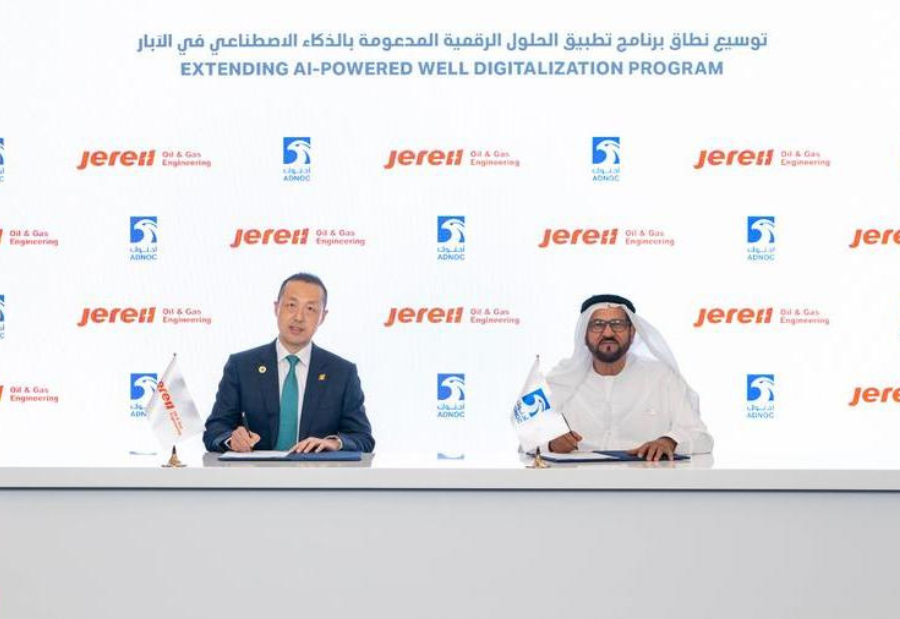
ADNOC has actively sought international partners to strengthen its upstream capabilities, and Petronas’s involvement is seen as a testament to ADNOC’s strategy of forging alliances with leading global energy firms. The collaboration will focus on advanced technologies, including digitalization and artificial intelligence, to enhance exploration and production efficiencies.

Petronas has been expanding its international operations over the past few years, with significant investments in various countries, including Canada, Brazil, and Mozambique. The company aims to maintain a balanced portfolio while exploring opportunities in renewable energy, aligning with global shifts towards sustainable practices. The Abu Dhabi concession marks a continuation of Petronas’s efforts to adapt to evolving market dynamics and shifting energy demands.

Industry analysts view this agreement as a positive step for both Petronas and ADNOC, as it creates synergies that can drive value creation. The partnership is expected to leverage ADNOC’s extensive experience in the region along with Petronas’s technical capabilities, thereby enhancing operational efficiencies. With the global energy landscape undergoing significant transformations, this collaboration is poised to bolster the resilience and competitiveness of both entities.

The concession also comes at a time when oil prices are experiencing volatility, prompting many companies to reassess their strategies and investments. By securing this license, Petronas is positioning itself to navigate these fluctuations effectively. The company’s focus on innovation and sustainability is anticipated to enhance its adaptability to market challenges, ensuring its long-term growth prospects.

As the energy transition accelerates, the partnership between Petronas and ADNOC is likely to explore opportunities beyond traditional oil and gas. The companies may jointly investigate initiatives in carbon capture and storage, as well as investments in renewable energy projects. This strategic approach is essential for maintaining relevance in a rapidly changing energy landscape.

Both companies are well-positioned to contribute to Abu Dhabi’s goal of achieving net-zero emissions by 2050. The collaboration could lead to groundbreaking advancements in energy efficiency and sustainability practices, setting a benchmark for future partnerships in the region.

While the immediate focus is on hydrocarbon production, the strategic collaboration may pave the way for broader initiatives that align with global sustainability goals. This could include exploring alternative energy sources, enhancing energy efficiency measures, and investing in clean technologies that reduce carbon footprints.

The successful acquisition of the onshore concession license by Petronas not only highlights its commitment to expanding its operational footprint but also underscores the importance of collaboration in achieving energy sustainability. The agreement reflects a shared vision between ADNOC and Petronas to develop innovative solutions that meet the demands of an evolving energy landscape while prioritizing environmental stewardship.

As global energy markets continue to transform, Petronas’s expansion into Abu Dhabi marks a significant development in the region’s oil and gas sector. This venture is expected to enhance both companies’ operational efficiencies, drive technological innovation, and contribute to the sustainable development goals set forth by the UAE. The collaboration serves as a model for future partnerships, illustrating the potential of strategic alliances in navigating the complexities of the energy industry.

The Karl Lagerfeld brand is venturing into the luxury real estate market, announcing ambitious plans to expand its portfolio of branded residences both in the UAE and globally. This move marks a significant shift for the iconic fashion house, which has primarily been associated with haute couture, accessories, and lifestyle products. The expansion aligns with a broader trend in the luxury sector, where fashion brands are increasingly diversifying their offerings to include real estate as a means to enhance their brand presence and engage consumers in new ways.

The announcement comes as part of a collaboration between the Karl Lagerfeld brand and the luxury real estate developer, K. Group, headquartered in Dubai. The partnership aims to develop exclusive residential projects featuring the distinctive design and aesthetic synonymous with Lagerfeld’s legacy. The first of these projects is expected to launch within the next two years in one of Dubai’s upscale neighborhoods, further solidifying the city’s reputation as a global luxury hub.

This strategic expansion into branded residences capitalizes on the growing demand for luxury living spaces that offer personalized experiences, combining opulence with the allure of high fashion. Branded residences have become increasingly popular among affluent buyers seeking unique living experiences that reflect their lifestyle preferences. This trend is particularly pronounced in regions such as the Middle East, where luxury and exclusivity are paramount.

Lagerfeld’s iconic design sensibility, characterized by clean lines, bold colors, and a contemporary aesthetic, will play a central role in shaping the residential projects. Each residence is expected to showcase custom interiors inspired by Lagerfeld’s distinct style, ensuring that residents will experience a unique living environment that embodies the brand’s ethos. The integration of high-quality materials, innovative design features, and cutting-edge technology will further enhance the allure of these properties.

As the luxury real estate market continues to evolve, fashion houses like Karl Lagerfeld are leveraging their brand equity to tap into new revenue streams. This strategy not only enhances brand visibility but also creates a sense of community among residents who share an affinity for the brand. Moreover, the collaboration with K. Group will enable the Karl Lagerfeld brand to benefit from the developer’s extensive market knowledge and expertise in the real estate sector.

The global luxury real estate market is witnessing a surge in interest from high-net-worth individuals seeking investment opportunities that combine lifestyle with financial returns. According to industry analysts, the branded residences market is projected to grow significantly, driven by increasing demand for luxury properties in prime locations. The trend is particularly evident in cities like Dubai, where luxury developments have consistently attracted wealthy investors from around the world.

The partnership between Karl Lagerfeld and K. Group represents a broader trend among luxury brands diversifying their portfolios. Similar ventures have been seen with brands like Versace, Bulgari, and Armani, each establishing their own branded residences in various markets. These projects not only serve as a revenue stream but also deepen the emotional connection between consumers and the brand, fostering loyalty and enhancing the overall brand experience.

The move into branded residences also aligns with the growing consumer preference for experiential luxury, where buyers are increasingly looking for more than just a property. They seek a lifestyle that is intricately woven with the values and aesthetics of the brands they admire. By offering residences that reflect the essence of the Karl Lagerfeld brand, the company is poised to capitalize on this shift in consumer behavior, providing potential buyers with a unique living experience that transcends traditional luxury.

With the Karl Lagerfeld brand’s expansion into branded residences, the fashion house is set to redefine the luxury living experience. The move underscores the evolving landscape of the luxury market, where boundaries between fashion, lifestyle, and real estate continue to blur. As the brand prepares to unveil its first residential projects, anticipation is building among potential buyers eager to experience the unique fusion of high fashion and luxury living.

ADVERTISEMENT

Over 80 flights have been diverted following a missile attack by Iran on Israeli territory, marking a significant escalation in tensions in the region. The attack, which occurred on a busy travel day, has triggered widespread disruptions in air travel, affecting routes across Europe, the Middle East, and beyond. As airlines scramble to adapt to the situation, travelers are facing delays and uncertainty as air traffic controllers adjust flight paths to ensure safety.

The missile assault targeted multiple locations in Israel, reportedly hitting near Tel Aviv and other key areas, prompting immediate responses from Israeli defense forces. In retaliation, Israel launched airstrikes against what it described as military installations in Iran, intensifying fears of a larger conflict. The situation has heightened anxieties among airlines and travelers, with many countries issuing travel advisories.

Air traffic management systems in various regions have been strained as the diversion of flights has created congestion in alternative airports. Affected airlines, including major carriers like Emirates, Lufthansa, and British Airways, have altered their flight schedules and routes to avoid the conflict zone. Passengers are being informed about changes, with many facing rebooking challenges due to the high volume of travelers displaced by the diversions.

Israeli officials have condemned the missile attack, describing it as a direct threat to civilian safety. The country’s Prime Minister stated that the government would respond with appropriate measures to safeguard its citizens. Analysts suggest that this incident could represent a turning point in the ongoing tensions between Iran and Israel, as well as potentially destabilizing the broader geopolitical landscape in the Middle East.

The impact of the attack extends beyond immediate safety concerns. Economists warn that prolonged instability in the region could affect global oil prices and trade routes. The fear of escalation might lead to increased insurance premiums for flights operating in and around the area, further complicating the situation for airlines and passengers alike.

Travelers currently in transit or scheduled to fly to Israel are advised to stay updated on their flight statuses and consult with airlines for the latest information. Some travelers have reported being rerouted to airports in nearby countries such as Cyprus and Greece, where they can continue their journeys after the situation stabilizes. However, the longer-term implications of this event may lead to broader shifts in airline operations, particularly for those serving the Middle East.

As airlines navigate these complex challenges, industry experts are analyzing how this incident might reshape air travel in the region. While the immediate focus is on safety and logistical adjustments, the incident raises questions about the resilience of global air travel amid geopolitical tensions. Airlines may need to reassess their risk management strategies, particularly for routes that are vulnerable to similar threats in the future.

International responses to the missile attack have also been varied, with some nations condemning the violence and calling for calm. The United Nations has expressed concern over the escalation of hostilities and the potential humanitarian consequences for civilians in the region. Diplomatic efforts are being initiated to de-escalate tensions and encourage dialogue between the conflicting parties, though success remains uncertain amid the heightened atmosphere of distrust.

In the broader context, this missile attack illustrates the fragility of peace in the region. Analysts note that the cycle of retaliation between Iran and Israel has persisted for years, and incidents like this may trigger further actions on both sides. The potential for regional instability to escalate into a wider conflict remains a concern for many observers.

Efforts by OPEC+ to stabilize the global oil market have gained renewed focus, as UAE’s Minister of Energy and Infrastructure, Suhail Mohamed Faris Al Mazrouei, highlighted the group’s commitment to maintaining a balance between supply and demand. During recent discussions, Al Mazrouei referred to OPEC+’s actions as a “noble job,” underscoring the coalition’s strategic moves to support oil prices amid fluctuating global economic conditions.

In a critical period for oil markets, OPEC+ has implemented a series of production cuts aimed at addressing falling crude prices, which have been driven down by oversupply and persistent inflation concerns in key consumer nations. The group, which includes 23 countries, has extended its voluntary cuts to stabilize prices, with a particular emphasis on recovering inventory levels while carefully managing market dynamics.

OPEC+, led by major producers such as Saudi Arabia and Russia, has made significant adjustments to its output. These changes include extending cuts of around 2.2 million barrels per day (b/d) through September 2024, with a gradual rollback scheduled thereafter . Analysts noted that while the extension was anticipated, it could create conditions for price recovery as seasonal demand increases.

The coalition’s actions come as a response to market pressures resulting from increased production by rival nations, including the United States, Brazil, and Guyana. Despite ongoing challenges, Al Mazrouei expressed confidence in the collective efforts of OPEC+ to navigate the complexities of the global oil landscape. The minister emphasized the importance of maintaining a collaborative approach to ensure sustainable supply and demand balance .

Dubai has taken a significant step toward solidifying its position as a global leader in innovation and intellectual property (IP) management with the launch of the Dubai Intellectual Property Hub (DIPH). Developed in collaboration between the Dubai Future Foundation (DFF) and the UAE Ministry of Economy, the DIPH aims to provide a centralized platform for managing IP and intangible assets (IA) in the region. The initiative targets a wide range of stakeholders, including innovators, artists, entrepreneurs, researchers, academics, and startups, by offering streamlined support and resources.

The DIPH was unveiled at the “IP2024: Glimpse on the Future of IP” event, which attracted high-level officials, industry experts, and leading figures from the IP sector. The introduction of this hub underscores the UAE’s ambitions to position itself as a competitive hub for global intellectual property development and protection. The platform is designed to assist those working in knowledge-based industries, which are becoming increasingly crucial in today’s digital economy.

The Dubai Intellectual Property Hub is expected to fill a longstanding gap in the region’s innovation ecosystem by offering a one-stop solution for intellectual property needs. Through DIPH, innovators will have access to various resources that streamline the IP registration and management process, reducing the complexity that often hampers the commercialization of innovative ideas. By making it easier for creators to secure their intellectual property rights, Dubai is also encouraging the creation and growth of knowledge-based industries.

The launch of the DIPH comes at a critical time when global economies are placing more emphasis on knowledge and innovation. Intangible assets, such as patents, trademarks, copyrights, and trade secrets, are increasingly valuable, and their protection is crucial to driving growth and competitiveness in global markets. This new hub aims to address that demand by providing comprehensive support for the entire IP lifecycle, from idea generation and patent registration to commercialization and enforcement.

In remarks delivered during the launch event, officials highlighted the significance of the DIPH in fostering innovation not just in the UAE but across the broader Middle East and North Africa (MENA) region. The platform aims to establish Dubai as a center for IP-related activities, attracting talent and investment from across the globe. By empowering individuals and organizations to secure their intellectual property more efficiently, the UAE aims to create an environment that nurtures creativity and entrepreneurship.

The DIPH’s comprehensive services include assistance with patent filings, IP rights consultations, educational workshops, and resources on the commercialization of intangible assets. The hub also promises to facilitate networking opportunities between innovators, investors, and legal experts, thereby fostering collaborations that could lead to the development of cutting-edge technologies and creative endeavors.

The collaboration between the Dubai Future Foundation and the Ministry of Economy also reflects the UAE’s broader strategy of diversifying its economy away from traditional sectors like oil and gas. By promoting knowledge-based industries, the UAE is positioning itself as a global leader in sectors like artificial intelligence, biotechnology, and clean energy, where intellectual property plays a critical role. Officials at the launch underscored that the Dubai Intellectual Property Hub is aligned with the UAE’s long-term vision for innovation-driven economic growth.

The DIPH aims to be more than just a registry for patents and trademarks; it aspires to be a catalyst for innovation across multiple sectors. By providing a centralized resource for IP-related activities, the hub is set to attract innovators from around the world, providing them with the tools and support they need to succeed. This effort is in line with Dubai’s larger objective to become a leader in the global knowledge economy, fostering a fertile environment where new ideas and technologies can flourish.

The launch of the Dubai Intellectual Property Hub coincides with the UAE’s commitment to aligning its innovation goals with international standards. Officials noted that DIPH would ensure that the UAE remains compliant with international intellectual property laws and agreements, facilitating smoother collaboration with global partners and investors. This alignment is particularly crucial in today’s interconnected world, where cross-border collaborations are becoming more prevalent.

The introduction of DIPH has been met with widespread optimism from industry experts, who believe that the hub will help to overcome several challenges currently faced by innovators and businesses in the region. One of the primary obstacles to IP protection in many emerging markets is the lack of streamlined processes and resources for managing intellectual property rights. By addressing these gaps, the Dubai Intellectual Property Hub is expected to provide an essential service that will benefit both local and international innovators.

The DIPH is also designed to support the growth of startups in the UAE, which are often heavily reliant on their intellectual property for competitive advantage. Startups and small businesses frequently struggle to navigate the complex world of intellectual property law, and the DIPH aims to alleviate some of these burdens by offering tailored support to emerging companies. Through educational resources, legal consultations, and partnerships with venture capital firms, the hub will assist startups in securing their innovations and bringing them to market.

NEOM has officially unveiled the highly anticipated Sindalah Yacht Club, a hallmark of its first island development, signaling its intent to become a premier global yachting destination. Located within the breathtaking Sindalah island, the club has been meticulously designed by renowned Florentine designer Stefano Ricci, blending Italian craftsmanship with the island’s natural beauty. It serves as both a luxurious gathering place for yacht owners and a key attraction in NEOM’s vision to transform the Red Sea coast.

Stefano Ricci’s design of the Sindalah Yacht Club reflects a harmonious fusion of elegance and nature. The interiors feature the timeless white Carrara marble, accentuated by a unique “Sindalah Blue,” a color crafted specifically to capture the pristine waters surrounding the island. The use of briar-root wood adds warmth and depth, providing a refined and inviting ambiance for guests. With a layout spanning 1,800 square meters, the club boasts opulent lounges, a terrace pool with sweeping ocean views, and an exclusive fine-dining experience curated by Michelin-starred chef Enrico Bartolini.

The Sindalah Yacht Club aims to cater to the upper echelon of the yachting world, offering state-of-the-art berthing for superyachts up to 180 meters in length. Managed by IGY Marinas, known for their expertise in luxury marina services, the facility is positioned to serve as a year-round hub for the global yachting elite. Its strategic location on the Red Sea makes it an ideal destination for leisure travelers seeking both adventure and tranquility.

Sindalah’s development as a yachting paradise is part of NEOM’s broader vision to redefine urban living through sustainable, futuristic projects. NEOM’s leadership has emphasized the role of Sindalah as a significant milestone in its push to attract global tourism and investment. Nicholas Smith, General Manager of Sindalah, highlighted the excitement surrounding the unveiling of the Yacht Club, noting that it showcases the innovative and luxury-driven ethos of the entire island development. He emphasized that the collaboration with Stefano Ricci is a testament to NEOM’s commitment to offering world-class experiences to its visitors.

Sofitel has officially launched its inaugural branded residences in Downtown Dubai, marking a significant expansion of the luxury hotel brand’s presence in the region. The development, in collaboration with Azha Development and Dubai Sotheby’s International Realty, is strategically located just minutes away from iconic landmarks like the Burj Khalifa and the Dubai Mall, catering to affluent buyers and investors seeking a premium living experience.

The Sofitel branded residences comprise 174 luxurious units, including one, two, and three-bedroom apartments, designed to embody the essence of French elegance fused with Middle Eastern hospitality. Each residence features modern amenities, sophisticated interiors, and expansive views of the city’s skyline, ensuring a lavish lifestyle for residents. The project aims to attract both local and international buyers, reflecting the growing demand for upscale living spaces in Dubai’s thriving real estate market.

The launch comes at a time when Dubai’s property sector is witnessing robust growth, fueled by the UAE’s strategic initiatives to boost tourism and attract foreign investment. Recent reports indicate a surge in luxury property sales, with many buyers from various regions, including Europe and Asia, looking to invest in Dubai’s thriving real estate market. This trend is partly driven by the UAE’s successful handling of the pandemic and its appeal as a global business hub.

Sofitel’s entry into the branded residences segment aligns with its global strategy to enhance brand visibility and cater to an evolving clientele that values luxury and lifestyle. The residences are not merely living spaces; they are designed to provide a holistic lifestyle experience. Residents will have access to a range of amenities, including a swimming pool, a wellness center, and exclusive dining options, all curated to deliver the signature Sofitel experience.

Azha Development’s partnership with Sofitel exemplifies a growing trend among developers in Dubai, who are increasingly collaborating with international brands to elevate their projects. The collaboration aims to leverage Sofitel’s prestigious reputation in the luxury hospitality sector to enhance the appeal of the residences. This synergy is expected to boost the overall value of the development, making it an attractive investment opportunity.

Dubai Sotheby’s International Realty plays a crucial role in the sales strategy for these branded residences, leveraging its extensive network and expertise in the luxury real estate market. The agency’s involvement underscores the importance of marketing strategies tailored to affluent buyers, utilizing high-end branding and exclusive events to showcase the lifestyle offered by the Sofitel residences.

Market analysts suggest that branded residences have become a significant trend in the global real estate market, particularly in high-demand areas like Dubai. Buyers are increasingly drawn to properties that offer the backing of renowned brands, as these often promise a certain level of quality, service, and lifestyle. This trend is expected to continue, with luxury brands like Sofitel leading the charge in meeting the growing demand for high-end living.

The demand for branded residences is fueled by the lifestyle aspirations of wealthy individuals who prioritize a seamless blend of luxury, service, and location. The proximity of the Sofitel residences to major attractions in Dubai positions it as a prime choice for buyers looking for convenience and accessibility. The development’s strategic location allows residents to immerse themselves in the vibrant culture, entertainment, and leisure activities that Dubai offers.

The launch of the Sofitel branded residences also coincides with ongoing efforts by Dubai’s government to promote the city as a premier destination for expatriates and investors. Initiatives such as long-term residency visas and the Golden Visa program have attracted a diverse pool of buyers, further boosting demand for luxury properties. The city’s real estate market has seen a notable uptick in transactions, with luxury properties leading the way in terms of both sales and price appreciation.

DP World, the global logistics giant headquartered in Dubai, is preparing to make a significant contribution to Mozambique’s economic landscape by expanding its operations in the country. This development follows a high-profile meeting between Sultan Ahmed bin Sulayem, the CEO and Chairman of DP World Group, and Mozambique’s President, Filipe Nyusi, during the United Nations General Assembly (UNGA) in New York. The two discussed a range of new investment initiatives aimed at enhancing Mozambique’s logistics and industrial capabilities, with DP World confirming its intention to deepen its involvement in the nation’s infrastructure projects.

The company’s new plans come amid Mozambique’s efforts to become a critical player in regional trade, particularly as it seeks to leverage its strategic location along the southeastern coast of Africa. DP World’s planned investments focus primarily on the development of ports and related infrastructure, with an emphasis on increasing trade capacity, boosting local employment, and fostering economic growth.

DP World has long viewed Africa as a key area for growth, and Mozambique represents a strategic link in the company’s broader ambitions across the continent. The nation’s ports, including Maputo and Nacala, serve as vital gateways for international trade, facilitating the movement of goods to and from landlocked countries in southern Africa. By enhancing these logistics hubs, DP World aims to further integrate Mozambique into global trade routes, making it a more attractive destination for foreign investment and positioning the country as a regional logistics hub.

The meeting between DP World’s leadership and President Nyusi underscores the importance of Mozambique’s logistics sector in regional economic development. According to sources familiar with the discussion, both parties are committed to ensuring that the planned investments align with Mozambique’s national development strategy. This includes improving the efficiency of port operations, upgrading existing facilities, and constructing new logistics centers to meet the growing demand for trade services.

Mozambique has already benefited from DP World’s presence in the region. The company operates several ports and terminals across Africa, and its involvement in Mozambique is expected to bring similar benefits. This expansion is part of a broader strategy by DP World to strengthen its footprint across Africa, where it has already made substantial investments in countries like Senegal, Egypt, and Somaliland. In these nations, DP World has transformed local port infrastructure, increasing trade volumes and creating thousands of jobs.

For Mozambique, the focus on infrastructure investment comes at a critical time. The country has been recovering from economic disruptions caused by natural disasters and regional instability, and the development of its logistics sector is seen as vital to ensuring long-term growth. By improving trade routes and modernizing ports, Mozambique hopes to attract more foreign investors, stimulate job creation, and diversify its economy beyond natural resource extraction.

DP World’s involvement in Mozambique could also serve as a catalyst for the country’s broader development goals. In addition to the direct economic benefits of improved logistics infrastructure, there are potential spillover effects in areas like industrial development, transportation, and tourism. The expansion of port facilities could, for example, lead to the growth of ancillary industries such as manufacturing and processing, which in turn would create further job opportunities for the local population.

The partnership between DP World and Mozambique is expected to support regional trade by facilitating the movement of goods across borders. Mozambique’s ports play a critical role in serving landlocked countries like Zimbabwe, Malawi, and Zambia, which rely on Mozambique’s transportation networks to access global markets. With DP World’s expertise in logistics and port management, these networks could become more efficient, reducing transportation costs and speeding up trade flows.

Mozambique’s growing importance as a logistics hub is also evident in the increasing number of global players looking to invest in the country. Aside from DP World, other international companies have shown interest in Mozambique’s ports, attracted by the country’s geographical position and the potential for growth in regional and international trade. The expansion of logistics services in Mozambique not only benefits the local economy but also contributes to the wider African Continental Free Trade Area (AfCFTA) initiative, which seeks to create a single market for goods and services across the continent.

DP World’s investment in Mozambique is part of a long-term strategy to strengthen its presence in emerging markets. The company has been expanding aggressively across Asia, Latin America, and Africa, focusing on regions with high growth potential and strategic importance. Mozambique fits well into this strategy, given its natural resources, growing population, and proximity to major international trade routes.

Sheikh Khaled bin Mohamed Al Nahyan, the Crown Prince of Abu Dhabi, arrived in Qatar on Tuesday for a significant official visit aimed at strengthening ties between the two Gulf nations. This diplomatic mission comes after years of strained relations between Qatar and some of its neighboring states, including the UAE, following the resolution of the 2017 blockade, where the UAE, Saudi Arabia, Bahrain, and Egypt severed ties with Qatar over allegations of supporting extremist groups—claims that Doha consistently denied.

The visit marks a turning point in relations, with Sheikh Khaled’s arrival signaling a renewed effort to bolster diplomatic, economic, and cultural cooperation between Abu Dhabi and Doha. The Crown Prince is scheduled to meet with Qatar’s Emir, Sheikh Tamim bin Hamad Al Thani, along with other senior Qatari officials. Their discussions are expected to focus on enhancing collaboration in areas such as energy, infrastructure, and regional security.

This visit also serves as part of a broader effort by the UAE to maintain its influential role in the Gulf Cooperation Council (GCC) and foster stability across the region. Relations between the UAE and Qatar have gradually improved since the signing of the Al-Ula Agreement in January 2021, which ended the three-and-a-half-year-long diplomatic rift.

Sheikh Khaled’s ascension as Crown Prince of Abu Dhabi earlier this year was a significant development, solidifying his position as one of the most powerful figures in the UAE. He has since been active in international diplomacy, leading state visits and launching major projects within the UAE, such as infrastructure initiatives and cultural advancements. His visit to Qatar underscores the UAE’s commitment to restoring strong bilateral ties with its neighbor and addressing shared concerns in a rapidly changing geopolitical landscape.

Observers believe the visit could yield agreements on several critical fronts, particularly in natural gas, where Qatar is a dominant player, and clean energy, a focus for both nations. As Qatar continues to expand its liquefied natural gas (LNG) exports, the UAE is keen to explore collaborations that could benefit both countries’ economies. Moreover, the two leaders are expected to discuss ongoing tensions in the broader Middle East, including the situation in Yemen and Iran’s influence in the region.

The talks come at a crucial time, as Gulf states seek to diversify their economies and reduce their reliance on oil. Both the UAE and Qatar have been investing heavily in sustainable energy and technology, areas where further cooperation could be mutually beneficial. Additionally, with Qatar set to host global events in the coming years, there is potential for Abu Dhabi and Doha to collaborate on tourism and infrastructure projects.

The broader context of Sheikh Khaled’s visit also reflects a shift in the UAE’s foreign policy approach under his leadership. While his father, Sheikh Mohamed bin Zayed Al Nahyan, focused on an assertive regional strategy, including military interventions in Yemen and Libya, Sheikh Khaled’s diplomatic approach appears to emphasize reconciliation and economic diplomacy. His visit to Qatar is seen as part of this recalibrated policy, aimed at building bridges with key regional players.

Economic ties between Qatar and the UAE are expected to be a major focal point during this visit. Despite the political fallout of the blockade, trade between the two nations resumed shortly after the Al-Ula Agreement, and both nations have expressed interest in boosting these exchanges further. Given Qatar’s vast energy resources and the UAE’s role as a regional business hub, stronger ties could lead to significant economic benefits for both nations.

Diplomatic sources indicate that beyond economic and security discussions, cultural exchanges will also be a priority. The UAE and Qatar have been vying to position themselves as cultural leaders in the region, with both countries investing in museums, art galleries, and other cultural institutions. Collaboration in this domain could enhance their global soft power and further their ambitions to be recognized as cultural hubs in the Middle East.

VISHNU RAJA
RYO YAMADA
HITORI GOTOH
IKUYO KITA
Social Media Auto Publish Powered By : XYZScripts.com