Articles written by
arabian post staff

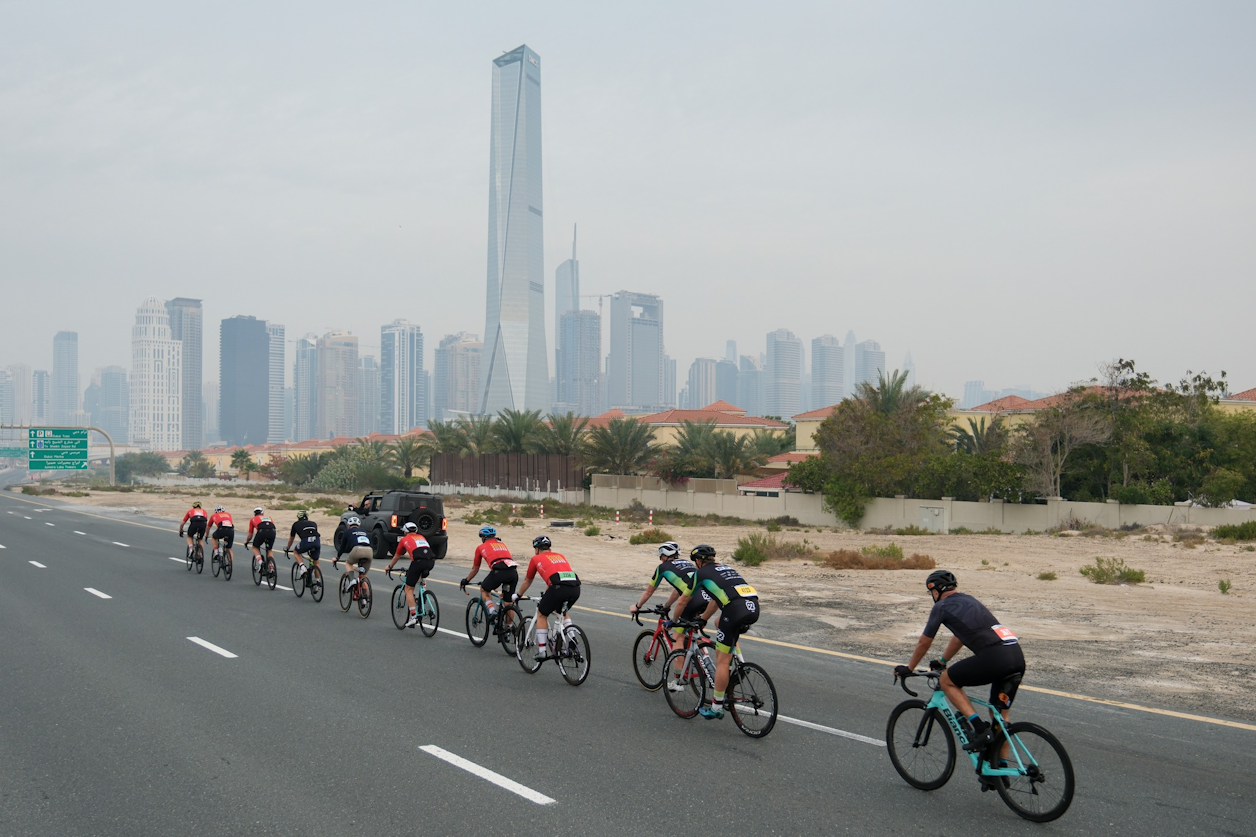
Temperatures soared close to 50°C across the United Arab Emirates today as fierce dusty winds swept through several areas, amplifying already sweltering conditions and causing widespread disruption. Authorities issued multiple weather alerts, urging residents to take precautions against heat-related illnesses and reduced visibility caused by the dust-laden atmosphere.

The National Centre of Meteorology confirmed that desert regions and inland cities recorded some of the highest temperatures, with Al Dhafra region touching 49.2°C by mid-afternoon. Urban centres such as Abu Dhabi, Dubai, and Sharjah experienced highs ranging between 45°C and 47°C, with humidity levels compounding the oppressive weather. The agency also noted that wind speeds varied between 15 to 25 kilometres per hour, occasionally surging to 45 kilometres per hour, stirring up dense dust clouds that blanketed highways and neighbourhoods.

In a parallel statement, emergency services intensified public advisories, warning of potential heat strokes and respiratory difficulties due to the airborne dust particles. Hospitals reported an uptick in patients exhibiting symptoms linked to dehydration and breathing complications, prompting health officials to reinforce messages about hydration and limited exposure during peak hours.

Traffic authorities reported several minor accidents and traffic snarls across the country, attributing them to diminished visibility caused by the dust storms. Motorists were urged to maintain safe distances and use fog lights even during daytime driving. Residents living in low-lying desert suburbs faced particularly challenging conditions, with winds strong enough to whip up sand dunes onto major roads, affecting mobility and safety.

While the UAE is no stranger to harsh summer conditions, the severity of today’s heatwave stands out, underscoring the growing frequency of extreme weather patterns in the region. Meteorologists pointed to a combination of regional atmospheric pressure systems and seasonal climatic shifts driving the sudden spike in temperatures. These changes mirror a broader trend observed across the Gulf, where weather extremes have become more pronounced over the past few years.

Labour authorities called for strict enforcement of the mandatory midday break for outdoor workers, which bars any construction or manual labour under direct sunlight between 12:30 pm and 3:00 pm. Inspectors were dispatched across industrial zones and construction sites to ensure compliance. Non-adherence carries substantial penalties under UAE labour regulations aimed at safeguarding workers’ health during summer months.

Energy consumption surged as residents and businesses ramped up air conditioning use to combat the intense heat. Officials from the Federal Electricity and Water Authority advised the public to conserve energy wherever possible to prevent grid overloads. Measures included setting thermostats to a minimum of 24°C and limiting the use of heavy appliances during peak demand hours.

Educational institutions that remained operational through the summer period either shifted classes online or modified school timings to avoid exposing students to extreme outdoor temperatures. Parents were advised to ensure children stayed indoors, wore light cotton clothing, and remained hydrated at all times.

Air quality across major emirates deteriorated markedly as a result of the dust storms. Environmental agencies recorded significant rises in particulate matter concentrations, warning that prolonged exposure could aggravate pre-existing respiratory conditions such as asthma and bronchitis. Health experts advised wearing masks outdoors and using air purifiers indoors to mitigate the health risks associated with poor air quality.

Tourist activities also took a hit, with desert safaris, outdoor markets, and public beach outings largely suspended. Many tour operators either cancelled excursions or adjusted schedules to early morning and late evening slots to avoid the worst of the heat. Shopping malls, indoor parks, and entertainment complexes saw a sharp rise in footfall as residents and visitors sought respite in air-conditioned venues.

Agricultural communities in rural parts of the Emirates voiced concern over crop damage due to the combination of excessive heat and abrasive winds. Farmers noted that young plants, particularly those without adequate shade or irrigation, showed signs of wilting and dehydration. Agriculture departments mobilised support initiatives to help farmers protect their yields, including advisories on irrigation management and shade-net installations.

Looking ahead, forecasters predict that elevated temperatures and dusty conditions are likely to persist over the coming days, though a marginal drop may occur towards the end of the week. Authorities continue to monitor the situation closely and are prepared to escalate measures if conditions worsen.

Healthcare providers across the Emirates remained on high alert. Medical professionals reiterated the importance of staying hydrated, avoiding caffeinated drinks, and recognising early signs of heat exhaustion, such as dizziness, headache, and muscle cramps. People with chronic illnesses, the elderly, and young children were especially advised to remain indoors and maintain cool environments.

The civil aviation sector reported no major flight disruptions despite the challenging weather. However, operational teams were instructed to remain vigilant, and minor adjustments were made to ground handling procedures at airports to ensure worker safety amid high temperatures and dusty winds. Pilots and crew members were also advised to factor in weather conditions during flight operations, especially during take-offs and landings.

Retailers noted a spike in sales of cooling appliances, water bottles, sunscreens, and protective wear such as hats and UV-resistant sunglasses. Pharmacies experienced heightened demand for electrolyte solutions and hydration tablets. Businesses adapted by launching promotional campaigns aimed at helping residents equip themselves against the heatwave.

Dubai-based luxury real estate developer Omniyat Holdings has mandated a consortium of international and regional banks to arrange its inaugural US dollar-denominated green sukuk, marking its entry into the sustainable finance market. The issuance, structured as a three-year fixed-rate senior unsecured sukuk under Regulation S, is poised to attract global investors seeking Sharia-compliant green investment opportunities.

The appointed joint global coordinators for the transaction are ADCB, Citi, ENBD Capital, JP Morgan, Mashreq, and Standard Chartered. Supporting them as joint lead managers and bookrunners are Ajman Bank, Commercial Bank of Dubai, Dubai Islamic Bank, First Abu Dhabi Bank, Kamco Invest, RAKBANK, and Warba Bank. Investor calls are scheduled to commence on Thursday, setting the stage for the sukuk’s launch, subject to market conditions.

Omniyat, renowned for its high-profile developments such as The Opus in Dubai’s Business Bay—designed by the late Zaha Hadid—aims to leverage the proceeds from the green sukuk to finance or refinance projects that align with environmental sustainability criteria. This move aligns with the broader trend in the Gulf Cooperation Council region, where issuers are increasingly tapping into the green finance market to support environmentally friendly initiatives.

The UAE has emerged as a leader in green sukuk issuances, with activity in the sector doubling to $8.6 billion in the first half of 2024. This surge is attributed to a series of high-profile issuances by major financial institutions and corporations, reflecting the country’s commitment to sustainable development and its 2050 Net Zero Goals.

Omniyat’s entry into the green sukuk market follows similar moves by other prominent UAE entities. For instance, Abu Dhabi Islamic Bank successfully raised $500 million through a green sukuk offering, marking the world’s first US dollar-denominated green sukuk issued by a financial institution. The issuance was met with exceptional demand, attracting interest from over 100 global and regional investors, and was listed on the London Stock Exchange’s International Securities Market and Sustainable Bond Market.

Similarly, Majid Al Futtaim, a UAE-based developer and operator of shopping malls, has previously issued a $600 million green sukuk to finance a portfolio of green projects. The issuance, which was listed on Nasdaq Dubai, underscores the growing appetite for sustainable investment products in the region.

Arabian Post Staff -Dubai The United States is preparing to offer Saudi Arabia an arms package exceeding $100 billion, potentially to be announced during President Donald Trump’s upcoming visit to the kingdom in May. This proposal follows a failed attempt by the Biden administration to finalize a defense pact with Riyadh, which included conditions aimed at curtailing Chinese arms acquisitions and investments. Under Trump’s leadership, U.S.-Saudi defense […]

American nu-metal band Limp Bizkit is scheduled to perform in Abu Dhabi on 12 August as part of their Loserville Tour, marking their return to the UAE after more than a decade. The concert will take place at the Etihad Arena on Yas Island, a venue known for hosting major international acts.

The Loserville Tour, which began earlier this year, has seen the band perform across various cities in North America and Europe. The Abu Dhabi show is part of the tour’s expansion into the Middle East, indicating the band’s intent to reconnect with their fan base in the region.

Limp Bizkit, formed in 1994, gained prominence in the late 1990s and early 2000s with hits like “Break Stuff,” “Nookie,” and “Rollin’.” Their fusion of rap and metal elements contributed to the popularity of the nu-metal genre during that period. The band’s lineup includes vocalist Fred Durst, guitarist Wes Borland, bassist Sam Rivers, drummer John Otto, and DJ Lethal.

The band’s last performance in the UAE was in 2011, also in Abu Dhabi. Since then, the region has seen a growing number of international music acts, reflecting its increasing significance on the global concert circuit. The upcoming concert is expected to attract fans from across the Middle East, as well as international visitors.

Tickets for the Abu Dhabi show are available through official channels, with options ranging from general admission to VIP packages. Organizers have emphasized the importance of purchasing tickets from authorized sellers to avoid counterfeit tickets.

The Etihad Arena, with a seating capacity of up to 18,000, has previously hosted artists such as The Killers, Post Malone, and Andrea Bocelli. Its state-of-the-art facilities and strategic location on Yas Island make it a preferred venue for large-scale events.

ADVERTISEMENT

Saudi Arabia has surpassed Singapore to become the top destination for venture capital funding among emerging markets, securing $391 million in the first quarter of 2025. This 53 percent year-on-year increase positions the Kingdom ahead of regions including the Middle East, Africa, Pakistan, Türkiye, and Southeast Asia, according to data from venture analytics platform MAGNiTT.

The Kingdom accounted for 58 percent of all venture funding in the Middle East and North Africa region during this period, with 41 percent of the total transactions. This performance reflects a significant shift in investor confidence, driven by a combination of strategic government initiatives, active sovereign wealth fund participation, and a focus on early-stage investments.

Notably, there was an 87 percent year-on-year increase in non-mega deal funding and a 437 percent rise in Series A and B rounds. Key transactions included $28 million raises by Ula.me and Merit Incentives, indicating robust support for startups at critical growth stages.

The broader MENA region also experienced a resurgence in venture capital activity, with total funding reaching $678 million in the first quarter—a 58 percent increase compared to the same period last year. This growth occurred despite a 21 percent decline in the number of deals, which totaled 133 transactions. The uptick is attributed to improved investor sentiment following interest rate cuts across the Gulf in late 2024, as well as sustained activity from sovereign funds and flagship ecosystem initiatives like LEAP 2025.

Several listed insurance companies in the UAE may require regulatory intervention after falling short of solvency requirements, raising concerns about the stability of the insurance sector. This situation, which has come under scrutiny from financial analysts, may signal broader issues that could affect market confidence and the regulatory framework governing the sector.

S&P’s Director of Financial Services and Insurance Ratings, Emir Mujkic, has highlighted the issue, emphasizing that the lack of adequate solvency buffers in some of the 21 publicly listed insurers could undermine the overall market stability. According to Mujkic, these insurers are under pressure as they struggle to restore their financial health within the timeframes mandated by regulations. He further suggested that intervention from regulatory authorities might be necessary to safeguard both the insurers and their customers.

The UAE insurance sector comprises 21 listed companies, split between the Dubai Financial Market and the Abu Dhabi Securities Exchange . Of these, 10 are listed on the DFM, while 11 are traded on the ADX. Despite the sector’s overall growth and its significant role in the economy, the solvency challenges faced by these firms could present substantial risks, particularly for those whose financial positions do not meet the required thresholds.

Solvency is a critical factor for insurance companies, as it determines their ability to meet long-term obligations to policyholders. Regulators set solvency requirements to ensure that insurers have sufficient financial buffers to withstand periods of financial stress. When these buffers fall below the prescribed levels, the insurer’s ability to pay claims or meet other liabilities could be compromised, putting the wider financial system at risk.

Mujkic’s remarks come amid a series of reports suggesting that some insurers are struggling with profitability and capital adequacy. Factors such as fluctuating investment returns, high operating costs, and increased claims have contributed to these companies’ solvency concerns. Some firms have been unable to maintain the levels of reserves that are essential to meet future obligations, putting them at risk of regulatory action if their financial positions do not improve.

The regulatory framework in the UAE, while robust, has faced growing pressure to keep pace with the rapidly evolving market dynamics. As the market for insurance continues to expand, both locally and regionally, the authorities may be called upon to tighten oversight and enforce stricter solvency requirements to protect consumers and maintain confidence in the system.

In response to these challenges, the UAE’s Insurance Authority has already taken steps to monitor the financial health of insurers more closely. However, with concerns over the solvency of a number of market participants, there may be a need for more proactive interventions. Industry experts are watching closely to see whether regulatory bodies will act to enforce stricter solvency regulations or offer support to struggling firms to help them restore their financial health.

The implications of this issue extend beyond just the companies directly involved. The solvency crisis within the UAE insurance sector could have far-reaching effects on the broader financial markets, investor confidence, and the country’s reputation as a regional financial hub. Insurers play a vital role in the UAE’s economy, providing a wide range of services to both individuals and businesses. A failure to address solvency problems promptly could lead to wider economic repercussions, including a potential loss of investor trust and the erosion of consumer confidence in insurance products.

The UAE’s financial market is known for its openness to international investors, and the performance of listed companies, including those in the insurance sector, is closely monitored by foreign and domestic investors alike. If solvency issues persist or worsen, the regulatory authorities may face increasing pressure to introduce measures that reassure investors and stakeholders in the market.

One of the key challenges for insurers in the UAE is the evolving risk environment. Factors such as climate change, shifting regulatory landscapes, and the ongoing impact of global economic uncertainties have all contributed to the increasing complexity of risk management. Insurers are finding it more difficult to accurately assess and price risk, which in turn has placed additional strain on their financial stability. This has made it harder for companies to maintain the required solvency margins while also ensuring that they remain competitive in the market.

The regulatory authorities will need to balance the need for stricter solvency requirements with the goal of fostering a competitive and attractive environment for insurers. While regulatory intervention may be necessary in some cases, the authorities must ensure that any actions taken do not stifle innovation or create an overly burdensome regulatory environment. Maintaining a delicate balance will be key to ensuring the long-term stability and growth of the UAE’s insurance sector.

Industry insiders have noted that the UAE insurance market is still in a period of transition, with some companies still adapting to new market conditions and regulatory expectations. While many firms have been able to weather financial challenges, others may find it increasingly difficult to compete as the regulatory environment tightens and market pressures intensify.

DAMAC Properties has reported a $54.45 million increase in collections, attributing this growth to the strategic integration of artificial intelligence across its operations. The Dubai-based real estate developer has implemented AI-driven tools to enhance customer engagement, streamline marketing efforts, and optimise sales processes, leading to significant financial gains.

Ali Sajwani, Managing Director of Operations and Technology at DAMAC Properties, highlighted the pivotal role of AI in transforming the company’s approach to real estate. By leveraging AI, DAMAC has been able to offer hyper-personalised customer experiences, improve lead generation, and reduce advertising expenditures. The adoption of AI-powered platforms, such as Meta’s Advantage+ Shopping Campaigns, has enabled the company to target potential buyers more effectively across various digital channels, including Instagram, Facebook, and WhatsApp.

The company’s foray into the metaverse, under the initiative named D-Labs, led by Ali Sajwani, has further exemplified its commitment to digital innovation. With an investment of up to $100 million, DAMAC aims to build digital cities, offering virtual homes and properties that allow customers to explore and customise their future residences through immersive virtual reality and augmented reality experiences. This initiative has not only enhanced customer engagement but also contributed to a notable increase in online-only sales, which currently generate over $100 million per quarter.

DAMAC’s strategic investments extend beyond AI and the metaverse. The company has announced plans to invest up to $1 billion in the data centre industry over the next few years, recognising the growing demand for digital infrastructure. This includes the launch of EDGNEX Data Centres, with facilities under construction in Saudi Arabia and plans for expansion into Indonesia, Jordan, and Turkey.

DAMAC’s collaboration with blockchain platform MANTRA to tokenize real-world assets in the Middle East, valued at $1 billion, underscores its commitment to embracing emerging technologies. This partnership aims to convert ownership rights into digital tokens, facilitating online trading and aligning with Dubai’s vision to become a global hub for digital and crypto assets.

Advertisements
ADVERTISEMENT

Emirates Integrated Telecommunications Company has entered into a landmark agreement with Microsoft to construct a state-of-the-art hyperscale data centre in the UAE. The project, valued at approximately 2 billion dirhams , marks a significant development in the country’s growing data infrastructure sector.

This collaboration, unveiled during Dubai AI Week, aims to create a cutting-edge facility that will offer cloud computing and data storage solutions for businesses across the region. With Microsoft as the primary tenant, the data centre is expected to scale its operations in phases, enhancing the UAE’s digital landscape over time.

Hyperscale data centres, like the one planned in partnership with Microsoft, are vast facilities designed to handle massive amounts of data, providing essential services for enterprises in various sectors, from finance to telecommunications. These centres are vital for enabling cloud-based operations and the increasing reliance on digital platforms.

Fahad Al Hassawi, CEO of du, highlighted the significance of the project, stating that the development represents a major step forward in the UAE’s ambition to lead in the global digital economy. “This deal marks a pivotal leap in our strategic goal to revolutionise the digital ecosystem of the UAE,” Al Hassawi said in his statement.

As the demand for cloud services continues to rise across the Middle East, this hyperscale data centre is poised to address the growing need for data storage, backup, and processing power. The centre will serve as a critical hub, supporting both local businesses and multinational companies looking to expand their presence in the region.

The data centre is also expected to help drive advancements in artificial intelligence , a technology that is rapidly gaining traction across various industries. By providing a robust infrastructure for AI development, the facility will bolster the UAE’s position as a leader in digital innovation. Microsoft’s involvement will bring in not only expertise in cloud technologies but also access to their vast network of global services, including Azure, which powers a wide range of enterprise solutions.

This partnership highlights the UAE’s commitment to investing in next-generation technologies to support the region’s economic diversification. With cloud computing continuing to be a fundamental driver of the digital economy, the development of such facilities is a clear reflection of the country’s long-term strategy to enhance its technological capabilities and attract international investment.

The project will further contribute to the UAE’s broader vision of becoming a global tech hub. The strategic location of the data centre in Dubai offers a significant advantage, given the city’s status as a business and logistics hub connecting Europe, Asia, and Africa. The development of this data centre aligns with the UAE’s long-standing goals of promoting innovation, sustainability, and digital transformation across multiple sectors.

The deal underscores the UAE’s efforts to improve its digital infrastructure in line with global standards. The hyperscale facility will provide businesses with enhanced access to cloud-based services, ensuring that they have the flexibility to scale operations efficiently. This is expected to benefit sectors like finance, e-commerce, and telecommunications, which are increasingly dependent on cloud technology.

The hyperscale data centre also aligns with the UAE’s broader ambitions to become a global leader in technology and digital services. As the country moves towards a knowledge-based economy, investments in data infrastructure are seen as critical to sustaining long-term economic growth. The UAE’s strategic investments in this sector are expected to have far-reaching effects on both local and international markets, with businesses set to benefit from enhanced access to cloud services and data storage.

The scale and scope of the partnership between du and Microsoft also reflect the increasing importance of international collaborations in the tech industry. Such collaborations are essential for fostering innovation and ensuring that businesses in the UAE have access to world-class technologies. By partnering with a global tech leader like Microsoft, du is positioning itself to be at the forefront of the digital revolution in the region.

As the UAE continues to expand its digital footprint, this project represents a significant step in its journey towards becoming a hub for advanced technologies in the Middle East. The hyperscale data centre will not only meet the growing demand for cloud services but also play a pivotal role in the broader development of AI and digital transformation initiatives in the region.

Emirates Islamic Bank recorded a significant upswing in profitability in the first quarter of 2025, with net profits rising to AED 1 billion, marking a 23% year-on-year increase from AED 811 million in the corresponding period of 2024. The performance was driven by robust income from both funded and non-funded sources, underlining the bank’s strengthened position in the UAE’s competitive banking sector.

Earnings per share reached AED 0.18, up from AED 0.14 a year earlier. Total income for the quarter climbed to AED 1.7 billion, an 18% increase from the same period last year. This upturn in revenue stemmed from higher financing and investment income, as well as growth in fee and commission income, which points to a broader recovery in consumer and business activity.

The bank’s managing director and CEO, Salah Mohammed Amin, attributed the strong financial performance to disciplined cost management, enhanced digital adoption, and sustained growth across key segments. He also noted that the bank’s strategic alignment with Emirates NBD Group objectives, including digital transformation and innovation, continues to yield tangible results.

Operating profit rose by 20% year-on-year to AED 1.1 billion, while the cost-to-income ratio improved to 36%, reflecting operational efficiency. Provisioning for credit losses was AED 129 million, a figure that remains within manageable limits and signals prudent risk management amid ongoing macroeconomic fluctuations.

The bank’s asset base expanded to AED 92 billion, a 9% growth compared to the first quarter of 2024. Customer deposits increased by 5% to AED 70 billion, with current and savings account balances forming 78% of total deposits, indicating continued customer confidence and loyalty. Financing receivables stood at AED 51 billion, up 6% from the previous year, signalling strong demand for retail and corporate financing.

Islamic banking products across consumer, SME, and corporate segments registered healthy uptake, supported by product innovation and the bank’s expanding digital footprint. Emirates Islamic has also ramped up investments in technology infrastructure to improve service delivery and enhance customer engagement through mobile and online platforms.

Emirates Islamic’s focus on ethical finance and Shariah-compliant services has positioned it well within the UAE’s growing Islamic finance ecosystem. The country continues to be a major hub for Islamic banking, which is gaining traction both regionally and globally. The bank’s growth mirrors broader trends in the sector, where increasing customer preference for Shariah-compliant solutions and strong regulatory support are bolstering market expansion.

Emirates Islamic’s capital adequacy ratio stood at a comfortable 18.4%, well above regulatory requirements, ensuring resilience and capacity for future growth. Liquidity coverage ratio remained strong at 161%, reflecting a solid funding base and proactive balance sheet management.

The bank’s digital strategy remains a core pillar of its long-term growth plans. Over the past year, Emirates Islamic has launched multiple enhancements to its mobile banking app, introduced AI-driven features for personalised financial services, and partnered with fintech players to expand its service offerings. These efforts have not only improved customer experience but have also helped in capturing a younger, tech-savvy demographic.

As part of its sustainability agenda, the bank reported progress on green finance initiatives and continues to integrate environmental, social, and governance principles into its lending and operational frameworks. The bank also highlighted its support for SMEs and community initiatives as part of its broader commitment to social responsibility.

Looking ahead, Emirates Islamic anticipates continued positive momentum, supported by favourable economic conditions in the UAE, ongoing investment in innovation, and a resilient customer base. The leadership expects the bank to remain well-positioned to navigate emerging challenges while delivering strong returns.

Oil prices experienced a significant decline of over 2% on Monday, with Brent crude falling to $66.81 per barrel and West Texas Intermediate dropping to $63.58. This downturn is attributed to progress in US-Iran nuclear negotiations and escalating concerns over the impact of US tariff policies on global demand. The potential easing of sanctions on Iran could reintroduce over a million barrels per day of crude into the market, intensifying supply pressures.

The decline in oil prices poses a substantial challenge to Gulf economies, particularly those heavily reliant on hydrocarbon revenues. S&P Global Market Intelligence has indicated that Oman, Bahrain, and Iraq are at heightened risk of financing pressures if the current price trends persist. These nations, already contending with fiscal deficits and limited sovereign reserves, may face increased borrowing costs and potential credit downgrades.

Conversely, the United Arab Emirates and Qatar are better positioned to withstand prolonged periods of lower oil prices. Their diversified economies and substantial sovereign wealth funds provide a buffer against market volatility. However, even these nations are not immune to the broader economic implications of sustained low oil prices.

The broader financial markets have also reacted to these developments. Major Gulf stock indices experienced declines, with Saudi Arabia’s TASI index falling by 0.7% and Qatar’s index decreasing by 0.3%. These market movements reflect investor apprehension regarding the stability of oil-dependent economies in the face of fluctuating energy prices.

Adding to the complexity is the political climate in the United States. President Donald Trump’s renewed criticism of Federal Reserve Chair Jerome Powell has raised concerns about the central bank’s independence. This political interference is contributing to market uncertainty and could have implications for global economic stability.

The potential for a US recession further exacerbates concerns. Analysts warn that the combination of tariff policies and political instability could dampen economic growth, leading to decreased demand for oil. This scenario would place additional strain on oil-exporting nations, particularly those with less diversified economies.

ADVERTISEMENT

Aramco and BYD, two giants in their respective industries, have entered into a strategic partnership aimed at advancing new energy vehicle technologies. The collaboration is expected to drive innovation in the electric vehicle sector, integrating Aramco’s expertise in energy and BYD’s cutting-edge solutions in battery technology.

The partnership comes at a time when the global shift toward clean energy solutions is gaining momentum. With governments around the world pushing for reduced carbon emissions and an increasing focus on sustainable transportation, companies like Aramco and BYD are well-positioned to lead the way. The collaboration between these two firms will not only leverage their individual strengths but also contribute significantly to the transition toward a low-carbon future.

Aramco, long known for its dominance in the oil and gas sector, has increasingly invested in renewable energy technologies, recognising the growing importance of sustainable practices in the energy industry. As part of its diversification strategy, the company has ventured into hydrogen production, solar energy, and, more recently, electric vehicles. This move signals a shift in Aramco’s approach, with an eye on future-proofing its operations against an ever-evolving energy landscape.

BYD, based in China, has made remarkable strides in the development of electric vehicles and energy storage systems. Known for its innovation in power batteries, BYD has become a leader in the NEV space, developing everything from electric buses to passenger cars. Its established foothold in both the automotive and energy sectors gives it a significant advantage in pushing the boundaries of green technology. The company’s electric vehicles have gained a loyal customer base globally, particularly in markets like China and Europe, where demand for eco-friendly transportation solutions is surging.

The two companies are aiming to explore a wide range of opportunities within the electric vehicle market, including advancements in battery technology, energy storage, and vehicle charging infrastructure. Aramco’s expertise in the energy sector, particularly in the areas of refining, chemicals, and fuel technology, complements BYD’s proficiency in EV manufacturing and power batteries. By combining forces, the partnership aims to accelerate the deployment of high-performance, energy-efficient vehicles that can meet the demands of a more sustainable future.

As part of the agreement, Aramco and BYD will also look into the development of renewable energy-powered charging stations, further enhancing the sustainability of electric vehicles. This would involve the integration of solar power solutions into EV charging networks, reducing reliance on conventional grid power and cutting down on emissions associated with vehicle charging.

The collaboration between Aramco and BYD is poised to support the growing global adoption of electric vehicles. With transportation being one of the largest contributors to greenhouse gas emissions, the push for cleaner vehicles is essential in mitigating the effects of climate change. Governments worldwide are introducing stricter emission standards and providing incentives for electric vehicle adoption, creating a fertile environment for partnerships like the one between Aramco and BYD to flourish.

In addition to its environmental benefits, this collaboration also promises to have significant economic implications. The electric vehicle market is expected to experience substantial growth in the coming years, driven by technological advancements, government incentives, and increasing consumer demand for greener alternatives. By investing in electric vehicle infrastructure and technology, Aramco and BYD are positioning themselves to capitalise on this rapidly expanding market.

Aramco’s involvement in the electric vehicle sector also signals the company’s recognition of the need to diversify its business model. As the world moves toward a more sustainable energy future, companies in the fossil fuel industry are under increasing pressure to reduce their carbon footprints and adapt to new market realities. Through its partnership with BYD, Aramco is working to align itself with global energy transition trends, aiming to maintain its relevance in an energy landscape that is rapidly shifting away from traditional fossil fuels.

For BYD, the partnership with Aramco provides access to crucial resources and expertise, allowing the company to scale up its operations and expand its presence in new markets. Aramco’s extensive network and experience in the energy sector, along with its significant financial resources, will enable BYD to enhance its technological capabilities and accelerate the development of next-generation electric vehicles.

A high-stakes bidding war is unfolding for PAL Cooling Holding , the district cooling subsidiary of Abu Dhabi’s Multiply Group, with global asset managers vying for a deal estimated at approximately $1 billion. Among the contenders are KKR, I Squared Capital, Investcorp, and CVC Capital Partners, the latter collaborating with Engie-backed National Central Cooling Company, known as Tabreed. Abu Dhabi’s energy firm TAQA is also reportedly evaluating a bid.

PCH, established in 2006, operates six state-of-the-art district cooling plants across Abu Dhabi, boasting a designed capacity of nearly 193,800 refrigeration tonnes . The company maintains long-term agreements with prominent developers such as Aldar Properties, Al Qudra, Al Tamouh Investment, and Reem Developers. Its services provide 24/7 chilled water for air conditioning to landmark residential, commercial, and mixed-use developments, contributing to the UAE’s strategy to reduce carbon emissions.

The sale of PCH aligns with Multiply Group’s broader strategy to capitalize on the construction boom in the UAE. The investment firm, controlled by International Holding Company and chaired by Sheikh Tahnoon bin Zayed Al Nahyan, is working with Standard Chartered Plc on the transaction. Sheikh Tahnoon, a key figure in the UAE’s ruling elite, oversees a sprawling business empire, including two sovereign wealth funds.

The district cooling sector in the Gulf region is experiencing significant growth, driven by the need for energy-efficient and environmentally friendly alternatives to traditional air conditioning. District cooling systems, which deliver chilled water via insulated pipes to cool buildings, are particularly suited to the region’s climate, where summer temperatures can exceed 50 degrees Celsius. These systems are approximately 50% more energy-efficient than conventional cooling methods, making them an attractive investment for firms focusing on sustainable infrastructure.

Tabreed, a major player in the district cooling industry, has been expanding its portfolio through strategic partnerships. The company, with significant shareholders including Mubadala and Engie , recently entered a joint venture with Dubai Holding Investments to provide district cooling services for Palm Jebel Ali in Dubai. This AED 1.5 billion project aims to deliver approximately 250,000 RTs of cooling capacity, with construction expected to commence in the second quarter of 2025 and the first cooling services anticipated by 2027.

stc Group has reaffirmed its commitment to motorsport by extending its title sponsorship of the Formula 1 Saudi Arabian Grand Prix for a fifth consecutive year. The telecommunications giant continues to play a pivotal role in enhancing the race experience through cutting-edge digital solutions.

The renewed partnership underscores stc’s dedication to integrating advanced technologies into the event. By deploying fixed mobile 5G communication towers, the company ensures internet speeds reaching up to 1.5 gigabytes per second. This infrastructure not only benefits the teams and drivers but also enriches the experience for fans attending the race.

Olayan Alwetaid, CEO of stc Group, expressed enthusiasm about the continued collaboration. He highlighted the company’s role in driving digital transformation across various sectors and emphasized the importance of providing seamless connectivity at major events. The theme “limitless drive” encapsulates stc’s vision for the Grand Prix, aiming to connect racers, teams, and fans in unprecedented ways.

Stefano Domenicali, President and CEO of Formula 1, acknowledged the significance of high-quality technology partners in the sport’s global growth. He noted that fans attending the race weekend in Jeddah can anticipate not only high-speed action on the track but also an exceptional experience off it, thanks to stc’s contributions.

The 2025 edition of the Formula 1 stc Saudi Arabian Grand Prix is scheduled to take place at the Jeddah Corniche Circuit from April 18 to 20. This event marks the fourth time the city has hosted the Grand Prix, with stc’s sponsorship playing a central role since the race’s inception in the Kingdom.

Saudi Arabia has unveiled a $100 billion initiative, Project Transcendence, to establish itself as a dominant force in artificial intelligence and advanced technology. Spearheaded by the Public Investment Fund in collaboration with Google, this ambitious project seeks to transform the Kingdom into a global tech powerhouse, challenging regional competitors and aligning with its Vision 2030 economic diversification strategy.

Project Transcendence focuses on developing a comprehensive AI ecosystem within Saudi Arabia. Key components include the construction of state-of-the-art data centers, support for local tech startups, and the creation of employment opportunities in the technology sector. The initiative also emphasizes fostering collaborations with international technology firms to position the Kingdom at the forefront of regional innovation.

A significant aspect of the project is the development of Arabic-language AI models, addressing a substantial gap in AI accessibility for the region. This endeavor aims to enhance digital inclusion and literacy, enabling broader participation in the digital economy. By investing in localized AI applications tailored to Saudi Arabia’s needs, the project seeks to bridge the technological divide and promote inclusive growth.

The initiative is part of a broader strategy to reduce the Kingdom’s reliance on oil revenues by investing in emerging technologies and industries. By cultivating a robust AI ecosystem, Saudi Arabia aims to diversify its economy and create new revenue streams. This approach aligns with the Vision 2030 plan, which outlines a roadmap for economic transformation and sustainable development.

To support the growth of the AI sector, the Kingdom is investing in education and training programs to develop a skilled workforce. Institutions like the King Abdullah University of Science and Technology are playing a pivotal role in this effort by offering specialized courses and research opportunities in AI and related fields. These initiatives aim to equip Saudi citizens with the skills necessary to thrive in a technology-driven economy.

In addition to educational investments, Saudi Arabia is actively seeking to attract global AI talent to the Kingdom. By offering competitive incentives and fostering a conducive environment for innovation, the project aims to position Saudi Arabia as a preferred destination for AI professionals and researchers. This strategy is intended to enhance the Kingdom’s capacity for technological innovation and accelerate the development of its AI industry.

The Kingdom’s commitment to AI is further demonstrated by its hosting of high-profile events, such as the Global AI Summit. These gatherings bring together industry leaders, policymakers, and researchers to discuss advancements in AI and explore opportunities for collaboration. By positioning itself as a hub for AI discourse and innovation, Saudi Arabia seeks to influence the global AI agenda and attract further investment.

Project Transcendence also includes plans for significant infrastructure development to support AI applications. This encompasses the establishment of advanced computing facilities and the enhancement of digital connectivity across the Kingdom. By building a robust technological infrastructure, Saudi Arabia aims to facilitate the deployment of AI solutions across various sectors, including healthcare, education, and transportation.

The healthcare sector, in particular, stands to benefit from the integration of AI technologies. By leveraging AI for diagnostics, treatment planning, and patient monitoring, the Kingdom aims to improve healthcare outcomes and efficiency. This aligns with broader efforts to enhance the quality of life for Saudi citizens and modernize public services.

In the realm of transportation, AI applications are expected to optimize traffic management, enhance public transit systems, and support the development of autonomous vehicles. These advancements are anticipated to contribute to the Kingdom’s goals of sustainability and urban development, as outlined in Vision 2030.

ADVERTISEMENT

The United Arab Emirates is making significant strides toward securing access to advanced semiconductors from the United States, following its commitment to invest $1.4 trillion in the American economy over the next decade. This investment aims to bolster the UAE’s position in the global artificial intelligence landscape and reduce its reliance on oil revenues.

Peng Xiao, CEO of G42, the UAE’s leading AI firm, stated that the country is making “very good and tangible progress” in obtaining advanced semiconductors from the U.S. This development comes after the UAE pledged substantial investments in U.S. sectors, including AI infrastructure, semiconductors, energy, and manufacturing.

The UAE’s efforts are part of a broader strategy to enhance its technological capabilities and establish itself as a global AI leader. The country has been working closely with U.S. tech giants, such as Microsoft and Nvidia, to develop AI infrastructure and applications. Notably, G42 has partnered with Nvidia to build on the U.S. firm’s Earth-2 platform, focusing on high-resolution climate and weather simulations.

In addition to these collaborations, the UAE has taken steps to address U.S. concerns regarding the security of advanced technologies. G42 has distanced itself from Chinese companies, ceasing business with entities on the U.S. export controls list and removing Huawei technology from its data centers. Peng Xiao emphasized that the UAE can “guarantee the safety and the security” of U.S.-made chips when deployed and used within the country.

The U.S. has responded positively to these measures, approving the export of advanced AI chips to a Microsoft-operated facility in the UAE for use by G42. This approval, which had been delayed due to concerns about technology leakage to China, comes with conditions to ensure the security of the chips. Microsoft must restrict facility access to personnel from countries under U.S. arms embargoes or listed on the Bureau of Industry and Security Entity List.

Abu Dhabi is intensifying its investment in cultural infrastructure, exemplified by the development of the 17,000-square-metre teamLab Phenomena Abu Dhabi, despite fluctuations in oil prices. Situated within the Saadiyat Cultural District, this immersive digital art museum is poised to become a significant attraction in the emirate’s cultural landscape.

The teamLab Phenomena Abu Dhabi is designed to offer visitors an interactive experience where art, technology, and nature converge. The installations are dynamic, responding to environmental stimuli such as light and air, creating a constantly evolving artistic environment. This approach aligns with the broader vision of the Saadiyat Cultural District, which aims to be a hub for cultural dialogue and innovation.

Mohamed Khalifa Al Mubarak, Chairman of the Department of Culture and Tourism – Abu Dhabi, has emphasized the role of such institutions in fostering creativity and cultural exchange. He highlighted that the Saadiyat Cultural District hosts a concentration of cultural institutions that narrate stories of the UAE and the world, promoting artistic expression and creativity.

The Saadiyat Cultural District is already home to the Louvre Abu Dhabi, which has attracted over five million visitors since its opening in 2017. The district is also set to include the Zayed National Museum and the Guggenheim Abu Dhabi, further solidifying its status as a global cultural destination.

The development of these institutions is part of Abu Dhabi’s broader strategy to diversify its economy and reduce reliance on oil revenues. By investing in cultural tourism, the emirate aims to attract a global audience and position itself as a center for arts and culture in the region.

A strategic alliance between the Abu Dhabi Investment Office , the Department of Health – Abu Dhabi , and Hub71 has been formalised to accelerate the growth of HealthTech and life sciences startups through the newly established Health, Endurance, Longevity, and Medicine cluster. This initiative aims to position Abu Dhabi as a global centre for biotechnology, MedTech, and digital health innovation.

The HELM cluster is projected to contribute AED 94 billion to Abu Dhabi’s GDP and create 30,000 new jobs by 2045. Under the agreement, Hub71 will leverage its extensive venture capital partner network to showcase investment opportunities within the HELM cluster through targeted roadshows, networking engagements, and dedicated promotional initiatives.

The announcement was made during Abu Dhabi Global Health Week , an event that convenes global researchers, policymakers, healthcare professionals, investors, and entrepreneurs to address critical global health challenges. The 2025 edition of ADGHW, held from April 15-17 at the Abu Dhabi National Exhibition Centre, emphasised precision medicine, digital health, and artificial intelligence.

The HELM cluster complements existing initiatives such as HealthX, a startup programme developed in partnership with New York University Abu Dhabi and startAD. HealthX provides startups with access to world-class facilities, expert mentorship, and pilot opportunities, enabling the transition of innovative concepts to impactful healthcare solutions within Abu Dhabi’s ecosystem.

The Department of Health – Abu Dhabi has been recognised for its efforts in fostering a dynamic healthcare innovation ecosystem, receiving the Startup Ecosystem Stars Award 2024. Since 2021, the department has supported over 80 healthcare startups, contributing to an annual growth of 35.8 per cent in the life sciences sector and creating 926 specialised jobs.

ADVERTISEMENT

Mubadala Investment Company, Abu Dhabi’s sovereign wealth fund managing assets exceeding $330 billion, has committed $600 million to acquire a minority stake in Nord Anglia Education Ltd., a London-based provider of premium private education services. This investment marks a notable re-engagement with British assets following a period of diplomatic tensions between the United Arab Emirates and the United Kingdom.

Nord Anglia, operating over 80 schools across 33 countries and educating more than 90,000 students aged 2 to 18, was recently valued at $14.5 billion during its acquisition by a consortium led by EQT, alongside investors such as Neuberger Berman Private Markets, CPP Investments, CF Alba, and Dubai Holding. Mubadala’s entry into this consortium underscores its strategic interest in the global education sector.

This move aligns with the broader objectives of the UAE-UK Sovereign Investment Partnership , established to facilitate investments in sectors including technology, infrastructure, healthcare, life sciences, and clean energy. Under this framework, the UAE has pledged £10 billion over five years, with Mubadala playing a central role in deploying these funds. The partnership aims to foster job creation, enhance research and development capabilities, and stimulate economic growth in both nations.

The investment in Nord Anglia follows a series of initiatives aimed at strengthening UK-UAE relations. Notably, UK Prime Minister Keir Starmer’s visit to the UAE sought to attract investments in energy and infrastructure projects, including the Sizewell C nuclear power plant. These efforts reflect a mutual interest in revitalizing economic and diplomatic ties.

However, the relationship has faced challenges. The UAE expressed concerns over UK political decisions affecting Emirati investments, such as the blocked acquisition of the Telegraph newspaper by a UAE-backed investor. Additionally, the Abu Dhabi Investment Authority’s decision to write off its 9.9% stake in Thames Water highlighted apprehensions about the UK’s regulatory environment for utilities.

Despite these hurdles, the renewed investment by Mubadala in Nord Anglia indicates a willingness to re-engage with the UK market. The focus on education aligns with the UAE’s strategy to diversify its economy and invest in sectors with long-term growth potential.

Abu Dhabi’s Mubadala Investment Company has acquired a minority stake in Nord Anglia Education, a UK-based international private school operator, as part of a $14.5 billion deal led by Swedish private equity firm EQT. The transaction, completed in March 2025, marks a significant move in the global education sector, with Mubadala joining a consortium that includes Neuberger Berman Private Markets, Canada Pension Plan Investment Board , Corporación Financiera Alba, and Dubai Holding.

Nord Anglia operates over 80 schools across 33 countries, educating more than 90,000 students aged 2 to 18. The company has expanded significantly under EQT’s ownership since 2008, growing from six schools to its current global footprint. EQT will continue to hold a controlling stake through its BPEA Private Equity Fund VIII, while CPP Investments has reinvested a portion of its stake.

Gold prices in Dubai have surged to unprecedented levels, with 24-karat gold breaching the Dh400 per gram mark for the first time, while 22-karat gold has climbed to Dh372.5 per gram. This significant uptick reflects a broader global trend, driven by escalating geopolitical tensions, central bank acquisitions, and concerns over U.S. fiscal policies.

The global spot price of gold has experienced a notable increase, currently trading around $3,024 per ounce. This marks a gain of over 15% since the beginning of the year, propelled by economic and geopolitical uncertainties. Bank of America has adjusted its gold price forecasts accordingly, now projecting an average of $3,063 per ounce for 2025 and $3,350 for 2026, up from previous estimates of $2,750 and $2,625 respectively. The bank also suggests that increased investment demand could push prices to $3,500 within two years.

In the United Arab Emirates, the surge in gold prices has been particularly pronounced. The Dubai Jewellery Group reported that 24K gold reached Dh400 per gram, while 22K gold rose to Dh372.5 per gram. This trend is consistent with the global market, where gold has been rallying due to its status as a safe-haven asset amidst economic instability.

Analysts attribute the surge to several factors. The ongoing trade policies of the U.S., particularly under President Donald Trump’s administration, have introduced significant uncertainty into global markets. The imposition of tariffs and the potential for reciprocal measures have heightened investor anxiety, leading to increased demand for gold.

Central banks have also played a pivotal role in the gold market’s dynamics. Currently, they hold about 10% of their reserves in gold, but there is potential for this figure to rise beyond 30%, offering additional support to prices. The anticipation of increased central bank purchases is contributing to bullish sentiment in the market.

In the Middle East, geopolitical tensions have further fueled the demand for gold. The region’s instability has historically led investors to seek refuge in precious metals, and the current climate is no exception. The combination of regional conflicts and global economic concerns has created a perfect storm for gold prices to soar.

Retailers in Dubai are witnessing the impact of these price movements firsthand. The surge in gold prices has led to a shift in consumer behavior, with many opting for lighter jewelry pieces or alternative investments. Despite the higher costs, demand remains robust, underscoring gold’s enduring appeal as a store of value.

Wassim Elassaad is a name known for luxury, refinement, and an unbreakable passion for excellence. From humble beginnings in Australia to becoming a forerunner in Dubai’s luxury lifestyle industry, Wassim has redefined what it means to provide the finest experiences and services to the ultra-wealthy. His path is more than just about business success; it is also about leaving a legacy based on the key qualities of […]

Oman has formalised a landmark agreement to develop the world’s first commercial-scale liquid hydrogen corridor, aiming to supply green hydrogen to Europe via the Port of Amsterdam.

The Ministry of Energy and Minerals, alongside Hydrogen Oman , has entered into a Joint Study Agreement with the Port of Amsterdam, Zenith Energy Terminals, and GasLog. This collaboration focuses on establishing a comprehensive supply chain for green hydrogen, encompassing liquefaction, storage, and maritime transport to Europe. The agreement was signed during COP28 in Dubai, with Minister Salim bin Nasser Al Aufi and Prince Jaime de Bourbon de Parme, the Netherlands’ Climate Envoy, witnessing the ceremony.

Central to this initiative is the development of an open-access hydrogen liquefaction and export facility in Oman. GasLog is tasked with designing specialised vessels for transporting the liquefied hydrogen. The project aims to deliver Omani green hydrogen to Zenith Energy’s terminal in Amsterdam, facilitating distribution to local consumers and major industries across Europe.

The corridor’s first phase targets an annual export of 50,000 tonnes of liquefied hydrogen, with plans to scale up to 200,000 tonnes. This venture is a joint effort involving Hydrom, Athens-based Ecolog, and German energy firm EnBW, with the inaugural shipments anticipated by 2030.

Oman’s abundant solar and wind resources position it as a prime candidate for green hydrogen production. The nation’s strategic location and existing infrastructure further bolster its potential as a global hydrogen hub. The open-access nature of the liquefaction facility is designed to accommodate various projects, promoting cost-effective hydrogen export routes to diverse international markets.

This agreement aligns with Oman’s broader objectives of economic diversification and achieving net-zero emissions by 2050. By investing in green hydrogen infrastructure, Oman seeks to reduce its reliance on fossil fuels and contribute to global decarbonisation efforts.

Arabian Post Staff -Dubai Majid Al Futtaim, the Emirati retail conglomerate, has unveiled a substantial AED 5 billion expansion plan for Dubai’s Mall of the Emirates, aiming to enhance its status as a premier shopping and entertainment destination in the Middle East. The project will introduce an additional 20,000 square metres of retail space and accommodate 100 new stores, reinforcing the mall’s position in the region’s competitive […]

VISHNU RAJA
RYO YAMADA
HITORI GOTOH
IKUYO KITA
Social Media Auto Publish Powered By : XYZScripts.com