Articles written by
arabian post staff

Gold has surged to historic heights, driven by the latest Federal Reserve decision to cut interest rates by 50 basis points, sparking heightened investor interest in safe-haven assets. The precious metal, which has long been seen as a hedge against inflation and economic uncertainty, reached an unprecedented $2,653 per ounce on September 23, a record in the global market.

The Fed’s move marked a pivotal shift in monetary policy, signaling further potential rate cuts. As interest rates fall, the opportunity cost of holding non-yielding assets like gold decreases, making them more attractive to investors. This shift has ignited a rally in gold prices, with many analysts predicting that the metal’s upward momentum may continue if the Fed maintains its rate-cutting strategy. The substantial increase in gold prices, approximately 30% from the start of the year, underscores growing concerns about the economic outlook.

Economic uncertainty fueled by rising geopolitical tensions, particularly in the Middle East, has also played a crucial role in driving gold to these new highs. Investors tend to flock to gold during times of instability, and the current geopolitical landscape has heightened that trend. In particular, concerns over potential disruptions in oil supplies and escalating conflicts have contributed to a broader risk-off sentiment in the market, with many turning to gold as a safer investment during turbulent times.

Global financial markets have been facing heightened volatility, spurred in part by fluctuating inflation rates and concerns over a possible economic slowdown in key markets such as the United States and Europe. This has led to increased speculation about future interest rate cuts, which further benefits gold. As inflation remains a key concern, particularly in the wake of strong consumer spending data, gold’s allure as a store of value has strengthened significantly.

The Federal Reserve’s latest actions have further entrenched the belief that it will continue to lower rates in an effort to manage inflation and support economic growth. Speculation is rife that further rate cuts could be on the horizon, with several financial analysts forecasting additional cuts by the end of 2024. As a result, gold prices could continue to rise, further bolstered by continued uncertainty in the global economic outlook.

Beyond U.S. monetary policy, a key factor contributing to the gold surge is the weakening of the U.S. dollar, which has dropped against a basket of major currencies. Gold, being dollar-denominated, becomes cheaper for investors holding other currencies when the dollar weakens, further increasing demand. This dynamic is likely to persist as long as the dollar remains under pressure due to softening economic data or expectations of further monetary easing by the Fed.

Central banks around the world have been increasing their gold reserves, driven by the desire to diversify away from dollar holdings amid concerns about long-term economic stability. China and Russia, in particular, have been large buyers of gold in recent years, further tightening supply in the global market and pushing prices upward.

The remarkable performance of gold has also drawn attention from a wide array of institutional investors, who are increasingly viewing it as an essential component of diversified portfolios. Amid concerns over stock market volatility and potential downward pressure on bonds due to interest rate movements, gold has emerged as a resilient option for mitigating risk. The widespread belief that gold will continue to perform well in the current economic environment is fueling additional inflows into gold-backed exchange-traded funds (ETFs) and other investment vehicles tied to the precious metal.

Despite the ongoing bullish sentiment, some analysts caution that gold’s rapid ascent could face headwinds if the Federal Reserve decides to reverse course on its monetary easing policies. A sudden shift toward tightening or a stronger-than-expected economic recovery could diminish gold’s appeal, particularly if the U.S. dollar strengthens in response to better-than-anticipated economic data. Nonetheless, the consensus among market watchers remains that gold is likely to continue benefitting from a combination of lower interest rates, geopolitical uncertainty, and a weaker dollar in the near term.

Gold’s record-breaking surge has been a boon for mining companies and the broader precious metals sector, which have seen their stocks rise in tandem with gold prices. The strong performance of gold miners reflects the market’s confidence that gold will remain a sought-after commodity, at least in the medium term. In particular, companies with low-cost operations are well-positioned to capitalize on the elevated price environment, which has bolstered profit margins across the sector.

Ajeej Capital and Nuwa Capital have announced the launch of a $100 million fund aimed at accelerating the growth of technology companies in the Middle East. This initiative comes amid a rapidly evolving regional tech landscape characterized by innovation and increased investment activity. The fund is designed to provide vital financial support to startups, enabling them to scale their operations and enhance their competitive edge in the global market.

The joint venture between Ajeej Capital, a private equity firm known for its focus on technology and sustainable investments, and Nuwa Capital, a venture capital firm with a robust portfolio in the MENA region, reflects a growing commitment to nurturing the technology ecosystem in the area. The fund will primarily target early-stage and growth-stage tech companies, providing them with the necessary capital, mentorship, and strategic guidance to foster innovation and drive economic development.

Several factors contribute to the burgeoning technology sector in the Middle East. Governments in the region have implemented initiatives aimed at diversifying their economies beyond oil dependency, encouraging entrepreneurship and digital transformation. The United Arab Emirates and Saudi Arabia, in particular, have introduced several policies that create a conducive environment for tech startups, including tax incentives, regulatory support, and infrastructure development. As a result, the region is witnessing a surge in venture capital investments, with more players entering the market and recognizing the potential for growth in technology.

Ajeej Capital and Nuwa Capital’s $100 million fund will not only support individual companies but also strengthen the overall technology ecosystem. The firms aim to leverage their extensive networks and industry expertise to foster collaboration among startups, established businesses, and investors. By creating a synergistic environment, they hope to facilitate knowledge sharing and accelerate innovation across various tech sectors, including fintech, health tech, and artificial intelligence.

Experts believe that this initiative is timely, as the demand for digital solutions continues to grow across the region. The COVID-19 pandemic has further highlighted the importance of technology in various sectors, prompting businesses to adopt digital strategies to remain competitive. As a result, there is an increasing appetite for investment in tech companies that can provide innovative solutions to meet these evolving demands.

The fund is expected to play a pivotal role in identifying promising startups and providing them with the resources they need to thrive. With a focus on sectors that align with the region’s economic priorities, Ajeej Capital and Nuwa Capital are poised to drive significant advancements in technology. Their commitment to supporting businesses that promote sustainability and social impact will also resonate with the values of many investors who are increasingly looking to align their investments with their ethical beliefs.

Ajeej Capital and Nuwa Capital have outlined their investment strategy as one that emphasizes not only financial returns but also the long-term sustainability of the companies they support. They plan to implement a rigorous selection process to identify startups with strong growth potential and innovative business models. Additionally, the fund will provide strategic guidance to help these companies navigate challenges and capitalize on emerging opportunities in the market.

As part of their broader mission, Ajeej Capital and Nuwa Capital are also keen on fostering a culture of innovation within the region. By providing mentorship and support to entrepreneurs, they aim to empower the next generation of leaders in the tech industry. This focus on human capital development is essential for building a robust ecosystem that can sustain growth and drive future advancements.

Investors are closely monitoring this initiative, as the successful deployment of the fund could signal a shift in the investment landscape of the Middle East. With a growing number of venture capital firms and private equity players entering the market, competition for high-potential startups is intensifying. The ability of Ajeej Capital and Nuwa Capital to identify and nurture promising ventures will be crucial in positioning them as key players in the tech investment arena.

The collaboration between Ajeej Capital and Nuwa Capital underscores a trend of partnerships among investment firms, which are increasingly recognizing the value of combining resources and expertise to maximize impact. This cooperative approach is likely to lead to more innovative funding models and investment strategies, benefiting the entire tech ecosystem in the region.

As the Middle East continues to evolve into a technology hub, the launch of this $100 million fund represents a significant step forward in supporting the growth of innovative companies. By addressing the funding gap and providing comprehensive support to startups, Ajeej Capital and Nuwa Capital are contributing to a vibrant tech landscape that has the potential to drive economic diversification and growth.

Investment flows from the Middle East into China have surged to unprecedented levels, reflecting an evolving economic partnership driven by substantial cash reserves and a shared interest in diversification and innovation. As the global economy continues to grapple with geopolitical tensions and supply chain disruptions, companies from the Gulf region are increasingly looking to capitalize on China’s robust market potential.

Several factors have contributed to this notable increase in investment. The post-pandemic recovery in China, coupled with the Belt and Road Initiative, has created fertile ground for collaboration. This initiative aims to enhance global trade routes, and Middle Eastern firms see significant opportunities in infrastructure, technology, and renewable energy sectors. Recent data indicates that investments from Gulf Cooperation Council (GCC) countries reached a record high, with a noticeable increase in transactions related to technology and logistics.

A pivotal player in this investment wave is Saudi Arabia, which has been actively seeking to diversify its economy under the Vision 2030 plan. The Kingdom’s Public Investment Fund (PIF) is increasingly channeling resources into Chinese technology firms, particularly in artificial intelligence and e-commerce. This aligns with the Saudi strategy to leverage advancements in technology to bolster local industries and foster economic growth. The PIF has made substantial investments in Alibaba and other tech giants, marking a significant shift in its investment portfolio.

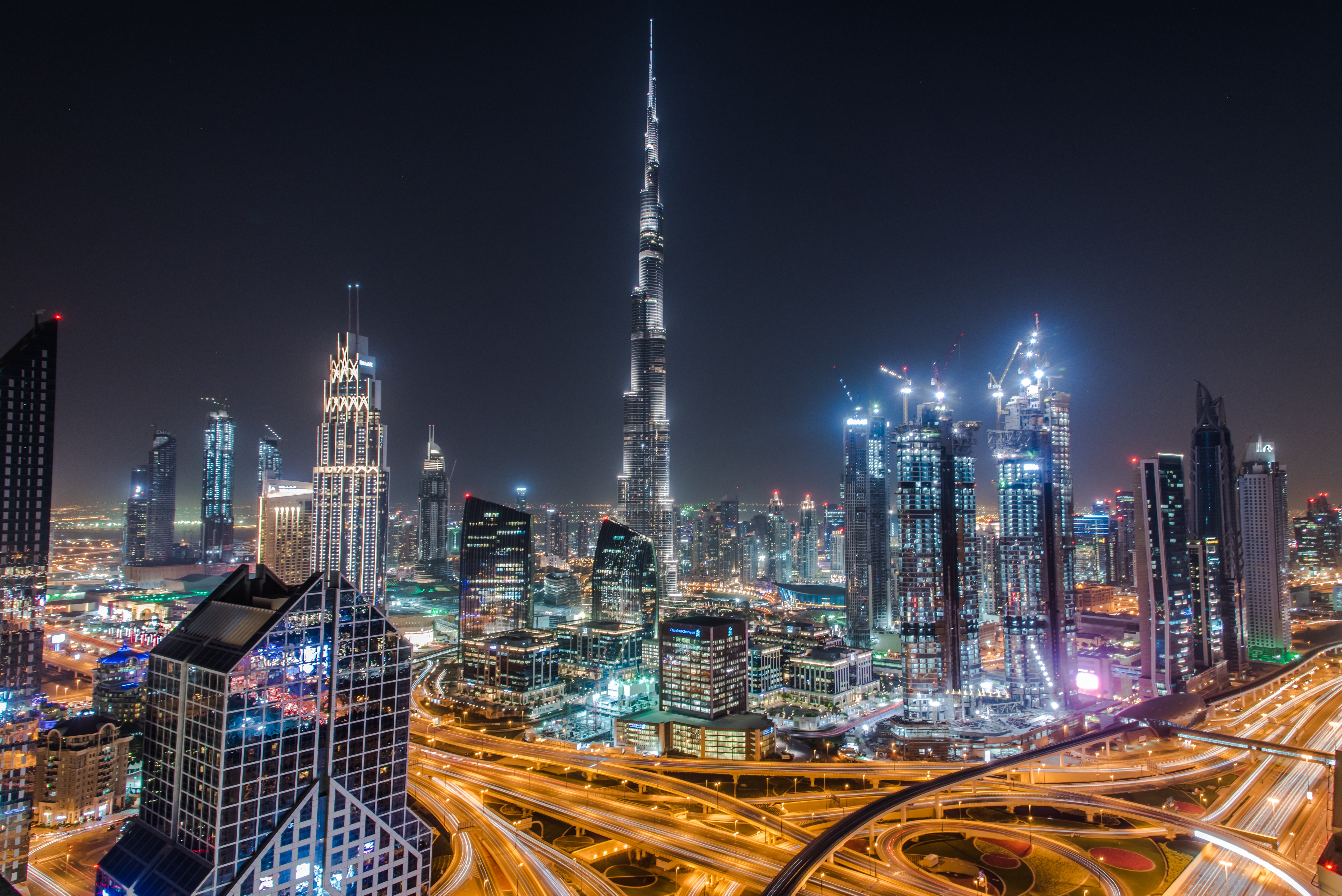
UAE firms are also playing a critical role in this trend. Abu Dhabi’s Mubadala Investment Company has expanded its footprint in China, investing heavily in sectors such as healthcare, renewable energy, and telecommunications. The strategic focus on technology and innovation mirrors the UAE’s own economic diversification goals, emphasizing a move away from oil dependency. Additionally, Dubai’s position as a global trading hub enables UAE companies to act as a conduit for investments flowing into China, facilitating partnerships and joint ventures.

Emerging sectors are at the forefront of this investment boom, particularly in technology and renewable energy. Middle Eastern firms are increasingly recognizing the importance of digital transformation, leading to significant investments in Chinese tech startups. The push for innovation aligns with global trends in artificial intelligence, fintech, and e-commerce. Companies from the Middle East are particularly interested in leveraging China’s advanced technological infrastructure to enhance their own capabilities.

The renewable energy sector is another focal point for investment. As part of their commitment to sustainability, many GCC countries are investing in clean energy projects. China’s leadership in solar and wind technology presents attractive opportunities for collaboration. Recent joint ventures between Chinese and Middle Eastern firms in solar energy projects highlight a growing trend towards sustainability in their investment strategies. This synergy not only addresses the energy needs of the region but also contributes to global efforts in combating climate change.

China’s growing consumer market also attracts substantial interest from Middle Eastern companies. With a burgeoning middle class, demand for high-quality products and services is on the rise. Companies from sectors such as food and beverage, luxury goods, and health products are looking to tap into this lucrative market. The expanding trade relationship is expected to yield significant benefits for both parties, as Middle Eastern firms introduce their products and services to Chinese consumers.

The geopolitical landscape plays a crucial role in shaping these investment dynamics. As tensions between the U.S. and China escalate, Middle Eastern nations are finding themselves in a unique position to act as intermediaries. The desire for strategic partnerships allows Gulf countries to leverage their relationships with both Western and Eastern powers. This balancing act is critical for maintaining economic stability and fostering trade relationships that benefit all parties involved.

Despite the promising outlook, challenges remain. Regulatory barriers and varying business practices can complicate cross-border investments. However, many companies are finding ways to navigate these obstacles through strategic alliances and local partnerships. Building relationships with Chinese firms is essential for understanding market dynamics and ensuring successful investment outcomes.

As Middle Eastern firms continue to increase their presence in China, the implications for global trade are profound. The growing interdependence between these regions highlights a shift in the traditional investment landscape. Analysts predict that this trend will not only bolster economic ties but also create new avenues for collaboration across various sectors.

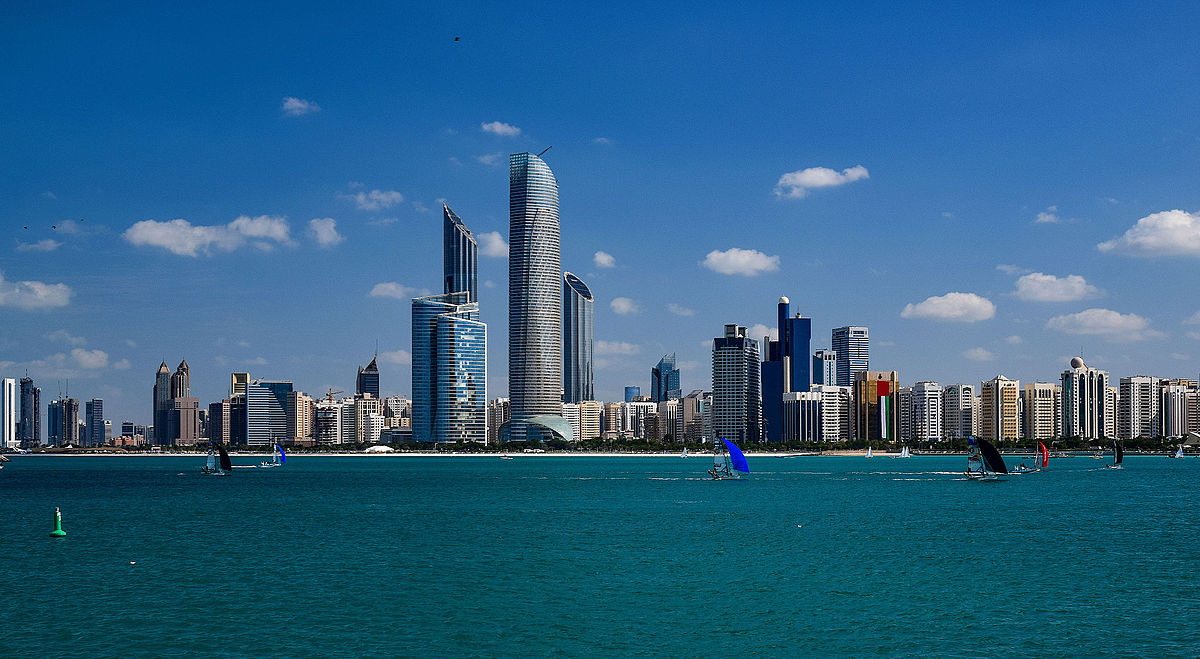
Microsoft has officially announced the establishment of its first engineering development center in the Arab world, located in Abu Dhabi. This initiative is a significant step forward in the company’s ongoing investment strategy aimed at enhancing its technological footprint in the region. The center is expected to focus on developing innovations in artificial intelligence, cloud technologies, and advanced cybersecurity solutions, contributing to a global ecosystem of technological advancement.

The new center will align with Microsoft’s broader goals to harness cutting-edge technologies and drive economic growth while fostering job creation. Satya Nadella, Microsoft’s Chairman and CEO, emphasized the company’s commitment to ensuring that transformative technologies benefit local communities and contribute to global innovation. The center will not only create technological solutions for Microsoft’s global operations but also attract top talent to the UAE, positioning the country as a leader in tech innovation.

Sheikh Khaled bin Mohamed bin Zayed Al Nahyan, Crown Prince of Abu Dhabi, highlighted the strategic advantages of the UAE as a hub for innovation. He noted the country’s advanced infrastructure and geographical position, which facilitate impactful developments across various industries. This sentiment was echoed by Peng Xiao, CEO of G42, who described the establishment of the center as a testament to the growing importance of the UAE in the global tech landscape.

ADVERTISEMENT

The Ras Al Khaimah Economic Zone (RAKEZ) is among the top free zones within the United Arab Emirates territory. It is a business haven that pulls customers from all countries. RAKEZ provides several types of business Licenses, business premises, and other productive services. These features make it appealing to both new and existing firms. The RAKEZ is also appealing because of its location via the international market. […]

Bayanat, a prominent geospatial data analytics firm, and Yahsat, a leading satellite communications provider, are poised to finalize their merger by next month. This strategic union aims to enhance service delivery across the Middle East and North Africa (MENA) region, leveraging each company’s strengths in data analytics and satellite technology.

The merger represents a significant consolidation in the geospatial and satellite sectors, allowing the combined entity to offer a more robust suite of services. By integrating Bayanat’s advanced analytics capabilities with Yahsat’s satellite infrastructure, the companies plan to provide innovative solutions tailored to a variety of sectors, including government, defense, telecommunications, and natural resources.

As part of the merger, the leadership teams of both companies have emphasized a shared vision of fostering technological advancements and promoting digital transformation. Bayanat’s expertise in big data analytics is expected to complement Yahsat’s satellite communication services, allowing for real-time data processing and improved decision-making for clients. The collaboration is expected to facilitate enhanced services such as remote sensing, location-based services, and real-time monitoring for clients across various industries.

The merger is also positioned as a response to the increasing demand for high-quality geospatial data and reliable communication solutions in the region. As businesses and governments seek to optimize operations and improve efficiency, the ability to access and analyze geospatial information has become more crucial. Yahsat’s satellite technology will enable the delivery of data in remote areas, ensuring that organizations can benefit from Bayanat’s analytical insights regardless of their geographic location.

With this merger, the companies aim to position themselves as market leaders in the geospatial intelligence and satellite communications space. Industry analysts anticipate that the combined entity will have a significant competitive edge over its rivals due to the synergies generated from their respective technologies and expertise.

The merger has been welcomed by various stakeholders, including government entities that recognize the potential benefits of improved data services and satellite connectivity. This union aligns with broader governmental strategies focused on enhancing technological capabilities within the region. By improving access to data-driven insights, the merger is expected to support national initiatives in various sectors, from urban planning to disaster management.

Yahsat, which has been expanding its operations since its inception in 2007, has established itself as a leader in satellite communication, offering services that span the globe. The company operates multiple satellites and has formed strategic partnerships to enhance its service offerings. Bayanat, a subsidiary of the Abu Dhabi-based Group 42, specializes in AI-driven analytics, offering advanced solutions that harness big data for actionable insights. This merger marks a new chapter in both companies’ histories, combining their respective strengths to create a formidable entity in the tech landscape.

The merger has also sparked discussions regarding the future of the satellite and geospatial sectors within the MENA region. Experts highlight the importance of such consolidations in driving innovation and enhancing service delivery. As the demand for data services continues to grow, companies that can effectively integrate technology and analytics will be better positioned to meet market needs.

Looking ahead, the combined resources of Bayanat and Yahsat are expected to accelerate research and development initiatives. Both companies have indicated plans to invest in new technologies that enhance their service capabilities, focusing on next-generation satellite technologies and advanced analytical tools. This emphasis on innovation is crucial in a rapidly evolving market where clients increasingly expect sophisticated solutions.

In addition to enhancing their technological capabilities, the merger is anticipated to have significant implications for the regional job market. As the combined entity grows, it is expected to create new employment opportunities in tech development, project management, and customer support. This aligns with broader economic goals within the UAE to foster job creation in high-tech industries.

The merger has also raised questions about regulatory considerations, as the consolidation of two major players in the geospatial and satellite sectors may draw scrutiny from regulatory bodies. Ensuring compliance with local and international regulations will be essential for the newly formed entity as it seeks to navigate the complexities of the market.

The Dubai Financial Market (DFM) has completed its scheduled review of the General Index and Islamic Index, applying the new stock weightings to both indices starting today. This periodic evaluation aims to ensure the indices accurately reflect the market’s movements and the performance of listed companies.

The reviewed weightings, effective immediately, are expected to provide a clearer picture of the current market standing. The adjustments have garnered significant attention as investors and stakeholders analyze how the updated figures will impact their portfolios and trading strategies. The changes come during a time of increased global financial uncertainty, making the recalibration of these indices a critical measure for the market’s participants.

DFM’s review process, undertaken twice annually, forms a core part of its strategy to maintain a balanced and representative index system. This time, the Islamic Index received heightened scrutiny as sharia-compliant investments have seen a surge in global interest. The modifications to both indices are reflective of market activity over the past months, including stock performance, market capitalization, and liquidity considerations.

Many large-cap companies retained their influential positions within the indices, while certain mid-cap and smaller firms saw their weightings adjusted. The DFM General Index, a barometer of the broader market performance, experienced changes that industry analysts believe could signal emerging trends in the region’s economic sectors. The Islamic Index, which tracks sharia-compliant companies, also saw updates aligning with the growing demand for ethical investments across the Middle East and North Africa (MENA) region.

Several market experts are focusing on the potential impact these adjustments will have on the financial landscape in the UAE and beyond. With the global investment community closely observing DFM’s activities, the revised weightings could affect decisions made by institutional investors and fund managers, particularly those with significant holdings in both the General and Islamic Indices.

Companies with strong fundamentals and steady performance records were expected to maintain or even improve their positions in the indices, while those with fluctuating market capitalization and lower liquidity risk seeing their weightings diminished. The review is based on a transparent methodology that takes into account factors such as market capitalization, free float, and compliance with DFM’s stringent listing standards.

This year’s review comes at a time when the UAE’s capital markets are witnessing renewed interest from both regional and international investors. Analysts have pointed to the growth of sectors such as real estate, banking, and technology, which continue to drive much of the economic activity on the exchange. DFM’s Islamic Index, in particular, has seen an uptick in interest as sharia-compliant investments become increasingly attractive in an era of socially responsible investing.

With Dubai positioning itself as a global hub for financial services, the success and accuracy of its indices remain pivotal for both local and foreign investors. The DFM General Index, often viewed as a proxy for the health of Dubai’s economy, offers a snapshot of the market’s trajectory. Likewise, the Islamic Index is gaining attention due to the global rise in demand for Islamic finance solutions, particularly as countries across the Gulf continue to diversify their economies away from oil dependence.

Today’s application of the new weightings comes at a time of heightened anticipation among traders and fund managers who closely monitor any shifts in the indices for signs of underlying market movements. Analysts are already beginning to issue forecasts based on the changes, with some expecting a boost in the performance of companies that gained weight in the review.

Several of Dubai’s top-listed firms continue to dominate the General Index, including major players in sectors such as banking, real estate, and logistics. The Islamic Index, meanwhile, continues to feature companies that comply with sharia principles, covering a range of industries from financial services to energy. As Dubai continues to strengthen its regulatory frameworks, ensuring transparency and investor protection, the DFM’s indices play a crucial role in attracting foreign investment and maintaining market stability.

The periodic review also brings into focus the importance of accurate and timely data in market operations. Investors rely on these recalibrations to make informed decisions, particularly when it comes to index-linked investments such as exchange-traded funds (ETFs) and index funds. With the UAE’s capital markets maturing, the role of DFM’s indices in reflecting the true performance of the economy is more critical than ever.

DFM’s commitment to reviewing its indices bi-annually ensures that they remain aligned with international best practices. As part of this process, DFM collaborates with a wide range of stakeholders, including regulators, market participants, and financial experts, to ensure that its indices maintain a high standard of accuracy and relevance. This collaborative approach has helped cement DFM’s position as one of the leading exchanges in the MENA region.

Advertisements
ADVERTISEMENT

President Joe Biden has officially designated the United Arab Emirates as a major defense partner of the United States, solidifying the nation’s strategic role in the region. This move comes shortly after a similar designation was awarded to India, underscoring Washington’s efforts to build stronger alliances with Gulf and South Asian powers in the face of shifting global security dynamics. The announcement marks a significant step in US-UAE relations, enhancing defense cooperation and reaffirming the UAE’s importance in American military strategy.

The decision highlights the UAE’s evolving role as a critical player in regional security. With this designation, the UAE joins a select group of countries that enjoy preferential treatment when it comes to military cooperation with the United States. The relationship allows for greater access to advanced defense technology, streamlined military sales processes, and deeper intelligence collaboration. These developments come amid ongoing efforts by the US to recalibrate its security commitments in the Middle East, pivoting towards nations capable of contributing more significantly to their own defense.

Biden’s formal recognition of the UAE as a defense partner builds on decades of close military ties between the two nations. The UAE has long been a hub for US military operations in the region, hosting troops and serving as a staging ground for operations in neighboring conflict zones. The move is also seen as part of Washington’s broader strategy to reinforce its influence in the Gulf, where rising geopolitical tensions and the involvement of foreign powers like Russia and China continue to shape the security landscape.

For the UAE, this designation is not merely symbolic. It solidifies the nation’s status as a regional security leader and elevates its position on the global stage. It also provides the UAE with more direct access to sophisticated US defense systems, which will be critical in enhancing its defense capabilities amidst growing concerns over missile threats and other regional challenges. The UAE has long sought to upgrade its military arsenal, focusing on cutting-edge technology such as advanced fighter jets and missile defense systems. This new designation could accelerate these procurements, allowing for a faster, more seamless process.

The US government has been increasingly focused on forging deeper security ties with countries it sees as vital to countering both state and non-state actors. The UAE has been a crucial partner in US-led efforts to combat terrorism and ensure maritime security in the Gulf, particularly through its involvement in anti-piracy and anti-smuggling operations. The nation’s strategic location and military infrastructure have made it an indispensable ally in addressing threats posed by extremist groups and hostile states in the region.

Meanwhile, this development coincides with broader geopolitical shifts, as the US grapples with its role in a multipolar world. The Biden administration’s defense policy has focused on reducing its military footprint in some traditional hotspots while doubling down on partnerships that bolster regional security autonomously. The designation of both the UAE and India as major defense partners reflects a recalibrated approach to ensuring stability through cooperation, rather than direct military involvement.

The strategic importance of the UAE extends beyond the Middle East. Its influence in Africa, Central Asia, and the Indian Ocean region makes it a key player in a wider arc of geopolitical interests. With major global powers vying for influence in the Middle East, Washington’s decision to deepen its defense ties with Abu Dhabi also signals its intention to counter growing Russian and Chinese influence. China’s Belt and Road Initiative and increasing arms sales to Gulf countries, including the UAE, are clear indicators that the region is a key battleground for global influence.

The UAE’s defense relationship with the United States has grown in complexity in recent years. The two nations have regularly conducted joint military exercises, and the UAE has made substantial purchases of US-made defense equipment, including F-16 fighter jets, missile defense systems, and advanced drones. More recently, the UAE has expressed interest in acquiring next-generation US fighter jets, including the F-35, as part of its efforts to enhance its military edge. The partnership also extends to counterterrorism operations, where the two nations collaborate closely in intelligence sharing and tactical support to neutralize extremist threats.

The decision to elevate the UAE’s status comes against the backdrop of broader regional realignments. The Abraham Accords, which normalized diplomatic relations between the UAE and Israel, have reshaped the strategic landscape of the Middle East, offering new opportunities for cooperation between key US allies. This trilateral relationship between the US, UAE, and Israel is likely to deepen in the defense sphere, with potential collaborations in areas like missile defense and cybersecurity.

At the same time, the UAE faces growing security concerns closer to home. The conflict in Yemen, where the UAE has been heavily involved, continues to pose risks to regional stability. Iranian-backed Houthi rebels have launched missile and drone attacks against UAE infrastructure, raising the stakes for Abu Dhabi’s defense posture. The new designation from Washington could pave the way for more robust US support in addressing such threats, with the potential for more advanced defense systems aimed at countering missile and drone attacks.

US defense experts have praised the move, calling it a logical step in strengthening bilateral ties with a trusted partner in the Gulf. They argue that bolstering the UAE’s defense capabilities is not only in the interest of regional stability but also aligns with the US strategy of building self-reliant regional security partners. The UAE’s growing military spending and its focus on modernizing its armed forces further bolster the case for Washington’s decision.

Arabian Post Staff Auréa Group, led by Mike Jatania, has officially completed the acquisition of The Body Shop, marking a crucial turning point for the beleaguered British cosmetics retailer. Once a pioneer in ethical beauty, The Body Shop has faced significant financial challenges in recent years, leading to its administration earlier in 2024. Auréa’s acquisition follows the chain’s struggles under its former owner, Natura & Co, which […]

Sheikh Mohammed bin Rashid Al Maktoum, Ruler of Dubai and Vice-President of the UAE, has given the go-ahead for a $2.7 billion expansion plan at the Dubai Exhibition Centre, located in Expo City. The project is set to significantly boost Dubai’s capacity for international exhibitions, conferences, and events, reaffirming its position as a global business hub. The move follows Expo 2020’s success and highlights the emirate’s continued investment in key infrastructure sectors.

The newly approved master plan outlines a massive increase in space, with the Dubai Exhibition Centre’s facilities set to expand by more than 40%, bringing the total exhibition area to 820,000 square meters. This will include multiple new halls, conference venues, and integrated business facilities designed to accommodate larger events and cater to a growing demand from international and regional exhibitors. By making the venue more versatile, Dubai aims to attract a broader spectrum of industries and events, from global trade fairs to cutting-edge tech expos.

Along with added capacity, the expansion includes enhancements to digital infrastructure to support hybrid and fully virtual events, aligning with current trends in global conferencing. By incorporating smart technologies and high-speed digital connectivity, Expo City aims to appeal to businesses looking for seamless integration between physical and virtual event formats.

ADVERTISEMENT

A vibrant new destination for dining enthusiasts has emerged in Muscat with the launch of Roberto’s Muscat, nestled within The St. Regis Al Mouj Muscat Resort. This establishment brings the essence of Italian cuisine, infused with Mediterranean influences, to Oman’s capital, embodying the spirit of “Dolce Vita” in every aspect of its offering.

Guests at Roberto’s Muscat can embark on a culinary journey characterized by the finest ingredients, including wild-caught fish, prime-aged meats, and organic produce. The menu has been carefully curated to evoke cherished memories and foster new traditions through authentic Italian dishes. Each plate reflects a commitment to quality and craftsmanship, delivering an experience that delights the senses.

A highlight of the dining experience is the dessert selection, which features signature offerings such as Gelato Verde Oro—pistachio gelato drizzled with Sicilian olive oil. This creation epitomizes the restaurant’s dedication to melding traditional Italian flavors with innovative presentations, ensuring a memorable conclusion to any meal.

The setting of Roberto’s Muscat enhances the dining experience, with a cooled terrace that overlooks the stunning Gulf of Oman. This outdoor space accommodates 24 guests, providing a relaxed atmosphere for al fresco dining while indoor seating for 82 creates an elegant yet inviting environment suitable for intimate gatherings and larger celebrations alike.

For those seeking a more intimate atmosphere, Scala Lounge presents a hidden retreat within the restaurant. This speakeasy-style bar, which seats 32, offers an array of rare spirits and expertly crafted cocktails, complemented by live entertainment. It’s positioned as an ideal spot for unwinding after a long day, embodying the luxury and relaxation synonymous with Roberto’s brand.

Andrea Sacchi, Chief Operating Officer of Skelmore Hospitality Partners, expressed enthusiasm about the new opening, stating, “We are excited to bring the Roberto’s experience to the shores of Muscat and continue our partnership with the Al Fardan Group and Marriott International at The St. Regis Al Mouj Muscat Resort—a seaside location where Roberto’s ‘Dolce Vita’ will embrace the rhythm of a relaxed holiday on the Arabian coast.” This sentiment highlights the strategic vision behind the restaurant, aimed at creating a unique dining experience that resonates with both locals and visitors.

Tarek Mourad, General Manager of The St. Regis Al Mouj Muscat Resort, echoed this excitement, sharing his admiration for the Roberto’s concept: “Its vibrant energy, cosmopolitan flair, and intensely Italian cuisine make it a perfect fit for Muscat, and we’re ecstatic to present this to our guests.” This endorsement underscores the anticipated impact of Roberto’s Muscat on the local dining scene.

Roberto’s Muscat aims to distinguish itself in a competitive market by blending Italian and Mediterranean culinary traditions with an inviting ambiance. The restaurant’s design reflects modern aesthetics while maintaining a warm and hospitable environment, characteristic of Italian culture. This balance is poised to attract a diverse clientele, from food aficionados to families seeking quality dining experiences.

This establishment is part of a broader expansion strategy for the Roberto’s brand, which has solidified its reputation in Dubai since its inception in 2012. Building on its success, Roberto’s has ventured into international markets, including Porto Montenegro and Amman, with additional locations planned in Egypt and Saudi Arabia. This growth trajectory emphasizes the brand’s commitment to redefining modern Italian dining across diverse locales.

Roberto’s Muscat stands out not just for its culinary offerings but also for its attention to service excellence. The team is trained to deliver polished service, enhancing the overall dining experience. Guests can expect a personalized touch that complements the restaurant’s upscale environment, further solidifying its status as a premium dining destination.

AM Green Technology and Solutions B.V., part of the AM Green Group, has finalized agreements to acquire Chempolis Oy, marking a significant step in its push toward sustainable fuel solutions. The acquisition of Chempolis, a biofuel technology company, aligns with AM Green’s strategy to strengthen its presence in the global energy transition market. AM Green plans to invest approximately $1 billion over the next three years to scale up the production of Sustainable Aviation Fuel (SAF) through Chempolis’ next-generation second-generation bio-refinery technology.

The acquisition is positioned to transform AM Green into a major player in the renewable fuels sector, focusing on producing over half a million metric tonnes per annum (MTPA) of SAF. The deal, formalized in a binding agreement, is seen as part of the broader industry trend toward decarbonizing the aviation sector, where SAF has gained increasing attention due to its potential to significantly reduce carbon emissions.

AM Green’s Chief Executive Officer described the acquisition as a “pivotal moment” for the company. He emphasized that the technology provided by Chempolis will allow for a more environmentally friendly approach to fuel production, particularly in the aviation industry, which is under mounting pressure to meet global carbon reduction targets. “This acquisition underscores our commitment to providing innovative, scalable solutions for energy transition. Chempolis’ bio-refinery technology is uniquely positioned to make a meaningful impact in the effort to decarbonize global airline operations,” he noted.

Chempolis is known for its cutting-edge, second-generation bio-refining technology that converts agricultural residues into biofuels. Unlike first-generation biofuels that rely on food crops like corn and sugarcane, second-generation biofuels are made from non-food sources, offering a more sustainable alternative without competing with global food supplies. By integrating Chempolis’ expertise, AM Green aims to rapidly scale its biofuel production to serve the growing global demand for SAF.

The aviation industry is facing increasing scrutiny over its environmental impact, with SAF emerging as a key solution to mitigate carbon emissions from flights. SAF is recognized for its ability to reduce greenhouse gas emissions by up to 80 percent compared to traditional jet fuel, depending on the production process. Many airlines, particularly in Europe and North America, have begun to incorporate SAF into their operations as part of broader sustainability goals. However, production volumes remain limited, with high costs and supply chain challenges posing obstacles to widespread adoption.

AM Green’s investment will help address these issues by ramping up SAF production and reducing costs through economies of scale. The company plans to leverage Chempolis’ technology not only in its own operations but also through a global licensing model. This strategy will enable other industry players to adopt the bio-refining technology, thus expanding the reach of SAF production beyond AM Green’s facilities. The aim is to create a broader ecosystem of bio-refineries around the world, working together to meet the aviation sector’s decarbonization targets.

Experts have noted that the acquisition reflects the growing competition among companies to acquire advanced biofuel technologies as the world shifts toward renewable energy sources. The airline industry is projected to face stricter environmental regulations in the coming years, driving the demand for alternative fuels. SAF, which can be blended with conventional jet fuel and used in existing aircraft without modifications, is seen as a practical solution to reduce emissions in the near term, while longer-term innovations like electric and hydrogen-powered planes remain under development.

AM Green’s $1 billion investment will be crucial in scaling up SAF production, which is still in its early stages. Currently, SAF represents less than 1 percent of total jet fuel consumption, but analysts predict that figure will rise significantly over the next decade as more airlines commit to sustainable fuel alternatives. By integrating Chempolis’ technology, AM Green is positioning itself to play a leading role in this transition.

The company also intends to partner with airlines and airports to facilitate the adoption of SAF on a global scale. In addition to producing SAF, AM Green plans to develop an extensive bio-refinery network, providing licensing opportunities for other companies interested in utilizing Chempolis’ technology. This approach could help lower the entry barriers for SAF production, making it more accessible and affordable for a wider range of stakeholders.

The bio-refinery technology that Chempolis offers is designed to be highly versatile, capable of processing various types of biomass, including agricultural residues, municipal waste, and forestry by-products. This flexibility allows for a more sustainable and diversified feedstock supply, reducing reliance on any single resource. Moreover, the technology is known for its efficiency in converting raw materials into usable fuels, minimizing waste and environmental impact.

Turkish singer and music video director Metin Arolat tragically passed away during a live performance in Istanbul. The 52-year-old artist collapsed while on stage in the Kozjatagi district, having suffered a heart attack. His death shocked fans and the local entertainment industry alike, especially given the circumstances surrounding his final moments.

Reports indicate that Arolat had been experiencing discomfort prior to the performance, with numbness in his hand and pain that persisted throughout his set. Despite this, he continued with the show, raising concerns among those close to him that his health was already in decline. A nurse who was present in the audience attempted to revive him after he collapsed, but efforts were unsuccessful. He was pronounced dead soon after, leaving many to mourn the loss of one of Turkey’s prominent musical figures.

Arolat, who had gained fame not only for his vocal talent but also as a respected music video director, had maintained a visible presence in Turkey’s entertainment industry since the 1990s. His contributions to pop culture spanned both music and visual media, and he had developed a significant fan base over his career.

Tickets for the highly anticipated “Vibes Overseas Dubai 2024” are now on sale, with the event scheduled to kick off next Thursday, September 26. Running through October 1, the five-day experience promises a mix of entertainment, relaxation, and exclusive parties across multiple venues in Dubai. Offering various ticketing packages, including options with accommodation, the event is set to attract a global crowd, with deposits starting at £49 per person.

The event organizers, Vibes Overseas, have put together a comprehensive lineup of activities, designed to cater to a wide range of interests. Tickets are available for both event-only access as well as packages that include hotel accommodations, giving attendees the flexibility to choose based on their preferences and budgets. While participants will need to book their own flights to Dubai International Airport (DXB), Vibes Overseas recommends using Skyscanner or similar platforms to find the best flight deals.

Set to begin at 4:00 PM on September 26, the event will unfold over several iconic venues in Dubai, known for its luxury, vibrant nightlife, and world-class infrastructure. Party-goers can expect a range of experiences, from poolside events to exclusive nightclub gatherings, all in the backdrop of the city’s skyline and desert landscapes. The event will culminate in the early hours of October 1, after five days of non-stop activities and social gatherings.

Vibes Overseas has built a reputation for organizing large-scale, luxury events that blend music, culture, and social interaction. Past attendees have praised the company’s attention to detail and their ability to create an inclusive, energetic atmosphere. This year’s event, expected to draw hundreds of participants from Europe, the United States, and the Middle East, will continue that tradition, offering a variety of experiences both during the day and into the night.

With demand expected to be high, the organizers are encouraging potential attendees to secure their tickets soon. The packages, which include all-event access, offer flexibility with deposit payments and installment plans. Attendees who book tickets with a deposit will receive a confirmation email from [email protected], which will outline details for the remaining payment installments. It is important to note that all tickets are non-refundable and non-transferable.

The event promises a packed schedule of both daytime and nighttime activities. From vibrant pool parties to more intimate social gatherings at some of Dubai’s most exclusive venues, attendees will have ample opportunity to mingle and network. Those opting for package deals with hotel accommodations will have their stay arranged by the event organizers, while event-only ticket holders will need to organize their own lodging. Dubai offers a wide variety of accommodation options, from budget-friendly stays to ultra-luxury hotels, ensuring that all guests can find something suitable.

As with past editions of Vibes Overseas, this year’s event is expected to attract a diverse crowd of music lovers, influencers, and nightlife enthusiasts. Dubai’s reputation as a global hub for tourism and entertainment adds to the allure of the event, with the city offering a mix of modern architecture, world-class dining, and luxury shopping. For many, the event serves as both a chance to attend an exclusive festival and an opportunity to explore one of the most dynamic cities in the world.

Attendees are encouraged to start planning their trip, including securing flights to Dubai. The city’s main travel hub, Dubai International Airport, is well connected to most major cities, making it a convenient destination for international travelers. Vibes Overseas has also highlighted the importance of early bookings, as tickets are expected to sell out quickly.

Safety and guest experience remain top priorities for the organizers, who have committed to following any local guidelines in place during the event. Dubai has hosted numerous large-scale international events in the past, and Vibes Overseas has assured participants that all necessary precautions will be taken to ensure a safe and enjoyable experience.

Dubai’s cooler weather in late September, with average daytime temperatures in the mid-30s Celsius, makes it an ideal time for outdoor events. Visitors can expect warm days, perfect for poolside events, and comfortable evenings that are ideal for exploring the city’s famous nightlife. The timing of the event, set just as the city transitions out of its hottest summer months, is designed to offer attendees the best possible conditions for enjoying both the scheduled activities and the city itself.

The 2024 Vibes Overseas event is shaping up to be one of the biggest events on Dubai’s calendar this year. With a carefully curated mix of parties, excursions, and social gatherings, the festival is aimed at creating a fully immersive experience for all attendees. Whether enjoying a luxurious rooftop party or mingling at an exclusive beach club, guests will have no shortage of options when it comes to making memories at this year’s festival.

Tickets are non-refundable and non-transferable, a policy aimed at ensuring the event runs smoothly and efficiently. With the clock ticking down to next Thursday’s opening, Vibes Overseas is encouraging all interested attendees to finalize their plans and secure their spot at what promises to be a highlight of Dubai’s 2024 social calendar.

ADVERTISEMENT

The Tatech 2024 conference, the only event in the EMEA region focused exclusively on job boards and talent technology, concluded last week in Paris. The event drew significant participation from industry leaders, technology providers, and workforce management experts, emphasizing the evolving landscape of recruitment and talent acquisition.

With over 1,200 attendees, Tatech 2024 served as a platform for sharing insights and innovations that are shaping the future of recruitment. Discussions highlighted advancements in artificial intelligence and data analytics, which are increasingly integral to improving hiring processes and enhancing candidate experiences. Experts stressed the importance of leveraging these technologies to streamline operations, reduce costs, and ultimately drive organizational success.

Keynote speakers from leading firms presented case studies demonstrating how integrated technology solutions are transforming traditional hiring methods. A notable highlight was the presentation by a representative from a prominent global HR tech company, who showcased their latest software designed to improve job matching through predictive analytics. This approach not only enhances efficiency but also aligns talent acquisition strategies with broader business objectives.

Networking opportunities facilitated collaborations among diverse stakeholders, fostering relationships that could lead to innovative partnerships. Representatives from established job boards engaged with new entrants in the market, sharing strategies on how to remain competitive in an increasingly crowded space. The exchange of ideas included discussions on the importance of user-centric design and the role of mobile technology in reaching a broader audience.

A prominent theme throughout the conference was the emphasis on data privacy and compliance. With the implementation of various regulations across Europe, industry leaders underscored the necessity for technology solutions that prioritize data security while maintaining compliance with local and international laws. Experts advocated for transparent practices in data collection and usage, which are essential for building trust with candidates and clients alike.

Panels addressed the evolving expectations of job seekers, who are increasingly seeking personalized and engaging experiences during the recruitment process. Innovations in virtual reality (VR) and augmented reality (AR) were explored as potential tools for enhancing candidate engagement. Companies are beginning to adopt immersive technologies to provide realistic job previews, allowing candidates to better understand the work environment and expectations before applying.

The importance of diversity and inclusion within the recruitment process was also a significant topic of discussion. Speakers highlighted the need for tools that not only promote diverse hiring practices but also help organizations assess and improve their internal culture. The integration of AI-driven bias detection tools was suggested as a means to ensure that recruitment processes are fair and equitable, contributing to a more inclusive workplace.

As the conference concluded, participants expressed optimism about the future of talent technology. Many attendees highlighted the value of the insights gained and the connections made during the event. The shared commitment to leveraging technology for improved recruitment outcomes resonated throughout the discussions, signaling a collective drive towards innovation in the sector.

Looking ahead, the impact of the trends discussed at Tatech 2024 will likely shape recruitment strategies in the coming years. As technology continues to advance, the challenge will be for organizations to adapt swiftly and effectively to meet the demands of a dynamic workforce landscape. The insights from this year’s conference provide a roadmap for navigating these changes, ensuring that job boards and recruitment platforms remain competitive and responsive to market needs.

The EDGE Group, a prominent defense technology firm based in the UAE, has unveiled a new subsidiary named FADA, dedicated to advancing the nation’s space capabilities. This strategic move positions EDGE as a key player in the burgeoning space sector, which is rapidly gaining traction in the Middle East. The establishment of FADA reflects a growing ambition to not only enhance domestic capabilities but also contribute to global space initiatives.

FADA aims to serve as a comprehensive platform for developing satellite technologies and associated services. This initiative is part of a broader national effort to establish the UAE as a leader in space exploration and satellite manufacturing. By leveraging advanced technologies and expertise, FADA is expected to facilitate significant advancements in both military and civilian space applications.

The UAE has made considerable strides in the space domain over the past decade, highlighted by the successful launch of the Hope Probe to Mars in 2020. This achievement underscored the nation’s commitment to becoming a notable player in international space exploration. With the introduction of FADA, EDGE is poised to build upon these foundations by providing a focused entity that can accelerate the development of sophisticated space solutions tailored to both local and international needs.

The new company will focus on several key areas, including satellite design and manufacturing, space systems integration, and ground control solutions. By centralizing these capabilities under one roof, FADA aims to streamline operations and foster innovation in space technologies. The establishment of this entity not only showcases EDGE’s commitment to diversifying its portfolio but also highlights the UAE’s strategic vision for expanding its footprint in the space sector.

FADA’s operations will align with the UAE’s long-term goals outlined in its National Space Strategy. This strategy emphasizes the importance of developing indigenous capabilities to ensure that the UAE can independently manage and operate sophisticated space systems. FADA will play a crucial role in achieving these objectives by focusing on research and development, as well as collaborating with global partners to enhance technological expertise.

One of the pressing needs in the space sector is the development of small satellite technologies. FADA is set to focus on this area, capitalizing on the global trend towards miniaturization and cost-effective satellite solutions. These small satellites are increasingly being used for a variety of applications, including Earth observation, telecommunications, and scientific research. By investing in these technologies, FADA aims to provide affordable solutions for both government and commercial entities.

FADA’s establishment is likely to attract significant investment into the UAE’s space sector. As the global market for satellite technologies continues to expand, the UAE is strategically positioned to become a hub for research, development, and manufacturing. The presence of FADA can foster partnerships with international firms, thereby enhancing the local industry’s capabilities and promoting knowledge transfer.

The leadership at EDGE has emphasized that the launch of FADA is not just about expanding the company’s business portfolio, but also about contributing to the national interest. By developing local talent and fostering innovation, FADA seeks to empower a new generation of engineers and scientists in the UAE. This aligns with the government’s vision of cultivating a knowledge-based economy, wherein homegrown talent plays a pivotal role in driving technological advancements.

Collaboration with academic institutions and research organizations will be crucial for FADA’s success. The company is expected to engage in partnerships that foster research initiatives, enabling the integration of cutting-edge technologies into its projects. Such collaborations will ensure that FADA remains at the forefront of innovation in the space sector, while also contributing to the educational and professional development of the local workforce.

The global landscape of space exploration is characterized by an increasing number of private-sector participants. FADA’s entry into this domain may inspire similar initiatives within the region, fostering a competitive environment that could spur technological advancements and operational efficiencies. The presence of multiple players can lead to an ecosystem that encourages innovation and rapid development of new space technologies.

OQ Exploration and Production (OQEP) is poised to secure up to 780 million Omani riyals, equivalent to $2.03 billion, through its upcoming initial public offering (IPO) on the Muscat Stock Exchange (MSX). The company has announced an indicative price range of 370 to 390 Omani baisas per share, which places its overall valuation at approximately 3.12 billion Omani riyals. This substantial IPO reflects OQEP’s strategic growth initiatives and ambitions in the oil and gas sector.

The offering consists of 2 billion shares, accounting for 25% of OQEP’s total issued share capital. The final share price will be determined through a book-building process, allowing for flexibility based on investor demand. This move is part of OQEP’s broader strategy to enhance liquidity and attract diverse investment into its operations.

Key players in this IPO include six anchor investors who have collectively committed to purchasing 20% of the offering at the final subscription price, which will not exceed 390 Omani baisas per share. These investors are a mix of local and regional financial entities, including Al-Hosn Investment Company SAOC, Bank Dhofar SAOG, Mars Development and Investment LLC, Oman National Investments Development Company SAOC, Salim & Partners LLC, and the Social Protection Fund. Their backing is expected to provide a robust foundation for the IPO, ensuring substantial initial interest.

OQEP operates under the umbrella of OQ, Oman’s integrated energy company, and focuses on exploration and production activities that are pivotal to the Sultanate’s economy. With an emphasis on enhancing production capacities and exploring new opportunities, OQEP is strategically positioned to capitalize on market dynamics in the energy sector.

The IPO marks a significant milestone for OQEP as it seeks to raise capital for various projects aimed at boosting production and operational efficiencies. The funds raised will likely be directed towards enhancing existing assets and investing in new ventures that align with the Sultanate’s long-term energy strategy. OQEP’s commitment to sustainability and responsible resource management is also expected to play a critical role in shaping its future projects.

In the broader context, the IPO reflects the ongoing trend of privatization and market liberalization in Oman. The government’s efforts to diversify the economy beyond oil and gas are increasingly evident in the financial markets, encouraging local and foreign investment. This IPO is anticipated to attract a wide array of institutional and retail investors, furthering Oman’s economic objectives.

Market analysts predict that the IPO will garner significant interest, particularly given the strong backing from established investors. This could potentially set a precedent for future offerings in Oman, highlighting the country’s evolving capital markets. The success of OQEP’s IPO could stimulate further public offerings in the energy sector and beyond, contributing to a more dynamic investment environment.

As the book-building process commences, investor sentiment will play a crucial role in determining the final valuation and success of the IPO. Market conditions, including global oil prices and regional economic stability, will also influence investor decisions and the overall performance of OQEP post-IPO.

ADVERTISEMENT

Arabian Post Staff -Dubai Global semiconductor powerhouses TSMC and Samsung Electronics are reportedly exploring significant chip manufacturing ventures in the United Arab Emirates, with potential investments exceeding $100 billion. This development marks a strategic move as both companies seek to bolster their production capabilities amid a growing demand for chips worldwide. The discussions between TSMC and Samsung reflect a broader trend in the semiconductor industry, where supply […]

Saudi Arabia has emerged as the leading G20 nation in international tourism growth during the initial seven months of 2024, setting remarkable benchmarks in both tourist numbers and tourism revenue. According to data released by the UN Tourism Barometer at the recent G20 Tourism Ministerial Meeting in Belem, Brazil, the Kingdom recorded an impressive 73% increase in international tourist arrivals compared to the same period in 2019. Equally striking, international tourism revenues soared by 207%, signaling a robust recovery and expansion of the sector post-pandemic.

This surge aligns with Saudi Arabia’s ambitious Vision 2030 initiative, which aims to diversify the economy away from oil dependency by promoting tourism and entertainment. The Kingdom’s strategic investments in infrastructure and its efforts to enhance the overall visitor experience have played a crucial role in attracting global travelers. Significant projects, such as the NEOM city and various mega resorts along the Red Sea, exemplify Saudi Arabia’s commitment to creating world-class tourism destinations.

Tourism has been identified as a key pillar for economic diversification, providing job opportunities and stimulating local economies. The Kingdom’s strategic location, rich cultural heritage, and unique offerings, such as historical sites, desert experiences, and modern entertainment complexes, contribute to its appeal. The government’s proactive measures to streamline visa processes, including the introduction of e-visas and a visa-on-arrival system for certain nationalities, have further facilitated travel to the country.

Riyadh, the capital, has seen a notable influx of international tourists, bolstered by high-profile events and festivals. The Saudi Seasons initiative, which hosts a variety of cultural and entertainment events throughout the year, has attracted millions of visitors. Additionally, major sporting events, such as the Saudi Arabian Formula E race and international concerts, have significantly enhanced the Kingdom’s visibility on the global tourism map.

The report highlights that several other G20 countries also witnessed growth in their tourism sectors, but none matched the scale of Saudi Arabia’s advancements. Countries like Mexico and Italy showed positive trends, with increases in both tourist arrivals and revenues, yet their figures fell short in comparison to the Kingdom’s exponential growth rates.

Emerging trends within the tourism sector suggest a shift in traveler preferences. Tourists are increasingly seeking immersive cultural experiences and sustainable travel options. Saudi Arabia’s focus on heritage tourism, particularly through its UNESCO World Heritage sites like Al-Ula and Diriyah, aligns with these trends. The government has invested in preserving and promoting these sites, allowing visitors to engage deeply with the Kingdom’s history and traditions.

The Kingdom is positioning itself as a hub for eco-tourism. Initiatives such as the Red Sea Project aim to create a sustainable tourism model that minimizes environmental impact while maximizing visitor engagement with the natural beauty of the region. This focus on sustainability resonates with a growing segment of travelers who prioritize environmental responsibility in their choices.

Key players in the Saudi tourism landscape include both state-owned and private enterprises. The Saudi Tourism Authority plays a central role in promoting the Kingdom as a premier tourist destination, while private companies are rapidly emerging to offer diverse travel packages, accommodations, and experiences tailored to international tourists. Collaborative efforts between these entities are vital for ensuring the seamless integration of services and maintaining high standards of hospitality.

Despite the optimistic growth trajectory, challenges remain. The global tourism industry is still navigating the complexities introduced by the COVID-19 pandemic, including changing travel restrictions and health regulations. Additionally, geopolitical factors in the region can influence tourist perceptions and decision-making. The Kingdom must continue to cultivate a safe and welcoming environment to maintain its competitive edge.

Market analysts suggest that the momentum seen in the first half of 2024 could pave the way for sustained growth, provided that the Kingdom continues to innovate and adapt to changing market dynamics. As the global tourism landscape evolves, Saudi Arabia’s commitment to enhancing its offerings and promoting itself effectively on the world stage will be critical in attracting and retaining international visitors.

The collaboration between various sectors—government, hospitality, transport, and cultural organizations—will be essential for creating a cohesive tourism strategy. This integrated approach not only enhances visitor experiences but also maximizes the economic benefits derived from tourism, fostering community development and cultural exchange.

A significant collaboration between Abu Dhabi Commercial Bank (ADCB) and the Abu Dhabi Housing Authority (ADHA) is set to transform housing finance for Emiratis, offering housing loans of up to Dhs500,000. This initiative aims to support beneficiaries of the ADHA’s housing loan program, which offers loans reaching Dhs1.75 million, facilitating access to home ownership in the capital.

The ADCB has designed this offering to enhance affordability for Emirati families, enabling them to secure loans at competitive interest rates while benefiting from flexible repayment terms. The financial institution is focusing on creating accessible pathways for those looking to purchase or renovate homes, which is particularly crucial in a market where property prices continue to rise.

This partnership reflects a broader strategy by the government of Abu Dhabi to promote home ownership among its citizens. The ADHA’s housing loan program serves as a critical framework, providing essential financial support to eligible Emiratis seeking to invest in real estate. By offering loans that are both substantial and manageable, the initiative addresses one of the key challenges facing many Emirati families today: securing adequate funding for housing.

Further enhancing the appeal of the program, the ADCB’s initiative allows for a streamlined application process, aiming to reduce bureaucratic hurdles. Eligible applicants can expect a rapid turnaround on their loan applications, with decisions often made within days. This efficiency is critical in a market characterized by fast-paced transactions, ensuring that potential homeowners can act quickly on their property purchases.

The collaboration also underscores the importance of community engagement in addressing housing challenges. By aligning with the ADHA, ADCB demonstrates a commitment to the economic welfare of Emiratis. This partnership is not only about providing loans but also about fostering a sense of belonging and community development, essential components in building sustainable urban environments.

Market analysts have noted the growing demand for housing solutions tailored to Emiratis. As the population expands and housing needs evolve, financial institutions are urged to innovate. ADCB’s initiative is a timely response to these trends, positioning the bank as a leader in socially responsible lending practices. By prioritizing Emirati needs, ADCB not only enhances its brand but also contributes to the socio-economic fabric of the region.

Emerging trends in the UAE housing market indicate a shift toward more family-oriented and affordable housing options. Many Emiratis are now looking for properties that provide not just shelter, but also community amenities that cater to families. The ADCB’s housing loan program aligns with this trend, as it supports the purchase of properties in developments designed with family living in mind.

In addition to the competitive loan amounts and favorable terms, ADCB has also emphasized its commitment to financial education. By offering resources and workshops for potential homeowners, the bank aims to empower Emiratis with the knowledge needed to make informed financial decisions. This approach not only supports individual financial literacy but also enhances overall market stability.

The housing market in Abu Dhabi has been on a growth trajectory, bolstered by government initiatives aimed at boosting local ownership. Recent reports indicate a rise in property transactions, suggesting that more Emiratis are taking advantage of available financing options. This trend points to a positive outlook for the housing sector, as banks like ADCB continue to innovate and respond to the needs of the community.

Key players in the real estate and financial sectors are closely monitoring this partnership’s impact on the housing market. The collaboration is expected to set a precedent for future initiatives aimed at enhancing access to housing for Emiratis. As the demand for affordable housing continues to rise, more banks may look to follow ADCB’s lead, developing tailored products that cater specifically to Emirati families.

The ADCB initiative underscores the UAE’s broader vision of fostering a thriving economy where citizens can achieve home ownership. Government efforts are increasingly focused on creating environments where families can invest in their futures, thereby enhancing the overall quality of life in the region. This alignment of financial services with government housing policies illustrates a strategic approach to addressing the challenges faced by local populations.

Stakeholders in the real estate market, including developers and policymakers, recognize the importance of such partnerships in driving economic growth. By facilitating access to financing, the ADCB and ADHA are collectively contributing to a sustainable housing ecosystem that meets the evolving needs of Emiratis. The initiative not only promotes home ownership but also encourages responsible lending and investment practices among financial institutions.

As the collaboration unfolds, it is likely to yield insights into best practices for housing finance in the region. The emphasis on community engagement, accessibility, and financial education may serve as a model for other financial institutions aiming to enhance their offerings. With the right support, Emiratis can navigate the complexities of home buying, paving the way for a more stable and prosperous future.

Schloss Bangalore, the operator behind the luxury Leela Palaces, Hotels, and Resorts chain, has submitted draft papers for an ambitious initial public offering (IPO) aiming to raise Rs 5,000 crore ($600 million). If successful, this will be the largest IPO in India’s hotel sector to date. The draft red herring prospectus (DRHP) was filed with the Securities and Exchange Board of India (SEBI), marking a significant step in Schloss’s strategy to capitalize on the current stock market surge.

Founded in 1986 by Captain CP Krishnan Nair, Leela Palaces has developed a reputation for offering opulent hospitality experiences. Brookfield Asset Management acquired the company in 2019, and since then, the business has seen steady growth. The funds raised through the IPO will reportedly be used for debt repayment, expansion, and general corporate purposes. While the offer consists of both a fresh issue and an offer for sale, exact details on the split remain under discussion.

The hospitality sector in India has been gaining momentum, with Schloss’s move coming on the heels of successful public offerings in various sectors, including renewable energy and financial services. As the luxury hotel market continues to rebound post-pandemic, Schloss aims to strengthen its position by leveraging the favorable investor sentiment surrounding hospitality and tourism growth.

Analysts anticipate robust demand for the IPO, citing the prestigious brand and Brookfield’s management as key drivers of investor confidence. However, the IPO’s success will hinge on broader market conditions and investor appetite at the time of the offering.

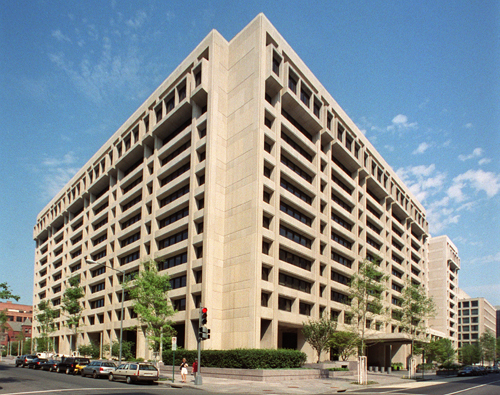
The World Bank has announced a record allocation of $42.6 billion towards climate finance in fiscal year 2024, marking a significant milestone in its efforts to support the global transition to clean energy. This represents a 10% rise from the previous year’s $38.6 billion, a testament to the institution’s ongoing commitment to addressing climate challenges in developing and emerging markets. The bank’s latest financial commitment is part of a broader strategy aimed at directing 45% of its total financing toward climate-related projects, a target it is closing in on.

This surge in climate financing has been largely directed towards green infrastructure, sustainable agriculture, renewable energy projects, and climate resilience measures, particularly in developing countries that are most vulnerable to the impacts of climate change. While the increased funding highlights progress, it still falls short of the trillions required annually to meet global climate goals. Experts have emphasized that for the world to reach net-zero emissions, particularly in emerging markets, there will need to be a substantial increase in both public and private sector investment.

Efforts by the World Bank to prioritize climate finance have come at a critical juncture, with climate-related disasters and global energy transitions becoming more urgent. The $4 billion increase compared to last year underscores the scale of financial mobilization required, yet it also highlights the significant funding gaps that still exist. Many developing countries face considerable challenges in accessing affordable financing to transition to cleaner energy sources, with the cost of capital often prohibitive for large-scale investments.

As governments worldwide continue to set ambitious decarbonization targets, developing economies are grappling with the competing demands of reducing emissions while fostering economic growth. The World Bank’s climate finance aims to bridge this gap, with projects that not only focus on reducing emissions but also enhancing climate resilience and supporting sustainable development initiatives.

The $42.6 billion record in 2024 is seen as a positive step forward, but analysts warn that much more must be done to meet the ambitious targets set by international climate agreements, such as the Paris Agreement. The International Energy Agency (IEA) estimates that to reach global net-zero emissions by 2050, annual investments in clean energy will need to rise to around $4 trillion. This underscores the need for more innovative financing mechanisms, stronger international collaboration, and the involvement of the private sector to mobilize the required capital.

The World Bank has been lauded for its leadership in climate finance, but the scale of the challenge demands broader participation from global financial institutions. Its financing structure, which blends grants, concessional loans, and guarantees, is designed to attract private investment and de-risk projects in developing economies. However, concerns remain that the current pace of financing may not be sufficient to prevent the worst impacts of climate change, particularly in regions that are already experiencing severe climate shocks.

Microsoft has announced that it will shut down its long-running Xbox Ambassadors program by mid-October, signaling a shift in its community engagement strategy. The program, which has been active for over 13 years, aimed to provide experienced Xbox gamers with a platform to assist others by answering support questions, hosting game sessions, and helping cultivate a positive gaming environment. In recognition of their efforts, Xbox Ambassadors received exclusive rewards and participated in special events.

The decision to discontinue the program aligns with Microsoft’s broader strategy of streamlining its community initiatives. The company cited changes in the gaming landscape and evolving needs of its global community as key reasons for this move. Over the years, the Ambassador program helped create a more inclusive and global gaming culture. However, Microsoft believes it is time to integrate the lessons and values from this initiative into other player engagement platforms like Xbox Fanfest, the Xbox Insider Program, and Xbox Rewards.

The closure of the Ambassadors program is scheduled for October 15, 2024. Ambassadors have until then to claim any remaining rewards, including redeeming codes, and the Xbox Ambassadors badge will receive a final legacy design. While the program is winding down, Microsoft will offer a series of special sweepstakes in its final weeks, providing members with one last opportunity to earn rewards.

Active participants in the current season of the program will receive a special “thank you” in the rewards section. Additionally, the Ambassador Champions program will transition into a new format, dubbed “Xbox Community Champions,” as part of this restructuring.

The Quad alliance, consisting of the United States, Japan, Australia, and India, solidified its growing significance as Prime Minister Narendra Modi emphasized India’s commitment to hosting the 2025 Quad Summit. Speaking at the Wilmington Summit, Modi underlined the alliance’s role in promoting stability and security in the Indo-Pacific region, while reaffirming that the grouping is not directed against any specific nation. This strategic partnership, formed in response to shared democratic values, continues to gain momentum amid evolving geopolitical tensions.

The Wilmington meeting marked a critical moment in the Quad’s development, furthering dialogue and cooperation between the four member states. Since its revival in 2021, the Quad has played a prominent role in fostering regional security, focusing on areas such as technological collaboration, climate action, and defense cooperation. Modi’s remarks highlighted India’s readiness to lead the next phase of the alliance, with preparations underway to host the 2025 summit.

As global challenges intensify, the Quad has emerged as a cornerstone of multilateral diplomacy in the Indo-Pacific. Modi pointed out the shared commitment to ensuring a free, open, and inclusive Indo-Pacific, with democratic principles at the core of the alliance. “The Quad is here to stay,” Modi stated, emphasizing that the grouping stands as a platform for collaborative solutions rather than a response to any particular nation or bloc. The assertion reflects the Quad’s non-confrontational approach, focusing instead on promoting collective security and economic prosperity across the region.

The Quad’s evolution since 2021 has been rapid, with member nations consistently expanding their areas of cooperation. Strategic experts have noted the alliance’s success in areas such as maritime security, with Quad navies conducting joint exercises aimed at improving interoperability. These exercises have not only bolstered defense capabilities but also demonstrated the alliance’s resolve to protect vital maritime routes, which are critical to global trade. With India poised to take on the next summit, expectations are high that the country will continue to push forward initiatives that reinforce regional security and economic growth.

The Wilmington Summit also underscored the importance of technology sharing and innovation. One of the key areas discussed was the development of resilient supply chains, particularly in the semiconductor industry, which has been under strain due to global shortages. The Quad countries are looking to collaborate on reducing dependency on specific nations for key technological inputs, enhancing supply chain diversification. Modi emphasized that the Indo-Pacific region, as a hub for technological development, could play a pivotal role in global supply chain stabilization. This effort reflects the Quad’s broader strategic aim of reducing vulnerabilities in critical industries while ensuring the equitable growth of emerging technologies.

The Quad’s expanding agenda now includes addressing climate change, a subject of critical importance for the Indo-Pacific, which is home to several vulnerable island nations. The Wilmington Summit reiterated the Quad’s commitment to reducing carbon emissions and promoting clean energy. Modi reinforced India’s role as a key player in the global climate conversation, showcasing the country’s strides in renewable energy development and its leadership in the International Solar Alliance. He noted that climate resilience would remain a core focus at the 2025 summit, as the Quad aims to balance economic growth with sustainable environmental practices.

While defense and economic issues dominated the Quad agenda, the alliance’s role in fostering people-to-people ties has not been overlooked. The Wilmington Summit highlighted educational exchanges and cultural collaborations between member states, reflecting the Quad’s broader ambition to strengthen ties beyond security and economics. By fostering a deeper understanding between citizens, the alliance seeks to build long-term partnerships that transcend geopolitical concerns. Modi’s vision for the 2025 summit includes a renewed focus on such exchanges, positioning India as a cultural and diplomatic bridge between the East and West.

Despite its progress, the Quad continues to face scrutiny, particularly from nations like China, which view the alliance as an attempt to contain their influence in the Indo-Pacific. However, Modi was quick to dispel this notion, stating that the Quad’s goals remain inclusive and transparent. The Quad’s diplomatic language has consistently emphasized collaboration over confrontation, seeking to engage with all nations willing to work toward a stable and prosperous region.

India’s growing role within the Quad has been noted by analysts, particularly in light of the country’s increasing influence in global economic and security forums. As the host of the 2025 summit, India is expected to leverage its diplomatic capabilities to further solidify the Quad’s position as a key player in the Indo-Pacific. Modi’s strategic vision includes strengthening defense ties with Quad members, while also expanding economic cooperation to address shared challenges such as trade imbalances and supply chain vulnerabilities.

The timing of India’s hosting of the 2025 Quad Summit is significant, as the Indo-Pacific continues to be a focal point for international diplomacy. Analysts have pointed out that India’s ability to navigate complex geopolitical dynamics will be crucial in ensuring the Quad’s continued success. With global powers vying for influence in the region, the Quad’s balanced and inclusive approach has positioned it as a diplomatic force for stability.

The Wilmington Summit also saw discussions on strengthening health security, with a focus on pandemic preparedness. The Quad’s efforts in distributing vaccines to Indo-Pacific nations have been well-received, showcasing the alliance’s capability to provide humanitarian assistance in times of crisis. Modi acknowledged the importance of continuing this collaboration, noting that health security would remain a priority in future Quad discussions. The pandemic’s impact on global health infrastructure has reinforced the need for multilateral approaches to address both current and future challenges, and the Quad is expected to play a vital role in these efforts moving forward.

VISHNU RAJA
RYO YAMADA
HITORI GOTOH
IKUYO KITA
Social Media Auto Publish Powered By : XYZScripts.com