Articles written by
arabian post staff

Arabian Post Staff Telegram, launched in 2013 as a straightforward messaging app, has grown into a platform used by nearly one billion people worldwide, becoming a key player in the messaging industry. Initially seen as a competitor to apps like WhatsApp, Telegram has consistently distinguished itself by introducing innovative features that cater to a wide array of users. One of the most significant factors contributing to Telegram’s […]

Congresswoman Ilhan Omar has once again emerged victorious in her primary race, overcoming the challenges posed by opponents who attempted to unseat her. The progressive lawmaker from Minnesota’s 5th Congressional District, known for her strong stances on issues ranging from social justice to foreign policy, has solidified her position as a key figure within the Democratic Party.

Omar’s primary win underscores her resilience in the face of persistent efforts by her opponents, including Don Samuels, a moderate Democrat who previously served on the Minneapolis City Council. Samuels, who lost to Omar by a narrow margin in the 2022 primary, had hoped to capitalize on dissatisfaction with some of Omar’s positions. However, his campaign struggled to gain significant traction, particularly in the absence of substantial support from pro-Israel groups like AIPAC, which had been a significant factor in previous races.

Despite the challenges, Omar maintained strong local support, with endorsements from a wide range of progressive organizations and influential figures. Her campaign, bolstered by a substantial fundraising advantage, effectively mobilized grassroots efforts to secure the votes needed for another primary victory.

The outcome of this primary further solidifies Omar’s position as a formidable incumbent, making it clear that any future attempts to unseat her will face significant obstacles. As the general election approaches, Omar is expected to continue advocating for the progressive policies that have defined her tenure in Congress.

Negotiations aimed at establishing a ceasefire in Gaza face significant challenges as a key Hamas official has declared the group’s reluctance to participate in the upcoming talks in Doha. The anticipated dialogue, scheduled for Thursday, now hangs in the balance due to this development.

President Joe Biden has acknowledged the growing difficulties in achieving a ceasefire in Gaza. The complexities of the negotiation process, combined with shifting political dynamics, have made the path to peace more uncertain. Biden’s comments reflect the escalating tension and the stalled progress in securing a resolution.

Hamas, which has been a central player in the ongoing conflict, has not officially confirmed its stance but internal sources indicate a strong likelihood of their non-participation. This move could further derail the efforts led by international mediators who have been striving to broker peace between the conflicting parties.

The situation remains fluid as both sides prepare for the Doha talks. The absence of Hamas from these discussions could hinder the negotiation process and potentially prolong the conflict. Analysts suggest that without Hamas’s involvement, any agreement reached might lack the necessary support from one of the principal stakeholders, undermining the potential for a lasting ceasefire.

International observers are closely monitoring the situation, emphasizing the importance of including all major parties in peace talks. The ongoing conflict has resulted in substantial casualties and widespread devastation in Gaza, underscoring the urgent need for a comprehensive ceasefire agreement.

The diplomatic community remains hopeful that the dialogue in Doha, despite the current setbacks, may still pave the way for renewed negotiations. However, the exclusion of key players like Hamas from these talks presents a significant obstacle, raising concerns about the feasibility of achieving a viable ceasefire in the near future.

The evolving dynamics of the situation highlight the complexity of the conflict and the challenges faced by mediators working to bring about a resolution. As the international community continues to engage in efforts to address the crisis, the focus remains on finding a path forward that includes all relevant parties and addresses the underlying issues driving the conflict.

As discussions unfold, the world watches closely, hoping for a breakthrough that could lead to a sustained and effective ceasefire. The outcome of the Doha talks will be crucial in determining the next steps in the ongoing efforts to bring peace to Gaza.

Palestinian President Mahmoud Abbas met with Russian President Vladimir Putin in Moscow to address the ongoing conflict in Gaza and broader issues affecting the Palestinian territories. The meeting highlighted Abbas’s call for increased international support for Palestinian statehood and urgent action to alleviate the humanitarian crisis in Gaza.

The discussion comes amid escalating violence in Gaza and the West Bank, with significant casualties reported in recent weeks. Abbas and Putin explored various measures to de-escalate the situation and pave the way for renewed peace efforts. Abbas emphasized the dire humanitarian conditions in Gaza, where continuous airstrikes and blockades have exacerbated the suffering of civilians.

During the meeting, Abbas reiterated his call for the establishment of an independent Palestinian state, asserting that a two-state solution remains the most viable path to peace. He also voiced concerns about ongoing violence in East Jerusalem and the West Bank, which has further complicated efforts to achieve stability and security in the region.

Putin’s response to Abbas’s proposals was notably diplomatic. He reaffirmed Russia’s support for a two-state solution and expressed concern over the humanitarian situation in Gaza. However, he also stressed the need for a balanced approach to addressing both Palestinian and Israeli concerns. The Russian leader emphasized the importance of direct negotiations between the conflicting parties, highlighting Russia’s role in facilitating dialogue.

The meeting also touched upon the international community’s role in resolving the conflict. Abbas urged greater involvement from global powers and regional stakeholders to pressure Israel into halting its military operations and committing to peace talks. He specifically called for the lifting of the blockade on Gaza, which he argued is a significant barrier to alleviating the humanitarian crisis.

The discussion on Gaza coincides with a broader international discourse on the conflict. Various international organizations and governments have expressed growing alarm over the situation, with some calling for sanctions or other measures against Israel to pressure it into compliance with international law.

In addition to discussing the immediate conflict, Abbas and Putin addressed the ongoing international legal efforts concerning allegations of genocide and war crimes. Abbas has been vocal about the need for accountability and justice, advocating for international legal bodies to address alleged violations by Israel. This aspect of the discussion underscores the broader context of the conflict, where legal and humanitarian concerns intertwine with geopolitical considerations.

Abbas’s visit to Moscow also serves as a strategic move to bolster Palestinian diplomatic efforts. By engaging with major international players like Russia, Abbas aims to garner broader support and exert pressure on other key actors to address the Palestinian cause. The interaction with Putin represents an attempt to leverage Russia’s position in the global arena to further the Palestinian agenda.

The meeting between Abbas and Putin reflects ongoing international efforts to address the complexities of the Israeli-Palestinian conflict. As the situation in Gaza remains dire and violence continues in the West Bank and East Jerusalem, the international community remains divided on the most effective strategies to achieve a lasting resolution. The discussions between Abbas and Putin highlight the urgent need for comprehensive and sustained diplomatic efforts to address the myriad issues at the heart of the conflict.

ADVERTISEMENT

Arabian Post Staff Ford and Mazda have issued an urgent warning to owners of more than 475,000 older vehicles in the U.S., advising them not to drive due to the presence of dangerous Takata air bag inflators that have yet to be replaced. This critical advisory affects over 374,000 Ford, Lincoln, and Mercury vehicles from model years 2004 through 2014, along with nearly 83,000 Mazda vehicles from […]

A significant $20 billion arms deal between the United States and Israel has been approved by the US government, marking a pivotal moment in the ongoing military alliance between the two nations. The approval, confirmed by US Secretary of State Antony Blinken, includes advanced fighter jets, missile defense systems, and various military equipment, underscoring the deepening security cooperation amid heightened regional tensions.

The arms package is one of the largest in history, signaling the US’s commitment to bolstering Israel’s military capabilities. This deal is seen as crucial for maintaining Israel’s qualitative military edge in the Middle East, particularly in light of evolving threats from neighboring countries and non-state actors.

According to the US Department of Defense, the arms deal encompasses a wide range of military hardware, including the state-of-the-art F-35 fighter jets, precision-guided munitions, and advanced missile defense systems such as the Iron Dome, David’s Sling, and Arrow systems. The inclusion of these technologies is expected to significantly enhance Israel’s air defense and offensive capabilities, allowing it to respond more effectively to threats in a volatile region.

The timing of this deal is particularly noteworthy as it comes amid growing concerns over Iran’s military activities in the region. US officials have indicated that the arms package is intended not only to strengthen Israel’s defense capabilities but also to deter potential aggressors. The sale has been described as part of a broader strategy to ensure stability in the Middle East by supporting allies that share common security interests with the United States.

Israel has long been a key partner of the US in the Middle East, with both nations sharing intelligence and conducting joint military exercises. The approval of this arms deal reaffirms the US’s unwavering support for Israel’s security needs. In a statement, Blinken emphasized that the sale aligns with US foreign policy objectives and will contribute to Israel’s ability to defend itself against various threats.

The arms deal has drawn attention from various quarters, with some expressing concern over its potential impact on the region’s already fragile security situation. Critics argue that such a massive influx of weapons could exacerbate tensions, particularly with Iran, which views US military support for Israel as a direct threat to its own security. However, supporters of the deal maintain that a stronger Israel serves as a stabilizing force in the Middle East, deterring aggression and ensuring that US interests in the region are protected.

The approval process for the arms deal involved extensive consultations with Congress, where bipartisan support for Israel’s security is strong. While there were some concerns raised about the potential for increased regional instability, the overall consensus was that the benefits of strengthening Israel’s defense outweighed the risks. The deal is also seen as a continuation of the Abraham Accords, which have led to the normalization of relations between Israel and several Arab nations, further integrating Israel into the region’s security architecture.

The arms package is expected to be delivered over several years, with the first shipments slated to arrive in Israel within the next few months. Israeli defense officials have welcomed the approval, noting that the new equipment will enhance the country’s deterrence capabilities and provide a critical edge in addressing both current and future security challenges.

As the deal moves forward, there will likely be continued debate over its implications for the region. However, the US government’s decision to approve such a substantial military sale underscores its ongoing commitment to Israel’s security, reflecting a long-standing strategic partnership that remains a cornerstone of US foreign policy in the Middle East.

The $20 billion arms package marks a significant development in the US-Israel relationship, reinforcing the military bond between the two nations while also raising important questions about the future of security and stability in the Middle East.

More than 800 organ transplants have been successfully performed in Abu Dhabi, marking a significant achievement in the emirate’s healthcare sector. This announcement was made by the Department of Health – Abu Dhabi (DoH) in alignment with World Organ Donation Day, highlighting the progress made in the region’s organ transplantation capabilities. The organ transplant program in Abu Dhabi has seen considerable growth in the last few years, […]

Advertisements
ADVERTISEMENT

Negotiations are underway between Emirates NBD and a major Japanese bank to secure a substantial stake in India’s Yes Bank, according to industry sources. This potential acquisition could significantly alter the dynamics of the Indian banking sector.

Emirates NBD, a leading UAE-based financial institution, is reportedly collaborating with one of Japan’s top banks in this high-stakes transaction. The deal, if finalized, would involve the acquisition of a majority stake in Yes Bank, a prominent player in India’s financial landscape. The discussions highlight the increasing interest of foreign investors in Indian banking, driven by the country’s economic growth and expanding financial sector.

Yes Bank, which has been recovering from a period of financial instability, has attracted international attention due to its potential for growth and strategic value. The bank has been working on stabilizing its operations and improving its financial health, making it an appealing target for major global financial institutions seeking to enter or expand their presence in the Indian market.

The potential acquisition underscores a broader trend of increased foreign investment in Indian financial institutions. Analysts suggest that the involvement of Emirates NBD and the Japanese bank could bring significant benefits to Yes Bank, including enhanced financial stability and access to a broader range of financial services and expertise.

Emirates NBD’s interest in Yes Bank aligns with its strategy to expand its footprint in emerging markets. As one of the largest banking groups in the Middle East, Emirates NBD’s participation could provide Yes Bank with a robust platform for growth and innovation. Similarly, the Japanese bank, known for its extensive experience in international banking, could offer valuable insights and resources to bolster Yes Bank’s operations and competitive edge.

The negotiations reflect a growing trend among global investors to explore opportunities in India’s financial sector, driven by the country’s promising economic outlook and the ongoing reforms aimed at strengthening the banking industry. This development comes amid a broader wave of consolidation and strategic partnerships within the global banking industry, as institutions seek to leverage synergies and enhance their market positions.

If the deal progresses, it will mark a significant milestone for Yes Bank and could set a precedent for future foreign investments in the Indian banking sector. The outcome of these discussions is eagerly anticipated by industry stakeholders and investors alike, who are closely monitoring the potential impact on the Indian financial landscape.

As the talks continue, the focus remains on the strategic implications for all parties involved and the potential benefits to Yes Bank’s customers and shareholders. The deal represents a pivotal moment for Yes Bank and highlights the growing global interest in India’s burgeoning financial market.

A devastating Israeli airstrike in Gaza has resulted in the tragic death of twin newborns, while their father was away retrieving their birth certificates. The attack, which occurred in the densely populated area of Gaza City, highlights the ongoing humanitarian crisis in the region amidst the prolonged conflict between Israel and Palestinian factions.

The father, identified as Ahmed Abu Taha, had left his home to complete the paperwork for his newborn twins, who had just been born a few days prior. The airstrike hit the family’s residence, obliterating it and killing the infants. The attack has drawn widespread condemnation from humanitarian organizations and international observers, who have expressed deep concern over the escalating violence and its impact on civilians.

According to local reports, the airstrike was part of a broader military campaign targeting alleged militant positions in Gaza. However, the dense urban environment often results in significant collateral damage, with residential areas frequently being affected. The loss of life in this instance underscores the severe humanitarian toll on non-combatants, including children, who are increasingly becoming victims of the ongoing conflict.

The incident has sparked outrage and calls for a reassessment of military strategies to minimize civilian casualties. International bodies, including the United Nations, have urged all parties to adhere to international humanitarian laws and take measures to protect innocent lives. The Gaza Strip, a region already struggling with severe shortages of medical supplies, electricity, and basic necessities, faces exacerbated challenges as a result of the continuous conflict.

Witnesses to the bombing described scenes of chaos and devastation, with emergency responders scrambling to provide aid amidst the wreckage. The loss of the twins has deeply affected the local community, which is grappling with the emotional and psychological impact of the violence. The father, who has been described as distraught, faces the additional burden of grieving his children while dealing with the loss of his home.

The international community’s reaction to this tragedy has been swift, with numerous calls for an immediate cessation of hostilities and a renewed focus on diplomatic efforts to resolve the underlying issues. Human rights organizations have emphasized the need for accountability and greater protections for civilians caught in conflict zones.

As the situation in Gaza remains dire, efforts are being made to address the urgent needs of affected families and to provide humanitarian assistance. However, the continuing conflict poses significant challenges to these efforts, as access to aid and resources remains limited.

The death of these newborn twins serves as a stark reminder of the urgent need for a comprehensive and lasting resolution to the Israeli-Palestinian conflict. The international community faces the critical task of addressing both the immediate humanitarian needs and the broader political issues that contribute to the cycle of violence in the region.

The incident underscores the high human cost of the conflict and the imperative for all stakeholders to work towards a peaceful and sustainable solution that protects innocent lives and upholds human dignity.

A magnitude 5.0 earthquake struck Syria on August 12, reigniting anxieties in a region still scarred by the devastating earthquake that rocked the area last year. The tremor, originally reported as a 5.5 magnitude quake, was later downgraded by the U.S. Geological Survey. The earthquake was felt across multiple cities, including Damascus and Hama, prompting residents to evacuate buildings and spend the night outdoors, fearing potential aftershocks.

The quake’s impact extended beyond Syria’s borders, with tremors felt in neighboring Lebanon and as far as northern Israel. Despite widespread panic, there were no immediate reports of casualties or significant damage, although around 25 people were admitted to hospitals due to anxiety-related issues.

The timing of the earthquake added to the region’s already high levels of tension, with ongoing conflicts and political instability exacerbating fears. Syrian state media quickly disseminated safety guidelines, urging the public to remain vigilant in the face of possible aftershocks. This event brought back haunting memories of the catastrophic 7.8 magnitude earthquake in 2023, which claimed over 59,000 lives in Syria and Turkey, leaving many in the region with lingering trauma.

Experts have expressed concerns that this earthquake might be a precursor to more severe seismic activity. The Syrian National Earthquake Centre has issued warnings for residents to stay alert, emphasizing the importance of preparedness in a region where the ground remains perilously unstable. As authorities and communities brace for the possibility of further quakes, the emotional scars from past disasters continue to weigh heavily on the population, underscoring the fragility of life in this volatile part of the world.

While the immediate physical damage from the latest quake appears minimal, the psychological impact is profound, as residents struggle with the fear and uncertainty that these natural disasters bring. The resilience of the Syrian people is once again being tested, as they navigate the ongoing challenges of rebuilding their lives amidst constant threats, both natural and man-made .

ADVERTISEMENT

Kurt Zouma’s anticipated transfer from West Ham United to Shabab Al Ahli has been derailed following an unsuccessful medical examination. Zouma, who had just one year left on his contract with the Premier League club, traveled to Dubai for the final stages of the deal, which was set to see him move to the UAE Pro League side on a free transfer.

The breakdown in negotiations highlights a setback for both Zouma and Shabab Al Ahli, who had been preparing for the addition of the experienced French defender. Initial reports indicated that the transfer was progressing smoothly, but complications arose during the medical assessment. Shabab Al Ahli’s decision to halt the move reflects their stringent protocols regarding player fitness and health.

For Zouma, this development means he will continue with West Ham for the foreseeable future. The Premier League side had been open to offloading the player, making way for potential new signings in their squad. Zouma’s prolonged stay at West Ham could impact the club’s transfer strategies and their plans for next season.

The nature of the medical issues has not been disclosed, but such occurrences are not uncommon in professional football transfers. Clubs typically conduct thorough medical examinations to ensure that new signings meet their fitness and health standards before finalizing deals.

Shabab Al Ahli, a prominent team in the UAE Pro League, had high hopes for Zouma’s arrival. His experience and defensive capabilities were seen as valuable assets for a squad looking to strengthen its backline. The collapse of this transfer could prompt the club to search for alternative defensive options before the transfer window closes.

West Ham United now faces the task of integrating Zouma back into their squad. The defender’s commitment to the team will be scrutinized as he remains part of the Premier League outfit. The club’s management will need to assess how this situation affects their plans and whether additional reinforcements are necessary to ensure a competitive season.

Zouma’s future remains uncertain, with potential interest from other clubs likely in the coming months. His performance and fitness will be key factors in any future transfer negotiations. As the transfer window progresses, both Zouma and West Ham will be closely watched for further developments.

Overall, the failed transfer is a reminder of the complexities involved in football transfers, particularly when it comes to player health and club requirements. As both Zouma and Shabab Al Ahli move forward from this setback, the focus will now shift to how they adjust their strategies and what impact this situation will have on their respective seasons.

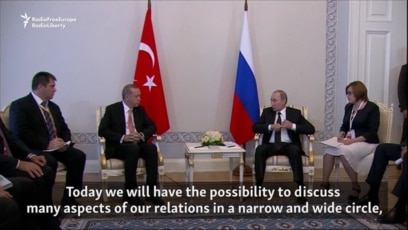
Palestinian President Mahmoud Abbas is set to meet with Russian President Vladimir Putin in Moscow on Tuesday amid ongoing hostilities in Gaza. This high-level meeting comes as international concern mounts over the escalating violence and humanitarian crisis in the region.

The discussion between Abbas and Putin will focus on the unfolding situation in Gaza, where recent conflicts have intensified. Abbas aims to seek support and explore potential diplomatic solutions with Russia, a key ally with influence in the Middle East.

The Gaza Strip has been plagued by violence and destruction, with numerous reports highlighting the severe impact on civilians and infrastructure. The international community has called for restraint and a renewed push for peace negotiations, with varying levels of engagement from global powers.

Putin’s meeting with Abbas reflects Russia’s ongoing role in Middle Eastern diplomacy. Russia has positioned itself as a mediator in the region, advocating for balanced approaches to the Israeli-Palestinian conflict. The Kremlin’s involvement underscores its strategic interest in maintaining influence over regional affairs and bolstering its diplomatic credentials on the global stage.

The meeting comes as the United Nations and other international organizations have raised alarms about the humanitarian conditions in Gaza. Reports indicate shortages of essential supplies, medical resources, and a deteriorating living environment for residents affected by the conflict. Both Russia and the Palestinian leadership have expressed concerns over these conditions and the need for a resolution that addresses humanitarian needs while working towards a sustainable peace.

Abbas’s visit to Moscow is expected to address these issues and discuss possible Russian contributions to relief efforts. The Palestinian leadership is seeking a strengthened partnership with Russia to leverage its diplomatic weight and secure international backing for their position. This dialogue aims to align with broader international efforts to mitigate the crisis and facilitate a return to negotiations between the conflicting parties.

The Kremlin has historically been an advocate for Palestinian statehood and has hosted multiple rounds of peace talks in the past. Putin’s engagement with Abbas is seen as part of Russia’s strategy to enhance its influence and act as a counterbalance to Western involvement in Middle Eastern peace processes.

This meeting also highlights the shifting dynamics in international diplomacy regarding the Gaza conflict. As major global powers weigh in, the outcomes of these high-level talks could impact the trajectory of international responses and interventions. The global community is watching closely, with hopes pinned on diplomatic solutions that could lead to an enduring resolution to the conflict.

The talks between Abbas and Putin are set against a backdrop of heightened tensions and complex geopolitical considerations. The effectiveness of this dialogue in contributing to a peaceful resolution remains to be seen, as both leaders navigate a challenging landscape of diplomatic and humanitarian concerns.

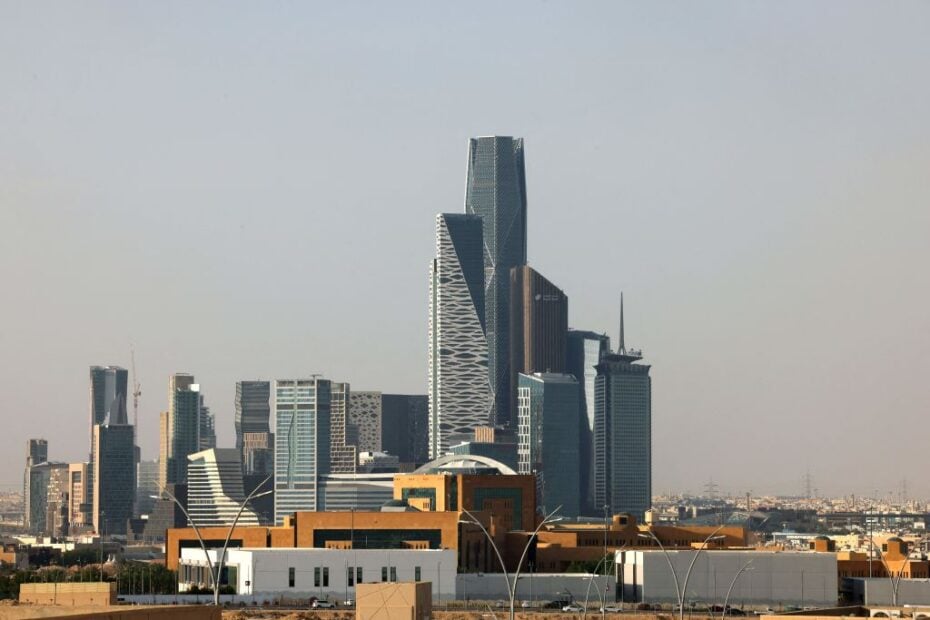
Goldman Sachs has become the first Wall Street bank to secure a license for a regional headquarters in Riyadh, marking a significant milestone in Saudi Arabia’s bid to attract foreign investment. As part of Vision 2030, the kingdom is leveraging its financial clout to lure global firms, including asset management giant BlackRock, which has also set up operations in Riyadh. This shift highlights Saudi Arabia’s growing influence, as the country implements strict regulations requiring firms to establish a regional base to compete for state contracts. The move underscores a broader trend of global financial institutions pivoting towards the Middle East, driven by the region’s vast wealth and strategic reforms.

Israeli Prime Minister Benjamin Netanyahu has sharply criticized Defense Minister Yoav Gallant, accusing him of undermining negotiations related to the hostage crisis in Gaza. This development has heightened tensions within Israel’s political and military circles as the country grapples with ongoing conflict and diplomatic pressures.

The friction between Netanyahu and Gallant emerged after a series of public statements and internal disagreements regarding the handling of hostages held by Hamas. Netanyahu’s office has expressed strong dissatisfaction with Gallant’s approach, alleging that the defense minister’s actions jeopardized sensitive negotiations aimed at securing the release of hostages.

The criticism comes at a time when Israel is facing intense international scrutiny and pressure to resolve the crisis. With the situation in Gaza remaining volatile, Israel’s leadership is under increased pressure to manage both domestic and international concerns effectively. The Netanyahu-Gallant dispute highlights the challenges faced by the Israeli government in maintaining a unified front while navigating complex diplomatic and security issues.

In recent days, leaders from France, Germany, and Britain have voiced strong warnings to Iran against taking any retaliatory action against Israel. This international stance underscores the global concern over the escalation of conflict in the region and the potential for broader implications if tensions continue to rise.

The conflict has prompted widespread calls for restraint and diplomatic resolution from the international community, emphasizing the need for careful management of the situation to prevent further escalation. As Israel continues to address the multifaceted challenges posed by the ongoing conflict and internal disagreements, the outcome of this political rift could have significant implications for both domestic policy and international relations.

ADVERTISEMENT

Fines up to Dh1 million have been introduced by the UAE Government following amendments to the Federal Decree-Law on the Regulation of Employment Relationships. The law, revised under a new Federal Decree-Law issued on Monday, aims to enforce stricter compliance with labor regulations and to protect the rights of workers across the country.

The amended law addresses various employment practices, focusing on combating violations that undermine workers’ rights. The penalties are set to target employers who fail to adhere to the updated regulations, with the highest fines imposed on severe breaches of labor laws.

Under the revised law, violations such as failing to pay wages on time, enforcing unfair work conditions, or not providing the necessary workplace protections can lead to significant financial penalties. The fines vary depending on the nature and severity of the violation, with Dh1 million being the maximum penalty for the most serious offenses.

The move is part of a broader effort by the UAE Government to improve labor standards and ensure that workers are treated fairly. The government has emphasized that the law aims to create a balanced and equitable work environment, where the rights of all employees are respected and protected.

The changes reflect the UAE’s ongoing commitment to enhancing labor laws to meet international standards. By imposing stricter penalties, the government intends to deter employers from engaging in exploitative practices and ensure that the UAE continues to be an attractive destination for skilled workers from around the world.

Labor rights advocates have welcomed the amendments, noting that the increased fines demonstrate the government’s seriousness in addressing labor issues. They argue that the law will encourage better compliance among employers and provide workers with stronger legal protections.

The UAE has been making significant strides in labor reform over the years, with the latest changes being a continuation of these efforts. The introduction of hefty fines is seen as a crucial step in ensuring that employers do not take advantage of workers and that any violations are met with appropriate consequences.

Employers are now required to closely review their practices to ensure they comply with the revised regulations. Failure to do so could result in substantial financial losses and damage to their reputations. The government has also indicated that it will be increasing its monitoring and enforcement efforts to ensure that the new law is effectively implemented.

The penalties come at a time when the UAE is seeking to strengthen its position as a global leader in employment practices. By enhancing worker protections and ensuring that labor laws are strictly enforced, the country aims to attract top talent and maintain a competitive edge in the global market.

As the amendments take effect, both employers and employees are urged to familiarize themselves with the new regulations. The government has also announced plans to conduct awareness campaigns to educate the public about the changes and the importance of complying with the law.

The UAE’s decision to impose million-dirham fines marks a significant shift in its approach to labor regulation. The revised law is expected to bring about a more transparent and just working environment, where the rights of workers are upheld, and employers are held accountable for any violations.

By implementing these changes, the UAE continues to set a benchmark for labor standards in the region, reinforcing its commitment to building a fair and sustainable labor market.

Employers in the UAE who infringe on labor rights will face fines up to Dh1 million under a new regulatory initiative aimed at reinforcing labor law compliance. The new measures, effective immediately, are part of a broader effort to address and rectify abuses in the workplace, ensuring fair treatment and adherence to legal standards.

This legislation targets companies that exploit workers through practices such as non-payment of wages, poor working conditions, and unlawful deductions. The fines will apply to employers found guilty of serious breaches, including forced labor, wage theft, and unjust dismissal. This substantial penalty underscores the UAE’s commitment to enhancing labor standards and protecting workers’ rights.

The move comes in response to increasing scrutiny from international human rights organizations and labor advocates. The UAE government has been under pressure to improve labor conditions, particularly in sectors heavily reliant on foreign labor, such as construction and domestic work. This regulatory change is seen as a significant step in addressing concerns about worker exploitation and ensuring compliance with global labor standards.

The new fines are part of a comprehensive strategy that includes stricter enforcement of labor laws, more rigorous inspections, and enhanced reporting mechanisms. The Ministry of Human Resources and Emiratisation (MOHRE) will oversee the implementation of these penalties, ensuring that companies adhere to the updated regulations. The MOHRE is also tasked with providing resources and support for both employers and employees to facilitate a smooth transition to these new standards.

In addition to financial penalties, the UAE is introducing measures to improve transparency and accountability within companies. This includes mandatory audits, regular inspections, and the establishment of a dedicated helpline for workers to report grievances confidentially. These initiatives aim to create a more equitable work environment and mitigate instances of abuse.

The introduction of such stringent fines reflects a broader trend in the UAE’s labor reform efforts. Over the past few years, the country has implemented various reforms to enhance worker protections and align with international labor practices. These changes are part of the UAE’s Vision 2030, which seeks to modernize the labor market and ensure a fair and transparent employment framework.

Employers are advised to review and update their labor practices to ensure compliance with the new regulations. This includes revising employment contracts, enhancing workplace safety, and ensuring timely payment of wages. Companies found in violation of these new rules will face not only substantial fines but also potential damage to their reputation and operational licenses.

The introduction of these fines marks a critical development in the UAE’s labor policy landscape. It highlights the government’s commitment to upholding workers’ rights and improving overall labor conditions in the country. As the new regulations come into effect, both employers and employees will need to adapt to these changes, which are expected to foster a more equitable and compliant working environment.

A violent altercation between devotees and flower sellers at a temple in Bihar, India, has resulted in at least seven fatalities and over 35 injuries. The confrontation occurred during a religious festival, escalating into a stampede that caused the casualties. Authorities are investigating the circumstances leading to the incident, which has shocked the local community and prompted a call for increased security at religious events.

The altercation began when a dispute over the sale of flowers led to a physical fight. As tensions rose, the crowd surged uncontrollably, creating a stampede that trapped and crushed several individuals. Emergency services arrived at the scene to assist the injured and recover the deceased. Local hospitals are treating the wounded, some of whom are in critical condition.

Eyewitnesses reported that the chaotic environment made it difficult for people to escape the stampede. The temple premises, crowded with devotees attending the festival, became a scene of panic and disorder. The local police have detained several individuals for questioning, and an investigation is underway to determine the exact cause of the altercation and the failures in crowd management.

Authorities are facing scrutiny over their preparedness and response to the incident. There have been calls for better safety measures at public gatherings, especially in densely populated areas. Officials are reviewing security protocols and considering additional regulations to prevent such tragedies in the future.

This incident has not only highlighted the dangers associated with large-scale religious events but also underscored the need for improved crowd control and emergency preparedness. The community is mourning the loss of lives and grappling with the impact of the violence on their festival celebrations.

ADVERTISEMENT

Adnoc Gas has achieved a record-breaking net income of $1.2 billion for the second quarter of 2024, marking the highest quarterly profit in the company’s history. This impressive financial performance, announced today, reflects a significant boost in sales volumes and operational efficiency. The surge in earnings underscores the company’s robust position in the energy sector amid fluctuating global market conditions.

The company’s success in the second quarter is attributed to an increase in both natural gas and oil production. Adnoc Gas has managed to leverage its extensive infrastructure and operational capabilities to enhance production levels, which has led to higher sales volumes. This strategic optimization has played a crucial role in driving revenue growth.

Market analysts have noted that the rise in Adnoc Gas’s profitability aligns with broader industry trends, where major energy companies are experiencing a rebound due to higher demand and stabilizing oil prices. The company’s strategic focus on expanding its production capacity and streamlining its supply chain has positioned it well to capitalize on these market conditions.

Adnoc Gas’s operational efficiency has been a key factor in its financial performance. The company has invested heavily in technology and innovation to improve its production processes and reduce costs. This commitment to operational excellence has enabled Adnoc Gas to achieve better margins despite fluctuations in global energy prices.

Additionally, the company’s ability to navigate supply chain challenges and geopolitical uncertainties has been instrumental in maintaining steady growth. Adnoc Gas has strengthened its partnerships and supply agreements, ensuring a stable flow of resources and mitigating risks associated with market volatility.

The financial results for the second quarter indicate that Adnoc Gas is well-positioned to sustain its growth trajectory in the coming months. The company’s management has expressed confidence in its ability to continue delivering strong financial performance, driven by its strategic investments and market-leading operations.

As the global energy market continues to evolve, Adnoc Gas remains focused on enhancing its competitive edge and expanding its market presence. The company’s robust performance in the second quarter of 2024 serves as a testament to its effective business strategies and operational excellence.

The record-breaking profit is a significant milestone for Adnoc Gas, reflecting the company’s resilience and adaptability in a dynamic industry landscape. As it moves forward, Adnoc Gas is expected to maintain its strong performance and contribute positively to the energy sector’s overall growth.

Adnoc Gas has reported a historic second-quarter profit of $1.2 billion, marking a significant increase from the $983.7 million earned in the same period last year. This substantial rise in net income is attributed to the company’s robust sales volumes and operational efficiencies.

The impressive financial performance reflects Adnoc Gas’s strategic initiatives to enhance production and streamline operations. Over the past months, the company has focused on expanding its market reach and improving its service delivery, which has contributed to its increased revenue. Additionally, the surge in profit underscores the favorable market conditions and strong demand for natural gas, which have bolstered the company’s earnings.

Adnoc Gas has been active in optimizing its production processes and investing in advanced technologies. These efforts are aimed at increasing efficiency and reducing operational costs, which have played a crucial role in driving profitability. The company’s ability to maintain high production levels while managing costs effectively has positioned it well in the competitive energy sector.

Industry analysts have noted that the natural gas sector has seen a resurgence in demand, partly driven by geopolitical tensions and shifts in energy policies globally. As a result, companies like Adnoc Gas, which are able to capitalize on these trends through strategic investments and operational improvements, have experienced significant financial gains.

In addition to its strong financial results, Adnoc Gas continues to pursue growth opportunities in both domestic and international markets. The company’s expansion plans include exploring new markets and enhancing its technological capabilities to maintain its competitive edge.

The increase in net income is seen as a testament to Adnoc Gas’s successful execution of its growth strategy and its ability to adapt to changing market dynamics. As the company continues to navigate the evolving energy landscape, its focus on efficiency and market expansion is expected to drive further financial success in the coming quarters.

This record profit not only highlights the company’s strong performance but also reflects the broader positive trends within the natural gas industry, positioning Adnoc Gas as a leading player in the sector.

Mohammad Javad Zarif, Iran’s former foreign minister and one of the country’s most prominent diplomats, has resigned from his newly appointed position as the Deputy for Strategic Affairs in President Masoud Pezeshkian’s administration. The resignation, reportedly due to disagreements over cabinet selections, marks a significant shift in the political landscape, given Zarif’s influence in Iran’s foreign policy for over a decade.

Zarif’s appointment to this strategic position was met with considerable anticipation. The role, specially created by President Pezeshkian, was designed to leverage Zarif’s extensive experience in international diplomacy. It was expected that Zarif would guide the administration in navigating complex global challenges and enhance Iran’s strategic posture on the world stage. His resignation, however, underscores the growing tensions within the administration, particularly regarding the direction of Pezeshkian’s cabinet choices.

Zarif, who had served as foreign minister from 2013 to 2021, was instrumental in negotiating the 2015 nuclear deal, which was seen as a significant diplomatic achievement despite later challenges. His departure from the strategic role raises questions about the future of Iran’s foreign and domestic policies under President Pezeshkian, who has been under pressure to balance reformist and hardline elements within his administration.

The resignation is believed to stem from Zarif’s dissatisfaction with certain key appointments in Pezeshkian’s cabinet. Sources indicate that Zarif felt that these choices could undermine the effectiveness of the administration’s strategic initiatives, particularly in dealing with international relations and domestic reforms. This move has sparked speculation about potential rifts within the ruling elite and the possible implications for Iran’s political stability.

President Pezeshkian, who took office earlier this year, has faced considerable challenges in forming a cohesive government. His administration has been characterized by efforts to placate both reformists and conservatives, a task that has proven difficult given the ideological divides within the Iranian political system. Zarif’s resignation may further complicate these efforts, as it signals a potential loss of support from key reformist figures who have been critical of the current direction of the government.

Despite stepping down from his official role, Zarif remains a significant figure in Iranian politics, with deep connections both within the country and internationally. His next moves will be closely watched, particularly by those in the West who have engaged with him in diplomatic negotiations over the years. His resignation also raises concerns about the potential impact on Iran’s ongoing negotiations to revive the nuclear deal, especially given Zarif’s intimate knowledge of the process and his network of international contacts.

The administration has yet to comment publicly on Zarif’s resignation, and it remains unclear who might succeed him in the role of Deputy for Strategic Affairs. However, the departure of such a high-profile figure is likely to have a lasting impact on the dynamics within Pezeshkian’s government and on Iran’s broader strategic direction.

This development marks a critical moment for President Pezeshkian, who must now navigate the fallout from Zarif’s resignation while continuing to address the significant challenges facing his administration. The coming weeks will be crucial in determining whether Pezeshkian can maintain the delicate balance needed to govern effectively or whether this resignation will signal deeper fractures within his government.

Iran’s Vice President for Strategic Affairs, Mohammad Javad Zarif, resigned from his post following disagreements over the composition of the new cabinet under President Masoud Pezeshkian. Zarif, who previously served as Iran’s Foreign Minister, was appointed to the strategic role just over a week ago. However, his resignation came shortly after the list of ministerial nominees was submitted to parliament, a move that has sent shockwaves through the political landscape in Tehran.

Zarif expressed his dissatisfaction with the selection process, stating that the majority of the nominees were not the first choices recommended by the steering council he led. Despite reviewing over 1,000 candidates, Zarif revealed that only three of the 19 selected ministers aligned with the council’s top recommendations. His frustration was further compounded by the failure to fulfill promises regarding the inclusion of women, youth, and ethnic minorities in the new cabinet, which were key elements of Zarif’s vision for the government.

In his resignation statement, Zarif emphasized that the final ministerial list did not adequately reflect expert opinions, which ultimately led to his decision to step down. He expressed gratitude to President Pezeshkian for the opportunity to serve but indicated that he would now return to academia, where he has been a professor at the University of Tehran since leaving his role as Foreign Minister.

The resignation comes at a critical time for the Pezeshkian administration, which is facing significant challenges both domestically and internationally. The parliament is scheduled to begin scrutinizing the ministerial nominees before a vote of confidence on August 17. Zarif’s departure is likely to complicate these proceedings and raises questions about the stability and future direction of the new government.

Zarif, a veteran diplomat, played a significant role in negotiating the 2015 nuclear deal and has been a prominent figure in Iranian politics for decades. His resignation is a blow to the Pezeshkian administration, which had hoped to leverage Zarif’s extensive experience and diplomatic acumen. The former Foreign Minister’s decision to step down underscores the deep divisions within the Iranian political establishment as it navigates the complexities of forming a new government.

This development marks the end of Zarif’s direct involvement in Iran’s domestic politics, at least for the foreseeable future, as he returns to the academic world. The impact of his resignation on the Pezeshkian administration and the broader political landscape in Iran will be closely watched in the coming weeks.

A newly unveiled fake cricket league has ignited a surge in online betting, capturing the attention of gamblers across various platforms. Dubbed the “Global Fantasy Cricket Championship,” this fabricated league has quickly become a focal point for bettors seeking to exploit the absence of regulatory oversight in online sports betting markets.

The league, which emerged without any official recognition or real matches, has nonetheless managed to attract significant interest due to its sophisticated imitation of genuine cricket competitions. The organizers have constructed a detailed fictional structure, complete with elaborate team names, player statistics, and match schedules, designed to mimic the look and feel of authentic cricket tournaments.

This development has raised concerns among regulatory bodies and industry experts, who warn about the potential risks associated with such deceptive betting platforms. These platforms often operate in legal gray areas, making it challenging for authorities to enforce betting regulations and protect consumers from potential fraud.

Online betting has experienced substantial growth in recent years, driven by increased internet access and the expansion of mobile technologies. However, the proliferation of unregulated and fake sports leagues poses a new threat to the integrity of betting markets. Experts argue that the proliferation of such leagues undermines trust in legitimate sports betting and exposes participants to increased risk.

Investigations reveal that the creators of the fake league employ advanced marketing strategies to attract bettors, including targeted advertisements and promotions that promise substantial returns. These tactics, combined with the seemingly realistic nature of the league, contribute to its growing popularity among online gamblers.

Regulatory agencies are stepping up efforts to address this issue by implementing stricter controls on online betting platforms and increasing awareness among the public. However, the rapid evolution of such fraudulent schemes presents ongoing challenges for regulators tasked with safeguarding the integrity of betting markets.

Industry insiders emphasize the importance of vigilance and due diligence when engaging in online betting activities. Bettors are advised to verify the legitimacy of betting platforms and to be cautious of offers that seem too good to be true. Additionally, there is a call for greater transparency and collaboration between online betting operators and regulatory authorities to prevent similar schemes from gaining traction.

As the fake league continues to attract attention, it serves as a stark reminder of the potential pitfalls in the online betting industry. While regulatory efforts are underway to curb the influence of such deceptive practices, the evolving nature of online betting fraud necessitates ongoing vigilance and adaptation to protect consumers and maintain market integrity.

Arabian Post Staff TECOM Group PJSC, a prominent operator of Dubai’s specialized business districts, has reported a significant 24% increase in its net profit for the first half of 2024, reaching AED 603 million. This growth, up from AED 485 million in the same period last year, highlights the group’s robust financial health and strategic positioning in Dubai’s economy. The group’s revenue rose by 9% year-on-year to […]

Arabian Post Staff LPL Financial has launched its highly anticipated Focus 2024 conference in San Diego, attracting nearly 9,000 financial advisors from across the United States. The annual event, recognized as one of the largest gatherings in the financial advisory industry, serves as a pivotal forum for professionals to share strategies, insights, and best practices aimed at enhancing client service and business growth. The conference, which kicked […]

VISHNU RAJA
RYO YAMADA
HITORI GOTOH
IKUYO KITA
Social Media Auto Publish Powered By : XYZScripts.com