Articles written by
arabian post staff

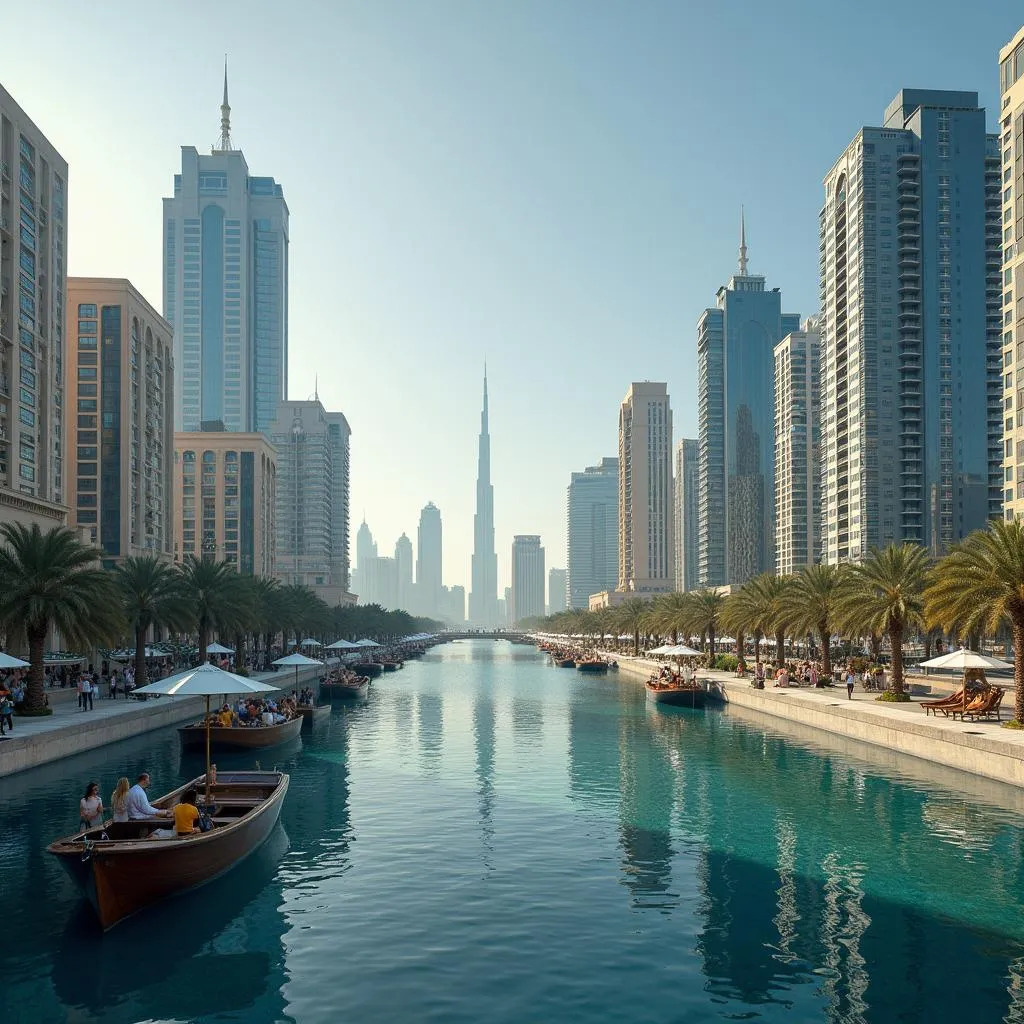
Dubai has embarked on a significant affordable housing initiative, aiming to construct over 17,000 residential units across six locations in the emirate. This development is a collaborative effort between the Roads and Transport Authority , Dubai Municipality, and Wasl Group, aligning with the Dubai 2040 Urban Master Plan.

The first phase of the project encompasses areas including Me’aisem 1, Al Twar 1, Al Qusais Industrial Area 5, and Al Leyan 1, covering approximately 1.46 million square metres. The housing units are intended for skilled professionals of various nationalities employed in both public and private sectors. The initiative seeks to provide quality housing options at affordable rental rates, enhancing living standards and supporting the city’s economic growth.

Sheikh Hamdan bin Mohammed bin Rashid Al Maktoum, Crown Prince of Dubai, Deputy Prime Minister, and Minister of Defence, witnessed the signing of the agreement. He emphasized that the project supports the Dubai 2040 Urban Master Plan and aligns with the city’s affordable housing policy, aiming to improve living standards for the workforce and reinforce Dubai’s status as a premier city to live and work.

Mattar Al Tayer, Director General and Chairman of the Board of Executive Directors of the RTA, highlighted that housing remains a key priority under the leadership’s guidance. He stated that the Affordable Housing Programme is one of the government’s pioneering initiatives aimed at enhancing community well-being and quality of life, aligning with the UAE’s designation of 2025 as the ‘Year of Community’.

Marwan Ahmad bin Ghalita, Director General of Dubai Municipality, noted that the affordable housing projects reflect the vision of building a cohesive and prosperous society. He mentioned that these projects are a significant step in developing sustainable urban centres, contributing to inclusive, healthy communities equipped with comprehensive services and recreational facilities.

Hesham Abdulla Al Qassim, CEO of Wasl Group, expressed the company’s commitment to shaping a future where inclusive urban living is a reality for all. He stated that the collaboration with RTA and Dubai Municipality represents a strategic step forward in delivering sustainable, high-quality housing solutions, supporting the goals of the Dubai 2040 Urban Master Plan.

The initiative also aligns with the ’20-Minute City’ concept, aiming to ensure connectivity to the city centre and access to essential services within a short commute. By optimizing land use and developing residential models tailored to diverse community needs, the project aspires to enhance productivity, reduce commuting times, and improve overall employee satisfaction and well-being.

GlobalStar Travel Management has entered into a strategic partnership with RateHawk, a B2B booking platform, to enhance its global accommodation offerings. This collaboration grants GlobalStar’s partners access to over 2.7 million lodging options, including hotels, apartments, and resorts, sourced from more than 320 suppliers and 130,000 directly contracted properties.

The integration of RateHawk’s inventory into GlobalStar’s system aims to streamline booking processes for travel managers. RateHawk’s AI-driven tools prioritise recommendations based on competitive rates, while its machine learning-powered pre-book check procedures help minimise potential issues. Additionally, the platform offers real-time availability updates and supports faster amendments, enhancing operational efficiency.

Julian Russell, Executive Director of IT and Supplier Relations at GlobalStar, highlighted the benefits of the partnership, noting that RateHawk’s provision of ‘prepay’ and ‘credit’ facilities addresses a critical need for partners in regions where such features are essential for managing hotel bookings. He also emphasised the positive initial feedback from GlobalStar partners and the potential for deeper integration through API connectivity.

Ilya Kravtsov, Chief Commercial Officer at RateHawk’s parent company, Emerging Travel Group, expressed enthusiasm about the collaboration, stating that the partnership is designed to empower GlobalStar partners by increasing their confidence in daily booking routines. He underscored RateHawk’s commitment to providing diverse accommodation options and robust support, available in 32 languages, to assist with inquiries.

Almosafer, a leading travel services provider in Saudi Arabia, has entered into a strategic partnership with Abu Dhabi-based Miral to promote Yas Island as a premier leisure destination among travellers from the Kingdom and the wider Gulf Cooperation Council region.

Under the agreement, Almosafer will leverage its extensive consumer travel platforms and regional expertise to market Yas Island’s diverse attractions, including theme parks, luxury accommodations, and cultural events. This collaboration aims to boost visitor numbers from Saudi Arabia, a market that has shown significant growth in outbound tourism.

Yas Island has experienced a surge in popularity, recording over 38 million visits in 2024—a 10% increase from the previous year. The destination’s appeal has been bolstered by a variety of attractions, such as Warner Bros. World, SeaWorld, and Yas Waterworld, as well as a calendar filled with international events and performances. Notably, there has been a 56% increase in visitors from the GCC, with Saudi Arabia contributing a substantial portion of this growth.

The partnership between Almosafer and Miral is expected to further enhance Yas Island’s visibility and accessibility to Saudi travellers. Almosafer plans to integrate Yas Island offerings into its booking platforms, provide tailored travel packages, and launch targeted marketing campaigns to showcase the destination’s unique experiences.

This initiative aligns with broader regional efforts to promote tourism and diversify economies. By capitalising on the growing interest in leisure travel among Saudi residents, the collaboration seeks to position Yas Island as a top choice for family vacations, cultural exploration, and entertainment within the GCC.

The United Arab Emirates has unveiled a Dh40 billion financing initiative aimed at accelerating the growth of its industrial sector over the next five years. Announced by Dr Sultan Al Jaber, Minister of Industry and Advanced Technology, during the Make it in the Emirates forum in Abu Dhabi, the plan seeks to enhance the nation’s manufacturing capabilities and diversify its economy.

The financing will be facilitated through a consortium of major banks, including Emirates Development Bank , First Abu Dhabi Bank, Mashreq, Emirates NBD, Abu Dhabi Commercial Bank, Abu Dhabi Islamic Bank, and Wio Bank. These institutions will offer competitive loans to industrial companies, supporting projects that align with the UAE’s strategic economic objectives.

Dr Al Jaber emphasized the multiplier effect of industrial investments, stating that each investment stimulates growth in related sectors. He highlighted that the initiative is part of the broader Operation 300bn strategy, which aims to increase the industrial sector’s contribution to the UAE’s GDP to Dh300 billion by 2031.

The Make it in the Emirates forum also saw the announcement of additional incentives, including Dh23 billion in guaranteed offtake agreements, bringing the total value of captive procurement opportunities to Dh143 billion. These agreements are designed to encourage local manufacturing of over 2,000 products, with significant procurement commitments from entities like ADNOC and Pure Health.

New industrial projects and investments worth Dh20 billion were unveiled, alongside co-lending financial solutions of Dh1 billion to empower small and medium enterprises . The government also introduced comparative electricity tariffs in the northern Emirates and launched an AI innovation programme providing Dh370 million to targeted technology startups.

Emirates Development Bank has played a pivotal role in supporting the UAE’s industrial sector. Since the launch of its strategy in 2021, EDB’s financing has reached Dh15.7 billion, contributing Dh7.4 billion to the industrial GDP by the end of 2024. The bank has also facilitated Dh50.2 billion in capital expenditure financing, supported Dh15 billion in greenfield projects, and attracted Dh7 billion in foreign direct investment.

In 2024 alone, EDB provided Dh8.7 billion in financing, marking a 222% increase from the previous year. This financing supported the creation of over 14,000 industrial jobs and contributed Dh4.1 billion to the UAE’s industrial GDP. The manufacturing sector received the largest share, with Dh4.23 billion, accounting for 49% of total disbursements.

The bank’s focus on key sectors includes advanced technology, which received Dh3 billion in financing, and renewable energy projects, which secured Dh1.2 billion. Additionally, the food security and healthcare sectors received Dh1.22 billion and Dh1.14 billion, respectively.

EDB’s support for micro, small, and medium enterprises remained a core priority, with total financing reaching Dh3 billion in 2024. This includes Dh758 million through the bank’s Credit Guarantee Scheme in partnership with 11 commercial banks, Dh2.1 billion in direct financing to mSMEs, and Dh107 million to SME-Micro projects.

The bank’s strong financial performance and strategic focus have been recognized by S&P Global, which upgraded EDB’s credit rating to AA, the highest among financial institutions in the UAE and MENA region. This milestone underscores the bank’s robust financial profile and alignment with national development priorities.

ADVERTISEMENT

A group of prominent Senate Democrats, led by Elizabeth Warren and Minority Leader Chuck Schumer, has urged the Trump administration to reconsider newly announced artificial intelligence chip agreements with Saudi Arabia and the United Arab Emirates . The lawmakers argue that these deals could compromise U.S. national security by potentially exposing advanced technology to adversaries like China and Russia, while also limiting the availability of critical components for American companies.

The agreements, unveiled during President Donald Trump’s recent trip to the Middle East, involve major U.S. tech firms such as Nvidia Corp. and Advanced Micro Devices Inc. selling tens of thousands of advanced semiconductors to the Gulf nations. These deals could pave the way for the sale of over a million more chips, coinciding with the administration’s plans to rescind and rewrite Biden-era rules that had capped the access of these countries to such technology.

Critics within the Senate express concern that these moves could inadvertently aid China’s technological advancement, given the close ties between the Gulf states and Beijing. They also warn that the agreements might strain the domestic supply of AI chips, potentially hindering the growth of U.S. companies reliant on these components.

OpenAI CEO Sam Altman has defended the administration’s decisions, dismissing critics as “naïve” and emphasizing the strategic benefits of the deals. Altman, along with White House AI advisor David Sacks, argues that the agreements shift the technological balance in favor of the U.S. against China. Despite these assurances, concerns persist among lawmakers and national security experts about the potential risks associated with the export of sensitive technology to the Gulf region.

The deals have also sparked debate within the tech industry, with some companies eager to pursue opportunities in the Gulf, while others express apprehension regarding security and geopolitical implications. The collaborations highlight a divide in the industry and raise broader questions about the global strategic direction of emerging technologies.

Dubai has solidified its position as a leading global diamond trading hub, with over 1.06 billion carats of rough and polished diamonds transacted through the city over the past five years. In 2024 alone, nearly 179 million carats were traded, underscoring the United Arab Emirates’ pivotal role in the international diamond market.

These figures were disclosed by Ahmed Bin Sulayem, Chair of the Kimberley Process and Executive Chairman of the Dubai Multi Commodities Centre , during the UN-mandated KP Intersessional Meeting held at Uptown Tower in Dubai. The event convened hundreds of representatives from governments, industry, and civil society, marking a significant milestone in the UAE’s third tenure as KP Chair.

Under the theme “Year of Delivery,” the UAE’s 2024 chairmanship focused on implementing substantial reforms within the KP framework. A notable achievement was the introduction of a blockchain-based digital certification system, transitioning from traditional paper certificates. This innovation aims to enhance the traceability and security of diamond transactions, ensuring greater transparency in the supply chain.

Another significant development was the readmission of the Central African Republic into the KP. After a decade-long embargo due to internal conflicts, CAR’s reinstatement followed a comprehensive review and improved security conditions. Ahmed Bin Sulayem’s direct engagement with CAR authorities facilitated this process, reflecting the UAE’s commitment to integrating diamond-producing nations into the global market responsibly.

The KP also welcomed Uzbekistan as its 60th member, expanding the coalition’s reach and reinforcing its mission to prevent conflict diamonds from entering the mainstream market. This inclusion signifies the KP’s growing influence and the increasing global consensus on ethical diamond trading practices.

In a move to institutionalize the KP’s operations, a permanent secretariat was established in Gaborone, Botswana. This development aims to provide continuity and enhance the administrative efficiency of the KP, ensuring sustained efforts toward conflict-free diamond trade.

The UAE’s leadership also garnered international recognition through a resolution adopted by the United Nations General Assembly. Titled “The Role of Diamonds in Fueling Conflict,” the resolution, co-sponsored by 37 countries, acknowledged the UAE’s initiatives in promoting ethical practices within the diamond industry.

Industry leaders and civil society representatives lauded the UAE’s efforts. Feriel Zerouki, President of the World Diamond Council, emphasized the importance of innovation and transparency in maintaining the integrity of the diamond trade. Jaff Bamenjo, representing the Civil Society Coalition, highlighted the significance of engaging with diamond-affected communities to ensure equitable benefits from the industry.

Mubadala Investment Company has unveiled Mubadala Bio, a new life sciences entity designed to bolster the United Arab Emirates’ pharmaceutical manufacturing capabilities and enhance healthcare resilience. The initiative aligns with the country’s Centennial 2071 vision, aiming to position Abu Dhabi as a regional hub for biopharmaceutical innovation.

Mubadala Bio’s infrastructure encompasses ten facilities across Asia, Africa, and Europe, with six situated within the UAE. Collectively, these sites span 110,000 square metres and possess an annual production capacity exceeding 2.5 billion tablets and capsules, along with 120 million intravenous and injectable units. The company’s extensive portfolio includes over 10,000 medical products, serving more than 100 countries worldwide.

The company’s focus extends across the entire continuum of care, from prevention and diagnostics to treatment and supportive therapies. This comprehensive approach aims to address pressing global health challenges and improve patient outcomes.

Dr. Bakheet Al Katheeri, CEO of Mubadala’s UAE Investments Platform, stated that the launch of Mubadala Bio represents a transformative step toward strengthening national drug security and fostering innovation in life sciences. He emphasized that this positions Mubadala at the forefront of the industry, enabling long-term economic growth and the development of a resilient life sciences ecosystem.

Ismail Ali Abdulla, Executive Director of UAE Clusters at Mubadala, highlighted the company’s commitment to supporting the UAE’s ambition to become a global leader in the life sciences industry. By focusing on local manufacturing and enhancing distribution and logistics capabilities, Mubadala Bio aims to build a self-sustaining sector prepared for future challenges.

Mubadala Bio plans to establish strategic partnerships with global life sciences firms and academic institutions to accelerate biopharmaceutical innovation and nurture world-class talent within the UAE. These collaborations are intended to drive advancements in healthcare and support the country’s transition to a knowledge-based economy.

The company’s launch will be formally introduced at the upcoming Make it in the Emirates 2025 event, showcasing the UAE’s success in building a competitive life sciences industry. This event serves as a national industrial showcase, reinforcing the country’s position as a hub for innovation and local manufacturing.

Mubadala Bio is designated as one of Mubadala’s “National Champions,” entities established to support strategic sectors aligned with the UAE’s long-term development goals. Through its initiatives, the company aims to accelerate the UAE’s economic diversification, particularly in healthcare and biotechnology.

Advertisements
ADVERTISEMENT

Policybazaar.ae has introduced an expanded suite of car insurance benefits aimed at enhancing customer value through its PB Advantage programme. This initiative offers policyholders a range of exclusive perks designed to reduce the cost of vehicle ownership while rewarding safe driving behaviours.

The PB Advantage package now includes 12 complimentary car washes annually, aiming to ease the routine maintenance burden for insured drivers. This tangible benefit reflects a growing trend in the insurance industry where companies seek to provide added lifestyle conveniences alongside traditional coverage. By integrating such services, insurers are shifting focus towards holistic customer engagement rather than solely risk mitigation.

A key feature of the programme is a discount of up to 30 percent on premiums for drivers who demonstrate safe driving habits. This incentive responds to rising demands from consumers who wish for their responsible behaviour behind the wheel to be financially recognised. Safe driving discounts are gaining traction globally as insurers incorporate telematics and other data-driven approaches to assess risk more accurately. Through this mechanism, Policybazaar.ae aims to encourage safer roads and reduce accident-related claims.

The PB Advantage offers an excess waiver of up to AED 1,000, which lowers the out-of-pocket expenses policyholders face when filing a claim. This waiver can significantly alleviate the financial strain after an accident, thereby improving customer satisfaction and loyalty. Excess waivers are becoming an increasingly common feature in competitive insurance markets, reflecting insurers’ efforts to deliver more customer-centric policies.

Policyholders also receive a 15 percent discount on car repair services. This partnership with certified garages is expected to streamline claims processing and reduce repair costs, which are often a major concern for vehicle owners. By negotiating discounts with trusted service centres, Policybazaar.ae is positioning itself as a facilitator of efficient and affordable post-accident care.

Further enhancing the value proposition, the programme offers a 30 percent discount on car spare parts. This benefit targets the growing demand for cost-effective vehicle maintenance amid fluctuating global supply chains and rising parts prices. By mitigating repair expenses through direct discounts, the insurer supports policyholders in maintaining their vehicles in good condition without excessive financial burden.

Policybazaar’s move aligns with broader industry shifts towards value-added insurance models that integrate lifestyle benefits and proactive risk management incentives. With increasing competition in the UAE’s insurance sector, companies are innovating beyond coverage terms to secure customer retention and attract new segments.

The PB Advantage’s combination of complimentary services, financial incentives, and post-accident support responds to evolving consumer expectations, where convenience, cost savings, and personalised rewards are paramount. The programme also reflects the insurer’s commitment to digital innovation, as Policybazaar.ae leverages technology to streamline enrolment, claims, and communication.

Analysts note that the enhanced offering could influence competitors to adopt similar strategies, potentially driving a new standard in the UAE’s car insurance market. The emphasis on safe driving discounts is particularly significant amid government initiatives aimed at reducing road accidents and promoting traffic safety.

The introduction of excess waivers and repair discounts further positions PB Advantage as a comprehensive solution addressing both preventive and corrective aspects of vehicle insurance. These features may encourage more drivers to opt for policies with Policybazaar.ae, improving risk pools and underwriting outcomes over time.

Industry experts highlight that integrating such perks requires insurers to balance the cost of added services with pricing models, ensuring profitability while maintaining competitive premiums. The scalability of these benefits depends on partnerships with service providers and accurate data analytics to tailor offerings to customer profiles.

By offering twelve free car washes annually, Policybazaar.ae taps into a convenience factor that, while modest, can foster positive customer perceptions and frequent engagement. This small yet consistent benefit can enhance brand loyalty and differentiate the insurer in a crowded marketplace.

The safe driving discount up to 30 percent marks a considerable incentive, especially for cautious drivers who can demonstrate low-risk behaviour over policy periods. This element encourages the adoption of safer driving technologies, such as telematics devices and smartphone apps, which track and report driving patterns.

The excess waiver provision up to AED 1,000 represents an immediate financial relief for many policyholders, addressing a common pain point in motor insurance claims. This benefit also potentially reduces claim hesitation, enabling quicker accident reporting and smoother claims processing.

Discounts on car repairs and spare parts complement the core insurance offering by reducing indirect costs related to vehicle ownership. These benefits may attract cost-conscious consumers, especially those owning older or high-maintenance vehicles, who face significant upkeep expenses.

Policybazaar.ae’s PB Advantage initiative exemplifies a strategic response to shifting consumer needs in the UAE’s dynamic insurance landscape. As customers increasingly seek not only protection but also tangible value and convenience, insurers are compelled to innovate their product mix.

The programme’s multi-faceted approach underscores the growing importance of customer experience in insurance, where engagement extends beyond the moment of claim. This evolution is facilitated by digital platforms that enable seamless integration of insurance, maintenance, and reward services.

A comprehensive study conducted by the American University of Ras Al Khaimah has raised alarms over the under-recognised threat posed by enteroviruses in the Arabian Gulf region, particularly among children. The research underscores the urgent need for enhanced public health surveillance and awareness to mitigate potential outbreaks.

Enteroviruses, a group of RNA viruses, primarily infect the gastrointestinal tract but can lead to severe complications, especially in infants and young children. These complications include aseptic meningitis, encephalitis, myocarditis, and acute flaccid paralysis. Despite their global prevalence, data on enterovirus infections in the Gulf Cooperation Council countries remain scarce, leading to potential underdiagnosis and mismanagement.

The AURAK study highlights that the limited reporting and research on enteroviruses in the region have resulted in a lack of comprehensive understanding of their epidemiology, transmission patterns, and clinical manifestations. This gap hampers the development of effective public health strategies to combat these infections.

One of the significant concerns raised by the study is the vulnerability of children to enterovirus infections. Factors such as crowded living conditions, inadequate hygiene practices, and limited access to healthcare contribute to the increased risk among this demographic. The study emphasizes the importance of targeted interventions to protect children, including public education campaigns and improved sanitation measures.

The research also points to the need for enhanced diagnostic capabilities in the region. Currently, the lack of specialized laboratories and trained personnel limits the ability to accurately identify and monitor enterovirus outbreaks. Investing in laboratory infrastructure and training programs is crucial to improve diagnostic accuracy and response times.

The study calls for the establishment of a regional surveillance network to monitor enterovirus activity across the GCC countries. Such a network would facilitate the sharing of data, resources, and best practices, enabling a coordinated response to potential outbreaks. Collaboration among public health authorities, academic institutions, and international organizations is essential to build this capacity.

The AURAK researchers recommend that policymakers prioritize enterovirus research and allocate funding to support studies on virus behavior, transmission dynamics, and vaccine development. Understanding the genetic diversity and evolution of enteroviruses is critical to developing effective prevention and treatment strategies.

Dubai’s booming real estate sector continues to attract global investors with promises of tax-free gains, high rental yields, and luxury living. However, behind the glossy brochures and aggressive marketing campaigns lie significant risks that could catch unprepared buyers off guard—particularly those unfamiliar with the city’s legal, financial, and regulatory landscape.

Property prices in Dubai have surged by 75% since early 2021, nearing levels last seen before the 2008 crash. This growth is fuelled by foreign capital, liberalised visa policies, and a construction spree that includes nearly 76,000 new units slated for completion in 2025. Yet, this rapid expansion raises concerns about potential oversupply, especially in mid-range and off-plan segments, which could suppress future returns.

Off-plan properties, often sold with enticing payment plans requiring just 10–20% upfront, dominate the market. These schemes, while attractive, carry risks such as construction delays, quality issues, and even project cancellations. Despite regulatory measures like escrow accounts, buyers may still face financial losses if developers fail to deliver as promised.

The legal framework in Dubai presents challenges for foreign investors. While freehold zones permit full ownership, navigating the complexities of property inheritance, dispute resolution, and contract enforcement can be daunting. The legal system, influenced by Sharia law, may not align with the expectations of buyers from other jurisdictions, making professional legal advice essential.

Financially, the costs associated with purchasing property extend beyond the advertised price. Buyers must account for a 4% Dubai Land Department transfer fee, a 2% agent commission, and additional expenses such as title deed issuance, mortgage registration, and maintenance fees. Notably, banks no longer finance these ancillary costs, requiring buyers to have substantial liquidity upfront.

Currency exchange fluctuations pose another risk for international investors. Since the UAE dirham is pegged to the US dollar, buyers dealing in other currencies may find their investments affected by exchange rate movements, potentially eroding returns when converting profits back to their home currency.

Regulatory changes can also impact the real estate landscape. Adjustments to visa policies, property ownership laws, or mortgage regulations could alter the investment climate. For instance, while long-term residency visas have bolstered investor confidence, any future policy shifts could affect property values and rental demand.

The influx of wealthy individuals into Dubai has driven up property prices, particularly in luxury segments. However, this trend has also led to increased living costs, making affordability a growing concern for middle-income residents. Rising service charges and maintenance fees in upscale communities can further strain budgets, affecting the overall return on investment.

ADVERTISEMENT

Land saturation and rising prices in Dubai’s central residential districts are driving developers and buyers towards peripheral areas, reshaping the city’s housing landscape, according to a detailed property analysis by consultancy Savills. The report highlights a clear trend of market activity concentrating along the Al Khail Road corridor, signalling a significant shift away from traditional urban hotspots.

Transaction volumes in emerging micro-markets such as Jumeirah Village Circle , Dubailand, Damac Hills 2, The Valley, and Damac Lagoons have surged, collectively representing 55 per cent of all residential transactions in the first quarter. These locations have also been at the forefront of new project launches, accounting for 56 per cent of all newly introduced residential units, indicating robust developer confidence in these peripheral zones.

This movement stems from limited land availability in core areas like Downtown Dubai, Dubai Marina, and Jumeirah Beach Residence, where property prices have escalated sharply, reducing affordability for many prospective homeowners and investors. The scarcity of developable plots in these prime locations has further intensified competition, pushing demand towards more affordable options outside the city centre.

Jumeirah Village Circle, in particular, has emerged as a hotspot for buyers seeking reasonably priced apartments and villas within manageable commuting distance of Dubai’s business districts. The area offers a mix of mid-rise residential complexes and low-density villa communities, appealing to families and young professionals alike. This diversity in housing stock, coupled with ongoing infrastructure improvements, has underpinned JVC’s steady growth.

Similarly, Dubailand and Damac Hills 2 continue to attract interest due to expansive master-planned communities with a focus on lifestyle amenities such as parks, golf courses, and retail centres. The Valley, another significant player in this corridor, has capitalised on affordable villa offerings with modern designs and green spaces, catering to demand for spacious family homes away from the congested urban core.

The expansion along Al Khail Road also benefits from enhanced transport links, reducing travel times to central business hubs and making these peripheral areas more accessible. Investments in road infrastructure and public transport connectivity, including upcoming metro expansions, are expected to reinforce this trend, supporting long-term growth prospects for these markets.

Developers are aligning their strategies with these shifts by prioritising projects in locations that offer a balance between affordability and lifestyle appeal. The surge in launches across these corridors underscores their belief in sustained demand, especially from end-users and investors seeking value amid a competitive Dubai property market.

The report points to a broader recalibration within Dubai’s residential property sector, reflecting changing buyer preferences influenced by affordability constraints and evolving urban dynamics. While luxury properties in central districts remain sought after by high-net-worth individuals and international investors, the broader market is witnessing a democratization of choice, with peripheral communities gaining ground.

These peripheral markets offer distinct advantages, including larger plot sizes, lower price points, and a greater emphasis on community-oriented living environments. This contrasts with the high-density, premium developments that dominate Dubai’s central districts, which cater to a more niche segment of the market.

However, challenges remain for these outer zones, particularly related to ensuring infrastructure keeps pace with rapid development. Urban planners and authorities face the task of managing growth sustainably, balancing expansion with the provision of essential services such as schools, healthcare, and retail facilities. The successful integration of these factors will be critical in maintaining the attractiveness of these locations.

The property market’s health is influenced by broader economic factors including regional geopolitical stability, visa reforms, and government incentives for property ownership, all of which shape investor sentiment. Dubai’s continued efforts to position itself as a global business and tourism hub contribute positively to residential demand, although global economic uncertainties require cautious optimism.

Analysts note that while the peripheral markets currently drive volume and new supply, established central districts are unlikely to lose their appeal entirely. Instead, a more diversified property ecosystem is emerging, with each zone serving distinct buyer profiles and investment goals.

Dubai’s real estate sector, having witnessed a remarkable 70 percent surge in property values over four years, is increasingly attracting the attention of major Wall Street investors, signalling a fresh wave of international capital flowing into the market. Among those showing strong interest is Brookfield Corp., a prominent global asset manager, which is reportedly considering a significant residential project in the Dubai Hills district. This potential move marks Brookfield’s first foray into the region’s residential property market, highlighting confidence in Dubai’s continued urban growth and economic resilience.

The Dubai Hills area, known for its integrated community developments blending residential, commercial, and leisure spaces, has become a prime target for investors aiming to capitalise on the emirate’s strategic location and expanding infrastructure. Brookfield’s plans reportedly focus on creating a mixed-use community, aligning with the city’s broader vision of enhancing livability and attracting diverse demographics including expatriates, business professionals, and families. This development would add to the already dynamic residential landscape that has benefitted from Dubai’s liberal property ownership laws and tax-friendly environment.

Singapore-based Temasek Holdings Pte., through one of its property management subsidiaries, is also actively scouting investment opportunities in Dubai, reflecting growing confidence from Asian institutional investors. Temasek’s involvement would bring considerable financial firepower and experience in managing large-scale real estate assets, further validating Dubai’s position as a regional hub for property investment. The company is reportedly assessing a range of options from commercial towers to high-end residential complexes, keen on leveraging Dubai’s status as a global financial and tourism centre.

The surge in property values has been driven by a confluence of factors including Dubai’s rapid economic diversification away from oil dependence, the government’s successful rollout of major infrastructure projects, and the city’s appeal as a safe haven for wealth amid geopolitical uncertainties. The Expo 2020 event, although delayed to 2021 due to the pandemic, had a notable impact in energising the real estate market, with sustained interest seen in areas like Dubai Marina, Downtown Dubai, and Palm Jumeirah.

Experts suggest that Dubai’s regulatory framework, which includes long-term visas for property investors and entrepreneurs, has created an inviting climate for foreign capital. This has been complemented by a steady increase in expatriate population, fostering demand for rental properties and driving rental yields. The UAE’s ongoing focus on enhancing its financial services sector and promoting innovation and technology hubs further supports long-term real estate demand.

Despite the enthusiasm, the market is not without challenges. Some analysts caution that the sharp rise in prices over a short period raises concerns about affordability and potential market overheating. The post-pandemic recovery phase has also exposed vulnerabilities such as fluctuating oil prices and shifting global economic conditions, which could affect investor sentiment. Additionally, the emergence of remote working trends may reshape residential preferences, potentially influencing demand patterns in Dubai’s real estate sector.

Brookfield’s possible entry into the residential segment is seen as a strategic bet that reflects confidence in Dubai’s ability to maintain its growth trajectory. The company’s expertise in infrastructure and real estate investment positions it well to navigate the complex regulatory and operational landscape of the region. Industry insiders point out that such high-profile involvement could encourage further inflows of private equity and institutional capital, contributing to market stability and innovation in property development.

Temasek’s active exploration in Dubai also underscores the emirate’s rising prominence on the Asian investment radar. The city’s connectivity, free-trade zones, and business-friendly policies make it an attractive gateway for investors seeking exposure to the Middle East, Africa, and South Asia markets. Temasek’s investment approach, typically characterised by long-term value creation and active asset management, may influence the development of more sustainable and diversified real estate offerings in Dubai.

Market observers note that while the residential sector is gaining momentum, commercial real estate remains a vital pillar of Dubai’s property market. The growth of co-working spaces, logistics hubs, and retail developments reflects the changing nature of work and consumption in the post-pandemic world. These trends complement residential growth by fostering integrated urban environments that cater to evolving lifestyles.

Eight Sleep, the US-based sleep fitness company, has launched its flagship Pod 5 system in Saudi Arabia, aiming to address the Kingdom’s widespread sleep quality issues. The move follows internal data indicating that Saudi Arabia ranks lowest among over 30 global markets in sleep quality.

The Pod 5 system features a temperature-controlled mattress cover and blanket, offering adjustable cooling and heating between 55°F to 110°F. Integrated surround-sound speakers provide soothing soundscapes and guided meditations, developed in collaboration with neuroscientist Andrew Huberman. A new Health Check feature monitors heart rate and breathing during sleep, providing overnight health insights through AI analysis. The system’s price ranges from $2,849 for the Core model to $6,099 for the full setup, with an annual subscription fee starting at $199.

Eight Sleep’s expansion into Saudi Arabia follows its entry into the UAE market, where sales within the first three months were five times higher than the average for other markets. The company plans to expand further into the GCC region, with Saudi Arabia and the UAE as key focus markets.

The launch of Pod 5 in Saudi Arabia comes amid growing awareness of sleep health in the region. A survey of 2,727 people across the GCC found that only half manage to sleep for the recommended six to eight hours per night, with 24 percent getting less than six hours. Cities such as Riyadh and Jeddah are among the worst in the world for sleep, according to data from wearable device company Whoop.

Eight Sleep’s Pod technology aims to address these issues by offering personalized sleep solutions. The system’s AI-powered features adjust bed temperature automatically, track sleep health metrics, and provide personalized sleep fitness scores. The company claims that after one month of using the Pod, members reported 32% better sleep quality scores on average, with improvements in daytime energy, sleep interruptions, and sleep onset time.

The sleep tech market in Saudi Arabia is growing, with both wearable and non-wearable technologies playing important roles in improving sleep quality and managing sleep disorders. Non-wearable sleep tech devices, such as smart mattresses and sleep-enhancing pillows, currently dominate the market. Consumers frequently want to test the comfort and functionality of these products in retail settings before making a purchase.

Arabian Post Staff Panasonic Marketing Middle East & Africa has introduced two premium hair dryers, the EH-NA9N and EH-NA7M, incorporating the company’s proprietary nanoe™ technology. These devices are designed to offer enhanced hair care by infusing moisture and reducing damage. The EH-NA9N model integrates nanoe™ and mineral ion technology, delivering ultrafine water particles that penetrate hair strands to maintain moisture balance. This approach aims to reduce split […]

ADVERTISEMENT

Elon Musk confirmed that Saudi Arabia has authorised the deployment of Starlink, his satellite internet service, for aviation and maritime applications. The announcement was made during the Saudi-US Investment Forum in Riyadh, where Musk also expressed interest in introducing Tesla’s autonomous vehicles to the Kingdom.

Starlink, operated by Musk’s aerospace company SpaceX, aims to provide high-speed internet connectivity, particularly in underserved and mobile regions. The approval in Saudi Arabia allows the service to cater to the country’s aviation and maritime sectors, enhancing communication capabilities in these industries.

Musk’s participation in the forum coincided with a visit by former U.S. President Donald Trump, who was in the Kingdom to strengthen bilateral economic ties. During the event, Musk showcased Tesla’s Optimus humanoid robots and discussed the potential introduction of Tesla’s self-driving vehicles in Saudi Arabia, aligning with the nation’s Vision 2030 initiative to diversify its economy through technological innovation.

Saudi Arabia has been investing heavily in its transportation and logistics infrastructure, aiming to become a global hub in these sectors. The integration of Starlink’s satellite internet service is expected to bolster the Kingdom’s capabilities in aviation and maritime operations, contributing to its broader economic diversification goals.

While Musk did not provide a specific timeline for the introduction of Tesla’s autonomous vehicles in Saudi Arabia, his discussions with Saudi officials indicate a mutual interest in exploring advanced transportation technologies. The Kingdom’s commitment to embracing innovative solutions positions it as a potential market for Tesla’s self-driving technology.

The United Arab Emirates has finalised a significant agreement with the United States to import advanced American-made artificial intelligence semiconductors, marking a pivotal step in Abu Dhabi’s ambition to become a global AI hub. The deal, announced during President Donald Trump’s Gulf tour, permits the UAE to import 500,000 Nvidia H100 chips annually, facilitating the development of large-scale data centres in the region.

This agreement coincides with the UAE’s broader commitment to invest $1.4 trillion in the U.S. over the next decade, focusing on sectors such as AI infrastructure, semiconductors, energy, and manufacturing. The investment framework includes partnerships with major U.S. companies like BlackRock, Microsoft, and Global Infrastructure Partners, aiming to mobilise up to $100 billion for next-generation data centres and energy infrastructure.

A key component of the deal is the construction of a 10-square-mile, 5-gigawatt data centre in Abu Dhabi, led by Emirati firm G42 and involving several U.S. tech companies. This facility is set to be the largest of its kind outside the United States, significantly enhancing the UAE’s data processing capabilities and supporting its AI initiatives.

The agreement also includes substantial U.S. investments in the UAE, with American energy companies expected to invest in upstream oil and gas and unconventional energy projects. Top U.S. firms such as ExxonMobil, Oxy, and EOG Resources are involved in these initiatives, reflecting a deepening of bilateral energy ties.

President Trump’s Gulf tour, which included visits to Saudi Arabia, Qatar, and the UAE, focused on securing financial commitments from wealthy energy producers to boost the U.S. economy and create jobs. The UAE’s pledge to increase its energy sector investments in the United States to $440 billion by 2035, up from the current $70 billion, underscores the success of this diplomatic effort.

The UAE’s strategic shift towards the U.S. in technology and energy sectors is seen as a move to decouple from Chinese influence, particularly in AI. Emirati officials have explicitly pursued this realignment to secure U.S. technology transfers, including advanced semiconductors like Nvidia’s H100 GPUs. This pivot follows U.S. pressure to remove Chinese equipment from critical infrastructure, exemplified by G42’s removal of Huawei technology from its data centres.

The $1.4 trillion investment framework also encompasses initiatives in critical minerals and industrial capacity. The UAE’s $1.2 billion mining partnership with Orion Resource Partners targets lithium, cobalt, and rare earth metals essential for AI hardware and renewable energy systems. Additionally, Emirates Global Aluminum plans to build the first new aluminum smelter in the U.S. in 35 years, aiming to nearly double the country’s domestic production.

Marine fuel sales at the Port of Fujairah climbed to their highest level in over a year in April, marking a second consecutive month of growth and reinforcing the port’s status as a key global bunkering hub. Excluding lubricants, total sales reached 669,378 cubic metres, equivalent to approximately 663,000 metric tons, according to data from the Fujairah Oil Industry Zone released by S&P Global Commodity Insights.

This performance represents a 4.6% increase over March’s 639,811 cubic metres and a 20.8% rise from February’s record low of 554,117 cubic metres. The rebound aligns with a broader recovery in global shipping activity and increased demand for marine fuels, particularly high-sulphur fuel oil , amid fluctuating oil prices and evolving environmental regulations.

HSFO sales at Fujairah experienced a significant uptick, rising 17.9% month-on-month to 168,140 cubic metres in March, and continued to show strength into April. This growth is largely attributed to the increased use of exhaust gas cleaning systems, or scrubbers, by shipowners seeking cost-effective compliance with the International Maritime Organization’s 0.5% sulphur cap. The price differential between HSFO and low-sulphur alternatives has made scrubber-fitted vessels more economically viable, driving demand for HSFO.

Despite the gains in HSFO, low-sulphur fuel oil remains the dominant marine fuel at Fujairah, accounting for approximately 67.3% of total sales in March. However, LSFO volumes have faced downward pressure due to increased competition from neighboring ports and fluctuating global supply chains. In April, LSFO sales totaled 442,392 cubic metres, down 13.9% year-on-year and 2.1% lower than in March.

The port’s strategic initiatives to diversify fuel offerings and invest in alternative energy sources are also influencing sales dynamics. In July 2024, FOIZ allocated 54,000 square metres of land for the construction of a biofuel processing plant, signaling a commitment to sustainable fuel solutions. The facility, developed in partnership with Bahrain-based Mercantile and Maritime Group, aims to produce B24 biofuel blends, which combine 24% fatty acid methyl ester with 0.5% sulphur marine fuel. These blends can reduce carbon dioxide emissions by 15–20%, aligning with the IMO’s decarbonization targets.

Fujairah’s position as the world’s third-largest bunkering hub remains solid, with 2024 sales totaling 7.6 million cubic metres, up 1.9% from the previous year. This growth outpaced China’s Zhoushan port, which reported 7.26 million tons in the same period. The increase in sales is attributed to higher refueling demand in the first half of 2024 and larger delivery volumes, as shipping disruptions elsewhere prompted more liftings at key bunker ports globally.

However, the port faces challenges, including competition from neighboring ports like Khor Fakkan and Jebel Ali, which have attracted some demand due to competitive pricing. Additionally, geopolitical tensions and global shipping uncertainties continue to impact fuel demand patterns. Despite these hurdles, Fujairah’s strategic location and ongoing investments in infrastructure and alternative fuels position it to adapt to the evolving maritime fuel landscape.

The port’s commitment to transparency and data sharing through partnerships with organizations like S&P Global Commodity Insights enhances its appeal to global traders and investors. By providing detailed inventory levels and sales data, Fujairah enables market participants to make informed decisions, fostering a more efficient and responsive bunkering market.

ADVERTISEMENT

Arabian Post Staff -Dubai The United States has pledged a $60 billion investment in the United Arab Emirates’ energy sector, as part of a broader $440 billion joint initiative extending through 2035. This commitment was announced during President Donald Trump’s visit to the Gulf, underscoring a significant deepening of economic relations between the two nations. Sultan al-Jaber, chief executive of the Abu Dhabi National Oil Company , […]

Apple continues to hold its position as the world’s most valuable brand, maintaining a dominant lead in the annual Kantar BrandZ rankings. The technology giant’s brand value remains firmly ahead of its competitors, driven by sustained innovation, strong consumer loyalty, and expanding services. Among the global giants, Saudi Aramco stands out as the only company from the Gulf Cooperation Council and Middle East region to secure a spot within the Top 100, reflecting its growing international recognition amid shifting energy markets.

The Kantar BrandZ report evaluates thousands of brands worldwide based on consumer perceptions, financial performance, and market presence. Apple, which has consistently topped the rankings for several years, saw its brand value strengthen further due to its diversified product ecosystem and significant investments in augmented reality, artificial intelligence, and subscription services. Its ability to integrate hardware, software, and services continues to set it apart, contributing to record-breaking revenues and reinforcing customer engagement across the globe.

The inclusion of Saudi Aramco in the Top 100 highlights the resilience and strategic positioning of this energy giant amid global transitions. As the world accelerates its shift towards renewable energy, Saudi Aramco’s presence in the rankings underscores its efforts to diversify and adapt to evolving demands. The company has been investing heavily in cleaner energy technologies and sustainability initiatives, while still capitalising on its vast oil reserves and refining capabilities. This dual approach has helped maintain its strong financial standing and global brand stature.

Saudi Aramco’s entry into the list marks an important milestone for the GCC and the Middle East, regions that have been working to boost their global business profiles beyond the traditional hydrocarbon sector. The company’s brand value benefits from its critical role in global energy supply chains and its status as one of the largest integrated energy and chemicals companies worldwide. Its prominence in the BrandZ ranking reflects the ongoing transformation of the regional economy and the growing importance of Gulf-based enterprises in international markets.

Technology companies dominate the upper echelons of the BrandZ Top 100, with Apple’s closest rivals including Microsoft, Amazon, Google, and Samsung. These brands owe their high valuations to their broad global reach, innovation pipelines, and ability to capture consumer attention in a fast-evolving digital landscape. The report shows a marked increase in the value of brands involved in cloud computing, software services, and digital entertainment, signalling shifts in consumer behaviour and business investment.

Financial services and luxury goods brands also feature prominently, with firms such as Visa, Mastercard, and Louis Vuitton holding strong positions. These sectors benefit from sustained consumer demand and adaptation to digital channels, including e-commerce and fintech innovations. Luxury brands have further capitalised on expanding affluent markets in Asia and the Middle East, contributing to their steady brand valuation growth.

Saudi Aramco’s inclusion is particularly notable given the absence of other Middle Eastern brands in the Top 100, illustrating the challenging environment for regional companies in competing at this global scale. Despite high national revenues and significant economic influence, many Gulf firms have yet to establish the kind of global brand recognition needed to appear alongside the world’s largest multinational corporations. This reflects broader economic and strategic factors, including the diversification efforts underway across GCC countries and their focus on building competitive industries beyond energy.

The report also highlights evolving consumer expectations around sustainability and corporate responsibility, with brands that demonstrate genuine commitment to environmental and social governance increasingly favoured in valuation metrics. For energy companies like Saudi Aramco, this presents both challenges and opportunities, as stakeholders scrutinise their environmental impact and transition strategies. The company’s public commitments to reducing carbon emissions and investing in alternative energy projects are critical to its ongoing reputation and brand strength.

Among the factors contributing to Apple’s sustained brand leadership is its capacity to maintain premium pricing while expanding its user base globally. Its flagship products such as the iPhone, iPad, and Mac continue to enjoy strong demand, while services like Apple Music, iCloud, and the App Store generate consistent recurring revenue streams. Innovations in health technology, privacy features, and integration with smart home devices further deepen consumer engagement and brand loyalty.

The Kantar BrandZ rankings serve as a barometer for global business trends, reflecting shifts in consumer sentiment, technological advancement, and economic power distribution. Apple’s dominance underlines the continuing importance of technology innovation as a driver of brand value, while Saudi Aramco’s position signals the evolving role of energy companies in the global economy. As the world grapples with climate change and digital transformation, these rankings highlight how adaptability and strategic vision underpin the most valuable brands.

The presence of Saudi Aramco in the Top 100 is likely to inspire other Gulf-based companies to pursue greater international brand recognition through strategic investments, partnerships, and innovation. Governments across the region have increasingly prioritised economic diversification and global competitiveness, aiming to foster industries such as technology, finance, tourism, and renewable energy. Building strong, globally respected brands will be essential to this long-term vision.

This year’s BrandZ report underscores the growing concentration of brand value among a relatively small group of global leaders, with the top 10 brands accounting for a significant share of total valuation. While new entrants occasionally disrupt the rankings, the core list remains dominated by technology firms and consumer-focused corporations with expansive ecosystems and high consumer trust.

Saudi Aramco’s performance within this competitive context is a testament to its strategic management and financial robustness. It reflects its ability to navigate geopolitical uncertainties, market volatility, and the pressures of a shifting energy paradigm. As international investors and consumers become more conscious of sustainability, Saudi Aramco’s ongoing brand strategy will likely focus on balancing its traditional strengths with innovation in low-carbon energy solutions.

The Kantar BrandZ Top 100 also illustrates broader global economic trends, including the rise of Asian brands and the shifting influence of different markets. Chinese companies such as Tencent, Alibaba, and Huawei continue to climb the rankings, leveraging vast domestic markets and aggressive expansion strategies. Meanwhile, European brands have seen mixed fortunes amid economic challenges and regulatory shifts, emphasising the competitive pressures on established global players.

Saudi Aramco has unveiled 34 preliminary agreements with major American firms, collectively valued at up to $90 billion, marking one of its most substantial single-day commitments to deepening commercial ties with the United States. The signings, announced during the U.S.-Saudi Investment Forum in Riyadh, coincide with U.S. President Donald Trump’s Gulf tour and underscore Aramco’s strategic push to diversify its portfolio under Saudi Arabia’s Vision 2030 initiative.

The agreements span a broad spectrum of sectors, including energy, technology, and finance. In the energy domain, Aramco has entered into memoranda of understanding with U.S. liquefied natural gas producers NextDecade and Sempra, securing approximately 6.2 million tons of LNG supply. This move aligns with Aramco’s ambition to reach nearly 7.5 million tons of LNG capacity by 2030. Additionally, a $3.4 billion investment is earmarked for the expansion of the Motiva refinery in Texas, enhancing its refining capabilities.

In the technology sector, Aramco has partnered with Nvidia to establish advanced industrial AI infrastructure, including an AI Hub and a robotics center. Collaborations with Amazon Web Services and Qualcomm aim to drive digital transformation and enhance industrial networks and AI capabilities. An agreement with ExxonMobil focuses on evaluating significant upgrades to their SAMREF refinery, with plans to expand it into an integrated petrochemical complex.

The financial services front sees Aramco forging agreements with asset management giants such as PIMCO, State Street Corporation, and Wellington. A notable initiative includes the establishment of a unified investment fund, named ‘Fund of One,’ in collaboration with BlackRock, Goldman Sachs, Morgan Stanley, and PIMCO, aimed at streamlining short-term cash investments.

U.S. President Donald Trump has announced plans to lift longstanding U.S. sanctions on Syria, in place since 1979 and intensified during the Syrian Civil War. During his Middle East tour, Trump revealed the decision at the U.S.-Saudi Investment Forum, describing the sanctions as historically significant yet now detrimental. The sanctions had frozen Syrian assets, banned petroleum imports, and isolated the country from the global economy. Critics highlight […]

Arabian Post Staff -Dubai Qatar Airways has finalised a monumental agreement to acquire up to 210 Boeing aircraft, marking the largest wide-body order in the company’s history. The deal, valued at $96 billion, was announced during U.S. President Donald Trump’s visit to Doha, underscoring a significant enhancement in U.S.-Qatar economic relations. The order encompasses 130 Boeing 787 Dreamliners, 30 777X jets, and options for an additional 50 […]

Arabian Post Staff -Dubai Samsung has launched its new flagship device, the Galaxy S25 Edge, designed to set a new benchmark in smartphone technology. The device features a remarkably slim 5.8mm titanium body, combining sleek aesthetics with cutting-edge performance. As part of its strategy to stay ahead in the competitive mobile market, Samsung has integrated advanced artificial intelligence capabilities, a powerful 200MP camera, and the latest Snapdragon […]

Arabian Post Staff -Dubai A gas leak ignited a fire at Pearl View Restaurant and Cafeteria in Dubai’s Al Barsha 1 district late Tuesday evening, prompting a swift response from emergency services. Dubai Civil Defence teams managed to contain the blaze in record time, preventing any reported injuries. The incident occurred in a restaurant situated on the lower floor of a residential building, just metres from the […]

VISHNU RAJA
RYO YAMADA
HITORI GOTOH
IKUYO KITA
Social Media Auto Publish Powered By : XYZScripts.com