News related to
cars

PHU QUOC, VIETNAM – Media OutReach Newswire – 18 October 2024 – Southern Phu Quoc is home to some of the world’s most beautiful beaches and the largest coral conservation area on Pearl Island. The area, known as Sun Paradise Land, has been developed into a 24/7 destination for entertainment and leisure, offering many one-of-a-kind and captivating experiences. Eschuri Vung Bau – Phu Quoc More than just […]

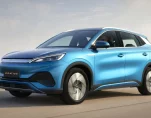
BYD, the Chinese electric vehicle (EV) manufacturer, is making significant strides in the global automotive market, solidifying its position as a leader in producing affordable electric cars. Recent reports indicate that the company’s strategy is not just about increasing production capacity but also focuses on innovative technologies and cost-cutting measures that make electric vehicles more accessible to a broader audience.

The global electric vehicle market has been experiencing remarkable growth, driven by rising consumer demand and regulatory pressures to reduce carbon emissions. In this evolving landscape, BYD’s production capabilities and technological advancements are enabling it to offer vehicles that cater to various segments of the market. The company’s recent launch of the BYD Dolphin, a compact electric hatchback priced competitively, showcases its commitment to making EVs attainable for everyday consumers. This model is particularly noteworthy for its range of features at an entry-level price point, setting a precedent in the budget EV segment.

One of the critical factors contributing to BYD’s success is its vertically integrated supply chain. By manufacturing essential components, such as batteries and electric motors in-house, BYD has managed to reduce costs significantly. This approach allows the company to maintain control over quality and supply, which is increasingly crucial as global supply chain disruptions have affected many automakers. Furthermore, BYD’s expertise in battery technology, particularly lithium iron phosphate (LFP) batteries, has enabled the company to produce more efficient and cost-effective energy storage solutions. These batteries are not only cheaper to produce but also provide enhanced safety and longevity, making them an attractive option for consumers.

Competition in the EV market is intensifying, with established automakers and new entrants alike vying for market share. Tesla, once the undisputed leader in the electric vehicle sector, faces increasing pressure from competitors such as BYD, which are rapidly closing the gap in technology and production capabilities. Tesla’s high-end models have carved out a niche market, but BYD’s focus on affordability targets a different demographic, particularly in emerging markets where price sensitivity is paramount.

BYD’s international expansion strategy is also noteworthy. The company has been increasing its footprint in Europe, Asia, and South America, adapting its offerings to meet the local demand for electric vehicles. For example, in Europe, BYD has introduced models designed specifically for urban environments, emphasizing compact sizes and efficient performance. This tailored approach has allowed BYD to capture the attention of consumers and local governments looking to transition to greener transportation options.

The company’s efforts to enter the U.S. market have garnered significant attention. While navigating the complexities of U.S. regulations and consumer preferences presents challenges, BYD has made strides in establishing partnerships and exploring opportunities for local production. Recently, the company announced plans to invest in manufacturing facilities in North America, a move aimed at mitigating tariffs and streamlining distribution. Such initiatives signal BYD’s commitment to becoming a major player in one of the world’s most lucrative automotive markets.

The push for sustainable manufacturing practices is increasingly shaping consumer preferences and regulatory frameworks. BYD has been proactive in addressing environmental concerns, aiming to position itself as a leader in sustainable mobility. The company has committed to utilizing renewable energy sources in its manufacturing processes, further enhancing its appeal to eco-conscious consumers. This commitment aligns with global trends emphasizing sustainability and corporate responsibility, influencing purchasing decisions across demographics.

The competitive landscape is also seeing new players entering the market, notably from traditional automotive manufacturers pivoting towards electrification. Companies like Volkswagen and Ford are investing heavily in EV development, attempting to leverage their established brand recognition and distribution networks to compete with companies like BYD. The influx of capital into EV development from established players adds another layer of complexity to the industry dynamics. However, BYD’s early investments in technology and production capabilities provide it with a competitive edge.

In addition to affordability, BYD’s focus on technological innovation is crucial in attracting consumers. Features such as advanced driver-assistance systems (ADAS) and smart connectivity options are becoming increasingly expected among consumers. BYD is actively investing in research and development to enhance these features in its vehicles, aiming to meet and exceed consumer expectations. The integration of technology not only improves user experience but also serves as a differentiator in a crowded marketplace.

Industry analysts predict that the competition among EV manufacturers will intensify in the coming years, with price wars becoming more common as companies strive to capture market share. BYD’s strategy to offer high-quality, affordable vehicles positions it well to navigate these challenges. As battery technology continues to advance and production costs decrease, the feasibility of producing lower-priced electric vehicles will only increase, benefiting companies like BYD that have already established a foothold in this arena.

BYD’s commitment to enhancing its vehicle lineup is evident in its strategic partnerships and collaborations. The company has been actively engaging with various technology firms to enhance its offerings further, particularly in software development and connectivity features. By integrating cutting-edge technologies, BYD is poised to not only meet the current demands of the market but also to shape future consumer preferences in the electric vehicle sector.


China’s electric vehicle (EV) market is rapidly reshaping the automotive landscape, leaving established players like Volkswagen, BMW, and Mercedes-Benz struggling to keep pace. With substantial investments and government support, Chinese manufacturers are not only producing high-quality electric vehicles but are also innovating in technology and sales strategies, challenging the dominance of their European counterparts. Leading the charge are Chinese brands such as BYD, NIO, and Xpeng, which […]

Global attention is fixed on the Paris Motor Show as the automotive industry gears up for a showcase of innovation and design. This year, a pronounced emphasis on electric vehicles and sustainable technologies underscores the evolving landscape of the automobile sector. French manufacturers, along with their Chinese counterparts, are set to dominate the event, reflecting broader trends in the automotive market. The Paris Motor Show, a significant […]

Elon Musk has once again captured global attention with the unveiling of Tesla’s new robotaxi concept, dubbed the Cybercab. During an event that generated significant interest among tech and automotive enthusiasts, Musk announced that the vehicle is expected to hit production by 2026. With an estimated price tag below $30,000, the Cybercab is positioned to be a disruptive force in the burgeoning autonomous transportation sector. The prototype […]

McLaren Automotive has introduced its newest model, the W1 hybrid supercar, priced at $2.1 million, further cementing its place in motorsport-inspired innovation. With a striking design and cutting-edge technology, the W1 serves as a homage to McLaren’s illustrious Formula One history. Limited to just 399 units, all of which have already been allocated, the vehicle promises an exclusive experience for buyers. The W1 is powered by a […]

The expansion of smart cars is introducing a range of privacy and cybersecurity challenges that demand immediate attention. With vehicles evolving into data-collecting machines, privacy experts and regulators are sounding alarms about the vast amount of personal data being harvested. As modern cars are now equipped with sensors, cameras, and GPS systems, they gather data about drivers’ locations, driving habits, and even contacts stored in smartphones. This trend is raising significant concerns about who controls this data and how it is being used.

Automakers, eager to enhance the driving experience, have equipped their latest models with state-of-the-art connectivity features, from Wi-Fi to cloud services, making these vehicles resemble smartphones on wheels. However, the rise of connected cars has simultaneously led to an increase in the collection and monetization of personal information. Companies are gathering sensitive data through multiple channels, including onboard systems that monitor everything from driving behavior to entertainment preferences. What happens to this data, where it is stored, and how it is shared are questions that car owners are increasingly asking.

Privacy advocates have raised alarms about the potential risks posed by these vehicles. Smart cars can track driver behavior, record routes, and even monitor interactions with third-party services, creating a detailed profile of individual users. The data being collected is staggering, with some estimates suggesting that the average car could generate over a terabyte of data annually. Automakers have started to capitalize on this data, using it to optimize services, and in some cases, sharing it with third parties for targeted marketing and other purposes. However, transparency about what data is collected and how it is used remains limited, creating a troubling scenario for users who are often unaware of the extent of the data being harvested.

Regulatory frameworks are lagging behind technological advancements, leaving a regulatory vacuum in many parts of the world. China has made strides in addressing these concerns by tightening rules around data collection from connected vehicles. Meanwhile, other major markets, including the United States and Europe, have yet to introduce comprehensive regulations governing how carmakers handle user data. In the absence of robust laws, automakers have relied on vague privacy policies, which often lack clarity on what data is being shared and with whom.

The push for regulatory oversight is intensifying, with cybersecurity experts warning of the growing vulnerability of smart cars to hacking and cyberattacks. Hackers could potentially exploit weak points in a car’s digital systems to access personal data or even take control of the vehicle. As smart cars become more autonomous and connected, the risk of malicious attacks increases, prompting calls for automakers to bolster their cybersecurity measures and increase transparency around data usage.

At the heart of this debate is the question of consumer consent. Many car owners are unaware of the extent to which their vehicles collect data, and even when privacy policies are available, they are often filled with legal jargon that makes it difficult for users to understand what they are agreeing to. Automakers have generally not been proactive in educating consumers about their data rights, and the onus often falls on users to navigate complex policies and settings to protect their information.

Despite these concerns, some automakers have started to take steps toward greater transparency. For example, certain manufacturers have implemented clearer policies regarding the sharing of personal data, pledging not to sell data to third-party advertisers or resellers without explicit consent. These moves, however, are the exception rather than the rule, and much more needs to be done to ensure that consumers are fully informed and protected in the age of smart cars.

Advertisements

Cycle & Carriage and smart Expand EV Offerings with New Showroom and SUV Coupé SINGAPORE – Media OutReach Newswire – 4 October 2024 – Cycle & Carriage and smart Automobile have announced the official opening of the smart showroom at Level 3 of the Mercedes-Benz Center, located at 301 Alexandra Road. The new showroom features the smart #1 compact SUV and marks the launch of the smart […]

SINGAPORE – Media OutReach Newswire – 4 October 2024 – As MotoGP™ marks its 75th anniversary in 2024, MOTUL Asia Pacific proudly celebrates its longstanding role at the centre of motorsports alongside its title sponsor of MotoGP™ Japan 2024. Since the 1950s Motul has been a key player in motorcycle racing, continuing its legacy of supporting motorsports with cutting-edge lubricant technology. Their innovations have powered iconic racing […]

Private jets provide passengers with a high level of luxury and convenience, but choosing the right aircraft can be extremely overwhelming, especially with the range of options available. From nimble light jets to well-stocked long-range models, each category serves unique travel needs and customer preferences. This guide navigates the world of private aviation, breaking down popular jets by size and capability. We’ll explore their features, costs, and […]

The importation of cars from other regions to the United Arab Emirates (UAE) has gained traction over the years. Essentially, there has been an increasing trend of importing from the US to the UAE, particularly American-spec vehicles, in recent years.  Many Emiratis and the Emirate’s expatriate population now opt for U.S. spec cars for leisure drives or daily commutes. Others take them to car events and shows […]

Stellantis NV has revised its profit margin forecasts for 2024, attributing the changes to increased costs associated with revitalizing its Jeep and Dodge brands in the United States, as well as a notable slowdown in the global automotive sector. This strategic move highlights the challenges faced by one of the world’s leading automakers as it navigates a complex market landscape marked by economic uncertainty and shifting consumer preferences.

The automotive industry has encountered various headwinds in recent months, including inflationary pressures, fluctuating raw material prices, and evolving regulatory standards aimed at reducing emissions. Stellantis, formed from the merger of Fiat Chrysler and PSA Group, is experiencing heightened scrutiny as it attempts to balance profitability with investment in sustainable technologies and electric vehicle (EV) production. The company’s leadership has expressed concerns over the competitive landscape, particularly in the context of emerging electric vehicle manufacturers and traditional competitors ramping up their EV offerings.

In a recent statement, Stellantis reported that it now expects its adjusted operating profit margin to fall between 10% and 11% for the upcoming year, down from a prior estimate of 11% to 12%. This adjustment signals the company’s recognition of the difficult conditions affecting its operational costs and overall performance. The revised forecast reflects the growing expenses tied to revitalizing key brands that have struggled to maintain market share in a rapidly changing industry.

Stellantis has faced significant challenges with its Jeep and Dodge divisions. Both brands have historically been central to the company’s identity and profitability. However, they have recently grappled with declining sales and an outdated product lineup. The Jeep brand, which has traditionally thrived on its off-road capabilities and rugged image, has seen waning interest from consumers who are increasingly favoring SUVs and electric vehicles. Similarly, Dodge, known for its muscle cars, is contending with shifts in consumer preferences as the market leans towards more fuel-efficient and eco-friendly vehicles.

To address these challenges, Stellantis is investing heavily in product innovation and marketing initiatives aimed at rejuvenating the Jeep and Dodge brands. The company plans to launch a series of new models that emphasize electric and hybrid technology, aligning with the broader industry trend toward sustainability. These investments are crucial as Stellantis aims to enhance its competitive edge and capture a greater share of the evolving automotive market.

Economic factors are also influencing Stellantis’s outlook. The global automotive industry is currently facing a slowdown, driven by a combination of higher interest rates, reduced consumer spending, and ongoing supply chain disruptions. Many consumers are delaying new vehicle purchases, opting instead to hold onto their current cars amid rising costs of living. As a result, automakers, including Stellantis, are experiencing decreased demand for new vehicles, further complicating their financial projections.

The company’s response to these market dynamics includes a focus on operational efficiency and cost management. Stellantis is undertaking measures to streamline its production processes and reduce overhead expenses, enabling it to navigate the financial pressures more effectively. However, these efforts may take time to translate into improved margins, as the company balances the need for immediate cost reductions with the long-term goal of fostering brand loyalty and consumer engagement.

Stellantis’s revised profit margin forecast has raised concerns among investors, leading to fluctuations in the company’s stock price. Analysts are closely monitoring the situation, with many emphasizing the importance of the upcoming model launches and the company’s strategic pivot toward electric vehicles. As Stellantis works to navigate this period of uncertainty, its ability to execute a successful turnaround for the Jeep and Dodge brands will be crucial in determining its long-term success.

The automaker is not alone in facing these challenges; the entire industry is undergoing a significant transformation. Rivals such as Ford and General Motors are also adjusting their strategies in response to the shifting market dynamics. With the rise of electric vehicles and new entrants to the market, traditional automakers must adapt quickly to stay competitive. Stellantis’s commitment to electrification and sustainability positions it among the leaders in this evolving landscape, but the path forward remains fraught with obstacles.

Bitcoin has surged to trade above $65,000, fueled by a significant influx of capital into U.S. spot bitcoin exchange-traded funds (ETFs) and China’s ongoing economic stimulus measures. The cryptocurrency market is witnessing a notable rebound as investors respond to macroeconomic indicators that hint at a revitalized financial landscape. The substantial investment of $365 million in bitcoin ETFs represents one of the highest daily inflows seen this year, […]

Through a combination of technological innovation and a commitment to social responsibility, Vingroup is setting new standards for corporate sustainability in Southeast Asia. HANOI, VIETNAM – Media OutReach Newswire – 27 September 2024 – The role of big corporations in the shift to a sustainable future is a topic widely discussed by many. Vingroup is demonstrating how large corporations can play a pivotal role in creating a […]

A significant collaboration between the Indian Institute of Technology Delhi (IIT Delhi) and Honda Cars India Ltd. (HCIL) is poised to reshape the future of mobility in India. The two entities have entered into a Memorandum of Understanding (MoU) aimed at advancing cooperative intelligence (CI) technologies that could pave the way for safer, more efficient transport systems. This partnership underscores the growing trend of academia-industry collaboration in the rapidly evolving field of intelligent transportation systems.

The MoU brings together the expertise of IIT Delhi’s researchers and Honda’s engineers, particularly those from HCIL and Honda R&D Co., Ltd., a subsidiary focused on research and development. The goal is to conduct joint research on CI technologies that can potentially reduce traffic collisions, enhance road safety, and enable automated driving systems. With India’s road safety record being a significant concern, such efforts to reduce human errors in driving are considered crucial for the future.

India has long struggled with high rates of traffic accidents, largely attributed to human error. The collaboration between IIT Delhi and Honda aims to address these issues through the development of advanced driver-assistance systems (ADAS) and other mobility solutions. ADAS, which involves technologies like adaptive cruise control, lane-keeping assistance, and collision avoidance systems, has the potential to significantly lower the risk of accidents and make roads safer for all users.

While Honda has been a key player in automotive innovation, this partnership marks a significant step in its efforts to explore more complex applications of artificial intelligence (AI) in driving. Honda’s engineers will work closely with IIT Delhi’s faculty and students to explore new algorithms, machine learning models, and data analytics techniques that can improve vehicle decision-making in real-time. The research will also focus on leveraging big data and connectivity technologies to anticipate traffic conditions, respond to sudden changes on the road, and ensure safer driving experiences.

IIT Delhi’s role in this collaboration is equally significant, given its strong reputation for cutting-edge research in artificial intelligence, robotics, and transportation systems. The institution’s researchers are expected to bring advanced expertise in areas like machine learning, sensor technologies, and networked vehicles. This collaboration provides a platform for academic researchers to apply theoretical knowledge to practical challenges faced by the automotive industry.

Through this MoU, both parties are set to explore the concept of cooperative intelligence, which involves enabling communication between vehicles, infrastructure, and other road users to create an interconnected transportation network. The aim is to develop intelligent transport systems that can predict traffic patterns, communicate with surrounding vehicles, and make autonomous decisions that enhance overall road safety. As automated and connected vehicles gain momentum globally, these technologies will play an essential role in the future of mobility.

Cooperative intelligence, as a concept, goes beyond traditional vehicle automation. It focuses on creating systems where vehicles not only respond to their environment but also interact with other vehicles and infrastructure to optimize the flow of traffic and prevent accidents. This vision aligns with Honda’s global initiative to develop “Safety for Everyone” technologies, which seek to eliminate road fatalities by utilizing AI and machine learning tools.

While the research aims to contribute to global advancements in automated driving, there is a particular focus on addressing India-specific challenges. Road conditions in India vary widely, with congested urban streets, rural roads, and highways posing distinct challenges for vehicles. The CI technologies developed under this MoU will need to adapt to these diverse environments. The hope is that future vehicles equipped with CI technologies will not only improve safety on India’s roads but also enhance overall driving comfort and reduce the stress associated with navigating through heavy traffic.

The collaboration also opens doors for students and researchers at IIT Delhi to gain hands-on experience working with real-world automotive challenges. By partnering with Honda, they will have the opportunity to apply their knowledge to cutting-edge projects that could have significant implications for the future of mobility. This real-world experience is expected to help prepare a new generation of engineers and researchers who can contribute to the development of safer and smarter transportation systems, both in India and globally.

As part of the agreement, IIT Delhi and Honda will jointly work on research projects and share intellectual resources. The partnership also allows for the testing and evaluation of prototypes developed as part of the research. This will ensure that the solutions developed are practical, effective, and can be scaled up for real-world application.

The MoU signifies Honda’s commitment to India, a market where it has a strong presence but faces increasing competition from both global and domestic automakers. As the automotive industry shifts towards electric vehicles (EVs) and autonomous driving technologies, partnerships like this one with IIT Delhi are crucial for staying competitive in a rapidly changing landscape. By collaborating with leading academic institutions, Honda aims to maintain its edge in innovation while contributing to the advancement of mobility technologies that are not only relevant to India but also to global markets.

HANOI, VIETNAM – Media OutReach Newswire – 20 September 2024 – Doctors at Vinmec Times City International Hospital, along with engineers from the 3D Technology in Medicine Center at VinUniversity, have safely and successfully performed a groundbreaking surgery to remove an 11.5cm tumor and reconstruct the patient’s chest using a 3D-printed titanium implant. This pioneering operation makes Vinmec the first hospital in Southeast Asia to apply 3D-printed […]

Carousell makes it easier to sell old phones or trade in for the new iPhone 16, encouraging more to reduce e-waste. SINGAPORE – Media OutReach Newswire – 20 September 2024 – In the lead up to the highly-awaited iPhone 16 launch, leading multi-category classifieds marketplace Carousell has launched a new trade-in programme to offer customers a seamless way to trade in and give their old phones a […]

Dusit’s reimagined flagship hotel sets a new standard in Thailand, becoming the first to offer chauffeured Porsche Panamera Executive sedans as part of its luxurious guest experience. Guests can unlock this exclusive privilege when booking Club Rooms or Suites directly via dusit.com. BANGKOK, THAILAND – Media OutReach Newswire – 16 September 2024 – Dusit Thani Bangkok, the highly-anticipated reimagined flagship hotel of Dusit International, one of Thailand’s […]

By Nantoo Banerjee Union Road Transport & Highways Minister Nitin Jairam Gadkari may be right to say that electric vehicles manufacturers do not need any more government subsidies, as consumers are now opting for EVs and CNG vehicles independently. The minister reasoned that the drop in production costs and the lower GST on EVs make […]

JiYue, a joint venture between Baidu and Geely, is set to disrupt the electric vehicle market with the official launch of the JiYue 07 sedan. Positioned as a luxury all-electric vehicle, this AI-powered sedan will compete with global electric vehicle giants, including Tesla’s Model 3, particularly in China’s rapidly growing electric mobility space. The JiYue 07, designed to impress with advanced technology, bold design, and superior range, […]

MACAU SAR – Media OutReach Newswire – 11 September 2024 – Galaxy Entertainment Group (“GEG”) garnered four awards at the 2024 IAG Academy IR Awards held in Manila, Philippines yesterday, making GEG the most awarded integrated resort operator in Macau. Among the honors, Mr. Francis Lui, Vice Chairman of GEG, was named “Outstanding CEO,” which recognizes the industry leader showing the most exceptional innovation, creativity, leadership and […]

Chinese automotive giants are intensifying their efforts to establish manufacturing operations in Saudi Arabia, marking a significant shift in the global automotive landscape. This move is driven by Saudi Arabia’s Vision 2030 initiative, which aims to diversify the kingdom’s economy and reduce its dependence on oil revenues. The discussions between Chinese car manufacturers and Saudi authorities reflect a growing trend of cross-border industrial cooperation. Companies such as […]

FRANKFURT, GERMANY – Media OutReach Newswire – 10 September 2024 – Taking center stage at Automechanika Frankfurt on September 10, global premium electric mobility brand Zeekr unveiled its advanced groundbreaking innovations—SEA-M architecture and new 5.5C EV batteries, reaffirming its commitment to reinventing future mobility. The Zeekr MIX, Zeekr 001 FR, and Zeekr X at Automechanika Frankfurt. Showcasing three models at the exhibition—the Zeekr MIX, 001 FR, and […]

HONG KONG SAR – Media OutReach Newswire – 9 September 2024 – The Hong Kong Jockey Club Charities Trust convened its fourth Philanthropy for Better Cities (PBC) Forum 2024 at West Kowloon Cultural District today (9 September). It ushered in Hong Kong Philanthropy Week, in keeping with the HKSAR Government’s mission to promote the city as an international philanthropy hub. HKSAR Government Chief Secretary for Administration Chan […]

VISHNU RAJA
RYO YAMADA
HITORI GOTOH
IKUYO KITA