News related to
cars

  • Safety and Shipping Review 2026: Vessel and cargo value in region shows importance of maritime chokepoints. Managing geopolitical disruptions is now a top priority for shipowners and cargo operators.
  • Geopolitical tensions challenge shipping’s ongoing long-term safety improvements. Incidents fell 16% to fewer than 3,000 globally in 2025, while fire remains a major loss driver with over 200 incidents, the second highest total in a decade.
  • More complex and volatile risk landscape enforces need for greater operational resilience versus cost efficiency.
SINGAPORE – Media OutReach Newswire – 24 June 2026 – Given that 90% of international trade is transported across oceans, maritime safety and stable shipping trading routes are critical. According to Allianz Commercial’s latest Safety and Shipping Review, incidents like the closure and reported mining of the Strait of Hormuz are the latest in a series of recent disruptions to have impacted shipping. They signal a transition toward a “new maritime order” defined by escalating security risks along strategic shipping corridors, the disruption of established trade routes, persistent uncertainty, higher risk premiums, and a greater strategic emphasis on resilience over pure cost efficiency.

In addition to geopolitical uncertainty, traditional risks for the shipping industry remain a major concern, although the numbers of total vessel losses and incidents have continued to decline in recent years. Machinery damage or failure and fires are among the main loss drivers in this regard, leading to significant economic and insured losses.

“Our analysis shows the shipping industry has made significant improvements in maritime safety in recent years. However, it has also undergone a fundamental transformation, from decades of relative stability, defined by steady trade flows and largely predictable operating conditions to becoming increasingly complex and volatile. The Middle East conflict and Strait of Hormuz closure is just the latest in a series of severe interruptions to hit shipowners and cargo operators. Resilience, geopolitics, and efficiency must be balanced in an increasingly unpredictable world, where the cost of uncertainty is reshaping the shipping industry,” explains Thomas Lillelund, CEO of Allianz Commercial.

Geopolitical uncertainty becomes top risk for shipping industry
The conflict in the Middle East paralyzed the Strait of Hormuz, a critical global oil trade route. Allianz Research data shows that around 1,150 cargo-carrying vessels (over 100GT*) with an estimated vessel and cargo value of approximately $125 billion, a volume of 29 million GT, and as many as 20,000 seafarers are in the Persian Gulf waiting to resume operations following recent diplomatic breakthroughs. This underscores the structural importance of maritime chokepoints and how critical they are for shipping and international trade, while also highlighting the severe disruptions to vessel operations and mental strain that has been placed on those seafarers who have endured months on board facing the threat of attack.

Marine insurance cover has been available throughout the conflict, albeit at increased hull and cargo premiums. However, the real issue for shipowners has been more about the risk to the crew and the vessel when transiting a conflict zone, rather than pure insurance considerations. Even if the US and Iran agreement holds and the Strait of Hormuz is reopened, solid assurances of safe passage will be required, involving the international community, particularly if traffic is to return to its pre-war levels, up to as many as 140 vessels a day.

“We are seeing growing uncertainty around shipping routes. Any type of event – a conflict, pandemic or a grounded vessel blocking a key port or shipping canal – can potentially cause a major disruption to shipping and supply chains. The events in the Middle East have been more impactful than many would have expected. The closure of the Strait of Hormuz sets a dangerous precedent and raises questions around the long-term future of this and other critical chokepoints. What is becoming clear is that we have to pay a price for uncertainty, shifting from ‘just-in-time’ to ‘just-in-case’ supply chains, and prioritizing resilience over cost efficiency,” says Captain Rahul Khanna, Global Head of Marine Risk Consulting at Allianz Commercial.

Total loss and incident numbers decline despite industry headwinds
The review’s latest analysis shows that there have been more than 900 total losses reported over the past decade (vessels over 100GT). Between 2016 and the end of 2020, there were 555, an average of 111 per year. This number declined to 350 between 2021 and the end of 2025, an average of 70 (37% down on the previous five-year period), reflecting the positive effect of an increased focus on safety measures over time – 43 total losses have been reported in 2025, with more than 30 of these vessels over 500GT. The South China, Indochina, Indonesia, and the Philippines region is the main loss hotspot globally over the past year, and the past decade (255). A huge volume of imports and exports flow through the region, resulting in high levels of shipping traffic, which is reflected in the number of incidents.

Around the world, the number of shipping incidents declined over the past year by around 16% (2,818 in 2025 compared to 3,353 in 2024). The East Mediterranean and Black Sea region saw the highest number (622), followed by the British Isles (619), which is also the location of the most incidents over the past decade. Machinery damage or failure was the major cause of shipping incidents globally, accounting for over half (1,505), followed by vessel collision (260). Fires on large vessels, including container ships and car carriers, remain a worry. There were more than 200 incidents on large vessels reported during 2025, down from 2024, but still the second highest total over the past decade, with at least nine total losses reported.

The increasing size of vessels is also driving a trend for a rise in general average claims, where the shipowner and cargo interests share losses or expenditure to save the whole venture in an emergency. Such claims are typically complex and large. Contributions to cover losses can be as high as 50% of the cargo value, which if a vessel is carrying a few thousand electric cars, for example, could easily be over US$100mn.

“Insurance markets react quickly to crises, but the real challenge for companies is understanding how risks are interconnected. That’s why resilience and risk management are becoming just as important as insurance coverage. The shipping industry is facing turbulent times, not only from geopolitical instability, but also from traditional hull and machinery risks, where we see claims costs continue to rise, as well as from decarbonization and fleet renewal challenges. Our role as an insurer is to support our clients as both a risk carrier and a resilience partner to mitigate risks before they become a damaging loss event,” says Justus Heinrich, Global Product Leader Marine Hull at Allianz Commercial.

Geopolitics and high demand drive trend for older vessels
The average age of the global fleet increased to 23 years in 2025, up from around 20 years old just before the Covid-19 pandemic, as shipowners retain vessels for longer due to the volatile geopolitical climate. Conflict in the Middle East has seen tankers and container ships stranded and rerouted around the Cape of Good Hope, for example, resulting in longer transit times and a squeeze on existing fleet capacity.

Older vessels pose significant safety risks at sea, with vessels over 20 years old accounting for over half of all safety incidents, analysis shows. As ships age, the likelihood of incidents increases due to structural, mechanical, and technological obsolescence, creating risks for crew, cargo, and the environment.

“Shipowners are under pressure to scrap older vessels and replace them with new, more efficient, safer and compliant ships. However, the recent pushback against net zero targets and full order books at the major Asian shipyards are other factors which could ensure the average age of vessels is likely to remain elevated in the near term,” says Captain Nitin Chopra, Senior Marine Risk Consultant, Allianz Commercial.

Hashtag: #Allianz

The issuer is solely responsible for the content of this announcement.

About Allianz Commercial

Allianz Commercial is the center of expertise and global line of Allianz Group for insuring mid-sized businesses, large enterprises and specialist risks. Among our customers are the world’s largest consumer brands, financial institutions and industry players, the global aviation and shipping industry as well as family-owned and medium enterprises which are the backbone of the economy. We also cover unique risks such as offshore wind parks, infrastructure projects or film productions. Powered by the employees, , and network of the world’s #1 insurance brand, we work together to help our customers prepare for what’s ahead: They trust us in providing a wide range of traditional and risk transfer solutions, outstanding and services as well as seamless handling. Allianz Commercial brings together the large corporate insurance business of Allianz Global Corporate & Specialty (AGCS) and the commercial insurance business of national Allianz Property & Casualty entities serving mid-sized companies. We are present in over 200 countries and territories either through our own teams or the Allianz Group network and partners. In 2025, the integrated business of Allianz Commercial generated around €17.3 billion in gross premium globally.

Arabian Post Staff -Dubai Passenger rail travel in the UAE will enter a new stage on 30 June 2026 when Etihad Rail begins an introductory operational phase between Abu Dhabi and Fujairah, reducing the journey to one hour and 45 minutes and opening the first public route on the country’s national passenger network. The service will start from Mohamed bin Zayed City Passenger Train Station in Abu […]

Singapore-based used-car marketplace Carro is considering a confidential filing for an initial public offering in the United States as early as this month, signalling renewed confidence among Southeast Asian technology companies seeking access to deeper global capital markets.

The SoftBank-backed company has been evaluating a US listing that could raise as much as $500 million and value the business at more than $3 billion, though the size, timing and venue of the offering remain subject to market conditions. A confidential filing would allow Carro to begin regulatory engagement without immediately disclosing detailed financial information to the public.

The move would test investor appetite for a profitable, asset-heavy digital commerce platform at a time when equity markets have become more selective about technology listings. Carro’s case is likely to be watched closely because it combines online vehicle transactions, financing, insurance, after-sales services and data-driven pricing across multiple Asia-Pacific markets.

Founded in 2015 by Aaron Tan, Aditya Lesmana and Kelvin Chng, Carro has grown from an online used-car platform into a broader automotive ecosystem. Its operations cover Singapore, Malaysia, Indonesia, Thailand, Japan, Taiwan and Hong Kong, with Australia also identified as an expansion market. The company uses artificial intelligence and proprietary data tools to inspect, price, finance and sell vehicles, a model designed to reduce friction in a fragmented second-hand car market.

Carro’s financial profile has strengthened ahead of the possible listing. The company posted FY2025 revenue of S$1.2 billion, gross profit of S$149 million and EBITDA of S$43 million, while total assets stood at S$1.3 billion. The results marked its fifth consecutive year of positive EBITDA, offering a contrast with earlier generations of venture-backed marketplaces that pursued scale while absorbing heavy operating losses.

The prospective IPO would come after a series of private funding rounds that brought in heavyweight investors. SoftBank Vision Fund 2 led a US$360 million Series C round in 2021, helping Carro reach unicorn status. Other backers include Temasek, GIC, EDBI, B Capital, Woori Venture Partners and Cool Japan Fund, which led a US$60 million strategic investment last year to support demand for Japanese vehicles across Asia-Pacific.

Carro’s listing plans also reflect a changing market for used cars in Southeast Asia. Rising new-vehicle prices, tighter household budgets, longer replacement cycles and growing acceptance of online purchases have supported demand for certified pre-owned vehicles. Digital platforms are trying to capture this shift by offering inspection guarantees, financing, insurance and warranty products that traditional dealers often provide unevenly.

The company’s expansion into financing is a central part of its investment story. Its fintech arm, Genie Financial Services, has built a loan book while keeping non-performing loans below 0.5 per cent in previously disclosed figures. That lending capability gives Carro an additional revenue stream, but it also exposes the company to credit risk, interest-rate movements and regulatory oversight across several markets.

A US IPO would place Carro in front of investors familiar with listed online auto retailers such as Carvana, whose turnaround has helped restore interest in the sector. Stronger US used-car platform earnings have improved sentiment, but investors remain cautious about businesses that carry inventory, require working capital and depend on financing conditions. Carro would need to show that its marketplace margins, ancillary services and regional scale can offset those pressures.

The offering would also be significant for Southeast Asia’s start-up ecosystem. A successful listing could become one of the largest US debuts by a company from the region since Sea’s 2017 flotation and may encourage other late-stage technology firms to revisit overseas listing plans. Traveloka, Carsome and Xendit have all been viewed as potential public-market candidates, though each faces different timing, valuation and profitability considerations.

For SoftBank, Carro’s progress would add to efforts to demonstrate exits from its later-stage technology portfolio after several years of volatile valuations. Public-market investors have become more disciplined in assessing growth companies, favouring businesses that can show durable margins, strong cash generation and clearer paths to profitability.

Carro’s final decision is not guaranteed. Market volatility, valuation expectations, disclosure requirements and investor demand could alter the timetable or push the company towards another private financing round before any listing. A confidential filing would mark an important step, but the formal IPO process would still depend on roadshow feedback, regulatory review and broader equity-market conditions.

Arabian Post Staff -Dubai Dubai will build 31 pedestrian bridges and tunnels across major corridors by 2030 under a five-year mobility plan aimed at cutting road risk, linking fast-growing communities and supporting a wider shift towards walking, cycling and e-scooter travel. The Roads and Transport Authority has approved the 2026-2030 programme after technical and field studies covering population density, land-use patterns, proximity to tourist and commercial districts, […]

Advanced Micro Devices is extending its x86 challenge beyond data centres and personal computers, using its Ryzen AI Embedded processor portfolio to target cars, robots, medical systems and industrial machines as edge devices demand more local artificial intelligence computing. The move puts AMD more directly against Arm-based suppliers that have built strong positions in embedded and automotive systems through power-efficient designs, licensing flexibility and broad developer ecosystems. […]

BEML Ltd. is chasing a sharp expansion in orders this fiscal year, targeting a book of more than ₹31,000 crore as the state-run manufacturer leans on urban rail, high-speed train projects and defence contracts to move beyond its traditional heavy-equipment base.

The Bengaluru-headquartered company’s plan marks an attempt to nearly double a pipeline that has stood at about ₹16,600 crore, with management betting that public transport expansion and defence procurement will support multi-year growth. Rail and metro projects are expected to account for the largest share of the order flow, while defence and aerospace are being positioned as higher-value engines for future revenue.

The target comes as BEML’s three core businesses — rail and metro, defence and aerospace, and mining and construction — are being reshaped by government capital spending, local manufacturing mandates and the need to expand urban transport networks. The company, a Schedule A enterprise under the Ministry of Defence, has supplied metro coaches, passenger railway coaches, high-mobility vehicles, trailers, military wagons and mining equipment across its operating history.

Urban rail is the clearest growth driver. BEML has supplied more than 1,650 metro cars and is among the key domestic rolling-stock makers for metro corporations. Bengaluru Metro has emerged as a major customer, with BEML delivering the first driverless-ready train set for the Blue Line in June and continuing deliveries for the Pink Line. The Blue Line, linking Central Silk Board and KR Pura along the Outer Ring Road, is intended to serve one of Bengaluru’s busiest technology and business corridors once commercial operations begin after testing.

The company also holds a top-up order worth ₹414 crore from Bangalore Metro Rail Corporation for six additional driverless metro trainsets, raising the project scope to 66 trainsets comprising 396 cars. The order is tied to Phase 2 of the city’s metro expansion and strengthens BEML’s position in communications-based train control rolling stock, where metro operators are gradually moving towards higher levels of automation.

High-speed and semi-high-speed rail have added another layer to the company’s growth story. BEML has secured work linked to Vande Bharat sleeper trainsets and an Integral Coach Factory contract worth about ₹866 crore for high-speed trainsets. These projects are strategically important because they move BEML into technologically demanding segments where design, testing, safety certification and execution discipline will matter as much as manufacturing scale.

Defence orders are also providing support. The company secured a ₹590 crore contract for trawl assemblies from the Ministry of Defence in April, adding to a portfolio that includes ground-support vehicles, high-mobility vehicles, trailers, pontoon bridge systems and armoured recovery vehicles. BEML says it has supplied more than 8,500 high-mobility vehicles, over 3,200 trailers and military wagons, and more than 330 pontoon bridge systems to defence services.

Management is seeking to convert that installed base into repeat orders while moving into more sophisticated defence and marine systems. Partnerships with Bharat Forge, Data Patterns, STX Engine and Dragflow point to a strategy of widening technology access in areas such as advanced defence systems, marine engines and dredging solutions. The challenge will be to translate memoranda and strategic tie-ups into executable contracts with predictable margins.

BEML’s ambitions are being helped by a policy environment that favours domestic procurement, import substitution and local value addition. Its own disclosures highlight high levels of indigenisation in several product lines, including defence products, high-mobility vehicles and railway products. Metro cars remain a more demanding segment, where local content is rising but complex components and systems integration continue to require careful supply-chain management.

Execution remains the central risk. A larger order book does not automatically translate into stronger earnings if deliveries are delayed, input costs rise or contract terms compress margins. Rolling-stock projects can involve long testing cycles, penalty clauses and dependence on civil works progress by metro operators. Defence contracts also involve strict acceptance protocols and staggered delivery schedules, making cash-flow management critical.

Competition is another factor. BEML faces domestic and global rivals across rail and defence manufacturing, including companies with deeper private-sector execution flexibility or established international technology partners. Metro corporations and rail agencies have become more demanding on cost, localisation, energy efficiency and delivery timelines, forcing suppliers to invest steadily in design, tooling and quality systems.

Financially, the company is entering the expansion phase with investor interest tied closely to order visibility. BEML shares have benefited from defence and rail announcements, though valuation expectations remain sensitive to quarterly execution and margin delivery. The December quarter showed revenue growth, but the larger test will be whether the expanding pipeline can be converted into sustained earnings rather than headline order wins.

Over five years, nearly 9,000 teachers and students have participated in the Fair to drive youth engagement in innovation and technology

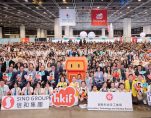
HONG KONG SAR – Media OutReach Newswire – 4 June 2026 – Organised by the Hong Kong Innovation Foundation (‘HKIF’), the Fifth Hong Kong Science Fair (‘Science Fair’) will take place from 27 to 28 June 2026 at the Hong Kong Convention and Exhibition Centre. The event will showcase around 120 shortlisted teams from primary and secondary schools across Hong Kong, presenting creative inventions that integrate artificial intelligence with a diverse range of technology applications. With Sino Group as Principal Patron, the Innovation, Technology and Industry Bureau of the HKSAR Government (ITIB) as the Supporting Bureau, and the Hong Kong Council for Testing and Certification (HKCTC) as Strategic Partner, HKIF is also honoured to have, for the first time, invited the Foundation for the Development of Science and Technology in China as an Advisory Organisation. Representatives from the Foundation will attend the award ceremony to witness the announcement of this year’s winning teams. Consistently a major draw for the community, the Science Fair is now open for online registration with free admission, and the public is warmly invited to attend in person.

Since its launch in 2021, the Science Fair has attracted participation from over 400 local schools, engaging nearly 9,000 students and teachers from Primary 4 to Secondary 6. To date, more than 2,200 creative invention submissions have been received, and the event has established itself as a key platform for youth I&T exchange.

Following Hong Kong’s first astronaut, Dr Lai Ka-ying, into space, the local innovation and technology ecosystem has attracted even greater attention. This year’s Science Fair has specially incorporated aerospace engineering elements, enabling the public to learn about the daily work and challenges of payload specialists, gain insight into the reality of aerospace research and development, and spark greater interest among young people in space exploration. Dr Lai launched aboard the Shenzhou-23 manned spacecraft and is expected to remain in space for approximately six months to conduct space science experiments and maintenance tasks. Visitors can express their support and encouragement by creating message cards for her. In addition, UBTECH Robotics, a globally leading enterprise in embodied AI robotics, will participate in the exhibition, showcasing multiple humanoid robots and offering visitors the opportunity to experience the appeal of embodied intelligence up close.

Professor Sun Dong, JP, Secretary for Innovation, Technology and Industry of the HKSAR Government, stated: ‘The Hong Kong SAR Government is fully committed to developing Hong Kong into an international innovation and technology (I&T) centre, with talent being a key driver of this growth. Now in its fifth edition, the Hong Kong Science Fair – organised by the Hong Kong Innovation Foundation – has become an annual flagship I&T education event. It offers students a valuable platform to turn their innovative ideas into practice, deepen their interest and confidence in I&T, and help bring I&T into schools and the wider community, thereby fostering a more innovation-friendly atmosphere. I look forward to seeing more young people unleash their potential through this platform, pursue careers in I&T, and contribute to the high-quality development of Hong Kong and our nation.’

Mr Daryl Ng, SBS, JP, Chairman of the Hong Kong Innovation Foundation and Chairman of Sino Group, said ‘Innovation and technology are key to Hong Kong’s long-term sustainable development and are integral to the country’s 15th Five-Year Plan. It is vital for Hong Kong to strengthen its I&T capabilities and actively contribute to national development, as underscored by the historic moment when Dr Lai Ka-ying became Hong Kong’s first astronaut. We are encouraged to see growing recognition of I&T opening up new opportunities for young people aspiring to pursue scientific research. As the Hong Kong Science Fair enters its fifth edition, its growth has been made possible by the support of the HKSAR Government, industry partners, tertiary institutions, research organisations, and our panels of judges. This year, we are grateful for the guidance and support of the Foundation for the Development of Science and Technology in China. Moving forward, the Science Fair will remain committed to nurturing talent from an early age, bringing together all sectors to promote I&T and inspire more young people to pursue careers in science and technology.’

Professor Anderson Shum, MH, Chairman of Judging Panel, Hong Kong Science Fair, President of The Hong Kong Young Academy of Sciences, said, ‘The Science Fair adopts the format of “integrating competition with exhibition,” enabling students to translate their learning into tangible and verifiable outcomes. This plays an important role in nurturing Hong Kong’s youth I&T ecosystem. I am delighted to have served as a judge for this major event over the years, witnessing students progressively enhance their presentation skills, build confidence, and broaden their horizons through exchanges with experts, participation in workshops and showcasing their work to the public. The standard of participating projects continues to improve each year, with increasing integration of artificial intelligence and diverse technological applications across different fields. Scientific research is a journey that demands passion and perseverance, and the growth of young scientists often begins with curiosity during their primary and secondary school years. Through these exchanges, we hope to leverage the role-model influence of young scientists, inspiring more students to pursue I&T as their lifelong career. I look forward to seeing our younger generation continue to grow and excel in scientific research and innovation, and officially join the community of scientists in the near future to jointly drive Hong Kong’s I&T development.’

Mr Michael Tam, Chief Brand Officer of UBTECH, said, ‘Humanoid robots are among the most promising real-world embodiments of artificial intelligence, reflecting a future in which intelligent systems are deeply integrated with the physical world. As a global pioneer in humanoid robotics, UBTECH has remained at the forefront of innovation for more than 14 years, with a long-standing commitment to I&T education. The company is dedicated to translating advanced technologies into practical, accessible educational resources. Through collaboration with like-minded partners such as the Hong Kong Innovation Foundation, we aim to inspire greater interest and engagement among both teachers and students in humanoid robotics and artificial intelligence. We are committed to supporting the development of Hong Kong’s I&T education ecosystem, helping to nurture future-ready talent and build a strong, sustainable foundation for long-term growth.’

Since its launch in 2021, the Science Fair has attracted participation from over 400 local schools, engaging nearly 9,000 Primary 4 to Secondary 6 students and their teachers. To date, more than 2,200 creative invention submissions have been received and total attendance has exceeded 120,000 visitors. The Science Fair has gradually established itself as a key platform for youth innovation and technology (‘I&T’) exchange and one of Hong Kong’s most representative I&T education initiatives. This year’s response has been enthusiastic, with over 500 project submissions received. Following preliminary judging, around 120 shortlisted teams took part in a series of workshops and mentorship sessions, and will present their projects at the exhibition in late June to compete for top awards. Gold award-winning teams from each category will have the opportunity to participate in the International Exhibition of Inventions Geneva in Switzerland, fostering idea exchange with global I&T talents.

The Hong Kong Science Fair draws tens of thousands of visitors each year. During the exhibition period, the venue will be transformed into a catalyst for city-wide I&T inspiration. In addition to student showcases, five interactive zones will offer hands-on experiences, including DIY bubble bath bomb workshops, freezer-free slushie making, themed games celebrating the Science Fair’s fifth anniversary, and modified remote-controlled cars made from upcycled household appliances, allowing visitors of all ages to explore science and innovation through engaging and enjoyable activities.

  • Bulu Bulu Bubble Factory: Blending science with sensory experiences, visitors can mix and mould from scratch to create a delightful ‘bathroom blind box’.
  • Shake Shake Ice Factory: Applying the principle of freezing point depression, participants will see how temperature can be rapidly lowered using only salt, ice and water to create personalised slushies — all without a freezer.
  • Scan2Play: Scan the QR Code on your phone to join the themed game celebrating the Hong Kong Science Fair’s Fifth Anniversary.
  • Racing Homey Kart 2.0: Showcasing the spirit of upcycling and upgrades, visitors can transform old, small household appliances into remote-controlled racing cars and compete on a dedicated track.
  • UBTECH Robotics Base: Featuring a wide range of robots, this zone provides a comprehensive showcase of the integration of artificial intelligence with mechanical engineering.

To celebrate the Science Fair’s fifth edition, various special experiences will be introduced. The venue will feature a hidden Science Fair character treasure hunt and check-in activity, through which visitors can redeem curated gifts upon completion. Limited-edition souvenirs, including the ‘HKSF-5 Metal Standee Collection’ and the ‘Special Edition Robo K’ blind boxes, will also be available in limited quantities. All proceeds from the HKSF Bazaar, with no deduction, will go directly to charity to support local community technology initiatives.

The Fifth Hong Kong Science Fair Details:

  • Date: 27 to 28 June 2026 (Saturday and Sunday)
  • Time: 10:00 am to 6:00 pm
  • Venue: Hong Kong Convention and Exhibition Centre, Hall 3FG
  • Admission: Free of Charge (Pre-registration online is required)
  • Registration Website: https://reghksciencefair.org.hk/public

Photos download: https://shorturl.at/mgawb

Hashtag: #HKIF #ScienceFair

The issuer is solely responsible for the content of this announcement.

Advertisements

Greenlogue/AP Dairy processors can cut greenhouse gas emissions from liquid dairy lines by as much as 49% by modernising existing equipment rather than replacing entire production systems, a Tetra Pak assessment has found, pointing to a faster route for plants under pressure to lower costs, reduce waste and meet climate targets. The analysis, released from Lausanne, examined upgrades to chilled and ambient liquid dairy processing lines and […]

Spiro has raised $215 million in equity financing to expand its electric motorcycles, battery-swapping network and energy infrastructure across Africa, marking one of the largest funding rounds for the continent’s clean mobility sector. The Nairobi-based electric mobility platform said the investment was backed by institutional investors from Europe and Africa, including Impact Fund Denmark and Equitane, alongside continuing support from long-standing partners such as FEDA. The company […]

Greenlogue/AP Green GSM Philippines has secured a strategic financing and digital banking partnership with Philippine National Bank, giving the all-electric ride-hailing operator fresh support for fleet expansion, driver payroll and nationwide growth as the Philippines accelerates its shift towards cleaner urban transport. The partnership centres on P2 billion in credit facilities extended by PNB to finance the acquisition of electric vehicles and support working capital requirements. The […]

Automakers have cut their own discounts on electric vehicles in Germany, signalling a shift in pricing strategy as fresh state support starts to influence the country’s largest clean-car market. The move marks an important turn in Europe’s biggest automotive economy, where manufacturers had relied heavily on rebates after the abrupt end of earlier purchase incentives disrupted demand. Average discounts on the 20 best-selling electric models fell from […]

Japan’s biggest automakers lost momentum in April as weaker demand in China, the Middle East and parts of the global export market pulled down combined sales, even as Suzuki delivered a sharp rise on the strength of demand in India. Eight major Japan-based carmakers sold 1,936,042 vehicles worldwide during the month, a 1.3% fall from a year earlier. The decline highlighted the uneven conditions facing an industry […]

France will add €710 million in targeted aid to help households and businesses absorb higher energy costs, as the war in Iran keeps fuel prices elevated and tests the government’s fiscal restraint. Budget Minister David Amiel said the new measures would lift total support for consumers and affected sectors to nearly €1.2 billion, while the government seeks to avoid broad tax cuts that would deepen pressure on […]

JAKARTA, INDONESIA – Media OutReach Newswire – 20 May 2026 – Green SM, Indonesia’s first all-electric ride-hailing service, has partnered with the Traffic Corps of the Indonesian National Police (Korlantas Polri) to launch a large-scale driver safety and professional standards training program in Indonesia. The initiative begins with more than 300 driver partners and is expected to expand to approximately 7,000 participants nationwide this year.

Deny Tjia, Managing Director of Green SM Indonesia, with Dirkamsel Korlantas Polri Brigadier General Pol. Prianto, following the signing of a MoU at the opening of Green SM's driver safety training program at ISDC Serpong, May 18, 2026.
Deny Tjia, Managing Director of Green SM Indonesia, with Dirkamsel Korlantas Polri Brigadier General Pol. Prianto, following the signing of a MoU at the opening of Green SM’s driver safety training program at ISDC Serpong, May 18, 2026.

Held at the Indonesia Safety Driving Center (ISDC) in Serpong on May 18, 2026, the program provided participants with practical instruction in defensive driving, emergency response, professional driving ethics, and Indonesian traffic regulations. The initiative combines classroom learning with hands-on exercises conducted in a controlled training environment at one of Indonesia’s leading driving safety facilities. The program reflects Green SM’s long-term commitment to building a professional driver network while promoting safer mobility experiences and higher service standards for Indonesian communities.

Since its launch in Indonesia in December 2024, Green SM had already implemented regular internal training programs for driver partners, focusing on safe driving practices, real-world situation handling, customer service standards, and traffic law compliance. Through this partnership, Green SM aims to further strengthen and standardize its training initiatives while also contributing to broader road safety awareness across Indonesia.

As of April 2026, Green SM vehicles have traveled more than 109 million kilometers across Indonesia, contributing to the reduction of approximately 20.9 thousand tons of CO2 emisssions, equivalent to the annual carbon absorption capacity of more than 964 thousand trees. As the company continues to expand, Green SM remains focused on supporting driver capability development and service quality initiatives to support safer and more reliable mobility experiences. Safety remains one of Green SM’s core operational priorities, spanning driver training, service standards, and the overall customer journey across every ride.

Korlantas Polri, the national authority responsible for traffic management, law enforcement, and road safety education across Indonesia, is supporting the initiative as part of broader efforts to encourage safer and more disciplined driving practices nationwide.

This program marks an important first step in the collaboration between Green SM and Korlantas Polri. Both parties expect to explore additional initiatives in the future to promote responsible driving practices and contribute positively to Indonesia’s evolving transportation ecosystem.

Mr. Deny Tjia, Managing Director of Green SM Indonesia, shared: “Our driver partners represent Green SM in every journey they complete. Through this program, we aim to strengthen their practical driving skills, road safety awareness, and service professionalism, while continuing to elevate the overall customer experience across Indonesia. At Green SM, safety is not only an operational standard, but also a long-term commitment embedded in how we develop and deliver our services in Indonesia. We are honored to work with Korlantas Polri and hope this collaboration can create meaningful benefits for both our drivers and the wider community.”

Head of the Traffic Corps (Kakorlantas) of the Indonesian National Police, Inspector General Agus Suryonugroho, stated, “The training is part of an effort to promote road safety, security, order, and smooth traffic flow. This collaboration in enhancing driver capabilities is important as part of efforts to improve driver professionalism, as the driver aspect plays a crucial role. We hope this initiative can serve as a benchmark.”

Through this initiative, Green SM and Korlantas Polri aim to promote higher standards of responsibility and professionalism that benefit drivers, passengers, pedestrians, and the broader transportation ecosystem across Indonesia.

Hashtag: #GreenSM

The issuer is solely responsible for the content of this announcement.

About GSM & Green SM

GSM (Green and Smart Mobility) is a pioneering company in electric mobility, founded by Phạm Nhật Vượng. The company is building an integrated mobility ecosystem powered by VinFast electric vehicles, intelligent technology, and a professional operating network.

The GSM ecosystem currently consists of four core companies:

  • Green SM – GSM’s all-electric ride-hailing brand.
  • VinDT – the professional driver training and testing company.
  • VinBus – the electric bus operating company.
  • Green Future – the company providing electric vehicle rental solutions.

Green SM is GSM’s global all-electric ride-hailing brand, offering high-quality transportation services using a 100% electric fleet of cars and motorbikes. Combining smart technology with a professional driver network, Green SM delivers a mobility experience that is safe, reliable, and environmentally responsible.

Green SM currently operates in Vietnam, Laos, Indonesia, and the Philippines, advancing GSM’s mission to provide safe and dependable green journeys for everyone while helping shape a more sustainable future for urban transportation worldwide.

Sri Lanka has imposed a temporary 50 per cent surcharge on customs import duty for imported vehicles, aiming to slow demand for foreign exchange as higher oil prices and Middle East tensions put pressure on the rupee.

The measure, effective from 16 May for three months, applies to selected motor vehicles including passenger cars, jeeps, vans, buses, goods transport vehicles, ambulances, electric vehicles and hybrids. Vehicles for which letters of credit were opened on or before 15 May are exempt, limiting the immediate disruption for importers who had already committed payments before the order took effect.

The surcharge is levied on the applicable customs import duty, rather than directly on the total value of a vehicle. For many private vehicles, the customs import duty had stood at 30 per cent, meaning the added surcharge raises that component to 45 per cent. Other taxes and levies, including excise duties, value-added tax and sector-specific charges, mean the final tax burden on imported cars can be far higher than the headline customs duty figure.

Deputy Finance Minister Anil Jayantha Fernando said the step was designed to encourage buyers to delay vehicle imports rather than halt the trade outright. He said the government was responding to a sharp rise in import expenditure and added pressure on foreign reserves. “Given the current pressure on foreign exchange, we want people to delay their imports by three months,” he told reporters in Colombo.

The decision marks a swift policy adjustment by President Anura Kumara Dissanayake’s administration as Sri Lanka attempts to balance consumer demand, revenue needs and currency stability after years of severe economic strain. Vehicle imports were heavily restricted after the island’s 2022 financial collapse, when the country ran short of foreign exchange and struggled to pay for fuel, food and medicines. The gradual reopening of imports was seen as a sign of economic normalisation, but it has also revived concerns about the pressure placed on the balance of payments.

Sri Lanka remains dependent on imported fuel, leaving the economy exposed to swings in global crude prices. Tensions across the Middle East have pushed energy costs higher, forcing authorities to reassess import priorities. Fuel prices have already climbed sharply this year, adding to the cost of transport, electricity generation and logistics. The government is trying to prevent higher oil bills from draining reserves at a time when the country remains under a $2.9 billion International Monetary Fund programme.

The rupee has weakened against the US dollar this year, with official figures showing a fall of about 4.5 per cent since January. Central Bank Governor Nandalal Weerasinghe has warned lawmakers that the currency could remain under pressure unless global oil prices ease or the country reduces energy imports. That warning sharpened the policy case for curbing non-essential import demand, particularly in high-value categories such as vehicles.

Vehicle importers and consumers are likely to face a tougher market over the next quarter. The surcharge may delay purchases, reduce showroom availability and raise prices for buyers who choose to proceed. Importers with confirmed letters of credit before the cut-off date may have a temporary advantage, while new buyers could defer orders until the surcharge expires, provided the government does not extend it.

The policy also carries revenue implications. Vehicle imports are a lucrative source of tax income, and Sri Lanka has relied on trade-related levies to support public finances during its recovery. A surcharge may increase tax collected on each imported vehicle, but lower import volumes could offset that gain if buyers hold back. The government’s calculation appears to prioritise currency defence and reserve management over short-term market expansion.

Mexico’s tougher enforcement against ride-hailing pick-ups at airports is emerging as a logistical risk for football supporters weeks before the country helps open the 2026 World Cup. Authorities have stepped up action against app-based services such as Uber and DiDi in federal airport zones, reviving a long-running clash between digital platforms, airport taxi operators and transport regulators. The dispute is most visible at Mexico City International Airport, […]

BYD is exploring talks with Stellantis and other European carmakers over underused plants, marking a potentially significant step in the Chinese group’s push to localise electric vehicle production in one of the world’s most contested auto markets. The discussions, disclosed by BYD executive vice-president Stella Li, include possible deals for factories in countries such as Italy, where established manufacturers are grappling with weak demand, high production costs […]

German and Spanish police have shut down a revived version of Crimenetwork, the German-speaking dark web marketplace that had re-emerged within days of its 2024 takedown, arresting a 35-year-old German citizen at his home in Mallorca under a European arrest warrant. The suspect, from the Recklinghausen district in North Rhine-Westphalia, is accused of building and administering a new technical infrastructure for Crimenetwork after the original platform was […]

Arabian Post Staff -Dubai Dubai’s automotive data market is moving deeper into predictive intelligence after Seez entered a strategic collaboration with AutoData Middle East to strengthen vehicle valuation and market analytics across the region. The agreement brings Seez’s artificial intelligence models into AutoData Analytics, with an immediate focus on the platform’s Future Residual Value module. The integration is intended to improve projections of how vehicles retain value […]

Tesla’s China-made electric vehicle sales rose sharply in April, extending a rebound that has strengthened the Shanghai plant’s role as the company’s key export and volume hub.

Deliveries of Model 3 and Model Y vehicles built at Tesla’s Shanghai factory reached 79,478 units in April, including exports to Europe and other overseas markets. The figure was 36% higher than a year earlier, marking a sixth straight month of year-on-year growth, though it was 7.2% lower than March as the market moved through a seasonally softer month after a stronger end to the first quarter.

The April performance signals that Tesla is regaining some stability after a difficult stretch in 2025, when competition, pricing pressure and consumer fatigue weighed on its standing in major electric vehicle markets. Shanghai remains central to that recovery because it supplies the domestic market while also serving as a major export base for Europe, Asia-Pacific and other regions. The plant produces Tesla’s two highest-volume models, leaving its monthly output closely watched as a gauge of both local demand and overseas momentum.

Tesla sold 85,670 China-made vehicles in March, giving it a stronger base heading into the second quarter. April’s decline from that level suggests the rebound remains uneven, but the year-on-year rise points to healthier order flow than at the same point last year. The recovery has been helped by adjustments to production, export allocation and the refreshed Model Y cycle, while Tesla has continued to use financing incentives and targeted promotions to defend its share.

China’s electric vehicle market remains the world’s most competitive, with new energy vehicles accounting for a growing majority of passenger-car retail sales. April industry estimates pointed to new energy vehicle retail sales of about 860,000 units and a penetration rate above 60%, underscoring how quickly battery-electric and plug-in hybrid models are displacing petrol vehicles. That shift benefits Tesla’s broader addressable market, but it also exposes the company to fierce price competition from domestic manufacturers with faster model cycles and wider product ranges.

BYD remains Tesla’s most formidable rival, with a broad line-up spanning mass-market cars, plug-in hybrids, premium models and exports. Geely, Chery, Leapmotor, Xpeng, Li Auto, Nio and Xiaomi are also pressing deeper into the market, competing not only on price but on software, cabin technology, driving-assistance features and charging convenience. Several of these manufacturers are expanding overseas, putting pressure on Tesla in Europe and other export markets that were once more heavily dominated by the US company.

Tesla’s challenge is sharpened by the age of its core passenger line-up. The Model Y and Model 3 remain strong global sellers, but rivals are launching fresh sport-utility vehicles, sedans and compact models at a faster pace. Tesla has been working on lower-cost products and software-led upgrades to protect volumes, but investors and customers are watching closely for evidence that the company can broaden its appeal beyond its two main models.

Europe has become a key test of whether Shanghai’s output can translate into renewed international growth. Tesla sales have improved in several European markets after a weak 2025, helped by stronger demand for electric vehicles and a recovery from earlier supply disruptions. Yet the company faces a more crowded field, with BYD, Xpeng and other manufacturers gaining visibility through competitive pricing, longer equipment lists and expanded dealer networks.

Regulatory approval for advanced driver-assistance technology remains another variable. Tesla’s Full Self-Driving package is central to its long-term positioning, but approvals in China and Europe have moved cautiously. Wider deployment could support margins and brand differentiation, though regulators continue to scrutinise safety, data handling and driver-monitoring requirements. Without a faster software rollout, Tesla’s sales recovery will depend more heavily on vehicle pricing, product updates and production efficiency.

Tesla’s first-quarter global deliveries stood at 358,023 vehicles, with Model 3 and Model Y accounting for 341,893 units. That concentration highlights the importance of Shanghai’s April result: the plant is not merely a regional asset but a major pillar of the company’s global volume strategy. Stronger China-made deliveries can ease pressure on other factories, support export flexibility and help Tesla manage inventory across markets with uneven demand.

Auto China 2026 closed in Beijing on Sunday after setting new benchmarks for scale, attendance and vehicle premieres, reinforcing China’s position as the central battleground for electric vehicles, intelligent driving and next-generation automotive supply chains.

The 19th Beijing International Automotive Exhibition, held from April 24 to May 3, brought together nearly 1,000 companies from 26 countries and regions across two venues for the first time. Its 380,000 square metres of exhibition space, spread across 17 halls at the China International Exhibition Center in Shunyi and the Capital International Convention and Exhibition Center, made it the largest edition in the event’s history.

Organisers recorded 1.28 million visitors, including about 65,000 overseas attendees, underlining the show’s growing appeal beyond China’s domestic market. A total of 1,451 vehicles were displayed, including 181 world premieres and 71 concept cars, placing the event among the most active global platforms for new model launches.

The numbers told only part of the story. Auto China 2026 was dominated by a clear shift from conventional vehicle launches to software-defined mobility, artificial intelligence, battery breakthroughs and advanced driver assistance. Carmakers used the show not merely to present new models, but to demonstrate how quickly vehicles are becoming technology platforms.

China’s home-grown manufacturers were at the centre of the exhibition’s momentum. BYD, XPeng, Nio, Geely, Chery, Dongfeng and Huawei-linked brands showcased vehicles and systems aimed at defending their lead in the world’s largest car market while accelerating overseas expansion. Their focus was sharply aligned with consumer demand for longer range, faster charging, smarter cabins and more automated driving functions.

BYD highlighted fast-charging and low-temperature battery performance, including technology designed to charge under conditions as cold as minus 30 degrees Celsius. CATL drew attention with new battery systems promising ultra-fast charging and longer driving ranges, including a version of its Shenxing battery that can charge from 10 per cent to 98 per cent in about six and a half minutes. These advances added further pressure on global rivals still working to close gaps in battery cost, charging speed and supply-chain depth.

Huawei’s presence illustrated the growing power of technology suppliers inside the automotive ecosystem. Its intelligent driving systems, HarmonyOS cockpit technology and vehicle partnerships featured prominently across several brands. The company’s Qiankun advanced driving system was presented as part of a broader push into AI-assisted mobility, with claims of stronger collision avoidance and more natural in-car interaction.

XPeng used the event to promote intelligent driving features that can detect when a driver is unable to control the vehicle, pull over automatically and alert emergency services. Nio displayed its three brands, Nio, Onvo and Firefly, together at the same booth, signalling a wider product strategy covering premium, family and mass-market electric segments.

Foreign automakers also used Beijing to reset their China strategies. Volkswagen introduced China-focused electric models and AI-driven cockpit features developed with local partners, including XPeng and Horizon Robotics. BMW, Mercedes-Benz and Toyota presented products tailored to a market where customers increasingly expect high-end digital functions even in mid-priced vehicles.

The competitive pressure remains intense. China’s passenger car sales fell sharply in the first quarter from a year earlier, reflecting weaker subsidy support, cautious consumers and price competition across the sector. Exports, however, continued to expand strongly as China-made vehicles gained ground in Europe, Southeast Asia, Latin America and other growth markets.

That divergence shaped much of the discussion around the exhibition. Domestic demand is tougher, margins are thinner and consolidation risks are rising, yet China’s automakers and suppliers are moving faster on product cycles than many overseas competitors. More than 80 new models were launched in China in March alone, a pace that underscores the speed of iteration in the market.

Auto China 2026 also showed that global expansion is entering a new phase. Chinese manufacturers are no longer relying only on exports. Several are building or planning overseas production bases to reduce tariff exposure, ease regulatory concerns and strengthen local market access. Hungary, Turkey, Southeast Asia and Latin America have emerged as important destinations for investment.

  • Singapore car buyers still lack confidence due to unclear pricing and inconsistent information, even after weeks of research.
  • Consumers spend up to four weeks researching before visiting a dealership, yet gaps in consumer trust persist.
  • Buyers are up to 3 times more likely to return to the same dealership when pricing is clearly itemised.
  • Trust is becoming a stronger decision driver than price when comparing similar vehicles.
SINGAPORE – Media OutReach Newswire – 28 April 2026 – More than half of Singapore used car buyers compare multiple options before making a purchase, yet many still experience uncertainty due to unclear pricing and inconsistent information across the market.
Navigating the Market: The Motorist SmartBuy Guide 2026 provides Singaporean car buyers with data-driven insights and a clear path toward transparent vehicle purchases.

This tension between effort and confidence is a key finding from the Motorist SmartBuy Guide 2026, based on insights from over 5,000 respondents, pointing to a growing gap between how informed buyers are and how much they trust the process.

More effort, same uncertainty
Consumers today are spending significantly more time researching before committing. On average, buyers take between two to four weeks to evaluate listings, compare options, and review information online before visiting a dealership.
Yet, despite this increased effort, confidence remains uneven. Many respondents cited persistent concerns around hidden fees, unclear valuation methods, and inconsistent inspection standards and issues that continue to undermine trust at the point of decision.
Transparency emerging as the deciding factor
The study found that transparency – particularly in pricing, vehicle condition, and trade-in valuations – is now a key driver of consumer confidence.
Buyers who received clear, itemised pricing breakdowns were up to three times more likely to return to the same dealer, underscoring how trust directly influences long-term customer relationships.
While price remains important, factors such as warranty clarity, after-sales support, and dealer credibility are increasingly shaping final decisions, particularly when comparing similar vehicles.
Persistent risks continue to shape buyer behaviour
The findings reflect ongoing challenges in Singapore’s used car market, where buyers continue to encounter issues such as:
– Hidden or unexpected charges
– Disputes over warranty coverage
– Lack of clarity in transaction processes
These risks reinforce the importance of due diligence and consistent standards across the industry.
Industry context: strengthening consumer protection
The findings come amid broader efforts to improve transparency and accountability within the sector.
The Consumers Association of Singapore (CASE) has consistently encouraged buyers to transact with accredited dealers that adopt clear contractual practices and provide additional consumer safeguards.

“Consumers are encouraged to look out for CaseTrust-accredited motoring businesses when making a purchase,” said Mr Melvin Yong, president of CASE. “These accredited dealers are required to adopt clear agreements and maintain safeguards that provide an added layer of protection for consumers.”

A market at an inflection point

The findings suggest that Singapore’s used car market is entering a more mature phase – where informed, cautious buyers expect greater transparency, consistency, and accountability.

As expectations continue to rise, the ability to provide clear information and build trust will increasingly define both consumer confidence and long-term competitiveness in the market.

For a deeper look into the factors and data which shapes today’s car-buying decisions, please access the full Motorist SmartBuy Guide 2026 for more information on the used car landscape.

Download the Motorist SmartBuy Guide 2026: link
Hashtag: #Motorist #Automotive


The issuer is solely responsible for the content of this announcement.

Motorist

Motorist is a Singapore-based automotive platform dedicated to help drivers manage vehicle ownership through services such as buying and selling cars, insurance comparison, and financing tools. The Motorist Super App provides a comprehensive range of services, catering to all aspects of vehicle ownership and management.

STUTTGART, GERMANY & SINGAPORE – Media OutReach Newswire – 23 April 2026 – Blending the worlds of high-performance automotive engineering and architectural permanence, Porsche Design Tower Bangkok will make its highly anticipated regional showcase at the Singapore Yachting Festival 2026. Taking place from 23 to 26 April at ONE°15 Marina Sentosa Cove, the festival offers an exceptional opportunity to showcase a unique project that transcends conventional luxury real estate.

PDTB Invitation - Singapore Yacht Festival
PDTB Invitation – Singapore Yacht Festival

Arriving not merely as a residential property, but as a collectible, design-led, ultra-luxury real estate project, Porsche Design Tower Bangkok presents a once-in-a-generation offering. Amidst a spectacular showcase of the world’s finest superyachts, the festival offers Asia’s most discerning yacht owners and collectors a rare opportunity to discover a masterclass in structural originality and absolute privacy. The goal is to connect directly with a global audience of yacht owners and collectors, aligning perfectly with the project’s target group of collectors of exceptional assets.

The centerpiece of this regional showcase is a highly exclusive, invitation-only gathering held within the festival’s newly introduced Spotlight Zone. On Sunday, 26 April, from 2:45 PM to 4:00 PM, an intimate group limited to just 50 guests will be immersed in a bespoke narrative titled “Porsche Design: Shaping Performance, Designing the Future.”

For invited guests, this truly unique experience is meticulously crafted as a curated and intimate occasion. Attendees will be invited into a sophisticated and comfortable setting, designed to facilitate meaningful connections within an exclusive global community of like-minded collectors, prominent thought leaders, and Luminaries

During this intimate afternoon, guests will discover how the philosophy behind Porsche’s legendary sports cars has been seamlessly translated into an outstanding living environment limited to just 22 units. The discourse will highlight the ingenuity behind the tower’s defining architectural features and qualities—revealing how engineering marvels like ‘The Loop’ spiral vehicle ramp and ‘The Passion Space’ elevate automotive ownership into a refined collector’s ritual.

For the region’s exclusive global clientele, this debut represents an exclusive invitation to experience the future of automotive-inspired residences, reinforcing Porsche Design Tower Bangkok’s status as a highly sought-after masterpiece and the definitive reference point in global architectural design.

For discerning individuals wishing to experience this architectural masterpiece in person, the Show Suite based in Bangkok welcomes guests by private appointment only. To inquire about a private viewing, please contact [email protected] or visit pdtowerbangkok.com.

Hashtag: #Ananda #PorcheDesign

The issuer is solely responsible for the content of this announcement.

About Porsche Design Tower Bangkok

The Porsche Design Tower Bangkok sets a new standard for ultra luxury living with its limited offering of just 22 exclusive residences. Located on Sukhumvit 38, one of Bangkok’s most prestigious addresses, this groundbreaking project is the first of its kind in Asia and the third globally, following Miami and Stuttgart. Designed for ultra-high-net-worth individuals seeking unparalleled exclusivity, the tower offers residents the perfect blend of serene living in the coveted Thonglor neighborhood, with easy access to the city’s most vibrant attractions and amenities. Among its standout features are the customizable “Passion Spaces”—private, in-unit garages that allow residents to showcase their prized car collections, creating a truly unique living experience.

Forza Horizon 6 has reportedly crossed 500,000 pre-sold copies on Steam with about a month still to run before its full launch, a figure that, if borne out, would mark one of the strongest pre-release performances yet for a first-party Xbox racing title on Valve’s platform. The game is officially due on 19 May 2026 for Xbox Series X|S, Xbox on PC, Steam and Game Pass, with […]

VISHNU RAJA
RYO YAMADA
HITORI GOTOH
IKUYO KITA