News related to
cars

JAKARTA, INDONESIA – Media OutReach Newswire – 21 March 2025 – VinFast has signed a Memorandum of Understanding (MoU) with PT Aribi Amartapura (Amarta), one of Indonesia’s leading vehicle distributors, to accelerate the expansion of its showroom network in the country. This partnership marks a significant milestone in VinFast’s global dealership strategy, enhancing brand visibility and bringing its electric vehicles closer to Indonesian customers. VinFast Asia CEO […]

Accelerating Deeptech SINGAPORE – Media OutReach – 3 October 2023 – X-PITCH is delighted to introduce 2023 TOP100 startups. Chosen from a pool of over 3,000 startups around the world, this year’s selection showcases a diverse and vibrant ecosystem of entrepreneurial talent. X-PITCH 2023 is driven by a shared commitment to accelerate deeptech innovation across four vital domains: Healthcare, Advanced Manufacturing, Sustainability, and Digital Economy. The statistics […]

Dubai is set to enhance its electric vehicle infrastructure with the installation of new charging stations in the first quarter of 2025. This initiative results from a collaboration between the Dubai Electricity and Water Authority and Parkin Company PJSC , the emirate’s largest provider of paid public parking facilities and services. The new charging stations will operate on alternating current with a capacity of 22 kilowatts each, […]

Chinese electric vehicle manufacturer BYD has successfully raised $5.6 billion through a significant share sale, marking the largest equity follow-on offering in the global automotive sector in the past decade. The company sold 129.8 million shares at HK$335.20 each, representing an 8% discount to its previous closing price. The United Arab Emirates-based Al-Futtaim Family Office emerged as a key investor in this transaction, underscoring a strategic partnership […]

The European Commission has announced a significant policy shift, granting automakers an additional three years to meet stringent CO₂ emission targets initially set for 2025. This move comes amid mounting pressure from the automotive industry, which has been grappling with the rapid transition towards electrification and the associated compliance challenges.

Under the revised framework, car manufacturers now have until 2028 to align their fleets with the mandated CO₂ emission reductions. This extension aims to provide the industry with “breathing space” and greater clarity, as stated by European Commission President Ursula von der Leyen. The proposal, scheduled for formal presentation on March 5, requires approval from both the European Parliament and the Council of the European Union.

The original regulation, known as the Emission Performance Regulation 2019, set ambitious targets for reducing CO₂ emissions from new passenger cars and light commercial vehicles. Specifically, it mandated a 15% reduction by 2025 and a 37.5% reduction by 2030, relative to 2021 levels. Non-compliance would result in substantial fines, calculated at €95 per gram per kilometre of excess emissions per vehicle.

Automakers have expressed concerns over the feasibility of meeting these targets within the original timeframe, citing factors such as supply chain disruptions, technological hurdles, and the pace of consumer adoption of electric vehicles . The extension is expected to alleviate some of these pressures, allowing manufacturers to better strategize their transition towards greener technologies.

Despite the extension, environmental advocacy groups have raised alarms about potential delays in achieving the EU’s broader climate goals. They argue that prolonging compliance deadlines could undermine efforts to reduce greenhouse gas emissions and combat climate change. However, the Commission maintains that the overall emission reduction targets remain unchanged, emphasizing that the extension merely adjusts the compliance timeline to reflect current industry realities.

In addition to the extension, the Commission is set to introduce measures aimed at boosting demand for EVs within the EU. These measures include incentives such as toll exemptions for zero-emission heavy-duty vehicles and initiatives to enhance the accessibility and convenience of EV charging infrastructure. The goal is to address the decline in EV sales observed in 2024, attributed in part to limited charging facilities and the abrupt termination of subsidies in key markets like Germany.

The Commission plans to implement requirements for increased local content in battery production and automotive components. This move seeks to bolster the EU’s competitiveness in the global EV market, particularly against rivals from China and the United States. By encouraging local production and technological collaboration, the EU aims to strengthen its automotive industry’s resilience and innovation capacity.

The proposal also outlines conditions for foreign investments in the European automotive sector, ensuring that such investments align with the EU’s strategic interests and contribute positively to its industrial landscape. This approach reflects a broader trend towards safeguarding critical industries while promoting sustainable economic growth.

The automotive industry has responded to the extension with a mix of relief and caution. While the additional time provides a buffer against immediate compliance challenges, industry leaders acknowledge the need to accelerate the development and deployment of low-emission technologies. The extension is viewed not as a reprieve from environmental responsibilities but as an opportunity to recalibrate strategies for a successful transition to sustainable mobility.

Shares of major European automakers, including Volkswagen, Renault, BMW, and Mercedes-Benz, experienced notable increases following the announcement. This market reaction underscores investor optimism regarding the industry’s capacity to adapt to evolving regulatory landscapes and consumer preferences.

The Commission’s proposal represents a delicate balancing act between environmental imperatives and industrial realities. By granting the extension, the EU acknowledges the complexities inherent in overhauling a sector as significant and multifaceted as automotive manufacturing. At the same time, it reaffirms its commitment to achieving long-term sustainability goals, signaling that flexibility in timelines does not equate to a dilution of environmental standards.

The 97th Academy Awards, hosted by Conan O’Brien, faced significant streaming disruptions as Hulu’s platform experienced widespread technical failures, preventing thousands of subscribers from accessing the live event. According to Down Detector, over 34,000 users reported issues with the service shortly after the ceremony commenced at 7 p.m. ET. Viewers attempting to watch the Oscars on Hulu encountered various problems, including being unexpectedly logged out, receiving “invalid […]

SINGAPORE – Media OutReach Newswire – 28 February 2025 – GAC AION, the electric vehicle division of VINCAR Group, is pleased to announce the launch of the Aion V electric SUV. This new model introduces advanced features and a sustainable design, setting new benchmarks in the electric vehicle market. Exterior View of Aion V Product Highlights The AION V offers a WLTP range of 485km per charge, […]

Advertisements

Dubai’s leading public parking provider, Parkin Company PJSC, has unveiled a mobile application designed to revolutionise parking for residents and visitors. The app offers a range of features aimed at simplifying parking management, enhancing accessibility, and promoting efficient urban mobility. Users can register through three methods: creating an account directly, utilising UAE Pass, or linking an existing Roads and Transport Authority account via the Parkin registration form. […]

Volvo has unveiled its latest electric luxury sedan, the ES90, which is set to redefine automotive computing power and safety standards. Equipped with a dual NVIDIA DRIVE AGX Orin supercomputer configuration, the ES90 boasts the capability to perform 508 trillion operations per second, positioning it as the most computationally advanced vehicle in Volvo’s lineup. This monumental processing capacity enhances the vehicle’s artificial intelligence-based safety features, sensor integration, […]

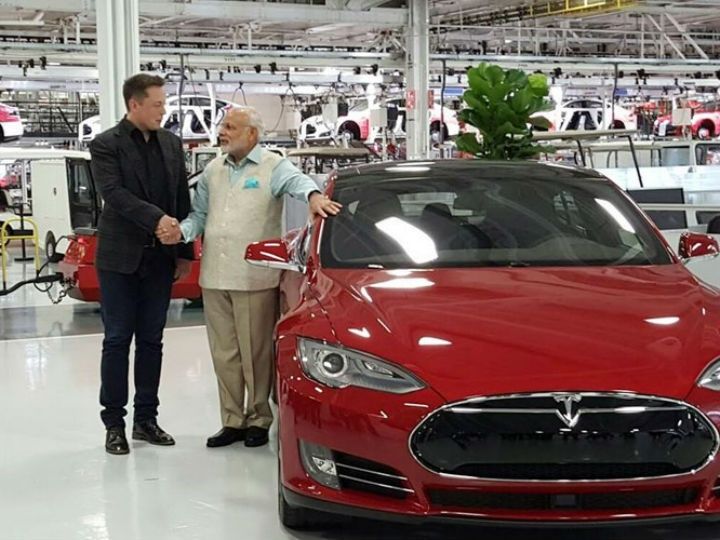
Tesla Inc. has made a significant move towards entering the Indian market, as evidenced by a surge in job openings across key locations like Mumbai and Delhi. The company is currently seeking to fill 13 roles, spanning customer-facing and back-end positions, marking a clear commitment to establishing a foothold in India’s growing electric vehicle sector.

The announcement comes after Elon Musk’s high-profile meeting with Prime Minister Narendra Modi, a discussion that appears to have catalysed Tesla’s decision to pursue expansion in the region. The timing of this strategic move is especially relevant given the recent developments in India’s trade policies, with the government reducing import duties on luxury cars, a measure that could provide Tesla with a more favourable environment for operations.

India’s electric vehicle market, while still in its infancy compared to China’s, is poised for considerable growth. The country’s rapid urbanisation, increased government focus on sustainability, and rising interest in eco-friendly transportation solutions position it as a key player in the global EV landscape. Tesla, with its reputation for high-performance, premium EVs, stands to benefit from these trends.

Tesla’s recruitment efforts are seen as an indication of the company’s intention to tap into the vast potential of India’s automotive sector. The roles available span various areas, including technical support and operations, aimed at building the company’s infrastructure in the region. This is not the first time Tesla has shown interest in India; however, the recent policy changes have provided a more favourable environment for international companies looking to expand their operations.

Prime Minister Modi’s engagement with Elon Musk is likely to have been a pivotal factor in advancing Tesla’s plans for India. During the meeting, both parties discussed ways to enhance cooperation, particularly in sectors such as renewable energy and electric vehicles. Tesla’s entry into India aligns with the government’s push to reduce carbon emissions and transition towards sustainable energy solutions.

The reduction in import duties on luxury vehicles is a significant policy shift that could greatly benefit Tesla’s plans. Previously, India imposed high import duties on foreign-made vehicles, making it challenging for companies like Tesla to price their products competitively in the local market. The recent reduction, part of a broader effort to stimulate the EV sector, is seen as a move to attract global automakers. Tesla, which manufactures its vehicles primarily in the United States, is expected to benefit from these lower tariffs, potentially making its vehicles more affordable for Indian consumers.

India’s EV market, while smaller than China’s, is growing at a rapid pace. The country’s government has set ambitious targets for electric vehicle adoption, with a focus on reducing air pollution and decreasing dependence on imported oil. The Indian government has also introduced several incentives to promote the sale and manufacturing of electric vehicles, including subsidies for EV buyers and manufacturers, as well as tax exemptions for charging infrastructure.

Despite these encouraging trends, Tesla will face stiff competition in the Indian market. Homegrown automakers, such as Tata Motors and Mahindra & Mahindra, have already established themselves as key players in the EV sector, offering affordable electric cars that cater to Indian consumers’ needs. Additionally, the infrastructure for electric vehicles in India remains underdeveloped in many regions, with limited charging stations and a lack of widespread awareness among consumers about EV technology.

Nevertheless, Tesla’s brand recognition and technological expertise are expected to give it an edge in the Indian market. The company’s high-performance vehicles, coupled with its focus on sustainable energy solutions, could appeal to India’s growing middle and upper classes, who are increasingly concerned with environmental issues. Additionally, Tesla’s potential to create local manufacturing jobs and contribute to India’s green energy goals may help the company secure government support.

Tesla’s entry into India also signals the increasing importance of emerging markets in the global automotive industry. As more companies look to expand beyond their traditional markets in North America and Europe, countries like India and China are becoming central to the automotive industry’s future growth. India, with its large population, growing middle class, and rising environmental awareness, presents a significant opportunity for Tesla to expand its global footprint.

The global silicon wafer industry is witnessing a resurgence, propelled by the escalating demand for advanced semiconductor components essential for artificial intelligence applications. In the latter half of 2024, worldwide silicon wafer shipments began to recover from the downturn experienced in 2023, as reported by the SEMI Silicon Manufacturers Group . Despite a 2.7% decline over the year, totaling 12,266 million square inches, and a 6.5% revenue contraction to $11.5 billion, the upward trend in the latter part of the year indicates a positive trajectory for the industry.

This revival is largely attributed to the rapid adoption and advancement of generative AI technologies, which have significantly transformed the semiconductor landscape. Hyperscale data center operators and original equipment manufacturers are expanding their server capacities to meet the computational demands of AI model training and inference processes. This expansion necessitates a substantial increase in AI accelerators, leading to a surge in demand for processor units and high-bandwidth memory associated with these accelerators.

The heightened demand for HBM products is evident in the financial performance of key industry players. SK Hynix, for instance, surpassed Samsung in quarterly profits for the first time, driven by a surge in demand for advanced memory chips necessary for AI data centers. In the fourth quarter of 2024, SK Hynix’s operating profit soared to Won8.1 trillion , with sales increasing by 75% to Won19.8 trillion. HBM products, crucial for AI servers, significantly contributed to this profit, comprising 40% of SK Hynix’s DRAM chip revenue. The demand for these chips is expected to double due to investments in AI infrastructure projects, such as the massive $500 billion Stargate initiative by OpenAI and SoftBank.

Similarly, Micron Technology has experienced a positive financial outlook, with shares surging approximately 14% following an upbeat first-quarter forecast. This optimism is fueled by the demand for memory chips utilized in AI computing. As one of the three primary suppliers of HBM chips, alongside SK Hynix and Samsung, Micron is capitalizing on the growing need for semiconductors in generative AI technologies. These DRAM chips are essential for AI-oriented graphics processing units, facilitating the processing of vast amounts of data. Micron anticipates a record revenue of approximately $8.7 billion and an increase in its gross margin to around 39.5% for the first quarter.

The surge in AI applications has also impacted semiconductor manufacturing giants like Taiwan Semiconductor Manufacturing Co. . TSMC reported a significant profit increase, with fourth-quarter earnings rising 57% to NT$374.7 billion . This growth is largely driven by high-performance computing revenue, which surged 58%, offsetting declines in other sectors. CEO CC Wei highlighted the tight AI capacity but reassured that TSMC is working diligently to meet customer demand.

However, the rapid expansion in AI-driven demand has introduced challenges, particularly concerning supply chain constraints. High-bandwidth memory is in even shorter supply than GPUs, potentially hindering the data center industry’s expansion plans. The HBM design provides greater speed and reduced latency, key to the performance of AI processing. During the COVID-19 supply chain shortages, carmakers could not obtain chips for their vehicles, so they simply built cars without the chips and mothballed them until they could shore up inventory. GPU vendors like Nvidia and AMD don’t have that option. No high-bandwidth memory means GPUs can’t be assembled because the HBM has to be added to the GPU package at the manufacturing stage.

In response to these challenges, companies are exploring innovative solutions. NEO Semiconductor, for instance, announced the development of its 3D X-AI chip, designed to replace existing HBM chips and address data bus bottlenecks. This advancement aims to alleviate some of the supply constraints by providing alternative high-performance memory solutions.

The global silicon wafer market’s recovery is further bolstered by strategic investments and collaborations. For example, Foxconn is building a Nvidia superchip facility in Mexico, aiming to meet the growing demand for AI hardware. Such initiatives not only enhance production capacities but also diversify the supply chain, reducing dependency on a single region and mitigating potential geopolitical risks.

Dubai’s public parking operator, Parkin, has introduced a change in the parking tariff structure, particularly targeting areas close to major event venues. Starting from February 17, the revised charges will see parking rates rise significantly in zones around the Dubai World Trade Centre , often referred to as the “Grand Event Zone.” The move comes as the city braces for a series of high-profile events, and the […]

A looming tariff threat from the United States is casting a shadow over multiple sectors in India, including automobiles, textiles, and footwear, with analysts warning that potential hikes in import duties could disrupt trade and economic growth. This growing concern comes amid rising trade tensions between the two countries, which have led to a heightened focus on the viability of Indian exports in the face of stricter US trade policies.

The US administration has indicated that it might impose higher tariffs on goods from India, a move that could significantly affect industries critical to the Indian economy. With the US being one of India’s largest trading partners, the prospect of tariffs on goods such as cars, clothing, and shoes is troubling for manufacturers and exporters alike. According to recent reports, India’s automotive and textile sectors have been identified as particularly vulnerable due to their significant export volumes to the US market.

The automotive sector, which includes both luxury cars and compact vehicles, stands to lose billions of dollars in export revenue should tariffs increase. India is home to several global automotive manufacturers, including Maruti Suzuki, Tata Motors, and Mahindra & Mahindra, which export a substantial number of vehicles to the US. A tariff hike could render these products less competitive, pushing US-based consumers towards locally manufactured or cheaper imported alternatives from other countries. In 2023, India exported nearly $2 billion worth of cars to the US, a figure that could shrink under new tariffs.

Similarly, the textiles industry, another key player in India’s export economy, faces a turbulent future if tariffs are raised. India is the world’s second-largest producer of textiles, with a significant portion of its products headed to the US market. The US is a vital customer for Indian textiles, including apparel, fabrics, and home furnishings. Analysts argue that any increase in tariffs could lead to a decline in demand, as US buyers might seek more affordable alternatives from other suppliers, particularly from countries that currently benefit from lower trade barriers.

The footwear sector is also at risk, with India exporting a wide range of footwear items to the US. Footwear exports have been a growing part of India’s manufacturing output, with the US accounting for a major portion of this trade. A tariff increase could significantly affect manufacturers, especially small and medium enterprises , which depend heavily on the US market for revenue. These companies may struggle to absorb the additional costs imposed by tariffs, leading to potential price hikes or a reduction in exports.

The looming tariff threat is not just about trade barriers; it also reflects broader geopolitical concerns. Trade relations between the US and India have been increasingly strained due to disagreements over various trade practices, including market access, intellectual property rights, and agricultural policies. The US has expressed dissatisfaction with India’s protectionist policies, and this discontent has translated into the threat of tariffs. However, the issue is not only about trade; it also touches on political relations, with both countries vying for greater economic influence in the region.

Trade experts suggest that India could be facing a period of heightened vulnerability, especially as the US underlines its “America First” policy, prioritising domestic industries and reducing reliance on imports. While India has sought to diversify its trade partnerships and strengthen ties with other countries, including the European Union and Japan, the US remains a key economic player. This makes the potential for increased tariffs particularly damaging for India, especially in light of its ambition to boost exports and achieve a higher growth trajectory.

In response to the threat of higher tariffs, the Indian government has ramped up efforts to protect its domestic industries by exploring alternative markets and seeking to negotiate more favourable trade terms with the US. The government has also engaged in diplomatic efforts to reduce trade tensions, hoping to find common ground on issues that could benefit both nations. However, some experts are sceptical about the immediate impact of these negotiations, given the political climate and the US’s growing tendency to assert its economic interests.

The potential consequences of these tariffs extend beyond individual industries. Analysts caution that a tariff hike could lead to inflationary pressures within India, as businesses may pass on the additional costs to consumers. This, in turn, could affect consumer spending and dampen overall economic activity. Moreover, sectors like automotive manufacturing and textiles are major sources of employment, and any disruption in these industries could result in significant job losses, further straining India’s labour market.

For now, industry stakeholders are watching closely as developments unfold. The automotive sector is exploring strategies to mitigate the impact of potential tariffs, including shifting production to other countries or adjusting product lines to cater to the changing demands of US consumers. Similarly, the textiles industry is focusing on increasing its competitive edge by diversifying its offerings and tapping into non-US markets. However, these measures may not be enough to offset the damage caused by a sharp rise in tariffs, which could push both sectors to reconsider their overall export strategies.


Dubai has rolled out a new system for parking fees in designated zones near major event venues. The system, which went into effect today, introduces variable pricing, with rates set to increase during large-scale events. The move is part of ongoing efforts to streamline traffic management and improve the overall visitor experience in high-demand areas, including around the Dubai World Trade Centre .

Under the new policy, parking charges will rise to Dh25 per hour during events, a significant increase from the regular fees, which will remain lower during non-event periods. The increased rates apply to the parking areas closest to key venues, such as those surrounding DWTC, which hosts a variety of international conferences, exhibitions, and events that draw large crowds.

The decision to introduce variable parking fees comes after growing concerns over congestion in the vicinity of these event zones. Dubai’s authorities have been actively working on strategies to manage the influx of visitors to major events, ensuring both the smooth flow of traffic and accessibility to key locations.

Officials explained that the rise in parking fees during events is designed to encourage visitors to use alternative modes of transport, such as public transit, which would help alleviate the pressure on parking spaces. The implementation of this system is also expected to contribute to reducing the environmental impact by promoting greener transport options.

The new fee structure is part of a broader effort to modernise the city’s infrastructure in anticipation of increased demand as Dubai continues to establish itself as a global hub for business, culture, and tourism. The city’s proactive approach to managing its transport systems is also a reflection of its ambitions to maintain high standards of urban planning and sustainability.

While the fee hike may be seen as a necessary adjustment in light of the growing demand for parking, it has drawn mixed reactions from residents and visitors alike. Some express concerns that the increased charges could disproportionately affect those attending less prominent events or those who may rely on parking due to the lack of public transport options in certain areas. Others welcome the change, viewing it as a positive step towards ensuring better traffic management and improving the overall quality of life in high-demand zones.

Transport experts have emphasised the importance of integrated planning when it comes to urban mobility. As Dubai continues to develop and expand, experts suggest that a more comprehensive approach to transport, which includes enhanced public transportation networks and better parking management strategies, will be crucial to maintaining the city’s appeal to both residents and visitors.

The Dubai Roads and Transport Authority has been at the forefront of this initiative, working closely with local authorities to ensure the effective implementation of the new fee structure. RTA has also highlighted the expansion of alternative transport options, such as the Dubai Metro and bus services, as essential components of the strategy to support the city’s growing population and increasing number of tourists.

This change aligns with Dubai’s long-term vision of reducing traffic congestion and carbon emissions. The city’s leaders have repeatedly expressed a commitment to sustainable urban development, with a particular focus on reducing the number of private vehicles on the roads. The introduction of variable parking fees is one of many measures designed to support these goals, encouraging more people to rely on public transportation rather than private cars.

Dubai’s move to introduce variable parking fees is also reflective of a broader trend seen in major cities around the world, where dynamic pricing models have been introduced to manage traffic congestion and improve access to key areas. Cities like London and New York have employed similar strategies to control the flow of vehicles in high-traffic zones, with varying degrees of success.

In addition to the economic and environmental benefits, the new pricing model is expected to have a positive impact on the city’s public transportation system. By encouraging more people to use the Metro or buses, the pressure on parking spaces should be alleviated, making it easier for those who truly need to park to find a spot. This shift is expected to help optimise the use of available infrastructure, benefiting both residents and visitors who rely on public transport for their daily commute or during special events.

Apple Inc. and Meta Platforms are intensifying efforts to develop AI-driven humanoid robots, signaling a significant shift in the technology landscape. This move positions both companies in direct competition within the emerging robotics sector, aiming to revolutionize industries ranging from healthcare to domestic services. Meta has initiated a substantial investment in humanoid robotics, focusing on creating advanced robots capable of performing human-like tasks. The company’s Reality Labs […]

Aston Martin Aramco Formula One Team has entered into a groundbreaking multi-year sponsorship agreement with cryptocurrency exchange platform Coinbase, marking a significant milestone in the integration of digital finance within elite motorsport. This partnership is distinguished by its financial arrangement: the entire sponsorship fee will be transacted in USD Coin , a stablecoin pegged 1:1 to the U.S. dollar.

This collaboration represents the first instance of a Formula One team publicly announcing the full payment of a partnership using a stablecoin. By embracing USDC for this transaction, Aston Martin signals a forward-thinking approach to financial operations, highlighting the efficiency and global reach of cryptocurrency in high-stakes industries.

Jefferson Slack, Managing Director of Commercial at Aston Martin Aramco, expressed confidence in the alliance, stating, “This partnership shows the trust and confidence we place in Coinbase’s expertise as a leader in digital finance. By transacting this deal fully in USDC, we’re signaling our commitment to innovation, building a sustainable, forward-thinking relationship with Coinbase.”

Coinbase’s branding will feature prominently on Aston Martin’s AMR25 race cars, specifically on the halo and rear-wing end plates, as well as on the racing suits of drivers Fernando Alonso and Lance Stroll throughout the upcoming Formula One season. This visibility aligns with Coinbase’s strategy to expand its global presence and promote the adoption of digital currencies across diverse audiences.

Gary Sun, Vice President of Marketing at Coinbase, highlighted the significance of this venture: “This is a huge moment for Coinbase, marking the first time we’ve invested in a sports partnership entirely in cryptocurrency. It’s also our debut in Formula One, and we’re thrilled to align with a sport that values pushing boundaries with transformative ideas and technology.”

The decision to utilize USDC for the sponsorship underscores the practical benefits of stablecoins in large-scale transactions, offering stability, reduced transaction costs, and seamless cross-border payments. While Coinbase remains open to transacting in various cryptocurrencies based on partner preferences, the selection of USDC for this deal reflects its suitability for substantial financial agreements.

This partnership emerges amidst a growing trend of cryptocurrency integration within Formula One. In June 2021, Crypto.com secured a multi-year deal with Formula One, later expanding its involvement with a significant nine-year, $100 million agreement in 2022, which included naming rights to the Miami Grand Prix. Individual teams have also embraced the crypto movement; for instance, Red Bull Racing has collaborated with platforms like Bybit and Mysten Labs to enhance fan engagement through blockchain technology.

Aston Martin’s alliance with Coinbase not only enhances the team’s financial portfolio but also paves the way for innovative, blockchain-based fan engagement initiatives. As the season progresses, supporters can anticipate unique on-chain experiences designed to deepen their connection with the team and the sport.

Dubai’s Roads and Transport Authority has entered into a Memorandum of Understanding with Elon Musk’s The Boring Company to explore the development of the ‘Dubai Loop’ transport project. The agreement was formalized during the World Governments Summit in Dubai, in the presence of His Highness Sheikh Hamdan bin Mohammed bin Rashid Al Maktoum, Crown Prince of Dubai.

The proposed Dubai Loop is a 17-kilometer underground transport system featuring 11 stations, designed to transport over 20,000 passengers per hour. The system aims to connect major hubs throughout Dubai, significantly reducing travel times between key points in the emirate to just minutes. Utilizing electric vehicles traveling at speeds of up to 160 kilometers per hour, the loop will facilitate direct, non-stop journeys to destination stations.

This initiative aligns with Dubai’s vision for smart and sustainable transport solutions, leveraging advanced tunneling technologies to enhance urban mobility. The Boring Company’s loop system has been operational in Las Vegas since 2021, where it has transported over two million passengers. The Vegas Loop is currently under active development, with plans for 104 stations and 110 kilometers of tunnel, eventually transporting over 90,000 passengers per hour throughout the system.

The collaboration between RTA and The Boring Company will focus on exploring the use of sustainable, innovative technologies to safely and efficiently transport passengers via the loop system. The MoU includes research on tunneling technology, mobility trends, and safety standards, with a focus on pioneering solutions for Dubai’s evolving transportation needs.

Elon Musk, speaking at the World Governments Summit via video link, emphasized the advantages of tunnel systems over alternatives like flying cars, citing the practicality, safety, and efficiency of tunnels, which are protected from weather and noise, offering a smoother experience for passengers.

The Dubai Loop project is part of a larger plan to develop a citywide loop transportation system, aiming to alleviate traffic congestion by providing a high-speed underground alternative to traditional roadways. The initiative also supports Dubai’s ambitious sustainability goals, aligning with the Dubai Clean Energy Strategy 2050.

As the allure of train travel experiences a resurgence, 2025 presents an array of exceptional rail journeys that promise both luxury and adventure. From traversing Europe’s scenic landscapes to exploring the vast deserts of the Middle East, these routes offer unparalleled experiences for discerning travellers. The Orient Express La Dolce Vita is set to commence its inaugural journeys across Italy in April 2025. Travellers can anticipate itineraries […]

JAKARTA, INDONESIA – Media OutReach Newswire – 13 February 2025 – At the Indonesia International Motor Show (IIMS) 2025, VinFast officially opened for sales for its mini-SUV VF 3. The company also announced a special policy providing free charging for all VinFast electric vehicles at VinFast charging stations operated by V-GREEN across Indonesia, reaffirming its commitment to delivering smart, accessible, and sustainable mobility solutions. VinFast announces the […]

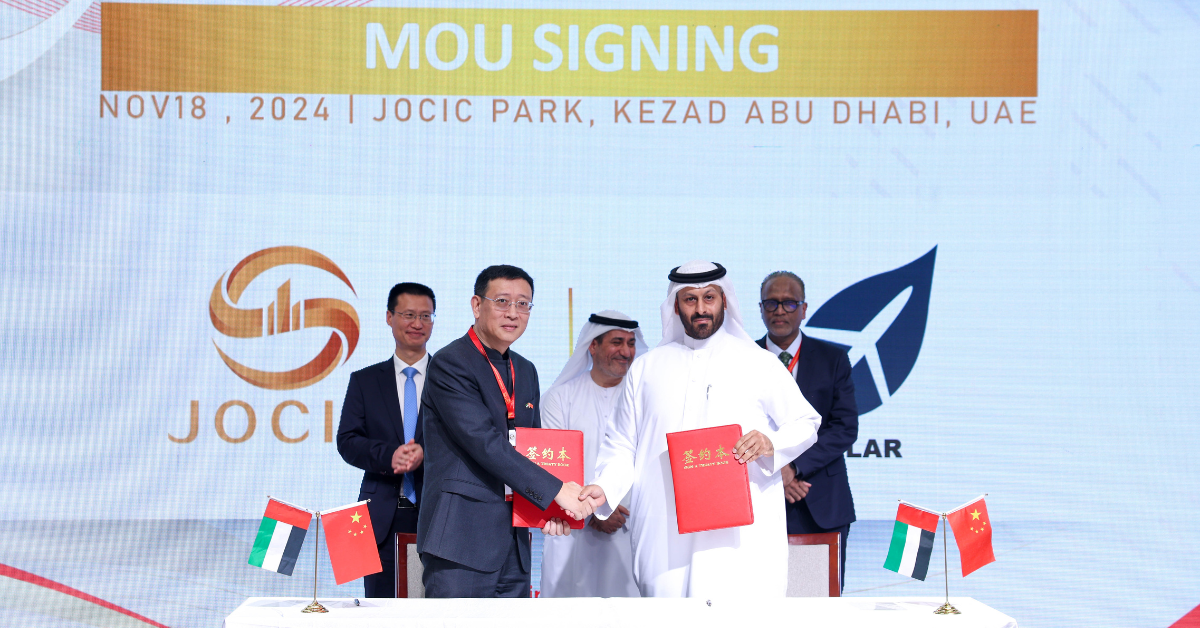
Hong Kong-based Volar Air Mobility has announced plans to manufacture electric aircraft in Abu Dhabi, aligning with the United Arab Emirates’ commitment to sustainable transportation. The company aims to produce the RX4E, a four-seater electric aircraft designed for various applications, including eco-tourism, pilot training, medical evacuations, border control, and surveillance. The RX4E has achieved a significant milestone by becoming the world’s first electric aircraft certified under Part 23 regulations for commercial use. citeturn0search3

Volar Air Mobility has been actively collaborating with UAE authorities to advance green aviation initiatives. In September 2024, the company signed a Memorandum of Understanding with the UAE’s General Civil Aviation Authority to establish a Green Aviation technological development hub in the country. Additionally, Volar partnered with Etihad Aviation Training to explore the development of a sustainability cluster focused on research and development in green aviation within the UAE. citeturn0search0

The UAE has been investing in sustainable transportation modes, including electric vehicles, buses, and the Dubai Metro system, significantly reducing the number of cars on the road. citeturn0search2 The UAE’s Net Zero 2050 Strategy aims to stimulate economic and societal advancement by leading the transition to net zero emissions. citeturn0search16

Volar’s decision to establish production facilities in Abu Dhabi aligns with the UAE’s strategic vision for sustainable development. The RX4E’s applications in eco-tourism and pilot training are expected to contribute to the nation’s environmental goals. The aircraft’s capabilities in medical evacuations, border control, and surveillance also offer potential enhancements to public services.

The United Arab Emirates is intensifying its commitment to sustainable transportation by planning to install 500 electric vehicle charging stations nationwide by the end of 2025. This initiative aims to support the growing adoption of EVs and reduce carbon emissions, aligning with the country’s broader environmental objectives. Sharif Al Olama, Under-Secretary for Energy and Petroleum Affairs at the Ministry of Energy and Infrastructure, announced that over 100 […]

VinFast is redefining the EV market with industry-leading warranties, including a 10-year/200,000-kilometer vehicle warranty and unlimited mileage battery coverage, easing consumer doubts and building trust. MANILA, PHILIPPINES – Media OutReach Newswire – 6 February 2025 – Just a few years ago, car warranties were predictable: a standard three years or nearly 60,000 kilometers—whichever came first. It didn’t matter whether the vehicle was a luxury sedan or a […]

By Nitya Chakraborty Just six days have passed since the inauguration of Donald Trump as the second term President of the United States of America and his policy announcements on the first day in office. The impact varies from country to country but nowhere it is more panicky than in the European Union countries, especially […]


PUCHHEIM, GERMANY – Newsaktuell – 23 January 2025 – ELATEC, a leading global provider of user authentication and identification solutions, is beginning 2025 with a significant step forward in its global expansion strategy: the launch of its new office in Dubai. Operating under the name ELATEC Middle East Trading FZE, this new location will serve as a dedicated hub to support the company’s growing customer base and […]

VISHNU RAJA
RYO YAMADA
HITORI GOTOH
IKUYO KITA