Cars sold across major markets are harvesting vast amounts of personal data from drivers and passengers without clear consent, fuelling a widening debate over privacy, ownership and the limits of digital surveillance in everyday transport. As vehicles become rolling computers, regulators and consumer advocates warn that protections have failed to keep pace with the speed and scale of data collection embedded in modern mobility. Vehicles equipped with […]
KINSHASA, CONGO – Media OutReach Newswire – 29 December 2025 –Vingroup today announced the signing of a trilateral Memorandum of Understanding (MoU) with Kinshasa (Democratic Republic of Congo) and Exposure SARL, establishing a comprehensive cooperation framework to support the development of a sustainable, modern, and accessible urban transportation system in Kinshasa.The agreement represents an important step forward in advancing urban infrastructure modernization and accelerating the green transition in the capital of the Democratic Republic of Congo.
From left to right: Mr. Fely Lukwaka Samuna, Director of Exposure Sarl; Ms. Nguyen Hoang Phuong, CEO of Vingroup Africa; Mr. Fiston Lukwebo Musengo, Provincial Minister for Public–Private Partnerships, Trade and Industry; and Mr. Jésus-Noël Sheke Wa Domene, Provincial Minister for Planning, Budget, Transport and Urban Mobility, at the signing ceremony.
Under the MoU, Vingroup, Exposure, and the City of Kinshasa, through its relevant authorities, will collaborate to study and promote the procurement and deployment of VinFast’s fully electric vehicles, including electric buses, electric cars, and electric scooters, to meet the transportation needs of the city and its residents. In parallel, the parties will jointly develop a comprehensive electric mobility ecosystem encompassing charging infrastructure and after-sales services.
To support the transition to electric mobility, the cooperation will focus on modernizing and greening Kinshasa’s transportation system across public transport services, mobility solutions for government officials and civil servants, and transportation options for the general public.
Vingroup, through its subsidiary VinFast, will provide detailed commercial and technical proposals for vehicle fleets, including buses, cars, and scooters. Exposure will be responsible for developing a detailed preliminary business plan for vehicle procurement and infrastructure development, as well as initiating the necessary local administrative and legal procedures for importation, distribution, and operations. Meanwhile, the City of Kinshasa will review and propose appropriate incentive mechanisms, covering tax policies, regulatory frameworks, and access to infrastructure, to encourage the development and adoption of green mobility. A designated focal authority will also be appointed to manage and oversee the electric bus fleet.
During the initial phase, expected to run from now through the end of Q1 2026, the parties have agreed on a roadmap to conclude formal contracts to operationalize the above objectives. Under this roadmap, VinFast is expected to supply approximately 500 electric buses and 1,000 electric cars for public fleet operations in Kinshasa. Over the same period, VinFast and Exposure plan to implement supply and distribution agreements to introduce between 10,000 and 20,000 electric cars and between 50,000 and 100,000 VinFast electric scooters to the local market.
In pursuit of a comprehensive green ecosystem, the parties will cooperate in developing an extensive charging station network and an authorized service workshop system, ensuring stable operations and convenience for electric vehicle users.
Specifically, Vingroup reaffirmed its commitment to sustainable development and positive local impact through knowledge transfer and human resource development. These initiatives include training programs for drivers, technicians, and on-site operations personnel, as well as technical design support for electrified transportation infrastructure. Exposure will undertake technical and economic assessments of the charging network and vehicle maintenance and repair facilities. For its part, the City of Kinshasa has committed to supporting land allocation, identifying locations for charging stations, and ensuring reliable power supply solutions, thereby establishing a solid infrastructure foundation for Vingroup’s green mobility ecosystem in the city.
Mr. Jésus-Noël SHEKE WA DOMENE, Provincial Minister of Planning, Budget, Public Service, Employment, Tourism, Transport and Urban Mobility, representative of the City of Kinshasa stated: “The City of Kinshasa highly values ourcooperation with Vingroup in advancing green and smart mobility solutions. This is a strategic step aligned with the city’s sustainable urban development vision, aiming to reduce environmental impacts, improve transportation infrastructure, and deliver long-term benefits to our citizens. We believe this partnership will help transform Kinshasa into a dynamic, modern, and livable city in the region.”
Mrs. Phuong NGUYEN, General Director of Vingroup Africa shared: “Vingroup is honored to partner with the City of Kinshasa on the journey toward building a modern, civilized, and sustainable living environment. The deployment of green and smart mobility solutions will not only gradually transform Kinshasa’s urban transportation landscape, but also create long-term, tangible value by improving quality of life for residents and supporting the city in achieving its future sustainable development goals.”
Previously, the Government of Kinshasa and Vingroup also signed a Memorandum of Understanding to explore large-scale urban development projects in the Democratic Republic of Congo. Under the MoU, the two parties will jointly study and develop a large riverside urban project covering approximately 6,300 hectares, strategically located within the capital’s urban expansion plan.
The mega urban development is expected to include residential areas, villas, hospitals, schools, shopping centers, hotels, entertainment complexes, and future government and ministerial offices, positioning it as a new tourism destination and a landmark of Kinshasa’s development. The city is expected to allocate land for the project in accordance with the agreed cooperation framework.
These strategic agreements underscore Vingroup’s international vision and growing global presence, reaffirm its pioneering role in green mobility, and further deepen economic cooperation between Vietnam and the Democratic Republic of Congo, as both countries pursue green growth and sustainable development.
Vingroup is Vietnam’s largest private conglomerate, operating across six core sectors: Industrials & Technology, Real Estate & Services, Infrastructure, Green Energy, Culture and Social Enterprises, guided by the vision of “To Create a Better Life for People”.
With a strong track record, scale, and proven capabilities, Vingroup continues to expand its international footprint. The Group was recognized by TIME magazine (USA) in the “TIME World’s Best Companies 2025” list, ranking among the world’s top 1,000 companies for outstanding contributions to sustainable development, innovation, and global impact.Hashtag: #Vingroup
The issuer is solely responsible for the content of this announcement.
BYD has unveiled a high-power “Flash Charging” system that it says can add up to 400 kilometres of driving range in around five minutes, a claim that—if replicated at scale—would narrow one of the biggest gaps between electric vehicles and petrol cars and intensify pressure on rivals led by Tesla. The announcement underscores how the Chinese manufacturer has moved from being a price-competitive disruptor to a technology […]
A newly announced strategic alliance between Ford and Renault will yield two new affordable Ford-badged electric vehicles for the European market, with the first expected to arrive in early 2028. The announcement marks a decisive move by both automakers to regain competitiveness amid mounting pressure from lower-cost electric vehicles flooding in from Chinese manufacturers. Under the agreement, Renault will provide its Ampere EV platform — already used […]
Shareholders of Tesla, Inc. have backed what may become the largest pay-out ever awarded to a corporate chief executive. On 6 November 2025, more than 75 per cent of voters approved a compensation package for Elon Musk — structured around 12 tranches of restricted stock — that could yield up to $1 trillion over the next decade, contingent on an array of steep performance and valuation targets. […]
A powerful moisture-laden atmospheric river is forecast to hit the Pacific Northwest early this week, unleashing days of heavy rainfall, mountain snow and a heightened risk of river flooding across western Washington and Oregon. Forecasters at the Center for Western Weather and Water Extremes have rated the incoming system as a “Level 4 of 5” event — placing it among the region’s most intense. Rain is expected […]
SINGAPORE – Media OutReach Newswire – 4 December 2025 – Venture Cars, a parallel car importer in Singapore, has introduced a new lease-to-own programme aimed at making car ownership more accessible amid rising Certificate of Entitlement (COE) costs in Singapore. The initiative offers an alternative route to ownership by allowing customers to lease a brand-new car for a fixed period before buying it over at the end […]
The all-electric championship ABB FIA Formula E World Championship rolled into Jeddah’s Corniche Circuit for its first-ever double-header round, delivering a pair of night races under floodlights that combined high-speed action with a strategic twist. The event marked the debut of PIT BOOST, a mid-race 600 kW fast-charging stop that injects roughly 10 percent extra energy into the cars — a shift set to redefine Formula E’s competitive dynamics.
Drivers navigated the 3.001-kilometre layout of the Jeddah Corniche Circuit — adapted for Formula E with 19 turns and modified chicanes to test energy management and overtaking skill. In Round 3, pole-sitter Maximilian Günther of DS Penske held off rivals across a chaotic mid-race charge stop to secure victory, with Oliver Rowland and Taylor Barnard completing the podium. Gundther also posted the fastest lap during the race.
Round 4 turned tactics upside down when Rowland turned pole position into a commanding win, while Barnard and Jake Hughes clinched second and third. The contrasting race results underlined how PIT BOOST can influence race outcomes dramatically — positioning at the start matters less when energy strategies diverge mid-race.
PIT BOOST compelled all 22 drivers to make a mandatory stop for a 30-second battery recharge, adding roughly 3.85 kWh mid-race. Only one car per team may use the charging rig at a time, and no mechanical work is permitted during the stop. The concept, first mooted several seasons ago, had been delayed until technical and safety standards were satisfied.
Organisers believe this innovation will bring Formula E’s technological mission full-circle — showcasing fast-charging EV tech on the track that could accelerate adoption in road-going electric vehicles. Critics warn, however, that the 30-second pit stops risk breaking the flow of close racing, as cars may emerge at very different times and spread the field. Teams will need to master pressure-packed decisions on when exactly to pit as well as how to deploy the extra energy — a decision that could make or break a race.
GENE SKIN upholds the philosophy of “Creating Results with Care,” specializing in acne treatment, and has become a highly acclaimed medical skincare brand through its professionalism, reliability, and exceptional customer experience HONG KONG SAR – Media OutReach Newswire – 28 November 2025 – Medical skincare brand GENE SKIN Rejuvenation Centre, has been honoured with the “2025 Healthcare Professionals’ Favourite Health Brand Award”(2025醫護人員至愛健康品牌大獎) organized by the Primary Care […]
AI-as-a-Service applications will make AI virtual CFO and COO for SMEs Public-private collaboration in regulatory sandboxes help to provide clarity and certainty when it comes to new technology like tokenisation and AI SINGAPORE – Media OutReach Newswire – 21 November 2025 – Eric Jing, Chairman of Ant Group, said the company’s focus is on putting new payment and operation tools powered by AI and tokenisation technology in […]
Nairobi-based electric mobility firm Roam Electric Ltd has begun talks to monetise carbon-offset credits generated by its motorcycles while launching a global crowdfunding campaign to raise working capital. Each machine sold by Roam is designed to offset around three tonnes of CO₂ annually; with about 4,000 units currently in circulation, the company estimates roughly 12,000 tonnes of emissions reduction per year—equivalent to the output of some 2,600 […]
Dr. Carl June and Dr. Michel Sadelain honored for groundbreaking CAR-T cell research in cancer therapy One of the world’s most highly endowed medical prizes, with €1 million in prize money, awarded for the first time Titia große Broermann: “With the Broermann Medical Innovation Award, we want to make outstanding medical achievements visible – and honor those who, with courage, vision, and humanity, are shaping the medicine […]
HANOI, VIETNAM – Media OutReach Newswire – 12 November 2025 – VinFast continues to break records in the domestic automotive market by successfully delivering 20,380 electric cars of various models in October 2025, bringing the total number of VinFast vehicles delivered nationwide to 124,264 units in the first 10 months of the year. After becoming the first automaker in the history of the Vietnamese auto market to […]
K2’s AutoGo and Baidu’s Apollo Go have joined forces to revolutionise the autonomous vehicle landscape in the UAE, marking a significant milestone in the development of Abu Dhabi’s smart mobility vision. Under this collaboration, the companies plan to expand their autonomous fleets, aiming for hundreds of driverless vehicles on the roads by 2026. This initiative forms a key part of Abu Dhabi’s broader strategy to implement advanced […]
Honda has initiated a recall of more than 400,000 vehicles in the United States, predominantly affecting its Civic model, due to a defect related to the wheels. This issue, which has raised serious safety concerns, is linked to errors made by one of the company’s suppliers. Experts in the automotive industry are now cautioning that this problem could be a precursor to further complications, possibly impacting more […]
Shareholders of Tesla, Inc. approved a compensation package for Chief Executive Officer Elon Musk that could deliver up to US $1 trillion in stock over the next decade, with more than 75 per cent of votes cast in favour at the company’s annual meeting in Austin, Texas. The package, contingent on a string of ambitious performance targets, is described by the board and supporters as essential to retain Musk’s leadership and drive the firm’s pivot towards artificial intelligence and robotics.
The award hinges on milestones including delivering 20 million vehicles, deploying 1 million robotaxis, selling 1 million humanoid robots and reaching a market valuation of US $8.5 trillion. If all targets are met, Musk stands to earn shares representing up to 12 per cent of Tesla’s stock, though the net value is estimated at around US $878 billion after accounting for share price and vesting conditions. The package’s approval ends months of debate among institutional investors and proxy advisers who raised concerns about scope, governance and dilution.
The approval signals confidence among many investors in Musk’s capacity to steer Tesla into a future beyond electric vehicles, emphasising his role at the centre of the company’s strategy. Musk, who holds approximately 15 per cent of Tesla shares, made clear on stage that his focus is not merely on compensation but on maintaining influence over the company’s direction, particularly as Tesla deepens its involvement in robotics and chip manufacturing. “What we are about to embark upon is not merely a new chapter of the future of Tesla, but a whole new book,” he said following the vote.
Critics, however, warn that the structure grants Musk exceptional power and exposes shareholders to significant risk. Among those voting against the package was Norges Bank Investment Management, manager of the world’s largest sovereign wealth fund, which cited the award’s sheer size, potential dilution for other investors and the concentration of decision-making authority in a single individual as key objections. Proxy advisory firms such as Institutional Shareholder Services and Glass Lewis had also advised against the plan on similar grounds.
Tesla’s board chair Robyn Denholm had issued a letter urging shareholders to support the proposal, warning that rejection could risk losing Musk’s time, talent and vision at a pivotal moment for the firm. The board has defended the compensation plan as milestone-based and aligned with shareholder interests because the payout only occurs if Tesla meets rigorous performance thresholds. Supporters argue that Musk’s vision—extending Tesla’s footprint into autonomous mobility, humanoid robotics and AI infrastructure—requires long-term incentives that align his interests with the company’s breakthrough goals.
Even as investors backed the package, many emphasised that achieving the required targets remains a tall order. Tesla’s current market capitalisation sits well below the US $8.5 trillion target, and its robot- and self-driving ambitions face regulatory, technical and competitive headwinds. Some analysts regard the pledge to deliver millions of humanoid robots and robotaxis as speculative, pointing out that Tesla has yet to mass-produce such products. Others observe that Musk’s prior promises—including fully autonomous cars and rapid ramp-ups of production—have been met with delays and regulatory challenges, prompting scepticism among governance watchers.
The vote also underscores Musk’s increasingly prominent role across multiple business ventures including xAI and SpaceX, and the extent to which Tesla’s governance is intertwined with his broader ambitions. The compensation plan’s structure gives Musk additional voting control tied to his share stake, a move applauded by advocates who say it ensures continuity of leadership, and criticised by opponents who say it entangles corporate oversight and creates “key-person risk”.
The European Commission has introduced the “Small Cars Initiative,” a new strategy designed to make small electric vehicles more accessible to European consumers. This move, coming at a time when China’s dominance in the global electric vehicle market continues to rise, aims to ensure Europe’s competitive position in the EV sector. The initiative is part of Europe’s broader efforts to transition to greener technologies and reduce dependence […]
South Korean industry and government have secured a major hardware boost as Nvidia will deliver more than 260,000 of its flagship “Blackwell” AI chips to the Republic of Korea in a partnership spanning the public sector and major corporations. The deal, announced during the Asia‑Pacific Economic Cooperation Summit in Gyeongju on 31 October, positions South Korea as a rising artificial-intelligence hub and reflects Nvidia’s pivot amid shifting global semiconductor geopolitics.
The agreement covers deployments across multiple sectors: the government will obtain roughly 50,000 of Nvidia’s GPUs for its National AI Computing Centre; top chip-maker Samsung Electronics and conglomerate SK Group are each set to install about 50,000 units; automaker Hyundai Motor Group another 50,000; and internet-giant Naver Corporation around 60,000.
Nvidia’s chief executive, Jensen Huang, described the arrangement as an opportunity to “produce intelligence as a new export” for South Korea—drawing on its track record in electronics, ships and cars. He met President Lee Jae Myung and leading industrial executives during APEC’s leader-week, underpinning the deal’s strategic importance.
For South Korea the timing is critical. The country’s ambition to become one of the world’s top three AI powerhouses is tied to this surge in computing capacity. Officials estimate that the new GPU stock will raise South Korea’s installed AI-chip inventory from roughly 65,000 to over 300,000 units—more than a four-fold increase.
The motive spans multiple strands. Domestically, the government has signalled its intent through a budget push to triple AI-related spending to 10.1 trillion won in the 2026 fiscal year, with AI infrastructure now a key focus alongside semiconductors, autos and ship-building. Meanwhile, on the global stage, the transaction reflects Nvidia’s response to US export restrictions targeting China: by deepening partnerships with allied economies, Nvidia hedges market access and secures demand beyond geopolitical risk zones.
Industry commentators note the strategic value for South Korea’s private sector. Samsung’s aim to build an AI-factory on the back of these chips and Hyundai’s plan to apply them in autonomous driving and smart factories indicate a broad industrial integration of AI hardware. SK Group’s creation of an industrial-AI cloud, together with Naver’s scaling of its model-training infrastructure, further illustrate the ecosystem approach.
However, risks remain. The logistics of deploying such volumes of high-performance chips across multiple sectors present challenges in cooling, power supply and skilled workforce capabilities. Moreover, the influx of foreign hardware raises questions about long-term sovereignty of critical AI infrastructure—South Korea may become reliant on external chip providers even as it strives to build home-grown strength. Some analysts caution that building capacity alone does not always translate into global leadership in AI.
Another layer of uncertainty stems from the export environment. US policy is tightening its grip on shipments of Nvidia’s most advanced chips to China and other countries. While the South Korean deal has been approved, shifts in global regulation or export licences could affect timelines or chip-variants supplied.
For the key players in South Korea the stakes are substantial. Samsung and SK are leveraging this infusion to advance semiconductor development and edge-computing systems. Hyundai is tackling next-generation vehicle autonomy. Naver and Kakao increasingly rely on large-scale model training—now anchored to the new hardware. At a national level, the government aims to unlock innovation, jobs and exports through “sovereign AI” infrastructure under domestic control.
In global context, South Korea’s move places it firmly within the push by middle powers to stake out a significant role in the AI value chain, not merely as chip supplier but as a platform developer and services export economy. For Nvidia it reinforces its global reach and market dominance at a time when alternatives seek to challenge its position. The magnitude of the chip deployment and its industrial-strategic alignment make this one of the most consequential AI-hardware partnerships of the year.
BYD Co. has reported another significant dip in its quarterly profit, a trend that highlights growing challenges for the Chinese electric vehicle manufacturer. The company’s financial struggles are attributed to increasing domestic competition and intensified scrutiny within the rapidly expanding electric vehicle market.
The latest figures reveal a sharp drop in profit, signalling a tough period for BYD as it grapples with shifting market dynamics. The EV giant, which has long been a leader in China’s electric car market, is now confronting a series of pressures that have raised questions about its ability to maintain its leading position in the industry.
BYD’s financial results for the latest quarter show a marked decline compared to previous years. While the company has seen significant sales growth, the rapid expansion of competitors and the tightening regulatory environment have severely impacted its profitability. Analysts point to these factors as the key contributors to the company’s poor performance, with increasing competition from both domestic and international manufacturers.
Several key rivals in the Chinese market have ramped up their EV production, offering more affordable models and aggressively targeting a broader consumer base. This surge in competition has intensified the pressure on BYD, forcing it to lower prices and increase marketing efforts to retain market share. However, such strategies have led to reduced margins, contributing to the company’s profitability issues.
Meanwhile, the regulatory landscape for EV manufacturers in China has become more stringent. The government has introduced new policies aimed at tightening emissions standards and ensuring greater transparency in the EV supply chain. These regulations, while necessary for the long-term sustainability of the sector, have added another layer of complexity for companies like BYD, which are already grappling with increasing competition.
Despite these challenges, BYD has maintained its status as one of China’s largest producers of electric vehicles. The company’s leadership has made efforts to pivot and adapt to changing conditions by focusing on new technology and improving vehicle quality. However, analysts suggest that its ability to sustain growth at its current pace may be compromised unless it can effectively manage both competition and regulatory pressures in the coming months.
The company’s performance also highlights a broader trend in the Chinese EV market, where competition is becoming fiercer as both established players and new entrants seek to capitalise on the booming demand for electric cars. International brands are also increasing their presence in the market, further intensifying the competitive pressure on domestic companies like BYD.
The global economic environment is adding to the uncertainty, as supply chain disruptions and fluctuating material costs affect car manufacturers worldwide. For BYD, the cost of raw materials, including lithium, a crucial component for batteries, has surged, further eroding its profitability.
BYD’s management is reportedly focusing on cutting operational costs, improving manufacturing efficiency, and exploring new international markets to counter the pressure it faces at home. The company has already made moves to expand its footprint in Europe, where demand for electric vehicles is steadily increasing. However, this shift to international markets will require significant investment in infrastructure and brand development, which may take time to yield results.
K Raveendran The very idea of a Lokpal riding in a BMW, reeks of irony so strong that it almost feels like satire. The institution that stands as the sentinel of public probity, the watchdog against corruption, has managed to draw ridicule upon itself by its desire for luxury wheels. A BMW-driven Lokpal […]
BEIJING, CHINA – Media OutReach Newswire – 16 October 2025 – This weekend, the 2025 Fanatec GT World Challenge Asia powered by AWS heads to Beijing for its season-ending showdown, where seven driver lineups will battle on the Chinese capital’s streets for the overall drivers’ championship—a record-equalling number of title contenders in series history! Caption: The 2025 GT World Challenge Beijing E-Town Round will take place from […]
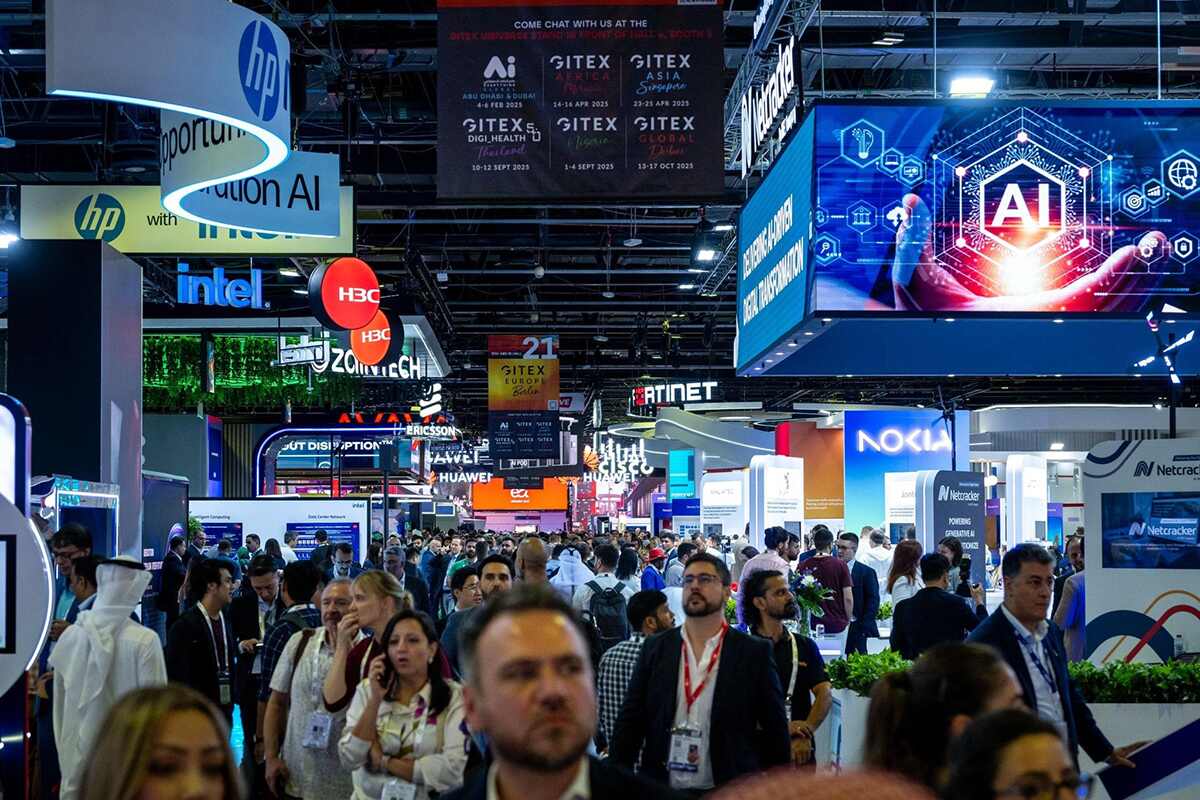
GITEX Global 2025 in Dubai has become a battleground for dominance in nation-scale artificial intelligence, as governments and tech giants compete to control the infrastructure that will underpin the next wave of the digital economy. The event has already featured multiple high-stakes unveilings of sovereign AI platforms, hyperscale data centres, and public-service automation systems illustrating how computing power is being weaponised as strategic capital. The opening day […]
BERLIN, GERMANY – Newsaktuell – 14 October 2025 – Global leaders reaffirmed their commitment to health as a political priority and a cornerstone of peace and resilience on day 2 of the World Health Summit, the leading platform for global health. Against the backdrop of geopolitical crises, global leaders called for shared responsibility in shaping a healthier, more resilient world on the World Health Summit stage. World […]
India is dispatching over 450 technology firms and startups to GITEX Global 2025 in Dubai, anchoring the India Pavilion under the aegis of ESC. The pavilion will span multiple halls and spotlight more than 100 Indian enterprises across sectors such as AI, cybersecurity, cloud computing, IoT, smart mobility, fintech and digital infrastructure. Organisations will also engage in high-stakes networking, investor roundtables and B2B matchmaking.
GITEX Global 2025, running from 13 to 17 October at the Dubai World Trade Centre, draws more than 6,800 tech companies and some 2,000 startups from about 180 countries. It is expected to be the largest edition to date, integrating themes such as physical AI, quantum computing, biomedicine and semiconductor innovation. Across the co-located Expand North Star event, over 1,200 investors managing assets exceeding US$1.1 trillion will scout opportunities among scale-ups and unicorns.
The India Pavilion marks a concerted push to convert India–UAE strategic frameworks into tangible tech commerce. With the India–UAE Comprehensive Economic Partnership Agreement and the Local Currency Settlement System operational, cross-border ICT trade has surged. Bilateral trade crossed US$100 billion during fiscal year 2024–25, and electronics exports alone reached US$3.7 billion, positioning the UAE as a key destination for Indian hardware shipments.
At a preparatory briefing, Kamal Vachani, ESC’s regional director for Dubai, described the pavilion as more than a display — “a living showcase of India’s tech prowess and growing synergy with the UAE.” ESC’s CEO, Gurmeet Singh, noted that many participating companies are MSMEs or first-time exporters, and that the pavilion aligns with India’s ambition to emerge as a global electronics hub.
India’s strategy at GITEX goes beyond sheer numbers. Firms are bringing solutions purpose-built for global markets — from smart city platforms to blockchain-enabled supply chains. The pavilion will host curated sessions on cross-border compliance, regulatory alignment, and scalable deployment across Middle Eastern and African markets.
For the UAE, the event reinforces its vision of acting as a global nexus for innovation and capital. Major corporate names such as G42, e&, IBM, AMD, Huawei, Microsoft, Oracle and Amazon Web Services will anchor the exhibitions. New entrants including Cerebras, Tata Electronics, Qualcomm and Tenstorrent will attempt to break in. The show also emphasises future-critical infrastructure: hyperscale data centres, quantum systems, and semiconductor roadmaps are front and centre.
Globally, one of the event’s linchpin themes is the maturation of AI into domain-specific systems. The AI Semicon track will address sovereign technology imperatives in chip design, while the Quantum Expo will present fault-tolerant architectures. At the intersection of AI and healthcare, companies like Mammoth Biosciences and Paradromics will illustrate how gene-editing and neurotech are being reimagined. Robotics firms will showcase humanoid prototypes and autonomous “robocars,” underscoring the pivot to “physical AI.”
Strategic partnerships form a parallel narrative. India and the UAE are finalising memorandum exchanges via the UAE-India Business Council to deepen collaboration across fintech, logistics, digital infrastructure and state-level investment. The CEPA Start-up Series launched earlier this year in New Delhi underscores a joint intent to foster innovation-led cross-border growth.