News related to
cars

Fuel prices in the UAE experienced a notable rise in November, with the price of Super 98, Special 95, and E-Plus 91 all increasing by 9 fils per liter compared to October. The increase has raised concerns among consumers, particularly in light of ongoing discussions about the global energy market and its impact on local economies.

The National Petroleum Marketing Company, which oversees fuel pricing in the UAE, implemented this price change after monitoring shifts in global oil prices. The new prices reflect a global trend in energy markets where oil prices have steadily climbed in the past months due to rising demand and geopolitical uncertainties. Industry analysts suggest that such fluctuations are becoming increasingly common as global supply and demand dynamics evolve.

The change has been felt by consumers across the country, with many noting the impact on household budgets. The price for Super 98, the premium fuel grade, is now set at 3.03 AED per liter, up from 2.94 AED in October. Special 95, which is widely used by the general public, now costs 2.92 AED per liter, while E-Plus 91 has seen its price rise to 2.83 AED per liter. These increases, although seemingly modest, have a direct impact on daily life in the UAE, where gasoline-powered vehicles remain the primary mode of transport for the majority of residents.

The fuel price hike is part of a broader trend of fluctuating oil prices that began in mid-2023, driven by OPEC+ decisions, changes in U.S. production levels, and shifting demand patterns across key global markets. In particular, recent supply cuts by major oil-producing nations have tightened global crude oil supplies, contributing to the increase in fuel costs. The UAE, being a significant player in the global energy market, is not insulated from these trends, as the country relies heavily on oil exports for revenue.

The fuel price increases also come amidst discussions about the UAE’s efforts to diversify its economy away from oil dependence. Although the country has made significant strides in renewable energy development, including solar power and nuclear energy, oil remains a dominant economic driver. This creates a delicate balance for policymakers who must manage rising fuel prices while attempting to transition to more sustainable energy sources in the long term.

Consumer sentiment regarding the fuel price hike has been mixed. While some accept the increase as an inevitable result of global market trends, others express frustration with the recurring adjustments. Public transport, although available in major cities like Dubai and Abu Dhabi, remains underdeveloped in many parts of the country, making private car ownership essential for most people. This reliance on cars amplifies the impact of rising fuel prices on everyday expenses, leading to concerns about the affordability of transportation.

Economists have also weighed in on the potential long-term effects of fuel price hikes in the region. Some suggest that continued increases could put pressure on the cost of living, particularly in industries reliant on fuel-intensive activities such as transportation and construction. Businesses may face higher operating costs, which could eventually be passed on to consumers in the form of higher prices for goods and services.

On the other hand, analysts point out that the UAE government has taken steps to mitigate the impact on the most vulnerable sectors of the economy. Some subsidies remain in place for specific fuel products, particularly for those used in commercial and industrial sectors. These measures are designed to help cushion the effects of price increases and ensure that critical sectors do not experience undue strain.

The UAE’s fuel pricing system, which is reviewed monthly, has led to a degree of predictability in the market. Although prices are subject to fluctuations, the transparency of the system allows consumers to plan their expenses accordingly. This regular review process has earned praise from certain segments of the population, who appreciate the consistency in pricing, despite the periodic hikes.

Global energy market conditions remain a crucial factor in determining fuel prices. International oil price fluctuations have an immediate impact on the cost of fuel, and the UAE is particularly sensitive to these changes due to its role as a major oil exporter. With oil prices expected to remain volatile, fuel price adjustments are likely to continue being a regular feature of the economic landscape in the UAE. These changes, while impacting consumers, also serve as a reminder of the intricate connection between local economies and global energy markets.

Dubai is famous for its road system and traffic rules all around the world. For this reason, it is a wonderful destination for new drivers to practice and gain experience. However, safe driving practices should be strictly followed. The well-paved roads might be a reason for temptation for the experienced drivers to go fast. But the new drivers have to be careful. If you are a new […]

Japanese car manufacturers are facing a challenging market in China, with a substantial decline in sales during the first half of 2024. Once leaders in the world’s largest automotive market, brands like Toyota, Honda, and Nissan are now grappling with a rapidly changing landscape driven by the surge in electric vehicle (EV) adoption. The combined sales of the three major Japanese automakers fell by 12.9% in China […]

Hyundai Motor has initiated a recall of 226,118 vehicles in the U.S. due to an issue with their rear-view camera system that could cause the camera image to fail. The recall, which was announced by the National Highway Traffic Safety Administration (NHTSA), affects a variety of Hyundai models from the 2022 and 2023 model years. This move follows safety concerns regarding the display of images from the rear-view cameras, a crucial feature for enhancing visibility and preventing accidents when reversing.

The affected models include certain vehicles from the Elantra, Ioniq, Kona, Santa Cruz, and Tucson ranges. The problem stems from a software malfunction in the infotainment system, which could prevent the rear-view image from being shown on the dashboard screen. This failure may increase the risk of a crash, as drivers could be unaware of objects or pedestrians behind them when reversing. Hyundai has confirmed that no injuries or accidents have been reported related to this issue.

The company has assured affected customers that it is actively addressing the matter. Hyundai plans to update the software in these vehicles to ensure the rear-view camera operates correctly. Customers whose vehicles are involved in the recall will be notified, and they will be asked to bring their cars to authorized Hyundai dealerships for the necessary repairs, which will be provided at no cost to the vehicle owners.

This recall is part of a broader trend in the automotive industry where automakers have been increasingly addressing technical glitches in vehicle safety features. The issue with the rear-view camera system highlights the growing reliance on technological components to ensure driver and pedestrian safety. As these systems become more integral to vehicle functionality, manufacturers must ensure their reliability to avoid potentially life-threatening failures.

In a statement, Hyundai expressed its commitment to resolving the issue quickly and urged customers to monitor for official recall notices. While the company has not reported any fatalities related to the camera malfunction, the failure to provide a rear-view image could pose serious dangers, especially in urban environments where reversing can be particularly hazardous.

This recall underscores the ongoing challenges faced by the automotive industry in integrating advanced technologies into vehicles while ensuring their reliability. With the increasing number of tech-driven features in modern vehicles, automakers must stay vigilant in addressing potential software and hardware malfunctions to prevent safety risks. Manufacturers like Hyundai are also working to improve consumer trust by swiftly addressing issues and making necessary corrections when defects are identified.

Hyundai’s swift action in recalling the affected vehicles is seen as a positive step in ensuring consumer safety and adhering to regulatory requirements. It also reflects the broader trend of automakers prioritizing customer safety by responding to concerns raised by regulators and the public. As the industry continues to move toward more complex, technology-driven vehicles, similar recalls are likely to become a more frequent part of the landscape.

This recall follows similar incidents from other automakers, where software glitches or defective components have led to widespread recalls. As the vehicle safety systems become more sophisticated, including automatic emergency braking, lane-assist technology, and rear-view cameras, manufacturers are under greater pressure to ensure these systems work as intended. The NHTSA plays a vital role in monitoring vehicle safety and mandating recalls when serious safety defects are identified.

Consumers affected by the recall are encouraged to take prompt action by visiting their local Hyundai dealership. Owners can also check whether their vehicle is involved in the recall by entering their Vehicle Identification Number (VIN) on the NHTSA website. Hyundai has assured that it is working efficiently to fix the issue and minimize the disruption to vehicle owners. This recall serves as a reminder of the importance of addressing even the smallest technical flaws, as modern vehicles are packed with technology that is essential for driver safety.

HAI PHONG, VIETNAM – Media OutReach Newswire – 26 November 2024 – November 26, 2024, the President of the Republic of Bulgaria, H.E. Rumen Radev, along with a high-ranking Bulgarian delegation, visited the VinFast Hai Phong Manufacturing Complex. He expressed high regard for the quality and potential of VinFast’s electric vehicles in the European market and urged VinFast to explore collaboration and investment opportunities in Bulgaria. Vice […]

Donald Trump is preparing to sign an executive order imposing a 25% tariff on all goods imported from Mexico and Canada. The order, which is set to take effect soon, also includes an additional 10% tariff on Chinese imports. The move, according to Trump administration officials, is aimed at addressing the flow of fentanyl and other illicit drugs entering the United States, primarily from these countries. This economic strategy is positioned as part of the broader efforts to curtail the opioid crisis that has ravaged communities across the nation.

The tariff proposal, which would be one of the most significant in recent history, is designed to put economic pressure on neighboring countries and China to stem the flow of synthetic opioids, particularly fentanyl, that have led to a sharp increase in overdose deaths. U.S. officials have expressed frustration that these drugs continue to enter the country, despite previous efforts and international cooperation to curb the trade. With this new economic leverage, Trump hopes to force both Mexico and Canada, along with China, to take more substantial action to prevent fentanyl and other dangerous substances from being trafficked into the U.S.

In addition to the 25% tariff on products from Mexico and Canada, the 10% levy on Chinese imports would signal a significant shift in the ongoing trade tensions between the two countries. While U.S. relations with China have been marked by disputes over technology, trade imbalances, and intellectual property, the fentanyl issue has emerged as a new front in the ongoing trade war. Chinese manufacturers of fentanyl precursor chemicals have been accused of enabling the drug’s production and shipment to the U.S. by circumventing existing international controls.

Trump’s administration has been under increasing pressure to demonstrate tangible results in the fight against the opioid crisis, which claimed the lives of over 100,000 Americans in 2022 alone. The crisis has been compounded by fentanyl, which is up to 100 times more potent than morphine and is responsible for a significant portion of the overdose deaths. Law enforcement agencies, including the U.S. Drug Enforcement Administration (DEA), have repeatedly emphasized the role of international trafficking networks in facilitating the distribution of this deadly drug.

The 25% tariff on Mexico and Canada, two of the U.S.’s largest trading partners, would have a profound economic impact, particularly on industries that rely on cross-border trade, such as automotive, agriculture, and manufacturing. Goods such as cars, machinery, electronics, and agricultural products are likely to be affected. Both Mexico and Canada have expressed concerns over the potential economic fallout, with Canadian officials warning that such measures could trigger retaliatory tariffs. Mexico, meanwhile, has stated that it is committed to addressing the issue of fentanyl trafficking but has argued that blanket tariffs would hurt both economies rather than foster cooperation.

China, which has long been a focal point in discussions on fentanyl and other illicit drug manufacturing, faces additional scrutiny under the proposed executive order. The U.S. has accused Chinese drug producers of operating with impunity in the international market, using the country’s vast manufacturing capabilities to produce fentanyl precursors. Despite China’s commitment to increasing its domestic regulations and limiting the export of such chemicals, U.S. officials contend that China’s efforts have been insufficient. The tariff would be aimed at ramping up pressure on Beijing to fully crack down on illegal drug production and trafficking.

Trump’s proposed tariffs are expected to face significant opposition within Congress, particularly among lawmakers who represent industries that depend heavily on trade with Mexico, Canada, and China. The proposed tariffs could escalate inflationary pressures, increase costs for U.S. consumers, and potentially disrupt supply chains. Some analysts have warned that the move could result in unintended economic consequences, including higher prices for goods and reduced economic growth.

The executive order, if signed, would mark a shift in U.S. foreign and trade policy, as the administration moves beyond traditional trade negotiations and directly ties tariffs to drug enforcement. It underscores the growing concerns over the opioid epidemic, with U.S. officials focusing on international collaboration as part of a broader strategy to combat the drug crisis. The order also signals an escalating approach to trade relations with Mexico, Canada, and China, signaling that economic diplomacy may become increasingly intertwined with the fight against illegal drug trade.

This development has sparked intense debate among experts, policymakers, and industry stakeholders about the potential risks and rewards of such a tariff strategy. Critics of the plan argue that using tariffs as a tool to address drug trafficking may not yield the desired results. They point to the complex nature of the drug trade, which involves numerous actors, including drug cartels, criminal networks, and even corrupt officials, making it difficult to target effectively through economic measures alone.

Mercedes-Benz has announced an ambitious plan to introduce solar paint technology in its electric vehicles (EVs), a development that could revolutionize the way electric cars harness energy. This cutting-edge technology would allow the vehicle’s paint to absorb solar energy, even when the car is stationary or turned off. The solar paint will feed the collected energy into the car’s battery, enhancing the vehicle’s efficiency and extending its range.

This move represents a significant leap in the automotive industry’s ongoing quest to make electric vehicles more sustainable and self-sufficient. Mercedes-Benz is one of the first manufacturers to actively explore solar paint, a technology that has the potential to change the way electric vehicles interact with their environment. According to company sources, the solar paint is designed to be permanently active, continuously converting sunlight into energy as long as the vehicle is exposed to light.

This development is part of the broader trend within the automotive sector to improve EV energy management. While many electric vehicles already use regenerative braking and solar panels to boost performance, the solar paint goes a step further by leveraging the vehicle’s entire surface for energy absorption. The paint could contribute a significant amount of power to the car’s battery, although experts note that it may not fully replace the need for traditional charging methods.

Mercedes-Benz is collaborating with a variety of tech companies and research institutions to refine the technology. The company has stated that the solar paint would be applied to key areas of the vehicle, such as the roof, hood, and even the doors. The solar cells embedded in the paint would be able to absorb sunlight and convert it into usable electricity. The energy harvested would be stored in the vehicle’s battery, where it could be used to power systems like air conditioning, entertainment, and lighting, without drawing power from the main battery pack.

While solar panels on cars are not new, the integration of solar paint introduces a new level of efficiency. Traditional solar panels are often bulky and expensive, and they require a significant amount of space on the vehicle. Solar paint, however, is lightweight and can be applied to nearly any surface of the car, making it far less intrusive and more versatile. This means that the entire car could potentially act as a solar energy collector, even in areas where traditional panels might not fit or be effective.

Experts predict that the solar paint technology could be particularly beneficial for electric vehicles used in regions with high levels of sunlight. Vehicles in such areas could potentially accumulate enough energy during the day to extend their driving range or power essential systems without needing to rely as much on external charging. For example, an EV parked outdoors for several hours could accumulate enough energy from the solar paint to keep the cabin cool or power electronics while the engine is off.

However, there are challenges that still need to be addressed before solar paint can become a mainstream feature in the automotive market. One of the primary concerns is the efficiency of the solar paint. While solar panels on rooftops typically have an efficiency rate of around 15-20%, solar paint has much lower energy conversion rates. This means that while solar paint can contribute to a car’s energy supply, it may not be enough to power the vehicle independently. Mercedes-Benz has emphasized that the paint is not intended to replace conventional charging methods, but rather to complement them by providing a supplementary energy source.

The financial and technological viability of solar paint also remains uncertain. Integrating solar technology into a vehicle’s paint job will require significant investment in research, development, and production processes. There are also questions about the longevity and durability of solar paint, as the paint would need to withstand wear and tear from exposure to the elements, road debris, and washing.

Despite these obstacles, the solar paint project aligns with Mercedes-Benz’s broader sustainability goals. The company has been at the forefront of eco-friendly initiatives, such as its ambitious plans to go carbon neutral by 2039. The solar paint fits into this strategy by offering a new way to reduce the carbon footprint of electric vehicles and make them more energy-efficient. As the automotive industry looks to reduce its dependence on fossil fuels, innovations like solar paint could play a critical role in the transition to a more sustainable future.

In addition to its practical applications, solar paint technology is also a potential game-changer for the automotive design industry. As automakers explore ways to incorporate renewable energy solutions into vehicle production, solar paint could offer a more aesthetically pleasing alternative to traditional solar panels. The paint can be seamlessly integrated into the vehicle’s design, without sacrificing the car’s appearance or aerodynamics.

Mercedes-Benz’s commitment to solar paint is part of its broader strategy to remain a leader in the growing electric vehicle market. The company has already made significant strides with its EQ electric lineup, which includes a variety of vehicles designed to meet the needs of eco-conscious consumers. The introduction of solar paint would further solidify Mercedes-Benz’s position as an innovator in the field, as the company continues to explore new ways to reduce the environmental impact of transportation.

Advertisements

Eastern Europe is quickly becoming a popular destination for ski enthusiasts seeking a thrilling adventure without the hefty price tag associated with more established resorts in the Alps. Ski resorts in countries like Poland, Slovakia, and Bulgaria are gaining attention as affordable alternatives to the high-end ski destinations in Western Europe. These lesser-known mountains provide an exhilarating experience with much lower costs, making them an attractive option for budget-conscious travelers looking for a mix of adventure and value.

The snow-capped peaks of Eastern Europe offer a diverse range of ski options that rival some of the world’s most renowned destinations. With hundreds of miles of ski slopes, well-developed infrastructure, and stunning views, these regions are poised to capitalize on the growing trend of alternative winter sports destinations. Skiers can expect varied terrain suitable for all levels of expertise, from beginner slopes to challenging off-piste runs. The range of facilities is comparable to those in the Alps, but at a fraction of the cost.

In Bulgaria, the Bansko ski resort has become a standout location, renowned for its mix of traditional culture and modern amenities. Located in the Pirin Mountains, Bansko offers over 70 kilometers of ski slopes, making it one of the largest ski areas in the Balkans. What sets it apart is its exceptional value proposition, offering ski passes, accommodations, and meals that are significantly cheaper than similar services in the Alps. The resort is known for its friendly atmosphere, combining Eastern European hospitality with high-quality ski runs. Visitors are often drawn to the lively après-ski scene, which blends cultural authenticity with vibrant nightlife. Bansko’s reputation has grown steadily over the past decade, attracting both seasoned skiers and newcomers alike.

Neighboring Romania also presents enticing options for winter sports enthusiasts, with its Carpathian Mountains offering a variety of resorts that appeal to different tastes and budgets. Poiana Brașov, for example, is one of the country’s premier ski resorts. It boasts more than 24 kilometers of well-maintained slopes, snowboarding parks, and modern cable cars, all set against a dramatic backdrop of dense forests and medieval villages. Poiana Brașov is renowned for being both a family-friendly destination and a location that provides quality skiing without breaking the bank.

Poland is another Eastern European country with an emerging ski scene. Zakopane, situated at the foot of the Tatra Mountains, has long been a favorite for Polish tourists and is gaining recognition on the international stage. Zakopane offers over 40 kilometers of skiing terrain and a lively après-ski culture that is distinctly Polish. The town is particularly appealing for its picturesque charm, offering a combination of rustic wooden cottages and modern ski resorts. Zakopane’s affordable prices, particularly in comparison to neighboring Austria and Slovakia, have made it a rising star in the Eastern European ski market.

Slovakia, with its well-maintained ski resorts such as Jasná in the Low Tatras, is another destination that offers great value. Jasná, the largest ski resort in Slovakia, is renowned for its high-standard facilities, extensive terrain, and affordability. It has rapidly become a popular choice for those looking to experience skiing in the heart of Europe, offering nearly 50 kilometers of ski slopes and a range of winter activities for visitors of all levels. The resort’s modern amenities and beautiful setting in the Low Tatras National Park make it an attractive alternative to some of the more expensive Alpine resorts.

Despite the increasing competition from other countries, these Eastern European destinations retain a unique advantage: their affordability. In many of these regions, the cost of accommodation, food, and lift passes is significantly lower than in Western European ski resorts. For example, the cost of a ski pass in Bansko can be less than half of what visitors would pay at popular Alpine resorts like Chamonix or Zermatt. Similarly, lodging and dining options in countries such as Romania and Poland are often considerably cheaper, making it easier for families and smaller groups to enjoy a ski holiday without the financial strain that typically comes with top-tier Alpine resorts.

Beyond their affordability, these resorts also offer a different cultural experience that sets them apart from the traditional Alpine destinations. Skiers in Eastern Europe can expect a blend of history, culture, and scenic beauty that is unique to this region. Traditional cuisine, charming villages, and centuries-old castles add a distinctive charm to the ski experience. Eastern European resorts are also known for their hospitality, with smaller crowds and a more relaxed atmosphere than the sometimes over-crowded slopes in Western Europe.

Riyadh is set to mark a significant milestone in its urban development with the much-anticipated launch of the Riyadh Metro’s first phase on November 27. This phase will feature three key lines, marking the beginning of a transformative project aimed at reshaping the city’s public transport landscape.

The Riyadh Metro is one of the largest and most ambitious transportation projects in the world, spearheading the Saudi capital’s efforts to modernize infrastructure and reduce congestion. The first phase includes three lines: the Red Line, Green Line, and Blue Line. Together, these lines will cover a network spanning more than 40 kilometers and will offer commuters a fast, efficient, and environmentally friendly alternative to the city’s heavily congested roads.

The metro network is designed to cater to the growing population of Riyadh, which has seen rapid urbanization over the past few decades. With a population now surpassing 7.5 million, the city has been grappling with traffic congestion, air pollution, and a lack of efficient public transport options. The Riyadh Metro aims to address these challenges by providing a reliable, sustainable mode of transportation for both residents and visitors.

The project has been a long time in the making, with construction having begun in 2014. The Riyadh Metro is being developed by the Saudi Arabian government in collaboration with a number of international firms, including the Spanish company Obrascon Huarte Lain (OHL), the French multinational Alstom, and the American company Bechtel, among others. The project is a cornerstone of the Kingdom’s Vision 2030, which seeks to modernize and diversify the economy and improve the quality of life for Saudi citizens.

The Red Line, which will be the longest of the three, spans 22 kilometers and runs along a north-south axis, connecting key areas such as the King Abdulaziz Historical Center, King Saud University, and the King Khalid International Airport. This line is expected to significantly reduce travel times for residents and visitors moving between the city center and the airport, as well as improving access to cultural and commercial hubs.

The Green Line, at 13 kilometers in length, runs east-west and links some of Riyadh’s most densely populated neighborhoods. This line will provide an important service for commuters traveling between residential areas, business districts, and major shopping centers. The Green Line also intersects with the Red Line at several key points, allowing passengers to easily transfer between the two.

The Blue Line, though shorter at just 5 kilometers, will provide crucial access to critical sites within Riyadh’s urban core, including government buildings, commercial centers, and transportation hubs. This line is expected to help alleviate congestion in the city’s busiest areas, particularly during rush hours.

The Riyadh Metro’s infrastructure is designed with sustainability in mind, incorporating advanced technology to ensure minimal environmental impact. The system will be powered by electricity, which aligns with Saudi Arabia’s broader push toward cleaner, renewable energy sources. The trains are designed to be energy-efficient, with an automated system to reduce energy consumption during non-peak hours. In addition to being environmentally friendly, the metro is designed to handle high passenger volumes, with the system expected to carry around 1.16 million passengers per day once fully operational.

As the first phase of the Riyadh Metro prepares for its official launch, the city has been undergoing a significant transformation to accommodate the new system. New stations, depots, and maintenance facilities have been built, while roadways and pedestrian infrastructure have been upgraded to facilitate easy access to metro stations. Several test runs have been conducted to ensure the system operates smoothly and efficiently, and the Saudi government has promised to offer free rides during the initial months to encourage adoption among the city’s residents.

The Riyadh Metro will play a central role in addressing the Kingdom’s broader goals for urban mobility. Public transportation in Saudi Arabia has historically been limited, with car ownership and road travel being the primary modes of transport for most residents. The Riyadh Metro is expected to significantly reduce the city’s reliance on private cars, thus easing congestion and cutting down on air pollution. The metro is also expected to boost Riyadh’s economic development by providing better access to key business areas, enabling greater productivity and increasing the overall efficiency of the urban environment.

In addition to its environmental and economic benefits, the Riyadh Metro project is set to improve the quality of life for residents by reducing travel times and providing a safe, reliable, and convenient alternative to private cars. The metro stations have been designed with accessibility in mind, catering to the needs of people with disabilities, and offering modern amenities such as air-conditioned waiting areas, Wi-Fi, and ample space for commuters.

The completion of the first phase is just the beginning of a larger metro network planned for Riyadh. Future phases of the project will include additional lines, connecting more neighborhoods, business districts, and cultural centers. This expansion will help integrate the metro system into the city’s broader transportation ecosystem, which includes bus services, taxis, and ride-sharing options. The overall aim is to create a comprehensive, multimodal transportation system that enhances mobility and improves quality of life for all of Riyadh’s residents.

JAKARTA, INDONESIA – Media OutReach Newswire – 22 November 2024 – VinFast Auto has officially launched the delivery of its electric VF 5, at the Gaikindo Jakarta Auto Week, held from November 22 to December 1, 2024. This is the second electric car model VinFast has delivered in Indonesia, reinforcing its mission to make electric vehicles accessible for all and contributing to the green transportation revolution in […]

Highlights of FY24/25 Half-Year Results Group sales US$1,854 million – down 4% compared to first half of the prior financial year Gross profit US$438 million or 23.6% of sales (compared to US$430 million or 22.2% of sales in the first half of the prior financial year) Adjusted EBITA US$177 million or 9.5% of sales (compared to US$180 million or 9.3% of sales in the first half of […]

Lada, the iconic Russian automaker, has made its entry into the UAE market, offering residents the chance to test drive and place orders for its vehicles. Through its official distributor in the UAE, the Russian brand is now showcasing a variety of models, including the Granta Sedan, Vesta SW Cross, Niva Legend, and Niva Travel, which are available for purchase and direct engagement by potential buyers in […]

Ali & Sons, the official Audi dealership in Abu Dhabi and Al Ain, has unveiled the opening of pre-orders for the highly anticipated Audi Q6 e-tron. This new electric model represents a significant leap in the automaker’s electrification strategy, offering a combination of cutting-edge technology, sustainable performance, and luxury design. Audi has firmly positioned the Q6 e-tron as one of its most advanced electric vehicles, with numerous […]

Pony AI, the autonomous vehicle technology company backed by Saudi Arabia’s Public Investment Fund (PIF), is aiming for a valuation of $4.5 billion in its upcoming initial public offering (IPO) in the United States. This target marks a significant reduction from the company’s peak valuation of $8.5 billion in 2022, highlighting the challenges the self-driving vehicle industry faces amid broader market volatility and investor caution. The company’s […]

Tesla, a prominent name in the electric vehicle industry, has come under scrutiny as a new study reveals its cars are involved in fatal accidents at a rate double the industry average. This concerning figure, derived from a LendingTree analysis of National Highway Traffic Safety Administration (NHTSA) data, has raised questions about the real-world implications of Tesla’s advanced technologies, including Autopilot.

The study highlights that for every billion miles traveled, Tesla vehicles experience 1.6 fatal crashes, a stark contrast to the industry benchmark of 0.8 per billion miles. Despite Tesla’s robust marketing of its safety credentials, including top crash-test ratings, this data has ignited debates over the effectiveness of these technologies in diverse driving conditions. Factors such as driver overreliance on automation and misunderstanding of Tesla’s advanced features are believed to contribute to this elevated risk.

Autopilot, Tesla’s driver-assistance system, is frequently cited in accident investigations. Critics argue that the name itself may encourage overconfidence in its capabilities, leading some drivers to engage in risky behaviors. Reports of crashes where drivers were inattentive or reliant on the system have added fuel to these concerns. Tesla, however, maintains that its technologies enhance safety when used as intended, emphasizing the need for driver engagement.

Insurance premiums for Tesla owners also reflect these findings. The vehicles’ higher crash rates influence their risk profile, often resulting in elevated insurance costs compared to other brands. Analysts suggest that while Tesla’s vehicles are packed with technology designed to mitigate accidents, the outcomes are influenced heavily by driver behavior.

The study has broader implications for the auto industry. It underscores a critical need for manufacturers to address the gap between technological capabilities and user understanding. Safety experts emphasize that while features like automated emergency braking and adaptive cruise control are transformative, they are not replacements for attentive driving.

Tesla’s accident statistics are further complicated by its demographic. The brand is popular among tech-savvy, younger drivers who may engage in higher-risk driving behaviors compared to the general population. Analysts caution that this factor, coupled with the vehicles’ high-performance capabilities, may skew the statistics.

NHTSA is actively investigating Tesla’s technologies in light of the company’s accident rates. Several probes focus on crashes involving Autopilot, particularly in scenarios where emergency vehicles are involved. These investigations aim to determine whether Tesla’s systems adequately alert drivers or mitigate risks in complex situations.

Amid these challenges, Tesla continues to innovate in automotive safety. The company regularly updates its software and introduces new features to address identified risks. For example, Tesla has implemented driver monitoring systems to ensure users remain attentive when using Autopilot. However, the effectiveness of these measures in reducing fatal accidents remains to be seen.

As Tesla grapples with these findings, the broader automotive sector faces similar questions about the integration of advanced technologies. Automakers are navigating a delicate balance between innovation and safety, striving to ensure that cutting-edge features do not inadvertently introduce new risks.

Salik, the toll operator for Dubai’s roadways, has posted a significant increase in its earnings, signaling a promising growth trajectory. The toll operator, which manages Dubai’s Salik toll system, revealed that its profits have surged, bolstered by an uptick in traffic volumes and improved operational efficiencies. The company, which operates the electronic toll collection system across Dubai, saw its revenues climb sharply. The key factor behind this […]

Frankie Muniz, former star of the popular television series *Malcolm in the Middle*, was involved in a significant crash during the Craftsman Truck Series Championship race on Friday. The actor, who now competes in NASCAR, was seen limping away from the wreck after his vehicle collided with another competitor’s truck. The incident took place during the high-stakes race, drawing attention from fans and sports enthusiasts alike. Muniz, […]

Motorcycling offers an exhilarating blend of adventure, freedom, and community. This blog post provides essential guidance for beginners, covering the benefits of motorcycling, necessary gear, tips for choosing your first bike, and safety measures. It also includes advice on basic maintenance and accident preparedness, helping you start your motorcycling journey with confidence and excitement. Why Motorcycling is the Perfect Hobby Motorcycling is more than just a mode […]

ABU DHABI, UAE – Media OutReach Newswire – 7 November 2024 – The Zayed Sustainability Prize, the UAE’s pioneering award for sustainability and humanitarianism, has announced 33 finalists for innovative solutions to global challenges from 5,980 submissions across 156 countries. These innovators leverage AI and advanced tech to address carbon capture, sustainability, and essential access to clean energy, water, food, and healthcare. Winners will be announced at […]

Catastrophic flooding across southeastern Spain has left at least 72 people dead, with authorities evacuating thousands as torrents of water inundated urban and rural areas. The combination of intense rainfall and storm surges turned streets into rivers, submerged highways, and halted transportation networks in Murcia, Valencia, and Almeria. This extreme weather event, classified locally as a *gota fría* or “cold drop,” brought unprecedented rainfall and gale-force winds, marking one of the nation’s most severe weather-related disasters in recent history.

The flooding has wreaked havoc on infrastructure, especially in urban areas where vehicles were swept away, and public transport was paralyzed. At least 3,500 people were evacuated from affected regions, with some finding themselves stranded in tunnels or swept off highways as roads became impassable. As Valencia alone reported around 689,000 students affected by school closures, the storm’s impact on daily life has been widespread. The Valencia region recorded nearly 250 mm of rain in just 12 hours, with surrounding areas experiencing similarly historic levels, leading to rapid flooding of municipal streets and low-lying residential areas.

Emergency responders, including hundreds of soldiers, boats, and helicopters, were quickly mobilized, with military personnel assisting in the mass evacuation efforts and aiding those trapped in precarious conditions. Some citizens took refuge on rooftops awaiting rescue as the floodwaters rose, while emergency services worked tirelessly to clear submerged cars and reroute people to safety. Murcia’s mayor Mario Cervera described the situation as “critical,” with vast areas of his municipality “completely underwater.”

Air travel and rail services faced extensive disruption as two regional airports closed and the railway line between Madrid and Barcelona was suspended. Train services across Murcia were similarly impacted, leaving thousands of travelers stranded. Fatalities were reported in multiple incidents, including cases where individuals were swept away while attempting to navigate the flooded roads. In one such incident in Almeria, a man was found dead after his car was submerged in a tunnel despite a police cordon warning drivers to avoid the area. Authorities also found two siblings deceased after torrential rains overwhelmed their vehicle near Albacete.

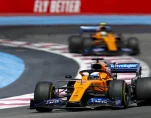
Abu Dhabi-based CYVN Holdings is set to acquire the automotive division of the renowned British luxury car manufacturer, McLaren. This significant move represents a strategic expansion for CYVN, a company well-established in the investment sector, particularly within the automotive and technology markets. The acquisition underscores CYVN’s commitment to diversifying its portfolio and strengthening its presence in the high-performance automotive segment.

McLaren Automotive, celebrated for its innovative design and engineering, has faced several challenges in recent years, including financial difficulties exacerbated by global supply chain disruptions and the impact of the pandemic. The brand is known for its exceptional sports cars, such as the McLaren P1 and the 720S, which have garnered a strong following among car enthusiasts and collectors. The acquisition aims to revitalize the brand while integrating CYVN’s resources and expertise to enhance production efficiency and expand market reach.

The financial specifics of the deal have not been disclosed, but analysts suggest that CYVN Holdings has leveraged its substantial investment capabilities to facilitate this acquisition. The transaction is expected to provide McLaren with the necessary capital infusion to reinvest in product development, marketing, and expanding its electric vehicle offerings. The automotive industry is increasingly shifting towards sustainability and electrification, and McLaren has already initiated plans to introduce hybrid and fully electric models.

CYVN Holdings has expressed its intention to maintain McLaren’s legacy while injecting new energy into the brand. This includes a potential increase in research and development efforts, focusing on advanced technologies that align with global automotive trends. Furthermore, the acquisition is anticipated to enhance McLaren’s competitive positioning against other luxury automotive brands, such as Ferrari and Lamborghini, which have also been expanding their electric vehicle lineups.

Industry experts view this acquisition as a critical turning point for both companies. For CYVN, gaining control of a prestigious automotive brand like McLaren enhances its reputation in the luxury sector. For McLaren, this transition could mark the beginning of a new era, enabling it to emerge stronger from its financial setbacks.

As the automotive landscape evolves with rapid technological advancements, partnerships between investment firms and automotive companies are becoming increasingly prevalent. This acquisition reflects a broader trend where financial entities invest in established brands to leverage their market potential. CYVN’s strategic approach highlights the growing interest in the automotive sector among investors looking for promising opportunities.

The implications of this acquisition extend beyond the financial sphere. McLaren’s integration into CYVN’s portfolio could lead to synergies that enhance operational efficiencies. Analysts predict that there will be a focus on optimizing production lines and enhancing supply chain management, especially in light of the ongoing global semiconductor shortages that have plagued the automotive industry.

McLaren’s workforce, known for its engineering prowess, is also a focal point for CYVN. The new ownership structure may foster a collaborative environment that allows for cross-pollination of ideas between CYVN’s existing ventures and McLaren’s automotive expertise. This integration may yield innovations that enhance product offerings and attract a broader customer base.

The transition is expected to be smooth, with CYVN leadership pledging to retain key personnel within McLaren’s management team. This continuity is crucial for maintaining the brand’s identity and ensuring that the legacy of innovation and performance is upheld. Current management is likely to play a pivotal role in navigating this new phase, emphasizing the importance of preserving McLaren’s unique culture while adapting to the changing market dynamics.

As the deal moves toward completion, stakeholders from both companies are optimistic about the future. Analysts emphasize that the automotive sector is at a critical juncture, with opportunities for growth through technological innovation and sustainability initiatives. The partnership between CYVN Holdings and McLaren Automotive could be a blueprint for future collaborations, demonstrating the potential of strategic investments in revitalizing established brands.

With electric and hybrid vehicles becoming the focus of the automotive industry, this acquisition positions both entities to capitalize on emerging trends. McLaren’s storied history in motorsports and its engineering excellence provide a solid foundation for developing cutting-edge electric vehicles that resonate with environmentally conscious consumers.

SINGAPORE – Media OutReach Newswire – 24 October 2024 – Senoko Energy, one of Singapore’s largest energy companies, and Gentari, a clean energy solutions provider, have signed a Memorandum of Understanding (MoU) to embark on a collaborative effort to explore the importation of hydrogen gas from Malaysia to Singapore. Senoko Energy and Gentari Collaborate to Enhance Sustainable Energy Solutions in Singapore with Hydrogen Following the MoU, both […]

A new federal decree-law aimed at overhauling traffic regulations has been enacted by the UAE Government, reflecting a strategic effort to modernize the nation’s transportation framework. This legislation responds to the dynamic global shifts in mobility, focusing on emerging technologies and innovative vehicle classifications.

This decree-law places significant emphasis on self-driving vehicles and electric cars, as well as personal mobility devices. It lays the groundwork for a robust regulatory environment that supports the integration of advanced technologies into everyday transportation. By updating vehicle classifications, the UAE is preparing for the broader adoption of innovative mobility solutions that align with global trends.

The legislative move also includes provisions for utilizing cutting-edge technology within the nation’s extensive road network. This approach is in line with the UAE’s vision to foster smart city initiatives, emphasizing sustainable and efficient transportation options. The country aims to ensure that its infrastructure not only supports conventional vehicles but is also equipped to accommodate futuristic mobility solutions.

One of the key features of the new traffic law is the establishment of a cabinet resolution that will outline the necessary requirements for the inspection, licensing, and renewal of self-driving vehicles. This is a significant step, as it creates a clear framework for regulating these advanced vehicles, ensuring that safety standards are maintained while promoting innovation.

The decree-law further stipulates procedures for trials of new vehicle technologies, which is crucial for fostering an environment conducive to innovation. By streamlining these processes, the UAE hopes to attract global automotive and technology companies to conduct trials and introduce their products within its borders. This could position the UAE as a leading hub for automotive innovation in the region, stimulating economic growth and job creation.

The legislation acknowledges the importance of personal mobility devices such as e-scooters and electric bicycles, which are increasingly popular in urban areas. By formally recognizing these modes of transportation, the UAE is taking proactive steps to regulate their use, ensuring public safety while encouraging sustainable transport options.

The decree-law aligns with the UAE’s broader commitment to sustainability and environmental responsibility. As the world shifts towards greener alternatives, the promotion of electric vehicles and advanced mobility solutions reflects the UAE’s dedication to reducing its carbon footprint. The government’s initiatives in this regard are also in keeping with global environmental goals, enhancing the nation’s reputation as a responsible player on the international stage.

Stakeholders in the transportation sector, including automotive manufacturers and technology firms, have welcomed the new law as a significant advancement. They believe that a clear regulatory framework will encourage investment and innovation, enabling the UAE to compete effectively in the rapidly evolving global automotive market. By creating a conducive environment for new technologies, the UAE is likely to attract investments from companies seeking to test and deploy their innovations in a forward-thinking market.

Industry experts assert that the shift toward self-driving and electric vehicles is not merely a trend but represents a fundamental change in how transportation systems operate. The updated regulations will allow for a more seamless integration of these technologies into existing infrastructure, which is essential for the safe operation of autonomous vehicles.

The decree-law addresses the growing need for smart transportation solutions that can adapt to changing urban landscapes. The focus on advanced technology will allow for better traffic management and improved safety protocols, essential for accommodating the influx of vehicles and personal mobility devices expected in the coming years.

As the UAE continues to invest in its infrastructure and embrace innovative transportation solutions, the implications of this new traffic law extend beyond mere regulation. It represents a strategic vision for the future of mobility in the region, setting a precedent for other nations to follow. The potential benefits include improved urban mobility, enhanced safety, and a greener environment, which collectively contribute to a higher quality of life for residents and visitors alike.

Rene Haas, CEO of Arm Holdings, emphasizes the profound impact of artificial intelligence on the automotive industry, noting that the advent of smart vehicles will significantly transform transportation dynamics. During a recent industry event, Haas articulated a clear vision of a future where intelligent cars will redefine mobility, driven by advanced AI technologies that enhance performance, safety, and user experience. This evolution in smart vehicles is anticipated to accelerate rapidly, indicating a shift not only in how cars operate but also in how they integrate with broader urban ecosystems.

Arm Holdings, known for its semiconductor technology and microprocessor designs, plays a pivotal role in this transformation. The company’s innovations are critical to enabling the next generation of smart cars, which rely on intricate AI systems for tasks such as navigation, environmental sensing, and real-time decision-making. With the growing emphasis on connectivity and automation, vehicles are evolving into complex data-driven platforms. Haas remarked that the integration of AI in automotive technology is not merely a trend but a fundamental shift that will enhance safety and performance.

The growing trend of smart vehicles is underscored by major automotive manufacturers investing heavily in AI and machine learning technologies. Companies like Tesla, Ford, and General Motors are leading the charge, developing AI systems capable of processing vast amounts of data from sensors and cameras to navigate complex environments. As vehicles become increasingly autonomous, the reliance on sophisticated algorithms for safe operation is more critical than ever. Analysts predict that the global autonomous vehicle market could reach a valuation of over $500 billion by 2026, underscoring the industry’s shift towards smarter, AI-enabled transportation.

Regulatory bodies are also adapting to the rise of smart vehicles. Governments worldwide are creating frameworks that promote innovation while ensuring public safety. For instance, the U.S. Department of Transportation has issued guidelines for the testing and deployment of automated vehicles, encouraging manufacturers to implement robust safety measures. This regulatory environment is essential for fostering trust in new technologies and ensuring that advancements in AI do not compromise safety standards.

One of the significant challenges faced in this rapidly evolving landscape is data privacy and security. As vehicles become more connected, they generate extensive amounts of data, raising concerns about how this information is collected, stored, and utilized. Industry stakeholders, including Arm Holdings, are prioritizing the development of secure systems to protect consumer data while maximizing the potential of AI. Haas highlighted the importance of building trust with consumers, stating that secure technology must go hand in hand with innovation to facilitate widespread adoption.

Emerging technologies, such as edge computing and 5G connectivity, are enhancing the capabilities of smart vehicles. Edge computing allows data processing to occur closer to the source, enabling faster responses to dynamic driving conditions. Coupled with the low-latency benefits of 5G, these technologies facilitate seamless communication between vehicles, infrastructure, and cloud-based services, significantly improving the overall driving experience. Experts believe that such advancements will not only enhance the functionality of smart vehicles but also pave the way for new business models within the automotive industry.

In addition to safety and efficiency, sustainability is becoming a critical focus for the automotive sector. The integration of AI is facilitating the development of electric vehicles and hybrid models, which contribute to reducing carbon footprints. Companies are leveraging AI to optimize energy consumption and improve battery management systems, ensuring that smart vehicles are not only technologically advanced but also environmentally friendly. This aligns with broader global initiatives aimed at combating climate change and promoting sustainable practices.

Consumer demand for smart vehicles is on the rise, driven by a desire for enhanced convenience, safety, and connectivity. Market research indicates that modern consumers are increasingly inclined to purchase vehicles equipped with advanced technologies, including AI-powered features such as adaptive cruise control, lane-keeping assistance, and automated parking. This shift in consumer preferences is prompting automakers to prioritize the integration of AI and connectivity into their offerings.

VISHNU RAJA
RYO YAMADA
HITORI GOTOH
IKUYO KITA