News related to
chief

Lunate has unveiled a new thematic ETF offering, marking the first of its kind in the region, aimed squarely at quantum computing—a field rapidly reshaping sectors from pharmaceuticals to cybersecurity. The Boreas Solactive Quantum Computing UCITS ETF, developed under Lunate’s newly introduced Boreas range, is set to debut on the Abu Dhabi Securities Exchange on 22 September under the ticker QUANTM.

The fund traces the Solactive Developed Quantum Computing Index and encompasses 25 firms spanning pure-play quantum specialists like IonQ and Rigetti, alongside technology giants at the vanguard of quantum research such as Microsoft, Nvidia, and IBM. Lunate, acting through its regulated affiliate in Abu Dhabi, is spearheading the investor-facing programme, which integrates active thematic research with transparent, index‑based selection.

Geir Espeskog, an industry veteran, heads the specialist team behind the Boreas suite, reinforcing Lunate’s intensified investment in its ETF platform. Following the addition of this thematic ETF to its portfolio, Lunate will manage a total of 19 offerings, combining traditional and thematic strategies.

ADX’s Group Chief Executive, Abdulla Salem Alnuaimi, highlighted the significance of this launch, noting that QUANTM will serve as the 17th ETF listed on the exchange. He underscored its value in granting investors direct access to global leaders in quantum computing, including Alphabet and Amazon.

Solactive, the index provider, described the collaboration as a milestone both for itself and for thematic ETFs in the region. Its ARTIS® natural language processing power plays a central role in categorising companies across hardware, software & algorithms, and communication & sensing segments—applying a rank-weighted methodology that ensures balanced exposure within the index.

Market trends underpinning this launch are compelling. The global thematic fund arena has nearly doubled in size over five years, reaching roughly $562 billion. In the U. S. and Europe, thematic ETFs have also surged; by early 2025, the U. S. counted 473 listings, while Europe hosted 748, with assets concentrated in tech-heavy strategies such as AI and digital infrastructure.

Investors may subscribe to QUANTM between 10 and 16 September via six authorised participants or the ADX eIPO portal. The fund will carry a total expense ratio of 0.49 percent.

Vivaldi has emphatically confirmed that it will not integrate artificial intelligence tools into its core web browser experience. Jon von Tetzchner, the company’s chief executive, made the position unequivocal: AI-driven chatbots, summarisation engines or form‑filling suggestion tools will not be added “until more rigorous ways to do those things are available”. He cautioned that such features risk turning active browsing into passive consumption, transforming users into spectators rather than […]

TECOM Group has committed AED 1.6 billion to acquire 138 land plots totalling 33 million sq ft from Dubai Holding Asset Management. The move enlarges the Group’s land portfolio to over 209 million sq ft and directly addresses strong customer demand for industrial space at Dubai Industrial City, which currently operates at 99 per cent occupancy. The acquisition reinforces TECOM Group’s role as a key contributor to the industrial sector within the UAE, aligning with national economic objectives such […]

Borouge Plc confirmed shareholder approval at its 29 August General Assembly Meeting for an interim dividend of US$660 million, equating to 8.1 fils per share. The move underscores sustained financial strength driven by robust pricing premia, disciplined cost management and strategic inventory realisation.

The corporation reaffirmed its intention to deliver a total dividend of 16.2 fils per share for 2025—a rise from 15.88 fils in 2024—with the final instalment of 8.1 fils set to be disbursed in the first quarter of 2026. Since its IPO in June 2022, Borouge has returned US$4.24 billion in dividends, equating to a 30 per cent total shareholder return.

Chief executive Hazeem Sultan Al Suwaidi emphasised that the dividend distribution reflects the company’s “consistent track record of strong shareholder returns,” grounded in disciplined cost oversight, steady pricing margins and robust operations. He also pointed to progress toward forming Borouge Group International in early 2026 and remarked that the company remains committed to delivering resilient performance and one of the highest dividend returns on the ADX.

Financial results for the first half of the year reinforce the dividend decision. Borouge posted a net profit of US$474 million, lifted by sustained volumes, favourable pricing premia and cost efficiencies. Operationally, the pivotal Borouge 4 mega‑project has surpassed 90 per cent completion and is on target for delivery by the end of 2026. Upon completion, it will add 1.4 million tonnes of annual polyolefin capacity, unlocking substantial embedded value for shareholders.

Further details of the company’s broader strategic direction were outlined. Borouge Group International, the planned global entity, is on track for completion in the first quarter of 2026, with regulatory filings and integration processes already under way. The newly formed firm is projected to become a US$60 billion global petrochemicals powerhouse and the world’s fourth‑largest polyolefins company. Following completion, the intention is to maintain an annual minimum dividend of 16.2 fils per share through to at least 2030, subject to approval.

Earlier, Borouge had signalled its intent to distribute this interim dividend when the board proposed a US$663 million interim payout on 30 July, equivalent to 8.1 fils per share, inviting shareholders to convene on 29 August. Market commentary from the second quarter further framed the dividend rationale: net profit reached US$193 million in Q2, buoyed by the timely execution of the Borouge 3 turnaround—completed ahead of schedule and within budget. EBITDA stood at US$440 million with a margin of 34 per cent, reinforcing the company’s resilience amid asset maintenance.

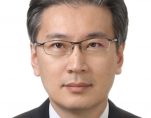
SEOUL, SOUTH KOREA – Media OutReach Newswire – 1 September 2025 – Aon plc (NYSE: AON), a leading global professional services firm, today announced Bonjay Koo has been appointed Enterprise Client Leader, Asia Pacific in South Korea effective September 1. Bonjay Koo In this strategic role, Koo will be responsible for the delivery of integrated Risk Capital and Human Capital solutions to Aon’s enterprise and large multinational […]

Mastercard and Circle have deepened their collaboration to enable settlement of transactions in USDC and EURC stablecoins for acquirers and merchants across Eastern Europe, the Middle East and Africa. Arab Financial Services and Eazy Financial Services are among the first institutions to access this capability, which integrates stablecoin payments into Mastercard’s established global network.

The initiative marks a clear shift towards tokenised money. Mastercard’s President for EEMEA, Dimitrios Dosis, emphasised the ambition to bring stablecoins into mainstream finance by investing in infrastructure, governance and partnerships, while leveraging the company’s longstanding expertise in security and compliance. Kash Razzaghi, Chief Business Officer at Circle, framed the move as a step towards “borderless, real‑time commerce,” seeking to make USDC as ubiquitous as traditional payments.

Arab Financial Services highlighted the tangible value of the new model: improved liquidity, operational efficiencies and dramatically reduced friction in high‑volume reconciliations. Eazy Financial Services underscored how the expanded settlement option aligns with its mission to offer faster, more secure, and efficient payment solutions, setting a fresh standard for digital settlements in EEMEA.

This development builds on existing collaborations such as crypto payment card solutions with the likes of Bybit and S1LKPAY, which already use USDC for settlement in the region. Mastercard further extends its stablecoin portfolio beyond USDC and EURC, already supporting USDG, FIUSD and PYUSD across various use‑cases spanning remittances, B2B, and payouts via platforms like Mastercard Move and the Multi‑Token Network, underpinned by its Crypto Credential and Crypto Secure frameworks.

Financial infrastructure experts view the rollout as particularly meaningful for emerging markets. World Bank data indicates cross‑border transfer costs remain high—around 8% on average—far exceeding the UN’s Sustainable Development Goal threshold of 3%. Introducing stablecoin settlement is expected to trim costs, accelerate transfers, and bolster working capital and currency resilience for small and medium businesses.

Analyses point to early adopters witnessing significant gains: settlement speeds up by 30%, and liquidity costs drop around 20%, according to some reports. Mastercard’s compliance infrastructure, combined with evolving regulatory frameworks like the European MiCA and US GENIUS Act, fosters institutional trust in this digital settlement evolution.

Circle is working to fortify USDC’s global footprint beyond this initiative. Its broader strategy includes partnerships with Finastra to plug USDC into traditional payment hubs, OKX for zero‑fee USDC conversions, and ventures with SBI Group and Ripple in Asia—all aimed at building liquidity, interoperability and widespread adoption.

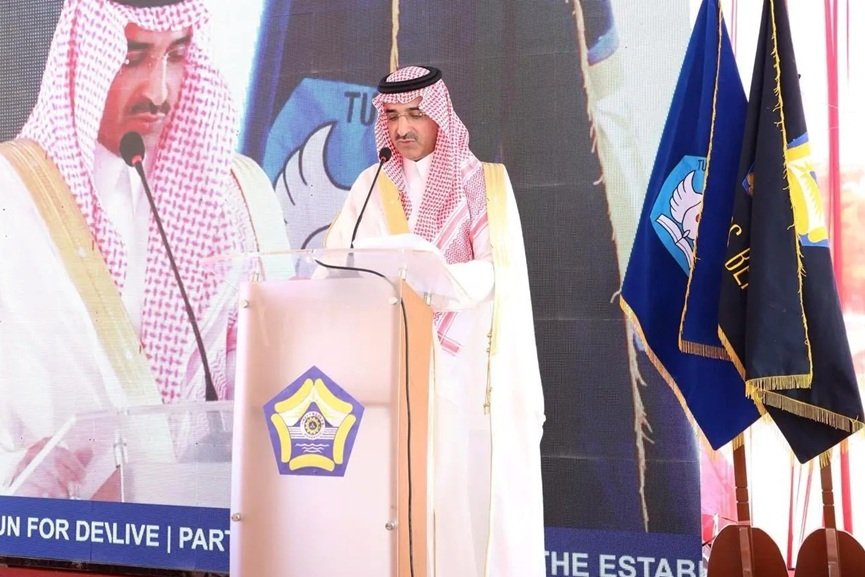
A new teaching and research hospital at the University of Bengkulu opened its doors this week, backed by a $22 million concessional loan from the Saudi Fund for Development. The facility is expected to bolster healthcare delivery and medical training in the region, reinforcing nearly five decades of strategic collaboration between SFD and Indonesia.

Sultan bin Abdulrahman Al-Marshad, Chief Executive Officer of SFD, presided over the inauguration on Friday, joined by Dr Retno Agustina Ekaputri, Rector of the University of Bengkulu, and Ir H Mian, Vice-Governor of Bengkulu Province. The hospital promises expanded healthcare access for local communities while serving as an academic hub for medical students and professionals.

At the ceremony, Al-Marshad emphasised that the facility represents “an important milestone in strengthening healthcare services for the people of Bengkulu and beyond,” highlighting the nearly 49-year trajectory of cooperation between SFD and Indonesia and affirming their mutual commitment to advancing the Sustainable Development Goals.

Functioning as both a medical facility and a teaching and research institution, the hospital is poised to enhance the region’s health system resilience, improve community health outcomes, and deliver hands-on training for new generations of medical staff.

Since its initial engagement in Indonesia in 1976, SFD has financed 12 development projects through over $396 million in loans, spanning healthcare, education, infrastructure and other vital sectors.

These initiatives illustrate a model of long-term development partnerships, tailored to local priorities while reinforcing broader global development objectives.

Al-Marshad’s visit also recalls a prior milestone when he laid the foundation stone for the hospital as part of a cluster of projects, including educational campuses in Jakarta and East Java, during his 2022 trip—an early indicator of the project’s eventual realisation. That plan had projected serving over 328,000 beneficiaries annually across Indonesia.

Advertisements

Digital Realty and Vultr have entered into a strategic global partnership to deploy enterprise‑grade, GPU‑accelerated AI infrastructure in key data‑hub markets. Through this alliance, Vultr’s cloud‑based GPU clusters – powered by NVIDIA HGX B200 and AMD Instinct MI325X chips – will be integrated into Digital Realty’s PlatformDIGITAL data‑centre network, offering high‑performance AI compute close to where enterprise data resides. The new offering allows organisations to access Vultr’s GPU resources via direct […]

A quarter of white‑collar professionals in the UAE express concern that artificial intelligence might one day replace their roles, yet more than half acknowledge that AI tools have made their work noticeably easier—presenting a complex picture of apprehension tempered by appreciation.

LinkedIn data shows that 80 per cent of professionals in the UAE now use AI tools “regularly,” a significant increase from 56 per cent in 2024. This puts the UAE second globally in AI adoption behind only India, where the figure stands at 85 per cent. Confidence in experimenting with AI is high, with 81 per cent of local professionals saying they enjoy exploring AI tools, and 73 per cent reporting more frequent and confident usage compared with the previous year. Many describe learning AI as “a second job.”

A survey by The National found that roughly 25 per cent of the 200 respondents worry about AI’s future impact on their jobs. Yet more than half affirm that AI has made their current tasks easier, and 7 per cent report that their roles have already been replaced—though they emphasise this is based on a small sample. Roles in media, advertising and marketing appear particularly vulnerable to automation. Nevertheless, David Mackenzie of recruitment firm Mackenzie Jones Middle East maintains that, at present, AI lacks the sophistication to supplant senior professionals in white‑collar roles.

Broader sentiment in the UAE workforce is largely optimistic. A Korn Ferry workforce report indicates that 82 per cent of employees in the UAE feel positive about AI’s potential—a stance mirrored in neighbouring Saudi Arabia. Moreover, a survey reveals only 7 per cent of UAE professionals would resist working alongside AI as a colleague, compared with 21 per cent globally. There is, however, cautious pragmatism: 35 per cent support limiting automation in sensitive sectors such as healthcare and education, and 61 per cent would endorse full automation only if accompanied by a universal basic income or welfare compensation, compared with 40 per cent worldwide.

These mixed perspectives take shape against a backdrop of national ambition and infrastructural investment. The UAE has broadened its Golden Visa programme to attract global talent in AI, climate technology and advanced digital industries—a strategic move to make itself a hub for technological innovation and sustainable growth. The country’s AI strategy also includes the establishment of dedicated institutions and leadership structures, such as the Ministry of State for Artificial Intelligence, Digital Economy and Remote Work Applications, led by Omar Sultan Al Olama, who was appointed in 2020 as the world’s first minister for artificial intelligence.

Academic insights reinforce the nuanced impact of AI across sectors. A recent study of creative professionals—including journalists and filmmakers—reveals that while AI enhances operational efficiency and reduces costs, it also raises concerns about authenticity, cultural integrity and skill erosion. The absence of sector‑specific guidelines leaves individuals to navigate AI adoption on their own.

On a global scale, developments are shaping discourse on AI’s real effects. A Stanford‑led study has documented a 16 per cent decline in employment among workers aged 22–25 in sectors vulnerable to automation, such as customer service and software development, between late 2022 and mid‑2025. Experienced workers remain comparatively shielded as AI takes over repetitive tasks. The report emphasises the importance of policies that favour human‑AI collaboration rather than outright replacement. Microsoft’s AI chief Mustafa Suleyman urges professionals not to fear job loss, but rather stagnation—championing reskilling, collaboration, and a growth mindset.

These threads converge as the UAE continues to pursue its goal of becoming an AI leader by 2031—anchored in education, infrastructure, investment and workforce transformation. Yet the responses of professionals remain varied: a blend of anxiety, adaptability and optimism defines the evolving relationship between AI and work in the UAE.

First Abu Dhabi Bank has unveiled a pioneering five‑year Blue Bond worth HKD 390 million, marking the first such issuance by a financial institution in the Gulf. Placed via private placement and backed by an Article 9 investor, the bond signals a bold move into water‑ and marine‑related sustainable financing. FAB’s issuance aligns with its Sustainable Finance Framework 2023 and adheres to the International Capital Market Association’s Green Bond Principles. […]

Global logistics investor GLP will receive up to $1.5 billion from a wholly owned subsidiary of the Abu Dhabi Investment Authority, signalling the sovereign wealth fund’s first move from limited partner to direct stakeholder in the firm. The initial capital deployment of $500 million is earmarked for expanding GLP’s operations in logistics, digital infrastructure, and renewable energy, with further investment to follow in coming months.

The capital infusion aligns with growing global demand across sectors driven by e‑commerce growth, artificial intelligence and cloud adoption, and the green energy transition. GLP’s data‑centre division is notably thriving: its annual revenue surged 43 percent year‑on‑year to US $193 million.

GLP oversees approximately US $80 billion in assets through its management arm, GLP Capital Partners. This move marks a strategic shift for ADIA—long an investor in GLP’s funds—into becoming a direct shareholder in the global investment group.

In a statement, GLP co‑founder and chief executive Ming Z Mei emphasised that the enhanced capital base and strategic partnership will enable the company to “accelerate growth” and capitalise on the “secular expansion of new economy sectors in which we operate.” Mohamed Al Qubaisi, executive director of ADIA’s real estate department, noted that the transaction deepens their longstanding relationship with GLP and supports its next growth phase while scaling exposure to new economy segments.

The investment supports GLP’s diversified global platform. The firm has operations across Brazil, China, Europe, India, Japan, the US, and Vietnam, spanning logistics real estate, data centres and renewables. Moreover, the investments come amid escalating interest in digital infrastructure, particularly data centres, which are seen as pivotal to AI and cloud services growth.

GLP’s momentum is further underlined by recent capital inflows from regional partners. In China, the company secured 2.5 billion yuan from Zhejiang government‑backed investors to boost its data‑centre operations. Earlier in the year, GLP completed the sale of its ex‑China funds management business to Ares Management for US $3.7 billion, in a deal partly financed with cash and equity. The company also retains stakes in those funds and has backed Ares’s first Japanese data‑centre fund, which completed a US $2.4 billion final closing in June.

GLP’s evolution over the past decade provides further context for this development. Founded in 2009 by Ming Z Mei and Jeffrey H Schwartz, the firm originated as Global Logistic Properties. It went public in 2010 in what was at the time Singapore’s largest IPO. It was taken private in 2018, following a leveraged buyout led by a private‑equity consortium. The company has since transformed into a multi‑sector platform across logistics, digital infrastructure and renewable energy.

On the other side, ADIA stands as one of the world’s largest sovereign wealth funds, managing a diversified global portfolio across asset classes including real estate, private equity and data‑centre platforms. This leap into a direct stake in GLP underscores the fund’s strategy of pursuing active positions in entities driving structural sectoral growth.

By T N Ashok NEW YORK: Trump’s 50% tariffs on Indian exports took effect from Wednesday as there has been no resolution to the dispute over Russian oil buys in by India. In a move that has stunned global markets and rattled one of America’s most strategically important partnerships, President Donald Trump on Wednesday imposed […]


McLaren Racing has confirmed that Mastercard will assume the role of Official Naming Partner of its Formula 1 team from the 2026 season, transforming the outfit’s identity to the McLaren Mastercard Formula 1 Team.

The agreement introduces Team Priceless, a global initiative designed to place fans at the heart of the action. Selected supporters will have exclusive access to distinctive behind-the-scenes experiences—from hot laps to meet‑and‑greets with drivers, alongside immersive cultural highlights during race weekends.

McLaren CEO Zak Brown expressed enthusiasm for the elevated partnership, reaffirming the commitment to prioritise the fan community—referred to affectionately as the “Papaya Family”—and deliver memorable shared experiences. Raja Rajamannar, Mastercard’s Chief Marketing and Communications Officer, echoed this alignment, noting that the collaboration reflects shared values of innovation, precision and performance.

This naming deal, reportedly valued at USD 100 million per season, represents the most lucrative in McLaren’s history and marks the team’s first title sponsorship since the Vodafone era ended in 2013.

For launch activities, Mastercard hosted a live fan event in Amsterdam on 27 August, ahead of the Dutch Grand Prix. The gathering featured appearances from drivers Lando Norris and Oscar Piastri, along with live music and interactive activations.

The deal positions McLaren at the centre of Formula 1’s expanding commercial landscape where finance and technology brands increasingly seek title sponsorships to amplify global brand visibility. Comparable moves include Oracle’s agreement with Red Bull and Haas’s partnership with MoneyGram—spotlighting the intensifying competition for branding prominence on the Grid.

Mastercard’s heightened involvement underlines an experiential marketing push that uses Team Priceless not just as an ambassadorial gesture, but as an integrated platform for fan engagement. It mirrors broader trends in sport where such partnerships emphasize interactive outreach to build loyalty and market share.

The timing dovetails with the introduction of sweeping technical rule changes in 2026, a pivotal shift anticipated to reshuffle the competitive rankings. McLaren will enter that season with a refreshed brand presence and a fortified commercial foundation.

With Mercedes power units already secured through 2030, the team now bolsters its off‑track stability via strategic sponsorships. Alongside longstanding partners—such as Google and Gulf Oil—this naming partnership with Mastercard elevates McLaren’s alignment at the intersection of technology, performance and global outreach.

As Formula 1 gears up for its next era, McLaren and Mastercard’s collaboration signals a convergence of high-performance sport and immersive brand storytelling, aiming to redefine how fans engage with the team throughout the season.

Paragraf has clinched a $55 million Series C financing round, anchored by a $35 million injection from Mubadala Investment Company—the sovereign wealth fund of Abu Dhabi—earning Mubadala a 12.8 per cent equity stake in the UK-based firm. The deal, formally approved under the National Security and Investment Act, will underpin Paragraf’s bid to scale up production of graphene-based semiconductors and pursue global expansion plans. Leading the company’s development, co‑founder […]

Saudi Arabia’s non‑oil private sector sustained strong expansion in July, although growth eased compared with June. The Purchasing Managers’ Index, compiled by S&P Global for Riyad Bank, slipped to 56.3 from June’s 57.2, yet remained well above the 50‑point mark that separates expansion from contraction.

Domestic demand continued to underpin business activity, prompting firms to recruit aggressively. Employment surged again in July, marking another historic increase following June’s 14‑year high. Chief Economist Naif Al‑Ghaith commented that “the non‑oil economy remained on a solid growth track in July, supported by higher output, new business, and continued job creation”.

Despite this resilience, output growth moderated, registering its slowest pace since January 2022. Firms pointed to rising competition and reduced customer visits as key factors behind the slowdown. One of the more notable concerns was the first decline in new export orders in nine months, highlighting challenges in attracting foreign clients.

Cost pressures, while still elevated, showed a slight easing. Input price inflation decelerated marginally, though labour expenses remained steep amid efforts to retain staff through bonuses. Nevertheless, firms passed on some of this pressure to consumers, with output prices rising for a second consecutive month.

Looking back to June, the sector had posted particularly robust growth. The PMI rose to 57.2, driven by strong domestic demand, new project starts, and intensified marketing efforts. New orders reached a four‑month high, while hiring surged at its fastest pace since May 2011. Input costs rose sharply and were reflected in higher output prices, even as confidence among firms reached a two‑year high.

This strong performance aligns with broader economic diversification goals by boosting sectors beyond oil. In March, S&P upgraded Saudi Arabia’s sovereign credit rating to ‘A+’ from ‘A’, citing sustained progress under Vision 2030 and confidence in rising activity in construction, manufacturing, logistics, and mining. While the International Monetary Fund earlier revised down the country’s GDP forecast for 2025 to 3 percent, it acknowledged continued resilience in the non‑oil sector.

Regionally, the trends contributed to relative stability in the stock market. While shares in Saudi Arabia ended largely flat amid sectoral shifts, healthcare and energy gained traction, even as real estate, finance, and materials lagged behind. Firms operating across the region reported softer non‑oil demand signals, reinforcing cautious optimism among investors.

As Saudi Arabia navigates through post‑oil economic structures, the non‑oil sector stands out for its adaptability. Businesses continue to expand teams and absorb input challenges, yet face mounting pressure from market competition and weakened foreign demand. While optimism about future activity remains, it has notably softened to the lowest level since July 2024.

NMC Healthcare, one of the United Arab Emirates’ foremost private healthcare providers, has turned to Snowflake’s AI Data Cloud platform to elevate its patient-care capabilities. The agreement empowers NMC to consolidate operational and clinical data from across its network of 70 facilities, enabling real-time, AI-powered analytics to enhance point‑of‑care decision‑making and patient experience.

Christopher Habib, Chief Strategy Officer at NMC Healthcare, has emphasised that Snowflake’s infrastructure equips teams to “act on insights in real time — whether that’s enhancing patient care and experience or optimising operations.” This development represents a significant stride in the organisation’s digital transformation and innovation trajectory.

Centralising data across numerous outlets lays the groundwork for scalable systems tailored to evolving regulatory, operational, and patient‑care demands. By deploying an AI‑ready platform, NMC intends to boost speed‑to‑insight and enrich its analytics capacity across the board.

Analysts note that real‑time analytics are increasingly pivotal in healthcare—particularly amid growing volumes of patient data and demand for timely interventions. Platforms like Snowflake support seamless integration of disparate data sources, enabling care teams to deliver personalised responses and predictive insights.

Beyond regional impact, Snowflake has cultivated a growing presence in Middle Eastern healthcare initiatives, positioning AI‑powered data platforms as strategic enablers of digital health advancement.

NMC’s embrace of Snowflake underscores a wider pivot among UAE healthcare providers towards data‑driven operations. Consolidated data empowers administrators to monitor performance across locations, refine resource allocation, and respond swiftly to patient needs.

Industry voices suggest that accessible 360‑degree patient profiles—enabled by secure, unified data platforms—enhance clinicians’ ability to anticipate complications, tailor treatments, and improve outcomes.

Operationally, the shift supports more efficient workflows. With instantaneous analytics, NMC can optimise scheduling, predict demand surges, and better manage inventory across its hospital network. This aligns with corporate growth strategy and innovation goals.

Centralising analytics also simplifies compliance. A unified platform helps ensure consistent data governance, audit capabilities, and adherence to evolving healthcare regulations focused on patient privacy and data security.

Although immediate rollout details remain undisclosed, the scale of NMC’s network suggests that implementation could significantly elevate operational agility. Snowflake’s cloud‑native design also offers flexibility—allowing future expansion and integration with emerging health‑tech tools.

NMC Healthcare’s strategic turn signals that Middle Eastern private health systems are entering a new era—where advanced data infrastructure not only supports clinical decisions, but also underpins broader organisational resilience.

Emerging trends suggest that demand for AI‑enabled, centralised data ecosystems will rise further, particularly as providers seek to standardise care quality and scalability across regions. NMC’s move may well serve as a model for other networks aiming to harmonise operations and elevate patient care through data intelligence.

Finance watchers may note that Snowflake, listed on NYSE under the ticker SNOW, continues to grow its market presence, backed in part by strategic partnerships like this one. The company’s capabilities align neatly with healthcare sector demands for secure, interoperable data solutions.

BingX AI has surpassed the milestone of two million active users and handled more than twenty million queries since launching in May, marking a significant leap for its AI-driven trading platform. The achievement underscores the rapid uptake of AI tools in digital asset trading and signals BingX’s growing influence in the Web3 sector.

BingX AI offers a suite of AI-powered avatars—The Analyst, Strategist, Recommender, Protector and Monitor—that support users at distinct phases of their trading journey. From decoding market charts and suggesting tokens to forecasting trends and simulating risk outcomes, the platform delivers a streamlined, real‑time trading experience. This multi‑modal intelligence relies on a combination of advanced AI engines and extensive trading data sets, designed to support traders across experience levels.

Vivien Lin, Chief Product Officer at BingX, emphasised that the platform is aimed at augmenting rather than replacing human decision‑making: “AI is redefining what’s possible in digital asset trading… offering users context, clarity and confidence in one unified platform.” Lin added that hitting two million users is just a step forward and flagged upcoming AI enhancements that promise to elevate the tool’s capabilities further.

This milestone aligns with BingX’s broader AI Evolution Strategy, a US$300 million initiative to embed AI across its trading ecosystem. The strategy aims to consolidate previously fragmented tools into a seamless, intelligent environment that empowers traders—from novices to professionals—to make better-informed decisions and trade with greater assurance.

Founded in 2018, BingX has grown into a significant player in the crypto and Web3 space, supporting over 20 million users globally across services such as derivatives, spot trading, copy trading and AI tools. Notably, the firm became the official crypto exchange partner of Chelsea Football Club in 2024, expanding its presence beyond fintech into sports sponsorship.

The rising appetite for AI-assisted trading reflects a broader trend of digital transformation within the crypto ecosystem, where users increasingly seek sophisticated yet accessible tools to navigate volatile markets. BingX’s success with AI avatars may well become a template for how AI interfaces can enrich the trading experience without sidelining user autonomy.

O Gold has enabled users of botim, Astra Tech’s AI-powered fintech and communication platform, to invest in digital gold starting from just 0.1 grams, marking the first time such a service is available directly within a UAE fintech application. The feature, accessible through the botim Invest section, allows users to buy, sell and manage gold seamlessly within the app. The partnership traces back to an agreement signed […]

By Tajul Islam When Bangladesh’s students took to the streets last year, their demands were clear: dismantle the structures of fascism, restore democracy, and build a government that put the people before politics. Their movement culminated in a historic moment on August 8, when Nobel laureate and Grameen Bank founder Dr. Muhammad Yunus was sworn in as Chief Advisor to the interim government. The appointment followed the […]

Kenya Airways has reported a pretax loss of 12.17 billion Kenyan shillings in the first half of 2025, marking a sharp reversal from the 634 million shilling profit earned in the same period last year. The slump is largely attributed to grounded aircraft—three Boeing 787-8 Dreamliners were sidelined for maintenance, constraining capacity and dragging down revenue to 74.5 billion shillings from 91.5 billion shillings previously. In response […]

BANGKOK, THAILAND – Media OutReach Newswire – 27 August 2025 – Thai Cement Manufacturers Association (TCMA) successfully hosted its flagship event, the “2025 TCMA Technical Conference and Exhibition” from 21-22 August 2025 at Hotel La Casetta by Toscana Valley, Khao Yai. The event brought together key figures from the Thai cement industry, global organizations, and leading innovators/ technology providers to exchange insights and strengthen collaboration to accelerate […]

Emirates NBD has joined the Sustainable Markets Initiative’s Financial Services Task Force, becoming the first bank from the GCC to participate in the group of global banking CEOs aiming to mobilise large-scale capital for climate- and nature-positive investment.

The move positions the Dubai-based lender at the forefront of sustainable finance in the MENAT region, enabling it to collaborate in setting industry-wide standards for environmentally conscious banking.

Shayne Nelson, Group Chief Executive, described sustainability as central to the institution’s culture and strategy, emphasising that its established ESG achievements underpin its inclusion. He noted that this engagement will boost collective efforts to tackle climate and biodiversity challenges.

Jennifer Jordan-Saifi, Chief Executive of the Sustainable Markets Initiative, welcomed Emirates NBD’s integration, reaffirming the importance of unified private-sector action to drive transition at the scale and pace needed globally.

Vijay Bains, Chief Sustainability Officer and Group Head of ESG at Emirates NBD, stated that the bank is adopting both national and international standards and engaging all stakeholders—from employees and customers to investors and communities—in delivering meaningful impact. He underlined that the ESG strategy extends beyond climate risk to include inclusive, low-carbon products and governance.

Since its launch in 2020 by His Majesty King Charles III, then the Prince of Wales, the Sustainable Markets Initiative has formed alliances across private sectors and governments to devise and scale solutions for sustainable transition. The Financial Services Task Force has already developed standardised methodologies for banking transitions and expertise in nature-based financial instruments.

Emirates NBD’s inclusion marks a significant milestone for the GCC’s role in global sustainable finance. The partnership enables the bank to influence practices beyond the region, particularly in infrastructure investment and climate-aligned financial innovation.

This move arrives against growing investor demand for eco-conscious operations and the UAE’s increasing focus on embedding sustainability across its economic policy and corporate governance.

DMCC and Vermiculus have formalised a strategic partnership through a Memorandum of Understanding, aimed at advancing financial market infrastructure with cutting-edge technological capabilities. The agreement positions DMCC to enhance its support for nearly 26,000 member companies across its business ecosystems through AI-powered, cloud-native fintech solutions.

The MoU will explore collaborative development of technology solutions tailored to exchanges, clearing houses and central securities depositories—including joint projects and knowledge-transfer initiatives. This aligns with DMCC’s broader objective to incorporate AI across its infrastructure and strengthen Dubai’s standing as a global trade and technology centre.

Ahmed Bin Sulayem, Executive Chairman and Chief Executive Officer of DMCC, emphasised the vital role of technology and knowledge exchange in shaping the future of trade and finance. He noted that the partnership lays the groundwork for innovation and business growth, reaffirming DMCC’s commitment to deliver global businesses the environment to thrive from Dubai.

Vermiculus, founded in 2019 in Stockholm, brings expertise in developing state-of-the-art, cloud-native systems with AI integration for mission-critical financial market infrastructure. With experience spanning over 25 years and more than 75 projects for global exchanges, clearing houses and central securities depositories, the firm is well-placed to support DMCC’s ambitious technology strategy.

Taraneh Derayati, CEO of Vermiculus, highlighted the alignment between both organisations’ pursuit of high-quality AI-focused fintech solutions. She cited their successful history of collaboration with DGCX as a natural foundation for this broader partnership.

Nils-Robert Persson, Founder and Chairman of Vermiculus, underlined that working with a dynamic business district such as DMCC presents valuable avenues for mutual growth. He reiterated Vermiculus’s commitment to delivering reliable, innovative solutions to exchanges and financial institutions globally.

The timing of the agreement coincides with deepening economic and technological ties between the UAE and Sweden, reflecting a shared drive toward innovation-led growth. The venture reinforces Dubai’s commitment to attracting impactful partnerships and bolstering its position as an international nexus for commerce and technological advancement.

By facilitating the deployment of AI-driven infrastructure solutions, the collaboration aims to increase resilience, scalability and efficiency in DMCC’s financial market operations. The initiative also signals an increasing convergence between trade hubs and fintech innovators—underscoring Dubai’s strategic pivot toward technology-powered trade ecosystems.

The nature and timeline of specific projects under the MoU have not been detailed publicly, but both parties appear intent on leveraging their capabilities swiftly to deliver tangible benefits across DMCC’s diverse business ecosystem.

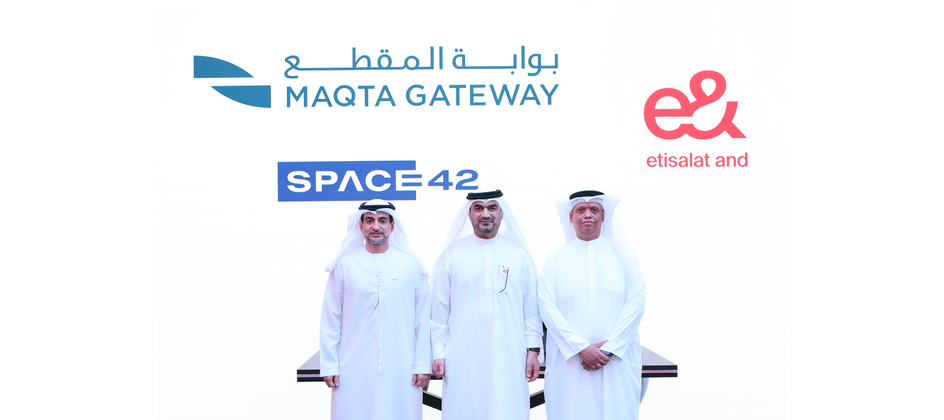
UAE-based Space42 has entered into a five-year memorandum of understanding with Microsoft and Esri to create the most comprehensive digital base map across Africa, aiming to serve more than 1.4 billion people and catalyse economic and infrastructural development. The “Map Africa Initiative” seeks to transform fragmented and outdated geospatial data into timely, accurate intelligence for governments, businesses and communities.

Under the agreement, Space42 will coordinate fundraising and project management, supply satellite data via its sovereign and commercial networks, devise AI-driven digital-twin models, and lead research and automation of map-production processes. Esri will handle the creation of the base maps using GeoAI and remote-sensing technologies while training regional teams to ensure long-term sustainability. Microsoft will provide Azure cloud infrastructure and AI capabilities to enable large-scale processing and secure data sharing.

Africa faces persistent challenges of unreliable and inaccessible mapping information, constraining infrastructure planning, investment decisions and service delivery. The Map Africa Initiative aims to address these by offering a uniform, high-resolution mapping platform, licensed to governments and updated locally by national mapping agencies. This platform is expected to foster a new commercial ecosystem, with African startups benefiting from access to essential geospatial intelligence. Data will be hosted in data centres managed by G42 and Microsoft across the continent.

The mapped data promises significant impact across multiple sectors. In logistics and ports, enhanced terrain mapping can facilitate route optimisation and reduce bottlenecks. Energy developers will gain more precise site-selection tools for solar and wind infrastructure. Governments will benefit from improved border monitoring, disaster preparedness and resource management. Urban planners and smart-city developers will gain foundational geospatial data critical for designing efficient public services and digital economies.

For Space42, the agreement deepens strategic partnerships with Microsoft and Esri, enlarges its African footprint, and opens pathways in analytics, licensing, and infrastructure. It positions Space42 as a trusted partner to governments in delivering scalable geospatial solutions. Peng Xiao, Chief Executive Officer of G42, stressed the broader goal: to close the “intelligence gap” by delivering AI-powered insights that enable smarter planning, sustainable development and inclusive innovation across the Global South.

Hasan Al Hosani, CEO of Smart Solutions at Space42, stated that partnership is integral to the UAE’s approach; this collaboration signals a strategic, not merely technical, advance. Jack Dangermond, President of Esri, emphasised the technical rigour required to convert satellite imagery into detailed, accurate base maps—a capability Esri brings to the initiative.

The initiative aligns closely with the broader UAE strategy. In 2024, the UAE was Africa’s largest investor, deploying around US $44 billion, nearly matching investment levels from the UK and China combined. Space42, as the UAE’s national space entity, serves as both a conduit for exporting data-driven development solutions and a facilitator of knowledge transfer between the UAE and Africa.

VISHNU RAJA
RYO YAMADA
HITORI GOTOH
IKUYO KITA