News related to
court

Two Arab-Israeli tourists have been handed lengthy prison sentences by a South Sinai court following their conviction in the fatal stabbing of an Egyptian tour guide at a Red Sea resort, a verdict that has drawn international attention against the backdrop of heightened regional hostilities.

The ruling, delivered on Saturday, found the two individuals guilty of intentionally killing the Egyptian national during a confrontation at a beach resort in the city of Nuweiba. Prosecutors had charged them with premeditated murder and carrying out an attack that endangered public safety. According to court filings and officials familiar with the proceedings, the incident occurred during a heated altercation which quickly escalated into violence, leaving the guide with multiple stab wounds that proved fatal at the scene.

The defendants, both Arab citizens of Israel, were on a holiday trip to Egypt when the incident unfolded. Their legal defence argued the act was not premeditated, claiming it stemmed from a misunderstanding over personal comments made during a beachside discussion. However, the court was unconvinced by the self-defence narrative, citing forensic evidence and eyewitness testimony suggesting the attack was both aggressive and deliberate. One of the convicted was sentenced to life imprisonment, while the second received a fifteen-year sentence, with both verdicts subject to appeal under Egyptian law.

The sentencing has reignited discourse over the complex social and political positioning of Arab-Israelis in the region, particularly as travel restrictions and diplomatic sensitivities fluctuate in response to the Israel-Gaza conflict. Although tourism between Egypt and Israel has historically persisted even through periods of regional instability, this case is likely to deepen anxieties on both sides. Security analysts and diplomats warn of a growing unease among Arab visitors from Israel, who are increasingly viewed through a geopolitical lens rather than a civilian one, especially in politically tense zones like the Sinai Peninsula.

This is not the first time tensions have flared in Egyptian resorts involving tourists from across the border. The Red Sea, a destination traditionally known for its seclusion from regional politics, has seen intermittent flashpoints. However, the escalation of Israel’s military operations in Gaza since October has placed local authorities on high alert. Security has been significantly tightened in Sinai, with additional checks implemented on cross-border travellers.

The Egyptian judiciary’s firm stance on the case has also been interpreted as an attempt to send a signal of internal order at a time of external pressure. Cairo has been balancing domestic outrage over developments in Gaza with its longstanding peace agreement with Israel, while also maintaining its role as a mediator in ceasefire negotiations and humanitarian efforts.

Observers note that while the legal outcome aligns with Egypt’s existing penal code concerning intentional homicide, the broader implications may resonate more in the political and diplomatic spheres than in the legal domain. Civil society voices in Israel have expressed concern that the verdict could fuel existing prejudice against Arab citizens within the country and complicate their movements across the region. Human rights advocates have also raised questions about the legal representation afforded to the defendants and the degree of diplomatic support extended to them during their incarceration and trial.

On the Egyptian side, there has been a marked effort by state-aligned media to highlight the judiciary’s independence and the rule of law. The attack, which drew public outrage among local residents and workers in the hospitality sector, was described as a senseless act that endangered the country’s vital tourism industry—a key economic pillar already under strain due to declining visitor numbers in parts of Sinai.

Egypt’s Ministry of Tourism has reiterated that the Sinai coast remains safe for tourists, while noting that isolated incidents of violence, though rare, are treated with the utmost seriousness. Tourism operators, particularly in South Sinai, are also re-evaluating visitor protocols in light of the incident, with discussions underway about potential guidelines for managing cultural or political disputes among international guests.

The verdict comes at a moment when Israel’s war in Gaza has pushed regional sensitivities to a boiling point, with a significant uptick in diplomatic fallout, public protests, and strained bilateral engagements. Although Egyptian officials have not directly linked the court’s decision to the ongoing hostilities, analysts note that public sentiment in Egypt has been heavily influenced by the humanitarian toll in Gaza, which may indirectly affect the social environment for visitors perceived to be aligned with the conflict.

This incident highlights the fragile line separating tourism from geopolitics in the Middle East. While both Egypt and Israel maintain open travel channels under their decades-long peace treaty, the practical implications of regional conflict are becoming more visible at individual levels. Arab citizens of Israel, already navigating complex identities within Israel, are now finding themselves subject to heightened scrutiny abroad.

Legal experts say the defence may challenge the procedural aspects of the trial or appeal on grounds of intent classification, though such efforts may be hindered by the current climate and the strong forensic evidence submitted during hearings. The Egyptian penal system allows for appeals on both procedural and substantive grounds, and any modification to the sentence would need to pass through multiple judicial reviews.

The jailed individuals are currently being held in a high-security detention centre in South Sinai, where they are expected to remain unless the appeal courts intervene. The Israeli consular presence in Egypt has yet to issue a detailed comment on the sentencing, though officials have confirmed that consular support is being provided.
Meta Platforms Inc., the parent company of Facebook and Instagram, has warned it may be compelled to suspend both platforms in Nigeria, citing mounting regulatory pressures and substantial financial penalties imposed by the country’s authorities. The warning follows a series of fines levied against Meta by Nigerian regulatory bodies. The Federal Competition and Consumer Protection Commission imposed a $220 million fine for alleged anti-competitive practices. Additionally, the […]

A legal dispute in Bengaluru has intensified scrutiny over Proton Mail, a Swiss-based encrypted email service, as the Karnataka High Court deliberates on a petition urging the central government to ban the platform in India. The case, brought by M Moser Design Associates India Pvt Ltd, alleges that Proton Mail was used to disseminate AI-generated explicit content targeting its female employees, causing significant reputational and psychological harm. […]

By Dr. Gyan Pathak Centre’s announcement of conducting national level Caste Census along with the forthcoming Census in India has intensified caste politics in Bihar, the first state to go to polls later in 2025, whose Vidhan Sabha’s term is to expire on November 22, this year. Political analysts have already claimed that by announcing […]
African Export-Import Bank has launched a $3 billion revolving credit facility aimed at reducing Africa’s dependence on imported refined petroleum products. The initiative is expected to finance between $10 billion and $14 billion in intra-African fuel trade over the next three years, providing a significant boost to regional refining capacity and economic resilience. The programme, known as the Revolving Intra-African Oil Trade Financing Programme, is designed to […]

Donald Trump, upon commencing his second term as the 47th President of the United States, proclaimed the onset of a “golden age” for the nation. His inauguration speech outlined an ambitious agenda aimed at reshaping domestic and foreign policies, with immediate and far-reaching implications.

Central to Trump’s address was a commitment to restoring national sovereignty and security. He announced the declaration of a national emergency at the southern border, emphasizing the cessation of illegal immigration. This move aligns with his broader immigration strategy, which includes the suspension of refugee admissions and the initiation of efforts to end birthright citizenship.

In a significant restructuring of the federal government, Trump introduced the Department of Government Efficiency , led by Elon Musk. This new department is tasked with streamlining government operations and reducing bureaucratic inefficiencies. Early reports indicate that D.O.G.E. has already identified potential savings amounting to $150 billion.

Trump’s economic policies focus on revitalizing American industry and addressing trade imbalances. He announced the implementation of steep tariffs, particularly targeting imports from China, Mexico, and Canada. Additionally, he introduced the concept of an “External Revenue Service” to collect tariffs and taxes from foreign entities, aiming to bolster domestic revenue streams.

Environmental regulations underwent immediate revisions, with Trump revoking the electric vehicle mandate and withdrawing from the Paris Climate Agreement. He emphasized a return to fossil fuel production, including the reinstatement of coal mining operations, positioning these actions as measures to protect American jobs and energy independence.

On social policy, Trump declared that the U.S. government would officially recognize only two genders: male and female. He also announced the dismantling of the Department of Education and the repeal of diversity and inclusion measures, advocating for a merit-based, colorblind society.

Internationally, Trump signaled a shift in foreign policy by expressing intentions to reclaim the Panama Canal and by withdrawing from the World Health Organization. He also imposed sanctions on the International Criminal Court, reflecting a broader strategy of redefining U.S. engagement with global institutions.

Notably absent from Trump’s speech was any mention of cryptocurrency or Bitcoin. This omission had immediate repercussions in the financial markets. Bitcoin’s value dropped by 3.2%, and the $TRUMP memecoin experienced a 15% decline. The broader cryptocurrency market saw liquidations exceeding $1.2 billion, marking one of the most significant downturns in the sector’s history.

Ghana has implemented a comprehensive overhaul of its gold trading framework, mandating that all individuals and entities involved in the sector obtain licences from the newly established Ghana Gold Board . This directive, effective from 1 May 2025, renders all previous licences issued by the Precious Minerals Marketing Company or the Ministry of Lands and Natural Resources invalid. Non-compliance will result in criminal prosecution. The GoldBod Act, […]

Advertisements

As Dubai continues to expand its real estate offering, a noticeable shift is underway in how residential developments are being conceptualized and delivered. Traditional high-rise towers, long considered the hallmark of urban prestige in Dubai, are increasingly being complemented — and in some cases, replaced — by boutique-scale, low-rise residential buildings designed for privacy, walkability, and long-term lifestyle value. At the center of this movement is Dubai […]

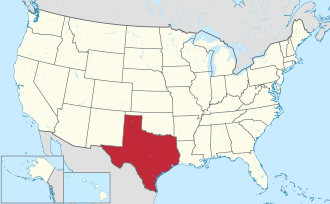
A federal judge in Texas has ruled that the U.S. Treasury Department’s Office of Foreign Assets Control acted beyond its legal authority when it sanctioned the cryptocurrency mixer Tornado Cash, permanently barring the agency from reimposing such sanctions.

Judge Robert Pitman of the U.S. District Court for the Western District of Texas issued the decision on April 28, stating that OFAC’s designation of Tornado Cash’s smart contracts in August 2022 exceeded the agency’s statutory powers. The court’s ruling follows OFAC’s earlier action on March 21, 2025, when it officially removed Tornado Cash from its Specially Designated Nationals and Blocked Persons List, effectively lifting the sanctions.

The sanctions had been imposed on Tornado Cash for allegedly facilitating the laundering of over $7 billion in virtual currencies, including funds stolen by North Korea’s Lazarus Group. However, the court found that OFAC’s action against the platform’s autonomous smart contracts was not supported by the International Emergency Economic Powers Act , which governs the agency’s sanctioning authority.

In November 2024, the U.S. Court of Appeals for the Fifth Circuit had already determined that OFAC had overstepped its authority by sanctioning Tornado Cash’s immutable smart contracts, which do not qualify as “property” under federal law. This appellate decision laid the groundwork for the Texas district court’s subsequent ruling, which emphasized that OFAC cannot reimpose sanctions on Tornado Cash in the future.

Despite the lifting of sanctions, the legal challenges for Tornado Cash’s developers persist. Roman Storm and Roman Semenov, co-founders of the platform, were indicted in August 2023 by the U.S. Department of Justice on charges including conspiracy to commit money laundering, conspiracy to operate an unlicensed money transmitting business, and conspiracy to violate the IEEPA. The DOJ alleges that Tornado Cash was used to launder more than $1 billion in criminal proceeds, including hundreds of millions of dollars for the Lazarus Group.

Roman Storm was arrested in Washington State and is currently awaiting trial, scheduled for July 2025. Roman Semenov remains at large and has been added to OFAC’s sanctions list. Additionally, Alexey Pertsev, another developer associated with Tornado Cash, was arrested in the Netherlands in August 2022 and was sentenced in May 2024 to five years and four months in prison for money laundering.

The court’s decision has significant implications for the regulation of decentralized technologies. By ruling that OFAC cannot sanction autonomous smart contracts, the judgment underscores the challenges regulators face in applying traditional legal frameworks to decentralized platforms that operate without centralized control.

Hashdex, the prominent crypto asset management firm based in Brazil, has launched the world’s first spot XRP exchange-traded fund on B3, the São Paulo-based stock exchange. The ETF, known as the Hashdex XRP Fund , started trading this week, marking a significant milestone not only for Latin America’s evolving crypto landscape but also for the global cryptocurrency investment market.

Trading commenced after months of regulatory processes and product development, during which Hashdex worked closely with Brazil’s Comissão de Valores Mobiliários , the national securities regulator. The fund offers direct exposure to XRP, the digital asset created by Ripple Labs, without requiring investors to manage the underlying cryptocurrency themselves. The launch of XRP11 follows a broader trend of growing institutional acceptance of crypto assets in Brazil, where regulatory frameworks have been more accommodating compared to major markets like the United States.

Hashdex’s move underscores Brazil’s increasingly assertive position as a hub for cryptocurrency innovation. Marcelo Sampaio, CEO of Hashdex, said during the fund’s launch that the introduction of a spot XRP ETF aligns with the company’s mission to “bridge the gap between traditional finance and digital assets”. Sampaio added that the demand for diversified crypto investment vehicles has been consistently growing among Brazilian investors, citing the success of earlier Hashdex crypto ETFs such as HASH11, which tracks a basket of cryptocurrencies.

Brazil’s regulatory environment has played a key role in facilitating this development. The CVM has exhibited a proactive stance towards regulating crypto assets while encouraging innovation. In contrast, regulatory bodies like the US Securities and Exchange Commission have taken a more cautious approach, creating delays and uncertainties around the approval of spot crypto ETFs, particularly for assets beyond Bitcoin and Ethereum.

XRP, the digital token linked to Ripple Labs, has had a complex relationship with regulators globally. A significant development came after Ripple secured a partial legal victory against the SEC, wherein a US federal court ruled that XRP sales on public exchanges did not constitute investment contracts. This ruling, while still subject to ongoing litigation and appeals, provided a degree of clarity that has emboldened issuers like Hashdex to pursue XRP-focused financial products in other jurisdictions.

The Hashdex XRP Fund is structured similarly to traditional ETFs. Units of XRP11 are backed 100% by physically held XRP tokens, which are stored in institutional-grade custody solutions provided by trusted crypto custodians. The fund is priced and settled in Brazilian reals, and its portfolio is independently audited to ensure transparency and security for investors.

The move by Hashdex is seen by analysts as a strategic attempt to cement its leadership in the crypto asset management sector within Latin America. Hashdex has already been at the forefront of innovation, having earlier collaborated with Nasdaq to launch a Bitcoin futures ETF in the United States through a hybrid strategy. The launch of XRP11 marks the company’s first foray into offering single-asset spot ETFs focused on altcoins.

Investor response to the new product has been encouraging. Trading volumes for XRP11 on the first day exceeded initial expectations, indicating substantial appetite among retail and institutional investors for regulated crypto products. Paulo Mesquita, Head of Business Development at Hashdex, commented that “the robust reception signals a maturation of crypto investing in Brazil, with investors seeking broader exposure beyond Bitcoin.”

Attention now turns to the potential for similar products in the United States, where the SEC’s approach to spot crypto ETFs has been cautious, despite recent approvals of Bitcoin spot ETFs involving major financial institutions like BlackRock, Fidelity, and Grayscale. Market participants are closely monitoring whether Hashdex’s success in Brazil might embolden US asset managers to push harder for spot ETFs centred on altcoins such as XRP.

Several experts suggest that the SEC’s attitude towards XRP remains a critical obstacle. James Seyffart, an ETF analyst at Bloomberg Intelligence, noted that “until the regulatory status of XRP is definitively settled in the United States, it is unlikely that a spot XRP ETF will gain approval”. However, he added that legal outcomes favourable to Ripple could eventually open the door to similar products in the American market.

Brazil’s advancement comes at a time when global demand for cryptocurrency investment vehicles continues to evolve. Investors are increasingly seeking exposure to digital assets through traditional financial instruments, particularly those offering regulated, easy access without the complexities of direct crypto ownership. Latin America, driven by countries like Brazil, is emerging as a significant frontier for such innovations, offering lessons for larger markets grappling with regulatory hesitations.

Beyond XRP, Hashdex is reportedly exploring the possibility of launching additional single-asset ETFs focused on other major cryptocurrencies such as Solana and Polygon , depending on market conditions and regulatory developments. Such diversification could position Brazil as a critical player in the next wave of crypto investment products, rivalling traditional centres like the US, Europe, and parts of Asia.

A new chapter is unfolding in the heart of the UAE’s real estate landscape as Arabian Hills Estate emerges to replace a once highly anticipated but ultimately undelivered development initially sold by Wahat Al Zaweya Holding PJSC. Positioned near Al Ain, on land just across the Abu Dhabi border, this expansive community of villa and mansion plots is being marketed as a symbol of luxury and renewal, […]

A court in Abidjan has disqualified Tidjane Thiam, leader of the Democratic Party of Côte d’Ivoire and former CEO of Credit Suisse, from contesting the upcoming presidential election, citing his previous French nationality at the time of his registration. The ruling, delivered on 22 April, determined that Thiam was ineligible to run as he held dual Ivorian-French citizenship when he registered on the electoral roll. According to […]

A U.S. Army intelligence analyst has pleaded guilty to charges of conspiring to transmit sensitive military information to a foreign national, in a case that has raised serious concerns about national security breaches within the armed forces. Sergeant Korbein Schultz, stationed at Fort Campbell, Kentucky, admitted to providing classified documents to an individual he believed to be residing in Hong Kong. The transactions, which occurred between June […]

A court in Abidjan has ruled that Tidjane Thiam, leader of the Democratic Party of Côte d’Ivoire and former CEO of Credit Suisse, is ineligible to contest the October presidential election due to nationality concerns. The Court of First Instance determined that Thiam forfeited his Ivorian nationality upon acquiring French citizenship in 1987, rendering him ineligible for the electoral roll. The decision, issued on April 22, is […]

The South African rand appreciated modestly on Tuesday, trading at 18.70 against the U.S. dollar by 06:36 GMT, marking a 0.3% gain from the previous day’s close. This movement came ahead of the South African Reserve Bank’s release of the composite leading business cycle indicator, a key metric that encompasses data on vehicle sales, business confidence, and money supply. Investors are closely monitoring this indicator for insights […]

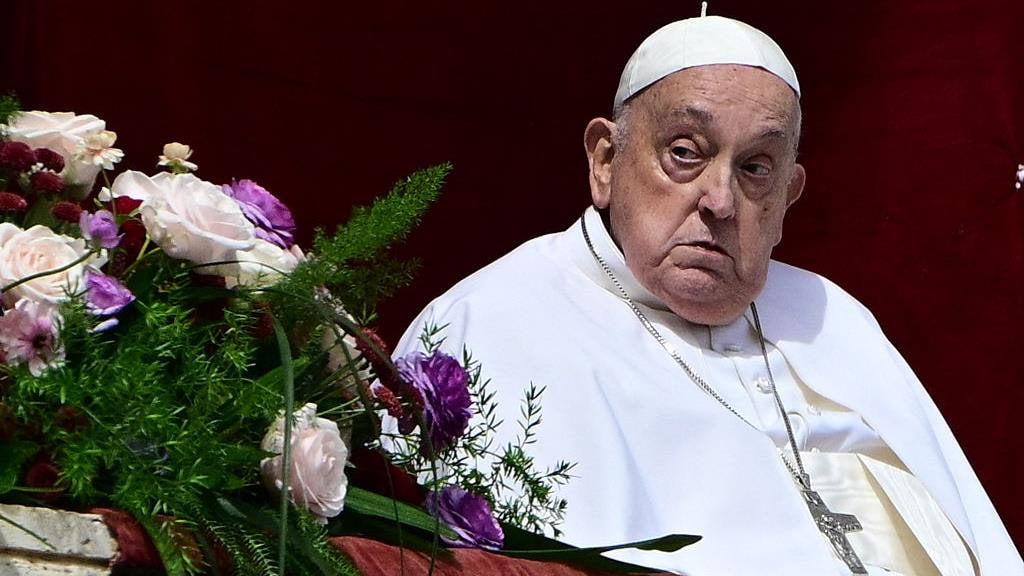
By Pablo Castaño ROME: There may come a time when we look back on the last decade as an anomaly in the modern history of the Catholic Church. Pope Francis — the figurehead of these years, and a radical by the standards of the Catholic hierarchy — is gone, and we are now likely to […]
By K Raveendran The Supreme Court’s interim order on the controversial Waqf Amendments Act has created an unusual equilibrium among opposing camps, hinting at a calculated balancing act rather than a decisive intervention. While the order does not represent a full-fledged stay on the implementation of the amendments, it introduces a layer of judicial restraint […]
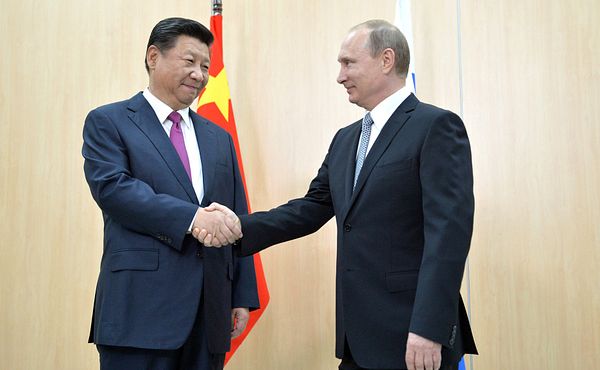
By Nitya Chakraborty Bangladesh’s Chief Adviser to the interim government Dr. Muhammad Yunus is presently in the midst of his diplomatic triumph by successfully outreaching to the major countries of the world including the two super powers. After having a major success in getting all the support from the Chinese President Xi Jinping during his […]

Matein Khalid Thank God my macro instinct flashed a “get out” SOS in late February and I dumped King Dollar for Bonnie King Charlie’s British pound before New Year late last year and thus averted fate worse than death/Matty miskeen. My macro guardian angel now whispers a few subliminal ideas. One, Chinese factories shed 20 million workers last week and hiring is down 30%. So the youth […]

By Dr. Gyan Pathak The game of political hunting, which is typically characterised in India by cases, raids, seizures, and arrests, which generally do not lead to conviction, but enable the government to pin its adversaries down for years without trial in cases registered by the Enforcement Directorate (ED), seems to be reaching its climax. […]

Matein Khalid “We went eyeball to eyeball and the other guy blinked” – JFK said about Nikita Peasantovich Shoe Bangarov after Stalin’s henchman in the Red Terror back down in the Cuban missile crisis. Trump has gone eyeball to eyeball with the bond market and Xi Jinping but only the Dragon Empire’s Emperor for Life has blinked while the bond vigilantes have gone berserk in the netherworld […]

By Nitya Chakraborty What is happening to the “Neighbourhood First” policy of the Indian Prime Minister Narendra Modi in the year 2025? Modi is an expert in coining attractive slogans whether those finally work or not. For South Asia, he opted for Neighbourhood First and for South East Asia and ASEAN nations Act East. At […]

The United States Department of Justice is undergoing a significant transformation in its approach to cryptocurrency-related crimes. The National Cryptocurrency Enforcement Team , established in 2022 to tackle the illicit use of digital assets, is being integrated into the Computer Crime and Intellectual Property Section of the DOJ’s Criminal Division. This strategic move aims to consolidate expertise and resources, enhancing the department’s capability to address the complex intersection of cybercrime and cryptocurrency offenses.

Nicole Argentieri, Principal Deputy Assistant Attorney General, emphasized that this merger would double the number of attorneys available for cryptocurrency matters, reflecting the growing importance of digital assets in the realm of cybercrime. “It’s become obvious to everyone in the cybercrime field that cryptocurrency work and cyber prosecutions are intertwined, and will become even more so in the future,” Argentieri stated.

The NCET has been instrumental in several high-profile cases, including actions against cryptocurrency exchange Bitzlato and the arrest of Avraham Eisenberg for his exploit of decentralized exchange Mango Markets. The integration into CCIPS is expected to provide the NCET with enhanced resources and a broader platform to pursue complex investigations involving digital currencies.

This organizational shift comes at a time when the DOJ’s approach to cryptocurrency mixers has faced scrutiny. In May 2024, Senators Ron Wyden and Cynthia Lummis expressed concerns over the department’s interpretation of money transmission laws in cases against crypto mixing services like Samourai Wallet and Tornado Cash. They argued that the DOJ’s stance deviated from the Treasury Department’s Financial Crimes Enforcement Network’s previous position, which did not classify non-custodial crypto services as money transmitters.

The legal landscape for cryptocurrency mixers has been further complicated by recent court rulings. In November 2024, the U.S. Court of Appeals for the Fifth Circuit overturned sanctions imposed by the Treasury’s Office of Foreign Assets Control on Tornado Cash. The court determined that the smart contracts associated with Tornado Cash did not constitute “property” under the International Emergency Economic Powers Act , thereby exceeding OFAC’s authority.

Marine Le Pen, leader of France’s far-right National Rally party, has been convicted of embezzling European Union funds and barred from seeking public office for five years, effectively sidelining her from the 2027 presidential race. The Paris court sentenced her to four years in prison, with two years suspended and two years under electronic monitoring, and imposed a €100,000 fine. The court found that between 2004 and […]

VISHNU RAJA
RYO YAMADA
HITORI GOTOH
IKUYO KITA