News related to
court

Thousands of demonstrators filled the streets of downtown Dallas on Sunday, voicing opposition to President Donald Trump’s immigration policies and calling for the release of detained students. The protest, known as the “Mega March 2025,” began at the Cathedral of Our Lady of Guadalupe and proceeded through key city thoroughfares, culminating at Dallas City Hall. Participants carried American flags, symbolizing unity and patriotism. The march was organized […]

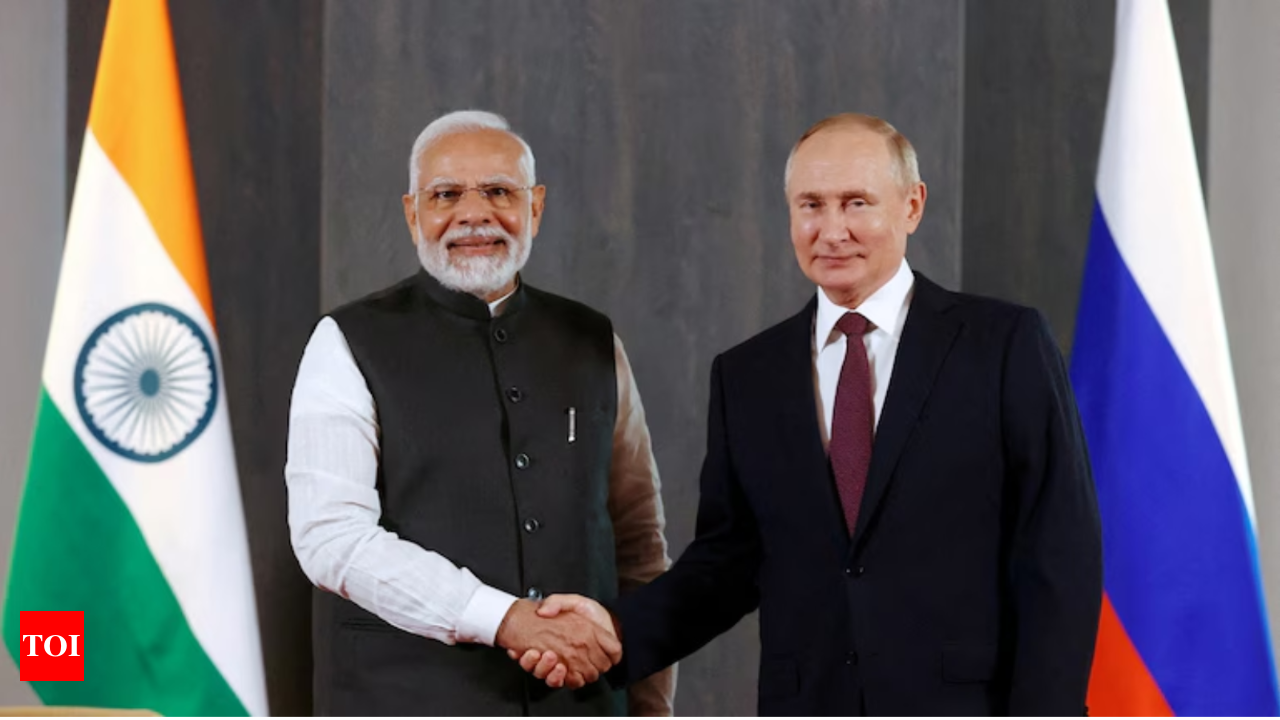
By Nitya Chakraborty Russian President’s pending visit to India has turned into a big diplomatic mystery as in the last five months since the Kazan summit on October 22 last year when Putin officially confirmed his visit to India in the presence of the Indian Prime Minister Narendra Modi amidst full media and TV glare, […]

SINGAPORE – Media OutReach Neswire – 26 March 2025 – Great World Residences, formerly known as Great World Serviced Apartments, proudly announces its new name and refreshed brand identity, marking more than 25 years of providing exceptional serviced residential living. At the heart of this transformation is a comprehensive refurbishment of its apartments and facilities, including a brand-new pickleball court set to open in Q2 this year, […]

President Donald J. Trump has initiated a significant overhaul of the United States Agency for International Development , rebranding it as the U.S. International Humanitarian Assistance and integrating blockchain technology into its operations. This restructuring places the agency under the direct authority of Secretary of State Marco Rubio, aiming to enhance transparency and efficiency in foreign aid distribution.

An internal memo circulating within the State Department outlines the administration’s plan to utilize blockchain technology to secure and trace aid disbursements. The objective is to improve the transparency, security, and efficiency of aid distribution by leveraging blockchain’s immutable ledger capabilities. However, the specifics of this integration—whether it involves the use of cryptocurrencies or solely blockchain ledgers—remain unclear. The administration emphasizes a shift towards outcomes-based funding, intending to ensure that aid programs deliver measurable results.

Despite these intentions, the proposed reorganization has encountered legal challenges. A federal judge recently ruled that the dismantling of USAID by the Department of Government Efficiency , led by Elon Musk, likely violates the Constitution. The court issued an indefinite injunction blocking further actions against USAID and mandated the reinstatement of email and computer access to affected employees. This ruling does not reverse all personnel changes or fully restore the agency but highlights concerns over the administration’s approach to restructuring.

Critics argue that while blockchain technology offers potential benefits, its application in humanitarian contexts may not be necessary or cost-effective. Some experts caution that such technological solutions could impose additional burdens on smaller non-governmental organizations and may not provide substantial advantages over existing systems. They suggest that the focus should remain on addressing the immediate needs of aid recipients rather than implementing complex technological frameworks.

The administration’s broader strategy includes reducing the size of the federal government and reallocating resources to align more closely with American geopolitical interests. This involves concentrating on areas such as global health, food security, and disaster response, while politically oriented programs may be redirected to other sections within the State Department. The restructuring plan also proposes the elimination of multiple regional bureaus, aiming to streamline operations and enhance efficiency.

Secretary of State Marco Rubio has indicated that the reorganization will proceed with input from Congress, underscoring the administration’s commitment to aligning foreign aid programs with the interests of U.S. taxpayers and strategic objectives. However, the legal setbacks and critiques from various stakeholders suggest that the path forward may be complex and contentious.

The U.S. Department of the Treasury has lifted sanctions against Tornado Cash, a cryptocurrency mixer previously accused of facilitating extensive money laundering activities, including transactions linked to North Korean cybercriminals. This decision follows a series of legal challenges questioning the Treasury’s authority to impose such sanctions on decentralized software protocols.

In August 2022, the Treasury’s Office of Foreign Assets Control sanctioned Tornado Cash, alleging its involvement in laundering over $7 billion since its inception in 2019. Notably, OFAC claimed that the North Korean hacking group Lazarus utilized the platform to launder more than $455 million. The sanctions marked a significant move by the U.S. government to regulate the use of cryptocurrency mixers, which are designed to obfuscate transaction trails on blockchain networks.

The sanctions faced immediate opposition from various quarters of the cryptocurrency community. Six users of Tornado Cash, with financial backing from the cryptocurrency exchange Coinbase, filed a lawsuit challenging OFAC’s action. They argued that sanctioning open-source, self-executing software exceeded the agency’s statutory authority under the International Emergency Economic Powers Act . The plaintiffs contended that the immutable smart contracts constituting Tornado Cash could not be considered property subject to sanctions.

In November 2024, the U.S. Court of Appeals for the Fifth Circuit ruled in favor of the plaintiffs, stating that OFAC had overstepped its authority. The court held that the smart contracts underlying Tornado Cash were not property and, therefore, not subject to sanctions under IEEPA. This ruling underscored the challenges regulators face when applying traditional legal frameworks to decentralized technologies.

Following the court’s decision, the Treasury conducted a review of the legal and policy issues surrounding the use of sanctions in the context of evolving technologies. On March 21, 2025, the Treasury announced the removal of Tornado Cash and associated Ethereum wallet addresses from the Specially Designated Nationals list. In a statement, Treasury Secretary Scott Bessent emphasized the department’s commitment to combating illicit activities in the digital asset space while acknowledging the need to adapt regulatory approaches to technological advancements.

Despite the delisting, the Treasury reiterated its concerns about North Korea’s state-sponsored hacking and money laundering campaigns. The department stressed the importance of securing the digital asset industry from abuse by illicit actors to maintain U.S. leadership in financial innovation and inclusion. The Treasury also indicated that it would continue to monitor transactions that could benefit malicious cyber actors or the North Korean regime.

The legal proceedings against individuals associated with Tornado Cash have also been noteworthy. In 2023, two co-founders of Tornado Cash were charged with facilitating over $1 billion in money laundering, including transactions linked to the Lazarus Group. One of the co-founders, Roman Storm, is awaiting trial and has denied any criminal activity. Additionally, in May 2024, developer Alexey Pertsev was sentenced to five years and four months in prison in the Netherlands for money laundering related to his involvement with Tornado Cash.

The removal of sanctions against Tornado Cash has elicited varied reactions from the cryptocurrency community and regulatory observers. Proponents of decentralized technologies view the court’s decision and subsequent delisting as a victory for open-source software development and financial privacy. They argue that sanctioning code rather than individuals or entities sets a concerning precedent for technological innovation.

Conversely, critics express apprehension that the delisting could embolden malicious actors to exploit similar platforms for illicit purposes. They emphasize the necessity for regulatory frameworks that effectively address the misuse of privacy-enhancing technologies without stifling innovation. The case of Tornado Cash highlights the complexities regulators face in balancing the promotion of technological advancement with the imperative to prevent criminal exploitation of emerging technologies.

The Treasury’s decision to lift sanctions against Tornado Cash underscores the dynamic nature of regulatory approaches to decentralized technologies. As the digital asset landscape continues to evolve, regulatory bodies worldwide are grappling with the challenge of applying existing legal frameworks to novel technological constructs. The outcome of the Tornado Cash case may serve as a reference point for future policy discussions on regulating decentralized platforms and the broader implications for financial privacy and security.

In the wake of the delisting, stakeholders in the cryptocurrency industry are closely monitoring potential regulatory responses and the development of new guidelines tailored to address the unique attributes of decentralized technologies. The balance between fostering innovation and ensuring robust safeguards against illicit activities remains a central theme in the ongoing discourse on cryptocurrency regulation.

Hong Kong’s tourism sector is actively seeking to attract high-net-worth travelers from the Middle East and Southeast Asia, implementing a series of strategic initiatives to diversify its visitor base and rejuvenate its economy. Recognizing the potential of affluent markets in the Gulf Cooperation Council countries and Southeast Asia, the Hong Kong government has allocated HK$1.2 billion in the 2025 budget to boost tourism. Finance Secretary Paul Chan […]

By K Raveendran It would be an understatement that the discovery of a large stash of cash from the residence of Delhi High Court Justice Yashwant Varma has sent shockwaves. This unexpected incident has raised uncomfortable questions about corruption and integrity within the judiciary, often viewed as the guardian of justice and moral rectitude. While […]
Advertisements
By Nitya Chakraborty Indrajit Gupta, the dedicated Communist leader of India in the last century and an outstanding Parliamentarian dominated the country’s trade union movement and the Left movement for the last sixty years of the 20th century. He belonged to that generation of leaders from undivided Bengal whose sense of patriotism and deep anguish […]
By Deeksha Dwivedi The recent arrest of Mahmoud Khalil in the United States, an active member of Columbia University’s protests against the ongoing genocide in Gaza, takes me back to 2016 when student political leaders Umar Khalid, Kanhaiya Kumar and Anirban Bhattacharya were arrested by the Delhi Police on charges of sedition. A controversy had […]

Arabian Post Staff -Dubai Abu Dhabi’s sovereign wealth fund, Mubadala Investment Company, is actively engaging with global banks and market makers to establish a consortium of up to ten partners for the forthcoming Base Exchange in Rio de Janeiro. These prospective partners are expected to provide essential liquidity to the new stock exchange. In return, they would acquire equity stakes, resulting in a slight reduction of Mubadala’s […]

Pavel Durov, the founder of the messaging platform Telegram, has left France for Dubai after receiving permission from a French court. This development follows legal proceedings in which Durov faced charges related to the alleged misuse of his platform for criminal activities.

In August 2024, Durov was detained at a Paris airport and subsequently charged with facilitating the dissemination of child pornography, illegal drug transactions, and hacking tools through Telegram. French authorities accused him of failing to adequately monitor and prevent such illicit content on his platform. Upon his release, Durov was required to remain in France, post a €5 million bail, and report regularly to the police. 

The recent court decision allows Durov to leave France temporarily, with reports indicating that he has traveled to Dubai. Sources close to the case confirmed his departure, stating that the court granted him permission to leave for several weeks. Neither Durov nor his legal team have publicly commented on this development. 

Durov, who holds Russian, French, and United Arab Emirates citizenships, has maintained a stance advocating for user privacy and minimal interference from authorities. However, the charges in France have intensified debates about the responsibilities of tech platforms in monitoring and controlling illegal activities facilitated through their services. 

The legal challenges faced by Durov have had a notable impact on Toncoin , the cryptocurrency associated with the Telegram ecosystem. Following news of Durov’s departure to Dubai, Toncoin experienced a significant price increase, with reports indicating a surge of almost 20%. This spike reflects investor optimism, possibly anticipating a more favorable environment for Telegram’s operations and its associated projects in Dubai. 

Historically, Toncoin’s value has been sensitive to developments concerning Durov and Telegram. For instance, during Durov’s legal troubles in France, Toncoin’s price experienced volatility, underscoring the close ties between the cryptocurrency’s performance and the fortunes of its founder. 

Durov’s move to Dubai aligns with his previous patterns of relocating to jurisdictions with favorable regulatory environments for technology and cryptocurrency ventures. Dubai has been positioning itself as a hub for digital innovation, offering a supportive climate for blockchain and cryptocurrency projects. This relocation could signal strategic plans for the expansion and development of Telegram’s services and its blockchain initiatives, including Toncoin.

The situation also highlights the ongoing global discourse on the balance between ensuring user privacy and enforcing regulations to prevent the misuse of digital platforms for illegal activities. Governments worldwide are grappling with the challenge of holding tech companies accountable while respecting individual freedoms and promoting innovation. Durov’s case serves as a focal point in this complex debate, illustrating the tensions between regulatory authorities and technology entrepreneurs.

A U.S. court has approved Three Arrows Capital’s request to raise its claim against FTX to $1.53 billion. This decision allows the embattled hedge fund to pursue a larger share in the bankruptcy proceedings of the collapsed cryptocurrency exchange, FTX. The court’s approval comes after 3AC, which held significant assets in FTX, revised its initial claim to reflect a more substantial financial stake.

As of June 12, 2022, 3AC reportedly held assets valued at $1.53 billion in FTX, a cryptocurrency exchange that has since spiraled into bankruptcy. However, a rapid series of transactions between the two parties led to the liquidation of a significant portion of these assets. Just days after 3AC held the assets, they were sold off to cover a $1.3 billion debt owed to FTX, leaving 3AC with a significantly reduced amount.

Initially, 3AC had filed a claim for $120 million in June 2023, which represented the remaining value of its assets at the time. The claim was based on 3AC’s holdings of FTX’s native FTT tokens and other crypto assets tied to the exchange, which were initially valued higher. However, in light of further analysis and unfolding details, the claim has now been revised upwards, with 3AC seeking $1.53 billion in total.

The court’s ruling allows 3AC to officially revise the terms of its claim, which will impact how the proceedings in FTX’s bankruptcy case unfold. With a claim now nearly ten times larger than originally filed, 3AC’s request highlights the complexity of the ongoing bankruptcy proceedings and the intricate relationships between major crypto players.

The revised claim is rooted in the volatile collapse of FTX, which saw assets across the crypto sector lose significant value. The turmoil within the digital currency market has also raised questions regarding asset valuations and the interlinked financial risks faced by companies involved in the cryptocurrency ecosystem. The asset liquidation that occurred between 3AC and FTX highlights the systemic risks that crypto exchanges, funds, and investors face during such crises.

The U.S. court’s approval comes amid continuing investigations into FTX’s operations, with authorities scrutinising the events leading to the exchange’s downfall. FTX founder Sam Bankman-Fried faces multiple charges related to fraud and mismanagement, and the ongoing legal proceedings have drawn attention to the broader impact on investors and creditors. The case of 3AC is just one of many high-profile claims emerging from the aftermath of FTX’s bankruptcy, but its size and prominence underscore the potential consequences for other creditors.

For 3AC, the court’s approval marks a critical development as the firm continues its restructuring efforts in the wake of its own collapse. Three Arrows Capital had once been a prominent player in the cryptocurrency hedge fund space, but it has faced significant financial setbacks following its exposure to failing crypto assets. The fund’s involvement in the FTX debacle further complicates its ongoing recovery, with large sums of money at stake.

3AC’s strategy to pursue a larger claim indicates its ongoing efforts to secure as much compensation as possible through FTX’s bankruptcy process. Given the scale of its claim, 3AC may also seek to negotiate its position with other creditors involved in the bankruptcy, all of whom are competing for a share of the limited remaining assets.

The approval also raises broader questions about the future of cryptocurrency regulation, as both the U.S. and international regulators examine the collapse of FTX and its ramifications. The FTX debacle has drawn scrutiny from lawmakers and regulatory bodies, with calls for more stringent oversight of the cryptocurrency industry. As the fallout from the collapse continues to unfold, many expect further legal challenges and claims from other investors and entities that were involved in the exchange’s operations.

A U.S. bankruptcy court has found Byju Raveendran, founder of Indian ed-tech giant Byju’s, complicit in fraudulent financial activities, marking a significant escalation in the company’s ongoing legal and financial challenges.

The court determined that Raveendran, along with his brother Riju Ravindran and entities associated with Byju’s, orchestrated the unauthorized transfer of $533 million from Byju’s Alpha, a U.S.-based subsidiary, to Camshaft Capital Management, a hedge fund with dubious credentials. Camshaft, managed by a high school dropout lacking formal investment experience, was characterized by the court as a “sham” entity, raising serious concerns about the legitimacy of the transactions.

This ruling stems from a broader legal dispute between Byju’s and its lenders over a $1.2 billion term loan. Lenders initiated legal action following Byju’s alleged defaults on payment obligations and delays in financial disclosures. The unauthorized fund transfers were uncovered during these proceedings, leading to allegations of fraudulent conduct against the company’s leadership.

The court’s findings highlight a series of “badges of fraud,” including the concealment of funds and breach of fiduciary duties by the company’s directors. These actions have not only violated legal and ethical standards but have also severely undermined the trust of investors and stakeholders in the company’s governance.

Byju’s, once valued at $22 billion, has experienced a dramatic decline amid these controversies. The company’s aggressive expansion during the pandemic, fueled by substantial investments, has come under scrutiny as financial instability and governance issues have surfaced. The post-pandemic economic shift, characterized by rising interest rates, has further exacerbated the company’s challenges, leading to funding shortages and legal battles.

The repercussions of the court’s decision are far-reaching. Byju’s now faces intensified scrutiny from regulatory authorities, investors, and the broader public. The company’s reputation, once a beacon of India’s burgeoning ed-tech sector, has been tarnished, raising questions about its future viability and the potential impact on its extensive user base.

In response to the ruling, Byju’s leadership has maintained their stance of denying any wrongdoing. However, the court’s findings present a formidable challenge to this narrative, placing the onus on the company’s executives to address these serious allegations transparently and effectively.

The situation has also had a profound impact on Byju’s employees. Reports indicate widespread anxiety among the workforce, with many facing delayed salaries and uncertain job security. The company’s insolvency proceedings have further fueled concerns, prompting discussions about potential protests and legal actions by affected employees.

Investors, too, are reevaluating their positions. The exodus of prominent board members and auditors, coupled with the court’s recent findings, has led to a crisis of confidence. The company’s valuation has plummeted, and its ability to secure future funding is in jeopardy. This scenario underscores the critical importance of robust corporate governance and ethical financial practices in maintaining investor trust and ensuring long-term sustainability.

The court has yet to determine the specific damages to be awarded to the lenders. This pending decision adds another layer of uncertainty to Byju’s financial outlook. The company’s ability to navigate these legal and financial challenges will be crucial in determining its future trajectory and its role in the global ed-tech landscape.

This case serves as a cautionary tale for startups and investors alike. It highlights the potential pitfalls of rapid expansion without adequate oversight and the dangers of compromising ethical standards for short-term gains. As the ed-tech industry continues to evolve, the Byju’s saga underscores the necessity for transparency, accountability, and prudent financial management.

The coming months will be critical for Byju’s as it seeks to restore credibility and stabilize its operations. Stakeholders will be closely monitoring the company’s actions, looking for signs of meaningful reforms and a commitment to rectifying past missteps. The outcome of this situation will have significant implications not only for Byju’s but also for the broader perception of India’s startup ecosystem on the global stage.

In light of these developments, industry observers are advocating for stronger regulatory frameworks to prevent similar occurrences in the future. There is a growing consensus that while innovation and growth are essential, they must be balanced with responsibility and integrity to ensure sustainable success.


Matein Khalid There is no doubt in my mind that the epic US equities bull market is now over since the S&P 500 index broke its 200 day moving average while I was at the wonderful StanChart suhoor with so many old pals from the 1990’s Al Mankhool salad days when the Mexican food at Zodiac/Bordertown in the Imperial Suites provided the hottest salsa (mirchi) in Rolla […]

HANOI, VIETNAM – Media OutReach Newswire – 7 March 2025 – As Artificial Intelligence (AI) and robotics have increasingly reshaped industries and societies, promising to be the multibillion-dollar opportunity in the next decade, the VinFuture Prize is committed to recognizing and honoring pioneers who have driven this technological revolution. After the 2024 Grand Prize honored five scientists for their contributions to advancing deep learning, the Prize Council […]

BANGKOK, THAILAND – Media OutReach Newswire – 6 March 2025 – Ananda Development has announced MIRA VALLEY, a landmark luxury residential project spanning 8,000 acres of Phuket’s largest untouched forest. Located between Kamala Mountain and Bang Niao Dum Reservoir, this groundbreaking development features over 100 kilometers of pristine nature trails and exclusive equestrian facilities. A $1.4 billion adventure in luxury, where leisure meets legacy. “MIRA VALLEY redefines […]

Matein Khalid 2024 was the annus horribilis for luxury stocks as ​the Dragon Empire’s cultural DNA under Xi Dada pivoted to Maoist austerity, inflation hit the mass affluent wannabe Gatsbys of Europe and boonie America and Incredible India’s bling-bling badshahs and bhabhijis discovered the hard way that the speculative stock market mania on Dalal Street can and did end in tears. Obviously, Gandhian values are not exactly […]

By Dr. Sobhanlal Datta Gupta A controversy has erupted centring around CPI(M)’s position expressed in the Draft Political Resolution for the ensuing 24th Party Congress that the present Narendra Modi Government is not fascist, but marked by fascist tendencies. This stand has been subjected to criticisms by other Left parties on the ground that this […]


In a strategic move that underscores Egypt’s global cultural ambitions, Khaled El-Enany has emerged as the nation’s latest candidate for the prestigious UNESCO Director-General position, positioning himself as a formidable contender in the 2025-2029 leadership race. El-Enany brings a wealth of experience to his candidacy, having served as Minister of Tourism and Antiquities and garnering significant diplomatic support. His nomination represents Egypt’s continued commitment to international cultural […]

A U.S. federal court has denied Elon Musk’s request for a preliminary injunction aimed at halting OpenAI’s transition into a for-profit entity. U.S. District Judge Yvonne Gonzalez Rogers ruled that Musk failed to meet the necessary criteria for such an injunction. OpenAI, initially established as a non-profit organization dedicated to advancing artificial intelligence for the benefit of humanity, has undergone significant structural changes in recent years. The […]

Matein Khalid Had Warren Buffett, oracle of Omaha, been born North Indian, he would have summarized Wall Street’s temper tantrum since last Friday with his famous observation “only when the tide goes out do you discover who’s been swimming nanga punga (naked)”. When history’s most iconic value investor ran up $300 billion in cash, I knew that the tide had run out for this deliciously profitable but […]

The U.S. Securities and Exchange Commission has dismissed its lawsuit against Coinbase, the largest cryptocurrency exchange in the United States. This legal action, initiated in 2023, accused Coinbase of operating as an unregistered securities exchange and facilitating the trading of at least 13 crypto tokens that the SEC contended should have been registered as securities. Coinbase consistently refuted these allegations, maintaining that the crypto assets in question did not meet the criteria of investment contracts.

In a court filing dated February 27, 2025, the SEC agreed to voluntarily dismiss all litigation related to Coinbase and its parent company, Coinbase Global, with prejudice. This decision effectively terminates the case permanently. The SEC also withdrew its request for an interlocutory appeal with the U.S. Court of Appeals, signaling a significant policy shift under the current administration.

This move aligns with a broader change in the SEC’s approach to cryptocurrency regulation following the inauguration of President Donald Trump’s second term and the appointment of Paul Atkins, a crypto-friendly chairman, to lead the agency. Under this new leadership, the SEC has adopted a more lenient stance toward the crypto industry, reflecting the administration’s intent to support and promote the sector.

In addition to the Coinbase case, the SEC has also closed investigations into several other prominent cryptocurrency firms. Notably, the agency has ended its probes into OpenSea, a leading non-fungible token marketplace, and Robinhood’s crypto unit. These investigations, initiated during the previous administration, have been dismissed with prejudice, indicating that they cannot be refiled.

The decision to drop these cases has been welcomed by the affected companies. Coinbase’s Chief Legal Officer, Paul Grewal, stated, “SEC staff has agreed in principle to dismiss its unlawful enforcement case against Coinbase, subject to Commissioner approval—righting a major wrong.” Similarly, representatives from OpenSea and Robinhood expressed relief and optimism about the SEC’s revised regulatory approach.

This series of dismissals is part of a broader realignment of federal regulatory and enforcement priorities under the Trump administration. The SEC’s shift toward a more collaborative and transparent regulatory framework for the crypto industry is evident in the establishment of a new Crypto Task Force. Led by Commissioner Hester Peirce, the task force aims to develop comprehensive regulations that provide clarity and support for the burgeoning crypto sector.

Commissioner Peirce emphasized the need for a revised approach, stating, “It’s time for the Commission to rectify its approach and develop crypto policy in a more transparent manner.” This sentiment reflects a departure from the previous administration’s stringent regulation-by-enforcement strategy, which had been criticized for creating uncertainty and stifling innovation within the industry.

The SEC’s recent actions have also extended to other major players in the crypto space. The agency has dismissed its lawsuit against ConsenSys, the developer of the popular MetaMask crypto wallet. This lawsuit, filed in June 2024, alleged that ConsenSys engaged in the unregistered offer and sale of securities through its MetaMask Staking service and operated as an unregistered broker. The dismissal of this case further underscores the SEC’s evolving stance toward crypto-related businesses.

Market reactions to these regulatory developments have been notable. Shares of Coinbase Global Inc experienced fluctuations, with the stock trading at $208.37, reflecting a decrease of 2.20% from the previous close. Similarly, Robinhood Markets Inc saw its stock price at $48.78, a slight decline of 0.16%. In the cryptocurrency markets, Bitcoin is currently priced at $79,821.00, down 6.82%, while Ethereum stands at $2,121.24, a decrease of 9.14%. These movements suggest a period of adjustment as investors respond to the changing regulatory landscape.

The Trump administration’s influence extends beyond the SEC. The Consumer Financial Protection Bureau has also dropped several enforcement actions against companies such as Capital One and Rocket Homes. These cases, which included allegations of misleading customers and illegal kickback schemes, have been dismissed with prejudice under the bureau’s new leadership. This pattern indicates a significant shift in federal regulatory and enforcement priorities, favoring a more business-friendly environment.

The financial fallout from FTX’s collapse has escalated, with bankruptcy-related expenses approaching $1 billion, positioning it among the most expensive corporate failures in U.S. history. Court records indicate that legal and advisory fees have reached approximately $948 million, with over $952 million in fees approved to date.

This figure significantly exceeds the combined bankruptcy costs of other notable cryptocurrency firms. For instance, Celsius Network’s proceedings have incurred $229 million in expenses, Genesis Global approximately $132 million, BlockFi around $81 million, and Voyager Digital about $60 million. Collectively, these four companies have amassed roughly $502 million in bankruptcy-related fees, just over half of FTX’s total.

In comparison to traditional financial sector bankruptcies, FTX’s costs are substantial but still fall short of the most expensive cases. The 2008 collapse of Lehman Brothers remains the costliest Chapter 11 case in U.S. history, with legal and professional fees totaling nearly $6 billion. Similarly, the restructuring of Puerto Rico’s public debt has surpassed $2 billion, marking it as the most expensive municipal bankruptcy in the nation.

The extensive fees associated with FTX’s bankruptcy are attributed to the complex nature of the case, involving multiple jurisdictions, a myriad of creditors, and intricate asset recovery efforts. The proceedings have engaged numerous law firms and financial consultants tasked with untangling the company’s finances and identifying assets to repay creditors.

Despite the high costs, there is an expectation that most creditors will receive full repayment, an uncommon outcome in corporate bankruptcy cases. This optimistic projection is based on the ongoing efforts to recover assets and the potential for future gains from the liquidation of FTX’s remaining holdings.

The FTX bankruptcy serves as a stark reminder of the potential risks and complexities inherent in the rapidly evolving cryptocurrency industry. As digital asset platforms continue to grow, the financial and legal ramifications of their failures are likely to have far-reaching implications for investors, regulators, and the broader financial system.

In the wake of FTX’s collapse, discussions have intensified regarding the need for more robust regulatory frameworks to oversee cryptocurrency exchanges and related entities. Policymakers and industry stakeholders are advocating for clearer guidelines to protect investors and ensure the stability of the financial system.

The unprecedented costs associated with FTX’s bankruptcy may prompt a reevaluation of risk management practices within the cryptocurrency sector. Companies operating in this space might face increased scrutiny and be required to implement more stringent compliance measures to prevent similar incidents in the future.

As the FTX case continues to unfold, it underscores the importance of due diligence and transparency in the cryptocurrency industry. Investors are urged to exercise caution and thoroughly assess the risks associated with digital asset investments.

By Aditi Jha The tragic death of Prakriti Lamsal, a Nepali B.Tech student at Kalinga Institute of Industrial Technology (KIIT), a private engineering college in Bhubaneswar, Odisha, in February 2025, exposed serious problems of institutional incompetence and poor management. Prakriti’s death was followed by protests by Nepali students who claimed that the university administration had […]

VISHNU RAJA
RYO YAMADA
HITORI GOTOH
IKUYO KITA