Just in:
Burying Head In “India Made Poverty Reduction” Data Is Dangerous // Middle East governments assess Iran war after US vote // mamun raises US$3 million to finance cross-border trade between the Gulf and Asia // Cyberport Venture & Capital Forum 2026 Grand Opening // AI trust gap reveals distinct retail priorities: Divergent paths to consumer growth in Hong Kong and the GBA // BJP’s Aggressive Response Exposes Anxiety Over Opposition Unity // Pinarayi faults UDF over mounting road crashes // Anthropic to prohibit persistent abuse of Claude chatbot // ADIA and partners establish $1.4 billion aviation venture // Arrow Electronics showcases technologies advancing intelligent robotics, mobility and digital infrastructure // ADIA and partners establish $1.4 billion aviation venture // ADIA and partners establish $1.4 billion aviation venture // Vingroup And Legends Global Announce Strategic Partnership For VinFast – Trong Dong Stadium // Utilities pursue ₹1,992 cr in unpaid bills // Fast Just Got Fastest: STING Energy Boost™ Celebrates Kimi Antonelli’s Formula 1® World Championship and the Fan Energy Behind It // ADIPEC leaders urge investment in global energy networks // U.S. Mid Term Result Is A Clear Verdict Against Trump’s Authoritarianism // Vance attributes Republican midterm defeats to Iran conflict // As AI Reshapes Education, Singapore Convenes Global Dialogue on the Future of Early Childhood Education // Democrats capture Senate majority with seven Republican seats //

News related to
data

Highlights of the Interim Results for the Six Months Ended June 30, 2024: With the increasing demand for chips from AI technology-related industries, orders for AI chip orders from Comtech continued to rise, driving the Group’s revenue up by 11.9% year-on-year to RMB4,321.4 million. The Group recorded a gross profit of approximately RMB457.6 million and a net profit of approximately RMB169.1 million. Profit attributable to equity shareholders […]

Executives of Raydan Food Co, a prominent food services company in Saudi Arabia, have been sentenced to prison following a thorough investigation into market violations. This legal action marks a significant chapter in the kingdom’s ongoing efforts to enforce stricter compliance within its financial markets. The Saudi Capital Market Authority (CMA) announced that several board members of Raydan Food Co were found guilty of manipulating the company’s […]

The initial public offering (IPO) of NMDC Energy has captured significant investor interest, with subscriptions exceeding the offered shares within hours of its opening. The company, a subsidiary of NMDC Ltd., set its price range at ₹100 to ₹120 per share, aiming to raise approximately ₹5,000 crore through the offering.

The IPO’s rapid over-subscription underscores a robust market appetite for energy sector investments, particularly in companies poised for growth. NMDC Energy, which focuses on oil and gas exploration, has been positioned as a key player in the burgeoning sector due to its substantial reserves and strategic assets.

Investors have shown confidence in NMDC Energy’s potential for growth and profitability, driven by its diversified portfolio and strong balance sheet. The company’s recent operational improvements and strategic initiatives have further bolstered its appeal in the market. Analysts highlight that NMDC Energy’s focus on enhancing production capabilities and expanding its asset base positions it well for long-term success in the energy sector.

The strong investor response is indicative of broader trends in the capital markets, where energy sector IPOs are increasingly attracting attention. This is reflective of a growing trend where investors are seeking to capitalize on the sector’s recovery and expansion potential.

NMDC Energy’s entry into the public market comes at a time when energy stocks are experiencing heightened volatility due to global economic conditions and shifting energy policies. However, the company’s robust fundamentals and strategic vision have helped it stand out in a competitive landscape.

As the IPO continues to attract interest, market observers are closely monitoring the final subscription numbers and investor feedback. The successful launch of NMDC Energy’s IPO could potentially set a positive precedent for upcoming offerings in the sector, influencing future market dynamics and investor behavior.

Dubai’s financial sector continues to show robust growth, with the Dubai Financial Services Authority (DFSA) approving 61 new firms for operation in the first half of the year. This development highlights the city’s increasing appeal as a global financial hub, drawing companies from diverse sectors including fintech, asset management, and financial advisory.

The DFSA, the independent regulator for the Dubai International Financial Centre (DIFC), has been pivotal in maintaining the integrity and transparency of Dubai’s financial markets. The 61 new firms represent a wide spectrum of financial services, reflecting the city’s strategic position as a bridge between the East and West for financial institutions. This surge in approvals is seen as a testament to the confidence international businesses have in Dubai’s regulatory environment and its potential as a center for innovation and financial technology.

Among the new entrants, several prominent names in fintech and asset management have established their presence in the DIFC, aiming to capitalize on the region’s burgeoning demand for digital financial services. The DFSA’s rigorous standards and the DIFC’s world-class infrastructure continue to attract global firms looking to expand their operations in the Middle East, Africa, and South Asia (MEASA) region.

The DFSA’s focus on fostering innovation has also led to the approval of several fintech companies. These firms are set to introduce cutting-edge financial technologies, from blockchain to AI-driven financial services, further enhancing Dubai’s reputation as a leader in financial innovation. This aligns with Dubai’s broader strategic vision of becoming a global center for digital economy and financial technology, a vision supported by significant investments in infrastructure and regulatory frameworks that encourage innovation while ensuring financial stability.

Furthermore, the influx of new firms is expected to have a positive impact on the DIFC’s ecosystem, creating more job opportunities and contributing to the overall economic growth of Dubai. The new firms bring with them a wealth of expertise and innovation, which is likely to spur further development in the region’s financial services sector. The DFSA’s commitment to upholding the highest regulatory standards ensures that these firms operate within a secure and transparent environment, fostering trust and confidence among investors and clients.

The diversity of the new firms also indicates a growing trend towards specialization within Dubai’s financial sector. Companies focusing on niche areas such as sustainable finance, Sharia-compliant financial products, and wealth management have been particularly prominent among the new approvals. This trend reflects the broader global shift towards specialized financial services, catering to increasingly sophisticated client demands.

The first half of the year has also seen significant interest from firms based in Asia and Europe, looking to leverage Dubai’s strategic location and business-friendly environment. The DIFC’s comprehensive legal and regulatory framework, based on international best practices, provides these firms with a secure and efficient platform for their operations. The DFSA’s proactive approach in engaging with potential market entrants and its efforts to streamline the approval process have been key factors in attracting such a diverse array of companies.

As Dubai continues to solidify its position as a leading financial center, the DFSA’s role in ensuring the city remains an attractive destination for global financial institutions is more crucial than ever. The steady influx of new firms, especially those bringing innovative financial solutions, is likely to bolster Dubai’s competitiveness on the global stage. The city’s ability to attract and retain such a wide variety of financial service providers is a clear indication of the confidence that the international financial community has in Dubai’s regulatory environment and its long-term economic prospects.

Looking ahead, the DFSA is expected to continue its efforts to support the growth of the DIFC, with a focus on maintaining a balance between innovation and regulation. This will be essential in ensuring that Dubai remains a dynamic and secure environment for financial firms to thrive, contributing to the city’s ongoing success as a global financial powerhouse.


OPEC+ is on track to implement its scheduled oil output increase in October, even as global energy markets experience fluctuations due to disruptions in Libya and uncertain demand growth, particularly in China. The coalition, led by Saudi Arabia and Russia, plans to raise production by 180,000 barrels per day as part of an effort to gradually reverse the significant production cuts made earlier in the year.

This decision comes as the group navigates a complex landscape marked by lower-than-expected demand growth and ongoing supply issues. Libya, a key member of OPEC, has faced significant production setbacks due to internal conflicts, putting additional pressure on global oil supplies. Despite these challenges, OPEC+ aims to proceed with the output hike to maintain stability in the market.

Market analysts have expressed mixed reactions to the planned increase, citing concerns over the potential for oversupply in a market already grappling with sluggish demand. The slowdown in China, the world’s largest oil importer, has particularly raised alarms, as it could dampen the impact of any production hikes. Nevertheless, OPEC+ remains committed to its strategy, with the group’s leaders emphasizing the importance of a measured approach to balancing supply and demand.

Brent crude prices, a key benchmark for global oil, have shown volatility in response to these developments, recently hovering around $79 per barrel. The upcoming U.S. Federal Reserve decisions on interest rates are also being closely watched, as they could influence economic growth and, consequently, oil demand in the coming months.

OPEC+ will continue to monitor the situation closely, adjusting its strategy as necessary to respond to the evolving market conditions. This ongoing recalibration highlights the delicate balance the group must strike between supporting prices and ensuring sufficient supply to meet global needs.

Brookfield Asset Management is in advanced discussions with Abu Dhabi’s ADQ and other sovereign wealth funds to acquire the Spanish plasma therapeutics company Grifols, a deal valued at approximately $10.6 billion. The move comes as Grifols, a leading producer of plasma-derived medicines, faces significant financial pressure due to mounting debt.

The proposed acquisition would involve Brookfield collaborating with major lenders to refinance Grifols’ existing obligations through a combination of loans and high-yield bonds. This financial restructuring could provide the necessary capital to stabilize Grifols while potentially leading to its privatization, a prospect that may see current shareholders being bought out above market rates due to specific financing clauses.

Brookfield’s interest in Grifols aligns with its strategy of investing in distressed but fundamentally strong companies. For Grifols, the potential takeover offers a lifeline as it struggles with declining revenues and rising debt, which has impacted its share prices and overall market performance. The company’s shares have experienced volatility, fluctuating between $7 and $17 per share over the past year, with a notable recovery in recent weeks.

If successful, the acquisition would not only mark one of the most significant deals in the pharmaceutical sector this year but could also shift the landscape of the plasma therapeutics market, with Brookfield and its partners gaining control of a critical player in the industry. However, the complexity of the deal, combined with the need to navigate regulatory approvals and potential resistance from stakeholders, means that the outcome remains uncertain.

As Brookfield continues to finalize terms with ADQ and other potential investors, the market is closely watching the developments, with Grifols’ stock reacting positively to the news. The strategic importance of Grifols’ assets, including its extensive network of blood donation centers, underscores the high stakes involved in this acquisition, which could have far-reaching implications for the global healthcare market.

GUANGDONG, CHINA – Media OutReach Newswire – 31 August 2024 – On August 26, 2024, Viomi Technology Co., Ltd (NASDAQ: VIOT) issued its first half of 2024 unaudited financial results. Based on the financial report, the net revenues were US$143.1 million, net income attributable to ordinary shareholders of the Company was US$0.8 million. According to the management’s preliminary estimates, excluding the divested businesses, the estimated revenues from […]

Advertisements

HONG KONG SAR – Media OutReach Newswire – 30 August 2024 – FGA Trust, a Hong Kong-licensed trust company and leader in innovative financial solutions, is excited to announce the opening of its North American office. This strategic expansion reflects the company’s commitment to enhancing its global presence and providing top-tier services to high-net-worth individuals across the continent. To lead this initiative, FGA Trust has appointed Wincent […]

HEFEI, CHINA – Media OutReach Newswire – 30 August 2024 – “Smart Manufacturing, Creating a Better Future” — the 2024 World Manufacturing Convention is scheduled to take place from September 20 to September 23 in Hefei, Anhui Province, China. This year’s convention will focus on the new stage of development, fully embracing new development strategies, and integrating into the global economic landscape. The convention aims to establish […]

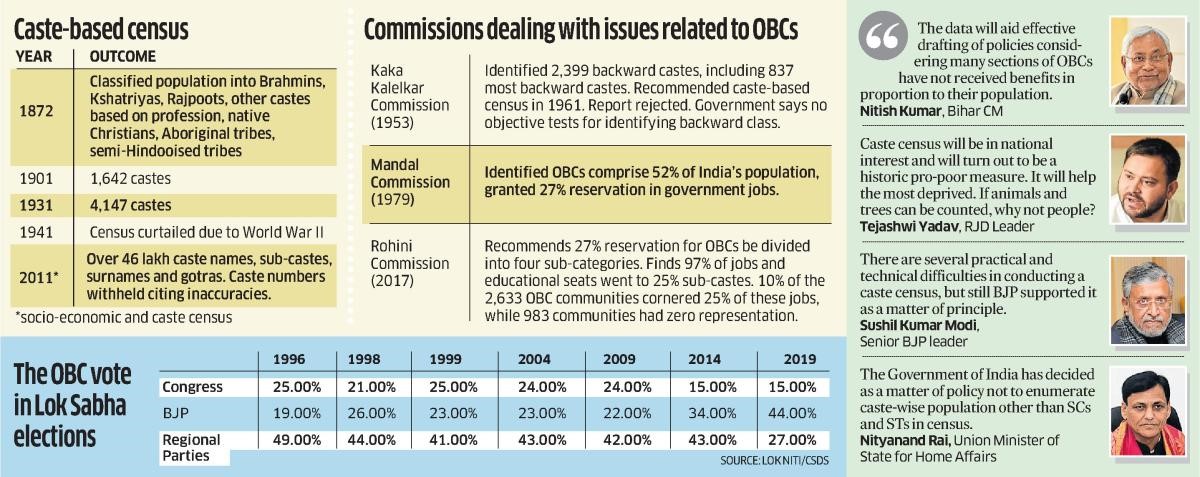
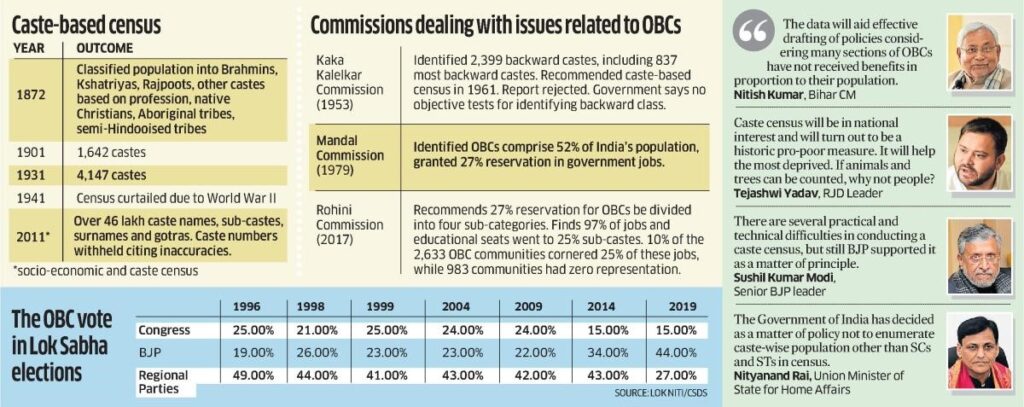
By Dr. Gyan Pathak The issue of caste census has finally mounted on the agenda of the Parliamentary Committee on Welfare of OBCs led by the BJP. The party has been rejecting the opposition INDIA bloc’s demand for conducting caste census in the country. It was much to the frustration of the BJP, that its […]


Through a holistic curriculum, AIA Singapore and Singapore University of Social Sciences seek to nurture next-generation talents and pave the way for sustainable, purposeful careers. SINGAPORE – Media OutReach Newswire – 30 August 2024 – AIA Singapore and Singapore University of Social Sciences (SUSS) today launched Singapore’s first Minor in Insurance Fundamentals as part of a newly signed Memorandum of Understanding (MoU) between both parties. This programme […]

Source – Patreon

A shift in online search dynamics is underway as traditional search engines face competition from AI-driven platforms, with iAsk AI emerging as a pivotal player. This new technology is reshaping how users interact with search engines, promising enhanced accuracy, personalization, and efficiency. iAsk AI, launched earlier this year, leverages advanced artificial intelligence to provide users with more relevant and contextually accurate search results. Unlike conventional search engines […]

A lone Bitcoin miner has achieved a significant milestone by solving a Bitcoin block independently, receiving a reward of 3.27 BTC, valued at approximately $199,094. This notable feat underscores the unpredictable nature of Bitcoin mining, where individual miners occasionally outpace large-scale mining operations. The block reward was obtained through solo mining, a method in which an individual miner attempts to solve cryptographic puzzles without relying on the […]

SpiceJet’s stock has fallen sharply by over 6% following a directive from the Directorate General of Civil Aviation (DGCA) placing the airline under intensified scrutiny. The DGCA’s decision comes after identifying significant safety and financial issues during a recent inspection.

The aviation regulator’s enhanced oversight is a response to concerns about SpiceJet’s operational practices and financial stability. The DGCA’s inspection revealed numerous deficiencies, particularly in the airline’s adherence to safety protocols and maintenance procedures. These findings have prompted the regulator to impose stricter monitoring measures to ensure compliance with aviation safety standards.

SpiceJet, which has faced financial turmoil in recent years, has been struggling with mounting debts and operational challenges. The airline’s financial stress has been exacerbated by rising operational costs and a shrinking market share. The DGCA’s move reflects growing unease about the airline’s ability to address these issues effectively while maintaining safety standards.

The special audit conducted by the DGCA also highlighted concerns about SpiceJet’s fleet management and crew training. These issues, combined with the airline’s ongoing financial difficulties, have raised questions about its long-term viability and its capacity to sustain operations safely.

In response to the DGCA’s findings, SpiceJet has committed to implementing corrective measures to address the identified deficiencies. The airline has stated that it is working closely with the regulator to ensure all safety and operational standards are met. SpiceJet’s management has also pledged to improve its financial health through various restructuring efforts and cost-cutting measures.

Investors have reacted negatively to the news, leading to a significant drop in SpiceJet’s share price. The decline reflects market concerns about the airline’s ability to overcome its current challenges and restore investor confidence. Analysts have warned that continued regulatory scrutiny and financial instability could further impact the airline’s stock performance in the near term.

The DGCA’s decision underscores the critical importance of regulatory oversight in maintaining safety standards within the aviation industry. It also highlights the broader challenges faced by airlines in managing financial pressures while ensuring compliance with stringent safety regulations.

As SpiceJet navigates this turbulent period, the airline’s ability to address the DGCA’s concerns and stabilize its financial situation will be crucial in determining its future prospects. The outcome of this heightened surveillance will likely influence both the airline’s operational strategies and investor sentiment in the coming months.

Saxo Bank has announced a substantial 35% increase in its adjusted net profit for the first half of 2024, reaching USD 76 million, up from USD 56 million during the same period last year. This impressive growth reflects the bank’s strong performance across various financial sectors and robust trading volumes.

The bank attributes its success to a combination of strategic investments, increased trading activity, and enhanced client engagement. Saxo Bank’s diverse range of financial products and services, including its advanced trading platforms and investment solutions, have contributed to its ability to capture a significant share of the market.

Key to this growth has been Saxo Bank’s expansion into new markets and the continued enhancement of its digital trading platforms. The bank’s efforts to leverage cutting-edge technology and data analytics have enabled it to offer more tailored investment solutions and improve overall client satisfaction. As a result, Saxo Bank has seen a notable rise in both retail and institutional clients.

Moreover, Saxo Bank’s strong performance is underpinned by a favorable market environment characterized by increased volatility and higher trading volumes. The bank’s ability to effectively navigate market fluctuations and capitalize on trading opportunities has been a crucial factor in its financial success.

The bank has also emphasized its commitment to sustainable growth and innovation. Investments in technology and infrastructure have been pivotal in maintaining a competitive edge and delivering value to clients. Saxo Bank’s focus on sustainability is reflected in its strategic initiatives aimed at reducing operational costs and enhancing efficiency.

Saxo Bank’s management has expressed optimism about the future, citing a positive outlook for the remainder of 2024. The bank plans to continue its strategic expansion and innovation efforts, aiming to further strengthen its market position and deliver consistent results. The successful execution of its growth strategy positions Saxo Bank as a leading player in the global financial services industry.

Saxo Bank’s robust performance in the first half of 2024 underscores its ability to adapt to changing market conditions and drive significant financial growth. The bank’s focus on technology, market expansion, and client satisfaction continues to be a key driver of its success.

SINGAPORE – Media OutReach Newswire – 31 July 2024 – Babysteps Medical, a house call medical service for children, has announced their expansion to Newton, Singapore. With a physical, brick-and-mortar clinic located in central Singapore, Babysteps Medical aims to provide accessible and efficient medical care to patients unable to schedule a same-day house call visit. The new clinic, which will be called Babysteps & Beyond (Medical & […]

SpiceJet, one of India’s leading budget carriers, has encountered yet another operational setback, this time involving an empty return flight from Dubai to India. The incident occurred after Dubai International Airport authorities held back the aircraft due to SpiceJet’s failure to settle airport dues on time, marking the second such disruption for the airline this month. This incident took place on August 29, when a SpiceJet aircraft, […]

The UK’s Islamic finance sector is set to reach $15 billion in the medium term, driven by increasing demand for Sharia-compliant financial products and the country’s supportive regulatory environment. The UK has established itself as a leading Western hub for Islamic finance, with assets under management growing rapidly. London’s prominence as a financial center, coupled with innovative products like Sukuk (Islamic bonds) and Islamic FinTech, has attracted […]

Telecommunications giant e& has announced the acquisition of GlassHouse, a leading Turkish technology firm, in a strategic move valued at $60 million. This acquisition marks a significant expansion of e&’s regional footprint and underscores its commitment to broadening its technological capabilities. GlassHouse, known for its innovative solutions in cloud computing and IT infrastructure, will enhance e&’s portfolio as it seeks to strengthen its position in the Middle […]

Dubai-listed companies have reported a substantial increase in net profits, rising by 30.9% year-on-year to reach $6.7 billion in the second quarter of 2024. This performance marks a significant leap from the $5.1 billion recorded in the same period last year. This growth contrasts sharply with the broader trend observed across the Gulf Cooperation Council (GCC) region, where listed companies saw a more modest net profit increase […]

Saudi Arabia is making significant strides in artificial intelligence (AI) development, positioning itself as a key player in the global tech landscape. The country’s commitment to building and refining its own AI models is not only advancing its technological capabilities but also creating substantial economic opportunities for industry leaders like Nvidia. Under its Vision 2030 initiative, Saudi Arabia is investing heavily in AI research and development. The […]

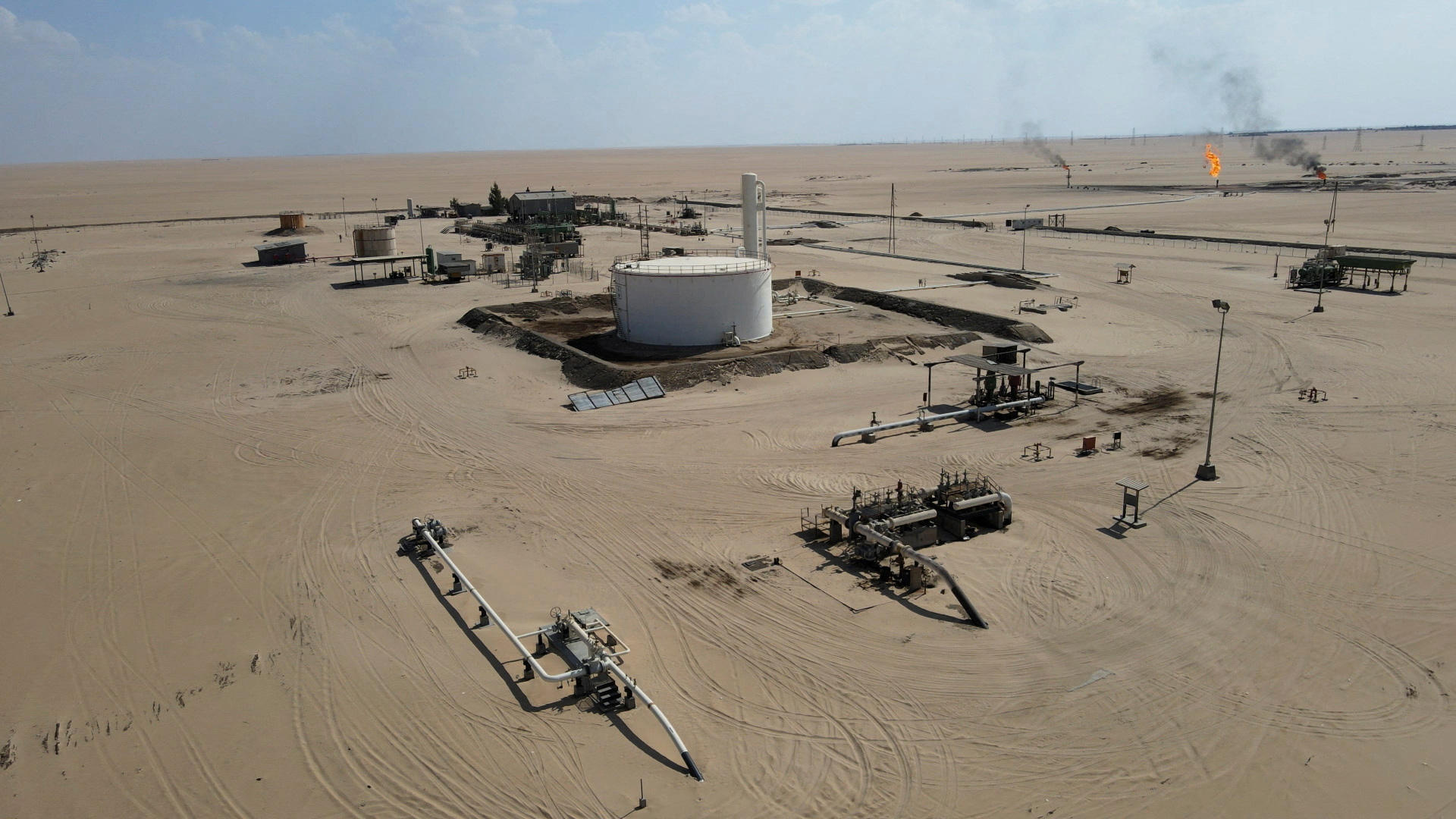
Libya’s ongoing political conflict is jeopardizing its vital oil production, potentially leading to severe disruptions in global supply chains. The strife between rival factions in the country has intensified, raising concerns about the stability of Libya’s oil sector, a crucial component of the global energy market.

The National Oil Corporation (NOC) has reported escalating security threats and operational interruptions at key oil facilities. Production at several major sites, including the Sharara and El Feel fields, has already experienced significant reductions. The disruptions are a direct result of the clashes between the Government of National Unity (GNU) and the House of Representatives (HoR), each backed by different armed groups.

The GNU, based in Tripoli, and the HoR, which controls parts of eastern Libya, have been embroiled in a protracted power struggle. This rivalry has led to a series of blockades and attacks on oil infrastructure, severely impacting the country’s output. The disruption comes at a time when global oil markets are already grappling with volatility due to various geopolitical tensions and economic uncertainties.

Libya’s oil sector, which accounts for approximately 90% of its revenue, has long been a target in the country’s broader conflict. The recent escalation has resulted in reduced exports and financial losses, exacerbating the economic strain on the nation. Analysts warn that prolonged instability could lead to a more prolonged and deep-seated disruption of Libya’s oil exports, affecting global oil prices and supply stability.

International stakeholders, including the United Nations and major oil companies, are closely monitoring the situation. The UN has called for a cessation of hostilities and a return to dialogue to mitigate the impact on oil production. However, the divided political landscape makes it challenging to achieve a consensus or enforce effective measures.

Libya’s oil industry was recovering from years of conflict and mismanagement when the current crisis hit. The industry had seen incremental improvements in production levels and infrastructure upgrades. Yet, the recent conflict threatens to reverse these gains, putting more strain on an already fragile sector.

The uncertainty surrounding Libya’s oil supply has prompted some countries and corporations to seek alternative energy sources or increase their reserves in anticipation of potential shortages. This shift could lead to changes in global energy markets, influencing everything from oil prices to energy policies worldwide.

Efforts to mediate the conflict and stabilize the oil sector have been ongoing, but the entrenched political divisions pose significant obstacles. The situation remains fluid, with potential for further escalation or, conversely, a resolution if diplomatic efforts gain traction.

As the international community watches closely, the immediate concern remains the security of Libya’s oil infrastructure and the broader implications for global energy stability.

Insurance premiums for electric vehicles (EVs) in the United Arab Emirates (UAE) have sharply increased following the heavy rains experienced in April. The severe weather conditions, which led to widespread flooding and property damage, have prompted insurers to reassess their coverage policies for EVs.

The flooding caused extensive damage to infrastructure and homes across the UAE, intensifying concerns about the vulnerability of electric vehicles to water-related damages. As a result, many insurance providers have adjusted their pricing models to reflect the increased risk. Insurers are now imposing higher premiums and more restrictive coverage terms for EVs, reflecting the perceived higher risk of water damage and related issues.

Industry experts attribute this spike in premiums to several factors. Firstly, the cost of repairs for EVs damaged by flooding is often higher compared to conventional vehicles. This is due to the specialized components and advanced technology in electric vehicles, which require more costly repairs or replacements when damaged. Additionally, the increased risk of battery-related issues in flooded conditions has led to greater caution among insurers.

Several insurance companies have become more selective in providing coverage for EVs, with some firms opting to limit their exposure by reducing their coverage options or even discontinuing insurance for certain models. This has led to a challenging environment for EV owners seeking comprehensive insurance coverage.

In response to the rise in premiums and the tightening of coverage options, many EV owners are now exploring alternative insurance providers and considering additional protective measures for their vehicles. Some are opting for specialized flood protection add-ons or investing in aftermarket modifications to enhance their vehicles’ resilience to water damage.

The impact of these changes on the broader EV market in the UAE is yet to be fully determined. However, the increased cost of insurance and limited coverage options are likely to affect consumer confidence and adoption rates for electric vehicles in the region. As the UAE continues to push for greater adoption of electric vehicles as part of its sustainability goals, addressing the insurance challenges will be crucial to maintaining momentum in the EV sector.

Insurance providers are expected to continue evaluating their policies and pricing strategies in light of the evolving risk landscape. The UAE government and industry stakeholders may need to collaborate on developing guidelines and support mechanisms to mitigate the impact of such extreme weather events on both insurance costs and the broader EV market.

VISHNU RAJA
RYO YAMADA
HITORI GOTOH
IKUYO KITA