News related to
data

Coinbase’s recent lobbying efforts have intensified, reflecting a broader strategy to sway U.S. regulatory landscapes in favor of the cryptocurrency sector. Over the past two years, the cryptocurrency exchange has channeled a significant portion of its lobbying budget, with 74% of its total spending during this period aimed at influencing policy and legislative outcomes. Despite these efforts, the exchange’s attempts to elevate cryptocurrency issues during high-profile political […]

Huda Beauty, a prominent player in the global cosmetics market, is exploring the sale of its rapidly growing perfume division, Kayali, according to sources familiar with the matter. The Dubai-based beauty company has engaged Goldman Sachs Group Inc. as an advisor for this potential transaction. The move signifies a strategic shift aimed at enabling both the fragrance and cosmetics segments of the business to pursue independent growth trajectories.

The Kayali perfume line, known for its distinctive fragrances, has significantly contributed to Huda Beauty’s success. The brand, which boasts a substantial social media presence surpassing that of Kylie Jenner and Selena Gomez’s beauty brands combined, has been a focal point of Huda Beauty’s product diversification. Given the division’s performance and growth, the potential sale could attract considerable interest from buyers seeking to capitalize on the burgeoning fragrance market.

Sources indicate that the decision to consider a sale comes as part of Huda Beauty’s broader strategic review. By potentially divesting the Kayali perfume line, the company aims to streamline its operations and sharpen its focus on its core cosmetics business, which includes popular products like foundations and eyeshadows. The separation of Kayali could allow the fragrance brand to operate more flexibly and innovate within its sector without the constraints of being part of a larger conglomerate.

The involvement of Goldman Sachs underscores the seriousness of the undertaking. The investment bank is known for its expertise in handling high-profile transactions and could facilitate the process by identifying potential buyers and structuring the deal. The potential sale of Kayali reflects broader trends within the industry where companies are increasingly looking to spin off or sell non-core assets to concentrate on their primary business areas.

Kayali, which was launched by Huda Beauty’s founder, Huda Kattan, has garnered a loyal following for its luxurious scents and innovative product offerings. The brand’s growth trajectory has positioned it as a strong contender in the competitive fragrance market. A sale could provide the necessary capital to fuel further expansion and development, potentially enhancing Kayali’s market presence.

The perfume industry itself is experiencing a resurgence, with consumers increasingly seeking unique and high-quality fragrances. This trend could make Kayali an attractive acquisition target for larger fragrance houses or private equity firms looking to enter or expand their footprint in the premium fragrance sector.

The discussions around the potential sale come at a time when Huda Beauty is also navigating other aspects of its business strategy. The company, founded by Kattan in 2013, has rapidly scaled its operations, building a strong brand presence and a robust product portfolio. The potential sale of Kayali is part of a strategic effort to refine its focus and drive long-term value for shareholders and stakeholders.

While details of the potential transaction remain under wraps, industry experts anticipate that any deal would be significant given Kayali’s growth and the strategic implications for Huda Beauty. The perfume market’s competitive landscape, coupled with the brand’s reputation, could make for an intriguing negotiation process.

Abu Dhabi’s RedBird IMI has offloaded its ownership of The Spectator to British financier Crispin Odey. This sale marks a significant shift in the media landscape, with The Spectator, a renowned British magazine known for its conservative commentary, transitioning from the influence of Middle Eastern investment to British hedge fund management. RedBird IMI, a key player in Abu Dhabi’s investment sector, acquired The Spectator in 2021, aiming […]

Saudi Aramco has solidified its footprint in Asia with a new agreement involving China’s Rongsheng Petrochemical Co. Ltd. and Hengli Group. This strategic partnership is set to bolster Aramco’s position in the global petrochemical market while deepening ties with significant Chinese industrial players. The agreement includes a comprehensive framework for cooperation in the refining and petrochemical sectors. It encompasses both upstream and downstream activities, reinforcing Aramco’s strategy […]

A pioneering electric vessel has achieved a milestone by successfully crossing the Baltic Sea, marking a significant advance in maritime sustainability. The boat, developed by Swedish startup Xshore, is the first of its kind to make this journey, demonstrating the potential of electric-powered maritime transportation. The electric boat, named “Eelex 8000,” completed the crossing without any major issues, highlighting the feasibility of using electric propulsion in long-distance […]

Bapco Energies has completed a landmark transaction by selling a minority stake in its pipeline assets to BlackRock. This deal marks the first significant asset monetization by the Bahraini state oil company, reflecting a strategic shift toward attracting global investment while enhancing operational efficiency. The sale, announced in early September, involves a substantial investment from BlackRock, which has been increasing its footprint in the energy sector. This […]

China’s Premier Li Qiang has advocated for accelerated trade negotiations with Gulf nations during his visit to Riyadh. Li’s call for swift advancement in economic relations underscores the growing strategic importance of the Gulf region to China’s global trade network. This visit highlights a pivotal moment in the bilateral relationship between China and Gulf Cooperation Council (GCC) countries, focusing on enhancing economic cooperation and investment. Li’s remarks […]

Advertisements

Hong Kong is actively pursuing free trade agreements with the UAE and other Gulf Cooperation Council (GCC) nations in a bid to strengthen economic ties in the region. This effort comes as the city seeks to enhance its role as a global financial hub and gateway between Asia and the Middle East. Trade in goods between Hong Kong and the UAE amounted to approximately USD 12.8 billion […]

NMDC Energy has officially commenced trading on the Abu Dhabi Securities Exchange (ADX), marking a significant milestone for the Indian multinational’s expansion into the Middle Eastern market. The company’s initial public offering (IPO) has garnered exceptional interest, being oversubscribed by an impressive 31.3 times, underscoring robust investor confidence in its future prospects.

The IPO, launched to raise capital for its expansion and operational activities, was met with an unprecedented response from both institutional and retail investors. This enthusiastic backing reflects growing optimism about NMDC Energy’s strategic direction and the broader energy sector’s performance in the region. The substantial oversubscription rate highlights the market’s positive sentiment towards NMDC Energy’s growth potential and its business model.

NMDC Energy’s debut on the ADX comes at a time when the energy sector is undergoing significant transformations, driven by both global shifts towards sustainable energy and regional economic diversification efforts. The company aims to leverage its IPO proceeds to enhance its exploration and production capabilities, expand its portfolio, and invest in innovative technologies.

The successful launch of the IPO and the subsequent trading activity on the ADX is expected to boost NMDC Energy’s visibility and strengthen its market presence. This development aligns with Abu Dhabi’s strategic vision of attracting global investors and supporting the growth of leading industry players. NMDC Energy’s entry into the UAE market is seen as a strategic move that will enhance its operational capabilities and expand its influence in the region.

The overwhelming response to the IPO is attributed to several factors, including NMDC Energy’s strong track record, its strategic growth plans, and the broader favorable market conditions. Investors have been particularly attracted to the company’s robust financial performance and its commitment to innovation and sustainability. The IPO’s success also underscores the growing investor interest in the energy sector, which continues to attract significant capital inflows amidst global economic uncertainties.

NMDC Energy’s trading debut on the ADX is a significant achievement, reflecting the company’s successful positioning within the competitive energy sector. The IPO’s success is expected to drive further investment and interest in the company, supporting its strategic objectives and long-term growth.

As NMDC Energy begins its journey on the ADX, it will be closely watched by investors and industry analysts for its performance and ability to meet its strategic goals. The company’s entry into the UAE market represents a pivotal moment in its expansion strategy and highlights the increasing opportunities available in the energy sector.

The collaboration will help to enhance cross-border payments for Shoplazza’s 500,000+ merchants, improve payment success rates, and support the growth of the e-commerce industry in the APAC region. LONDON, UK – Media OutReach Newswire – 12 September 2024 – Global fintech Unlimit has today announced a strategic partnership with the global AI-commerce technology company, Shoplazza. The partnership is focused on enhancing cross-border payment services for e-commerce merchants […]

Abu Dhabi’s Etihad Airways is targeting a stock market debut in 2025, according to sources familiar with the plans. This move, if realized, could mark the first initial public offering (IPO) of a major Gulf airline and aligns with the UAE’s strategic push to establish itself as a leading global travel hub.

The airline, which is wholly owned by Abu Dhabi’s sovereign wealth fund ADQ, had initially contemplated launching its IPO earlier this year. However, the decision to delay is influenced by a desire to present strong financial results for 2024, showcasing robust performance to attract potential investors.

The geopolitical landscape in the region has also impacted the timing of the planned offering. Instability in various parts of the Middle East has led to cautious approaches from major investors and financial analysts, potentially affecting market confidence.

Etihad Airways, one of the world’s leading airlines, aims to leverage its strong market position and recent performance improvements to drive interest in its stock. The airline’s financial health has been bolstered by strategic investments and operational enhancements, contributing to its resilience amidst a challenging economic environment.

As the UAE continues to bolster its position as a global travel and business hub, Etihad’s IPO is seen as a critical component of this strategy. The airline’s potential listing would not only enhance its capital base but also reflect the growing confidence in the UAE’s aviation sector.

The planned IPO comes at a time when Gulf airlines are increasingly focusing on expanding their global footprint and improving their financial positions. With competition among regional carriers intensifying, the strategic timing of Etihad’s market entry will be crucial.

The Central Bank of the UAE (CBUAE) has reported that the total assets of banks operating within the country reached over $1.17 trillion by the end of June. This substantial figure reflects a robust growth trajectory in the banking sector, driven by increased economic activity and higher liquidity levels.

According to the CBUAE, the significant asset increase is attributed to a combination of factors including strong lending practices, improved deposit inflows, and a buoyant economic environment. The growth in bank assets is indicative of the financial sector’s resilience and its crucial role in supporting the UAE’s economic expansion.

The expansion in bank assets comes amidst a broader economic backdrop characterized by a recovery in non-oil sectors and sustained investment inflows. The UAE’s diverse economic base, including key sectors such as real estate, infrastructure, and tourism, continues to support a stable and growing banking sector. Increased foreign investments and strategic economic initiatives have further bolstered the financial sector’s stability.

In the first half of the year, the banking sector saw a marked increase in credit facilities extended to both individuals and businesses. This rise in lending reflects heightened consumer confidence and corporate investment, driven by favorable economic policies and improved business conditions. The CBUAE’s report highlights that the surge in credit demand has been met with adequate liquidity and strong capital positions by the banks.

The asset growth is also a result of the banks’ strategic focus on enhancing operational efficiency and leveraging digital transformation. Many institutions have adopted advanced technologies to streamline their operations and offer more innovative financial products to meet the evolving needs of customers. This technological advancement has not only improved customer experience but also contributed to operational cost reductions and revenue growth.

Furthermore, the regulatory framework established by the CBUAE has played a pivotal role in maintaining the stability of the financial sector. The central bank’s proactive stance in enforcing sound banking practices and its role in ensuring adequate capital reserves have helped in managing risks and sustaining growth. The introduction of new regulations aimed at enhancing transparency and operational resilience has reinforced confidence in the banking sector.

The increase in bank assets is also reflective of the broader trend of consolidation and growth within the regional banking sector. Several major banks have engaged in strategic mergers and acquisitions to enhance their market positions and expand their service offerings. This consolidation trend is expected to continue as banks seek to leverage economies of scale and integrate advanced technologies to remain competitive in a rapidly evolving financial landscape.

Additionally, the steady rise in deposit balances underscores the growing trust of consumers in the banking system. Increased deposits have provided banks with more capital to support their lending activities and investment opportunities. The positive sentiment towards the banking sector is further evidenced by the growth in investment portfolios and the expanding range of financial services offered to clients.

Finstreet, the digital asset arm of Rorix Holdings, has introduced a regulated digital trading platform at the Abu Dhabi Global Market (ADGM). This move signifies a notable advancement in the Middle East’s financial technology sector, providing a platform that integrates compliance with innovative trading solutions. The new platform aims to address the growing demand for secure and regulated trading environments in the digital asset space. By leveraging […]

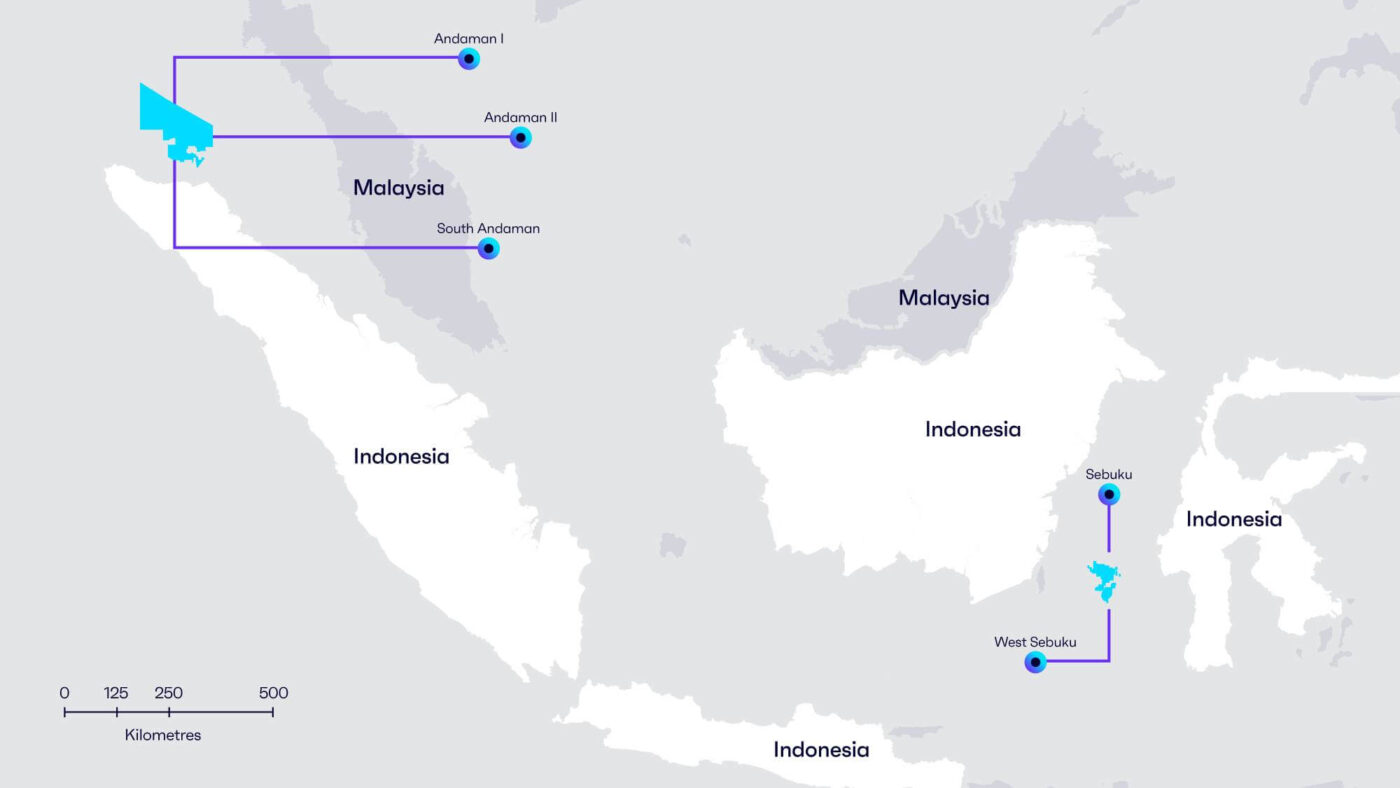
Mubadala Energy, the Abu Dhabi-based international oil and gas firm, has expanded its activities in the Andaman Sea, securing a significant foothold in Indonesia’s energy landscape. The company, alongside its partner Harbour Energy, was awarded the Central Andaman licence by Indonesia’s oil and gas regulator, MIGAS. This move marks a strategic boost for Mubadala, as it increases its influence in one of Southeast Asia’s most promising offshore basins.

Mubadala now holds a 40% stake in the Central Andaman block, with Harbour Energy leading operations with a 60% interest. The award followed the Indonesian government’s recent licensing round, where international energy firms competed for access to the region’s untapped potential. The Andaman Sea, known for its deep-water prospects, has attracted increased interest due to its significant reserves of hydrocarbons.

Building on this momentum, Mubadala has also completed an extensive drilling campaign in the South Andaman area. The campaign appraised multiple wells, including the successful Layaran and Tangkulo discoveries. These results highlight the Andaman Sea’s potential, with estimates suggesting multi-trillion cubic feet (TCF) of gas in place. The appraisal, which involved advanced deep-water drilling technologies, was seen as a major win for the company, further strengthening its long-term energy strategy in Southeast Asia.

Adnan Bu Fateem, Mubadala Energy’s Chief Operating Officer, emphasized the significance of the Central Andaman block, noting that the successful bid will open further opportunities in the region. Bu Fateem underscored the company’s operational expertise and familiarity with the basin as key factors that will enable Mubadala to maximize the area’s energy potential. As Indonesia continues to focus on energy security and the transition to cleaner energy sources, this development could play a vital role in meeting the country’s growing energy demands.

In addition to resource extraction, Mubadala Energy is poised to contribute to Indonesia’s broader energy strategy, which includes a push for gas as a transitional fuel. Gas, seen as a cleaner alternative to coal, remains central to Indonesia’s energy mix, and developments in the Andaman Sea could become crucial to maintaining supply.

Abdulla Bu Ali, President Director for Indonesia at Mubadala Energy, highlighted the success of the South Andaman drilling campaign, stressing that the safe and efficient completion of the operation was an important milestone. He reiterated that Mubadala’s findings would play a pivotal role in supporting both Indonesia’s energy needs and its transition to cleaner sources. Bu Ali added that the resources discovered during the campaign could become a cornerstone of Southeast Asia’s gas supply.

Looking forward, Mubadala is already planning its next steps in turning the South and Central Andaman blocks into production hubs. The company is formulating strategies to expedite the development of these fields, with a focus on delivering gas to regional markets. If fully developed, these assets could significantly alter the energy map of Southeast Asia, with implications for both domestic consumption and export to neighboring countries.

Headlined by French electronic music duo, JUSTICE, along with a carefully-curated mix of international and regional performers, the 2-day festival encompasses everything from the realm of fashion, music, art, and culture. Early bird 2-day weekend ticket sales will open on Klook starting September 12. HONG KONG SAR – Media OutReach Newswire – 11 September 2024 – Hypebeast, the leading global platform for contemporary culture and lifestyle, is […]

SINGAPORE – Media Outreach Newswire – 10 September 2024 – In a strategic move to bolster its global presence, Indonesia-based enterprise performance management software startup Happy5 has announced it is acquiring Singapore-based startup SugarOKR for an undisclosed sum. This acquisition marks a significant milestone in Happy5’s growth strategy, positioning the company for expansion into new international markets, including the United States. The Happy5 team This acquisition of […]

PayPal and Venmo are set to incorporate Ethereum Name Service (ENS) blockchain names into their platforms, a move announced by ENS Labs on Tuesday. This integration will initially roll out to users in the United States and is expected to enhance the ease of cryptocurrency transactions by allowing users to utilize human-readable names rather than lengthy alphanumeric addresses.

ENS Labs, the company behind the Ethereum Name Service, has pioneered a method for converting complex blockchain addresses into more user-friendly names. This development aims to reduce the likelihood of errors when transferring cryptocurrencies. Previously, users had to deal with long and complex blockchain addresses, which can be prone to mistakes. By using ENS names, such as “xyz.eth,” users can ensure greater accuracy in their transactions.

The adoption of ENS names by major payment platforms like PayPal and Venmo highlights a growing interest among traditional financial services in cryptocurrency and blockchain technology. This shift could mark a significant turning point in the acceptance and mainstreaming of digital assets, bridging the gap between traditional finance and the evolving crypto space.

ENS is designed to simplify the process of sending and receiving digital currencies by providing a more intuitive naming system. Instead of copying and pasting long strings of characters, users can now use easily memorable names. This change is expected to streamline transactions and reduce errors, which is particularly beneficial for users who are new to the cryptocurrency space.

The decision by PayPal and Venmo to integrate ENS names into their systems could also indicate a broader trend of financial institutions exploring blockchain technology. As these platforms continue to evolve, the integration of digital asset management features becomes increasingly relevant. The move may encourage other financial entities to adopt similar technologies, fostering greater innovation within the financial sector.

The integration process will initially be available to users in the United States. This phased rollout allows for the testing and adjustment of the system to ensure a smooth transition. Users will be able to link their ENS names with their PayPal and Venmo accounts, making transactions more straightforward and reducing the potential for costly mistakes.

The move to incorporate ENS names is part of a broader trend of financial institutions and tech companies experimenting with blockchain technology. As the technology matures, it is expected that more companies will look to integrate blockchain solutions into their offerings. This growing interest could lead to wider adoption of cryptocurrencies and digital assets across various industries.

ENS Labs has been at the forefront of developing technologies that bridge the gap between traditional systems and blockchain networks. By making blockchain addresses more user-friendly, ENS aims to enhance the overall experience for cryptocurrency users and promote broader acceptance of digital currencies.

MACAU SAR – Media OutReach Newswire – 11 September 2024 – Galaxy Entertainment Group (“GEG”) garnered four awards at the 2024 IAG Academy IR Awards held in Manila, Philippines yesterday, making GEG the most awarded integrated resort operator in Macau. Among the honors, Mr. Francis Lui, Vice Chairman of GEG, was named “Outstanding CEO,” which recognizes the industry leader showing the most exceptional innovation, creativity, leadership and […]

Abu Dhabi-based advanced technologies group G42 is set to establish AI-ready data centers in India with a capacity of up to 2 gigawatts (GW), a move that will double the country’s existing total capacity. The ambitious project is part of a strategic pact between the governments of the UAE and India, which seeks to foster collaboration in artificial intelligence (AI) and related technological advancements, a senior executive confirmed.

Manu Kumar Jain, the CEO of G42 India, emphasized the significance of this initiative, stating that the UAE-based company will play a critical role in executing the key goals outlined in the Memorandum of Understanding (MoU) signed between the two countries in February 2024. Jain, in an interview with a leading business publication, affirmed that G42 is fully committed to ensuring that the vision of the bilateral agreement is realized. The group’s investment in these state-of-the-art data centers, Jain said, reflects its dedication to supporting India’s burgeoning tech infrastructure and AI ecosystem.

This development is expected to be a game-changer for India, where the need for advanced digital infrastructure has surged in response to the growth of AI, cloud computing, and data-driven industries. G42’s data centers, designed to meet AI-specific demands, will substantially boost the country’s digital capacity and enhance its standing as a global player in the AI and tech innovation sectors.

The UAE and India’s collaboration comes at a time when both nations are striving to strengthen ties across key sectors, particularly technology. The MoU aims to encourage the co-development of sovereign AI technologies, which will be crucial for both governments as they look to secure their digital futures. India’s tech market, which has been experiencing exponential growth, is seen as a crucial partner for the UAE’s strategic goals, while the UAE provides critical investment and expertise for India’s infrastructure.

Data centers play a pivotal role in the AI landscape by offering the storage, computational power, and connectivity needed for AI applications. As AI continues to revolutionize industries, from healthcare to financial services, the demand for specialized data centers capable of handling AI workloads has grown. G42’s decision to build AI-ready facilities underscores the company’s recognition of the importance of this infrastructure for fostering AI innovation and ensuring that industries have the resources they need to thrive in the AI-driven future.

G42’s investment in India is expected to not only boost the country’s digital capabilities but also spur job creation and innovation in related fields. Data centers require skilled personnel to manage operations, security, and technical requirements, creating opportunities for tech professionals and engineers. Furthermore, the expansion of AI infrastructure will likely attract more global tech companies and investors to India, further solidifying the country’s position as a global technology hub.

This project also underscores G42’s growing global ambitions. Known for its leadership in AI and cloud computing, G42 has expanded its footprint across multiple sectors, including healthcare, finance, and energy. The company’s experience in handling large-scale AI projects will be instrumental in ensuring the success of this initiative in India. G42’s expertise in building and managing AI infrastructure is expected to accelerate the pace of AI development in the country, bringing both nations closer to achieving their shared objectives under the UAE-India pact.

India’s current data center capacity, while growing, remains limited compared to the demands of an economy increasingly reliant on AI and digital services. The addition of 2 GW in capacity will significantly alleviate the bottleneck faced by industries reliant on data-heavy operations. The project is expected to elevate India’s data infrastructure to a new level of efficiency and reliability, making it an attractive destination for both domestic and international tech enterprises.

The partnership between the UAE and India is also a reflection of the broader geopolitical shifts where countries are increasingly focusing on digital sovereignty. Governments are prioritizing the development of domestic AI capabilities to reduce dependence on external technologies and ensure greater control over their data and technological resources. The UAE’s investment in India aligns with its goal of positioning itself as a global leader in AI, while India’s growing technological capabilities offer mutual benefits for both nations.

AI-ready data centers are a critical component of this digital sovereignty agenda, providing governments and businesses with the infrastructure necessary to develop and deploy homegrown AI solutions. By investing in India’s data center capacity, G42 and the UAE are supporting India’s ambitions to build a robust AI ecosystem that can compete on a global scale. This initiative is seen as a key pillar in India’s broader digital transformation strategy, which aims to boost its AI and cloud computing sectors and drive economic growth through technological innovation.

The project’s scale also highlights the deepening ties between the UAE and India, particularly in the technology and innovation sectors. As both nations continue to collaborate on strategic initiatives, the construction of these data centers is expected to serve as a catalyst for further joint ventures and investments. The MoU signed earlier this year provides a framework for ongoing cooperation, with both countries benefiting from the exchange of expertise, investment, and technological know-how.

HONG KONG SAR – Media OutReach Newswire – 11 September 2024 – The Hong Kong Polytechnic University (PolyU) today signed a collaboration agreement with Suzhou Kowloon Hospital, a subsidiary of the Hong Kong Kowloon Group, to jointly establish the “Suzhou Kowloon Hospital – The Hong Kong Polytechnic University Innovation Incubation Platform”. The two institutions will leverage their respective strengths, sharing resources over the next three years to […]

India continues to hold its position as the world leader in cryptocurrency adoption, according to the 2024 Chainalysis Global Crypto Adoption Index. The country’s dominance in this space persists despite a challenging regulatory environment that includes stringent tax policies and bans on foreign crypto platforms. This latest report reflects India’s ability to stay at the forefront of crypto trading and investment, showcasing the nation’s growing influence in […]

The gaming industry is undergoing a seismic shift as Web3 technology propels a new era of decentralized gaming. In a bold move that promises to redefine the future of the gaming world, two of the largest tech giants, traditionally fierce competitors, have now entered the Web3 gaming ecosystem, signaling a convergence of blockchain, cryptos, and gaming. This collaboration, which would have been unthinkable a few years ago, highlights the growing influence of Web3 in mainstream gaming.

Web3 gaming has captured the attention of major players across the tech and gaming industries. Leading the charge are three significant companies—two well-known gaming behemoths and a surprise third contender that has taken the gaming and tech community by surprise. While the first two companies have long been associated with the gaming industry, the third entity is a global tech powerhouse, known for selling hundreds of millions of gaming devices and software, but until now, had not made its stance on Web3 clear.

This transformation comes at a time when companies from various sectors are exploring partnerships with blockchain platforms and Web3 startups. The momentum toward decentralization and the integration of blockchain into everyday applications is reshaping business strategies, especially in industries like gaming where decentralized ownership, play-to-earn models, and enhanced user control are gaining traction.

The partnership between these two tech giants, with a combined annual revenue exceeding $400 billion, marks a historic moment in the gaming industry. This alliance was made possible through blockchain technology, which provides a neutral and decentralized platform for collaboration. The decision to integrate Web3 gaming solutions into their business models has opened new avenues for revenue generation, as well as new experiences for users, creating a dynamic ecosystem where players can own, trade, and monetize in-game assets in unprecedented ways.

Web3’s foundational principles of decentralization, transparency, and ownership align with the demands of today’s gaming community, where players are increasingly seeking greater control over their digital assets and in-game economies. As traditional gaming platforms faced challenges with centralized systems and rigid control over content, Web3 offers a flexible, user-driven alternative that empowers gamers and developers alike.

The gaming industry is no stranger to disruption. From the rise of mobile gaming to the explosion of cloud gaming, each innovation has brought with it new opportunities and challenges. But Web3 gaming represents something far more transformative. By leveraging blockchain technology, developers can create games with integrated token economies, allowing players to earn, trade, and sell digital assets in ways that were previously impossible. This has given rise to the “play-to-earn” model, where players are not just participants in the game but also stakeholders in its economy.

The two tech giants making headlines with their foray into Web3 gaming have long been at the forefront of technological innovation. One is renowned for its gaming consoles, which have sold hundreds of millions of units worldwide, while the other has established itself as a leader in cloud computing, software, and entertainment. Both companies have recognized the potential of Web3 gaming, not just as a technological novelty but as a fundamental shift in how games are developed, distributed, and played.

This partnership also underscores the growing significance of blockchain-based platforms in the gaming industry. As more traditional companies explore the possibilities of Web3, they are increasingly turning to blockchain protocols to facilitate secure, decentralized transactions and to ensure transparency in gaming ecosystems. By embracing blockchain, these companies can provide their users with a level of ownership and control that is unparalleled in traditional gaming environments.

The third player in this Web3 revolution is a tech company that has been quietly but steadily increasing its presence in the gaming sector. Known primarily for its dominance in the tech industry, this company’s decision to dive into Web3 gaming has been a surprise to many, given its previous reluctance to publicly endorse blockchain technology. However, its vast resources and extensive user base make it a formidable force in the space, and its entry into the Web3 gaming market has the potential to accelerate the adoption of blockchain-powered gaming on a global scale.

Web3 gaming is rapidly gaining popularity due to its emphasis on decentralization and player empowerment. Traditional gaming platforms, which often limit players’ ability to control and monetize their in-game assets, are being challenged by Web3 games that enable users to own, trade, and sell their digital items. This paradigm shift is leading to a new wave of innovation in game design and development, as developers create games that offer players a direct stake in the virtual worlds they inhabit.

As Web3 gaming continues to evolve, more and more traditional companies are seeking partnerships with blockchain-based platforms and Web3 startups. These partnerships are critical to the growth of the ecosystem, as they provide the necessary infrastructure and expertise to support large-scale gaming operations on the blockchain. Moreover, they help bridge the gap between traditional gaming companies and the Web3 community, fostering collaboration and innovation across both sectors.

The implications of Web3 gaming extend beyond the gaming industry. As blockchain technology becomes more integrated into gaming platforms, it has the potential to influence other industries as well. For example, the tokenization of digital assets, which is a core feature of Web3 games, could revolutionize industries such as finance, real estate, and entertainment by enabling the secure and transparent transfer of ownership.


By K Raveendran India’s economic aspirations have long been anchored in the expansion of its manufacturing sector, a goal that has become increasingly critical as the country seeks to position itself as a global economic powerhouse. It is widely believed that the realisation of this goal would be impossible without Chinese investments, which however, come […]

Kia and The Ocean Cleanup have marked a significant milestone in their partnership aimed at tackling the Great Pacific Garbage Patch. This collaboration, which began in 2021, has reached a pivotal point as both entities announce their joint achievements and outline ambitious plans for future environmental efforts. Since the initiation of their partnership, Kia has leveraged its global platform to amplify The Ocean Cleanup’s mission. Through various […]

VISHNU RAJA
RYO YAMADA
HITORI GOTOH
IKUYO KITA