News related to
data

Guests can also look forward to refreshing ways to enjoy their favourite cuppa under Citadines brand signature ‘For the Love of Coffee’ SINGAPORE – Media OutReach Newswire – 1 October 2024 – The Ascott Limited (Ascott), the lodging business unit wholly owned by CapitaLand Investment (CLI), today announced a global brand partnership between its Citadines brand and ClassPass, a monthly subscription service providing members access to the […]

Archicad users can design sustainable and better-performing buildings in less time with intelligent digital design solutions SINGAPORE – Media OutReach Newswire – 3 October 2024 – Graphisoft, the leading developer of Building Information Modeling (BIM) software solutions for architecture and multidisciplinary design, announced its latest product lineup today, including significant feature updates to Archicad, BIMcloud, BIMx, and DDScad. The newest version helps architects and engineers design sustainable […]

India stands at the cusp of an AI-driven revolution, a transformation led by its burgeoning software-as-a-service (SaaS) market and a rapidly growing talent pool in artificial intelligence. As global demand for AI-based solutions intensifies, India’s developers are crucial to harnessing this opportunity. The country’s tech landscape is expanding with AI start-ups, cutting-edge research, and AI-powered platforms, yet a significant gap remains: a shortage of highly specialized developers needed to accelerate this transformation.

The Indian SaaS sector is uniquely positioned to benefit from artificial intelligence. As businesses worldwide shift towards cloud computing and automation, Indian companies are emerging as key players in delivering scalable AI-powered solutions. Indian SaaS firms have been instrumental in providing software that caters to a wide array of industries, from healthcare to financial services, retail, and logistics. AI integration into these sectors can provide enhanced decision-making capabilities, process automation, and predictive analytics. But the key enablers for such integration are India’s developers, who must possess the requisite skills to drive innovation.

India already has a solid base of AI talent, with thousands of engineers graduating from prestigious institutions every year. These developers are skilled in areas like machine learning, natural language processing, and computer vision. However, many experts believe that a gap still exists between the number of developers available and the demand for highly specialized talent in AI development. As artificial intelligence becomes more sophisticated, businesses require developers who can design complex AI models, scale algorithms efficiently, and apply AI to solve real-world problems. Closing this gap is critical to ensuring that India remains a global leader in AI innovation.

Many challenges hinder the development of a more robust AI developer ecosystem in India. The skill gap is one of the foremost concerns, especially as AI evolves into more complex fields like deep learning, generative adversarial networks, and reinforcement learning. These advanced concepts require developers to be fluent not only in programming languages but also in mathematical modeling, data science, and statistical analysis. While India produces a significant number of developers each year, few receive formal training in such advanced AI technologies. Bridging this educational divide is essential to boosting India’s competitiveness in AI.

A lack of industry-relevant exposure for developers remains a bottleneck. Much of the AI research happening in academic institutions does not always translate into industry-ready applications. Many developers, while skilled in theory, lack practical experience with large-scale AI projects or are unfamiliar with integrating AI solutions into business ecosystems. This disconnect between academia and industry must be addressed through greater collaboration between educational institutions and the corporate sector. Providing developers with opportunities to work on real-world AI projects, whether through internships, mentorship programs, or partnerships with tech companies, is essential.

Another barrier to strengthening India’s AI developer community is the challenge of retaining talent. With the global demand for AI professionals skyrocketing, Indian developers often find themselves being recruited by foreign companies. This talent drain means that many of India’s most skilled AI developers leave the country to work on high-profile projects abroad. While this is a testament to the strength of India’s tech talent, it also creates a vacuum domestically. Indian companies must create environments that foster innovation and offer competitive compensation to keep talent from leaving. Moreover, providing opportunities for continuous learning and professional growth will ensure that developers remain engaged and invested in contributing to the AI landscape in India.

Building a strong AI developer community also requires investment in infrastructure and resources. Developing AI solutions requires access to vast amounts of data, computing power, and sophisticated tools for model building and testing. Start-ups and smaller companies, especially in the SaaS sector, may not have the necessary resources to invest in these technologies on their own. Government initiatives and public-private partnerships can help by providing grants, funding research, and setting up AI innovation hubs where developers can collaborate on projects. Creating a supportive ecosystem where developers have access to the tools they need is vital for fostering AI innovation.

One of the most promising areas of growth for India’s AI sector is the integration of AI into traditional industries like agriculture, manufacturing, and healthcare. These sectors are ripe for disruption through AI-powered technologies, whether by using predictive analytics for crop yields, automating manufacturing processes, or deploying AI-driven diagnostics in healthcare. However, for this transformation to occur, developers must be equipped to work with industry-specific data and understand the unique challenges these sectors face. Investing in upskilling programs that target AI applications in these sectors could significantly boost India’s AI capabilities and ensure that developers can build solutions tailored to the needs of these industries.

Another challenge that India’s developer community must overcome is ensuring ethical and responsible AI development. As AI becomes more pervasive, concerns about privacy, data security, and algorithmic bias have become increasingly prevalent. Developers play a crucial role in addressing these concerns by designing AI systems that are transparent, fair, and accountable. This requires a deep understanding of the ethical implications of AI and a commitment to developing technologies that benefit society as a whole. Training developers to approach AI development with these ethical considerations in mind will be key to ensuring that India leads in the responsible deployment of AI technologies.

The role of government policy in shaping India’s AI future cannot be overstated. Encouraging innovation in AI development requires regulatory frameworks that strike a balance between fostering innovation and protecting public interests. Policies that promote AI research, provide funding for start-ups, and incentivize companies to invest in AI development will help create an environment where developers can thrive. Furthermore, government support for AI education initiatives, whether through funding universities or creating AI-specific learning modules for schools, can help nurture the next generation of AI developers.

India’s strong cultural affinity for education and technology positions the country to capitalize on the AI boom, but this potential will only be realized if the developer community is nurtured and supported. The demand for AI-driven business solutions is set to grow exponentially, and the SaaS market is well-placed to ride this wave. However, without a strong developer base, India risks falling behind in the global AI race. Investing in education, infrastructure, industry collaboration, and ethical AI practices will be critical in closing the skill gap and ensuring that India can fully leverage the power of artificial intelligence.

The global AI race is intensifying, with countries around the world vying for leadership in AI innovation. While India has established itself as a key player in the global tech landscape, maintaining its edge in the AI sector will require sustained efforts to build a stronger developer ecosystem. The demand for AI professionals is increasing, and as businesses move towards more advanced AI technologies, the need for highly specialized developers will become even more pronounced.


Telegram founder and CEO, Pavel Durov, has attempted to ease growing concerns regarding changes to the platform’s terms of service that involve data sharing with law enforcement agencies. While the platform has been associated with a strong privacy stance, revelations about the app’s compliance with legal requests have raised alarm among users who prioritize anonymity. Durov acknowledged that Telegram has been providing IP addresses and phone numbers […]

Etihad Rail has unveiled its new brand identity, a strategic move that aligns with its vision to strengthen connectivity among the cities and regions of the United Arab Emirates. The initiative comes as the rail network progresses toward its operational milestones, promising to redefine transport and logistics in the region. The new identity aims to embody the nation’s Spirit of the Union, reflecting the core values of unity, progress, and sustainability.

The unveiling event, held at the Etihad Rail headquarters, featured high-ranking officials, stakeholders, and representatives from the construction and logistics sectors. Speaking at the event, Etihad Rail CEO Shadi Malak emphasized the significance of the new branding as a catalyst for future growth and innovation. He stated that the new identity encapsulates the ambition to connect communities, stimulate economic development, and create job opportunities across the UAE.

This branding initiative coincides with several key developments in the Etihad Rail project, which aims to link Abu Dhabi, Dubai, and other emirates through a 1,200-kilometer rail network. The project, envisioned as part of the UAE’s broader strategy for sustainable development, is expected to revolutionize the freight and passenger transport sectors. Currently, the construction of the first phase is nearing completion, with significant advancements reported in track laying and station construction.

The design of the new logo and branding elements symbolizes a modern and progressive vision for the rail network. Inspired by the natural landscapes of the UAE, the logo incorporates elements that represent the desert and urban environments, highlighting the harmony between nature and innovation. The brand colors were chosen to reflect the diverse culture and heritage of the UAE, aiming to resonate with both local and international audiences.

The rail network is anticipated to play a vital role in facilitating trade and tourism, with projections indicating that it will significantly reduce transportation costs and times. By providing a reliable and efficient mode of transport, Etihad Rail aims to support the UAE’s strategic objectives for economic diversification and sustainability. This aligns with the government’s long-term vision to establish the UAE as a global hub for business and tourism.

As the project progresses, various partnerships have been established with local and international firms to ensure the successful execution of the rail network. These collaborations are essential for integrating cutting-edge technologies and best practices in construction and operations. The involvement of key stakeholders underscores the project’s significance in enhancing the UAE’s infrastructure and connectivity.

Etihad Rail’s branding initiative also focuses on public engagement, aiming to raise awareness about the benefits of the rail network. Through targeted campaigns and community outreach, the company intends to foster a sense of ownership among residents and stakeholders. The objective is to encourage the use of rail transport, thereby promoting a shift towards more sustainable and efficient modes of travel.

With the UAE’s commitment to environmental sustainability, the rail network is designed to minimize its ecological footprint. By providing a viable alternative to road transport, it is expected to contribute to reduced traffic congestion and lower greenhouse gas emissions. This aligns with the UAE’s broader environmental objectives, including the reduction of carbon emissions by 30% by 2030 as part of its National Climate Change Plan.

The completion of the first phase of Etihad Rail, which will connect the freight and logistics sectors to key ports and industrial areas, is expected to revolutionize supply chain logistics. This phase is projected to enhance the efficiency of cargo transport, facilitating smoother operations for businesses reliant on logistics. It will also cater to the growing demand for efficient transport solutions in line with the UAE’s economic diversification goals.

Looking ahead, the subsequent phases of the Etihad Rail project will focus on expanding passenger services, connecting urban centers with suburban areas, and promoting regional tourism. This will not only improve mobility for residents but also enhance access for tourists exploring the UAE’s rich cultural and historical sites. The development of integrated transport solutions is anticipated to make travel more accessible and enjoyable for everyone.

Cloud backup provider Eon has emerged from stealth mode, securing $127 million in funding as it aims to redefine the management of cloud backup systems. This next-generation startup is leveraging its expertise in cloud migration and disaster recovery to introduce innovative solutions in a rapidly growing market, where data security and management have become critical for organizations worldwide. Founded by experienced entrepreneurs Ofer Ehrlich, Ziv Stein, and […]

Kao Data has commenced construction on a £350 million data center in Stockport, Greater Manchester, marking a significant investment in infrastructure for artificial intelligence (AI) and advanced computing. This facility is set to enhance the company’s capabilities in meeting the growing demand for data processing power, particularly in the rapidly evolving AI sector. The new center will be designed with sustainability in mind, aiming to achieve a […]

Advertisements

Dubai Multi Commodities Centre (DMCC) has entered into a strategic partnership with Switzerland-based CV VC to enhance the development of the Web3 ecosystem across Dubai and Switzerland. This significant agreement was formalized during the annual CV Summit 2024, held in Zug, Switzerland, an event recognized as the leading blockchain and Web3 gathering in the country. The summit attracted thousands of industry leaders and entrepreneurs, creating a vibrant […]

Amazon.sg Prime members can enjoy incredible savings on popular brands, including SMEG, Sennheiser, Mattel and Spectra, from 8 to 13 October SINGAPORE – Media OutReach Newswire – 3 October 2024 – (NASDAQ: AMZN) — Amazon Singapore is gearing up for Amazon Prime Big Deal Days, running from 8 to 13 October, by unveiling thousands of deals exclusively for Prime members from top local and international brands, and […]

KEZAD Group has launched a new business vertical named KZ Media, marking its foray into the media services sector. This initiative aims to leverage the increasing demand for integrated media solutions in the United Arab Emirates, catering to both local and international markets. KEZAD Group, a subsidiary of AD Ports Group, is already known as the largest operator of integrated economic zones in the UAE, focusing on providing customized services that enhance business efficiency and growth.

KZ Media is poised to become a comprehensive media outlet offering a diverse portfolio of services. These include content creation, branding, marketing strategies, and digital media management, aimed at assisting businesses in maximizing their outreach and engagement. The establishment of KZ Media reflects KEZAD’s strategy to diversify its offerings and meet the evolving needs of businesses operating within its economic zones. This move underscores the group’s commitment to supporting the growth of various sectors by providing essential services that enhance operational effectiveness.

The launch of KZ Media comes at a time when the media landscape in the UAE is rapidly evolving, driven by advancements in technology and changing consumer preferences. Businesses are increasingly seeking innovative media solutions that not only promote their products and services but also resonate with their target audiences. KZ Media aims to fill this gap by providing tailored media services that are both strategic and creative.

KEZAD Group has positioned itself as a key player in the economic development of the UAE through its focus on creating a conducive environment for businesses to thrive. The introduction of KZ Media aligns with the broader objectives of the group, which include fostering innovation, enhancing competitiveness, and facilitating the growth of a knowledge-based economy. By integrating media services into its portfolio, KEZAD Group is not only expanding its capabilities but also reinforcing its role as a catalyst for business development in the region.

The media sector in the UAE has been witnessing significant growth, with the government actively promoting initiatives to bolster the industry. This is evident from the various media-related events and exhibitions that take place annually, attracting global media players and professionals. The establishment of KZ Media is expected to contribute to this vibrant ecosystem by providing local businesses with access to high-quality media services that were previously limited or unavailable.

KZ Media’s team is expected to comprise seasoned professionals with extensive experience in media and communications, further enhancing the quality of services offered. This expertise will allow the new entity to deliver innovative and impactful media solutions that address the unique challenges faced by businesses in a competitive market. As the media landscape continues to evolve, KZ Media aims to stay at the forefront of industry trends, ensuring that its clients benefit from the latest advancements in media technology and strategy.

The introduction of KZ Media underscores KEZAD Group’s commitment to sustainability and corporate social responsibility. The new entity will focus on creating content that promotes positive narratives and fosters community engagement. By prioritizing socially responsible media practices, KZ Media aims to build trust and credibility among its clients and the broader public.

KEZAD Group’s expansion into the media sector aligns with global trends where integrated services are increasingly becoming a necessity for businesses. Organizations are seeking to consolidate their media and marketing efforts to enhance efficiency and effectiveness. KZ Media is positioned to address these needs by offering a one-stop solution for businesses looking to enhance their media presence and engage their target audiences effectively.

As KZ Media embarks on its journey, it will likely explore strategic partnerships with other media organizations, technology providers, and marketing firms to expand its service offerings further. This collaborative approach will enable KZ Media to enhance its capabilities and offer clients a broader range of innovative solutions tailored to their specific needs.

A groundbreaking initiative has been announced by Dubai Airports, marking the launch of the world’s largest solar rooftop project in collaboration with Etihad Clean Energy Development Company, a fully owned subsidiary of the Dubai Electricity and Water Authority (DEWA). This ambitious project aims to enhance the airport’s sustainability efforts and significantly contribute to Dubai’s clean energy targets.

The project involves the installation of solar photovoltaic panels on the rooftops of Dubai International Airport (DXB) and Dubai World Central (DWC). This effort is part of a broader commitment by Dubai Airports to adopt sustainable practices and support the emirate’s goal of becoming a global leader in renewable energy. The installation will generate a substantial amount of electricity, contributing to the operational energy needs of the airports while reducing carbon emissions.

Expected to generate up to 8 megawatts of power, the solar rooftop installation will occupy over 60,000 square meters of rooftop space across both airports. This initiative aligns with Dubai’s Clean Energy Strategy 2050, which aims to increase the share of clean energy in the city’s total energy mix to 75 percent by 2050. The solar project not only enhances the airports’ sustainability profile but also sets a benchmark for energy efficiency in the aviation sector.

This collaboration underscores the commitment of both Dubai Airports and DEWA to drive sustainable growth and innovation. The installation of solar panels at the airports is a pivotal step towards enhancing energy resilience and reducing reliance on fossil fuels. As part of the project, it is anticipated that the solar energy generated will power various airport facilities, thus optimizing operational efficiency.

The strategic partnership between Dubai Airports and Etihad Clean Energy Development Company highlights the importance of public-private collaborations in achieving sustainability goals. This project is poised to pave the way for similar initiatives in other sectors, reinforcing the UAE’s leadership in renewable energy adoption. Moreover, it exemplifies the proactive measures being taken by Dubai to address environmental challenges while supporting economic growth.

Several key players have contributed to the formulation and execution of this initiative. The project was developed following extensive feasibility studies and consultations with industry experts to ensure that it meets the highest standards of efficiency and effectiveness. DEWA, recognized for its commitment to innovation and sustainability, has been instrumental in supporting the integration of renewable energy solutions across the emirate.

Dubai Airports has a history of implementing sustainability measures, including the introduction of energy-efficient technologies and practices aimed at minimizing the environmental footprint of airport operations. The launch of the solar rooftop project represents a significant milestone in this ongoing effort and showcases Dubai’s ambition to lead by example in the global aviation industry.

In addition to the environmental benefits, the project is expected to have positive economic implications, providing job opportunities in the renewable energy sector and stimulating growth within the local economy. The focus on sustainability aligns with the broader vision of the UAE to diversify its economy and reduce its dependence on oil.

As part of its commitment to sustainability, Dubai Airports continues to explore innovative solutions to reduce energy consumption and enhance operational efficiency. The implementation of solar energy solutions is just one aspect of a comprehensive sustainability strategy that encompasses various initiatives aimed at minimizing waste, conserving resources, and promoting environmentally friendly practices.

This project represents a significant step forward in Dubai’s journey towards achieving a more sustainable future. The commitment to renewable energy aligns with the global shift towards cleaner energy sources and highlights the potential for airports and other major infrastructure to contribute positively to environmental sustainability.

Dubai’s leadership has emphasized the importance of such projects in realizing the emirate’s long-term sustainability goals. The solar rooftop initiative not only demonstrates the feasibility of large-scale renewable energy projects but also serves as a model for other cities and countries looking to enhance their sustainability efforts.

BBVA, one of Spain’s leading financial institutions, is pushing ahead with plans to introduce its own stablecoin next year in a collaboration with Visa. This initiative is part of Visa’s sandbox program designed to assist companies in developing tokenized assets. BBVA’s new stablecoin aims to streamline digital transactions, focusing on providing a secure settlement layer for asset tokenization, particularly in areas like real estate and private credit […]

Ajman Municipality and Planning Department (MPDA) signed a significant Memorandum of Understanding (MoU) with TRENDS Research and Advisory, signaling a step forward in enhancing research cooperation. This partnership will focus on conducting joint social, political, economic, and future studies, field surveys, and the exchange of expertise between both organizations. It aims to leverage the skills of experts and researchers from both entities to generate research reports, encouraging professionals to write and contribute to their respective fields.

The agreement outlines collaborative efforts in the areas of social and economic development, aligning with Ajman’s long-term strategy for growth. TRENDS Research and Advisory, known for its robust analytical capabilities and global research projects, will provide Ajman’s municipality with the tools needed to tackle emerging challenges in urban planning and governance.

This agreement will also facilitate a deeper understanding of regional issues through comprehensive research, fostering innovative solutions in governance, policy-making, and infrastructure development. By pooling resources, the two entities will work toward producing reliable data to inform decisions affecting the Emirate’s future.

flydubai has confirmed that it will resume operations to key Middle Eastern destinations—Iran, Iraq, Israel, and Jordan—starting from October 4, 2024. This announcement follows temporary suspensions caused by the escalating geopolitical tensions, particularly the outbreak of hostilities between Israel and Hamas on October 1. The airline is closely monitoring the situation and has stated that it will remain flexible with its schedule should circumstances change.

While services to Iran, Iraq, Israel, and Jordan are set to resume, flights to Beirut remain grounded until at least October 7 due to the volatile security environment. Other UAE carriers, including Emirates and Etihad Airways, have extended their suspension of Beirut-bound flights until October 8. Emirates also announced the temporary halt of its flights to Baghdad, Basra, Tehran, and Amman for October 4 and 5, citing security concerns across the region.

Luxury real estate in Dubai has taken another leap forward as London Gate, a prominent UAE-based developer, and renowned Swiss watchmaker Franck Muller, have unveiled the Franck Muller Vanguard Tower. Set in Dubai Marina, this is their second major collaboration following the successful launch of Franck Muller Aeternitas Tower, which sold out swiftly after its release. The new residential tower promises to raise the bar for high-end living, combining Swiss precision with modern design and cutting-edge amenities.

This latest development continues the partnership between the two luxury brands, targeting an elite segment of homebuyers and investors looking for exclusive real estate in one of Dubai’s most sought-after areas. With its prime location in Dubai Marina, the Vanguard Tower aims to redefine contemporary luxury, blending Franck Muller’s craftsmanship with London Gate’s innovative architectural concepts.

The 38-story tower, designed by DAR Consult, will offer an array of upscale apartments, ranging from studios to three-bedroom units. It will feature state-of-the-art amenities such as a rooftop swimming pool, 24/7 security, dedicated retail spaces, and recreational areas for residents to relax and socialize. Notably, the building will integrate elements inspired by Franck Muller’s watchmaking heritage, reflecting the brand’s ethos of precision and artistry. Delivery is scheduled for the fourth quarter of 2027.

Blackstone Inc. is preparing to launch its third Asia-focused private equity fund, with an ambitious goal of raising more than $10 billion. The move comes as the investment giant continues its aggressive expansion in Asia, particularly in key markets like Japan and India. Sources familiar with the matter indicate that Blackstone’s latest initiative underscores its growing commitment to the region, which has seen heightened interest from global investors seeking opportunities in the fast-evolving economies of Asia.

The firm’s third fund for Asia is anticipated to be one of its largest regional efforts to date, following its previous Asia funds, the last of which closed at $6.4 billion in 2020. Blackstone’s decision to target $10 billion or more signals confidence in its ability to capitalize on a range of investment opportunities across various sectors, including technology, healthcare, consumer goods, and real estate.

Asia has become an increasingly vital part of Blackstone’s global strategy, with the firm steadily building its presence across the continent. Over the past several years, Blackstone has poured resources into expanding its portfolio in Asian markets, with particular emphasis on acquiring and managing assets in Japan and India. Japan, in particular, has emerged as a focal point for the firm, with Blackstone making significant moves in the country’s real estate and corporate sectors.

India, meanwhile, continues to draw attention from private equity players due to its fast-growing economy and the increasing prominence of its tech and startup ecosystem. Blackstone’s latest fund is expected to allocate a substantial portion of its resources to investments in Indian companies, where the firm has already established a solid presence through earlier deals. The firm’s expanding footprint in India mirrors its global strategy of targeting high-growth, scalable businesses that can offer long-term returns.

Blackstone’s decision to pursue such a large fund also highlights the growing appetite for private equity in Asia, where institutional investors are seeking higher returns in the face of ongoing global economic uncertainties. With interest rates rising in Western markets and concerns over inflation, investors are increasingly looking toward Asia as a source of steady, long-term growth. Blackstone’s expertise in asset management, coupled with its deep knowledge of the region, positions it well to attract capital from both existing and new investors.

The fund comes at a time when private equity firms are witnessing increasing competition in Asia, with several global players such as KKR, Carlyle, and Bain Capital also raising significant amounts of capital to deploy in the region. The race for assets in markets like Japan, China, and Southeast Asia has intensified in recent years, as firms vie for control of lucrative businesses poised for growth amid the region’s continued economic transformation.

Despite the competition, Blackstone remains one of the largest and most influential players in the private equity space, with a long track record of successful investments in Asia. The firm has leveraged its size and global reach to secure deals that have delivered significant returns for its investors, and the latest fund is expected to follow a similar strategy, focusing on buyouts, growth equity, and strategic investments in promising sectors.

As Blackstone moves forward with its fundraising efforts, the firm is likely to benefit from its strong reputation among institutional investors, particularly those looking for exposure to Asian markets. The firm’s past performance in the region, combined with its ability to manage large-scale investments across multiple industries, is expected to attract substantial interest from investors seeking to diversify their portfolios with high-quality assets.

Blackstone’s latest Asia fund is expected to play a crucial role in the firm’s broader global strategy, which has increasingly focused on expanding its presence in fast-growing economies. With Asia playing an ever-larger role in the global economy, Blackstone’s commitment to the region signals its recognition of the long-term potential of these markets, as well as its intention to remain a dominant force in the world of private equity.

In Japan, Blackstone has made headlines with several high-profile acquisitions, including the purchase of real estate and logistics assets. The firm’s interest in Japan reflects a broader trend among global investors, who see the country’s corporate sector as ripe for restructuring and consolidation, providing opportunities for buyouts and other forms of private equity investment.

Coinbase has taken legal action to compel the U.S. Commodity Futures Trading Commission (CFTC) to release communications with the issuers of specific tokens at the center of a lawsuit brought by the U.S. Securities and Exchange Commission (SEC). The cryptocurrency exchange is requesting documents that it believes are pivotal to defending against the SEC’s allegations, which accuse Coinbase of listing tokens that should have been registered as securities.

The SEC’s case, filed earlier this year, centers on the claim that several tokens listed on Coinbase’s platform qualify as securities under the Howey Test, a legal framework used to determine whether a financial asset constitutes an investment contract. Coinbase, however, disputes this classification, arguing that the tokens in question do not meet the criteria for securities and should be treated as commodities or other types of financial assets not subject to the same regulatory requirements.

Coinbase’s legal team is now pushing for the CFTC’s communications with the token issuers, which they argue will provide key insights into whether these assets should be categorized as securities. Paul Grewal, Coinbase’s Chief Legal Officer, stated that these documents are essential to determining whether the development and use of the tokens align with the definition of investment contracts. The exchange had previously succeeded in a similar effort to compel the SEC to provide communications with token issuers, which could shed light on how these assets were treated by regulatory bodies before the lawsuit.

While the CFTC has resisted complying with Coinbase’s subpoena, citing the broad scope of the request and the burden of producing the documents, Coinbase remains adamant about the importance of this information. The exchange has even offered to cover the costs associated with retrieving and reviewing the requested materials, highlighting the urgency and significance of the case.

The lawsuit against Coinbase is part of a broader regulatory crackdown on the cryptocurrency industry by the SEC. The commission has been scrutinizing the classification and regulation of digital assets, leading to legal challenges for several major crypto exchanges. Coinbase’s defense hinges on proving that the tokens listed on its platform do not meet the legal definition of securities, and obtaining the CFTC’s communications could help establish this argument. The tokens involved in the SEC’s lawsuit are central to the case, and Coinbase hopes that the CFTC’s documents will reveal whether they were viewed or treated differently by the agency, which regulates commodities.

This legal battle is just one of many facing the cryptocurrency industry as regulators tighten their oversight of digital assets. The SEC’s lawsuit against Coinbase follows a series of enforcement actions aimed at ensuring that cryptocurrency exchanges comply with U.S. securities laws. However, Coinbase and other industry players have argued that the regulatory framework is outdated and does not account for the unique nature of digital assets, leading to confusion and legal disputes.

Coinbase’s move to involve the CFTC in its defense strategy underscores the complex regulatory landscape that the crypto industry is navigating. While the SEC has taken a strict stance on digital assets, viewing many of them as securities, the CFTC has historically focused on commodities and derivatives markets. The overlap between these regulatory frameworks has created uncertainty for companies like Coinbase, which are seeking clarity on how their platforms and listed assets should be classified and regulated.

This development is being closely watched by other cryptocurrency exchanges and stakeholders, as the outcome of the case could set a precedent for how digital assets are regulated in the U.S. If Coinbase is successful in obtaining the CFTC’s communications, it could bolster its defense against the SEC’s allegations and potentially reshape the regulatory approach to cryptocurrencies.

Despite the ongoing legal challenges, Coinbase continues to operate its platform and maintain its position as one of the largest cryptocurrency exchanges in the world. The exchange has been vocal about its commitment to working with regulators to establish clear and fair rules for the crypto industry. However, the company has also been critical of what it sees as inconsistent and overly burdensome regulations, which it argues stifle innovation and hinder the growth of the digital asset market.

HONG KONG SAR – Media OutReach Newswire – 3 October 2024 – XTransfer, the World’s Leading & China’s No.1 B2B Cross-Border Trade Payment Platform, is pleased to announce that it has been selected in the “2024 Global Digital Trade Industry Enterprise 100” list. XTransfer received the award on stage along with nine other outstanding enterprises including Meridian Capital and LinkedIn. Leon Deng, Co-Founder and co-CGO of XTransfer […]

Bybit, one of the prominent global cryptocurrency exchanges, has officially launched indices trading on its MetaTrader 5 (MT5) platform, allowing users to engage in major financial markets using USDT. This new offering includes access to key indices such as the China A50, Dow Jones, NAS100, Nikkei, and Hang Seng. The service, which went live on October 2, 2024, marks a significant expansion of Bybit’s trading capabilities, giving […]

Reaffirming the significance of enabling smart city innovation through market-leading Private 5G capabilities HONG KONG SAR – Media OutReach Newswire – 3 October 2024 – As part of NTT Group, a world-leading telecommunications and ICT service provider, NTT Com Asia (NTT) has proudly received the prestigious “Most Outstanding Private 5G Network Service Provider of the Year” award at the HKCT Business Awards 2024. Organized by Hong Kong […]

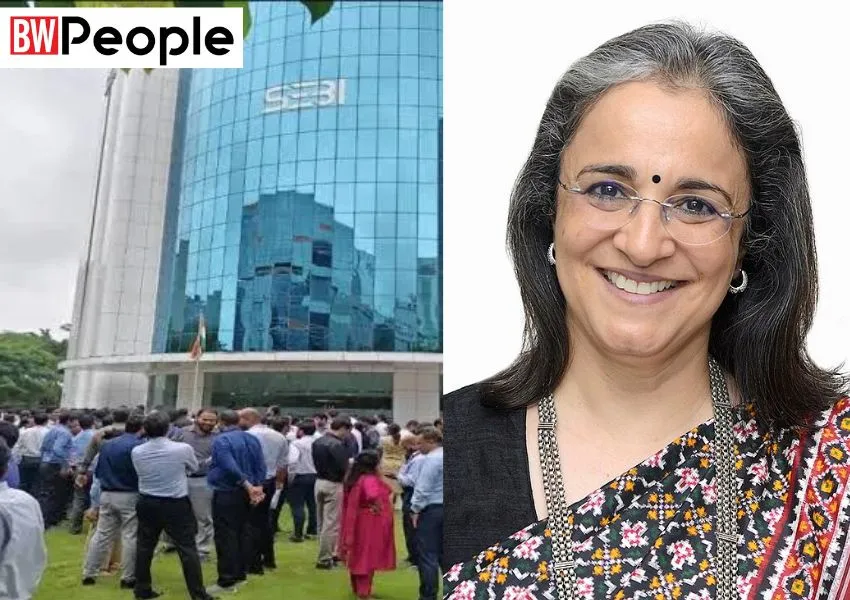
By K Raveendran The outcome of the much-anticipated SEBI board meeting on Monday showed beyond doubt that the board has become a captive in the hands of chairperson Madhabi Puri Buch, who is facing serious allegations of misconduct. The toxic work culture and unprofessionalism that the SEBI employees have been complaining about have now engulfed […]

Gurbir Grewal has announced his departure from the U.S. Securities and Exchange Commission (SEC), where he served as the Director of the Enforcement Division. His tenure is marked by a significant uptick in enforcement actions that led to record penalties and rewards, shaping the agency’s approach to financial oversight. Although he did not disclose future plans upon leaving the SEC, Grewal’s impact on the regulatory landscape has been substantial.

Since his appointment in July 2021, Grewal spearheaded over 2,400 enforcement actions, resulting in a staggering $20 billion in penalties. His aggressive enforcement strategy included 340 bars from the industry, aimed at holding individuals and entities accountable for misconduct. Grewal’s leadership also saw the SEC issue more than $1 billion in whistleblower awards, fostering a culture of transparency and encouraging individuals to report violations.

The SEC, an independent federal agency, has the critical role of regulating the securities industry and protecting investors. Under Grewal’s direction, the Enforcement Division enhanced its efforts to combat various forms of fraud and misconduct, including insider trading, market manipulation, and accounting fraud. This comprehensive approach underscored the agency’s commitment to maintaining market integrity and protecting investor interests.

Grewal’s departure comes amidst a broader discussion regarding the SEC’s future direction under the leadership of Chair Gary Gensler. Gensler has emphasized the importance of robust enforcement to deter violations and ensure fair markets. The SEC’s enforcement actions during Grewal’s tenure have garnered attention, reflecting a shift towards a more proactive and assertive regulatory stance.

The agency’s increased enforcement measures were well-timed, as the financial landscape faced unprecedented challenges, including the rise of digital assets and evolving market practices. Grewal’s leadership aligned with the SEC’s broader goal of adapting to these changes and ensuring that the regulatory framework effectively addressed emerging risks.

A significant aspect of Grewal’s tenure was the emphasis on collaboration with other regulatory bodies and law enforcement agencies. This approach allowed for more comprehensive investigations and the pooling of resources to tackle complex financial crimes. Such collaboration was essential in addressing multifaceted cases that required a coordinated response across jurisdictions.

Grewal played a pivotal role in advancing the SEC’s initiatives to modernize its technology and enhance its data analytics capabilities. These advancements have proven crucial in detecting fraudulent activities and monitoring market behaviors, thus allowing the SEC to respond swiftly to potential violations. Grewal’s focus on technological innovation reflected a recognition of the evolving nature of financial markets and the need for regulators to stay ahead of emerging threats.

As Grewal departs the SEC, questions arise regarding his potential successor and the future direction of the Enforcement Division. The agency has historically emphasized the importance of continuity in its enforcement approach, particularly during times of transition. Grewal’s departure may open the door for new strategies and perspectives that could further shape the SEC’s enforcement agenda.

Industry experts speculate on the challenges that lie ahead for the SEC. The regulatory landscape is becoming increasingly complex, with the rise of cryptocurrencies and decentralized finance presenting new hurdles for oversight. The next leader of the Enforcement Division will likely need to navigate these complexities while maintaining the momentum built during Grewal’s tenure.

In his farewell, Grewal expressed gratitude for the opportunity to serve at the SEC and emphasized the importance of the agency’s mission to protect investors and ensure fair markets. His leadership has left an indelible mark on the agency, and his departure signifies a pivotal moment in the SEC’s evolution.

As the SEC continues its work, the implications of Grewal’s departure will undoubtedly be felt in the coming months. Stakeholders across the financial sector are keenly observing how the agency will adapt to the changing regulatory environment and maintain its commitment to enforcement.

OpenAI has successfully raised $6.6 billion in a funding round that has significantly boosted its valuation to $157 billion. This is a remarkable increase from the $29 billion valuation it held just a year ago. Key contributors to this funding round include major industry players such as Microsoft, Nvidia, and SoftBank, underscoring the growing confidence in the artificial intelligence sector and OpenAI’s pivotal role within it. The […]

SINGAPORE – Media OutReach Newswire – 3 October 2024 – Vouch, the award-winning hotel operations management solutions provider, today announced the expansion of its product suite with innovative AI-powered features. These enhancements, designed to significantly boost operational efficiency and drive revenue growth for hotels, mark a significant step forward for the hospitality industry. Vouch – AI for Hospitality Fastest to Deploy, Easiest to Use AI Rapid Set […]

VISHNU RAJA
RYO YAMADA
HITORI GOTOH
IKUYO KITA