News related to
growth

Over 90% Take Punitive Action Against Brand Doubt, While 61% Have Walked Away

HONG KONG SAR – Media OutReach Newswire – 6 July 2026 – Hong Kong consumers have very low tolerance for brands and organisations that are deemed not believable, responding with rapid and decisive backlash when corporate promises trigger doubt. According to a new study on “The Believability Economy” by Ogilvy and YouGov, local residents quickly escalate from questioning claims to complaining on social media, switching to competitors, and fully disengaging. Part of a seven-market Asia Pacific initiative, the Hong Kong SAR edition of Ogilvy’s “Believability Index: The Power of Proof” reveals how critical proof has become to maintaining brand survival.

Believability Index HK Infographics

Silent Disengagement Directly Threatens Revenue

When believability falters, consumer action is almost universal. Of the 1,032 Hong Kong residents aged 18 and over surveyed between late April and early May 2026, 94% stated that they take punitive action once they harbour doubts about a brand or organisation, leaving only 6% with their behaviours unchanged. The local backlash is only slightly below the APAC average of 96%.

This belief-triggered disengagement also inflicts immediate financial consequences: 61% of Hong Kong respondents (70% in APAC) have stopped engaging with or purchasing from a brand or organisation over the past 12 months due to a lack of belief in its claims.

More importantly, silent forms of disengagement dominate the Hong Kong market. Nine in 10 Hongkongers (89%) opt for “silent disengagement”, walking away without saying a word. This quiet exit also carries a severe commercial penalty: it includes 46% who stop purchasing altogether and 32% who migrate to a competitor.

“The research findings are a stark wake-up call for brands and organisations, and show believability makes or breaks consumer decisions in immediate and severe ways,” said Clara Shek, President, Ogilvy Public Relations Hong Kong. “The Hong Kong findings reflect a broader trend in the Asia Pacific region: disengagement often combines quiet withdrawal with more visible signals. Brands and organisations must recognise that what they see publicly is only part of the picture — the quieter, unseen behaviours are dangerous and could be the silent killers of an organisation’s success.”

Vocal punishment is common. Over half (58%) of the respondents say they would take public or semi‑public action, such as:

  • Telling friends, family or colleagues not to support the brand or organisation (30%)
  • Reporting or flagging organisational content as misleading (17%)
  • Leaving a negative review or public comment (15%)
  • Actively and publicly avoid their content (14%)
  • Contacting them directly to express concerns (12%)
  • Posting personal experiences directly on social media (10%)

Lack of Competence and Ethics Triggers Consumer Disengagement

When consumers abandon a brand or organisation due to a breakdown of belief, the top reasons that prompted them to stop engaging or stop purchasing in the past 12 months tie directly to operational execution:

  • Products and services didn’t deliver what was promised (34%)
  • The brand or organisation handled an issue or mistake poorly (29%)
  • Poor business ethics (27%)

Communication missteps also erode foundational belief. A quarter of consumers (25%) state that exaggerated or misleading communications have prompted them to disengage, and 24% disengage when a brand or organisation is unresponsive to issues they raise. In contrast, influencers and spokespeople play a smaller role in believability-driven disengagement — only 15% of respondents report that they would stop engaging with a brand or organisation because a spokesperson or influencer loses credibility.

Drivers of Believability

In Hong Kong, believability is driven far more by the credibility of the source than by the creative style of the content, and people rely primarily on their own judgement or official sources, rather than influencers or highly-polished content. Three quarters (76%) of Hong Kong residents rely on credibility-related influences (such as credible sources and multiple sources), 62% rely on personal perception (whether information aligns with existing knowledge), 59% turn to reviews, and 43% turn to peer validation.

Across all ages, the top drivers of belief are consistently rooted in familiarity and prior experience:

  1. A source they already find credible (43%)
  2. Information that aligns with their own knowledge or experience (34%)
  3. Official or institutional sources (30%)

Conversely, the signals that dominate digital and social media culture — polished and professionally produced content (8%), the amount of people engaging with or sharing the information (16%), and “authentic” creator content (12%) — sit at the bottom of the list as factors that influence whether they believe new information about a brand or organisation.

The Channel Paradox – Where Belief and Scepticism Collide

The Ogilvy Believability Index 2026 finds that mainstream media and official brand channels remain the most influential sources of increased belief in Hong Kong. Almost two-thirds (58%) of Hong Kong residents say information from mainstream media increases their belief in brands and organisations that matter to them, and half (50%) say official brand channels improve belief. Both sources were greeted with relatively minimal scepticism (7% and 8% respectively).

Influencer content and private messaging apps tell a more complex story. The study shows that 30% of Hong Kong consumers say information from social media influencers and KOLs increase their belief, but 26% express heightened scepticism. Private group chats such as WhatsApp show the same near‑equal split: 30% say these channels strengthen their belief, while 26% say they make them more doubtful. In these environments, brands and organisations aren’t generating belief alone — they’re generating belief and doubt in almost equal measure.

“Social media channels may be influential in reach and visibility for brands and organisations, but they are far less effective at strengthening belief,” Ms. Shek said. “In fact, they often create a mix of belief and doubt – a paradox that organisations need to navigate carefully. Traditional tracking tools can create a blind spot for senior leadership as organisations run the risk of over-indexing spending on the exact platforms that are triggering scepticism.”

The importance of mainstream media echoes the latest findings in South China Morning Post’s (SCMP) Intersection of Influence study released on June 24, 2026. The SCMP study shows news media commands the highest attention of any channel in Hong Kong, significantly outperforming other channels (such as social media) in terms of audience focus and staying power. Sixty-one percent (61%) say news reports stay with them long after reading, and 16% use the information to make important decisions. For believability, this shows that news environments don’t just attract attention; they generate intentional, lasting and active engagement in the content.

Negative Ripple Effect for Other Brands

When believability breaks, it spreads. A third (31% local; 36% in APAC) of consumers admit that when their belief in a brand or organisation is lost, they become more wary or suspicious, with 38% of Hong Kong consumers (29% in APAC) reporting that they will subsequently minimise their use of similar products or services from other brands and organisations.

Restoring Belief – Action is Louder Than Words in Hong Kong

On the bright side, 82% of Hong Kong residents (85% in APAC) say belief can be restored. Only 14% of Hong Kong residents (11% in APAC) say that once belief in a source is lost — whether an organisation, media outlet, or public figure — it can never be regained.

When it comes to restoring belief, Hong Kong consumers respond most positively to concrete action. Half (50%) say an organisation must “actively fix the issue” before they will believe them again – a requirement that ranks well above a “public acknowledgement” (40%). Furthermore, another 40% believe it is important to “demonstrate consistent accuracy.”

For Hongkongers, these concrete actions carry far more weight than shifts in communication style alone. Only 29% of respondents feel that being “more transparent or further evidence-based” in their communication helps restore belief, while only 13% say “endorsements from respected individuals” helps restore belief. In other words, accountability and follow‑through are the real drivers of believability.

“Consumers are open to brands and organisations that take actions to repair that credibility. The path to redemption clearly lies in tangible action – correcting problems, publicly acknowledging mistakes and demonstrating consistency. As the findings show, accountability is the ultimate currency of belief,” said Ms. Shek at Ogilvy.

“Despite the popularity of social media and digital channels, Ogilvy’s Hong Kong edition of the ‘Believability Index: The Power of Proof’ calls for a rethink on marketing and issue management approach,” Ms. Shek concluded. “To protect against silent disengagement, leaders must deliver on their core promise, tackle issues transparently, and anchor their communications in mainstream media and official channels, with mindful management of social media and influencer strategy recognising these channels’ belief-scepticism double-edged impact on consumers.”

Hashtag: #Ogilvy

The issuer is solely responsible for the content of this announcement.

About Ogilvy’s 2026 Believability Index: Power of Proof

The Hong Kong edition of “Believability Index: The Power of Proof” was conducted online between 22nd April – 4th May 2026. The sample comprised an online representative sample of 1,032 Hong Kong adults aged 18 years and older. Total sample size for Ogilvy’s seven-market Asia Pacific Believability Index 2026 was 7,176 adults in Australia, Indonesia, Singapore, Malaysia, the Philippines, Mainland China and Hong Kong SAR (1,032). All figures, unless otherwise stated, are from YouGov Plc. The figures have been weighted and are representative of all respective market adults (aged 18+). Ogilvy designed the questionnaire in collaboration with YouGov.

About Ogilvy PR

Ogilvy PR and Influence is a global creative communications agency that partners with organisations to drive value and growth. We build brands, protect reputations, and earn attention and influence through creative storytelling informed by data, and fuelled by technology. Our specialist practice areas offer media relations, social and digital communications, external and internal stakeholder communications, issues and crisis management, and stakeholder engagement. We are the region’s largest and most specialised public relations and public affairs consultancy.

A UAE-based company has moved to bring Korean manufacturing into Abu Dhabi through a proposed industrial zone that could host more than 25 factories in its first phase and attract investments exceeding $1 billion.

AG Company signed a strategic partnership with Akbar Investment Company of the Republic of Korea to study the establishment of a zone dedicated to Korean industries, with Al Ain identified as the proposed location. The initiative comes as the UAE and Korea deepen economic ties under a bilateral trade framework that entered into force on May 1, 2026, after being signed in Seoul on May 29, 2024.

The announcement coincided with the visit of a high-level Korean delegation to Abu Dhabi, led by Jung Min Kim, a member of the National Assembly of the Republic of Korea and member of its Committee on Trade, Industry, Energy, SMEs and Startups. The delegation included representatives from government and semi-government entities, investors and industrial companies.

The agreement was accompanied by the signing of 15 memoranda of understanding with Korean companies and manufacturers across industrial sectors. The proposed zone is expected to focus on advanced manufacturing, technology-led production, artificial intelligence applications, healthcare technologies and related industries, although the final sector mix will depend on feasibility studies, regulatory approvals and investor commitments.

The project aligns with Abu Dhabi’s wider industrial strategy, which seeks to more than double the emirate’s manufacturing sector to AED172 billion by 2031, expand non-oil exports and create thousands of skilled jobs. Abu Dhabi has been positioning industrial growth as a pillar of diversification, combining ports, free zones, logistics networks and investment incentives to attract manufacturers serving the Middle East, Africa and South Asia.

During the visit, the Korean delegation held meetings with the Abu Dhabi Investment Office and Khalifa Economic Zones Abu Dhabi to review the emirate’s investment environment, infrastructure and industrial services. The delegation also met business leaders and investors and carried out field visits to assess operational readiness, logistics capacity and production facilities.

Jung Min Kim said the UAE, and Abu Dhabi in particular, had established itself as one of the world’s most attractive and trusted investment destinations due to its economic vision, legislative environment and infrastructure. He said those advantages, along with stability and the capacity to attract quality investment, made the country an appropriate partner for expanding the presence of Korean industries across the region.

Dr Ahmed Abdullah, chief executive of AG Company, said the project reflected the UAE’s direction towards a more diversified and competitive economy based on knowledge, innovation and autonomous artificial intelligence capable of self-operation and execution. He said attracting Korean industries represented not only an economic investment but also an opportunity to transfer expertise, develop national competencies and strengthen the UAE’s position as a hub for industry and innovation.

The UAE–Korea trade agreement is expected to eliminate or reduce duties on more than 90 per cent of tariff lines over a period of up to 10 years. It also covers trade in goods and services, investment, customs procedures, digital trade, intellectual property, government procurement and cooperation in sectors including energy, healthcare and advanced industries.

The industrial zone proposal gives private-sector form to those commitments. Korean companies have strong global positions in electronics, automotive components, batteries, robotics, shipbuilding, healthcare equipment and advanced materials. Abu Dhabi offers access to capital, energy, transport infrastructure and regional markets, while Korean manufacturers bring production systems, export networks and technology capabilities.

The location of Al Ain carries added significance. The city has been seeking a larger role in Abu Dhabi’s economic diversification beyond its established strengths in agriculture, education, culture and tourism. A manufacturing cluster there could broaden industrial activity outside the coastal logistics corridor, although investors will assess connectivity, labour requirements, utilities, supply chains and access to ports before committing to factory sites.

Safwan Bals, board adviser at AG Company, said nominating Al Ain reflected a vision of expanding economic development and diversifying production hubs. He said the project could support the city’s economic and social development by attracting investments and creating direct and indirect employment opportunities.

By Nantoo Banerjee Despite never qualifying for the FIFA (Federations of International Football Associations) World Cup, India has emerged as one of the largest global markets for the current tournament being co-hosted by the United States, Canada, and Mexico, with matches played across 16 official host cities. In the opening weekend alone, the tournament reached […]

The article FIFA World Cup Reaches Over 100 Million Viewers In India appeared first on Latest India news, analysis and reports on Newspack by India Press Agency).

Arabian Post Staff -Dubai DMCC has launched a dedicated cybersecurity vertical as part of a wider restructuring of its technology ecosystem, bringing more than 4,000 technology companies under the newly formalised DMCC Tech platform. The new unit, DMCC Cyber, is designed to support businesses working across cyber resilience, digital trust, data protection, identity management, and governance, risk and compliance. It will sit alongside the DMCC AI Centre, […]

The UAE’s first Etihad Rail passenger service has begun carrying travellers between Fujairah and Abu Dhabi, opening a new phase in the country’s transport infrastructure and giving residents a rail alternative to long inter-emirate road journeys. The inaugural service left Fujairah’s Al Hilal City station at 5.34am on June 30 and arrived at Mohamed bin Zayed City station in Abu Dhabi at 7am, ahead of its scheduled […]

Arabian Post Staff -Dubai OPEC+ has approved another increase in oil output targets for August, adding 188,000 barrels per day to planned supply as Gulf exports move back through the Strait of Hormuz and crude prices ease from wartime highs. The decision, taken at a virtual meeting on Sunday, extends a sequence of monthly quota increases that began in April and continued through June and July. Saudi […]

Coca-Cola Products Introduced Across All Subway Hong Kong and Macau Outlets Starting July

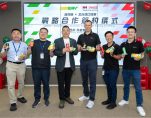
HONG KONG SAR – Media OutReach Newswire – 6 July 2026 – Swire Coca-Cola and Subway’s Hong Kong and Macau franchisee, Fu-Rui-Shi Hong Kong Corporate Development Limited, jointly announced the signing of a seven-and-a-half-year strategic partnership agreement. Starting in July 2026, all Subway stores and online platforms in Hong Kong and Macau will fully introduce beverages from under the Coca‑Cola portfolio , offering customers a more diverse and enhanced meal pairing experience.

Swire Coca-Cola and Subway's Hong Kong and Macau franchisee, Fu-Rui-Shi Hong Kong Corporate Development Limited, jointly announced the signing of a seven-and-a-half-year strategic partnership agreement.
Swire Coca-Cola and Subway’s Hong Kong and Macau franchisee, Fu-Rui-Shi Hong Kong Corporate Development Limited, jointly announced the signing of a seven-and-a-half-year strategic partnership agreement.

Omnichannel Supply with Diverse Beverage Choices

Richard Gould, Director and General Manager of Swire Coca-Cola HK, said the company is pleased to form a long-term partnership with Subway. He noted that meaningful partnerships go beyond brand collaboration — they respond to consumer needs and enhance everyday experiences.

He added that the collaboration not only elevates the dining experience but also reflects our commitment to creating more relevant, refreshing and enjoyable meal occasions for consumers .

Richard Zhu, Chief Executive Officer of Subway China, also welcomed the collaboration, highlighting the combined strengths of both brands in delivering more diverse choices to consumers in Hong Kong and Macau.

Under the agreement, Subway outlets and online platforms in Hong Kong and Macau will offer a range of beverages from the Coca-Cola portfolio, including Coca-Cola, Sprite, Fanta, Schweppes, Authentic Tea House, Aquarius and more, along with pairing recommendations and upgrade options. Seasonal and limited-time promotions will also be introduced.

Driving Innovation to Enhance Consumer Experience

With 44 outlets across Hong Kong and Macau, this partnership combines the respective strengths of both companies to further enhance market competitiveness. Leveraging Coca-Cola’s strong brand portfolio and platforms such as Foodmarks and Coke+, the collaboration will enable more diversified partnership models.

Looking ahead, both parties aim to explore integrated promotions to drive bundled sales, as well as closer integration of physical stores and digital channels to boost consumer interaction and conversion, setting a new benchmark for cross-industry collaboration and sustainable growth. With customer experience at its core, the partnership aims to inject new energy into cross-sector collaboration within the local food and retail industry, creating long-term value for the Hong Kong and Macau markets and achieving a win-win-win outcome for brands, merchants and consumers.

The issuer is solely responsible for the content of this announcement.

Advertisements

Famous for its signature crispy fried duck, the fast-growing Indonesian food brand proves that high-quality, affordable dining is a winning formula.

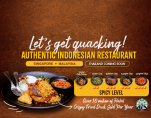
SINGAPORE – Media OutReach Newswire – 6 July 2026 – Bebek Goreng Pak Ndut, the rapidly expanding restaurant brand famous for its signature crispy fried duck and authentic Indonesian-style cuisine, today announced the upcoming grand opening of its fourth Singapore outlet at Sengkang Grand Mall, officially opening its doors on Saturday, July 11, 2026. This launch represents a key milestone in the brand’s aggressive regional growth strategy, which currently includes two successful high-volume locations in Malaysia and an upcoming market entry into Bangkok.

Bebek Goreng Pak Ndut Opens 4th Singapore Outlet Amid Aggressive Regional Push

​Built on a fast-turnover, highly accessible dining model, Bebek Goreng Pak Ndut is proving that affordable, everyday meals do not have to compromise on taste or quality. The brand focuses purely on operational efficiency and delivering exceptional value to the masses, making its famous fried duck and authentic Indonesian flavors accessible to everyone without the premium price tag.

​”Our mission is simple: serve uncompromisingly authentic, high-quality food at a price that keeps customers coming back multiple times a week,” said Joni Anson, Founder of Bebek Goreng Pak Ndut. “With this new Sengkang location, our thriving outlets in Malaysia, and our upcoming expansion into Bangkok, we are showing that a great dining experience should be affordable, fast, and consistently delicious.”

​To celebrate the grand opening with the Sengkang community, the new outlet will be offering an exclusive 23% storewide discount throughout the weekend of July 11 and 12, 2026.

​For more information, to view the menu, or to find the nearest location, please visit www.bebekgorengpakndut.com.sg or follow the brand on Instagram and TikTok at @bebekgorengpakndut_sg.
Hashtag: #BebekGorengPakNdut

The issuer is solely responsible for the content of this announcement.

About Bebek Goreng Pak Ndut

Bebek Goreng Pak Ndut is a regional multi-outlet restaurant brand specializing in authentic, affordable Indonesian-style cuisine. Operating a high-efficiency central kitchen and multiple fast-casual outlets across Singapore and Malaysia, the brand is dedicated to delivering consistent, high-quality meals at accessible price points.

Arabian Post Staff -Dubai Oil prices have slipped back as a burst of supply, softer demand signals and easing disruption fears revive concern that the global market may be heading towards another glut. Brent crude has traded close to $72 a barrel, while US benchmark West Texas Intermediate has hovered below $70, pulling prices towards levels seen before the latest Middle East supply scare. The shift has […]

HONG KONG SAR – Media OutReach Newswire – 4 July 2026 – At the Asian Excellence Awards 2026 ceremony held in Hong Kong, VinFast was recognized with three prestigious awards, including Best Investor Relations Company and two individual honors. The achievement underscores VinFast’s growing stature and capabilities as a global electric vehicle company listed on Nasdaq.

VinFast honored for investor relations excellence at the Asian Excellence Awards 2026

The Asian Excellence Awards is one of Asia’s most prestigious accolades in the fields of corporate governance, ESG, and investor relations. Organized annually by Corporate Governance Asia since 2011, the awards are recognized for their rigorous evaluation standards and stringent selection criteria.

This year, VinFast received recognition in three major categories: Best Investor Relations Company, Asia’s Best CFO awarded to Ms. Nguyen Thi Lan Anh, and Best Investor Relations Professional awarded to Ms. Amandae Baey.

VinFast was the only Vietnamese company recognized at the 2026 awards. Other recipients this year were leading corporations from several key Asian markets, including Hong Kong, Mainland China, Taiwan, Thailand, Malaysia, Indonesia, and the Philippines.

In the Best Investor Relations Company category, VinFast was highly regarded for its transparency in information disclosure, its ability to maintain regular engagement with investors and analysts, and the effectiveness of its communication and outreach initiatives with financial communities.

For the Asia’s Best CFO award, the organizers recognized the critical role of corporate finance leaders in maintaining strong financial foundations, developing effective capital-raising strategies, and navigating market volatility. The award honors CFOs who demonstrate exceptional leadership in guiding their companies toward stable and sustainable growth across varying economic conditions.

Ms. Nguyen Thi Lan Anh, Chief Financial Officer of VinFast, said: “This series of recognitions at the Asian Excellence Awards 2026 is a meaningful acknowledgment of VinFast’s journey in building a global enterprise founded on advanced and sustainable governance standards. VinFast will continue to strengthen governance capabilities, enhance transparency, and foster open dialogue with stakeholders to build long-term trust in international markets.”

Ms. Nguyen Thi Lan Anh has served as Chief Financial Officer (CFO) of VinFast Auto Ltd since 2024. Having joined Vingroup in 2020, she brings extensive knowledge of the Company’s operations through her leadership experience across multiple functions, including finance, manufacturing, and supply chain management. She is a Fellow Chartered Certified Accountant (FCCA) and a Certified Practising Accountant of CPA Australia.

Ms. Amandae Baey has served as Vice President of Investor Relations at VinFast since 2024, where she leads the Company’s global investor engagement, analyst relations, and capital markets positioning. She is a CFA charterholder.

The awards highlight VinFast’s increasing integration into global capital markets and reaffirm its commitment to adopting international governance standards, enhancing disclosure quality, and strengthening engagement with shareholders and investors through a professional, proactive, and sustainable approach.

Over the past year alone, VinFast has received dozens of prestigious international awards spanning investment and finance, corporate communications, electric mobility, technology, design, and sustainability. Notable recognitions include the “Outstanding Innovation in Sustainable Electric Mobility” and “Remarkable Contribution to Energy Independence” awards at the CNN Indonesia Awards; the “Best Value Car of the Year” award at the Autocar India Awards 2026; ranking 101st in TIME magazine’s “Asia-Pacific’s Best Companies of 2025” list; and six awards at the APAC Effie Awards.

Hashtag: #VinFast #AsianExcellenceAwards #InvestorRelations

The issuer is solely responsible for the content of this announcement.

About Corporate Governance Asia

Corporate Governance Asia is Asia’s leading publication covering corporate governance, ESG (Environmental, Social and Governance), investor relations, and sustainability. Since its launch in 2002, it has become a trusted source of insights and analysis for corporate leaders, investors, regulators, and financial professionals across the region.

The Asian Excellence Awards, organized annually by Corporate Governance Asia since 2011, recognize outstanding companies and business leaders across Asia for excellence in corporate governance, ESG practices, and investor relations.

Global equities advanced after weaker US employment figures reduced expectations of an imminent Federal Reserve rate increase, pushing investors back into risk assets while lifting gold and easing pressure on the dollar. The rally followed the June employment report, which showed non-farm payrolls rising by 57,000, well below market expectations of roughly 110,000. The unemployment rate eased to 4.2 per cent, but the decline was clouded by […]

New Delhi and Bamako have opened a structured export forum aimed at expanding bilateral trade, drawing investment into priority sectors and giving businesses from both countries a clearer route into West African and South Asian markets.

The inaugural India–Mali Forum for the Promotion of Exports was held in Bamako under the theme “Reinforcing Trade and Strategic Partnerships”, bringing together senior officials, export agencies and about 30 business leaders from India. The two-day initiative marks an attempt to move commercial engagement beyond commodity flows and towards sector-specific projects in cotton, mining, energy, pharmaceuticals, agro-processing, health and education.

The forum was jointly organised by Mali’s Ministry of Industry and Trade, the Embassy of India in Bamako and the Malian Agency for the Promotion of Exports. It was presided over by Mali’s Transition Government Prime Minister, Major General Abdoulaye Maïga, with the delegation from India led by Amit Kumar, Joint Secretary for FT-Africa in the Department of Commerce. Dr N. Nandakumar, Ambassador of India to Mali, represented the mission through the proceedings.

Bilateral trade crossed $326.61 million in 2025–26, a 55 per cent increase over the previous financial year. Mali’s exports to India include raw cotton, finished leather, cashew, lead, gum arabic and sesame. India’s exports to Mali include pharmaceuticals, cotton fabrics, two-wheelers, three-wheelers and bicycles. Officials see the current trade base as narrow but expandable, particularly because Mali’s global exports stand at about $4 billion and its untapped export potential in the market of India is estimated at nearly $3.96 billion.

The Duty-Free Tariff Preference Scheme has been a central driver of trade growth, offering least developed countries preferential access to the market of India. For Mali, the scheme provides a policy opening at a time when Bamako is seeking to diversify export destinations and reduce dependence on raw commodity shipments. For New Delhi, the forum fits a wider push to deepen commercial links with Africa through trade facilitation, capacity building and private-sector participation.

Business-to-business, business-to-government and government-to-government meetings formed the operational core of the forum. Exhibition stands featured products from both countries, including tractors and vehicles manufactured by Sonalika, Mahindra and Tata Motors. The format was designed to connect firms with regulators, identify bankable projects and address procedural bottlenecks that often slow trade between developing markets.

Mali presented ready-made business plans to potential investors and placed emphasis on agro-industry, shea processing, mining-linked services, renewable energy and social infrastructure. The country is seeking more value addition in cotton and agricultural commodities rather than relying mainly on exports of raw or semi-processed products. Cotton remains a significant sector for Mali, while shea, sesame, cashew and gum arabic offer scope for processing, branding and direct export partnerships.

Pharmaceuticals emerged as another key area. Mali sought quicker registration of approved products from India, a move that could expand access to affordable medicines and medical supplies. Health and education infrastructure were also discussed as areas where companies and institutions could provide services, equipment and training support.

The mining dimension is more complex. Mali is one of Africa’s leading gold producers and is working to tighten oversight of its precious metals trade after identifying large gaps between declared exports and import data reported by partner countries. A new state entity has been created to centralise and regulate precious-substances flows, reflecting Bamako’s effort to capture more value from gold and reduce informal trade. Industrial mines export about 60 tonnes of gold annually, while artisanal mining employs nearly 2 million people across hundreds of sites.

Security remains a central concern for investors. Mali has faced instability and militant violence, and economic assets have been among the risks flagged by foreign governments and companies. Earlier this year, security concerns stalled participation by government-backed firms from India in a Russian-backed lithium exploration project in Mali. That episode underlined the challenge of matching mineral ambitions with investor confidence.

Adani Enterprises has expanded its qualified institutional placement to ₹150 billion after demand from large investors exceeded the original ₹100 billion target, giving Gautam Adani’s flagship company a sizeable pool of equity capital for its next phase of infrastructure and industrial expansion.

The share sale, opened to institutional investors this week, drew bids of about ₹380 billion, or roughly 3.8 times the base offer. The indicative price was set at ₹2,883 a share, below the regulatory floor price of ₹3,034.68 and at a discount to the stock’s previous close, reflecting the typical pricing structure used to secure large-block institutional participation.

The enlarged issue marks one of Adani Enterprises’ biggest equity-raising exercises since the group was hit by a market rout in 2023 following allegations by US short-seller Hindenburg Research. The conglomerate denied wrongdoing, and group companies have since rebuilt access to capital through a mix of equity, debt, asset recycling and strategic partnerships.

The strong response to the placement signals that institutional investors are again willing to back the group’s growth strategy, even as they continue to price in governance, leverage and execution risks. The investor book included global funds and domestic asset managers, with demand high enough for the company to lift the deal size by 50 per cent.

Adani Enterprises is the incubator of the group’s newer businesses. Its portfolio spans airports, roads, data centres, green hydrogen, mining services, defence, solar manufacturing and other infrastructure-linked ventures. The company has been central to the group’s plan to build large operating platforms before eventually listing or separating mature units.

The latest fundraising comes as the group accelerates capital spending across transport, energy transition and materials. Its airports business operates eight airports and is preparing for the opening of Navi Mumbai International Airport, a project expected to strengthen the group’s presence in aviation infrastructure. Data centres and green hydrogen remain capital-intensive bets that require long gestation funding and steady access to institutional capital.

The timing also follows Adani Enterprises’ rights issue of about ₹250 billion completed in late 2025, which was oversubscribed. That offer was used to support capital expenditure, debt repayment and shareholder loan obligations. The new placement gives the company additional flexibility at a time when infrastructure companies are competing for long-duration capital amid rising demand for logistics, power, digital infrastructure and manufacturing capacity.

The share sale is also significant because it reduces reliance on borrowings for the next leg of expansion. Equity funding can ease pressure on balance sheets and improve investor perception of leverage, particularly for companies pursuing several projects at once. At the same time, the discounted pricing means some dilution for existing shareholders, a common trade-off in large institutional placements.

Market reaction was measured. Adani Enterprises shares initially faced pressure after pricing details emerged but later stabilised, suggesting investors had largely anticipated a discount. The stock has recovered substantially from its 2023 lows, though it remains closely watched because of the group’s debt profile, promoter holdings and regulatory scrutiny around past allegations.

The company’s investment cycle has broadened further with plans linked to a major aluminium project in Odisha in partnership with Abu Dhabi’s International Holding Company. The proposed project, valued at about $11.5 billion, is expected to include bauxite mining, alumina refining, aluminium smelting and downstream capacity. The partnership underscores the group’s continuing effort to deepen industrial manufacturing alongside infrastructure.

IHC has been a notable backer of the group through periods of market volatility. Its involvement provides strategic weight to Adani’s expansion into metals, a sector that requires heavy upfront investment, access to raw materials, power security and strong execution discipline. Aluminium demand is being driven by transport, packaging, power transmission, construction and renewable energy infrastructure.

Adani Enterprises’ fundraising also fits a broader trend across the equity market, where companies have used qualified institutional placements to raise growth capital while valuations remain supportive. QIPs allow listed companies to place shares with large investors without the longer timelines associated with some other public offerings. For issuers, the format is faster; for institutions, it provides access to sizeable allocations in liquid companies.

BlueFive Capital has co-led a near $3 billion funding round for Kling AI, marking one of the largest capital injections into a generative video company and giving the Abu Dhabi-based investment platform a prominent position in China’s fast-growing artificial intelligence race. The financing values Kling AI at about $18 billion after investment and brings together a heavyweight group of backers including CPE, Guofang Investment, Tencent and CITIC […]

Arabian Post Staff -Dubai The UAE’s non-oil private sector came close to stalling in June as the impact of the Iran conflict, softer tourism activity and cost pressures hit client demand, leaving firms with the weakest improvement in business conditions since February 2021. The seasonally adjusted S&P Global UAE Purchasing Managers’ Index fell to 50.8 in June from 52.6 in May, staying only slightly above the 50 […]

Arabian Post Staff -Dubai Abu Dhabi’s e& Carrier & Wholesale Services has signed a strategic partnership with Lenovo Connect to deliver global connectivity for electric vehicles, connected cars and industrial IoT systems, strengthening its push into cross-border digital infrastructure as mobility platforms demand faster, safer and more compliant data services. The agreement brings together e&’s international network reach, 5G capabilities and regulatory experience with Lenovo Connect’s IoT […]

Gulf banking systems remain well placed to absorb near-term shocks from the US-Iran conflict, but their credit strength is now tied closely to whether the ceasefire holds and whether the Strait of Hormuz returns fully to dependable commercial use. Fitch Ratings says the durability of the truce between Washington and Tehran will be central to the outlook for banks across the Gulf Cooperation Council, where lenders entered […]

PureHealth’s insurance arm, The National Insurance Company – Daman, has secured an A1 Insurance Financial Strength Rating from Moody’s Ratings with a stable outlook, marking a major credit milestone for Abu Dhabi’s expanding healthcare and insurance platform. The rating is the highest Insurance Financial Strength Rating assigned by Moody’s to a UAE insurer and the highest across the GCC among life, property and casualty, and reinsurance companies. […]

Dubai’s off-plan office market surged to a record AED13.1 billion in the first half of 2026, surpassing the combined value of transactions recorded across the previous seven years and signalling a decisive shift in the emirate’s commercial property cycle. Developers sold 1,668 off-plan office units between January and June, compared with AED5.48 billion generated from 1,821 transactions between 2019 and 2025. The jump reflects a sharp acceleration […]

Arabian Post Staff -Dubai Abu Dhabi has launched a maritime investment guide aimed at drawing global companies, entrepreneurs and specialist service providers into the emirate’s expanding ports, logistics and shipping ecosystem. The guide, titled Abu Dhabi’s Compass for Maritime Businesses: Your Gateway to Global Opportunity, has been introduced by Maritime Hub Abu Dhabi, the sector collaboration platform operated by Abu Dhabi Maritime and led by the Integrated […]

Transaction Valued at $122.5M Establishes 20,000-Liter US Biologics Drug Substance Manufacturing Platform, Covering Development through Commercial Supply

TAIPEI, TAIWAN – Media OutReach Newswire – 2 July 2026 – Bora Pharmaceuticals Co., Ltd. (“Bora” or “Bora Group”; TWSE: 6472; OTCQX: BORAY) today announced the completion of its acquisition of the GMP manufacturing operations of MacroGenics, Inc. (NASDAQ: MGNX) including its biologics drug substance facility in Rockville, Maryland and an associated warehousing center in Frederick, Maryland, for total consideration of US $122.5 million through its wholly owned subsidiary Bora Biologics USA, LLC.. Upon closing, Bora signed a long-term CDMO Service Agreement with MacroGenics.

With the close of the transaction, Bora Group’s biologics CDMO franchise, Bora Biologics, now operates 20,000 liters of single-use bioreactor (SUB) drug substance manufacturing capacity across two active US sites: Rockville, Maryland and San Diego, California, and one development facility in Zhubei, Taiwan.

“This acquisition establishes a US biologics manufacturing platform that sponsors can depend on, from development through licensed commercial supply,” said Bobby Sheng, Chairman and CEO of Bora Group. “As regulatory and supply chain dynamics continue to evolve, we expect biotech and pharmaceutical companies to increasingly seek manufacturing partners with US-based, inspection-proven infrastructure. Bora Biologics is designed to meet that need, offering a fully integrated, end-to-end biologics platform spanning drug substance and drug product capabilities.”

With the addition of the Rockville facility, Bora Biologics supports more than 4 active commercial programs, with more than 120 completed GMP batches and supply into multiple global markets including the US, EU, Japan, Canada and the UK with fully integrated QC and analytical capabilities.

Across its US network, Bora Biologics has completed five FDA inspections, including two at Rockville and one PMDA review in 2025, with clean results at both sites. The combined platform has supported more than 33 biologics and 15 biosimilars, establishing a manufacturing base for biotech and pharmaceutical companies with reduced offshore dependency and domestically anchored infrastructure.

Bora Group intends to integrate its US drug substance (DS) capabilities with its existing sterile drug product (DP) capabilities over the next 12 to 18 months, offering a seamless, fully integrated development-through-commercial biologics solution.

Hashtag: #BoraPharmaceuticals

The issuer is solely responsible for the content of this announcement.

About Bora

Founded in 2007, Bora Pharmaceuticals (“Bora” or “the Company”, 6472.TW and BORAY.OTCQX) is a leading pharmaceutical services company with a vision and goal of “Contributing to Better Health All Over the World”. Operating under a “Dual Engine” model that integrates CDMO and commercial expertise, we empower pharmaceutical and biotech partners to optimize product development, accelerate launches, and scale supply to meet global patient needs. At the same time, we actively broaden R&D and sales infrastructure, focusing on niche and rare disease markets to improve patients’ quality of life.

By investing in talent, infrastructure, and biologics expansion, Bora continues to transform operations and achieve sustainable growth. Committed to making success “certain,” Bora sets new standards in the pharmaceutical and CDMO industries.

For more, please visit:

Disclaimer:
This document and the accompanying information may contain forward-looking statements. All statements regarding the company’s future business operations, potential events, and prospects (including but not limited to forecasts, targets, estimates, and operational plans) are considered forward-looking statements unless they refer to factual occurrences. Forward-looking statements are subject to various factors and uncertainties that may cause significant differences from actual results, including but not limited to price fluctuations, actual demand, exchange rate variations, market share, competitive conditions, changes in the legal, financial, and regulatory framework, international economic and financial market conditions, political risks, cost estimates, and other risks and variables beyond the company’s control. These forward-looking statements are based on current predictions and assessments, and the company disclaims any responsibility for future updates.

Singapore-based companies have committed more than S$5.5 billion in Johor since the JS-SEZ memorandum of understanding, while IMFC-J reported 1,000 enquiries linked to RM73 billion in potential investment in March 2026.

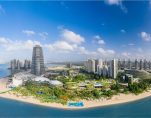
JOHOR, MALAYSIA – Media OutReach Newswire – 2 July 2026 – Forest City Special Financial Zone (Forest City SFZ) today issued a progress update on the Johor-Singapore Special Economic Zone (JS-SEZ), pointing to early implementation milestones in investment facilitation, financial-services incentives and cross-border connectivity.

Forest City, Johor
Forest City, Johor

The JS-SEZ agreement, signed on 7 January 2025, covers approximately 3,588 square kilometres across southern Johor. It comprises nine flagship areas and targets investment in 11 sectors, including manufacturing, logistics, financial services, the digital economy, tourism, education, healthcare and the green economy. Forest City is the designated financial-services flagship within the framework.

“The JS-SEZ has moved beyond framework design and into early-stage execution. Forest City has a defined role in financial services and family-office activity, while the wider zone is building a pipeline across multiple industries,” a Forest City SFZ spokesperson said.

Investment pipeline builds across the JS-SEZ

Singapore’s Ministry of Trade and Industry said Singapore-based companies had committed more than S$5.5 billion in investments into Johor since the JS-SEZ memorandum of understanding was signed in January 2024. The figure was highlighted at the second JS-SEZ Joint Investment Forum in Singapore in October 2025.

On the Malaysian side, the Invest Malaysia Facilitation Centre Johor (IMFC-J) reported in March 2026 that it had received 1,000 investor enquiries and was facilitating RM73 billion in potential investment.

IMFC-J is a joint federal-state one-stop centre led by the Iskandar Regional Development Authority, Invest Johor and the Malaysian Investment Development Authority.

The figures represent investment commitments and potential project value rather than fully realised capital expenditure, but provide an early measure of the commercial pipeline forming around the economic corridor.

Forest City builds financial-services proposition

Malaysia announced the Forest City SFZ incentive package in September 2024, followed by the gazettement of the Single Family Office (SFO) tax rules in October 2025. Under the scheme, a qualifying SFO vehicle may receive a 0% tax rate on eligible investment income for an initial 10-year period, with a possible extension for a further 10 years, subject to asset, local investment, staffing and operating-expenditure requirements.

The initial phase requires at least RM30 million in assets under management. The wider Forest City incentive framework also includes a 5% corporate tax rate for qualifying global-services and selected relocation activities, while eligible knowledge workers in the JS-SEZ may qualify for a 15% personal income tax rate, subject to prevailing rules and approvals.

According to Forest City data, nine family offices had received approvals under the scheme by June 2026. The Securities Commission Malaysia had previously reported more than 30 expressions of interest and has set a target of RM2 billion in SFO assets under management by the end of 2026.

Separately, Forest City said 593 applicants were approved for the SFZ category of the Malaysia My Second Home programme between 1 October 2024 and 31 March 2026, indicating demand from investors, professionals and long-stay residents alongside the financial-services push.

Cross-border measures support the dual-market model

The JS-SEZ framework is intended to combine Johor’s land, industrial capacity and cost base with Singapore’s capital, connectivity and business ecosystem. Measures under the bilateral framework include investor facilitation, automated immigration channels, paperless goods clearance and improved transport links.

Singapore has rolled out QR-code immigration clearance across travel modes at the Woodlands and Tuas checkpoints. Travellers should continue to carry their passports, which may still be required for verification and for clearance at the Malaysian border.

The Johor Bahru-Singapore Rapid Transit System Link is targeted to begin passenger service by the end of 2026. The four-kilometre line will connect Bukit Chagar and Woodlands North in about five minutes and is designed to carry up to 10,000 passengers per hour in each direction during peak periods.

Execution and conversion remain the next test

The World Bank projects Malaysia’s economy to expand by 4.4% in 2026, supported by domestic demand, while warning that trade restrictions, global policy uncertainty and weaker external demand remain downside risks.

For the JS-SEZ, the next phase will be measured by the conversion of enquiries and commitments into approved projects, realised investment, skilled employment and operating businesses. Delivery of transport, utilities, talent development and regulatory coordination will also determine the pace at which companies adopt a cross-border operating model.

“The early indicators are encouraging, but the economic impact should be assessed over a multi-year horizon. The priority now is to convert the pipeline into sustainable business activity, jobs and a deeper professional-services ecosystem,” the spokesperson said.

Forest City SFZ said it will continue working with public agencies, financial institutions and professional-service providers to support family offices, international investors and companies evaluating Johor as part of their regional growth strategy.

Key figures

Indicator Latest stated figure
JS-SEZ coverage Approximately 3,588 km²; nine flagship areas; 11 priority sectors
Singapore-linked commitments More than S$5.5 billion committed into Johor since January 2024
IMFC-J pipeline 1,000 enquiries; RM73 billion in potential investment as at March 2026
SFO incentive 0% on eligible investment income for 10 years, with a possible further 10 years
RTS Link Targeted passenger service by end-2026; up to 10,000 passengers per hour per direction
Malaysia 2026 GDP outlook 4.4% growth forecast by the World Bank

Hashtag: #ForestCity

The issuer is solely responsible for the content of this announcement.

About Forest City Special Financial Zone

Located in Iskandar Puteri, Johor, Forest City Special Financial Zone (FCSFZ) is Malaysia’s pioneering special financial zone and the financial-services flagship within the Johor–Singapore Special Economic Zone. It is positioned to attract financial institutions, multinational corporations, high-net-worth individuals and businesses operating in wealth management, financial technology and global business services.

Its incentive framework includes a 0% income tax rate for qualifying Single Family Office Vehicles for up to 20 years, a preferential 5% corporate tax rate for approved qualifying activities, and a special 15% personal income tax rate for eligible knowledge workers, subject to the applicable conditions, regulatory approvals and prevailing legislation. Forest City also holds duty-free island status, further strengthening its appeal as a regional investment, business and wealth-management destination near Singapore.

By Satyaki Chakraborty The U.S.-China high tech battle for supremacy has reached a new peak after the China manufactured Supercomputer LineShine was adjudged the best among the Top 500 supercomputers made by various nations including the USA, at the International Supercomputing Conference in Hamburg, Germany held on June 23.China got this top slot recognition after […]

The article China-US Tech War Reaches Its Peak As Chinese Supercomputer Gets Top Slot In 2026 appeared first on Latest India news, analysis and reports on Newspack by India Press Agency).

HONG KONG SAR – Media OutReach Newswire – 2 July 2026 – Natixis Corporate & Investment Banking (Natixis CIB) is pleased to announce the appointment of Luc Bernard as Chief Executive Officer, Natixis Services in India.

Luc reports to Cécile de Sousa, Chief Operating Officer, Asia Pacific & Middle East, Natixis CIB and Etienne Huret, Head of Portugal and India Hubs, Natixis.

Luc Bernard - Natixis
Luc Bernard – Natixis

He brings to the role nearly two decades of experience in Global Capability Center management and offshoring strategies, entrepreneurship, delivery, software engineering, financial markets, architecture, data, digital transformation and innovation.

Luc was instrumental in establishing Natixis Services in India, Natixis CIB’s technology and innovation hub in Bangalore. He previously held the position of Executive Director and Head of CIB Operations and IT and served on the Board of Directors at Natixis Services in India from 2021 until 2025. He then transitioned to Natixis Investment Managers in Paris, where he has been serving as Head of IT Production until his current appointment. Prior to joining the IT team at Natixis CIB in 2014, Luc gained experience as a Software Developer at Société Générale and Partners Advisers SA. He holds a Master’s degree in Electronic Engineering from Ecole Nationale d’Ingénieurs de Brest and an Executive MBA from HEC Paris.

In his new role as Chief Executive Officer, Luc will support the growth of Natixis Services in India and strengthen its integration within Natixis’s global processes.

Cécile de Sousa said, “It is with great pleasure that we welcome Luc back to Bangalore to lead our India center of expertise as it celebrates its five-year anniversary. He has been pivotal in setting up this crucial operation, and spearheading technology-driven transformation and process optimization. Luc’s extensive knowledge of our internal processes, coupled with his proven track record in India, positions him perfectly to assume the leadership responsibilities of Natixis Services in India.”

Etienne Huret said, “Luc’s appointment is a key milestone in our commitment to further developing Bangalore as a critical hub for the Groupe BPCE and Natixis businesses. I look forward to working with him closely as we continue to grow synergies between our Portugal and India hubs and collaborate closely with the Group on strategic initiatives.”

The issuer is solely responsible for the content of this announcement.

Natixis Corporate & Investment Banking

Natixis Corporate & Investment Banking is a leading global financial institution that provides advisory, investment banking, financing, corporate banking and capital markets services to corporations, financial institutions, financial sponsors and sovereign and supranational organizations worldwide.

Our teams of experts in close to 30 countries advise clients on their strategic development, helping them to grow and transform their businesses, and maximize their positive impact. Natixis CIB is committed to aligning its financing portfolio with a carbon neutrality path by 2050 while helping its clients reduce the environmental impact of their business.

As part of Groupe BPCE, the second largest banking group in France through the Banque Populaire and Caisse d’Epargne retail networks, Natixis CIB benefits from the Group’s financial strength and solid financial ratings (Standard & Poor’s: A+, Moody’s: A2, Fitch Ratings: A+, R&I: A+).

About Natixis Services in India

Natixis Services in India is a Center of Expertise for Groupe BPCE, a banking group of French origin, and its subsidiary, Natixis. Natixis Services in India delivers operational excellence and agile solutions by leveraging advanced technologies to address challenges in the banking industry. Natixis Services in India’s focus is on enhancing the client experience, mitigating risks, and strengthening competitive positioning. The team is committed to enriching career development opportunities within an inclusive and dynamic work environment.

VISHNU RAJA
RYO YAMADA
HITORI GOTOH
IKUYO KITA