News related to
holdings

Hong Kong-based blockchain firm Animoca Brands is preparing for a public listing on a U.S. stock exchange, capitalising on what its leadership describes as a “unique moment” created by President Donald Trump’s more accommodating stance toward digital assets. The company, known for its investments in Web3 gaming and decentralised finance, is exploring various shareholding structures and aims to finalise its plans in the near future.

Executive Chairman Yat Siu indicated that the decision to pursue a U.S. listing marks a significant shift from the company’s previous position. Under the Biden administration, stricter regulatory measures had deterred Animoca from entering the American market. However, the current administration’s efforts to position the U.S. as a global hub for digital assets have altered the landscape. “It’s a unique moment in time,” Siu remarked, emphasising the strategic importance of accessing the world’s largest capital market.

Animoca Brands, which was valued at nearly $6 billion in 2022, reported unaudited revenues of $314 million for the year ending December 31, 2024. The company’s earnings before interest, taxes, depreciation, and amortisation stood at $97 million. Its financial reserves include approximately $293 million in cash and stablecoins, alongside $538 million in digital assets. These figures reflect a robust financial position as the company considers re-entering public markets after its delisting from the Australian Securities Exchange in 2020.

The potential listing aligns with a broader trend of crypto-focused companies seeking to establish a presence in the U.S. market. Notably, American Bitcoin, a cryptocurrency mining firm backed by Eric and Donald Trump Jr., announced plans to go public through a merger with Gryphon Digital Mining. This move underscores the growing influence of pro-crypto sentiments within the current administration and the opportunities they present for blockchain enterprises.

Animoca’s portfolio includes investments in over 540 companies, with stakes in prominent entities such as OpenSea, Kraken, and Consensys. The firm’s diverse holdings span various sectors within the digital asset ecosystem, reinforcing its position as a significant player in the industry. Siu highlighted the company’s unique approach, stating, “We think we’re the biggest non-financial services crypto firm,” and emphasised the importance of showcasing innovation beyond traditional financial services through a public listing.

The company’s Digital Asset Advisory business experienced substantial growth, generating $165 million in bookings for 2024, a 116% increase year-over-year. This segment provides services such as token advisory, marketing, and trading support, contributing significantly to Animoca’s revenue streams. Additionally, the firm reported $110 million in bookings from its Web3 operating businesses and $39 million from investment activities.

By Saifur Rahman The governments and the private sector in the GCC are investing heavily in infrastructure and creating world-class race tracks for the development of motorsports that, coupled with strong interest among the local youth are spearheading the motorsports in the region. Home to two global Formula 1 race tracks, the region is yet to become a global hotspot for motorsports. Although a lot of youngsters […]

Strategy, formerly known as MicroStrategy, has expanded its Bitcoin holdings to 568,840 tokens, acquired for a cumulative $39.41 billion at an average cost of $69,287 per coin. This significant accumulation includes a recent purchase of 13,390 BTC for $1.34 billion, averaging $99,856 per token, marking a 15.5% increase in its Bitcoin yield for the year.

The company’s aggressive acquisition strategy is part of its broader financial plan, which includes raising capital through equity and debt offerings. In February 2025, Strategy raised $2 billion via a senior convertible note offering, which was used to purchase 20,356 BTC at an average price of $97,514 per coin. This move brought its total holdings close to 500,000 BTC at that time.

Despite reporting a net loss of $670.8 million in Q4 2024, largely due to a $1.01 billion impairment charge on its Bitcoin holdings, Strategy continues to pursue its Bitcoin-centric investment approach. The company plans to adopt fair-value accounting standards starting in Q1 2025, which will require Bitcoin holdings to be measured at fair value, with gains and losses reflected in net income each reporting period.

Strategy’s bold approach has attracted attention from institutional investors. As of the end of 2024, 12 North American states reportedly held $330 million worth of Strategy stock in pension funds and treasuries. Additionally, BlackRock increased its stake in the company to 5% following its rebranding in February 2025.

The company’s strategy relies heavily on financial engineering, including issuing equity and equity-linked instruments to fund Bitcoin purchases. This approach has enabled Strategy to maintain a premium on its stock relative to its net asset value, facilitating further capital raises. However, this method also poses risks, such as potential dilution for existing shareholders and reliance on the continued appreciation of Bitcoin’s value.

Bitcoin’s trajectory has garnered heightened attention as prominent figures in the cryptocurrency realm project significant growth, underpinned by strategic initiatives and institutional endorsements.

Changpeng Zhao, known as CZ and the founder of Binance, has articulated a bullish stance, suggesting that Bitcoin’s value could escalate to between $500,000 and $1,000,000 within the current market cycle. He attributes this potential surge to increasing institutional adoption and the maturation of the crypto market, envisioning the total cryptocurrency market capitalization reaching $5 trillion by year’s end.

Investor Tim Draper has expressed an even more optimistic view, positing that Bitcoin could attain an “infinite” value in U.S. dollar terms. He characterizes Bitcoin as a new store of value, emphasizing its decentralized nature and finite supply, which he believes positions it as a superior alternative to traditional fiat currencies.

Eric Trump has also entered the discourse, forecasting exponential growth for Bitcoin. He has disclosed that the Trump family holds a substantial position in Bitcoin, reflecting their confidence in its long-term value. Eric Trump has further stated that his father, President Donald Trump, will vigorously support the cryptocurrency sector, aiming to establish the United States as a global leader in digital assets.

Geoffrey Kendrick of Standard Chartered has projected a significant appreciation for Binance Coin , anticipating a 360% increase to $2,775 by 2028. He cites the coin’s utility and scarcity as primary drivers of its expected growth.

Analyst Michaël van de Poppe has accurately predicted Ethereum’s breakout to $2,100, attributing the movement to favorable market conditions and increased investor interest. Similarly, Lark Davis has identified a bullish pattern in Solana’s price action, targeting a rise to $170 once it surpasses the $150–$160 range.

These forecasts coincide with strategic developments in the cryptocurrency space. President Trump’s administration has initiated the establishment of a Strategic Bitcoin Reserve, repurposing over $17 billion in forfeited bitcoins from legal cases to create a federal digital asset reserve. This move aims to position the U.S. as a leader in digital asset holdings, with the Treasury managing the reserve through strategies like dollar-cost averaging and prohibiting the sale of the assets to maintain long-term value.

The Trump family’s involvement in the cryptocurrency sector extends beyond holdings. Eric Trump and Donald Trump Jr. have invested in a bitcoin-mining venture named American Bitcoin, in partnership with Hut 8, a major crypto infrastructure company. This initiative seeks to make American Bitcoin the world’s largest and most efficient bitcoin miner, with plans to accumulate a substantial strategic bitcoin reserve.

Lotus Technology Inc., the luxury electric vehicle arm of the iconic British marque, reported a 70% surge in global vehicle deliveries in 2024, reaching 12,065 units. However, this growth has been overshadowed by a net loss of $667 million for the first nine months of the year, driven by escalating operational costs and the impact of US tariffs on imported vehicles. Despite the impressive delivery figures, the […]

Saudi Arabia’s Crown Prince Mohammed bin Salman continues to assert his influence in the global energy markets, a strategy that has far-reaching implications not only for the kingdom’s domestic policies but also for its relationship with the United States. Recent moves to reduce oil production as a means of boosting global oil prices have drawn international attention, as MBS looks to solidify his standing with key economic players, including former U.S. President Donald Trump. However, the evolving relationship between the two figures is far from straightforward, as both appear to have their own agendas in mind.

The Saudi decision to slash oil output in recent months comes on the back of increasing pressure to stabilise global oil prices, which had been fluctuating due to global economic instability and shifting energy demands. By reducing production, Saudi Arabia has not only asserted its dominance within OPEC but also sent a clear signal to the global market that it has the leverage to influence pricing dynamics.

This move directly impacts oil markets in the U.S., a key trading partner for Saudi Arabia. As a major importer of oil, the United States is highly sensitive to fluctuations in oil prices. For Trump, whose policies focused on energy independence and bolstering U.S. oil production, the actions of MBS represent a clear challenge to his broader economic goals. The former U.S. president’s embrace of the kingdom, characterised by lucrative arms deals and a focus on maintaining strong bilateral ties, suggests that any tension between the two figures could have significant geopolitical consequences.

For MBS, maintaining close relations with the U.S. remains a critical aspect of his strategy. He has worked tirelessly to secure arms deals and other investments from the U.S., ensuring that the kingdom remains a key player in global economic and political circles. However, the Crown Prince has also sought to diversify Saudi Arabia’s global alliances, looking toward China and Russia for alternatives in the wake of fluctuating U.S. domestic politics.

While Saudi Arabia’s actions in the oil market may be seen as a tactical move to assert its power within OPEC, there is also an undercurrent of economic diversification within the kingdom. MBS has long been an advocate for economic reform, including his ambitious Vision 2030 plan, which aims to reduce the country’s dependence on oil and foster other sectors like technology, entertainment, and tourism. These long-term goals often put him at odds with traditional partners like the U.S., who benefit from the current structure of the global oil market.

MBS’s strategy of reducing oil production comes at a time when the U.S. is attempting to navigate its own challenges within global energy markets. Biden’s administration has faced criticism for its handling of oil prices and its response to OPEC’s decision to cut production. There have been mounting calls for the U.S. to reassert its influence over global energy policy, especially as rising fuel prices continue to affect domestic inflation. Trump, during his tenure, positioned himself as a champion of American energy interests, and his critique of OPEC’s actions highlights the ongoing tension between the U.S. and Saudi Arabia over energy policy.

The dynamics of this relationship are further complicated by political realities within the U.S. The upcoming presidential election, with Trump seeking to regain power, could see a shift in how the U.S. engages with Saudi Arabia. Trump’s previous tenure saw him pursuing an “America First” policy that frequently placed him at odds with traditional allies, including Saudi Arabia. His emphasis on energy independence and a focus on domestic oil production often ran counter to Saudi interests, particularly as MBS sought to maintain control over global oil pricing.

Despite these tensions, there remains a mutual interest in maintaining a working relationship. Saudi Arabia’s desire to secure arms deals and investments from the U.S. continues to be a driving factor in their engagement with Trump and other American leaders. Meanwhile, Trump’s political aspirations likely hinge on securing economic benefits from Saudi Arabia, whether through increased oil production or strategic investments in U.S. infrastructure. These mutual interests, though at times misaligned, provide the foundation for ongoing negotiations between the two figures.

OpenAI is engaged in high-stakes negotiations with Microsoft to restructure their multibillion-dollar partnership, aiming to secure new funding and lay the groundwork for a potential initial public offering . The discussions focus on revising equity arrangements and long-term access to OpenAI’s advanced artificial intelligence technologies.

Microsoft, having invested over $13 billion in OpenAI since 2019, is reportedly willing to adjust its equity stake in exchange for extended access to OpenAI’s AI models beyond the current 2030 agreement. This move reflects Microsoft’s strategic interest in maintaining a competitive edge in AI integration across its products and services.

The renegotiation also involves updating broader contractual terms established during Microsoft’s initial $1 billion investment in 2019. These revisions are crucial as OpenAI transitions into a public benefit corporation , a structure that balances profit motives with its mission to develop AI for the public good.

OpenAI’s shift to a PBC comes after abandoning plans to become a for-profit entity, following criticism from stakeholders concerned about deviating from its nonprofit origins. The new structure allows for conventional equity holdings by investors and employees while ensuring that the nonprofit entity retains significant control over the company’s direction.

The company’s recent fundraising efforts underscore its ambitions, with $6.6 billion raised in October 2024 and an additional $40 billion in March 2025, elevating its valuation to approximately $300 billion. These funds are intended to support OpenAI’s pursuit of artificial general intelligence and the development of AI technologies that can be broadly beneficial.

However, the partnership’s evolution has not been without tension. OpenAI’s engagements with other tech giants like SoftBank and Oracle have reportedly caused friction with Microsoft. Despite these challenges, both companies recognize their mutual dependence, particularly as Microsoft continues to integrate OpenAI’s technologies into its offerings.

Critics, including co-founder Elon Musk, have expressed concerns that OpenAI’s restructuring could compromise its nonprofit mission. Legal scrutiny from authorities in California and Delaware adds another layer of complexity to the company’s transformation. OpenAI must navigate these regulatory landscapes carefully to maintain its mission-driven approach while accommodating investor interests.

Advertisements

Sobha Realty has mandated a consortium of banks to arrange a new three-year, dollar-denominated Reg S benchmark sukuk, marking another significant move in the UAE’s Islamic finance landscape. The issuance will be conducted under Sobha Sukuk I Holding Limited’s $1.5 billion Trust Certificate Issuance Programme. The appointed joint lead managers and bookrunners include Abu Dhabi Commercial Bank, Abu Dhabi Islamic Bank, Arqaam Capital, Dubai Islamic Bank, Emirates […]

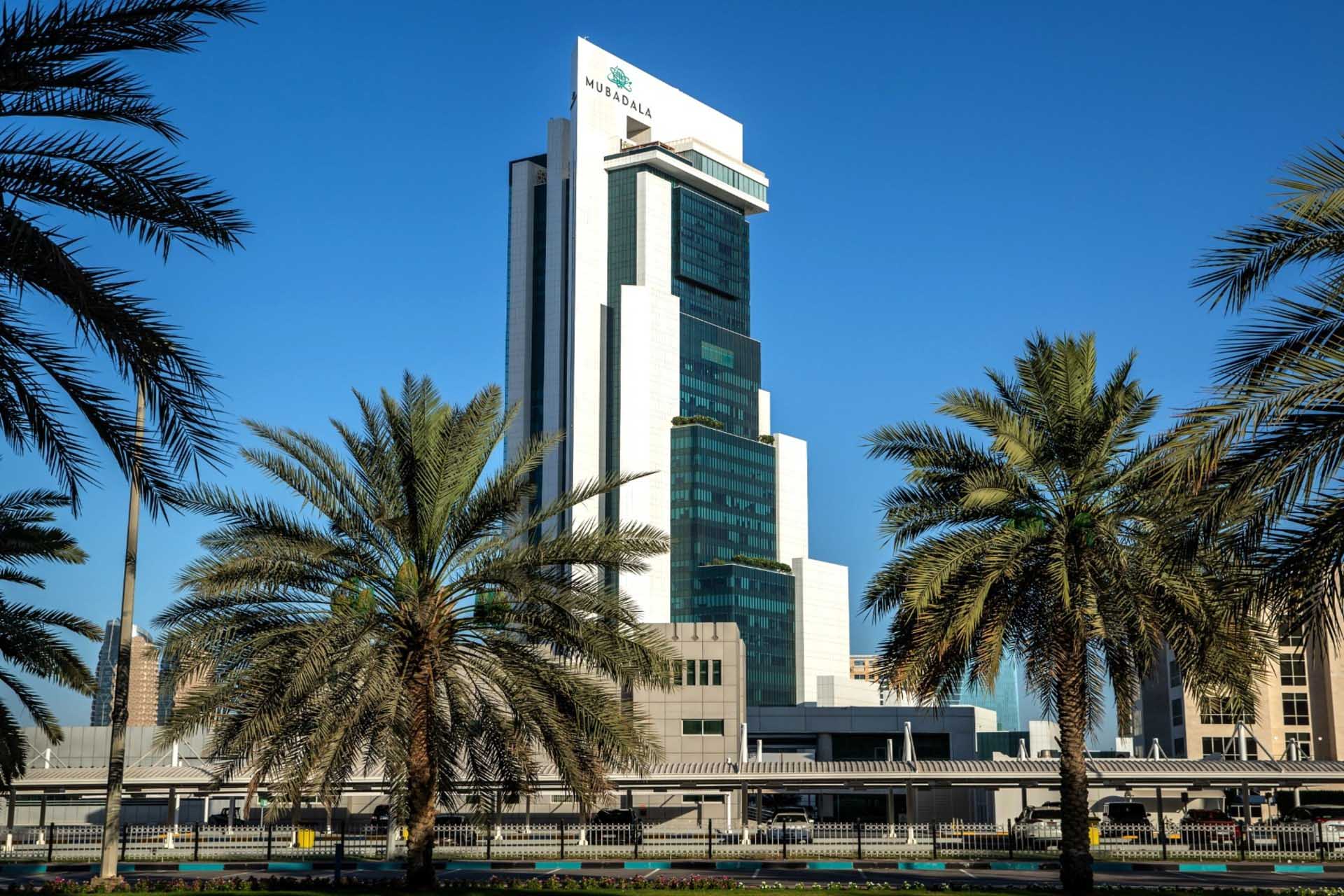
Abu Dhabi’s Mubadala Investment Company reported a 33.7% surge in capital deployment in 2024, reaching AED 119 billion , positioning it as the most active sovereign wealth fund globally, according to data from Global SWF. This uptick coincided with a 9% year-on-year increase in assets under management , now totaling AED 1.2 trillion , and a five-year annualised return of 10.1%.

The fund’s intensified investment activity was largely driven by strategic allocations in artificial intelligence , semiconductors, and private equity sectors. Notably, Mubadala’s investments in North America nearly doubled, underscoring its confidence in the U.S. market despite prevailing economic uncertainties. In a significant move, Mubadala acquired a 50% stake in MGX, an AI-focused entity that collaborated with BlackRock and Microsoft in a $30 billion AI infrastructure fund.

Mubadala’s portfolio composition remained relatively stable, with 40% allocated to private equity, 23% to public markets, and 17% to infrastructure and real estate. This allocation reflects a strategic emphasis on sectors poised for long-term growth. The fund also expanded its private credit holdings to $20 billion, aligning with its broader investment strategy.

In the healthcare sector, Mubadala finalized the acquisition of an 80% stake in Global Medical Supply Chain and Al Ittihad Drug Store, enhancing its presence in healthcare logistics and pharmaceutical distribution. Additionally, the fund invested in Zelis, a U.S.-based healthcare technology firm, alongside Norwest and HarbourVest.

Mubadala’s commitment to clean energy was evident through Masdar’s acquisition of a 50% stake in the Big Beau combined solar and battery storage project in California. Furthermore, Mubadala Capital announced a $13.5 billion investment in a biofuels project in Brazil, marking a significant step in sustainable energy initiatives.

The fund’s strategic partnerships extended to the financial sector, with the acquisition of Fortress Investment Group from SoftBank, following regulatory approval from the Committee on Foreign Investment in the United States . This acquisition bolsters Mubadala’s position in global credit markets.

Mubadala’s CEO, Khaldoon Al Mubarak, emphasized the fund’s focus on future-oriented sectors, stating that the portfolio is constructed to navigate market cycles and scale sectors such as AI, clean energy, life sciences, semiconductors, and advanced manufacturing, aligning with national priorities.

The fund’s strategic initiatives also include the establishment of Space42, a space and satellite technology entity formed through the merger of Yahsat and Bayanat, and M42, a tech-enabled healthcare company, both in collaboration with Abu Dhabi’s tech group G42.

Mubadala’s approach to sustainable finance was highlighted by the issuance of its inaugural green bond, aligning with the UAE’s commitment to Net Zero by 2050. The fund maintains a conservative gearing ratio of 10.3% and a strong liquidity position, ensuring resilience amid global economic fluctuations.

In the realm of private equity, Mubadala Capital raised $3.1 billion for its latest fund, surpassing the initial target of $2 billion. The fund aims to invest between $150 million and $500 million per deal, focusing on acquiring large holdings in private equity markets.

Berkshire Hathaway has amassed a record $347.7 billion in cash reserves, marking a significant milestone as Warren Buffett prepares to retire by the end of 2025. The conglomerate’s substantial cash position reflects a cautious investment approach amid global economic uncertainties and a perceived lack of attractive acquisition opportunities. Buffett, who has led Berkshire for over six decades, announced his retirement plans at the company’s annual shareholder meeting […]

Canaan Inc. , a prominent manufacturer of bitcoin mining hardware, has been identified by Benchmark analyst Mark Palmer as a company with significant growth prospects. Palmer initiated coverage with a ‘buy’ rating and set a price target of $3 per share, suggesting a potential fivefold increase from its current trading price of approximately $0.60. This optimistic outlook is attributed to Canaan’s strategic initiatives in product innovation and global market expansion.

The company has been actively enhancing its product line, notably with the introduction of the Avalon Q, a compact, app-controlled home mining machine delivering 90 TH/s of computing power. This device is designed to cater to individual users, supporting a 110V home power supply, and is part of Canaan’s efforts to make bitcoin mining more accessible to a broader audience.

In addition to product development, Canaan has been expanding its operational footprint. The company reported a month-end deployed hashrate of 6.28 EH/s and an operating hashrate of 5.73 EH/s as of February 2025. These figures represent a sequential increase from the previous month, indicating steady growth in mining capabilities. Canaan’s self-mining operations have also been bolstered through partnerships, such as the joint mining collaboration with Luna Squares in Texas and the upgrade of mining rigs at Stronghold’s Panther Creek facility in Pennsylvania.

Financially, Canaan anticipates total revenues for fiscal year 2025 to range between $900 million and $1.1 billion, reflecting improved market demand and cost optimizations. The company also reported a narrowed gross loss for the fourth quarter of 2024, estimated between $10 million and $6 million, surpassing previous guidance.

Canaan’s strategic moves have not gone unnoticed in the market. The company secured significant orders from major players, including a follow-on order from HIVE Digital Technologies Ltd for 5,000 Avalon A15-194T miners and an agreement with AGM Group Holdings Inc. to provide 2,000 Avalon A15 Hydro Bitcoin mining machines, with an option for the customer to acquire up to 30,000 additional units. These deals underscore the growing demand for Canaan’s mining equipment and its strengthening position in the industry.

The company’s expansion into North America is a strategic pivot aimed at achieving a mining hash rate of 10 EH/s in the region and 15 EH/s globally by mid-2025. This move is complemented by the establishment of a localized team to explore partnerships and opportunities, as well as the implementation of new projects to solidify Canaan’s presence in the North American market.

Canaan’s commitment to innovation is further exemplified by its launch of the Avalon Mini 3 and Nano 3S Bitcoin mining heaters for home use at CES 2025. These devices combine efficient Bitcoin mining with home heating solutions, aiming to democratize cryptocurrency mining for individuals and expand the company’s reach to a wider customer base.

The company’s efforts are supported by a competitive all-in power cost of $0.04/kWh, which is considered industry-leading. This cost efficiency, coupled with the company’s strategic partnerships and product innovations, positions Canaan favorably in the evolving landscape of cryptocurrency mining.

Canaan’s stock performance reflects the market’s response to these developments. The company’s shares are currently trading at approximately $0.60, with a market capitalization of $361.06 million. The stock has experienced fluctuations, with an intraday high of $0.665 and a low of $0.5815, indicating investor interest and market volatility.

Metaplanet Inc., a Tokyo-listed investment firm, has fortified its position in the cryptocurrency market by acquiring an additional 555 Bitcoins, valued at approximately $53.4 million. This purchase was financed through the issuance of zero-coupon bonds to EVO FUND, raising $25 million, which was entirely allocated to the Bitcoin acquisition at an average price of $96,134 per coin.

This strategic move elevates Metaplanet’s total Bitcoin holdings to 2,235 BTC, positioning the company as one of the top 15 publicly traded entities globally in terms of Bitcoin reserves. The firm has set an ambitious target to amass 10,000 BTC by the end of 2025, with a longer-term goal of reaching 21,000 BTC by 2026, aligning with Bitcoin’s capped supply of 21 million coins.

Metaplanet’s aggressive accumulation strategy mirrors the approach of U.S.-based Strategy, formerly known as MicroStrategy, which has been a pioneer in corporate Bitcoin investment. Since adopting the Bitcoin Standard in April 2024, Metaplanet has experienced significant growth, with its market capitalization increasing by 7,000% and its shareholder base expanding to over 50,000.

The company’s financial performance has also seen a substantial boost, achieving a record-breaking 309.82% BTC yield in Q4 2024. Metaplanet measures its performance using BTC yield, focusing on the growth of Bitcoin per share rather than traditional fiat metrics. This approach underscores the company’s commitment to maximizing shareholder value in Bitcoin terms.

To fund its Bitcoin acquisitions, Metaplanet has employed innovative financial instruments, including the issuance of moving strike warrants and zero-coupon bonds. These tools have allowed the company to raise capital without incurring interest-bearing liabilities, thereby optimizing its capital structure and reducing financial risks.

Metaplanet’s CEO, Simon Gerovich, has emphasized the company’s mission to lead the Bitcoin renaissance in Japan and emerge as a global leader in Bitcoin treasury operations. The firm plans to utilize a mix of loans, equity, and convertible bonds to achieve its Bitcoin accumulation goals, reflecting a flexible and strategic approach to capital markets.

The company’s aggressive Bitcoin strategy has not gone unnoticed, with analysts projecting that Bitcoin could reach or surpass $200,000 by the end of 2025. Metaplanet’s bold moves are seen as a response to this bullish outlook, positioning the firm to capitalize on potential market gains.

Metaplanet’s stock performance has mirrored its Bitcoin strategy, with shares surging by over 4,000% in the past year. The company is set to be included in the MSCI Japan Index, a move expected to attract more investors and enhance its market presence.

World’s Most MICHELIN-Starred Gastronomic Icon returns to a stunning new space in LANDMARK ATRIUM HONG KONG SAR – Media OutReach Newswire – 2 May 2025 – LANDMARK is delighted to announce the highly anticipated return of gastronomic legend L’ATELIER DE JOËL ROBUCHON HONG KONG as the cornerstone of its refined Central dining portfolio this summer. The iconic restaurant has been located at LANDMARK for 18 years and […]

Bitcoin has climbed above $90,000, recovering from a sharp decline that followed the November 2024 U.S. presidential election. This rebound has reignited discussions about its potential role as a safe-haven asset, especially as it outperforms gold in the current market environment.

After reaching a low of approximately $74,500 in early April, Bitcoin’s price has surged nearly 25%, erasing a significant portion of its earlier losses. This upward trajectory is attributed to a combination of factors, including renewed investor interest and shifting macroeconomic conditions.

Analysts point to the increasing appeal of Bitcoin as a hedge against traditional financial instruments. Geoff Kendrick, head of digital assets research at Standard Chartered, forecasts Bitcoin reaching $120,000 in the second quarter of 2025. He cites economic uncertainties, such as rising tariffs and questions over Federal Reserve policies, as catalysts driving investors toward Bitcoin over traditional assets like U.S. Treasurys.

The cryptocurrency’s performance has also been bolstered by institutional interest. Upcoming SEC 13F filings are anticipated to reveal increased Bitcoin holdings by pension and sovereign wealth funds. Additionally, the approval of Bitcoin exchange-traded funds earlier this year has facilitated greater mainstream adoption, contributing to its price appreciation.

Comparatively, gold has experienced a more modest performance. While it reached a record high of over $3,500 per ounce in April, its gains have been overshadowed by Bitcoin’s rapid ascent. The Bitcoin-to-gold price ratio, a metric used to compare the value of the two assets, hit a record-breaking 40 in December 2024, reflecting Bitcoin’s growing dominance in the alternative asset space.

Despite these developments, some experts urge caution. Mark Hackett from Nationwide Financial emphasizes that it’s premature to classify Bitcoin as a safe-haven asset due to its historical volatility. He notes that while Bitcoin’s recent performance is promising, it must demonstrate sustained stability and low correlation with traditional risk assets to be considered a reliable store of value.

The broader market context also plays a role in Bitcoin’s resurgence. President Trump’s economic policies, including delayed tariffs, have influenced investor behavior, prompting a reevaluation of asset allocations. As traditional markets grapple with these policy shifts, alternative assets like Bitcoin are gaining traction among investors seeking diversification.

Strategy, formerly known as MicroStrategy, reported a substantial first-quarter loss of $4.22 billion, equating to $16.49 per share, as the company intensified its commitment to Bitcoin amidst volatile market conditions. This marks the firm’s fifth consecutive quarterly loss, primarily driven by a $5.91 billion unrealized loss on its cryptocurrency holdings, reflecting the impact of Bitcoin’s price fluctuations on its financial statements.

Despite the financial setback, Strategy expanded its Bitcoin holdings by acquiring an additional 80,715 BTC during the quarter, bringing its total to 553,555 BTC, valued at approximately $52 billion. This aggressive accumulation underscores the company’s unwavering belief in Bitcoin as a strategic asset, even as it grapples with the inherent volatility of the cryptocurrency market.

To finance further acquisitions, Strategy announced plans to issue $21 billion in new shares, a move that signals its intent to deepen its investment in Bitcoin. This equity offering is part of the company’s broader strategy to leverage capital markets in support of its cryptocurrency-focused treasury approach.

The company’s financial performance reflects the challenges of its Bitcoin-centric strategy. Revenue for the quarter stood at $111.1 million, a 3.6% decline compared to the same period last year, falling short of analyst expectations. The adoption of fair value accounting has made Strategy’s earnings more susceptible to Bitcoin’s price swings, introducing significant volatility into its financial reporting.

Despite these challenges, Strategy’s stock has demonstrated resilience, rising 32% year-to-date, outperforming the Nasdaq 100 index, which has declined nearly 6% over the same period. This performance suggests investor confidence in the company’s long-term vision, even as it navigates short-term financial headwinds.

Strategy’s approach has positioned it as a prominent player in the corporate adoption of Bitcoin, holding more than 2.6% of the cryptocurrency’s total supply. The company’s aggressive accumulation strategy and significant equity offerings highlight its commitment to integrating Bitcoin into its corporate treasury, setting a precedent for other firms considering similar moves.

Abu Dhabi’s Mubadala Capital is set to lead a $10 billion syndicated investment into TWG Global, marking a significant move into the global sports and entertainment sector. This partnership not only positions Mubadala at the forefront of high-value sports investments but also reflects a broader trend among Gulf sovereign wealth funds diversifying their portfolios beyond traditional assets.

TWG Global, co-chaired by Mark Walter and Thomas Tull, manages a diverse portfolio that includes stakes in prominent sports franchises such as the Los Angeles Dodgers, Los Angeles Lakers, and Chelsea FC. The conglomerate, valued at approximately $40 billion, also invests in sectors like artificial intelligence, biotechnology, and media. Walter, known for his role in Guggenheim Partners, and Tull, former owner of Legendary Entertainment, bring extensive experience in both finance and entertainment to the venture.

The investment deal includes TWG Global acquiring a minority stake in Mubadala’s asset management platform for $2.5 billion. This strategic move aims to increase commitments to an additional $20 billion of investment capital, signaling a deepening collaboration between private investment firms and sovereign wealth funds.

Global SWF, a sovereign fund tracker, described the partnership as “a new chapter in global finance,” highlighting the innovative nature of a private firm acquiring a stake in a sovereign wealth fund’s asset management arm. This arrangement provides Mubadala with indirect ownership exposure to iconic Western sports franchises, aligning with the rising valuations of global sports assets and the convergence of content, fan engagement, and streaming monetisation.

Mubadala’s move mirrors strategies employed by other Gulf sovereign wealth funds, such as Saudi Arabia’s Public Investment Fund , which has been actively building its sports and leisure portfolio. However, through this partnership with TWG Global, Mubadala gains immediate access to established sports entities, bypassing the need to build its portfolio from scratch.

In 2024, Mubadala emerged as the world’s largest sovereign wealth fund spender, deploying $29.2 billion across 52 transactions—a 67% increase from the previous year. This surge in investment activity underscores the fund’s commitment to diversifying its holdings and capitalising on emerging market opportunities.

Gold reached an all-time high of $3,432.77 per ounce in April 2025. The climb has been steady, underpinned by sustained demand and fundamental global shifts. The next milestone, $5,000, is firmly in sight, I believe. Capital is realigning. Central banks, institutions, and private investors are adjusting their positioning in response to clear macro realities: weakening currencies, structural inflation, declining real yields, and geopolitical instability. In this environment, […]

Strategy has expanded its Bitcoin holdings to 553,555 BTC, narrowing the gap with BlackRock’s iShares Bitcoin Trust , which holds 573,869 BTC. The 20,000 BTC difference underscores the escalating competition between the two entities for the largest institutional Bitcoin treasury.

The latest acquisition by Strategy involved purchasing 15,355 BTC for approximately $1.42 billion at an average price of $92,737 per coin. This purchase was funded through the sale of common and preferred stock, as detailed in a recent SEC filing. The company’s total Bitcoin holdings now represent about 2.6% of the cryptocurrency’s maximum supply of 21 million coins.

Michael Saylor, co-founder and executive chairman of Strategy, has been a vocal proponent of Bitcoin, positioning it as a primary treasury reserve asset. The company’s aggressive accumulation strategy has been facilitated by its “21/21 plan,” aiming to raise $42 billion through equity offerings and fixed-income securities for Bitcoin acquisitions.

BlackRock’s IBIT has also seen substantial growth, with its holdings reaching 573,869 BTC. The ETF has experienced significant capital inflows, including a $1.5 billion influx last week, reflecting growing investor interest in Bitcoin exposure through traditional financial instruments.

The narrowing gap between Strategy and BlackRock highlights the increasing institutional adoption of Bitcoin. Both entities’ substantial holdings signify a broader trend of traditional financial institutions embracing cryptocurrency as a legitimate asset class.

China International Capital Corp. is intensifying efforts to expand its presence beyond mainland China by establishing a new branch in Dubai and deepening its foothold in Southeast Asia, as global demand for cross-border financial services continues to grow. The Beijing-based investment bank, recognised as one of the country’s most influential financial institutions, is preparing to open a new branch in the Gulf city to cater to sovereign […]

Governments worldwide collectively hold over 463,741 bitcoins, amounting to approximately 2.3% of the total supply. The United States leads with 198,012 BTC, valued at around $18.3 billion as of April 2025.

This marks a decline from July 2024, when global government holdings stood at 529,591 BTC. The reduction reflects a trend of asset liquidation among several nations.

In March 2025, President Donald Trump signed an executive order establishing the Strategic Bitcoin Reserve. This initiative consolidates seized bitcoins into a national reserve, prohibiting their sale and positioning them as long-term assets.

China maintains approximately 194,000 BTC, primarily from seizures related to the 2019 PlusToken Ponzi scheme. Despite a ban on cryptocurrency activities, these assets remain in state custody.

El Salvador and Bhutan continue to expand their bitcoin reserves through purchases and mining, diverging from the liquidation trend observed in other countries.

HSBC Holdings Plc has disclosed an anticipated pre-tax loss of up to $1.6 billion following the dilution of its stake in China’s Bank of Communications . This development arises from BoCom’s private share placement, part of a broader initiative by Chinese state-owned banks to bolster their capital reserves.

The dilution reduces HSBC’s holding in BoCom from 19.03% to approximately 16%, a consequence of the Chinese government’s strategy to strengthen its banking sector. The $71.5 billion recapitalization effort aims to enhance the capacity of major state-owned banks, including BoCom, to support the national economy.

Despite the substantial charge, HSBC has indicated that the loss will not significantly impact its capital ratios or dividend distributions. The bank emphasized that the investment in BoCom is long-term, and the charge is a non-cash accounting adjustment due to the dilution.

This is not the first time HSBC has faced financial repercussions related to its BoCom investment. In the previous year, the bank reported a $3 billion impairment on its stake, citing challenges in China’s financial sector, particularly the ongoing property market crisis.

The latest charge coincides with HSBC’s announcement of a 25% decline in first-quarter pre-tax profits, amounting to $9.5 billion. This downturn is attributed to one-time losses from business disposals in Canada and Argentina. Nevertheless, the results surpassed analyst expectations, which had projected profits of $7.8 billion.

In response to the profit decline, HSBC has initiated a $3 billion share buyback and declared a first-quarter dividend of $0.10 per share. The bank’s CEO, Georges Elhedery, who assumed the role in September, is spearheading a cost-cutting initiative targeting $1.5 billion in annual savings by 2026. This strategy includes restructuring business segments and divesting operations in Germany, South Africa, France, and Malta.

HSBC has also raised its bad loan provisions by $202 million to $876 million in the first quarter, reflecting economic uncertainty and the impact of higher tariffs. Of this amount, $100 million is allocated for exposure to Hong Kong’s commercial property sector. The bank anticipates lending demand to remain subdued throughout the year and projects a potential $500 million increase in loan loss provisions if global economic conditions deteriorate further.

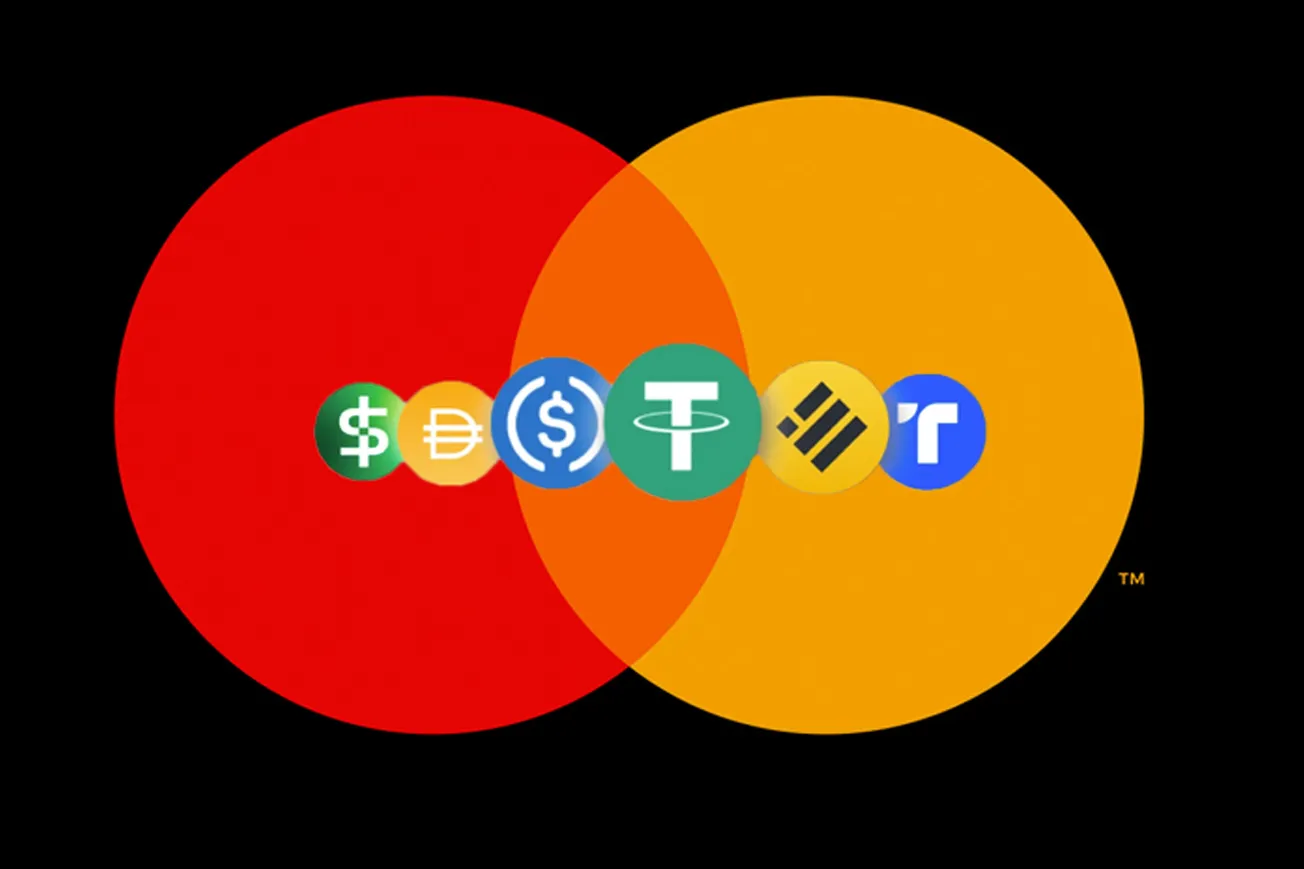
Mastercard has moved to expand its digital asset footprint by unveiling a stablecoin-powered global payment system that aims to bridge traditional finance with blockchain technology. The initiative incorporates wallet integration, card issuance, merchant settlement, and on-chain remittances, signalling a major endorsement for stablecoins within mainstream financial services.

The payments giant will partner with OKX to launch the OKX Card, offering users the ability to spend crypto assets seamlessly through Mastercard’s established infrastructure. The collaboration is positioned to provide cardholders with the option to convert their digital holdings into fiat currency at the point of sale, utilising USDC stablecoins to facilitate transactions in real time.

Mastercard’s broader collaboration also includes Circle, Nuvei, and Paxos, three key players in the stablecoin and blockchain space. The strategy centres on enabling direct merchant settlement using stablecoins, starting with USDC. The move is expected to accelerate merchant acceptance of digital currencies by eliminating the need for fiat conversions and complex intermediary processes.

Raj Dhamodharan, Mastercard’s head of crypto and blockchain, stated that the company is building a “future-proof” payments ecosystem that integrates digital assets responsibly and securely. He emphasised that Mastercard’s framework would ensure compliance with existing regulations and uphold strong consumer protection measures while offering the benefits of blockchain efficiencies.

By embedding stablecoins into payment rails, Mastercard is seeking to address long-standing challenges that have limited wider adoption of digital currencies, including volatility, liquidity management, and interoperability between financial systems. Stablecoins, which are typically pegged to fiat currencies like the US dollar, offer price stability that traditional cryptocurrencies like Bitcoin do not, making them more suitable for everyday transactions.

The OKX Card is expected to launch initially in select markets, with expansion plans to follow based on regulatory approvals and market demand. OKX’s president Hong Fang described the partnership as a “game-changer” that will “empower millions to experience the future of payments today.” The card will allow users to link their crypto wallets directly and spend their digital assets without the need to manually convert them into fiat beforehand.

Mastercard’s collaboration with Circle is particularly noteworthy as Circle’s USDC stablecoin is widely regarded for its regulatory compliance and transparency. Circle CEO Jeremy Allaire welcomed the partnership, highlighting that direct merchant settlement in USDC would reduce transaction costs, enhance speed, and provide greater transparency across payment processes.

Nuvei and Paxos will contribute to strengthening the backend settlement capabilities. Nuvei, a global payment technology firm, brings extensive experience in integrating alternative payment methods for merchants, while Paxos, a regulated blockchain infrastructure platform, provides trusted stablecoin issuance and custody solutions.

This new framework comes at a time when global financial institutions are increasingly exploring digital currencies. The Bank for International Settlements reported an upsurge in central bank digital currency projects globally, with a growing focus on how stablecoins and blockchain could complement traditional payment systems rather than disrupt them.

Mastercard has been experimenting with blockchain and digital assets for several years, conducting pilot programmes with various crypto companies and financial institutions. The company’s partnership with the Reserve Bank of Australia and the Digital Finance Cooperative Research Centre on a central bank digital currency pilot was another key step illustrating its commitment to innovating responsibly within the space.

Mastercard’s stablecoin settlement model follows a successful pilot in Australia, where live transactions using USDC and Mastercard’s network proved the technical viability and regulatory feasibility of using stablecoins for real-world transactions. The pilot included collaboration with Cuscal and Mintable, showcasing the ability to settle card transactions directly on blockchain networks.

Through these developments, Mastercard appears to be positioning itself as a leader among traditional financial service providers seeking to integrate blockchain into their core offerings. This approach not only supports digital asset adoption but also builds bridges between traditional payment providers and emerging decentralised finance ecosystems.

Industry analysts note that Mastercard’s entry into stablecoin-powered payments could force other major payment processors to accelerate their blockchain strategies. Visa, which has been running its own stablecoin settlement pilots, will likely view Mastercard’s moves as a call to action to deepen its blockchain integration efforts to remain competitive.

There are challenges ahead, particularly regarding regulatory clarity. Stablecoins have come under increasing scrutiny from regulators concerned about financial stability, money laundering, and consumer protection risks. Mastercard has indicated that its stablecoin programme will operate within regulated frameworks, ensuring that only stablecoins backed by transparent and compliant reserves are included.

The initiative also highlights growing merchant interest in accepting digital currencies without bearing volatility risks. Direct stablecoin settlement allows merchants to receive payment in a stable asset without relying on third-party crypto-to-fiat conversion services, streamlining operations and reducing costs.

As stablecoins continue to evolve beyond speculative assets into functional financial tools, Mastercard’s system reflects an understanding that digital currencies must serve real-world use cases to achieve mainstream adoption. The company’s ability to integrate stablecoin technology with traditional card networks could significantly alter how digital assets are used in daily commerce.

Mastercard’s latest announcement also underlines a broader industry shift toward interoperability. By supporting transactions across multiple blockchain networks and integrating with different stablecoin issuers, Mastercard aims to create a unified ecosystem where users, merchants, and financial institutions can interact seamlessly across both traditional and digital finance landscapes.

Tether’s tokenised gold product, XAU₮, has reached a major milestone with over 7.7 tonnes of physical gold now backing the asset, pushing its market capitalisation to $770 million as of 28 April 2025. This development marks a significant expansion of Tether’s portfolio beyond its flagship stablecoin USDT and highlights growing investor interest in digital assets secured by tangible commodities.

XAU₮, which represents ownership of one troy ounce of gold held in Swiss vaults, has seen steady accumulation over the past year amid fluctuating economic conditions and shifting investor sentiment towards inflation-resistant assets. According to market data, the token’s supply growth has mirrored increasing demand for alternative stores of value as concerns around fiat currency stability and geopolitical tensions continue to drive diversification strategies.

Tether’s disclosure that XAU₮ is now underpinned by more than 7.7 metric tonnes of physical gold signals strengthened efforts by the company to reinforce confidence in its tokenisation products. Analysts observing this trend note that digital gold products have carved a distinct niche, combining the traditional appeal of precious metals with the technological advantages of blockchain systems, including faster settlement times and greater accessibility for a global investor base.

Paolo Ardoino, CEO of Tether, stated that the surge in XAU₮’s backing reflects broader demand for hybrid assets that bridge the gap between conventional wealth preservation tools and new digital financial infrastructure. He added that Tether remains committed to transparency and robust management practices as it expands its product suite.

Since its launch, XAU₮ has distinguished itself by providing a clear legal structure for ownership claims over specific gold bars, with serial numbers and weight details disclosed through regular attestations. This level of verification has been crucial in appealing to institutional participants who require clear regulatory and custodial assurances before engaging with tokenised assets.

The achievement of a $770 million market cap also places XAU₮ among the most substantial gold-backed cryptocurrencies in circulation, competing with platforms like Paxos Gold and Perth Mint Gold Token . However, Tether’s strong brand presence and expansive network have given XAU₮ a competitive edge in terms of liquidity and market penetration.

Gold itself has continued to perform as a relatively stable asset amid volatile equity markets, stubborn inflation in key economies, and unpredictable monetary policy shifts. As of late April, gold prices hovered around $2,350 per ounce, with analysts forecasting further strength if macroeconomic uncertainty persists. This backdrop has reinforced the appeal of tokenised gold products like XAU₮, especially for investors looking for easily tradable options without the logistical challenges of physical storage.

XAU₮ has also benefited from integration with major exchanges and decentralised finance platforms, allowing users to utilise tokenised gold in broader financial applications such as lending, borrowing, and yield farming. This flexibility contrasts with traditional gold investment avenues, which typically lack interoperability with modern financial tools.

Institutional interest has played a critical role in the token’s growth trajectory. Asset managers, family offices, and corporate treasuries have increasingly explored tokenised commodities as a way to diversify their holdings while maintaining exposure to traditional safe havens. The ability to transfer ownership efficiently and transparently across jurisdictions has further bolstered the attractiveness of XAU₮.

Tether has continually faced scrutiny over its reserve management practices, particularly regarding USDT. However, the company’s detailed disclosures regarding XAU₮’s physical gold reserves appear to have mitigated similar concerns for this product. Regular attestations by third-party auditors have provided additional layers of reassurance to stakeholders wary of opaque reserve practices.

The evolving regulatory environment for stablecoins and tokenised assets may also influence the trajectory of products like XAU₮. Jurisdictions such as the European Union, the United Arab Emirates, and Singapore have introduced or are in the process of finalising frameworks aimed at ensuring greater oversight and consumer protection within the digital asset space. These regulations are expected to encourage higher standards of reporting and reserve management among issuers, benefiting products that already maintain rigorous transparency protocols.

Market participants have observed that gold tokenisation is emerging as a sector with strong fundamentals, particularly as broader adoption of blockchain technology reshapes traditional financial services. XAU₮’s growth demonstrates that tokenisation is not limited to speculative assets but can extend to historically conservative sectors such as commodities.

While challenges remain — including regulatory uncertainty, technological security risks, and the need for robust custodial solutions — the success of Tether’s XAU₮ underscores a maturing digital asset market increasingly focused on quality, transparency, and tangible backing. Observers suggest that continued institutional adoption and technological advancements could position tokenised gold as a staple component of diversified digital portfolios.

Bitcoin has soared beyond the $100,000 mark for the first time, reaching an intraday high of around $103,400, in a development that has intensified global debate over the future of cryptocurrencies. The breakthrough, which market analysts describe as a psychological milestone, has reignited bullish sentiment across digital asset markets, drawing renewed attention from institutional investors, hedge funds, and policymakers worldwide.

The world’s largest cryptocurrency by market value has been on an upward trajectory for much of 2025, driven by a mix of factors including growing institutional adoption, favourable regulatory signals, and broader macroeconomic uncertainty. Bitcoin’s surge beyond six figures was underpinned by mounting optimism over the expanding utility of blockchain technologies and the increasing use of cryptocurrencies as hedges against fiat currency devaluation.

According to market analysts tracking digital assets, Bitcoin’s advance to above $100,000 has been fuelled by substantial inflows from institutional investors, including pension funds, insurance companies, and sovereign wealth funds, who view Bitcoin as a store of value comparable to gold. Major asset managers have accelerated their crypto allocations after regulatory bodies in key markets such as the United States, Europe, and parts of Asia finalised clearer frameworks that legitimised cryptocurrency investments in traditional portfolios.

The approval of several Bitcoin spot exchange-traded funds earlier this year has played a crucial role in boosting demand. These instruments have allowed a broader set of investors to gain exposure to Bitcoin without the technical complexities of managing private keys and wallets, a development regarded as pivotal in attracting mainstream capital. The cumulative effect has been a substantial increase in Bitcoin holdings among institutional portfolios, pushing the price upward.

Macroeconomic factors have also contributed significantly to Bitcoin’s ascent. Persistent inflationary pressures in major economies, coupled with declining confidence in central bank policies, have pushed investors to seek alternative assets. Bitcoin, with its capped supply of 21 million coins, has increasingly been perceived as an attractive hedge against currency debasement, especially as traditional safe havens like government bonds offer diminished real returns.

The rally has also been amplified by technological advancements and broader acceptance of cryptocurrencies in everyday financial systems. Major payment networks have expanded their support for crypto transactions, and global banks have rolled out crypto custody services, further embedding Bitcoin into mainstream finance. Moreover, blockchain-based innovations such as decentralised finance platforms and tokenised real-world assets have reinforced the legitimacy of the crypto ecosystem, enhancing investor confidence.

Yet, the parabolic rise of Bitcoin has reignited concerns over the sustainability of such rapid gains. Financial experts warn that while Bitcoin’s fundamentals have strengthened compared to earlier bull cycles, the risk of volatility remains elevated. Bitcoin’s history is littered with examples of sharp corrections following euphoric rallies, and many observers urge caution amid the current exuberance.

Critics argue that despite broader acceptance, Bitcoin still faces unresolved issues including scalability challenges, regulatory uncertainty in emerging markets, and environmental criticisms linked to energy consumption from mining activities. Although significant strides have been made towards sustainable mining practices through greater adoption of renewable energy, environmental concerns continue to shadow Bitcoin’s long-term viability narrative.

Regulatory dynamics remain a crucial determinant of Bitcoin’s future trajectory. Authorities in several jurisdictions, while more accommodating than in previous years, continue to explore stricter frameworks to mitigate risks associated with money laundering, tax evasion, and financial stability. How these regulations evolve will likely influence Bitcoin’s path forward, with potential for both supportive policies and restrictive measures that could dampen enthusiasm.

Geopolitical tensions are another variable that could shape Bitcoin’s outlook. Cryptocurrencies have increasingly been utilised in cross-border transactions and capital flight during periods of political instability, which both enhances their perceived utility and invites tighter scrutiny from national governments wary of losing control over financial flows. Analysts note that Bitcoin’s decentralised nature is both its greatest strength and its most persistent regulatory challenge.

On the technological front, developments surrounding Bitcoin’s scalability solutions, particularly the implementation of Layer 2 protocols like the Lightning Network, offer promising pathways to address transaction speed and cost issues. Broader adoption of these solutions could enhance Bitcoin’s practicality as a medium of exchange, further reinforcing its market position.

Market participants are closely monitoring signals from major economies regarding interest rate policies, as shifts in monetary stances could impact Bitcoin’s appeal relative to traditional investment instruments. Any abrupt tightening by central banks could exert downward pressure on speculative assets, including cryptocurrencies, although Bitcoin’s maturing investment narrative may provide some cushion against such moves.

Bitcoin’s milestone has also reignited discourse about the future of digital currencies in the global economy. Central bank digital currencies are progressing towards launch phases in several countries, potentially reshaping the monetary landscape. Although CBDCs differ fundamentally from decentralised cryptocurrencies, their coexistence will test regulatory boundaries and public preferences regarding privacy, control, and financial sovereignty.

Looking ahead, market strategists caution against assuming a linear trajectory for Bitcoin’s price. While structural factors support a more mature and resilient Bitcoin market compared to previous cycles, external shocks, shifts in investor sentiment, and evolving regulatory landscapes can introduce significant volatility. Nevertheless, Bitcoin crossing the $100,000 threshold stands as a symbolic validation of the digital asset class’s growing influence in the global financial system.

Trading volumes across major exchanges have surged alongside Bitcoin’s price rise, highlighting heightened investor interest and suggesting momentum could continue in the short term. However, analysts emphasise the importance of risk management, noting that Bitcoin’s history has repeatedly demonstrated the potential for large price swings even within broader bullish trends.


VISHNU RAJA
RYO YAMADA
HITORI GOTOH
IKUYO KITA