News related to
holdings

The United Arab Emirates has firmly established itself as a leading global investment destination, attracting substantial foreign direct investment inflows that have significantly bolstered its economic landscape. In 2023, the UAE’s FDI inflows surged by 34.97% to reach $30.69 billion, up from $22.74 billion in 2022, marking a notable increase in investor confidence and economic resilience. This remarkable growth positions the UAE as the second-largest recipient of […]

Bitlayer, a prominent player in the Bitcoin Layer 2 ecosystem, has announced strategic collaborations with five major blockchain networks: Base, Starknet, Arbitrum, Sonic, and Plume Network. This initiative aims to integrate Bitlayer’s BitVM technology, thereby unlocking approximately $1.9 trillion in Bitcoin liquidity and expanding its utility within decentralized finance ecosystems.

The integration of BitVM, a trust-minimized Bitcoin bridge developed by Bitlayer, is central to these partnerships. This technology facilitates secure and programmable interactions between Bitcoin and various blockchain platforms, enabling users to leverage their Bitcoin holdings across multiple DeFi applications.

Base, an Ethereum Layer 2 solution developed by Coinbase, is among the networks collaborating with Bitlayer. Through this partnership, Bitcoin holders can utilize their assets within Base’s ecosystem, bridging the gap between Bitcoin and Ethereum-compatible decentralized applications. This integration is expected to enhance Bitcoin’s liquidity within the Base network, offering users access to a broader range of financial services.

Starknet, a permissionless decentralized ZK-rollup, is also integrating with Bitlayer’s BitVM Bridge. This collaboration aims to provide Bitcoin users with seamless access to Starknet’s ecosystem, enabling instant transactions with minimal fees in a trust-minimized environment secured by STARK proofs. The integration is anticipated to create a Bitcoin DeFi hub, allowing users to fully exploit the potential of their Bitcoin holdings.

Arbitrum, known for its robust and highly liquid DeFi ecosystem, is another key partner in this initiative. By integrating with Bitlayer’s BitVM Bridge, Arbitrum users will be able to bridge assets to and from Bitcoin under a trust-minimized framework. This development positions Arbitrum as a pioneer in bringing genuine DeFi solutions to the Bitcoin space, further enhancing the interoperability between Bitcoin and Ethereum-compatible networks.

The Plume Network, recognized as the first full-stack Layer 1 Real World Asset chain and ecosystem purpose-built for RWAFi, is also collaborating with Bitlayer. Through the BitVM Bridge, Plume Network aims to achieve optimal liquidity for diverse use cases within the Bitcoin ecosystem. This partnership is expected to advance RWAs as a cornerstone for bringing institutional-grade products to the blockchain space, thereby broadening the scope of Bitcoin’s utility.

Sonic, the first SVM to launch on Solana, is integrating with Bitlayer’s BitVM Bridge to transform how users interact with games and applications. This collaboration is set to enhance the gaming and decentralized application landscape by incorporating Bitcoin’s liquidity and security features, offering users a more enriched experience.

Collectively, these integrations are poised to unlock Bitcoin’s substantial liquidity across multiple blockchain ecosystems. Users on Base, Starknet, Arbitrum, Sonic, and Plume Network will gain access to a variety of DeFi opportunities, including yield farming, liquidity pools, staking, lending, and borrowing, all while benefiting from Bitcoin’s renowned security and decentralization.

The Open Network has witnessed a remarkable expansion in its ecosystem, primarily driven by the rapid adoption of Tether’s USDT stablecoin. Since its integration in April 2024, the circulating supply of USDT on the TON blockchain has soared to approximately $1.5 billion within a span of ten months, marking the fastest growth of any stablecoin on a blockchain to date.

This swift adoption underscores the synergistic partnership between TON and Tether, aiming to enhance peer-to-peer payment solutions, especially within Telegram’s extensive user base. The seamless integration of USDT has not only bolstered transaction volumes but also significantly increased user engagement within the TON ecosystem.

In response to this burgeoning demand, Tether has introduced the Legacy Mesh system, a bridge-free multichain liquidity solution. Launched on February 11, 2025, the Legacy Mesh connects USDT deployments across multiple blockchain networks, including TRON, Ethereum, Arbitrum, Ink, Berachain, and TON. This initiative aims to unify the $138 billion USDT market, facilitating seamless liquidity movement and enhancing the overall efficiency of stablecoin transactions.

The decentralized finance landscape on TON has also experienced substantial growth. Protocols such as STON.fi and DeDust.io have been instrumental in this expansion, with daily average trading volumes on TON’s decentralized exchanges escalating from just over $2 million to $21.4 million by December 2024. USDT plays a pivotal role in this ecosystem, accounting for over 25% of decentralized exchange volumes, thereby providing users with a stable medium of exchange and a reliable store of value.

Further enriching the TON ecosystem, Factorial Finance, a TON-based lending protocol, announced the launch of USDT borrowing services against Toncoin on February 19, 2025. This development offers users enhanced financial flexibility, allowing them to leverage their Toncoin holdings to access USDT liquidity. Since its inception, Factorial Finance has attracted over $11 million in total value locked, reflecting the growing confidence of users in TON’s DeFi offerings.

The strategic collaboration between TON and Tether has not only accelerated the adoption of USDT but has also positioned TON as a formidable player in the blockchain arena. The rapid growth trajectory of USDT on TON exemplifies the increasing demand for stable and efficient digital payment solutions, particularly within platforms boasting large user bases like Telegram.

The financial fallout from FTX’s collapse has escalated, with bankruptcy-related expenses approaching $1 billion, positioning it among the most expensive corporate failures in U.S. history. Court records indicate that legal and advisory fees have reached approximately $948 million, with over $952 million in fees approved to date.

This figure significantly exceeds the combined bankruptcy costs of other notable cryptocurrency firms. For instance, Celsius Network’s proceedings have incurred $229 million in expenses, Genesis Global approximately $132 million, BlockFi around $81 million, and Voyager Digital about $60 million. Collectively, these four companies have amassed roughly $502 million in bankruptcy-related fees, just over half of FTX’s total.

In comparison to traditional financial sector bankruptcies, FTX’s costs are substantial but still fall short of the most expensive cases. The 2008 collapse of Lehman Brothers remains the costliest Chapter 11 case in U.S. history, with legal and professional fees totaling nearly $6 billion. Similarly, the restructuring of Puerto Rico’s public debt has surpassed $2 billion, marking it as the most expensive municipal bankruptcy in the nation.

The extensive fees associated with FTX’s bankruptcy are attributed to the complex nature of the case, involving multiple jurisdictions, a myriad of creditors, and intricate asset recovery efforts. The proceedings have engaged numerous law firms and financial consultants tasked with untangling the company’s finances and identifying assets to repay creditors.

Despite the high costs, there is an expectation that most creditors will receive full repayment, an uncommon outcome in corporate bankruptcy cases. This optimistic projection is based on the ongoing efforts to recover assets and the potential for future gains from the liquidation of FTX’s remaining holdings.

The FTX bankruptcy serves as a stark reminder of the potential risks and complexities inherent in the rapidly evolving cryptocurrency industry. As digital asset platforms continue to grow, the financial and legal ramifications of their failures are likely to have far-reaching implications for investors, regulators, and the broader financial system.

In the wake of FTX’s collapse, discussions have intensified regarding the need for more robust regulatory frameworks to oversee cryptocurrency exchanges and related entities. Policymakers and industry stakeholders are advocating for clearer guidelines to protect investors and ensure the stability of the financial system.

The unprecedented costs associated with FTX’s bankruptcy may prompt a reevaluation of risk management practices within the cryptocurrency sector. Companies operating in this space might face increased scrutiny and be required to implement more stringent compliance measures to prevent similar incidents in the future.

As the FTX case continues to unfold, it underscores the importance of due diligence and transparency in the cryptocurrency industry. Investors are urged to exercise caution and thoroughly assess the risks associated with digital asset investments.

The United States Securities and Exchange Commission has concluded its investigation into cryptocurrency exchange Gemini, opting not to pursue any enforcement action. This decision, communicated to Gemini’s legal counsel, marks the end of a protracted inquiry that began in January 2023.

Gemini’s co-founder, Cameron Winklevoss, announced the closure of the investigation, expressing relief but also voicing strong criticism of the SEC’s approach. He stated that while the conclusion of the probe is a positive development, the extensive investigation inflicted significant financial and operational harm on the company. Winklevoss detailed that Gemini incurred tens of millions of dollars in legal expenses and suffered losses amounting to hundreds of millions due to diminished productivity, creativity, and innovation.

The SEC’s investigation into Gemini was primarily focused on the company’s “Earn” program, launched in partnership with Genesis Global Capital. This program allowed users to lend their cryptocurrency holdings in exchange for interest payments. In January 2023, the SEC charged both Gemini and Genesis with offering unregistered securities through this initiative. Despite the closure of the investigation, the SEC has indicated that this decision does not preclude the possibility of future action if new information emerges.

Winklevoss did not mince words in his critique of the SEC’s conduct, accusing the agency of engaging in tactics that he described as bullying, harassment, and unwarranted attacks on a legitimate industry. He argued that such regulatory actions have broader implications, stifling innovation and deterring economic growth within the cryptocurrency sector. Winklevoss emphasized that the damage extends beyond Gemini, suggesting that the SEC’s aggressive stance has led to substantial economic losses across the industry, including missed opportunities for growth and development.

The conclusion of the Gemini investigation is part of a broader pattern of the SEC reevaluating its approach to cryptocurrency regulation. In recent days, the agency has also closed investigations into other prominent crypto entities, including Coinbase, Uniswap Labs, and OpenSea, without pursuing enforcement actions. These developments suggest a potential shift in the SEC’s regulatory strategy under the new administration.

Former SEC Chair Gary Gensler, known for his stringent regulatory stance on cryptocurrencies, resigned on January 20, 2025, coinciding with the inauguration of President Donald Trump’s second term. Gensler’s tenure, which began in 2021, was marked by an aggressive approach toward the crypto industry, with the SEC initiating numerous enforcement actions against various crypto firms. His departure has been followed by a series of decisions indicating a possible softening of the SEC’s posture toward cryptocurrency regulation.

Winklevoss views the closure of the investigation as a significant milestone in what he terms the “war on crypto.” However, he cautioned that the damage inflicted by the SEC’s previous actions may have long-lasting effects, potentially deterring innovation and prompting talent to exit the industry. To prevent similar situations in the future, Winklevoss advocates for thoughtful legislation that provides clear guidelines for the cryptocurrency sector. He also suggests that there should be accountability measures for regulatory bodies, proposing that officials responsible for what he deems “sham investigations and baseless enforcement actions” face consequences, including termination and prohibition from future agency employment.

The SEC has not issued a public statement regarding the closure of the Gemini investigation. The agency’s recent actions, including the dismissal of cases against other cryptocurrency firms, may indicate a strategic reassessment of how to regulate the rapidly evolving digital asset landscape. Industry stakeholders are closely monitoring these developments, as they could signal a more collaborative and less adversarial regulatory environment moving forward.

As the cryptocurrency industry continues to mature, the relationship between regulatory bodies and crypto enterprises remains a critical factor in shaping the future of digital finance. The resolution of the Gemini case, along with similar recent decisions, may pave the way for a more balanced approach that fosters innovation while ensuring compliance and protecting investors.

In the wake of these developments, market participants are cautiously optimistic. The closure of high-profile investigations without enforcement actions could restore confidence and encourage renewed investment in the sector. However, the call for clear and fair regulatory frameworks persists, as the industry seeks to navigate the complexities of compliance in a landscape that has been, until now, marked by regulatory uncertainty.

Saudi Arabia’s Public Investment Fund is reportedly in preliminary discussions to acquire a stake in the aerostructures unit of Leonardo SpA, Italy’s prominent aerospace and defence company. This potential investment aligns with PIF’s strategic objective to diversify Saudi Arabia’s economy by expanding its footprint in the global aerospace sector. The aerostructures division of Leonardo is responsible for the design and manufacturing of critical components for both civil […]

PayPal Holdings Inc. is set to enhance the adoption of its stablecoin, PayPal USD , by integrating it into merchant payment systems and global payout services by 2025. This strategic move aims to provide over 20 million small and medium-sized merchants with the option to utilize PYUSD for vendor payments, thereby streamlining transactions and reducing reliance on traditional banking systems.

The forthcoming bill payment product will enable merchants to settle invoices using PYUSD, facilitating faster and more cost-effective cross-border transactions. By leveraging blockchain technology, PayPal intends to minimize currency conversion fees and expedite settlement times, offering a competitive edge in the global payments landscape.

In addition to merchant payments, PayPal plans to incorporate PYUSD into its global payout platform, Hyperwallet. Acquired by PayPal in 2018, Hyperwallet specializes in mass payments, assisting organizations in disbursing funds to contractors, freelancers, and sellers worldwide. The integration of PYUSD is expected to be operational in the first half of this year, enabling businesses to execute bulk payments with increased efficiency and reduced costs.

Alex Chriss, PayPal’s Chief Executive Officer, emphasized the company’s commitment to practical blockchain applications, stating, “We’ve been talking about blockchain for a decade—these concepts will never become real until you actually start consuming them. I think that’s what we’re achieving.” This initiative reflects PayPal’s broader strategy to incorporate digital currencies into its suite of financial services, positioning itself at the forefront of the evolving digital economy.

The introduction of PYUSD into PayPal’s ecosystem is poised to offer several benefits to merchants and service providers. By adopting the stablecoin, businesses can mitigate the volatility often associated with cryptocurrencies, ensuring stable value in transactions. This stability is particularly advantageous for small and medium-sized enterprises engaged in international trade, as it simplifies accounting processes and enhances financial predictability.

The use of PYUSD can lead to significant cost savings. Traditional cross-border payments often involve multiple intermediaries, each imposing fees that accumulate, increasing the overall cost of transactions. By utilizing PYUSD on a blockchain platform, PayPal aims to eliminate unnecessary intermediaries, thereby reducing transaction fees and making international commerce more accessible to a broader range of businesses.

The integration with Hyperwallet further extends PYUSD’s utility beyond merchant transactions. Freelancers, contractors, and other gig economy workers stand to benefit from faster and more reliable payments. Traditional payment methods can be slow, especially for international transfers, often taking several days to process. With PYUSD, payouts can be processed more swiftly, providing workers with quicker access to their earnings and improving overall financial liquidity.

PayPal’s strategic focus on PYUSD comes at a time when the global payments industry is increasingly embracing digital currencies. The company’s extensive user base and established trust in the financial technology sector position it well to drive mainstream adoption of stablecoins. By integrating PYUSD into everyday financial transactions, PayPal is not only enhancing its service offerings but also contributing to the broader acceptance and utilization of digital currencies in the global economy.

Advertisements

Jupiter’s founder, Meow, has unveiled a comprehensive strategy to bolster the project’s future, including the voluntary lock-up of 280 million JUP tokens, valued at over $204 million, until 2030. This move aims to align team incentives with the project’s long-term vision and enhance transparency within the ecosystem.

In a detailed announcement, Meow introduced the “GOAT framework,” focusing on Governance, Transparency, Organic growth, and Collaboration. As part of this initiative, an independent auditing firm will conduct a thorough audit of the project’s founders, treasury, and token allocations. The results will be publicly disclosed on the newly launched official website, jup.com, to ensure accountability and build community trust.

Further strengthening the project’s financial foundation, Jupiter has established the “Litterbox Trust Fund.” This fund is set to receive 50% of the protocol’s revenue over the next two years, dedicated to the strategic accumulation of JUP tokens. The objective is to enhance the token’s long-term stability and value, providing a robust financial backbone for future developments.

The centerpiece of Meow’s plan is the “2030 Incentive Plan.” Under this scheme, he will allocate his personal holding of 280 million JUP tokens to incentivize new team members. Importantly, Meow has pledged not to claim any tokens before 2030. His eligibility for a 500 million JUP reward will be entirely contingent upon community voting, allowing stakeholders to assess his performance and contributions to the project.

Jupiter has also outlined three primary business pillars to drive its ecosystem forward:

– Jup.ag: An aggregation trading platform designed to streamline user experiences and offer efficient trading solutions.

– Jupiverse: A community ecosystem aimed at fostering collaboration, innovation, and user engagement within the Jupiter network.

– Jupnet: A cross-chain network facilitating seamless interoperability between different blockchain platforms, enhancing the utility and reach of JUP tokens.

These initiatives underscore Jupiter’s commitment to binding the long-term interests of its ecosystem participants, ensuring that growth and success are shared collectively.

Meow emphasized that these measures are designed to break the industry’s tendency toward short-term profit-seeking. By aligning the team’s incentives with the community’s long-term goals, Jupiter aims to build a sustainable and value-driven network. The proposals have been submitted for Decentralized Autonomous Organization discussion, with final implementation pending community voting approval.

The announcement has sparked discussions within the Jupiter community. Some members have raised questions regarding the allocation and future retrieval of the 280 million JUP tokens designated for new team incentives. Concerns focus on the source of these tokens and the mechanisms in place to ensure transparency and fairness in their distribution. Community members are keen to understand how these allocations will impact the overall tokenomics and the long-term value proposition of JUP.

In the broader cryptocurrency market, Jupiter’s initiatives reflect a growing trend among blockchain projects to enhance transparency and align incentives with long-term success. By committing substantial personal holdings to the project’s future and subjecting rewards to community approval, Meow sets a precedent for leadership accountability and community engagement in the crypto space.

As of today, JUP is trading at approximately $0.00062616, with an intraday high of $0.00072182 and a low of $0.00058079. The market will closely monitor how these strategic initiatives influence JUP’s performance and adoption in the coming years.

OKX, the world’s third-largest cryptocurrency exchange, has released its 28th consecutive Proof of Reserves report, revealing $28.1 billion in primary assets as of February 25, 2025. This figure marks a 59% increase compared to the same period last year. The report, audited by blockchain security firm Hacken, confirms that OKX maintains a reserve ratio of 1:1 or greater across 22 commonly traded assets on its platform.

The breakdown of OKX’s holdings includes $13.2 billion in Bitcoin , $4.9 billion in Ethereum , $8.7 billion in Tether , and $1.3 billion in USD Coin . The reserve ratios for these primary assets are 104% for BTC, 102% for ETH, 102% for USDT, and 100% for USDC. This consistent monthly verification process aims to transform trust from mere promises into mathematically verifiable proof, accessible to anyone at any time.

In a parallel development, OKX has reached a settlement with U.S. authorities regarding its operations. The company’s affiliate, Aux Cayes FinTech Co. Ltd., has agreed to pay over $500 million in penalties and forfeited fees. This resolution addresses the company’s previous lack of a license to operate as a money transmitter. The total penalty comprises an $84 million fine and approximately $421 million in forfeited fees earned from U.S. customers, primarily from a few institutional clients.

OKX has emphasized that the U.S. customers involved represented a small percentage of its global user base and have since been removed from the platform. The company acknowledged the compliance gaps that led to the enforcement action and has taken steps to rectify these issues.

Bitcoin miners’ share of total on-chain transaction volume has fallen to 2.4%, the lowest level since May 2023, according to data from IntoTheBlock. This decline suggests a significant shift in miner behavior and its potential impact on the broader cryptocurrency market. Historically, miners have contributed between 3% to 4% of Bitcoin’s on-chain volume. The recent drop to 2.4% indicates a notable reduction in their activity. Several factors […]

Travel, Explore, Live It with Etiqa’s Extensive Travel Insurance Offers and Exciting Prizes SINGAPORE – Media OutReach Newswire – 25 February 2025 – Etiqa Insurance Singapore, a leading general and life insurer, returns as the Official Travel Insurer for the National Association of Travel Agents Singapore (NATAS) Travel Fair 2025. Themed ‘Travel, Explore, Live It!‘, Singapore’s largest premier travel fair will be held at the Singapore Expo […]

SINGAPORE and ANAHEIM, USA – Media Outreach Newswire – 25 February 2025 – Allwin Medical Devices Inc. (“Allwin”), a leading manufacturer of a wide range of medical devices addressing women’s health (IVF), urology, gastroenterology and interventional radiology has partnered with Esco, a leading global provider of life sciences equipment that serves multiple global markets including the in vitro fertilization (IVF) market, via a strategic partnership. Financial terms […]

Careem, the region’s leading multi-service platform, has announced a partnership with Bustanica, the world’s largest vertical farm, to deliver fresh, pesticide-free produce directly to customers across the United Arab Emirates . This collaboration aims to enhance access to high-quality, locally grown vegetables, reinforcing the nation’s commitment to food security and sustainable agricultural practices.

Bustanica, a $40 million investment by Emirates Flight Catering and Crop One Holdings, operates a 330,000-square-foot facility near Al Maktoum International Airport in Dubai. Utilising advanced hydroponic technology, the farm produces over 1,000,000 kilograms of leafy greens annually, including lettuce, spinach, parsley, and kale. The innovative farming methods employed allow for cultivation without soil, natural sunlight, or pesticides, and use 95% less water than traditional agriculture.

Through this partnership, Careem’s customers can order Bustanica’s fresh produce via the Careem app, ensuring convenient access to nutritious greens harvested daily. The produce is grown in a controlled environment, free from pesticides, herbicides, and chemicals, guaranteeing high-quality, clean, and safe food options for consumers.

Bustanica’s facility operates on a continuous production cycle, driven by machine learning, artificial intelligence, and a team of experts in agronomy, engineering, horticulture, and plant science. This approach ensures a consistent supply of fresh produce, unaffected by external factors such as weather or pests. The closed-loop system employed in the farm recycles water, leading to significant conservation of resources—saving over 250 million litres annually compared to traditional farming methods.

The collaboration between Careem and Bustanica not only provides consumers with easy access to fresh, locally grown produce but also supports the UAE’s National Food Security Strategy 2051. This strategy emphasises sustainable food production through advanced technology and smart solutions, aiming to balance food security with resource conservation and economic diversification.

By integrating Bustanica’s produce into its delivery platform, Careem is contributing to the promotion of healthy eating habits and the reduction of the UAE’s reliance on imported foods. This initiative aligns with the global trend of adopting vertical farming and other innovative agricultural practices to address food security challenges, especially in regions with arid climates and limited arable land.

The partnership also highlights the role of technology in revolutionising the agriculture sector. Bustanica’s use of artificial intelligence and machine learning optimises growing conditions, enhances crop yields, and ensures the efficient use of resources. This model of farming presents a viable solution for sustainable food production in urban settings, reducing the carbon footprint associated with food transportation and promoting environmental conservation.

As the UAE prepares to host the COP28 summit, initiatives like the Careem-Bustanica partnership underscore the nation’s commitment to environmental sustainability and innovative solutions to global challenges. By investing in and supporting such projects, the UAE is positioning itself as a leader in sustainable agriculture and food security on the world stage.

El Salvador has resumed its Bitcoin acquisition strategy, purchasing an additional 7 BTC on February 25, 2025, after a week-long hiatus. This brings the nation’s total holdings to approximately 6,088 BTC, currently valued at around $572 million. The recent pause in daily purchases coincided with the country’s negotiation of a $1.4 billion loan agreement with the International Monetary Fund , which required El Salvador to scale back its Bitcoin initiatives, including making acceptance of the cryptocurrency voluntary for businesses.

The government’s decision to continue accumulating Bitcoin, despite the IMF’s stipulations, underscores President Nayib Bukele’s commitment to integrating the cryptocurrency into the nation’s financial framework. Since adopting Bitcoin as legal tender in September 2021, El Salvador has consistently increased its holdings, with purchases varying in size. Notably, on February 4, 2025, the government acquired 11 BTC in a single transaction, deviating from its usual daily acquisition strategy.

In March 2024, President Bukele transferred approximately 5,600 BTC to a cold wallet, referred to as “El Salvador’s first Bitcoin piggy bank,” marking the first public disclosure of the nation’s Bitcoin wallet address. This move aimed to enhance transparency and security in managing the country’s digital assets.

The IMF loan agreement, structured over 40 months under the Extended Fund Facility, follows four years of negotiations. As part of the deal, El Salvador committed to modifying its Bitcoin policies, including making its acceptance voluntary for private sector businesses. Despite these conditions, the government has continued its Bitcoin purchases, reflecting a nuanced approach to balancing international financial obligations with its cryptocurrency ambitions.

A significant majority of cryptocurrency users in Latin America are planning to increase their digital asset investments by 2025, according to a recent survey by Binance Research. The study, which encompassed over 10,000 participants from Argentina, Brazil, Colombia, and Mexico, revealed that 95% of respondents intend to expand their cryptocurrency portfolios within the next year.

The survey detailed the investment timelines of these users: 40.1% plan to acquire more cryptocurrencies in the next three months, 15.3% within six months, and 39.7% over the next twelve months. Only a marginal 4.9% of those surveyed indicated no plans to further invest in cryptocurrencies this year.

This enthusiasm is further underscored by projections from payments company Triple-A, which anticipates that Latin America will lead global cryptocurrency adoption with a growth rate of 116% by 2024. Currently, the region boasts approximately 55 million cryptocurrency users, accounting for nearly 10% of the worldwide user base.

The motivations driving Latin American investors towards cryptocurrencies are multifaceted. The survey identified the primary reasons as seeking high returns , achieving financial freedom , hedging against inflation , embracing innovation , diversifying investment portfolios , and prioritizing security and privacy .

Economic challenges in the region, such as Argentina’s inflation rate surpassing 100%, have prompted individuals to explore alternative financial avenues. Cryptocurrencies offer a potential hedge against currency devaluation, making them an attractive option for many. In Brazil, the younger demographic is increasingly turning to digital assets as a means of diversification and wealth accumulation.

Guilherme Nazar, Vice President for Latin America at Binance, highlighted the region’s significance in the company’s strategic plans. He emphasized that regulatory developments will be pivotal in sustaining and guiding the growth of cryptocurrency adoption. Reflecting this commitment, Binance has expanded its operations by acquiring a licensed broker-dealer in Brazil, enabling the provision of a broader spectrum of financial services in compliance with local regulations.

The survey also shed light on the duration of engagement with cryptocurrencies among users. Over half of the respondents have been involved with digital assets for more than a year, indicating a deepening familiarity and trust in the technology. This trend aligns with Binance’s internal data, which reported a 63% increase in its Latin American user base in 2024, coinciding with Bitcoin’s impressive 121% price surge that year.

Saudi Arabia is poised to lead the Middle East and North Africa region in initial public offerings in 2025, with 27 companies planning to list on its stock exchange. This surge underscores the Kingdom’s efforts to diversify its economy and strengthen its capital markets. According to a report by EY, the MENA region anticipates 38 company IPOs and 22 fund listings in 2025, spanning various sectors. The […]

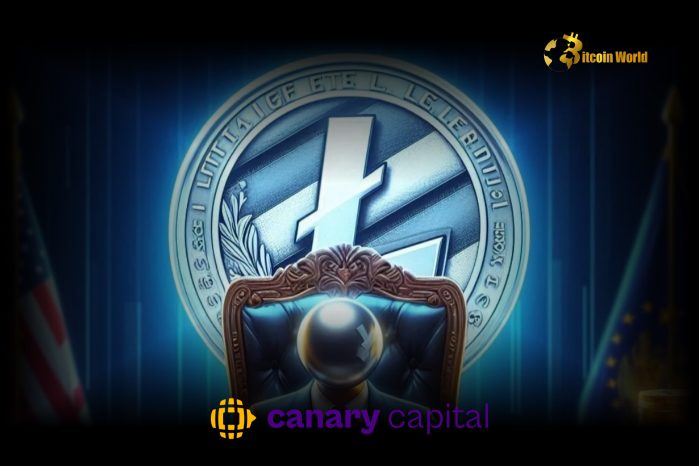
Canary Capital’s proposed spot Litecoin exchange-traded fund has been listed on the Depository Trust and Clearing Corporation system under the ticker LTCC, signaling a significant advancement toward its potential debut. This development indicates that the necessary trading infrastructure is being established, though the ETF still awaits approval from the U.S. Securities and Exchange Commission .

The DTCC serves as the primary clearing and settlement provider for securities transactions in the United States, processing millions of trades daily. Inclusion in the DTCC system is a critical preparatory step for any ETF, ensuring that once regulatory approval is granted, the fund can commence trading seamlessly. However, it’s important to note that a DTCC listing does not imply SEC approval; it merely reflects that the issuer is making necessary arrangements ahead of a potential launch.

Canary Capital submitted its application for the spot Litecoin ETF in October 2024, positioning itself ahead of similar filings by asset managers such as Grayscale and CoinShares. The firm’s proactive approach suggests a strategic effort to be at the forefront of offering investors exposure to Litecoin through a regulated financial product. If approved, this ETF would be the first in the U.S. to provide direct exposure to Litecoin, expanding the range of cryptocurrency investment options beyond Bitcoin and Ethereum.

The SEC’s decision-making process involves a thorough review of such applications, with an initial period of 45 days from the filing date, extendable up to 90 days. Given that Canary Capital’s application was filed in October 2024, a decision is anticipated imminently. Market analysts have been closely monitoring the situation, with Bloomberg’s Senior ETF Analyst Eric Balchunas estimating a 90% probability of approval before the end of 2025. This optimistic outlook is based on the SEC’s recent approvals of spot Bitcoin and Ethereum ETFs, which have set a precedent for similar cryptocurrency-based financial products.

The potential approval of a spot Litecoin ETF holds significant implications for the cryptocurrency market. Litecoin, often referred to as the “silver” to Bitcoin’s “gold,” has maintained a robust presence in the digital asset space since its inception in 2011. Designed to offer faster transaction confirmations and a different hashing algorithm, Litecoin has garnered a dedicated user base and widespread adoption. The introduction of an ETF would likely enhance Litecoin’s visibility and accessibility, attracting a broader spectrum of investors, including those who prefer traditional investment vehicles over direct cryptocurrency holdings.

The cryptocurrency market has experienced a surge in ETF-related activities, especially following the successful launch of spot Bitcoin ETFs in 2024. These products have collectively attracted substantial capital inflows, with Bitcoin ETFs alone amassing $65 billion, far exceeding initial projections. This influx of institutional investment has been a driving force behind the appreciation of Bitcoin’s price, which soared from $43,000 to over $100,000 within the same year. The anticipated approval of a Litecoin ETF could potentially replicate this effect, providing upward momentum for Litecoin’s market value.

As of February 22, 2025, Litecoin is trading at approximately $129.57, reflecting a slight decrease of 0.04% from the previous close. The cryptocurrency reached an intraday high of $138.79 and a low of $123.95. Market participants are keenly observing these price movements, as the potential approval of the ETF could serve as a catalyst for increased demand and price appreciation.

Portland-based startup AheadComputing has secured $21.5 million in seed funding to develop advanced CPU technology utilizing the open-source RISC-V architecture. Founded by former Intel executives, the company aims to address performance challenges in artificial intelligence applications, particularly those related to bandwidth and data processing limitations. Leading the company is CEO Debbie Marr, who, along with other senior executives, departed Intel last year to establish AheadComputing. Marr emphasized […]

Kaito AI’s token has experienced a significant 50% surge following its airdrop on February 20, 2025, defying initial concerns over its tokenomics and insider allocations. The token is currently trading at $1.69, with a market capitalization exceeding $421 million.

The airdrop distributed 10% of Kaito’s total token supply to early community members and ecosystem participants. Despite apprehensions about potential sell-offs due to insider allocations—43.3% of the supply designated for team members and early investors—the token’s value has risen substantially.

Notably, several prominent crypto influencers, including Ansem and Anthony Sassano, liquidated their Kaito holdings shortly after the airdrop. Ansem sold approximately $230,000 worth of tokens, while Sassano offloaded around $185,000. Despite this selling pressure, the token maintained its upward trajectory.

The introduction of a staking feature offering an annual percentage rate of 53.6% has further bolstered investor interest. This rate surpasses returns from traditional assets, contributing to the token’s appeal.

Pi Network’s native cryptocurrency, Pi Coin, has experienced a dramatic decline of more than 60% in its market value following the project’s highly anticipated mainnet launch. The token’s price tumbled from an initial high of $1.97 to approximately $0.64 within a day, raising concerns among investors and the broader cryptocurrency community.

The mainnet launch, which occurred on February 20, 2025, was expected to bolster Pi Coin’s market presence. Several centralized exchanges, including OKX, Bitget, and MEXC, promptly listed the token, allowing users to trade Pi Coin on their platforms. Despite these listings, the token’s value swiftly depreciated, leading to significant market volatility.

In contrast, some major exchanges have refrained from listing Pi Coin. Bybit’s CEO, Ben Zhou, publicly criticized the project, citing concerns over its legitimacy. Zhou referenced a 2023 warning from Chinese authorities that labeled Pi Network as a scam targeting vulnerable populations, particularly the elderly. He emphasized that Bybit had no intentions of listing Pi Coin and challenged the Pi Network team to address these allegations.

The precipitous drop in Pi Coin’s value has been attributed to several factors. Analysts suggest that early miners may have capitalized on the mainnet launch to liquidate their holdings, exerting downward pressure on the price. Additionally, the absence of listings on prominent exchanges like Binance has limited the token’s accessibility and liquidity. Market participants have also expressed concerns regarding the token’s real-world utility and the project’s overall transparency.

Despite the current challenges, Pi Network boasts a substantial user base, with over 60 million registered users globally. The project’s unique mobile-based mining approach has garnered significant attention, allowing users to mine cryptocurrency directly from their smartphones without the need for energy-intensive hardware. However, discrepancies in reported user numbers have emerged, with blockchain explorers indicating approximately 9.1 million active users, leading to questions about the platform’s actual adoption rate.

The highly anticipated launch of Pi Network’s open mainnet on 20 February 2025 led to a dramatic 65% decline in the value of its native cryptocurrency, Pi Coin , within 24 hours. Initially trading at $1.97 upon its debut, Pi Coin’s price plummeted to $0.64 by the following day, raising concerns among investors and market analysts.

Pi Network, a blockchain project that enables users to mine Pi Coins via mobile devices, transitioned from its enclosed mainnet phase—active since December 2021—to an open mainnet on 20 February. This shift allowed users to transfer and trade their Pi Coins on various cryptocurrency exchanges. Major platforms such as OKX, Bitget, and MEXC promptly listed the token, facilitating its entry into the broader crypto market.

Despite the initial enthusiasm, the market response was swift and severe. The coin’s value experienced a sharp decline, dropping from a peak of $1.97 to $0.64 within a day. Analysts attribute this rapid depreciation to several factors, including mass sell-offs by early adopters, limited initial liquidity, and broader market uncertainties.

Mass sell-offs by early adopters significantly contributed to the downward pressure on Pi Coin’s price. Many users, having accumulated Pi during the network’s development phase, opted to liquidate their holdings upon gaining the ability to trade, leading to an oversupply in the market. This influx of sell orders overwhelmed the available buy orders, exacerbating the price decline.

The limited initial liquidity on exchanges further intensified the situation. As Pi Coin became tradable, the market struggled to absorb the high volume of sell orders due to insufficient liquidity. This imbalance between supply and demand accelerated the price drop, as buyers were unable to match the selling pressure.

Broader market uncertainties also played a role in the coin’s performance. The cryptocurrency market is known for its volatility, and new entrants often face skepticism from investors. Concerns regarding the project’s legitimacy emerged, particularly after Bybit CEO Ben Zhou publicly questioned Pi Network’s credibility. Citing a 2023 warning from Chinese authorities that labeled the project a “scam” targeting the elderly, Zhou challenged the Pi Network team to address these allegations. He stated that Bybit had no plans to list Pi Coin, further influencing market sentiment.

The Pi Network community expressed mixed reactions to the coin’s market debut. While some members remained optimistic about the project’s long-term potential, others voiced concerns over the immediate price volatility and the project’s overall transparency. The sudden price drop prompted discussions about the need for clear communication from the Pi Network team regarding their roadmap and measures to ensure investor confidence.

The U.S. Senate has confirmed Kash Patel as the new Director of the Federal Bureau of Investigation with a narrow 51-49 vote. Patel, a long-time adviser to President Donald Trump, is set to lead the nation’s premier law enforcement agency, succeeding Christopher Wray, who resigned prior to the completion of his term.

Patel’s confirmation has been met with significant debate, primarily due to his close ties to President Trump and his previous criticisms of the FBI. Democratic senators have expressed concerns that his appointment could lead to the politicization of the bureau. Senator Dick Durbin highlighted Patel’s past statements and actions, suggesting they might compromise the FBI’s impartiality.

Adding to the controversy are Patel’s financial disclosures, which reveal substantial investments in the cryptocurrency sector. According to official filings, Patel holds up to $115,000 in Bitcoin and has invested between $50,001 and $100,000 in Core Scientific, a prominent Bitcoin mining company. These holdings have raised questions about potential conflicts of interest, especially given the FBI’s role in regulating and investigating cryptocurrency-related activities.

During his confirmation hearing, Patel addressed these concerns, stating that his investments are part of a diversified portfolio and asserting that they would not influence his duties as FBI Director. He emphasized his commitment to maintaining the bureau’s integrity and impartiality.

Republican senators have largely supported Patel’s appointment, viewing his leadership as an opportunity to reform the FBI and address perceived biases within the agency. Senator Chuck Grassley expressed confidence in Patel’s ability to restore public trust and ensure the bureau operates without political influence.

Patel’s professional background includes roles as a public defender, a trial attorney at the Department of Justice, and various positions during President Trump’s first term. His supporters cite this experience as evidence of his qualifications to lead the FBI.

However, critics remain skeptical. Concerns have been raised about Patel’s previous appearances on platforms known for promoting conspiracy theories and his past statements regarding internal FBI matters. Some former Justice Department officials have publicly opposed his nomination, suggesting that his leadership could undermine the bureau’s mission and integrity.

As Patel assumes his new role, he faces the immediate challenge of addressing internal morale within the FBI and external perceptions of the bureau’s impartiality. His approach to handling his cryptocurrency investments and potential conflicts of interest will be closely scrutinized by both lawmakers and the public.

The confirmation of Kash Patel marks a significant moment for the FBI, as the agency navigates complex political dynamics and emerging technological challenges. How Patel balances his personal investments with his professional responsibilities will play a crucial role in shaping the bureau’s future direction and public perception.

In the coming weeks, all eyes will be on Director Patel as he outlines his vision for the FBI and addresses the myriad issues facing the agency. His actions and decisions will be pivotal in determining the bureau’s trajectory during his tenure.

As the FBI embarks on this new chapter under Patel’s leadership, the interplay between personal interests and public duty will be a focal point of discussion and analysis among policymakers, law enforcement professionals, and the American public.

The Senate’s confirmation of Kash Patel as FBI Director underscores the deep divisions within the political landscape and highlights the ongoing debates surrounding the role of personal investments in public service. Patel’s tenure will undoubtedly be closely monitored as he steps into this critical position at a pivotal time for the nation.

As Director Patel begins his term, the balance between innovation in financial sectors and the ethical obligations of public office holders will remain a topic of significant importance and scrutiny.

The coming months will reveal how Patel navigates these challenges and whether his leadership will bring the reforms and renewed trust that his supporters anticipate. The outcomes of his decisions will have lasting implications for the FBI and its role in upholding justice and security in the United States.

Director Patel’s approach to his new role will be instrumental in shaping the future of the FBI and its relationship with both the government and the public it serves. His ability to address internal and external concerns will define his legacy and the bureau’s path forward.

As the nation watches, Director Patel’s actions will speak to his commitment to justice, integrity, and the principles that underpin the Federal Bureau of Investigation. The challenges ahead are significant, but so too are the opportunities for positive change under his leadership.

In this critical period, the direction set by Director Patel will influence not only the FBI’s operations but also the broader discourse on ethics, governance, and public trust in federal institutions. His tenure promises to be a defining chapter in the bureau’s storied history.

As Director Patel takes the helm, the interplay between his personal financial interests and his public responsibilities will be a key area of focus, with implications that extend beyond the FBI to the broader landscape of public service ethics.

The path Director Patel charts in addressing these complex issues will be closely observed, setting precedents for future leaders and shaping the narrative of accountability and transparency in government roles.

In navigating the responsibilities of his position, Director Patel’s decisions will resonate through the corridors of power, influencing policy, public perception, and the very fabric of the nation’s approach to law enforcement and justice.

As the FBI enters this new era under Director Patel, the balance he strikes between personal interests and public duty will serve as a barometer for the agency’s commitment to its foundational values and its adaptability in a rapidly evolving societal landscape.

The tenure of Director Patel is poised to be a transformative period for the FBI, with his leadership style and ethical considerations setting the tone for the agency’s future and its role in safeguarding the nation’s security and upholding the rule of law.


Dara Holdings, the family office of Saudi billionaire Lubna Olayan, has significantly increased its investments in female-led startups across the United Arab Emirates since mid-2024. This strategic move aims to address the gender financing disparity prevalent in the region’s traditionally male-dominated business landscape. In February 2025, Dara Holdings participated in a $10 million seed funding round for qeen.ai, a Dubai-based artificial intelligence startup co-founded by former Google […]

Burjeel Holdings, a prominent super-specialty healthcare provider in the MENA region, has announced that its Board of Directors has authorised management to explore a share buyback programme of up to 10% of the group’s share capital. This initiative is pending approval from shareholders and the Securities and Commodities Authority. The company plans to execute the buyback through open market purchases, fully funded by its operating cash flow. […]

VISHNU RAJA
RYO YAMADA
HITORI GOTOH
IKUYO KITA