News related to
holdings

Kyiv’s parliament has introduced draft Bill 13356, empowering the National Bank of Ukraine to incorporate virtual assets—primarily Bitcoin—into its official gold and foreign-exchange reserves. The legislation would not compel the central bank to adopt such assets, but merely grant it the legal framework to do so.

Lead author Yaroslav Zheleznyak, first deputy chair of the Rada’s Finance Committee, highlighted that the bank would retain full discretion over timing, volume, and methodology of any crypto acquisitions. He described the measure as a pivotal move to “integrate Ukraine into global financial innovations” and bolster macroeconomic resilience while catalysing the digital economy.

Ukraine currently holds approximately 46,351 BTC—valued at over $5 billion—though these holdings originate from asset seizures, donations, and fundraising during wartime, and remain under civil-servant control rather than central-bank custody. If passed, the law would permit the bank to transition some of those coins into officially recognised reserves.

The proposal mirrors a broader trend: several nations are charting similar initiatives. The United States launched a Strategic Bitcoin Reserve under an executive order issued on 6 March by former President Trump, consolidating government‑owned cryptos into a national asset. Pakistan, Brazil and the Czech Republic are exploring mechanisms to incorporate digital assets into sovereign financial systems. El Salvador, which adopted Bitcoin as legal tender in 2021, holds over 6,000 BTC, while Bhutan maintains mining‑powered reserves worth around $750 million.

Yet the move is not without detractors. Critics emphasise Bitcoin’s volatility, liquidity constraints and concentration within corporate entities like MicroStrategy, which undermine its suitability as a stable reserve asset. The Swiss National Bank’s governor, Martin Schlegel, reaffirmed this stance on 25 April in Bern, warning that crypto lacks the stability and liquidity required for central‑bank reserve portfolios. ECB President Christine Lagarde has echoed similar concerns, stating that digital assets do not meet the criteria for eurozone reserve holdings.

Proponents argue that strategic inclusion could buffer Ukraine against inflation and currency devaluation, offering rapid, secure transferability unmatched by physical assets. Zheleznyak’s Telegram statement emphasised that implementation would be fully at the central bank’s professional discretion.

Operationalising the proposal will require establishing robust legal and procedural frameworks: anti‑money‑laundering protocols, cybersecurity safeguards, digital custody infrastructure, and accounting mechanisms. Banking analysts suggest that careful integration and risk management will be essential to balance innovation with financial stability.

Ukraine’s draft arrives amid growing global debate on digital money. Central bank digital currencies are being piloted worldwide, such as Turkey’s digital lira, China’s e‑renminbi, and Nigeria’s e‑Naira. Meanwhile, debates continue over whether public‑sector balance sheets should venture into decentralised finance or maintain traditional gold‑forex portfolios.

As parliamentarians prepare to debate Bill 13356, attention will turn to amendments that might specify asset types, risk parameters, and accounting standards—or narrow discretionary power for the central bank. The legislation must also align with IMF frameworks and comply with anti‑money‑laundering regulations.


Trump Media & Technology Group, owner of the Truth Social platform, has submitted a Form S‑1 registration to the U.S. Securities and Exchange Commission for its proposed Truth Social Bitcoin ETF, aiming to list on NYSE Arca. The application states the fund will hold Bitcoin directly, with Crypto.com serving as custodian, prime execution agent and liquidity provider, and Yorkville America Digital listed as sponsor. NYSE Arca has separately filed a Form 19b‑4 to list the fund should it receive regulatory approval.

The filing highlights an unprecedented disclosure linking the fund’s prospects to President Trump’s crypto-related initiatives. For the first time in a crypto-ETF filing, the risk section cites creation of an SEC crypto task force in January and the March executive order establishing a Strategic Bitcoin Reserve. It warns that the impact of these policies on the sponsor, the fund, TMTG, Crypto.com or affiliates “is not possible to fully predict”. Bloomberg’s Eric Balchunas noted this is likely “the first time ever the advisor is in the risk section”.

If approved, the ETF would become part of a growing cohort of spot Bitcoin funds currently active in the U.S., including BlackRock’s iShares Bitcoin Trust, which has amassed over US $70 billion in assets, BlackRock having initially launched the product in January 2024. Other major asset managers—Fidelity, Bitwise—also offer similar instruments, making the market highly competitive.

TMTG’s proposed fund is closely tied to the broader ambitions of Trump’s crypto policy platform. The earlier executive order in March 2025 mandated creation of a Strategic Bitcoin Reserve using government-forfeited assets, effectively integrating Bitcoin into sovereign reserves. The order also created a U.S. Digital Asset Stockpile, requiring federal agencies to centralise digital asset holdings and obliging the Secretaries of Treasury and Commerce to evaluate further acquisitions at no cost to taxpayers.

The regulatory backdrop has shifted markedly. January’s executive directive established a Presidential Working Group on Digital Asset Markets and directed the SEC to create a crypto task force. Gary Gensler resigned as SEC chair on the eve of Trump’s inauguration and was succeeded by Paul Atkins, a noted crypto advocate. The SEC has since dropped several previous enforcement cases and eased accounting rules, paving the way for more crypto-product filings.

Trump Media’s broader strategy involves securing a substantial Bitcoin treasury. SEC filings indicate its Form S‑3 shelf registration allows issuance of up to 85 million shares tied to its $2.3 billion private placement, earmarked to purchase roughly 23,000 Bitcoin—potentially placing the company among the top public corporate holders. Custody of these assets is expected to be shared between Anchorage Digital and Crypto.com.

Yorkville America Digital’s dual role—as sponsor of the ETF and partner to TMTG—has raised questions of conflicts of interest. The risk disclosure notes Yorkville affiliates are also involved in Truth.Fi, an investing platform tied to Trump’s “America First” agenda, and have made up to $2.5 billion in equity commitments to TMTG. The same affiliate acted as co-placement agent for the $2.44 billion private placement.

Financial markets have responded with mixed signals. While Bitcoin briefly surpassed US $111,000 following Trump’s return to the executive and policy shifts, it has since retreated to the US $105,000–$101,000 range. TMTG’s own stock dropped around 8 per cent following public disputes between Trump and Elon Musk, and remains down roughly 56 per cent over the past 12 months.

Analysts say the fund faces significant challenges. Despite its high-profile branding and alignment with Trump’s policy agenda, it competes against established firms with deep institutional credibility. ETF expert Dave Nadig remarked that long-term asset gathering for this fund is “extraordinarily unlikely”. CoinCorner CEO Danny Scott expressed unease about Trump’s use of political influence in personal financial ventures.

The ETF’s structure also contains potentially problematic clauses. Cointelegraph reports that the S‑1 includes exclusive arrangements granting Crypto.com sole custodian and liquidity provision roles, and provisions that allow the sponsor to take positions ahead of the Trust—raising transparency concerns.

Still, proponents contend the fund could redefine retail and ideological investor access. Backers assert its America‑First branding might appeal to conservative retail investors seeking regulated Bitcoin exposure. Crypto.com’s reach—serving over 140 million users and holding approximately US $30 billion in assets—could alleviate institutional concerns about custody risk.

Approval hinges on SEC review of both S‑1 and 19b‑4 filings. With multiple spot Bitcoin ETFs already approved in the U.S., the regulatory framework exists—but TMTG’s political ties, interlocking financial relationships and novel disclosures may trigger heightened scrutiny.

Japanese investment firm Metaplanet has scaled its way into the top ten corporate Bitcoin holders by acquiring a further 1,088 BTC for roughly $117.9 million, boosting its total holdings to 8,888 BTC and vaulting above Galaxy Digital and Block Inc. into ninth place worldwide. The firm purchased the coins at an average price of approximately $108,400 each, signalling deepening confidence in its treasury strategy underpinned by sustained market uncertainty.

Metaplanet’s pivot from hotel management to cryptocurrency began in 2024. Since then, its stock has surged dramatically, at times rising over 8,850 per cent in just two years, as the company pursued a bitcoin‑centric treasury model. That performance has mirrored similar moves in the sector, including U.S. software firm Strategy, whose model inspired Metaplanet’s pivot.

The firm announced a plan to raise approximately $5.3–5.4 billion via stock acquisition rights—the largest warrant issuance in Japan—to scale its bitcoin holdings to 210,000 BTC by the end of 2027. Metaplanet previously outlined a target of 21,000 BTC by the end of 2026, which has since been superseded by the more ambitious 100,000 BTC milestone for next year.

Metaplanet’s CEO, Simon Gerovich—a former Goldman Sachs derivatives trader—told investors that Bitcoin serves as a hedge against a weakening yen, prolonged negative interest rates, and rising concerns over sovereign debt, setting it apart from traditional safe‑haven assets such as government bonds. This reflects broader market trends: analysts at Bitwise and Bitfinex suggest high sovereign bond default probabilities and consolidation above cost basis support further upside for Bitcoin prices.

Metaplanet’s strategy, dubbed the “555 Million Plan” and following its earlier “21 Million Plan”, channels nearly all funds raised into bitcoin purchases while maintaining flexibility to adjust funding based on market conditions and shareholder dilution safeguards. Its holdings, valued at close to $1 billion, now compare with those of Strategy, which boasts over 580,000 BTC, and ranks first among corporate holders.

Investor reactions have been swift: Metaplanet’s stock surged 15–22 per cent following the acquisition announcement and financing plan, underscoring strong market appetite for its bold strategy. Still, scepticism remains; industry analysts such as Standard Chartered caution that corporate reliance on Bitcoin may heighten balance‑sheet risk during market downturns and raise concerns about overvaluation in proxy‑stock structures.

This aggressive accumulation mirrors industry-wide dynamics. Over 60 public companies now hold more than 3 per cent of Bitcoin’s total supply, with estimates suggesting corporate demand may channel up to $330 billion into Bitcoin by 2029. In this environment, Metaplanet is positioning itself as Asia’s counterpart to MicroStrategy, not only through fearless accumulation but also via initiatives like the forthcoming ‘Bitcoin Hotel’ in Tokyo and educational outreach through its Japanese licence of Bitcoin Magazine.

Nevertheless, experts warn that this model carries heightened exposure to Bitcoin’s extreme volatility, potential regulatory shifts, and macroeconomic undercurrents. While some view Metaplanet as a pioneer advancing institutional acceptance of crypto, others argue the strategy intensifies concentration risks within corporate treasuries.

Sixty per cent of Fortune 500 companies are now engaged in blockchain initiatives, according to the second-quarter “State of Crypto” report from Coinbase. The survey, conducted among executives of America’s largest firms, reveals that blockchain is no longer peripheral but central to corporate strategy across sectors.

The survey also highlights a dynamic surge in stablecoin use, with supply growing 54 per cent year-on-year. Small and medium-sized US businesses are following suit: about one-third currently use crypto, a share that has doubled since 2024. Among SMBs not yet involved, 46 per cent plan to adopt crypto within the next three years, and 82 per cent view it as a remedy for key financial challenges.

Institutional interest remains robust, with over 80 per cent of large investors planning to expand crypto exposure this year. Furthermore, a fifth of Fortune 500 executives perceives on‑chain blockchain efforts as integral to long-term strategy.

The report underscores a notable shift in corporate attitudes: 83 per cent of Fortune 500 executives familiar with crypto or blockchain confirm their companies have launched or are planning initiatives. Of these, the lion’s share—approximately 60 per cent—have progressed from pre-launch to live status since 2022.

Tech, finance and retail dominate these efforts. Data collection and management rank as leading use cases, followed by infrastructure concerns. Experts describe blockchain as “foundational” for enhancing transparency and automating operations. Larry Fink, chair and chief executive of BlackRock, noted that blockchain could “change the whole ecosystem” of securities trading by enabling “instantaneous settlement” and complete transparency of ownership.

Stablecoins, deemed a ‘killer application’ by Jose Fernandez da Ponte, SVP of Blockchain, Crypto and Digital Currencies at PayPal, have gained traction for facilitating global payments and preserving the dollar’s reserve status. BlackRock’s tokenised Treasury fund, BUIDL, has outpaced Franklin Templeton, now standing at approximately US $382 million, and is routinely used by hedge funds as collateral.

Yet regulation remains a critical concern. According to Coinbase’s findings, 90‑plus per cent of surveyed executives insist on the need for new rules specifically tailored to crypto and blockchain technologies rather than adapting obsolete frameworks. Eighty-seven per cent assert that clearer regulation is essential for preserving US leadership in the global financial system.

This regulatory environment has significant implications. Coinbase warns the US risks losing up to one million web3 developer jobs and three million related non‑technical positions by 2030 if regulatory ambiguities persist. Its share of global crypto development has already dropped from 40 to 29 per cent over the past six years.

Executives also cite talent shortages: nearly one in three identify insufficient skilled personnel as a major barrier, surpassing concerns about regulation. Among small businesses, half intend to seek finance, legal or tech professionals with crypto expertise in their next hiring round.

Despite headwinds, many companies push ahead. JPMorgan Chase executed its first DeFi transaction on a public blockchain, while ExxonMobil piloted crypto‑mining operations powered by excess gas. Retailer Lowe’s implemented blockchain and NFTs to combat theft by tracking stolen tools, and Nike integrated apparel NFTs into video games through a collaboration with EA Sports.

On the SMB front, crypto usage has grown dramatically. One in three US small and medium enterprises is already harnessing crypto for payments, payroll or treasury functions, up from one in six last year. Among those not yet using crypto, almost half aim to adopt it within three years. Four in five believe crypto could alleviate financial pain points such as transactional delays and steep fees.

The report indicates a tipping point. On‑chain U.S. Treasury holdings have topped $1.29 billion, representing a tenfold increase since early 2023. Total assets under management in spot Bitcoin ETFs now exceed $63 billion, and the U.S. stablecoin market cleared $10 trillion in annual transaction volume last year.

With blockchain moving from pilot to scale, traditional institutions like PayPal and Stripe are making stablecoin integration simple for merchants and users. Stripe now enables USDC payments across Ethereum, Solana and Polygon, with fiat conversions handled automatically. PayPal supports cross‑border stablecoin transfers in around 160 countries, eliminating transaction charges typically levied by remittance services.

These developments coincide with a broader surge in Web3 infrastructure investment. Total value locked in tokenised real‑world assets—ranging from fixed income to environmental credits—is approaching $2.4 billion, with US tokenised Treasuries alone surpassing US $1.2 billion in Q1 2024. Global institutional adoption continues apace, and tokenised assets are projected to reach US $16 trillion by 2030—equivalent to the EU’s GDP.

U.S. law enforcement has seized approximately 145 darknet and clearnet domains, along with cryptocurrency holdings linked to BidenCash, a notorious carding marketplace that facilitated the distribution of stolen credit card data and personal information. Since its inception in March 2022, the platform served over 117,000 users and trafficked more than 15 million payment card records, reportedly generating at least $17 million in illicit revenue.

BidenCash gained traction by periodically publishing stolen data sets—for example, offering 3.3 million credit card records free of charge between October 2022 and February 2023—as a marketing tactic to lure new buyers. These leaks included full card numbers, expiry dates, CVV codes, account holder names, addresses, email IDs and phone numbers. Beyond carding, the platform also traded compromised credentials which could be used for unauthorised computer access.

By court order, U.S. authorities have seized cryptocurrency wallets used by BidenCash to collect illicit proceeds. On‑chain intelligence from Arkham Intelligence indicates that around $43,000 in USDT was transferred to wallets designated as “Seized Funds”, although the total seizure remains undisclosed.

Visitors to the seized domains are now automatically redirected to servers controlled by U.S. law enforcement and are greeted with official seizure banners bearing logos of the Department of Justice, FBI, U.S. Secret Service and involved international partners.

The dismantling of BidenCash resulted from a joint operation involving the U.S. Attorney’s Office for the Eastern District of Virginia, the Secret Service, the FBI and international partners including the Dutch National High Tech Crime Unit, the Shadowserver Foundation and Searchlight Cyber. While no arrests have been confirmed publicly, the takedown highlights expanded cooperation between U.S. and European agencies.

Cybersecurity analysts warn that some traces of BidenCash remain active. As of early June, researchers such as Vmprotect identified at least seven live domains tied to the marketplace, illustrating the inherent challenges in fully eradicating darknet infrastructure.

Experts highlight that even expired credit cards and outdated personal data can fuel phishing schemes, identity theft and account takeovers, underscoring the enduring risks for victims.

The crackdown on BidenCash forms part of a broader escalation by global law enforcement in their fight against cybercrime malign platforms. Recent operations have targeted malware-as-a-service networks, counter‑antivirus services and other darknet commerce sites. Yet analysts caution that such efforts often spark rapid migration of criminal activity to new domains and platforms.

Investigators are now focusing on tracing the individuals behind the BidenCash operation and pursuing further legal actions to freeze remaining assets. Analysts emphasise that the success of this takedown will depend on follow‑through investigations and the dismantling of successor networks.

BlackRock’s iShares Bitcoin Trust surpassed $70 billion in assets under management on 6 June, achieving the fastest accumulation ever seen for a spot ETF—reaching the milestone in just 341 trading days. That pace outstrips the previous record held by SPDR Gold Shares, which took 1,691 days, marking a fivefold acceleration.

IBIT now holds approximately 662,707 BTC, nearly 20 per cent of the total 3.4 million bitcoins held by public and private entities, government bodies, exchanges, and decentralised finance protocols. Such concentration under BlackRock’s control is reshaping the distribution of Bitcoin supply across institutional players.

Secondary spot Bitcoin ETFs—led by Fidelity’s Wise Origin with roughly $21.3 billion AUM, and Grayscale’s GBTC at $19.3 billion—lag far behind IBIT in scale. Ark 21Shares and Bitwise report assets under $5 billion. Analysts note that IBIT’s dominance reflects not only investor appetite for regulated exposure to Bitcoin but also confidence in BlackRock’s operational strength and trust in its custody and compliance framework.

The ETF’s structural advantages lie in its cost-effective fee, integration with Coinbase Prime custody, and BlackRock’s institutional-grade infrastructure. It provides market participants with direct Bitcoin exposure without requiring them to navigate private key management or self-custody complexities.

Bitcoin’s value hierarchy has been boosted by IBIT’s growth. With total holdings just shy of 663,000 BTC, the trust exceeds erstwhile leader MicroStrategy, which held 582,000 BTC. A rising number of publicly traded companies are preparing to expand their Bitcoin treasuries. Corporate treasurers are watching IBIT’s capital inflows closely, signalling a shift in institutional allocation strategies from traditional assets into digital scarcity.

The influence of corporate buyers extends beyond small-scale investments. Michael Saylor’s MicroStrategy remains a strong presence, but other blue‑chip corporates are signalling potential acquisitions. Arkham Intelligence data indicates that incremental corporate accumulation may further redistribute Bitcoin supply, previously more diversified across governments, miners and individual holders.

IBIT’s momentum accelerated in May, posting its largest monthly inflow yet. Bloomberg reports this surge synchronised with Bitcoin trading above $108,000, hinting at institutional investors strategically buying ahead of broader market highs.

Secondary market activity reinforces the appetite for IBIT shares. In April, the ETF recorded a single‑day trading volume of $4.2 billion—with Bitcoin hovering around $91,000—underscoring its liquidity and the appetite among both retail and institutional investors.

Industry experts suggest this liquidity is a key attractor. IBIT’s trading activity consistently outpaces competitors, offering tighter spreads and reduced transaction costs, which in turn fuels further inflows.

Regulatory clarity remains pivotal. The official IBIT prospectus confirms the trust is governed by Delaware law, uses Coinbase as custodian and prime broker, and implements safeguards to align on‑chain Bitcoin with the ETF shares. This structure mitigates risks of mispricing or premium/discount discrepancies, giving institutional investors assurance. It also reveals that IBIT is not registered under the Investment Company Act of 1940, though it complies with major U.S. securities and exchange rules.

Meanwhile, BlackRock hints at international ambitions. A European equivalent to IBIT is under regulatory consideration, targeting Swiss registration under evolving EU cryptocurrency taxonomy. The success of the U.S. product strengthens its case for cross‑jurisdiction expansion.

Market analysts emphasise that the dilution of available Bitcoin supply via institutional custody may tighten free float and reduce volatility. With one entity holding a fifth of the publicly held Bitcoin, even modest inflows from public companies or IBIT could exert noticeable price effects.

A shift in supply concentration also raises systemic questions. As BlackRock and corporate treasuries secure larger holdings, the dynamics of price discovery may move away from retail and miner-driven liquidity pools. On‑chain analytics firms suggest emerging demand imbalance between supply locked in long‑term institutional wallets and tradable supply available to speculative or transactional buyers.

Critics argue that increasing centralisation challenges the decentralised ethos of Bitcoin. The risk is that a few large custodians could accrue disproportionate influence over market flows and network sentiment. Proponents counter that regulated trust models and robust custody reduce systemic risk and enhance asset legitimacy among institutional participants.

IBIT’s fee structure is also under scrutiny in comparison to competing ETFs. At 0.25 per cent, it positions itself competitively against alternatives, though slightly higher than passive gold or broad‑market ETFs. Nevertheless, institutional investors appear willing to pay a premium for regulatory certainty and deep liquidity.

Speculation is mounting around BlackRock’s next moves. The firm is reportedly exploring tokenised treasury products across other asset classes, including corporate bonds and money‑market instruments. Observers suggest that if IBIT’s performance continues, similar frameworks could be deployed for Ethereum or thematic digital‑asset baskets.

As rivals respond, competition intensifies. Fidelity’s FBTC and Grayscale’s GBTC have begun marketing enhancements and lower fees. Field analysts expect them to intensify efforts, particularly as Bitcoin continues to test and potentially surpass all‑time high prices near $112,000.

Strategy has bolstered its position as the largest corporate holder of Bitcoin by adding 1,045 BTC to its treasury on 9 June 2025, spending approximately $110.2 million at an average price of $105,426 per coin. That brings its total above 582,000 BTC, acquired at an average cost of roughly $70,086 — boosting its 2025 yield on Bitcoin to 17.1%, according to an announcement by chairman Michael Saylor.

The firm’s treasury now carries an estimated investment value of $40.79 billion. The latest acquisition is part of a relentless buying campaign that has seen the company accumulate tens of thousands of Bitcoins throughout the year. In late May, the group purchased an additional 4,020 BTC for $427 million, reaching 580,250 BTC by 26 May. Earlier that month, after a series of equity and debt raises, it added more than 300,000 BTC during Q1.

The corporate Bitcoin treasury strategy is underpinned by a multi‑layered capital stack designed to finance under market conditions without diluting shareholders or relinquishing control. This includes convertible debt, preferred stock instruments offering fixed yields with optional conversion to equity, and common shares. Analysts describe it as a breakthrough financial “operating system” that converts fiat capital into Bitcoin exposure at scale.

According to Bloomberg‑sourced commentary in May, the firm’s approach involves at‑the‑market offerings in both equity and preferred instruments, supplemented by cash flow and convertible debt—without ever selling Bitcoin. Q1 financial results reported a Bitcoin yield of 13.7% by the end of March and BTC gains of $5.8 billion on holdings of 553,555 BTC, prompting an increase of its annual yield target from 15% to 25%.

As bitcoin markets rally and institutional demand grows, Strategy has signalled that this buying spree will continue. Saylor told CNBC that with just approximately 450 BTC of daily supply entering the market—and that institutional treasuries consuming the majority—long-term projections see Bitcoin appreciating by about 30% annually over the next two decades. He projected a price of $13 million per coin by 2045 under this trajectory.

The firm’s outstanding holdings have prompted renewed attention on its financial structure. Bitcoin magazine highlighted how Strategy’s preferred stock offerings—BRF, BRK, and STRF—are tailored to different investor profiles, from conservative to yield-seeking, all channelled into financing additional Bitcoin accumulation without asset sales.

Meanwhile, market watchers anticipate that Strategy’s aggressive acquisition strategy may amplify the broader institutional bull thesis. One newsletter noted that as stock markets gain momentum during quarter-end, portfolio rebalancing often favours risk assets—potentially reinforcing demand for Bitcoin if equities outperform bonds.

Looking deeper into the timeline reveals that Strategy’s Q1 momentum included over $7.7 billion in net proceeds from equity issuances, along with a further $2.3 billion by late April, fueling Bitcoin purchases. The company also embraced a change in accounting methodology from cost to fair value at the beginning of 2025, which triggered a $12.7 billion adjustment to retained earnings; however, the quarter closed with a $5.9 billion unrealised loss on digital assets.

Despite the volatility, management remains confident. The effective yield on BTC holdings is now over 17% year‑to‑date—an outcome of continued accumulation and price appreciation.

Regulatory and competitive landscapes are evolving. Analysts at Bitcoin magazine have pointed to Strategy’s model as a blueprint for corporations seeking Bitcoin exposure without compromising control or shareholder value. Other public entities are entering the fray: one asset management firm completed a €300 million preferred issuance in Europe to build its own Bitcoin reserves.

Still, critics caution that the firm’s heavy reliance on debt and preferred stock raises questions about leverage and long-term liquidity. Strategy’s instruments are designed with structured priorities—from senior convertible notes deep down to common equity—potentially insulating Bitcoin holdings—but this structure also introduces obligations such as dividends and conversion terms.

Bitcoin’s price is hovering above $105,000, near all-time highs, sustaining Strategy’s value gains since the start of the year. If market momentum continues, on‑chain metrics suggest the company may keep adding to its stash throughout the summer, though any pullbacks or shifts in risk appetite by institutional investors could affect equity valuations and rebalancing flows.

Strategy’s model has sparked imitation. A recent financing round raised $710 million in a corporate Bitcoin treasury fund in the US, marking the next wave of treasury diversification. As public companies vie to distinguish themselves, Strategy remains at the forefront, backed by a unique capital structure designed to sustain Bitcoin acquisitions through market cycles.

As of 9 June 2025, Strategy maintains its stance that it will continue to leverage multiple instruments—including equity, preferred stock, convertible debt and operational cash—to support Bitcoin accumulation. With its current holdings approaching $41 billion at cost and a yield of over 17%, it sits poised to exploit any volatility, while its financial apparatus attracts investor scrutiny and racetrack comparisons to traditional bond markets.

Advertisements

Stablecoins are processing roughly $33 trillion in yearly volume—around 20 times that of PayPal and three times Visa—while amassing $128 billion in U.S. Treasuries, placing these issuers among the top 20 holders of American debt and ahead of major nations such as Germany and Saudi Arabia.

Data from Andreessen Horowitz’s crypto arm shows that over 1 percent of the total U.S. dollar supply is now tokenised on blockchains. Major institutions, including Citi, project that by 2030 stablecoins could accumulate up to $3.7 trillion in Treasury holdings. While Ethereum and Tron currently underpin most of this infrastructure, emerging platforms such as Solana, Arbitrum and Base are gaining traction. Notably, on-chain data reveals that transactional activity in stablecoins appears largely decoupled from broader cryptocurrency trading volumes, indicative of growing real-world adoption. Today, these assets enable sub-second, sub-cent payments—positioning them as serious contenders to onboard the next billion users into the crypto economy.

Market analysts warn that growing stablecoin-backed Treasury holdings may shift demand dynamics for U.S. government debt. One study from academia found that by the end of the first quarter of 2025, Tether held roughly $98.5 billion in Treasury bills—equating to 1.6 percent of total outstanding bills. The research estimates that this level of demand has directly driven down one-month Treasury yields by approximately 24 basis points, indicating that stablecoin issuance is already influencing funding costs and potentially easing liquidity pressures.

Coinciding with this shift is a legislative push in Washington. A bill nearing Congressional approval would require issuers to fully back stablecoins with liquid assets, such as U.S. dollars and short-term Treasuries, and mandate monthly disclosures. Proponents suggest such regulation would reinforce investor trust, legitimize the sector and bolster U.S. debt demand. According to Reuters, Tether and Circle already hold a combined $166 billion in Treasuries—amounts that may increase further under binding legal frameworks.

Financial authorities have offered mixed views. Moody’s warns that large-scale liquidation driven by plunging confidence in stablecoin issuers could destabilise Treasury prices and spill over into broader fixed-income markets. Conversely, policymakers hope that expanded stablecoin activity could facilitate smoother funding for the Treasury, especially if issuers pivot toward demand for short-term debt like bills.

Macro strategies are duly noted. Vanguard’s rates chief suggests that sustained demand from digital currency custodians might spur the Treasury to favour issuing bills over long-term bonds, which could rebalance maturity profiles. Meanwhile, Bitwise’s investment head argues that this growing digital demand could reinforce the dollar’s position as the global reserve currency.

Infrastructure diversification within stablecoins is evolving. Ethereum and Tron continue to dominate, but high-throughput chains like Solana, Arbitrum and Google-backed Base are attracting developers and users aiming to benefit from faster, cheaper payments. The presence of real-world transactions—such as merchant and remittance use cases—underscores that stablecoins are transcending crypto-speculative flows, with sub-cent fees and near-instant settlement now commonplace features.

Emerging risks centre on financial-system vulnerability. The Treasury Borrowing Advisory Committee cautioned that a significant diversion of deposits into stablecoins could dampen demand for Treasuries and potentially curb lending by commercial banks. Money-market managers remain vigilant, with some estimating that stablecoins must scale further before triggering systemic instability.

Proponents counter that regulated stablecoins may alleviate pressures in the Treasury issuance process, with digital platforms absorbing demand in lieu of traditional buyers. Early legislative frameworks could incentivise these issuers to prefer bills over longer-duration instruments, helping to smooth fiscal financing.

Stablecoins are redefining the interface between digital currency networks and the time‑tested Treasury market, leaving policymakers to navigate a complex balance between innovation, stability and monetary control.

Tokyo-based investment firm Metaplanet has announced a groundbreaking plan to raise approximately $5.4 billion through the issuance of 555 million moving-strike warrants, aiming to significantly expand its Bitcoin holdings. This move represents the largest stock acquisition rights issuance in Japanese capital markets history and marks the first instance of such warrants being issued above market price.

The company’s ambitious strategy, dubbed the “555 Million Plan,” sets a target to acquire 210,000 Bitcoins by the end of 2027, equating to roughly 1% of the total Bitcoin supply. This initiative follows Metaplanet’s earlier “21 Million Plan,” under which it aimed to hold 21,000 Bitcoins by 2026. Having already surpassed interim goals with 8,888 Bitcoins, placing it tenth globally among corporate Bitcoin holders, Metaplanet is now intensifying its efforts.

The issuance of 555 million new shares through moving-strike warrants is designed to optimize capital raising with minimal dilution. If fully exercised, this issuance could generate an estimated ¥770 billion at an initial strike price of ¥1,388 per share. The funds raised will be primarily allocated to purchasing Bitcoin, with smaller portions earmarked for bond redemptions and income-generating strategies like selling put options.

Metaplanet’s CEO, Simon Gerovich, highlighted the significance of this move, stating that it represents Asia’s largest-ever equity raise dedicated to Bitcoin. He emphasized the company’s commitment to accelerating its Bitcoin strategy, aiming for 30,000 Bitcoins by the end of 2025, 100,000 by 2026, and reaching the 210,000 target by 2027.

The company’s approach leverages Japan’s deep capital markets, where demand for regulated Bitcoin exposure remains strong. Metaplanet’s stock, known for its liquidity, offers domestic investors an accessible, tax-advantaged vehicle to gain Bitcoin exposure—a notable advantage given Japan’s lack of spot Bitcoin ETFs.

This strategic move positions Metaplanet alongside other major corporate Bitcoin holders, drawing parallels to MicroStrategy’s pioneering Bitcoin-backed securities approach. The firm’s execution to date has been swift, with its previous capital raise of ¥102.8 billion fueling a 225.4% increase in Bitcoin holdings year-to-date. Now, Metaplanet aims to deliver an even more aggressive 600% Bitcoin yield by the end of 2025.

Switzerland has ratified a plan to commence the automatic exchange of information on cryptoassets with 74 partner countries from January 2026, aligning its financial transparency framework with the OECD’s Crypto-Asset Reporting Framework . The inaugural data exchange is slated for 2027, contingent upon mutual agreement and adherence to OECD standards.

The Federal Council’s decision marks a significant expansion of Switzerland’s Automatic Exchange of Information regime, previously limited to traditional financial accounts. Under the new framework, cryptoasset service providers, including exchanges and wallet operators, will be mandated to collect and report detailed information on their clients’ holdings and transactions. This data will be transmitted to the Swiss Federal Tax Administration and subsequently shared with participating jurisdictions.

The CARF, developed by the OECD in collaboration with G20 nations, aims to enhance tax compliance and combat illicit financial activities in the rapidly evolving digital asset sector. It requires Crypto-Asset Service Providers to implement stringent due diligence procedures, including the identification of users’ tax residencies and the verification of taxpayer identification numbers. The framework encompasses a broad spectrum of digital assets, including cryptocurrencies, stablecoins, and non-fungible tokens , while explicitly excluding central bank digital currencies .

Switzerland’s adoption of the CARF necessitates amendments to existing federal laws and ordinances governing the AEOI. The Federal Council initiated a consultation process in May 2024 to solicit feedback on the proposed legislative changes. A subsequent consultation in August 2024 focused on determining the partner states for the cryptoasset information exchange, with stakeholders given until November 15, 2024, to submit their comments.

The selection of partner countries is predicated on their commitment to the CARF and their ability to ensure data confidentiality and security. The Global Forum on Transparency and Exchange of Information for Tax Purposes assesses the data protection measures of potential partner jurisdictions. Only those that meet the requisite standards will be eligible to participate in the information exchange. Notably, the United States and Saudi Arabia are currently excluded from the agreement.

The implementation of the CARF in Switzerland introduces enhanced compliance measures, including criminal penalties for negligent violations of due diligence and reporting obligations. These provisions underscore the Swiss government’s commitment to upholding international tax transparency standards and maintaining the integrity of its financial system.

The integration of cryptoassets into the AEOI framework represents a paradigm shift in global tax reporting practices. By extending the scope of information exchange to encompass digital assets, Switzerland aims to mitigate the risks associated with tax evasion and money laundering in the crypto sector. The move also reinforces Switzerland’s reputation as a cooperative and transparent financial hub.

Swiss cryptoasset service providers are now tasked with adapting their operations to comply with the forthcoming regulations. This entails the implementation of robust client identification procedures, the establishment of secure data reporting mechanisms, and the alignment of internal compliance protocols with the CARF requirements. The transition period leading up to the 2026 implementation date is critical for ensuring a seamless integration of these new obligations.

Institutional holdings in U.S. spot Bitcoin exchange-traded funds declined by 23% in the first quarter of 2025, falling from $27.4 billion to $21.2 billion. This marks the first quarterly decrease since the launch of these investment vehicles in January 2024.

The downturn is largely attributed to an 11% drop in Bitcoin’s price during the quarter, which significantly impacted the value of holdings. However, strategic repositioning by institutional investors also played a role, with some actively reducing their exposure to Bitcoin ETFs.

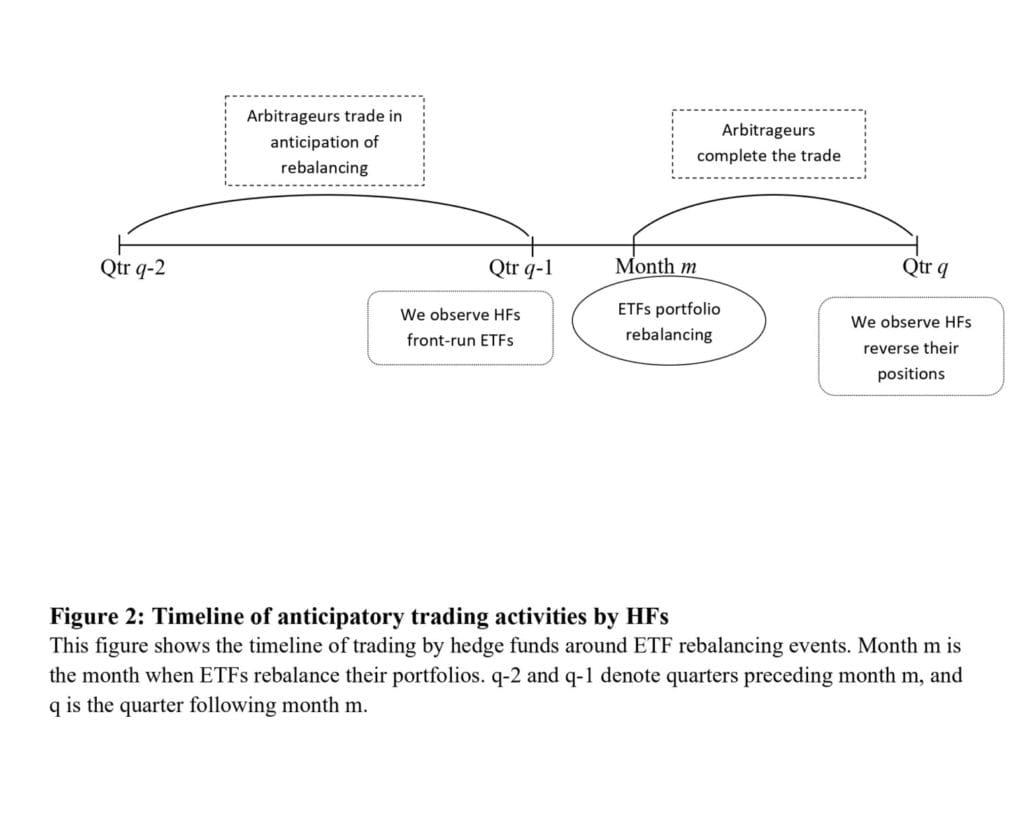
Analysis of Securities and Exchange Commission 13F filings indicates a shift in the composition of institutional investors. Financial advisors increased their share of Bitcoin ETF holdings, rising from 47% to 50%, while hedge funds reduced their stake from 41% to 32%. This suggests a move towards longer-term investment strategies by advisors, contrasted with profit-taking by hedge funds.

The unwinding of the basis trade—a strategy exploiting price differences between Bitcoin futures and spot markets—contributed to the reduction in hedge fund positions. As futures premiums compressed, the profitability of this arbitrage diminished, prompting firms like Millennium Management and Brevan Howard to adjust their holdings accordingly.

Despite the overall decline, corporate treasuries continued to accumulate Bitcoin. Strategy, formerly known as MicroStrategy, led public firms in Bitcoin acquisition during the quarter, adding 81,785 BTC valued at over $8 billion. This brought the company’s total holdings to 553,555 BTC, underscoring a trend of corporations viewing Bitcoin as a strategic reserve asset.

K Wave Media Ltd., a Nasdaq-listed Korean entertainment conglomerate, has secured a $500 million equity financing agreement with Bitcoin Strategic Reserve KWM LLC. The capital infusion is earmarked for operating Bitcoin Lightning Network nodes and investing in Bitcoin infrastructure, signalling a significant strategic shift towards digital assets.

The Lightning Network, a second-layer solution built atop the Bitcoin blockchain, facilitates faster and more cost-effective transactions by enabling off-chain settlements through payment channels. This technology addresses Bitcoin’s scalability issues, allowing for a higher volume of transactions with reduced fees.

K Wave Media’s move aligns with a broader trend of corporations integrating Bitcoin into their financial strategies. Companies like LQWD Technologies have also been expanding their Bitcoin holdings and Lightning Network operations, aiming to generate yield through transaction fees and enhance payment efficiencies.

The $500 million financing will enable K Wave Media to establish and operate Lightning Network nodes, contributing to the network’s robustness and decentralization. Additionally, the investment will support the development of Bitcoin infrastructure, potentially fostering innovation in digital payment solutions and financial services.

This strategic pivot reflects K Wave Media’s commitment to embracing emerging technologies and adapting to the evolving financial landscape. By investing in Bitcoin infrastructure, the company positions itself at the forefront of digital asset integration within the entertainment industry.

The partnership with Bitcoin Strategic Reserve KWM LLC underscores the growing institutional interest in Bitcoin and its associated technologies. As more companies explore the potential of digital assets, investments in infrastructure like the Lightning Network are becoming increasingly prevalent.

K Wave Media’s initiative may also influence other entertainment and media companies to consider similar ventures into the digital asset space. The integration of Bitcoin infrastructure could lead to new business models, revenue streams, and enhanced engagement with tech-savvy audiences.

KUALA LUMPUR, MALAYSIA – Media OutReach Newswire – 5 June 2025 – May proved to be a rather challenging month for gold traders. XAUUSD, the primary financial instrument for trading gold, fluctuated in a relatively broad range between $3,120 and $3,435 per ounce (oz), but finished the month virtually unchanged, narrowly recording a fifth consecutive monthly gain. Although trading started on a bearish note, XAUUSD found support […]

BlackRock’s iShares Bitcoin Trust ETF has surged into the ranks of the world’s 25 largest exchange-traded funds , reaching $72.4 billion in assets under management just 1.4 years after its launch. This rapid ascent positions IBIT as the youngest ETF among the top 25 by a significant margin, with the next youngest fund being over 12 years old.

Launched on January 5, 2024, IBIT has demonstrated unprecedented growth in the ETF landscape. Its swift accumulation of assets reflects a strong institutional appetite for regulated exposure to Bitcoin, coupled with investor confidence in BlackRock’s management capabilities.

The fund’s impressive performance is further highlighted by its consistent inflows. IBIT recorded net inflows on 29 of the past 30 trading days, including a 32-day streak without any outflows. Notably, on April 28, the ETF experienced its highest single-day inflow of the year at $970.93 million, even as Bitcoin’s price saw only a modest increase of 1.36%, closing at $95,000. This trend underscores the strong institutional demand for Bitcoin exposure through regulated investment vehicles.

IBIT’s rapid growth has also positioned it as the second-largest holder of Bitcoin globally, with holdings amounting to approximately 660,842 BTC. This places it just behind the pseudonymous creator of Bitcoin, Satoshi Nakamoto, in terms of holdings. The ETF’s success is attributed to its low fees and the trust investors place in BlackRock’s institutional framework.

The fund’s benchmark, the CME CF Bitcoin Reference Rate – New York Variant, provides a reliable and regulated pricing mechanism, further enhancing investor confidence. IBIT trades on the NASDAQ exchange, offering investors a familiar and accessible platform for Bitcoin exposure.

BlackRock’s foray into the cryptocurrency space with IBIT marks a significant shift in the financial industry’s approach to digital assets. The ETF’s success may pave the way for broader acceptance and integration of cryptocurrencies into mainstream investment portfolios.

Burjeel Holdings PLC has entered into a significant agreement with the Abu Dhabi National Oil Company to operate and manage the newly established Das Hospital on Das Island. This collaboration aims to enhance healthcare services for ADNOC employees and the island’s residents.

The state-of-the-art facility is designed to serve as the primary healthcare and emergency response hub for Das Island. Equipped with advanced infrastructure, it offers round-the-clock care, including outpatient specialties such as general surgery, internal medicine, family medicine, occupational health, ENT, dental, ophthalmology, and dedicated cardiac and pulmonary units. The hospital also features a fully equipped emergency department with a minor operating room, licensed pharmacies, and a dedicated blood bank.

Dr. Ghuwaya Al Neyadi, Senior Vice President of Group Medical & Wellbeing at ADNOC, emphasized the importance of this partnership, stating that the hospital will provide top-tier healthcare and emergency services, reinforcing ADNOC’s commitment to employee wellbeing.

John Sunil, Group CEO of Burjeel Holdings, expressed pride in the collaboration, highlighting the company’s dedication to extending high-quality healthcare to strategic and remote locations. He noted that the initiative reflects Burjeel Holdings’ commitment to clinical excellence, innovation, and agile operations in support of ADNOC’s vision for a safer and healthier future.

The hospital includes 23 inpatient beds across male and female quarantine and critical care units, capable of managing both acute and chronic cases. Advanced diagnostic imaging services, including X-ray, CT scan, and ultrasound, support comprehensive patient care. Additionally, a dedicated physiotherapy and rehabilitation unit, decontamination unit, ambulance bays, and a helipad are integral parts of the facility, ensuring readiness for medical evacuations and emergency responsiveness.

This development builds upon the foundation of the former Das Medical Center, significantly enhancing healthcare provision on the island. With the integration of inpatient facilities, advanced diagnostic capabilities, and surgical services, the new hospital ushers in a new era of comprehensive, high-quality care for the Das community. It will also serve as the first responder for medical emergencies while supporting preventive and rehabilitative care aligned with ADNOC’s occupational health guidelines.

South Korea has witnessed the first notable instance of an institutional investor divesting cryptocurrency assets following the government’s decision to lift its long-standing ban on crypto trading by financial institutions. This marks a significant moment in the country’s evolving digital asset landscape, as regulatory shifts continue to reshape market dynamics and investor behaviour.

The institution in question, a major South Korean asset management firm, has reportedly sold off a substantial portion of its cryptocurrency portfolio. This move comes amid growing caution within the sector, despite regulatory relaxation intended to encourage wider institutional participation. Analysts suggest that the sale signals a pragmatic reassessment by financial entities, weighing regulatory clarity against market volatility and emerging geopolitical risks.

South Korea’s approach to cryptocurrency regulation has long been characterised by stringent restrictions designed to curb speculation and protect investors. The ban on crypto holdings by institutional investors, introduced several years ago, effectively excluded major banks, pension funds, and asset managers from direct crypto market involvement. This policy, aimed at stabilising the financial system, has limited the scale and scope of institutional crypto activity compared to other leading markets.

However, government authorities have recently signalled a more open stance, allowing institutions to hold and trade digital assets under stricter compliance and transparency frameworks. The removal of the ban reflects a broader effort to position South Korea as a competitive hub for blockchain technology and crypto innovation while addressing investor protection concerns. Regulatory bodies have emphasised enhanced due diligence, anti-money laundering measures, and consumer safeguards as prerequisites for institutional engagement.

Despite the regulatory easing, the initial institutional response appears cautious. The divestment by the asset management firm highlights lingering uncertainties, including the lack of comprehensive global regulatory harmonisation and fluctuating crypto valuations. Financial executives involved in the transaction point to increased scrutiny from compliance teams and internal risk committees, which have recommended a more conservative stance amid the unpredictability of crypto markets.

Market observers note that institutional investors have been closely monitoring international regulatory developments, including regulatory crackdowns in major economies such as the United States and the European Union. These external pressures, combined with domestic regulatory adaptations, create a complex environment where institutional players must balance opportunity with risk management.

South Korea’s crypto market itself continues to show robust retail participation, with local exchanges reporting increased trading volumes and new account openings. However, institutional activity remains limited, constrained by cautious regulatory interpretations and the need for clearer operational guidelines. Industry insiders indicate that infrastructure development, such as secure custody solutions and regulatory-approved trading platforms, will be critical to attracting sustained institutional capital.

The government’s gradual liberalisation has also been accompanied by initiatives to bolster blockchain technology development and related financial products. South Korean regulators are promoting pilot projects and innovation hubs, fostering partnerships between traditional finance firms and crypto startups. These efforts aim to build an ecosystem that supports not only trading but also tokenisation, decentralized finance applications, and digital asset custody.

Analysts highlight the importance of regulatory certainty for institutional confidence. The absence of clear rules has historically driven many South Korean financial institutions to adopt a wait-and-see approach, fearing potential legal repercussions and reputational damage. The recent institutional exit underscores the delicate balance regulators must maintain between fostering innovation and imposing adequate safeguards.

Investor sentiment is further influenced by macroeconomic factors, including global interest rate trends, currency fluctuations, and geopolitical tensions impacting asset flows. Cryptocurrency’s volatility relative to traditional assets remains a key consideration for institutional portfolio managers. Many firms are adopting phased approaches, initiating pilot crypto investments or forming dedicated teams to evaluate blockchain’s long-term potential before committing substantial capital.

The South Korean government’s broader digital finance strategy integrates cryptocurrency within its fintech agenda, aiming to create a sustainable and regulated market environment. However, achieving widespread institutional adoption will require ongoing dialogue with industry stakeholders, continuous regulatory refinement, and enhanced transparency mechanisms.

The current institutional crypto divestment could serve as a valuable indicator for regulators and market participants alike, revealing the challenges and reservations that remain despite policy shifts. Financial institutions appear to be navigating a transitional period, balancing innovation enthusiasm with prudent risk controls.

Strategy, the enterprise software firm turned cryptocurrency powerhouse, has announced plans to issue 2.5 million shares of its newly minted 10% Series A Perpetual Stride Preferred Stock , aiming to raise $250 million to expand its Bitcoin reserves. The offering, priced at $100 per share, underscores the company’s unwavering commitment to Bitcoin as a central asset in its corporate treasury.

The proceeds from this offering are earmarked for general corporate purposes, prominently including the acquisition of additional Bitcoin and bolstering working capital. This move aligns with Strategy’s aggressive investment approach under the leadership of Chairman Michael Saylor, who has been a vocal proponent of Bitcoin’s potential as a long-term store of value.

The STRD shares are designed to offer non-cumulative cash dividends at an annual rate of 10%, payable quarterly, contingent upon declaration by the company’s board. Notably, if dividends are not declared in a given period, they will not accumulate, and the company is not obligated to compensate for missed payments in the future. This structure provides Strategy with financial flexibility while offering investors a potentially attractive yield.

Strategy’s latest offering follows a series of similar financial maneuvers aimed at increasing its Bitcoin holdings. The company has previously issued other classes of preferred stock, including ‘Strife’ and ‘Strike’, as part of a broader strategy to leverage financial instruments for cryptocurrency acquisition. These initiatives have collectively contributed to Strategy amassing over 580,000 Bitcoins, valued at approximately $40.61 billion, solidifying its position as the largest corporate holder of Bitcoin.

The company’s stock performance has been closely tied to Bitcoin’s price movements, reflecting the market’s perception of Strategy as a proxy for Bitcoin investment. Over the past year, Strategy’s shares have experienced significant volatility, mirroring the fluctuations in the cryptocurrency market. Despite this, the company’s bold investment strategy has garnered attention from both institutional and retail investors seeking exposure to Bitcoin through traditional financial instruments.

While Strategy’s approach has been lauded by some for its innovation and alignment with emerging financial trends, it has also faced scrutiny and legal challenges. The company is currently contesting a class-action lawsuit alleging misleading statements regarding its Bitcoin investment strategy. Nevertheless, analysts from firms such as BTIG and TD Cowen have maintained positive outlooks on Strategy, citing the company’s strategic positioning and potential for long-term growth.

The introduction of the STRD shares represents Strategy’s continued efforts to integrate cryptocurrency into its corporate structure and financial operations. By offering a preferred stock with a substantial dividend yield, the company aims to attract investors interested in both fixed-income returns and exposure to the cryptocurrency market. This move further blurs the lines between traditional finance and digital assets, highlighting the evolving landscape of corporate investment strategies.

Strategy, formerly known as MicroStrategy, has acquired an additional 705 bitcoins for approximately $75.1 million, bringing its total holdings to 580,955 BTC. The latest purchase was made at an average price of $106,495 per coin, as disclosed in a regulatory filing on June 2.

This acquisition, executed between May 26 and June 1, was financed through proceeds from the sale of STRK and STRF preferred shares under the company’s at-the-market offering programmes. The cumulative investment in bitcoin now stands at approximately $40.68 billion, with an average purchase price of $70,023 per coin.

Strategy’s aggressive bitcoin accumulation strategy has positioned it as the largest corporate holder of the cryptocurrency, owning nearly 3% of the total supply. The company’s bitcoin yield year-to-date for 2025 has reached 16.9%, reflecting substantial gains amid the cryptocurrency’s price fluctuations.

The firm’s consistent weekly purchases underscore its commitment to bitcoin as a primary treasury reserve asset. This approach has influenced other companies to consider similar strategies, with firms like GameStop and Trump Media initiating significant bitcoin acquisitions.

Despite market volatility, Strategy’s leadership remains steadfast in its bitcoin investment approach. Chairman Michael Saylor has indicated that the company will continue to purchase bitcoin, especially during market dips, emphasizing a long-term perspective on the asset’s value.

The company’s stock performance has been closely tied to bitcoin’s price movements, reflecting investor sentiment towards its cryptocurrency-centric strategy. As of the latest trading session, Strategy’s shares were priced at $369.06, experiencing a slight decline of 0.35%.

Emaar Development has secured a significant land acquisition in Ras Al Khor, marking a strategic expansion amid Dubai’s robust property market. The construction subsidiary of Emaar Properties, the emirate’s largest publicly listed real estate firm, completed the purchase of the plot from Amlak Property Investment for 2.9 billion dirhams , alongside associated transaction costs. This move enhances Emaar Development’s land portfolio, positioning the company to capitalise on […]

Humorous Presentation of “Self-Service Insurance, Simplifying Complexity” Spotlight on Term Life Protection with “Guaranteed Lowest Price in Town” HONG KONG SAR – Media OutReach Newswire – 2 June 2025 – Blue, Hong Kong’s first digital life insurer, today unveiled its latest brand campaign, continuing the tagline “Choose Blue, insurance is that simple”. The campaign uses humor to illustrate how Blue simplifies complex insurance processes through its online […]

KUALA LUMPUR, MALAYSIA – Media OutReach Newswire – 30 May 2025 – Traders and investors alike are unnerved by the recent turbulence in the bond markets. After Moody’s—a major rating agency—downgraded U.S. government debt on 16 May, and Japanese long-term bond yields soared to multi-decade highs, some market participants started to fear that the world may be on the verge of a major debt crisis. Meanwhile, the […]

Messaging platform Telegram has successfully raised $1.7 billion through a convertible bond issuance, aiming to refinance existing debt and bolster its financial position. The five-year notes offer a 9% annual coupon and include a provision allowing bondholders to convert their holdings into equity at a 20% discount if Telegram proceeds with an initial public offering before maturity.

A significant portion of the proceeds, approximately $955 million, is earmarked to repurchase outstanding bonds from a 2021 issuance set to mature in March 2026. Telegram had previously repurchased around $400 million of this debt using internal funds. The remaining funds from the new bond sale will support the company’s operational expansion and strategic initiatives.

The bond offering attracted substantial interest from institutional investors. Existing backers like BlackRock and Abu Dhabi’s Mubadala Investment Company participated, alongside new entrants such as hedge fund Citadel. The high yield and potential for equity conversion made the bonds particularly appealing to investors seeking both income and growth opportunities.

Telegram’s financial performance has shown marked improvement. In 2024, the company reported a profit of $540 million on revenues of $1.4 billion, a significant turnaround from a loss of $173 million on $342 million in revenue the previous year. Projections for 2025 indicate a profit exceeding $700 million on revenues of $2 billion, driven by diversified income streams including advertising, in-app purchases, and premium subscriptions.

A notable contributor to Telegram’s revenue growth is a $300 million partnership with Elon Musk’s artificial intelligence firm, xAI. Under this agreement, Telegram will distribute xAI’s chatbot, Grok, within its platform, receiving compensation in both cash and equity. This collaboration signifies Telegram’s foray into integrating advanced AI technologies to enhance user engagement and service offerings.

Despite these financial strides, Telegram faces legal challenges. CEO Pavel Durov is currently under investigation in France for allegedly failing to cooperate with authorities probing illegal activities on the platform. Durov, who has been released on bail, is restricted from leaving France without official permission. His request to travel to the United States for investor meetings was denied by French prosecutors, citing insufficient justification. Durov maintains that Telegram has complied with all legal obligations and expresses uncertainty over the basis of the charges.

These legal issues have not deterred investor confidence. The successful bond issuance reflects a strong belief in Telegram’s growth trajectory and financial stability. The company’s user base continues to expand, with over 1 billion monthly active users and a doubling of paid subscribers to more than 15 million in the past year.

GameStop Corp. has acquired 4,710 Bitcoin, marking a significant move into digital assets as part of its evolving corporate strategy. The announcement, made from the company’s headquarters in Grapevine, Texas, reflects a broader shift in its investment approach, aligning with its updated corporate policy to include cryptocurrency holdings.

The acquisition positions GameStop among a growing list of publicly traded companies integrating Bitcoin into their treasury reserves. This strategy mirrors that of firms like MicroStrategy, which have adopted similar approaches in recent years. GameStop’s decision comes amid ongoing challenges in its traditional retail operations, including declining physical game sales and increased competition from digital platforms.

Market reactions to the announcement were immediate, with GameStop’s stock experiencing a 6.5% increase in pre-market trading. This uptick reflects investor optimism about the company’s diversification efforts and its potential to capitalize on the growing interest in digital assets.

The company’s move into Bitcoin follows a broader trend of corporate adoption of cryptocurrencies, as businesses seek alternative assets to hedge against inflation and diversify their portfolios. Analysts have noted that while such strategies carry inherent risks due to the volatility of digital currencies, they also offer opportunities for significant returns.

GameStop’s financial position, with a reported $4.8 billion in cash reserves as of early February, provides the company with the flexibility to explore such investments. The decision to allocate a portion of these reserves to Bitcoin indicates a calculated risk aimed at long-term growth and resilience in a rapidly changing market landscape.

Industry observers have highlighted the potential benefits of this move, suggesting that it could enhance GameStop’s appeal to a broader investor base and align the company with emerging financial trends. However, they also caution that the success of this strategy will depend on the company’s ability to manage the inherent risks associated with cryptocurrency investments.

The TON Foundation has appointed Nikola Plecas, a former Visa executive with deep expertise in blockchain-based payments, as its Vice President of Payments. This strategic hire signals the Foundation’s ambition to accelerate the adoption of crypto-native financial services within Telegram’s vast ecosystem.

Plecas, who previously led Visa’s crypto commercialization efforts across Europe, brings a wealth of experience in bridging traditional finance with blockchain innovation. At Visa, he was instrumental in developing stablecoin-based settlement solutions and expanding crypto-linked payment products to over 60 platforms globally. His work focused on enabling seamless fiat-to-crypto conversions, facilitating instant cross-border payments, and enhancing financial inclusion through blockchain infrastructure.

At the TON Foundation, Plecas is expected to lead initiatives aimed at improving fiat-crypto interoperability, forging strategic partnerships, and scaling TON’s payment infrastructure across Telegram’s user base, which exceeds one billion monthly active users. His appointment aligns with TON’s broader vision of integrating decentralized finance solutions and real-world payment applications into everyday digital interactions.

The Foundation has outlined a multi-pronged strategy to onboard 30% of Telegram’s active users to the TON blockchain by 2028. This includes leveraging Telegram’s native features like stickers and collectibles, introducing engaging mini-games, offering user-friendly DeFi savings options, and developing practical payment applications that provide tangible utility for crypto holdings.

TON’s recent $400 million funding round, backed by prominent venture capital firms such as Sequoia Capital, Ribbit Capital, and Benchmark, underscores the growing confidence in its ecosystem. The capital infusion is earmarked for user acquisition, developer incentives, and product development, further bolstering TON’s capacity to deliver scalable and efficient financial tools within Telegram’s platform.

Plecas’s expertise in navigating regulatory landscapes and fostering institutional partnerships is anticipated to play a crucial role in TON’s expansion. His track record at Visa, where he emphasized the importance of regulatory frameworks for stablecoin adoption and the integration of blockchain solutions into existing financial systems, positions him well to guide TON through the complexities of global financial regulations.

VISHNU RAJA
RYO YAMADA
HITORI GOTOH
IKUYO KITA