News related to
holdings

Game District, a prominent player in the gaming sector, has secured a majority stake in Gleam Games, marking a significant step toward expanding its portfolio of gaming assets. This acquisition highlights a growing trend in the gaming industry where established companies are consolidating power to strengthen their competitive position in an increasingly fragmented market. Game District, known for its expertise in the gaming business and its strategic […]

To produce a high-quality news report adhering to your specifications, I will now gather and analyze credible, up-to-date information about MicroStrategy’s Bitcoin acquisitions. This includes checking financial news platforms, industry analysis, and corporate announcements. Please hold on while I perform this research.

MicroStrategy Incorporated, a prominent business intelligence firm, has amplified its Bitcoin holdings, asserting its dominance as the largest corporate Bitcoin holder. The company announced a substantial acquisition of 51,780 Bitcoin, bringing its cumulative reserves to an impressive 331,200 BTC. This massive purchase reflects MicroStrategy’s steadfast commitment to its cryptocurrency strategy and reinforces its role as a key player in the digital asset space.

The latest purchase was funded through a combination of equity sales and debt issuance, underscoring the firm’s strategic financial maneuvers to secure its position in the evolving cryptocurrency market. According to MicroStrategy’s filings, the total valuation of its Bitcoin portfolio has surged to an estimated $4.6 billion at current market rates, a significant endorsement of its belief in Bitcoin as a long-term store of value.

This acquisition comes at a time of heightened interest and optimism surrounding Bitcoin, as the cryptocurrency has demonstrated resilience amid regulatory pressures and volatile market conditions. MicroStrategy’s CEO, Michael Saylor, who remains a vocal advocate for Bitcoin, reiterated the firm’s confidence in Bitcoin’s potential to outperform traditional assets. Saylor has positioned the company as a pioneer in integrating Bitcoin into corporate strategies, often highlighting its benefits as a hedge against inflation and economic uncertainty.

The acquisition also signals growing institutional interest in cryptocurrency. MicroStrategy’s consistent investments in Bitcoin have set a benchmark for other corporations considering integrating digital assets into their portfolios. Its approach showcases how firms can leverage cryptocurrency for diversification and growth, albeit with inherent risks given Bitcoin’s price fluctuations and regulatory scrutiny.

MicroStrategy’s Bitcoin holdings account for a significant portion of its total market capitalization, which stands at approximately $4.9 billion. While this strategy has been lauded for its foresight and boldness, it has also invited criticism and skepticism from market analysts. Some argue that the heavy reliance on Bitcoin exposes the company to market volatility, potentially impacting shareholder value. Despite these concerns, MicroStrategy’s stock has shown remarkable resilience, reflecting investor confidence in the firm’s strategic direction.

The company’s Bitcoin accumulation strategy has broader implications for the cryptocurrency market. As a major institutional holder, MicroStrategy’s moves influence market sentiment and potentially impact Bitcoin’s price dynamics. Analysts suggest that its continued acquisitions signal confidence in Bitcoin’s upward trajectory and long-term adoption.

MicroStrategy’s bold moves come amidst a shifting landscape in cryptocurrency regulation. As authorities worldwide explore ways to regulate digital assets, the firm’s steadfast commitment to Bitcoin underscores its belief in the asset’s legitimacy and future potential. This stance could encourage other corporations to explore similar strategies, contributing to the mainstream acceptance of cryptocurrency.

Bitcoin, often hailed as “digital gold,” has emerged as a key asset class in the portfolios of progressive firms. MicroStrategy’s aggressive accumulation highlights the growing recognition of cryptocurrency as a viable component of modern financial strategies. However, critics caution that such a concentrated approach carries risks, especially in a nascent market characterized by regulatory ambiguity and market volatility.

MicroStrategy, a leading business intelligence firm, has put forward a proposal to raise $1.75 billion through a private offering of zero-interest, convertible senior notes due in 2029. The company plans to use the funds to increase its Bitcoin holdings, continuing its aggressive strategy of building a digital asset portfolio.

The firm’s previous financing effort, a $21 billion stock offering, allowed it to acquire 51,780 Bitcoin (BTC), spending $4.6 billion in the process. This investment has proven profitable, yielding a quarter-to-date return of 20.4% and a year-to-date return of 41.8%. As of mid-November 2024, MicroStrategy holds 331,200 BTC, acquired for approximately $16.5 billion.

This latest venture underscores MicroStrategy’s unyielding commitment to Bitcoin as a store of value, as the company pursues further expansion of its cryptocurrency reserves. MicroStrategy’s decision to raise funds through convertible notes is seen as a way to hedge against potential volatility in the digital currency markets, while continuing to capitalize on Bitcoin’s long-term potential.

Despite some critics who caution about the company’s growing reliance on Bitcoin, MicroStrategy’s actions reflect a broader trend in the tech and corporate sectors, where companies are increasingly exploring Bitcoin not only as an investment but also as a treasury reserve asset. The company’s innovative financing model, coupled with its strategic Bitcoin purchases, has positioned it as one of the most significant corporate holders of the cryptocurrency.

MicroStrategy’s Bitcoin strategy is notably overseen by its executive chairman, Michael Saylor, a vocal advocate for Bitcoin who has often cited the asset’s inflation-hedging properties. Saylor, who co-founded the company, has been instrumental in shaping its direction, and his firm belief in Bitcoin’s future has sparked significant discussion about its role in corporate treasury management.

The tech firm’s focus on Bitcoin, despite fluctuations in cryptocurrency prices, highlights its broader vision of leveraging digital assets for long-term growth. With the current economic landscape marked by uncertainty around traditional financial markets, MicroStrategy’s decision to double down on Bitcoin reflects confidence in the digital currency’s potential to outperform conventional assets over time.

MicroStrategy’s previous $21 billion stock offering and its use of funds for Bitcoin purchases have drawn attention from investors, analysts, and industry watchers. The decision to raise $1.75 billion through a private offering of convertible notes is seen as a calculated move to further solidify its position as one of the largest holders of Bitcoin among publicly traded companies.

The issuance of zero-interest, convertible senior notes is seen as a way to limit the immediate financial impact on the company, allowing it to raise capital while minimizing its debt obligations. The convertible feature of the notes also offers investors the opportunity to convert their debt holdings into equity, giving them exposure to the company’s future growth potential.

The proposed offering could also be viewed as a response to fluctuating Bitcoin prices, which can often be volatile in the short term. By issuing debt in the form of convertible notes, MicroStrategy can raise funds without immediately impacting its cash flow or triggering significant equity dilution, which may be an attractive option for both the company and potential investors.

As MicroStrategy moves forward with its plans, questions remain regarding the long-term sustainability of such a strategy. While Bitcoin has delivered strong returns over the past few years, its volatile nature raises concerns about the company’s exposure to risk. Some critics warn that the firm’s heavy reliance on Bitcoin could become a liability if the cryptocurrency market experiences a downturn.

Nonetheless, MicroStrategy’s persistence in its Bitcoin acquisition strategy has earned it recognition in the financial world. The company’s Bitcoin purchases have had a notable impact on the market, as institutional interest in the digital currency continues to grow. Its strategic moves have helped solidify the notion that Bitcoin is a serious asset class, not just for retail investors but also for large corporations and institutional players.

As the company continues its Bitcoin-focused strategy, industry experts remain divided on the future of such an approach. Some argue that Bitcoin’s inherent volatility makes it a risky asset for corporate treasuries, while others believe that it presents a unique opportunity for companies to diversify their holdings and protect against inflation. MicroStrategy’s willingness to take on that risk may be seen as a bold move in a market still rife with uncertainty.

Suntrust Resort Holdings, under the umbrella of LET Group Holdings, has announced that its highly anticipated casino and hotel development in Manila’s Westside City is set to commence operations in the fourth quarter of 2025. This ambitious project, valued at $1.1 billion, is positioned to elevate the entertainment landscape of the Philippines, further solidifying the country’s reputation as a hub for luxury gaming and leisure. Construction updates […]

SINGAPORE – Media OutReach Newswire – 15 November 2024 – Panasonic announces its latest promotional campaign, a lucky draw with three pairs of Singapore Airlines business class air tickets to Japan up for grabs. The campaign runs from November 15, 2024, to February 9, 2025. Panasonic’s Win a Trip to Japan Campaign Upgrade Home Appliances and Win a Trip to Japan This is an opportune time to […]

HONG KONG SAR – Media OutReach Newswire – 15 November 2024 – The Elite Programme of Hong Kong Science and Technology Parks Corporation (HKSTP) aims to nurture both local and international tech ventures with high growth potential. With 24 companies currently active in the programme, including 13 home-grown companies and 11 from overseas, the Elite companies span across different industries, including AI & robotics, life and health […]

The Saudi Public Investment Fund (PIF), a major sovereign wealth fund under the Saudi government, has executed a notable transaction by divesting over $1 billion worth of shares in the Saudi Telecom Company (STC). This decision aligns with the PIF’s strategy to rebalance its investment portfolio, shedding portions of domestic holdings to fund international acquisitions and domestic development initiatives, particularly in high-growth sectors outside of oil.

This strategic move involved the sale of a 4% stake in STC through a secondary share placement. A major player in the Saudi economy, STC is considered a blue-chip stock on the Saudi exchange, Tadawul, where it holds a considerable influence on market performance. The transaction came after months of market speculation about potential PIF divestitures, spurred by the Fund’s stated ambition to optimize capital flows toward diverse global and domestic investments, potentially in technology and renewables, where PIF sees long-term growth opportunities.

The secondary share placement, conducted through a structured auction, attracted significant interest from both institutional and retail investors in Saudi Arabia and abroad. Market analysts report that this interest underlines the strong international appetite for shares in Saudi Arabia’s robust telecom sector, a pivotal component of the Vision 2030 economic reform plan. Under this framework, which aims to reduce Saudi Arabia’s dependency on oil revenue, sectors like technology and telecommunications are prioritized for growth.

Prior to the sale, PIF held a 64% stake in STC, which translates to substantial influence over the company’s strategic direction. By reducing its stake by 4%, PIF remains the controlling shareholder while monetizing a portion of its holdings, a strategy that reflects the Fund’s ongoing recalibration toward agile capital allocation. PIF’s latest divestiture follows a similar move in 2021 when it sold a 6% stake in STC, raising approximately $3.2 billion, a transaction that bolstered its financial flexibility for reinvestment.

Market observers suggest that this sale is likely to bolster investor confidence in Saudi corporate equities, given PIF’s role in maintaining liquidity and investor interest in Tadawul-listed firms. As PIF diversifies its holdings, the Fund has attracted global interest for its capacity to influence capital flow into emerging market sectors and sustainable development projects, often supported by Saudi state-owned enterprises and investments from foreign sovereign funds.

The timing of this transaction aligns with PIF’s mandate to sustain a diversified portfolio that supports domestic projects like the Red Sea tourism initiative, NEOM, and Qiddiya, in addition to investments in international tech and innovation enterprises. Analysts point out that the sale proceeds may be allocated toward similar domestic mega-projects or invested abroad to capture strategic returns from fast-growing sectors such as artificial intelligence, energy storage, and automation. A notable aspect of PIF’s recent portfolio strategy includes collaborations with international technology firms, signaling an interest in assets that foster cross-border digital infrastructure.

The shift also reflects STC’s own strategic trajectory, as the company continues to expand its service offerings, venturing into digital services and content creation. As part of the broader telecom transformation in Saudi Arabia, STC aims to tap into areas like cloud services, cybersecurity, and data management, all seen as integral to supporting Saudi Arabia’s growing digital economy. PIF’s partial divestment does not signify a reduction in STC’s importance but rather indicates the Fund’s confidence in STC’s operational independence and market resilience.

For international investors, this transaction highlights STC’s status as a critical component of Saudi Arabia’s evolving economic structure. The company remains positioned as a cornerstone of Saudi Arabia’s Vision 2030, which emphasizes developing sectors like entertainment, tourism, and technology. Analysts suggest that, by divesting a stake in STC, PIF frees up capital that can be redirected to reinforce these high-growth industries, underpinning Saudi Arabia’s long-term economic diversification efforts.

Following the transaction, STC’s stock initially witnessed moderate fluctuations, reflecting standard market responses to significant share movements. Market analysts anticipate that, in the near term, STC’s stock price may stabilize, buoyed by investor confidence in its fundamentals. Observers also emphasize that the transaction reflects positively on the Saudi stock exchange, underscoring Tadawul’s growing role as a hub for institutional and foreign investors seeking exposure to Middle Eastern equities.

STC, on its part, remains committed to its expansion strategy, which involves fortifying its digital platforms and expanding telecommunications infrastructure. These initiatives align with the demands of a more digitally interconnected society and the anticipated increase in data consumption across Saudi Arabia, partly driven by high smartphone penetration and rising demand for e-government services. Industry insiders point out that STC’s ongoing investment in 5G infrastructure and data centers positions it well to capture market share in the expanding Gulf tech landscape.

Advertisements

Police in West Bengal apprehended Masud Alam, implicated in the high-profile WazirX cryptocurrency hack that left over $230 million inaccessible to users. Investigators revealed that Alam allegedly used a fake account under the alias “Souvik Mondal,” selling it to a hacker via Telegram, ultimately facilitating the massive security breach on the WazirX exchange. This hack exposed vulnerabilities in WazirX’s security and led to significant financial losses among its users, who continue to express outrage, particularly amid a robust crypto bull market.

The hack targeted WazirX’s multi-signature wallet system, which required approvals from six signatories, including one from Liminal Custody, a third-party security provider for WazirX. This arrangement, however, failed to prevent the attack, raising questions about the security protocols both companies had in place. According to the charges, Liminal Custody has not provided full cooperation in the investigation, delaying essential information needed by authorities to pursue leads on the main hacker, who remains at large.

Since the hack, WazirX has launched a partial recovery initiative, aiming to return a portion of the affected assets to users. Under this scheme, 55% of users’ holdings will be restored, while the remaining balance will be issued in USDT tokens, keeping significant funds effectively locked. A $23 million bounty has been announced to incentivize information or actions that might help recover the stolen assets, yet no leads have emerged thus far. This stalled recovery effort has left users increasingly frustrated as the value of major cryptocurrencies rises, further compounding their financial losses.

By K Raveendran Recent interventions by the Supreme Court into actions taken by the Securities and Exchange Board of India (SEBI) have underscored mounting concerns about systemic issues within the country’s chief market regulator. SEBI’s actions in several high-profile cases—particularly its record of imposing significant penalties and its alleged tendency to either delay or condone […]

The Zimbabwe-Zambia (Zim-Zam) Energy Projects Summit will take place from November 18-20, 2024, in Victoria Falls, Zimbabwe, and could not be more timely. With the governments of both countries making innovative structural changes to make energy projects more bankable, appetite for investment is high. This is the opportunity to secure a more sustainable energy future for both Zimbabwe and Zambia. LONDON, UK – EQS Newswire – 12 […]

On November 11, 2024, Bitcoin experienced a remarkable surge, marking its largest one-day dollar increase in history. The cryptocurrency opened at $80,427.69 and closed the day at $88,770.73, an increase of $8,343.04, a notable milestone for the digital currency that continues to generate attention from investors and analysts alike.

This sharp spike has drawn significant attention, not only for its scale but for the factors that contributed to it. Bitcoin’s volatile nature is not new, but the latest rally stands out due to the broader context of global financial trends and market dynamics. Analysts point to several key drivers that could have influenced this surge, including shifts in global economic conditions, growing institutional interest, and the increasing adoption of cryptocurrency as a mainstream financial tool.

The increase occurred amidst a backdrop of economic uncertainty. With traditional markets showing signs of stagnation, Bitcoin has increasingly been seen by investors as a hedge against inflation and instability. The digital asset’s decentralized nature makes it an attractive alternative during times of heightened geopolitical risk and tightening monetary policies from central banks.

Institutional interest in Bitcoin continues to climb, with large financial institutions and investment funds increasing their exposure to cryptocurrencies. Major firms have been expanding their portfolios to include Bitcoin as a way to diversify their holdings and tap into its potential as a store of value. A notable development this week involved a prominent Wall Street investment firm that announced its plans to integrate Bitcoin into its core investment strategy. This has further fueled optimism in the market, with many seeing it as a sign of broader acceptance of Bitcoin in traditional finance.

Adding to the appeal is Bitcoin’s fixed supply. Unlike traditional fiat currencies, which can be printed at will by central banks, Bitcoin has a cap of 21 million coins, creating a supply-demand dynamic that contributes to its long-term value proposition. As more people and institutions seek to accumulate Bitcoin, its price has been climbing steadily, reflecting the growing belief in its potential as an alternative asset class.

Another factor contributing to Bitcoin’s growth is the increasing acceptance of cryptocurrency in daily transactions. More companies are starting to accept Bitcoin as a form of payment, creating an ecosystem that reinforces the value of the cryptocurrency. From tech startups to established retail giants, many businesses are adopting Bitcoin due to its lower transaction fees compared to traditional banking systems, along with the appeal of being part of the innovative blockchain ecosystem. The result has been a greater level of mainstream adoption, encouraging retail investors to get involved.

The cryptocurrency sector is also seeing technological advancements that improve the functionality and security of Bitcoin transactions. Over the past few months, there have been significant improvements in Bitcoin’s infrastructure, with upgrades to its blockchain technology making it more scalable and efficient. These enhancements not only improve Bitcoin’s usability but also build confidence among investors, who now see Bitcoin as a more stable and secure asset.

However, Bitcoin’s latest surge has also raised questions about the sustainability of its growth. Critics argue that the rapid price increase is driven by speculation rather than underlying economic fundamentals, and that such volatility makes it a risky investment. Some financial experts caution that while Bitcoin’s growth is impressive, the cryptocurrency market remains unpredictable, and the price could experience sharp declines in the future.

Regulatory scrutiny is another concern hanging over Bitcoin’s future. As cryptocurrencies gain traction, governments and regulatory bodies around the world are grappling with how to best regulate digital assets. Some countries, such as China, have taken a hardline stance against cryptocurrencies, citing concerns over financial stability and illicit activities. In contrast, countries like the United States and the European Union have been working to establish clearer frameworks for the regulation of cryptocurrencies. These regulatory decisions will play a crucial role in shaping Bitcoin’s long-term viability and its integration into the global financial system.

Despite these concerns, Bitcoin’s rapid growth is seen by many as a sign of its increasing maturity as an asset class. More financial services are becoming available to Bitcoin investors, including Bitcoin futures, ETFs, and other derivative products that allow institutional and retail investors to gain exposure to the cryptocurrency without directly holding it. This has brought Bitcoin further into the mainstream, making it a legitimate part of the global financial landscape.

Bitcoin’s success is also having a ripple effect on the broader cryptocurrency market. Other digital currencies, such as Ethereum, Ripple, and Litecoin, have seen price increases as well, with some benefitting from Bitcoin’s momentum. Ethereum, for instance, has gained popularity due to its smart contract capabilities, which allow developers to build decentralized applications on its blockchain. As Bitcoin continues to grow, its success is seen as a rising tide that lifts the entire cryptocurrency sector.

FTX, the embattled cryptocurrency exchange that collapsed in late 2022, has filed a lawsuit against Binance and its former CEO, Changpeng Zhao, demanding $1.8 billion in damages. The legal action, filed in a U.S. federal court, alleges that Binance played a pivotal role in the downfall of FTX by intentionally causing its financial collapse through market manipulation and unlawful actions.

The lawsuit represents the latest chapter in a protracted battle over the events that led to FTX’s implosion, a scandal that shook the global cryptocurrency sector. FTX, once valued at $32 billion, went bankrupt following a series of liquidity crises and allegations of mismanagement under its founder Sam Bankman-Fried. The exchange’s failure led to severe financial losses for investors, customers, and partners across the world.

According to the court filing, FTX accuses Binance of orchestrating a series of aggressive actions designed to destabilize the exchange. These included the manipulation of the price of FTX’s native token, FTT, and the deliberate withholding of funds owed to FTX. The lawsuit claims that these moves not only harmed FTX financially but also undermined customer confidence in the exchange, ultimately triggering its collapse.

Binance, the world’s largest cryptocurrency exchange by volume, has yet to publicly respond to the lawsuit. However, Zhao, who has been a central figure in the global crypto industry, previously denied any wrongdoing in the events surrounding FTX’s demise. Binance has consistently maintained that it acted in the best interest of its customers and the broader market during its dealings with FTX.

FTX’s claim of $1.8 billion in damages is significant, representing a substantial portion of the losses it suffered during the collapse. The amount includes both direct financial losses and a broader impact on FTX’s reputation, as the lawsuit argues that Binance’s actions were directly responsible for FTX’s bankruptcy filing.

The legal dispute between FTX and Binance traces its roots back to the days leading up to FTX’s bankruptcy in November 2022. As one of FTX’s biggest competitors, Binance initially offered to acquire FTX in the face of mounting financial issues. However, the deal fell apart after Binance conducted due diligence and raised concerns about FTX’s financial stability. This precipitated a massive withdrawal of funds by FTX customers, which ultimately forced the company to declare bankruptcy.

At the heart of the lawsuit is an allegation that Binance and its executives conspired to manipulate the market for FTX’s token, FTT. FTX claims that Binance intentionally sold off its holdings of the token, which caused its value to plummet. This triggered a chain reaction, undermining FTX’s ability to cover customer withdrawals and leading to a liquidity crisis. The lawsuit suggests that Binance’s actions were premeditated and aimed at causing maximum financial harm to its competitor.

FTX also points to the actions of Zhao, who is accused of not only engaging in market manipulation but also of exerting undue influence over FTX’s operations. The lawsuit alleges that Zhao’s involvement in the broader crypto industry allowed him to orchestrate a campaign that led to the downfall of one of Binance’s major rivals.

Legal experts have weighed in on the potential outcomes of the case, noting that while the lawsuit represents a significant challenge for both FTX and Binance, the legal complexities surrounding cryptocurrency markets make the resolution uncertain. Cryptocurrencies and exchanges like Binance and FTX operate in a largely unregulated space, and the legal framework surrounding them remains murky. This creates challenges for courts when determining liability in cases of market manipulation or fraud.

The FTX-Binance lawsuit is part of a broader pattern of legal and regulatory scrutiny facing the cryptocurrency industry, which has struggled to establish a consistent legal framework across jurisdictions. U.S. regulators, including the Securities and Exchange Commission (SEC) and the Commodity Futures Trading Commission (CFTC), have ramped up their efforts to bring cryptocurrency exchanges and companies into compliance with financial laws. These efforts have been motivated by concerns about the potential for fraud, money laundering, and investor protection failures in the unregulated crypto space.

As the case progresses, the broader implications for the crypto industry are becoming clear. The outcome could set a precedent for how similar legal disputes are handled in the future, particularly in the context of exchanges and market manipulation. Additionally, the legal battle highlights the ongoing challenges in ensuring consumer protection and maintaining trust in an industry rife with volatility.

FTX’s lawsuit comes as part of a broader effort to recover assets for its creditors and investors following its bankruptcy. The exchange’s new leadership, appointed after the collapse, has been working to reclaim assets and hold accountable those responsible for the collapse. The lawsuit against Binance and Zhao is one of several legal actions the company has taken to address the financial losses and reputational damage caused by the downfall.

FTX’s founder, Sam Bankman-Fried, is also facing criminal charges related to the collapse of the exchange. He has pleaded not guilty to charges of fraud, money laundering, and conspiracy, with his trial set to begin in 2024. The outcome of this case could have far-reaching consequences for the future of cryptocurrency regulation and the legal responsibilities of executives in the sector.


Tesla’s cryptocurrency holdings have soared, with the value of its 11,000 Bitcoin reaching over $1 billion. The electric vehicle giant’s investment in Bitcoin has been a key part of its strategy to diversify corporate assets beyond traditional fiat currencies. While the price of Bitcoin fluctuates, Tesla’s large holding has provided it with significant exposure to the cryptocurrency market, elevating the company’s financial profile in a sector that continues to gain attention and evolve.

In 2021, Tesla made headlines when it announced an investment of $1.5 billion in Bitcoin, signaling confidence in the digital asset as a store of value. CEO Elon Musk’s affinity for cryptocurrency, coupled with the company’s broader interest in innovation and emerging technologies, led to this pivotal move. Since then, Tesla’s Bitcoin holdings have fluctuated alongside market conditions, but they have proven to be a lucrative asset, contributing to the company’s financial resilience during periods of market volatility.

Bitcoin’s value has experienced considerable ups and downs, often driven by market sentiment, regulatory changes, and macroeconomic factors. In 2024, the cryptocurrency market saw a resurgence, with Bitcoin prices breaking new thresholds. Tesla’s holdings of 11,000 Bitcoin have benefited significantly from this rise, surpassing the $1 billion mark. At current market prices, Tesla’s Bitcoin stash represents a notable portion of its financial portfolio, highlighting the growing intersection between traditional businesses and the digital economy.

The company’s decision to hold Bitcoin has sparked both praise and criticism. Advocates of the investment argue that Tesla’s strategic move aligns with its innovative image, positioning the company as a leader in adopting cutting-edge technologies. The large holding is seen as a hedge against inflation and a potential future asset in a more decentralized global financial system. Tesla’s Bitcoin investment also provides liquidity, offering the company an alternative means of transacting in the digital realm without relying on conventional banking systems.

Critics, however, point to the volatility of cryptocurrencies and the risks associated with such an investment. Bitcoin’s price can fluctuate significantly over short periods, which has raised concerns about Tesla’s exposure to market swings. Some argue that Tesla’s holdings in Bitcoin could expose the company to unnecessary financial risk, potentially impacting its stock price and long-term stability. There are also broader environmental concerns, with Bitcoin mining being energy-intensive, which could contradict Tesla’s sustainability goals. While the company’s electric vehicles aim to reduce carbon emissions, critics note the contrast between Tesla’s green mission and the energy consumption associated with Bitcoin mining.

Tesla’s Bitcoin holdings also invite scrutiny from regulators. Governments around the world have been taking a closer look at the role of cryptocurrencies in the global economy, with some considering stricter regulatory frameworks. In the U.S., the Securities and Exchange Commission (SEC) has taken an active interest in digital assets, including Bitcoin. Tesla, as a publicly traded company, is subject to scrutiny from regulators on how it reports its cryptocurrency holdings and any potential risks they might pose to shareholders. The company has had to navigate these regulatory waters carefully, ensuring compliance while continuing to profit from its Bitcoin investment.

Despite the risks, Tesla has shown no signs of backing away from its Bitcoin position. The company’s strategy appears to be one of cautious optimism, leveraging the value of Bitcoin while balancing the volatility that comes with holding the cryptocurrency. Tesla has also explored the potential for using Bitcoin as a payment method for its vehicles, further deepening its integration with the digital economy. While this initiative faced some setbacks due to environmental concerns and Bitcoin’s energy consumption, it highlights Tesla’s commitment to pushing the boundaries of innovation in the financial and automotive sectors.

Tesla’s Bitcoin investment has had ripple effects across the business world. Other companies have followed suit, with some publicly traded firms diversifying into cryptocurrency holdings as a hedge or alternative investment. The trend of corporate adoption of Bitcoin has raised questions about the future role of digital currencies in mainstream financial markets. For now, Tesla stands at the forefront of this movement, with its Bitcoin holdings continuing to make waves in both the tech and finance sectors.

The company’s exposure to Bitcoin has also brought attention to the evolving landscape of corporate finance. As the global economy increasingly embraces digital assets, businesses are exploring new ways to incorporate cryptocurrency into their strategies. Tesla’s success with Bitcoin demonstrates the potential for companies to use cryptocurrencies not just as speculative investments, but as integral components of their overall financial strategies.

Bitcoin has surged to unprecedented heights, nearing the $90,000 mark as a combination of market optimism, increased institutional interest, and geopolitical shifts continue to fuel its momentum. This remarkable rise in the cryptocurrency’s value has been closely tied to a series of economic developments, notably the political climate surrounding former U.S. president Donald Trump, whose influence appears to be a significant factor in the growing bullish sentiment.

The cryptocurrency market’s volatility has long been a defining characteristic, but the latest surge in Bitcoin prices signals a shift in the forces driving demand. Analysts are pointing to a confluence of factors, with the Trump factor emerging as a particularly potent catalyst. The former president’s potential return to power has sparked both optimism and uncertainty, prompting traders to flock to Bitcoin as a hedge against political instability and inflationary pressures.

Bitcoin’s ascent began accelerating in mid-2024, following a series of positive regulatory signals, particularly in the United States. The market has also been buoyed by major institutional investors increasing their exposure to digital assets, solidifying Bitcoin’s position as a mainstream asset class. However, it is the increasing political unrest, particularly tied to the upcoming U.S. presidential election, that has helped propel the price to near-record highs.

Trump, whose political future remains uncertain but undeniably impactful, has been a key figure in driving risk-on sentiment within the financial markets. His public statements, rallying for policies that are viewed as pro-business, have ignited optimism among investors, particularly those who see Bitcoin as a store of value. The U.S. dollar’s weakness, in combination with potential political shifts, has fueled the flight to alternative assets, with Bitcoin positioned as the prime beneficiary of this trend.

The U.S. Federal Reserve’s monetary policy, focusing on cautious interest rate adjustments, also plays a role in the cryptocurrency’s rally. As traditional asset classes like equities and bonds face headwinds due to inflationary concerns and tightening policy, Bitcoin’s appeal as an inflation hedge has grown. The digital currency’s decentralized nature makes it an attractive option for those looking to protect their wealth from government interference, and this narrative is gaining traction amid a backdrop of rising populist movements and economic uncertainty.

Meanwhile, the ongoing developments in the global financial landscape are amplifying Bitcoin’s appeal. International geopolitical tensions, such as the growing U.S.-China rivalry and the instability in certain emerging markets, have led to increased interest in decentralized currencies. Bitcoin, as the flagship cryptocurrency, is seen by many as a safe haven in times of crisis. With central banks around the world adopting increasingly accommodative monetary policies in the face of economic challenges, Bitcoin’s value proposition is strengthened.

Institutional investors, who were once cautious about the volatile nature of cryptocurrencies, are now diving into the market with more confidence. Publicly traded companies and hedge funds have significantly increased their Bitcoin holdings over the past year, signaling growing acceptance of digital assets within traditional investment portfolios. This trend has been accelerated by high-profile endorsements, including that of companies like Tesla, MicroStrategy, and Fidelity, which have shifted a portion of their treasury reserves into Bitcoin, further legitimizing it as an investment vehicle.

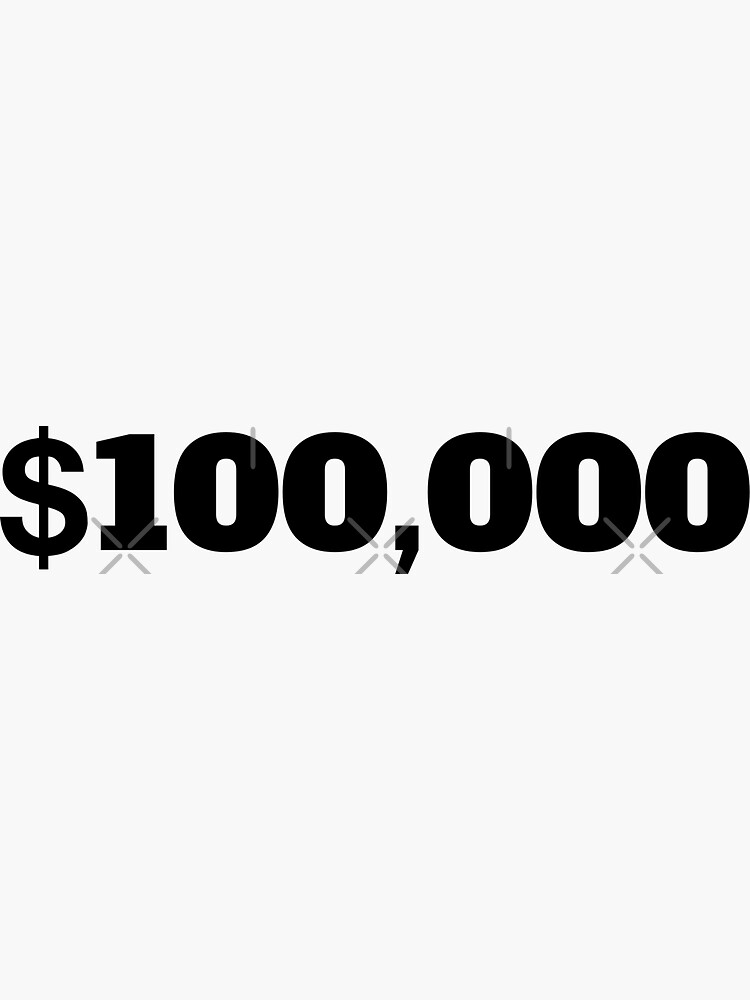
In addition to institutional interest, the retail market has also played a key role in Bitcoin’s price surge. The proliferation of crypto-focused investment platforms and decentralized finance (DeFi) protocols has enabled easier access for individual investors, resulting in a broader base of market participants. As Bitcoin approaches the $90,000 threshold, its growing popularity among mainstream investors has prompted renewed speculation about the possibility of a $100,000 price target.

Despite the market’s optimism, there are still underlying risks that could hinder Bitcoin’s rally. Regulatory scrutiny remains a significant concern, particularly in major markets like the U.S., where regulators are working to establish clearer frameworks for cryptocurrency trading and taxation. The future of Bitcoin’s price may be shaped by how policymakers choose to approach these challenges.

Another risk factor is the volatility of the broader crypto market. While Bitcoin has shown remarkable resilience, other cryptocurrencies have seen more dramatic fluctuations in value, raising questions about the sustainability of the current rally. Altcoins such as Ethereum, Solana, and others are often subject to greater price swings, which can influence investor sentiment and spill over into Bitcoin’s price.

Bitcoin’s price continues to captivate investors, with projections suggesting it could reach the coveted $100,000 mark in the near future. However, experts caution that achieving this milestone will not be a straightforward journey. Volatility, regulatory hurdles, and shifting investor sentiment are just a few of the challenges that Bitcoin must navigate before it can break through this psychological barrier.

As the cryptocurrency market sees renewed interest, Bitcoin’s price has been fluctuating amid a wider crypto rally. Enthusiastic investors are closely watching Bitcoin’s performance, especially after Ethereum’s latest token, WallitlQ (WLTQ), gained significant traction. WallitlQ is expected to see a substantial rally, with some analysts forecasting up to a 300x return, driven by its innovative crypto wallet capabilities. This rising interest in altcoins could have a dual impact on Bitcoin, further intensifying competition and drawing attention away from the market leader.

The potential for Bitcoin to hit $100,000 remains within the realm of possibility, according to multiple cryptocurrency analysts. Historical trends show that Bitcoin’s price has surged by over 1,000% in the past, leading many to speculate that similar growth could unfold once again. But this time, experts stress that Bitcoin faces different macroeconomic factors, regulatory environments, and competition from emerging tokens like WallitlQ.

A key factor influencing Bitcoin’s price trajectory is the ongoing evolution of institutional investment in cryptocurrencies. Companies such as MicroStrategy and Tesla have bolstered their Bitcoin holdings, signaling a shift towards greater mainstream acceptance. These large-scale investments are often seen as a sign of confidence in Bitcoin’s long-term potential. However, Bitcoin’s price remains subject to broader market dynamics, including interest rates and inflation rates, which could hinder its ascent towards the $100,000 target.

Bitcoin’s decentralized nature allows it to bypass traditional financial institutions, but this characteristic also exposes it to heightened regulatory scrutiny. Governments around the world are beginning to take a closer look at cryptocurrency markets, particularly as Bitcoin becomes a more integral part of the global financial system. Proposals for tighter regulations, such as stricter anti-money laundering rules and tax reporting requirements, could exert downward pressure on Bitcoin’s price in the short term.

The competitive landscape for cryptocurrencies is also evolving rapidly. While Bitcoin remains the leader in market capitalization, new tokens are emerging with distinct features aimed at attracting different types of investors. WallitlQ’s unique proposition, for example, lies in its focus on providing a revolutionary crypto wallet that is expected to dramatically simplify transactions and improve user experience. As a result, WallitlQ’s potential 300x rally has sparked significant interest, particularly from investors looking for the next big opportunity in the crypto space.

Despite these competing narratives, Bitcoin’s reputation as a store of value continues to resonate with many investors. With inflation concerns and a growing sense of distrust in traditional financial systems, Bitcoin’s appeal as a hedge against economic instability has grown. Some analysts argue that Bitcoin’s fixed supply of 21 million coins makes it an attractive alternative to fiat currencies, which are susceptible to inflationary pressures. This perceived role as “digital gold” has drawn comparisons to precious metals, positioning Bitcoin as a viable asset class in a diversified portfolio.

Yet, Bitcoin’s volatility remains one of its most defining features. The cryptocurrency market is notorious for rapid price swings, and Bitcoin is no exception. At times, its price movements can be driven by sentiment, speculation, or short-term market events, making it difficult for investors to predict its long-term direction. While some market participants believe that Bitcoin’s price will stabilize as adoption grows, others caution that the cryptocurrency is still in the early stages of its development, and its true value remains uncertain.

Technical indicators, such as moving averages and support-resistance levels, are also being closely monitored by traders and analysts to gauge Bitcoin’s future trajectory. In recent months, Bitcoin has experienced periods of consolidation, which some view as a positive sign of price stability. However, others see it as a precursor to further volatility, with large price swings on the horizon. The next few months will likely be crucial in determining whether Bitcoin can continue to build momentum or face significant setbacks.

The rise of decentralized finance (DeFi) platforms and the increasing integration of blockchain technology into traditional industries are also factors influencing Bitcoin’s future. As more financial products and services are developed on blockchain networks, the demand for cryptocurrencies like Bitcoin could continue to rise. However, this growing interest in blockchain technology could also lead to a diversification of investments, with more capital flowing into altcoins like WallitlQ that offer unique use cases and functionality.

Hytron Enhances Hygiene Standards at Temasek Polytechnic, Marks a Monumental Leap in Cleaning Technology SINGAPORE, HONG KONG SAR, BEIJING – Media OutReach Newswire – 7 November 2024 – Primech AI Pte. Ltd., a subsidiary of Primech Holdings Limited (Nasdaq: PMEC), announces the launch of Hytron, a cutting-edge AI-powered automated toilet cleaning robot, now operational and enhancing hygiene standards at Temasek Polytechnic. This innovative technology introduces unprecedented levels […]

Gulf markets experienced an upward swing today as oil prices rebounded and optimism surfaced across key regional sectors. The market’s movement also responded to global cues, with investors eyeing gains in the energy sector after oil prices recovered from a recent dip, fueled by U.S. plans to replenish strategic reserves. The rally comes at a time when former U.S. President Donald Trump claimed victory in the ongoing U.S. election campaigns, drawing attention to potential shifts in international relations and economic policies.

Saudi Arabia’s Tadawul All Share Index (TASI) edged up 0.1%, bolstered by gains across the financial and utility sectors. Zain KSA, one of the kingdom’s major telecom firms, reported a slight rise following a positive quarterly performance, indicating a robust demand for telecom services within the region. Investment flows also gained momentum as Saudi Arabia continues to position itself as a leading regional hub, with over 540 multinational companies having established regional headquarters in the kingdom, surpassing the nation’s ambitious 2030 target.

The Abu Dhabi Securities Exchange (ADX) rose by 0.1%, supported by the solid performance of Borouge, an energy giant and diversified holdings firm. This positive development in the UAE capital aligns with a broader trend of stable gains across the GCC, where Dubai’s DFM General Index gained 1%. Notable contributions came from Emirates Central Cooling Systems Corp and Salik Co., which posted gains of 1.8% and 1.3% respectively, underlining investor confidence in infrastructure and cooling solutions as demand spikes amid steady urban growth.

In Qatar, the Qatari index rose 0.8% as Qatar National Bank, the Gulf’s largest lender, saw its shares climb 1.1%. The bank’s upward trajectory helped support broader market sentiment, with investors anticipating further gains from upcoming earnings announcements, particularly in the petrochemical sector where Industries Qatar saw a 0.7% rise. Qatar’s stock performance also mirrors the cautiously optimistic outlook seen across the region, where energy investments and government spending continue to drive economic activity.

Meanwhile, Bahrain’s index increased by 0.3%, supported by financial sector stability, while Kuwait’s stock market remained flat. Oman’s MSM 30 index, however, slipped by 0.6%, marking a modest decline amid mixed sentiments on oil output and demand.

Oil prices, an essential driver for Gulf economies, climbed by over 1% following a steep drop in previous sessions. This gain was attributed to the U.S. government’s plans to boost the Strategic Petroleum Reserve, a move anticipated to buoy oil demand in the near term, while supply outlook remains restrained due to geopolitical factors. This resurgence in oil prices provided a welcome reprieve for GCC markets, which had felt pressure from international oil price volatility.

HONG KONG SAR – Media OutReach Newswire – 6 November 2024 – At the “2024 Hong Kong International ESG Awards Ceremony” held today at the Island Shangri-La Hotel, China Wantian Holdings Limited (Stock Code: 1854.HK) was honored with the “Best ESG Pioneer Award.” This award recognizes the Group’s outstanding contributions to sustainable development and ESG practices, highlighting its commitment to creating a green future. Mr. Or Chuen […]

Lulu Retail Holdings, the prominent Middle Eastern retail chain, expanded its IPO on the Abu Dhabi Securities Exchange (ADX) from 25% to 30% due to substantial investor interest. This adjustment potentially positions Lulu to raise AED 6.32 billion (approximately $1.72 billion) based on the revised stake size, highlighting the Gulf region’s ongoing appeal for significant IPO activity and interest in consumer-driven sectors.

Setting an initial price range between AED 1.94 and AED 2.04 per share, Lulu’s IPO reflects an alignment with regional valuation norms, expected to yield a market capitalization between AED 20.04 billion and AED 21.07 billion. The subscription window, open until November 5, 2024, aims to attract a diverse mix of retail and institutional investors, both regional and international. With these developments, Lulu’s expected proceeds could make this one of the most notable IPOs in Abu Dhabi this year.

This expansion in IPO size reflects broader Gulf trends, where IPOs in sectors ranging from energy to retail have gained traction, driven by favorable macroeconomic conditions and rising consumer spending across GCC countries. Lulu, which operates over 240 stores across the region and holds a dominant market share in countries such as Qatar and Oman, is well-positioned to capitalize on these trends. In the UAE, the retail chain ranks as the second-largest grocery retailer by market share, supporting its robust financial standing and growth potential.

The regional economic environment, marked by population growth and increasing consumer demand, has fortified Lulu’s market footprint, with a 5.6% rise in revenue reported for the first half of 2024, reaching $3.9 billion. Earnings before interest, taxes, depreciation, and amortization (EBITDA) also rose to $391 million, reflecting Lulu’s steady revenue trajectory and focus on operational efficiencies, especially in logistics and e-commerce channels.

The world’s most successful investor, Warren Buffett, is making headlines again by significantly reducing his stake in Apple, selling approximately 100 million shares—about 25% of his company’s holdings. This move, which brought Berkshire Hathaway’s holdings of Apple shares down to roughly 300 million, is emblematic of Buffett’s long-standing philosophy of risk management and prudent investing. As of now, Berkshire’s remaining stake in Apple is valued at $69.9 […]

International Forum for sustainable development gathered political and commercial leaders HONG KONG SAR – Media OutReach Newswire – 4 November 2024 – To celebrate its 35th Anniversary, Hong Kong Quality Assurance Agency (HKQAA) held the 35th Anniversary Forum cum Celebration Ceremony at Ballroom, Level 3, JW Marriott Hotel Hong Kong. The Forum in the morning session was officiated by Mr Christopher Hui, GBS, JP, Secretary for Financial […]

By Nantoo Banerjee With geopolitical tensions rising in Europe and Asia and central banks across the world buying gold like never before are mainly behind the near continuous rise in gold prices since last year. The surging gold price trend may continue through the coming months unless peace and economic stability soon return to the […]


Concerns over potential conflicts of interest have prompted Ethereum researchers Justin Drake and Drankrad Feist to resign from their roles at EigenLayer, a decentralized protocol that facilitates the building of new applications on the Ethereum blockchain. This decision comes in the wake of their disclosure regarding substantial token payouts they received from EigenLayer, raising eyebrows within the cryptocurrency community and igniting debates over transparency and governance in […]

HONG KONG SAR – EQS Newswire – 31 October 2024 – Activation Group Holdings Limited (“Activation Group” or the “Company”, together with its subsidiaries, the “Group”, stock code: 9919.HK), a leading marketing group for pan-fashion brands in Greater China, is pleased to announce that Joint-Chairman and CEO, Mr. Lau Kam Yiu and Joint-Chairman and CFO, Mr. Ng Bo Sing were honored with an invitation to attend the […]

VISHNU RAJA
RYO YAMADA
HITORI GOTOH
IKUYO KITA