Just in:
Saudi defences destroy three Houthi missiles targeting Riyadh // Jaiedco and Golden Bridge Announce Strategic Collaboration for a New Dubai Islands Development // 2026 Tropical Rainforest Ecosystem Partners Conference Kicks off in Hainan // Crypto market loses $150 billion amid broad sell-off // US military rebuts Iran’s Gulf F-16 strike allegation // Bail refused to 17-year old in Abhiram murder // Sabarimala booking discrepancies prompt sabotage angle probe // Egypt’s African Union trade climbs to $8.2 billion // Promoting Common Human Development Through Exchanges and Mutual Learning Among Civilizations // Dalilk Academy reaches 27 million, targets 100 million by 2030 // Workday targets Honeydew purchase to unify AI metrics // Yeebo Announces Interim Results for FY26/27 Revenue Increases by 45.5% to HK$806.7 Million Profit Attributable to Owners Surges 87.6% to HK$2,284.7 Million // PayerMax and ShopeePay Strengthen Strategic Partnership to Advance Digital Payment Collaboration in Southeast Asia // Padmini follows Padmaja for ‘ghar vapsi’ // Technology at Work, Heritage for All: The “Chinese Approach” to Safeguarding the Leshan Giant Buddha // Russia permits retail cryptocurrency purchases under regulated framework // Singapore regulator cautions against AI access to bank logins // Energy Markets Find Little Substance In Shenzhen Summit Promises // Saudi Arabia schedules multinational top-up tax for 2027 // Fungal toxins detected across 212 UK plant-based products //

News related to
price

Strengthening Competitiveness via Online-to-Offline Integration and Supply Chain Agility

Results Highlights

  • Revenue reached US$301.51 million, representing a strong increase of 23.2%.
  • Gross profit grew by 28.2% to US$93.98 million, with gross profit margin expanding to 31.2%.
  • Operating profit increased by 30.1% to US$24.29 million.
  • Net profit surged by 30.0% to US$18.30 million, with net profit margin improving to 6.1%.
  • Business-to-consumer (B2C) platform YesStyle recorded revenue of US$215.07 million, up 30.5%, accounting for 71.3% of the Group’s total revenue. Offline expansion was enhanced with the opening of its first physical concept store in the US.
  • Business-to-business (B2B) platform AsianBeautyWholesale (ABW) recorded revenue of US$82.75 million, up 6.2%, accounting for 27.4% of the Group’s total revenue.

HONG KONG SAR – Media OutReach Newswire – 28 August 2026 – YesAsia Holdings Limited (“YesAsia Holdings”, together with its subsidiaries, the “Group”) (2209.HK), a leading e-commerce platform operator recognized for its expertise in curating Asian beauty and lifestyle products, announced today its interim results for the six months ended 30 June 2026 (the “Reporting Period”).

The Group continued to capture strong global demand for Korean Beauty (“K-Beauty”) products, driving revenue up by 23.2% year-on-year to US$301.51 million. Gross profit increased by 28.2% to US$93.98 million, with gross profit margin expanding by 1.2 percentage points to 31.2%. Operating profit grew by 30.1% to US$24.29 million. Benefiting from forward-looking investments in localized and tech-driven logistics infrastructure, which successfully mitigated geopolitical and freight cost pressures, profit for the period surged by 30.0% to US$18.30 million, after recognition of an one-off expense of approximately US$1.24 million in termination benefits arising from the organizational streamlining. Net profit margin improved to 6.1%. Basic earnings per share were US4.39 cents (1H 2025: US3.43 cents).

Navigating Uncertainties through Market Diversification and Logistics Agility

A global market footprint remains pivotal in mitigating geopolitical risks. The US, the Group’s largest market, has absorbed the tariff shock and delivered progressive improvement during the Reporting Period, with revenue exceeding 2H 2025 even outside the typical holiday peak season. Among non-core markets (excluding the US, the UK, Canada, and Australia), robust demand across Europe and Latin America, unlocked new growth momentum, with revenue from Europe and associated countries and Latin America growing by 22.1% and 178.4%, respectively. In the Middle East, the Group navigated the regional tensions to achieve steady revenue growth of 33.4%.

Complementing market diversification, strategic investments in logistics infrastructure spanning Hong Kong, South Korea, the US, and Europe, alongside the adoption of automation technologies like AMRs, have built a highly resilient and scalable supply chain. These capabilities enabled the Group to maintain a stable baseline for business costs and absorb freight and fuel price spikes stemming from Middle East conflicts during the Reporting Period. Consequently, the increase in operating costs remained well below revenue growth, with freight cost as a percentage of revenue dropping to 19.0%, demonstrating the Group’s robust cost control and operational agility.

Integrating O2O Experiences to Drive B2C-B2B Dual-Engine Synergy

Social media marketing remained one of the Group’s core strengths during the Reporting Period, supported by an ecosystem of over 557,000 unique influencers that generated US$85.70 million and contributed nearly 40% of YesStyle‘s revenue. To amplify this online impact, the Group strategically expanded its global offline presence to seamlessly bridge online and offline customer experiences. YesStyle debuted a 1,500 sq. ft. concept store in the San Francisco Bay Area. At the same time, the Group staged high-profile activations, including a Madrid café pop-up that generated over 2 million impressions and brand events at Seoul’s Yesful Land that accumulated over 3 million impressions. Together, these physical and digital touchpoints successfully converted customer engagement into sustained loyalty.

This heightened brand exposure across end-consumer markets directly catalyzed overseas B2B purchasing demand. During the Reporting Period, ABW consolidated its newly built partnerships with retailers in the US and Latin America. Notably, ABW Online’s average order size surged 38.6% year-on-year to US$3,590.60. This uptick reflects substantially stronger purchasing appetite and inventory confidence for K-Beauty products among retailers, underscoring the powerful synergy of the Group’s B2C-B2B dual-engine model.

Mr. Joshua Lau, Founder, Executive Director and Chief Executive Officer of YesAsia Holdings, said: “K-Beauty remains on an upward trajectory as it becomes a mainstream player in the global beauty business. Looking ahead, we believe that there is ample room for growth for YesAsia Holdings in both the retail and wholesale spheres worldwide. Amid geopolitical and supply chain uncertainties, we are continuously reinforcing our competitive moat and market leadership through AI-empowered customer services, a highly agile supply chain, and a strategy that seamlessly converts online traffic into immersive physical experiences, thereby driving long-term value for our shareholders in a fast-evolving market landscape.”

Hashtag: #YesAsia

The issuer is solely responsible for the content of this announcement.

About YesAsia Holdings Limited (02209.HK)

Established in 1997, YesAsia Holdings is a leading e‑commerce platform operator recognized for its expertise in identifying and procuring quality Asian beauty products. Headquartered in Hong Kong, the Group delivers products promptly and efficiently to a global audience through its strong ties with over 400 leading Asian beauty brand and supplier partners. The Group operates two major channels: YesStyle, a B2C e‑commerce platform serving the growing demand for Asian beauty, fashion and lifestyle products, particularly Korean beauty products; and AsianBeautyWholesale, a B2B‑oriented business for Asian beauty products via online and offline channels. YesAsia Holdings is a constituent of the MSCI Hong Kong Micro Cap Index.

For more information, please visit the Group’s official website:

Asian equities traded cautiously on Friday as South Korea’s Kospi fell sharply, with investors cutting exposure to heavyweight technology stocks ahead of Federal Reserve Chair Kevin Warsh’s closely watched Jackson Hole address.

The Kospi closed 1.79% lower at 6,788.88, shedding 123.49 points and snapping a three-session advance. Samsung Electronics dropped 3.38% to 257,000 won, while SK hynix fell 4.45% to 1.653 million won as investors locked in gains following an earlier technology rally fuelled by strong results from Nvidia. Foreign and institutional investors sold a combined 2 trillion won of Seoul-listed shares, while retail investors were net buyers.

The retreat highlighted growing caution over valuations in artificial intelligence-linked stocks. Nvidia had jumped nearly 9% in the previous Wall Street session after delivering strong quarterly results and indicating that spending on artificial intelligence infrastructure remained robust. The performance initially lifted technology stocks across the region, but enthusiasm faded in Seoul as attention shifted towards interest rates and the outlook for global bond yields.

Warsh’s first keynote address as Federal Reserve chair at the annual Jackson Hole symposium became the central focus for markets. Investors were looking for guidance on how the central bank would respond to persistent inflation pressures and whether policymakers were moving closer to raising borrowing costs. Interest-rate futures before the speech indicated roughly a one-third probability of an increase at the September meeting, with markets pricing in a move by December.

Bond markets have become particularly sensitive to Federal Reserve communication after longer-term Treasury yields climbed amid concerns that inflation could remain above target. The 30-year US Treasury yield was around 5.2% on Friday after briefly exceeding 5.3%, its highest level since 2007. The 10-year yield stood near 4.67%, while the two-year yield was about 4.23% before Warsh addressed the gathering.

Elsewhere in Asia, market performances were mixed. Japan’s Nikkei advanced around 0.5%, supported by technology shares and inflation data that reinforced expectations of further monetary tightening by the Bank of Japan. Tokyo consumer inflation for August remained close to the central bank’s 2% objective, keeping expectations of another interest-rate increase alive.

Taiwanese shares gained about 1.2%, benefiting more directly from Nvidia’s strong performance because of the island’s extensive semiconductor supply chain. Hong Kong shares moved slightly lower during part of the session, while mainland Chinese equities traded in a narrow range. The CSI 300 slipped about 0.1% at one stage and the Shanghai Composite edged higher, with investors also preparing for purchasing managers’ index data due next week.

Australia’s ASX 200 gained around 0.5%, while Singapore’s Straits Times Index advanced modestly. The Nifty 50 also moved higher as technology shares supported a rebound after two sessions of losses. Regional investors nevertheless avoided large positions as the direction of US monetary policy remained the dominant influence on risk appetite.

Currency markets were similarly restrained. The dollar index hovered around 99.1 and was on course for a weekly gain. The Australian dollar performed strongly after hotter inflation data led traders to reassess the interest-rate outlook, touching a three-month high near $0.72 and extending what was set to become a ninth consecutive weekly advance.

Oil prices provided some relief for equities after falling sharply during the week. Brent crude traded around $89.6-$89.7 a barrel and was heading for a weekly decline of more than 5%, partly reflecting developments involving Iran and Oman over administration of traffic through the Strait of Hormuz. Lower energy prices eased one source of inflation concern, although geopolitical risks remained embedded in commodity markets.

Gold slipped towards $4,590 an ounce as traders awaited clearer signals on US rates. The broader MSCI Asia-Pacific index outside Japan was little changed, showing how the powerful Nvidia-led technology trade was being offset by uncertainty over monetary policy, elevated chip valuations and higher bond yields.

India’s foreign-exchange reserves climbed to an all-time high of $729.33 billion as strong dollar inflows boosted the country’s external buffer and gave the Reserve Bank of India greater room to manage currency volatility.

The reserves increased by $12.42 billion in the week ended August 21, extending their rise for an eighth consecutive week. The latest accumulation pushed the stockpile above the previous record of about $728.5 billion reached in February and marked an increase of roughly $63 billion over eight weeks.

Foreign currency assets, which form the largest part of the reserves, rose by $9.48 billion during the week to $591.33 billion. Gold reserves climbed by $2.80 billion to $114.22 billion, reflecting valuation gains as well as changes in reserve holdings.

Special Drawing Rights increased by $112 million to $18.85 billion, while the country’s reserve position with the International Monetary Fund rose by $26 million to $4.93 billion. Total reserves were $38.22 billion higher than at the end of March and about $38.61 billion above their level a year earlier.

The sharp build-up follows measures introduced by the Reserve Bank of India in June to strengthen capital inflows during a period of pressure on the rupee and heightened uncertainty in global financial and energy markets. The steps provided favourable foreign-exchange swap arrangements for overseas deposits and borrowing programmes, encouraging banks and companies to bring additional dollars into the country.

Nearly $73 billion was mobilised through the programmes between early June and August 21, with foreign currency non-resident bank deposits accounting for about $65 billion. The scale of the response prompted the central bank to bring forward the closure of the special swap facility linked to these deposits.

Deposits mobilised until August 31 remain eligible under the scheme, while banks can complete qualifying swaps with the central bank until September 11. Facilities supporting external commercial borrowings and overseas foreign currency borrowing are scheduled to remain available until December 31.

The programme allows eligible foreign-currency funds to be swapped with the Reserve Bank of India, enabling the central bank to absorb dollars while supplying rupee liquidity to participating institutions. The structure reduces hedging costs for banks and borrowers and has made overseas fund-raising more attractive at a time when global borrowing conditions remain demanding.

Banks have also stepped up offshore debt issuance. Union Bank of India returned to the dollar bond market this month after a 12-year absence, raising $600 million through three-year and five-year securities. State Bank of India and Bank of Baroda have also raised dollar funds, while other lenders have used international financial centres and overseas markets to secure foreign-currency financing. Banks collectively raised more than $11 billion through offshore bond issuance from June into August.

The inflows have helped stabilise the rupee after months of pressure from portfolio withdrawals, elevated oil prices and uncertainty surrounding global interest rates. The currency ended Friday at about 95.38 to the dollar, gaining around 0.3% over the week as dollar supplies increased ahead of the closure of the deposit window.

The Reserve Bank of India has continued to intervene in foreign-exchange markets to limit excessive movements rather than defend a specific exchange rate. Its enlarged reserves provide greater capacity to sell dollars when needed while absorbing incoming foreign currency when supply becomes unusually heavy.

The strengthened reserve position is particularly significant because India remains dependent on imported crude oil and other commodities priced in dollars. A larger foreign-exchange buffer can soften the impact of sudden increases in energy prices, capital outflows or global market disruption, although sustained intervention can also influence domestic liquidity.

External risks remain substantial. Oil prices have stayed elevated amid geopolitical disruptions, while changes in US monetary policy could influence capital flows towards emerging markets. A stronger dollar or higher US interest rates could again increase pressure on the rupee and other Asian currencies.

For policymakers, the surge in reserves also creates a balancing challenge. Large dollar purchases add rupee liquidity to the financial system, potentially requiring the central bank to absorb excess funds through other instruments. At the same time, allowing the rupee to strengthen too sharply because of temporary inflows could affect exporters and create greater currency volatility once those flows diminish.

Arabian Post Staff -Dubai Venezuela is weighing whether to leave OPEC, raising fresh questions about the producer group’s cohesion only months after the United Arab Emirates ended its membership and further weakening the organisation’s hold over global oil supply. No final decision has been taken in Caracas, but the possibility has emerged during discussions with US officials as Venezuela seeks to rebuild its battered petroleum industry and […]

Small businesses can now build sophisticated websites and lightweight applications inside ChatGPT by describing what they want, reviewing an automatically generated version and refining it through ordinary conversation rather than writing code. ChatGPT Sites, now available in public beta for eligible ChatGPT users and workspaces, represents a broader shift in web development towards prompt-driven design. The service combines website creation, hosting, storage and deployment in a single […]

By TN Ashok India has built fighter aircraft, warships, tanks and some of the world’s most sophisticated missiles, but one weakness has repeatedly haunted its defence-industrial ambitions: engines. The country has been able to design and manufacture airframes, yet propulsion technology has remained heavily dependent on foreign suppliers. The latest agreement between the state-owned Hindustan […]

The article HAL-Safran helicopter engine deal: India breaks import trap? appeared first on Latest India news, analysis and reports on Newspack by India Press Agency).

Arabian Post Staff Independent financial advisory firm deVere Group has built and launched live pricing and analysis pages across all four markets, designed for investors managing money across borders and currencies rather than sitting inside a single market. “We built these pages because our investors are living across dozens of countries, and they were checking four different markets through four different sources just to get a full […]

Advertisements
  • IFPHK x YF Life: Hong Kong–Macau Retirement Expense Indexrises to 131.6 — Monthly Spending Reaches HK$15,090
  • Retiree Living Costs Have Risen Nearly 3 Times Faster Than General Inflation Since 2020

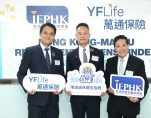
HONG KONG SAR – Media OutReach Newswire – 27 August 2026 – The Institute of Financial Planners of Hong Kong (IFPHK), in collaboration with YF Life Trustees Ltd. (YF Life Trustees), today launched the “IFPHK x YF Life: Hong Kong–Macau Retirement Expense Index” (Index). While the Index has been tracking retiree living expenses since its inception in 2020, this year marks the first time IFPHK and YF Life Trustees have partnered to expand the study to cover both Hong Kong and Macau, providing a broader regional benchmark.

Retirement Costs Soar Faster Than Inflation, Monthly Spend Hits HK$15,090: Over 72% of HK Retirees Wish They'd Acted Sooner

The findings show that retiree inflation in Hong Kong has continued to outpace general inflation. The Index rose to 131.6 in 2026, up from 127.0 in 2023 and 100 in 2020, while average monthly spending increased to about HK$15,090 in 2026. On an annualised basis, the Hong Kong Retirement Expense Index grew by more than 5% per annumfrom November 2020 to May 2026, compared with about 1.8% per annum for Hong Kong’s Composite CPI over the same period, showing that retiree living costs have effectively appreciated close to three times faster than Hong Kong’s general Composite CPI over the same period, underscoring how retirement-specific inflation — driven by travel and dining — is materially outpacing headline price trends.

Furthermore, the study reveals that more than 72% of retirees carry at least one regret regarding their retirement preparation. Most commonly, respondents feel they should have started saving or investing earlier and learned about financial planning sooner, while many continue to express concerns about medical costs, inflation, longevity risk and the risk of outliving their savings.

Dr. Paris Yeung, Chief Executive Officer of IFPHK, stated: “The findings show that satisfaction alone does not mean retirees are fully prepared. More than 72% say they have regrets, and the most common regrets point clearly to the need to start saving, investing and planning earlier. At the same time, retiree inflation has been rising faster than headline inflation, which means future retirees need more robust and flexible plans to protect their purchasing power over time. Through this expanded collaboration with YF Life, we aim to provide deeper regional insights to help future retirees plan with greater confidence.”

He added: “Turning regret into action requires starting earlier, integrating healthcare protection into retirement planning, viewing MPF as a steady retirement paycheck, and engaging qualified financial planners to address estate planning gaps. More importantly, retirement planning should shift from a rigid, set-and-forget approach to a flexible plan that adapts to each retiree’s evolving needs—what we call moving from a ‘fixed plan’ to a ‘flexible, evolving strategy’. Our goal is to help future retirees achieve sustainable and wellplanned golden years.”

Mr. Alvin Tse, Chief Executive Officer of YF Life Trustees, stated: “As the exclusive Project Sponsor of this expanded regional study, YF Life is proud to collaborate with IFPHK on this critical benchmark for Hong Kong and Macau. The 2026 data clearly shows that while retirees desire active lifestyles, they are heavily squeezed by medical inflation and the fear of outliving their wealth. To bridge this gap, retirees must shift away from viewing retirement savings as a static lump sum. By maximizing the flexibility of the MPF through phased withdrawals and mixed-asset strategies, alongside pairing them with lifetime annuity-style income streams and robust medical protection, individuals can effectively convert accumulated assets into a predictable, lifelong paycheck. True financial peace of mind comes from building an integrated fortress that safeguards against both market volatility and longevity risk.”

Key Highlights of the Study:

  • Retiree Inflation Has Outpaced General Inflation: The Index rose from 100 in 2020 to 131.6 in 2026, with average monthly retiree expenses increasing to about HK$15,090 and the Index growing at more than 5% per annum versus about 1.8% for Hong Kong’s Composite CPI for the same period. This escalation is driven partly by travelling and cross‑boundary transport—with roughly four out of five retirees visiting GBA Mainland cities and spending about RMB 1,100 per trip. This suggests that general inflation figures may understate retirees’ actual cash‑flow needs, highlighting the importance of planning for inflation‑protected retirement income and periodically rebasing budgets using a retiree‑specific living expense index rather than general CPI so they can maintain their intended post‑retirement lifestyle.
  • Retirees’ Satisfaction Masks Ongoing Financial Anxiety and Planning Gaps: Although many retirees report being satisfied with their current retirement life, concerns remain widespread, with 51% worrying about unexpected medical expenses, 41% about inflation and 77% still lacking any form of estate or asset planning. This suggests that retirees should turn present satisfaction into future resilience by building healthcare and contingency reserves, setting clear drawdown rules to manage longevity risk, and putting in place basic estate and incapacity documents such as wills, enduring powers of attorney and advance directives well before potential health or family crises arise.
  • Conservative Spending but Widespread Regret—Especially Among Asset‑Rich Retirees
    Actual retirement spending remains conservative, with average retirement expenses in 2026 equal to about 49% of pre‑retirement income. Yet more than 72% of retirees say they would have done something differently in preparing for retirement, most notably saving or investing earlier, learning financial planning earlier and communicating more openly with family about money and care needs. This pattern emphasizes that future retirees should start disciplined saving, investing and family financial discussions much earlier, even when their asset position appears comfortable.
  • MPF Transitioning Toward Income Support: While most eligible retirees still treat MPF as a lump sum, with about 76% having fully withdrawn their benefits in 2026, the scheme is gradually shifting toward an income‑support role, as 22% now use MPF to fund monthly expenses, up from 12% in 2023. Retirees are encouraged to treat MPF as part of a structured retirement income strategy, considering phased withdrawals, annuity‑style income solutions, and planned drawdowns rather than a single cash‑out, converting accumulated MPF assets into a more predictable and sustainable retirement paycheck.

Hashtag: #IFPHK #YFLife #RetirementPlanning

The issuer is solely responsible for the content of this announcement.

About “IFPHK x YF Life: Hong Kong–Macau Retirement Expense Index”

The “IFPHK x YF Life: Hong Kong–Macau Retirement Expense Index” was jointly launched in 2026 by the Institute of Financial Planners of Hong Kong (IFPHK) and YF Life Insurance International Limited. Since 2020, the Index has been the only long-term, retirement-specific benchmark tracking retirees’ actual living expenses. As the first study of its kind by IFPHK, the Index tracks and measures long-term changes in retirees’ actual living expenses with reference to the Composite Consumer Price Index (CPI) and the expenditure weightings published by the Government.

In the Hong Kong survey conducted in June 2026, NielsenIQ (NIQ) interviewed 304 retirees aged 55 to 74 with monthly personal income of at least HK$20,000 before retirement and not receiving means-tested social security or charitable support.

About IFPHK

IFPHK was established in June 2000 as a non-profit organization for the fast–growing financial industry. The Institute is the sole licensing body in Hong Kong authorized by Financial Planning Standards Board Limited to grant the much-coveted and internationally recognized CFP® certification and AFP® certification to qualified financial planning professionals in Hong Kong and Macau. Currently there are more than 236,000 CFP certificants in 29 regions; the majority of these professionals are in the U.S., China, Japan, Canada and Brazil. As at 28 February 2026, Hong Kong had approximately 3,238 CFP certificants.

At present, IFPHK has 5,298 members in Hong Kong including 956 Qualified Retirement Adviser (QRA) holders; and represents financial planning practitioners in diverse professional backgrounds such as banking, insurance, independent financial advisory, stock broking, accounting, and legal services.

About YF Life Trustees Ltd. & YF Life

YF Life Trustees is a member of YF Life Insurance International Limited (YF Life), and was among the first group of institutions approved as a Mandatory Provident Fund (MPF) scheme trustee. The company specializes in providing MPF services and is committed to creating long-term value for its scheme members.

The major indirect shareholders* of YF Life Insurance International Limited (“YF Life”) include Massachusetts Mutual Life Insurance Company (“MassMutual”), which itself has over 170 years of experience and is one of the Five Largest US Life Insurance Companies**, as well as Yunfeng Financial Holdings Limited, among others. YF Life is a long-term strategic partner of Barings. We stay at the forefront of Hong Kong’s insurance industry with our superior global investment capabilities, extensive partnership network, and fintech innovation.

* MassMutual and Yunfeng Financial Holdings Limited have indirect shareholdings in YF Life.
** The “Five Largest US Life Insurance Companies” are ranked according to the results of “Insurance: Life, Health (Mutual)” and “Insurance: Life, Health (Stock)”on total revenues for 2025, and based on the FORTUNE 500 as published on June 3, 2026.

HONG KONG SAR – Media OutReach Newswire – 27 August 2026 – In an era when enterprise software valuations are being fundamentally repriced by the rise of agentic AI, Deepexi Technology Co., Ltd. (1384.HK) has emerged as a rare counterexample: a pure-play enterprise AI platform that is delivering both technology leadership and bottom-line profitability. According to the company’s first interim results following its public listing, Deepexi recorded a 115% year-over-year surge in revenue for the first half of the year, powered by a 209% leap in core AI revenue and a decisive turnaround to quarterly GAAP profitability in the second quarter of 2026. This performance has earned the company “Buy” and “Overweight” ratings from multiple brokerages within its first year of listing.

Quarterly Profitability: A Rare Milestone in Hong Kong’s AI Sector

In capital markets, ambitious visions must ultimately be backed by real financial performance—and Deepexi’s interim results provide clear proof of execution.

For the first half of 2026, the company generated RMB 284.0 million in total revenue, marking a 115.0% year-over-year increase. Its AI business served as the primary growth engine, contributing RMB 226.0 million—an impressive 209.2% year-over-year surge—bringing AI revenue to 79.6% of total corporate turnover.

Even more noteworthy is the marked improvement in profitability. First-half gross profit reached RMB 160.0 million, up 120.5% year-over-year, with gross profit margin expanding to 56.5%. Crucially, during the second quarter of 2026, Deepexi posted a standalone quarterly net profit of approximately RMB 30.1 million, officially crossing the breakeven threshold.

In Hong Kong’s technology sector, pure-play enterprise AI companies capable of achieving quarterly net profitability while sustaining high R&D investment remain exceptionally rare. This milestone underscores Deepexi’s operational efficiency, scalable software delivery, and self-sustaining monetization engine.

This scarcity value is equally evident in the company’s revenue composition and vertical reach. Industrial manufacturing accounted for more than 50% of total revenue, while retail and consumer goods contributed 30%, alongside expanding footholds in healthcare and smart transportation. In manufacturing, for example, equipment troubleshooting and predictive maintenance involve dense engineering schematics, real-time IoT sensor telemetry, and extensive historical maintenance logs—all of which Deepexi translates into structured logic that AI models can readily interpret. This deep vertical expertise and proprietary data accumulation create a formidable competitive barrier that general-purpose AI vendors cannot easily match.

Beyond the “SaaSpocalypse”: Deepexi’s AI-Native Platform Defies the Software Valuation Reset

The first quarter of 2026 witnessed what market observers have dubbed the “SaaSpocalypse”—a tectonic shift in which approximately $2 trillion in market capitalization was erased from B2B software equities, driven by a fundamental fear that agentic AI would cannibalize the traditional per-seat licensing model. The iShares Expanded Tech-Software ETF (IGV) plunged nearly 21% year-to-date, and enterprise software multiples (EV/Sales) cratered from a 5.6x average at the end of 2025 to 4.2x by mid-March.

Investors have pivoted decisively toward AI-native infrastructure—companies that manage the data and underlying plumbing of autonomous systems—while penalizing traditional application-layer SaaS vendors reliant on human-centric interfaces. As a recent Windsor Drake analysis notes, “AI-native agentic platforms clear 14x to 22x revenue, with private rounds at 20x to 30x,” while legacy standalone RPA trades at just 2.5x to 5x. The market is now rewarding AI-native architecture and measurable workflow ownership.

Deepexi sits squarely on the winning side of this divergence. Unlike traditional SaaS vendors whose revenues are tied to human seat counts—and thus vulnerable to agentic displacement—Deepexi’s token-based, consumption-driven model aligns directly with the agentic AI future. The company’s DeepWorks enterprise Agent platform does not sell per-seat licenses; it sells AI productivity, enabling enterprises to deploy autonomous agents that replace repetitive administrative work, not software seats. As the market shifts from “AI as a feature” to “AI as a replacement,” Deepexi’s business model is structurally insulated from the seat-compression forces that have punished legacy software vendors.

Focus on Enterprise AI Applications and Proprietary Domain Data

To ensure AI truly meets real-world enterprise demands, generic foundational models are insufficient on their own. Deepexi’s core competitive edge lies in its specialized “Data + AI” dual-engine architecture, anchored by the FastData enterprise data intelligence platform, the FastAGI agentic AI suite, and the Deepexi Enterprise Large Model Platform, supported by its proprietary Deepology ontology dataset containing over 2,000 vertical industry skills.

At the foundational layer, the FastData platform—powered by the FastData Foil fusion engine—acts as an intelligent lakehouse that tokenizes structured, semi-structured, and complex unstructured enterprise data into standardized formats ready for large model training and inference. Building upon this data foundation, the FastAGI platform and DeepWorks Enterprise Agent Platform provide organizations with a flexible, modular AI operating system.

Featuring a pluggable architecture, the platform connects seamlessly to leading open-source foundation models such as DeepSeek and Zhipu AI, giving enterprise clients complete autonomy while eliminating vendor lock-in. This “model-agnostic” approach is a key differentiator in an environment where enterprises increasingly demand flexibility to choose the best model for each use case, rather than being locked into a single provider.

Through native Model Context Protocol (MCP) frameworks and specialized agents—ranging from operational decision-making agents to productivity and autonomous workflow execution agents—Deepexi embeds intelligence directly into core business operations. DeepWorks is fully integrated with mainstream workplace collaboration suites such as DingTalk, Feishu, and Tencent Meeting, allowing employees to summon AI copilots directly for automated weekly reporting, data synthesis, and cross-departmental coordination—effectively turning AI into an indispensable daily productivity tool.

In an enterprise AI market where 42% of organizations already have AI agents in production and 72% are deploying across production and pilots combined, Deepexi’s proven, governed agentic workflows are no longer an experiment—they are core infrastructure.

Strategic Partnership with Huawei Cloud: Tackling Compute and Data Bottlenecks

In the commercialization of enterprise AI, computing costs and access to high-quality domain data represent two of the industry’s most critical bottlenecks. On August 12, Deepexi announced a strategic alliance with Huawei Cloud to jointly launch enterprise data intelligence solutions, providing strong operational backing for the company’s long-term expansion.

The partnership combines the complementary strengths of both technology leaders. Huawei Cloud provides underlying Ascend AI computing clusters and distributed cloud infrastructure, while Deepexi brings its deep expertise in enterprise data governance, data tokenization, and vertical AI agent deployments. By integrating with Huawei’s domestic Ascend compute clusters, Deepexi not only secures stable, long-term computing power but also significantly drives down token processing costs. This cost efficiency establishes ideal conditions for exploring usage-based, token-metered commercial billing models—precisely the kind of consumption-based pricing that aligns with the agentic AI future.

Crucially, falling AI costs are widely expected to accelerate enterprise adoption of autonomous agents. Deepexi’s partnership with Huawei Cloud positions the company to capture this demand wave with a cost structure that improves as token volumes scale—a powerful margin-expansion dynamic that stands in stark contrast to the fixed-cost burden of traditional SaaS.

Strong Institutional Backing Highlights Long-Term Investment Value

Reflecting strong capital market confidence, Deepexi announced on August 17 the successful placement of 14,286,000 new H-shares at HK$35.00 per share, raising net proceeds of approximately HK$488.0 million. Successfully closing a sizeable placement amid broader market volatility demonstrates strong institutional recognition of Deepexi’s proven business model, robust unit economics, and profitability trajectory.

The company’s strategic shareholder structure provides a solid foundation for long-term growth. It is supported by prominent independent investors, including Hillhouse, 5Y Capital, and BAI, as well as industry-focused investors such as Shanghai AI. These partnerships enhance Deepexi’s industry reputation, drive technological innovation, and strengthen its market competitiveness.

The newly raised funds are earmarked primarily for continuous R&D in next-generation enterprise agent systems and token productivity platforms—positioning the company to capture the $206.5 billion AI agent software market projected for 2026, which Gartner expects to grow to $376.3 billion in 2027.

Investment Thesis: Why Deepexi Stands Apart

1. AI-Native Architecture in an Agentic World. Unlike legacy SaaS vendors facing seat compression, Deepexi’s token-based model is structurally aligned with the agentic AI future. The company doesn’t sell software seats—it sells AI productivity.

2. Rare Profitability in Enterprise AI. Quarterly GAAP profitability at a 56.5% gross margin, with projected revenue CAGR of 95.5% through 2027, places Deepexi among the most financially disciplined enterprise AI companies globally.

3. Model-Agnostic, Vendor-Neutral Platform. In an environment where enterprises demand flexibility, Deepexi’s pluggable architecture—supporting DeepSeek, Zhipu, and other open-source models—eliminates lock-in and captures value regardless of which foundation model wins.

4. Proprietary Data Moat. With over 2,000 vertical industry skills and deep expertise in manufacturing, retail, healthcare, and transportation, Deepexi’s domain-specific data capabilities create barriers that general-purpose AI vendors cannot replicate.

5. Strategic Compute Partnership with Huawei Cloud. Long-term, cost-effective compute access, combined with token-metered pricing models, positions Deepexi for sustained margin expansion as token volumes scale.

6. Institutional Validation. Backing from top-tier investors and a successful HK$488 million placement amid market volatility signal strong institutional confidence in Deepexi’s business model and growth trajectory.

The enterprise AI market has decisively shifted from early conceptual exploration into a new era of commercial execution and tangible financial delivery. Backed by mature product suites across FastData and FastAGI, proprietary vertical ontologies, strategic cloud partnerships, and an official transition to net profitability, Deepexi Technology has proven that enterprise AI can deliver both transformative technology and sustainable profits.

Hashtag: #DeepexiTechnology

The issuer is solely responsible for the content of this announcement.

About Deepexi Technology

Deepexi Technology is China’s leading provider of enterprise large model AI application solutions. Through its FastData enterprise data intelligence solution and FastAGI enterprise AI solution, it empowers enterprises to integrate their data, decisions and operations efficiently at scale. Deepexi ranked fifth in China’s enterprise large model AI application solution market in terms of revenue in 2024. Its solutions have achieved large-scale commercialization across multiple verticals, including consumer goods, manufacturing, healthcare and transportation. As of June 30, 2025, Deepexi Technology served a cumulative total of 283 enterprise customers across various industries.

This press release contains forward-looking statements that involve risks and uncertainties. Actual results may differ materially from those projected. The company undertakes no obligation to update any forward-looking statements.

Arabian Post Staff -Dubai Qatar’s Prime Minister Sheikh Mohammed bin Abdulrahman bin Jassim Al Thani is travelling to Tehran on Thursday for talks aimed at lowering regional tensions and reopening a diplomatic channel between Iran and the United States. Sheikh Mohammed, who also serves as Foreign Minister, is expected to meet senior Iranian officials and discuss steps that could reduce the risk of further escalation. Doha has […]

Arabian Post Staff -Dubai US allies believe mines remain in the Strait of Hormuz despite President Donald Trump’s declaration that American forces have cleared the strategic waterway, exposing a widening difference over the security of one of the world’s most important energy corridors. Allied assessments indicate that US forces have removed or destroyed some Iranian mines in international waters but have probably not eliminated the entire threat. […]

SINGAPORE – Media OutReach Newswire – 27 August 2026 – Corporate buyers in Singapore are increasingly asking for gifting and packaging to come from the same supplier, and for that supplier to hold sourcing presence in the region rather than in a single procurement market. The Gift Empire Pte Ltd, a Singapore supplier of promotional gifts and customised corporate gifts, has responded to both within the same quarter, opening a Vietnam office supported by a local platform at giftempire.com.vn and launching Packaging Empire as a dedicated division for customised packaging solutions. Singapore remains the company’s primary market and the base from which it serves corporate gifting accounts across Singapore, Malaysia, and Vietnam.

Packaging Empire was established in response to demand from businesses seeking one partner for both requirements. The Gift Empire has supplied customised corporate gifts and promotional gifts since 1999 to organisations including Amazon, Citibank, Maybank, Shopee, and Microsoft, and receives orders through GeBIZ, Ariba, and Coupa, the procurement systems used by Singapore government agencies and large corporate buyers. Accounts of that size have traditionally run separate vendors for promotional gifts and presentation packaging, which adds cost and complicates delivery schedules when both elements are tied to the same campaign date.

The division produces gift boxes, mailer boxes, retail packaging, product sleeves, and event packaging, covering product launches, corporate events, gift-with-purchase campaigns, festive gifting, roadshows, retail applications, and brand activations. Demand for everyday corporate gift items such as custom canvas tote bags and custom water bottles in Singapore has grown alongside the shift, and these are frequently ordered with matching boxes or sleeves timed to the same launch. Clients ordering both now work to a single production timeline under one supplier.

For buyers, consolidating the two functions changes how a project is run. A client briefs one team and works to a single production timeline, so the gift item and the packaging it ships in are scheduled against the same delivery date instead of being tracked as two jobs. Colour matching and print finishing are handled within one production process, which keeps branding consistent between the item and the box it arrives in. Quality control covers both components at the same stage, and any delay sits with a single point of accountability. Volumes across gifts and packaging can be quoted together instead of being priced by two vendors working to separate minimum order quantities. For procurement teams, a single supplier also means one vendor record to maintain and one invoice per campaign, which is a practical consideration for government agencies and large corporations buying through GeBIZ, Ariba, or Coupa.

The Vietnam operation serves a dual function. Alongside supplying Vietnamese businesses through its local platform, the office gives The Gift Empire direct presence in one of the region’s largest manufacturing bases, where a significant share of the product it already sources is made. Vietnam’s electronics sector contributed over 35 per cent of the country’s total exports in 2025, reaching a record US$165 billion, according to Vietnam Briefing. Working on the ground allows closer collaboration with manufacturing partners and tighter oversight of production and quality control. The company expects this to shorten lead times for its Singapore and Malaysia clients and reduce its exposure to disruption in any single supply market.

Vincent Lau, Sales Manager at The Gift Empire, said the changes came out of client requests and not a shift in the company’s focus.

“Most of our work is still corporate gifting for clients here in Singapore, and that has not changed. What has changed is that more of them want one team handling the gifting and the packaging instead of coordinating two suppliers against the same deadline, because when the packaging runs late, the whole campaign moves with it. Vietnam happened at the same time for a practical reason, which is that a lot of the manufacturing we already source from is there, and being on the ground changes how quickly we can sort things out.” – Vincent Lau, Sales Manager, The Gift Empire Pte Ltd

The two developments give The Gift Empire a broader service range and a wider sourcing base within the same quarter, with Singapore continuing as the primary market for its corporate gifting and packaging work. The direction Lau has set out for the company is to operate as a single-source provider for corporate gifting and packaging across Southeast Asia, where a client in any of its markets briefs one team and works to one production timeline supported by a regional sourcing network.

Hashtag: #TheGiftEmpire

The issuer is solely responsible for the content of this announcement.

About The Gift Empire

Founded in 1999, The Gift Empire Pte Ltd is a Singapore-based one-stop provider of customised corporate gifts, promotional gifts, and branded packaging. With more than 25 years of industry experience, the company supplies SMEs, multinational corporations, government agencies, educational institutions, banks, hotels, and event agencies, and is registered on GeBIZ, Ariba, and Coupa. Its services span sourcing, design, quality control, logistics, and fulfilment, with a catalogue of over 400 branded products available with custom logo application. The Gift Empire operates in Singapore, Malaysia, and Vietnam, and its packaging division, Packaging Empire, delivers bespoke packaging for corporate and retail applications.

HONG KONG SAR – Media OutReach Newswire – 26 August 2026 – SenseTime Group Inc. (“SenseTime” or the “Company”; Stock Code: 0020.HK) today announced its results for the first half of 2026. During the Reporting Period, the Group recorded total revenue of RMB2.91 billion, representing a year‑on‑year (“YoY”) increase of 23.4%, and gross profit of RMB1.21 billion, up 32.9% YoY. Gross profit margin reached 41.4%, an increase of 2.9 percentage points YoY. The Group also introduced recurring revenue (“RR”) for the first time, which totaled RMB1.14 billion and accounted for 39.3% of total revenue. The Group recorded a net profit of RMB620 million under International Financial Reporting Standards (“IFRS”), marking its first IFRS profit since its public listing. Generative AI revenue reached RMB2.33 billion, representing nearly 80% of the Group’s total revenue, while overseas business revenue increased 127% YoY, significantly outpacing the Group’s overall growth rate. While delivering healthy growth in revenue and gross profit, the Group continued to improve operating efficiency, with core operating losses narrowing significantly. Non‑IFRS adjusted net loss was RMB390 million, narrowing by 67.3% YoY.

The Group continued to accelerate the large‑scale commercial deployment of its AI capabilities, building system‑level AI capabilities around the framework of “one model system, one Token Factory, and one Agent Harness” to advance AI from intelligence generation toward end‑to‑end task execution and transform these capabilities into scalable commercial value.

Dr. Xu Li, Chairman of the Board and CEO of SenseTime, said: “SenseTime’s three-pillar core capability framework, built around ‘one model system, one Token Factory, and one Agent Harness’, uses a unified model system to continuously push the boundaries of intelligence, leverages infrastructure and optimization capabilities to reduce Token costs and strengthen cost‑based pricing power, and deploys agents deeply integrated into enterprise and individual workflows to deliver complete task execution capabilities. This framework enables SenseTime to move beyond pure price competition and create sustainable commercial value through differentiated technologies and services. At the same time, it allows us to expand our user base, drive recurring revenue growth, and lay a solid foundation for the Group’s high‑quality development.”

One Model System: Advancing Native Multimodal Intelligence and Long‑Horizon Agents with Global Leading Performance

In 2026, SenseTime released a series of models at a rapid pace, spanning native multimodal unification, visual perception and reasoning, controllable generation, long‑horizon agents, spatial intelligence, and physical world models. These included the NEO‑Unify architecture; SenseNova U1, U1.5 and U1.5‑Lite; SenseNova Vision; the office‑focused multimodal agent SenseNova 6.8‑Flash‑Lite; the content creation model SenseNova U1‑Pro; the spatial intelligence model SenseNova SI‑8B; and the Kairos 3.1 world model co‑developed with Ace Robotics. Across multiple core benchmarks, these models matched or outperformed leading international models, including Gemini, GPT, and DeepSeek. Less than four months after the U1 series was open‑sourced, the three projects had collectively garnered more than 11,000 stars on GitHub.

SenseTime is advancing from digital intelligence toward physical AGI through the closed‑loop framework of “architectural innovation, system capabilities, and high‑value delivery,” continuously translating technological breakthroughs into real-world applications and commercial value.

Token Factory: Upgrading from Compute Provisioning to Scaled Intelligence Production

SenseTime’s SenseCore is evolving into a production‑oriented Token Factory. Through integrated model and infrastructure optimization, as well as capabilities in model adaptation, inference optimization, heterogeneous scheduling, energy management and global service delivery, the Token Factory not only expands Token output and lowers unit costs, but also continuously enhances the reasoning, understanding, generation, and execution capabilities embedded in each Token.

In July 2026, SenseCore delivered an average daily Token service volume of 2.4 trillion, representing a YoY increase of approximately 22 times. As of the date of this announcement, the Group’s total deployed computing power had reached 48,000 Petaflops (P).

The Token Factory provides strong support for SenseTime in advancing the performance boundaries of its foundation models and scaling their commercial deployment. It has tripled the training speed for long‑context Agent models, increased image and video generation efficiency sixfold, improved reinforcement learning training efficiency, and shortened the cycle from model R&D validation to large‑scale deployment to just one week. In addition to supporting the SenseNova foundation model, the Token Factory now serves four external foundation model providers, establishing differentiated capabilities across high‑complexity computing domains, including AI for Science (“AI4S”), video generation, embodied intelligence, world models, and city‑level intelligent applications.

In addition, the Group remains committed to advancing the domestic compute ecosystem, increasing the MFU (Model Floating‑Point Utilization) of mainstream domestic chips by up to 2.5 times compared with the baseline levels established by chip manufacturers. SenseNova U1 has achieved Day 0 adaptation across more than ten domestic chip platforms.

Through compute‑energy synergy, the Company continues to reduce the unit cost of intelligence. During the Reporting Period, its Compute‑Energy Synergy Agent achieved load forecasting accuracy of 96% and generated cumulative electricity cost savings of more than RMB12 million. For every 10,000P of computing power, annual carbon emissions were reduced by 24,000 tons.

Agents Accelerate Adoption Across Enterprise and Consumer Markets, Delivering Value Through Workflow Integration and Enhanced Everyday Experiences

Building on its model and Token capabilities, SenseTime connects models, knowledge, tools, and workflows through a unified Agent Harness, transforming underlying AI capabilities into end-to-end task delivery solutions for enterprise and individual users.

The Group’s agents are rapidly expanding across both enterprise and personal workflows. During the Reporting Period, they served more than 1,000 enterprise customers across over 20 key industries, including education, government, marketing, logistics, banking, and insurance. The Office Agent, Raccoon, has served major enterprises including Lenovo, Ping An Technology, China’s three major telecommunications operators, JD.com, and Kylin Software. Total users increased more than fivefold YoY, enterprise users grew more than sixfold, and monthly active users on the cloud platform increased nearly tenfold. In addition, the video‑generation agent Seko reached a daily video production volume of 10,000 minutes. Content created on the platform has amassed an estimated 1.5+ billion views across short‑video platforms, including 10 short-form dramas that have each surpassed 100 million views. AI productivity solutions are also expanding beyond large organizations to serve smaller teams and One‑Person Companies (OPCs). In the consumer market, the Kapi series of agents, covering use cases such as health, finance, and content creation, has surpassed 45 million cumulative users.

Computer Vision remains a strategic gateway for the Group’s expansion into industry verticals and overseas markets. During the Reporting Period, revenue from the business reached RMB500 million, accounting for approximately 17% of the Group’s total revenue. The business extended across more than 20 countries and regions and served more than 4,500 customers worldwide, with recurring customers contributing 67% of revenue.

Bridging Digital and Physical Intelligence, Unlocking Ecosystem Value

SenseTime continued to invest in frontier areas, including world models and embodied intelligence, intelligent terminals, smart healthcare, and chips. The increase in the valuation of certain AI ecosystem investments generated fair‑value gains, contributing to the Group’s first‑ever IFRS profit and reflecting the gradual realization of financial value from our ecosystem assets. Beyond short‑term investment returns, the more significant long‑term value of these ecosystem investments lies in enabling the Group gain early access to frontier domains, continuously acquire real‑world tasks, data, and feedback, and further strengthen SenseTime’s unified multimodal models and system‑level delivery capabilities.

SenseTime is deepening its “Three-pillar Framework”: one model system to raise the ceiling of intelligence and expand agents’ ability to handle complex tasks; one Token Factory to improve quality and efficiency, reduce costs, and enhance global delivery capabilities; and one Agent Harness to integrate multimodal models with the Token Factory, enabling AI to complete end‑to‑end tasks in real-world scenarios.

Looking ahead, SenseTime will continue to advance the iteration of multimodal agents, driving the evolution of the Token Factory from pricing based on Token volume to pricing based on task outcomes. The Group will also deepen the application of multi‑agent collaboration across enterprise, individual, and OPC workflows, delivering efficient and reliable productivity solutions to users.

Hashtag: #SenseTime

The issuer is solely responsible for the content of this announcement.

About SenseTime

Founded in 2014, SenseTime is a leading artificial intelligence (AI) software company, committed to its mission of “creating a better AI-empowered future through original innovation”. The Company continues to lead cutting-edge AI research while accelerating the large-scale commercialization of AI technologies.

Leveraging deep academic expertise and strong in-house innovation capabilities, SenseTime continues to enhance its industry-leading multimodal, multi-task general AI capabilities, while fostering a vibrant developer ecosystem through structured open-source initiatives.

SenseTime’s business spans Generative AI, Vision AI, and emerging innovation-driven segments. Underpinned by SenseCore, its next-generation AI infrastructure, the Company integrates computing power, algorithms, and platforms to enable scalable AI deployment. Building on this foundation, SenseTime has developed the SenseNova foundation model series, delivering cost-efficient capabilities across a wide range of general AI tasks. SenseTime continues to lead the global Vision AI market, ranking No.1 worldwide by market share. Its SenseFoundry platform integrates years of accumulated computer vision expertise with advanced multimodal foundation models, providing stable and efficient Vision AI solutions to industries worldwide.

SenseTime is listed on The Stock Exchange of Hong Kong, with operations spanning more than a dozen countries and regions.

Alibaba Group Holding’s powerful insiders have stepped in to buy shares after its $10.2 billion equity placement, but their show of confidence has done little to settle investor unease over dilution and the rising cost of the company’s artificial intelligence ambitions.

Founder Jack Ma bought more than HK$600 million worth of Alibaba’s Hong Kong-listed shares over consecutive trading days, while chairman Joe Tsai and chief executive Eddie Wu together purchased more than HK$200 million of stock. The buying helped shares recover modestly after the placement triggered their sharpest setback in months, but the stock remained well below levels preceding the deal.

Alibaba priced 710 million new shares at HK$112.70 each, raising HK$80 billion, or about $10.2 billion. The price represented an 8.4% discount to the August 21 Hong Kong close of HK$123 and increased the company’s outstanding share count by roughly 3.7%.

Hong Kong-listed shares slumped 8.5% on August 24, closing at HK$112.50 after trading as low as HK$110.10. They recovered 1.5% to HK$114.20 on Tuesday as purchases by senior executives became known, leaving them still more than 7% below the price immediately before the placement was announced.

The transaction has become a test of whether investors will continue financing increasingly expensive AI expansion despite the near-term pressure it places on earnings and cash generation. Alibaba has earmarked all net proceeds for its full-stack AI capabilities, covering computing infrastructure, chips, models and other technologies required to expand its cloud and generative AI businesses.

Demand for the offering itself was strong. Investor orders reached roughly $28 billion, making the placement almost three times subscribed. Sovereign wealth funds and long-only institutional investors accounted for a sizeable portion of allocations. The deal ranks as the largest primary follow-on share offering by a Hong Kong-listed company.

The discomfort instead centres on the scale and timing of Alibaba’s capital requirements. The company spent close to $10 billion on capital expenditure during the three months through June, an increase of about 75% from a year earlier. Net profit dropped about 75%, while free cash flow turned into an outflow of roughly $6.6 billion.

Alibaba has already deployed almost half of the 380 billion yuan it pledged last year to spend on AI and cloud infrastructure over three years. Management has argued that rapidly growing demand justifies accelerating investment and has shortened its expected payback period for AI expenditure to about two-and-a-half years from three years.

That argument is supported by Alibaba Cloud’s accelerating expansion. Revenue from the cloud business has been growing strongly, helped by demand for AI-related products, while the company continues to build computing capacity overseas. Alibaba Cloud this month opened a third data centre in South Korea, taking its network to 104 availability zones across 30 regions.

Its Qwen family of large language models has also strengthened Alibaba’s position among leading Chinese AI developers. New iterations have improved performance in coding, reasoning and agent-based tasks, helping the company compete with models from domestic rivals and leading US technology groups.

Investors nevertheless face a difficult balance between the longer-term AI opportunity and the immediate financial cost. Expensive processors, servers, data centres and networking equipment require large upfront commitments, while competition is pushing model providers towards lower prices. Alibaba is simultaneously spending heavily on quick commerce and other consumer businesses, adding pressure to margins.

The share sale has also revived scrutiny of capital allocation. Alibaba spent years repurchasing billions of dollars of its own shares, only to issue new equity at a sizeable discount as AI spending accelerated. Although the company still has substantial cash resources, investors have questioned why such a large equity raising was preferable to greater use of its balance sheet or debt financing.

Washington’s expanding economic offensive against Tehran is threatening to squeeze China’s access to discounted Iranian crude after war, blockades and maritime attacks sharply reduced flows through the Middle East’s main energy chokepoints. Chinese imports of Iranian crude moving through the Strait of Hormuz averaged about 530,000 barrels a day in July and August, down roughly 36 per cent from the first half of 2026 and 72 per […]

Arabian Post Staff -Dubai Abu Dhabi Islamic Bank’s board has approved plans to raise up to Dh1.75 billion through a rights issue, strengthening its capital base as the lender pursues faster expansion under its Vision 2035 strategy. The proposed transaction will involve the issuance of as many as 106.38 million new ordinary shares at Dh16.45 each. The subscription price represents a discount of about 28.8 per cent […]

Matein Khalid I am so honoured that my peers, who are the creme de la creme of financial journalism in the global and GCC media have nominated me for Gulf Intelligence’s annual Energy Journalist of the year (Middle East) Award. Gulf Intelligence is a Dubai based energy market publisher and think tank, whose research is a must read for even ministers in OPEC and the world’s major […]

Bitcoin climbed back above $79,000 on Monday, extending a powerful rebound that has restored bullish momentum after weeks of pressure across cryptocurrency markets. The world’s largest digital asset briefly traded around $79,200 before encountering resistance near the psychologically important $80,000 level. The move capped a sharp recovery from levels near $63,400 earlier in the week, representing a gain of more than 20% from the trough. Bitcoin subsequently […]

Onix is pushing a specialised model of artificial intelligence that gives individual experts control over AI systems trained on their own work, betting that trust, privacy and domain knowledge can offer an alternative to general-purpose chatbots. The Montreal-based company, co-founded by David Bennahum and Nicholas Nadeau, has concentrated initially on health and wellness, where users can interact with AI versions of recognised specialists whose knowledge bases are […]

Iran’s rial plunged through the psychologically important barrier of two million to the US dollar on Monday, setting a record low as tighter sanctions, accelerating inflation and dwindling access to foreign currency intensified pressure on the economy. The currency traded at about 2.02 million rials per dollar on the open market, extending a sharp sell-off that has gathered pace during August. The fall marks another milestone in […]

From surging sports interest to last-minute purchase, Hong Kong users are eager for greater access to live entertainment experiences

HONG KONG SAR – Media OutReach Newswire – 24 August 2026 – With the excitement of football events and chart-topping concerts still reverberating across the city, Hong Kong is carrying the momentum into a vibrant summer of live entertainment. Capturing the pulse of the moment, MoreTickets, Asia’s No.1* live event ticket resale platform, releases Hong Kong’s top international and local live events[1] scheduled for the summer period (July and August), alongside consumer insights into platform users’ ticket-buying behavior.

MoreTickets_App Usage.png

Concerts Top Summer Searches as Sports Interest Surges

MoreTickets offers a wide range of live entertainment events worldwide, including popular concerts, sporting events, theatre performances and many more. Concerts continue to drive the summer entertainment landscape, capturing the majority of user interests. According to MoreTickets data1, the “Concert” category accounts for nearly two-thirds of all searches for live events or shows scheduled in July and August, reinforcing the city’s demand for major headline acts. Interest in “Sports” category is also rising, with searches up about 150% year on year, reflecting heightened appetite for major matches and global tournament moments this summer.

Top 10 Most–Searched Live Events Scheduled for July and August[1]:

Rank Event Name Category Location Show Date
1 AXA Presents: You & Mi Sammi Cheng Live at Hong Kong Kai Tak Stadium 2026 Concert Hong Kong July 10-12, 2026
2 MC Cheung E=MC² Concert 2026 Concert Hong Kong July 7-11, 2026
3 Hong Kong Football Festival (HKFF) 2026 Sports Hong Kong July 31-August 5, 2026
4 FIFA World Cup 2026 Sports Overseas June 11-July 19, 2026
5 CTF Life Title-sponsors: 2026 TMElive International Music Awards Award Ceremony Hong Kong August 22-23, 2026
6 NMIXX 1ST WORLD TOUR <EPISODE 1: ZERO FRONTIER> IN HONG KONG Concert Hong Kong July 25-26, 2026
7 The Music of Chan Fai Young: King of Pop Concert Macau July 24-26, 2026
8 Hins Cheung UNPLUGGED 2 Second Movement Concert Concert Macau July 24-26, 2026
9 LiSA – LiVE is Smile Always~15~ in Hong Kong Concert Hong Kong July 18, 2026
10 ILLIT LIVE ‘PRESS START’ in HONG KONG Concert Hong Kong August 22-23, 2026

Local Hong Kong artists and city-based performances remain highly searched, representing more than 70% of total searches, led by Sammi Cheng and MC Cheung, two renowned local singers who appeal spans generations. Fueled by global FIFA World Cup fever, the Hong Kong Football Festival emerged as a breakout hit, ranking the third among the top searches.

Hong Kong Live Event Goers Made Last-Minute Purchase, and Rise in Single-Ticket Purchases

In Hong Kong, MoreTickets users are deciding closer to the event date. MoreTickets purchase data[2] shows that nearly two out of five ticket transactions were made within seven days of the show (37%), signaling a more spontaneous approach to live entertainment planning. This last-minute pattern is strongest in event categories such as pop music concerts (55%) and fan meetings (40%). Among those last-minute buyers, 60% of the purchases opted for single-seat tickets, underscoring strong eagerness to attend live shows, supported by the platform’s real-time availability andtransparent pricing. MoreTickets helps users compare across the spectrum and secure the best fit with confidence.

Top 10 Events Purchased Within 7-Days of Event Date in May 2:

Rank Event Name Category Location Show Date
1 FAMA (Nongfu): The Funniest Concert in All Hong Kong Concert Hong Kong May 8-10, 2026
2 Sun Life Presents: SANDY LAM RESONANCE Concert Hong Kong May 16-17, 2026
3 Laufey: A Matter of Time Tour in Hong Kong Concert Hong Kong May 12, 2026
4 Hang Seng Insurance Presents: 25+ EEG Family Concert Concert Hong Kong May 3-4, 2026
5 b.balance Presents Live Band Concert|<3 symbol of love | MC Cheung x CONSTANCE x Gareth.T Concert Hong Kong May 16, 2026
6 K-SPARK in MACAU Music Festival Macau May 2, 2026
7 EXO PLANET #6 – EXhOrizon in MACAU Concert Macau May 22-23, 2026
8 IVE WORLD TOUR <SHOW WHAT I AM> IN MACAO Concert Macau May 23-24, 2026
9 2025-26 TREASURE TOUR [PULSE ON] in Hong Kong Concert Hong Kong May 9, 2026
10 UFC Fight Night Macau and Road to UFC Sports Macau May 28-30, 2026

A Safer Way to Find Tickets with MoreTickets

As live entertainment demand becomes more immediate and fragmented, many consumers still struggle when trying to secure tickets through various channels. MoreTickets offers an alternative as a safer platform with real-time availability, transparent-priced listing, and a secure refund guarantee, making it a reliable choice for live-event goers. It operates with two core safeguards – vetted sellers supported by a verified ticket-sourcing network, and escrow-based payment held until successful event entry.

Trusted by millions of users, MoreTickets helps users secure ticket access safely, ensuring they can enjoy the live entertainment moments that matter.


[1] The analysis is based on H1 2026 search activity on MoreTickets platform, filtered to events scheduled in July and August 2026.

[2] The analysis is based on purchase activity during 1 to 31 May 2026 on MoreTickets platform.

Hashtag: #MoreTickets

The issuer is solely responsible for the content of this announcement.

About MoreTickets

MoreTickets is Asia’s No.1* live event ticket resale platform, dedicated to providing convenient, secure, and hassle-free ticketing services. The platform covers a wide range of live entertainment, including popular concerts, sporting events, theatre performances, and more. To date, MoreTickets is trusted by millions of users in Hong Kong and Macau, with its ticket sourcing network spanning major global live events across Hong Kong, Macau, Taiwan, as well as Japan, South Korea, Southeast Asia, Australia, Europe and the Americas.

By integrating comprehensive event information and ticket sources, MoreTickets helps users quickly search and compare options while offering end-to-end services, including secure payment, order protection, and post-sale support. The platform is committed to delivering a seamless, intuitive, and reliable ticketing experience, ensuring users never miss out on their most anticipated shows.

*Measured by GMV of live event ticket resale platform in Asia in 2025 (According to Frost & Sullivan’s research on the live event resale platform industry in Asia, as of May 2026

For more information, please visit .

HO CHI MINH CITY, VIETNAM – Media OutReach Newswire – 24 August 2026 – A Vietnamese men’s grooming brand is preparing to enter the U.S. market with a business model that has been developed and scaled across Asia. The move will be an important test of East West Barbershop (Dong Tay Barbershop)’s ability to expand internationally, taking one of Asia’s leading men’s grooming chains into the world’s most competitive barbershop market.

East West Barbershop (Dong Tay Barbershop) has established a presence in several overseas markets, including Thailand, China, Uzbekistan and Europe.

From a Vietnamese barbershop to an international network of more than 130 locations

In the global men’s grooming industry, building an international brand requires barbershop chains to solve a fundamental challenge: How can they standardize services, train staff, maintain a consistent customer experience and scale their model without losing their identity?

This is the formula behind many of the world’s leading names in the hair and grooming industry, including Great Clips, Supercuts, Sport Clips Haircuts, TONI&GUY, QB House and Jawed Habib Hair & Beauty. These brands have transformed a service industry traditionally dependent on individual craftsmanship into scalable business systems.

East West Barbershop (Dong Tay Barbershop) is pursuing a similar path. Founded in Vietnam in 2018, the company has grown into a network of more than 130 locations, with over 1,000 barbers, while gradually expanding into international markets. At this scale, East West operates in a different league from independent barbershops.

The value of a barbershop chain with hundreds of locations lies in its ability to deliver a consistent experience across the entire network. This is also why East West Barbershop (Dong Tay Barbershop) has been ranked among the Top 10 large-scale grooming brands in the world.

But as it prepares to enter the U.S. market, the key question is whether this model can be successfully transferred and operated in a completely different market.

Beyond the haircut: When a barbershop becomes an experience

East West Barbershop (Dong Tay Barbershop) seeks to differentiate itself by developing an “Experiential Barbershop” concept, combining grooming with relaxation and entertainment.

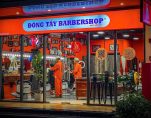
From the moment customers walk through the door, they are greeted by a space filled with greenery, along with relaxation areas featuring pool tables, chess, a piano, a bar and bookshelves. The chain, which caters exclusively to men and boys, also features car-themed barber chairs and dedicated play areas for its younger customers.

East West Barbershop (Dong Tay Barbershop) — The ultimate destination for men to relax and unwind

Its services extend well beyond a haircut, including hair washing, ear cleaning, massage, hair restoration treatments, perming, coloring, nail care, shoe cleaning and phone sanitization.

East West Barbershop (Dong Tay Barbershop) aims to change the way customers perceive a barbershop. Rather than simply purchasing a grooming service, customers can take time to relax, look after themselves or bring their children along to a space designed around the overall experience.

As consumers increasingly value the overall experience alongside service quality, this approach reflects the changing dynamics of the men’s grooming market.

The United States: East West Barbershop’s next major test

The United States is no random choice. It represents the next step in East West Barbershop (Dong Tay Barbershop)’s international strategy, building on a business model that has already been tested in Vietnam and several overseas markets.

Mr. Nguyen Hoai Thanh, Chairman of Dong Tay Barbershop Vietnam Joint Stock Company, said: “We chose the United States not because it is the easiest market to enter, but because it is one of the most demanding and competitive barbershop markets in the world. If a model built in Vietnam can succeed in the U.S., it would be the clearest testament to East West Barbershop’s ability to take its brand and business model to the international stage.”

The U.S. is home to many major barbershop and salon brands and is one of the world’s most mature markets for franchising in the service sector.

Great Clips is a prime example. With thousands of salons across the United States and Canada, the brand demonstrates the scale a haircut business can achieve when its model is standardized and successfully replicated.

Supercuts, Sport Clips and many other chains have likewise spent years building strong brand recognition and extensive customer networks.

Against this backdrop, the Vietnamese brand must answer a fundamental question: Why would American consumers choose a brand from Vietnam over names they already know and recognize?

East West Barbershop (Dong Tay Barbershop)’s answer is not simply to compete on price. Its goal is to “export” a business model that combines customer experience, workforce training, operating standards and franchising.

This requires the company to turn its operational experience into a transferable system while addressing the many differences between Vietnam and the United States.

East West Barbershop (Dong Tay Barbershop) identifies barber training, skills standardization and the ability to adapt to a new environment as key foundations of this process. International expansion also creates opportunities for Vietnamese barbers to gain exposure to international working environments.

East West Barbershop (Dong Tay Barbershop) has also linked its development with social initiatives, including free vocational training for young people, mobile haircut programs offering free services, and contributions to charitable activities. These efforts contribute to a distinctive brand story: a service business seeking to develop its brand, its profession and its community at the same time.

After nearly a decade of establishment and development, East West Barbershop (Dong Tay Barbershop) is gradually proving that a business model built in Vietnam can be standardized, franchised, and compete on the same playing field as the major players in the global hair industry.

If successful in the U.S., East West Barbershop (Dong Tay Barbershop)’s story will go beyond being a Top 10 brand or a network of more than 130 locations. It will be the story of how a Vietnamese service business transformed capabilities built at home into a model capable of reaching the global stage.

Hashtag: #EastWestBarbershop #Dongtaybarbershop

The issuer is solely responsible for the content of this announcement.

East West Barbershop Vietnam Joint Stock Company

Established: 2018

Country: Vietnam

Number of locations: 130+ across Vietnam, Thailand, China, Uzbekistan and Hungary

Head Office: 23rd Floor, Landmark 81, Ho Chi Minh City, Vietnam

Email:

Website: dongtaybarbershop.com

Hotline: +84 1900 4737

Mobile: +84 901 602 902

SINGAPORE – Media OutReach Newswire – 21 August 2026 – MyRepublic is expanding its GAMER lineup with its first co-branded collaboration – Dreamcore x MyRepublic RTX 5060 Ti Gaming PC, plus a limited-edition ASUS T1 GeForce RTX 5070 Graphics Card Broadband Bundle, bringing new gaming-focused hardware to its GAMER offering.

Dreamcore x MyRepublic exclusive gaming bundle

The collaboration with Dreamcore goes beyond adding another PC to the GAMER lineup. It brings together MyRepublic and Dreamcore to create a gaming setup for gamers who value performance, combining a gaming-focused PC with MyRepublic’s GAMER broadband offering.
Dreamcore x MyRepublic RTX 5060 Ti Gaming PC
Powered by an AMD Ryzen 5 7500F processor and an RTX 5060 Ti graphics card, this Co-branded Gaming PC is designed to deliver 1080p gaming performance with smooth, immersive 1440p gaming across modern titles. It is positioned as an entry-level Graphics Processing Unit (GPU) for gaming and is suited for competitive games such as Counter-Strike 2, DOTA2, Valorant, and more.
The Co-branded Gaming PC is built with 16GB DDR5 6400MHz low-latency memory for responsive gameplay and smooth multitasking, alongside a 1TB Gen4 NVMe SSD with read speeds of up to 6,000MB/s for fast boot times and game loading. Completing the design is a Dreamcore LCD 360mm AIO featuring an animation with MyRepublic’s mascot, Coco, Chief Paw Officer.
The first 10 customers who sign up for the Co-branded Gaming PC Bundle will receive an MSI MAG 274F gaming monitor (worth S$219). The 27-inch monitor features a Full HD (1920×1080) Rapid IPS display, a 200Hz refresh rate, and 0.5ms response time.
Limited Edition ASUS T1 Graphics Card Broadband Bundle
Bundled with the MyRepublic GAMER 10Gbps broadband plan, the limited-edition ASUS T1 Graphics Card is a collaboration between ASUS and T1, the League of Legends World Champions. It combines ASUS’s performance and cooling technology with T1-inspired design elements, featuring silk-screened artwork of T1 players and the T1 logo on both the front and backplate. Designed for T1 fans, the graphics card is also built to fit a wide range of systems, allowing more fans to bring the limited-edition design into their existing setups.
The bundle also comes with exclusive T1 merchandise, including exclusive stickers, exclusive magnets, and the 2026 T1 Uniform Jacket.
With the addition of the Dreamcore x MyRepublic RTX 5060 Ti Gaming PC and ASUS T1 GeForce RTX 5070 Graphics Card Broadband Bundle, MyRepublic continues to develop its GAMER proposition with new gaming-focused products and collaborations. These latest launches follow the recent revamp of MyRepublic’s GAMER plans with its refresh of gaming routers in the line-up.
“Our latest collaboration with Dreamcore represents our dedication to the gaming community. We aren’t just offering broadband connectivity, we are providing high-performing gamers with the precision-engineered tools required to dominate in their favorite titles, backed by the seamless network performance they expect from MyRepublic,” said Lawrence Chan, Managing Director and Chief AI Officer, MyRepublic.
“The response to our previous RTX 5090 and 5080 builds with MyRepublic showed us what’s possible when meticulously engineered hardware and a network built for gaming come together. Every Dreamcore system is hand-assembled and stress-tested here in Singapore. With the RTX 5060 Ti, we’re bringing that same premium build quality to gamers who want serious performance without the flagship price tag, backed by the low-latency, always-ready connectivity MyRepublic’s GAMER 10Gbps delivers. This launch is about giving gamers the full package: premium craftsmanship and network performance working as one.” Shaun Tan, CEO, Dreamcore.
The Dreamcore x MyRepublic RTX5060Ti Gaming PC will be available from 21 August 2026 at 10am, while the ASUS T1 RTX 5070 Graphics Card Bundle will be available from 19 August 2026 at 10am.
For more information about MyRepublic’s GAMER offerings, visit MyRepublic’s website.

Hashtag: #MyRepublic #MyRepublicGAMER #Gaming #GamingPC #PCGaming #GamingSetup #RTX5060Ti #RTX5070 #Dreamcore #ASUS #T1 #LeagueOfLegends #GamingCommunity #10Gbps #Singapore


The issuer is solely responsible for the content of this announcement.

MyRepublic Broadband Pte Ltd

MyRepublic Broadband Pte Ltd is a Singapore-based telecommunications provider delivering high-speed broadband, managed services, and connectivity solutions to consumers and businesses. MyRepublic serves the SME segment with business internet plans, managed IT services, and cybersecurity solutions designed for growing companies. For more information, visit https://myrepublic.net/sg/

Bitcoin climbed above $75,000 on Friday, extending a sharp advance fuelled by improving liquidity conditions, heavy short-covering and renewed optimism over cryptocurrency regulation in the United States. The world’s largest cryptocurrency traded around $75,400 during early Asian hours after reclaiming the level for the first time since late May. Bitcoin gained about 8% over 24 hours and roughly 19% over the week, marking one of its strongest […]

VISHNU RAJA
RYO YAMADA
HITORI GOTOH
IKUYO KITA