News related to
prove no

Fedora 42 was officially released on April 15, 2025, introducing a suite of enhancements aimed at improving user experience, system performance, and accessibility. This latest iteration of the Fedora Linux distribution integrates GNOME 48, the Linux 6.14 kernel, and a redesigned installer interface, marking significant progress in the project’s development. The inclusion of GNOME 48 brings several user-centric features to Fedora Workstation 42. Notably, a new well-being […]

SINGAPORE – Media OutReach Newswire – 16 April 2025 – Leong Yik Engineering & Contractor has launched a newly redesigned website to mark its 7th year of operations in Singapore. The new platform features a clean layout, improved navigation, and a more intuitive user interface, all designed to offer a smoother and more informative experience for both new and returning visitors. One of the most notable upgrades […]

HONG KONG SAR – Media OutReach Newswire – 16 April 2025 – Zero Fintech Group Limited (“Zero Fintech” or the “Company”, stock code: 0093.HK), a leading fintech innovator, is proud to announce its stellar financial performance for the year ended 31 December 2024, showcasing remarkable growth driven by strategic execution and advanced risk management. 2024 Financial Highlights: Revenue: HK$261.8 million – a 33% increase YoY, driven by […]

Arabian Post Staff -Dubai Majid Al Futtaim, the Emirati retail conglomerate, has unveiled a substantial AED 5 billion expansion plan for Dubai’s Mall of the Emirates, aiming to enhance its status as a premier shopping and entertainment destination in the Middle East. The project will introduce an additional 20,000 square metres of retail space and accommodate 100 new stores, reinforcing the mall’s position in the region’s competitive […]

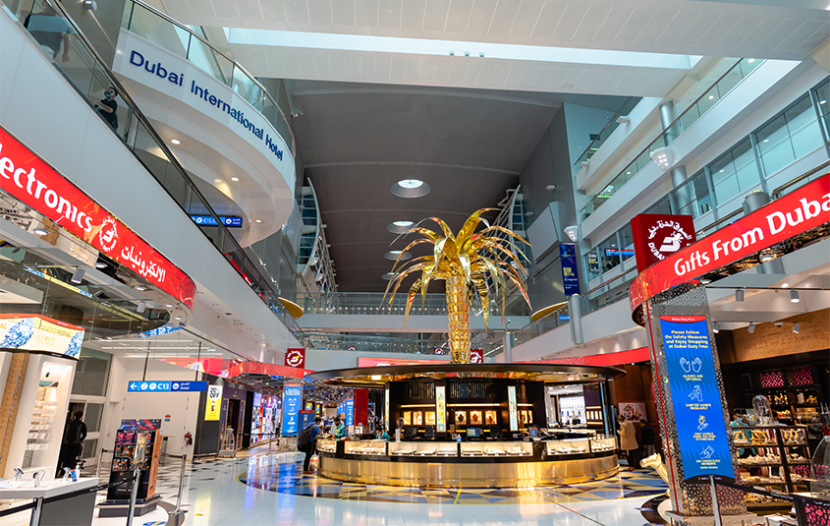
Dubai International Airport achieved a historic benchmark in 2024, welcoming 92.3 million passengers and solidifying its status as the world’s busiest international airport for the tenth consecutive year. This figure eclipses its previous high of 89.1 million set in 2018 and underscores the emirate’s strategic role in global aviation.

The surge in passenger traffic reflects Dubai’s sustained investment in infrastructure and its appeal as a nexus for international travel. December emerged as the busiest month, recording 8.2 million travellers, highlighting the city’s capacity to handle peak demand efficiently.

India remained DXB’s top destination market, contributing 12 million passengers. Saudi Arabia and the United Kingdom followed, with 7.6 million and 6.2 million passengers respectively. The airport’s extensive network now connects to 272 cities across 107 countries, serviced by 106 airlines, reinforcing its position as a global hub.

Operational efficiency has been a cornerstone of DXB’s success. Despite the increased footfall, 98.2% of departing passengers cleared passport control in under ten minutes, and 99.2% passed through security in less than five minutes. Baggage handling also saw improvements, with only 5.5 mishandled bags per 1,000 passengers, outperforming the international standard of 6.9.

Over the past decade, DXB has facilitated over 700 million passenger journeys across more than 3.3 million flights. This consistent performance is attributed to the airport’s commitment to innovation and excellence in service delivery.

Looking ahead, plans are underway to transition operations to Al Maktoum International Airport by 2032. The proposed $35 billion expansion aims to accommodate future growth, featuring five parallel runways and 400 aircraft gates. The design incorporates advanced technologies, including facial recognition systems, to streamline passenger processing and enhance the travel experience.

Dubai’s aviation sector continues to outpace traditional competitors. While London’s Heathrow Airport recorded 63.1 million passengers in the same period, DXB’s figures underscore its dominant position in international air travel.

Insights on the Potential of Commercial Data: A Path to Enhanced Financing Efficiency and Financial Inclusion HONG KONG SAR – Media OutReach Newswire – 15 April 2025 – ​The World Internet Conference Asia-Pacific Summit 2025 held for the first time in Hong Kong. PAO Bank Limited (“PAObank”) has been invited to participate in the World Internet Conference Asia-Pacific Summit 2025, held for the first time in Hong […]

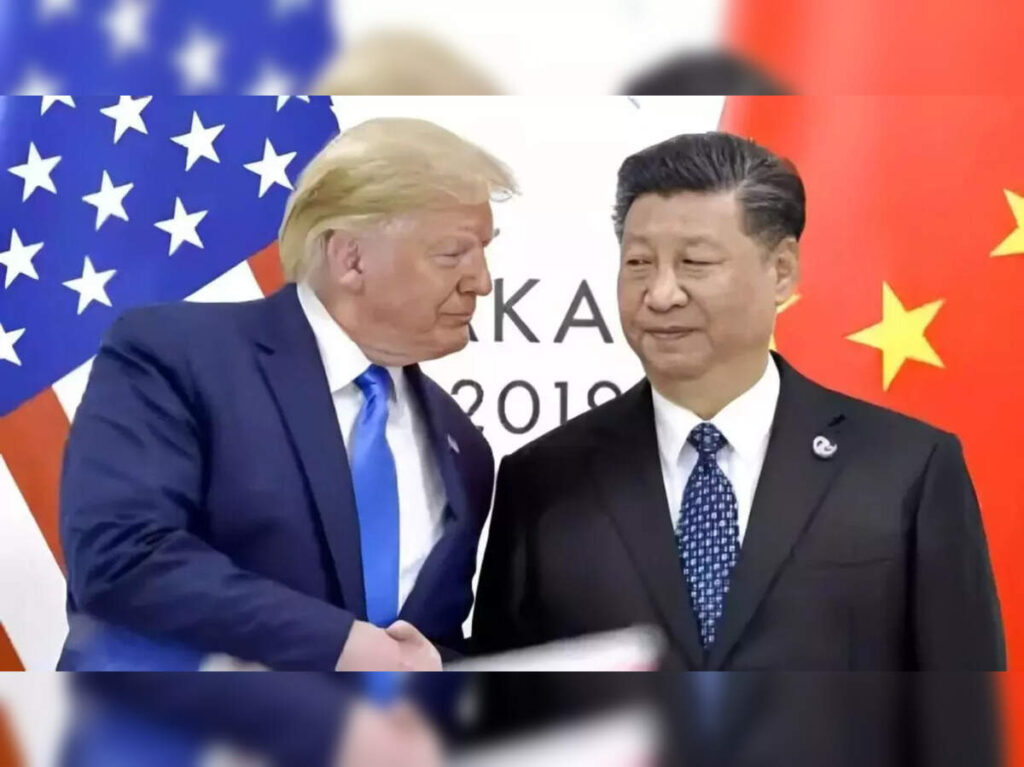
By Nitya Chakraborty Though there is a 90 day pause in Trump’s latest unilateral imposition of reciprocal tariffs on most of the countries, the trade war between the USA and China, the two largest economies of the world is in full steam imparting tremors in global trade and economy. Close advisers of Trump were expecting […]
Advertisements

KUALA LUMPUR, MALAYSIA – Media OutReach Newswire – 15 April 2025 – Chinese tech company GYMD (GYMD Digital Technology Co., Ltd.) recently launched its new product, the Geega Industrial Operating System, and plans to deploy the system at Proton’s automotive manufacturing plant to enhance digitalization across core operations. With GYMD’s ongoing technological empowerment, Proton’s facility has been steadily advancing its digital and intelligent capabilities. In 2023, witnessed […]

BANGKOK, THAILAND – Media OutReach Newswire – 15 April 2025 – In response to the recent earthquake in Thailand, FBS has reinforced its commitment to community support by aiding emergency relief efforts in the affected areas. FBS Enhances Local Rescue Capabilities in Thailand with Critical Equipment Donation In collaboration with long-time partner Mr. Chanchai Sueaphet, FBS has donated $5500 to provide a set of professional heavy rescue […]

KUALA LUMPUR, MALAYSIA – Media OutReach Newswire – 15 April 2025 – In online trading, speed is king. Below, the experts at Octa, a regulated and trusted broker since 2011, break down the aspects of trading where speed matters most and offer an accessible way to accelerate trading progress. The modern world revolves around speed and solutions that solve problems faster than their predecessors. Speed advantage determines […]

Banking powerhouse Standard Chartered, in collaboration with global cryptocurrency exchange OKX, has launched an innovative pilot programme in Dubai aimed at reshaping the landscape for institutional investors trading in digital assets. This new initiative, known as the collateral mirroring programme, promises to transform how cryptocurrencies and tokenised money market funds are used as collateral, potentially setting a new standard in the industry.

The programme enables institutions to use their digital assets as collateral for trading purposes without needing to transfer these assets onto an exchange. This method significantly reduces counterparty risk, one of the primary concerns in the crypto world, particularly for large investors. The model allows firms to maintain control over their assets while still participating in the market, addressing long-standing issues surrounding asset security and liquidity.

This venture marks the first time that a major global bank, a regulated crypto platform, and a traditional asset manager have come together to support secure crypto trading for institutional investors. By collaborating, the entities are not only offering a new approach to collateral management but also strengthening the framework for institutional participation in the crypto space.

Dubai, a hub for both traditional and digital finance, serves as the ideal location for this pilot programme. The city has long been at the forefront of adopting innovative financial technologies, positioning itself as a global leader in digital asset regulation. The Dubai Financial Services Authority has consistently supported initiatives that balance innovation with regulatory oversight, providing a clear framework for the crypto industry to grow within secure boundaries.

Institutional investors have traditionally been hesitant to fully engage in cryptocurrency markets due to concerns about volatility, security, and regulatory ambiguity. The new programme addresses these concerns by ensuring that assets are not exposed to the vulnerabilities of traditional exchanges. Instead of transferring assets directly onto an exchange, they remain in the custody of the institutional investors, with their value mirrored for trading purposes. This provides a layer of protection, reducing the risks associated with custodial services and enhancing capital efficiency.

Capital efficiency is another critical factor for institutional investors, who often deal with large volumes of assets. By using cryptocurrencies and tokenised funds as collateral without the need to move them onto exchanges, investors can free up their capital for additional trading opportunities. This is a significant improvement over the current model, where assets typically need to be held in exchange accounts or liquidated to meet collateral requirements.

The programme comes at a time when institutional interest in cryptocurrencies is growing. The global market for digital assets continues to expand, with more traditional financial institutions looking to integrate crypto services into their portfolios. According to industry experts, such initiatives are a necessary step to bridge the gap between the traditional financial system and the emerging world of digital currencies. The collaboration between Standard Chartered and OKX highlights how traditional financial institutions can innovate while still adhering to regulatory standards.

The partnership is also a response to the increasing demand for tokenisation in financial markets. Tokenisation, the process of converting real-world assets into digital tokens, has gained significant traction in recent years. With tokenised assets, transactions become faster, cheaper, and more transparent, making them attractive to institutional investors. This new initiative builds on the growing trend of tokenisation, offering a secure and regulated way for investors to participate in the digital asset market.

OKX, known for its compliance with global regulations, is well-positioned to offer the technological infrastructure needed for such a programme. As one of the largest cryptocurrency exchanges in the world, it provides a secure platform for trading and asset management, making it an ideal partner for institutional investors who demand reliability and transparency.

Standard Chartered’s involvement brings an additional layer of credibility to the initiative. As one of the world’s leading banking institutions, its participation signals a growing acceptance of cryptocurrencies within the mainstream financial system. By partnering with OKX, Standard Chartered is signalling its commitment to staying ahead of the curve in the rapidly evolving world of digital assets.

The collaboration also reflects a broader trend within the financial industry towards digitalisation. More and more, traditional financial institutions are recognising the potential of blockchain and cryptocurrency technologies to enhance financial services. As digital currencies continue to gain acceptance, the lines between traditional and digital finance are becoming increasingly blurred. This programme is a tangible example of how these two worlds can work together to create a more secure, efficient, and transparent financial system.

While this pilot programme represents a major step forward, the broader implications for the global financial system remain to be seen. The success of the programme will likely influence how other financial institutions and regulators approach the integration of digital assets into their operations. Should it prove successful, it could lead to similar initiatives being launched in other financial hubs around the world.

However, challenges remain. The regulatory landscape for digital assets is still evolving, with countries and jurisdictions adopting varying stances on how cryptocurrencies should be treated. This uncertainty could pose challenges for institutions looking to engage in digital asset trading. Nevertheless, Dubai’s proactive regulatory environment provides a model that other financial centres may look to replicate as they develop their own frameworks for crypto regulation.


HANOI, VIETNAM – Media OutReach Neswire – 14 April 2025 – Together with world-renowned scientists including Prof. Joel F. Habener, Prof. Jens Juul Holst and Assoc. Prof. Svetlana Mojsov, Prof. Daniel Drucker at the University of Toronto and the Lunenfeld-Tanenbaum Research Institute, has discovered the role of glucagon-like peptide-1 (GLP-1), leading to life-changing therapies for people with diabetes and obesity while stimulating emerging applications for neurodegenerative diseases. […]

The world of Linux has witnessed a shift with the announcement of Systemd’s plans to launch its own Linux distribution, dubbed ParticleOS. This move has piqued the interest of many in the open-source community, given Systemd’s significant influence within the Linux ecosystem. Known for its role in managing system processes, services, and init systems, Systemd has become a core component in many popular Linux distributions. The launch […]

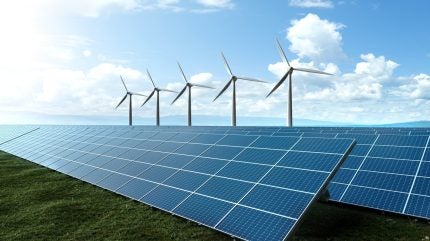
JSW Neo Energy has successfully completed the acquisition of a 4.7 GW renewable energy platform from O2 Power, marking a significant leap in its energy portfolio. This acquisition brings the total capacity of JSW Neo Energy to 12.2 GW, positioning it closer to its ambitious target of reaching 20 GW by 2030. The deal is part of the company’s strategic push to solidify its presence in India’s rapidly growing renewable energy sector.

With the energy landscape in India transitioning towards a more sustainable future, JSW Neo Energy’s expansion aligns with the government’s vision of achieving 500 GW of non-fossil fuel-based power capacity by 2030. The platform acquired from O2 Power, which includes both operational and under-construction projects, covers a diverse mix of solar and wind energy. These assets are expected to provide significant long-term revenue streams and diversify JSW Neo Energy’s renewable portfolio.

This move comes as part of JSW Energy’s broader strategy to accelerate its green energy initiatives. In line with this, the company aims to focus on scaling up its renewable capacity while phasing out fossil fuel-based assets. The acquisition enhances JSW Neo Energy’s position as one of India’s key players in the renewable energy market, alongside other major industry players such as ReNew Power, Adani Green, and NTPC. The renewable energy sector, which has seen robust growth due to favorable policy frameworks and increasing investment, is becoming an attractive space for both established energy companies and new entrants.

O2 Power, a prominent renewable energy developer in India, made the decision to divest a part of its portfolio as part of its strategy to streamline operations and focus on other business ventures. The deal reflects a broader trend in India’s renewable energy sector, where companies are consolidating and scaling operations to meet the increasing demand for clean energy. This transaction also underscores the competitive landscape in the sector, with firms vying for a larger share of the renewable energy pie.

For JSW Neo Energy, this acquisition not only expands its operational footprint but also accelerates its progress towards meeting India’s energy transition goals. The company has been actively involved in both the solar and wind energy segments and plans to continue investing in projects that enhance its renewable energy capacity. In recent years, JSW Neo Energy has been building its portfolio through a series of acquisitions and partnerships, including deals with leading international investors and developers.

The renewable energy sector in India has witnessed increased investments, supported by policy initiatives such as the National Wind-Solar Hybrid Policy and the Renewable Energy Purchase Obligation , which mandate that utilities must procure a certain percentage of power from renewable sources. These policies have created a conducive environment for energy companies like JSW Neo Energy to expand and scale their operations.

The push towards renewable energy also reflects a growing awareness of the need to address climate change and reduce reliance on fossil fuels. India has committed to achieving net-zero emissions by 2070, with an interim target of achieving 50% of its energy needs from non-fossil fuel sources by 2030. This aligns with JSW Neo Energy’s commitment to sustainable growth and its long-term vision of becoming a leader in the green energy space.

Experts in the industry believe that the consolidation of renewable energy assets through acquisitions, such as the one completed by JSW Neo Energy, is crucial for driving economies of scale. By consolidating assets, companies can reduce operational costs, increase efficiency, and improve their financial viability. Additionally, large-scale renewable projects allow companies to attract capital more easily, which is essential for financing the growth of the sector.

The cryptocurrency market is undergoing notable shifts as key players continue to evolve and capture the attention of investors. BlockDAG, a blockchain alternative, has secured a substantial $213 million, marking a significant milestone in its rise as an emerging contender in the blockchain space. Meanwhile, Ethereum is pushing forward with upgrades aimed at improving scalability and reducing transaction costs, while Shiba Inu is testing key price levels, potentially positioning itself for a strong rally.

BlockDAG, a Distributed Acyclic Graph technology, has been garnering significant interest due to its ability to overcome some of the limitations of traditional blockchain systems. Unlike conventional blockchains, where transactions are linked sequentially, BlockDAG allows for multiple branches to be added in parallel, offering greater scalability and speed. This new approach is seen as a potential game-changer for industries requiring high throughput and low latency.

The recent funding round, which saw BlockDAG secure $213 million without the involvement of traditional venture capital firms, underscores the growing confidence in the technology’s potential. Investors have expressed interest in the efficiency of BlockDAG’s architecture, which promises to provide faster and cheaper transactions than established blockchains. The funding will be pivotal for BlockDAG to accelerate its development and expand its reach.

BlockDAG’s appeal is evident in its potential to scale more efficiently than other blockchain systems. Ethereum, for instance, continues to face scalability challenges despite its status as one of the most widely used blockchain networks. Ethereum has been pushing forward with key upgrades such as Pectra, which aims to significantly enhance the network’s scalability and reduce gas fees. These upgrades are intended to address ongoing concerns regarding transaction speed and high costs, which have often been cited as barriers to broader adoption.

The upgrade is part of Ethereum’s ongoing efforts to make the platform more efficient as it seeks to maintain its dominance in the decentralised finance space. As Ethereum progresses with its upgrades, it remains to be seen whether it will successfully fend off emerging competitors like BlockDAG, which offer distinct technological advantages.

In parallel, Shiba Inu , often referred to as a meme coin, is witnessing heightened interest as it tests a critical resistance level at $0.0000134. A breakthrough above this resistance could pave the way for a potential 20% rally, enticing speculative investors who have supported SHIB’s meteoric rise. SHIB’s rise from a meme coin to a more serious contender in the crypto space highlights the power of community-driven assets, with its strong social media presence and dedicated following.

SHIB’s price movements have attracted attention from analysts who are closely watching the cryptocurrency for signs of sustained growth. The current resistance level is seen as a crucial point for determining whether SHIB can maintain its momentum or face a downturn. If SHIB manages to break through the $0.0000134 level, it would likely attract further investment, particularly from retail traders seeking high-risk, high-reward opportunities.

Ethereum’s position as the second-largest cryptocurrency by market capitalisation also plays a significant role in the broader market’s direction. The advancements Ethereum continues to make with its ongoing upgrades could have a ripple effect across the broader cryptocurrency market. Other blockchain projects and tokens that rely on Ethereum’s network, such as decentralized applications , will likely benefit from improvements in scalability and transaction efficiency.

The continued growth of DeFi, along with the rise of alternative Layer-1 blockchains such as Solana, Avalanche, and now BlockDAG, signals an increasingly competitive landscape for Ethereum. As these platforms push the envelope on speed, cost-effectiveness, and scalability, Ethereum’s position as the go-to blockchain for smart contracts and decentralised applications will be tested in the years ahead.

Developments in the Ethereum network, especially with projects like Pectra, highlight the ongoing arms race among blockchain platforms to deliver superior performance for various use cases. Ethereum’s transition to Ethereum 2.0 is designed to address long-standing issues such as network congestion, with the proof-of-stake consensus mechanism playing a crucial role in making the network more energy-efficient.

Despite the growth of Ethereum and other competitors, the market remains highly volatile, with projects like BlockDAG, which promises high throughput and low transaction fees, providing a compelling alternative to the limitations of traditional blockchain systems. With institutional and retail investor interest intensifying, the race to capture market share in the rapidly growing blockchain space is becoming more competitive than ever.

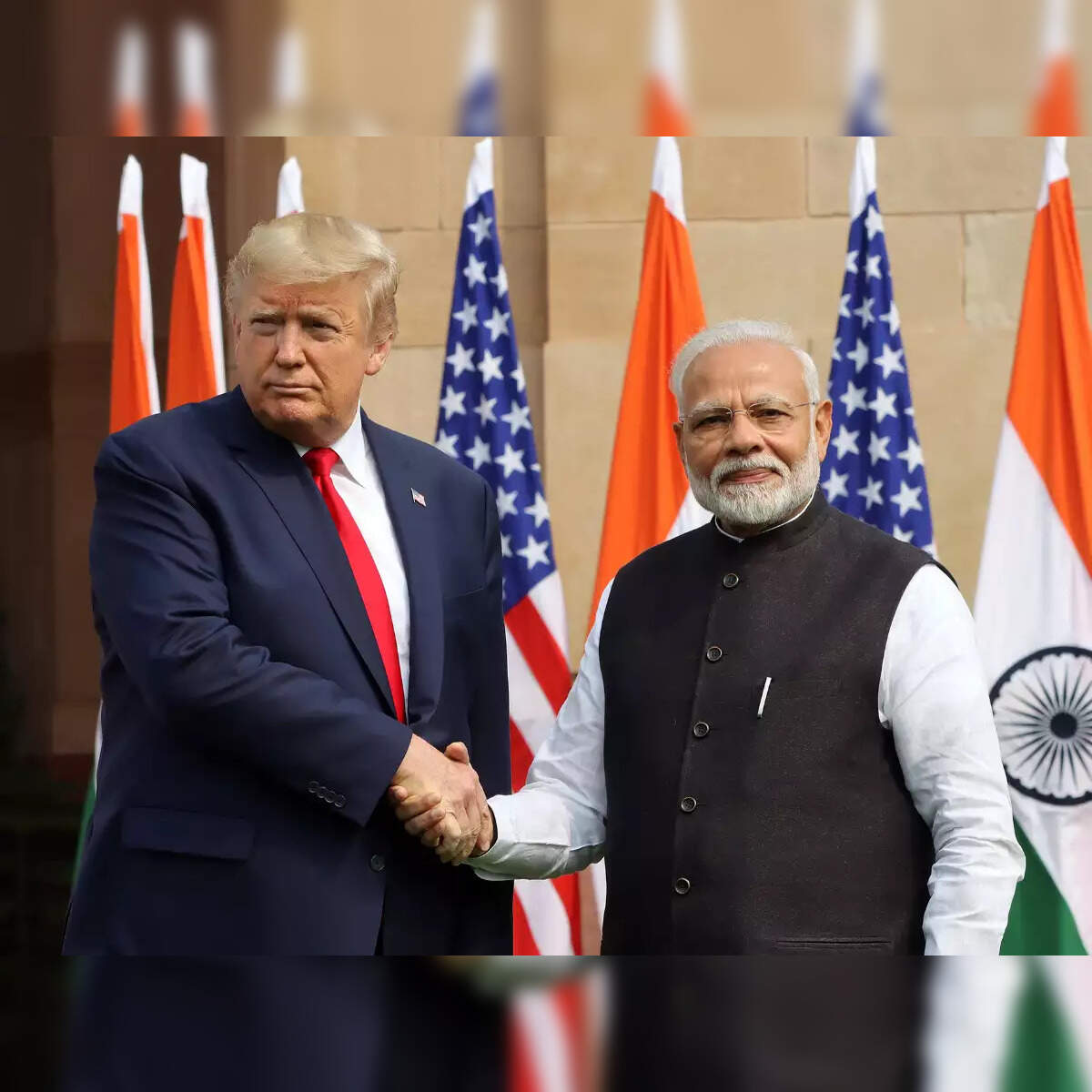
By K Raveendran In both foolhardiness in decision making and shameless flip-flop in dealing with disastrous aftermaths, Narendra Modi and Donald Trump have exhibited a total lack of honesty in admitting their mistakes. The similarity is too striking to be missed. Thanks to recklessness and impulsiveness in decision making—Narendra Modi with demonetization and Donald Trump […]


U.S. shale oil producers are confronting a challenging landscape as falling crude prices, escalating tariffs, and global market shifts undermine the sector’s profitability and growth prospects. Despite technological advancements that have bolstered production efficiency, the convergence of economic and policy pressures is prompting a reassessment of the industry’s trajectory.

Crude oil prices have declined to approximately $55 per barrel, a level below the $65 threshold that many U.S. shale companies require to maintain profitable operations. This price drop is attributed to a combination of increased output from the Organization of the Petroleum Exporting Countries and the impact of tariffs on imported equipment, which have raised operational costs for domestic producers. The U.S. Energy Information Administration has adjusted its 2025 crude price forecast downward from $70.68 to $63.88 per barrel, reflecting these market dynamics.

The rig count, a key indicator of drilling activity, has experienced a significant decline. According to Baker Hughes, the number of active oil rigs in the U.S. fell by nine in the past week, marking the largest single-week drop since June 2023. The Permian Basin, the nation’s most prolific shale region, saw its rig count decrease by five to 289, the lowest level since December 2021. This trend suggests a cautious approach among producers in response to the current economic environment.

President Donald Trump’s administration has advocated for increased domestic energy production as part of its “America First” agenda. However, the imposition of tariffs, particularly on steel and other imported equipment essential for drilling operations, has inadvertently strained the sector. Industry analysts warn that these policies may counteract efforts to achieve energy dominance by making U.S. oil less competitive on the global stage.

Efforts to expand U.S. energy exports have also encountered obstacles. The administration’s proposal for the European Union to purchase $350 billion worth of American energy products to address trade imbalances has been met with skepticism. European officials cite logistical challenges, existing long-term contracts with other suppliers, and a strategic emphasis on energy diversification as barriers to such a substantial shift in procurement.

Despite these challenges, U.S. shale production is projected to reach new heights. BloombergNEF forecasts a 4.5% increase in output, bringing production to a record 13.9 million barrels per day in 2025. This growth is attributed to improved drilling techniques and efficiencies that allow for greater output with fewer rigs. However, the sustainability of this growth is uncertain amid the current economic pressures.

The industry’s focus has shifted toward capital discipline and shareholder returns, moving away from aggressive expansion strategies. This shift, combined with the financial strain of tariffs and low oil prices, has led to a more conservative approach to drilling and investment. Some companies are exploring mergers and acquisitions as a means to consolidate resources and reduce operational costs.

Technological advancements continue to play a role in enhancing production efficiency. Innovations such as longer lateral wells and simultaneous fracturing of multiple wells have improved output per rig. However, the benefits of these technologies may be offset by the increased costs associated with tariffs and the need for significant upfront investment.

Zambia is set to resume construction of a high-voltage transmission line connecting its power grid with Tanzania’s, a move expected to enhance energy security and foster economic integration across Eastern and Southern Africa. The Zambia–Tanzania Interconnector Project , backed by a $292 million financing package from the World Bank, the UK Foreign, Commonwealth & Development Office, and the European Union, aims to establish a 620-kilometre, 400kV double-circuit […]

New industry survey reveals that 80% of respondents confirm venture capital firms in Dubai are actively seeking AI-driven startups, reinforcing the city’s position as a global hub for AI investment and technological innovation. The findings are part of the newly released Practical Guide to Dubai’s AI Ecosystem 2025, developed by Duamentes Global Alliance in collaboration with Dubai Silicon Oasis (DSO). The guide provides key insights into investment trends, AI adoption, […]

The European Union and the United Arab Emirates have agreed to commence negotiations for a bilateral free trade agreement, marking a significant shift in their economic relations. This development comes amid global trade uncertainties and reflects both parties’ desire to deepen ties across various sectors.

The proposed agreement aims to enhance trade in goods and services, investment, and collaboration in key sectors such as renewable energy, green hydrogen, and critical raw materials. The UAE described the pact as a pathway to deeper bilateral ties and economic growth, with benefits including tariff reductions, improved market access, and expanded opportunities in advanced manufacturing, healthcare, logistics, and artificial intelligence.

Currently, the EU is the UAE’s second-largest trading partner, representing 8.3% of its non-oil trade, while the UAE stands as the EU’s top export market and investment partner in the Middle East and North Africa. The deal also marks a strategic shift, as the UAE encouraged direct trade discussions with the EU outside of the broader Gulf Cooperation Council framework.

The UAE has been actively pursuing trade diversification, achieving a record 3 trillion dirhams in non-oil trade in 2024, marking a 14.6% increase from the previous year. This growth is part of the UAE’s strategy to spur economic growth through trade diversification. Since 2021, it has executed numerous Comprehensive Economic Partnership Agreements with countries such as India, Indonesia, Israel, and Turkey.

PASAY, PHILIPPINES – Media OutReach Newswire – 10 April 2025 – At the 2025 Manila International Auto Show (MIAS), VinFast officially launched sales of the VF 6, a fully electric SUV in the popular B-segment, introduced a free charging program available at charging stations operated by V-GREEN, and forged strategic partnerships with reputable Philippine dealerships and banks. These initiatives highlight VinFast’s commitment to accelerating the adoption of […]

By P. Sudhir The 24th Congress of the CPI(M), which concluded at Madurai on April 6 with a massive rally, was notable in many respects. There were changes both in the agenda and content of the Congress discussions. First of all, a Political Review Report which reviewed the implementation of the political-tactical line adopted at […]


Dubai’s Roads and Transport Authority has incorporated Light Detection and Ranging technology into its road asset management system to improve maintenance efficiency and data accuracy. This initiative aligns with RTA’s commitment to adopting advanced technologies to enhance infrastructure quality and safety.

The LiDAR system employs laser scanning to capture detailed measurements of road surfaces, enabling precise detection of issues such as cracks, subsidence, and potholes. This approach has reduced field inspection time by up to 400% and increased data accuracy to 97% compared to traditional methods. Maitha bin Adai, CEO of RTA’s Traffic and Roads Agency, highlighted that this technology plays a significant role in enhancing operational efficiency and ensuring road safety.

In recognition of its innovative approach, RTA received the Brandon Hall Excellence Award 2022 for the Pavement Maintenance Management System , an automated system designed to assess road conditions and manage maintenance activities. The PMMS tracks and examines paving layers across various road types, recording current conditions and identifying damages throughout the pavement’s operational lifecycle. Bin Adai noted that Dubai’s Road Facilities Construction Condition Index achieved a 95% score in 2022, reflecting the effectiveness of these advanced assessment methods.

University students are increasingly integrating Anthropic’s AI assistant, Claude, into their academic routines to improve learning outcomes and streamline study processes. This trend reflects a broader movement toward the adoption of artificial intelligence in higher education. Anthropic has partnered with several educational institutions, including Northeastern University, to introduce Claude for Education. This initiative aims to responsibly integrate AI into academic settings by providing students with access to […]

VISHNU RAJA
RYO YAMADA
HITORI GOTOH
IKUYO KITA
Just in:
US military rebuts Iran’s Gulf F-16 strike allegation // Saudi Arabia schedules multinational top-up tax for 2027 // Saudi defences destroy three Houthi missiles targeting Riyadh // Energy Markets Find Little Substance In Shenzhen Summit Promises // Dubai Introduces SHARH, an AI-Powered Platform Helping Entrepreneurs Buy, Sell and Manage Businesses in the UAE //
Rahul addresses League’s INDIA bloc grievances
// Fungal toxins detected across 212 UK plant-based products // Promoting Common Human Development Through Exchanges and Mutual Learning Among Civilizations // Ex-minister named accused in Messi visit fraud case // Singapore regulator cautions against AI access to bank logins //
Centre grants aircraft cabin access for Sabarimala pilgrims’ irumudi
// Egypt’s African Union trade climbs to $8.2 billion // Toward a Shared Future for Humanity: Rethinking Civilizational Exchange // Crypto market loses $150 billion amid broad sell-off // Phancy Announces Business Performance for the Nine Months Ended September 30, 2026 // Balagopal challenges CM over tax revenue // Technology at Work, Heritage for All: The “Chinese Approach” to Safeguarding the Leshan Giant Buddha // Yeebo Announces Interim Results for FY26/27 Revenue Increases by 45.5% to HK$806.7 Million Profit Attributable to Owners Surges 87.6% to HK$2,284.7 Million // Workday targets Honeydew purchase to unify AI metrics // PayerMax and ShopeePay Strengthen Strategic Partnership to Advance Digital Payment Collaboration in Southeast Asia //