Google has begun construction of a $15 billion artificial intelligence hub in Visakhapatnam, placing Andhra Pradesh at the centre of one of the largest digital infrastructure investments planned in India and sharpening the country’s bid to host high-intensity AI computing at global scale.
The Google Cloud India AI Hub, being developed with AdaniConneX and Nxtra by Airtel, is designed as a gigawatt-scale private cloud and data centre network across three campuses near the port city. The investment is planned over 2026-2030 and marks Google’s biggest infrastructure commitment in the country, combining hyperscale computing, subsea cable connectivity and clean-energy-linked operations.
Andhra Pradesh Chief Minister N. Chandrababu Naidu laid the foundation stone for the project on April 28, 2026, alongside Union electronics and IT minister Ashwini Vaishnaw, state IT and HRD minister Nara Lokesh, Google global infrastructure vice-president Bikash Koley and senior representatives of Adani and Bharti Airtel. The project follows Google’s October 2025 announcement that Visakhapatnam would host its first gigawatt-scale AI hub in the country.
The development is expected to occupy about 600 acres across locations including Tarluvada, Rambilli and Adavivaram. State officials have projected the facility’s operational launch around September 2028, though large data centre campuses of this scale typically move through phased commissioning as power, cooling, network and security systems are completed.
Google’s plan goes beyond a conventional cloud facility. The hub is intended to support AI workloads for services such as enterprise cloud computing, consumer applications, advanced model deployment and data-intensive digital platforms. Its location on the east coast gives Visakhapatnam a strategic role in subsea connectivity, with plans for international cable landings that can improve bandwidth, reduce latency and strengthen links between India, Southeast Asia and global cloud regions.
AdaniConneX, the joint venture between Adani Enterprises and EdgeConneX, is expected to lead major elements of data centre construction and power-linked infrastructure. Nxtra by Airtel will support data centre development, fibre connectivity and cable landing infrastructure. Airtel’s existing telecom backbone and Adani’s energy and infrastructure capabilities give the project domestic execution partners at a time when AI infrastructure is becoming capital-intensive and geopolitically sensitive.
The project also fits into a wider policy push to reduce dependence on overseas compute capacity. Demand for AI infrastructure has expanded rapidly as startups, banks, telecom operators, public agencies and manufacturing groups test generative AI, automation and data analytics. Large language models and AI inference services require dependable access to graphics processing units, high-density power systems, liquid cooling, resilient connectivity and local data storage.
Visakhapatnam’s selection reflects Andhra Pradesh’s attempt to position itself as a technology and logistics corridor after years of competition from established hubs such as Bengaluru, Hyderabad, Chennai, Pune and the National Capital Region. The port city already has an industrial base, naval presence, road and rail connectivity and a coastline suited to cable infrastructure. The state government is banking on the Google project to attract hardware suppliers, energy providers, construction contractors, cloud specialists and AI startups.
Employment claims around the project have been ambitious, with state leaders citing the possibility of hundreds of thousands of direct and indirect jobs through construction, operations, supply chains and associated services. The more immediate employment impact is likely to come from civil works, electrical systems, fibre deployment, facility management, security and engineering support. Higher-skilled roles in cloud architecture, AI operations and chip-level systems may depend on how quickly local training pipelines are aligned with industry needs.
Power and water use will be closely watched. Gigawatt-scale data centres require enormous electricity supply and sophisticated cooling systems, making renewable energy procurement, grid stability and water stewardship critical. Google has said the project will be tied to a long-term clean energy strategy and community programmes covering water, skills, maritime trade modernisation and women-led businesses. Delivering on those commitments will be essential for public acceptance, especially as data centres worldwide face scrutiny over their environmental footprint.
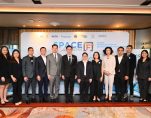
BANGKOK, THAILAND – Media OutReach Newswire – 1 May 2026 – Prof. Dr. Yodchanan Wongsawat, Deputy Prime Minister and Minister of Higher Education, Science, Research and Innovation (MHESI), led the National Innovation Agency (Public Organization) or NIA, along with Thai Union Group PCL, Mahidol University, and leading corporate partners including Thai Beverage PLC, Nestlé (Thai) Ltd., and new partner Foodland Ventures from Taiwan, to launch “SPACE-F Year 7”. This is Thailand’s first global foodtech startup incubator and accelerator program, continuing the success of solving food industry challenges through sustainable innovation.
SPACE-F Batch 7
Prof. Dr. Yodchanan spoke about elevating “SPACE-F Batch 7” to the policy level and building awareness, stating that MHESI aims to present food innovation products from the startups in this batch at the upcoming Cabinet meeting. This will allow the Prime Minister to taste them, raising awareness that FoodTech is the nation’s new future. The products will be presented to the Cabinet in the next two weeks.
Regarding the core concept of combining technology with “Thai taste,” Prof. Dr. Yodchanan emphasized that no matter how advanced the technology is, it must maintain the “Nice taste of Thailand.” He cited a “high-tech omelet” he previously tasted as an example, noting that there is still room for improvement to make it taste closer to an authentic Thai omelet so that the technology can truly win over consumers’ hearts.
The MHESI Minister continued that regarding food innovation under the Wellness Economy, this year focuses on using the Wellness Economy as a New Growth Engine. This is not limited strictly to food but includes AI, ICT, and software, aiming to push Thailand into a global Wellness Tourism Hub with support from the BOI in connecting investment opportunities.
Prof. Dr. Yodchanan further stated that regarding the use of biodiversity and quality ingredients (Biodiversity & GI), startups will be encouraged to utilize Thailand’s rich biodiversity and GI products as substitutes for imported raw materials. This will help reduce costs and create a unique identity.
“As for connecting the ‘Thinker’ with the ‘Doer,’ this program emphasizes linking startups with large industrial corporations and investors. This helps startups in the Accelerator group advance toward Series A or B funding, while helping the Incubator group learn business and pitching experiences from their seniors to cross the business ‘Death Valley.’ Furthermore, regarding food and nutrition security in the era of war: in the current global conditions facing wartime situations, Food Security and Nutrition Security are vital. This program is an opportunity for startups to create innovations that help solve problems for the whole world, with the government working closely with SPACE-F to create new services and products,” the MHESI Minister said.
However, “SPACE-F Batch 7” features 20 participating startups from 10 countries, focusing on the Proof of Concept (POC) strategy to ensure they can tangibly grow toward commercialization on an international scale.
Dr. Krithpaka Boonfueng, Executive Director of the National Innovation Agency (NIA), stated that NIA aims to strengthen the potential of startups and innovative entrepreneurs to overcome business crises and grow commercially in a tangible way. Over the past 6 years, the SPACE-F program has concretely reinforced its role as a regional food innovation hub by incubating and accelerating over 100 startups from 18 countries worldwide, generating a total funding value of over 5.1 billion THB. For the SPACE-F Year 7 program, it marks another major milestone of leapfrog growth, setting a new international record with an all-time high of 204 applicants, continuously increasing from 156 in Cohort 6 and 148 in Cohort 2, reflecting the confidence of global startups in the program’s potential. Concurrently, the program has significantly expanded its international reach, with applicants from 57 countries worldwide, up from 34 countries in the previous cohort, affirming that SPACE-F is a truly global platform connecting and driving world food innovation.
“The SPACE-F program is considered a vital mechanism in driving the development of a strong and comprehensive foodtech startup ecosystem by systematically connecting knowledge, technology, and the industrial sector together. Particularly, it provides opportunities for startups to co-develop and test real products (Proof of Concept: POC) with large corporate partners, as well as access expert networks and world-class infrastructure. This includes testing protein innovations focused on appearance, freshness, and taste with Thai Union; developing modern health and nutrition solutions with ThaiBev and Nestlé; utilizing deep-tech research laboratories from Mahidol University; and enhancing fundraising capabilities from Foodland Ventures, which plays a crucial role in reducing business risks and effectively increasing the chances of commercialization. For SPACE-F Year 7, it aims to elevate startup development through 2 main programs: the Incubator Program, which focuses on laying business foundations and developing prototypes into market-ready products, and the Accelerator Program, which focuses on accelerating business expansion through connections with strategic partners and investors. This covers 7 key areas of the food industry: 1) Personalized Nutrition, 2) Future Protein, 3) Circular Food Systems, 4) Smart Manufacturing, 5) Sustainable Production, 6) Food Safety, and 7) Novel Consumer Experience, to build high-potential startups capable of developing quality new products that directly meet market demands, ready to compete and grow sustainably on the global stage.”
Ms. Sirichit Jiraruangkiat, Senior Director – Group Innovation at Thai Union Group PCL, revealed, “As a co-founding partner of the SPACE-F program, Thai Union Group PCL continues to drive the development of Thailand’s foodtech startup ecosystem. We aim to support breakthrough growth by promoting the development and testing of innovations at the industrial level, particularly through the Proof of Concept (POC) process, to elevate the standards of future protein products to compete internationally. Thai Union prioritizes the application of modern food production and preservation technologies, covering everything from maintaining product quality and freshness and developing appealing appearances to sensory research to create textures and flavors that effectively meet the demands of global consumers. Simultaneously, the SPACE-F program remains committed to a ‘No Equity Taken’ approach, allowing startups to retain full ownership of their innovations, maintain business agility, and grow independently and sustainably in the long term.”
Assoc. Prof. Dr. Pasit Pakawatpanurut, Deputy Dean for Research and Innovation, Faculty of Science, Mahidol University, further added, “With expertise in food science, nutrition, biotechnology, and related fields, Mahidol University serves as an academic powerhouse and innovation infrastructure, providing startups with access to advanced laboratories, pilot plants, and modern research equipment. They also receive in-depth consultation from a team of expert researchers to successfully transition research into products that truly meet global market demands (Lab-to-Market). This collaboration is therefore a key mechanism in driving sustainable food innovation and enhancing Thailand’s competitiveness as a global foodtech hub. Mahidol University’s involvement in the SPACE-F program also plays a vital role in strengthening the country’s foodtech startup ecosystem in the long run.”
In addition, another key partner is Thai Beverage Public Company Limited, which places great importance on continuous research and development, believing it to be essential for startups. As a sponsor of the SPACE-F program, they are pleased to be part of an ecosystem that enhances the potential of foodtech startups and provides business and technological guidance to help startups discover solutions that truly meet the needs of the global food market.
Ms. Jenica Conde Cruz, Business Manager – Cereal Partners Worldwide & Incubator at Nestlé (Thai) Ltd., also stated, “Nestlé, a global leader in food and beverages, plays a vital role as a strategic partner of the SPACE-F program. We aim to elevate foodtech startups through the transfer of Research & Development (R&D) knowledge and product development experience under the ‘Good food, Good life’ concept. Nestlé also provides in-depth consultation to support the development of products that meet Nutrition, Health, and Wellness needs, while promoting the use of innovation to tackle global food industry challenges. In parallel, Nestlé also drives the development of innovations that align with sustainability goals by opening opportunities for startups to learn together with experts from our global research center network, in areas of food preservation technology, eco-friendly packaging, and responsible sourcing.”
Victor Chen, CEO of Foodland Ventures Co. closed with, “Foodland Ventures, a leading Venture Capital firm and Accelerator from Taiwan, has joined as a strategic partner in the SPACE-F program to push foodtech startups to expand their businesses into international markets. We aim to act as a bridge connecting innovation from Taiwan with food industry networks in Thailand and Southeast Asia. With expertise in key technologies such as Restaurant Automation, Alternative Protein, and Smart Supply Chain, Foodland Ventures is ready to support startups through access to the Taiwanese market and resources, providing investment and business strategy consultation, and connecting them with the industrial sector to test solutions in real-world environments. This collaboration marks a significant step in building a ‘FoodTech Corridor’ between Thailand and Taiwan to elevate startup potential and drive the food industry toward a sustainable global future.”
The “SPACE-F Year 7” program also introduced 20 startups from 10 countries worldwide: South Korea, Spain, Canada, USA/Argentina, Australia, Singapore, UK, Saudi Arabia, Taiwan, and Thailand, selected for this year’s program. All will have the opportunity to co-develop and test real innovations with leading industry partners, covering product development, industrial-level testing, and commercialization in the real market
Such collaboration is a key highlight of the program, providing startups the opportunity to test technology and innovations in real-world environments, reducing development limitations, and increasing the chances of creating business models that accurately meet market demands.
10 FoodTech Startups Joining the Accelerator Program
Terra Bioindustries Inc (Canada): Upcycles agricultural and food industry waste into high-value ingredients such as sugar, protein, and fiber for use in the food, biotech, and chemical industries.
Nucaps (Spain): Develops functional protein ingredients using microencapsulation technology to wrap active substances and probiotics, enhancing nutritional value, reducing costs, and improving taste to effectively promote consumer health.
BeNatureBioLab (South Korea): Develops functional ingredients using nano and microencapsulation technology from natural proteins to wrap active substances and probiotics, increasing the stability, absorption, and efficiency of substances in food, supplements, and health products.
Kinava (South Korea): Converts food waste into biofertilizer, biochar, and biogas within hours using HydroThermal Carbonization (HTC) technology, which reduces odor, energy use, and emissions.
ComexSoft (Spain): A near real-time market intelligence platform that collects and organizes retail data, matching similar products specifically developed for accurate decision-making.
PROTINOS (Thailand): High-protein noodles made from egg whites and soybeans containing complete essential amino acids, created using enzyme incubation techniques, serving as food to help care for and protect health.
SicPama (South Korea): A QR ordering and payment platform with a CRM system that links social media with actual service usage and repeat visits, helping restaurants measure returns and increase revenue.
Nourish Ingredients (Australia): High-performance animal-free fats created via precision fermentation to solve the taste and texture issues of plant-based alternative foods by mimicking the key fats found in meat and dairy products.
Kresko RNAtech (USA/Argentina): Nutrients from biological RNA found in natural foods, developed by AI and biotechnology to be more stable and better absorbed, for use in dietary supplements and health products.
Agrifreeze (Singapore): Develops freezing technology using Electromagnetic Fields (EMF) to control the formation of small ice crystals, reducing food damage and maintaining quality close to fresh products.
10 FoodTech Startups Joining the Incubator Program
Eatwellconcept (Thailand): An AI-powered personalized therapeutic diet platform for NCD patients, offering real-time nutritional guidance by dietitians to improve health and quality of life.
AmaranthLab (UK): Protein ingredients from amaranth for GLP-1 (Glucagon-Like Peptide-1) nutrition to control blood sugar levels and satiety, for use in various functional food products.
Openfarming (Saudi Arabia): An AI operating system for food distributors that converts orders from multiple channels into real-time data, enabling automated demand forecasting and dynamic inventory management without changing existing workflows.
Zuppar Reborn (Thailand): Biodegradable fruit and bakery stickers made from pineapple waste, replacing plastic labels with an alternative that can decompose into fertilizer.
VeriPura (Thailand/Singapore): An AI and Blockchain platform for automated document management and product traceability, making food exports to Europe easier and more compliant with regulations (EU).
YiXingYuan (Taiwan): A modular small-scale fruit processing factory (Factory-in-a-box) utilizing High Voltage Electric Field (HVEF) technology to process fruits directly at the source, preserving product quality while reducing energy use, costs, and spoilage.
JOLA (Thailand): Vitamin-infused jelly pet food that develops DIY treat products, such as jellies for dogs and cats, focusing on natural ingredients, good nutrition, and creating a shared experience between owners and pets.
UPLI (UK): A precision fermentation platform to create functional proteins with characteristics similar to human breast milk, used to increase nutritional value in food at an industrial scale.
Emerald Plast (Thailand): Biodegradable food materials and packaging made from starch and bioplastics to replace traditional plastics, reducing environmental impact and enhancing sustainability image.
Squizify (Thailand): A digital food safety platform integrating software and IoT devices to automatically track, monitor, and manage food business standards, complete with real-time data analysis.
A fake video meeting can now be enough to breach a Web3 company, with North Korea-linked BlueNoroff hackers using bogus Zoom calls, clipboard tricks and fileless PowerShell malware to steal credentials from cryptocurrency targets across multiple countries. The campaign marks a sharper turn in social engineering against the digital assets sector, where attackers are no longer relying only on malicious attachments or crude phishing pages. Instead, they […]
Having led 100+ Hong Kong tech firms to SE Asia over the past year, accelerating global expansion through strategic collaboration
HONG KONG SAR – Media OutReach Newswire – 30 April 2026 – Hong Kong Science and Technology Parks Corporation continues to deepen its innovation and technology (I&T) collaboration with Southeast Asia, actively playing an orchestrating role in supporting Hong Kong’s tech firms go global. HKSTP debuted as an official exhibitor at Southeast Asia’s largest public safety conference, Milipol TechX Summit 2026 (MTX 2026). Under the theme “Supercharging Innovation for Our Safer Tomorrow”, MTX 2026 is a strategic platform to advance business opportunities through government-backed collaboration. HKSTP showcased 10 park companies presenting breakthrough public safety solutions and signed a Memorandum of Understanding (MoU) with Singapore’s TechX Ventures (TechX, a private subsidiary by the HTX – Home Team Science and Technology Agency of Singapore) — HKSTP’s first MoU signed with an organization in Southeast Asia — establishing a structured framework to advance cross-border innovation partnerships focused on practical applications in public safety.
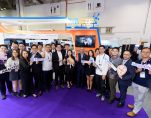
HKSTP debuted as an official exhibitor at Southeast Asia’s largest public safety conference, Milipol TechX Summit 2026 (MTX 2026). Eric Or, Chief Ecosystem Development Officer and Gladys Oon, Director of Partnerships and Account Management of HKSTP, officiated the opening of HKSTP Pavilion.
Singapore and Hong Kong share a substantive relationship, grounded in regular high-level engagement. These include the Prime Minister of Singapore’s official visit to Hong Kong last month, during which he met with the Chief Executive of the Hong Kong Special Administrative Region and visited the Hong Kong Park of the Hetao Shenzhen-Hong Kong Science and Technology Innovation Co-operation Zone (the Hong Kong Park in the Loop). The I&T connection also features HKSTP-led delegations to Singapore platforms such as Singapore Week of Innovation and Technology (SWITCH) and SLINGSHOT 2025, etc. Over the past year, more than 100 HKSTP park companies explored Southeast Asian opportunities, securing over HK$25 million in confirmed business deals with additional potential contracts exceeding HK$20 million directly supported by HKSTP.
Eric Or, Chief Ecosystem Development Officer, HKSTP, said, “At HKSTP, we enable innovators to solve real public safety challenges where trust and demonstrated results matter most. Collaborating with TechX and Singapore’s Public Safety ecosystem gives ventures faster access to decision-makers, enables solution testing in operational environments, and supports scaling validated technologies across Asia.”
Eric Chua, Chief Executive Officer, TechX Ventures said: “SPINN District was designed to be more than a startup village — it is a proving ground where bold founders showcase innovations that matter. Seeing HKSTP’s park companies engage meaningfully with the global public safety ecosystem at MTX 2026 reflects exactly the kind of cross-border momentum we built this platform for. This MoU marks the beginning of something lasting: a structured pipeline that turns innovation into operational impact, as we work together to build a safer world.”
The collaboration between HKSTP and TechX is aimed to establish a comprehensive framework to identify, co-create, and validate operational public safety solutions. Under the partnership, HKSTP and its counterparts will move from identified needs to real deployment through annual solution scouting visits to Hong Kong Science Park, funding of around HK$600,000 (S$100,000) per company for proof-of-concept trials with Singapore Public Safety experts, and an ongoing exchange of challenges and insights. This demand-led model accelerates problem-solution fit and reinforces HKSTP’s leadership in regional safety technology collaboration.
The HKSTP Pavilion, themed “Hong Kong’s Technology for Public Safety and Security — Global Application and Global Impact,” featured 10 park companies showcasing solutions proven in deployments across Hong Kong enforcement departments, the Greater Bay Area, and Singapore-related projects. Cutting-edge public safety technologies were showcased across AI-Driven & Robotics, Network & Communications Infrastructure, and Drones, Unmanned Aerial Vehicle (UAV) & Low-altitude Economy (LAE). MTX is the largest public safety conference in Southeast Asia, the HKSTP pavilion is strategically positioned within the startup-centric SPINN District, effectively facilitated targeted engagements, secured curated matching opportunities with Singapore government agencies for each participating company, and advanced pilot projects and partnerships.
Park companies eSIX and Weitu AI participated in the signature global innovation challenge Dimension X Cohort 6 and the inaugural cohort of the In-Beta tech verification capability programme organized by Hatch, the innovation centre of Singapore’s HTX, achieving significant success. These companies were the only Hong Kong representatives selected for the programmes, underscoring the global competitiveness and real-world impact of Hong Kong’s innovation ecosystem. eSIX, which delivers patented high-speed networking for Industrial IoT and 5G-enabled remote machine control, was awarded a place at Dimension X. The company received S$100,000 in prize money to complete a four-month proof-of-concept and was invited to showcase its solutions. Weitu AI, which provides world-leading multimodal video understanding for fast, accurate analysis across industries was awarded a place at In-Beta, received S$30,000 in prize money with opportunities to verify their promising tech through rapid experimentation and onsite demo.
Building on existing engagement across the region, HKSTP will continue to strengthen collaboration with regional partners, expand support for park companies, and promote technology‑driven solutions that enhance safety and resilience. The initiative reflects HKSTP’s ongoing commitment to fostering sustained innovation and regional cooperation.
Hashtag: #HKSTP
The issuer is solely responsible for the content of this announcement.
About Hong Kong Science and Technology Parks Corporation
Hong Kong Science and Technology Parks Corporation (HKSTP), established in 2001, has built a thriving innovation and technology (I&T) ecosystem in Hong Kong, supporting 12 unicorns, nurturing over 17,000 research talents, and hosting more than 2,500 technology companies from 26 countries and regions specializing in biomedicine, AI and robotics, fintech, and smart city development. HKSTP is dedicated to positioning Hong Kong as an international I&T hub.
To align with Hong Kong’s future development, HKSTP is committed to attracting and cultivating I&T talent, accelerating the commercialization of innovative outcomes, and providing comprehensive support for technology companies and professionals on their innovation journey. Its vibrant I&T ecosystem continues to grow, encompassing Hong Kong Science Park in Pak Shek Kok, InnoCentre in Kowloon Tong, and three InnoParks in Tai Po, Yuen Long, and Tseung Kwan O. These facilities drive advancements in applied technology, focusing on industries such as advanced manufacturing, micro- electronics, and biotechnology, steering Hong Kong toward new industrialization.
Hong Kong Science Park Shenzhen Branch, located in Futian, Shenzhen, leverages the strategic advantage of “support of the Motherland, connecting to the world.” It serves as a bridge for “bringing in and going global,” actively fostering cross-border I&T collaboration. The Shenzhen Branch supports global technology companies and professionals by providing research and collaboration spaces, with a focus on enterprises in seven key sectors: Medtech, big data and AI, robotics, new materials, microelectronics, fintech, and sustainable development.
HKSTP is dedicated to advancing Hong Kong’s I&T development by providing research infrastructure, startup and enterprise support services, professional investment and business expertise, fostering partnership networks, and attracting top talent. These efforts drive innovation as a new engine for economic growth for Hong Kong.
More information about HKSTP is available at www.hkstp.org.
About TechX Ventures
TechX Ventures is a wholly owned subsidiary of Singapore’s Home Team Science & Technology Agency (HTX) that operates at the intersection of government mandate and entrepreneurial drive. TechX serves as the engine behind a thriving innovation ecosystem where cutting-edge science and technology are put to work protecting people.
At the heart of it, TechX is established to connect global innovators and partners in advancing public safety innovation. Guided by our Safer World philosophy — the belief that progress means nothing if it doesn’t safeguard public safety — TechX approaches safety not as a sector, but as a shared mission. This conviction shapes every partnership forged, every programme designed, and every measure of success. Safety, at TechX, is our purpose.
TechX delivers its mission through two core areas of expertise: to build and to connect. TechX designs and develops innovation initiatives and programmes alongside partners from across the globe, including flagship platforms such as HTX’s Innovation Centre, Hatch — a structured innovation centre that gives frontier deep-tech a clear pathway to validate and deploy solutions for real public safety challenges. TechX also bridges industry, startups, and government agencies into a global network, producing landmark events such as Millipol TechX, and bringing international communities like DEF CON® to Singapore for the first time.
With active partnerships spanning over 30 ecosystems globally — from Hong Kong to South Korea, and the United States, TechX sits at the heart of a growing worldwide alliance united by one ambition: Bringing Together a Safer World.
BlueNoroff has intensified its campaign against cryptocurrency executives by combining fake Zoom meetings, AI-generated video lures and fileless PowerShell malware in an intrusion that gave attackers access to a North American Web3 company for 66 days. The operation, first detected after an intrusion began on 23 January 2026, marks a sharper turn in North Korea-linked cyber activity against digital asset businesses. Instead of relying on crude phishing […]
North Korean state-linked hackers have intensified attacks on cryptocurrency companies by combining fake video meetings, AI-generated identities and “ClickFix” infection tactics to compromise executives, founders and staff with access to wallets, exchanges and investment infrastructure. A large spear-phishing operation attributed with high confidence to BlueNoroff, the financially motivated arm of the Lazarus Group, targeted a North American Web3 company through a manipulated calendar invitation that led to […]
Beijing’s move to sharpen penalties for unauthorised rare earth production sent shares of major producers higher, as investors assessed a tougher enforcement regime that could curb illegal supply and reinforce China’s control over a sector central to clean energy, defence and advanced manufacturing.
China’s Ministry of Industry and Information Technology has opened public consultation on detailed penalty benchmarks under the Rare Earth Management Regulations, setting out how authorities should punish breaches involving mining, smelting, separation, product circulation and data reporting. The draft rules target companies and individuals that exceed state production quotas, operate without approval, process illicit raw materials, falsify traceability data or obstruct inspections.
The consultation runs until 28 May, adding another layer to a regulatory structure that took effect on 1 October 2024. The framework places rare earth mining, smelting and separation under a “total control” system, giving Beijing formal authority to set production limits and police flows across the supply chain. The new penalty table is designed to narrow discretion in enforcement by grading violations according to value, volume, frequency and consequences.
Rare earth-linked equities climbed in Shanghai and Shenzhen after the announcement. China Northern Rare Earth, China Rare Earth Resources and Technology, Huahong Technology and other names tied to mining, processing and permanent magnets moved sharply higher during Wednesday trading. The rare earth permanent magnet segment also advanced, helped by firmer prices for praseodymium-neodymium products and stronger first-quarter earnings from leading producers.
Investors read the draft as a supply-side signal. Stricter penalties could reduce unapproved output that has historically weighed on pricing during periods of weak demand. For larger quota-holding groups, tighter enforcement may support margins by giving compliant producers a stronger position in pricing and procurement. China Northern Rare Earth reported a first-quarter net profit of about 918 million yuan, more than double the level a year earlier, helped by higher average prices for core rare earth products. China Rare Earth Resources and Technology also posted a sharp rise in quarterly profit as prices for selected products improved.
The proposed penalties are substantial. Unauthorised smelting and separation, misuse of rare earth mineral products by recycling or comprehensive utilisation companies, and trading in illegal rare earth products can lead to confiscation of products, unlawful income and related equipment. Fines may reach five to 10 times unlawful gains, while cases with no gain or gains below defined thresholds can still attract penalties running into millions of yuan. Serious breaches can result in business licence revocation.
Traceability is a central element of the enforcement push. Companies that fail to record, upload or maintain data on product flows face fines and possible suspension if they refuse to rectify violations. The system is intended to make it harder for illegal ore, semi-processed products or recycled materials to enter formal supply chains undetected. It also strengthens the state’s ability to align domestic output with industrial policy, export controls and strategic stockpiling objectives.
Rare earths comprise 17 elements used in permanent magnets, electric vehicles, wind turbines, smartphones, robotics, missile guidance systems, radar, drones and precision equipment. China accounts for roughly 70 per cent of global rare earth mining and an even larger share of processing, refining and magnet manufacturing. That position gives Beijing significant influence over a supply chain that remains difficult and costly for other economies to replicate.
The policy shift comes against a backdrop of heightened competition over critical minerals. Export controls introduced in 2025 placed rare earth materials and related technologies at the centre of trade negotiations and industrial security planning. Licensing delays and tighter availability of high-performance magnets have already affected downstream manufacturers, particularly in automotive, electronics and defence-linked industries.
Western governments and companies are trying to build alternative supply chains, but progress remains uneven. Mining projects in the United States, Brazil, Australia, Greenland and parts of Africa have attracted capital, while magnet-making and separation capacity outside China remains limited. Processing is the central bottleneck, requiring specialised technology, environmental safeguards and long approval timelines. New ventures can take years to move from exploration to commercial output, leaving buyers exposed to Chinese policy decisions.
Environmental enforcement is also part of the equation. Illegal mining and poorly controlled processing have caused soil, water and radioactive waste concerns in several producing regions. Tougher penalties can be framed not only as an industrial strategy but also as an attempt to reduce pollution, consolidate smaller operators and push production towards state-backed or better-capitalised firms.
SUBANG JAYA, MALAYSIA – Media OutReach Newswire – 28 April 2026 – China-based home furnishing brand 居然之家 Easyhome has officially launched Easyhome Mall in Kuala Lumpur on 26 April 2026, marking its first major step into the Southeast Asian market and a key milestone in advancing China–Malaysia economic and trade cooperation.
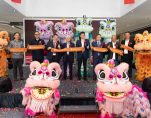
From left: SUPT. Tan Shyong Shan, ACP Wan Azlan Wan Mamat, Philip Ho, Datuk Ab Wahab Bin Khalil, Wang Ning, Li Zhiqiang, KH Lim, and Vincent Lee Seng Chiang officiated the ribbon-cutting ceremony for Easyhome Mall.
The grand opening ceremony welcomed a distinguished lineup of guests, including Wang Ning, Chairman and CEO of Easyhome; Tuan ACP Wan Azlan, Subang Jaya Police Chief; Tan Shyong Shan, Staff Officer for Enforcement (Inspector-General of Police’s Office); Vincent Lee Seng Chiang, CEO of Nanyang Siang Pau; Li Zhiqiang, Vice President of CECA and General Manager of China Telecom Malaysia; Dato’ Sri Dr. Philip Ho, CEO of Pavilion Group; KH Lim, Founder and CEO of Senheng; Dato’ Abdul Wahab, Advisor to Pavilion Group; and General Manager Xue Yaqi. Strategic Entry into Southeast Asia
Wang Ning expressed strong confidence in Malaysia’s development prospects, positioning the country as a key starting point and strategic hub in the company’s global expansion roadmap.
He noted that as China’s manufacturing capabilities continue to advance, its products have become increasingly competitive globally, making international expansion an inevitable direction. At the same time, younger consumer demographics worldwide are driving demand growth, further reinforcing the push into overseas markets.
Malaysia’s mature business environment, openness to foreign investment, and strategic role as a gateway to Southeast Asia were key considerations. Moving forward, Easyhome Mall will serve as a base to expand into Southeast Asia, as well as into the Middle East and Central Asia.
Wang also revealed that the internationalisation strategy began approximately three years ago, with Malaysia being the first large-scale overseas implementation. Over the next three years, the company plans to strengthen its local supply chain and expand into key cities such as Johor Bahru and Penang, alongside other major regional markets. A New Benchmark in Home & Lifestyle Retail
Established in 1999, Easyhome has grown into one of China’s leading home furnishing retail groups, operating nearly 400 stores nationwide. Its business ecosystem spans design services, furniture and building materials retail, smart logistics, and commercial operations, with strong emphasis on customer-centric service standards.
The Malaysia debut represents a replication of its proven “one-stop home solution” model, integrating China’s advanced supply chain with local consumer needs to deliver a seamless and innovative retail experience.
The project is developed in collaboration with Pavilion REIT, combining operational expertise and resource strengths to establish a benchmark for China–Malaysia commercial cooperation. Empowering Smart Living Through Innovation
A representative from Pavilion REIT noted that the opening of Easyhome Mall marks a new phase for the Subang project, reflecting continuous upgrades and transformation to better serve the local community.
As technology reshapes lifestyles, homes are evolving into more intelligent and interconnected spaces. In response, Easyhome Mall introduces a new retail concept that integrates smart home technologies with modern living experiences, bringing a new dimension to Malaysia’s retail landscape. A Fully Integrated One-Stop Home Destination
General Manager Xue Yaqi highlighted that home-related consumption typically involves multiple stages—from design and renovation to building materials, furniture, and appliances—often requiring consumers to visit multiple locations.
Easyhome Mall addresses this by consolidating the entire value chain into a single destination, enabling a seamless one-stop shopping experience. The “what you see is what you get” concept reduces information gaps and enhances decision-making efficiency.
This integrated model allows consumers to complete their home planning and purchasing journey within one space, significantly improving convenience and overall experience. Comprehensive Lifestyle Offering
Located in USJ 1, Subang Jaya, Easyhome Mall is easily accessible via major highways including KESAS, NKVE, ELITE, and the Subang–Kelana Jaya elevated highway, as well as nearby LRT and BRT stations.
The mall features a carefully curated, multi-level layout:
• LG Floor: Supermarket, dining, and lifestyle offerings
• Ground Floor: Customised furniture and smart home appliances with integrated home solutions
• First Floor: International home furnishing brands with global design standards
• Second & Third Floors: Local brands focusing on mattresses and home essentials
• Fourth Floor: Dining and event spaces
This tenant mix brings together premium Chinese brands and local businesses, creating a complete “shop, dine, and experience” destination.
Driving Digital Transformation
Easyhome’s expansion is supported by its digital ecosystem, including platforms such as Doorverse, Homestyler, and Easyhome IoT.
Homestyler, developed in collaboration with Alibaba Group and enhanced through AI technologies with NVIDIA, enables advanced 3D design and immersive user experiences.
The Doorverse platform has achieved rapid growth, surpassing RMB100 billion in gross merchandise value within three years, reflecting the strength of Easyhome’s digital capabilities.
These technologies support the transition from traditional retail to a digitalised industry service platform, enhancing both operational efficiency and customer experience. Strengthening Regional Presence
Malaysia represents a key milestone in Easyhome’s global expansion and serves as its first large-scale integrated overseas development. Following earlier ventures in Phnom Penh and Macau, the Kuala Lumpur launch marks a deeper commitment to Southeast Asia.
Beyond retail, Easyhome Mall acts as a platform connecting high-quality Chinese home furnishing brands with the Malaysian market, while simplifying the traditionally complex home furnishing process into a more efficient and enjoyable experience.
Looking ahead, Easyhome plans to further integrate its supply chain, establish overseas warehousing, and support the global expansion of Chinese home brands—from product export to full-scale internationalisation of brands and manufacturing. Grand Opening Highlights
The opening ceremony featured lion dance performances and a series of promotional activities, including exclusive offers and “crazy sales” deals, attracting strong public turnout and long queues from early morning.
The successful launch of Easyhome Mall marks a promising beginning in Malaysia and sets the foundation for continued growth across the region.
Skydive Dubai has reopened after a month-long operational pause, returning with a short-term resident offer that gives one free tandem jump to a companion for every eligible paid booking made before 3 May. The promotion applies to UAE residents who book a tandem skydive and present a valid Emirates ID at the time of booking. The accompanying guest can be a tourist or resident, making the offer […]
MACAU SAR – Media OutReach Newswire – 27 April 2026 – Galaxy Macau reinforces its market-leading status as Asia’s premier dining destination with an exceptional presence in this year’s South China Morning Post“100 Top Tables” restaurant guide. Five of its signature restaurants—Feng Wei Ju, 8½ Otto e Mezzo BOMBANA, Lai Heen, Sushi Kissho by Miyakawa, and Teppanyaki Shou—have secured places in the coveted guide, highlighting the resort’s ‘stars of gastronomy’; and Galaxy’s remarkable breadth and commitment to upholding the finest quality and excellence in its lauded portfolio of fine-dining restaurants helmed by the industry’s standout talents.
From left: Jackie Ho Hon-sing, Chinese Executive Chef of The Ritz-Carlton, Macau; Norihisa Maeda, Executive Chef of Teppanyaki Shou; Soma Shibuya, Executive Sous Chef of Sushi Kissho by Miyakawa; Chan Chek Keong, Assistance Vice President of Food & Beverage Culinary of StarWorld Hotel and Executive Chef of Feng Wei Ju; Marino D’Antonio, Executive Chef of 8½ Otto e Mezzo BOMBANA at Galaxy Macau.
Recognised as one of the region’s most authoritative dining guides, SCMP’s 100 Top Tables honours restaurants that excel in cuisine, service, and overall dining experience. The inclusion of multiple Galaxy Macau restaurants across Chinese, Italian and Japanese traditions reflects the award-winning luxury resort’s ability to unite worldclass talent, refined craftsmanship and impeccable hospitality within a single destination. Together, these acclaimed establishments form a sophisticated and diverse dining portfolio that underscores Galaxy Macau’s position at the forefront of Asia’s culinary landscape.
Five restaurants from Galaxy Macau Luxury Resort and StarWorld Hotel have proudly secured spots on the “100 Top Tables” list by the South China Morning Post this year, reflecting a continued commitment to growth and recognition within the region.
Feng Wei Ju
At StarWorld Hotel, Feng Wei Ju has carved out a niche as the premier destination for Hunan and Sichuan cuisine in the region, imparting an unforgettable taste experience on every guest with its nuanced approach to pristine ingredients and flavours. Master Chef Chan Chek Keong, Assistance Vice President of Food & Beverage Culinary of StarWorld Hotel and Executive Chef of Feng Wei Ju, boasts a deep understanding of regional Chinese culinary traditions, crafting dishes that are as bold and nuanced, as they are delicate. The restaurant’s multi-sensory approach to dining has earned it a loyal following and a quiet yet resounding endorsement of its excellence spanning over a decade as one of Macau’s most coveted dining destinations.
8½ Otto e Mezzo BOMBANA
At Galaxy Macau, 8½ Otto e Mezzo BOMBANA continues to set the standard for Italian fine dining with flawless execution in every detail. Under the leadership of Executive Chef Marino D’Antonio, the restaurant has entered a new chapter. Chef Marino, whose career spans Michelin-starred kitchens, brings a passion for quality and a deep respect for tradition to his craft. His dishes are an ode to Italian food, each one a celebration of regional flavours and produce elevated with ultimate craft.
Lai Heen
Perched on the 51st floor of The Ritz-Carlton, Macau, Lai Heen offers exquisite Cantonese cuisine against a glittering panorama of the Galaxy Resort and Macau beyond. Chinese Executive Chef Jackie Ho Hon Sing, the creative force behind the restaurant, projects his vision and skill into every dish, reimagined with a modern sensibility. Combining traditional Cantonese flavours with Ritz-Carlton’s legendary service, Lai Heen delivers an unparalleled dining experience.
Sushi Kissho by Miyakawa
Sushi Kissho by Miyakawa at Raffles at Galaxy Macau, the first international establishment by Chef Masaaki Miyakawa—one of Japan’s six Michelin three-star sushi masters—has found its home at Raffles at Galaxy Macau. The restaurant celebrates Chef Miyakawa’s interpretation of the art of Edomae sushi, a tradition that celebrates the purity of nature and the time-honoured artistry of the chef. Here, the finest seasonal ingredients, from Japan’s leading growers and generational fisherman, are transformed into delicate bites that speak to the sea, the soil, and the seasons. With only 10 seats at the sushi counter, Sushi Kissho by Miyakawa is an intimate space where every detail is a considered ode to seasonality, experience, and restraint.
Teppanyaki Shou
Since opening its doors in 2024, Teppanyaki Shou at Raffles at Galaxy Macau has earned its reputation as a study in precision and passion, redefining the teppanyaki experience under the guidance of Japanese maestros. The restaurant’s name speaks to its mission: to carry forward the traditions that encapsulate the essence of authentic Japanese food culture. Under the guidance of master chefs, the teppanyaki grill becomes a stage, where the finest ingredients sourced daily from Japan and beyond – air-freighted daily to Macau – ensuring that every dish is a masterpiece of freshness and can be transformed into a symphony of flavour. The chefs, with their deft hands and keen intuition, tailor each dish to the diner’s preferences, creating an omakase experience that is as personal as it is unforgettable.
As a world-class luxury integrated resort, Galaxy Macau continues to shape Macau’s gastronomic landscape through excellence, innovation and a steadfast dedication to quality. This latest authoritative recognition by SCMP‘s 100 Top Tables further reinforces Galaxy’s role as Asia’s leading culinary hub; contributing to Macau’s global reputation as a UNESCO Creative City of Gastronomy.
The issuer is solely responsible for the content of this announcement.
ABOUT GALAXY MACAU INTEGRATED RESORT
Galaxy Macau, The World-class Luxury Integrated Resort delivers the “Most Spectacular Entertainment and Leisure Destination in the World”. Developed at an investment of HK$43 billion, the property covers 1.1 million-square-meter of unique entertainment and leisure attractions that are unlike anything else in Macau. Nine award-winning world-class luxury hotels provide close to 5,000 rooms, suites and villas. They include Banyan Tree Macau, Galaxy Hotel, Hotel Okura Macau, JW Marriott at Galaxy Macau, The Ritz-Carlton, Macau, Broadway Hotel, Raffles at Galaxy Macau, Andaz Macau, and Capella at Galaxy Macau. Unique to Galaxy Macau, the 75,000-square-meter Grand Resort Deck features the world’s longest Skytop Adventure Rapids at 575-meters, the largest Skytop Wave Pool with waves up to 1.5-meters high and 150-meters pristine white sand beach. Two five-star spas from Banyan Tree Spa Macau and The Ritz- Carlton Spa, Macau help guests relax and rejuvenate.
As the dining destination in Asia, Galaxy Macau offers a wide variety of gastronomic delights, exquisite experiences and ingredients of the finest quality with over 120 dining options from Michelin dining to authentic delicacies.
Embark on a delightful and rewarding journey at Galaxy Promenade, the one-stop shopping destination boasting some of the world’s most iconic luxury brands. Be the first to get the latest limited-edition items; explore fascinating pop-ups by coveted labels and revel in fabulous shopping rewards and privileges. Our VIPs are entitled to a highly-curated experience with dedicated personal shoppers at guests’ service, and be invited to exclusive luxury brand events. A different calibre of privileges and rewards also await. Discover the joys of fashion and stand at the forefront of style and sophistication—Galaxy Promenade has everything guests need to stay ahead of the style game.
Galaxy Cinemas takes immersive movie experiences to the next level with the latest audio-visual technology, ultra-luxurious facilities and bespoke services; CHINA ROUGE, one-of-a-kind cabaret lounge that evokes the glamor of Shanghai’s golden era with stylish entertainment and customizable surrounds; and Foot Hub, which presents the traditional art of reflexology for authentic relaxation and revitalization. For Authentic Macau Flavours and Vibrant Asian Experiences, Broadway Macau – just a 90-second walk via a bridge from Galaxy Macau, has over 35 Authentic Macau & Asian Flavours at Broadway Food Street. The 2,500-seat Broadway Theatre plays host to world-class entertainers and a diverse array of cultural events.
Meeting, incentive and banquet groups are also catered to with a portfolio of unique venues in Galaxy Macau and an expert service team. Galaxy International Convention Center (GICC) is the latest addition to the Group’s ever-expanding integrated resort precinct and will usher in a new era for the MICE industry in Macau. GICC is a world-class event venue featuring 40,000-square-meters of total flexible MICE, and the 16,000-seat Galaxy Arena – the largest indoor arena in Macau.
Arabian Post Staff -Dubai Masdar and Montenegro’s state power utility Elektroprivreda Crne Gore have agreed to create a 50-50 joint venture to develop large-scale renewable energy projects, giving the Adriatic country a fresh route to expand domestic generation, strengthen energy security and position itself as a supplier of cleaner electricity to neighbouring markets in the Balkans and southern Europe. The agreement was signed on 22 April […]
Greenlogue/AP Rainfall has transformed parts of Al-Asyah Governorate in the northeast of Qassim into a striking rural landscape, sending water through wadis and ravines, softening the terrain and drawing residents and visitors into open spaces as milder conditions settled over the area. The heaviest visual impact was seen around Wadi Dhaidah and nearby ravines, including Hani, where runoff traced its way between rocky outcrops and elevated ground. […]
OmniOps has joined Grafana Labs’ partner programme, a move that gives the Riyadh-based infrastructure company a stronger route into Saudi Arabia’s fast-growing market for cloud monitoring, telemetry and data-sovereign digital operations. The step positions OmniOps to sell and implement Grafana-backed observability services for enterprises that want tighter control over metrics, logs, traces and performance data inside the Kingdom’s regulatory and strategic framework. The partnership matters because observability […]
Arabian Post Staff -Dubai Stake has teamed up with ACE & Company to build a secondary transfer facility for fractional real estate investments in the UAE, a move aimed at tackling one of the biggest weak points in digital property ownership: liquidity. The Dubai-based platform said the arrangement is designed to give investors clearer routes to sell holdings before the eventual disposal of an underlying asset, while […]
WUZHISHAN, CHINA – Media OutReach Newswire – 21 April 2026 – From April 15 to 19, a series of events at the Wuzhishan sub-venue of Hainan’s Sanyuesan festival took place in full swing, spreading rich ethnic vibes to every corner of the city and drawing passersby — both local residents and tourists — to stop, watch, and take photos.
Sanyuesan Festival Gets Modern Makeover in Wuzhishan
Alex, a visitor ventured to China’s southernmost province primarily for its renowned black tea. What he did not anticipate was taking a front-row seat at a breathtaking fashion show staged on water.
“This unique stage has allowed me to capture some wonderful images,” said Alex, who happened to be in Wuzhishan during the Sanyuesan Festival. “I originally came here simply as a fan of Wuzhishan’s black tea, but now I find myself deeply fascinated by the culture of Wuzhishan as well.”
The “unique stage” he refers to is the immersive water-based performance space created for the 2026 Sanyuesan Festival, featuring the “Miss Li · Hainan Sanyuesan Water Village Show.” This innovative platform, with water as its runway and the rainforest as its backdrop, presents the Sanyuesan, a traditional celebration of the Li and Miao ethnic groups with thousands of years of history, through a contemporary lens, appealing to both local and international audiences.
This year’s activities in Wuzhishan embraced a dynamic model that intertwines rainforest ecology, intangible cultural heritage, fashion, technology, and tourism. Attendees were treated to a festival experience that was engaging, immersive, and visually stunning. Drones illuminated the night sky, tracing ancient Li totems, like the “Gan’gong Bird,” while diverse performances including intangible cultural heritage shows, original dance dramas, and live performances captivated the audience. A 600-seat long buffet table was set up along the water, where visitors savored authentic local flavors, such as sour fish soup and three-color sticky rice, amid the lively atmosphere.
The Sanyuesan Festival is memorable not only for its visual appeal but also for its interactive nature. In 2025, the event in Wuzhishan received 175,000 visitors and generated 110 million yuan (approximately 15.1 million US dollars) in consumption. This year, Wuzhishan introduced five premium tourist routes, converting ecological resources — including millennium-old tree fern groves, tropical rainforest tea gardens, and Yahu Terraces — into tourism products.
“Previously, folk culture felt distant,” said Shan Lijun, a tourist from northeast China’s Heilongjiang Province. “But now, in Wuzhishan, I can sip tea, watch a village show, and dance with the locals— it all feels very ‘cool.'”
Additionally, the festival is witnessing the evolution of local intangible cultural heritage industries. A Li brocade fashion and cultural creative design competition showcased innovative garments and creative works, merging traditional craftsmanship with contemporary fashion. This heritage item, once listed on UNESCO’s List of Intangible Cultural Heritage in Need of Urgent Safeguarding, has now, through the concerted efforts of many, been transferred to the Representative List of the Intangible Cultural Heritage of Humanity, and is reaching broader markets through collaborations with international designers.
Hashtag: #Sanyuesan
The issuer is solely responsible for the content of this announcement.
Lenskart has raised $220 million from investors including Temasek and Falcon Edge Capital, a deal that marked one of the standout funding rounds in a year when technology companies were drawing heavy global capital and pushing valuations sharply higher. The eyewear retailer was valued at about $2.5 billion in that transaction, according to multiple reports at the time, extending a run in which consumer internet businesses were moving from niche start-up status into large-scale retail platforms with national reach.
The deal did not arrive in isolation. It came only weeks after KKR invested $95 million, taking the wider financing linked to that phase of fundraising to about $315 million. Lenskart said the fresh capital would support expansion of its online business and physical store network, reinforcing its strategy of building an omni-channel model rather than relying solely on digital sales. That approach helped distinguish it from many internet-first companies that were still testing how to translate app traffic into durable consumer brands.
Founded in 2010, Lenskart entered physical retail in 2013 and built its business around prescription eyeglasses, contact lenses and sunglasses, using technology tools such as virtual try-on features and a tightly managed supply chain to bring down delivery times and widen consumer choice. The 2021 fundraising gave investors another signal that eye care and vision products could support a scaled consumer business in a market where organised retail had long remained fragmented. It also underlined growing confidence that health-linked discretionary categories could attract repeat spending even outside the big metropolitan centres.
At the time, the broader market backdrop was unusually supportive. India’s start-up sector went through a record funding cycle in 2021, with Reuters later reporting that start-ups in the country raised about $35 billion that year before the market turned more difficult in 2022. Lenskart’s round therefore became part of a larger story: global investors were competing for exposure to domestic consumption, digital adoption and a new generation of companies that blended software, logistics and offline distribution. That enthusiasm also produced a wave of unicorns, richer private valuations and a heavier pipeline for later public listings.
What makes the Lenskart story more durable than a single boom-year headline is what followed. The company continued to attract capital after the 2021 round, raising another $200 million in 2024 from Temasek and Fidelity in a deal that valued it at about $5 billion, according to reports. That step-up suggested investors still saw room for growth despite the post-2021 funding reset that hit many privately held technology firms. It also showed that consumer-facing businesses with large store networks, repeat demand and clearer revenue visibility were being treated differently from cash-burning platforms built around discount-led expansion.
By 2025, Lenskart had moved into the next phase of that journey, filing for an initial public offering and seeking a valuation of nearly $8 billion at the top end of its price band. Reuters reported that the company had 2,067 stores across the country and another 656 overseas, reflecting a business that had grown well beyond its original online-only identity. That proposed public market debut placed Lenskart among a wider group of venture-backed companies testing whether private-market optimism could translate into sustained investor demand on the stock exchange.
Operationally, the business has also shown signs of maturing. Reuters reported in November 2025 that Lenskart had turned profitable in financial year 2025 and posted a 23% rise in revenue to 66.53 billion rupees. Another Reuters report in February 2026 said about 80% of its revenue came from prescription eyeglasses, while international revenue from Southeast Asia, Japan and the Middle East was rising strongly. Those figures matter because they suggest the company’s scale is now being supported not only by funding rounds and valuation jumps, but by a more established earnings and expansion profile.
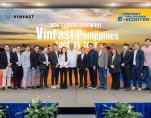
MANILA, PHILIPPINES – Media OutReach Newswire – 18 April 2026 – VinFast today announced the signing of Memoranda of Understanding (MoUs) on strategic cooperation with 14 e-scooter distributors in the Philippines. The agreements demonstrate VinFast’s ability to rapidly scale its retail network, while further affirming its long-term commitment to advancing green mobility and building a comprehensive electric mobility ecosystem in the Philippines.
VinFast continues to collaborate with leading motorcycle distributors in the Philippines in support of the upcoming June 2026 product launch.
To support its planned product launch in June 2026, VinFast has continued to partner with leading motorcycle distributors in the Philippines, including Wheeltek Motor Sales Corporation; Gentrade International Phils., Inc. (Transcycle); Superbikes Corporation; Motoxpress Sales Corporation; FMN Industrial Corp.; Eduhome Enterprise, Inc.; Keymotors Incorporated; Motorpro by Abenson Ventures Inc. and Aserco; Moto Atelier Inc.; Ciclo Suerte; HG Motorzone; HGC Main Marketing (Motorboy); BLC Cycle Parts Supply; and Auto Ten Trade & Services Corp. Similar to the partners signed in January 2026, these partners have extensive networks, demonstrate strong operational capabilities, and possess longstanding experience in the motorcycle business, alongside a clear orientation toward the green transition.
VinFast and its partners will collaborate to rapidly roll out a showroom network across the market, with many outlets expected to be launched in parallel at the time of product introduction, laying the foundation for accelerated expansion of nationwide sales and after-sales services. The showrooms will be developed in high-demand areas with strong potential for green transition such as Metro Manila, Metro Davao, Rizal, Laguna, Cavite, Batangas, Metro Cebu, Bulacan, and other major urban provinces, and will adhere to VinFast’s global standards for operations and brand identity.
In the initial phase, the network will distribute a portfolio of swappable-battery e-scooters, including Evo, Feliz II, Viper, and other models expected to be launched in the near future, alongside upcoming models that will be further adapted to local infrastructure conditions and consumer usage patterns in the Philippines.
The Philippines is one of Southeast Asia’s largest motorcycle markets, characterized by strong demand for personal mobility and rapid urbanization. Amid fuel price volatility and a growing shift toward sustainable solutions, e-scooters are emerging as a promising pathway, particularly when supported by an integrated ecosystem.
VinFast is pioneering the development of a comprehensive e-scooter ecosystem in the Philippines, encompassing dealer networks, after-sales services, financing solutions, and energy infrastructure. Notably, the company aims to deploy approximately 30,000 battery-swapping stations nationwide in the near term, in collaboration with infrastructure partners, to deliver a convenient and flexible user experience.
Earlier in 2026, VinFast announced plans to expand its e-scooter business across five key international markets, including the Philippines, Indonesia, India, Thailand, and Malaysia, as part of its global strategy to scale a green mobility ecosystem.
Ms. Vo Thi Cam Tu, Managing Director of VinFast E-Scooters Overseas Market, said: “Our partnerships with 14 major dealers in the Philippines mark an important step in rapidly establishing a strong distribution and service foundation from the outset. We are not only introducing products tailored to local needs, but also developing an integrated ecosystem, from battery-swapping infrastructure to after-sales services, enabling consumers to access and adopt e-scooters in a convenient, efficient, and sustainable manner.”
In recent years, VinFast has steadily built its presence across key Southeast Asian markets, including the Philippines, through a diverse electric vehicle portfolio and strategic partnerships in infrastructure and services. The expansion into e-scooters further completes its green mobility ecosystem in the market and the region, while providing consumers with more flexible options in the transition to sustainable transportation.
Hashtag: #VinFast
The issuer is solely responsible for the content of this announcement.
Ethereum held its upward footing even after blockchain data showed Aztec-linked wallets sending millions of dollars’ worth of ether to Coinbase, a transfer that would normally stir fears of near-term selling pressure in a market still sensitive to large treasury moves. The transaction that drew attention amounted to about 12,000 ETH, valued near $37 million at prevailing prices, and followed Aztec’s broader fund-raising cycle tied to its […]
Etihad Airways has set out one of its biggest Africa pushes in years, unveiling six new destinations across the continent as Abu Dhabi’s flag carrier deepens its reach into markets it says are being shaped by trade growth, cargo demand and rising cross-border mobility. The expansion adds services to Accra, Asmara, Kinshasa, Lagos, Harare and Lubumbashi, with the first of the new routes due to begin in […]
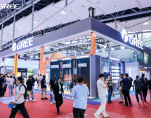
GUANGZHOU, CHINA – Media OutReach Newswire – 17 April 2026 – On April 15, the 139th China Import and Export Fair (hereinafter referred to as the “Canton Fair”) officially opened. As a leading enterprise in the manufacturing sector, Gree Electric made a grand appearance at Pavilion 4.2A under the theme “GREE, Making Better Electric Appliances,” presenting over a hundred innovative products in its largest exhibition area in Canton Fair history. Amid the global wave of green and intelligent manufacturing transformation, GREE is leveraging its hard-core independent innovation and full-industry-chain capabilities to show the world the confidence and resolve of China’s intelligent manufacturing to navigate industry cycles and lead the transformation.
GREE at the 139th China Import and Export Fair
Zhu Lei, CMO of Gree Electric, stated that Gree has participated in the Canton Fair for 31 consecutive years. This year, GREE brought 130 products to the event. Facing the global market, GREE strives to fully meet the practical needs of consumers from different regions worldwide. Notably, the majority of these products are originally manufactured in and exported from China, reflecting the dedication and ingenuity of GREE’s Chinese craftsmen.
It is reported that at this year’s Canton Fair, GREE has created a full-industry-chain exhibition space ranging from core components to scenario-based solutions. To date, buyers from over 50 countries and regions have scheduled visits and business negotiations, marking a 21% year-on-year increase.
Currently, the global home appliance industry is undergoing a dual transformation. On one hand, an energy efficiency revolution driven by the “Dual Carbon” goals makes the transition to eco-friendly refrigerants an urgent priority; on the other hand, an experience revolution spurred by consumption upgrades has made quietness, health, and smart features the core demands of users. GREE’s SilenzX series ultra-quiet air conditioners, showcased at the event, serve as a precise response to this trend. Equipped with a self-developed rotary four-cylinder compressor, the SilenzX series reduces the minimum sound pressure level of the outdoor unit to a mere 29 decibels—far below the industry average of 42 decibels. Backed by 137 invention patents, the product recently won a Gold Medal at the International Exhibition of Inventions Geneva, signaling that Chinese enterprises have shifted from being “followers” to “leaders” in the realm of comfort technology.
A deeper layer of competitiveness stems from GREE’s long-term bet on a green future. Among the products showcased at this Canton Fair, over 80% are equipped with AI, green energy-saving, and other advanced technologies. GREE has comprehensively implemented R290 eco-friendly refrigerant technology across its entire product matrix, including split units, window units, and water heaters. Furthermore, its world-first photovoltaic air conditioning system has achieved a systemic breakthrough of “zero carbon emissions, zero electricity bills, and zero waste.” The AI dynamic energy-saving technology also utilizes intelligent algorithm optimization to boost annual energy efficiency by 15.8% and reduce power consumption by 13.6%. Rather than isolated technological features, these represent comprehensive green solutions that cover the entire chain of energy production, transmission, and consumption, providing the industry with a leapfrog path from “low-carbon compliance” to “zero-carbon leadership.”
Behind this systemic innovation capability lies a full-industry-chain competitive moat forged through 35 years of independent R&D. At this Canton Fair, Gree introduced three major compressors—G-Boost, G-Storm, and G-Hyper—which have successfully overcome industry challenges such as ultra-high-temperature cooling and ultra-low-temperature heating. Its star product, the GMV 9 series, is capable of operating in an ultra-wide temperature range from -35°C to 60°C, marking GREE’s achievement of full-stack technological autonomy from core components to system integration.
Overseas buyers visit the booth of Gree
This strategic resolve is yielding substantial returns in GREE’s global layout. As one of the first Chinese home appliance companies to venture overseas, GREE has built a network covering more than 190 countries and regions. Independent brands now account for 70% of its total export volume, and this figure exceeds 85% in Belt and Road countries. This marks a highly successful, high-quality transformation from a traditional OEM (Original Equipment Manufacturer) model to an independent brand-led enterprise.
From core technological breakthroughs to a green and low-carbon transition, GREE remains rooted in technology and centered on quality. Its presence at the Canton Fair serves as a vivid microcosm of the transformation and upgrading of China’s manufacturing sector, demonstrating the powerful potential and dynamic momentum of “Made in China.” Hashtag: #GREE
The issuer is solely responsible for the content of this announcement.
Arabian Post Staff -Dubai Sequoia Capital has raised about $7 billion for a new fund, giving one of Silicon Valley’s best-known venture firms fresh firepower to back its largest and most expensive bets, especially in artificial intelligence, according to people familiar with the discussions. The fundraising marks the first major capital raise under the firm’s newer leadership era and arrives as investor appetite has swung sharply toward […]
Arabian Post Staff -Dubai EDGE Group and Indra Group have agreed to explore the development and production of next-generation radar systems in Brazil, extending a defence partnership that has widened from the Gulf into Europe and now Latin America. The memorandum of understanding was signed at LAAD Security 2026 in São Paulo, where both companies said the plan is intended to help build a domestic radar production […]
Slate Auto, the electric vehicle start-up backed by Jeff Bezos, has raised $650 million as it pushes towards launching an affordable electric pickup priced in the mid-$20,000 range, handing the company one of the bigger funding rounds in a US EV market that has turned markedly harsher for newcomers. The company said the money will support the rollout of its first vehicles later this year, with […]
Super Typhoon Sinlaku battered Saipan and Tinian in the Northern Mariana Islands on Wednesday, ripping away roofs, toppling power lines and flooding homes as one of the fiercest storms to strike the Western Pacific this year swept across the remote U. S. territory. Officials said residents were told to remain in reinforced shelters and concrete buildings as dangerous winds and heavy rain continued long after the eye […]



 https://www.nia.or.th/







 https://www.facebook.com/share/1CbAwmsvbf/?mibextid=wwXIfr
 https://www.instagram.com/easyhomemall?igsh=bzU3czhnMWxhaGt0&utm_source=qr
 https://www.tiktok.com/@easyhomemall?_r=1&_t=ZS-95a1LnrTmsh