News related to
venture

Trailer highlights new villains and themes for the most ambitious Borderlands game to-date, available to wishlist now HONG KONG SAR – Media OutReach Newswire – 13 December 2024 – Today, 2K and Gearbox Software released the first look at Borderlands® 4 showcasing new details from one of the most highly anticipated games coming in 2025. Revealed at The Game Awards, a new trailer introduces The Timekeeper, a […]

ADNH Catering, a prominent UAE-based catering services provider, has announced plans to raise its ownership stake in its Saudi joint venture, Compass Arabia, to 50%. This move is expected to strengthen ADNH’s foothold in the Middle East, particularly in the growing food services sector of Saudi Arabia. By doubling its share in the venture, ADNH is positioning itself to capitalize on the Kingdom’s expanding hospitality and catering […]

Ogre Head Studio, the game development company behind the success of *Asura*, is rapidly making a name for itself in the gaming industry by tapping into India’s rich folklore. Following the immense success of its debut title, which drew from mythological themes and offered a fresh perspective on Hindu mythology, the studio is now focusing on expanding its portfolio. The upcoming game *Yodha*, a roguelike deckbuilder, is […]

Guillermo Söhnlein, co-founder of OceanGate, has put forth a groundbreaking proposal to establish a floating colony on Venus by 2050, aiming to send up to 1,000 humans to live in the planet’s atmosphere. This plan, under his venture Humans2Venus, focuses on creating a sustainable habitat at an altitude of about 30 miles above the Venusian surface, where conditions are more Earth-like and survivable. Unlike the harsh surface […]

Brian Quintenz, the head of crypto policy at Andreessen Horowitz, has emerged as a frontrunner for the position of chair at the Commodity Futures Trading Commission (CFTC). This potential appointment has generated considerable attention, particularly in the context of shaping the future of cryptocurrency regulation in the United States. Quintenz’s deep-rooted experience with the regulatory landscape, particularly his tenure at the CFTC under the Trump administration, positions him as a key figure in guiding the U.S. government’s approach to digital assets and derivatives markets.

During his tenure as a commissioner at the CFTC from 2017 to 2021, Quintenz made a significant impact in the world of financial regulation. He was one of the first regulators to recognize the growing importance of digital assets, including cryptocurrencies like Bitcoin and Ethereum, and the need to develop a regulatory framework that both fosters innovation and protects investors. Quintenz was known for his support of the crypto industry, advocating for clearer and more consistent rules governing digital asset markets. His work on derivatives, particularly around crypto futures contracts, laid the foundation for much of the regulatory framework in place today.

Quintenz’s appointment to the CFTC chair could signal a more crypto-friendly regulatory environment in the U.S., one that aligns with the priorities of industry advocates who have long argued for clearer rules to enable innovation without stifling growth. The CFTC, under Quintenz’s guidance, is expected to build upon his prior work, including his advocacy for creating a comprehensive regulatory framework that supports digital asset trading while ensuring financial stability.

Quintenz’s potential leadership is seen as crucial for addressing the growing demand for regulation in the cryptocurrency space, particularly as institutional interest in digital assets continues to rise. The U.S. has been grappling with questions around the appropriate regulatory body to oversee crypto markets, with the CFTC and the Securities and Exchange Commission (SEC) often at odds over jurisdictional issues. Quintenz, however, has long argued that the CFTC is best suited to oversee crypto derivatives and related markets due to its expertise in futures and commodities. If confirmed, Quintenz could play a pivotal role in resolving these jurisdictional disputes and advancing a clear, unified regulatory framework.

Under Quintenz’s leadership, the CFTC could also take a more proactive role in fostering innovation within the digital asset space. His track record at Andreessen Horowitz, one of Silicon Valley’s most influential venture capital firms, shows his keen understanding of the intersection between technology and regulation. At the firm, Quintenz has worked closely with emerging blockchain companies and crypto projects, providing guidance on navigating the complex regulatory landscape. This experience gives him a unique perspective on how to balance the need for regulation with the desire for innovation, making him a natural fit to lead the CFTC as it continues to evolve its approach to crypto.

The crypto industry, which has faced increasing scrutiny from lawmakers and regulators, would likely welcome a more consistent and favorable regulatory framework under Quintenz’s leadership. While some in the industry have expressed concerns about regulatory overreach, many are hopeful that Quintenz’s appointment could provide the clarity and stability needed to drive continued growth. The ongoing battle over cryptocurrency regulations has been marked by conflicting signals from different regulatory bodies, with the SEC taking a more aggressive stance on enforcement, particularly against centralized exchanges. In contrast, the CFTC has been more focused on ensuring that financial markets, including crypto derivatives, function within a legal framework that promotes transparency and market integrity.

One of the key challenges that Quintenz would face as CFTC chair is the evolving nature of the crypto market. With innovations like decentralized finance (DeFi) and non-fungible tokens (NFTs) continuing to gain popularity, the regulatory framework needs to be adaptable enough to keep pace with rapid changes in the industry. Quintenz’s previous work at the CFTC, where he helped craft rules for Bitcoin futures and other digital asset contracts, suggests he understands the importance of staying ahead of market developments and ensuring that regulation evolves in tandem with technological advancements.

Quintenz’s approach to digital asset regulation will likely focus on protecting consumers without stifling innovation. His stance during his time at the CFTC and his work at Andreessen Horowitz indicate that he views regulation as a tool to create a level playing field for all market participants while fostering innovation. This would be in stark contrast to some of the more stringent regulatory approaches favored by other factions within the U.S. government, which seek to impose more controls over the growing crypto market.

His potential appointment also comes at a time when the U.S. is facing mounting pressure to establish a clear and consistent regulatory framework for digital assets. Other countries, such as the European Union, have moved forward with comprehensive crypto regulation, and the U.S. risks falling behind in the global race to regulate emerging financial technologies. Quintenz’s appointment could help solidify the U.S.’s position as a leader in digital asset regulation, ensuring that the country remains competitive while safeguarding the financial system.

Triton Liquid Fund, a leading player in digital asset hedge fund management, has taken a significant step by obtaining its full Financial Services Permission (FSP) licence from the Abu Dhabi Global Market (ADGM). This development empowers the firm to establish, manage, and operate diversified collective investment portfolios, cementing its position in the region’s expanding digital financial ecosystem. The fund, which has been strategically supported by New York-based […]

The United Arab Emirates has finalized a comprehensive agreement aimed at boosting economic and trade relations with the Eurasian Economic Union (EAEU), marking a significant step in its efforts to diversify trade partnerships and expand its geopolitical influence. The deal, signed by top officials in both regions, is expected to enhance cooperation in sectors such as energy, technology, and logistics, and increase bilateral trade, which has already shown promising growth.

The EAEU, a political and economic union comprising Armenia, Belarus, Kazakhstan, Kyrgyzstan, and Russia, represents a growing market with over 180 million consumers. The agreement with the UAE promises to deepen economic integration between these countries and one of the Middle East’s most dynamic economies. This strategic alignment highlights the UAE’s broader ambition to strengthen its role as a global trading hub, positioning itself as a bridge between East and West.

Trade relations between the UAE and the EAEU have been steadily evolving, with the UAE emerging as a key partner for EAEU nations in recent years. This new pact, formalized after several rounds of negotiation, is designed to capitalize on existing commercial synergies, offering a platform for increased investment flows, joint ventures, and the expansion of supply chains. The agreement sets the stage for a substantial increase in trade volumes, as both parties have agreed to reduce trade barriers and streamline customs procedures, making it easier for goods and services to flow across borders.

In addition to the trade component, the agreement includes provisions for cooperation in technology and innovation. The UAE, already a leader in the tech sector in the Middle East, is looking to export its expertise in fields such as artificial intelligence (AI), renewable energy, and smart infrastructure. EAEU nations, particularly Russia and Kazakhstan, are keen to integrate more advanced technologies into their industries, and the UAE sees this as a prime opportunity to tap into these growing markets. The deal is expected to open up new avenues for collaboration in space technology, fintech, and cybersecurity, sectors in which the UAE has made substantial strides.

Energy remains one of the cornerstone industries in the relationship. The UAE, a member of the Organization of the Petroleum Exporting Countries (OPEC), and Russia, one of the world’s largest oil producers, have long had a robust partnership in the energy sector. This agreement formalizes their commitment to enhancing energy cooperation, particularly in the field of renewable energy. With both nations investing heavily in solar, wind, and nuclear power, the UAE’s clean energy expertise could play a pivotal role in helping EAEU countries achieve their energy transition goals.

The partnership holds significant strategic value for the UAE, which is seeking to diversify its international partnerships and reduce its reliance on traditional Western markets. As geopolitical dynamics shift, particularly with increasing tensions between the West and Russia, the UAE sees the EAEU as an important alternative to expand its global influence. The UAE’s government has been active in seeking closer relations with non-Western powers, building ties with China, India, and Russia in various sectors, including defense, technology, and trade.

For the EAEU, the agreement provides a new dimension to its outward economic orientation, as the bloc looks to reduce its dependence on Europe and enhance its engagement with the Middle East. This new avenue for collaboration is seen as critical for the EAEU’s long-term economic strategy, which aims to bolster ties with countries in Asia and the Arab world. The UAE’s rapidly growing economy and its strategic location between Asia, Africa, and Europe offer a unique gateway for EAEU countries to increase their exports, access global markets, and attract investments.

This agreement is part of a broader trend of the UAE pursuing economic diversification and expanding its trade footprint beyond its traditional partners. The UAE has been actively seeking new trade agreements with nations across the globe, and this deal with the EAEU complements similar initiatives with countries such as India, China, and various African nations. Through these agreements, the UAE is enhancing its position as a regional and global trade powerhouse, and the EAEU pact is a significant component of that vision.

The deal’s signing follows years of diplomatic and economic negotiations, with both sides recognizing the growing potential for collaboration across multiple sectors. The UAE has long prioritized the development of strong, diversified economic relationships, and this agreement with the EAEU is expected to deliver tangible benefits for both regions in the coming years.

While the agreement sets the stage for increased trade and investment, both sides are aware of the challenges involved in implementing such a broad partnership. Differences in regulatory environments, market structures, and political dynamics could present hurdles that need to be navigated carefully. However, the determination on both sides to push forward with these initiatives reflects the shared commitment to strengthening economic ties.


Advertisements

Carlyle Group’s AlpInvest Partners has entered into a strategic partnership with Mubadala Investment Company, marking a significant development in the private equity and alternative investment landscape. The two entities are set to pool their expertise to create a new financing initiative, which is expected to reshape investment strategies in the coming years.

AlpInvest Partners, a leading global private equity firm, and Mubadala, a sovereign wealth fund based in Abu Dhabi, have long been prominent players in the investment world. Together, they are now focusing on expanding their reach across sectors such as technology, healthcare, and energy. The collaboration aims to tap into emerging investment opportunities, leveraging the expertise of both firms to provide flexible financing solutions to companies in need of capital.

The new partnership is expected to create a platform that offers both direct investments and secondary market opportunities, targeting firms across the growth and buyout spectrum. Experts highlight the synergies between Mubadala’s long-term investment approach and AlpInvest’s deep knowledge of the private equity landscape, which could prove to be a winning combination for identifying and nurturing high-growth ventures.

This initiative comes at a time when the global investment market is undergoing significant shifts. The private equity space, especially, has been growing at a rapid pace as more institutional investors look to diversify their portfolios. Analysts point out that this collaboration allows both firms to capitalize on a range of opportunities, from early-stage funding to large-scale buyouts, with a particular emphasis on sectors that are poised for transformative growth.

Mubadala’s significant capital base, bolstered by its vast portfolio of assets, gives the partnership a solid foundation to pursue deals that may otherwise be out of reach for smaller players. The sovereign wealth fund’s diverse holdings in global markets, particularly in sectors such as aerospace, technology, and healthcare, will complement AlpInvest’s extensive network of private equity investments. Together, they aim to target both established companies and innovative startups with high potential for growth.

One key aspect of the partnership is its potential impact on the Middle East and North Africa (MENA) region, where both Mubadala and AlpInvest have been steadily increasing their footprint. The region has seen a surge in private equity activity in recent years, driven by economic diversification initiatives and the growth of regional industries. Experts believe that the collaboration could further strengthen the MENA region’s position as a leading hub for private equity investments, drawing attention from both local and international investors.

The partnership’s approach to financing is seen as a significant shift in how private equity deals are structured. Unlike traditional private equity funds that typically focus on buyouts or growth equity, this collaboration is expected to provide more flexible financing solutions, including debt, equity, and hybrid structures. This flexibility could be a game-changer for companies looking for capital but unwilling to give up full control or ownership stakes.

For AlpInvest, this partnership adds to its growing portfolio of alliances with other institutional investors and private equity firms around the world. As part of the Carlyle Group, AlpInvest has access to a global platform that enables it to tap into high-value deals across North America, Europe, and Asia. This new venture with Mubadala allows AlpInvest to further solidify its position as a key player in the global alternative investments space.

Mubadala’s involvement in the partnership underscores its ongoing strategy to diversify its investments globally. As part of its broader investment strategy, Mubadala has been focusing on both growth and impact, directing funds towards industries that promise long-term value and societal benefits. The new financing venture with AlpInvest is expected to align with these goals, particularly in the fields of sustainable energy and technology, which are central to the UAE’s Vision 2030 and Mubadala’s broader strategic objectives.

The financial terms of the partnership have not been disclosed, but market analysts anticipate that the new venture will unlock a wave of new opportunities for investors and businesses alike. As the demand for alternative financing models continues to rise, the Carlyle-AlpInvest and Mubadala collaboration is poised to take advantage of the growing need for capital across a variety of industries, with a special emphasis on innovation-driven sectors.

Celebrating the Season with Heartwarming Flavors from Across China MACAO SAR – Media OutReach Newswire – 12 December 2024 – Renowned as the Dining Destination in Asia, Galaxy Macau™ integrated resort (referred to as “Galaxy Macau”) continues to redefine culinary excellence with its diverse and innovative offerings. Seamlessly blending tradition and creativity, its restaurants present seasonal specialties year-round, nourishing both the body and the soul. This winter, […]

The Game Developers Association of India (GDAI), a pivotal new entity, has been established to drive forward the video game industry in India. This body is poised to foster a more structured and collaborative ecosystem for developers, empowering the sector to reach new heights. The GDAI marks a significant milestone in India’s gaming journey, aiming to connect developers, share resources, and advocate for the industry’s growth on both national and international stages.

GDAI’s formation is linked to the evolution of the India Game Developers Conference (IGDC), which has grown in importance since its inception in 2008. Over the years, IGDC has not only provided a platform for networking but has also showcased Indian talent globally. As India’s gaming industry matures, GDAI intends to provide consistent support to developers, create better policy frameworks, and ensure that India stands as a competitive force in the international gaming landscape.

A key aspect of GDAI’s strategy is to enhance the industry’s visibility and address challenges developers face. One of the primary concerns is the lack of regulatory clarity and financial support for game development, both of which the GDAI plans to tackle. With its strong network and advocacy efforts, GDAI is expected to drive positive policy changes that could facilitate greater access to funding and resources for gaming ventures across the country.

India’s gaming market has grown significantly, driven by a burgeoning middle class, affordable mobile phones, and internet penetration. Despite this, it still lags behind some other regions in terms of production quality and global recognition. GDAI’s efforts are aimed at bridging this gap, helping Indian developers navigate international markets and create games that can compete globally.

The GDAI’s role is pivotal in uniting different facets of the gaming sector, from indie developers to large studios. The body’s upcoming plans include organizing events, workshops, and seminars that will connect developers with investors, publishers, and other key players in the industry. The goal is to facilitate collaborations that will lead to innovative gaming solutions, thus boosting India’s presence in the international gaming community.

The IGDC continues to be one of the largest annual gatherings for game developers in India, with attendance growing steadily over the years. The event serves as a crucial meeting point for both established players and emerging talents, enabling them to share insights and explore new opportunities. At the heart of IGDC is the effort to cultivate a more inclusive and diverse gaming ecosystem that encourages creativity and innovation.

In recent years, India has seen a surge in mobile game development, with several homegrown titles gaining popularity both domestically and abroad. Games like “Ludo King,” “PUBG Mobile,” and “Free Fire” have amassed millions of users in India, creating a robust gaming culture. The success of these games reflects the potential of Indian developers, and GDAI aims to amplify this success by helping them scale and reach global markets.

Alongside mobile games, GDAI is also looking to promote the growth of PC and console gaming in India, an area that has historically been underdeveloped compared to other parts of the world. The association aims to help Indian game developers overcome the technical and logistical challenges involved in producing high-quality console games. It is also working towards creating opportunities for game developers to collaborate with global game publishers and distributors.

The GDAI’s strategic initiatives include promoting the creation of game development hubs across major cities in India. These hubs would offer developers access to shared resources, industry expertise, and potential funding opportunities. By cultivating a collaborative environment, GDAI hopes to encourage the development of more high-quality games that reflect India’s diverse cultural heritage and appeal to global audiences.

By Nitya Chakraborty On December 9 Monday, Indian foreign secretary held crucial talks in Dhaka with his Bangladesh counterpart as also the head of interim government Dr. Muhammad Yunus to find some ways for improving the bilateral relations in the wake of reports of attacks on Hindus by the communal elements of the country. The […]

Abu Dhabi has set its sights on securing $123 billion in private sector investments to fund a variety of infrastructure projects as part of an ambitious expansion plan. The UAE capital’s strategy revolves around public-private partnerships (PPPs) aimed at meeting the growing demand for key infrastructure and supporting long-term economic growth. The initiative is in line with the broader trend across the Gulf region, where countries like […]

A newly established venture capital fund, backed by Saudi Arabia’s Public Investment Fund (PIF), aims to accelerate the growth of start-ups in the UAE and Saudi Arabia. The $50 million fund targets early-stage companies, with a particular focus on industries such as technology, energy, and health care, aligning with both nations’ broader economic diversification efforts. The PIF-backed fund, a strategic move in the Kingdom’s and UAE’s fast-evolving […]

Geely Farizon, the electric vehicle (EV) arm of Chinese automotive giant Geely, has partnered with Jameel Motors to expand its footprint in the United Kingdom. This collaboration will see Jameel Motors take charge of the distribution of Geely’s full range of new energy vehicles (NEVs) in the UK. The deal highlights the growing trend of Chinese automotive manufacturers increasing their presence in European markets, particularly in the rapidly growing EV sector.

Farizon’s commitment to expanding globally is supported by its diverse lineup, which includes electric trucks, buses, and light commercial vehicles. The UK, a key market in Europe with an increasing shift towards greener vehicles, is expected to be a crucial part of this expansion strategy. Farizon’s new energy vehicles, including hydrogen, methanol, and electric-powered models, align with the UK’s environmental goals and its push for net-zero carbon emissions by 2050.

Jameel Motors, part of the Abdul Latif Jameel Group, brings over six decades of experience in the automotive sector. Their international footprint and expertise will be pivotal as Geely Farizon seeks to capitalize on the UK’s thriving green vehicle market. Jameel’s established relationships with both customers and suppliers provide a solid foundation for Farizon’s introduction of its innovative fleet in the UK.

This partnership is part of a broader collaboration between Geely Farizon and Jameel Motors, which spans 11 countries. These markets collectively cover a population of over 450 million, offering substantial growth potential for Farizon’s products. As global demand for eco-friendly vehicles continues to rise, the strategic move into the UK market positions both Geely and Jameel as significant players in the EV revolution.

While the UK government’s incentives for electric vehicles and other green technologies have been a driving force behind this move, the increasing consumer demand for sustainable transportation options further strengthens the business case. Geely Farizon’s market entry is also timely, coinciding with the UK’s announcement of stricter regulations on fossil fuel-powered vehicles, expected to take effect in the coming years.

NEOM Media has teamed up with Hakawati Entertainment to propel Saudi Arabia’s film industry into the global spotlight, signaling a transformative step in the kingdom’s creative sector. The strategic collaboration aims to produce up to nine feature films and build a world-class production services division within the NEOM region.

This ambitious partnership is poised to enhance Saudi Arabia’s position as a key player in the global entertainment industry. By leveraging NEOM’s futuristic infrastructure and Hakawati’s extensive expertise in film, television, and literary management, the initiative promises to set a new standard for production in the region. The deal highlights the growing significance of Saudi Arabia’s Vision 2030, which prioritizes the diversification of the economy through sectors like media and entertainment.

The partnership focuses on creating high-quality cinematic productions that can appeal both regionally and globally. With access to NEOM’s state-of-the-art facilities, the collaboration aims to attract international talent and filmmakers. The new production division is expected to provide cutting-edge services, positioning Saudi Arabia as a top destination for film and television production in the Middle East.

Hakawati Entertainment, known for its pivotal role in advancing the local media landscape, brings a wealth of experience to the table. The company’s founder and CEO, who has worked on a variety of major film projects, emphasized the significance of this alliance in shaping the future of entertainment in the Kingdom. “This partnership allows us to combine world-class infrastructure with the storytelling traditions of the region, creating films that resonate globally,” said the CEO.

A major goal of the venture is to not only produce films but also foster the development of local talent. The initiative is expected to create thousands of jobs across multiple sectors, including production, creative development, and technical services. Training and mentorship programs will be integral to the project, empowering young filmmakers and actors and helping to build a sustainable, self-sufficient entertainment ecosystem.

Saudi Arabia’s growing interest in the media sector is a direct result of Crown Prince Mohammed bin Salman’s Vision 2030, which aims to reduce the country’s dependency on oil and develop new industries. As part of this vision, Saudi Arabia has been investing heavily in entertainment, sports, and culture to position itself as a global hub for creativity and innovation.

This partnership comes at a time when Saudi Arabia is already making significant strides in the global film industry. Earlier initiatives, such as the opening of cinemas in the kingdom after a decades-long ban, have brought international attention to the country’s evolving entertainment sector. The establishment of the Saudi Film Commission, which supports local filmmakers and fosters a creative economy, further demonstrates the country’s commitment to becoming a powerhouse in the film industry.

The partnership with NEOM is another critical step in the country’s broader strategy to attract international film productions and create a thriving local media ecosystem. The NEOM region itself, which is part of a larger $500 billion megacity project, promises to be a hub for technological innovation and sustainability, making it an attractive location for global production companies looking for state-of-the-art facilities and infrastructure.

Industry experts believe that this collaboration has the potential to revolutionize the Middle Eastern film market. Saudi Arabia’s growing film industry is well-positioned to tap into a vast, untapped market in the region, which has long been dominated by international players. As the entertainment industry in the Middle East becomes increasingly diverse and competitive, the region is on the brink of producing more high-quality films that reflect its unique cultural heritage while appealing to international audiences.

The partnership with Hakawati Entertainment also plays a crucial role in fostering Saudi Arabia’s position as a cultural and economic force in the region. By focusing on both local production and international collaborations, the kingdom is establishing itself as a place where creative minds from around the world can come together to tell powerful stories. The partnership aligns with broader regional efforts to promote the film industry and strengthen cultural ties across the Arab world.

Riot Platforms has significantly expanded its cryptocurrency holdings with the acquisition of 705 Bitcoin (BTC) tokens, valued at approximately $68.45 million. This move underscores the company’s ongoing strategy to strengthen its position in the cryptocurrency market, particularly amidst volatile market conditions. The purchase, made during the early hours of the Asian market on December 9, comes in the wake of an announcement regarding Riot’s plans for a private offering of convertible senior notes worth around $500 million.

The recent acquisition aligns with Riot’s broader strategy to boost its Bitcoin holdings as part of its corporate goals. In a statement released shortly after the purchase, Riot outlined that the funds raised from the senior notes offering would be primarily directed toward acquiring additional Bitcoin and supporting general corporate activities. The company has been steadily increasing its Bitcoin inventory, furthering its commitment to becoming a major player in the crypto space.

Riot’s decision to acquire the additional 705 BTC at this time may reflect the company’s confidence in Bitcoin’s long-term growth prospects, despite the ongoing fluctuations in its value. Bitcoin’s price has been prone to volatility, but major players like Riot continue to view the asset as a strategic reserve. By purchasing at this stage, Riot positions itself to capitalize on any potential upswing in Bitcoin prices while adding to its balance sheet.

The company’s foray into the cryptocurrency market began with a focus on Bitcoin mining but has increasingly encompassed broader crypto-related ventures. Riot Platforms, formerly known as Riot Blockchain, has made headlines for its ambitious investments in the Bitcoin ecosystem, including the development of mining facilities and the acquisition of digital assets. With this latest acquisition, Riot now holds over 10,000 Bitcoin, reinforcing its status as one of the largest publicly traded Bitcoin holders in the U.S.

Riot’s focus on Bitcoin is not unique within the industry, as other major firms also look to bolster their holdings of the cryptocurrency. Companies such as MicroStrategy and Tesla have similarly accumulated large Bitcoin reserves, viewing the asset not just as a store of value, but as a hedge against inflation and economic uncertainty. The competition for Bitcoin among institutional investors has intensified, with several firms eyeing the potential for significant long-term gains, even as the price of Bitcoin continues to experience short-term volatility.

Despite its optimism surrounding Bitcoin, Riot has also been preparing for potential risks. The company has diversified its operations, and the senior notes offering is designed to ensure financial flexibility. This move provides Riot with the ability to raise capital without diluting its shareholders through equity offerings. The issuance of convertible senior notes also offers investors the potential to convert their debt into equity under favorable conditions, making it an attractive proposition for both the company and investors.

Riot’s growth strategy appears to be driven by a mix of organic expansion and strategic acquisitions. The company has consistently reinvested its earnings into scaling its operations, including purchasing more mining equipment and enhancing its infrastructure. Riot’s growth trajectory is closely tied to the price of Bitcoin, which has seen significant fluctuations over the past year. As such, the company’s financial outlook depends in part on the broader trends in the cryptocurrency market.

The private offering of the senior notes is part of Riot’s broader plan to maintain flexibility in its financial structure. With an eye on further acquisitions, the company is positioning itself for future growth in the cryptocurrency space. As more institutional players enter the market, the demand for Bitcoin and other digital assets is expected to rise, and Riot’s strategic investments could pay off in the coming years.

In the context of the current market landscape, Riot’s purchase also serves as a signal to other investors about the company’s confidence in Bitcoin’s future potential. While many traditional financial institutions have been cautious about entering the cryptocurrency space, firms like Riot are leading the way by integrating digital assets into their core business models. This represents a shift in how mainstream corporations view Bitcoin—not as a speculative asset, but as a key component of their investment strategies.

Riot’s expansion into Bitcoin holdings is part of a broader trend in which companies are increasingly incorporating digital currencies into their balance sheets. As the regulatory environment for cryptocurrencies continues to evolve, Riot and other players in the market will likely face new challenges, particularly concerning the classification and taxation of digital assets. However, with the company’s recent moves, Riot is positioning itself at the forefront of a rapidly changing industry.

Riot’s actions are also reflective of the broader evolution of the cryptocurrency mining industry. As competition increases, mining operations are becoming more sophisticated, and companies like Riot are investing heavily in both hardware and digital assets. Riot’s expansion is an example of how miners are diversifying their business models, not just by mining Bitcoin but also by acquiring large quantities of the asset itself.

Understood! Let me gather the required information and draft the report accordingly. This may take a moment.

Cordish Gaming Group has named John J. Chaszar as the Executive Vice President and General Manager of its upcoming Live! Casino & Hotel Louisiana, a $270 million development set to reshape the gaming and entertainment landscape in Bossier City. Slated to open in early 2025, the project marks a significant milestone as the first land-based casino in the Shreveport-Bossier region.

Chaszar brings over 30 years of experience in gaming and hospitality operations, having previously led properties in Louisiana, Texas, Mississippi, and several other states. His notable achievements include managing the transition of Tropicana Casino in Indiana from a riverboat facility to a land-based venue, a background that aligns closely with the new venture’s objectives.

HONG KONG SAR – Media OutReach Newswire – 10 December 2024 – XTransfer, the World’s Leading & China’s No.1 B2B Cross-Border Trade Payment Platform, is excited to announce that it has been awarded the “Best Payment Solutions Provider” at the Corporate Treasurer Awards 2024, organized by Corporate Treasurer magazine. This award highlights XTransfer’s exceptional performance in delivering innovative payment solutions for global SMEs engaged in foreign trade. […]

MACAO SAR – Media OutReach Newswire – 10 December 2024 – As the holiday season sweeps in, Galaxy Macau™(referred to as “Galaxy Macau”), the world-class luxury integrated resort, is ready to unwrap a feast of festive-themed menus at its distinguished dining venues. Here, every dish is a curated work of art by the talented master chefs, designed to make this holiday moments sparkle. Whether it’s a family […]

Dubai-based fintech platform Stake has officially launched its operations in Saudi Arabia, marking a significant step in its expansion strategy across the Middle East. This move is set to bolster the company’s position in the region’s growing digital financial landscape, which has seen rapid growth amid Saudi Arabia’s push to diversify its economy under the Vision 2030 framework. Stake, which has established itself as a leading player […]

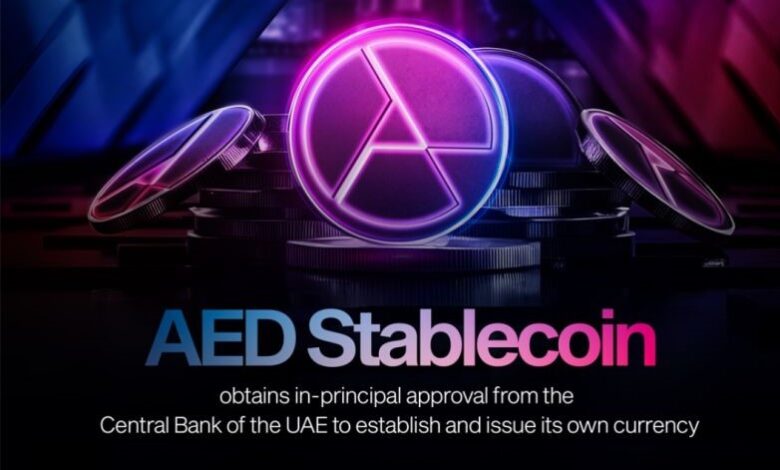
The UAE’s first regulated stablecoin has officially received the final green light from authorities, setting the stage for its anticipated launch across the country. This milestone marks a significant development in the UAE’s push to establish itself as a leading player in the global cryptocurrency market. With this approval, the stablecoin is poised to offer greater security and transparency in digital transactions, contributing to the growth of the digital economy in the region.

The UAE’s financial sector has undergone a significant transformation in recent years, driven by the government’s efforts to modernize its financial infrastructure. This stablecoin approval reflects the country’s ambition to integrate blockchain technology into its financial system and attract global investors looking for a secure digital asset to support transactions. The approval was granted by the UAE’s Financial Services Regulatory Authority (FSRA), which oversees all financial products and services in the Abu Dhabi Global Market (ADGM). This move is seen as part of a broader strategy to encourage the growth of fintech and blockchain-related ventures in the region.

The stablecoin, designed to be pegged to the value of the US dollar, will provide an alternative to more volatile cryptocurrencies such as Bitcoin and Ethereum. By pegging the value of the digital currency to a stable asset, the UAE’s stablecoin aims to mitigate the price fluctuations that often make other cryptocurrencies less attractive for everyday transactions. This stablecoin will be available to both businesses and consumers within the UAE, offering them a more secure, stable, and efficient way to carry out digital payments and trade.

The approval of the stablecoin also aligns with the UAE’s broader goals of expanding its digital economy. The UAE government has placed considerable emphasis on developing blockchain technologies, with the country’s leaders recognizing the potential for these innovations to revolutionize industries such as finance, real estate, and logistics. As part of the UAE’s “Vision 2021” initiative, there have been efforts to establish Dubai as a global hub for blockchain technology and cryptocurrency. These efforts have been amplified by the Dubai International Financial Centre (DIFC), which has introduced new regulations to govern the use of blockchain and cryptocurrency assets.

Industry experts view this approval as a major step forward for the UAE’s financial landscape. With the introduction of the stablecoin, businesses in the UAE will be able to make international transactions more efficiently, with fewer delays and reduced risks compared to traditional banking systems. Additionally, consumers will be able to use the stablecoin to pay for goods and services, facilitating everyday transactions in a secure and stable manner.

The issuance of a regulated stablecoin also brings the UAE in line with other countries that have moved forward with digital currencies. As countries around the world begin to recognize the need for secure, regulated digital currencies, the UAE’s stablecoin will likely gain traction as a reliable alternative for those seeking to move away from unstable fiat currencies. The stablecoin approval comes on the back of similar developments in countries such as China, where the People’s Bank of China has developed its own digital currency, and in Europe, where the European Central Bank has been exploring the creation of a digital euro.

UAE regulators have indicated that the stablecoin will undergo rigorous monitoring to ensure its stability and compliance with the country’s financial regulations. This will involve ongoing audits and checks to ensure that the stablecoin remains fully backed by the US dollar and that it adheres to anti-money laundering (AML) and know-your-customer (KYC) standards. The FSRA’s regulatory oversight is expected to instill greater confidence in users and investors, making the stablecoin a secure asset for transactions and investments.

With its stablecoin now officially approved, the UAE is positioning itself at the forefront of the cryptocurrency revolution. The development signals the country’s commitment to creating a forward-thinking financial system that embraces innovation while ensuring that new technologies are regulated in a way that protects consumers and businesses alike. The stablecoin is expected to become a key component of the UAE’s broader strategy to promote digital transformation, particularly in sectors such as finance, e-commerce, and international trade.

As the UAE becomes one of the first countries in the region to offer a regulated stablecoin, it sets a precedent for other countries in the Middle East and North Africa (MENA) to follow. The move could also position the UAE as a key player in the global cryptocurrency market, attracting international investors and businesses seeking a secure and regulated environment for their digital assets.

Several key figures from the Trump family and its network gathered at a high-profile cryptocurrency event in the Gulf region, where the convergence of digital currencies and the ever-growing market for crypto investments was on full display. The event, widely attended by industry leaders, investors, and political figures, provided a platform to discuss the emerging landscape of cryptocurrency, with a particular focus on Bitcoin, blockchain technology, and their future within global markets.

As the world navigates the evolving world of cryptocurrencies, the Gulf has become a hotspot for discussions around Bitcoin’s potential and the rising interest among both investors and political figures in the region. The event served as a reflection of broader global trends, where prominent political and business figures are increasingly aligning themselves with the digital currency space. For the Trump family and its allies, this marks an intensified involvement in the ever-growing crypto economy, a sector that has captured the attention of major global investors.

Donald Trump’s family members and political allies, including former White House officials and business partners, were seen attending various sessions during the gathering. These figures have been closely linked with the cryptocurrency movement for years, and their participation at the Gulf event highlights the increasing intersection between the digital currency world and high-profile political figures. Their presence not only signals a growing interest in the sector but also indicates how crypto has evolved from a niche technology to a mainstream financial asset.

The Trump family’s involvement in crypto aligns with broader Republican Party figures, some of whom have advocated for fewer regulations and a more lenient approach to crypto markets. Trump himself, while not overtly endorsing cryptocurrency in public statements, has repeatedly shown an interest in economic policies that benefit digital assets, often commenting on the need for more favorable conditions for businesses in the U.S. crypto space.

This growing alignment between the Trump family and cryptocurrency advocates has led to discussions regarding how the family’s network could further influence digital asset regulations. It is an environment that is ripe for policy lobbying and potential investment opportunities, making it a key area of focus for those gathered at the Gulf conference.

The Gulf region, particularly countries like the UAE and Saudi Arabia, has increasingly emerged as a global center for cryptocurrency innovation and regulation. These nations have been proactive in cultivating a crypto-friendly environment, with numerous free zones and financial hubs aimed at attracting digital asset companies and investors. Their push to position themselves as leaders in the digital finance sector is evident through initiatives aimed at creating regulatory frameworks that are conducive to cryptocurrency ventures.

For the Trump family and its allies, the event in the Gulf represents not just an opportunity to network, but also a deeper engagement with the region’s cryptocurrency potential. A number of Gulf-based investors have been vocal about their interest in Bitcoin, often citing its promise as a store of value amidst global economic instability. This is a view that aligns closely with statements made by key Trump allies, who see Bitcoin as a hedge against inflation and a safeguard for the future of financial systems.

While the Trump family’s direct involvement in crypto investments remains largely speculative, many members of their political network are increasingly vocal in advocating for the integration of cryptocurrency into mainstream financial markets. At the Gulf gathering, several key figures in the Trump camp discussed the potential for digital currencies to be integrated into broader financial systems, from asset management to cross-border payments, and even within the governance structures of central banks.

The event also highlighted the expanding role of cryptocurrency in global political and economic spheres. From the Trump family’s interactions with regional investors to the broader geopolitical implications of a burgeoning crypto economy, it is clear that the Gulf is positioning itself as a critical player in the digital finance space. For countries seeking to diversify their economies and establish dominance in future technologies, cryptocurrencies present an undeniable opportunity.

This expansion of crypto’s influence has not gone unnoticed among policy-makers. With growing calls for clearer regulations to protect both investors and the integrity of the financial system, the Gulf event also shed light on the regulatory challenges that come with rapid crypto adoption. Many industry leaders, alongside political figures, are discussing the importance of establishing global standards that could guide the industry in its growth while ensuring that digital currencies do not pose systemic risks to the financial ecosystem.

The Gulf event also served as a backdrop to discussions about the broader economic implications of cryptocurrencies, especially Bitcoin. As more global corporations and governments consider how to integrate digital assets into their financial systems, the Trump family’s growing involvement signals a broader shift in how political figures engage with the crypto industry. This is not just about investment but also about shaping the future of digital finance through favorable policies and regulatory measures.

As the cryptocurrency market continues to mature, it is clear that the involvement of key political figures, such as those from the Trump family, will play a crucial role in influencing both the regulatory landscape and the direction of investment in digital assets. The event in the Gulf was a clear demonstration of the growing interconnections between political figures, investors, and the rapidly evolving world of cryptocurrencies.

The rise of weight-loss drugs like Ozempic and Wegovy is reshaping multiple aspects of daily life, from what we eat and wear to how we think about health. These profound societal shifts are creating lucrative opportunities for investors ready to capitalize on this emerging theme in 2025. Changing face of lifestyle consumption These drugs, originally developed to treat Type 2 diabetes, have been widely adopted for weight […]

Eric Trump, the son of former U.S. President Donald Trump, is set to deliver a keynote address at the Bitcoin MENA conference in Abu Dhabi, marking his debut at a major cryptocurrency event. The conference, one of the most anticipated gatherings of cryptocurrency enthusiasts and investors in the Middle East and North Africa (MENA) region, comes at a time when the global digital asset market is experiencing a surge in both interest and investment.

Bitcoin MENA, which is scheduled to take place in Abu Dhabi in the coming weeks, will bring together industry leaders, investors, regulators, and developers from around the world to discuss the future of digital currencies and blockchain technology. The event is expected to focus on the rapid developments in the cryptocurrency space, regulatory changes, and opportunities for growth, especially in emerging markets.

Eric Trump’s involvement is seen as significant given his family’s established prominence in the political and business arenas. As the executive vice president of the Trump Organization, Eric Trump has been involved in several business ventures, though this marks a rare public appearance in the cryptocurrency sector. His participation is seen as part of a broader trend where mainstream business figures are increasingly engaging with digital assets as part of their investment strategies.

The cryptocurrency market has seen explosive growth over the past few years, with Bitcoin and other digital currencies reaching all-time highs in value. The MENA region, in particular, has emerged as a key player in the global crypto space, with several countries, including the UAE, creating favorable environments for blockchain and cryptocurrency innovations. Abu Dhabi, with its burgeoning tech infrastructure and regulatory framework, has positioned itself as a hub for fintech and digital finance in the region.

The UAE, where Bitcoin MENA is taking place, has been proactive in adopting blockchain technology. The UAE government’s initiative to integrate blockchain into various sectors, including finance, real estate, and healthcare, has been a driving force in the rise of digital assets within the region. The UAE’s progressive stance on cryptocurrencies has attracted significant foreign investment and a growing number of startups focused on blockchain technology.

In particular, the Abu Dhabi Global Market (ADGM), a financial free zone, has been pivotal in shaping the regulatory landscape for cryptocurrencies in the region. ADGM has implemented clear regulations for cryptocurrency exchanges and trading, creating a safer and more attractive environment for investors and businesses. The UAE’s leadership has also signaled its intent to develop the nation into a leading global fintech center, with blockchain technology at the forefront of these ambitions.

The timing of the Bitcoin MENA conference is particularly notable given the broader context of the cryptocurrency market’s performance. Bitcoin, the largest cryptocurrency by market capitalization, recently surpassed $35,000, reaching new heights despite some ongoing concerns around regulatory scrutiny and market volatility. Analysts suggest that the market is entering a new phase, characterized by institutional adoption and growing acceptance of cryptocurrencies as a legitimate asset class.

Several factors have contributed to the rise of cryptocurrency, including the increasing institutional interest in digital assets, as well as the growing recognition of blockchain technology’s potential to revolutionize various industries. Investment firms, hedge funds, and even governments are increasingly looking at ways to incorporate digital currencies into their portfolios, with some countries exploring the creation of central bank digital currencies (CBDCs) as part of their financial strategies.

For Eric Trump, his appearance at the Bitcoin MENA conference aligns with his family’s broader interest in global business opportunities, including those in the tech and finance sectors. Though primarily known for his family’s real estate business, the Trump Organization has diversified its interests into various fields over the years. Eric Trump’s participation is also likely to draw attention from investors who are looking to connect the worlds of traditional business and cryptocurrency.

The UAE’s role as a key player in the digital economy is also attracting increasing interest from global investors, particularly those looking for opportunities in the cryptocurrency and blockchain sectors. The country’s focus on diversifying its economy away from oil dependence has led to a greater emphasis on tech-driven industries, including fintech, artificial intelligence, and digital assets. This approach aligns with the global trend toward digitization and offers promising prospects for growth in the cryptocurrency market.

As Bitcoin and other cryptocurrencies continue to gain traction across the globe, the role of events like Bitcoin MENA will be crucial in shaping the discourse around regulation, innovation, and market development. The conference will provide an opportunity for thought leaders and experts to engage in discussions on the future of digital currencies, including their impact on global financial systems and their potential to disrupt traditional industries.

VISHNU RAJA
RYO YAMADA
HITORI GOTOH
IKUYO KITA