News related to
venture

Revolut has reported a significant pre-tax profit of $1.4 billion for 2024, marking a 149% surge compared to the previous year. This surge is largely attributed to the company’s strategic expansion, diversified revenue streams, and growing customer base. The fintech firm has also taken a key step in its plans to further solidify its presence in the financial sector with the acquisition of a UK banking licence. […]

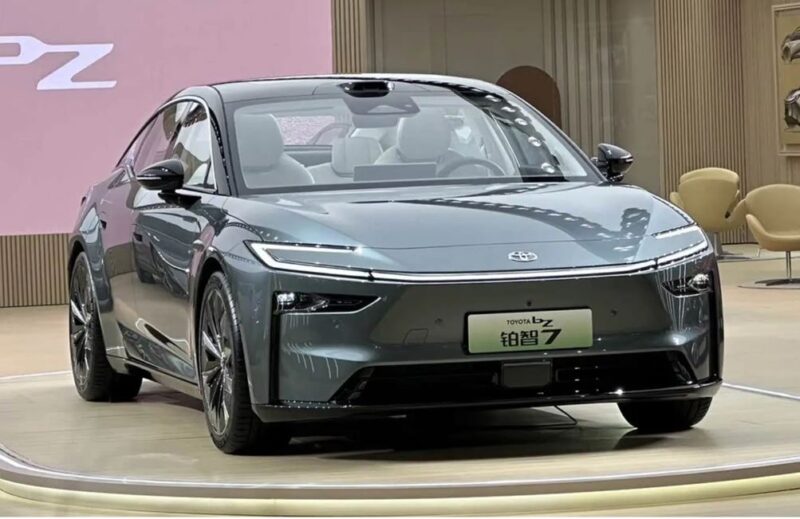
Toyota has partnered with Huawei to integrate the Chinese tech giant’s HarmonyOS in its upcoming electric sedan model. This move marks a significant shift in the automotive industry as the Japanese automaker aligns itself with a technology platform developed by a key competitor to Google’s Android in the connected car space. The decision comes amid growing tensions between the US and China, as well as a rapidly evolving global market where automakers are increasingly dependent on innovative software for everything from vehicle performance to customer experience.

HarmonyOS, launched by Huawei as a competitor to Android, is designed to offer greater security and seamless integration across various devices. While initially developed for smartphones, the system has expanded into a variety of smart devices, including automobiles. Toyota’s adoption of HarmonyOS in its new electric sedan reflects the growing importance of software in vehicles, especially as automakers shift focus to electric and autonomous technologies.

The electric sedan, set to hit the Chinese market first, will benefit from the advanced connectivity and smart features of HarmonyOS, such as AI-based in-car assistants and enhanced user interfaces. This is expected to provide a competitive edge for Toyota as it navigates the increasingly crowded Chinese electric vehicle market, where local companies such as BYD and NIO have already established a strong foothold.

Huawei’s HarmonyOS has faced challenges in gaining international traction, particularly due to its ties to the Chinese government and its exclusion from key US-based app ecosystems. However, the system has found significant success within China, where Huawei has a commanding presence in both telecommunications and consumer electronics. Toyota’s decision to integrate the platform may not only strengthen its position in the Chinese market but also mark a turning point in the global race for automotive software dominance.

While Toyota continues to rely on established partners like Google for its global connected car initiatives, this collaboration with Huawei represents a key step in diversifying its software strategy, particularly in regions like China where local technology is often favoured. As automakers seek to ensure the security and functionality of increasingly digital vehicles, HarmonyOS’s promise of enhanced privacy features could play a crucial role in attracting tech-savvy consumers.

The automotive industry has long been navigating a delicate balance between software development and traditional vehicle manufacturing. Toyota’s embrace of Huawei’s operating system is indicative of the growing reliance on third-party tech companies to provide the kind of high-tech, integrated solutions that are rapidly becoming a standard in modern cars. The partnership also underscores the importance of China as a strategic market for global automakers, with its massive population and burgeoning EV market offering significant growth potential.

This development comes at a time when other major tech players are making inroads into the automotive sector. SK Telecom’s announcement to replace SIM cards in its vehicles after a data breach underscores the growing importance of cybersecurity in connected car systems. Moreover, India’s advancements in satellite docking automation signal a broader trend toward increased integration of autonomous systems in the automotive sector. In China, companies are working toward greener solutions, with efforts to reduce the carbon footprint of data centres becoming a focal point for many technology giants.

With the global automotive industry rapidly evolving, Toyota’s partnership with Huawei places the automaker at the crossroads of software innovation and traditional vehicle manufacturing. The collaboration may not only affect the Chinese electric sedan market but could also set a precedent for future ventures between automakers and tech companies, particularly as the digital landscape of the automotive sector continues to evolve.

Burj Azizi, developed by Azizi Developments, has been recognised with the ‘Iconic Design of the Year’ award at the UAE Realty Awards 2025, highlighting its remarkable architectural achievement. Positioned to become the world’s second-tallest building upon completion, the landmark project is setting new standards for structural design and innovation in Dubai’s evolving skyline. Situated on Sheikh Zayed Road in Dubai, Burj Azizi stands as a testament to […]

A major scientific breakthrough in quantum research has sparked optimism that practical quantum encryption could be realised within the next decade, while a fully developed quantum internet may become achievable within the next half-century, according to leading physicists and technology experts. Researchers at Delft University of Technology in the Netherlands confirmed they had successfully demonstrated quantum entanglement between distant nodes in a network in a stable, reliable […]

Saudi Arabia’s Public Investment Fund has sharply raised its assets under management target for 2030 to $2.67 trillion, marking a significant 43 per cent jump from its earlier ambition of $1.87 trillion. The strategic move follows the sovereign wealth fund surpassing its asset milestone for 2023, underlining its growing influence as a key pillar of the Kingdom’s economic transformation efforts. According to the latest figures released as […]

Trinidad and Tobago’s political landscape intensified as the ruling People’s National Movement and the opposition United National Congress delivered final appeals to voters, promising to revitalise the economy and curb surging crime rates ahead of Monday’s election. Both parties, addressing energetic crowds across the islands, positioned economic resilience and public safety as their foremost commitments. Prime Minister Keith Rowley, leading the PNM, outlined a vision to modernise […]

The Open Network has announced that its Toncoin Bridge, facilitating transfers between the TON blockchain and Ethereum and BNB Smart Chain , will be permanently shut down on May 10, 2025. Post this date, users will no longer be able to bridge Toncoin from TON to these networks. However, assets already bridged will remain claimable. Bridging into TON will still be available temporarily, with a separate end date to be announced.

The Toncoin Bridge has been a pivotal component in TON’s cross-chain interoperability, enabling users to transfer assets between the TON blockchain and Ethereum and BSC. Its discontinuation marks a significant shift in TON’s approach to cross-chain interactions.

In anticipation of the bridge’s shutdown, TON has been promoting alternative bridging solutions. These include platforms like Rhino.fi, Symbiosis, Layerswap, Rubic, Meson.fi, and Retro Bridge, which offer support for a wide range of networks beyond Ethereum and BSC. These alternatives aim to provide users with continued access to cross-chain functionalities, albeit through different channels.

The decision to discontinue the Toncoin Bridge comes amid broader strategic changes within the TON ecosystem. The TON Foundation recently appointed Maximilian Crown, co-founder of MoonPay, as its new CEO. This leadership change follows a $400 million investment from global venture capital firms, signaling a renewed focus on scaling blockchain adoption and integrating with Telegram’s extensive user base.

Market reactions to these developments have been measured. As of April 25, 2025, Toncoin is trading at approximately $3.25, with a market capitalization of around $8.15 billion. While this reflects a decline from its all-time high of $8.27 in 2024, the cryptocurrency has shown resilience amid the evolving landscape. Price Prediction 2025 – 2030 – 99Bitcoins)

Advertisements

Dubai-based luxury real estate developer Omniyat Holdings has mandated a consortium of international and regional banks to arrange its inaugural US dollar-denominated green sukuk, marking its entry into the sustainable finance market. The issuance, structured as a three-year fixed-rate senior unsecured sukuk under Regulation S, is poised to attract global investors seeking Sharia-compliant green investment opportunities.

The appointed joint global coordinators for the transaction are ADCB, Citi, ENBD Capital, JP Morgan, Mashreq, and Standard Chartered. Supporting them as joint lead managers and bookrunners are Ajman Bank, Commercial Bank of Dubai, Dubai Islamic Bank, First Abu Dhabi Bank, Kamco Invest, RAKBANK, and Warba Bank. Investor calls are scheduled to commence on Thursday, setting the stage for the sukuk’s launch, subject to market conditions.

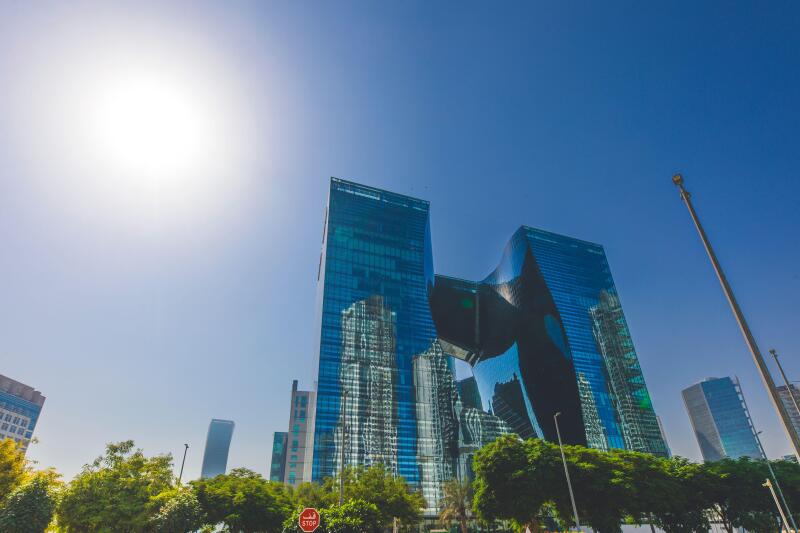
Omniyat, renowned for its high-profile developments such as The Opus in Dubai’s Business Bay—designed by the late Zaha Hadid—aims to leverage the proceeds from the green sukuk to finance or refinance projects that align with environmental sustainability criteria. This move aligns with the broader trend in the Gulf Cooperation Council region, where issuers are increasingly tapping into the green finance market to support environmentally friendly initiatives.

The UAE has emerged as a leader in green sukuk issuances, with activity in the sector doubling to $8.6 billion in the first half of 2024. This surge is attributed to a series of high-profile issuances by major financial institutions and corporations, reflecting the country’s commitment to sustainable development and its 2050 Net Zero Goals.

Omniyat’s entry into the green sukuk market follows similar moves by other prominent UAE entities. For instance, Abu Dhabi Islamic Bank successfully raised $500 million through a green sukuk offering, marking the world’s first US dollar-denominated green sukuk issued by a financial institution. The issuance was met with exceptional demand, attracting interest from over 100 global and regional investors, and was listed on the London Stock Exchange’s International Securities Market and Sustainable Bond Market.

Similarly, Majid Al Futtaim, a UAE-based developer and operator of shopping malls, has previously issued a $600 million green sukuk to finance a portfolio of green projects. The issuance, which was listed on Nasdaq Dubai, underscores the growing appetite for sustainable investment products in the region.

Abu Dhabi’s sovereign wealth fund, Mubadala Investment Company, has committed $1 billion to a strategic partnership with U.S.-based Fortress Investment Group, aiming to capitalise on credit and special situations co-investment opportunities. This collaboration will see Mubadala deploying capital into Fortress’s existing private credit, asset-based lending, and real estate strategies, alongside Fortress’s current capital pools. The partnership follows Mubadala Capital’s acquisition of a majority stake in Fortress in […]

Saudi Arabia has surpassed Singapore to become the top destination for venture capital funding among emerging markets, securing $391 million in the first quarter of 2025. This 53 percent year-on-year increase positions the Kingdom ahead of regions including the Middle East, Africa, Pakistan, Türkiye, and Southeast Asia, according to data from venture analytics platform MAGNiTT.

The Kingdom accounted for 58 percent of all venture funding in the Middle East and North Africa region during this period, with 41 percent of the total transactions. This performance reflects a significant shift in investor confidence, driven by a combination of strategic government initiatives, active sovereign wealth fund participation, and a focus on early-stage investments.

Notably, there was an 87 percent year-on-year increase in non-mega deal funding and a 437 percent rise in Series A and B rounds. Key transactions included $28 million raises by Ula.me and Merit Incentives, indicating robust support for startups at critical growth stages.

The broader MENA region also experienced a resurgence in venture capital activity, with total funding reaching $678 million in the first quarter—a 58 percent increase compared to the same period last year. This growth occurred despite a 21 percent decline in the number of deals, which totaled 133 transactions. The uptick is attributed to improved investor sentiment following interest rate cuts across the Gulf in late 2024, as well as sustained activity from sovereign funds and flagship ecosystem initiatives like LEAP 2025.

Indulge in Extraordinary Rewards & Experiences This May Golden Week HONG KONG SAR – Media OutReach Newswire – 24 April 2025 – This May Golden Week, let DFS —the world’s leading luxury travel retailer, elevate your shopping journey with curated moments of self-delight. From tranquil moments in our Fragrance Wonderland and family adventures in teamLab Future Park, to exquisite gifts for loved ones and unique treasures that […]

New Benchmark for Luxury Living in Majan, Dubai A boutique mid-rise with 60 residences, Estrella blends innovation, luxury, and a thoughtfully serene environment. Nexus Developer has officially launched ‘Estrella by Nexus’, a boutique residential project in Majan, Dubai, that introduces a new model for luxury living in low-rise communities. With just 60 high-end residences, the development represents a shift toward more personalized, well-designed living spaces in Dubai’s […]

Abu Dhabi National Oil Company Group’s six publicly traded subsidiaries have secured shareholder approval to distribute a combined $6.7 billion in dividends for the fiscal year 2024, underscoring their robust financial health and dedication to shareholder value. This substantial payout follows a collective net profit exceeding $9 billion and total revenues of $49.7 billion across the listed entities. ADNOC Gas emerged as the leading contributor, confirming a […]

Aramco and BYD, two giants in their respective industries, have entered into a strategic partnership aimed at advancing new energy vehicle technologies. The collaboration is expected to drive innovation in the electric vehicle sector, integrating Aramco’s expertise in energy and BYD’s cutting-edge solutions in battery technology.

The partnership comes at a time when the global shift toward clean energy solutions is gaining momentum. With governments around the world pushing for reduced carbon emissions and an increasing focus on sustainable transportation, companies like Aramco and BYD are well-positioned to lead the way. The collaboration between these two firms will not only leverage their individual strengths but also contribute significantly to the transition toward a low-carbon future.

Aramco, long known for its dominance in the oil and gas sector, has increasingly invested in renewable energy technologies, recognising the growing importance of sustainable practices in the energy industry. As part of its diversification strategy, the company has ventured into hydrogen production, solar energy, and, more recently, electric vehicles. This move signals a shift in Aramco’s approach, with an eye on future-proofing its operations against an ever-evolving energy landscape.

BYD, based in China, has made remarkable strides in the development of electric vehicles and energy storage systems. Known for its innovation in power batteries, BYD has become a leader in the NEV space, developing everything from electric buses to passenger cars. Its established foothold in both the automotive and energy sectors gives it a significant advantage in pushing the boundaries of green technology. The company’s electric vehicles have gained a loyal customer base globally, particularly in markets like China and Europe, where demand for eco-friendly transportation solutions is surging.

The two companies are aiming to explore a wide range of opportunities within the electric vehicle market, including advancements in battery technology, energy storage, and vehicle charging infrastructure. Aramco’s expertise in the energy sector, particularly in the areas of refining, chemicals, and fuel technology, complements BYD’s proficiency in EV manufacturing and power batteries. By combining forces, the partnership aims to accelerate the deployment of high-performance, energy-efficient vehicles that can meet the demands of a more sustainable future.

As part of the agreement, Aramco and BYD will also look into the development of renewable energy-powered charging stations, further enhancing the sustainability of electric vehicles. This would involve the integration of solar power solutions into EV charging networks, reducing reliance on conventional grid power and cutting down on emissions associated with vehicle charging.

The collaboration between Aramco and BYD is poised to support the growing global adoption of electric vehicles. With transportation being one of the largest contributors to greenhouse gas emissions, the push for cleaner vehicles is essential in mitigating the effects of climate change. Governments worldwide are introducing stricter emission standards and providing incentives for electric vehicle adoption, creating a fertile environment for partnerships like the one between Aramco and BYD to flourish.

In addition to its environmental benefits, this collaboration also promises to have significant economic implications. The electric vehicle market is expected to experience substantial growth in the coming years, driven by technological advancements, government incentives, and increasing consumer demand for greener alternatives. By investing in electric vehicle infrastructure and technology, Aramco and BYD are positioning themselves to capitalise on this rapidly expanding market.

Aramco’s involvement in the electric vehicle sector also signals the company’s recognition of the need to diversify its business model. As the world moves toward a more sustainable energy future, companies in the fossil fuel industry are under increasing pressure to reduce their carbon footprints and adapt to new market realities. Through its partnership with BYD, Aramco is working to align itself with global energy transition trends, aiming to maintain its relevance in an energy landscape that is rapidly shifting away from traditional fossil fuels.

For BYD, the partnership with Aramco provides access to crucial resources and expertise, allowing the company to scale up its operations and expand its presence in new markets. Aramco’s extensive network and experience in the energy sector, along with its significant financial resources, will enable BYD to enhance its technological capabilities and accelerate the development of next-generation electric vehicles.


A high-stakes bidding war is unfolding for PAL Cooling Holding , the district cooling subsidiary of Abu Dhabi’s Multiply Group, with global asset managers vying for a deal estimated at approximately $1 billion. Among the contenders are KKR, I Squared Capital, Investcorp, and CVC Capital Partners, the latter collaborating with Engie-backed National Central Cooling Company, known as Tabreed. Abu Dhabi’s energy firm TAQA is also reportedly evaluating a bid.

PCH, established in 2006, operates six state-of-the-art district cooling plants across Abu Dhabi, boasting a designed capacity of nearly 193,800 refrigeration tonnes . The company maintains long-term agreements with prominent developers such as Aldar Properties, Al Qudra, Al Tamouh Investment, and Reem Developers. Its services provide 24/7 chilled water for air conditioning to landmark residential, commercial, and mixed-use developments, contributing to the UAE’s strategy to reduce carbon emissions.

The sale of PCH aligns with Multiply Group’s broader strategy to capitalize on the construction boom in the UAE. The investment firm, controlled by International Holding Company and chaired by Sheikh Tahnoon bin Zayed Al Nahyan, is working with Standard Chartered Plc on the transaction. Sheikh Tahnoon, a key figure in the UAE’s ruling elite, oversees a sprawling business empire, including two sovereign wealth funds.

The district cooling sector in the Gulf region is experiencing significant growth, driven by the need for energy-efficient and environmentally friendly alternatives to traditional air conditioning. District cooling systems, which deliver chilled water via insulated pipes to cool buildings, are particularly suited to the region’s climate, where summer temperatures can exceed 50 degrees Celsius. These systems are approximately 50% more energy-efficient than conventional cooling methods, making them an attractive investment for firms focusing on sustainable infrastructure.

Tabreed, a major player in the district cooling industry, has been expanding its portfolio through strategic partnerships. The company, with significant shareholders including Mubadala and Engie , recently entered a joint venture with Dubai Holding Investments to provide district cooling services for Palm Jebel Ali in Dubai. This AED 1.5 billion project aims to deliver approximately 250,000 RTs of cooling capacity, with construction expected to commence in the second quarter of 2025 and the first cooling services anticipated by 2027.

A strategic alliance between the Abu Dhabi Investment Office , the Department of Health – Abu Dhabi , and Hub71 has been formalised to accelerate the growth of HealthTech and life sciences startups through the newly established Health, Endurance, Longevity, and Medicine cluster. This initiative aims to position Abu Dhabi as a global centre for biotechnology, MedTech, and digital health innovation.

The HELM cluster is projected to contribute AED 94 billion to Abu Dhabi’s GDP and create 30,000 new jobs by 2045. Under the agreement, Hub71 will leverage its extensive venture capital partner network to showcase investment opportunities within the HELM cluster through targeted roadshows, networking engagements, and dedicated promotional initiatives.

The announcement was made during Abu Dhabi Global Health Week , an event that convenes global researchers, policymakers, healthcare professionals, investors, and entrepreneurs to address critical global health challenges. The 2025 edition of ADGHW, held from April 15-17 at the Abu Dhabi National Exhibition Centre, emphasised precision medicine, digital health, and artificial intelligence.

The HELM cluster complements existing initiatives such as HealthX, a startup programme developed in partnership with New York University Abu Dhabi and startAD. HealthX provides startups with access to world-class facilities, expert mentorship, and pilot opportunities, enabling the transition of innovative concepts to impactful healthcare solutions within Abu Dhabi’s ecosystem.

The Department of Health – Abu Dhabi has been recognised for its efforts in fostering a dynamic healthcare innovation ecosystem, receiving the Startup Ecosystem Stars Award 2024. Since 2021, the department has supported over 80 healthcare startups, contributing to an annual growth of 35.8 per cent in the life sciences sector and creating 926 specialised jobs.

KYOTO, JAPAN – Media OutReach Newswire – 18 April 2025 – Travelodge Hotels Asia is excited to welcome thousands of guests to the newly refreshed and renovated Travelodge Kyoto Shijo Omiya, nestled in the lively Shijo Omiya district. Travelodge Kyoto Shijo Omiya now features upgraded interiors, thoughtfully redesigned rooms, and exclusive Buy 1 Get 1 Free grand opening promotion designed for smart travelers looking to experience the […]

Macau’s Unrivalled Skytop Waves Define a Season of Sophisticated Leisure and Aquatic Fun at the Award-winning Integrated Resort MACAU SAR – Media OutReach Newswire – 17 April 2025 – Spring blossoms into summer, as the mercury begins its anticipated climb, with the thrill of waves calling all fun-and-sun seekers. Get ready to dive into the aquatic landscape of Galaxy Macau’s world-class luxury integrated resort—which unveils its legendary […]

ADNOC Drilling has been awarded a $1.63 billion contract by ADNOC Offshore to deliver Integrated Drilling Services over a five-year period, marking a significant expansion of its offshore operations. The contract encompasses a comprehensive suite of services, including directional drilling, drilling fluids, cementing, wireline logging, and tubular running services. It also entails engineering and technical support for the execution of extended reach and maximum reservoir contact wells […]

Matein Khalid Thank God my macro instinct flashed a “get out” SOS in late February and I dumped King Dollar for Bonnie King Charlie’s British pound before New Year late last year and thus averted fate worse than death/Matty miskeen. My macro guardian angel now whispers a few subliminal ideas. One, Chinese factories shed 20 million workers last week and hiring is down 30%. So the youth […]

Fifteen publicly listed Bitcoin mining firms collectively sold more than 40% of their mined BTC in March, marking the most significant monthly liquidation since October 2024. This trend underscores the mounting financial pressures faced by miners due to escalating operational costs and evolving market dynamics.

Marathon Digital, one of the largest Bitcoin mining companies, reported selling over 60% of its mined Bitcoin in May, amounting to 390 BTC out of 616 BTC produced. This move reflects a broader strategy among miners to liquidate assets in response to reduced profitability following the Bitcoin halving event in April, which cut mining rewards from 6.25 BTC to 3.125 BTC per block.

Other major players, such as Riot Platforms and CleanSpark, have adopted varied approaches. Riot Platforms disclosed no BTC sales in May despite producing 215 BTC, while CleanSpark sold only a small portion of its 417 BTC production. These decisions highlight the diverse strategies miners are employing to navigate the post-halving landscape.

The sell-off trend is not isolated to a few companies. In February, the combined market capitalization of 15 major Bitcoin mining stocks dropped by $13 billion, reflecting broader market volatility and the challenges miners face in maintaining profitability. Companies like Bitdeer and Hut 8 experienced significant declines in their stock prices, with Bitdeer leading the downturn with a 55% loss.

To mitigate these challenges, miners are exploring various strategies. Marathon Digital is expanding its operations overseas, partnering with the Ministry of Energy and Petroleum of the Republic of Kenya to optimize renewable energy projects. The company also initiated a pilot project in Paraguay to enhance its energy structure, aiming to have 50% of revenues coming from overseas by 2028.

Hut 8, in collaboration with Eric Trump, launched a new Bitcoin mining company named American Bitcoin. This venture focuses on building a significant Bitcoin reserve and plans to go public in the future to enhance capital access. Hut 8 will serve as American Bitcoin’s exclusive infrastructure and operating partner, indicating a strategic shift towards energy and digital infrastructure.

SINGAPORE – Media OutReach Newswire – 17 April 2025 – Loft Logistics, a 3PL logistics service provider in Singapore, is proud to announce its business expansion into Malaysia with a new warehouse in Shah Alam, Selangor. Loft Logistics Shah Alam Warehouse Driving Growth in Southeast Asia This strategic move enhances Loft’s capabilities, providing seamless logistics and fulfilment services that support businesses in both Singapore and Malaysia. Since […]

15 Tech Companies Showcase AI, Telecommunications, and Green and Construction Tech at HKSTP Pavilion HONG KONG SAR – Media OutReach Newswire – 16 April 2025 – The Hong Kong Science and Technology Parks Corporation (HKSTP) will lead a delegation of 15 innovative tech companies to GITEX Asia 2025, taking place from 23-25 April, 2025, at Marina Bay Sands in Singapore. The HKSTP Pavilion will highlight the breadth […]

Oman has formalised a landmark agreement to develop the world’s first commercial-scale liquid hydrogen corridor, aiming to supply green hydrogen to Europe via the Port of Amsterdam.

The Ministry of Energy and Minerals, alongside Hydrogen Oman , has entered into a Joint Study Agreement with the Port of Amsterdam, Zenith Energy Terminals, and GasLog. This collaboration focuses on establishing a comprehensive supply chain for green hydrogen, encompassing liquefaction, storage, and maritime transport to Europe. The agreement was signed during COP28 in Dubai, with Minister Salim bin Nasser Al Aufi and Prince Jaime de Bourbon de Parme, the Netherlands’ Climate Envoy, witnessing the ceremony.

Central to this initiative is the development of an open-access hydrogen liquefaction and export facility in Oman. GasLog is tasked with designing specialised vessels for transporting the liquefied hydrogen. The project aims to deliver Omani green hydrogen to Zenith Energy’s terminal in Amsterdam, facilitating distribution to local consumers and major industries across Europe.

The corridor’s first phase targets an annual export of 50,000 tonnes of liquefied hydrogen, with plans to scale up to 200,000 tonnes. This venture is a joint effort involving Hydrom, Athens-based Ecolog, and German energy firm EnBW, with the inaugural shipments anticipated by 2030.

Oman’s abundant solar and wind resources position it as a prime candidate for green hydrogen production. The nation’s strategic location and existing infrastructure further bolster its potential as a global hydrogen hub. The open-access nature of the liquefaction facility is designed to accommodate various projects, promoting cost-effective hydrogen export routes to diverse international markets.

This agreement aligns with Oman’s broader objectives of economic diversification and achieving net-zero emissions by 2050. By investing in green hydrogen infrastructure, Oman seeks to reduce its reliance on fossil fuels and contribute to global decarbonisation efforts.

VISHNU RAJA
RYO YAMADA
HITORI GOTOH
IKUYO KITA