Just in:
Sui activates Hashi Bitcoin lending across partner network // Travel Insurance Was Built for the Few Who Claim. Ancileo’s Felt Coverage™ is for Everyone Else // Dalilk Academy reaches 27 million, targets 100 million by 2030 // Saudi Arabia schedules multinational top-up tax for 2027 // Saudi defences destroy three Houthi missiles targeting Riyadh // Yeebo Announces Interim Results for FY26/27 Revenue Increases by 45.5% to HK$806.7 Million Profit Attributable to Owners Surges 87.6% to HK$2,284.7 Million // Technology at Work, Heritage for All: The “Chinese Approach” to Safeguarding the Leshan Giant Buddha // Balagopal challenges CM over tax revenue // LittleLives, Little Lab and SEGi College Sign MOU to Explore Early Childhood Education Collaboration Across ASEAN // Oil futures rebound after Riyadh strikes and tanker alerts // Sabarimala booking discrepancies prompt sabotage angle probe // Workday targets Honeydew purchase to unify AI metrics // ED searches five districts in probe against hawala // Promoting Common Human Development Through Exchanges and Mutual Learning Among Civilizations // Sharjah clears Kalba free zone plan for 400MW complex // Coinbase targets 2027 launch amid state gambling lawsuits // 2026 Tropical Rainforest Ecosystem Partners Conference Kicks off in Hainan // Russia permits retail cryptocurrency purchases under regulated framework // Thailand’s Most Iconic New Year’s Celebration Returns: ICONSIAM Unveils “Amazing Thailand Countdown 2027” // Crypto market loses $150 billion amid broad sell-off //

News related to
venture

Billionaire entrepreneur Elon Musk has suggested distributing $5,000 refund checks to American taxpayers, funded by savings from the Department of Government Efficiency . This proposal comes as the White House asserts that Musk holds no formal authority within the department. Musk’s idea, referred to as the “DOGE Dividend,” aims to return 20% of the projected $2 trillion in government savings to taxpayers, equating to approximately $400 billion. […]

The United Arab Emirates is set to enhance its aerospace capabilities through a collaboration between Tawazun Council and Mubadala Investment Company. This partnership aims to establish a state-of-the-art Maintenance, Repair, and Overhaul facility in Al Ain, focusing on aircraft engines. The initiative underscores the UAE’s commitment to becoming a regional hub for advanced aerospace technologies.

Announced at the International Defence Exhibition 2025, the project involves Mubadala’s subsidiary, Sanad, joining forces with global aerospace leader Pratt & Whitney. The facility will be the first of its kind in the Middle East, North Africa, and South Asia regions, providing comprehensive MRO services for Pratt & Whitney’s GTF™ engines. Once operational, it is expected to handle up to 350 engine shop visits annually.

Dr. Bakheet Al Katheeri, CEO of Mubadala’s UAE Investments platform, highlighted the strategic importance of the collaboration: “This partnership between Mubadala and Tawazun is a clear demonstration of the Mubadala UAE Investments platform delivering on its mandate. We are building national champions in the aerospace sector, fostering a vibrant aerospace ecosystem, and partnering with world-class entities like Pratt & Whitney to accelerate the transformation of Abu Dhabi’s economy.”

The facility, slated to open in the third quarter of 2028, will be located at the Al Ain Aerospace Park. It is poised to generate several hundred jobs, contributing significantly to the local economy and supporting the UAE’s broader economic diversification strategy. The collaboration also serves to fulfill Raytheon’s offset obligations to the UAE, marking a unique instance where a civil project offsets military purchases.

Marc Meredith, Vice President of GTF Commercial Aftermarket at Pratt & Whitney, expressed enthusiasm about the venture: “Pratt & Whitney have been talking to Sanad about developing our relationship with them. This is a really exciting, generational project, both for us and for them.” The partnership builds upon a decade-long relationship between Pratt & Whitney and Sanad, which currently operates an MRO facility for IAE V2500 engines in Abu Dhabi.

The decision to establish a new site in Al Ain, rather than expanding the existing facility, was driven by the anticipated scale of future GTF engine production. Meredith noted the substantial opportunities ahead: “There is a massive opportunity in front of us.”

Tawazun Council, an independent government entity collaborating closely with the Ministry of Defence and security agencies in the UAE, plays a pivotal role in this initiative. The Council’s involvement ensures alignment with national defense and security objectives, while also promoting the growth of the UAE’s aerospace sector.

Tokyo-based investment firm Metaplanet has announced a 10-for-1 stock split, effective April 1, following a staggering 3,900% surge in its share price over the past year. This remarkable growth is largely attributed to the company’s strategic acquisition of Bitcoin, positioning it as a significant corporate holder of the cryptocurrency.

Since initiating its Bitcoin investment strategy in April 2024, Metaplanet has amassed approximately 2,031 bitcoins, valued at nearly $200 million. The firm’s aggressive accumulation has drawn parallels to U.S.-based MicroStrategy, known for its substantial Bitcoin holdings. Metaplanet’s stock price escalation has been directly linked to its cryptocurrency investments, prompting the decision to implement a stock split to enhance market accessibility and liquidity.

The upcoming stock split aims to reduce the financial barrier for potential investors by lowering the price per share, thereby broadening the company’s shareholder base. In an official statement, Metaplanet expressed that the stock split is intended to “lower the price per trading unit, thereby improving liquidity, expanding our investor base, and strengthening our connection with a broader range of shareholders.”

In its latest acquisition, Metaplanet purchased an additional 269.43 bitcoins at an average price of ¥14,846,322 per Bitcoin, equating to approximately $25.8 million. This purchase increased the company’s total holdings to over 2,000 bitcoins, reinforcing its commitment to a Bitcoin-centric investment approach. The firm has set ambitious targets to expand its reserves to 10,000 bitcoins by the end of 2025 and 21,000 by the end of 2026.

The company’s strategic shift towards Bitcoin investments has not only bolstered its financial standing but also significantly impacted its market valuation. The 3,900% increase in Metaplanet’s stock price over the past year underscores the market’s positive response to its cryptocurrency-focused strategy. This surge mirrors a broader trend among companies adopting Bitcoin as a treasury asset, inspired by pioneers like MicroStrategy.

Metaplanet’s approach includes diversifying its business model to integrate Bitcoin into various facets of its operations. The firm has ventured into developing a Bitcoin-themed hotel and an educational branch aimed at promoting cryptocurrency adoption. These initiatives reflect a comprehensive strategy to capitalize on the growing interest and acceptance of Bitcoin in mainstream finance and commerce.

However, the company’s aggressive Bitcoin accumulation strategy is not without risks. The inherent volatility of cryptocurrency markets poses potential challenges to financial stability. Analysts caution that a significant downturn in Bitcoin’s value could adversely affect Metaplanet’s financial health, given its substantial exposure to the digital asset. Additionally, geopolitical tensions and regulatory uncertainties surrounding cryptocurrencies add layers of complexity to the firm’s investment approach.

Despite these challenges, Metaplanet remains steadfast in its belief in Bitcoin’s long-term value proposition. The company’s leadership views the cryptocurrency as a hedge against traditional market fluctuations and a strategic asset for future growth. This conviction is evident in their continued investments and the structural adjustments, such as the forthcoming stock split, designed to align with their Bitcoin-centric vision.

The broader market has taken note of Metaplanet’s performance, with investors closely monitoring the outcomes of its bold investment strategy. The forthcoming stock split is anticipated to attract a more diverse group of investors, potentially leading to increased trading volume and liquidity. As the April 1 effective date approaches, market participants are keen to observe how this move will influence Metaplanet’s stock performance and whether it will sustain its upward trajectory.

Abu Dhabi National Oil Company for Distribution has announced plans to inaugurate its first flagship service station in Egypt within the year. This strategic move signifies the company’s commitment to expanding its footprint in the North African energy market.

The upcoming service station, slated for New Cairo, will feature an enhanced ADNOC Oasis convenience store and a comprehensive suite of automotive services. This development aims to elevate the customer experience, aligning with ADNOC Distribution’s standards observed in its flagship stations across Abu Dhabi and Dubai.

This initiative is part of the broader collaboration between ADNOC Distribution and TotalEnergies, marked by the two-year anniversary of their joint venture, TotalEnergies Marketing Egypt . Established in 2023, TEME oversees over 240 fuel retail sites across Egypt, encompassing wholesale fuel distribution, aviation fuel services, and lubricant blending operations.

Eng. Bader Saeed Al Lamki, CEO of ADNOC Distribution, highlighted the significance of this expansion: “The ongoing success of our TEME joint venture demonstrates the value of our international expansion strategy in driving value-accretive growth. Egypt, with its significant economic potential, is a key part of our growth journey.”

Thomas Strauss, Managing Director and Country Chair of TotalEnergies Marketing Egypt, echoed this sentiment: “This partnership underscores our mutual dedication to strengthening Egypt’s energy solutions. We recognise the immense potential of the Egyptian market and are committed to fostering sustainable growth.”

In addition to the flagship station, ADNOC’s Voyager lubricants, blended locally by TEME, are set to expand their availability through independent distributors later this year. This move aims to extend the brand’s reach beyond existing ADNOC Distribution service stations, positioning Egypt as a pivotal hub for lubricant production and export.

Looking ahead, TEME is focusing on enhancing its presence in Egypt’s aviation fuel market, a sector integral to the country’s transport and tourism industries. This strategic emphasis aligns with Egypt’s role as a regional nexus, poised to meet the escalating energy demands of the area.

ADNOC Distribution, established in 1973 and headquartered in Abu Dhabi, has evolved into a leading mobility retailer in the UAE. The company’s operations span fuel retail, aviation fueling, car services, lubricants, and convenience stores. Its expansion into Egypt, facilitated by the TEME joint venture, underscores its commitment to broadening its regional influence and delivering premium energy solutions.

The forthcoming flagship service station in New Cairo is poised to set a new benchmark for customer service and operational excellence in Egypt’s fuel retail sector. As ADNOC Distribution and TotalEnergies celebrate their collaborative achievements, they remain steadfast in their mission to support Egypt’s energy infrastructure and economic development.

This development not only signifies a milestone in ADNOC Distribution’s growth trajectory but also reflects the dynamic and evolving landscape of Egypt’s energy market. With continued investments and a focus on innovation, the TEME joint venture is well-positioned to contribute significantly to the region’s energy needs and economic prosperity.

Tether co-founder Reeve Collins is lending his support to Pi Protocol, a new venture aiming to introduce a yield-bearing stablecoin in the latter half of 2025. This initiative seeks to launch on both the Ethereum and Solana blockchains, offering users an opportunity to earn profits through the USI token.

Pi Protocol plans to mint stablecoins via smart contracts, utilizing real-world assets as collateral. This approach is designed to provide stability and transparency, addressing common concerns associated with digital currencies. Participants in the protocol will have the chance to earn profits in the form of USI tokens, which are integral to the platform’s ecosystem. Additionally, the project intends to introduce governance tokens, enabling users to partake in decision-making processes and influence the protocol’s future developments.

Reeve Collins, renowned for co-founding Tether—the widely used stablecoin pegged to the U.S. dollar—brings a wealth of experience to Pi Protocol. His involvement is anticipated to bolster confidence in the project, given his history of successful ventures in the blockchain space. Collins has previously co-founded BLOCKv, a platform for creating and distributing non-fungible tokens , and has been instrumental in pioneering digital marketing and blockchain technologies.

The decision to deploy Pi Protocol on both Ethereum and Solana blockchains is strategic. Ethereum, known for its robust smart contract capabilities, offers a vast and established user base. Solana, on the other hand, has been gaining traction due to its high throughput and lower transaction costs. Notably, Solana’s decentralized finance ecosystem has seen significant growth, with stablecoin inflows increasing by 129.4% in the first month of 2025, bringing the total balance to $11.7 billion. This surge indicates a growing interest in Solana’s offerings and positions it as a formidable platform for new projects like Pi Protocol.

The integration of RWAs as collateral is a noteworthy aspect of Pi Protocol’s design. By anchoring the stablecoin to tangible assets, the project aims to mitigate volatility and enhance trust among users. This methodology aligns with emerging trends in the crypto industry, where platforms are increasingly exploring asset-backed tokens to bridge the gap between traditional finance and digital assets.

As the project progresses towards its anticipated launch in the second half of 2025, stakeholders and potential users are keenly observing its development. The collaboration of seasoned professionals like Reeve Collins with innovative blockchain solutions underscores the evolving landscape of decentralized finance and the continuous efforts to introduce stable, yield-generating financial instruments in the crypto space.

In the broader context, the introduction of Pi Protocol’s stablecoin contributes to the diversification of digital financial products available to users. As blockchain technology matures, the fusion of real-world assets with digital tokens presents new avenues for investment and financial management, potentially reshaping traditional economic models.

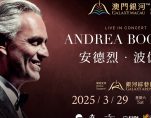
MACAU SAR – Media OutReach Newswire – 18 February 2025 – Galaxy Macau™ presents the world-renowned Italian crossover king of classic and pop music, Andrea Bocelli, who will perform his first concert in Macau at Galaxy Arena on March 29, 2025. This marks the first time the legendary tenor has appeared at Macau’s largest indoor arena. This concert will feature a unique setlist, offering fans in Macau, […]

Spotify is set to introduce a new subscription tier, “Music Pro,” which will provide users with enhanced audio quality and other features for an additional $6 per month. This move comes as part of the company’s ongoing efforts to differentiate itself in the competitive music streaming market, where users are increasingly demanding high-quality audio experiences. The new “Music Pro” tier will reportedly offer a premium streaming experience, […]

Advertisements

Meteora’s co-founder, Ben Chow, has stepped down from his position following mounting pressure over his involvement in the $LIBRA rug pull controversy. The announcement comes as a third-party law firm has been hired to investigate the complex situation surrounding the digital currency project.

Chow’s resignation marks a significant development in the rapidly unfolding drama surrounding the $LIBRA token, which has drawn sharp scrutiny from investors, regulators, and the cryptocurrency community. The token, launched by Meteora last year, had promised to offer an innovative solution in the decentralised finance space but has since become embroiled in accusations of fraudulent activity and mismanagement.

The controversy first gained traction when a substantial amount of $LIBRA tokens was mysteriously withdrawn from the project’s liquidity pools, leading to widespread allegations of a rug pull. In a rug pull scenario, the project’s developers or key figures deliberately drain the liquidity pool, leaving investors with worthless assets. The sudden and dramatic loss of funds has sparked an outcry from investors who claim they were misled about the token’s stability and future potential.

Chow’s resignation comes after calls from both investors and key stakeholders within the cryptocurrency industry for a more transparent approach to the crisis. Despite his departure, the fallout continues to affect the reputation of Meteora, a company that was once considered a rising star in the DeFi space. The scandal has also led to increased scrutiny of similar projects, with regulators now closely examining the regulatory frameworks surrounding DeFi ventures and the accountability of their creators.

According to sources close to the matter, Meteora has engaged a third-party law firm to investigate the allegations surrounding $LIBRA. The firm is expected to conduct a thorough review of the company’s operations and the actions leading up to the alleged rug pull. While the investigation is ongoing, industry experts have raised concerns about the lack of accountability and oversight in the rapidly expanding DeFi space, which has long been criticised for its lack of regulation.

Meteora, which initially gained recognition for its innovative approach to blockchain technology, is now facing a crisis of confidence. The company’s leadership is under pressure to restore trust with its investors and the broader cryptocurrency community. Despite Chow’s resignation, many within the industry believe that the full extent of the scandal is yet to be revealed, with some speculating that more individuals within the company may be implicated in the ongoing investigation.

The fall of $LIBRA is not an isolated incident within the DeFi ecosystem. As more projects in the space struggle with transparency and governance issues, the call for greater regulatory oversight has intensified. However, regulators face a delicate balancing act between fostering innovation and ensuring consumer protection in an industry that remains largely unregulated.

Ben Chow, who was previously seen as a visionary leader in the cryptocurrency space, now finds himself at the centre of one of the most significant scandals to hit the DeFi sector. His resignation has only added fuel to the fire, as both the public and investors demand answers about what went wrong and who is ultimately responsible for the collapse of $LIBRA. While the investigation continues, the fallout is expected to have far-reaching implications for the future of DeFi projects and the regulatory landscape that governs them.

As the investigation into $LIBRA progresses, all eyes remain on Meteora and its handling of the crisis. Investors are anxious for transparency and accountability, while the broader crypto community watches closely to see how the company will respond to the allegations. The outcome of the third-party law firm’s investigation could have a lasting impact on the future of the DeFi sector and may set a precedent for how similar cases are handled in the future.

UAE President Sheikh Mohamed bin Zayed Al Nahyan met with Ukrainian President Volodymyr Zelensky in Abu Dhabi on Monday, marking a significant step towards enhancing diplomatic and economic cooperation between the two nations. The meeting, which took place at Qasr Al Shati, underscored the UAE’s commitment to bolstering global partnerships and supporting peaceful conflict resolution in the region. Both leaders discussed a range of issues aimed at […]

Cryptocurrency giant Tether has embarked on an ambitious venture beyond digital finance, investing $200 million to acquire a majority stake in Blackrock Neurotech, a leading brain-computer interface company. This strategic move, executed through Tether’s venture division, Tether Evo, signifies the company’s commitment to advancing neurotechnology and making it accessible to a broader audience.

Blackrock Neurotech, based in the United States, specializes in developing neural implants that enable direct communication between the human brain and computers. These devices have the potential to revolutionize the lives of individuals with neurological disorders by restoring motor functions and facilitating control over digital interfaces. Notably, Blackrock Neurotech has achieved significant milestones, including restoring speech for an ALS patient through a BCI implant, enabling communication at a rate of 62 words per minute.

Paolo Ardoino, Tether’s Chief Technology Officer, emphasized the importance of democratizing access to such transformative technologies. He stated that Tether is committed to developing BrainOS as an open-source platform, collaborating with universities worldwide to ensure the technology remains in the public domain. This approach aims to prevent monopolization by a few entities and promote widespread adoption and innovation in the BCI field.

The development of BrainOS is poised to position Tether as a significant player in the neurotechnology sector, directly competing with companies like Neuralink. Founded by Elon Musk, Neuralink has been at the forefront of BCI innovation, recently implanting its device in a third human patient. This patient, paralyzed from the neck down, has been able to control digital devices through thought, marking a significant advancement in the practical application of BCI technology.

A fresh debate has erupted surrounding the United States’ vast gold reserves, with Tesla CEO Elon Musk’s latest initiative drawing significant attention. The billionaire entrepreneur’s venture into auditing the nation’s most famous gold vault, Fort Knox, has sparked a chain of reactions among US lawmakers, financial experts, and the general public. Musk’s involvement, via his cryptocurrency project D.O.G.E., has reignited long-standing questions about the transparency and true scale of the nation’s gold holdings.

The Fort Knox vault, located in Kentucky, has long been a symbol of American financial security. It is home to thousands of tonnes of gold, which are believed to be held as part of the US’ reserve assets. While the facility itself has been shrouded in mystery for decades, Musk’s recent remarks have breathed new life into theories that question the actual existence and accessibility of these gold reserves. His call for an independent audit using his company’s resources has added fuel to an ongoing fire, leading to broader scrutiny of the US government’s financial transparency.

At the centre of this new controversy is Musk’s claim that there are inconsistencies regarding the Fort Knox vault’s gold inventory. The entrepreneur’s involvement with cryptocurrency, particularly through D.O.G.E., has raised eyebrows due to the rapid growth and volatility of digital currencies. Musk, who has been known to influence markets with his statements, now aims to apply the same approach to the traditional gold market. By introducing D.O.G.E., a cryptocurrency linked to his ambitious tech empire, Musk is positioning the digital asset as a tool for conducting an audit of the US gold reserves.

US lawmakers have quickly joined the debate, with several key figures calling for a full audit of the nation’s gold holdings. Senator Joe Manchin, a senior figure in US politics, has been vocal about the need for transparency in the government’s financial affairs. He has expressed concern that the gold may not be where it is supposed to be or that the quantities may have been overstated. His remarks have sparked both support and criticism, with some arguing that the audit would help restore public trust in the US financial system, while others believe it could undermine faith in the nation’s economic stability.

The idea of auditing Fort Knox is not new. Over the years, various proposals to open the vaults for a comprehensive check have been raised, but none have gained significant traction. Some believe that the gold has been subject to changes in ownership or use, potentially as collateral for government loans or other financial arrangements. Musk’s recent comments, however, have added a new layer of intrigue, with his backing of a high-profile audit pushing the issue to the forefront once again.

Many experts view the current debate as part of a larger trend in which billionaires and tech moguls, such as Musk, use their influence to challenge established systems. These figures are increasingly venturing into areas traditionally dominated by governments and central banks, and their ability to sway public opinion has become more pronounced in recent years. By combining the potential of cryptocurrency with a highly publicised investigation into one of the US government’s most guarded assets, Musk is demonstrating the growing convergence of traditional finance and emerging technologies.

The issue of transparency surrounding Fort Knox also taps into wider concerns about the US economy. The country’s debt continues to rise, and there are growing calls for a revaluation of the assets held by the Federal Reserve. Gold has long been seen as a hedge against inflation and economic uncertainty, and questions about its true volume in government hands have led to speculation about the US’ ability to back its currency with tangible assets. Critics of the current system argue that a more accurate and transparent audit of the gold reserves could shed light on the government’s financial health and provide clearer insight into the US dollar’s future stability.

Adding further complexity to the situation is the role of cryptocurrency in this conversation. Musk, through his involvement with D.O.G.E., has embraced digital currencies as a powerful financial tool. Cryptocurrency’s decentralised nature contrasts sharply with the traditional and highly centralised nature of national gold reserves. By advocating for an independent audit using his crypto project, Musk is signalling a challenge to the long-standing dominance of traditional financial systems, proposing that digital currencies could offer a more transparent, equitable method of handling government assets.

Financial analysts have mixed opinions on whether Musk’s proposed audit will succeed. On one hand, the billionaire’s reputation for challenging norms has earned him a dedicated following, particularly among younger investors and cryptocurrency enthusiasts. His involvement with D.O.G.E., which has grown rapidly in value, has brought significant media attention to the project, and some believe this could give it the momentum needed to gain government approval for the audit. On the other hand, critics argue that such a move could lead to unforeseen consequences for both the US economy and the global financial landscape.

The debate is also gaining traction among gold industry leaders, some of whom argue that Musk’s initiative could be disruptive. They contend that an audit of Fort Knox could create market volatility, particularly for the gold markets, which are already subject to fluctuations based on geopolitical events and investor sentiment. These concerns highlight the complexity of aligning digital and traditional financial systems, especially when such powerful figures enter the fray.


Standard Chartered Bank Limited , Animoca Brands, and HKT have announced a joint venture to issue a stablecoin pegged to the Hong Kong dollar . The consortium plans to apply for a license from the Hong Kong Monetary Authority under the region’s new regulatory framework for stablecoins.

This strategic partnership aims to leverage the unique strengths of each participant. SCBHK will provide its robust banking infrastructure and governance, having previously engaged in all of HKMA’s tokenised money projects. Animoca Brands, a leader in Web3 and blockchain technologies, will explore use cases within the digital asset ecosystem. HKT, a prominent telecommunications service provider, intends to integrate the stablecoin into its mobile wallet offerings, enhancing both domestic and cross-border payment solutions.

Mary Huen, Chief Executive Officer of SCBHK and Greater China & North Asia, expressed enthusiasm about the initiative, stating that the bank looks forward to becoming one of the first issuers of an HKD-backed stablecoin in collaboration with its strategic partners.

The move comes as Hong Kong intensifies its efforts to establish a comprehensive regulatory environment for digital assets. The government published the Stablecoins Bill in December 2024, outlining a statutory framework for stablecoin issuance and operations. The bill is currently under review by the Legislative Council’s Bills Committee. Key features of the proposed regime include stringent licensing requirements, operational standards, and reserve management protocols for stablecoin issuers.

Bill Winters, Group Chief Executive of Standard Chartered, highlighted the significance of this development, noting that digital assets are here to stay and that the development of different forms of tokenised money is integral to the advancement of this industry. He emphasized that stablecoins play a critical role in the overall digital asset ecosystem.

Yat Siu, Co-founder and Executive Chairman of Animoca Brands, commented on the collaboration, stating that this partnership aims to foster the growth of the Web3 ecosystem in Hong Kong by providing a trusted and regulated stablecoin that can be used across various applications and services.

HKT’s Group Managing Director, Susanna Hui, added that integrating the HKD-backed stablecoin into HKT’s mobile wallet services will offer customers a seamless and secure payment experience, further enhancing Hong Kong’s position as a leading digital economy.

The introduction of an HKD-backed stablecoin is expected to provide a stable and secure medium of exchange within the digital asset market, potentially reducing volatility and fostering greater trust among users and investors. This initiative aligns with global trends, as jurisdictions worldwide are increasingly focusing on regulating stablecoins to ensure financial stability, security, and compliance with existing financial systems.

Industry analysts suggest that the success of this venture could position Hong Kong as a pioneer in regulated stablecoin issuance, potentially setting a precedent for other financial hubs. The collaboration between a traditional banking institution, a blockchain innovator, and a telecommunications giant exemplifies a multifaceted approach to digital finance, combining traditional financial expertise with cutting-edge technology and widespread consumer reach.

SafeMoon is preparing to release a new memecoin on the Solana blockchain, marking a significant shift for the company and its investors. The announcement follows the recent burning of most of the circulating supply of its native token, SFM. With this strategic move, the company aims to attract new interest and drive liquidity, despite the token’s current low trading volume.

SafeMoon’s decision to burn a substantial portion of the SFM supply has garnered attention in the crypto community. The burn, which reduced the total token count by a considerable margin, is seen as a way to enhance scarcity and increase the value of remaining tokens. As a result, SFM holders now have an opportunity to sell their holdings, though the liquidity remains low. This initiative aligns with SafeMoon’s broader plan to maintain its relevance within the highly competitive cryptocurrency space.

The memecoin launch on Solana represents a new direction for SafeMoon, which had previously been associated with the Binance Smart Chain. By integrating with Solana, the company aims to tap into a growing ecosystem known for its fast transactions and low fees. Solana’s scalability has made it an attractive platform for both developers and investors, with an increasing number of projects migrating to the blockchain.

Solana’s technical advantages, such as its high throughput and lower transaction costs, have made it a favoured choice for memecoins and other decentralized applications. This move may signal a shift in how SafeMoon plans to diversify its offerings and potentially widen its user base. However, the success of this transition remains contingent on several factors, including the broader market sentiment and the response from the Solana community.

As part of the launch, SafeMoon will also introduce new utility features to the memecoin, aiming to distinguish it from other coins in the meme category. While details remain scarce, the company has hinted at unique staking opportunities and integration with decentralized finance platforms. Such features could help the token gain traction beyond speculative trading and offer long-term value to holders.

The timing of SafeMoon’s venture into the memecoin sector is notable, as the meme coin market has seen significant fluctuations. Despite the volatile nature of these assets, the trend of memecoins continues to thrive, with new coins emerging almost daily. SafeMoon’s decision to burn a large portion of its supply may be seen as an attempt to position itself strategically in a market dominated by high-profile coins like Dogecoin and Shiba Inu.

For SFM holders, the new memecoin could offer an alternative investment opportunity. While the value of SFM itself remains uncertain due to the ongoing low liquidity, the introduction of a memecoin on a platform like Solana could reinvigorate interest in the SafeMoon ecosystem. However, the challenge lies in converting the existing SFM tokens into assets that hold tangible value in the broader market.

Despite the potential for growth, SafeMoon will need to address several challenges. The cryptocurrency market is notoriously volatile, and the performance of the new memecoin will depend on various external factors, including regulatory changes, investor sentiment, and competition from other projects. Additionally, the lack of liquidity in the current market may make it difficult for holders to realise significant returns on their tokens.

SafeMoon’s move also raises questions about the long-term sustainability of its model. Critics have pointed out the risks associated with burning large portions of a token’s supply and launching new assets in an already saturated market. While burning tokens can create a sense of scarcity, it does not guarantee that demand will follow, particularly in an environment where many tokens are vying for attention.

Despite these concerns, SafeMoon remains optimistic about its future. The company has expressed confidence in its ability to innovate within the crypto space and provide value to its community. By tapping into Solana’s fast-growing ecosystem, SafeMoon is positioning itself to capitalise on the increasing interest in blockchain-based assets. Whether this strategy will be enough to reinvigorate the SafeMoon brand and attract new investors remains to be seen.

The Middle East and North Africa region is poised for a strong year of initial public offerings in 2025, with Saudi Arabia set to dominate the market, according to recent analysis. With 27 potential listings on the horizon, Saudi Arabia continues to assert itself as the powerhouse of regional IPO activity. As the world economy begins to stabilize post-pandemic, the Middle East’s capital markets are set to […]

Apple Inc. and Meta Platforms are intensifying efforts to develop AI-driven humanoid robots, signaling a significant shift in the technology landscape. This move positions both companies in direct competition within the emerging robotics sector, aiming to revolutionize industries ranging from healthcare to domestic services. Meta has initiated a substantial investment in humanoid robotics, focusing on creating advanced robots capable of performing human-like tasks. The company’s Reality Labs […]

Koei Tecmo Holdings has unveiled a significant leadership restructuring, appointing Hisashi Koinuma as the new President and Chief Executive Officer, effective April 1, 2025. This transition marks a pivotal moment for the Japanese video game developer and publisher, renowned for franchises such as “Dynasty Warriors” and “Ninja Gaiden.”

Koinuma, who currently serves as Representative Director and Executive Vice President, will ascend to the roles of President and CEO. His tenure at Koei Tecmo began in April 1994, and he has since held various key positions, including Chief Operating Officer of Koei Tecmo Games. His leadership has been instrumental in steering the company’s entertainment division, particularly in the development of popular titles.

The company’s co-founder, Yoichi Erikawa, will transition from his current position as President and CEO to assume the role of Representative Director and Chairman of Koei Tecmo Holdings. Erikawa, also known by his pen name Kou Shibusawa, co-founded Koei in 1978 alongside his wife, Keiko Erikawa. Under their guidance, the company evolved from a personal computer sales venture into a prominent entity in the gaming industry, eventually merging with Tecmo in 2008 to form the current Koei Tecmo Holdings.

Keiko Erikawa, who has been serving as Representative Director and Chairman, will step down from her current roles to become Director and Chairman Emeritus. In addition, she will take on the position of Representative Director and President of a newly established subsidiary, Koei Tecmo Corporate Finance, effective April 1, 2025. This new entity will absorb the investment functions of Koei Tecmo Games, aiming to enhance governance related to investments and optimize cash management across the organization.

The leadership changes are part of Koei Tecmo’s strategic initiative to separate business execution from management supervision, thereby strengthening its corporate governance framework. The company has been preparing for this transition through deliberations within its Nomination and Compensation Committee, with the objective of achieving sustained growth and profitability.

In an official statement, Koei Tecmo articulated its vision: “Our group aims to become the world’s number one digital entertainment company under the spirit of ‘creativity and contribution.'” The company believes that the new management structure, commencing in the fiscal year 2025, will be pivotal in realizing this ambition.

Hisashi Koinuma’s promotion to CEO is anticipated to bring a fresh perspective to Koei Tecmo’s leadership. His extensive experience within the company, particularly in overseeing the entertainment division, positions him well to navigate the evolving landscape of the gaming industry. Koinuma has been a driving force behind several successful projects and is expected to continue fostering innovation and expansion in his new role.

The establishment of Koei Tecmo Corporate Finance signifies the company’s commitment to bolstering its investment capabilities. By creating a dedicated subsidiary focused on financial management, Koei Tecmo aims to streamline its investment processes and enhance overall financial efficiency. This move is expected to provide a robust foundation for the company’s future projects and strategic initiatives.

Saudi Arabia’s Public Investment Fund is intensifying its efforts to diversify the nation’s economy by expanding tourism investments beyond the capital city, Riyadh. This strategic move aligns with the Kingdom’s Vision 2030 objectives, aiming to transform Saudi Arabia into a global tourism hub. In July 2023, PIF established the Saudi Tourism Investment Company, known as Asfar, to spearhead the development of new tourism projects across various cities. […]

As 2025 unfolds, entrepreneurs are strategically positioning themselves to harness emerging trends across various sectors. Key areas such as artificial intelligence , sustainability, and remote work are at the forefront, offering a plethora of innovative business opportunities. The AI industry is witnessing significant advancements, with startups like Figure AI leading the charge. The company is reportedly in discussions to secure $1.5 billion in new funding, potentially elevating […]

Aston Martin Aramco Formula One Team has entered into a groundbreaking multi-year sponsorship agreement with cryptocurrency exchange platform Coinbase, marking a significant milestone in the integration of digital finance within elite motorsport. This partnership is distinguished by its financial arrangement: the entire sponsorship fee will be transacted in USD Coin , a stablecoin pegged 1:1 to the U.S. dollar.

This collaboration represents the first instance of a Formula One team publicly announcing the full payment of a partnership using a stablecoin. By embracing USDC for this transaction, Aston Martin signals a forward-thinking approach to financial operations, highlighting the efficiency and global reach of cryptocurrency in high-stakes industries.

Jefferson Slack, Managing Director of Commercial at Aston Martin Aramco, expressed confidence in the alliance, stating, “This partnership shows the trust and confidence we place in Coinbase’s expertise as a leader in digital finance. By transacting this deal fully in USDC, we’re signaling our commitment to innovation, building a sustainable, forward-thinking relationship with Coinbase.”

Coinbase’s branding will feature prominently on Aston Martin’s AMR25 race cars, specifically on the halo and rear-wing end plates, as well as on the racing suits of drivers Fernando Alonso and Lance Stroll throughout the upcoming Formula One season. This visibility aligns with Coinbase’s strategy to expand its global presence and promote the adoption of digital currencies across diverse audiences.

Gary Sun, Vice President of Marketing at Coinbase, highlighted the significance of this venture: “This is a huge moment for Coinbase, marking the first time we’ve invested in a sports partnership entirely in cryptocurrency. It’s also our debut in Formula One, and we’re thrilled to align with a sport that values pushing boundaries with transformative ideas and technology.”

The decision to utilize USDC for the sponsorship underscores the practical benefits of stablecoins in large-scale transactions, offering stability, reduced transaction costs, and seamless cross-border payments. While Coinbase remains open to transacting in various cryptocurrencies based on partner preferences, the selection of USDC for this deal reflects its suitability for substantial financial agreements.

This partnership emerges amidst a growing trend of cryptocurrency integration within Formula One. In June 2021, Crypto.com secured a multi-year deal with Formula One, later expanding its involvement with a significant nine-year, $100 million agreement in 2022, which included naming rights to the Miami Grand Prix. Individual teams have also embraced the crypto movement; for instance, Red Bull Racing has collaborated with platforms like Bybit and Mysten Labs to enhance fan engagement through blockchain technology.

Aston Martin’s alliance with Coinbase not only enhances the team’s financial portfolio but also paves the way for innovative, blockchain-based fan engagement initiatives. As the season progresses, supporters can anticipate unique on-chain experiences designed to deepen their connection with the team and the sport.

Lexus has introduced the LX 700h, marking a significant advancement in its luxury SUV lineup. This model features a newly developed hybrid system, combining a 3.4-litre twin-turbocharged V6 engine with an electric motor, delivering a total output of 457 horsepower and 583 lb-ft of torque. This powertrain not only enhances performance but also offers an improved fuel economy, with an EPA-estimated combined rating of 20 miles per […]

Microsoft’s Azure cloud computing platform, once a beacon of rapid expansion, is encountering a deceleration in growth and internal challenges. In the second quarter of fiscal year 2025, Azure reported a 31% revenue increase, a decline from the previous quarter’s 34% growth and below analysts’ expectations. This slowdown has raised concerns about Azure’s ability to maintain its competitive edge in the cloud computing market. Despite the deceleration, […]

OpenAI has firmly declined a $97.4 billion acquisition proposal from a consortium led by Elon Musk, stating unequivocally that the organization is not for sale. The board’s unanimous decision underscores OpenAI’s commitment to its mission of developing artificial general intelligence for the benefit of all humanity. Elon Musk, who co-founded OpenAI in 2015 alongside CEO Sam Altman, has been vocal in his opposition to the company’s shift […]

Matein Khalid V.S. Naipaul once said that ancestral memories are like “trap doors to a bottomless past”. This was my first thought when I heard about the death of HH Prince Karim Aga Khan, the 49th Imam Zaman of Islam’s Ismaili sect and unquestionably the world leader who has inspired me most in my lifetime. I am not an Ismaili. In fact, my direct ancestor, the Mukhi […]

Available from February 2025 at Singapore Discovery Centre, New Interactive Game Aims to Champion National Education SINGAPORE – Media OutReach Newswire – 14 February 2025 – In commemoration of Total Defence Day on 15 February, HIDDEN and Defence Collective Singapore are excited to announce the launch of their new, interactive game, “Escape Quest: Operation Broken Oath”. This engaging and educational game is designed to raise awareness of […]

VISHNU RAJA
RYO YAMADA
HITORI GOTOH
IKUYO KITA
Just in:
Dalilk Academy reaches 27 million, targets 100 million by 2030 // Anthropic shares finish above offer price after Nasdaq debut // Russia permits retail cryptocurrency purchases under regulated framework // LittleLives, Little Lab and SEGi College Sign MOU to Explore Early Childhood Education Collaboration Across ASEAN // Diabetes Malaysia And Alpro Pharmacy Set National Record With 11,007 Most Blood Glucose Screenings Conducted Across Malaysia In Just 48 Hours // Balagopal challenges CM over tax revenue // Sharjah clears Kalba free zone plan for 400MW complex // Dar Global unveils $700m Trump development in Qatar // Yeebo Announces Interim Results for FY26/27 Revenue Increases by 45.5% to HK$806.7 Million Profit Attributable to Owners Surges 87.6% to HK$2,284.7 Million // Dubai Introduces SHARH, an AI-Powered Platform Helping Entrepreneurs Buy, Sell and Manage Businesses in the UAE // Sabarimala booking discrepancies prompt sabotage angle probe // Phancy Announces Business Performance for the Nine Months Ended September 30, 2026 // Workday targets Honeydew purchase to unify AI metrics // Crypto market loses $150 billion amid broad sell-off // ED searches five districts in probe against hawala // Promoting Common Human Development Through Exchanges and Mutual Learning Among Civilizations // Saudi defences destroy three Houthi missiles targeting Riyadh // Saudi Arabia schedules multinational top-up tax for 2027 // Oil futures rebound after Riyadh strikes and tanker alerts // PayerMax and ShopeePay Strengthen Strategic Partnership to Advance Digital Payment Collaboration in Southeast Asia //