News related to
venture

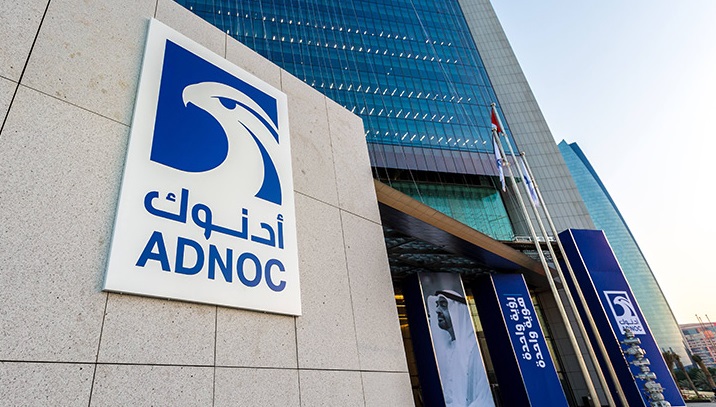
Abu Dhabi National Oil Company is evaluating a potential acquisition of energy assets from Mubadala Investment Company, a sovereign wealth fund, in a transaction that could be valued at approximately $10 billion, according to individuals familiar with the matter.

Discussions between the two entities commenced late last year but have encountered obstacles in recent months due to disagreements over asset valuation. The negotiations have since stalled, with both parties yet to reach a consensus on the terms of the deal.

This prospective acquisition aligns with ADNOC’s strategic objective to expand its global energy portfolio and diversify its operations. The state-owned oil giant has been actively pursuing international investments to strengthen its presence in the global energy market. In February 2025, ADNOC announced plans to transfer stakes in some U.S. assets to its newly established international investment firm, XRG PJSC, as part of a broader initiative to create an $80 billion global venture.

Mubadala Investment Company, established in 2002, manages a diverse portfolio spanning various sectors, including energy, utilities, and real estate. The potential divestment of its energy assets could be part of Mubadala’s strategy to rebalance its investment portfolio and focus on other sectors.

ADNOC’s interest in Mubadala’s energy assets reflects a broader trend among Middle Eastern oil companies to diversify their holdings and invest in downstream and international assets. This strategy aims to mitigate risks associated with fluctuating oil prices and to capitalize on emerging opportunities in the global energy landscape.

The outcome of the negotiations remains uncertain, and it is unclear whether the parties will resume discussions to finalize the deal. Both ADNOC and Mubadala have declined to comment on the ongoing negotiations.

In a related development, ADNOC has been considering an international listing for its newly established investment arm, XRG. Initial discussions suggest that a minority stake could be listed in approximately five years, with guidance from Bank of America. This move aligns with ADNOC’s strategy to diversify its revenue streams and strengthen its global investment mandate.

ADNOC has been actively pursuing international acquisitions to bolster its global presence. In March 2024, the company, in collaboration with Austrian energy producer OMV AG, planned to acquire Canada’s Nova Chemicals Corp. This acquisition was part of efforts to form a major global chemical company, reflecting ADNOC’s commitment to expanding its footprint in the global energy and chemicals sectors.

The potential acquisition of Mubadala’s energy assets underscores ADNOC’s strategic intent to diversify its portfolio and enhance its position in the global energy market. As the energy landscape continues to evolve, such strategic moves are indicative of the company’s efforts to adapt and thrive in a dynamic environment.

The global energy sector has been witnessing significant shifts, with companies seeking to diversify their portfolios and invest in sustainable energy solutions. ADNOC’s recent activities, including the establishment of XRG and the pursuit of international acquisitions, highlight its commitment to aligning with global energy trends and securing its position as a leading energy provider.


HONG KONG SAR – Media OutReach Newswire – 14 March 2025 – Hong Kong Science and Technology Parks Corporation (HKSTP) is excited to announce the 9th edition of the Elevator Pitch International Competition (EPIC 2025), a global stage for visionary startups to secure investment, spur business opportunities, and scale in Asia’s innovation arena from 3-7 November, as finalists showcase their groundbreaking ideas with a 60-second pitch at […]

Abu Dhabi-based technology investment firm MGX has invested $2 billion in Binance, marking the first institutional backing for the world’s largest cryptocurrency exchange. This unprecedented move underscores the growing convergence between traditional finance and the digital asset industry. The investment, finalized on March 12, 2025, was transacted entirely in stablecoins—a category of cryptocurrencies pegged to traditional fiat currencies. While the specific stablecoin utilized remains undisclosed, this method […]

Lila Sciences, a pioneering venture in artificial intelligence , has secured $200 million in seed funding to develop a groundbreaking scientific superintelligence platform. This platform aims to revolutionise scientific research by integrating AI with autonomous laboratories across life sciences, chemistry, and materials science. The funding round saw participation from notable investors, including Flagship Pioneering, General Catalyst, March Capital, ARK Venture Fund, Altitude Life Science Ventures, Blue Horizon Advisors, the State of Michigan Retirement System, Modi Ventures, and a wholly owned subsidiary of the Abu Dhabi Investment Authority .

Founded in 2023 within the labs of Flagship Pioneering, Lila Sciences is on a mission to achieve what it terms “scientific superintelligence.” This concept involves an advanced form of AI capable of not only processing vast amounts of data and making predictions but also assisting scientists in designing and conducting new experiments, generating hypotheses, and testing them in real-world environments. The company’s Autonomous Science platform is designed to scale and optimise experimentation in any scientific domain by combining generative AI with generalisable, scalable, and autonomous AI science units.

Chief Executive Officer Geoffrey von Maltzahn, Ph.D., co-founder of Lila Sciences and General Partner at Flagship Pioneering, emphasised the company’s ambitious vision: “Lila’s mission to responsibly achieve scientific superintelligence is born out of the belief that this is the most important opportunity of our time, and that the leader in this pursuit will be the entity that runs the scientific method at the largest scale, speed, and intelligence.” He further elaborated on the necessity of solving complex challenges to enable AI to autonomously and scalably execute each step of the scientific process, from idea generation to practical implementation using robotics and automation.

The investment by ADIA underscores the growing interest of sovereign wealth funds in cutting-edge technologies, particularly those with the potential to transform industries. While the exact financial contribution from ADIA remains undisclosed, its participation aligns with the fund’s strategy to diversify its portfolio by investing in innovative sectors poised for significant growth.

Lila Sciences’ platform has already demonstrated remarkable capabilities in multiple domains. These include developing large language models with state-of-the-art reasoning abilities on critical scientific problems, generating genetic medicine constructs that outperform commercially available therapeutics, discovering and validating hundreds of novel antibodies, peptides, and binders, and creating unique non-platinum catalysts for green hydrogen production. These achievements highlight the platform’s potential to accelerate scientific discovery and address complex challenges in human health and sustainability.

The company’s leadership team comprises distinguished figures in the scientific community. George Church, Ph.D., a renowned geneticist, serves as the Chief Scientist Officer. Andrew Beam, Ph.D., an expert in AI and machine learning, holds the position of Chief Technology Officer. Kenneth Stanley, Ph.D., known for his work in neuroevolution, is the Senior Vice President. Rafael Gómez-Bombarelli, Ph.D., an authority in materials science, serves as the Chief Science Officer of Materials. Christopher Fussell, with extensive experience in organisational leadership, is the President of Operations. This diverse team brings a wealth of knowledge and expertise to drive Lila Sciences’ ambitious agenda forward.

The platform’s design aims to be open to partners across the life and material sciences industries. By collaborating with various stakeholders, Lila Sciences intends to jointly develop solutions in human health and sustainability at an unprecedented pace and scale. This collaborative approach is expected to harness the collective expertise of industry leaders, researchers, and innovators to tackle some of the most pressing challenges facing society today.

The involvement of investors such as Flagship Pioneering, General Catalyst, March Capital, ARK Venture Fund, Altitude Life Science Ventures, Blue Horizon Advisors, the State of Michigan Retirement System, Modi Ventures, and ADIA reflects a strong confidence in Lila Sciences’ vision and potential. Flagship Pioneering, known for its role in founding Moderna, has a track record of supporting transformative biotech ventures. General Catalyst and March Capital bring significant experience in scaling technology companies, while ARK Venture Fund and Altitude Life Science Ventures are recognised for their focus on disruptive innovations in science and technology. Blue Horizon Advisors, with offices in the UAE and the UK, adds a global perspective to the investor consortium. The State of Michigan Retirement System’s participation signifies institutional interest in groundbreaking technologies, and Modi Ventures’ involvement highlights the appeal of Lila Sciences’ mission to diverse investor groups.

The substantial seed funding of $200 million is earmarked to support the further development of Lila Sciences’ AI platform, the establishment of autonomous labs, and the infrastructure necessary for rapid scaling. These resources are intended to enable the company to expand its capabilities, enhance its technological infrastructure, and accelerate the deployment of its platform across various scientific domains. The goal is to create a robust ecosystem where AI-driven experimentation can lead to faster, more efficient, and more accurate scientific discoveries.

Lila Sciences’ emergence comes at a time when the integration of AI into scientific research is gaining momentum. The company’s approach represents a significant shift towards automating the scientific method, potentially reducing the time and cost associated with traditional research and development processes. By enabling AI to autonomously generate hypotheses, design experiments, and interpret results, Lila Sciences aims to unlock new possibilities in drug discovery, materials development, and other critical areas.

Nasdaq-listed video-sharing platform Rumble has made a significant move into the cryptocurrency market by acquiring 188 Bitcoin for $17.1 million. This purchase aligns with the company’s strategic plan to diversify its treasury holdings and embrace digital assets.

The acquisition was executed at an average price of $91,000 per Bitcoin, reflecting Rumble’s commitment to integrating cryptocurrency into its financial strategy. This initiative is part of a broader plan to allocate up to $20 million of the company’s cash reserves into Bitcoin, signaling a robust endorsement of the leading cryptocurrency.

Rumble’s Chief Executive Officer, Chris Pavlovski, has been vocal about the platform’s dedication to decentralization and free expression. The investment in Bitcoin aligns with these principles, as cryptocurrencies are often associated with decentralized financial systems. Pavlovski’s vision for Rumble includes leveraging blockchain technology to enhance the platform’s infrastructure and user experience.

The company’s foray into cryptocurrency is not an isolated event. In December 2024, Rumble secured a substantial $775 million strategic investment from Tether, the prominent stablecoin issuer. Tether agreed to purchase approximately 103.3 million shares of Rumble’s Class A common stock at $7.50 per share. This investment was structured to support Rumble’s growth initiatives and included a self-tender offer for up to 70 million shares of its Class A common stock at the same per-share price. The transaction was designed to maintain Pavlovski’s controlling stake in the company, ensuring that the platform’s core values and strategic direction remain intact.

Tether’s investment in Rumble underscores a shared vision between the two companies, focusing on decentralization and the promotion of free speech. Paolo Ardoino, Tether’s Chief Technology Officer, expressed enthusiasm about the partnership, highlighting the potential for collaboration in areas such as advertising, cloud services, and crypto payment solutions. This alliance positions Rumble to compete more effectively with established video-sharing platforms by offering unique features that integrate cryptocurrency and blockchain technology.

The infusion of capital from Tether has had a positive impact on Rumble’s market performance. Following the announcement of the investment, Rumble’s shares experienced a significant surge, reflecting investor confidence in the company’s strategic direction and its potential for growth in the digital media landscape.

Rumble’s decision to allocate a portion of its treasury into Bitcoin is indicative of a growing trend among corporations to diversify their balance sheets with cryptocurrency holdings. This strategy is often employed as a hedge against inflation and currency devaluation, providing companies with an alternative store of value. By embracing Bitcoin, Rumble aligns itself with other forward-thinking companies that recognize the potential of digital assets to preserve capital and enhance financial flexibility.

The integration of Bitcoin into Rumble’s financial strategy may also lead to new opportunities for user engagement and platform development. Potential initiatives could include enabling cryptocurrency transactions for premium services, rewarding content creators with digital assets, or developing blockchain-based features that enhance transparency and security. These innovations could differentiate Rumble from competitors and attract a broader audience interested in the convergence of media and cryptocurrency.

However, Rumble’s venture into the cryptocurrency space is not without risks. The volatile nature of Bitcoin’s price could impact the company’s financial statements, introducing variability in asset valuations. Additionally, regulatory scrutiny of cryptocurrencies continues to evolve, and companies engaging in digital asset transactions must navigate a complex and shifting legal landscape. Rumble will need to implement robust risk management and compliance strategies to mitigate these challenges effectively.

The partnership with Tether also brings both opportunities and potential challenges. While Tether’s investment provides substantial capital for growth, the stablecoin issuer has faced regulatory scrutiny and questions regarding its transparency and reserve backing. Rumble must ensure that its association with Tether does not adversely affect its reputation or regulatory standing. Clear communication with stakeholders and adherence to regulatory requirements will be crucial in maintaining trust and credibility.

The world’s leading technology billionaires have experienced unprecedented declines in their net worths, with a collective loss of approximately $266 billion in 2025. This downturn surpasses the market capitalizations of major corporations such as Salesforce and McDonald’s. Elon Musk, the CEO of Tesla and SpaceX, has seen his wealth diminish by $102 billion in just two months, primarily due to a 35% drop in Tesla’s stock price. […]

Three Iconic Stages Feature a Spectacular Celebration of Music and Entertainment MACAU SAR – Media OutReach Newswire – 12 March 2025 – Galaxy Macau™, the world-class luxury integrated resort, has become a popular choice for visitors to Macau, offering a one-stop leisure vacation experience. Especially with its three iconic performance venues — Galaxy Arena, Broadway Theatre, and the newly launched G Box — each venue radiates unique […]

Advertisements

Sushi Kissho by Miyakawa and Teppanyaki Shou Make Dazzling Debuts on the SCMP’s Best of the Best Annual List MACAU SAR – Media OutReach Newswire – 11 March 2025 – The South China Morning Post recently announced its 100 Top Tables guide for 2025, a definitive list recognizing the most exceptional dining establishments in Hong Kong and Macau. This year, six restaurants from StarWorld Hotel and Galaxy […]

Arabian Post Staff -Dubai In a fusion of fashion and technology, Meta Platforms, in collaboration with Ray-Ban and French fashion label Coperni, has introduced a limited-edition series of smart glasses. Unveiled during Paris Fashion Week as part of Coperni’s Fall Winter 2025 collection, these glasses blend Ray-Ban’s iconic Wayfarer design with advanced AI features from Meta. The collection is limited to 3,600 individually numbered pairs, each retailing […]

The Gulf Cooperation Council experienced a slight increase in announced greenfield foreign direct investments in 2024, with the total number of projects rising by just under 1% to 1,830 from 1,813 in 2023, according to Emirates NBD Research. This modest growth underscores the region’s ongoing efforts to attract foreign investment, particularly in key markets like Saudi Arabia and the United Arab Emirates . Saudi Arabia emerged as […]

UAE-based healthcare payment solutions provider Klaim has successfully secured $10 million in Series A equity funding, supplemented by an additional $16 million financing fund, to drive its regional expansion and transform the healthcare financial landscape in the Middle East and North Africa region. Founded in 2019, Klaim has rapidly positioned itself as an innovative force in the fintech sector, offering a cutting-edge payment platform that leverages artificial […]

Abu Dhabi National Oil Company is exploring the possibility of listing its international investment subsidiary, XRG, on a stock exchange outside the United Arab Emirates. This strategic move could position XRG among the world’s largest publicly traded energy entities.

According to individuals familiar with the matter, discussions are in the preliminary stages, with Bank of America providing strategic guidance. The potential public offering would involve a minority stake and is anticipated to occur within the next five years. Prior to any listing, ADNOC must appoint a Chief Executive Officer for XRG and transfer relevant assets to the subsidiary.

Established in late 2024, XRG serves as ADNOC’s vehicle for expanding into lower-carbon energy, natural gas, and chemicals sectors. The subsidiary’s formation aligns with ADNOC’s broader strategy to diversify its portfolio beyond traditional oil revenues, reflecting a global industry trend towards sustainable and diversified energy solutions.

Potential venues for the listing include major international exchanges such as London and New York. Each offers distinct advantages, with London providing a robust investor base for energy companies and New York offering unparalleled liquidity and global visibility. The final decision will hinge on various factors, including valuation prospects and strategic alignment with XRG’s growth objectives.

With an estimated valuation exceeding $80 billion, XRG’s public debut would mark a significant milestone in the energy sector. For context, Saudi Aramco’s initial public offering in 2019 raised $25.6 billion, underscoring the scale of XRG’s potential market entry.

ADNOC’s recent activities underscore its commitment to global expansion and diversification. The company has been actively involved in international deals, including mergers and acquisitions in petrochemicals, chemicals, liquefied natural gas , and hydrogen projects. Notably, ADNOC has transferred its U.S. investments, such as stakes in an ExxonMobil hydrogen plant and NextDecade’s LNG export facility in Texas, to XRG. This move signifies ADNOC’s intent to consolidate its international ventures under the XRG umbrella, streamlining operations and enhancing strategic focus.

Spain’s second-largest bank, Banco Bilbao Vizcaya Argentaria , has officially received regulatory approval to offer Bitcoin and Ethereum trading services. This approval comes as the European Union’s Markets in Crypto-Assets regulation fully takes effect, marking a significant step forward for both the banking sector and cryptocurrency adoption within the region.

The move represents a landmark shift for BBVA, as it expands its portfolio of services to include cryptocurrencies. This decision aligns with the bank’s ongoing strategy to adapt to digital finance, meeting growing consumer demand for digital assets. With the MiCA regulation now operational, BBVA is positioning itself to take advantage of new opportunities in an increasingly digital economy.

The MiCA regulation, a major component of the EU’s broader digital finance strategy, aims to create a comprehensive framework for cryptocurrency markets across member states. The regulation provides clarity on legal aspects such as licensing, consumer protection, and financial stability, establishing a uniform approach to crypto assets across the EU. Its implementation signals a major regulatory shift that is set to influence financial institutions throughout the region.

BBVA’s approval is part of a broader trend in Europe where traditional banks are gradually integrating cryptocurrencies into their services. This comes at a time when the European crypto market is maturing, with increased institutional involvement and more regulatory oversight. The move not only represents an opportunity for the bank but also signals increasing mainstream acceptance of digital currencies.

BBVA’s entry into cryptocurrency trading follows a series of pilot programs that tested various blockchain-based solutions. The bank had already ventured into the crypto space in 2021, offering a limited range of services for clients in Switzerland, where cryptocurrency regulation is more permissive. Now, with MiCA regulation fully in place across the EU, BBVA’s decision to expand its crypto offerings into Spain is seen as a natural progression.

The decision by BBVA also highlights the growing importance of regulatory frameworks for the cryptocurrency sector. MiCA aims to ensure that the crypto market operates in a transparent, secure, and consumer-friendly manner, which has been a concern for both regulators and market participants. By adhering to these regulations, BBVA is positioning itself as a leader in responsibly integrating cryptocurrency trading into its offerings.

Other financial institutions in Europe are also taking steps to integrate digital assets into their portfolios. For instance, major banks like Deutsche Bank and Barclays are experimenting with blockchain technologies and exploring potential cryptocurrency-related services. However, BBVA stands out due to its proactive approach in securing regulatory approval and expanding its services at a time when cryptocurrency markets are still evolving.

The move comes as institutional interest in cryptocurrencies continues to rise. More investors, from hedge funds to family offices, are seeking exposure to digital assets, and this trend is expected to continue in the coming years. With its new offering, BBVA aims to cater to both retail and institutional clients, providing them with a secure and regulated platform to trade popular cryptocurrencies like Bitcoin and Ethereum.

As part of its offering, BBVA plans to integrate crypto trading into its existing digital banking services, allowing customers to manage their cryptocurrency investments alongside traditional assets. This seamless integration could offer a competitive advantage, as more banks are starting to see the benefit of combining traditional financial services with digital assets.

While some European banks are cautious about entering the cryptocurrency market, BBVA’s strategy reflects a more optimistic outlook on the long-term potential of digital currencies. The bank’s leadership has signalled that its move into the cryptocurrency sector is part of its broader strategy to embrace innovation and meet the evolving needs of its customers.

The success of BBVA’s crypto offering will depend not only on its ability to navigate regulatory frameworks but also on how well it can address concerns related to security, volatility, and customer education. As cryptocurrency markets continue to evolve, banks like BBVA will need to remain agile, adapting to both regulatory changes and shifting customer expectations.

The impact of BBVA’s decision could also ripple through the broader financial industry, pushing other institutions to consider their own approaches to cryptocurrency and blockchain technology. As more banks integrate digital currencies into their offerings, the financial services landscape could become increasingly intertwined with the cryptocurrency sector, challenging traditional business models and introducing new opportunities for growth and innovation.

Despite the promise, challenges remain. Cryptocurrency markets are still highly volatile, and many investors view digital assets as speculative. While the MiCA regulation aims to address some of these concerns, there are still risks associated with investing in crypto. BBVA’s ability to mitigate these risks through effective risk management strategies will be closely watched by both regulators and investors.

Biconomy.com, a leading digital asset trading platform, has officially listed the native token of the BlackFort Exchange Network, BXN, effective from 26 February 2025. This strategic move offers traders additional opportunities and underscores Biconomy’s commitment to supporting innovative blockchain projects.

BlackFort Exchange Network distinguishes itself as a next-generation blockchain ecosystem, featuring a standalone, independent Layer-1 blockchain compatible with Ethereum. At its core is BXN, the native utility token that fuels various functionalities within the network. BlackFort’s blockchain is engineered to meet the essential demands of modern blockchain technology while introducing groundbreaking innovations.

The BXN token serves multiple practical purposes within the BlackFort ecosystem:

– Transaction Fees: BXN is utilized to cover transaction costs on the BlackFort blockchain, ensuring smooth and economical operations.

– Governance: Token holders have the ability to participate in governance decisions, influencing the future direction of the BlackFort network.

– Staking: Users can stake BXN to promote network security and receive rewards, encouraging active participation and network stability.

By listing BXN, Biconomy.com reinforces its dedication to providing users with access to cutting-edge and promising blockchain ventures. The platform’s strong liquidity, ease of use, and security enable traders to confidently interact with BXN. This listing supports the growth and adoption of the BlackFort ecosystem and expands the range of assets available on Biconomy.com.

Matein Khalid There is no doubt in my mind that the epic US equities bull market is now over since the S&P 500 index broke its 200 day moving average while I was at the wonderful StanChart suhoor with so many old pals from the 1990’s Al Mankhool salad days when the Mexican food at Zodiac/Bordertown in the Imperial Suites provided the hottest salsa (mirchi) in Rolla […]

BANGKOK, THAILAND – Media OutReach Newswire – 6 March 2025 – Ananda Development has announced MIRA VALLEY, a landmark luxury residential project spanning 8,000 acres of Phuket’s largest untouched forest. Located between Kamala Mountain and Bang Niao Dum Reservoir, this groundbreaking development features over 100 kilometers of pristine nature trails and exclusive equestrian facilities. A $1.4 billion adventure in luxury, where leisure meets legacy. “MIRA VALLEY redefines […]

The White House is set to host a significant summit on March 7, aimed at discussing the future of cryptocurrency and digital assets. The event will see the participation of high-profile figures from the crypto industry, alongside members of the Presidential Working Group on Digital Assets. The gathering will provide a platform for leaders to discuss policy and regulatory frameworks surrounding digital currencies and their potential impact on the economy.

Among the 20 to 25 invitees are key players from some of the most influential companies in the crypto and blockchain sectors. The summit will bring together individuals who have shaped the industry through their work in technology, finance, and digital innovation. Some of the most prominent names on the guest list include Michael Saylor, the CEO of MicroStrategy, who is known for his advocacy of Bitcoin, Brian Armstrong, CEO of Coinbase, and Vlad Tenev, CEO of Robinhood.

Also attending are Arjun Sethi, CEO of Kraken, David Bailey, CEO of Bitcoin Magazine, and Matt Huang, co-founder of Paradigm. These leaders represent a cross-section of the cryptocurrency ecosystem, spanning exchanges, media, and venture capital firms. Other notable attendees include JP Richardson, CEO of Exodus, Kyle Samani, managing partner of Multicoin Capital, and Zach Witkoff, co-founder of WLFI. Sergey Nazarov, the co-founder of Chainlink, will also be present, further emphasizing the blockchain industry’s influence on the digital assets conversation.

The event’s significance extends beyond the individual discussions among these leaders. With the Biden administration focusing on digital assets and their regulatory framework, the summit marks a critical moment in the government’s ongoing effort to better understand the complexities of cryptocurrency markets. Attendees are expected to engage in dialogues that could shape the regulatory environment surrounding digital assets in the United States.

Over the past year, the U.S. government has shown an increasing interest in regulating the cryptocurrency industry. This heightened focus comes amid concerns over the volatility of digital assets, their potential for illicit use, and their long-term impact on financial markets. The summit at the White House is seen as a way to bridge the gap between policymakers and industry leaders, with the goal of crafting policies that support innovation while ensuring consumer protection.

A key topic likely to dominate discussions at the summit is the role of digital assets in the broader financial ecosystem. As cryptocurrencies become more mainstream, there is growing pressure to ensure that they operate within a clear regulatory framework. Some experts argue that without proper regulation, the risk of fraud, money laundering, and market manipulation could undermine trust in digital currencies. Others, however, advocate for a hands-off approach, arguing that overregulation could stifle innovation and limit the potential benefits of digital assets.

The White House summit is expected to focus on a range of issues, from the regulatory treatment of cryptocurrencies to their use in traditional financial markets. A major point of contention has been whether cryptocurrencies should be classified as commodities, securities, or a new class of assets entirely. This distinction has major implications for how they are taxed, traded, and regulated.

For many in the crypto space, this summit represents a critical opportunity to engage directly with policymakers and advocate for policies that support innovation. The presence of prominent figures like Michael Saylor, who has been vocal about his support for Bitcoin as a store of value, and Brian Armstrong, who has been an outspoken advocate for clearer regulatory guidelines, suggests that the meeting will feature a candid and open discussion on the future of digital assets.

One of the critical issues that attendees may address is the potential for a central bank digital currency in the U.S. While other countries, such as China, have made significant strides in developing CBDCs, the U.S. has been cautious in its approach. Some industry leaders are concerned that the introduction of a government-backed digital currency could undermine the decentralised ethos of blockchain technology and compete with private cryptocurrencies like Bitcoin.

At the same time, the growing interest in decentralized finance and non-fungible tokens is likely to feature in conversations. DeFi, in particular, has emerged as one of the most disruptive trends within the cryptocurrency space, offering financial services such as lending and borrowing without the need for traditional intermediaries like banks. This fast-evolving sector could pose challenges for regulators, who will need to balance fostering innovation while ensuring these platforms comply with existing financial laws.

Another important aspect of the summit will be the broader international context. As global governments begin to take action on cryptocurrency regulation, the U.S. faces increasing competition from other countries in setting the pace for crypto innovation. European countries, for example, have introduced their own regulatory frameworks for digital assets, while nations like El Salvador have adopted Bitcoin as legal tender. How the U.S. positions itself in this global race for regulatory leadership could have far-reaching consequences for the industry.

Sharon AI, Inc., a high-performance computing company specializing in artificial intelligence and cloud GPU infrastructure, has partnered with New Era Helium, Inc., a helium exploration and production firm, to develop a 250-megawatt net-zero energy AI and high-performance computing data center in Ector County, Texas. The joint venture, Texas Critical Data Centers, LLC , has signed a letter of intent with GROW Odessa, an economic development corporation, to […]

A U.S. federal court has denied Elon Musk’s request for a preliminary injunction aimed at halting OpenAI’s transition into a for-profit entity. U.S. District Judge Yvonne Gonzalez Rogers ruled that Musk failed to meet the necessary criteria for such an injunction. OpenAI, initially established as a non-profit organization dedicated to advancing artificial intelligence for the benefit of humanity, has undergone significant structural changes in recent years. The […]

HA LONG, VIETNAM – Media OutReach Newswire – 4 March 2025 – Vingroup and global investment firm JTA Investment Qatar have announced a Memorandum of Understanding (MOU), opening up strategic investment opportunities in the electric vehicle and tourism sectors. Accordingly, JTA Investment Qatar recognizes VinFast’s global growth strategy, alongside the significant value of Vinpearl’s premium hotels and resorts, leading amusement parks and entertainment clusters, thereby aiming to […]

The U.S. Securities and Exchange Commission has officially concluded its investigation into Yuga Labs, the company behind prominent non-fungible token collections such as the Bored Ape Yacht Club and CryptoPunks. This development signifies a pivotal moment for the NFT industry, as the SEC’s decision implies that these digital assets are not classified as securities under federal law.

Yuga Labs announced the closure of the investigation on March 3, stating, “After 3+ years, the SEC has officially closed its investigation into Yuga Labs. This is a huge win for NFTs and all creators pushing our ecosystem forward. NFTs are not securities.”

The SEC initiated its probe into Yuga Labs in October 2022, aiming to determine whether certain NFTs could be considered securities, thereby subjecting them to specific regulatory requirements. The investigation also scrutinized the distribution of ApeCoin , a cryptocurrency associated with the BAYC ecosystem, to assess its compliance with securities regulations.

The decision to conclude the investigation without any enforcement action is perceived as a significant regulatory victory for Yuga Labs and the broader NFT community. This outcome provides a measure of clarity for NFT creators and marketplaces, suggesting a potential shift in the SEC’s approach to digital assets under the current administration.

Yuga Labs, established in 2021, has rapidly ascended to prominence within the NFT space. The company’s flagship collection, the Bored Ape Yacht Club, has garnered substantial attention, with individual NFTs selling for considerable sums. The collection’s floor price experienced a slight uptick following the announcement, reaching 13.75 Ether , though it remains significantly lower than its peak in May 2022.

The SEC’s closure of the Yuga Labs investigation aligns with a broader trend of the agency reevaluating its stance on cryptocurrency and digital asset regulation. In recent weeks, the SEC has also terminated investigations into other major players in the crypto industry, including exchanges like Kraken and Coinbase, as well as platforms such as OpenSea and Uniswap Labs. These developments indicate a potential shift toward a more accommodating regulatory environment for digital assets.

The NFT market has experienced significant fluctuations over the past few years, with periods of rapid growth followed by notable declines. The SEC’s decision to close the investigation into Yuga Labs without pursuing charges may bolster confidence among creators and investors, potentially influencing the market’s trajectory in the coming months.

However, despite this regulatory reprieve, the NFT market continues to face challenges. The floor prices of major NFT collections, including those by Yuga Labs, have seen substantial declines from their all-time highs. For instance, the Bored Ape Yacht Club’s floor price has dropped over 90% from its peak of 153.7 Ether in May 2022. Similarly, other collections like Mutant Ape NFTs and tokens such as ApeCoin have experienced significant devaluation.

The SEC’s decision not to classify NFTs as securities could have far-reaching implications for the digital asset industry. It may encourage more creators and companies to explore NFT ventures without the looming concern of stringent regulatory oversight. Additionally, this development might influence how other jurisdictions approach NFT regulation, potentially leading to a more harmonized global framework.

MoneyHash, a leading payment orchestration platform operating in the Middle East and Africa , has been honoured as one of the UAE’s Future 100 companies, acknowledging its significant contributions to fintech innovation in the region. This accolade underscores the company’s commitment to addressing the complex payment infrastructure challenges faced by businesses across the MEA region.

Founded by Egyptian entrepreneurs, MoneyHash offers a unified application programming interface that simplifies the integration of various payment methods and providers. This solution streamlines the checkout experience for businesses, reducing operational costs and enhancing scalability across different markets. The platform’s ability to navigate the fragmented payment landscape in emerging markets has positioned it as a crucial player in the regional fintech ecosystem.

In January 2025, MoneyHash secured $5.2 million in pre-Series A funding, led by Flourish Ventures, a global fintech investor known for backing industry leaders such as Chime and FlutterWave. New investors, including Saudi Arabia’s Vision Ventures, Arab Bank’s venture capital arm, and Emurgo Kepple Ventures, also participated in the round. Notably, Jason Gardner, founder and former CEO of Marqeta, made his first investment in the MEA region through this funding round. This financial boost followed a $4.5 million seed round in early 2024, reflecting the company’s rapid growth and the increasing confidence of investors in its business model.

The payment landscape in emerging markets is often characterized by high failure rates and operational challenges. Each market presents a unique set of payment providers, methods, and regulations, leading to increased operational costs and revenue leakage for businesses. MoneyHash addresses these issues by offering a unified platform that integrates various payment solutions, thereby reducing complexity and improving efficiency. According to Nader Abdelrazik, co-founder and CEO of MoneyHash, failure rates in these markets are three times the global average, with fraud rates and cart abandonment over 20% higher than in developed markets. By leveraging their extensive experience in the MEA region, MoneyHash aims to transform payments from a cost and risk center into a growth enabler for businesses.

The UAE’s Future 100 initiative aims to support the top 100 emerging companies that play a vital role in the competitiveness of the country’s future economy sectors. The program has secured 25 new partnerships, spanning strategic, media, and community collaborations, to support these emerging companies. The inaugural list of Future 100 companies was unveiled on December 2, highlighting businesses that are expected to drive innovation and economic growth in the UAE.

MoneyHash’s recognition as a Future 100 company not only highlights its innovative approach to payment solutions but also emphasizes the growing importance of fintech in the region’s economic development. As businesses in the MEA region continue to seek efficient and scalable payment solutions, platforms like MoneyHash are poised to play a pivotal role in shaping the future of commerce.

The company’s recent funding and accolades reflect a broader trend of increased investment in fintech solutions that address the unique challenges of emerging markets. By simplifying payment processes and reducing operational hurdles, MoneyHash empowers businesses to focus on growth and customer engagement, thereby contributing to the overall economic development of the region.

The longstanding business model of India’s information technology industry is facing obsolescence due to the rapid advancements in artificial intelligence , according to industry leaders. At the recent Nasscom Technology and Leadership Forum in Mumbai, HCL Technologies’ CEO, C Vijayakumar, emphasized the urgency for IT companies to adopt a “paranoid” mindset to remain relevant and drive growth.

Vijayakumar highlighted that the traditional model, characterized by a linear scaling of revenues and personnel over the past three decades, is now ripe for disruption. He revealed that HCL has been challenging its teams to achieve double the revenue with half the workforce, leveraging AI-driven automation to enhance productivity. This approach underscores the necessity for the industry to rethink its operations in the face of AI’s transformative potential.

Echoing this sentiment, Infosys CEO Salil Parekh concurred on the need for vigilance to stay relevant in the evolving landscape. He noted that a significant portion of the industry operates on input-based models and stressed the importance of transitioning to output and platform-based services. Parekh emphasized that AI is a massive productivity development tool, bringing in new work that otherwise wouldn’t have been possible.

The rise of generative AI technologies, which can automate tasks such as code generation, has been identified as a significant factor disrupting current business models. Vijayakumar pointed out that AI’s impact is considerably different from past technological shifts like cloud computing and digitization, necessitating proactive measures including the creation of new revenue streams and business ventures. For instance, generative AI can greatly enhance productivity by accelerating project timelines, exemplified by a potential reduction of a billion-dollar, five-year tech program to three and a half years.

To mitigate dependency on external models and geopolitical risks, Vijayakumar advocated for Indian tech firms to invest in building their own language models, citing the decreasing costs of setting up training infrastructure. This move could offer a long-term competitive advantage as costs decrease. Infosys has already taken steps in this direction by launching an open-source responsible AI toolkit to enhance trust and transparency in AI, furthering its commitment to creating an inclusive AI ecosystem that ensures safety, security, privacy, and fairness.

Sharon AI and New Era Helium have initiated plans to develop a 250-megawatt net-zero energy data center in Ector County, Texas. The companies have signed a non-binding letter of intent with GROW Odessa, an economic development corporation, to acquire a 200-acre site for the project. The proposed data center will be powered by natural gas supplied by New Era Helium, with plans to implement carbon capture utilization […]

VISHNU RAJA
RYO YAMADA
HITORI GOTOH
IKUYO KITA