Just in:
Coinbase targets 2027 launch amid state gambling lawsuits // PayerMax and ShopeePay Strengthen Strategic Partnership to Advance Digital Payment Collaboration in Southeast Asia // Anthropic shares finish above offer price after Nasdaq debut // Padmini follows Padmaja for ‘ghar vapsi’ // Dar Global unveils $700m Trump development in Qatar // ED searches five districts in probe against hawala // Travel Insurance Was Built for the Few Who Claim. Ancileo’s Felt Coverage™ is for Everyone Else // Yeebo Announces Interim Results for FY26/27 Revenue Increases by 45.5% to HK$806.7 Million Profit Attributable to Owners Surges 87.6% to HK$2,284.7 Million // Saudi defences destroy three Houthi missiles targeting Riyadh // Toward a Shared Future for Humanity: Rethinking Civilizational Exchange // Crypto market loses $150 billion amid broad sell-off // Sabarimala booking discrepancies prompt sabotage angle probe // Dalilk Academy reaches 27 million, targets 100 million by 2030 // Thailand’s Most Iconic New Year’s Celebration Returns: ICONSIAM Unveils “Amazing Thailand Countdown 2027” // Balagopal challenges CM over tax revenue // Technology at Work, Heritage for All: The “Chinese Approach” to Safeguarding the Leshan Giant Buddha // Oil futures rebound after Riyadh strikes and tanker alerts // Diabetes Malaysia And Alpro Pharmacy Set National Record With 11,007 Most Blood Glucose Screenings Conducted Across Malaysia In Just 48 Hours // European Commission takes systems offline after AI cyberattack // Dubai Introduces SHARH, an AI-Powered Platform Helping Entrepreneurs Buy, Sell and Manage Businesses in the UAE //

News related to
venture

The first half of 2025 marked a significant surge in greenfield foreign direct investment into Saudi Arabia, with the United States leading the charge. American investors drove 61 projects, injecting $2.7 billion into the Kingdom’s economy, accounting for nearly a third of both the project count and total investment. This surge highlights the growing confidence of international investors in Saudi Arabia’s Vision 2030 economic reforms and its appeal as a business hub in the region.

According to a report by Emirates NBD, greenfield investments in Saudi Arabia showed a notable increase, both in terms of project volume and capital inflow. In total, 203 greenfield projects were launched in Saudi Arabia during the first half of 2025, marking a 30.1% year-on-year rise. These projects, spanning across various sectors, reflect the country’s strong development trajectory and its efforts to diversify away from oil reliance.

Egypt emerged as the second largest contributor to Saudi Arabia’s greenfield FDI, securing $1.81 billion through 11 projects. Many of these ventures were centered around real estate developments, capitalising on the Kingdom’s expanding urbanisation and demand for residential and commercial properties. Egypt’s growing involvement reflects deeper ties between the two nations, particularly in sectors related to infrastructure and housing.

China, a global FDI powerhouse, played a significant role as well, investing $858.3 million through 11 projects in Saudi Arabia. China’s investments in the Kingdom primarily focused on manufacturing, technology, and energy, complementing the Saudi government’s drive to expand its industrial base and modernise key sectors. Chinese companies are also playing a pivotal role in the development of high-tech infrastructure, which aligns with Saudi Arabia’s push towards a more diversified, knowledge-based economy.

France also made its presence felt, contributing $771.7 million through six greenfield projects. The French investments were primarily focused on technology, retail, and luxury goods, with several high-end brands expanding their operations within the Kingdom. France’s engagement is part of a broader European interest in tapping into Saudi Arabia’s expanding consumer market, particularly in areas linked to fashion, entertainment, and sustainable energy.

The UAE’s regional influence continued to grow, with 25 projects worth $205.3 million being launched in Saudi Arabia. These ventures spanned various industries, with a focus on hospitality, logistics, and real estate. The UAE’s investments underscore the close business ties between the two countries, with the Kingdom remaining a key destination for Emirati capital looking to expand its footprint in the region.

Riyadh, Saudi Arabia’s capital, was the top destination for greenfield FDI, attracting 100 projects valued at $2.3 billion. As the political, economic, and cultural centre of the country, Riyadh continues to benefit from the majority of investments, particularly in the areas of technology, infrastructure, and urban development. Dammam, home to one of the Kingdom’s key industrial hubs, secured 21 projects worth $1.28 billion, while Jeddah followed closely with 13 projects totalling $1.22 billion. These cities represent strategic focal points in Saudi Arabia’s ambitious plans for diversification, driven by growth in manufacturing, logistics, and energy.

Saudi Arabia’s overall greenfield FDI rose by 1.7% to $9.34 billion during the first half of 2025, reflecting the Kingdom’s position as an attractive investment destination. The growth is seen as a direct result of efforts to enhance the ease of doing business in the country and to create a more transparent regulatory environment. Initiatives like the National Industrial Development and Logistics Program and the Saudi Green Initiative have been instrumental in drawing foreign investments into the Kingdom.

Royal Caribbean’s latest cruise ship, the Star of the Seas, has embarked on its maiden voyage, claiming the title of the world’s largest cruise ship. Set to join its sister vessel, Icon of the Seas, this groundbreaking debut signals the cruise line’s commitment to pushing the limits of luxury and innovation at sea. At a staggering 1,200 feet in length and capable of carrying over 9,000 passengers […]

Implementing the Core Strategy of “Single Brand, Multi-Categories, Diversified Channels” | Excelling Through Professionalism, Strengthening Strategic Foundations FINANCIAL HIGHLIGHTS In the first half of the year, the Group recorded the following operating results: – Revenue rose by 3.3% to RMB14,817 million; gross profit margin declined by 0.4 percentage points to 50% – Net operating cash inflow was RMB2,411 million – Net profit attributable to equity holders was […]

Dusit International has taken another step forward in its sustainability efforts with the management of the Tantawan Tented Camp in Chiang Rai, marking a significant expansion of its ‘Tree of Life’ initiative. The new retreat blends nature, comfort, and meaningful local experiences while prioritising environmental responsibility and social impact, elements central to the company’s vision for sustainable tourism. Set in the picturesque landscapes of Chiang Rai, this […]

Abu Dhabi National Energy Company has secured a substantial AED 8.5 billion term loan to bolster its liquidity and support its long-term growth objectives. The financial facility, which spans a two-year period, is expected to enhance the company’s operational flexibility, enabling it to pursue strategic investments and strengthen its position in the energy sector. The move reflects TAQA’s commitment to enhancing its financial standing amidst an increasingly competitive market.

The loan, denominated in UAE dirhams, is structured as a floating-rate instrument, which ties the interest payments to a benchmark rate, typically the LIBOR or its successor. This structure offers flexibility to the company, aligning its financial obligations with market conditions over the loan’s tenure. This large-scale financing arrangement also provides the company with the necessary funds to continue its diverse projects, including those in renewable energy, which are central to TAQA’s strategic shift toward sustainability.

TAQA’s loan agreement underscores its focus on transforming its energy portfolio, including expanding its investments in cleaner energy solutions and enhancing its existing assets. Over the past few years, the company has undertaken several initiatives aimed at increasing its renewable energy capacity, with a notable emphasis on solar, wind, and water energy projects both within the UAE and internationally. This aligns with the broader UAE vision to transition towards more sustainable energy sources while diversifying the national economy away from reliance on oil revenues.

The loan will also assist TAQA in fulfilling its ambitious growth plans. Its focus on improving liquidity is seen as crucial in maintaining stability and ensuring the company’s ability to secure additional investments in future projects. The energy sector is experiencing significant changes, driven by the global push for sustainability and a growing demand for energy diversification. As such, firms like TAQA are positioning themselves to leverage opportunities arising from these shifts in energy consumption patterns.

With the funding, TAQA will have the flexibility to manage ongoing infrastructure upgrades and explore new ventures, including potential acquisitions and investments that align with its strategy to expand across international markets. The company’s portfolio includes a range of assets in energy distribution, generation, and water desalination, providing it with a diverse stream of revenue and contributing to the stability of its financial outlook.

The term loan also reflects the confidence that financial institutions have in TAQA’s future growth prospects, especially in a market that is becoming increasingly dependent on green technologies. The global energy transition, fuelled by the shift towards decarbonisation, presents both challenges and opportunities for energy companies. For TAQA, expanding into renewable energy markets offers significant potential for long-term profitability and operational diversification.

This loan also comes at a time when the UAE is intensifying its efforts to implement its Green Agenda, which includes significant investments in renewable energy projects and a commitment to achieving net-zero emissions by 2050. As a key player in the region’s energy sector, TAQA’s ongoing efforts to decarbonise its portfolio and adopt innovative solutions will be critical in meeting these ambitious national and global targets.

TAQA’s ability to access such large-scale financing reflects its strong financial fundamentals and market reputation. The company’s management has been proactive in securing capital for key growth areas, ensuring that it remains at the forefront of the region’s energy transformation. The long-term focus on sustainability and diversification is set to position TAQA as a leading energy provider in the MENA region, with significant reach beyond its home market of the UAE.

Key highlights include: The Integrated Facility Management Control Tower (IFMCT) unifies over 20 standalone building systems into a single AI-powered command centre and is poised for wider implementation, with plans to expand across Hongkong Land’s regional portfolio. The transition from reactive to proactive maintenance, powered by AI health analytics, has significantly reduced servicing frequency. 66% of work orders have been automated, boosting operational efficiency and reducing disruptions. […]

Two former Harvard students are poised to disrupt the tech world with a groundbreaking product: AI-powered smart glasses designed to record and listen to every conversation, even when the wearer is unaware. The venture, which has already garnered attention from the technology sector, promises to revolutionise the way people capture and interact with the world around them. The glasses, equipped with highly sensitive microphones and an advanced […]

Advertisements

Norway’s Sovereign Wealth Fund, managed by Norges Bank Investment Management, has achieved a new milestone in its investment portfolio with an increased exposure to Bitcoin. This exposure, reaching a record high, is now valued at the equivalent of 7,161 Bitcoin, achieved through investments in companies that hold Bitcoin on their balance sheets. This move signifies a notable shift in the fund’s diversification strategy, as it moves further into the digital asset space.

The fund’s strategy typically involves investing in a broad spectrum of assets, including global equities, bonds, and real estate. However, the rising value of cryptocurrencies and their growing acceptance in mainstream financial markets have prompted the fund to increase its indirect exposure to Bitcoin. NBIM’s current indirect holdings represent a stake in Bitcoin through companies that have embraced cryptocurrency, such as MicroStrategy and Tesla, which have allocated significant portions of their balance sheets to the digital currency.

With Bitcoin’s price having seen significant volatility over the years, the fund’s exposure to the digital asset has raised questions about the risks and benefits of investing in such a volatile commodity. As of the latest figures, the total value of these Bitcoin-linked investments stands at approximately 1,387 Norwegian kroner per Norwegian citizen, based on the current exchange rates and Bitcoin’s market price.

This development underscores the growing integration of digital currencies into traditional investment portfolios. The Norwegian Sovereign Wealth Fund, traditionally focused on more conventional assets, has now ventured into a more speculative investment arena. While the fund’s management has assured that this exposure remains minimal compared to its total assets, the move reflects broader trends within institutional investment.

NBIM’s strategy aligns with increasing interest among large-scale investors in diversifying into Bitcoin and other cryptocurrencies. Over the past few years, several prominent investment funds and financial institutions have adjusted their portfolios to include Bitcoin as a hedge against inflation or as a long-term store of value. These entities view Bitcoin’s finite supply and its potential as an alternative investment vehicle in a world of low-interest rates and global economic uncertainties as key drivers behind their investment decisions.

However, the fund’s Bitcoin exposure remains highly indirect. Instead of holding Bitcoin directly, NBIM’s stake comes from investments in companies like MicroStrategy, whose CEO, Michael Saylor, is a known advocate for Bitcoin. Tesla, another key player in the space, made headlines in 2021 when it disclosed its investment in Bitcoin, which led to an immediate surge in the digital currency’s value.

The Norwegian government, which oversees the fund’s operations, has expressed cautious optimism about its cryptocurrency exposure. While the fund is generally conservative in its investment approach, there is recognition that digital assets could play a role in long-term portfolio diversification. The Fund has made it clear that its current exposure is small and that the risk of loss is something it continues to monitor.

While Bitcoin has proven to be an incredibly volatile asset, some argue that its performance over time, including periods of significant appreciation, has made it an attractive speculative asset. Proponents believe that as Bitcoin becomes more integrated into the financial system and more institutional investors enter the market, its volatility will decrease, and its value will continue to appreciate in the long term. Conversely, critics caution that Bitcoin’s lack of intrinsic value and its exposure to regulatory scrutiny could render it a risky bet for long-term investors.

The Norwegian Sovereign Wealth Fund’s growing interest in Bitcoin is part of a wider trend that is seeing institutional investors increasingly embrace digital currencies. In addition to companies like MicroStrategy and Tesla, several other financial entities have made substantial investments in Bitcoin, such as Grayscale Investments and the publicly traded Bitcoin ETF, which tracks the price of Bitcoin directly.

As this trend continues, it raises broader questions about the role of cryptocurrencies in the global financial system. While Bitcoin and other digital assets were once viewed primarily as speculative investments or a form of digital gold, they are now starting to be considered by more traditional investors as part of a diversified investment strategy. The Norwegian Sovereign Wealth Fund’s increasing exposure to Bitcoin may serve as a bellwether for other institutional investors contemplating similar moves.

This Memorandum of Understanding sets the stage for innovative collaborations aimed at enhancing patient experience, improving healthcare affordability and sustainability, and driving positive change in Singapore’s healthcare ecosystem. SINGAPORE – Media OutReach Newswire – 20 August 2025 – AIA Singapore and Mount Alvernia Hospital today signed a Memorandum of Understanding (MoU) to collaborate on initiatives aimed at advancing sustainable healthcare solutions and delivering high-quality, affordable care to […]

The Trump family has completed the acquisition of financial technology firm ALT5 Sigma in a move expected to reshape their investment portfolio. At a purchase price of $15 billion, the deal signals a shift towards further diversification of their business interests, marking a significant venture into the fintech space. This acquisition, which involved a combination of private equity and strategic investments, has drawn the attention of hedge funds and investment groups keen on gaining a stake in the evolving financial technology sector.

ALT5 Sigma, known for its sophisticated algorithms and artificial intelligence solutions aimed at streamlining investment strategies, has long been regarded as a key player in the fintech arena. The company provides innovative tools for hedge funds and asset managers to optimise trading operations and enhance decision-making processes. In acquiring the firm, the Trump family gains access to these advanced technologies, positioning themselves at the forefront of the increasingly competitive tech-driven investment world.

Hedge funds have been particularly keen on ALT5 Sigma’s cutting-edge trading platforms, which leverage artificial intelligence and machine learning to predict market movements and analyse large sets of data. These tools have proven invaluable in helping firms maximise returns, mitigate risks, and remain agile in an ever-evolving market. By entering the fintech industry, the Trump family secures a stake in a sector that is expected to grow exponentially in the coming years.

Financial experts suggest that the acquisition could help the Trump family tap into new revenue streams while also increasing their exposure to emerging technologies. The fintech sector has been attracting substantial investment over the past decade, with companies like ALT5 Sigma leading the charge in transforming how financial services are delivered. With this acquisition, the Trump family joins the ranks of high-profile investors looking to capitalise on the growing demand for innovative financial tools.

The involvement of hedge funds in the deal further highlights the strategic importance of ALT5 Sigma’s offerings. Several prominent hedge funds have expressed interest in supporting the Trump family’s new venture, recognising the potential for long-term returns through the use of cutting-edge trading systems. These hedge funds, which are known for their appetite for high-risk, high-reward investments, view the acquisition as a means to enhance their portfolios by gaining access to superior trading technology.

For the Trump family, the acquisition also marks a potential shift in their investment strategy. Historically known for real estate and branding ventures, this deal represents a move into the tech industry, which could position them for success in the rapidly expanding digital economy. By diversifying into fintech, they not only gain access to a lucrative sector but also strengthen their influence in the evolving financial landscape.

Industry analysts have raised questions about the potential challenges the Trump family may face as they navigate the complexities of the fintech sector. The industry is known for its regulatory challenges, technological demands, and intense competition. However, with the backing of well-established financial firms and a strong track record of business acumen, the Trump family may be well-positioned to overcome these obstacles.

As the Trump family’s acquisition of ALT5 Sigma begins to take shape, the deal is expected to attract increasing interest from other investors and stakeholders within the fintech space. Analysts will be closely monitoring how the family leverages its new acquisition, particularly in how it integrates ALT5 Sigma’s technologies into its broader investment strategies.

The United States has emerged as the dominant force in greenfield foreign direct investment in Saudi Arabia for the first half of 2025. Accounting for 61 projects with a combined value of $2.7 billion, American investments represented nearly a third of the total project count and capital investment during the period, according to a report by Emirates NBD. Saudi Arabia continues to be an attractive destination for […]

Dubai has taken a significant step toward boosting its business environment with the launch of the ‘One Freezone Passport,’ an innovative initiative designed to ease the process of business expansion within the city’s free zones. The move is expected to simplify operations for companies looking to scale, while also enhancing the emirate’s competitive edge in the global market.

The initiative allows businesses licensed in one of Dubai’s free zones to extend their operations into other zones without the need for additional licenses, thus lowering the financial and administrative burden of expansion. It is part of Dubai’s wider strategy to foster a more streamlined, investor-friendly ecosystem, which has seen numerous developments aimed at reducing bureaucracy and increasing operational efficiency.

The Dubai Free Zones Council, which spearheaded the initiative, expressed that the launch of the ‘One Freezone Passport’ marks a key achievement in Dubai’s economic diversification efforts. The programme is designed to remove regulatory bottlenecks, encouraging smoother transitions for businesses operating across multiple zones. This move comes as part of the city’s broader vision outlined in the Dubai Economic Agenda D33, which aims to double the size of the economy and strengthen its position as a leading global business hub by 2033.

The introduction of the ‘One Freezone Passport’ is aligned with the goals of easing market entry for foreign investors and facilitating greater cross-border trade. By eliminating the need for multiple permits, businesses can now streamline their processes, save costs, and significantly reduce time-to-market. The DFZC’s initiative represents a decisive shift towards creating a more cohesive and interconnected free zone network that could have widespread benefits for companies operating in Dubai.

One of the early adopters of this new system is global luxury brand Louis Vuitton, which has embraced the streamlined process. The company will now operate its warehouse in the Jebel Ali Free Zone, while establishing its corporate office at One Za’abeel, part of the Dubai World Trade Centre Free Zone. This move highlights the growing appeal of Dubai’s free zones for multinational companies, particularly in sectors such as luxury goods and technology.

The ‘One Freezone Passport’ also represents a step forward in Dubai’s ongoing efforts to attract multinational corporations and high-net-worth investors. Dubai’s free zones have long been a cornerstone of its economic strategy, offering companies a range of benefits such as tax exemptions, full ownership rights, and 100% repatriation of profits. With the introduction of the ‘One Freezone Passport,’ the emirate now aims to make it even easier for businesses to operate in multiple free zones simultaneously.

For companies such as Louis Vuitton, the new initiative offers an opportunity to leverage Dubai’s strategic location as a gateway to both regional and international markets. By simplifying the regulatory landscape, businesses can better focus on expanding their operations and exploring new market opportunities across the Middle East, Africa, and beyond.

The initiative’s potential extends well beyond large corporations. Start-ups and small-to-medium enterprises are also expected to benefit from a more accessible and flexible business environment. The ability to operate across multiple free zones without incurring additional licensing fees will likely encourage new ventures, thereby supporting Dubai’s entrepreneurial ecosystem.

The launch of the ‘One Freezone Passport’ is expected to drive a rise in investments within Dubai’s free zone economy. As businesses can now expand their footprint more easily, it opens the door for greater collaboration between sectors, fostering innovation and accelerating growth. Additionally, by streamlining regulatory processes, Dubai aims to position itself as a hub for both regional and international businesses seeking to establish a base in the Middle East.

The programme also underscores Dubai’s broader efforts to integrate digital solutions and technology into its regulatory systems. The ‘One Freezone Passport’ is supported by a digital platform that enables businesses to manage their operations across multiple zones efficiently. This platform allows for the centralisation of licenses, making it easier to handle logistics, administrative tasks, and compliance requirements.

As Dubai continues to enhance its infrastructure and regulatory landscape, the introduction of the ‘One Freezone Passport’ signals a broader trend of business-friendly reforms that cater to a dynamic and diverse economy. The ease of access to Dubai’s free zones, combined with the benefits offered by the initiative, has the potential to attract more companies to establish their operations in the emirate.

Dubai’s evolution from a luxury stopover for the rich to a permanent global wealth capital is accelerating. The emirate is set to attract nearly 10,000 millionaires in 2025, underscoring its growing prominence in the global wealth landscape. Betterhomes, in a report titled Dubai: No Longer a Pit Stop, But the Finish Line for Global Wealth, suggests that Dubai’s appeal to high-net-worth individuals is rising faster than ever.

As of December 2024, Dubai is home to 81,200 resident millionaires. This number represents a significant contribution to the UAE’s total of 130,500 dollar millionaires, marking a remarkable 98% increase over the past decade. The data suggests a global shift in wealth migration, with Dubai becoming one of the top destinations for individuals seeking a stable and prosperous environment.

This migration is not just about wealth management; it reflects a broader trend of shifting global economic power. As 142,000 millionaires are expected to relocate globally in 2025, even if only 5% choose Dubai, it could result in 7,100 new millionaires moving to the emirate. This influx will bring an estimated $7.1 billion in new investment, further cementing Dubai’s status as a global wealth hub.

Dubai’s rapid growth can be attributed to several factors. The emirate’s strategic positioning as a gateway between the East and West, combined with a pro-business environment, makes it an attractive destination for HNWIs. The city’s tax-friendly policies, high-quality infrastructure, and investment opportunities have created an ecosystem where wealth can thrive. Dubai’s real estate market, in particular, has become a focal point for international investors, with luxurious residential developments attracting the world’s wealthiest individuals.

The UAE government has also played a crucial role in fostering this growth. Policies designed to attract and retain foreign investment, such as long-term residence visas and tax incentives, have positioned Dubai as a welcoming city for the global elite. These policies align with the broader goals of diversifying the UAE economy and reducing its reliance on oil exports.

A significant driver of this transformation is Dubai’s appeal as a global business hub. The emirate’s financial markets, world-class logistics infrastructure, and connectivity have attracted numerous multinational corporations, making it a key centre for finance, technology, and innovation. With the UAE’s commitment to sustainability and innovation, Dubai is increasingly seen as a place where wealth can not only be preserved but also expanded.

As Dubai’s appeal grows, it is not just millionaires from neighbouring regions who are flocking to the city. The attraction extends to global citizens, with individuals from the Americas, Europe, and Asia seeking to benefit from Dubai’s cosmopolitan lifestyle and tax advantages. According to experts, this influx of global talent will continue to fuel Dubai’s economy, bringing with it new ideas, technologies, and business ventures.

While Dubai’s rise as a global wealth centre is undeniable, the city faces challenges as it balances its rapid growth with sustainability goals. The demand for housing, for instance, is placing pressure on the real estate market. While demand is robust, especially for luxury properties, experts warn that an oversupply of high-end homes could lead to a correction in the market. However, this is a concern that city planners are addressing with strategic zoning and development projects designed to keep the market stable.

As the number of millionaires in Dubai grows, so does the competition for limited resources. While the city offers world-class amenities, there are concerns about rising costs of living, which could make it less accessible to middle-class families. These dynamics could shape how the city evolves in the coming years, with a focus on ensuring that growth is inclusive and that Dubai remains a livable city for all its residents.

Greenlogue/AP The United States has solidified its position as the leading source of greenfield foreign direct investment in Saudi Arabia during the first half of 2025, with American companies backing 61 projects worth a total of $2.7 billion. This surge in American investments marks a significant shift in global investment trends, as US-based firms continue to bolster the Kingdom’s economic diversification efforts under its Vision 2030 initiative. […]

The third edition of the AlUla Desert Blaze concluded on Saturday night, with more than 500 runners from Saudi Arabia and across the globe competing in one of the most gruelling desert races in the region. Held at the UNESCO World Heritage site of Hegra, the event offered a choice of four race categories: 5 km, 10 km, 21.1 km, and 42.2 km. Starting early at 8:00 […]

Elon Musk has reportedly suspended his ambitious plans to create a new political party, instead shifting his attention back to his array of business ventures. According to the Wall Street Journal, sources close to the billionaire entrepreneur have confirmed that Musk now intends to focus on his companies, including Tesla, SpaceX, and Twitter, which recently rebranded as X. The idea of a new political movement was first […]

Foxconn Technology Group has committed to investing $30 million in Robocore, a robotics firm specialising in medical and elderly care solutions. This move marks the company’s strategic push into the rapidly growing healthcare robotics sector, a field poised to revolutionise the care of ageing populations globally. Robocore, based in Taiwan, develops advanced robotic systems designed to assist elderly people with daily activities, enhancing their mobility, independence, and […]

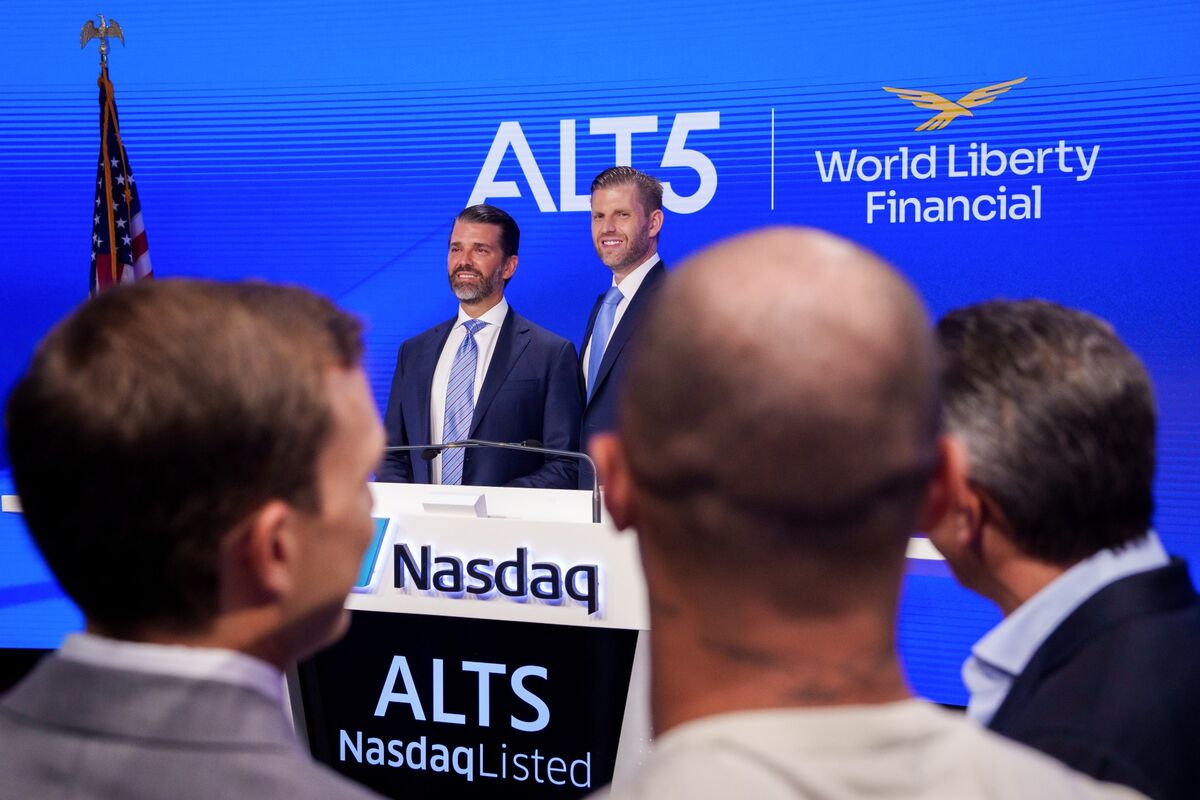
Eric Trump and Donald Trump Jr. marked a significant moment for the Trump family in the financial sector, ringing the Nasdaq opening bell as part of a high-profile $1.5 billion deal. The transaction involved the biotech-turned-crypto payments company Alt5 Sigma Corp. and the Trump-backed World Payment Network, a crypto firm under scrutiny due to its political affiliations. The deal has sparked interest among top financial firms, with Point72 Asset Management and ExodusPoint Capital Management both securing stakes in the venture.

Point72, a prominent hedge fund with a reputation for aggressive trading strategies, has previously invested in various tech-driven industries, but its entry into the crypto space marks a strategic pivot. The firm, led by billionaire Steve Cohen, has long been a major player in hedge funds, with a focus on alternative investments. ExodusPoint, a rising star in the hedge fund world, also moved to acquire a share, further solidifying its presence in the rapidly growing digital assets market.

Alt5 Sigma, originally founded as a biotech company, has undergone a dramatic transformation into a blockchain-powered payment network. With its backing from the Trump family’s business empire, the company has aimed to bridge the gap between cryptocurrency and traditional finance, particularly in the realm of payments processing. This shift has garnered attention from institutional investors and major financial players, eager to tap into the lucrative crypto market.

Both Point72 and ExodusPoint’s moves signal growing institutional interest in crypto-based financial products, which have garnered mixed reactions across the financial world. The cryptocurrency market, often volatile and speculative, remains a space that many traditional investors tread carefully within, though firms like Point72 and ExodusPoint see long-term growth potential.

The involvement of Trump-linked entities, particularly World Payment Network, has added a layer of political intrigue to the deal. World Payment Network, founded in connection with the Trump family’s business operations, has drawn attention for its ties to former President Donald Trump. Critics of the deal have raised concerns over potential conflicts of interest, pointing to the Trump family’s history of leveraging its brand for financial gain. Some worry that the high-profile nature of the Trump name could invite unwanted scrutiny from regulatory bodies, especially in a space already under heavy regulatory pressure.

Despite the controversy, the transaction illustrates the ongoing trend of high-profile figures and firms entering the crypto space, a market known for its innovation but also fraught with risks. In recent months, several hedge funds and institutional investors have increasingly allocated capital into digital assets as they look for high-return opportunities in the wake of traditional financial market fluctuations.

Point72’s foray into crypto comes as no surprise, as Cohen’s fund has long been known for diversifying into new and potentially high-reward areas. However, its involvement with a Trump-backed company adds an interesting layer of complexity, given the family’s polarizing influence on both the financial and political landscapes. ExodusPoint, on the other hand, is still a relatively new player in the hedge fund world, but its rapid growth and aggressive strategies have made it a name to watch. Its decision to back a Trump-linked crypto firm signals its willingness to embrace unconventional investment opportunities.

The crypto payments industry itself is growing rapidly, with companies such as Alt5 Sigma Corp. and World Payment Network at the forefront of bridging the gap between blockchain technology and traditional financial systems. The potential for global expansion and seamless cross-border payments has made blockchain an appealing solution for an industry looking for greater efficiency and security. However, the path forward remains uncertain. Regulatory challenges, particularly in the US, where authorities are seeking to increase oversight on crypto firms, could hamper the growth of companies like Alt5 Sigma.

At the same time, developments in blockchain technology continue to push the envelope for how financial transactions could be conducted in the future. If World Payment Network and its partners can navigate the regulatory hurdles and maintain a level of credibility amid political controversy, they may be well-positioned to capitalize on the growing demand for crypto-based financial services.

Four technology firms from Australia, Nigeria, the UAE and the Netherlands have signed a Memorandum of Understanding to launch a joint venture named AfricAI, aimed at creating enterprise-grade artificial intelligence solutions specifically designed for Africa’s diverse markets. The pact marks a strategic push for digital sovereignty and localised innovation across the continent. Lakeba Group of Australia, Next Digital of Nigeria, AqlanX of the UAE and Agentic Dynamic […]

A bold partnership between the Central Bank of the UAE and Presight, the AI arm of G42, is unfolding a new era in financial infrastructure. The joint venture will embed artificial intelligence across core systems – spanning digital currency, instant and real-time payments, card services and open finance platforms – designed, built, and managed within the UAE. The agreement places AI at the heart of systems such as the Central Bank Digital Currency, Instant Payments, Domestic Card Scheme, National Card Switch, Real-Time Gross Settlement, and Open Finance network.

The initiative underpins the Financial Infrastructure Transformation Programme, a sweeping architectural modernisation blueprint launched by CBUAE in February 2023, with full deployment anticipated by 2026. Where CBUAE once relied on external vendors for supervisory technology and data systems, the new venture shifts toward a sovereign, AI-driven approach.

Ebrahim Obaid Al Zaabi, Assistant Governor for Monetary Policy and Financial Stability, characterised the venture as a strategic move “to ensure the UAE’s financial market infrastructure remains resilient, secure, efficient and future-ready.” He also noted that merging FIT’s leadership with Presight’s technological prowess will reinforce the UAE’s financial ecosystem and underpin national economic stability, strengthening its position as a global financial centre.

Thomas Pramotedham, Chief Executive of Presight, described the venture as a “decisive leap forward,” stating that by “focusing exclusively on AI-driven financial solutions, we are creating a sovereign finance technology powerhouse that will redefine how financial markets operate—faster, with applied intelligence, and more securely than ever before.”

Already, FIT has delivered functional platforms like Instant Payments and the Jaywan card scheme, with CBDC infrastructure currently under development. The venture now takes over these critical functions — charged with developing, maintaining and safeguarding them under a sovereign, AI-backed framework.

Beyond financial rails, this AI integration offers promise across several performance benchmarks: settlement speed, fraud detection, transparency, and cost efficiency all stand to improve. These enhancements align with broader technological sovereignty goals: reducing dependence on foreign providers, enhancing cybersecurity responsiveness, and supporting fintech innovation with locally administered smart infrastructure.

In a parallel development, the Emirates Institute of Finance’s Innovation Hub has entered into a Memorandum of Understanding with HSBC, Al Maryah Community Bank, Presight, and Core42 to explore applications of both traditional and generative AI across banking. The objective is to augment operational efficiency, strengthen cybersecurity, and enrich customer service within the banking sector.

In the broader academic and regulatory sphere, scholars have analysed the transformative potential of AI in finance, alongside its risks: regulatory opacity, bias, data privacy issues, systemic vulnerabilities, and ethical concerns. Recent studies advocate for explainability, human oversight, auditability, and adaptive, principled governance frameworks to safeguard trust while fostering innovation.

By embedding AI at the infrastructure layer, the UAE initiative intersects with these academic prescriptions — though realisation of such ideals will hinge on effective governance, transparency, and operational resilience. As financial systems globalise and grow increasingly complex, ensuring AI’s reliable, accountable implementation will determine whether this model achieves its promise.

Millennials and Gen Zs lead the charge in proactive wealth planning; Gen Zs also have the highest expectations towards receiving an inheritance SINGAPORE – Media OutReach Newswire – 19 August 2025 – A new report by Etiqa Insurance Singapore spotlights growing trends in intergenerational wealth transfer, with 77% of Singaporeans prioritising leaving a financial legacy to future generations. With two-thirds of Singaporeans having either received, transferred or […]

Saudi Arabia is solidifying its role as a key player in the global content industry, with a focus on the rapidly growing demand for Korean entertainment. The country’s recent partnership with South Korea highlights a strategic effort to bolster its creative sector and position itself as the leading creative hub in the Middle East.

The K-Content Expo held in Riyadh from July 22 to 24, 2025, served as a significant milestone in this collaboration. Organised by Korea’s Ministry of Culture, Sports and Tourism in conjunction with the Korea Creative Content Agency, the event attracted over 30 Korean content companies, who engaged in over 400 one-on-one business consultations with representatives from more than 80 regional partners across 12 Middle Eastern nations.

The expo, which showcased the best of Korean pop culture, including K-pop, K-dramas, and variety shows, offered Saudi Arabia an opportunity to deepen its ties with the thriving Korean entertainment industry. This partnership comes amid the growing influence of Korean content, especially among younger audiences in the Middle East, who have increasingly become avid consumers of K-pop and related media.

Saudi Arabia’s Vision 2030, which seeks to diversify the country’s economy and reduce its dependence on oil revenues, has increasingly focused on sectors such as entertainment, culture, and tourism. The Kingdom’s investment in the creative industries aligns with this long-term strategy and is positioning Riyadh as the region’s entertainment capital.

Notably, the Kingdom has already made strides to integrate the cultural aspects of South Korean entertainment into its media landscape. Recent collaborations between Saudi broadcasters and Korean content producers have resulted in the airing of popular K-dramas, with plans for further integration of Korean programming into Saudi television channels.

The role of Saudi Arabia’s state-backed media companies has also been pivotal in driving this initiative forward. These companies are facilitating the import of Korean content while simultaneously promoting local talent. Saudi Arabia’s growing production facilities and investments in digital media technologies are creating an ecosystem ripe for the exchange of ideas, talent, and content.

The government’s investment in the creative sector is not just limited to entertainment. It has also ventured into areas such as gaming, animation, and digital arts, all sectors in which South Korea has a global reputation. Through these joint ventures, Saudi Arabia hopes to create a self-sustaining creative economy that can compete on a global scale.

One of the primary objectives of the K-Content Expo was to open new opportunities for collaboration in areas such as co-productions, distribution, and marketing of content. The event saw numerous partnerships solidified between Saudi and Korean businesses, facilitating the exchange of not just media content but also expertise in areas such as production, distribution networks, and digital platforms.

With over 100 million people in the region under the age of 30, the Middle East has become a crucial market for content creators. According to recent reports, the demand for digital entertainment in the region has surged, with younger viewers flocking to streaming platforms to watch content from South Korea and beyond. As the digital space continues to grow, Saudi Arabia is positioning itself to capture a significant portion of this expanding market.

One of the standout agreements at the K-Content Expo was the joint initiative between Saudi Arabian streaming platforms and Korean entertainment giants to launch localised K-drama series tailored to the Middle Eastern audience. These series, while maintaining the core characteristics of Korean entertainment, will also incorporate local cultural elements, creating content that resonates with regional tastes and sensibilities.

Saudi Arabian officials have been vocal about their ambition to become a creative powerhouse, with plans to further develop infrastructure and offer financial incentives for foreign productions. This push is part of a broader strategy to not only cater to the domestic audience but also to attract international content producers who may see the region as a gateway for entry into the broader Middle Eastern and North African markets.

Experts have highlighted the role of such events in expanding bilateral relations and fostering cultural exchange between the two nations. The ongoing collaboration between Saudi Arabia and South Korea is poised to offer new business opportunities, particularly in light of the Kingdom’s efforts to develop its entertainment and cultural sectors.

PUTRAJAYA, MALAYSIA – Media OutReach Newswire – 18 August 2025 – Islamic Tourism Month (ITM) 2025 returns for its fourth and most exciting edition yet, inviting Malaysians and global travelers to embark on a journey of rediscovery through the rich lens of Muslim-Friendly Tourism and Hospitality (MFTH). Organised by the Islamic Tourism Centre (ITC), ITM 2025 takes place from 18 August to 30 September, showcasing the beauty, […]

Cohere has raised $500 million in new funding, propelling its valuation to an impressive $6.8 billion as the company accelerates its push to reshape enterprise AI. This significant investment will bolster its efforts to expand its security-first agentic AI platform, a product designed to enhance organizational productivity through advanced, secure artificial intelligence. The AI sector has seen rapid growth over the last few years, with businesses increasingly […]

VISHNU RAJA
RYO YAMADA
HITORI GOTOH
IKUYO KITA
Just in:
Crypto market loses $150 billion amid broad sell-off // Saudi defences destroy three Houthi missiles targeting Riyadh // Dar Global unveils $700m Trump development in Qatar // Balagopal challenges CM over tax revenue // 2026 Tropical Rainforest Ecosystem Partners Conference Kicks off in Hainan // LittleLives, Little Lab and SEGi College Sign MOU to Explore Early Childhood Education Collaboration Across ASEAN // PayerMax and ShopeePay Strengthen Strategic Partnership to Advance Digital Payment Collaboration in Southeast Asia // Travel Insurance Was Built for the Few Who Claim. Ancileo’s Felt Coverage™ is for Everyone Else // Sabarimala booking discrepancies prompt sabotage angle probe // Thailand’s Most Iconic New Year’s Celebration Returns: ICONSIAM Unveils “Amazing Thailand Countdown 2027” // European Commission takes systems offline after AI cyberattack // Promoting Common Human Development Through Exchanges and Mutual Learning Among Civilizations // Padmini follows Padmaja for ‘ghar vapsi’ // Yeebo Announces Interim Results for FY26/27 Revenue Increases by 45.5% to HK$806.7 Million Profit Attributable to Owners Surges 87.6% to HK$2,284.7 Million // Dalilk Academy reaches 27 million, targets 100 million by 2030 // Coinbase targets 2027 launch amid state gambling lawsuits // ED searches five districts in probe against hawala // Workday targets Honeydew purchase to unify AI metrics // Sharjah clears Kalba free zone plan for 400MW complex // Diabetes Malaysia And Alpro Pharmacy Set National Record With 11,007 Most Blood Glucose Screenings Conducted Across Malaysia In Just 48 Hours //