Just in:

News related to
venture

Produced by the Group’s wholly-owned indirect subsidiary, Studio Take, the Korean adaptation of the Taiwanese hit YOU ARE THE APPLE OF MY EYE, premieres today, topping advance ticket reservation sales for Korean films Following Studio Take’s A MAN OF REASON (2023), which premiered globally at the 47th Toronto International Film Festival, the addition of YOU ARE THE APPLE OF MY EYE to its portfolio underscores Studio Take’s […]

Portland-based startup AheadComputing has secured $21.5 million in seed funding to develop advanced CPU technology utilizing the open-source RISC-V architecture. Founded by former Intel executives, the company aims to address performance challenges in artificial intelligence applications, particularly those related to bandwidth and data processing limitations. Leading the company is CEO Debbie Marr, who, along with other senior executives, departed Intel last year to establish AheadComputing. Marr emphasized […]

Gomboc AI, a New York-based startup specializing in deterministic artificial intelligence for cloud security, has raised $13 million in seed funding to advance its mission of automating cloud security remediation. The latest $8 million investment was led by Ballistic Ventures, with continued support from Glilot Capital Partners and Hetz Ventures, who had previously co-led the company’s initial $5 million seed round. Founded in 2022 by CEO Ian […]

The Abu Dhabi Investment Office has solidified its commitment to fostering economic collaboration with China by entering into strategic agreements with prominent Chinese entities. These partnerships, announced during the Abu Dhabi Investment Forum in Shanghai, aim to enhance investment intelligence and facilitate the expansion of Chinese enterprises into Abu Dhabi’s burgeoning market.

In a notable development, ADIO has partnered with Wind Information, China’s leading financial information services provider. This collaboration designates Wind Information as ADIO’s preferred knowledge partner in China, granting investors enhanced access to Abu Dhabi’s dynamic investment landscape. The alliance is poised to bridge information gaps, enabling Chinese investors to make informed decisions about opportunities within the emirate.

Simultaneously, ADIO has forged a strategic partnership with Hejun Group, a prominent Chinese consulting firm. This agreement is designed to accelerate Chinese investment in Abu Dhabi by leveraging Hejun Group’s extensive network of over 2,000 publicly listed companies. The collaboration aims to introduce these enterprises to Abu Dhabi’s investment prospects, thereby fostering economic growth and diversification within the region.

Further strengthening bilateral ties, ADIO has entered into an agreement with Fosun International Limited, a global innovation-driven consumer group. This partnership seeks to expedite the expansion of Fosun’s subsidiaries into Abu Dhabi and the broader Middle East. ADIO will provide tailored investor support, streamlined market access, and strategic guidance to facilitate Fosun’s ventures in key sectors such as wealth management, fintech, premium residential real estate, and healthcare innovation.

These strategic alliances underscore Abu Dhabi’s proactive approach to attracting foreign investment and enhancing its position as a global financial hub. By collaborating with leading Chinese firms, the emirate aims to diversify its economy and foster innovation across various industries.

The Abu Dhabi Investment Forum in Shanghai served as a pivotal platform for these announcements, highlighting the emirate’s commitment to strengthening economic ties with China. The forum facilitated discussions on Abu Dhabi’s role as a global financial, trade, and technology hub, with a focus on technological innovation in areas such as financial technology, artificial intelligence, blockchain, and digital transformation.

These developments are set against the backdrop of burgeoning trade relations between the United Arab Emirates and China. Bilateral trade between the two nations is projected to reach $200 billion by 2030, positioning Abu Dhabi as a critical gateway for Chinese investment in the Middle East and beyond. The emirate already hosts a significant number of the 6,000 Chinese companies operating in the UAE, spanning key sectors including technology, financial services, and energy.

In addition to these partnerships, Abu Dhabi has been actively engaging in strategic investments to bolster its economic landscape. For instance, Masdar, Abu Dhabi’s renewable energy company, has been expanding its footprint in the European energy sector. Masdar is currently negotiating with banks to structure the acquisition of a new portfolio of renewable energy assets from Endesa, a Spanish utility company. This move aligns with Abu Dhabi’s broader strategy to invest in sustainable energy solutions and diversify its investment portfolio.

The financial sectors of the UAE and China have been exploring collaborative opportunities to enhance cross-border investments. The Shenzhen Stock Exchange and Dubai Financial Market have signed a memorandum of understanding to bolster cross-border investing, particularly in exchange-traded funds . This agreement includes dual listings, shared indices, and fixed-income offerings, aiming to facilitate secondary market investments and strengthen financial ties between the two nations.

These initiatives reflect a broader trend of deepening economic cooperation between Abu Dhabi and China, with both parties seeking to capitalize on mutual investment opportunities and drive sustainable economic growth. The strategic partnerships established by ADIO are poised to play a pivotal role in this collaborative effort, fostering a conducive environment for innovation, investment, and economic diversification.

HONG KONG SAR – Media OutReach Newswire – 21 February 2025 – The Hong Kong Science and Technology Parks Corporation (HKSTP) successfully hosted the “AI in Action” Career Day, attracting over 3,000 visitors. Marking HKSTP’s first-ever AI-focused recruitment initiative, the event delivered a one-stop career platform tailored for young professionals and graduates, connecting them with over 150 AI-specialised companies. Together, these innovators showcased 1,000+ roles in cutting-edge […]

Dara Holdings, the family office of Saudi billionaire Lubna Olayan, has significantly increased its investments in female-led startups across the United Arab Emirates since mid-2024. This strategic move aims to address the gender financing disparity prevalent in the region’s traditionally male-dominated business landscape. In February 2025, Dara Holdings participated in a $10 million seed funding round for qeen.ai, a Dubai-based artificial intelligence startup co-founded by former Google […]

World Liberty Financial, the cryptocurrency venture backed by U.S. President Donald Trump, has made a significant investment in the decentralized finance sector by purchasing 547,990 SEI tokens for $125,000 USDC. This strategic move has led to a notable increase in SEI’s market value, reflecting the growing influence of institutional investments in the cryptocurrency landscape.

The acquisition, executed on February 20, 2025, saw World Liberty Financial acquiring SEI tokens at an average price of $0.228 per token. This transaction was conducted on the Ethereum network, underscoring the platform’s continued prominence in facilitating significant cryptocurrency trades. Following the purchase, SEI’s price experienced an immediate surge, climbing approximately 12% to reach $0.24. This uptick highlights the market’s responsiveness to substantial investments from prominent entities.

World Liberty Financial’s portfolio, now valued at $117.052 million, reflects a 6.439% decrease in profit and loss, amounting to a $56.522 million loss. Despite this downturn, the firm continues to diversify its holdings, with recent acquisitions including 52.07 Wrapped Bitcoin worth $5 million and 2.53 million MOVE tokens valued at $1.14 million. These investments align with the company’s broader strategy to strengthen its position within the DeFi sector.

In addition to World Liberty Financial’s activities, notable movements have been observed among cryptocurrency whales. Two newly created multi-signature wallets, linked to the same creator, have collectively spent $20 million USDC to acquire 400 million WLFI tokens over the past two days. This substantial accumulation indicates a growing confidence among large-scale investors in the potential of WLFI tokens.

The SEI token, designed to enhance decentralized trading experiences, has garnered increased attention due to these high-profile investments. Market analysts suggest that such institutional interest could signal the onset of a bullish trend for SEI, as well as for the broader DeFi ecosystem. The infusion of capital from entities like World Liberty Financial is perceived as a vote of confidence in the viability and future growth of decentralized financial platforms.

World Liberty Financial’s strategic moves are not occurring in isolation. The cryptocurrency market as a whole has been experiencing a resurgence, with various tokens witnessing upward trajectories. The involvement of influential figures and substantial financial commitments are contributing to a renewed optimism within the crypto community.

However, these developments also prompt discussions about the potential implications of such concentrated investments. While the immediate market reactions are positive, questions arise regarding the long-term effects on market stability and the decentralization ethos that underpins the cryptocurrency space. The actions of large entities can significantly sway token valuations, which may lead to increased volatility and influence over decentralized networks.

Advertisements

MACAU SAR – Media OutReach Newswire – 21 February 2025 – Galaxy Macau™, the world-class luxury integrated resort, stands as a premier culinary destination, offering exquisite dishes from around the globe and ensuring that every visit to Macau is vibrant and memorable. Since its opening in 2015, 8½ Otto e Mezzo BOMBANA at Galaxy Macau has garnered numerous accolades, including a Michelin one-star rating for nine consecutive […]

British asset management firm Abrdn is in advanced discussions with CITIC Bank to establish a joint venture in China, aiming to strengthen its presence in the world’s second-largest economy. This strategic move comes as relations between the United Kingdom and China show signs of improvement, contrasting with the trend of Western financial institutions scaling back operations in the region due to economic and geopolitical concerns.

According to individuals familiar with the matter, Abrdn intends to hold a majority stake in the proposed venture, with the remaining shares owned by CITIC Bank’s subsidiary, CITIC Wealth. CITIC Wealth, as of the end of last year, manages assets totaling 2 trillion yuan , positioning it as China’s third-largest bank-owned wealth management entity.

The collaboration between Abrdn and CITIC Bank has been under discussion for the past couple of years, focusing on either establishing a new venture within mainland China or Abrdn acquiring a stake in CITIC Wealth. These negotiations gained momentum following the recent resumption of high-level economic and financial dialogues between China and the UK, which had been on hold for nearly six years.

This development is particularly noteworthy given the backdrop of several Western financial institutions reevaluating their strategies in China. Concerns over the health of the Chinese economy and escalating tensions between Beijing and Washington have led some firms to reduce their workforce or halt expansion plans in the region. In contrast, Abrdn’s initiative reflects a strategic decision to deepen its engagement with the Chinese market, leveraging the extensive client base and local expertise of CITIC Wealth.

The timing of this potential partnership aligns with broader efforts to enhance financial cooperation between the UK and China. Both governments have recently committed to exploring the feasibility of establishing exchange-traded fund and wealth management connect schemes, aiming to link their capital markets more closely. These initiatives are part of a concerted effort to strengthen financial services relations and improve economic ties between the two nations.

While official comments from Abrdn and CITIC Bank are yet to be made, the proposed joint venture signifies a strategic alignment that could offer mutual benefits. For Abrdn, gaining a majority stake in a Chinese asset management entity provides a platform to tap into the growing wealth management market in China. For CITIC Bank, partnering with an established international asset manager like Abrdn could enhance its product offerings and global reach.

Sharjah and Neuchâtel have embarked on a collaborative venture to enhance manufacturing and innovation sectors. A business roundtable, organised by Invest in Sharjah in partnership with the Consulate General of the UAE in Geneva, served as the platform for this initiative. The event aimed to explore synergies and establish robust economic ties between the UAE and Switzerland.

The roundtable witnessed the participation of key stakeholders from both regions, including government officials, industry leaders, and representatives from academic institutions. Discussions centred on potential partnerships, knowledge exchange, and investment opportunities in advanced manufacturing technologies and innovative solutions.

Switzerland, renowned for its precision engineering and technological advancements, presents a valuable model for Sharjah’s burgeoning industrial sector. Conversely, Sharjah offers a strategic gateway to Middle Eastern markets, providing Swiss enterprises with avenues for expansion and collaboration.

The UAE and Switzerland have a history of strong bilateral relations, with the UAE being Switzerland’s most significant trading partner in the Middle East. The annual trade volume between the two nations stands at approximately CHF 15 billion, encompassing sectors such as precious metals, jewellery, and pharmaceuticals. This collaboration seeks to build upon existing ties, fostering economic growth and technological innovation.

Invest in Sharjah, the investment promotion agency of the emirate, has been instrumental in facilitating such international partnerships. By organising events like the business roundtable, the agency aims to position Sharjah as a hub for innovation and industry, attracting foreign investments and fostering a conducive environment for business growth.

The Consulate General of the UAE in Geneva has also played a pivotal role in bridging the gap between Emirati and Swiss entities. Through diplomatic channels and economic forums, the consulate strives to enhance mutual understanding and cooperation, paving the way for successful collaborations.

Participants at the roundtable expressed optimism about the prospects of this partnership. They highlighted the complementary strengths of Sharjah and Neuchâtel, emphasising that combined efforts could lead to significant advancements in manufacturing processes and innovative practices.

This initiative aligns with the UAE’s broader vision of economic diversification and technological advancement. By leveraging international collaborations, the nation aims to reduce its reliance on traditional industries, embracing a knowledge-based economy driven by innovation and sustainability.

As Sharjah and Neuchâtel embark on this collaborative journey, both regions anticipate a fruitful exchange of ideas, resources, and technologies. This partnership not only strengthens economic ties but also fosters cultural and academic exchanges, enriching the social fabric of both communities.

“Thermo Earth of Love Project” to Enhance Surface Temperature Observation and Advance its Solutions Further TOKYO, JAPAN – Media OutReach Newswire – 20 February 2025 – On January 27, 2025, Tenchijin announced the launch of “Thermo Earth of Love Project,” a proprietary satellite program aimed at enhancing surface temperature monitoring capabilities. The company’s satellite is scheduled for launch in 2027. Thermo Earth of Love Project – LST […]

HONG KONG SAR – Media OutReach Newswire – 20 February 2025 – DFI Retail Group Holdings Limited will announce its 2024 Full Year Results after market close on 10 March 2025, followed by an analyst presentation live webcast on 11 March 2025. Date: Tuesday, 11 March 2024 Time: 10:00-11:00 am (Hong Kong Time) Presented by: Mr. Scott Price, Group Chief Executive and Mr. Tom van der Lee, […]

Leading figures in the cryptocurrency sector, including Coinbase, a16z, Paradigm, Kraken, and Uniswap, have collectively urged the U.S. Congress to repeal a tax policy introduced by the Internal Revenue Service that mandates decentralized finance brokers to report user information. The coalition contends that this regulation could severely impede DeFi innovation by imposing traditional brokerage data collection and reporting requirements on decentralized platforms.

The IRS finalized this significant digital asset broker rule between Christmas and New Year’s Eve, just days before the transition to President Donald Trump’s administration. The rule aims to subject DeFi brokers to the same information-reporting obligations as traditional securities brokers and exchanges. Critics argue that this approach demonstrates a fundamental misunderstanding of DeFi technology and oversteps regulatory boundaries.

Under the Congressional Review Act, recently approved regulations can be rescinded. Senator Ted Cruz, a Republican from Texas, introduced a resolution last week seeking to nullify the IRS’s DeFi broker rule. In a unified response, the Blockchain Association, alongside industry giants such as Coinbase, a16z, Paradigm, Kraken, Uniswap, Anchorage Digital, and numerous others, submitted a letter to congressional leaders advocating for the adoption of Senator Cruz’s resolution.

The letter asserts that the DeFi broker rule, finalized in the closing days of the Biden administration, represents regulatory overreach, fundamentally misinterprets the technology it seeks to regulate, and disregards congressional intent. The coalition emphasizes that utilizing Congress’s authority to overturn federal agency regulations offers a clear and definitive path to revoke this detrimental rule before it takes effect.

Industry leaders express concern that the rule disproportionately targets U.S.-based companies, imposing stringent requirements that foreign competitors are not obligated to follow when serving American customers. This disparity, they argue, could stifle DeFi innovation within the United States, as domestic firms would face unique compliance burdens not shared by their international counterparts.

The Congressional Review Act serves as a potent mechanism for reversing federal regulations, though its application can have lasting implications. Once a rule is nullified under this act, any future attempt to introduce a similar regulation is effectively barred, potentially complicating efforts to establish more balanced oversight in the same domain.

This collective action by the cryptocurrency industry underscores the escalating tension between innovative financial technologies and existing regulatory frameworks. As DeFi platforms continue to evolve, they challenge traditional notions of financial intermediaries, prompting regulators to adapt their approaches. The outcome of this legislative push could set a significant precedent for how decentralized technologies are governed in the future.

In a related development, venture capital firm a16z Crypto has expressed support for a legal challenge against the IRS’s new DeFi rules. The firm argues that the regulations exceed governmental authority, infringe upon constitutional rights, and could adversely affect the United States’ position in the global digital economy. This lawsuit, backed by the Blockchain Association, DeFi Education Fund, and Texas Blockchain Council, contends that the mandated reporting requirements threaten user privacy and could deter innovation in the DeFi space.

The IRS’s finalized rule stipulates that “front-end” crypto service providers adhere to the same tax reporting standards as traditional securities brokers. This encompasses the collection and reporting of user trading information, a requirement that many in the industry view as incompatible with the decentralized nature of DeFi platforms. Critics contend that enforcing such regulations could drive DeFi activities offshore, where U.S. regulatory reach is limited, thereby diminishing the country’s influence in the burgeoning digital asset sector.

The debate over the IRS’s DeFi broker rule highlights the broader challenge of applying existing regulatory paradigms to emerging technologies that operate outside traditional frameworks. As policymakers grapple with these issues, the balance between fostering innovation and ensuring compliance remains a contentious and evolving discourse.

The cryptocurrency community’s unified stance against the IRS’s reporting mandate reflects a broader concern that ill-fitting regulations could hamper the growth and potential of decentralized financial systems. As this situation unfolds, it will serve as a critical test of how regulatory bodies and innovative industries can navigate the complexities of technological advancement in the financial sector.

The outcome of this legislative and legal challenge may well determine the trajectory of DeFi development in the United States and influence how other jurisdictions approach the regulation of decentralized financial technologies. Stakeholders across the spectrum will be closely monitoring the proceedings, recognizing the profound implications for the future of finance and technology integration.

Elon Musk’s artificial intelligence venture, xAI, has introduced its latest AI model, Grok 3, asserting that it surpasses competitors such as OpenAI’s GPT-4o and DeepSeek V3 in benchmarks for mathematics, science, and coding. This development intensifies the ongoing competition in the AI sector, with xAI aiming to position Grok 3 as a leading solution for advanced AI applications. Grok 3 represents a significant advancement over its predecessor, […]

Lumotive, a Redmond, Washington-based company specializing in programmable optical semiconductors, has raised $45 million in a Series B funding round. The investment aims to accelerate the commercialization of its Light Control Metasurface technology, which digitally steers light for 3D sensing applications across various industries. The funding round was led by Gates Frontier, an investment arm associated with Bill Gates, and MetaVC Partners. Other participants included Swisscom Ventures, […]

Metaplanet Inc., a Tokyo Stock Exchange-listed company, has expanded its Bitcoin holdings to over 2,100 BTC. The firm acquired an additional 68.59 bitcoins at an average price of $96,335 per coin, totaling approximately $6.6 million. This purchase elevates Metaplanet’s total Bitcoin assets to 2,100 BTC, representing 0.01% of the 21 million bitcoins that will ever exist.

This acquisition follows a significant purchase earlier this month, where Metaplanet bought 269.43 bitcoins for around $26 million, averaging $97,985 per coin. These strategic investments are part of Metaplanet’s broader plan to amass substantial Bitcoin reserves. The company aims to hold 10,000 BTC by the end of 2025 and 21,000 BTC by the close of 2026. To support this ambitious goal, Metaplanet has announced plans to raise approximately ¥116 billion through the issuance of 21 million shares.

Metaplanet’s strategic shift towards Bitcoin began in 2024, inspired by MicroStrategy’s approach of utilizing Bitcoin as a primary treasury reserve asset. This pivot has significantly impacted Metaplanet’s financial standing and market perception. In 2024, the company reported unrealized gains of approximately $36 million from its Bitcoin holdings. Additionally, Metaplanet’s shareholder base expanded by 500% to 50,000 investors during the same period.

The company’s stock performance has mirrored its aggressive Bitcoin acquisition strategy. Over the past year, Metaplanet’s share price has surged by 3,500%, reaching ¥5,880 per share. This remarkable growth has drawn parallels to MicroStrategy’s trajectory, earning Metaplanet the moniker “Asia’s MicroStrategy.”

Beyond its investment activities, Metaplanet is diversifying its business operations. The company manages a Bitcoin-themed hotel in Tokyo and holds the exclusive license for Bitcoin Magazine in Japan. These ventures align with Metaplanet’s mission to promote Bitcoin adoption and education within the region.

However, Metaplanet’s aggressive Bitcoin accumulation strategy is not without risks. The inherent volatility of cryptocurrency markets poses potential challenges. Analysts caution that a significant downturn in Bitcoin’s value could adversely affect the company’s financial health and stock performance. Moreover, geopolitical tensions and regulatory uncertainties add layers of complexity to Metaplanet’s investment approach.

Despite these challenges, Metaplanet remains steadfast in its commitment to Bitcoin. The company’s leadership believes that Bitcoin’s unique attributes, such as its scarcity and decentralized nature, position it as a valuable asset for long-term growth. As Metaplanet continues to execute its strategic vision, it stands as a prominent example of corporate Bitcoin adoption in Asia.

In the broader market context, Bitcoin’s price has experienced fluctuations. Currently, Bitcoin is trading at $97,225, reflecting a 2.15% increase from the previous close. The cryptocurrency’s intraday high reached $97,340, with a low of $94,997. These price movements underscore the dynamic nature of the cryptocurrency market, which companies like Metaplanet navigate in their investment strategies.

The once-booming memecoin market is experiencing a significant downturn, marked by high-profile scandals and a shift towards a more mature cryptocurrency landscape. Industry experts and recent events highlight the challenges facing these novelty digital assets.

Nic Carter, a partner at Castle Island Ventures, asserts that the memecoin era has concluded. He emphasizes that the market, once seen as a fair playground for traders, has been undermined by insider manipulation and fraudulent schemes. Carter points to the recent $LIBRA token scandal as evidence of the market’s compromised integrity.

The $LIBRA incident has notably impacted the reputation of the Solana blockchain network. Promoted by Argentine President Javier Milei, $LIBRA experienced a meteoric rise followed by a catastrophic collapse, erasing over $4 billion in value. This event has led to fraud allegations and calls for Milei’s impeachment. Solana, favored for its scalability and transaction speed, has seen a 15% decline in its token value since the scandal, as reported by Cinco Días.

The proliferation of memecoins lacking solid technological foundations has saturated networks like Solana, causing congestion and eroding investor trust. Platforms such as Pump.fun have facilitated the creation of these tokens, leading to a 46% decrease in daily new token launches from January 24 to February 18, 2025. This decline reflects growing skepticism among investors and developers.

Market data indicates a sharp reduction in investor interest in memecoins. The number of active traders has decreased by 50% since January, and the overall market capitalization of memecoins has dropped from $100 billion to significantly lower levels. Tokens like Dogecoin and Shiba Inu have experienced substantial price declines, with DOGE falling from $0.12 to $0.09 within a single day, as noted by IntoTheBlock.

The $LIBRA scandal has also brought to light the involvement of four entrepreneurs—Mauricio Novelli, Manuel Terrones Godoy, Julian Peh, and Hayden Mark Davis—who orchestrated the token’s promotion and subsequent collapse. Their actions have intensified scrutiny of memecoin projects and raised questions about the ethical responsibilities of public figures endorsing such assets.

Despite the downturn, some analysts believe that while the memecoin craze is over, these tokens will not disappear entirely. However, the market is expected to evolve, with investors becoming more discerning and regulatory bodies increasing oversight to prevent manipulation and fraud.

Wintermute Trading Ltd., a prominent cryptocurrency market maker, has unveiled plans to broaden its footprint into the United States. The London-based firm intends to establish an office in New York and introduce over-the-counter trading products tailored for U.S. clientele. This strategic move is bolstered by a recent funding round spearheaded by Chinese technology conglomerate Tencent Holdings Ltd.

Chief Executive Officer Evgeny Gaevoy detailed the company’s expansion blueprint during an interview at the Consensus crypto conference in Hong Kong. He emphasized that, in addition to launching the New York office, Wintermute aims to augment its workforce by adding approximately five to ten employees to its existing team of 130 professionals. This modest increase underscores the company’s commitment to scaling its operations while maintaining agility in the rapidly evolving digital asset landscape.

The decision to venture into the U.S. market is influenced by Wintermute’s optimistic outlook on potential regulatory reforms. Gaevoy expressed confidence that forthcoming changes in U.S. policies could set a precedent, prompting other nations to adopt similar frameworks for digital assets. This perspective aligns with the broader industry sentiment that regulatory clarity in the U.S. could catalyze global acceptance and integration of cryptocurrencies.

The infusion of capital from Tencent marks a significant milestone in Wintermute’s growth trajectory. While specific financial details of the funding round remain undisclosed, sources familiar with the matter indicate that Tencent’s involvement reflects a strategic interest in the burgeoning cryptocurrency sector. This partnership not only provides Wintermute with the financial resources to expand but also aligns it with one of Asia’s most influential technology entities.

Wintermute’s operational model centers on providing liquidity across more than 50 cryptocurrency exchanges and trading platforms, including industry giants such as Binance, Bybit, and Coinbase. The firm’s algorithmic trading strategies have facilitated approximately $5 trillion in cumulative trading volume, a figure that has notably doubled over the past two years. This impressive growth trajectory underscores Wintermute’s pivotal role in enhancing market efficiency and stability within the crypto ecosystem.

In addition to its market-making activities, Wintermute has demonstrated a proactive approach to industry engagement through strategic investments. The firm has participated in over 100 venture initiatives, supporting projects that span various facets of the digital asset space. This investment strategy not only diversifies Wintermute’s portfolio but also fosters innovation and development within the broader cryptocurrency community.

The U.S. expansion plan includes the introduction of OTC trading services, designed to cater to institutional investors seeking large-volume transactions with minimized market impact. By offering these services, Wintermute aims to tap into the growing demand from U.S.-based institutional clients, providing them with tailored solutions that align with regulatory standards and market expectations.

Tencent’s participation in the funding round signifies a noteworthy foray into the cryptocurrency domain by a major Chinese technology firm. Known predominantly for its ventures in social media and gaming, Tencent’s investment in Wintermute suggests a strategic diversification and an acknowledgment of the transformative potential inherent in blockchain technologies and digital assets.

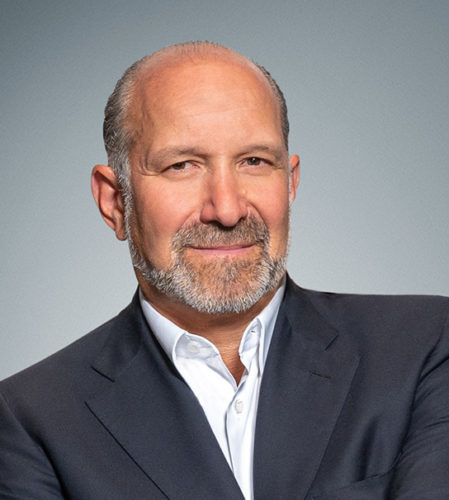
Howard Lutnick, the billionaire CEO of Cantor Fitzgerald, has been confirmed by the Senate as the new U.S. Secretary of Commerce. The Senate voted 51-45 in favor of Lutnick, a prominent Wall Street figure and close ally of President Donald Trump. Lutnick is expected to play a pivotal role in implementing the administration’s trade policies, which include potential tariffs on foreign automobiles, semiconductors, and pharmaceuticals.

Lutnick’s confirmation aligns with President Trump’s broader strategy to reshape the nation’s financial regulatory landscape. The administration has put forth several pro-cryptocurrency nominees for key regulatory positions, signaling a shift towards a more crypto-friendly environment.

Paul Atkins, a former Securities and Exchange Commission commissioner under President George W. Bush, has been nominated to lead the SEC. Atkins is known for his deregulatory stance and has previously opposed stringent enforcement actions against large corporations. His appointment suggests a potential easing of regulatory pressures on financial institutions and a more accommodating approach towards cryptocurrency ventures.

Brian Quintenz has been nominated as the chairman of the Commodity Futures Trading Commission . Quintenz previously served as a CFTC commissioner from 2017 to 2021 and has extensive experience in both traditional finance and the cryptocurrency sector. Before his nomination, he was the head of policy at a16z crypto, the cryptocurrency division of venture capital firm Andreessen Horowitz. Quintenz’s return to the CFTC is anticipated to foster innovation in blockchain technology and provide clearer regulatory guidelines for digital assets.

Jonathan Gould has been nominated to lead the Office of the Comptroller of the Currency . Gould brings a wealth of experience from his tenure as chief counsel for the Senate Banking Committee and as a partner at the law firm Jones Day. His background includes a focus on both traditional banking and emerging financial technologies, indicating a balanced approach to overseeing national banks and their integration of cryptocurrency services.

These nominations come as part of President Trump’s initiative to overhaul the financial regulatory framework, aiming to reduce what the administration perceives as overreach from previous policies. The inclusion of figures with pro-cryptocurrency perspectives suggests a concerted effort to embrace digital currencies and blockchain innovations within the U.S. financial system.

The Senate confirmation process for these nominees will be closely watched, as their leadership could significantly influence the direction of U.S. financial regulations, particularly concerning the burgeoning cryptocurrency market. Industry stakeholders and policymakers alike are poised to assess how these appointments might reshape the financial landscape in the coming years.

Abu Dhabi-based defence conglomerate EDGE Group has announced its financial projections for 2025, aiming to sustain its impressive growth trajectory by matching its 2024 revenue of $5 billion. This ambitious target underscores the company’s commitment to expanding its global footprint and enhancing its position in the international defence sector.

In 2024, EDGE Group reported a revenue of $4.9 billion, with over 20% derived from exports. The company’s products and services have reached clients in 91 countries, reflecting its extensive international reach. Notably, international orders experienced a significant surge, escalating from $18.5 million in 2019 to over $2.1 billion in 2024. This remarkable growth is attributed to strategic investments, innovation, and a diversified product portfolio.

Managing Director and Chief Executive Officer Hamad Al Marar highlighted the company’s strategic focus on expanding cooperation in Africa, followed by Latin America and Asia. He noted that military deals typically require one to three years to finalize and are progressing as planned. Al Marar emphasized that EDGE’s sustainable investment strategies are pivotal in reinforcing its commitment to supporting the national economy and strengthening the UAE’s position in the vital defence sector.

Since its establishment in November 2019, EDGE has expanded its product portfolio from 30 to 201 cutting-edge solutions across air, land, sea, and cyber domains—a growth exceeding 550% in just five years. This expansion has been supported by substantial investments in research and development, enabling the company to introduce advanced technologies and maintain a competitive edge in the global market.

EDGE’s workforce has also grown in tandem with its business expansion. The company currently employs 14,000 people, with Emiratisation standing at 20% across the organization and reaching 50% in engineering divisions. This focus on developing local talent aligns with the UAE’s broader objectives of fostering national expertise in critical industries.

In terms of strategic partnerships, EDGE has engaged in 23 joint ventures and alliances spanning air, land, sea, space, and cyber domains. These collaborations have been instrumental in driving the company’s industry leadership and expanding its technological capabilities. Notable acquisitions include stakes in Estonia’s MILREM Robotics, Swiss unmanned helicopter manufacturer ANAVIA, Brazil’s non-lethal technology leader Condor, and Brazil’s smart weapons specialist SIATT. These investments have enhanced EDGE’s capabilities across multiple domains, unlocking opportunities in cutting-edge sectors and strengthening its competitive position globally.

As of September 2024, EDGE Group-managed companies have secured contracts with an order backlog totaling $12.8 billion, ensuring sustained future revenue growth through the delivery of strategic defence solutions to clients. In 2023 alone, the group secured over 200 major contracts, with 25% representing international agreements. By September 2024, international contracts accounted for 42% of its order intake. Among its notable achievements, EDGE secured a €1 billion contract to supply corvette vessels to the Angolan Navy, marking a significant milestone in its naval capabilities. Strategic agreements with the UAE Armed Forces include $1.62 billion for DESERT STING precision-guided munitions and $582 million for THUNDER artillery systems, illustrating its pivotal role in addressing the unique needs of both local and international clients.

EDGE’s leadership in precision-guided munitions was further acknowledged by defence industry analyst JANES in 2024, naming EDGE among the top three global manufacturers in this field. This recognition underscores the company’s commitment to excellence and innovation in developing advanced defence solutions.

Howard Lutnick, the former CEO of Cantor Fitzgerald, has been confirmed by the U.S. Senate as the new Secretary of Commerce under President Donald Trump. The Senate approved his nomination with a 51-45 vote, positioning Lutnick to oversee a department responsible for a wide array of economic activities, from trade policy to technology regulation.

Lutnick’s confirmation marks a significant moment in the Trump administration’s efforts to reshape the nation’s economic and regulatory landscape. Known for his resilience in rebuilding Cantor Fitzgerald after the tragic loss of 658 employees during the September 11 attacks, Lutnick brings a wealth of experience from the financial sector. His leadership during that crisis, including the distribution of $180 million to victims’ families, has been widely recognized.

As Commerce Secretary, Lutnick is expected to play a pivotal role in implementing President Trump’s trade policies, which have recently included the announcement of potential 25% tariffs on foreign automobiles, semiconductors, and pharmaceuticals. These measures are part of a broader strategy to bolster domestic manufacturing and reduce reliance on foreign imports.

In addition to Lutnick’s appointment, the Trump administration is advancing a series of nominations for key regulatory positions, particularly in agencies overseeing financial markets and emerging technologies. Paul Atkins, a former Securities and Exchange Commission commissioner known for his free-market philosophy, has been nominated to lead the SEC. Atkins has a history of advocating for reduced regulatory burdens and is anticipated to foster a more accommodating environment for financial innovation, including cryptocurrencies.

Brian Quintenz, who previously served as a commissioner at the Commodity Futures Trading Commission from 2017 to 2021, has been nominated to return as the agency’s chairman. During his prior tenure, Quintenz was recognized for his expertise in both traditional finance and the burgeoning cryptocurrency sector. His recent role as head of policy at a16z Crypto, the cryptocurrency division of venture capital firm Andreessen Horowitz, underscores his deep engagement with digital assets. Quintenz’s return to the CFTC is expected to influence the agency’s approach to regulating complex financial instruments and fostering innovation in blockchain technologies.

Jonathan Gould, a legal professional with extensive experience in banking and financial regulation, has been nominated to lead the Office of the Comptroller of the Currency . Gould’s background includes serving as senior deputy comptroller and chief counsel at the OCC, where he provided legal oversight on a range of banking issues. His appointment is seen as a continuation of the administration’s trend toward installing regulators who are knowledgeable about and potentially supportive of cryptocurrency and fintech developments.

These nominations reflect President Trump’s broader strategy to reshape financial regulation in favor of innovation and reduced federal oversight. The administration has been critical of previous regulatory approaches that it perceives as overly restrictive, particularly concerning emerging financial technologies. By appointing individuals with pro-crypto leanings and a history of advocating for lighter regulatory frameworks, the administration aims to create an environment conducive to growth in the fintech and cryptocurrency sectors.

However, these appointments have not been without controversy. Critics argue that reducing regulatory oversight could lead to increased financial instability and potential exploitation within rapidly evolving markets. Supporters, on the other hand, contend that a more permissive regulatory environment is necessary to foster innovation and maintain the United States’ competitive edge in global financial markets.

The Senate’s confirmation of these nominees will be closely watched, as their leadership will significantly influence the direction of U.S. financial regulation in the coming years. As these individuals assume their respective roles, stakeholders across the financial spectrum—from traditional banking institutions to emerging fintech startups—will be assessing how the new regulatory landscape will impact their operations and strategic planning.

In the context of global trade, Lutnick’s role as Commerce Secretary will be particularly critical. His support for President Trump’s tariff policies suggests a continuation of protectionist measures aimed at strengthening domestic industries. This approach has garnered both praise and criticism, with proponents arguing that it safeguards American jobs and industries, while detractors warn of potential retaliatory measures from trading partners and the risk of escalating trade wars.

As the administration moves forward with its economic agenda, the interplay between these regulatory appointments and broader trade policies will be pivotal in shaping the U.S. economic landscape. The emphasis on accommodating financial innovation, particularly in the realm of cryptocurrencies, alongside a protectionist trade stance, represents a distinctive approach that will have lasting implications for both domestic and international economic relations.

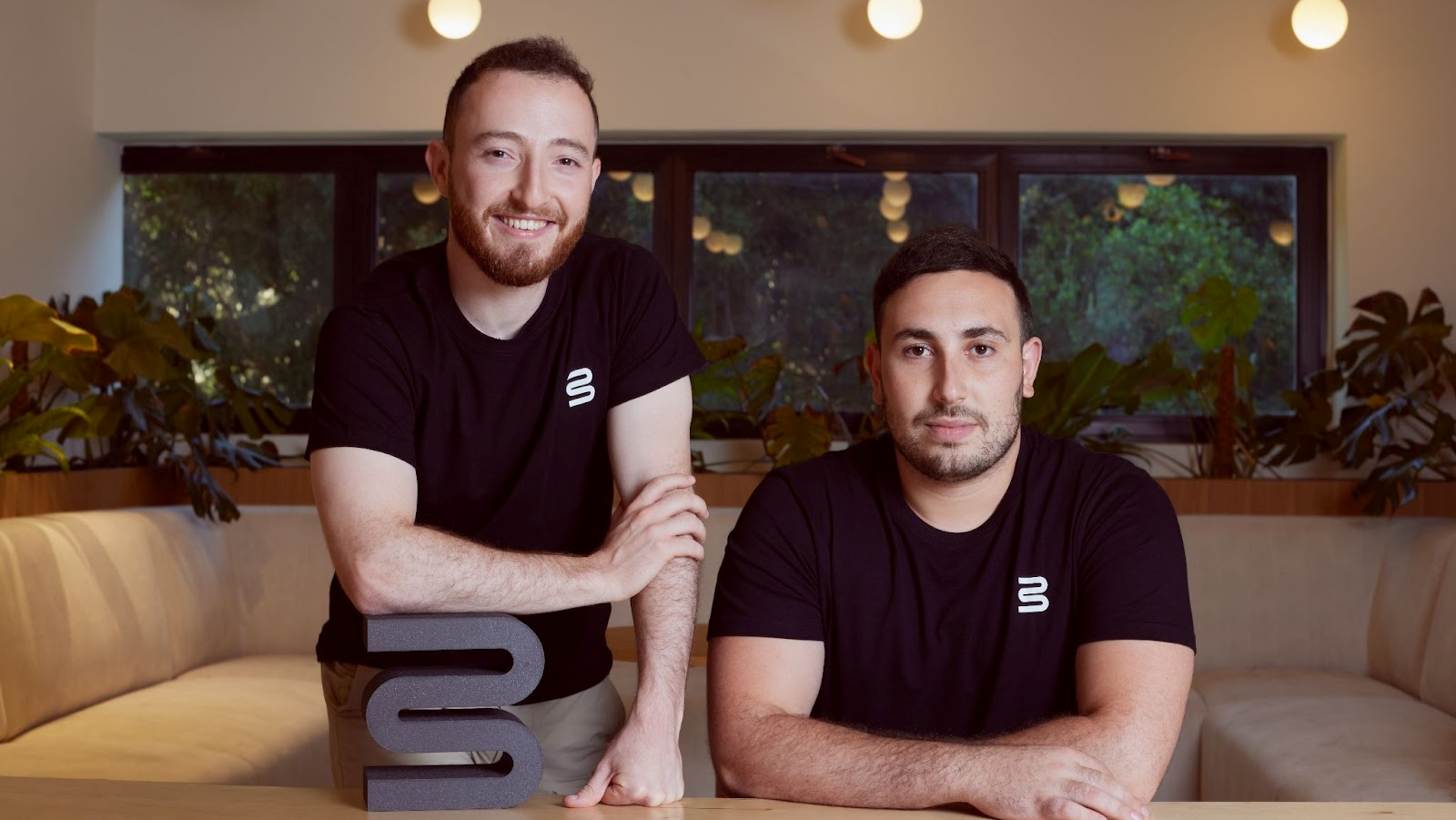
Blockchain security firm Blockaid has raised $50 million in a Series B funding round led by Ribbit Capital, with participation from GV , Variant, and Cyberstarts. This investment aims to bolster Blockaid’s research, engineering, and product development teams to meet the growing demand for robust on-chain security solutions.

Founded in 2022 by former Israeli cyber intelligence operatives, Blockaid has rapidly positioned itself as a key player in the blockchain security sector. The company’s platform offers real-time threat detection for blockchain transactions, integrating directly with wallets and decentralized applications to protect users from malicious activities. In the past year, Blockaid’s system scanned over 2.4 billion transactions and successfully blocked 71 million attacks, safeguarding assets for prominent clients such as Coinbase, MetaMask, Uniswap, and Stellar.

The infusion of new capital will enable Blockaid to scale its product and engineering teams, strengthen go-to-market operations, and expand research capabilities to stay ahead of evolving threats. This strategic growth is in response to the increasing adoption of blockchain technology by major financial institutions and fintech firms, which has, in turn, heightened the need for advanced security measures.

Blockaid’s CEO, Ido Ben-Natan, emphasized the importance of proactive security in the blockchain space, stating, “While the blockchain itself is secure, on-chain applications and the users that interact with them are at risk. This investment will help us continue to advance our machine learning capabilities and expand our current offerings to stay ahead in a highly adversarial landscape of evolving threats.”

The company’s approach leverages machine learning models to detect and prevent potential threats in real-time, providing end-user protection through direct integrations with wallets and dApps. This methodology has proven effective in mitigating risks associated with fraud, phishing, and hacks within the blockchain ecosystem.

Blockaid’s rapid growth is evident in its expansion from 20 employees to 70 within a year, with plans to double its workforce by the end of the year. This scaling aligns with the company’s mission to provide enterprise-grade security solutions for everything on-chain, catering to a diverse clientele that includes chains, protocols, wallets, exchanges, banks, and hedge funds.

The Series B funding round brings Blockaid’s total capital raised to $83 million, following a $27 million Series A round in October 2023. The continued support from prominent investors underscores the confidence in Blockaid’s ability to address the pressing security challenges facing the rapidly evolving blockchain industry.

As blockchain technology continues to gain traction across various sectors, the imperative for robust security measures becomes increasingly paramount. Blockaid’s commitment to enhancing its platform and expanding its team positions the company to effectively combat the sophisticated cyber threats that accompany the growth of on-chain operations.

In addition to its technological advancements, Blockaid places a strong emphasis on research and development. The company plans to utilize part of the new funding to expand its research capabilities, ensuring that it remains at the forefront of identifying and mitigating emerging threats within the blockchain space.

The involvement of GV, the venture capital arm of Alphabet Inc., in this funding round highlights the increasing interest of traditional tech investors in blockchain security solutions. This collaboration is expected to provide Blockaid with strategic insights and resources to navigate the complex landscape of cybersecurity and blockchain technology.

Blockaid’s proactive approach to security has garnered trust from its clients, enabling them to operate with confidence in an environment fraught with potential vulnerabilities. By offering comprehensive security solutions that encompass fraud detection, scam prevention, exploit mitigation, and financial risk assessment, Blockaid addresses the multifaceted challenges inherent in on-chain operations.

As the blockchain industry continues to evolve, the role of security firms like Blockaid becomes increasingly critical. The company’s dedication to innovation, coupled with the substantial financial backing from esteemed investors, positions it to set new standards in blockchain security and to effectively safeguard the interests of its expanding client base.


Elon Musk’s artificial intelligence venture, xAI, has unveiled its latest chatbot, Grok-3, positioning it as a formidable competitor to leading AI models from OpenAI and China’s DeepSeek. Grok-3 is now accessible to Premium+ subscribers on Musk’s social media platform, X, and through the new SuperGrok subscription tier on xAI’s mobile application and Grok.com. In a live-streamed presentation, Musk highlighted that Grok-3 utilizes over ten times the computational […]

ACWA Power has signed a power purchase agreement worth SAR 8.6 billion with the Egyptian Electricity Transmission Company to develop a 2-gigawatt wind power plant in South Hurghada, Egypt. The 25-year agreement was formalized on February 18, 2025, marking a significant milestone in Egypt’s renewable energy expansion.

The project encompasses the development, financing, construction, ownership, and operation of the wind energy facility. Financial closure is anticipated in 2026, following the completion of environmental studies expected by mid-2026. This initiative aligns with Egypt’s strategic objectives to diversify its energy mix and reduce reliance on fossil fuels.

Saudi Arabia’s Minister of Energy, Prince Abdulaziz bin Salman, announced the agreement during the Egypt Energy Show . He highlighted that this project is the largest of its kind in Egypt and is part of a broader collaboration between Saudi and Egyptian companies in the renewable energy sector. Collectively, these initiatives aim to add approximately 1.696 GW of renewable energy capacity to Egypt’s grid, with a total investment nearing SAR 6.2 billion.

In addition to the wind project, Saudi and Egyptian authorities are advancing the Saudi-Egypt Electricity Interconnection Project. Valued at SAR 6.7 billion, this project is designed to facilitate the exchange of up to 3,000 megawatts of electricity between the two nations upon completion of both phases. This interconnection is poised to enhance grid stability and energy security in the region.

Egypt has been actively pursuing renewable energy projects in collaboration with international partners. Notable developments include the Benban Solar Park in Aswan, which boasts an installed capacity of 1.8 GW and features contributions from multiple developers. Another significant venture is the 500 MW Gulf of Suez Wind Farm, developed in partnership with international stakeholders.

VISHNU RAJA
RYO YAMADA
HITORI GOTOH
IKUYO KITA
Just in:
Sharjah clears Kalba free zone plan for 400MW complex // Russia permits retail cryptocurrency purchases under regulated framework // Airbus leadership visits Dubai South before 2027 facility launch // Antony’s wife called to police station with husband over complaint // Jaiedco and Golden Bridge Announce Strategic Collaboration for a New Dubai Islands Development // LANDMARK’s ‘Destination CENTRAL’ Opens an Inspiring New Chapter for the Festive Season in Hong Kong // NASA tests supersonic Mars rotors for heavier payloads // Travel Insurance Was Built for the Few Who Claim. Ancileo’s Felt Coverage™ is for Everyone Else // Dubai Introduces SHARH, an AI-Powered Platform Helping Entrepreneurs Buy, Sell and Manage Businesses in the UAE // PicCollage extends photo editing platform to web browsers // Dalilk Academy reaches 27 million, targets 100 million by 2030 // Trump administration rejects coordinated attack behind US outages // Thailand’s Most Iconic New Year’s Celebration Returns: ICONSIAM Unveils “Amazing Thailand Countdown 2027” // LittleLives, Little Lab and SEGi College Sign MOU to Explore Early Childhood Education Collaboration Across ASEAN // F5 patches five critical NGINX server security flaws // Rise In Disguised Unemployment Is A Major Feature Of Indian Economy // 2026 Tropical Rainforest Ecosystem Partners Conference Kicks off in Hainan // Dar Global unveils $700m Trump development in Qatar // Coinbase targets 2027 launch amid state gambling lawsuits // Alibaba shares slip despite 53% cloud revenue growth //