News related to
venture

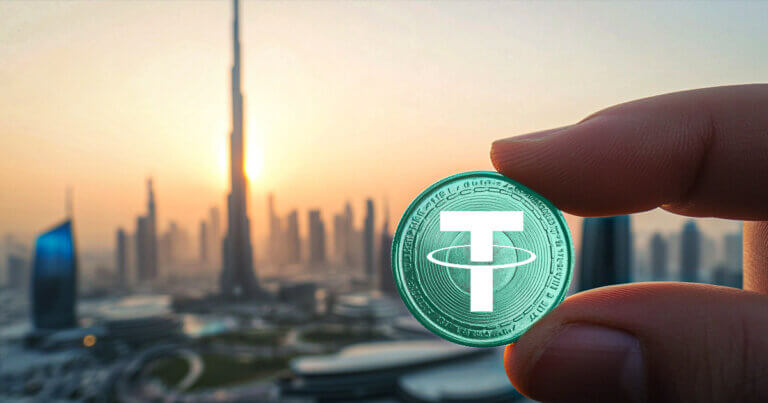
Tether, the issuer of the world’s most widely used stablecoin USDT, is intensifying its focus on emerging markets across Asia and Latin America, as U.S. lawmakers advance stringent legislation that could reshape the digital asset landscape.

From January 2024 to February 2025, USDT accounted for between 62% and 91% of global stablecoin payment volumes, with Asia and Latin America leading adoption. Singapore, Hong Kong, and Japan collectively represented 36.3% of global stablecoin traffic, while the United States trailed at 18.7%.

Tether CEO Paolo Ardoino reaffirmed the company’s commitment to these regions, stating that the firm will continue prioritizing emerging markets outside the U.S., despite regulatory progress and a pro-crypto administration. Ardoino emphasized that the company sees more opportunity abroad than under strict upcoming U.S. laws.

In a strategic move to deepen its presence in Latin America, Tether announced a significant investment in Orionx, a Chile-based cryptocurrency exchange and financial infrastructure firm. Orionx operates across Chile, Peru, Colombia, and Mexico, offering services such as cross-border payments, remittances, and treasury solutions. The investment aims to enhance Orionx’s technological capabilities and scale stablecoin-powered infrastructure throughout the region.

Ardoino highlighted the importance of this partnership, noting that the investment supports a high-impact company and advances Tether’s broader vision of making stablecoin-powered financial tools accessible to underserved communities across Latin America.

The surge in stablecoin adoption in Latin America is attributed to economic instability and high inflation rates in countries like Argentina and Brazil. Stablecoins offer a more stable store of value and a means to conduct transactions without relying on volatile local currencies. Tether’s USDT has become a preferred option for everyday needs such as saving, sending money to family, and conducting business transactions.

Meanwhile, in the United States, the regulatory landscape for stablecoins is undergoing significant changes. The Senate is advancing the Guiding and Establishing National Innovation for U.S. Stablecoins Act, which introduces stricter regulations on stablecoin issuers, focusing on consumer protection, national security, and financial system integrity. Key provisions include prohibiting yield offerings by stablecoins, mandating audits, and enhancing anti-money laundering protocols.

Despite the U.S. administration’s pro-crypto stance, with President Donald Trump and Vice President JD Vance advocating for the industry, the GENIUS Act reflects a bipartisan effort to establish a robust regulatory framework. The act has garnered support in the Senate, passing a motion to proceed with a 69-31 vote.

However, the legislation has sparked debate among lawmakers. Some Democrats express concerns over potential conflicts of interest due to the Trump family’s direct involvement in crypto ventures. Senators Chris Murphy and Elizabeth Warren have opposed the bill on ethical grounds, while others like Senators Cory Booker and Kirsten Gillibrand support it, emphasizing the need for consumer protection and clearer crypto regulations.

Rivian has unveiled a substantial software update designed to elevate the electric vehicle ownership experience through faster charging capabilities, advanced energy monitoring, and innovative driver engagement tools. This enhancement aims to improve battery efficiency and extend driving range, positioning Rivian’s models as increasingly competitive in the evolving EV market. The update introduces a faster charging protocol that significantly reduces downtime during charging stops. By optimizing the vehicle’s […]

By Saifur Rahman Nisus Finance Investment Consultancy FZCO (NiFCO Dubai), a subsidiary of India’s Nisus Finance Services Company Limited (NIFCO), said it will place funds and assets worth up to US$500 million (Dh1.83 billion) for tokenisation in the UAE. NiFCO Dubai said, it has signed a Memorandum of Understanding (MoU) with Xchain Technologies FZCO (Toyow), a leading blockchain-based forensic and advisory firm, for the tokenisation of funds […]

Dubai Future District Fund has reported securing over $1.65 billion in capital commitments and supporting more than 190 startups, marking a significant milestone in its mission to bolster the emirate’s innovation ecosystem.

Anchored by the Dubai International Financial Centre and the Dubai Future Foundation , DFDF unveiled these achievements at its Annual General Meeting, reflecting its alignment with Dubai’s economic vision and commitment to fostering a resilient innovation landscape.

In 2024, DFDF expanded its portfolio through direct investments and 12 Fund of Funds initiatives, aligning with the Dubai Economic Agenda to advance technology, talent, and venture capital in the region.

His Excellency Khalfan Belhoul, Chairman of DFDF’s Board and CEO of the Dubai Future Foundation, emphasized the fund’s role in driving the growth of Dubai’s digital economy, highlighting its focus on innovation and future technologies across key sectors.

Beyond capital allocation, DFDF engaged in strategic partnerships with entities like Dubai Land Department and Dubai Health, exploring innovation collaborations that align government priorities with startup-driven solutions.

Nader Albastaki, Managing Director at DFDF, noted that 2024 was pivotal for the fund, scaling investments and supporting innovators driving meaningful change. He expressed enthusiasm for 2025, designated as the Year of the Community, focusing on deeper collaboration and ecosystem resilience.

DFDF’s investment strategy involves deploying capital into venture capital funds with a local focus and directly into startups, aiming to boost venture capital investing and business activity in Dubai and the region.

The fund’s commitment to sustainability was underscored by allocating up to 20% of its AED 1 billion fund to climate technology and innovation, aligning with the UAE’s broader vision for economic diversification and sustainable development.

Arif Amiri, CEO of DIFC Authority and DFDF Board Member, highlighted the fund’s dedication to driving growth and supporting sustainability-focused tech ventures, emphasizing the importance of collaboration in cultivating innovation.

DFDF’s efforts contribute to Dubai’s ambition to establish itself as a global technology and innovation hub, reinforcing its position as a premier destination for global talent and entrepreneurship.

As top Gulf leaders vied to commit trillions of dollars in investment pledges during President Donald Trump’s Middle East tour, a significant shift emerged among financiers and business circles. Saudi Arabia’s appeal as the region’s primary investment hub is being overshadowed by the United Arab Emirates and Qatar, whose growing economic clout and more flexible policies are attracting greater international interest. Saudi Arabia’s challenges stem from structural […]

Dubai has solidified its position as the premier global destination for greenfield foreign direct investment in the cultural and creative industries , securing the top spot in the Financial Times’ fDi Markets ranking for the third consecutive year.

In 2024, the emirate attracted 971 CCI projects, marking an 8% increase from the previous year. These ventures brought in AED 18.86 billion in capital inflows, a surge of nearly 60% compared to 2023, and generated 23,517 new jobs, reflecting a 9% year-on-year rise.

The report evaluated 233 cities under the ‘Creative Industries Cluster’ classification, with Dubai outperforming major global hubs such as London and Singapore.

Key growth areas within Dubai’s CCI sector included advertising and public relations, film and media production, gaming, education, and advanced software design. According to the Dubai FDI Monitor, greenfield, wholly-owned ventures constituted 76.5% of all projects, while new forms of investment accounted for 15.4%, reinvestment 5.6%, and mergers and acquisitions 2.4%.

Flexible government policies have played a significant role in boosting FDI flows into the CCI sector, enhancing Dubai’s appeal to investors, entrepreneurs, and innovators.

Her Highness Sheikha Latifa bint Mohammed bin Rashid Al Maktoum, Chairperson of the Dubai Culture and Arts Authority, stated, “Through strategic planning and pioneering initiatives, Dubai has cultivated an environment that empowers creatives, investors, and entrepreneurs to realise their ideas and turn them into impactful, sustainable projects that enrich the emirate’s cultural fabric.”

The United States led in terms of FDI capital inflows into Dubai’s CCI sector in 2024, contributing 23.2%, followed by India , the United Kingdom , Switzerland , and Saudi Arabia . In terms of the number of FDI projects, India topped the list with 18.8%, followed by the United Kingdom , the United States , Germany , and Italy .

Showcasing Hong Kong’s Innovation and Technology Opportunities at Tsinghua and Peking University HONG KONG SAR – Media OutReach Newswire – 2 June 2025 – Hong Kong Science and Technology Parks Corporation (HKSTP) is actively expanding efforts to attract talent and enterprises to Hong Kong’s innovation and technology (I&T) sector. From 18 to 20 May, HKSTP led a delegation to Beijing, engaging with local I&T companies, industry associations, […]

Advertisements

South Korea’s cryptocurrency industry appears poised for continued expansion despite uncertainties surrounding the upcoming presidential election. Analysts and market insiders suggest that while the election outcome may influence regulatory approaches, the overall trajectory for crypto adoption and innovation in the country remains largely positive. The nation, known for its advanced digital infrastructure and high rate of technology adoption, continues to be a key global hub for cryptocurrency trading and blockchain development.

Voters are set to choose their next president amid growing public interest in digital assets, a sector that has become deeply embedded in South Korea’s financial landscape. The outgoing administration has maintained a cautious but constructive stance on crypto, emphasising investor protection and regulation to curb speculative risks. However, there is widespread anticipation that the new leadership, regardless of political affiliation, will aim to strike a balance between fostering innovation and ensuring financial stability.

The South Korean crypto market ranks among the world’s largest, with retail investors accounting for a significant share of trading volumes. According to market data, the country’s exchanges handle billions of dollars in daily transactions, reflecting robust participation despite bouts of global market volatility. Industry experts highlight that the presence of a tech-savvy population and extensive mobile connectivity continues to drive demand for cryptocurrencies and related services such as decentralized finance and non-fungible tokens .

Recent policy discussions have centred on enhancing regulatory clarity without stifling growth. Authorities have been moving toward implementing stricter anti-money laundering measures and introducing licensing regimes for crypto exchanges. These steps are designed to increase transparency and build trust among investors, especially after high-profile hacks and fraud cases shook confidence in past years. Nonetheless, crypto entrepreneurs argue that overly rigid rules could hinder South Korea’s competitive edge in the fast-evolving digital economy.

The election campaign itself has seen varying perspectives on how best to approach the burgeoning crypto sector. Some candidates advocate for a more innovation-friendly environment, proposing incentives for blockchain startups and easing certain regulatory burdens. Others emphasise the need for rigorous oversight, citing concerns about market manipulation and consumer protection. This diversity of viewpoints underscores the complexity of integrating crypto assets into mainstream financial systems while safeguarding public interests.

South Korea’s financial regulators are also coordinating with international bodies to align standards and promote cross-border cooperation. This global approach aims to mitigate risks associated with illicit finance and to support legitimate crypto ventures. Moreover, collaboration with major markets like the United States and European Union seeks to harmonise regulatory frameworks, which could facilitate smoother operations for South Korean crypto firms on the world stage.

Despite occasional regulatory headwinds, venture capital funding in South Korea’s blockchain and crypto technology startups has surged. Investments are being channelled into innovative projects that range from smart contract platforms to digital identity solutions and tokenisation of real-world assets. This capital influx is driving research and development, helping local firms compete with international giants in areas such as security, scalability, and user experience.

Market participants also point to South Korea’s well-established IT infrastructure and educational emphasis on STEM disciplines as critical factors supporting the crypto ecosystem’s growth. The country’s universities and research institutions are actively engaging in blockchain research, producing talent that feeds into both the private sector and regulatory agencies. This synergy between academia, government, and industry forms a backbone for sustainable technological advancement.

Consumer attitudes toward cryptocurrencies have evolved significantly, with increasing acceptance among younger demographics. Surveys indicate that digital assets are now viewed not only as speculative tools but also as legitimate instruments for payments, savings, and investment diversification. This cultural shift has encouraged mainstream financial institutions to explore crypto-related products, including custody services, exchange-traded funds , and blockchain-based payment networks.

However, risks remain inherent in the sector, with price volatility, regulatory uncertainty, and cybersecurity threats continuing to challenge market stability. Industry leaders have called for ongoing dialogue with policymakers to ensure that emerging regulations are well-informed and adaptable. Transparency and investor education are emphasised as vital to fostering a resilient market capable of weathering shocks and sustaining public confidence.

The intersection of cryptocurrency and South Korea’s broader economic policy objectives is also under scrutiny. The government aims to position the country as a global innovation hub, leveraging digital technologies to boost productivity and competitiveness. Cryptocurrency and blockchain are seen as integral components of this strategy, with potential to revolutionise areas such as supply chain management, finance, healthcare, and public administration.

Global geopolitical tensions and financial market fluctuations have added layers of complexity to South Korea’s crypto landscape. Supply chain disruptions and inflation concerns worldwide have driven some investors toward digital assets as alternative stores of value. Yet, the international nature of cryptocurrencies requires regulatory frameworks that can keep pace with rapid technological changes and evolving market dynamics.

Humorous Presentation of “Self-Service Insurance, Simplifying Complexity” Spotlight on Term Life Protection with “Guaranteed Lowest Price in Town” HONG KONG SAR – Media OutReach Newswire – 2 June 2025 – Blue, Hong Kong’s first digital life insurer, today unveiled its latest brand campaign, continuing the tagline “Choose Blue, insurance is that simple”. The campaign uses humor to illustrate how Blue simplifies complex insurance processes through its online […]

In the dynamic real estate market of the UAE, the collaboration between property developers and international luxury brands has emerged as one of the defining trends of the past decade. Branded residences—homes created in partnership with names known for fashion, jewelry, hospitality, or design—are transforming not only the architectural landscape but also the way residents and investors think about living in the region. From private beachfronts to […]

A Cozy Companion for Young Explorers, Designed for the Needs of Today’s Families CALIFORNIA, US – Media OutReach Newswire – 30 May 2025 – Ahead of International Children’s Day, Moonkie—the modern baby and toddler brand—proudly introduces the Moonkie Hug & Go™ Toddler Backpack, a thoughtfully designed essential that meets the evolving needs of modern parenting. Known for its minimalist design and everyday functionality, Moonkie continues its mission […]

ADNOC Drilling has entered into an agreement to acquire a 70% stake in SLB’s land drilling rigs business in Kuwait and Oman for $112 million. The joint venture encompasses eight fully operational land rigs—two in Kuwait and six in Oman—currently under contract with the respective national oil companies. The transaction, pending customary regulatory approvals, is anticipated to close in the first quarter of 2026. ADNOC Drilling plans […]

The TON Foundation has appointed Nikola Plecas, a former Visa executive with deep expertise in blockchain-based payments, as its Vice President of Payments. This strategic hire signals the Foundation’s ambition to accelerate the adoption of crypto-native financial services within Telegram’s vast ecosystem.

Plecas, who previously led Visa’s crypto commercialization efforts across Europe, brings a wealth of experience in bridging traditional finance with blockchain innovation. At Visa, he was instrumental in developing stablecoin-based settlement solutions and expanding crypto-linked payment products to over 60 platforms globally. His work focused on enabling seamless fiat-to-crypto conversions, facilitating instant cross-border payments, and enhancing financial inclusion through blockchain infrastructure.

At the TON Foundation, Plecas is expected to lead initiatives aimed at improving fiat-crypto interoperability, forging strategic partnerships, and scaling TON’s payment infrastructure across Telegram’s user base, which exceeds one billion monthly active users. His appointment aligns with TON’s broader vision of integrating decentralized finance solutions and real-world payment applications into everyday digital interactions.

The Foundation has outlined a multi-pronged strategy to onboard 30% of Telegram’s active users to the TON blockchain by 2028. This includes leveraging Telegram’s native features like stickers and collectibles, introducing engaging mini-games, offering user-friendly DeFi savings options, and developing practical payment applications that provide tangible utility for crypto holdings.

TON’s recent $400 million funding round, backed by prominent venture capital firms such as Sequoia Capital, Ribbit Capital, and Benchmark, underscores the growing confidence in its ecosystem. The capital infusion is earmarked for user acquisition, developer incentives, and product development, further bolstering TON’s capacity to deliver scalable and efficient financial tools within Telegram’s platform.

Plecas’s expertise in navigating regulatory landscapes and fostering institutional partnerships is anticipated to play a crucial role in TON’s expansion. His track record at Visa, where he emphasized the importance of regulatory frameworks for stablecoin adoption and the integration of blockchain solutions into existing financial systems, positions him well to guide TON through the complexities of global financial regulations.

Crypto startups seeking capital in 2025 face a complex array of fundraising options, each with distinct regulatory frameworks, investor protections, and market dynamics. The three primary models—Initial Coin Offerings , Security Token Offerings , and Initial Exchange Offerings —offer varied pathways to secure investment, each with its own set of advantages and challenges.

ICOs, once the dominant fundraising method during the 2017 crypto boom, have evolved significantly. Initially characterized by minimal regulation and high volatility, ICOs have matured into more structured and compliant mechanisms. In 2025, successful ICOs average $14.7 million in funding over a 54-day campaign, reflecting increased investor confidence and improved project quality. This resurgence is attributed to enhanced regulatory clarity, more sophisticated project teams, and a focus on community engagement.

STOs emerged as a response to the regulatory shortcomings of ICOs, offering tokens backed by tangible assets such as equity or real estate. These offerings comply with existing securities laws, providing investors with legal rights and protections akin to traditional financial instruments. While STOs offer greater transparency and investor safeguards, they also entail more complex and costly compliance processes, including thorough legal vetting and adherence to jurisdiction-specific regulations.

IEOs represent a hybrid approach, conducted through centralized cryptocurrency exchanges that vet projects before listing their tokens. This model offers a level of due diligence and investor protection absent in traditional ICOs. Exchanges facilitate the token sale, handle Know Your Customer and Anti-Money Laundering procedures, and provide immediate access to a broad investor base. However, the reliance on centralized platforms introduces concerns about exchange fees, potential conflicts of interest, and the need for projects to cede some control over the fundraising process.

The choice among these fundraising models depends on various factors, including the project’s regulatory environment, target investor base, and desired level of decentralization. ICOs may be suitable for projects seeking rapid capital infusion with fewer regulatory hurdles, provided they can establish credibility and transparency. STOs are ideal for ventures aiming to attract institutional investors and those willing to navigate complex legal landscapes to offer asset-backed tokens. IEOs offer a middle ground, balancing regulatory compliance with broader market access through established exchanges.

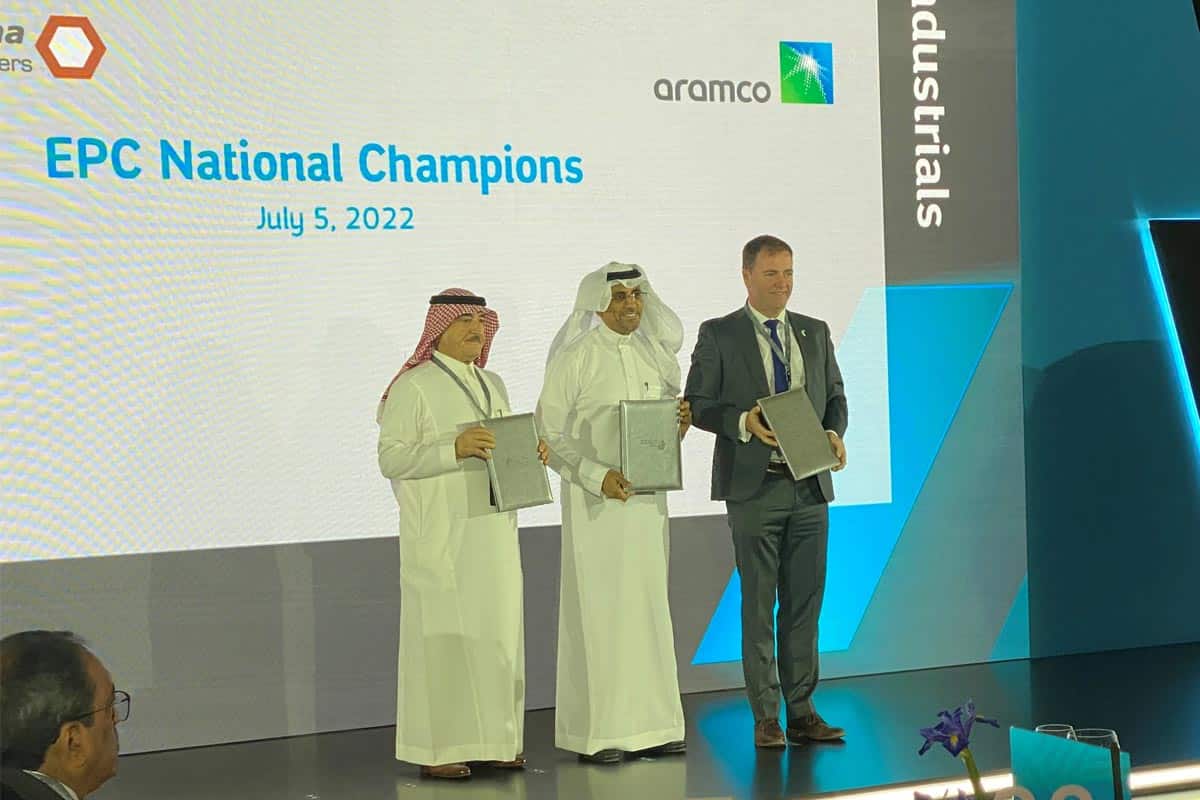
NesmaKent Energy Company , the joint venture between Saudi Arabia’s Nesma & Partners and the international engineering firm Kent, has secured a significant project management consultancy contract with Saudi Aramco. This contract marks a milestone for NKJV, positioning the partnership as a crucial player in the kingdom’s energy infrastructure development amid expanding ambitions in the energy sector.

The PMC contract involves comprehensive project oversight and management services for one of Saudi Aramco’s large-scale energy initiatives. NKJV’s responsibilities will span across planning, execution monitoring, quality control, cost management, and ensuring adherence to safety and environmental standards. This contract is part of Aramco’s broader strategy to engage specialised joint ventures that combine local expertise with international engineering standards, reinforcing Saudi Arabia’s Vision 2030 objectives to diversify and modernise its energy sector.

Nesma & Partners, well-established for its construction and engineering projects within the kingdom and region, has brought extensive local market knowledge and regulatory experience to the partnership. Kent, recognised for its global engineering and project consultancy portfolio, contributes advanced technical capabilities and international project management best practices. Together, the joint venture is expected to deliver high-quality consultancy services that meet Aramco’s stringent operational and environmental benchmarks.

The contract signals the growing trend among Saudi energy entities to engage collaborative partnerships that marry domestic strengths with foreign technological expertise. This aligns with the kingdom’s policy to increase localisation and private sector participation in mega projects. NKJV’s role as a PMC will extend beyond traditional supervisory functions, encompassing risk mitigation, technical advisory, and integration of innovative engineering solutions aimed at optimising project delivery and operational efficiency.

Saudi Aramco’s selection of NKJV follows a competitive tender process where multiple firms vied for the contract. The award underscores Aramco’s confidence in NKJV’s combined capabilities and track record. The project itself forms part of a wider portfolio of energy infrastructure investments by Aramco, which include enhancements in oil production facilities, downstream expansions, and renewable energy projects as the company transitions towards sustainable energy sources.

NesmaKent Energy’s contract exemplifies the shifting dynamics within the Saudi energy sector, where engineering consultancy and project management are gaining prominence as critical factors in successful project execution. The emphasis on specialised joint ventures highlights the kingdom’s commitment to leveraging cross-border partnerships to accelerate technological transfer and capacity building.

Industry experts note that the contract reinforces the strategic positioning of Nesma & Partners and Kent in the Middle East’s energy market. Nesma’s long-standing presence in Saudi Arabia has enabled it to navigate complex regulatory environments and develop robust relationships with government entities and private sector clients. Kent’s engineering pedigree, with a portfolio spanning oil and gas, petrochemicals, and infrastructure, complements Nesma’s regional experience with global standards.

The joint venture’s involvement in this Aramco project is expected to generate significant employment opportunities and skill development programmes in line with Saudi Arabia’s localisation agenda, known as Saudisation. NKJV plans to incorporate training modules and knowledge transfer frameworks to build local competencies in project management and engineering consultancy.

The energy project under NKJV’s management consultancy contract is critical to Aramco’s operational goals, encompassing upgrades to production capacity and the integration of advanced monitoring and control technologies. These developments are part of Aramco’s efforts to maintain its position as the world’s leading energy producer while adapting to evolving global energy demands and environmental regulations.

The scope of NKJV’s mandate also includes coordinating with multiple contractors, subcontractors, and regulatory bodies to ensure seamless execution. This requires a high level of technical expertise, project coordination skills, and compliance with international safety and quality certifications. NKJV’s approach reportedly emphasises sustainability and innovation, incorporating digital tools such as Building Information Modelling and real-time project analytics to enhance transparency and decision-making.

As Saudi Arabia intensifies its focus on energy diversification, including the expansion of renewable energy projects alongside traditional hydrocarbon investments, the expertise of joint ventures like NKJV will be crucial. Their ability to deliver complex projects efficiently and within budget will be pivotal in meeting the kingdom’s long-term strategic targets.

NesmaKent Energy’s success in securing this contract may open doors for further collaborations between Saudi and international firms in the energy consultancy sector. This contract reflects a broader trend of joint ventures becoming key conduits for technology transfer and knowledge exchange in the Gulf’s infrastructure and energy projects.

USDT activity on the Tron blockchain has reached unprecedented levels, with the circulating supply now at $77.7 billion, monthly transaction volumes exceeding $611 billion, and over 65.6 million transfers recorded. This surge underscores Tron’s emergence as a dominant force in the stablecoin ecosystem, surpassing traditional financial networks in transaction throughput.

Tron’s ascent in the stablecoin market is attributed to its high-speed, low-cost infrastructure, which has attracted a vast user base. The network boasts over 300 million accounts, processing more than 14 million USDT transactions weekly, accounting for approximately 69% of global USDT activity. This dominance is further highlighted by Tron’s surpassing of Visa’s daily average transaction volume, with USDT on Tron reaching $53 billion in a single day compared to Visa’s $42 billion.

The network’s efficiency has made it a preferred choice for users in regions with limited access to traditional banking services. In Africa, for instance, 85% of users rated the Tron network five stars, citing its stable and low-cost payment experience. Similarly, in Argentina, a partnership with local e-commerce platform Kripton has enabled over 2,000 merchants to accept USDT payments, facilitating more than 100,000 transactions and $2 million in volume within 18 months.

Tron’s technological advancements, including the launch of the “Gas Free” USDT transfer feature, have further reduced transaction costs, solidifying its position in the payment sector. The network’s ability to process thousands of transactions per second with minimal fees has been instrumental in its widespread adoption.

Despite its rapid growth, Tron’s association with founder Justin Sun has attracted scrutiny. Sun, who has faced investigations by U.S. authorities for alleged market manipulation and facilitating illicit financial activities, recently returned to the U.S. to attend a dinner with former President Trump. His involvement in Trump’s crypto ventures, including a $75 million investment in World Liberty Financial and a significant stake in the $TRUMP memecoin, has raised concerns about potential conflicts of interest.

Donald Trump’s net worth has surged to an estimated $6.1 billion, marking a significant increase from previous valuations. This financial ascent is largely attributed to his stakes in Trump Media & Technology Group and the $TRUMP cryptocurrency, ventures that have drawn scrutiny over their speculative nature and potential conflicts of interest. Trump Media & Technology Group, the parent company of Truth Social, has achieved a valuation of […]

Worldcoin’s native token, WLD, experienced a significant surge in value, climbing over 10% following a substantial $135 million fundraising round led by prominent venture capital firms Andreessen Horowitz and Bain Capital Crypto. This influx of capital underscores growing investor confidence in the project’s vision of establishing a global, decentralised identity verification system.

The fundraising success coincides with Worldcoin’s strategic expansion into new markets. Notably, the introduction of its World ID verification system in Poland has garnered attention. Residents in Warsaw can now utilise the project’s ‘Orb’ biometric device to verify their identities, a move aimed at enhancing digital interactions and privacy. This development aligns with Worldcoin’s broader mission to differentiate humans from AI bots in the digital realm.

Market analysts attribute the token’s price surge to a combination of factors, including the successful fundraising, the expansion into Poland, and the broader adoption of Worldcoin’s technologies. The token’s trading volume also saw a notable increase, reflecting heightened investor interest.

However, the project’s rapid growth has not been without scrutiny. Regulatory bodies in various countries have raised concerns about privacy and data protection, leading to investigations and, in some cases, suspension of operations. Despite these challenges, Worldcoin continues to pursue its goal of creating a universal digital identity system, leveraging biometric technology and blockchain infrastructure.

A striking new technological marvel took centre stage at Beitou Shilin Technology Park in Taipei, where Nvidia revealed its latest innovation, the Constellation. The Constellation is an extraordinary modular structure, designed to resemble a spaceship that can transform into a fully operational factory. This development represents a bold step forward in integrating advanced manufacturing with futuristic design.

During the demonstration, the Constellation made a dramatic entrance, appearing as a sleek, spaceship-like vessel. As the event progressed, the structure descended gracefully and unfolded into an expansive, functional manufacturing facility. This transformation highlights Nvidia’s vision of combining mobility and rapid deployment with cutting-edge industrial capabilities.

The concept behind the Constellation aligns with the growing trend of adaptable infrastructure in the technology and manufacturing sectors. Traditional factories are often fixed in place, requiring extensive setup and significant lead time before production begins. Nvidia’s design challenges this by offering a mobile, transformable manufacturing hub that can be deployed wherever it is needed, potentially revolutionising how production lines are established and operated.

Experts point out that such flexibility is crucial for industries facing supply chain uncertainties, fluctuating demand, and the need for rapid response to market changes. The ability to deploy a factory-like unit that arrives as a compact structure and expands on-site offers strategic advantages, including reduced construction costs, faster operational readiness, and increased scalability.

Nvidia’s Constellation project reflects broader ambitions beyond graphics processing units and AI chips, tapping into the realm of smart manufacturing and Industry 4.0. The company has increasingly focused on leveraging its technological prowess to enable more efficient and intelligent production methods. Integrating AI, robotics, and modular hardware within a transformable space embodies this approach.

While the demonstration attracted attention for its visual spectacle, the underlying technology is equally compelling. The transformation mechanism relies on advanced engineering to ensure structural integrity and operational functionality once expanded. Nvidia has incorporated automated systems that manage the unfolding process and ensure the workspace is ready for immediate use. This level of automation underscores the company’s commitment to seamless user experience and operational efficiency.

Taipei’s Beitou Shilin Technology Park, known for fostering innovation and supporting high-tech ventures, provides an ideal setting for such a launch. The park hosts numerous tech companies and research institutions, creating a fertile environment for collaborative development and commercialisation of futuristic projects like the Constellation.

Industry observers note that Nvidia’s entry into mobile and modular factory design could spur competition and innovation in the manufacturing landscape. Competitors and collaborators alike are likely to explore similar concepts as the demand for agile manufacturing solutions increases globally. Companies in sectors such as automotive, electronics, and aerospace are already exploring mobile production units to address regional production needs and mitigate risks associated with global supply chains.

The Constellation’s ability to function as a compact transport vessel and a fully equipped factory could also have implications for disaster response and remote area manufacturing. Rapidly deployable factories can aid in recovery efforts by producing essential goods and equipment close to affected zones, thereby shortening supply lines and enhancing resilience.

Nvidia’s demonstration included a detailed explanation of the Constellation’s design philosophy. The modular units are constructed using lightweight but durable materials to withstand transport stresses and ensure longevity in operational environments. The internal layout is configurable, allowing for customised setups tailored to different manufacturing processes and industry requirements.

This flexibility extends to the technological ecosystem within the factory space. Nvidia envisions integrating AI-powered control systems to optimise production workflows, predictive maintenance, and resource management. The system’s connectivity supports real-time monitoring and remote management, enabling companies to maintain high efficiency and adapt quickly to changing production demands.

Although Nvidia has not disclosed specific plans for commercial rollout or pricing, the unveiling of the Constellation signals a clear intent to expand its footprint in manufacturing technology. The project dovetails with global shifts toward decentralised and digitised production models, which prioritise speed, adaptability, and intelligent automation.

As governments and corporations invest heavily in reshaping supply chains and boosting domestic manufacturing capabilities, innovations like the Constellation may play a pivotal role. The ability to deploy advanced manufacturing capabilities rapidly and in a self-contained format aligns with strategic priorities in multiple countries seeking greater industrial autonomy and technological leadership.

Critics caution that the real-world viability of such a mobile factory concept will depend on practical factors such as regulatory approvals, logistical considerations, and the ability to maintain consistent quality standards across deployments. Ensuring seamless integration with existing supply chains and labour forces will also be a challenge.

Over 25,000 professionals from more than 30 countries convened at the Riyadh Front Exhibition & Conference Center between 20 and 22 May for the Saudi Entertainment and Amusement Expo and the Saudi Light & Sound Expo. The events featured over 550 exhibitors, highlighting Saudi Arabia’s commitment to transforming its entertainment sector in line with Vision 2030. Sarkis Kahwajian, Associate Vice President at dmg events, the organiser of […]

Chelsea Football Club has unveiled plans for a groundbreaking real estate venture in Dubai, marking its first foray into branded residential developments. In collaboration with Dubai-based developer DAMAC Properties, the project, named Chelsea Residences by DAMAC, will comprise six 130-metre-high towers situated in Dubai Maritime City. Scheduled for completion by December 2029, the development will offer over 1,400 sea-facing apartments, each infused with Chelsea’s distinctive branding and […]

A Strategic Partnership Accelerate New Industralisation and Microelectronics Development HONG KONG SAR – Media OutReach Newswire – 23 May 2025 – Hong Kong’s advanced manufacturing and microelectronics sector received a significant boost today with a three-year strategic partnership between Hong Kong Science and Technology Parks Corporation (HKSTP) and Würth Elektronik. Under this collaboration, Würth Elektronik —a global premier electronic components manufacturer with a R&D base at Hong […]

Matein Khalid While I never ​ever found diamonds in any coal mine, the truth is​ I never looked since I never really believed that De Beers/James Bond propaganda that diamonds are forever. In fact, my ​i​ndustry sixth sense​ tells me that diamonds are forever – worthless. I guess, my only investment in diamonds was a romantic one when I proposed to my then GF and now proud […]

Chemin is a key pillar in enabling TDCX to tap $1 trillion AI services opportunity Brings together more than 50 technologists from 18 countries to accelerate AI adoption SINGAPORE – Media OutReach Newswire – 22 May 2025 – Mr. Laurent Junique, Founder and Chief Executive Officer of TDCX, a leading global business process outsourcing (BPO) company for technology and blue-chip companies, was today named the Businessman of […]

VISHNU RAJA
RYO YAMADA
HITORI GOTOH
IKUYO KITA