News related to
venture

71% of organisations are using AI in their finance operations 57% of leaders say ROI is exceeding their expectations, compared to 29% of others. Financial reporting is the most common usage area – but this is widening out to include treasury management, risk management and tax Nearly three-quarters of leaders have developed principles and guidelines on the responsible use of AI HONG KONG SAR – Media OutReach […]

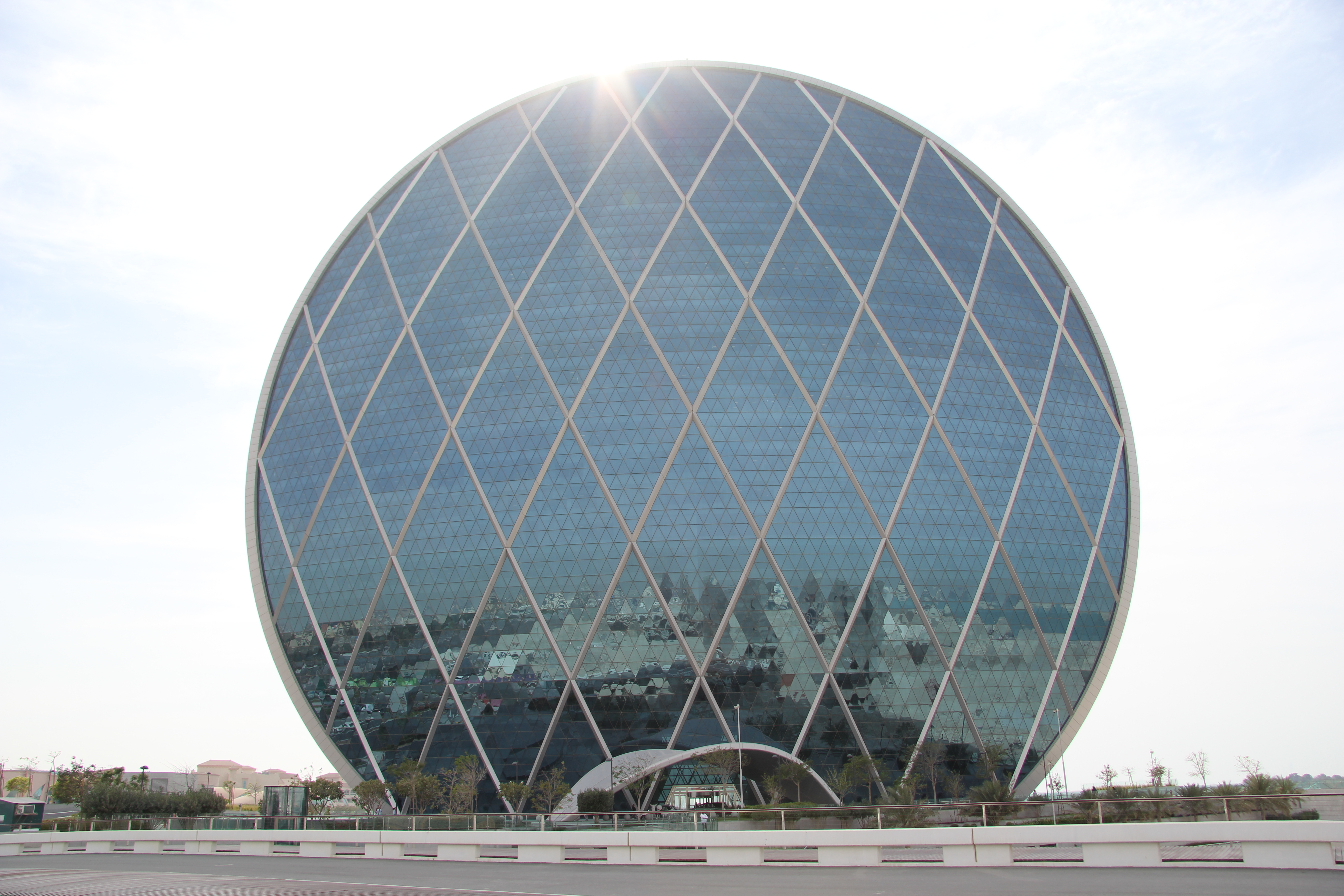
Aldar Properties, the prominent real estate developer from Abu Dhabi, has made a significant move to expand its footprint in Dubai by acquiring key commercial properties and planning landmark projects. These ventures underline Aldar’s commitment to tapping into the growing demand for premium office spaces in one of the region’s most dynamic business hubs.

The acquisition of a commercial tower in Dubai International Financial Centre (DIFC), formerly owned by H&H Development, positions Aldar as the sole developer with major commercial assets in both the Abu Dhabi Global Market (ADGM) and DIFC. This strategic purchase reinforces its status as a key player in the UAE’s real estate sector. This tower boasts state-of-the-art facilities and prime positioning, adding to Aldar’s growing portfolio of high-grade commercial properties.

Simultaneously, Aldar unveiled plans to develop a Grade A office tower along Sheikh Zayed Road near DIFC. Designed with premium office spaces and luxury amenities, the development is set to include a boutique hotel and branded residences. The project, located on one of Dubai’s last undeveloped double plots, will enhance connectivity with its proximity to major transport hubs, such as the Emirates Towers Metro Station.

These investments align with Aldar’s strategy to diversify its portfolio beyond residential and retail projects. Dubai has been identified as a priority growth market, as the company continues to explore opportunities in the emirate’s flourishing commercial real estate landscape. The acquisition also complements Aldar’s existing projects in Dubai, such as its developments in Dubai Internet City, further cementing its role in shaping the emirate’s commercial property offerings.

With an investment value exceeding AED 1.8 billion, Aldar’s ventures in Dubai are anticipated to contribute to economic growth and job creation while catering to the evolving needs of businesses seeking high-quality spaces in the UAE. This expansion comes amid strong demand for office properties, spurred by Dubai’s status as a global business hub and the economic diversification initiatives driving regional development.

KUALA LUMPUR, MALAYSIA – Media OutReach Newswire – 4 December 2024 – Commerce Dot Com Sdn. Bhd. (CDC) achieved an extraordinary milestone at the Malaysia Public Relations Awards (MPRA) 2024, taking home an unprecedented three gold awards for its outstanding campaigns. This landmark victory underscores CDC’s leadership in corporate communications and its unwavering commitment to excellence, ethics, and innovation. These accolades highlight CDC’s dedication to crafting narratives […]

KPay strengthens its position as the leading regional platform for merchants to simplify financial management and streamline business operations. The investment by Apis Growth Markets Fund III and Apis Global Growth Fund III will accelerate KPay’s trajectory to support one million merchants across Asia in the next five years HONG KONG/SINGAPORE – Media OutReach Newswire – 3 December 2024 – KPay Group (KPay), a one-stop financial management […]

France is shifting its focus toward harnessing the significant financial might of Saudi Arabia’s Public Investment Fund (PIF) as part of a strategic initiative to boost its economic recovery and global influence. With the PIF’s rapid expansion into diverse sectors—ranging from technology and renewable energy to infrastructure and entertainment—France sees a unique opportunity to attract capital that could be pivotal for both immediate economic growth and long-term […]

Germany’s financial regulatory authority, BaFin, has granted approval for 21X, a Frankfurt-based exchange, to begin trading tokenized securities. This milestone positions 21X as a key player in the European financial market, particularly in the burgeoning sector of blockchain-based trading platforms.

21X’s platform will allow the trading of tokenized assets including equity and debt securities, investment funds, real estate, and artworks. By tokenizing these traditional assets, 21X aims to simplify transactions, reduce costs, and bring greater liquidity to markets traditionally hindered by inefficiencies. The exchange plans to launch in the first quarter of 2025, offering investors the ability to trade these assets in fractionalized, digitized forms.

The approval from BaFin is a significant step forward for the tokenization of financial assets in Europe. It also marks a victory for the broader blockchain and cryptocurrency industries, which have faced regulatory challenges in various jurisdictions worldwide. BaFin’s endorsement suggests that Germany is adopting a more favorable approach to the integration of blockchain technology into the financial system.

The approval comes amid a growing interest in digital assets within global financial markets. Tokenization, the process of converting ownership of an asset into a digital token on a blockchain, has gained traction in recent years as a way to democratize access to investments and improve liquidity. Through this process, assets such as real estate and artworks, which were traditionally illiquid and costly to trade, can now be fractionalized, allowing investors to buy and sell portions of these assets with ease.

21X’s move to tokenize securities will likely have a ripple effect on traditional financial markets. By offering tokenized equities and bonds, the platform could revolutionize how these instruments are bought, sold, and traded. The use of blockchain technology ensures transparency, security, and faster settlement times compared to traditional methods. The decentralization of the platform also eliminates the need for intermediaries, which typically increase transaction costs and time delays.

The platform’s ability to tokenize real estate and artworks is particularly notable. These markets have been notoriously difficult to access for smaller investors due to high entry costs. Tokenizing these assets allows for fractional ownership, where a single asset is divided into multiple smaller tokens, each representing a share in the overall value of the asset. This opens up these markets to a much wider pool of investors, particularly those who would not have been able to afford a full property or artwork investment.

The approval by BaFin is also seen as a sign that European regulators are becoming more open to innovative financial technologies. In the past, blockchain and cryptocurrency ventures have faced scrutiny, with some countries opting for restrictive regulations. However, Germany’s progressive stance on digital assets reflects a growing recognition of the potential benefits that blockchain technology can bring to the financial sector.

Experts believe that BaFin’s decision will spur further developments in the blockchain space within Germany and beyond. As the financial landscape continues to evolve, tokenization could play a pivotal role in shaping the future of investments, particularly in Europe’s financial hub, Frankfurt.

21X’s entry into the market aligns with a broader trend toward decentralized finance (DeFi), where blockchain-based systems allow for peer-to-peer transactions without traditional banking intermediaries. The integration of tokenized securities into the DeFi ecosystem could significantly change how financial markets operate globally, further bridging the gap between traditional finance and digital currencies.

However, while the move is celebrated within the blockchain community, challenges remain. Regulatory compliance and investor protection are ongoing concerns. For instance, ensuring that tokenized assets adhere to existing financial laws and standards will require careful oversight and continuous collaboration between regulatory bodies and blockchain companies. The legal framework surrounding digital assets is still developing, and the integration of tokenized securities into mainstream financial markets may necessitate further legislative adjustments.

Market adoption could be slow, as institutional investors may hesitate to embrace new technologies that significantly differ from traditional trading platforms. Overcoming this inertia will require robust education and clear benefits to attract both institutional and retail investors.

HONG KONG SAR – Media OutReach Newswire – 2 December 2024 – The “Building Your Edges: Tech-Forward Ventures in ASEAN” summit, hosted by edge Summit in collaboration with Oracle NetSuite and ONE Pacific, with support from Cyberport and Gobi Partners, explored how Hong Kong businesses can leverage contemporary cloud ERP systems, startup support initiatives, and venture capital opportunities to expand into the ASEAN market, facilitating growth, expansion, […]

Advertisements

Tech Mahindra has collaborated with Universal Scientific Industrial (USI), a leading global provider of electronic design and manufacturing services, to establish an engineering development center in Bengaluru. This partnership marks USI’s first such venture in India and aims to leverage advanced technological expertise for developing innovative smart devices, augmented and virtual reality solutions, and connected vehicle technologies.

The facility, housed within Tech Mahindra’s Bengaluru office, is designed to accelerate the delivery of scalable solutions and bring cutting-edge products to market efficiently. By combining Tech Mahindra’s extensive talent pool and USI’s robust engineering capabilities, the initiative focuses on creating breakthrough innovations in software development, hardware design, and integrated testing services.

The center is set to offer a wide array of services including modem software development, middleware engineering, device drivers, board support packages, and advanced PCB design. These capabilities will significantly enhance USI’s focus on the telecom and automotive sectors, aiming for quicker and more efficient product deployment.

Tech Mahindra’s leadership emphasized the strategic importance of the collaboration. Narasimham RV, President of Engineering Services, stated that the venture underscores the company’s commitment to driving technological advancement through specialized engineering solutions. Similarly, John Fang, Chief Technology Officer at USI, highlighted that the center would enhance USI’s R&D capabilities, enabling the company to better meet the rapidly evolving demands of its global clientele.

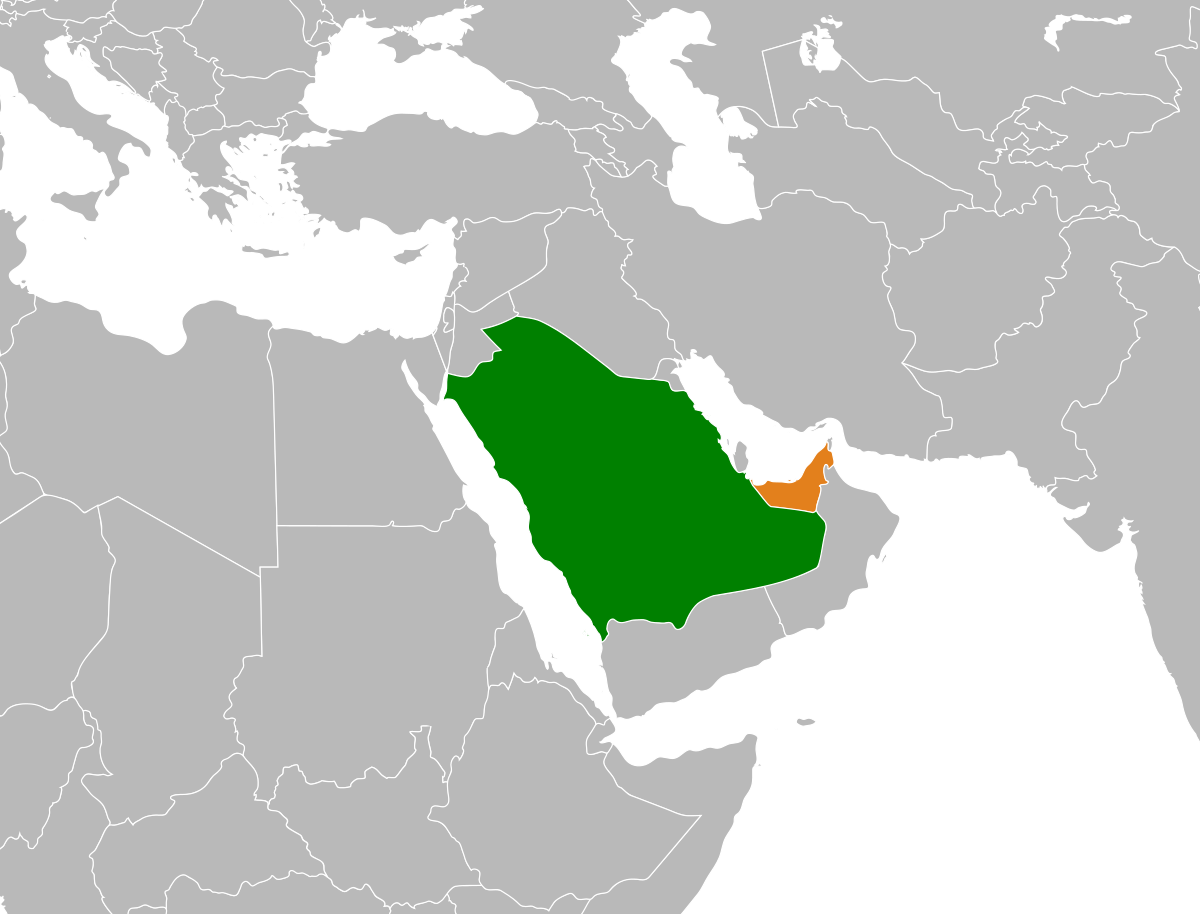
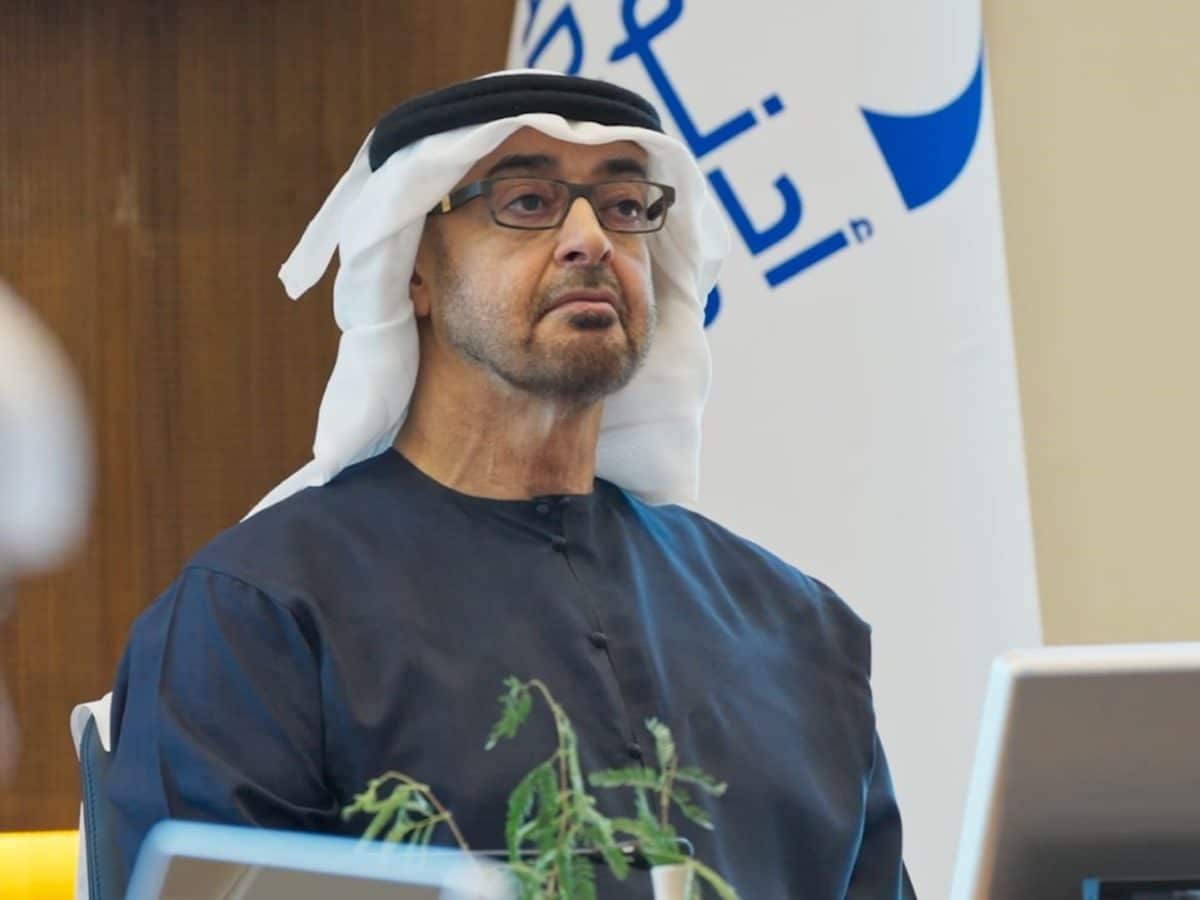
UAE President Sheikh Mohamed bin Zayed Al Nahyan and Saudi Crown Prince Mohammed bin Salman held a high-level meeting to further solidify their countries’ bilateral relations, underscoring the enduring strength of their partnership. The meeting comes as both nations navigate complex regional and global challenges, aiming to reinforce their cooperation in key sectors such as energy, security, and technology.

The summit, which took place in Abu Dhabi, reflects the growing strategic importance of the UAE-Saudi relationship. This alliance has been marked by a shared commitment to regional stability, economic growth, and development. The two leaders’ discussions have centered on deepening political and economic collaborations, enhancing trade, and exploring opportunities in emerging fields like renewable energy and space exploration.

The UAE and Saudi Arabia have long been influential players in the Gulf region, and their partnership is often seen as a counterbalance to external powers. Their collaboration spans beyond bilateral matters, impacting broader issues such as security in the Middle East, OPEC oil production agreements, and joint ventures in technological advancements. The convergence of their interests is aimed at positioning the two nations as global leaders in multiple sectors.

Trade relations between the UAE and Saudi Arabia have been growing steadily, with the UAE becoming one of Saudi Arabia’s largest trading partners. The two nations are focused on further facilitating economic integration through the Gulf Cooperation Council (GCC), which serves as a platform for harmonizing their policies on trade, investment, and infrastructure. Their concerted efforts are seen as crucial for advancing the region’s economic diversification and reducing dependence on oil.

In the realm of energy, the UAE and Saudi Arabia are working together to lead the charge on clean energy initiatives. Both countries have made significant strides in developing sustainable energy solutions, with large investments in solar power, nuclear energy, and hydrogen. Their collaboration in these sectors is intended to help the Gulf region transition toward a low-carbon future while maintaining energy security.

Security is another critical component of the UAE-Saudi partnership. Both nations have faced regional security threats, particularly from non-state actors and the geopolitical tensions surrounding Iran. As a result, the UAE and Saudi Arabia have worked in tandem to fortify their defense mechanisms and enhance intelligence sharing. Their coordinated efforts are also evident in joint military operations, particularly in Yemen, where both countries have been involved in the ongoing conflict as part of a Saudi-led coalition.

The leaders’ discussions also touched on the importance of technological innovation as a driver of future economic growth. The UAE has positioned itself as a hub for technological advancements in the Middle East, with initiatives like Dubai’s smart city projects and the UAE’s space program gaining international recognition. Meanwhile, Saudi Arabia has launched its own ambitious Vision 2030 initiative, which includes plans for transforming its economy through technology, including its investments in artificial intelligence, blockchain, and digital infrastructure.

The strategic alliance between the UAE and Saudi Arabia has not only helped shape the region’s economic and political landscape but has also made them key partners in broader international forums. Both nations have increasingly taken a proactive stance in addressing global challenges, including climate change, public health, and geopolitical tensions. Their efforts to collaborate on such issues signal a broader commitment to fostering stability and peace in the Middle East and beyond.

TAIPEI, TAIWAN – Media OutReach Newswire – 2 December 2024 – Marking its 14th year, the 2024 Christmasland in New Taipei City makes a dazzling spectacle of magic. This year’s highlights include a radiant Christmas tree reimagined as a magical angel and a towering eight-story-high LED castle that hosts daily immersive light shows. The event spans four themed lighting zones, each with unique artistic features to captivate […]

Elon Musk’s net worth has reached a staggering $348 billion, driven by a surge in Tesla stock and the continued growth of his artificial intelligence venture, xAI. Musk’s wealth has seen a remarkable spike, placing him at the forefront of global billionaires, surpassing key figures in both tech and finance. This surge highlights the continued influence of Musk’s ventures, particularly Tesla, as the company’s performance remains strong […]

Meta is set to undertake a groundbreaking project that could reshape global internet infrastructure. The company plans to lay down a 40,000 km subsea fiber optic cable that will encircle the globe. The estimated cost of the project exceeds $10 billion, marking it as one of the largest and most ambitious undertakings by the tech giant. This cable will be the first of its kind, owned and […]

Nissan’s iconic Patrol SUV has entered its seventh generation, showcasing an evolved design and cutting-edge features that highlight its versatility and power. The highly anticipated model was unveiled in Saudi Arabia, offering an impressive blend of luxury and performance tailored for diverse terrains. With a rich history since its inception in 1951, the Patrol continues to stand as a symbol of durability and innovation.

This latest iteration introduces a bold design, featuring Nissan’s signature V-motion grille integrated seamlessly with its body and flanked by advanced Double C-shaped headlights. Adaptive Driving Beam technology ensures optimal visibility in challenging environments. At the rear, a full-width light bar mirrors the striking front, while the 22-inch alloy wheels enhance both ground clearance and aesthetic appeal. Customers can choose from seven dynamic exterior colors, including four two-tone options, providing a personalized touch.

Performance upgrades include two new engine options: a 3.5-liter V6 twin-turbo engine delivering 425 horsepower and 700 Nm of torque, and a 3.8-liter naturally aspirated V6 engine producing 316 horsepower. These powertrains replace the outgoing V8, offering a 7% increase in power and 25% improvement in torque, along with enhanced fuel efficiency. A newly integrated nine-speed automatic transmission with paddle shifters ensures smooth gear transitions, catering to both city and off-road driving.

The Patrol’s off-road capabilities are further boosted by a standard adaptive air suspension system, adjustable ride heights, and six drive modes, including sand, rock, and mud. Additionally, a 4WD transfer mode interlock system offers intuitive handling across various terrains, supported by advanced chassis and electronic aids like Vehicle Dynamic Control and Traction Control.

Abu Dhabi Investment Group is set to deploy a significant $100 billion in Brazil’s economy, marking a major step in the strengthening of bilateral economic ties between the UAE and Latin America’s largest economy. The announcement, made in late November 2024, highlights the UAE’s growing investment interests in Brazil, underscoring the nation’s desire to diversify its portfolio globally. The planned investments span a range of sectors, with […]

Wizz Air Abu Dhabi, the UAE’s rapidly growing budget airline, has announced the launch of a new route connecting the emirate to Varna, Bulgaria. This marks another significant expansion for the airline, which is focused on broadening its network in both Eastern Europe and the Middle East.

The new service to Varna, a popular Black Sea coastal city known for its cultural heritage and tourism appeal, is expected to cater to growing demand for both leisure and business travel between the UAE and Bulgaria. The route will operate twice a week, offering travelers convenient and affordable access to one of Bulgaria’s major economic and tourist hubs.

This development comes on the heels of a broader strategy by Wizz Air Abu Dhabi to tap into emerging markets and strengthen its presence in Europe. Bulgaria, with its increasingly attractive tourist spots and growing economy, aligns well with the airline’s aim to connect less-traveled yet high-potential destinations. As the demand for travel rebounds globally, Wizz Air Abu Dhabi continues to focus on offering competitive prices and flexibility, responding to shifting patterns in consumer behavior.

The announcement is part of Wizz Air Abu Dhabi’s broader efforts to expand its network in the region. The airline, which started operations in 2020 as a joint venture between the Hungarian carrier Wizz Air and Abu Dhabi’s state-owned ADQ, has steadily increased its footprint across both regional and European routes. The addition of Varna represents a further commitment to enhancing connectivity between the UAE and Eastern Europe, an area of growing importance for tourism and trade.

For the Bulgarian tourism sector, this new route is expected to have a positive impact, especially as the country’s tourism authorities aim to attract more visitors from the Gulf region. Varna, with its rich historical sites, sandy beaches, and vibrant nightlife, is becoming an increasingly popular destination for travelers from the Middle East, offering a blend of cultural exploration and relaxation.

The launch of the route is also expected to provide more opportunities for travelers to access both Bulgaria’s bustling urban centers and its scenic coastlines. As the tourism landscape continues to evolve, the introduction of direct flights from the UAE will likely improve trade and people-to-people ties between the two regions. Wizz Air Abu Dhabi’s competitive pricing model ensures that more people will be able to afford travel to Bulgaria, a destination that has traditionally been more distant for many travelers in the Middle East.

Varna’s connection to Abu Dhabi is not just a win for tourists but also for business. Bulgaria, known for its fast-developing economy and strategic location within Europe, offers significant potential for investment and collaboration in industries such as technology, agriculture, and energy. Direct flights will facilitate smoother travel for businesspeople looking to engage in partnerships or expand their operations in the region.

The introduction of the route aligns with Wizz Air Abu Dhabi’s overall strategy to diversify its offerings and expand into markets that present high growth potential. The airline’s flexible model, which allows for efficient operations with a low-cost structure, has enabled it to compete aggressively in the region’s air travel market. By prioritizing short-to-medium haul flights and tapping into underserved markets, Wizz Air Abu Dhabi has positioned itself as a key player in the Middle East’s aviation landscape.

Despite the challenges posed by the global pandemic and fluctuating fuel prices, Wizz Air Abu Dhabi has remained resilient, continuously exploring ways to expand its network. The airline’s fleet, which consists primarily of Airbus A321 aircraft, is optimized for cost-effective operations and allows the airline to offer affordable fares while maintaining high standards of safety and customer service.

Industry analysts expect this new route to be a part of a larger trend in the global aviation sector, where low-cost carriers are increasingly looking to expand their networks into less-traveled destinations, especially in emerging markets. As demand for affordable travel options grows, Wizz Air Abu Dhabi’s business model appears well-suited to meet the evolving needs of both leisure and business travelers.

The Varna route, launching in early December 2024, is set to further solidify Wizz Air Abu Dhabi’s position as a major player in the competitive low-cost carrier market. With more direct connections between the UAE and Eastern Europe, travelers will have increased access to key markets in both regions, providing opportunities for tourism, business, and cultural exchange. As the airline continues to expand, its impact on the regional and international travel market is likely to increase, further boosting the connectivity between the Middle East and Europe.

MACAU SAR – Media OutReach Newswire – 29 November 2024 – As winter sets in, the festive spirit comes alive at Galaxy Macau™, the luxury integrated resort (hereafter referred to as “Galaxy Macau”), with the launch of its “Symphony of Joy” festive campaign. The sumptuous series of festive celebrations was officially kicked off on November 28 with a special launch ceremony, which was graced by the presences […]

HONG KONG SAR – Media OutReach Newswire – 28 November 2024 – De Beers Group proudly supported the Hong Kong Fashion Designers Association (HKFDA) 40th Anniversary Gala Dinner and Fashion Visionaries Award 2024, taking place at Cloud 39 Ballroom, The Henderson, on November 26th. De Beers Group proudly supports the Hong Kong Fashion Designers Association (HKFDA) 40th Anniversary Gala Dinner and Fashion Visionaries Award 2024 by sponsoring […]

SINGAPORE – Media OutReach Newswire – 29 November 2024 – Celebrate Christmas with Shiok Kitchen Catering, a Halal-certified caterer under Creative Eateries that offers an array of one-stop catering services. These seasonal menus, which boast traditional international Christmas food with modern Singapore flavours, are available in a number of formats and occasions, for any number of pax. From a Christmas mini buffet catering to holiday bentos for […]

Recognition Highlights Leadership Balancing Business Success and Community Impact PHNOM PENH, CAMBODIA – Media OutReach Newswire – 29 November 2024 – Neak Oknha Chen Zhi, Chairman of Prince Holding Group, received the prestigious “Best Contributions Towards Socio-Economic Development – Cambodia” award at the International Finance Awards. This accolade recognizes Chairman Chen Zhi’s visionary leadership and steadfast commitment to fostering sustainable growth and development across Cambodia. Neak Oknha […]

Startup Spines is stirring up the publishing industry with a controversial plan to publish up to 8,000 books annually through an AI-assisted model that promises to streamline the traditional publishing process. With packages ranging from $1,200 to $5,000, Spines offers a full suite of services including editing, proofreading, formatting, and distribution. By leveraging AI, the company claims to provide authors with the means to publish quickly—within two to three weeks—and retain 100% of royalties, bypassing the often lengthy traditional publishing process.

However, the startup’s model has ignited fierce debate within the writing community. Critics, including many established authors and industry professionals, have compared Spines to vanity publishing, where authors are required to finance the production of their own books. Detractors have expressed concerns that Spines, in its effort to make self-publishing accessible, is preying on authors eager for publication but unable to break into the traditional publishing world. They argue that the company’s business model, built around charging authors for the publication process, exploits their aspirations for profit.

Spines, however, defends its approach, asserting that it is democratizing the publishing landscape. According to the company, many authors, particularly those whose manuscripts are rejected by traditional publishers, would benefit from an alternative that allows them to maintain control over their work and profits. The company positions itself as offering an opportunity for authors to bypass the gatekeepers of traditional publishing and tap into a rapidly evolving market. By utilizing AI, Spines offers services that would normally take much longer to complete, promising a faster turnaround and an easier path to market.

Despite the backlash, the startup has gained significant attention in the venture capital world. Spines recently raised $16 million in a funding round, signaling investor confidence in its AI-driven publishing model. The funding round has sparked discussions about the potential of AI in transforming the publishing industry. While the technology is celebrated for its efficiency in handling large volumes of data, particularly in text processing and editing, the increasing reliance on AI for creative endeavors like book publishing raises concerns over the future of human editors and the integrity of literary works.

Many see Spines’ approach as a reflection of broader trends in the publishing industry, where automation and AI tools are becoming more prevalent. AI platforms like Spines are viewed as cost-effective solutions to a long-standing issue within the industry—overwhelmed editors and agents inundated with unsolicited manuscripts. With AI’s ability to analyze vast amounts of text quickly, startups are capitalizing on the opportunity to fill gaps left by traditional publishing systems, offering an alternative for authors who might otherwise have limited opportunities.

The rise of AI-based platforms in publishing also highlights the ongoing tension between technological innovation and artistic integrity. As AI becomes more proficient at generating and editing text, questions surrounding originality, copyright, and the creative process become more pronounced. Critics worry that AI could dilute the quality of published works or replace skilled professionals in the publishing process.

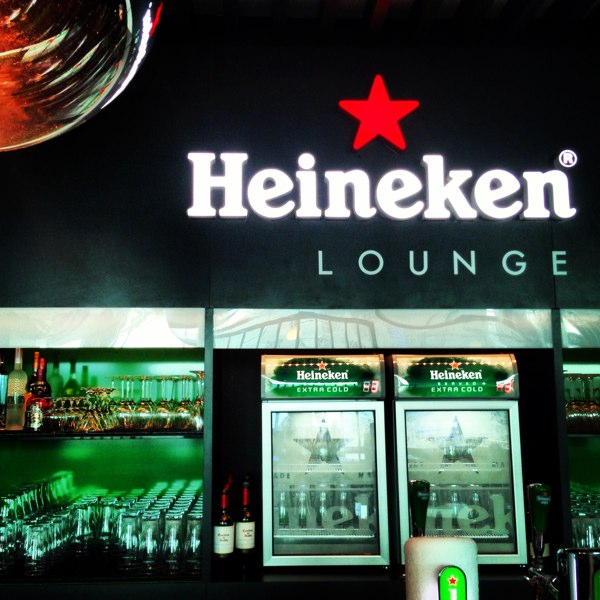
Heineken, the Dutch brewing giant, is preparing to open its first large-scale brewery in Dubai, a significant milestone in the evolving beverage industry within the Gulf Cooperation Council (GCC). This development, expected to materialize in 2024, will mark a pivotal shift in the region’s approach to alcohol production and consumption, reflecting broader changes in social and economic policies across the Middle East.

The brewery, located in Dubai Industrial City, will focus on producing various Heineken products tailored for the Middle Eastern market. This move aligns with Dubai’s strategic goals of fostering industrial diversification while attracting international investment to expand its manufacturing and export capabilities. With an estimated initial output of over 500,000 hectoliters annually, this facility represents one of the most ambitious projects of its kind in the Gulf region.

This initiative follows the UAE’s progressive steps to relax alcohol-related regulations to encourage tourism and economic growth. For instance, the country recently abolished its longstanding alcohol license requirement for personal consumption and introduced tax cuts on alcoholic beverages, effectively making them more accessible. The UAE remains an outlier in the GCC, where most countries maintain stringent controls on alcohol in adherence to cultural and religious norms.

The brewery will create employment opportunities and enhance Dubai’s standing as a hub for innovation and manufacturing excellence. With an emphasis on sustainability, Heineken plans to incorporate energy-efficient technologies and prioritize the use of local ingredients where feasible. This environmentally conscious approach underscores the company’s commitment to aligning its operations with the UAE’s sustainability initiatives.

The decision to establish operations in Dubai is also influenced by its logistical advantages. The emirate serves as a gateway to regional and international markets, offering robust infrastructure and connectivity. Industry analysts believe this move could spark increased competition in the regional beverage market, potentially encouraging other multinational firms to explore opportunities in the GCC.

This brewery is part of a larger trend where the Gulf region is witnessing shifts in lifestyle and economic priorities. While alcohol remains restricted in neighboring nations like Saudi Arabia, a more inclusive attitude toward diversifying economic activities is evident. Dubai’s openness to hosting Heineken’s venture highlights the city’s progressive stance and its broader ambition to solidify its position as a global city catering to diverse industries.

The Abu Dhabi National Oil Company (ADNOC) has introduced XRG, a groundbreaking low-carbon energy and chemicals enterprise with an estimated enterprise value exceeding $80 billion. This ambitious venture positions ADNOC as a leader in the energy transition, aligning with global trends toward cleaner energy solutions and technological innovation.

XRG’s portfolio will encompass advanced technologies such as hydrogen, renewable energy, and sustainable chemicals production. Additionally, it will emphasize carbon capture and storage, aligning with ADNOC’s goal of achieving net-zero emissions by 2050. The initiative is poised to leverage ADNOC’s robust infrastructure and expertise while driving its international expansion into markets seeking environmentally sustainable energy solutions.

ADNOC anticipates XRG will double its asset value over the next decade. This projection is rooted in increasing global demand for clean energy, which is further amplified by emerging economies and the proliferation of artificial intelligence in energy optimization and resource management. Such factors contribute to the shift from traditional energy sources to integrated, technology-driven models.

Solana’s decentralized finance (DeFi) ecosystem has surged in November, reaching $420.7 million in total value locked (TVL), significantly outpacing Ethereum’s $161.2 million for the month. This marks a sharp 161% increase in Solana’s DeFi earnings, largely attributed to its low transaction fees, high throughput, and a revival of its ecosystem following a challenging period.

Ethereum, long the dominant platform in the DeFi space, has faced stiff competition from Solana, whose technological upgrades and network enhancements have bolstered its position. As Ethereum continues to struggle with scaling issues and high fees, Solana’s faster and cheaper transactions have made it increasingly attractive to developers and users in the DeFi sector.

The dramatic increase in Solana’s DeFi activity is also a reflection of the broader recovery within its blockchain ecosystem, which was hit hard by a series of setbacks, including the collapse of the FTX exchange in late 2022. However, Solana’s resilience in recovering and innovating has allowed it to gain ground on Ethereum, traditionally the go-to platform for decentralized applications (dApps) and smart contract protocols.

Key factors driving Solana’s DeFi boom are its low transaction fees, which remain a major pain point for Ethereum users, especially during periods of high network congestion. While Ethereum’s gas fees can surge to hundreds of dollars for simple transactions, Solana offers an almost negligible fee structure, making it more attractive for smaller, retail investors and developers looking to build cost-efficient DeFi applications.

Solana’s speed is another competitive advantage. It boasts a transaction processing capability of more than 60,000 transactions per second (TPS), far exceeding Ethereum’s current capacity of 30 transactions per second, though Ethereum is working on scaling solutions such as sharding and layer 2 networks. Solana’s network speed allows for quicker and more scalable applications, which is crucial for DeFi protocols that require near-instant transactions to function efficiently, especially in volatile markets.

The ecosystem recovery of Solana has also been spurred by significant developments in its DeFi protocols. A growing number of decentralized exchanges (DEXs), lending platforms, and yield farming protocols have been launched or migrated to Solana’s blockchain, further boosting the platform’s TVL. Solana’s DeFi landscape has seen contributions from several key players, including Serum, Mango Markets, and Radium, all of which provide users with advanced trading options, liquidity, and competitive rewards.

Another contributing factor to Solana’s success is the strategic collaborations and partnerships it has secured with both established companies and up-and-coming startups. Solana has garnered attention from top-tier venture capitalists, along with prominent figures in the cryptocurrency space, who have supported the blockchain’s development and growth. These relationships have helped Solana gain credibility and foster an environment conducive to innovation and expansion.

The increase in DeFi activity on Solana has also been supported by growing interest in the broader Solana ecosystem. After a period of price volatility and uncertainty, Solana’s native cryptocurrency, SOL, has stabilized and regained much of its value. This recovery has sparked renewed confidence in the network and its long-term viability, which has translated into higher DeFi activity. As a result, users are increasingly willing to stake and invest in the network, propelling the overall market cap of Solana’s ecosystem.

Ethereum, on the other hand, continues to dominate the broader smart contract and dApp landscape, largely due to its first-mover advantage and large developer base. Ethereum’s switch to a proof-of-stake (PoS) consensus mechanism with the Ethereum 2.0 upgrade is expected to bring improvements in scalability and energy efficiency. However, Ethereum’s network congestion and high fees remain major hurdles for DeFi users and developers, especially in times of increased demand. These issues are likely to persist unless significant scalability solutions are implemented.

Although Ethereum has a stronghold on the DeFi sector, Solana’s rapid growth underscores the increasing diversification of the space. With its advanced technology, Solana is emerging as a serious challenger, offering viable alternatives for decentralized financial services. Furthermore, Solana’s growing TVL is not only a reflection of the platform’s technological edge but also an indication of the rising demand for alternative DeFi solutions that prioritize scalability, cost-efficiency, and innovation.

Experts suggest that the DeFi landscape is entering a new phase, where competition between smart contract platforms like Solana and Ethereum will be crucial to the long-term development of the ecosystem. As developers continue to search for faster, cheaper, and more scalable platforms, Solana’s performance in November provides a clear indication of the potential for DeFi to flourish on blockchains beyond Ethereum. The focus on speed and cost-effectiveness is expected to drive more DeFi protocols to explore alternatives to Ethereum, opening up the market to a wider range of participants.


HONG KONG SAR – Media OutReach Newswire – 27 November 2024 – To further cement Macau’s reputation as a “City of Performing Arts”, Galaxy Macau™ Integrated Resorts (“Galaxy Macau”), is delighted to host Galaxy Music Gala: Lang Lang and Macao Orchestra on January 19, 2025. Internationally acclaimed piano virtuoso Lang Lang will make his debut at the Galaxy International Convention Center (GICC), Asia’s new landmark for conventions […]

VISHNU RAJA
RYO YAMADA
HITORI GOTOH
IKUYO KITA