

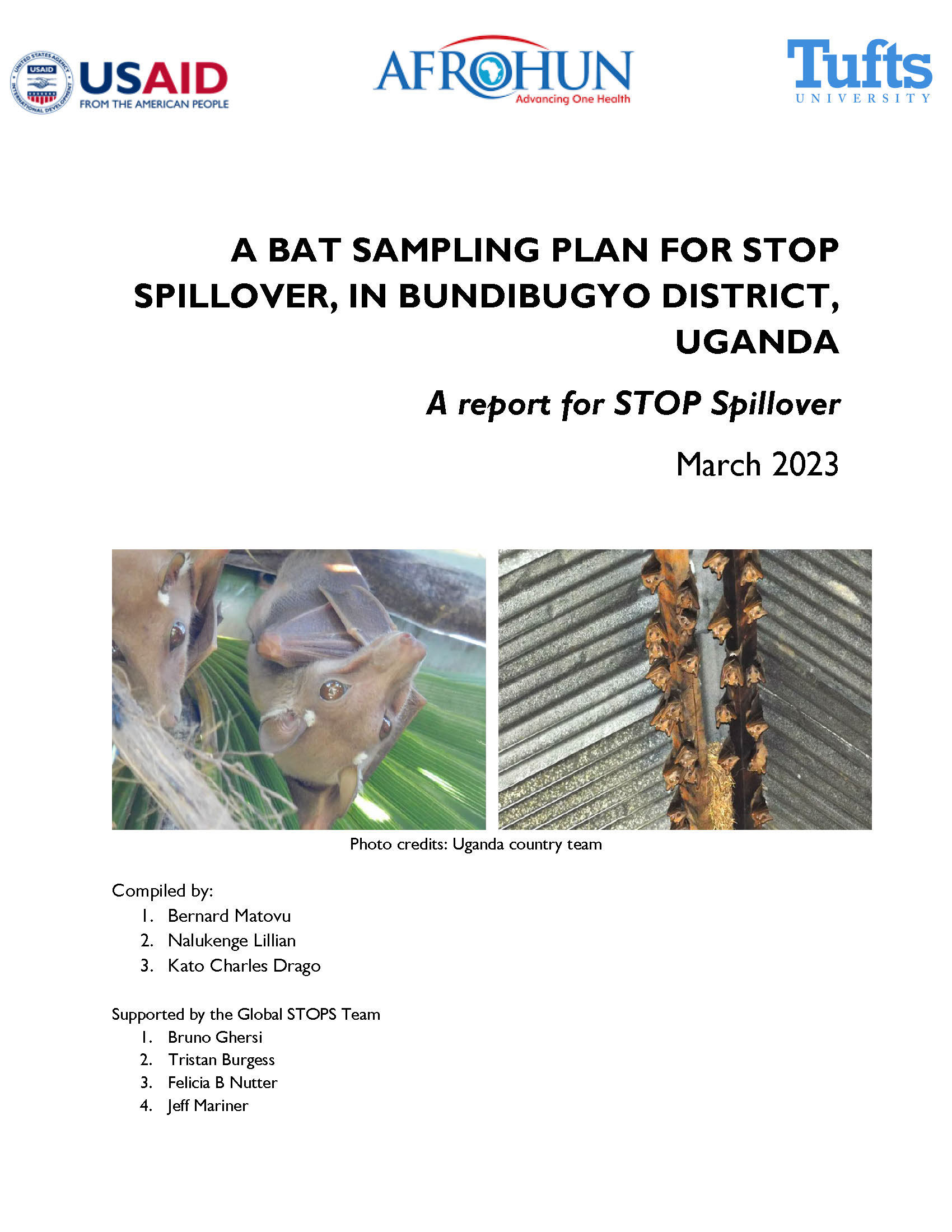
Chimpanzees and other wildlife in Uganda’s Budongo Forest have begun consuming bat guano, a behaviour linked to the deforestation of mineral-rich palm trees used in tobacco farming. This shift raises concerns about increased exposure to bat-borne viruses and the potential for zoonotic disease transmission to humans.
Between 2006 and 2012, the Raphia farinifera palm, a key source of dietary minerals for wildlife, was extensively harvested by local farmers to produce strings for drying tobacco leaves. The near-elimination of this tree species compelled animals to seek alternative mineral sources. Observations from 2017 to 2019 documented 839 instances of chimpanzees, black-and-white colobus monkeys, and red duikers consuming bat guano from hollow trees, a behaviour not previously recorded in the area.
Laboratory analyses of guano samples collected during this period identified 27 eukaryotic viruses, including a novel betacoronavirus related to SARS-CoV-2. While the transmissibility of these viruses to humans remains uncertain, the findings underscore the complex pathways through which environmental changes can facilitate cross-species virus transmission.
Researchers emphasise that the dietary shift among wildlife is a direct consequence of selective deforestation driven by global tobacco demand. The loss of traditional food sources has forced animals into behaviours that increase their exposure to pathogens, thereby elevating the risk of disease spillover to human populations.
Follow Arabian Post
Select Arabian Post as your preferred source on Google and MSN News for trusted business news and Arab politics and updates.



