

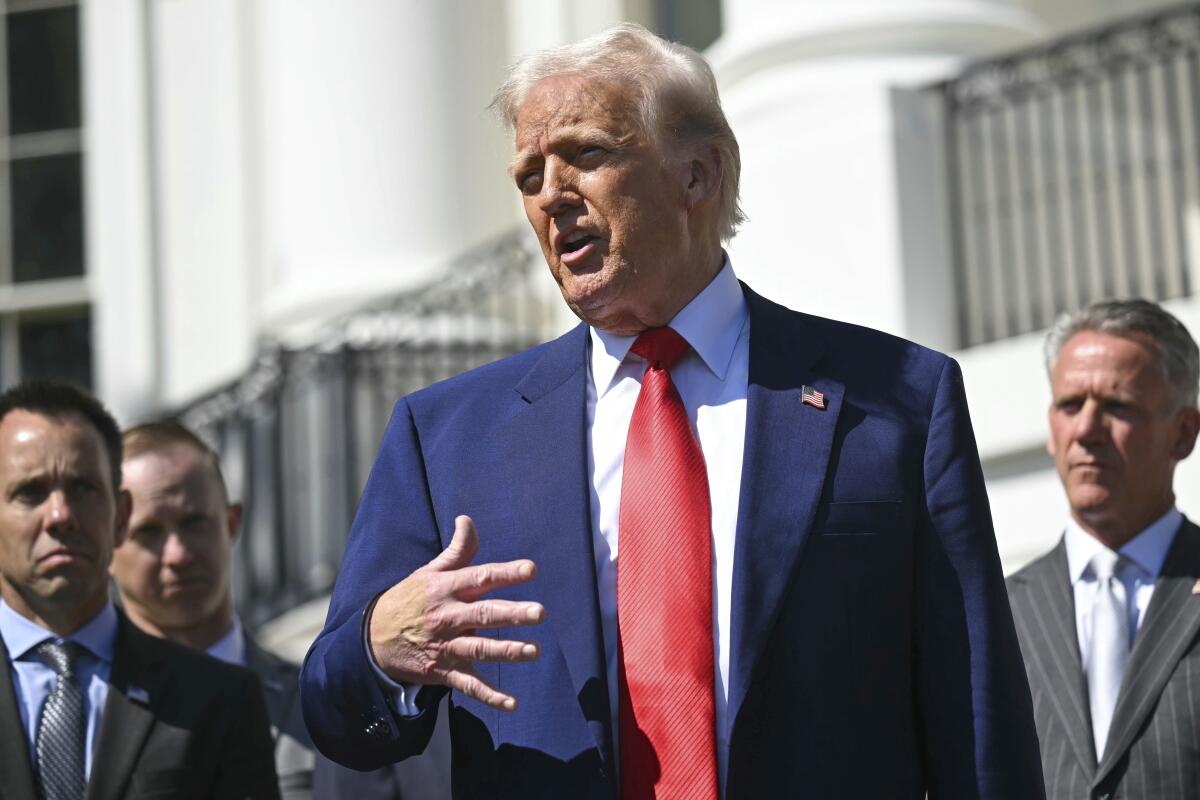
President Donald Trump has put off a scheduled increase in tariffs on upholstered furniture, kitchen cabinets and bathroom vanities, a move that slows the pace of his trade levies as household price pressures remain a political concern.
The postponement, announced by administration officials after consultations with manufacturers and retailers, affects a tranche of consumer goods largely sourced from overseas supply chains. The delay keeps existing duty rates in place while officials review market conditions and the potential knock-on effects for inflation, employment and housing-related costs. The White House framed the decision as a tactical adjustment rather than a reversal, stressing that trade enforcement remains a priority.
Furniture and cabinetry sit at the intersection of consumer spending and housing, sectors that have shown uneven momentum. Retailers had warned that higher duties would translate quickly into price increases, given thin margins and limited scope to absorb additional costs. Industry executives argued that households outfitting homes or renovating kitchens would face higher bills at a time when borrowing costs and insurance premiums already strain budgets.
Administration figures said the pause allows time to assess whether suppliers can diversify sourcing or expand domestic capacity without triggering abrupt price spikes. Officials also pointed to ongoing negotiations with trading partners and compliance reviews tied to anti-dumping and subsidy rules, signalling that the tariff calendar could be revisited once those processes advance.
The tariff increase had been slated to lift rates on certain upholstered items and wood-based cabinetry components, categories that rely heavily on imported frames, hardware and finishes. Analysts tracking customs data note that these inputs account for a significant share of the final retail price, making the sector particularly sensitive to duty changes. A deferral therefore offers short-term relief to retailers ahead of the spring selling season.
Political calculations are never far from trade decisions. Opinion polling has shown voters ranking living costs among their top concerns, and consumer-facing tariffs tend to draw faster backlash than levies on industrial goods. By easing the timetable, the administration reduces the risk of visible price rises in showrooms and online listings, even as it maintains leverage for future negotiations.
Supporters of the broader tariff strategy argue that measured pauses can strengthen enforcement by preventing market shocks that undermine public backing. They say the administration’s approach blends pressure with flexibility, using delays to extract commitments on supply-chain transparency and labour standards while keeping the option of higher duties on the table.
Critics counter that uncertainty itself carries costs. Importers and distributors say shifting deadlines complicate contracts and inventory planning, especially for seasonal lines with long lead times. Some domestic manufacturers, who had welcomed higher tariffs as protection against low-priced imports, expressed frustration that the delay blunts competitive gains they anticipated.
The housing link adds another layer. Cabinetry and vanities are core components of new builds and refurbishments, and builders had cautioned that tariff-driven increases would feed through to project budgets. With residential construction facing mixed signals, the pause could help stabilise input costs, at least temporarily, according to contractors.
Trade specialists also note that furniture has become a test case for broader supply-chain realignment. Companies have diversified production across Southeast Asia and Latin America to mitigate exposure to single-country risks. A delayed tariff rise gives firms more runway to complete those shifts, potentially reducing the impact of any future increases.
Administration officials emphasised that enforcement actions against unfair trade practices continue, including targeted investigations and penalties where warranted. They said the delay should not be read as a retreat from a tougher trade stance but as a sequencing decision aligned with economic conditions.
Follow Arabian Post
Select Arabian Post as your preferred source on Google and MSN News for trusted business news and Arab politics and updates.



