

Arabian Post Staff -Dubai
An A-10 Thunderbolt II attack aircraft was hit severely and left with major wing damage, the assessment indicated. The extent of repairs required for that aircraft was not clear. US Central Command had not confirmed the aircraft losses or issued a detailed damage statement by Thursday.
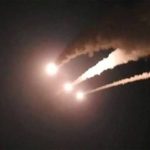
Jordan’s armed forces said 20 ballistic missiles were launched from Iran towards the kingdom during the attack. Air-defence systems intercepted and destroyed 18, while two fell in uninhabited areas. The military said there were no casualties, although its public account did not address damage inside the US-operated section of the air base.
The reported aircraft damage provides a clearer picture of the impact of the September 8 barrage, which targeted a hub for American air operations in the region. Muwaffaq Salti, near Azraq in eastern Jordan, hosts US aircraft and personnel and has been used to support operations across the Middle East.
The F-15s affected by the strike were described as having suffered only limited damage, allowing them to be restored to operational status. Independent specialist reporting also identified the aircraft as F-15E Strike Eagles and said they remained serviceable. The A-10, a heavily armed close-air-support aircraft commonly known as the Warthog, was reported to have suffered substantially greater damage.
No American personnel were reported killed in the September 8 strike. Jordanian authorities likewise reported no deaths or injuries from the missiles that penetrated the country’s airspace, underscoring the effectiveness of the interception effort while also showing that some weapons or fragments reached the vicinity of the installation.
Iran’s Islamic Revolutionary Guard Corps said it had targeted US military facilities in Jordan in retaliation for American attacks on Iranian oil shipping. Tehran’s account included claims of strikes on aircraft-related facilities, but several of its broader assertions about personnel losses and equipment destruction have not been independently substantiated.
The Jordan strike followed an announcement by US Central Command that American forces had destroyed five oil tankers associated with Iran’s Revolutionary Guard. The command said that action was taken after unsuccessful Iranian ballistic-missile attacks on a US warship. The sequence marked another sharp escalation in the confrontation between Washington and Tehran.
Jordan has become one of the principal geographic pressure points in the conflict because it hosts US forces while lying within range of Iranian ballistic missiles. Its government has repeatedly said that it will defend the kingdom’s airspace and sovereignty against projectiles launched by any party, regardless of the intended target.
The kingdom’s military has reported several interception operations during the conflict. On August 31, it said eight missiles entering Jordanian airspace were destroyed before they threatened people or property. Earlier attacks have similarly triggered air-defence responses around strategic installations and population centres.
Muwaffaq Salti has faced repeated Iranian targeting during the wider hostilities. The base’s importance stems from its role as a forward operating location for US tactical aircraft, including fighters and support platforms. The presence of such aircraft makes the installation operationally valuable but also exposes concentrated assets to missile and drone attacks.
The latest damage assessment suggests the strike achieved limited effects against several aircraft despite Jordanian and US air defences intercepting most incoming missiles. It does not, however, establish that the attack materially reduced US airpower in the region, particularly because the lightly damaged F-15s were returned to service.
Questions remain over how the missiles that reached the base area penetrated the defensive screen and whether the damaged aircraft were inside hardened shelters, maintenance areas or exposed positions. Neither US nor Jordanian authorities had released a technical account of the impacts, interception sequence or damage pattern.
Also published on Medium.
Follow Arabian Post
Select Arabian Post as your preferred source on Google and MSN News for trusted business news and Arab politics and updates.




