News related to
Asia

SINGAPORE – Media OutReach Newswire – 8 July 2025 – The Institute of Singapore Chartered Accountants (ISCA) and the Shanghai Institute of Certified Public Accountants (SHICPA) have signed a Memorandum of Understanding (MOU) today to advance the international development of the accountancy profession and foster deeper collaboration between the accounting communities of Singapore and China. Through this collaboration, ISCA and SHICPA aim to promote the development of […]

Dubai’s ultra‑luxury real estate market surged in April to June 2025, with transactions for homes priced above $10 million reaching US $2.6 billion, a 37 % rise from the previous quarter and a 63 % increase year‑on‑year, according to London‑based researcher Knight Frank. The emirate recorded 143 such deals in Q2, up from fewer in Q2 2024, underscoring its dominance in the global super‑prime segment. Palm Jumeirah held its status as the top destination […]

Dubai‑based hospitality firm Tashas Group is entering a rapid new phase of expansion across the Middle East and South Africa, with founder Natasha Sideris spearheading a strategy that balances boutique charm with accelerated growth. Operating 40 venues in five countries—including 18 in South Africa, 17 across the UAE, three in Saudi Arabia, and single locations in Bahrain and the UK—the group plans to open a further 15 […]

European luxury houses are experiencing a marked shift, with faltering Chinese demand prompting a strategic pivot toward alternative markets and refined brand positioning. According to Bain & Co, global personal luxury goods sales are projected to contract by 2–5 per cent in 2025, following a €364 billion market in 2024, suggesting prolonged headwinds in China and weakened consumer confidence across key economies. Concurrently, LVMH reported a 5 per cent decline in fashion and leather goods, while Kering’s Gucci saw a 24 per cent slump in Q3 2024—underscoring the drag from Chinese spending.

Amid this slowdown, brands are accelerating efforts to broaden geographic reach. McKinsey projects that the US luxury market will grow by 4–6 per cent annually through 2027—outpacing China and Europe—and emerging regions such as the Middle East, Latin America and Southeast Asia are gaining traction as bright spots. Evidence of reorientation is visible: LVMH is expanding its US production capacity, and Kering, Hermès and Prada are intensifying investment in North America.

Not all brands are equally affected. Brunello Cucinelli, less exposed to Chinese consumption, disclosed robust sales forecasts—upgrading its annual growth outlook to 11–12 per cent based on strong European demand and continued traction among ultra-high-net-worth clients. Hermès, too, has weathered the storm, maintaining sales growth while peers grapple with revenue declines.

The luxury slowdown in China is rooted in multiple structural challenges. Economic growth has softened below 5 per cent, real estate woes persist, and shifting demographic trends have eroded consumer sentiment. Simon‑Kucher reports that many Chinese consumers are becoming cost-conscious, displaying a polarization between aspirational and high-end luxury buyers, and embracing domestic brands as alternatives. Particularly, cultural shifts—such as “luxury shame”—have fuelled a move toward discretion and frugality in visible consumption.

Although major international houses such as Chanel and Dior continue to engage Chinese consumers through culturally attuned storytelling—launching region‑specific collections and targeted local campaigns—some smaller brands have shuttered stores in mainland China, acknowledging a recalibration of in‑market commitment.

Domestic luxury players are also benefitting from this transition. Laopu Gold, a jewellery brand rooted in traditional Chinese symbolism, has doubled same‑store sales and quadrupled online revenue this year, with a market valuation exceeding HK$170 billion, thereby challenging European incumbents—though its international footprint remains limited.

Global brands recalibrating their China approach are employing a range of strategic pivots: tighter inventory control to avoid discounting and preserve brand equity; stimulant-focused aspirational campaigns; and product diversification into understated luxury or second-hand luxury to resonate with new consumer segments. The second‑hand luxury market in China alone has grown at an annual rate exceeding 30 per cent since 2020.

Europe itself remains central to the luxury ecosystem, as evidenced by European markets holding nearly half of Armani’s revenues in 2024—an increase relative to Asia Pacific’s diminished share—while the group strategically channels investment into flagship stores and digital-commerce. Cost control, brand consistency, and quality-focused messaging have become priorities as demand becomes more selective.

Globally, brand strategies are evolving with renewed emphasis on sustainability, resilience and storytelling. Price hikes once driven by so‑called “greedflation” are now tempered, with average increases forecast at 3.5 per cent in 2025—lower than peak levels—and justified by genuine craftsmanship and material innovation. Product lines are being refined: leather goods, jewellery and beauty segments are poised for stronger performance, while deeper integration of sustainability and consumer‑centric narratives is prioritised.

Brands are also investing in localisation in other markets and exploring omnichannel retail strategies. Digital-owned channels, experiential stores, and culturally sensitive campaigns are being deployed to engage consumers in tier‑2 and tier‑3 urban centres, particularly in Asia outside China.

European luxury houses are at a strategic inflection point: with the decline in Chinese demand now measurable, success hinges on geographic rebalancing, product portfolio refinement, inventory discipline and culturally resonant marketing. The winners will be those able to preserve brand prestige while adapting to economic reality and evolving consumer psychology across diverse global markets.

Matein Khalid Sri Lanka is one of the most fascinating and drop-dead gorgeous countries I have ever visited, the island once known as Serendip by ancient Umayyad Arab sailors/ruby merchants and Ceylon by the colonial Dutch and British who once ruled the island, an emerald tear drop in the Indian Ocean. I have a special bond with Sri Lanka because my late mother, an artist, used to […]

Australian super fund CareSuper has chosen Macquarie Cloud Services to migrate its entire VMware Cloud on AWS infrastructure—including hundreds of applications and petabytes of member data—to Microsoft Azure. The fund, which manages over AUD 57 billion for more than 573,000 members, has engaged Macquarie to modernise its databases, implement platform‑as‑a‑service solutions and consolidate workloads into a new Azure landing zone. This high‑stakes move follows a wave of “repatriation from […]

TAIPEI, TAIWAN – Media OutReach Newswire – 7 July 2025 – National Taiwan Normal University (NTNU), one of Taiwan’s most prestigious public universities, has announced a call for public nominations for its 15th President. The nomination period runs from July 7 to August 11, 2025. NTNU has announced a call for public nominations for its 15th President. The nomination period runs from July 7 to August 11, […]

Advertisements
By Nantoo Banerjee It is difficult to believe that India, the world’s fourth largest economy by gross domestic product (GDP) and a major military power, ranks below even the tiny states of Kuwait and Greece when it comes to defence spending as a percentage of GDP. Considering the tricky geo-political situation in the south Asian […]

KUALA LUMPUR, MALAYSIA – Media OutReach Newswire – 7 July 2025 – Kenanga Investment Bank Berhad (“Kenanga Group” or “The Group“), Malaysia’s no. 1 issuer of structured warrants, proudly announces the launch of its first-ever Hang Seng China Enterprises Index (“HSCEI“) structured warrants – HSCEI-CAA and HSCEI-HBA – and Hang Seng TECH Index (“HSTECH“) structured warrants – HSTECH-C30 and HSTECH-H27 – under its flagship brand, NagaWarrants by […]

KUALA LUMPUR, MALAYSIA – Media OutReach Newswire – 7 July 2025 – For many traders, one of the main concerns when choosing a financial broker is the risk of falling victim to various shady tricks. The experts at Octa, a globally regulated and trusted broker since 2011, explain some of the questionable practices that traders must look out for when planning their journey in the markets. Trading […]

OPEC+ has opted to raise oil production by approximately 548,000 barrels per day in August, marking a sharp departure from earlier plans and surprising markets worldwide. The move, confirmed in a brief video conference, is projected to accumulate a surplus towards the close of the year, potentially eroding revenues for both OPEC members and higher-cost producers, including US shale firms.

With Brent crude prices slipping over 1% to around $67.50 and West Texas Intermediate falling to the mid‑$65 range, the group’s decision has already begun to ripple through markets. The scale of the increase is unprecedented compared to prior months—more than 130% larger than April’s hike and substantially above the 411,000 bpd rise earlier this summer.

Leaders within OPEC+ signalled that this shift reflects a strategic pivot: from defending elevated prices to asserting market share. Saudi Arabia, the group’s dominant force, spearheaded the increase, while also raising premiums for Arab Light crude sold to Asian markets—a move widely interpreted as a signal of confidence in near-term demand.

Analysts emphasise that current market structure is supportive of absorbing this surge. UBS’s Giovanni Staunovo remarked that “the oil market remains tight, suggesting it can absorb additional barrels,” though he cautioned about potential headwinds from macroeconomic uncertainties and lingering trade tensions in the next 6–12 months. Similarly, Reuters reporting notes that the decision followed assessments of low inventories and healthy economic indicators.

US President Donald Trump, whose administration has repeatedly lobbied for lower fuel costs domestically, is widely seen as a direct beneficiary of this policy. OPEC+ officials framed the increase as responsive to US pressure, with Saudi Arabia effectively stepping into a balancing role ahead of diplomatic visits.

Nevertheless, market watchers warn of mounting risks. RBC Capital projects that around 80% of the voluntary cuts—a total of 2.2 million bpd—will be reversed by September, hinting at oversupply. Financial institutions such as Morgan Stanley anticipate Brent could slide below $60 by early 2026, while ING and Barclays have also trimmed their forecasts in response to expanding inventories.

Geopolitical variables add further complexity. Though Middle Eastern tensions have eased since the brief flare‑up between Israel and Iran, any resurgence in conflict could inject volatility into the supply outlook. Moreover, internal cohesion within OPEC+ remains fragile, with nations such as Kazakhstan and Iraq reportedly exceeding quotas in recent months.

US domestic production continues its ascent, as data shows output from shale and other sources has hit record levels—adding to potential global gluts. The prospect of elevated US tariffs and slowing economic momentum could further suppress demand, amplifying price pressures.

Even so, OPEC+ remains optimistic in the short run. Saudi Arabia’s decision to lift regional premiums and analysts’ assessments of supportive market conditions reinforce this stance.

As this enlarged supply enters the market, price-sensitive producers such as US shale operators may face tighter margins. Global capitals will closely follow whether OPEC+ sustains this production path or retreats in the face of a deepening surplus.

A record net outflow of 16,500 high-net-worth individuals is set to leave the UK in 2025, marking the largest wealth exodus recorded globally. This trend, stemming from major shifts in tax policy and visa regulations, signals a turning point in the UK’s appeal to the global rich. High earners are relocating in large numbers in response to the scrapping of the non-domicile status in favour of a […]

By Nitya Chakraborty On the eve of the 17th BRICS Summit scheduled at Rio de Janeiro in Brazil on July 6 and 7, the ongoing discussions among the senior officials of the member countries for the preparation of the draft joint declaration from the Summit, are showing big divergence of views on the two major […]

Global tourism is projected to reach 30 billion trips by 2034 and contribute $16 trillion to world GDP, growing 1.5 times faster than the global economy, according to the World Economic Forum’s latest report. Amid this surge, Saudi Arabia is emerging as a pivotal force, ranking the second fastest-growing tourism destination and leading global investments in innovation, infrastructure, and sustainability The WEF report, Travel and Tourism at a Turning […]

Primrose Capital Management has obtained in‑principle approval from the Financial Services Regulatory Authority of Abu Dhabi Global Market, positioning itself for full licencing and regional expansion. The firm plans to recruit portfolio‑engineering and client‑coverage specialists in Abu Dhabi and aims to launch MENA‑domiciled feeder funds in the latter part of 2025. With the Gulf family office sector estimated at approximately $500 billion, Primrose’s data‑driven, machine‑learning strategies in global […]

Dubai’s real estate market achieved its most robust performance on record during the second quarter of 2025, with property transactions climbing to unprecedented levels in both volume and value. A total of 53,252 property deals were registered during the three-month period, amounting to a combined value of AED184.3 billion, underscoring the emirate’s sustained appeal as a global investment magnet amid broader geopolitical and economic volatility.

The volume of transactions surged 22 per cent compared to the same quarter last year, while the overall value leapt by 49 per cent, further consolidating Dubai’s position as one of the world’s fastest-growing and most resilient real estate hubs. The latest performance builds on the momentum seen in the first quarter and is reflective of continued interest from both regional and international buyers, particularly in high-end and luxury segments.

Analysts attribute the strong results to a convergence of factors including the emirate’s investor-friendly policies, rapid population growth, strong infrastructure pipeline, and the appeal of Dubai’s tax-free environment. Real estate consultancies tracking market data also note a significant uptick in off-plan sales, accounting for nearly 44 per cent of all transactions in Q2 2025, driven largely by launches from developers targeting the mid-to-premium housing segments.

Demand for ready properties remained equally robust, particularly in waterfront and master-planned communities, as buyers sought out completed units for either immediate occupancy or long-term leasing opportunities. Popular districts such as Dubai Marina, Business Bay, Jumeirah Village Circle, and Downtown Dubai saw double-digit transaction growth, with villa communities in areas like Dubai Hills Estate and Palm Jumeirah also attracting high-net-worth investors.

Developers responded to surging demand by accelerating project launches, with a slew of new developments unveiled during the quarter, many of which sold out within days of announcement. The off-plan boom has been accompanied by heightened investor interest in fractional ownership models and branded residences, trends that have increasingly defined Dubai’s luxury property narrative over the past year.

The secondary market saw sustained activity as well, with resale prices across several prime areas recording upward adjustments due to tight supply and ongoing demand. Apartments recorded a strong increase in both number of units sold and price per square foot, while the villa segment continued to outperform due to limited new supply and a growing preference for larger living spaces, especially among end-users from Europe and Asia.

Several macroeconomic tailwinds continue to support the market’s resilience, including Dubai’s population growth — which is projected to exceed 3.8 million by the end of 2025 — as well as low interest rates, rising foreign direct investment, and policy reforms that promote long-term residency for investors and skilled professionals. The emirate’s status as a financial and logistical hub has also been instrumental in driving sustained inflows of capital into the property market.

Institutional investors and real estate investment trusts have increased their presence across the commercial and mixed-use segments, acquiring assets across hospitality, logistics, and retail sectors. Office leasing volumes also posted notable gains, with Grade A space witnessing reduced vacancy rates in business districts such as DIFC, Dubai Design District, and Sheikh Zayed Road.

Developers are simultaneously placing a stronger focus on sustainability and smart technology integration, with many new launches boasting green building certifications and digital infrastructure enhancements. These features have grown in appeal among environmentally conscious buyers and tech-savvy investors who see long-term value in smart homes and ESG-compliant assets.

The government’s proactive regulatory framework, aimed at improving transparency, investor protection, and market efficiency, has further bolstered sentiment. Initiatives such as unified transaction platforms and digital documentation processes have reduced red tape and enhanced buyer confidence, particularly among first-time investors and international participants unfamiliar with the region’s legal landscape.

Tourism-driven demand has also played a critical role in buoying the short-term rental market, with areas close to entertainment, beach, and retail zones witnessing increased activity. The integration of lifestyle amenities within mixed-use developments has enhanced their attractiveness for both short-stay visitors and long-term residents, contributing to the rising absorption rates across the emirate.

A coalition of eight OPEC+ nations is preparing to approve another increase in oil production for August, locking in a 411,000 barrels‑per‑day boost during their meeting on Saturday. The group—comprising Saudi Arabia, Russia, the UAE, Kuwait, Oman, Iraq, Kazakhstan and Algeria—has steadily wound back earlier cuts, reversing a 2.2 million bpd reduction begun in April.

Market analysts note that this would mark the fourth straight monthly escalation, totaling around 1.78 million bpd so far this year—equivalent to more than 1.5 per cent of global oil consumption. While the group has repeatedly implemented these increases, actual output has varied, as some members still clamp down to make up for past quota overshoots.

A shift ahead of schedule

OPEC+ fast‑tracked this weekend’s gathering by one day, underscoring its urgency to reclaim market share amid rising competition, particularly from U. S. shale producers. This realignment follows a strategy change observed across May, June and July, a pivot away from enforced cuts towards restoration of production volumes.

Internal friction persists

Tensions within the group continue, especially with Kazakhstan. The country’s June output reached record levels—1.88 million bpd—far exceeding its quota, as Chevron’s expansion at the Tengiz field ramped up operations. Other members, observing tighter compliance, have expressed frustration over these deviations. Observers suggest the bulk output increases serve multiple purposes: penalising over‑producers and deterring further deviations by rewarding compliant members.

Price and market reception

Brent crude recently edged lower, trading in the mid‑$60s per barrel, partly due to assurances that supply will remain ample, and also on uncertainties around U. S. tariff policy. Analysts at ING and Morgan Stanley expect prices to hover near $60‑$67, citing well‑supplied markets. Goldman Sachs forecasts a similar output increase at 0.41 mbpd and anticipates stable production after August, projecting average Brent prices around $60 in 2025.

HSBC, meanwhile, warned that ongoing supply hikes could push Brent below $65 in the fourth quarter, predicting mounting market surplus through 2026 and into 2027.

Strategic trade‑offs

OPEC+ appears to be walking a tightrope between market share expansion and price support. The rollout of successive supply increases challenges the group’s previous aim of bolstering prices. Analysts from Energy Aspects and RBC’s Helima Croft view this as a deliberate shift: smoothing out supply reductions to prevent erosion of influence, while retaining flexibility to respond to demand surprises.

Geopolitical context also features in the calculus. The group continues to factor in global uncertainties—such as U. S. tariff threats and geopolitical strains in the Middle East—into its supply decisions. Saudi Arabia is expected to raise its official selling prices to Asia in August, even amid the production uptick, reflecting efforts to defend revenue amid market volatility.

Looking ahead, market watchers will scrutinise whether all eight members will fully support the proposed increase—or whether some seek a more aggressive supply push above the already ambitious 411,000 bpd figure.

KUALA LUMPUR, MALAYSIA – Media OutReach Newswire – 4 July 2025 – Wishpro uses patented Magnetic Infusion Technology (MIT) to support deeper delivery of oil-based active ingredients. Designed to nourish without clogging pores, it helps reinforce the skin barrier and retain moisture—especially beneficial in humid climates. Unlike many devices that rely on water-based formulas, Wishpro focuses on oil-based actives for targeted, lasting results. The Future of Skin […]

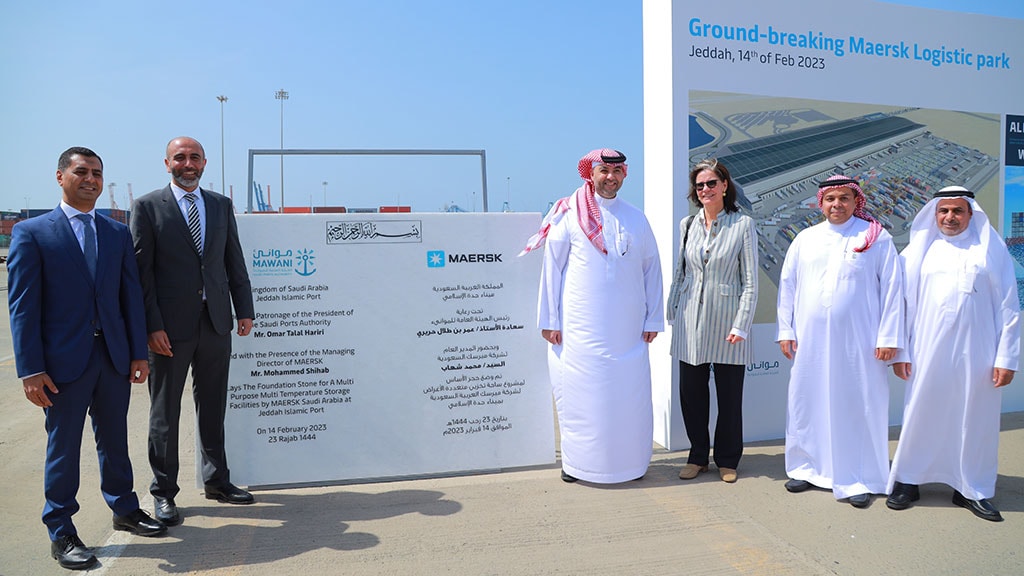
Saudi Arabia’s burgeoning e‑commerce sector has taken a strategic leap forward as the landmark partnership between Maersk Saudi Arabia and Saudi Post transitions from agreement to action. Evidence is already emerging that this alliance—anchored by Maersk’s newly launched Integrated Logistics Park in Jeddah—is beginning to streamline the kingdom’s supply chains and attract international players.

Operations in Jeddah have officially begun, with Maersk overseeing global transport, bonded warehousing, and origin-end logistics, while SPL manages express customs clearance and last-mile delivery domestically. The MoU, signed on 3 July 2025, outlines joint digital integration, combined marketing, coordinated customer service and operational efficiency.

Industry sources suggest that several multinational online retailers are in advanced talks to leverage the new gateway. Although specific names have been withheld, analysts view the integrated model as particularly attractive to Asia‑based brands seeking fast, low‑cost market entry into Saudi Arabia and the wider Gulf Cooperation Council.

Experts highlight that Maersk’s global reach combined with Saudi Post’s local footprint addresses major bottlenecks in cross-border trade—namely customs delays and fragmented distribution networks. SPL’s national infrastructure, originally developed to support Vision 2030’s economic diversification goals, now aligns seamlessly with Maersk’s logistics corridors.

Karsten Kildahl, Maersk’s Chief Commercial Officer, previously noted that global supply chains remain unpredictable, and enhanced visibility and resilience are crucial for upstream customers. This partnership directly supports those objectives via real‑time digital tracking, automated handovers, and unified service teams.

Market response has been swift. Regional logistics analysts report a 15% increase in inbound parcel volumes through Jeddah’s port cluster in the past month compared to the same period last year. While other factors—such as seasonal demand shifts—are at play, the increase aligns with the ramp‑up of cross-border operations facilitated by the Maersk–SPL alliance.

Customs officials in Jeddah confirm expedited clearances under a “premium e‑commerce lane” established within the SPL framework. They say this streamlining has shaved several days off processing times for inbound B2C shipments, helping foreign brands meet tight delivery schedules.

Saudi Post’s International Business Sales Director, Rouni Saad, stated the arrangement “is pivotal in streamlining cross‑border e‑commerce flows to and from the Kingdom … enhancing connectivity, reliability and growth opportunities across the region”. Maersk’s Ahmed Al Olaby added that combined networks would meet the growing demand for efficient fulfilment by global players entering or expanding in the Saudi market.

Consultants note that Saudi Arabia is now positioned to compete more effectively with regional hubs such as Dubai, which has long served as the GCC’s principal logistics centre. With the integrated infrastructure online, analysts predict intra‑GCC e‑commerce flows will re‑route through Jeddah over the next six to twelve months.

The alliance also aligns with Saudi Vision 2030, reinforcing the kingdom’s commitment to modernise its logistics backbone. By linking global ocean routes with domestic delivery channels, the partnership promises smoother, faster access to consumers in a market anticipated to grow double‑digit annually in e‑commerce sales.

However, questions remain around digital interoperability. The MoU commits to systems integration, but execution will depend on effective collaboration between both entities’ IT architectures. Some industry insiders stress the need for standardised APIs and seamless data sharing to avoid fragmentation.

Scaling services beyond major urban centres, and replicating integration in other GCC markets, pose additional challenges. Achieving cohesive bonded fulfilment across borders demands regulatory alignment and bilateral coordination.

Alibaba Cloud has unveiled its third data centre in Malaysia and confirmed plans for a second facility in the Philippines, deepening its infrastructure presence in Southeast Asia. The Malaysian centre became operational on 1 July 2025, while the Philippine hub is scheduled to launch by October 2025. These moves are part of Alibaba’s broader efforts to bolster cloud and AI services across the region.

Growth in cloud demand and the strategic importance of Southeast Asia underpin this expansion. Alibaba Group’s cloud division has embarked on a $52 billion investment over the next three years to build a unified global cloud network, spanning Asia, the Middle East, Europe and the Americas. Southeast Asia has emerged as a pivotal battleground as enterprises accelerate AI adoption and seek resilient digital infrastructure.

At a summit in Singapore marking Alibaba Cloud’s tenth anniversary in the city-state, Eddie Wu, CEO of Alibaba Cloud, highlighted the company’s strategy: “Globalisation is Alibaba Cloud’s long‑term strategy,” he said, adding that the company would “accelerate the development of its global cloud computing network”. These statements reinforce Alibaba’s ambition to deliver end‑to‑end cloud services, spanning compute, storage, networking and AI capabilities.

This announcement follows earlier infrastructure roll‑outs across Asia. The company deployed a second data centre in South Korea in June 2025 and launched new regions in Thailand and Mexico in the first half of the year. Strategic market withdrawals from Australia and India in 2024 appear to be counterbalanced by intensified investment in high‑potential markets.

Southeast Asia’s accelerating digital transformation is creating rising demand for secure, scalable cloud services. Malaysia, with its growing ecosystem of startups and tech‑savvy enterprises, will now benefit from three Alibaba Cloud zones, an improvement in redundancy and local connectivity. The Philippine expansion addresses growing demand in Manila and surrounding urban centres, where cloud adoption is being propelled by fintech, e‑commerce, and the BPO sector.

At the Singapore summit, Alibaba also launched its AI Global Competency Centre, designed to support over 5,000 businesses and 100,000 developers. The centre offers access to advanced AI models, labs and infrastructure support. These investments aim to accelerate enterprise AI adoption by providing both tools and training through partnerships with more than 120 universities, aiming to train 100,000 AI professionals annually.

In addition to infrastructure, Alibaba Cloud is upgrading its cloud offerings. The ninth‑generation intel‑based Enterprise Elastic Compute Service will roll out across Malaysia, the Philippines, Japan, South Korea, Thailand, UAE, Germany and the UK from July. Enhancements to its Data Transmission Service and Platform for AI demonstrate a push to simplify deployment of large language models and accelerate inference capabilities.

Competitive pressure in Southeast Asia is intensifying, with other hyperscalers—AWS, Microsoft Azure, Google Cloud—announcing new regions and services. Alibaba’s bets on localised data centres, AI‑centric products and talent development programmes are its response to positioning itself as a regionally integrated cloud‑AI partner.

Regulatory headwinds and trade tensions, particularly restrictions on Chinese cloud firms, lend further urgency to Alibaba’s diversification strategy. By embedding infrastructure in Southeast Asia, the company aims to mitigate geopolitical risk, offer compliant local services and deliver low‑latency performance.

Corporate results reflect this momentum: Alibaba Cloud has reported double‑digit year‑on‑year growth in AI‑related product revenues for six consecutive quarters, with Q4 cloud revenue hitting CNY 31.7 billion and quarterly growth of 13%. These figures position the unit as the fastest‑growing segment within the broader Alibaba Group.

Tech analysts and regional partners have praised the expansion as timely. “These deployments will significantly improve resilience, latency and service coverage across key markets,” remarked a Southeast Asia‑based CIO. A telco executive added that local data centres are crucial to scaling AI‑powered services like real‑time analytics, IoT and smart city infrastructure.

Channel partners in Malaysia and the Philippines, including telcos and systems integrators, anticipate accelerated digital transformations. Industry groups reported a surge in enquiries following the Malaysian centre’s opening, particularly from manufacturing and education sectors. Cloud‑native startups welcomed the news, viewing the increased compute availability as essential to scaling AI‑driven products.

Optimising energy use and sustainability is also part of the plan. Alibaba’s “Energy Expert” ESG‑focused reporting tool integrates AI into energy management. This aligns with industry benchmarks that 84% of leaders see green AI as important, although 69% are still at early adoption stages. Emerging green data centre practices—including renewable power sourcing and efficient cooling—are expected to feature prominently in the Southeast Asian roll‑outs.

The Malaysian data centre opens amid strong macro trends: Malaysia’s digital economy was projected to grow at over 10% annually through the next five years, while Philippine cloud adoption is forecast to grow at a similar rate, driven by government digitalisation policies and enterprise cloudisation. As Alibaba deploys this enhanced infrastructure, both nations are expected to see AI‑centred cloud services gain momentum in verticals ranging from finance to manufacturing.


Iran has reopened its airspace and most airports to domestic and international flights after a total shutdown that began on 13 June amid escalating hostilities with Israel. Transit operations over central and western regions are permitted between 05:00 and 18:00 local time, though services from Isfahan and Tabriz remain on hold until essential safety measures are reinstated.

Authorities confirmed that both Mehrabad and Imam Khomeini airports in Tehran, alongside facilities in the north, east, west and south, are now operational during daylight hours. Western and central corridors are open solely to international transit flights, while eastern airspace had already been accessible continuously. Domestic flights to and from Tehran and regional airports will resume once infrastructure is fully restored in line with civil aviation guidelines.

The closure followed a series of Israeli airstrikes on Iran—targeting nuclear sites, missile production facilities and senior military figures—which prompted a robust Iranian response and prompted precautionary airspace closures across neighbouring nations, including Iraq, Jordan and the Gulf states. Airlines rerouted or cancelled flights as a prelude to the region-wide suspension of air travel.

A ceasefire that took effect on 24 June gradually paved the way for these reopenings. Initial access was granted to the eastern region on 25 June, subsequently extended to central and western sectors by 28 June. However, intermittent military alerts and infrastructure disruptions have delayed full normalisation, particularly in Isfahan and Tabriz, where further runway and navigation enhancements are ongoing.

The staggered reopening reflects Tehran’s cautious approach. Majid Akhavan, a spokesman for the Ministry of Roads and Urban Development, made it clear that air traffic remains under stringent review. He urged travellers to monitor official announcements and refrain from heading to airports until confirmed schedules are issued, citing lingering security concerns.

Flight carriers are cautiously recalibrating their routes. Dubai-based Emirates, while slated to resume flights to Tehran on 5 July, continues to suspend services citing regional instability. Air Arabia, flydubai and other Gulf-based airlines are restoring routes to Iran incrementally, yet remain poised to implement rapid reroutes if tensions escalate. India’s airlines, affected by reroutes over Pakistan earlier this year, are closely tracking developments as Iran reopens key air corridors.

The restoration also supports humanitarian efforts, as demonstrated in June when Iran temporarily opened its airspace for Operation Sindhu, aiding the evacuation of around 1,000 students via charter flights. That exception underscored a willingness to prioritise civilian movement despite the turbulent context.

Analysts indicate that Iran’s role as a major air transit hub linking Europe and Asia makes its airspace a strategic asset for global aviation. The closure had already prompted prolonged flight schedules, increased operational costs and forced carriers into longer routes over Central Asia or Gulf nations. Renewed access is expected to alleviate congestion, reduce costs and enhance connectivity—provided the ceasefire endures.

Security remains the overriding determinant. The aftermath of Israeli strikes revealed Iranian air defences were significantly degraded, prompting internal crackdowns, arrests and increased surveillance across Tehran. This atmosphere continues to inform aviation authorities and airlines evaluating the risks of resuming services fully.

As daylight flight operations proceed, aviation experts caution that any flare-up could trigger speedier closures than in June. The Ministry has signalled readiness to reinstate restrictions at short notice. Safety advisories emphasise real-time assessments of missile threats, missile defence readiness and diplomatic ties.

KAOHSIUNG, TAIWAN – Media OutReach Newswire – 4 July 2025 – A huge congratulations to Kaohsiung for once again ranking No.1 in tourism satisfaction nationwide and brought home double gold international awards! According to the 2025 “Global Views Monthly” survey on the performance of city mayors, Chen Chi-Mai received the highest rating among the six special municipalities and retained his five-star mayor status. Kaohsiung ranked first in […]

Launches Extended Round to Accelerate Climate Tech Innovation Across Indonesia SINGAPORE – Media OutReach Newswire – 3 July 2025 – GreenTeams, a rapidly growing climate technology company advancing data-driven environmental governance in Indonesia, has announced the successful close of its Series A funding round. The round was led by Oriza Greenwillow Technology Fund. Operating at the intersection of environmental intelligence, regulatory compliance, and industrial decarbonization, GreenTeams empowers […]

KUALA LUMPUR, MALAYSIA – Media OutReach Newswire – 3 July 2025 – Crypto volatility poses both potentially spectacular possibilities and enormous risks. For example, by investing in crypto assets on the spot market, traders buy the crypto and, hence, risk their budget if the price drops and never returns to the initial position. Instruments like crypto CFDs (Contracts for Difference) provide more opportunities for flexible capital management […]

VISHNU RAJA
RYO YAMADA
HITORI GOTOH
IKUYO KITA