Just in:
Fujairah highway pile-up leaves 14 dead and 30 injured // December Is the Last Window for $800,000 U.S. Residency Investment // Crescent Enterprises venture arm funds Oyster Therapeutics development // ONYX Hospitality Group Unveils Plans for Amari Samui Resort and Villas, Elevating Its Premium Resort Offering on Koh Samui // U.S. Democratic Leadership Starts Dialogue With Progressive Bloc For Joint Strategy // Ajman University MBA climbs to joint 13th regionally // From Dubai to the EU: how UAE-based crypto firms can expand under MiCA // Electric and hybrid interest rises at Sharjah car market // Forged court directives trigger probe into website blocking // Ration dealers seek GPS aided grain deliveries // LANDMARK Presents ‘Destination CENTRAL’: A District-Wide Celebration Inviting Global Travellers to Explore the Dynamism, Luxury, and Soul of Central // L’OCCITANE Celebrates 50 Years Of Provençal Craftsmanship With Holiday 2026 Collection // Ladakh Ban On Protests Ahead Of Election Is Uniquely Contentious // High Court orders scrutiny of Thachankary hospitalisation // Modi ally flags youth opportunities gap despite growth // DP World transports million containers through UAE corridors // Wizz Air half-year earnings sink as fuel costs surge // Yicura BioMed Advances Dual Capital and Industrial Strategy: Completes First Closing of Series B Financing Led by Gobi Partners // UAE crews sustain coastal oil removal as beaches reopen // Nvidia appoints Colette Kress interim chief after Huang departure //

News related to
Asia

Cushman & Wakefield Greater China has been honoured with three five‑star awards at the 2025 Asia Pacific Property Awards, recognising its excellence in commercial real estate services across the region. The firm also received an additional “Award Winner” designation, strengthening its regional leadership credentials. Judged by an expert panel comprising property professionals, these awards are regarded as one of the industry’s most prestigious marks of quality, celebrating […]

HONG KONG SAR – Media OutReach Newswire – 19 June 2025 – Cushman & Wakefield, a leading global real estate services firm, has again been recognized at the Asia Pacific Property Awards, scoring three best Five Star Awards plus one “Award Winner” for outstanding achievements in the Greater China commercial real estate market, highlighting the firm’s leading industry position and exceptional service offerings. Best Property Agency/Consultancy China […]

Egyptair has confirmed an order for six additional Airbus A350‑900 wide‑body aircraft, increasing its total commitment to 16 for the type. Chairman and Chief Executive Captain Ahmed Adel said the deal will enable the carrier to meet escalating passenger demand and support an ambitious global expansion set for completion over the next five years. The announcement, made at the Paris Air Show on 18 June 2025, follows […]

KUALA LUMPUR, MALAYSIA – Media OutReach Newswire – 16 June 2025 – This week is set to be a pivotal one for financial markets in general and Forex market in particular as four major central banks—the Bank of Japan (BoJ), the U.S. Federal Reserve (Fed), the Swiss National Bank (SNB), and the Bank of England (BoE)—are scheduled to announce their latest decisions on interest rates. Their policy […]

Nivex, formerly known as Nx.one, has re-emerged in 2025 with a strategic repositioning as a cutting‑edge AI‑powered trading platform, signalling a major transformation from its Web3 origins into a global crypto‑finance innovator. Leveraging generative algorithms as the operational core, Nivex aims to elevate trading from human‑driven execution to autonomous, intelligent systems.

Powered by over 45 AI‑based strategies spanning arbitrage, trend‑following and swing trading, the platform reports impressive performance metrics. Annualised returns range from 60 % to 3 500 %, win rates hover between 85 % and 95 %, maximum drawdowns are tightly controlled at 15–70 %, and Sharpe ratios exceed 2.6 — all underpinning over USD 1 billion in assets under strategy management as of Q2 2025. One standout offering, “BTC Grid Arbitrage + AI Risk Control”, executed 540 trades in 2024 with a 92 % success rate and yielded a total return of 272 %.

At its heart, Nivex purports AI is not simply a feature, but the platform’s operating system. Users define goals and the AI assumes responsibility for detecting trends, assembling strategies, allocating capital, managing risk and executing trades at millisecond speeds. Combined with a suite of tools including spot and futures trading, dollar‑cost averaging and grid trading, the platform positions itself not as an exchange, but an intelligent asset engine.

A central component of Nivex’s offering is its AI Strategy Engine, which supports customizable parameters—such as leverage, stop‑loss, DCA and drawdown limits—and integrates institutional-grade strategies. Complemented by Smart Yield and AI Lending systems, users can earn APYs of up to 60 % on fixed terms, while automated lending tools continually optimise on‑chain opportunities.

Critical to its ambitions is delivery of institutional‑grade signal copying. By aggregating signals from global quant funds, Nivex enables retail users to subscribe and replicate live trades via automated execution, stop‑loss and performance tracking—without any coding. The company asserts this approach raises win rates by 30 % and improves execution speed by 80 % compared with manual trading.

Nivex is also developing an “Institutional Buying Heat Index” based on fusion of ETF flows, on‑chain transfers, CEX‑DEX liquidity movements and sentiment signals. This engine converts macro and micro market trends into actionable portfolios for both retail users and institutional clients via APIs and data subscriptions.

Compliance and geographic expansion underpin Nivex’s credibility. The platform operates service centres in North America, Dubai, Hong Kong, Singapore and Southeast Asia, holding licences with FinCEN and MSB, and pursuing approvals from MAS, VARA and AUSTRAC. It also hosted AI‑driven closed‑door summits at Token2049 Singapore, attracting industry leaders such as Justin Sun of TRON.

Industry analysts highlight a growing shift in trading infrastructure—from simple order‑matching to data‑driven, strategy‑oriented platforms. Nivex exemplifies this trend, providing automated AI‑based strategy execution at a time when global investment in AI surpassed USD 350 billion in 2024.

The AI trading platform market is projected to grow from USD 11.5 billion in 2024 to USD 75.5 billion by 2034, at a CAGR of 20.7 %, driven by high demand for automation, faster decision‑making and cost reduction. Within this context, major players include Kavout, Numerai and Algotraders — yet Nivex’s rapid integration of AI, compliance and global deployment positions it as a formidable contender.

Yet adoption of AI in trading brings challenges. Regulatory regimes struggle to keep pace, raising concerns about algorithmic opacity, data integrity and algorithmic bias. Nivex appears conscious of such risks, emphasising transparency, backtesting via a Strategy Lab, risk‑control features and strict KYC/AML protocols.

From a user experience angle, Nx.one’s prior focus on intuitive interface design, multi‑language support, real‑time analytics and security layer architecture—including multi‑signature wallets, cold storage, encryption, firewall defences and audit transparency—appears retained under Nivex.

CEO Simon highlighted Nivex’s core vision: “We’re not building a cheaper exchange—we’re building a smarter platform. Let the system trade for you. Let AI manage risk. Let data create wealth,” adding, “In the next five years, the most valuable asset won’t be trading skills. It’ll be your connection to a system that improves itself”.


JD.com is preparing to deploy a regulated stablecoin through its Hong Kong arm as part of a significant expansion into digital payments. Its subsidiary, Jingdong Coinlink Technology Hong Kong, entered the Hong Kong Monetary Authority’s stablecoin sandbox in July 2024. The project is testing tokens pegged to the Hong Kong dollar and other major currencies, aiming for a wider rollout in the fourth quarter of 2025.

Tests performed by JD Coinlink have covered cross-border payment mechanisms, retail use cases—initially in JD Global’s Hong Kong and Macau markets—and investment applications on a public blockchain, ensuring transparency and regulatory compliance. JD is targeting integration across its extensive e-commerce ecosystem, including fast‑settling transactions for global trade, M&A deals, B2B settlements and consumer checkouts.

Richard Liu, JD’s founder and chairman, highlighted the company’s aim to secure stablecoin licences across major currency jurisdictions, citing the potential to cut cross‑border payment costs by up to 90 per cent and reduce settlement times to approximately 10 seconds. Liu underlined that once B2B applications prove viable, JD intends to broaden the stablecoin’s use to everyday consumer purchases within its platform.

The HKMA granted licences only to firms demonstrating robust risk controls and consumer protections. Under the Stablecoins Ordinance, which passed on 21 May 2025, issuers using or referencing the Hong Kong dollar must obtain formal approval and meet stringent obligations including reserve backing, redemption rights, transparent governance and segregation of client assets.

Jingdong Coinlink is complemented by parallel efforts to issue an offshore yuan stablecoin, though its launch hinges on regulatory authorisation from mainland authorities. This aligns with wider interest in the stablecoin market: Ant Group is also pursuing Hong Kong licences, and Western giants including JPMorgan, PayPal and Standard Chartered are racing to launch stablecoins.

Hong Kong’s regulatory clarity gives JD.com and its peers a regional advantage. The sandbox initiative, begun in March 2024, enabled live testing under HKMA supervision prior to licence application. With the Ordinance’s full force due on 1 August 2025, JD appears well aligned to capitalise on a rapidly evolving framework.

JD’s stablecoin will be issued on a public blockchain, enabling open verification of issuance volume and reserve data. CEO Liu Peng confirmed that the second phase of testing concluded in May, focusing on cross-border, retail and investment use cases. Assuming regulatory approval, licensing and integration plans are on track for Q4 2025.

These efforts form part of JD’s broader strategy to become a fintech powerhouse. The company recently expanded in food delivery and consumer finance, acknowledging a “lost” five‑year stretch of innovation. Its current push builds on JD’s in‑house blockchain infrastructure—Zhizhen Chain—which already facilitates roughly US $7 billion annually in supply‑chain finance.

Industry analysts observe that JD’s combination of logistics, e‑commerce reach and blockchain technology positions it uniquely among digital‑asset issuers. With nearly 600 million active users and operations spanning over 20 countries, the company could accelerate stablecoin adoption by integrating token payments into its merchant network.

As global stablecoin activity accelerates—fuelled by regulatory developments like the U.S. GENIUS Act and Hong Kong’s licensing framework—JD.com may emerge as one of Asia’s first large-scale retail-facing stablecoin providers.

Depending on its licensing trajectory, JD plans to list its stablecoin on regulated exchanges and deploy it on a public blockchain in Q4 2025. Beyond the HKD coin, the company is developing offshore yuan functionality, pending mainland approval.

By K Raveendran With the likelihood of a diplomatic solution appearing increasingly distant, West Asia is now clearly veering toward a longer and more intense confrontation, one that may significantly reshape economic, geopolitical, and energy dynamics not only in the Middle East but globally. What was initially perceived as a retaliatory exchange following months of […]
Advertisements

UAE authorities have deployed emergency measures across major airports to manage widespread disruptions after several Middle Eastern nations, including Iran, Iraq, Jordan, Syria and Israel, shut their airspace due to escalating geopolitical tensions. The Federal Authority for Identity, Citizenship, Customs and Ports Security activated its emergency business‑continuity protocol to maintain essential operations with minimal interruption.

Field teams operating round‑the‑clock at Dubai International, Dubai World Central, Abu Dhabi’s Zayed International and Sharjah International airports have been reinforcing frontline support, immigration coordination and airline rescheduling. Real‑time information desks, logistical assistance and temporary accommodation arrangements have been offered to travellers affected by cancellations or delayed connections.

ICP emphasises its swift response was made necessary by the abrupt airspace closures prompted by the intensifying Iran–Israel conflict. Comprehensive coordination among operational stakeholders and deployment of advanced technologies aim to secure passenger safety, uphold service quality and maintain passenger flow amidst turbulent circumstances.

International carriers—including Emirates, Etihad, Qatar Airways, British Airways, Lufthansa and Air India—have been rerouting flights via Central Asia and the Mediterranean to avoid restricted zones. Estimated additional travel durations and increased fuel requirements are among the logistical adjustments implemented by airlines. Eurocontrol reports that roughly 1,400 daily flights across Europe–Asia–Gulf corridors were affected, spotlighting the magnitude of the disruption.

UAE’s aviation stakeholders have issued traveller advisories urging early check‑in, constant monitoring of flight status updates and openness to alternate routing. Visa‑holding visitors are also being advised to renew stay permits promptly to avoid fines due to unexpected delays in departure schedules.

Analysts warn that ongoing geopolitical volatility may prolong airspace closures, potentially escalating operational costs for airlines and straining global travel chains. The UAE’s crisis‑management protocol is being watched closely by global aviation regulators as a case study in maintaining continuity under pressure.

Passengers at UAE airports have, according to the ICP, cooperated with staff amidst what they describe as “exceptional regional circumstances.” This collaboration has been cited as instrumental in allowing swift rescheduling and maintaining operational flow. ICP reiterates its commitment to ensuring passenger security without compromising service standards.

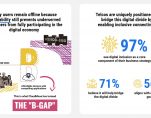
New research from CloudMosa shows digital inclusion is shifting from CSR to a core business strategy – and telcos stand to gain if they move quickly Majority (97%) of telco leaders say digital inclusion is now central to their business strategy, driven primarily by the need to bridge the digital divide (71%) With 92% of respondents seeing a strong alignment with government affordability initiatives as a key […]

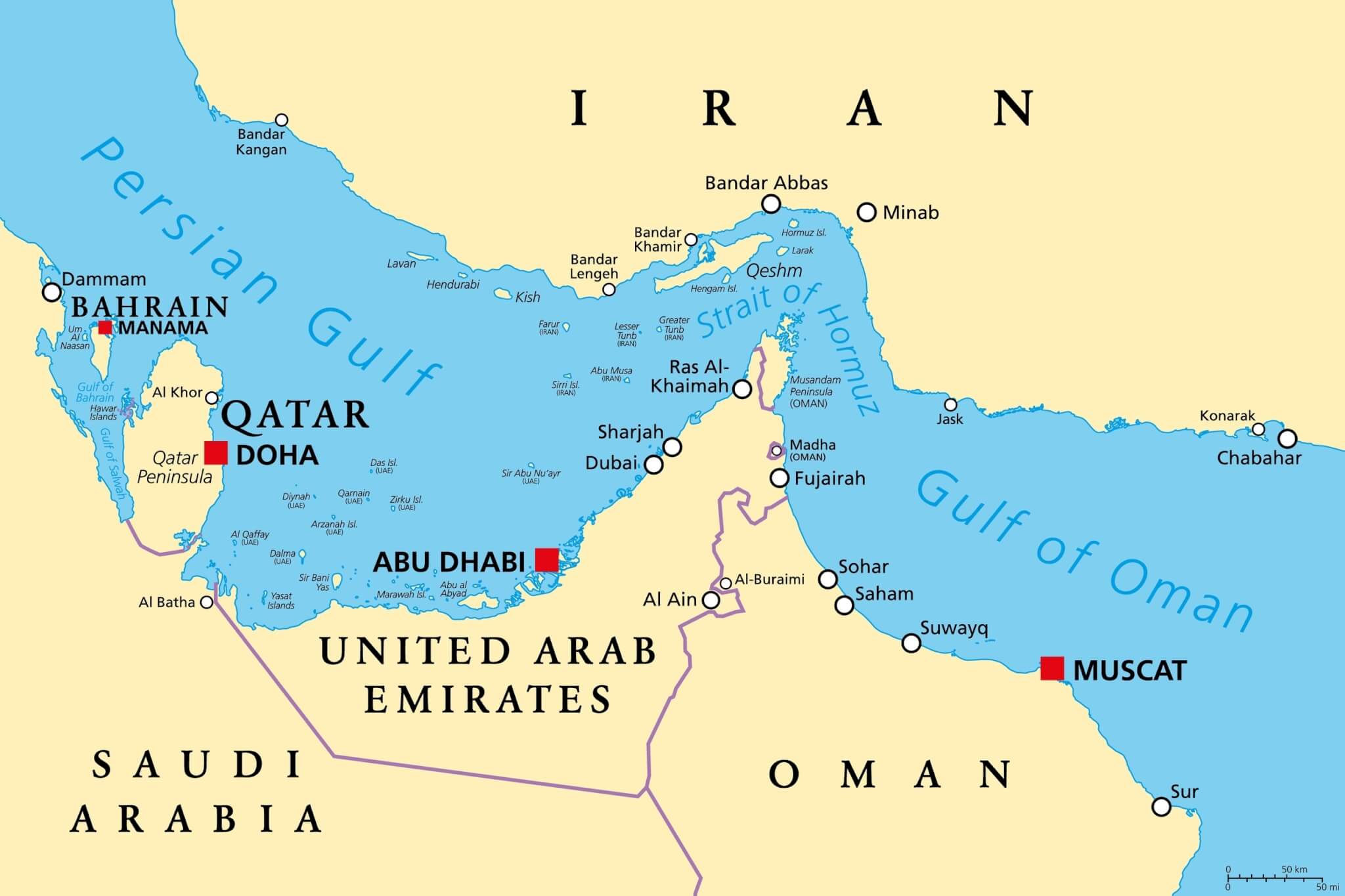
Qatar has instructed LNG carriers to remain outside the Strait of Hormuz until one day prior to loading operations as regional security risks heighten, with officials emphasising that this measure is precautionary and unlikely to disrupt overall supply volumes.

The directive from QatarEnergy affects vessels bound for the Ras Laffan terminal, one of the world’s largest liquefied natural gas export facilities. Around a dozen carriers are idling in ballast outside the terminal, awaiting final instructions before undertaking brief, tightly scheduled transits through the strait.

Market indicators reacted swiftly: European gas prices surged as much as 4.8%, while Asian benchmarks inched upward amid growing concern over potential delivery delays. Despite this, analysts and industry insiders maintain that the streamlined entry process—coupled with Qatar’s steady production—should keep cargo volumes within normal parameters.

This move aligns with contingency efforts by the world’s third-largest LNG exporter. Industry sources confirm that the carriers will execute “quick entry and speedy exits” across the Hormuz passage, necessitating precise scheduling and coordination with maritime authorities.

Analysts acknowledge that about 20–25% of global LNG traffic transits the Strait, underscoring its significance as a logistical chokepoint. Instructing vessels to loiter offshore aims to reduce their vulnerable exposure time in the strait.

Strategic analysts warn that escalating tensions—particularly after recent military exchanges involving Israel and Iran—increase risks for all Gulf shipping. Tehran has threatened to seal off the strait, which could strain Qatar’s export pipelines and ripple through global energy markets.

Despite geopolitical headwinds, Qatar’s production at the South Pars/North Field complex remains steady. The foreign ministry emphasised that LNG output and shipments continue to follow their usual course, even as the country takes enhanced security measures.

Operational insights from shipping analysts describe a familiar summer idling pattern, but note slight increases in loitering time and cautious routing. Vessels such as the tanker HLAITAN are reportedly waiting outside the strait in anticipation of load orders.

Market response has been modest. European gas hubs such as TTF recorded price rises of around 4–5%, while the Asia‑Pacific’s JKM benchmark reached nearly $14 per mmBtu, marking a $1.20 uptick since mid‑June. CNBC‑style commentary points out that the precautionary shift is “unlikely to cause major disruption,” although insurers are adjusting premiums to reflect the heightened transit risks.

For global exporters and importers, Qatar’s stance underscores a renewed emphasis on maritime risk management. Shipping firms are increasingly factoring geopolitical volatility into their routing and scheduling protocols. International insurers have begun revising coverage for LNG carriers traversing the Gulf, citing increased premiums tied to potential missile or drone threats in the region.

Qatar’s approach enables more controlled maritime planning: by delaying vessel entry until close to the loading window, the country limits their exposure to strategic bottlenecks and regional flare‑ups. This calculated move underscores Doha’s dual priorities of maintaining export reliability and protecting vital shipping assets.

Vietnam leads Southeast Asia in financial confidence and readiness for major purchases, Visa survey With Visa Flex Credential, consumers can seamlessly choose how they pay, via credit, debit, and more, all on a single credential, redefining the future of payments HCMC, VIETNAM – Media OutReach Newswire – 17 June 2025 – Visa (NYSE: V), a global leader in digital payments, announced the launch of Visa Flex Credential, […]

Greenlogue/AP Aptly named California Residences, the latest green‑living enclave by Infracorp has launched sales in Dubailand, with one‑ to three‑bedroom apartments starting at AED 1 million. Positioned within the broader California Village master‑plan, the AED 600 million project embraces minimalist design, expansive landscaping and wellness‑focused amenities, marking a notable entry in Dubai’s sustainable real estate sphere. The California Village community spans 112,127 sqm and comprises the California Residences apartments alongside villas and […]

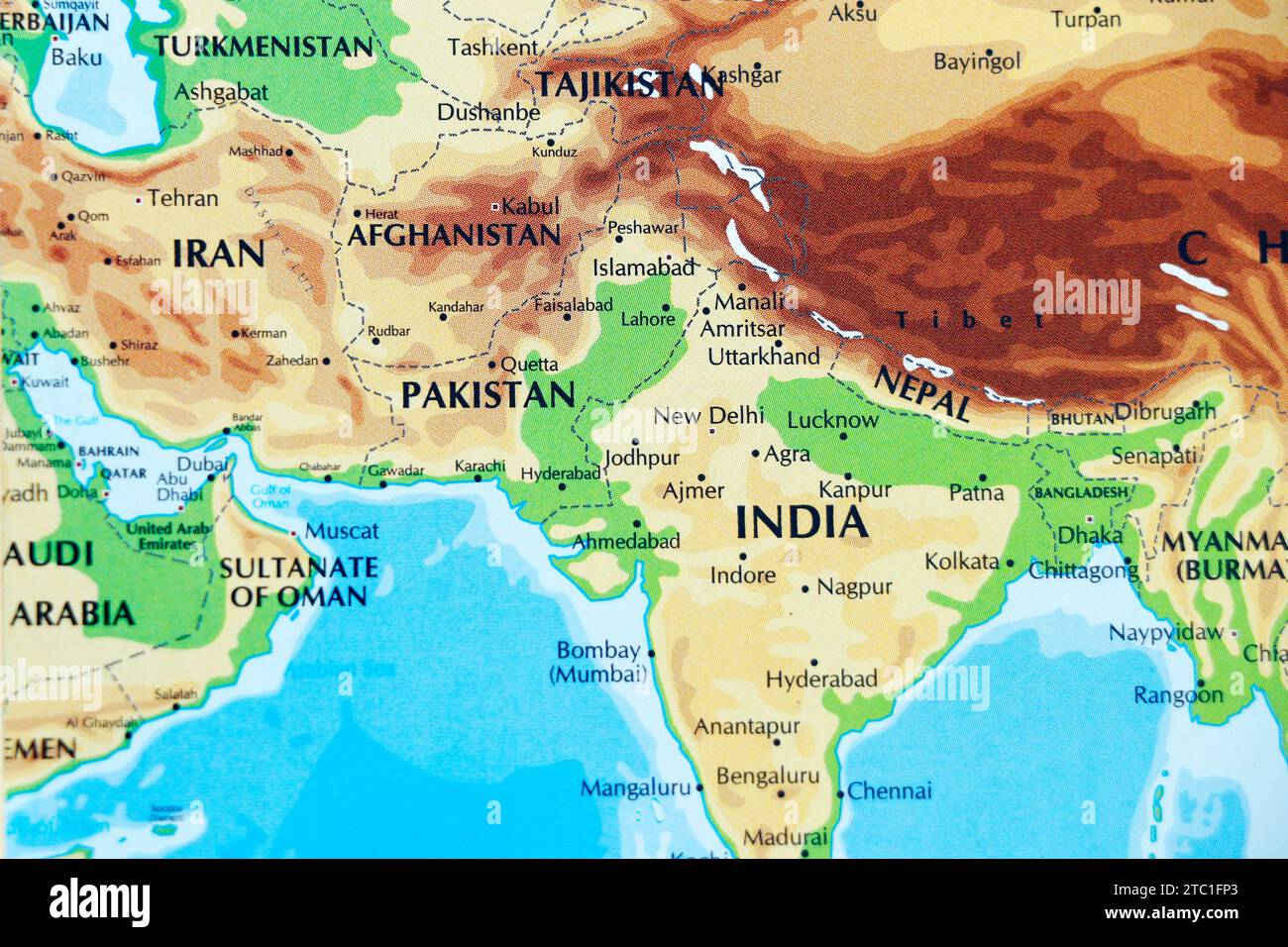
Asian Cricket Council officials are accelerating preparations to shift the 2025 Asia Cup to the United Arab Emirates, prompted by escalating diplomatic tensions and logistical barriers between India and Pakistan. Originally awarded to India, the tournament, scheduled for September, will adopt a neutral venue in a bid to preserve participation from all eight qualifying teams. Sources within ACC and Pakistan Cricket Board suggest that holding the entire tournament in UAE offers the only viable path forward, ensuring both cricketing integrity and commercial viability.

Accruing nearly US$170 million in media rights, the Asia Cup commands considerable financial stakes. With India and Pakistan at the centre of its appeal, organisers are unwilling to jeopardise the competition. Forbes reports confirm that ACC officials have concluded that relocating the tournament is more feasible than attempting a hybrid model involving split venues. The UAE becomes the default choice, replicating approaches from previous tournaments when political dynamics between South Asian nations hindered full-fledged hosting arrangements.

PCB figures confirm that Pakistan will participate in the UAE-hosted event, despite its reluctance to travel to India. Pakistan also plans a preparatory tri-series in August in Dubai involving Afghanistan and the UAE team—effectively replacing previously scheduled fixtures and maintaining match readiness should the Asia Cup shift occur. With the PCB’s Mohsin Naqvi doubling as ACC president, such parallel initiatives underscore Pakistan’s active role in preserving the tournament’s continuity.

Yet India has maintained a discreet stance. The Board of Control for Cricket in India has neither confirmed nor denied its capacity to host or participate, with internal caution dominating its external posture. BCCI secretary Devajit Saikia recently refuted reports that India would withdraw from all ACC events. Still, precedent indicates India’s avoidance of Pakistan-hosted events: The team did not travel to Pakistan for the Champions Trophy in February–March, instead participating in Dubai under a hybrid format.

Recalling historical context affirms the ACC’s decision. In 2018, the tournament was relocated from India to UAE amid similar political friction. Such precedent sets a framework for crisis management within the sport, suggesting that regional hostilities do not necessarily derail cricketing schedules. Observers also note that India has consistently leveraged a hybrid model since 2022, notably playing Asia Cup matches in UAE and Sri Lanka rather than Pakistan.

Operationally, staging the Asia Cup in UAE will require careful planning, balancing weather conditions in September, broadcast scheduling for global audiences, and coordination with the tri-series. The PCB’s tri-series proposal is advancing, reflecting a proactive stance. Meanwhile, ACC is likely to convene soon, under Naqvi’s leadership, to finalise the tournament’s relocation, format adjustments, and confirmation of venues in Dubai and Abu Dhabi. No official announcement has yet been made, but reports from hindustantimes.com, ET and ProPakistani align in describing the move as imminent.

Stakeholders are weighing broader implications. Indian broadcasters and advertisers depend heavily on premium fixtures, particularly India–Pakistan matches that attract unparalleled viewership. A full UAE tournament may retain this commercial allure while circumventing diplomatic entanglements. For smaller teams such as Hong Kong, Oman and UAE—each having qualified through ACC’s Premier Cup—the neutral format ensures on-field exposure without political fallout.

However, dissenting voices warn against complacency. Some Pakistani conspirators question whether a UAE relocation diminishes Pakistan’s role as host, contrary to its status as 2025 Champions Trophy host and an ACC full member. Conversely, BCCI’s insistence on a hybrid model has previously delayed Pakistan-based hosting, but this time the initial hosting rights belong to India. Any pivot could attract scrutiny over ACC governance and fairness, adding dimension to an already complex political backdrop.

Supporters of the hybrid model note that India’s hybrid strategy for the Champions Trophy earlier this year preserved integrity but exposed limitations. Attendance at Dubai was lukewarm; Australia–India clashes lacked the vibrancy typical of full-capacity Pakistan venues. UAE’s smaller suburban stadiums and shorter pitches may limit spectator buzz, but logistical expediency and political neutrality weigh heavily.

Athletes themselves face uncertainty. India and Pakistan players have not toured regularly since 2008 in bilateral series, and momentum often arises through ICC events. The Asia Cup in UAE represents another opportunity for competitive engagement before the T20 World Cup in 2026. With eight teams and nineteen matches planned, this Asia Cup holds relevance for Qatar 2026 preparations. Still, fragmented venues and political overtones could overshadow performance, causing players and fans to question cricket’s autonomy from geopolitics.

As the ACC readies its final call, timing remains critical. A decision made before July is necessary to confirm bilateral arrangements, tickets, broadcasting contracts, and tri-series scheduling. ACC’s resolution will reverberate across regional cricket administration, testing confidence in neutral venues as a template for coping with diplomatic disruptions.

Thailand has authorised a five‑year exemption from capital gains tax for digital asset sales conducted through SEC‑licensed platforms, functioning from 1 January 2025 until 31 December 2029. The legislation aims to sharpen the country’s advantage in the regional crypto landscape by lowering investor costs and enticing increased trading activity.

Under the measure, individuals realising gains from digital assets via regulated exchanges will face zero capital gains tax throughout the five‑year window. Prior to this, profits were subject to personal income tax rates—reaching up to 35 per cent depending on annual earnings—alongside a 15 per cent withholding tax on gains from non‑licensed platforms. VAT on cryptocurrency trading had already been abolished as of 1 January 2024.

Analysts believe the tax holiday is designed to reinforce Thailand’s appeal in Southeast Asia’s intensely competitive digital asset territory. With exchanges like Bitkub and Binance vying for market share, and tourists soon enabled to use crypto‑linked credit cards for local spending, Thai policymakers are signalling a strong commitment to bolster innovation while preserving investor protections.

Officials from the Thai Securities and Exchange Commission stress that the exemption applies strictly to transactions performed on SEC‑approved exchanges. Revenues from crypto trades outside those platforms will not be covered and remain taxable. Licensed operators must continue observing related regulations: comprehensive transaction reporting, watch‑lists for suspicious activity, custody rules, and coordination with law‑enforcement as stipulated under the Digital Asset Business Law.

Investor responses so far have been mixed. Market participants report that some will likely postpone realising gains until the exemption period begins. One Bangkok‑based trader remarked that the tax relief “reduces effective cost by around 15 to 35 per cent depending on your income bracket,” reinforcing Thailand’s status as Asia’s most favourable crypto tax jurisdiction for the coming years.

Critics caution that the measure may disproportionately benefit higher‑earning investors while diluting future tax revenue. Government officials argue the policy forms part of a larger strategy to boost capital market reform, as evidenced by parallel legislative updates—including measures enabling tourists to spend crypto, supporting retail access to digital government bond tokens, and enhanced SEC authority over foreign exchanges operating domestically.

The incoming regulation also supplements Thailand’s earlier decisions to exempt crypto trading from VAT from January 2024, amend withholding tax rules for licensed platforms, and permit offsetting of capital losses against gains. Expectations are rising for further alignment of digital asset rules with traditional financial regulations, part of a broader financial modernisation initiative led by the Ministry of Finance and Bank of Thailand.

As the deadline for implementation approaches, licensed exchanges are working on upgrading systems to clearly segregate tax‑exempt transactions and produce compliant audit trails. The revenue department has indicated it will deploy random checks and compliance audits, with penalties ready for any lapses in record‑keeping or reporting.

With the exemption set to begin next year, attention has swiftly shifted to whether Thailand will extend or widen the tax holiday when 2030 nears, and whether parallel measures such as tax incentives for crypto firms, custody providers, or investment token offerings will be introduced. The current package already ranks among the most incentive‑heavy digital asset tax regimes globally, likely reshaping investor allocations in the short to medium term.

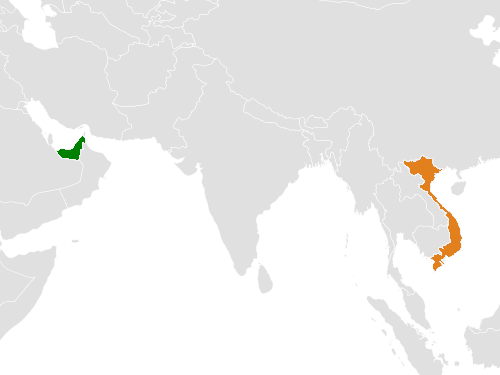
Vietnam’s Techsmart Telecom, the Institute of Information Technology and CyberSecurity, UAE’s Venom Foundation and Abu Dhabi’s GS Fund have signed a memorandum of understanding to advance a sovereign digital finance framework. The scheme centres on a national Data Centre, supervised stablecoin issuance, cross-border settlement infrastructure, cybersecurity protocols and fintech training—a landmark convergence of telecom, blockchain, finance and security sectors.

The agreement mandates Venom Foundation’s sovereign-grade Layer‑0 blockchain be deployed in Vietnam. The foundation, already liaising with central banks across Southeast Asia—including Singapore, Malaysia, the Philippines and Vietnam—will integrate ISO 20022 messaging, on‑chain KYC/AML, real-time settlements and asset tokenisation capabilities into the system. GS Fund will spearhead the data centre’s construction under a stable legal and economic regime, while IITCS tackles regulatory framework, compliance and talent development, and Techsmart manages connectivity and integration.

Work in the initial phase, set for the next 12 months, will prioritise the technical architecture, legal foundations and national infrastructure planning. Vietnam’s demographic profile—a young, technologically literate population—and its expanding cross-border fintech activities are seen as key enablers for asset tokenisation, according to Venom Foundation. Dr Hoang Phuoc Thuan of IITCS highlighted Resolution 57’s role in connecting sovereign data ambitions with e‑government and AI development.

This public–private partnership reflects Vietnam’s Digital Infrastructure Strategy, which targets universal fibre, extensive 5G coverage and advanced data centre roll-out by 2030. Venom’s Layer‑0 blockchain—already piloted in the Philippines with the Bangko Sentral ng Pilipinas—cements institutional-grade readiness for programmable finance and asset digitisation.

Regulatory progress has been underway since March’s Prime Ministerial directive, with the Ministry of Finance and State Bank of Vietnam tasked to propose a Digital Technology Infrastructure law, introduce regulated sandboxes and pilot a crypto framework by May 2025. Amid this, Vietnam’s digital asset market has grown substantially—around 17 million citizens currently hold crypto assets valued at over US $100 billion—placing the country in the top five worldwide for individual interest and top three in trading volume.

Issues remain unresolved: incomplete guidelines on exchange licensing, asset categorisation and customer protection have placed Vietnam on the Financial Action Task Force’s grey list. Integrating blockchain with conventional banking operations—spanning accounting, risk management and cybersecurity—also poses significant implementation hurdles.

Further reinforcing policy alignment, the Vietnam Blockchain Association and One Mount Group—members of the VBA—have pledged between US $200 million and US $500 million to establish a sovereign Layer‑1 blockchain, complying with Prime Ministerial Directive 05/CT‑TTg.

The final vision foresees multi-year rollout phases extending beyond initial legal and technical milestones to encompass digital payments, reduced reliance on physical cash, strengthened cybersecurity via distributed ledgers, and expanded fintech education for government and private sectors under IITCS guidance.

A landmark agreement between UAE’s Autocraft and Indonesian aerospace maintenance giant GMF AeroAsia positions the Autocraft E20+ electric vertical take‑off and landing aircraft for regional deployment, signalling a major advance in Southeast Asian air mobility. Signed on 11 June at the Indo Defence Expo in Jakarta, the memorandum of understanding enlists GMF as the official Maintenance, Repair and Overhaul partner for the E20+ platform, while establishing frameworks […]

Health authorities and clinicians across China are warning of a significant surge in COVID‑19 infections this July, driven by the NB.1.8.1 variant—a descendant of the JN.1 lineage that now dominates the country’s caseload. Public health officials in Hong Kong and Taiwan have already responded to rising case numbers with renewed masking guidance and hospital preparations.

In May, the Chinese Centre for Disease Control and Prevention identified NB.1.8.1 as the principal agent behind the sharp rise in cases nationwide, mirroring similar trends across Asian neighbours. Evidence from CDC screening in the United States detected NB.1.8.1 infections among travellers from Asia between late April and mid‑May, reinforcing concerns over its transmissibility. Preliminary Chinese research indicates the variant may bind more effectively to human cells than predecessors, potentially accelerating its spread.

Hospital insiders in China refer to an uptick in “white lung” patterns—dense opacifications on chest scans—and sudden deaths among previously healthy middle‑aged adults, although experts emphasise the term remains colloquial and lacks precise medical definition. At the same time, nothing yet suggests the emergence of a new pathogen. Health agencies, including the WHO, note the wave aligns with rising circulation of known respiratory agents—COVID‑19, influenza, RSV and mycoplasma—without evidence of an unusual strain.

Hospitals in Beijing and Liaoning report increased admission volumes, with clinics in cities like Dalian and Chongqing grappling with larger-than-normal respiratory caseloads. Despite this, national health statements have stressed that surveillance shows no new pathogens, attributing the climb to seasonal factors and immunological gaps following post‑lockdown easing.

Regional governments have reinstated basic safeguards—including mask recommendations on mass transit and in healthcare settings—in response to the epidemiological models forecasting July peaks. Authorities in Taiwan have also begun stockpiling vaccines and antivirals in anticipation of increased demand.

Global health bodies are closely monitoring: CDC representatives in the U.S. maintain active communication with counterparts in China, Hong Kong and Taiwan regarding variant spread. Several cases of NB.1.8.1 have been recorded at U.S. ports of entry, though limited sequencing has so far prevented it from showing up prominently in national variant dashboards.

In vaccine policy circles, U.S. regulators are debating updates for the autumn season, with mRNA manufacturers presenting candidate boosters targeting JN.1 lineages—such as LP.8.1—that could also offer immunity against NB.1.8.1.

Metapneumovirus, an endemic respiratory pathogen, was also notably active during winter 2024–2025 in China, accounting for over 6 per cent of positive respiratory illness tests and hospitalisations. Health officials affirmed this activity was consistent with typical seasonal patterns.

Medical experts stress that while chest imaging showing “white-out” lung appearance can be alarming, it is not indicative of a novel syndrome; it occurs with severe pneumonia from various known agents. Treatment protocols remain standard, including antibiotics for bacterial pneumonia and antivirals when appropriate.

Partners Group, a leading Swiss private markets investment firm managing approximately $152 billion, has inaugurated a new regional headquarters at Abu Dhabi Global Market, signalling a strategic intensification of its presence in the Middle East. Suhail Albaz, appointed Chairman of Middle East, Africa and Central Asia, will oversee the office. His brief includes deepening ties with Gulf institutions, expanding private wealth services, and targeting transformational investment opportunities […]

Goodwill coverage for affected travel insurance customers includes extending claim submission period from 30 to 90 days to help customers better manage their travel disruptions SINGAPORE – Media OutReach Newswire – 17 June 2025 – On 16 June 2025, Etiqa Insurance Singapore announced its commitment to supporting its travel insurance customers who have been affected by the impending closure of Jetstar Asia’s operations. Recognising the disruption and […]

HostingJournalist.com has marked a notable achievement with the release of its 30,000th editorial news article, complemented by an archive of over 28,000 videos distributed across its platforms. This dual milestone affirms the outlet’s unwavering role as a leading source in cloud, hosting, and data‑centre reporting. Editor‑in‑Chief Koen Stegeman emphasised the milestone’s deeper meaning: “Reaching 30,000 published articles and 28,000 videos is more than just a numbers game.” […]

KUALA LUMPUR, MALAYSIA – Media OutReach Newswire – 17 June 2025 – In trading, seizing opportunities and mitigating risks go hand in hand. Consistent success relies on a delicate balance between these two elements. To better understand how traders perceive and approach safety—both in daily life and during trading sessions—Octa, a trusted global broker since 2011, surveyed hundreds of market participants to gain insights into their mindset […]

With a legacy of excellence, expertise, and a bold vision, Chubb Life HK is meeting rising demand for sophisticated, future-focused financial planning through bespoke legacy and wealth solutions HONG KONG SAR – Media OutReach Newswire – 16 June 2025 – Chubb Life Hong Kong (Chubb Life HK) today launched its first wealth centre, Chubb 1792 Club, marking a pivotal moment in its insurance and wealth management journey. […]

KUALA LUMPUR, MALAYSIA – Media OutReach Newswire – 17 June 2025 – Octa, a globally recognised broker since 2011, will release its new status program for all regions in the third quarter of 2025. The broker built a new flexible framework to reward its clients for loyalty and trading activity, offering a wide range of bonuses, benefits, and gifts while introducing new mechanics and a clear-cut, systematic […]

SINGAPORE – Media OutReach Newswire – 16 June 2025 – ST Telemedia Global Data Centres (STT GDC), a leading data centre service provider headquartered in Singapore, today published its 2024 Environmental, Social and Governance (ESG) report. The report details progress toward STT GDC’s ESG targets, as well as its three main ESG pillars – carbon-neutral data centre operations by 2030; a safe, secure, diverse and inclusive workplace; […]

VISHNU RAJA
RYO YAMADA
HITORI GOTOH
IKUYO KITA