News related to
City

SEMICON Southeast Asia 2026 opened in Kuala Lumpur on Tuesday, putting Malaysia at the centre of a regional push to capture a larger share of the global semiconductor value chain as chipmakers rethink production networks, sourcing risks and capacity plans.

The three-day industry gathering at the Malaysia International Trade and Exhibition Centre runs from 5 to 7 May and is expected to draw more than 20,000 policymakers, manufacturers, suppliers, investors, researchers and technology specialists. Held under the theme “Transform Tomorrow”, the event is being staged in strategic partnership with Malaysia’s Ministry of Investment, Trade and Industry and the Malaysian Investment Development Authority.

The launch ceremony was officiated by Datuk Seri Johari Abdul Ghani, Malaysia’s Minister of Investment, Trade and Industry, with senior SEMI executives, MIDA leadership and global semiconductor company representatives in attendance. The programme places manufacturing scale-up, advanced packaging, intelligent manufacturing, sustainability and workforce development at the centre of discussions, reflecting the industry’s shift from pure capacity expansion to more resilient and geographically diversified ecosystems.

Malaysia enters the event with a strong base in electrical and electronics manufacturing, particularly assembly, testing and packaging. The country has long been a critical node for chip back-end operations, with Penang and Kulim playing key roles in outsourced semiconductor assembly and test activity. The policy focus is now moving further up the value chain into chip design, advanced packaging, automation, materials, equipment support and higher-value manufacturing services.

Datuk Sikh Shamsul Ibrahim Sikh Abdul Majid, chief executive officer of MIDA, said Malaysia was no longer positioning itself as a passive beneficiary of industry shifts. “The semiconductor industry is at an inflection point, and Malaysia intends to be at the centre of what comes next,” he said, pointing to the MADANI Economy Framework and the New Industrial Master Plan 2030 as policy anchors for a broader industrial upgrade.

The E&E sector secured RM28.5 billion in approved investments in 2025, underlining continued investor interest despite a more fragmented global trade environment. Malaysia’s broader semiconductor strategy is focused on supply-chain integration, stronger domestic enterprise capability and talent development, as the country seeks to build a deeper industrial base around its existing production strengths.

Ajit Manocha, president and chief executive officer of SEMI, said closer coordination across design, manufacturing, materials and supply chains had become essential as artificial intelligence, high-performance computing and advanced electronics reshape demand. He said SEMICON Southeast Asia was designed not only as a technology showcase but as a platform for partnerships that can support long-term industry growth and resilience.

The timing of the Kuala Lumpur event is significant. Global semiconductor sales are on course to approach $1 trillion in 2026, driven largely by demand for AI accelerators, memory, advanced logic, data-centre infrastructure, automotive electronics and edge devices. Monthly industry sales crossed $99 billion in March 2026, while first-quarter sales were sharply higher than the previous quarter, showing the scale of the current upcycle.

Capital expenditure is also accelerating. Spending on 300mm fab equipment is projected to rise to about $133 billion in 2026 and $151 billion in 2027, as chipmakers expand capacity for advanced logic and memory while governments push for more localised semiconductor supply chains. Yet Southeast Asia remains under-represented in new front-end fabrication plans compared with China, Taiwan, South Korea, Japan and the United States, leaving room for Malaysia, Singapore, Vietnam, Thailand and the Philippines to compete more aggressively for future investment.

SEMICON Southeast Asia 2026 features the Executive Leadership Summit, the MIDA Strategic Semiconductor Forum and Seminar, the Sustainability and Energy Summit, TechZoomers Challenge and TalentCONNECT. These sessions are designed to connect policy, capital, manufacturing capability and workforce planning, rather than treating the exhibition as a conventional trade fair.

The emphasis on talent is especially important. Semiconductor expansion is being constrained not only by investment cycles and export controls but also by shortages of engineers, technicians, automation specialists and materials experts. Malaysia’s challenge is to match global investor confidence with a skilled workforce capable of supporting advanced packaging, precision manufacturing and design-linked activity.


Arabian Post Staff -Dubai Parkin has signed a long-term framework agreement with Arada to operate parking assets at Aljada in Sharjah, marking the Dubai-listed company’s first expansion into the emirate and a key step in its plan to grow beyond its home market. The agreement appoints Parkin as the sole parking operator at Arada’s flagship mixed-use Aljada development, where up to 9,900 spaces will be brought into […]

Panthalassa has secured $140 million in Series B financing to push artificial intelligence computing into open waters, backing a plan to run inference workloads on floating platforms powered by ocean waves rather than land-based grids. Peter Thiel led the round, joined by John Doerr, Marc Benioff’s TIME Ventures, Max Levchin’s SciFi Ventures, Susquehanna Sustainable Investments, Hanwha Asset Management’s venture fund, Fortescue Ventures, Future Positive, Super Micro Computer […]

Bengaluru-based Pixxel and Sarvam have set out plans to build Pathfinder, a 200 kg-class orbital data centre satellite that would test whether artificial intelligence workloads can be processed directly in space rather than routed first through terrestrial cloud systems.

The mission, announced on 4 May 2026, is scheduled to reach orbit as early as the fourth quarter of 2026. Pixxel will design, build, launch and operate the satellite, while Sarvam will provide the artificial intelligence stack needed for training and inference on board. The partners describe the project as India’s first orbital data centre satellite, placing it at the junction of three strategic races: sovereign AI, commercial space infrastructure and the search for lower-latency computing systems.

Pathfinder is intended to carry data centre-grade graphics processing units alongside Pixxel’s hyperspectral imaging camera. That combination would allow the satellite to capture high-fidelity Earth observation data and analyse it in orbit using foundation models, instead of sending large volumes of raw imagery to ground stations for processing. The aim is to transmit insights rather than just data, cutting the time between observation and decision-making.

The approach could be valuable for environmental monitoring, agriculture, mining, resource management, disaster response and critical infrastructure tracking. Hyperspectral imaging can detect patterns invisible to conventional cameras by reading hundreds of spectral bands, making it useful for identifying crop stress, pollution, mineral signatures, water conditions and changes in land use. Adding on-board AI would make such systems faster and potentially more autonomous.

Pathfinder also reflects the pressure building around AI infrastructure. Data centres have become increasingly constrained by energy demand, land availability, cooling requirements and regulation. AI-focused facilities are especially power-intensive because training and running large models depend on specialised chips. Industry forecasts point to data centre electricity use crossing 1,000 terawatt hours by 2030, with AI workloads accounting for a growing share of consumption.

Orbital computing is being explored as one answer to that problem, though it remains technically difficult and commercially unproven at scale. Satellites can draw continuous solar power in certain orbits and process space-generated data close to its source. Yet the model must overcome radiation exposure, heat dissipation, launch costs, repair limitations, chip reliability, bandwidth management and the challenge of operating high-performance hardware in an environment far harsher than a ground-based server hall.

For Pixxel, the project marks a move beyond Earth observation into space infrastructure. The company has built its position around hyperspectral satellites and already operates Firefly satellites capable of capturing detailed environmental data. Pathfinder would test whether those sensing systems can be paired with in-orbit computing to create a more responsive intelligence layer.

For Sarvam, the mission extends its sovereign AI pitch beyond ground infrastructure. The company has focused on building language models and platforms designed for deployment in local contexts, including multilingual use cases. Running its models aboard an India-built satellite would give the company a high-profile demonstration of how AI sovereignty can include hardware location, data control and infrastructure independence, not just model development.

The announcement comes as global technology groups examine space-based compute. Google’s Project Suncatcher has explored satellite constellations fitted with AI accelerators and optical links, with prototype missions planned with Planet. Elon Musk has also spoken publicly about the possibility of data centres in orbit within the wider SpaceX and Starlink ecosystem. These ideas remain at an early stage, but they show that AI infrastructure is beginning to stretch beyond conventional cloud regions.

Domestic activity is also widening. Agnikul Cosmos and NeevCloud have explored related orbital infrastructure concepts, indicating that private space and compute companies see a possible market in distributed cloud systems that span Earth and orbit. Defence, climate intelligence, telecommunications and sovereign data processing are likely to be among the first areas of interest if the technology matures.

Pathfinder’s immediate importance lies less in replacing terrestrial data centres and more in validating whether orbit can host meaningful AI workloads. The satellite is expected to test power management, thermal control, real-time inference, data processing and model performance under operational space conditions. Success would give Pixxel and Sarvam a foundation for more advanced orbital compute systems, while failure would expose the engineering and economic limits of the concept.

The project also fits a broader shift in satellite design. Spacecraft have traditionally acted mainly as sensors and transmitters, collecting data for later analysis on Earth. Pathfinder points towards satellites that can interpret what they observe, prioritise what should be sent down and support faster decisions for governments and commercial users.

Commercial adoption will depend on cost, reliability and demand. Ground-based cloud systems remain cheaper, easier to maintain and vastly more scalable. Orbital compute will need to prove that its advantages — lower latency for space data, resilience, solar access and sovereignty — justify the complexity of placing advanced AI hardware in space.

For now, Pathfinder gives the space and AI sectors a test case with wider implications. It places Pixxel and Sarvam among early movers trying to turn satellites from data collectors into active computing nodes, while testing whether the limits facing AI infrastructure on Earth can be partly addressed above it.

Arabian Post Staff -Dubai AD Ports Group has signed a memorandum of understanding with CMA Terminals Khalifa Port and CMA CGM Group to extend container logistics beyond Khalifa Port into inland markets across the UAE and the wider region, sharpening Abu Dhabi’s bid to become a more integrated trade and distribution hub. The agreement, signed on Tuesday, brings together AD Ports Group’s consolidated inland intermodal network with […]

Seven hantavirus cases have been identified aboard the MV Hondius after a suspected outbreak on the expedition cruise ship left three people dead and triggered evacuation plans for about 150 passengers and crew held off Cape Verde. The World Health Organization said on Monday that two infections had been confirmed in laboratories and five other cases were suspected as of 4 May. One patient was critically ill, […]

OpenAI plans to open its Trusted Access for Cyber programme to government cyber defenders across federal, state and local levels, marking a broader push to place advanced artificial intelligence tools in the hands of public agencies responsible for protecting critical systems. The expansion is aimed at agencies handling national security, emergency response, public health systems, benefits delivery, municipal infrastructure and other services that face rising digital threats. […]

Advertisements
India is preparing a new electronic venue for bond-forward trades, seeking to bring greater transparency to a fast-growing derivatives segment that still relies heavily on negotiated over-the-counter deals.

The proposed platform is being developed around the Clearing Corporation of India’s market infrastructure and is expected to be placed before the Reserve Bank of India for regulatory approval. Market participants have been working with the clearing corporation on design features, including trade execution, clearing, margining and reporting, with a rollout being discussed for the current financial quarter if approvals and operational testing proceed on schedule.

Bond forwards allow investors to buy or sell government securities at a pre-agreed price for settlement at a future date. The instrument is designed to help banks, insurers, primary dealers, overseas investors and other large holders manage interest-rate risk without requiring an immediate exchange of securities. Its wider use has become more important as India’s sovereign debt market draws larger cross-border flows after entry into major global bond indices.

The initiative follows the Reserve Bank of India’s February 2025 framework permitting forward contracts in government securities. The rules allow residents and eligible non-residents to undertake bond-forward transactions, while scheduled commercial banks and standalone primary dealers are permitted to act as market-makers. At least one party to a transaction must be a market-maker or a central counterparty authorised by the central bank.

Market officials see the platform as a step towards shifting a largely bilateral market into a more standardised structure. The present system is dominated by negotiated trades, with pricing often shaped by dealer relationships and limited visibility beyond counterparties. A screen-based mechanism could help create firmer reference prices, reduce information gaps and support more consistent valuation of related interest-rate products.

The bond-forward market is estimated at about ₹4 trillion to ₹4.5 trillion, with foreign banks accounting for the bulk of activity. That concentration has helped establish liquidity in parts of the curve but has also limited wider participation by domestic lenders, insurers and other institutional investors. A platform backed by central clearing could lower operational uncertainty for new entrants and improve confidence in settlement arrangements.

Clearing will be central to the reform. A centrally cleared structure would place the clearing corporation between counterparties, reducing bilateral credit exposure and applying margining standards across participants. The Reserve Bank’s directions already require non-centrally cleared bond-forward transactions to comply with margin rules for over-the-counter derivatives, while market-makers must use robust methods to mark positions to market.

The move also fits a wider regulatory push to improve surveillance of over-the-counter derivatives. Reporting of forward contracts in government securities to CCIL’s trade repository began on May 2, 2025, giving regulators access to transaction data through the life of a contract. A separate framework will require unique transaction identifiers for eligible over-the-counter derivative trades from January 1, 2027, improving traceability across counterparties and systems.

Foreign investor access is another factor behind the timing. Electronic trading providers have been building links to India’s government securities market as global investors increase allocations. MarketAxess executed its first platform trade in India government bonds between BlackRock and Standard Chartered Bank in 2025, using an integration with CCIL’s NDS-Order Matching system. Overseas investors bought nearly ₹1 trillion of government bonds over 13 months after inclusion in JPMorgan’s emerging market debt index, while other index inclusions have kept the market on global fixed-income desks’ radar.

The proposed bond-forward platform will still face practical tests. Dealers will need clarity on eligible securities, collateral treatment, settlement failure procedures, reporting formats, position limits and margin models. Participants will also need to align front-office systems, treasury risk controls and back-office processes before meaningful volumes migrate from bilateral trades to a shared electronic venue.

For insurers and long-duration investors, the instrument could become a more precise hedging tool across rate cycles. For banks, it could deepen market-making opportunities while making price discovery more transparent. For regulators, the key benefit lies in cleaner data, stronger risk monitoring and a structure that may reduce opacity in a derivatives market linked directly to sovereign bond pricing.

OSAKA, JAPAN – Media OutReach Newswire – 5 May 2026 – Travelodge Hotels Asia continues its expansion in Japan with the upcoming opening of Travelodge Osaka Shinsaibashi, set to welcome its first guests in August 2026.

TLOS-1600x1200

Located in Minamisenba, Chuo Ward, the hotel sits in the heart of Osaka’s vibrant Shinsaibashi district—one of the city’s most popular areas for shopping, dining, and nightlife. The hotel is just steps from Shinsaibashi Station, with immediate access from North Exit 3 for seamless connectivity across the city. With more than 300 rooms, the property will be the largest Travelodge hotel in Japan and one of the biggest in the Shinsaibashi area, offering newly renovated, modern accommodation for both leisure and business travelers.

“We are excited to introduce Travelodge Osaka Shinsaibashi to our hotel collection in Japan. It is an important milestone that reflects Travelodge Hotels Asia’s commitment to regional growth, especially in Japan,” said Pinky Lam, Chief Operating Officer of Travelodge Hotels Asia. “Osaka continues to attract travelers from around the world, and we are confident in our ability to continue delivering our signature experience—comfortable stays in strategic locations at great value—in one of the city’s most dynamic districts.”

Comfortable Rooms for Every Traveler

The hotel offers a range of thoughtfully designed rooms to suit different travel needs, from solo travelers to groups.

Room categories include:

  • Standard Double – A comfortable option for solo travelers or couples
  • Standard Twin – Ideal for friends or travel companions
  • Friends & Family Triple – Designed for small groups or families
  • Friends & Family Quadruple – Suitable for families or group stays


Prime Location in the Heart of Osaka

Guests will enjoy convenient access to Osaka’s top attractions, including the iconic Dotonbori, just a 10-minute walk away and known for its vibrant neon lights and street food scene.

Other nearby attractions include:

  • Amerikamura — a lively hub for youth culture, street fashion, and cafés
  • Midōsuji — a major boulevard known for shopping and seasonal illuminations
  • Namba Parks — a popular shopping complex with a rooftop garden
  • Honmachi — a central business district with offices and commercial centers
  • Yodoyabashi — Osaka’s financial hub, home to banks and leading companies

With multiple transport stations within walking distance, guests can also easily access major attractions across the city, including Osaka Aquarium Kaiyukan.

Exclusive Pre-Order Sale

To celebrate the upcoming opening, Travelodge Hotels Asia is launching a limited-time Pre-Order Sale, offering 50% off stays at Travelodge Osaka Shinsaibashi.

The promotion is available exclusively for bookings made through www.travelodgehotels.asia, allowing guests to secure exceptional value for upcoming trips—whether for summer holidays, autumn foliage season, winter festivities, or spring travel next year.

Strengthening Travelodge’s Presence in Japan

The opening marks another milestone for Travelodge Hotels Asia as it continues to expand across key destinations in Asia. With its prime location, large room inventory, and accessible pricing, the hotel is expected to become a preferred choice for travelers seeking accommodation near Shinsaibashi, Dotonbori, and Namba.

More details about the hotel and its opening promotions will be announced closer to the launch.

Hashtag: #TravelodgeHotelsAsia #TravelodgeOsakaShinsaibashi

The issuer is solely responsible for the content of this announcement.

About Travelodge Hotels (Asia)

Travelodge Hotels Asia is a fast-growing hotel management and franchise company headquartered in Singapore, with operations across Japan, South Korea, Singapore, Hong Kong, Malaysia, and Thailand.

With 20 hotels currently in operation and plans to expand to over 50 properties by 2030, the company focuses on delivering value-driven stays in strategic locations. Backed by more than 80 years of global brand heritage, Travelodge offers its signature experience centered on comfort, convenience, and connectivity.

MUMBAI, INDIA – Media OutReach Newswire – 5 May 2026 – ECOVACS Robotics, a global leader in home service robotics, is raising comfort this season with its Summer Holiday Campaign, bringing smarter, faster, and hands-free cleaning to Indian homes. Convenient, effortless and designed for modern city hustlers, their all-in-one solutions empower consumers to come home to spotless spaces without lifting a finger.

ECOVACS is rolling out limited-time, high-impact deals on Amazon India from 8th to 13th May, with discounts of up to 75%, making this the perfect moment for first-time consumers to switch from manual to intelligent cleaning and upgrade their routines with cutting-edge technology. ECOVACS’ entry-level range makes that transition seamless.

ECOVACS Robotics Summer Sale

From everyday dust to hard-to-reach corners and even windows, ECOVACS Robotics cleaning solutions deliver full-home coverage, blending intelligent technology with powerful performance and seamless automation to take the stress out of summer cleaning.

The DEEBOT N50 Pro OMNI brings this vision to life with a powerful combination of vacuuming and intelligent mopping, effortlessly tackling dust, debris, and pet hair across all floor types. With up to 300 minutes of runtime, anti-hair tangle technology, and intuitive app-enabled controls, users can easily customize schedules, zones, and cleaning modes right from their smartphones or wearable devices—making smart living feel truly effortless.

Enhancing this experience further is the All-in-One OMNI Station, which streamlines maintenance with automated mop washing and drying, auto-refill, and dust emptying—delivering a hygienic, hands-free cleaning routine that keeps your home consistently fresh with minimal effort.

For homes with more compact layouts, the DEEBOT MINI is also part of the lineup. Designed to take up less space while still offering the All-in-One OMNI Station and a hands-free cleaning experience, this is another ideal choice for users seeking efficiency without compromising on performance.

As modern homes face rising levels of dust and pollution, maintaining cleanliness in homes goes beyond just floors. Windows, constantly exposed to outdoor dust and changing weather conditions, require equal attention to keep living spaces truly spotless. ECOVACS’ WINBOT robotic window cleaners address this by effectively removing dust, rain stains, and pollution buildup, leaving windows crystal-clear and helping your home shine from the inside out.

Beyond windows, the WINBOT MINI is also designed to clean a wide range of glass surfaces, including glass panels, balcony glass, and shower screens — ensuring comprehensive coverage across vertical spaces in the home.

Its compact and slim design enables it to access and clean areas that are often difficult to reach, such as narrow windows, spaces behind grills or railings, and other tight or confined surfaces. This makes it a practical solution for urban homes where accessibility can be a challenge.

Explore ECOVACS’ Summer Holiday deals to unlock special, limited-time pricing. Make the switch smarter this summer—to faster, easier, and more effective deep cleaning—at your fingertips. Visit ECOVACS’ official marketplace to grab these can’t-miss deals!

Hashtag: #ECOVACS

The issuer is solely responsible for the content of this announcement.

Kenya is moving to keep more value from its minerals at home, signalling a sharper shift from raw exports towards processing, refining and manufacturing as global competition for critical minerals intensifies. President William Ruto set out the policy direction while opening the 2026 Kenya Mining Investment Conference and Expo in Nairobi, telling investors and government delegations that Kenya no longer wants to serve mainly as a supplier […]

Matein Khalid It is significant that Abu Dhabi joined Opec from the moment the emirate exported its first barrel of oil in 1967, four years before the birth of the UAE itself. For 59 years the UAE was a member of Opec enduring an era of multiple shocks, wars, revolutions, recessions, banking crises, oil price wars, supply shocks, embargoes and the pandemic. Saudi Arabia has been the ultimate power […]

HANOI, VIETNAM – Media OutReach Newswire – 4 May 2026 – Cangio Tourist City Corporation, the developer of Vinhomes Green Paradise, and Marriott International have signed a strategic partnership agreement to introduce two of the world’s leading hotel brands, The Ritz-Carlton and Marriott Hotel, to Vinhomes Green Paradise Can Gio (Ho Chi Minh City). With a combined scale of approximately 700 rooms and high-end resort villas, The Ritz-Carlton and Marriott Hotel will not only expand the project’s portfolio of prestigious hotel brands but also reinforce world-class luxury service standards, befitting the stature of a global “urban wonder“.

Leading global hotel brands under Marriott International will elevate luxury service standards at Vinhomes Green Paradise to a world-class level.

The Ritz-Carlton Can Gio is located at a prime riverside site in the heart of the Vinhomes Green Paradise coastal mega-urban area and is expected to open in Q4 2027.

The hotel will feature 9 floors and approximately 250 keys, with room sizes ranging from 50 to 500 sqm, including suites and pool villas. Facilities include six restaurants and bars, two swimming pools, a spa integrating hydrotherapy and thermal wellness, meditation spaces, a fitness center, beauty salon, and the Ritz Kids club. The event space will comprise three function rooms totaling approximately 540 sqm, catering to a wide range of meetings and events.

Can Gio Marriott Hotel, located adjacent to the opera house and near the golf course and sports complex within the coastal mega-urban area, is also scheduled to open in Q4 2027.

The hotel will rise 25 floors and offer approximately 450 rooms ranging from 40 to 160 sqm, including premium suites. Amenities include an M Club Lounge, a system of restaurants and bars, a swimming pool, Quan Spa, and a sports club. Additionally, the hotel will provide approximately 1,570 sqm of meeting and event space, including two ballrooms, catering to large-scale events.

Together, The Ritz-Carlton and Marriott Hotel will deliver approximately 700 rooms, featuring a diverse range of accommodations, from standard rooms and suites to villas, supported by a comprehensive ecosystem of premium amenities and world-class five-star infrastructure.

The development and operational collaboration will be managed by Vinpearl, a member of Vingroup. With extensive experience in luxury hospitality, Vinpearl will oversee and directly implement operations to ensure the effective performance of these international hotel brands, contributing to the positioning of luxury service standards commensurate with a global “urban wonder” such as Vinhomes Green Paradise Can Gio.

Mr. Gautam Bhandari, Chief Development Officer for Asia Pacific (excluding China) at Marriott International, stated:“Marriott International’s long-standing partnership with Vingroup has helped shape Vietnam’s hospitality market over the years. We currently operate 11 hotels with Vinpearl, a member of Vingroup, and have several projects under development. With Vingroup’s visionary approach, commitment to excellence, and strong core values, we are confident that this project will not only deliver high-quality accommodations but also elevate the destination and create sustainable value for the local economy.”

Ms. Ngo Thi Huong, Chief Executive Officer of Vinpearl Joint Stock Company, added:“Our collaboration with Marriott International to bring The Ritz-Carlton, Can Gio and Can Gio Marriott Hotel represents a strategic step toward introducing global luxury service standards to Vinhomes Green Paradise Can Gio. Beyond developing internationally branded hotels, we aim to build a fully integrated service ecosystem, enhancing customer experience, strengthening operational capabilities, and aligning service quality with global standards, so that residents and visitors can enjoy international-level experiences right here in Vietnam.”

Previously, Vinhomes Green Paradise Can Gio partnered with IHG Hotels & Resorts to develop four hotels with a total of 1,000 rooms. The presence of international brands such as IHG Hotels & Resorts and Marriott International not only expands accommodation capacity but also significantly enhances the project’s ability to attract global visitors. This forms a critical foundation for the coastal mega-urban area to elevate experiences and move closer to its goal of becoming a world-class residential, tourism, and resort destination.

Vinhomes Green Paradise Can Gio is a 2,870-hectare coastal mega-urban development located in the southeastern part of Ho Chi Minh City, featuring three sides facing the sea and adjacent to a 75,000-hectare biosphere reserve recognized by UNESCO. The project benefits from major infrastructure connectivity, including the Ben Thanh – Can Gio high-speed railway (reducing travel time to 13 minutes from central Ho Chi Minh City), the Can Gio Bridge, the Rung Sac – Ben Luc – Long Thanh interchange, and the Can Gio – Vung Tau coastal expressway.

A distinctive feature of the project is its integrated Green – Smart – Ecological & Regenerative model aligned with leading global ESG++ standards. Alongside its spectacular natural setting and green living environment, the development offers a synchronized amenity system and unique highlights, including the 122-hectare VinWonders theme park featuring the world’s tallest artificial snow mountain and nearly 200 attractions; the 800-hectare Paradise Lagoon; Landmark Harbour international port; the 5,000-seat Song Xanh Opera House; an international-standard golf course; and a portfolio of five-star accommodation. These elements form the foundation for Vinhomes Green Paradise Can Gio to emerge as a new “urban wonder”, with the capacity to welcome up to 40 million visitors annually in the future.

Hashtag: #Vinhomes

The issuer is solely responsible for the content of this announcement.

About Vinhomes

Vinhomes is Vietnam’s leading real estate developer, pioneering the development of large-scale, well-planned urban areas with integrated amenities, green living environments, and modern lifestyles. In addition to 36 urban developments currently in operation nationwide, Vinhomes continues to focus on building next-generation mega and super urban developments of regional scale and significance, aspiring to create some of the most livable cities in the world while significantly transforming Vietnam’s urban landscape.

For more information, please visit

About Vinpearl
Vinpearl is Vietnam’s leading tourism, hospitality, and entertainment brand, currently operating 60 properties across 20 provinces and cities, including five-star hotels and resorts, VinWonders theme parks, golf courses, and convention centers. With 22 years of development, Vinpearl owns 35 five-star hotels and resorts with 17,300 rooms, 15 VinWonders parks, six golf courses, three VinPalace centers, and integrated service complexes. With flagship destinations such as Nha Trang, Phu Quoc, Da Nang – Nam Hoi An, Ha Long, and Hai Phong, Vinpearl delivers premium travel experiences, contributing to elevating Vietnam’s tourism profile globally.

About Marriott
Marriott International (Nasdaq: MAR), headquartered in Bethesda, Maryland, USA, operates a diverse portfolio of brands spanning luxury, premium, select, midscale, extended stay, and all-inclusive segments, with more than 9,800 properties across 145 countries and territories as of December 31, 2025. Marriott operates, franchises, and licenses hotel, residential, timeshare, cruise, outdoor lodging, and other hospitality products globally. The company also offers Marriott Bonvoy®, its award-winning travel platform.

For more information, please visit and , or connect via Facebook and @MarriottIntl on X and Instagram.

Dubai has moved a new cluster of mega projects from ambition to execution, tying transport, aviation, finance, mobility and artificial intelligence into a single development push aimed at reshaping how the emirate lives, works and competes. The programme is anchored by the Dubai Metro Blue Line, the expansion of Al Maktoum International Airport, future mobility systems, a major widening of Dubai International Financial Centre and an AI-powered […]

Greenlogue/AP Ethiopia’s drive to turn abundant renewable electricity into wider power access and cheaper transport has gained fresh backing from Europe, with new UK and EU-linked investments targeting electric mobility, transmission upgrades and rural electrification. The latest financing adds momentum to Addis Ababa’s wider strategy of using hydropower-led electricity generation to cut fuel imports, expand industrial capacity and speed up the shift to electric vehicles. The UK […]

Arabian Post Staff -Dubai Betterhomes has launched City Tower for long-term leasing on Sheikh Zayed Road, positioning the 93-storey address as a high-specification rental option for tenants seeking central Dubai access without entering the ownership market. The exclusive leasing mandate, delivered in collaboration with H&H Properties, places the tower in one of the city’s most visible urban corridors, between Dubai International Financial Centre, Downtown Dubai and Jumeirah. […]

Arabian Post Staff -Dubai Dubai International is moving to rebuild flight momentum after weeks of regional airspace disruption forced airlines to redraw schedules, trim frequencies and manage passenger flows through one of the world’s most important long-haul transit corridors. Dubai Airports said UAE airspace has now been fully restored, allowing DXB to increase daily flight movements in step with available regional routing capacity. The airport operator is […]

Tamil Nadu’s vote count pointed to a dramatic political rupture on Monday, with actor Vijay’s Tamilaga Vettri Kazhagam emerging as the strongest challenger to the ruling DMK and threatening to redraw the balance of power in one of the country’s most important industrial states.

Trends through the afternoon showed TVK ahead in more than 100 seats in the 234-member Assembly, close to the 118-seat majority mark. The AIADMK alliance was holding second place in several tallies, while the DMK, led by Chief Minister M K Stalin, slipped sharply from its dominant position. The count remained fluid, with leads shifting by constituency and round, but the scale of TVK’s performance confirmed that Vijay’s first full electoral test had moved beyond symbolism.

The most striking signal came from Kolathur, Stalin’s long-held constituency in Chennai, where TVK candidate V S Babu established a lead during counting. Udhayanidhi Stalin also faced pressure in Chepauk-Thiruvallikeni, intensifying the perception of an anti-incumbency wave cutting through the DMK’s urban and welfare-heavy support base. Vijay himself was leading in both seats he contested, strengthening expectations that he could become central to government formation if TVK sustains its advantage.

TVK’s surge is particularly significant because Tamil Nadu has for decades been shaped by two Dravidian blocs, with the DMK and AIADMK alternating in power. Vijay entered politics with a campaign built around corruption allegations, youth unemployment, social justice language and a promise to offer an alternative to entrenched party networks. His appeal among young voters, first-time voters and urban families appears to have translated into a statewide challenge rather than a personality-driven protest vote.

The outcome carries implications well beyond party politics. Tamil Nadu is a manufacturing and export powerhouse, with deep clusters in automobiles, electronics, textiles, leather, engineering, logistics and renewable energy. Chennai and its surrounding industrial belt host major auto and component manufacturers, while Hosur, Sriperumbudur, Coimbatore, Tiruppur and Ranipet have become key nodes in supply chains tied to smartphones, electric vehicles, garments and precision manufacturing.

Investors will be watching whether a possible TVK-led government preserves policy continuity. The state has benefited from a predictable administrative culture, skilled labour, ports, highways, renewable energy capacity and sector-specific industrial policies. Major projects involving Tata Electronics, Foxconn-linked supply chains, Hyundai, Renault Nissan, Ola Electric, VinFast, Tata Motors’ Jaguar Land Rover facility and a wide network of small suppliers rely on stable land, power, logistics and labour arrangements.

Vijay’s party has promised cleaner governance and a people-focused administration, but it is yet to demonstrate how it would manage fiscal pressures, industrial incentives, welfare spending and Centre-state relations. Tamil Nadu’s welfare model is expensive, and any new government would inherit commitments on subsidies, social schemes, infrastructure projects and public-sector obligations. A sharp shift in policy could unsettle investors, while a calibrated transition could allow TVK to combine political change with economic stability.

For the DMK, the trends represent a severe test of its governance record. Stalin’s administration has promoted Tamil Nadu as a trillion-dollar economy contender, pushed investment summits, expanded electronics manufacturing and defended its welfare programmes. Yet voter fatigue, price pressures, local grievances, perceptions of dynastic control and the attraction of Vijay’s outsider image appear to have weakened the ruling party’s hold.

The AIADMK, despite remaining competitive in parts of western and southern Tamil Nadu, also faces a strategic challenge. TVK’s ability to draw votes across urban, semi-urban and rural seats threatens to disrupt the opposition space that the AIADMK had hoped to consolidate. If no party crosses the majority mark, negotiations with smaller parties and alliance partners could determine the next government.

Patients offered a new generation of Alzheimer’s drugs face a sharper debate over whether modest biological gains justify the risks of brain swelling, bleeding and intensive monitoring, after a large review found no clinically meaningful benefit from medicines designed to clear amyloid beta from the brain. The review assessed 17 randomised trials involving 20,342 participants with Alzheimer’s disease or early symptoms linked to the condition. It found […]

Tether is sharpening its claim that USDT has become core financial plumbing for the Bitcoin economy, as chief executive Paolo Ardoino frames the world’s largest stablecoin as a long-duration infrastructure project rather than a trading token built for crypto cycles. Ardoino has compared Tether’s approach to Isaac Asimov’s Foundation universe, using the analogy to stress resilience, preparation and systems designed to outlast political and financial disruption. The […]

Google has begun construction of a $15 billion artificial intelligence hub in Visakhapatnam, placing Andhra Pradesh at the centre of one of the largest digital infrastructure investments planned in India and sharpening the country’s bid to host high-intensity AI computing at global scale.

The Google Cloud India AI Hub, being developed with AdaniConneX and Nxtra by Airtel, is designed as a gigawatt-scale private cloud and data centre network across three campuses near the port city. The investment is planned over 2026-2030 and marks Google’s biggest infrastructure commitment in the country, combining hyperscale computing, subsea cable connectivity and clean-energy-linked operations.

Andhra Pradesh Chief Minister N. Chandrababu Naidu laid the foundation stone for the project on April 28, 2026, alongside Union electronics and IT minister Ashwini Vaishnaw, state IT and HRD minister Nara Lokesh, Google global infrastructure vice-president Bikash Koley and senior representatives of Adani and Bharti Airtel. The project follows Google’s October 2025 announcement that Visakhapatnam would host its first gigawatt-scale AI hub in the country.

The development is expected to occupy about 600 acres across locations including Tarluvada, Rambilli and Adavivaram. State officials have projected the facility’s operational launch around September 2028, though large data centre campuses of this scale typically move through phased commissioning as power, cooling, network and security systems are completed.

Google’s plan goes beyond a conventional cloud facility. The hub is intended to support AI workloads for services such as enterprise cloud computing, consumer applications, advanced model deployment and data-intensive digital platforms. Its location on the east coast gives Visakhapatnam a strategic role in subsea connectivity, with plans for international cable landings that can improve bandwidth, reduce latency and strengthen links between India, Southeast Asia and global cloud regions.

AdaniConneX, the joint venture between Adani Enterprises and EdgeConneX, is expected to lead major elements of data centre construction and power-linked infrastructure. Nxtra by Airtel will support data centre development, fibre connectivity and cable landing infrastructure. Airtel’s existing telecom backbone and Adani’s energy and infrastructure capabilities give the project domestic execution partners at a time when AI infrastructure is becoming capital-intensive and geopolitically sensitive.

The project also fits into a wider policy push to reduce dependence on overseas compute capacity. Demand for AI infrastructure has expanded rapidly as startups, banks, telecom operators, public agencies and manufacturing groups test generative AI, automation and data analytics. Large language models and AI inference services require dependable access to graphics processing units, high-density power systems, liquid cooling, resilient connectivity and local data storage.

Visakhapatnam’s selection reflects Andhra Pradesh’s attempt to position itself as a technology and logistics corridor after years of competition from established hubs such as Bengaluru, Hyderabad, Chennai, Pune and the National Capital Region. The port city already has an industrial base, naval presence, road and rail connectivity and a coastline suited to cable infrastructure. The state government is banking on the Google project to attract hardware suppliers, energy providers, construction contractors, cloud specialists and AI startups.

Employment claims around the project have been ambitious, with state leaders citing the possibility of hundreds of thousands of direct and indirect jobs through construction, operations, supply chains and associated services. The more immediate employment impact is likely to come from civil works, electrical systems, fibre deployment, facility management, security and engineering support. Higher-skilled roles in cloud architecture, AI operations and chip-level systems may depend on how quickly local training pipelines are aligned with industry needs.

Power and water use will be closely watched. Gigawatt-scale data centres require enormous electricity supply and sophisticated cooling systems, making renewable energy procurement, grid stability and water stewardship critical. Google has said the project will be tied to a long-term clean energy strategy and community programmes covering water, skills, maritime trade modernisation and women-led businesses. Delivering on those commitments will be essential for public acceptance, especially as data centres worldwide face scrutiny over their environmental footprint.

  • US$8 billion ultra-premium integrated commercial property debuts new lifestyle destination located along Shanghai’s iconic Huangpu River waterfront
  • New “Enjoy Life” brand theme highlights premium tenant mix of designer retail and lifestyle brands

HONG KONG SAR – Media OutReach Newswire – 4 May 2026 – Hongkong Land Holdings Limited (“Hongkong Land” or the “Company”) marked a key milestone with the opening of Phase Two at Westbund Central, its flagship ultra-premium integrated commercial property in Shanghai’s Xuhui District that is one of the largest mixed-use developments in the world. This stage of the US$8 billion project’s rollout is complemented by its new “Enjoy Life” brand theme, reinforcing the district’s role as a dynamic environment for work, living and leisure.

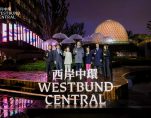
Photo 1: (From left to right) Mr. Raymond Wong, Director & Head of Property Development, Westbund Central; Mr. John Simpkins, General Counsel, Hongkong Land; Ms. Alfreda Zeng, Chief Operating Officer, Ping An Real Estate; Mr. Stuart Grant, Chief Executive, Westbund Central; Ms. Gan Jin, Vice Chairman, Shanghai West Bund Development Group; Mr. Craig Beattie, Chief Financial Officer, Hongkong Land and Ms. Vera Wu, Director & Head of Commercial Property, Westbund Central.

The Phase Two commercial launch introduces a diverse mix of global first stores, designer labels, and flagship concepts that reinforce Westbund Central’s position as a new downtown in Shanghai. New tenants include international icons such as Issey Miyake, the multi-brand boutique SND, Leica Store & Gallery, artisanal Swiss chocolatier House of Läderach, and design houses HAY and Paulmann.

With a planned total gross floor area of more than 1.7 million square metres, Westbund Central is the Company’s largest-ever single investment and brings together a diversified commercial mix that includes more than 600 international retail and lifestyle brands, 180 food and beverage operators, more than 50,000 square metres dedicated to cultural and art facilities, as well as 650,000 square metres of premium Grade A offices that will house occupiers including globally renowned companies such as adidas and lululemon.

While Phase One centred on food and beverage, cafes, and sports and leisure facilities, Phase Two enhances the district’s prestige by focusing on designer lifestyle brands. Looking ahead, Phase Three will introduce a cluster of global luxury maison flagships to further boost the district’s international appeal. Around 12,000 square metres of retail space is already open, with an additional 30,000 square metres opening within this year.

Michael T. Smith, Group Chief Executive of Hongkong Land, said: “Westbund Central is a fresh and dynamic example of our strategic focus to develop ultra-premium, integrated commercial districts in Asia’s leading gateway cities. As Hongkong Land’s largest single investment to date and our flagship China property, Westbund Central is one of the most significant projects in the company’s portfolio and designed to deliver sustained long-term value.”

Stuart Grant, Chief Executive of Westbund Central, said: “Westbund Central is being shaped as Shanghai’s new downtown and we are incredibly proud to build one of the largest mixed-use properties in the world that redefines modern urban living. We are creating a globally renowned ‘city within a city’ where the finest quality office, retail, residential and hospitality components converge in a single vibrant destination where people can truly enjoy life.”

As further phases are delivered, Westbund Central will continue to reinforce its position as one of Shanghai’s most significant integrated commercial districts and a cornerstone of the company’s long-term growth strategy in its portfolio.
Hashtag: #HongkongLand

The issuer is solely responsible for the content of this announcement.

Westbund Central

Hongkong Land’s Westbund Central is the Group’s largest-ever single investment. Scheduled to complete in phases up until 2028, it is an US$8 billion development encompassing approximately more than 1.7 million sq. m. of prime mixed-use property strategically located at Shanghai’s Xuhui Waterfront. It is a flagship development of Hongkong Land’s prime commercial properties’ CENTRAL Series. The ultra-premium integrated commercial property includes 240,000 sq. m of retail space, 650,000 sq. m. of premium Grade A offices, 160,000 sq. m. of high-end waterfront luxury residences, two hotels (55,000 sq. m.) and over 50,000 sq. m. of cultural and art venues.

Hongkong Land

Hongkong Land is a major listed property development, investment and management group. It focuses on developing, owning and managing premium and ultra-premium mixed-use real estate in Asian gateway cities, featuring Grade A office, luxury retail, residential and hospitality products. With over US$50 billion in assets under management, Hongkong Land’s ultra-premium mixed-use real estate footprint spans over 1.97 million sq. m. lettable area in operation and 1.43 million sq. m. lettable area under development, with flagship mixed-use projects in Hong Kong, Singapore and Shanghai. Its properties hold industry leading green building certifications and attract the world’s foremost companies and luxury brands. Established in 1889, Hongkong Land takes a long-term view, investing significantly alongside its capital partners and concentrating its portfolio where it can create the most value for tenants, customers and investors. Hongkong Land Holdings Limited has a primary listing on the London Stock Exchange, with secondary listings in Singapore and Bermuda. Hongkong Land is a member of the Jardine Matheson Group.

Residents across Eastern Samar and nearby provinces rushed out of homes, offices and schools on Monday after a strong earthquake struck the central Philippines, shaking parts of the Visayas and renewing concern over the country’s exposure to destructive seismic activity. The quake hit at 2.09pm local time on May 4, 2026, with its epicentre traced near San Julian in Eastern Samar. Early readings placed the tremor at […]

Beijing has moved from denunciation to direct legal defiance of US sanctions, ordering companies and financial institutions under its jurisdiction not to recognise or comply with American penalties imposed on five refiners accused of involvement in Iranian oil trade.

The order, issued by the Ministry of Commerce on 2 May, marks China’s first known use of a formal blocking mechanism against US sanctions on domestic companies. It targets measures against Hengli Petrochemical Refinery Co, Shandong Shouguang Luqing Petrochemical Co, Shandong Jincheng Petrochemical Group Co, Hebei Xinhai Chemical Group Co and Shandong Shengxing Chemical Co. The firms had been placed under US restrictions linked to alleged purchases or processing of Iranian crude, including asset freezes and transaction bans.

The move places banks, insurers, commodity traders and shipping intermediaries in a difficult position. Compliance with Washington’s restrictions may now expose them to legal risk in China, while compliance with Beijing’s order may expose them to penalties under the US sanctions regime. For large Chinese banks with international operations, the dilemma is particularly acute because access to dollar clearing, correspondent banking and global capital markets remains central to their business.

China has long rejected unilateral US sanctions as illegitimate, especially when they apply beyond American territory. Until now, however, Beijing had often allowed major financial institutions and state-linked enterprises to quietly reduce exposure to sanctioned entities to avoid jeopardising access to the US financial system. The latest order changes that balance by instructing domestic parties not to recognise, enforce or comply with the penalties.

The legal basis lies in China’s blocking rules against what Beijing describes as unjustified extraterritorial application of foreign laws. Those rules, introduced in 2021 and strengthened by additional countermeasure regulations, allow authorities to prohibit compliance with foreign restrictions that impair normal business with third countries. The 2 May order says the US measures against the refiners improperly restrict lawful trade and harm the rights of Chinese entities.

The immediate trigger is Washington’s renewed pressure on Iranian oil revenues. Hengli’s Dalian refinery, with capacity of about 400,000 barrels per day, is among the most prominent privately owned refining assets to be targeted. US authorities have accused it of buying large volumes of Iranian crude. Hengli’s parent has denied trading with Iran and said operations remain normal.

Other sanctioned firms are part of China’s independent refining sector, often described as “teapot” refiners, clustered mainly in Shandong and surrounding provinces. These companies have become central to China’s discounted crude imports, including oil from Iran and Russia, as state refiners have generally been more cautious in handling cargoes exposed to sanctions risk.

The financial implications extend beyond the refiners themselves. Banks processing payments, lenders providing working capital, insurers covering cargoes, shipowners transporting crude and brokers arranging trades could all face competing legal obligations. International banks are likely to adopt a more conservative stance, while smaller domestic institutions may come under pressure to maintain services to companies protected by Beijing’s order.

Hengli has already moved to limit operational disruption. Its Singapore trading unit was restructured after the US designation, with a majority stake transferred to a company linked to a local government entity in Dalian. The shift has not fully reassured counterparties, as brokers and financial institutions remain wary of dealing with entities connected to sanctioned operations.

The confrontation comes as energy markets are adjusting to tighter enforcement against Iranian crude flows. China remains Iran’s largest oil customer, with independent refiners attracted by discounted barrels at a time when domestic margins are under pressure. Traders have reported that cargoes are often routed through complex shipping arrangements, with documentation obscuring origin and payments settled through non-dollar channels.

For Beijing, the order is also a political signal. It asserts that China will not automatically absorb the costs of US secondary sanctions when strategic commodities, energy security and private industrial champions are involved. It also offers reassurance to domestic firms that the government is prepared to use legal instruments rather than limit itself to diplomatic protest.

For Washington, the step complicates enforcement. Sanctions work most effectively when banks and intermediaries avoid designated firms without needing direct prosecution. If China compels non-compliance at home, US authorities may have to decide whether to escalate against financial institutions that continue servicing the refiners, a move that could widen the dispute from energy trade into the banking system.

VISHNU RAJA
RYO YAMADA
HITORI GOTOH
IKUYO KITA