News related to
Investment

The recent visit of Lebanese President Joseph Aoun to Saudi Arabia has offered a rare glimmer of optimism for Lebanon’s economic recovery and political stability. As the country grapples with an extended financial crisis, exacerbated by governance challenges, this visit—Aoun’s first official trip abroad since taking office in January—signals a potential turning point. Saudi Arabia remains a key regional ally, and Lebanon is in urgent need of […]

Riyadh is set to become the epicenter of artificial intelligence innovation as it prepares to host the Global AI Show on June 23-24, 2025. Organized by VAP Group, the event is expected to attract over 5,000 AI futurists, industry leaders, and innovators from around the world. This gathering underscores Saudi Arabia’s commitment to establishing itself as a global hub for artificial intelligence, in line with its Vision […]

Cybersecurity researchers have identified a novel malware strain, dubbed ‘nullifAI’, embedded within machine learning models hosted on Hugging Face, a leading platform for sharing AI models and datasets. This discovery underscores a growing threat vector in the AI community, highlighting vulnerabilities in platforms that facilitate the sharing and deployment of ML models. The ‘nullifAI’ malware employs a sophisticated technique involving corrupted Pickle files—a Python-specific method for serializing […]

Three Iconic Stages Feature a Spectacular Celebration of Music and Entertainment MACAU SAR – Media OutReach Newswire – 12 March 2025 – Galaxy Macau™, the world-class luxury integrated resort, has become a popular choice for visitors to Macau, offering a one-stop leisure vacation experience. Especially with its three iconic performance venues — Galaxy Arena, Broadway Theatre, and the newly launched G Box — each venue radiates unique […]

The U.S. Securities and Exchange Commission has postponed decisions on a series of high-profile cryptocurrency exchange-traded funds , signalling an ongoing cautious approach to integrating digital assets into mainstream financial markets. Among the delayed applications are several ETFs linked to major cryptocurrencies, such as Dogecoin, XRP, Solana, and Litecoin.

The Grayscale Dogecoin ETF, along with the Grayscale XRP ETF, are part of a broader set of applications put forward by the company to broaden its crypto offerings. Other significant applications include those from VanEck, Canary, Bitwise, and Coinshares, which are seeking to launch ETFs focused on Solana and Litecoin. These delays mark a critical moment in the cryptocurrency sector, where industry observers and market participants had hoped for greater clarity and regulatory progress from the SEC.

While the SEC has cited concerns about investor protection and market manipulation risks, industry players argue that the delay underscores the agency’s struggle to adapt existing regulations to an ever-evolving digital asset landscape. Proponents of these ETFs contend that the SEC’s hesitation hampers innovation and blocks more accessible investment channels for retail investors eager to gain exposure to digital currencies.

The regulatory body has been scrutinising crypto ETFs for some time, weighing the risks associated with market volatility and liquidity issues. SEC Chair Gary Gensler has repeatedly indicated that the agency’s stance on cryptocurrency would focus on ensuring the integrity of the financial system and protecting investors from potential fraud. Yet, critics argue that these delays are hindering the growth of the digital asset sector, and market participants remain uncertain about the timeline for future approvals.

Grayscale, a prominent asset management firm known for its Bitcoin and Ethereum trust funds, has been at the forefront of advocating for Bitcoin ETFs and other crypto investment vehicles. The company has expressed disappointment over the delay but remains optimistic that the SEC will eventually approve these products, citing the increasing institutional interest in cryptocurrency markets and the growing demand for regulated investment vehicles.

The proposed Grayscale Dogecoin and XRP ETFs are especially notable due to the prominence of these assets in the digital currency ecosystem. Dogecoin, originally created as a meme, has gained significant traction over the past few years, bolstered by celebrity endorsements and a growing user base. XRP, meanwhile, continues to be embroiled in ongoing legal battles with the SEC, which has added further complexity to its potential approval for an ETF.

Similarly, the Solana and Litecoin-focused ETFs, which include offerings from Canary, Bitwise, and Grayscale, have generated significant attention. Solana, known for its high-speed transactions and lower fees, has become one of the most talked-about cryptocurrencies in recent years. However, concerns around security breaches and technical challenges have led to questions about its long-term stability and viability as a mainstream investment product. Litecoin, while considered one of the more established cryptocurrencies, has faced similar issues regarding its perceived relevance in a rapidly evolving market.

As the SEC continues to deliberate on these applications, many in the cryptocurrency industry remain hopeful that the regulator will take a more open-minded approach in the future. However, the delay of these ETFs highlights the ongoing tension between the cryptocurrency sector and regulatory bodies, as both sides navigate the complexities of balancing innovation with risk mitigation. Despite the setback, cryptocurrency advocates are expected to persist in pushing for more robust regulatory frameworks that will allow digital assets to gain legitimacy in the financial sector.

The SEC’s cautious stance is also reflective of broader concerns in the U.S. government about the potential for cryptocurrencies to be used in illicit activities. Policymakers have raised concerns about the role digital currencies may play in money laundering, terrorism financing, and other illegal transactions. These concerns have prompted calls for more stringent regulatory measures, including the implementation of clearer rules around custody, reporting, and anti-money laundering compliance.

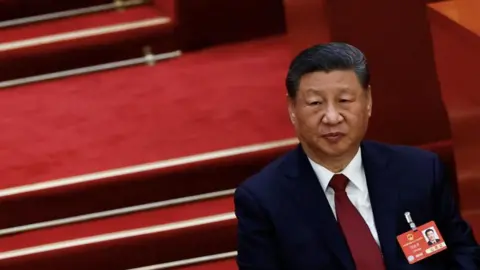
By Nitya Chakraborty The 14th National People’s Congress of China ended its one-week-long session in Beijing on Tuesday March 11 with a clear direction given by the President and the Communist Party supremo Xi Jinping that China will take on the disruptions made in the global order by the United States president Donald Trump in […]

Sushi Kissho by Miyakawa and Teppanyaki Shou Make Dazzling Debuts on the SCMP’s Best of the Best Annual List MACAU SAR – Media OutReach Newswire – 11 March 2025 – The South China Morning Post recently announced its 100 Top Tables guide for 2025, a definitive list recognizing the most exceptional dining establishments in Hong Kong and Macau. This year, six restaurants from StarWorld Hotel and Galaxy […]

Advertisements

Coinbase Global Inc., a leading U.S.-based cryptocurrency exchange, has officially registered with India’s Financial Intelligence Unit , enabling the company to offer crypto trading services within the country. This strategic move marks Coinbase’s re-entry into the Indian market after it suspended operations in 2022 due to regulatory challenges.

The company plans to launch its initial retail services later this year, followed by the introduction of additional investment products. John O’Loghlen, Coinbase’s Regional Managing Director for Asia Pacific, expressed enthusiasm about the expansion, stating, “India represents one of the most exciting market opportunities in the world today, and we’re proud to deepen our investment here in full compliance with local regulations.”

This development comes at a time when interest in cryptocurrencies has surged among young Indians, many of whom are exploring crypto trading as a means to supplement their incomes. The Indian market already hosts several crypto exchanges, including CoinDCX, Binance, and KuCoin, indicating a competitive environment for Coinbase’s return.

Under Indian law, virtual digital asset service providers are required to register with the FIU and comply with anti-money laundering regulations. Despite a 30% tax on crypto trading gains, which is among the highest globally, the Indian government has yet to outline comprehensive regulations for the asset class. The country’s stance on cryptocurrencies is currently under review, influenced by global regulatory shifts and recent U.S. policy changes.

Coinbase’s re-entry into India signifies a notable shift in the country’s approach to digital currencies. Previously, the Reserve Bank of India had expressed strong opposition to cryptocurrencies, leading to a challenging environment for crypto exchanges. However, the recent dismissal of a lawsuit against Coinbase by U.S. market regulators, coupled with President Donald Trump’s support for cryptocurrencies, appears to have influenced India’s regulatory landscape, making it more conducive for exchanges like Coinbase to operate.

The Indian crypto market is estimated at $2.6 billion and is expected to grow annually by 18%. This growth potential, along with the increasing enthusiasm among young traders, presents a significant opportunity for Coinbase. The company’s commitment to complying with local regulations and its strategic plan to roll out services gradually demonstrate a measured approach to capturing this market.

Coinbase’s registration with the FIU not only allows it to offer trading services but also underscores its dedication to adhering to India’s anti-money laundering and counter-terrorism financing laws. This compliance is crucial for building trust with Indian regulators and users, who have been cautious about the risks associated with cryptocurrencies.

JAKARTA, INDONESIA – Media OutReach Newswire – 11 March 2025 – VinFast and PT Bank Negara Indonesia (Persero) Tbk (BNI), signed a Memorandum of Understanding (MOU) during the Vietnam-Indonesia High-Level Business Dialogue, themed “Vietnam-Indonesia: Partnership for Progress and Prosperity.” The signing ceremony took place in the presence of To Lam, General Secretary of the Communist Party of Vietnam, along with ministers from both Vietnam and Indonesia. This […]

Ozak AI’s presale has experienced a remarkable 67% surge, attracting investors with its AI-driven predictive analytics and decentralized applications. The platform integrates artificial intelligence with blockchain technology, offering optimized trading strategies and real-time data analysis. This innovative approach has positioned Ozak AI as a potential game-changer in the cryptocurrency market.

Currently priced at $0.003 per token, Ozak AI presents an accessible entry point for investors. Experts anticipate substantial growth, with projections suggesting up to 300-fold returns as the platform gains traction. The presale’s success underscores the growing interest in AI-integrated blockchain solutions, reflecting a broader trend towards combining advanced technologies to enhance financial systems.

In contrast, Pi Coin, developed by Pi Network, has seen a dip in value amidst broader market fluctuations. Trading at approximately $1.38 with a 24-hour volume of $532 million, Pi Coin has experienced a 0.94% decrease over the past day and a 22.40% decline over the week. Despite these challenges, Pi Network has achieved significant milestones, notably reaching 4 million followers on the social media platform X, nearing Dogecoin’s 4.3 million.

Pi Network’s user-friendly, mobile-based mining approach has contributed to its rapid adoption since its 2019 inception. However, the platform faces hurdles, including securing listings on major exchanges like Binance. A recent community vote on Binance showed 88% support for Pi Coin’s listing, but official confirmation remains pending. This uncertainty may be influencing Pi Coin’s market performance, as accessibility on prominent exchanges is crucial for liquidity and investor confidence.

The contrasting trajectories of Ozak AI and Pi Coin highlight the dynamic nature of the cryptocurrency landscape. Ozak AI’s integration of AI to provide predictive financial insights offers a unique value proposition, attracting investors seeking innovative solutions. The platform’s ability to leverage machine learning algorithms for real-time, data-driven advice positions it well in the evolving digital asset ecosystem.

Dubai’s real estate industry is undergoing a significant transformation as developers, regulators, and investors align efforts to achieve a net-zero built environment by 2030. This collective endeavour is driven by policy initiatives, financial incentives, and technological advancements, positioning sustainability at the forefront of the sector’s evolution. The United Arab Emirates has committed to the Net Zero 2050 initiative, aiming to eliminate carbon emissions by mid-century. This national […]

Dubai’s Roads and Transport Authority has formalised nine cooperation agreements with prominent property developers and free zone authorities, aiming to streamline infrastructure project approvals and bolster road safety across the emirate. The entities involved in these agreements include Emaar Properties, DAMAC Properties, Majid Al Futtaim Properties, Nshama, Al Futtaim Properties, Dubai Multi Commodities Centre, Dubai Healthcare City, Dubai Investments Park, and the Dubai Integrated Economic Zones Authority. […]

AIQ, a subsidiary of Presight, has secured a $340 million contract from Abu Dhabi National Oil Company to deploy its ENERGYai platform and associated artificial intelligence solutions across ADNOC’s upstream operations. This three-year agreement marks a significant advancement in integrating AI within the energy sector, aiming to enhance efficiency and operational performance. The contract follows the successful completion of a proof-of-concept phase, during which ENERGYai demonstrated its […]

At the CERAWeek conference in Houston, Saudi Aramco’s President and CEO, Amin Nasser, delivered a sharp critique of current global energy transition strategies, labelling them as “self-destructive” and warning of potential economic and energy security consequences. Nasser emphasized that the prevailing approach, which aims to rapidly phase out conventional energy sources in favour of immature alternatives, is flawed. He argued that such strategies are not only unrealistic […]

Dubai continues to dominate the global greenfield foreign direct investment rankings, further solidifying its position as a key investment hub. According to the latest data from the Financial Times’ fDi Markets, the emirate secured its spot as the leading destination for greenfield FDI projects in 2024. This achievement highlights the city’s resilience and attractiveness as an investment destination, despite global economic challenges. Greenfield FDI refers to investments […]

Saudi Arabia has announced the establishment of the Saudi Investment Marketing Authority, a strategic initiative aimed at bolstering the nation’s attractiveness to international investors. This decision was ratified during a Cabinet meeting chaired by Crown Prince Mohammed bin Salman, underscoring the Kingdom’s commitment to economic diversification and global competitiveness.

Investment Minister Khalid Al-Falih expressed gratitude to King Salman and Crown Prince Mohammed bin Salman for their continued support, highlighting the authority’s pivotal role in advancing the objectives of Vision 2030. This initiative seeks to diversify the economy, enhance global competitiveness, and foster a sustainable economic environment. Al-Falih emphasized that the new authority would serve as a cornerstone in promoting investment opportunities both domestically and internationally, collaborating with various sectors to showcase the Kingdom’s competitive advantages and investor incentives.

The Saudi Investment Marketing Authority is tasked with marketing investment prospects within and beyond the Kingdom, working in partnership with leading entities across diverse sectors. By adopting advanced technologies and strategies in investment marketing, the authority aims to stimulate foreign direct investment inflows, bolster national investments, and support local investors. These efforts are anticipated to drive economic growth, generate quality employment opportunities, and enhance innovation and knowledge transfer, thereby contributing to the sustainability and competitiveness of the Saudi economy.

The establishment of this authority aligns with the broader goals of Vision 2030, reflecting a qualitative transformation towards a more diversified and sustainable economy. By leveraging Saudi Arabia’s strategic location, business-friendly regulations, and world-class infrastructure, the authority aims to position the Kingdom as a premier investment hub on the global stage.

In recent years, Saudi Arabia has witnessed a significant uptick in foreign direct investment, surpassing the targets set by the National Investment Strategy for 2023 by 16%. This positive trend underscores the Kingdom’s growing appeal to global investors and the effectiveness of its ongoing economic reforms. The creation of the Saudi Investment Marketing Authority is expected to further amplify these efforts, providing a structured and focused approach to investment promotion and facilitation.

The authority’s mandate includes the utilization of advanced marketing strategies, comprehensive market analysis, and the establishment of international partnerships to attract global investors. By harnessing digital platforms and innovative marketing techniques, the authority aims to effectively communicate the advantages of investing in Saudi Arabia, thereby enhancing the Kingdom’s visibility and appeal in the global investment landscape.

Matein Khalid I have warned my friends that US recession risk was rising alarmingly in the past month as I saw the price of oil and money (2-year Treasury note yields) tank in unison while metrics of consumer/business confidence nosedived. Now Wall Street has accepted my thesis that the tariff trauma will lead to a deflation Big Chill and not an inflation spike in the US economy. […]

Abu Dhabi’s Mubadala Investment Company has finalized the sale of its indirect stake in Calisen, a leading UK provider of smart meters and small-scale energy transition infrastructure assets. This transaction concludes a four-year investment period during which Mubadala, in collaboration with Global Infrastructure Partners , a division of BlackRock, and Goldman Sachs Alternatives, significantly enhanced Calisen’s financial and operational performance. Calisen, headquartered in Manchester, has been instrumental […]

The Gulf Cooperation Council experienced a slight increase in announced greenfield foreign direct investments in 2024, with the total number of projects rising by just under 1% to 1,830 from 1,813 in 2023, according to Emirates NBD Research. This modest growth underscores the region’s ongoing efforts to attract foreign investment, particularly in key markets like Saudi Arabia and the United Arab Emirates . Saudi Arabia emerged as […]

UAE-based healthcare payment solutions provider Klaim has successfully secured $10 million in Series A equity funding, supplemented by an additional $16 million financing fund, to drive its regional expansion and transform the healthcare financial landscape in the Middle East and North Africa region. Founded in 2019, Klaim has rapidly positioned itself as an innovative force in the fintech sector, offering a cutting-edge payment platform that leverages artificial […]

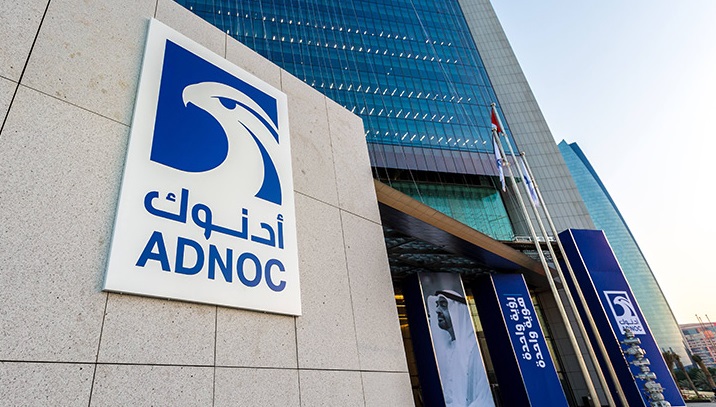
Abu Dhabi National Oil Company is exploring the possibility of listing its international investment subsidiary, XRG, on a stock exchange outside the United Arab Emirates. This strategic move could position XRG among the world’s largest publicly traded energy entities.

According to individuals familiar with the matter, discussions are in the preliminary stages, with Bank of America providing strategic guidance. The potential public offering would involve a minority stake and is anticipated to occur within the next five years. Prior to any listing, ADNOC must appoint a Chief Executive Officer for XRG and transfer relevant assets to the subsidiary.

Established in late 2024, XRG serves as ADNOC’s vehicle for expanding into lower-carbon energy, natural gas, and chemicals sectors. The subsidiary’s formation aligns with ADNOC’s broader strategy to diversify its portfolio beyond traditional oil revenues, reflecting a global industry trend towards sustainable and diversified energy solutions.

Potential venues for the listing include major international exchanges such as London and New York. Each offers distinct advantages, with London providing a robust investor base for energy companies and New York offering unparalleled liquidity and global visibility. The final decision will hinge on various factors, including valuation prospects and strategic alignment with XRG’s growth objectives.

With an estimated valuation exceeding $80 billion, XRG’s public debut would mark a significant milestone in the energy sector. For context, Saudi Aramco’s initial public offering in 2019 raised $25.6 billion, underscoring the scale of XRG’s potential market entry.

ADNOC’s recent activities underscore its commitment to global expansion and diversification. The company has been actively involved in international deals, including mergers and acquisitions in petrochemicals, chemicals, liquefied natural gas , and hydrogen projects. Notably, ADNOC has transferred its U.S. investments, such as stakes in an ExxonMobil hydrogen plant and NextDecade’s LNG export facility in Texas, to XRG. This move signifies ADNOC’s intent to consolidate its international ventures under the XRG umbrella, streamlining operations and enhancing strategic focus.

Spain’s second-largest bank, Banco Bilbao Vizcaya Argentaria , has officially received regulatory approval to offer Bitcoin and Ethereum trading services. This approval comes as the European Union’s Markets in Crypto-Assets regulation fully takes effect, marking a significant step forward for both the banking sector and cryptocurrency adoption within the region.

The move represents a landmark shift for BBVA, as it expands its portfolio of services to include cryptocurrencies. This decision aligns with the bank’s ongoing strategy to adapt to digital finance, meeting growing consumer demand for digital assets. With the MiCA regulation now operational, BBVA is positioning itself to take advantage of new opportunities in an increasingly digital economy.

The MiCA regulation, a major component of the EU’s broader digital finance strategy, aims to create a comprehensive framework for cryptocurrency markets across member states. The regulation provides clarity on legal aspects such as licensing, consumer protection, and financial stability, establishing a uniform approach to crypto assets across the EU. Its implementation signals a major regulatory shift that is set to influence financial institutions throughout the region.

BBVA’s approval is part of a broader trend in Europe where traditional banks are gradually integrating cryptocurrencies into their services. This comes at a time when the European crypto market is maturing, with increased institutional involvement and more regulatory oversight. The move not only represents an opportunity for the bank but also signals increasing mainstream acceptance of digital currencies.

BBVA’s entry into cryptocurrency trading follows a series of pilot programs that tested various blockchain-based solutions. The bank had already ventured into the crypto space in 2021, offering a limited range of services for clients in Switzerland, where cryptocurrency regulation is more permissive. Now, with MiCA regulation fully in place across the EU, BBVA’s decision to expand its crypto offerings into Spain is seen as a natural progression.

The decision by BBVA also highlights the growing importance of regulatory frameworks for the cryptocurrency sector. MiCA aims to ensure that the crypto market operates in a transparent, secure, and consumer-friendly manner, which has been a concern for both regulators and market participants. By adhering to these regulations, BBVA is positioning itself as a leader in responsibly integrating cryptocurrency trading into its offerings.

Other financial institutions in Europe are also taking steps to integrate digital assets into their portfolios. For instance, major banks like Deutsche Bank and Barclays are experimenting with blockchain technologies and exploring potential cryptocurrency-related services. However, BBVA stands out due to its proactive approach in securing regulatory approval and expanding its services at a time when cryptocurrency markets are still evolving.

The move comes as institutional interest in cryptocurrencies continues to rise. More investors, from hedge funds to family offices, are seeking exposure to digital assets, and this trend is expected to continue in the coming years. With its new offering, BBVA aims to cater to both retail and institutional clients, providing them with a secure and regulated platform to trade popular cryptocurrencies like Bitcoin and Ethereum.

As part of its offering, BBVA plans to integrate crypto trading into its existing digital banking services, allowing customers to manage their cryptocurrency investments alongside traditional assets. This seamless integration could offer a competitive advantage, as more banks are starting to see the benefit of combining traditional financial services with digital assets.

While some European banks are cautious about entering the cryptocurrency market, BBVA’s strategy reflects a more optimistic outlook on the long-term potential of digital currencies. The bank’s leadership has signalled that its move into the cryptocurrency sector is part of its broader strategy to embrace innovation and meet the evolving needs of its customers.

The success of BBVA’s crypto offering will depend not only on its ability to navigate regulatory frameworks but also on how well it can address concerns related to security, volatility, and customer education. As cryptocurrency markets continue to evolve, banks like BBVA will need to remain agile, adapting to both regulatory changes and shifting customer expectations.

The impact of BBVA’s decision could also ripple through the broader financial industry, pushing other institutions to consider their own approaches to cryptocurrency and blockchain technology. As more banks integrate digital currencies into their offerings, the financial services landscape could become increasingly intertwined with the cryptocurrency sector, challenging traditional business models and introducing new opportunities for growth and innovation.

Despite the promise, challenges remain. Cryptocurrency markets are still highly volatile, and many investors view digital assets as speculative. While the MiCA regulation aims to address some of these concerns, there are still risks associated with investing in crypto. BBVA’s ability to mitigate these risks through effective risk management strategies will be closely watched by both regulators and investors.


Catalonia has solidified its position as a prominent biotechnology hub, with Barcelona at its epicenter, fostering innovation and attracting global attention. The region’s strategic investments and collaborative initiatives have propelled its life sciences sector to new heights.

A cornerstone of this success is the Parc Científic de Barcelona , established in 1997 by the University of Barcelona. As Spain’s first scientific park, the PCB was designed to enhance research, knowledge transfer, and innovation across public and private sectors. In 2002, it launched the country’s inaugural bioincubator, providing infrastructure and support to startups and spin-offs. Over the years, the PCB has integrated esteemed research institutes such as the Institute of Molecular Biology of Barcelona , the Institute for Research in Biomedicine , the National Center for Genomic Analysis , and the Institute for Bioengineering of Catalonia . The park also hosts private enterprises like Qiagen and Evonik. In 2019, the PCB expanded by adding ten new laboratories, increasing its area by over 600 square meters, and anticipates full occupancy by 2025.

The National Center for Genomic Analysis , located within the PCB, plays a pivotal role in large-scale genome projects, collaborating with researchers both locally and internationally. Equipped with advanced sequencing systems and a robust computing infrastructure, CNAG can sequence over 10,000 gigabases daily, equivalent to 100 human genomes every 24 hours. Established in 2009 through a collaboration between the Spanish Ministry of Science and Innovation and the Catalan Government, CNAG has positioned itself among Europe’s top sequencing centers.

Another significant contributor is the Institute for Bioengineering of Catalonia , which focuses on interdisciplinary research in bioengineering and nanomedicine. IBEC’s research encompasses areas such as regenerative therapies, future medicine, and active aging. The institute manages a Nanotechnology Platform, offering services in nanofabrication, manipulation, and characterization, and was the first in Southern Europe to acquire a 3D bioprinter suitable for industrial manufacturing.

The Barcelona Biomedical Research Park further enriches the region’s research landscape. This conglomerate of six public research centers, located adjacent to Hospital del Mar, employs approximately 1,400 professionals, making it one of Southern Europe’s largest biomedical research clusters. Founded through a collaboration between the Government of Catalonia, the Barcelona City Council, and Pompeu Fabra University, the PRBB aims to generate new knowledge in health and life sciences, facilitating technology transfer and providing training to research staff.

In a move to centralize and enhance its operations, Spanish pharmaceutical company Grifols announced plans to invest €360 million in constructing a new industrial plant in Barcelona for its engineering department. Scheduled to commence next year, with completion expected by the decade’s end, this initiative underscores Barcelona’s appeal as a strategic location for biotech investments.

The city’s commitment to innovation is further exemplified by the Barcelona New Economy Week . The fifth edition of BNEW attracted 12,746 professionals, offering 140 hours of content across 100 panels, sessions, and debates. The event focused on seven key sectors: Digital Industry, Mobility, Sustainability, Aviation, Talent, Health, and Experience, highlighting the region’s dedication to fostering dialogue and collaboration in emerging industries.

Addressing pressing health challenges, Barcelona launched the HUB Alzheimer Barcelona, a collaborative effort involving the Pasqual Maragall Foundation, the Barcelona City Council, four public hospitals, and specialized institutions. This initiative aims to accelerate Alzheimer’s research, fostering innovation and cooperation between public and private sectors in combating this neurodegenerative disease.

HONG KONG SAR – Media OutReach Newswire – 10 March 2025 – Media OutReach Newswire, Asia Pacific’s first global newswire, has been honoured with OPPO’s prestigious ‘Partner of the Year’ award for the second time, following its exemplary performance in OPPO’s rigorous annual vendor evaluation system. Media OutReach Newswire achieved an exceptional rating exceeding 90% in OPPO’s evaluation matrix—an A-tier classification that OPPO’s Global Procurement team characterises […]

VISHNU RAJA
RYO YAMADA
HITORI GOTOH
IKUYO KITA