News related to
Investment

Strategy, formerly known as MicroStrategy, has unveiled plans to issue up to $21 billion in preferred stock to fund additional Bitcoin acquisitions. This move underscores the company’s ongoing commitment to integrating cryptocurrency into its corporate strategy.

The firm, led by Executive Chairman Michael Saylor, has become a prominent institutional investor in Bitcoin. As of February 5, 2025, Strategy reported holding approximately 499,096 bitcoins, valued at over $41 billion. This substantial accumulation reflects the company’s aggressive approach to cryptocurrency investment.

To finance these acquisitions, Strategy has been leveraging various financial instruments. In February 2025, the company announced a $584 million offering of 8% perpetual convertible preferred stock, designated under the ticker symbol “STRK” on the Nasdaq Global Select Market. The net proceeds from this offering were earmarked for further Bitcoin purchases and general corporate purposes.

The latest proposal to issue up to $21 billion in preferred stock represents a significant escalation in Strategy’s capital-raising efforts. This initiative is part of the company’s broader strategy to secure $42 billion over the next few years through various securities offerings, including fixed-income instruments and common stock sales, all aimed at bolstering its Bitcoin reserves.

However, this aggressive capital-raising approach has raised concerns among investors and analysts. The potential issuance of such a substantial amount of preferred stock could lead to significant dilution of existing shareholders’ equity. Moreover, the high yield associated with the preferred stock, approaching 9.5%, reflects the increased financial risk and the company’s lack of ongoing earnings from its traditional software business.

Strategy’s heavy reliance on Bitcoin has also been a point of contention. While the company’s stock price has experienced substantial growth since pivoting to a Bitcoin-centric strategy, it has not always kept pace with Bitcoin’s performance. This discrepancy has led to questions about the sustainability of Strategy’s approach, especially given the inherent volatility of the cryptocurrency market.

Despite these challenges, Strategy continues to advocate for Bitcoin’s role as a transformative asset. The company’s leadership remains steadfast in its belief that integrating Bitcoin into its corporate treasury strategy will yield long-term benefits, both for the company and its shareholders.


Investcorp, a global alternative investment firm, has acquired a majority stake in Miebach Logistik Holding GmbH, a leading German supply chain and logistics consultancy. The transaction, announced on 17 March 2025, will see Miebach’s existing equity partners retain a significant minority share. Financial details of the deal have not been disclosed, and completion is anticipated in the second quarter of 2025, pending regulatory approvals. Established in 1973 […]

A prominent investment fund has made a significant wager on Brent crude oil prices surging toward $100 per barrel, reflecting growing concerns over escalating geopolitical tensions in the Middle East. On Monday, options contracts equivalent to 20 million barrels were traded, poised to profit if Brent’s June futures approach the $100 mark. This substantial position underscores the fund’s anticipation of a potential price spike amid mounting regional […]

Abu Dhabi-based investment firm MGX has made a landmark $2 billion investment in Binance, the world’s largest cryptocurrency exchange. This move marks MGX’s inaugural foray into the cryptocurrency and blockchain sectors, securing a minority stake in Binance. The transaction was conducted entirely in stablecoins, underscoring the growing institutional acceptance of digital assets.

MGX, chaired by Sheikh Tahnoon bin Zayed al-Nahyan, has historically focused on artificial intelligence and advanced technologies. Its previous investments include partnerships with BlackRock and Microsoft for a $30 billion AI fund. By investing in Binance, MGX aims to integrate AI, blockchain technology, and finance, reflecting a broader strategy to support the transformative impact of blockchain on society.

Binance, founded in 2017 by Changpeng Zhao, has rapidly ascended to become a dominant player in the cryptocurrency market. However, its journey has been fraught with regulatory challenges. In 2023, the exchange faced a $4.3 billion fine for failing to prevent money laundering, prompting efforts to rebuild its reputation and strengthen compliance measures.

The UAE’s ambition to position itself as a global hub for digital assets is evident. The country has introduced the AE Coin, a stablecoin backed by the UAE dirham, and has been proactive in establishing favorable regulations to attract international crypto companies. Binance’s substantial presence in the UAE, with approximately 1,000 employees, aligns with this national vision.

Industry experts believe that MGX’s investment could serve as a catalyst for clearer regulatory frameworks in the cryptocurrency space. A significant investment from a government-backed entity like MGX adds a layer of legitimacy to the cryptocurrency industry. It signals growing institutional acceptance and can attract more traditional investors.

A consortium of investors, spearheaded by Singapore-based private equity firm RRJ Capital, has committed $600 million in equity to Dubai-headquartered private aviation company Vista. This significant infusion aims to optimize Vista’s capital structure, enhance free cash flow, and reduce existing debt. The transaction is anticipated to conclude by the end of this month.

Vista, recognized globally for its private aviation services, views this investment as a pivotal milestone in its growth trajectory. The company’s founder and chairman, Thomas Flohr, remarked, “Today’s announcement is a strong endorsement of our strategy and long-term vision for the future, while also providing us with great partners for years to come.” He further expressed enthusiasm about collaborating with RRJ Capital and its consortium to support Vista’s forthcoming growth phases.

Established in 2004 by Flohr, Vista has evolved into a prominent entity in the private aviation sector. The company operates renowned brands such as VistaJet and XO, offering clients worldwide access to a fleet of private jets. Over the years, Vista has strategically expanded through acquisitions, including the purchase of JetSmarter in 2019, a digital platform likened to the “Uber of private aviation,” and XOJET in 2018, consolidating its position in the industry.

The lead investor, RRJ Capital, is an esteemed Asian investment firm managing approximately $16 billion in long-term capital. Richard Ong, founder and CEO of RRJ Capital, expressed his satisfaction with the partnership, stating, “RRJ is very pleased to become a long-term partner to Vista, the leading private jet company in the world.” He highlighted Vista’s two decades of industry innovation and its global market presence as factors that make this investment an exciting new chapter for both entities.

The investment aligns with Vista’s commitment to accelerate deleveraging and diversify its investor base, thereby strengthening its financial standing. This move is expected to bolster the company’s ability to meet the increasing demand for private aviation services, especially in a post-pandemic world where personalized and flexible travel solutions have gained prominence.

Financial advisory roles in this transaction were undertaken by UBS for RRJ Capital and Jefferies for Vista, ensuring that the deal aligns with both parties’ strategic and financial objectives.

Vista’s journey reflects a series of strategic decisions aimed at consolidating its market position. The company’s acquisition of JetSmarter and XOJET were pivotal in expanding its service offerings and client base. These moves have positioned Vista to cater to a broader audience seeking private aviation solutions.

The private aviation industry has witnessed notable growth, driven by a surge in demand for personalized travel experiences and the need for flexible travel options. Vista’s ability to adapt to these market dynamics has been instrumental in its sustained growth and appeal to investors.

The $600 million equity investment by RRJ Capital and its consortium is not just a testament to Vista’s past performance but also an endorsement of its future potential. By optimizing its capital structure and reducing debt, Vista is poised to enhance its operational efficiency and service delivery, thereby solidifying its leadership in the private aviation sector.

Arabian Post Staff -Dubai Abu Dhabi’s sovereign wealth fund, Mubadala Investment Company, is actively engaging with global banks and market makers to establish a consortium of up to ten partners for the forthcoming Base Exchange in Rio de Janeiro. These prospective partners are expected to provide essential liquidity to the new stock exchange. In return, they would acquire equity stakes, resulting in a slight reduction of Mubadala’s […]

The global economy is experiencing fresh waves of volatility as Trump’s second term reignites trade conflicts, currency battles, and inflationary pressures. Markets have already reacted—tariff hikes on Chinese goods, retaliatory measures from Beijing, and escalating tensions with Europe are shifting capital flows at a breakneck pace. Investors can’t afford to be complacent. They must position portfolios to withstand uncertainty, hedge against risk, and seize opportunities in this […]

Advertisements

CME Group, the world’s largest futures exchange, has introduced Solana futures contracts, providing institutional investors with an additional tool for trading the popular cryptocurrency. This move marks a significant step in the expansion of derivatives markets, particularly as digital assets like SOL continue to rise in prominence within the blockchain ecosystem.

The introduction of Solana futures comes at a time when demand for cryptocurrency-related products among institutional players is growing. By expanding beyond traditional spot trading and options, CME Group is responding to a clear market trend: the increasing appetite for advanced financial instruments in the digital asset space. With the launch of these futures contracts, CME Group further solidifies its position as a leader in cryptocurrency derivatives trading, following its successful rollouts of Bitcoin and Ethereum futures.

For institutional investors, Solana futures provide a method of hedging risk and gaining exposure to the cryptocurrency market without having to directly own or manage the underlying asset. Futures contracts are particularly useful for large-scale traders, offering opportunities to speculate on price movements and manage the volatility associated with crypto assets. The addition of SOL futures further diversifies the range of cryptocurrency products available on the CME Group’s platform, complementing its existing offerings.

SOL, the native cryptocurrency of the Solana blockchain, has seen impressive growth in recent months. It continues to strengthen its position as a leading layer 1 network, noted for its fast transaction speeds and low costs, which have made it a popular choice for developers. As the blockchain ecosystem continues to evolve, Solana’s robust performance in areas like decentralized finance , NFTs, and gaming has contributed to a growing number of use cases, driving interest among both retail and institutional investors.

The rise of Solana can be traced to its unique combination of scalability and decentralization, offering an alternative to slower and more expensive platforms like Ethereum. In particular, Solana’s ability to process thousands of transactions per second at a fraction of the cost of its competitors has made it an attractive option for developers seeking high-performance blockchain solutions. This technical advantage is reflected in the increasing adoption of the Solana network, further contributing to its growing market capitalization and network activity.

As the launch of Solana futures unfolds, the attention is on how the product will be received by institutional traders, many of whom have previously shown a preference for more established cryptocurrencies like Bitcoin and Ethereum. However, the entry of new institutional investors into the Solana market could be a game-changer. The volatility that characterises Solana’s price movements may appeal to institutional traders looking for more active trading opportunities and higher-risk, higher-reward positions. Moreover, the futures contracts offer a way to gain exposure to Solana’s price without being directly affected by the underlying volatility in the same way as spot holders.

In addition to its core functionality as a trading tool, the launch of Solana futures is also indicative of broader trends within the cryptocurrency market. The growing institutional interest in digital assets has led to a surge in derivative products, enabling sophisticated trading strategies that were once unavailable in the traditional financial markets. The success of Bitcoin and Ethereum futures, which have attracted billions in liquidity, serves as a precedent for the growing acceptance of cryptocurrencies in institutional investment portfolios.

The move to introduce Solana futures aligns with CME Group’s broader strategy of offering diverse cryptocurrency-related products to meet the needs of institutional investors. By expanding its product offering to include Solana, CME Group not only attracts more traders to its platform but also increases the legitimacy of the cryptocurrency market within traditional financial systems. This development is likely to encourage further innovation and investment in the sector.

Beyond Solana’s technical advantages, the timing of its futures contract launch also positions CME Group strategically within the broader cryptocurrency landscape. As the digital asset market continues to mature, institutional adoption is poised to grow, with more regulatory clarity and financial infrastructure emerging. As one of the first exchanges to offer a futures contract for Solana, CME Group places itself at the forefront of this market evolution.

Despite Solana’s recent successes, challenges remain for the network. The blockchain’s rapid growth has been accompanied by concerns over network stability, with occasional outages raising questions about the scalability and reliability of its technology. While these issues have not significantly hindered Solana’s progress to date, any technical difficulties could potentially affect investor confidence in the network. However, as Solana continues to innovate and improve its infrastructure, its position in the crypto space looks increasingly secure.

The introduction of Solana futures is expected to bring increased liquidity to the market, further boosting its visibility and legitimacy in the eyes of institutional investors. For CME Group, the move represents a strategic push to offer products that cater to the growing demand for cryptocurrency-based trading instruments, and it reflects the evolving nature of digital asset markets.

Strategy, formerly known as MicroStrategy, has further solidified its position as a leading corporate investor in Bitcoin by acquiring an additional 130 BTC between March 10 and March 16, 2025. This purchase, amounting to approximately $10.7 million, was executed at an average price of $82,981 per Bitcoin. Consequently, the company’s total Bitcoin holdings have reached 499,226 BTC, acquired at an aggregate cost of $33.1 billion, reflecting an average purchase price of $66,360 per Bitcoin.

This strategic move aligns with Strategy’s aggressive investment approach under the leadership of Executive Chairman Michael Saylor. The firm has consistently leveraged financial instruments to bolster its Bitcoin reserves, including a recent announcement of a $21 billion “at-the-market” offering of convertible perpetual preferred stock. This initiative aims to raise capital for additional Bitcoin acquisitions, potentially increasing the company’s holdings by up to 262,500 BTC, thereby encompassing approximately 3.6% of the total Bitcoin supply.

However, Strategy’s bold strategy has not been without challenges. The company’s stock experienced a significant decline of nearly 17% following the announcement of its new cryptocurrency acquisition plan. This drop reflects investor apprehension regarding the sustainability and risks associated with such an aggressive investment approach.

The broader cryptocurrency market has also exhibited volatility. Bitcoin’s price recently fell by 4.2%, settling around $79,500, contributing to a 12% decline over the past week. This downturn followed President Donald Trump’s announcement of a strategic Bitcoin reserve, which clarified that only Bitcoin already held by the government through asset forfeitures would be included, with no new purchases planned. This revelation tempered market expectations, leading to a price correction.

MoirAI Cloud, a Florida-based AI infrastructure startup, has secured $1 million in pre-seed funding to enhance energy efficiency in AI-driven data centres. The company’s innovative approach leverages AI to optimise power consumption and significantly reduce energy waste, with the potential to cut energy usage by up to 95%. The investment comes at a time when the global data centre market is under increasing pressure to adopt more […]

HONG KONG SAR – Media OutReach Newswire – 17 March 2025 – Mr Albert Wong, CEO of Hong Kong Science and Technology Parks Corporation (HKSTP), led a delegation on a highly successful European Innovation Mixer tour in March, engaging with over 1,000 students and innovation and technology (I&T) talents, encouraging them to pursue opportunities in Hong Kong. The delegation also secured over 1,000 business collaboration opportunities, further […]

By Nitya Chakraborty Sidelined by the Trump 2.0 administration and rebuffed by India, Bangladesh interim government is exploring all avenues to rejuvenate the country’s ailing economy by expanding its trade and investment relationship with Pakistan and China. The objective is to reduce the dependence on India in major areas where the outsourcing is possible from […]

Marrakech is set to become the epicentre of technological innovation as it hosts the third edition of GITEX Africa from 14 to 16 April 2025. Under the High Patronage of His Majesty King Mohammed VI, this event is organised by the Ministry of Digital Transition and Administration Reform in collaboration with the Digital Development Agency and KAOUN International. GITEX Africa has rapidly established itself as the continent’s […]

Brazil’s financial landscape is poised for a potential transformation as the National Congress deliberates a bill proposing the legalization of salary payments in Bitcoin and other digital assets. Introduced by Luiz Philippe de Orleans e Bragança, a former federal deputy from São Paulo, the legislation seeks to grant Brazilian workers the option to receive up to 50% of their wages and benefits in cryptocurrencies, with the remainder paid in the national currency, the Brazilian real.

The proposed bill establishes a legal framework for employees and employers who mutually agree to utilize digital assets for compensation. Importantly, it does not mandate the acceptance of Bitcoin but provides a voluntary avenue for those interested in integrating cryptocurrencies into their remuneration packages. Employees retain the right to discontinue this payment method at any time, ensuring flexibility and autonomy in their financial decisions.

To maintain the stability and practicality of the national currency, the bill stipulates that at least 50% of salaries must be disbursed in Brazilian reals. This provision ensures that while embracing innovative payment methods, the traditional monetary system remains integral to daily transactions. The legislation specifically excludes freelancers, foreigners, and self-employed individuals, as their payment arrangements fall under the purview of the Central Bank of Brazil.

For the bill to become law, it must first secure approval from the plenary session of the House of Representatives through a majority vote. Subsequently, it will proceed to the Federal Senate for final consideration. If enacted, this legislation could position Brazil at the forefront of cryptocurrency adoption, potentially influencing other nations to explore similar integrations of digital assets into their financial systems.

Proponents of the bill argue that legalizing Bitcoin salary payments could enhance Brazil’s appeal as a global hub for digital assets, attracting foreign investment and fostering technological innovation. Luiz Philippe de Orleans e Bragança emphasized that such measures could empower employees with greater autonomy over their earnings and align the country with emerging financial technologies.

However, the proposal has sparked a spectrum of reactions. Supporters highlight the potential benefits of embracing cryptocurrencies, including increased financial inclusion and the democratization of financial services. They argue that offering salaries in digital assets could provide workers with more control over their wealth and facilitate participation in the global digital economy.

Conversely, critics express concerns regarding the volatility of cryptocurrencies like Bitcoin, which could expose employees to financial risks. The fluctuating value of digital assets may lead to unpredictable income levels, complicating personal financial planning and budgeting. Additionally, there are apprehensions about the adequacy of existing regulatory frameworks to address potential challenges associated with widespread cryptocurrency adoption.

To address these concerns, the bill includes provisions aimed at safeguarding employees’ interests. Employers opting to offer cryptocurrency payments are required to provide detailed payment statements and ensure that workers receive financial education on market volatility and transaction security. This educational component is designed to equip employees with the necessary knowledge to navigate the complexities of digital asset markets responsibly.

Brazil’s current stance on cryptocurrencies is relatively progressive. In December 2022, the country established a licensing regime for virtual asset service providers, aiming to legalize crypto as a payment method. Prior to this, while cryptocurrencies were not banned, they were discouraged due to operational risks. The Central Bank of Brazil had issued statements cautioning against the use of cryptocurrencies, citing concerns over financial stability and consumer protection.

The introduction of this bill reflects a broader trend of increasing interest in integrating cryptocurrencies into mainstream financial practices. Several countries have been exploring the potential of digital assets, with varying degrees of regulatory acceptance. Brazil’s move to consider Bitcoin salary payments signifies a notable step towards embracing the evolving digital economy.

As the bill undergoes legislative scrutiny, its potential implications for Brazil’s economy, workforce, and financial system remain subjects of keen observation. The outcome will likely influence not only the future of cryptocurrency adoption in Brazil but also serve as a reference point for other nations contemplating similar initiatives.

In the interim, stakeholders, including employers, employees, financial institutions, and regulators, are encouraged to engage in comprehensive dialogues to assess the benefits and risks associated with cryptocurrency-based salary payments. Such discussions are crucial to ensure that any transition towards digital asset integration is conducted with prudence, safeguarding the interests of all parties involved.

Goldman Sachs has adjusted its oil price forecasts, citing a confluence of factors including escalating global supply and a decelerating U.S. economy. The investment bank now projects Brent crude to average $71 per barrel by December, a $5 decrease from its prior estimate, and West Texas Intermediate to reach $67 per barrel. This downward revision aligns with the bank’s updated expectations for global oil demand growth, now […]

Aramco Ventures, the investment arm of Saudi Aramco, has invested in Berlin-based startup Ucaneo, aiming to accelerate the development of Germany’s largest Direct Air Capture demonstration plant. This strategic move underscores Aramco’s commitment to innovative carbon removal technologies in the global effort to combat climate change. Ucaneo, established in Berlin, is pioneering a biomimetic DAC technology that mimics the human lung’s natural ability to manage carbon dioxide […]

Dubai’s real estate sector saw a remarkable surge in February 2025, with property sales volumes hitting Dh41 billion, marking a 17 per cent increase compared to the previous month. This impressive growth underscores the city’s resilience amid global economic challenges and reinforces its standing as a top investment destination. The property market’s robust performance is attributed to a combination of factors, including a booming economy, a steady […]

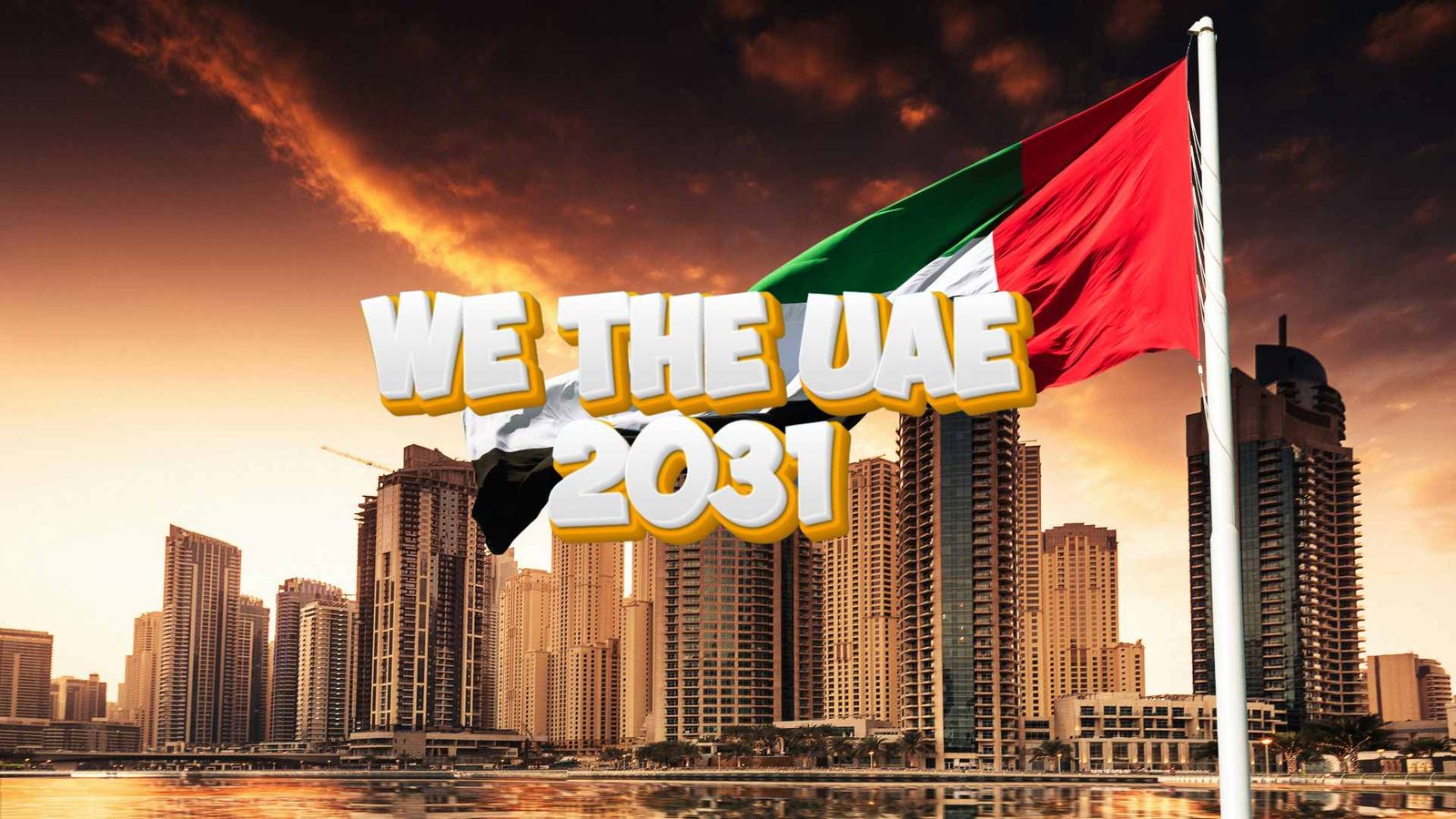
The United Arab Emirates has unveiled an ambitious plan to significantly boost its foreign direct investment inflows, aiming to increase annual figures from AED112 billion in 2023 to AED240 billion by 2031. This initiative is part of the newly approved National Investment Strategy 2031, which seeks to position the UAE as a premier global investment hub.

The strategy outlines a comprehensive approach to enhance the nation’s investment landscape. It includes the launch of 12 strategic programmes and 30 targeted initiatives, such as the Financial Sector Development Program, the One-Market Program, and InvestUAE. These initiatives are designed to bolster investment promotion and drive economic diversification across key sectors, including industry, logistics, financial services, renewable energy, and information technology.

His Highness Sheikh Mohammed bin Rashid Al Maktoum, Vice President, Prime Minister, and Ruler of Dubai, chaired the UAE Cabinet meeting where the strategy received approval. He emphasized that the goal is to increase annual foreign investment inflows to AED240 billion by 2031 and grow the UAE’s total FDI stock from AED800 billion to AED2.2 trillion over the coming years.

In 2023, the UAE recorded FDI inflows amounting to USD 30.688 billion, a substantial increase from USD 22.737 billion in 2022. This growth positioned the UAE second globally in FDI inflows, reflecting the nation’s robust investment climate and strategic initiatives to attract foreign capital.

The National Investment Strategy 2031 is expected to further enhance the UAE’s role as a bridge connecting regional markets and a global hub for investment. By focusing on key sectors and implementing targeted initiatives, the UAE aims to diversify its economy, reduce dependence on oil revenues, and promote sustainable development.

The strategy also aligns with the UAE’s broader economic goals, including the promotion of innovation, support for small and medium-sized enterprises , and the development of human capital. By creating a conducive environment for businesses and investors, the UAE seeks to foster economic growth and maintain its competitive edge in the global market.

As part of its efforts to attract foreign investment, the UAE has established a comprehensive framework of agreements, including Bilateral Investment Treaties , Avoidance of Double Taxation Agreements , and Comprehensive Economic Partnership Agreements . These agreements aim to offer robust protections, streamline processes, and provide strategic opportunities for investors, thereby enhancing the UAE’s appeal as an investment destination.

Asset management firm Ninety One Plc is increasing its investments in United Arab Emirates equities to mitigate exposure to the ongoing trade tensions initiated by U.S. President Donald Trump. The company’s emerging-markets equity team, overseeing $11 billion in assets, is targeting markets less affected by U.S. tariffs, according to co-portfolio manager Varun Laijawalla. This strategy includes acquiring shares in UAE-based companies such as Emaar Properties PJSC and Abu Dhabi Commercial Bank PJSC.

Emaar Properties, a leading real estate developer in the UAE, has experienced fluctuations in its stock performance. On March 14, 2025, the Dubai Financial Market index declined by 0.9%, influenced by losses in the real estate sector due to new tariff threats from President Trump. Emaar Properties and its construction subsidiary, Emaar Development, saw their shares decrease by 2.2% and 2.8%, respectively.

Despite these short-term declines, Emaar Properties has demonstrated resilience over the past year. The company’s stock has shown a 69.91% increase over the last 12 months, indicating strong growth potential.

Abu Dhabi Commercial Bank , another focus of Ninety One’s investment strategy, has also shown notable financial performance. In 2024, ADCB reported revenues of AED 16.61 billion, marking a 19.64% increase compared to the previous year’s AED 13.88 billion. Earnings for the same period reached AED 8.74 billion, reflecting an 11.80% increase.

The bank’s stock has been trading within a 52-week range of AED 7.61 to AED 12.60, with a market capitalization of approximately AED 76.67 billion.

Ninety One’s strategic move to invest in UAE markets aligns with its objective to find “uncorrelated markets” less susceptible to the adverse effects of U.S. tariffs. The firm, formerly known as Investec Asset Management, rebranded to Ninety One in 2020 to reflect its founding year and has since been listed on both the London and Johannesburg Stock Exchanges.

As of December 31, 2022, Ninety One managed approximately $159 billion in assets, offering a range of active strategies across equities, fixed income, multi-asset, and alternative investments.

The firm’s decision to bolster investments in the UAE comes amid broader market reactions to global trade tensions. On March 11, 2025, major Gulf markets experienced declines due to investor concerns over a potential U.S. recession triggered by widespread trade conflicts. The Saudi Arabian index fell by 1.3%, with significant decreases in Al Rajhi Bank and Saudi National Bank. Similarly, Dubai’s index decreased by 1.1%, affected by a 2.3% drop in Emaar Properties and a 1.9% decline in Emirates NBD.

However, by March 12, 2025, Gulf stock markets displayed mixed results amid hopes for a Ukraine ceasefire and ongoing concerns over U.S. tariffs. Dubai’s main index rose by 0.7%, led by gains in Emaar Properties and Dubai Islamic Bank, while Abu Dhabi’s index increased by 0.4%. Conversely, Saudi Arabia’s index experienced a slight decline of 0.1%.

The UAE’s economic environment presents opportunities for investors seeking markets less correlated with U.S. trade policies. Ninety One’s targeted investments in companies like Emaar Properties and ADCB reflect a strategic approach to navigating global trade uncertainties while capitalizing on the growth potential within the UAE.

Emaar Properties continues to be a significant player in the UAE’s real estate sector, with a market capitalization of AED 122.42 billion and a dividend yield of 7.22%. The company’s earnings per share stand at AED 1.53, and it is scheduled to release its next earnings report on May 8, 2025.

Abu Dhabi Commercial Bank maintains a strong presence in the UAE’s banking industry, with a public float of 2.91 billion shares. The bank’s robust financial performance and strategic initiatives position it well to navigate the challenges posed by global trade dynamics.

Ninety One’s emphasis on identifying investment opportunities in markets less affected by U.S. tariffs underscores its commitment to delivering value to its clients while mitigating risks associated with global trade tensions. By focusing on the UAE’s resilient sectors, the firm aims to achieve sustainable growth in an increasingly complex economic landscape.

Thailand’s Most Trusted Developer Capitalizes On Surging Pattaya And Tourist Destination Demand PATTAYA, THAILAND – Media OutReach Newswire – 17 March 2025 – Sansiri Public Company Limited, Thailand’s leading developer with a 40-year track record widely regarded as Thailand’s most trusted fully integrated real estate developer among both Thai and international clients, announces surpassing all records with the successful real-time global online booking launch of ‘PTY Residence […]

Accelerating Deeptech SINGAPORE – Media OutReach – 3 October 2023 – X-PITCH is delighted to introduce 2023 TOP100 startups. Chosen from a pool of over 3,000 startups around the world, this year’s selection showcases a diverse and vibrant ecosystem of entrepreneurial talent. X-PITCH 2023 is driven by a shared commitment to accelerate deeptech innovation across four vital domains: Healthcare, Advanced Manufacturing, Sustainability, and Digital Economy. The statistics […]

RIYADH, SAUDI ARABIA – Media OutReach Newswire – 16 March 2025 – Sahm Capital is excited to announce its official membership in the Arab Federation of Capital Markets (AFCM), further solidifying its commitment to the growth and development of the Arab capital markets. Founded in 1978, AFCM aims to enhance the efficiency and transparency of capital markets across the Arab region, including the GCC, Levant, and Arab […]

India is poised to ascend to the position of the world’s third-largest economy by 2028, overtaking Germany, according to projections by global financial services firm Morgan Stanley. This anticipated growth underscores India’s expanding influence in the global economic landscape.

Currently standing as the fifth-largest economy with a gross domestic product of $3.5 trillion in 2023, India is on track to reach $4.7 trillion by 2026, surpassing Japan to become the fourth-largest economy. By 2028, the GDP is expected to further expand to $5.7 trillion, positioning India ahead of Germany. This trajectory marks a significant rise from its 12th position in 1990, 13th in 2000, 9th in 2020, and 5th in 2023.

Several foundational factors contribute to this robust economic growth. India’s burgeoning population offers a vast labor force and consumer base, fostering both production and consumption. The nation’s democratic framework ensures policy continuity and stability, attracting foreign investments. Macroeconomic stability, characterized by controlled inflation and prudent fiscal policies, has created a conducive environment for sustainable growth. Infrastructure development, including advancements in transportation and digital connectivity, has enhanced efficiency and productivity across sectors. Additionally, a rising entrepreneurial class has spurred innovation and competitiveness, further propelling economic expansion.

Morgan Stanley outlines three potential scenarios for India’s economic future by 2035:

– Bear Scenario: GDP reaches $6.6 trillion.

– Base Scenario: GDP grows to $8.8 trillion.

– Bull Scenario: GDP surges to $10.3 trillion.

In these scenarios, GDP per capita is projected to rise from $2,514 in 2025 to $4,247 , $5,683 , and $6,706 by 2035.

The government’s strategic initiatives have played a pivotal role in this economic ascent. Programs like ‘Make in India’ have invigorated the manufacturing sector, encouraging both domestic and foreign companies to establish production units within the country. The ‘Digital India’ campaign has significantly improved digital infrastructure, increasing internet penetration and promoting e-governance, thereby enhancing transparency and efficiency. These initiatives have collectively created a more business-friendly environment, attracting global investors and fostering economic growth.

The international community has taken note of India’s economic potential. Germany, for instance, is actively seeking to strengthen ties with India to diversify its economic partnerships and reduce reliance on China. German companies are increasingly investing in India, drawn by its vast market, youthful workforce, and relatively lower costs. This strategic move aligns with Germany’s efforts to diversify supply chains and mitigate economic risks associated with over-reliance on a single country.

However, challenges persist on India’s path to sustained economic growth. Concerns about the country potentially aging before achieving widespread prosperity have been raised. Issues such as unemployment, particularly among the educated youth, and a stagnating middle class could impede economic progress. To address these challenges, economists emphasize the need for India to maintain a growth rate of approximately 8% per year. Additionally, the prospect of an aging population, coupled with declining fertility rates, necessitates strategic planning to ensure a balanced and inclusive growth trajectory.

In the realm of global manufacturing, India has the opportunity to position itself as a viable alternative to China. By capitalizing on the ‘China plus One’ strategy, India can attract foreign investments in low-skilled manufacturing sectors. This approach not only diversifies global supply chains but also creates employment opportunities within the country, contributing to economic growth. However, achieving this requires addressing structural challenges, such as improving labor laws and enhancing ease of doing business, to create a more conducive environment for manufacturing investments.

Gold prices in the United Arab Emirates have surged to unprecedented levels, reflecting a global trend driven by economic uncertainties and market dynamics. As of March 16, 2025, the price of 24-karat gold in Dubai stands at AED 360.31 per gram, while 22-karat gold is priced at AED 330.29 per gram.

This surge aligns with global movements, as gold prices worldwide have breached the $3,000 per ounce mark for the first time. On March 14, 2025, gold peaked at $3,000.87 per ounce before settling at $2,994.50. This milestone reflects a consistent rally, with prices up 3.1% over the past week and nearly 14% since the beginning of the year.

Several factors have contributed to this historic rise. Escalating trade tensions, particularly between the United States and the European Union, have heightened economic uncertainty, prompting investors to seek refuge in safe-haven assets like gold. Additionally, expectations of monetary policy easing by the Federal Reserve have bolstered gold’s appeal. Investors anticipate potential interest rate cuts to counteract slowing economic growth, further enhancing gold’s attractiveness as a non-yielding asset.

Central banks, notably China’s, have been increasing their gold reserves, providing additional support to prices. This trend underscores a strategic move to diversify reserves amid global economic uncertainties. Goldman Sachs has adjusted its year-end gold price forecast to $3,100 per ounce, highlighting sustained central bank demand and favorable market conditions.

In the UAE, the gold market has experienced significant activity. The Dubai Gold and Jewellery Group reported that the price of 24-karat gold reached AED 360.31 per gram, marking a substantial increase from previous levels. This surge has impacted both retailers and consumers, with many investors considering gold as a hedge against inflation and currency fluctuations.

The local jewellery market has felt the effects of rising gold prices. Retailers have observed shifts in consumer behaviour, with some buyers opting for lighter pieces or postponing purchases. However, others view the current prices as a worthwhile investment, anticipating further appreciation in value.

VISHNU RAJA
RYO YAMADA
HITORI GOTOH
IKUYO KITA