News related to
Investment

Saudi Arabia has reported a fiscal deficit of 115.625 billion riyals for 2024, driven by a 6% increase in total spending compared to the previous year, as per data from the Ministry of Finance. This rise in expenditure aligns with the kingdom’s commitment to its Vision 2030 economic transformation strategy, which aims to diversify the economy beyond oil dependence.

The government’s initial projection for the 2024 deficit was 79 billion riyals, approximately 1.9% of GDP. However, updated estimates have revised this figure to 115 billion riyals, around 3% of GDP. In the first nine months leading up to September 30, the deficit stood at 58 billion riyals, with more than half of this amount recorded in the third quarter alone.

Total government revenues for 2024 reached 1.26 trillion riyals , marking a 4% increase from the previous year and exceeding initial budget estimates by 7%. Notably, non-oil revenues have shown significant growth, contributing to the overall revenue increase.

The Vision 2030 initiative encompasses several large-scale projects, including the NEOM megacity, the Red Sea Project, and Qiddiya, all designed to stimulate economic diversification and reduce reliance on oil revenues. These projects require substantial upfront investments, contributing to the current fiscal deficit. The government has emphasized that this “deficit by design” is a strategic move to foster long-term economic growth and sustainability.

Despite the widening deficit, Saudi Arabia’s non-oil sector has demonstrated resilience. Since 2017, non-oil economic growth has consistently ranged between 4% and 5%, indicating progress in the kingdom’s diversification efforts. The government remains optimistic that continued investment in Vision 2030 projects will yield significant economic benefits in the coming years.

However, the ambitious nature of these projects has raised concerns about financial feasibility. Some initiatives, such as the NEOM megacity, have faced challenges related to budget overruns and delays. Analysts suggest that the kingdom may need to reassess certain projects to ensure fiscal sustainability.

In response to these challenges, Saudi Arabia is adjusting its investment strategies. The Public Investment Fund plans to reduce its foreign investment portfolio from 30% to 18%, redirecting focus toward domestic projects that align with Vision 2030 objectives. This shift aims to bolster local economic development and maximize the impact of government spending.

GameStop Corp., the video game retailer known for its volatile stock history, is reportedly considering investments in Bitcoin and other cryptocurrencies. This strategic move aims to diversify the company’s assets and align with emerging financial trends.

The company’s stock experienced a significant uptick, rising approximately 8% in after-hours trading following the news. This surge reflects investor optimism about GameStop’s potential entry into the cryptocurrency market.

Speculation intensified after GameStop CEO Ryan Cohen shared a photo on social media featuring himself alongside Michael Saylor, the co-founder of Strategy , a firm renowned for its substantial Bitcoin holdings. This post fueled discussions about GameStop’s possible shift towards cryptocurrency investments.

In December 2023, GameStop’s board authorized a new investment policy, permitting the allocation of funds into various asset classes, including equities and alternative assets. This policy change has led to deliberations about investing in cryptocurrencies as a means to leverage the company’s cash reserves.

Analysts have noted that GameStop’s potential move into cryptocurrency could mirror Strategy’s approach, where significant investments in Bitcoin have been used as a hedge against traditional market fluctuations. Such a strategy could provide GameStop with a diversified asset base, potentially enhancing its financial stability amid the evolving retail landscape.

However, this potential shift is not without risks. The cryptocurrency market is known for its volatility, and substantial investments could expose GameStop to financial uncertainties. Moreover, the company has previously ventured into the crypto space with initiatives like launching crypto wallets in 2022, which were later discontinued due to regulatory concerns.

The Bank of Montreal , one of Canada’s leading financial institutions, has significantly increased its Bitcoin exchange-traded fund holdings to $150 million, according to recent Securities and Exchange Commission filings. This marks a substantial rise from its previous holdings of $13 million.

The SEC filings reveal that BMO’s investments are diversified across several prominent Bitcoin ETFs, including those managed by Ark Invest, Fidelity, BlackRock, and Grayscale. This strategic move aligns BMO with other major financial institutions that are expanding their presence in the cryptocurrency sector.

In addition to its increased Bitcoin ETF holdings, BMO has made notable adjustments to its investment portfolio. The bank added approximately 2.67 million shares of MicroStrategy Incorporated , a company known for its substantial Bitcoin holdings, representing an increase of about 4,817% over its previous position. Conversely, BMO reduced its positions in companies like NVIDIA Corporation and Amazon.com, Inc. , decreasing its holdings by 19% and 13%, respectively.

This development comes amid a broader trend of traditional financial institutions increasing their exposure to Bitcoin and related assets. For instance, PNC Bank, a top 10 U.S. bank by assets, recently reported a five-fold increase in its Bitcoin ETF holdings, rising from $10 million to $67 million over the past year. Goldman Sachs leads in this arena with $710 million invested in Bitcoin ETFs.

The growing interest in Bitcoin ETFs among major banks reflects a shift towards integrating cryptocurrency assets into traditional investment portfolios. Analysts suggest that this trend is driven by increasing client demand for digital asset exposure and the recognition of Bitcoin’s potential as a hedge against inflation.

BMO’s substantial increase in Bitcoin ETF holdings underscores the bank’s strategic initiative to align with evolving market dynamics and client interests. As the cryptocurrency landscape continues to mature, it is anticipated that more financial institutions will follow suit, further bridging the gap between traditional finance and digital assets.

Sponsorship aims to create new avenues for individuals of all ages to make meaningful connections, improve wellbeing and inspire a love for nature and wildlife. SINGAPORE – Media OutReach Newswire – 13 February 2025 – AIA Singapore is proud to announce its partnership with the newly opened Rainforest Wild Asia at the Mandai Wildlife Reserve, as the naming sponsor of AIA Vitality Bounce and sponsor of Tapir […]

Rajiv Jain, the billionaire founder and chairman of Florida-based investment firm GQG Partners, is actively expanding his investment footprint in the United Arab Emirates and Saudi Arabia. Following significant deals with prominent UAE entities such as International Holding Company , Aldar Properties, and ADNOC Gas, Jain is exploring further opportunities in these burgeoning markets. GQG Partners, managing assets worth approximately $160.4 billion, has recently executed a substantial […]

LEAP, the acclaimed technology event, is expanding into Asia with the introduction of LEAP East, scheduled at the Hong Kong Convention and Exhibition Centre from 9 to 11 July 2026. Organised by Tahaluf, this inaugural event aims to attract global tech leaders, innovators, and investors to one of the world’s most dynamic cities. The conference will feature over 300 expert speakers and 300 exhibitors, showcasing advancements across […]

Pacific Investment Management Co. , a leading global investment firm managing approximately $2 trillion in assets, has inaugurated a new office in Dubai. This move signifies the company’s strategic effort to strengthen its presence in the Middle East, a region witnessing increased interest from major asset managers. The Dubai Financial Services Authority granted PIMCO a license on Wednesday, enabling the firm to operate within the Dubai International […]

Advertisements

Tabby, a prominent financial services and shopping application in the Middle East and North Africa , has successfully raised $160 million in a Series E funding round, elevating its valuation to $3.3 billion. This development positions Tabby as the most valuable fintech company in the region. The funding round was led by existing investors Blue Pool Capital, a Hong Kong-based investment firm, and Saudi Arabia’s Hassana Investment […]

Alpha Data, a prominent UAE-based technology services firm, has unveiled plans to list on the Abu Dhabi Securities Exchange by offering 400 million shares, representing 40% of its capital. This move marks the inaugural public offering on the ADX for 2025. The shares being offered are currently held by Bin Hamoodah and Ibbini Investment, who retain the discretion to adjust the offering size before the subscription period concludes.

In the fiscal year 2024, Alpha Data reported a net profit of AED 127 million and revenue totaling AED 2.32 billion. The company has engaged EFG Hermes and Emirates NBD Capital as advisors for the potential share sale. While the specifics of the sale are preliminary and subject to change, the firm is reportedly aiming to raise approximately $200 million through this listing.

The ADX is poised to witness several major IPOs this year, including the Gulf’s first airline IPO by Etihad Airways, which has already engaged advisors for the sale, and supermarket chain LuLu Group. Additionally, the exchange recently saw the IPO of edtech firm Alef Education.

Alpha Data’s decision to go public aligns with a broader trend of private-sector companies in the GCC region pursuing IPOs, particularly in sectors such as e-commerce and IT. Analysts anticipate that private-sector IPOs in the GCC will range between $300 million to $500 million this year, with government listings likely to be larger.

The ADX has been actively encouraging private companies to list, aiming to diversify its offerings and attract a broader range of investors. Alpha Data’s IPO is expected to contribute to this diversification and provide investors with exposure to the growing technology services sector in the UAE.

The offering is anticipated to attract significant interest from both regional and international investors, given Alpha Data’s established presence in the UAE’s technology sector and the ADX’s reputation as a leading financial market in the region.

South Korea’s Financial Services Commission has unveiled a structured plan to permit corporate entities to engage in cryptocurrency transactions through real-name accounts. This initiative, set to commence in the first half of 2025, aims to integrate corporate participation in the digital asset market while ensuring regulatory oversight.

The FSC’s strategy involves a three-phase rollout. Initially, non-profit organizations, law enforcement agencies, and cryptocurrency exchanges will be granted access to real-name accounts. This move is designed to facilitate activities such as the conversion of platform fee income into fiat currency for exchanges and the handling of confiscated assets by law enforcement. However, exchanges will be subject to government guidelines to prevent market volatility.

In the subsequent phase, slated for the second half of 2025, professional investment entities—including listed companies and registered investment institutions—will be authorized to participate in crypto asset trading. These entities must adhere to stringent anti-money laundering protocols and undergo evaluations by banks and crypto exchanges to ensure compliance.

The final phase envisions extending crypto investment capabilities to general enterprises. This stage remains under long-term consideration and is contingent upon the successful implementation of preceding phases, as well as the establishment of comprehensive regulations encompassing stablecoins, exchange operations, and cross-border crypto transaction monitoring.

FSC Vice Chairman Kim So-young emphasized the importance of a cautious and measured approach, stating that the policy’s implementation must be gradual and carefully monitored to prevent market disruptions. He highlighted the necessity of clear AML guidelines to maintain market integrity throughout the rollout process.

This policy shift addresses longstanding challenges within South Korea’s crypto industry, particularly for small and mid-sized exchanges that have struggled with liquidity constraints. By enabling corporate accounts, these exchanges are expected to enhance their operational capabilities and competitiveness within the market.

The United Arab Emirates has secured a position among the top ten countries globally for the number of artificial intelligence companies per million inhabitants, as highlighted in the Global AI Competitiveness Index. This achievement underscores the nation’s rapid advancement in the AI sector.

The Global AI Competitiveness Index, a collaborative effort between the International Finance Forum and Deep Knowledge Group, analyzed over 55,000 AI companies worldwide to assess their density, financing, and development. The UAE’s prominent ranking reflects its strategic focus on fostering AI innovation and enterprise.

In 2017, the UAE appointed the world’s first Minister of State for Artificial Intelligence, signaling its commitment to AI development. Subsequently, the National Strategy for Artificial Intelligence 2031 was launched, aiming to position the UAE as a global leader in AI by 2031. This strategy aligns with the broader UAE Centennial 2071 vision, focusing on economic, educational, and governmental transformation through AI.

The National Strategy for Artificial Intelligence 2031 outlines several key objectives, including establishing a network of researchers, industry experts, and policymakers; supporting the development of domestic AI startups and products; encouraging foreign direct investment and partnerships with global AI firms; and providing guidance and financial support for local businesses to expand globally.

The UAE’s strategic investments in AI are evident through initiatives such as the establishment of the Technology Innovation Institute, which has developed advanced open-source large language models like Falcon. Additionally, the UAE has launched the $100 billion MGX fund, targeting AI investments globally. These efforts are complemented by partnerships with major U.S. technology companies, including Nvidia, AMD, Microsoft, OpenAI, and IBM, enhancing the UAE’s access to cutting-edge AI technologies.

The World Governments Summit 2025 concluded its three-day event in Dubai on Thursday, uniting over 30 heads of state and government, more than 80 international and regional organizations, and 140 government delegations. Under the theme “Shaping Future Governments,” the summit addressed pressing global challenges and explored innovative solutions for effective governance.

French President Emmanuel Macron, speaking at the AI Action Summit in Paris earlier this week, emphasized the need for streamlined regulatory processes and significant investment in artificial intelligence to compete with global powers. He advocated for increased European cooperation and a unified strategy for AI development, highlighting France’s commitment to investing €109 billion in the sector.

In a notable session, industry leaders underscored the critical importance of digital access for societal advancement. Margherita Della Valle, CEO of Vodafone, highlighted the widening gap between those with internet access and those without, noting that approximately 2.6 billion people remain offline, with 300 million residing in remote areas lacking connectivity infrastructure. Hatem Dowidar, CEO of the e& group, discussed his company’s evolution towards offering services in fintech, cybersecurity, and cloud computing, reflecting a broader industry shift towards comprehensive digital solutions.

The summit also featured discussions on the ethical deployment of AI and the necessity for robust networks to support its implementation. Mickey Mikitani, CEO of Japan’s Rakuten, called for a radical transformation of the telecommunications sector and the removal of entry barriers to foster innovation. Panelists emphasized the importance of dialogue between governments and industry leaders to develop regulations that address current and future challenges in the AI landscape.

HANOI, VIETNAM – Media OutReach Newswire – 12 February 2025 – F88 Investment Joint Stock Company (F88) has just announced its highest-ever consolidated after-tax profit, along with several key financial indicators that highlight the company’s rapid and sustainable recovery, following a challenging year. F88 posts highest-ever consolidated after-tax profit in 2024. Photo courtesy of the firm. F88, which owns 99.99 per cent of F88 Business Joint Stock […]

The Luxury Integrated Resort Company Scales New Heights for the Third Consecutive Year, Celebrating the Accolade of Having the Most Forbes Travel Guide Five-Star Hotels Under One Roof MACAU SAR – Media OutReach Newswire – 12 February 2025 – The prestigious Forbes Travel Guide today unveiled its highly anticipated 2025 Star Awards, which saw Galaxy Macau™ achieving a remarkable milestone with an incredible nine Forbes Travel Guide […]

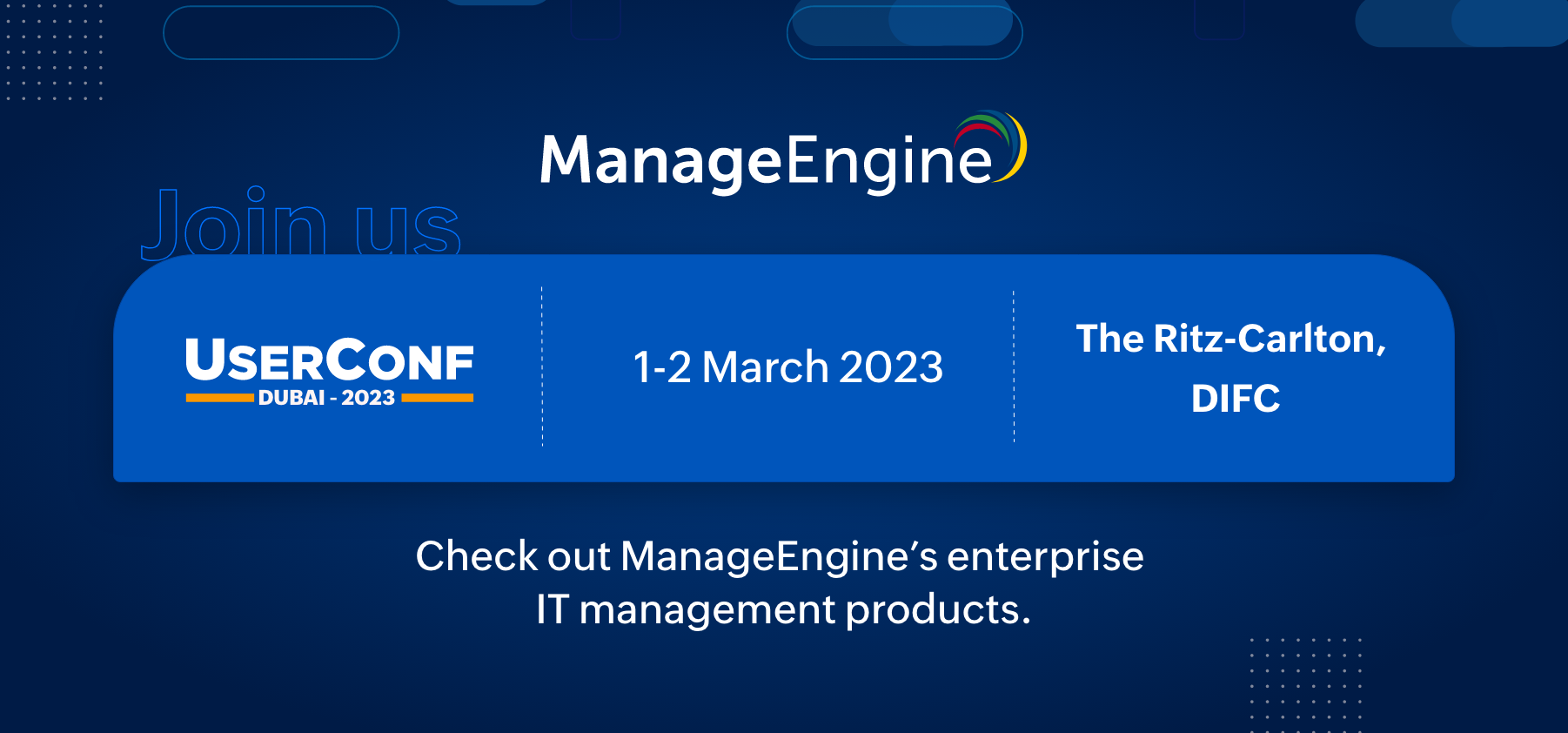
ManageEngine, the enterprise IT management division of Zoho Corporation, is set to host its Middle East User Conference in Dubai, focusing on the integration of artificial intelligence into enterprise IT systems. The event aims to equip businesses with strategies to effectively adopt AI technologies, enhancing operational efficiency and competitiveness.

The conference will feature keynote speeches from ManageEngine’s technology and domain experts, covering topics such as the evolving IT and cybersecurity landscape and leveraging new technologies to stay ahead in the market. Rajesh Ganesan, Vice President at ManageEngine, will discuss the changing role of IT departments in the current era, emphasizing the shift towards remote work and a digital-first customer approach.

In the Middle East, AI is poised to significantly impact the economy. A report by PwC estimates that AI could contribute up to $320 billion to the region’s economy by 2030, accounting for 2% of the total global benefits. Saudi Arabia is expected to see the largest absolute gains, with AI contributing over $135.2 billion to its economy, equivalent to 12.4% of its GDP. In relative terms, the UAE is anticipated to experience the most substantial impact, with AI contributing close to 14% of its 2030 GDP.

The annual growth in AI’s contribution to the Middle East’s economy is projected to range between 20-34% per year, with the fastest growth in the UAE, followed by Saudi Arabia. This growth is attributed to the significant investments these countries are making in AI technologies and their efforts to integrate AI across various sectors.

The ManageEngine conference will also highlight the company’s latest solutions designed to assist enterprises in navigating the complexities of AI integration. Attendees will have the opportunity to participate in detailed walkthroughs and live demonstrations of ManageEngine’s major solutions, including ServiceDesk Plus, OpManager Plus, Applications Manager, Desktop Central, Mobile Device Manager Plus, Log360, Site24x7, and the suite of Active Directory management products.

By K Raveendran Prime Minister Narendra Modi’s call for greater emphasis on the Global South in the evolving world order shaped by artificial intelligence is a strategic proposition. With AI becoming the most critical technological force of the 21st century, it is imperative that developing nations, particularly those in the Global South, have a role […]


In a significant legal determination, the Jiangsu Provincial High People’s Court has ruled that investments in overseas cryptocurrency projects are not safeguarded under Chinese law. This decision underscores the nation’s stringent stance on virtual currency transactions and their associated legal protections.

The case involved a “Cooperation Agreement” between individuals identified as Tian and Pan, along with a third party, to jointly operate the “MFA Blockchain Project.” Pan transferred approximately 15.74 million yuan to Tian and the third party for the acquisition of MFA virtual currency, as stipulated in their agreement. Subsequently, Tian transferred 10.6 million yuan back to Pan. However, complications arose when the Singapore-based trading platform MEXC delisted the MFA/USDT spot trading pair in September 2020, leading to the locking of the associated virtual account and a total loss of the investment. Pan sought legal recourse, demanding the return of the remaining funds and payment of interest. The Yancheng Intermediate People’s Court initially ruled that the virtual currency trading activities were invalid, resulting in the dismissal of Pan’s lawsuit. Dissatisfied, Pan appealed the decision. Upon review, the Jiangsu High Court upheld the lower court’s ruling, emphasizing that providing services to Chinese residents through overseas virtual currency exchanges constitutes illegal financial activity. Consequently, the related civil legal acts were deemed invalid, and the court concluded that any resulting losses should be borne by the individuals involved.

This ruling aligns with China’s broader regulatory framework, which has progressively tightened restrictions on cryptocurrency activities. In September 2021, Chinese authorities implemented a comprehensive ban on all cryptocurrency transactions and mining, citing concerns over financial stability and the potential for illicit activities. The People’s Bank of China declared all virtual currency-related business activities illegal, reinforcing the country’s firm opposition to cryptocurrencies.

The Jiangsu High Court’s decision is not an isolated incident. In August 2021, the Shandong Provincial High Court ruled against a plaintiff seeking to recover lost cryptocurrency investments, stating that investing or trading in cryptocurrency is not protected by law. Similarly, in October 2024, a Shanghai court recognized cryptocurrencies as legal property, allowing individuals to hold, buy, and sell digital assets like Bitcoin. However, the court maintained that crypto-related business activities, such as token issuance and trading, remain prohibited in China.

Singapore-based cryptocurrency payment provider Alchemy Pay has secured an Electronic Financial Business registration in South Korea through a strategic investment in local e-finance platform EZPG Co., Ltd. This move enables Alchemy Pay to offer a range of financial services within the country, including money transfers, online payment gateways, and digital asset services.

With this registration, Alchemy Pay is now authorized to process cryptocurrency transactions and integrate with prominent South Korean payment platforms such as KakaoPay, PAYCO, and Naver Pay. Chief Marketing Officer Ailona Tsik emphasized South Korea’s significance, stating, “As a pivotal hub in Asia for both traditional finance and digital currency adoption, Korea represents a tremendous opportunity for Alchemy Pay’s long-term growth.”

This development follows Alchemy Pay’s recent expansion into the Australian market, where it obtained registration as a Digital Currency Exchange Provider with the Australian Transaction Reports and Analysis Centre . This approval allows the company to facilitate fiat-to-crypto payment services across Australia, enhancing its regional presence and compliance with local regulations.

In South Korea, the Electronic Financial Business registration is governed by the Electronic Financial Transactions Act, which sets the framework for electronic financial services and aims to ensure their security and reliability. Companies holding this registration are subject to regulatory oversight to maintain transparency and protect consumers.

Solana has witnessed significant whale activity, with large investors moving substantial amounts of the cryptocurrency off exchanges, indicating potential bullish momentum. In the past week, a prominent Solana whale accumulated 257,599 SOL, valued at approximately $54 million, suggesting renewed confidence among major investors.

This accumulation aligns with a broader trend of increased whale activity within the Solana ecosystem. Notably, another whale unstaked 2.16 million SOL, worth around $128 million, transferring 1.3 million SOL out, with 312,868 SOL deposited to major exchanges like Binance and Kraken. Despite these movements, the whale retains a substantial holding of 863,000 SOL in their wallet and 9.86 million SOL in staking, reflecting ongoing engagement with the network.

These developments have coincided with a notable price increase for SOL. The cryptocurrency has experienced a 34% rise over the past week, surpassing the $200 mark for the first time since April. This surge is attributed to significant whale accumulation, which has reignited bullish momentum for Solana’s native token.

Technical indicators further support this positive outlook. The Relative Vigor Index has climbed above the signal line, indicating increased buying pressure. Additionally, the On-Balance-Volume has risen from $64.8 million to $71.6 million over the past month, suggesting heightened trading activity and investor interest.

Institutional investors have also shown increased interest in Solana. According to a CoinShares report, institutional funds flowing into Solana have surpassed investments in rival layer 1 tokens such as Ethereum and Avalanche. This trend underscores growing confidence in Solana’s scalability and performance features, attracting substantial capital from institutional investors.

The decentralized exchange activity on Solana has also been robust, with high trading volumes highlighting the platform’s active ecosystem and cost-effective transaction model. This efficiency in facilitating decentralized trading has garnered significant attention, particularly from users seeking airdrops, underscoring Solana’s competitive edge in providing seamless trading experiences.

However, not all whale activities have been bullish. On November 4, a significant sale occurred when a whale offloaded 265,070 SOL on Binance, netting approximately $44 million. Despite this sale, the whale still holds a considerable amount of SOL, indicating ongoing interest in the asset.

Thailand is advancing plans to establish a casino industry aimed at bolstering tourism and economic growth. The government has approved a draft law to legalise gambling and casinos, envisioning integrated resorts that combine gaming facilities with entertainment options. However, experts caution that the success of this initiative hinges on the meticulous development and implementation of regulatory frameworks.

The proposed legislation, known as the Integrated Entertainment Business Act or the Entertainment Complex Bill, seeks to permit casinos within large-scale entertainment complexes. These complexes would encompass hotels, shopping centres, and theme parks, aiming to attract both domestic and international tourists. Prime Minister Paetongtarn Shinawatra has expressed optimism that legalising casinos will enhance tourism, create employment opportunities, and stimulate investment.

Projections indicate that Thailand’s gaming revenue could surpass that of Singapore, potentially positioning it as the third-largest gaming market globally. Analysts estimate that a mature Thai gaming industry could generate annual gross gaming revenues of approximately $9.1 billion, with some studies suggesting figures as high as $15.1 billion. Potential locations for these integrated resorts include Bangkok, Phuket, Chiang Mai, and Pattaya.

Despite the promising economic prospects, the initiative faces significant challenges. Public and political support for legalised gambling in Thailand is limited, with concerns about potential social issues such as gambling addiction and increased household debt. A survey conducted in January revealed that a majority of respondents opposed the establishment of casinos, citing moral and social concerns.

To attract leading international casino operators, the Thai government must ensure a competitive and transparent development process. This involves balancing the interests of investors with the need to implement strong social safeguards. The proposed legislation includes measures such as prohibiting individuals under the age of 20 from entering casinos and requiring Thai nationals to register and pay an entry levy. However, the effectiveness of these measures will depend on rigorous enforcement and public education campaigns.

KUALA LUMPUR, MALAYSIA – Media OutReach Newswire – 12 February 2025 – Coming into 2025, the cryptocurrency market is on the upswing. Bitcoin has reached another all-time high (ATH), surpassing $109,000 on 20 January 2025, ahead of Donald Trump’s inauguration. The overall market growth is driven by institutional investors‘ crypto adoption, a change in regulatory sentiments, and general interest in digital assets, retail investors included. Considering this, […]

MACAU SAR – Media OutReach Newswire – 11 February 2025 – One of the world’s most influential rock bands, Green Day officially launched their Asian tour on February 9 at Macau’s largest indoor entertainment venue, Galaxy Arena. Amid crashing waves of sound and thunderous applause, Green Day opened the night with their explosive track The American Dream Is Killing Me, sparking an electrifying atmosphere and igniting the […]

Expected to open in late 2026, ASAI Cebu Oslob will introduce ASAI Hotels’ signature blend of modern design, local experiences, and vibrant communal spaces to one of the Philippines’ most scenic coastal destinations. BANGKOK, THAILAND – Media OutReach Newswire – 11 February 2025 – Dusit International, one of Thailand’s leading hotel and property development companies, and Grand Land Inc., a subsidiary of the Gaisano Grand Group of […]

NEOM and DataVolt have entered into a landmark agreement, marking a significant step toward realizing Saudi Arabia’s vision for a sustainable, data-driven economy. This collaboration aims to establish advanced data centers within NEOM, the ambitious megacity under development in the kingdom’s northwest. The partnership focuses on creating state-of-the-art data infrastructure to support NEOM’s technological and environmental goals. DataVolt, recognized for its expertise in developing and operating data […]

VISHNU RAJA
RYO YAMADA
HITORI GOTOH
IKUYO KITA