News related to
Investment

The New York Stock Exchange’s electronic trading platform, NYSE Arca, has formally requested approval from the U.S. Securities and Exchange Commission to permit Ethereum staking within Grayscale’s Ethereum exchange-traded funds . This proposal, submitted on February 14, 2025, aims to amend the operational framework of the Grayscale Ethereum Trust ETF and the Grayscale Ethereum Mini Trust ETF, enabling these funds to participate in Ethereum’s staking mechanism.

Ethereum staking involves validators locking up a certain amount of Ether to support network operations such as block validation and security. In return, stakers receive rewards proportional to their staked amount. By integrating staking into its ETFs, Grayscale intends to enhance investor returns by generating additional income through these rewards.

The official filing outlines that, if approved, the Trusts will stake Ether through reputable staking service providers. This approach is designed to benefit fund shareholders directly, ensuring that the staked assets remain under the custody of the Trusts’ current custodian. Grayscale emphasizes that this method differs from other staking-as-a-service models previously scrutinized by the SEC, as it does not involve pooling assets with third parties.

Grayscale has clarified that while staking is intended to generate additional income, the firm will not guarantee or promote any specific level of returns to investors. This cautious stance likely reflects an awareness of regulatory concerns and market volatility associated with cryptocurrency investments.

The move to incorporate staking comes at a time when Ethereum’s role in the cryptocurrency ecosystem is expanding, particularly after its transition to a proof-of-stake consensus mechanism. This shift allows Ether holders to participate in network validation and earn rewards, making staking an attractive feature for investment funds aiming to maximize returns.

The proposal also highlights that the Trusts’ participation in staking is designed to comply with existing regulatory frameworks. By keeping staked assets under the Trusts’ custody and avoiding third-party pooling, Grayscale aims to mitigate potential risks and align with SEC guidelines.

The SEC’s decision on this proposal could set a significant precedent for the integration of staking features into cryptocurrency investment products. A favorable ruling may encourage other asset managers to explore similar enhancements, potentially leading to a broader acceptance of staking within traditional financial products.

However, the regulatory environment surrounding cryptocurrency staking remains complex. The SEC has previously taken action against certain staking programs it deemed as unregistered securities offerings. Grayscale’s proposal seeks to differentiate its approach by emphasizing direct benefits to fund shareholders and adherence to regulatory standards.

Market analysts suggest that if the proposal is approved, it could enhance the appeal of Grayscale’s Ethereum ETFs by offering investors additional income streams through staking rewards. This development may also influence the competitive landscape of cryptocurrency ETFs, prompting other issuers to consider similar features to attract investors.

As of now, the SEC has not provided a timeline for its decision on the proposal. Stakeholders within the cryptocurrency and financial sectors are closely monitoring the situation, recognizing its potential implications for the future of crypto-based investment products.

In the broader context, this initiative reflects the ongoing efforts by financial institutions to integrate innovative blockchain features into traditional investment vehicles. The outcome of this proposal may serve as a benchmark for future endeavors aiming to bridge the gap between decentralized finance and mainstream financial markets.

Investors are advised to stay informed about the SEC’s forthcoming decisions and to consider the potential risks and benefits associated with staking-enabled investment products. As the regulatory landscape continues to evolve, due diligence and a thorough understanding of the mechanisms involved remain essential for making informed investment choices.

As 2025 unfolds, entrepreneurs are strategically positioning themselves to harness emerging trends across various sectors. Key areas such as artificial intelligence , sustainability, and remote work are at the forefront, offering a plethora of innovative business opportunities. The AI industry is witnessing significant advancements, with startups like Figure AI leading the charge. The company is reportedly in discussions to secure $1.5 billion in new funding, potentially elevating […]

By K Raveendran The Indo-US joint declaration presents a striking imbalance, appearing more as a dictated statement than a mutually crafted agreement. The document is overwhelmingly skewed in favour of the United States, particularly in the domain of defence procurement, where it reads less like a diplomatic understanding and more like a sales pitch for […]

South Korea’s prominent cryptocurrency exchange, Bithumb, has expanded its offerings by incorporating Thena into its Korean Won trading market. Trading commenced at 4 PM KST on February 14, 2025, providing users with a new asset in their investment portfolios.

Deposits and withdrawals for Thena were enabled within three hours following the announcement. Bithumb supports transactions exclusively through the BNB Smart Chain for this asset, explicitly stating that deposits from other networks are not accepted. The initial base price for Thena was established at 1,019 KRW, with a requirement of 15 deposit confirmations to ensure transaction security.

To maintain a stable trading environment during the initial phase, Bithumb implemented temporary restrictions. For the first five minutes post-launch, buying orders were prohibited. Additionally, selling orders faced constraints if the price deviated beyond -10% or +100% of the standard price during this period. Automated trading features, such as stop-loss or take-profit orders, were activated only after the first successful trade.

Thena operates as a community-driven decentralized exchange, utilizing a self-optimizing ve3,3 model to cater to the liquidity needs of BNB Chain projects. This listing on Bithumb signifies a strategic move to enhance Thena’s accessibility and liquidity within the South Korean market.

Brazil is set to host the BRICS leaders’ summit in Rio de Janeiro on 6th and 7th July 2025, as announced by Foreign Minister Mauro Vieira. This gathering will bring together heads of state from Brazil, Russia, India, China, South Africa, and other partner nations, marking a significant event in international diplomacy. Assuming the rotating presidency of BRICS on 1st January 2025, Brazil has been actively preparing […]

Blockchain.com, a prominent digital asset exchange, has appointed Justin Evans as Chief Financial Officer and Mike Wilcox as Chief Operating Officer as it advances towards a potential initial public offering . Evans, formerly the head of crypto investment banking at Goldman Sachs Group Inc., brings extensive experience in financial strategy and capital markets. Wilcox, who previously served as Chief Financial Officer at Velocity Global and was an investment manager at Point72 Asset Management, adds significant operational expertise to the team.

These strategic hires align with Blockchain.com’s objective to position itself for a public listing, capitalizing on the growing institutional adoption of cryptocurrencies and a more favorable regulatory environment. The company joins a cohort of cryptocurrency firms aiming to enter public markets, reflecting a broader trend within the industry.

In parallel, other major cryptocurrency firms are also exploring public listings. BitGo, a cryptocurrency custodian services provider, is reportedly considering an IPO as soon as the second half of this year. The firm is in discussions with potential advisers, although no final decision has been made. BitGo, founded in 2013, serves over 1,500 institutional clients across 50 countries and processes approximately 8% of global Bitcoin transactions by value. In 2023, the company raised $100 million, achieving a valuation of $1.75 billion.

Similarly, Gemini, the cryptocurrency firm backed by the Winklevoss twins, is considering an IPO as early as this year. This move underscores the increasing trend of cryptocurrency companies seeking public listings to access broader capital markets and enhance transparency.

The momentum for crypto-related IPOs is further evidenced by Circle Internet Financial’s plans. The company, known for issuing the stablecoin USDC, announced its intention to relocate its headquarters from Boston to New York City’s One World Trade Center in early 2025, ahead of its planned IPO. This relocation signifies the cryptocurrency industry’s deeper integration with traditional financial hubs.

The surge in IPO considerations among cryptocurrency firms is influenced by several factors, including increased institutional adoption of digital assets and evolving regulatory landscapes. The U.S. IPO market experienced significant growth in 2024, with companies raising over $41 billion, marking the most successful year since 2021. This resurgence is anticipated to continue into 2025, driven by favorable economic conditions and a more supportive regulatory environment.

However, not all major players are rushing to go public. Companies like SpaceX and OpenAI, despite substantial investor interest, are expected to delay their public offerings due to strong private funding. This trend indicates that while the IPO market is becoming more attractive, some firms prefer to remain private, leveraging ample private capital to fuel their growth.

In the retail trading sector, eToro has submitted confidential filings to the U.S. Securities and Exchange Commission for an IPO in New York, potentially valuing the company at over $5 billion. This move follows eToro’s previous attempt to go public in 2022 via a $10.4 billion deal with a blank-check company, which was halted due to unfavorable market conditions.

The increasing number of cryptocurrency and fintech firms pursuing public listings reflects a strategic shift towards greater transparency, regulatory compliance, and access to capital. As the industry matures, these public offerings are poised to reshape the financial landscape, bridging the gap between traditional finance and the burgeoning digital asset economy.

Dubai has rapidly emerged as a global hub for cryptocurrency and blockchain technology, attracting investors, entrepreneurs, and innovators worldwide. This ascent is largely attributed to the emirate’s progressive regulatory framework, which aims to foster innovation while ensuring compliance with international standards. However, this balancing act presents a complex challenge: how can Dubai promote the growth of the crypto industry while adhering to the stringent guidelines set by global watchdogs like the Financial Action Task Force ?

In recent years, Dubai has implemented a series of initiatives to position itself at the forefront of the digital asset revolution. The establishment of the Virtual Assets Regulatory Authority exemplifies this commitment. VARA is tasked with overseeing the regulation, licensing, and governance of virtual assets within the emirate, ensuring that all crypto-related activities align with both local and international laws. This proactive approach has been pivotal in attracting major players in the crypto space to set up operations in Dubai.

A significant aspect of Dubai’s strategy is its favorable tax environment. The city imposes zero percent personal income tax and capital gains tax, extending this benefit to gains from cryptocurrency activities such as disposals, staking, and mining for individuals. This tax incentive has made Dubai an appealing destination for crypto investors and businesses seeking a conducive environment for growth.

Dubai has embraced blockchain technology across various sectors. The Dubai Land Department, for instance, has integrated blockchain into its operations, enhancing transparency and efficiency in real estate transactions. Such initiatives underscore the emirate’s dedication to leveraging technology to improve public services and drive economic growth.

However, with innovation comes the responsibility of ensuring that these new technologies are not misused. The FATF, an international body that sets standards for combating money laundering and terrorist financing, has been closely monitoring developments in the virtual asset space. It has issued binding standards to prevent the misuse of virtual assets, emphasizing the need for robust regulatory frameworks.

One of the key FATF recommendations is the “Travel Rule,” which mandates that Virtual Asset Service Providers obtain and share identifying information about the originator and beneficiary of virtual asset transfers exceeding a certain threshold. This measure aims to enhance transparency and deter illicit activities within the crypto ecosystem.

Dubai, through VARA, has taken steps to align with these international standards. Effective from October 1, 2024, VARA introduced new marketing regulations for virtual assets, requiring businesses to comply with specific guidelines when promoting crypto-related activities. This move ensures that marketing practices are transparent and do not mislead consumers, thereby fostering a safer investment environment.

The UAE amended its Value Added Tax regulations in November 2024, exempting most transactions involving virtual assets from the standard 5% VAT. This exemption reflects the government’s intent to encourage the use of virtual assets in everyday transactions, integrating them more seamlessly into the economy.

Despite these advancements, challenges persist. The rapid evolution of the crypto industry often outpaces regulatory developments, necessitating continuous updates to existing laws and guidelines. Additionally, while Dubai’s regulatory environment is conducive to innovation, it must remain vigilant to prevent potential misuse of virtual assets for illicit purposes.

Advertisements

Silicon Valley-based AI chip manufacturer Groq has secured a $1.5 billion investment from Saudi Arabia to enhance its AI inference infrastructure within the Kingdom. This significant commitment, announced at the LEAP 2025 technology conference, underscores Saudi Arabia’s strategic push to position itself as a global leader in artificial intelligence. Groq, founded by former Alphabet engineer Jonathan Ross, specializes in AI inference chips designed to optimize the speed […]

Microsoft’s Azure cloud computing platform, once a beacon of rapid expansion, is encountering a deceleration in growth and internal challenges. In the second quarter of fiscal year 2025, Azure reported a 31% revenue increase, a decline from the previous quarter’s 34% growth and below analysts’ expectations. This slowdown has raised concerns about Azure’s ability to maintain its competitive edge in the cloud computing market. Despite the deceleration, […]

In 2021, Shiba Inu astonished the cryptocurrency world with an unprecedented surge, transforming from a meme-inspired token into a lucrative investment for early adopters. Now, analysts are turning their attention to FloppyPepe , a new meme coin that exhibits a pattern reminiscent of SHIB’s explosive growth. With its innovative AI-driven meme technology and a burgeoning community economy, FPPE is being hailed by crypto experts as the next significant contender in the market.

Shiba Inu’s ascent in 2021 was nothing short of remarkable. Launched as a playful homage to the Shiba Inu dog breed, the token experienced a meteoric rise, delivering substantial returns to those who invested early. This phenomenon underscored the potential for meme coins to generate significant financial gains, despite their whimsical origins.

FloppyPepe, inspired by the popular internet meme character Pepe the Frog, has recently captured the attention of the cryptocurrency community. Analysts have observed that FPPE’s growth trajectory mirrors the early stages of SHIB’s ascent, suggesting the potential for a similar surge. The coin’s unique selling proposition lies in its integration of artificial intelligence to generate memes, fostering increased user engagement and community participation.

The fusion of AI technology with meme culture distinguishes FPPE from its predecessors. By leveraging machine learning algorithms, the platform can create and disseminate memes rapidly, keeping the community engaged and attracting new users. This technological innovation not only enhances the user experience but also contributes to the token’s value proposition, as a vibrant and active community is often a key driver of a cryptocurrency’s success.

The community economy surrounding FPPE plays a crucial role in its potential for growth. A dedicated and expanding user base can lead to increased demand for the token, driving up its value. The developers have implemented mechanisms to reward active participants, incentivizing engagement and fostering a sense of ownership among users. This approach has been effective in building a loyal community, which is essential for the long-term sustainability of any cryptocurrency.

Crypto experts have noted that the combination of innovative technology and a strong community foundation positions FPPE as a promising candidate for substantial growth. While the cryptocurrency market is inherently volatile and unpredictable, the parallels between FPPE’s current trajectory and SHIB’s past performance have generated optimism among investors and analysts alike.

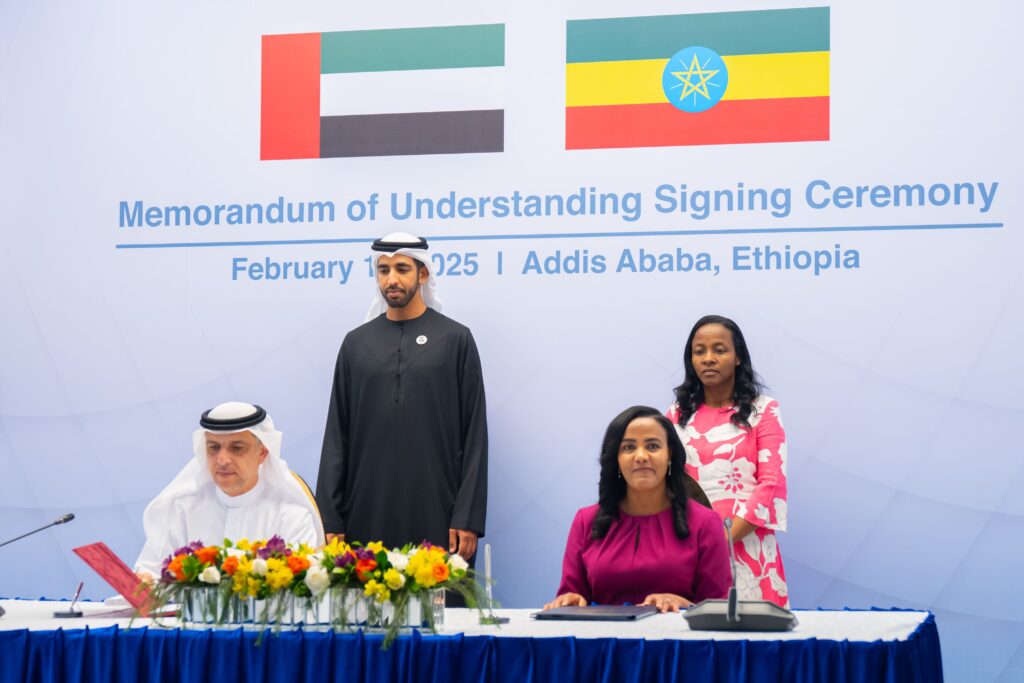
The United Arab Emirates has unveiled a $60 million initiative to develop schools tailored for visually impaired students across Ethiopia. This significant investment, announced ahead of the African Union Summit, underscores the UAE’s commitment to inclusive education and support for underserved communities.

The Khalifa Bin Zayed Al Nahyan Foundation, operating under Erth Zayed Philanthropies, will spearhead this project in collaboration with the Ethiopian government. The agreement was formalized by Mohamed Haji Al Khoori, Director General of the Foundation, and Ethiopia’s First Lady, Zinash Tayachew. The signing ceremony was witnessed by Sheikh Shakhboot bin Nahyan, UAE Minister of State and Trustee of Erth Zayed Philanthropies.

Ethiopia faces a pressing need in this sector, with approximately 1.2 million individuals living with visual impairments, including 332,000 who are blind. The country also contends with one of the highest global rates of trachoma, a preventable eye disease prevalent in underserved regions. This initiative aims to address these challenges by constructing schools equipped with advanced assistive technologies, specialized curricula, and vocational programs designed to empower visually impaired students for higher education and employment opportunities.

Sheikh Theyab bin Mohamed bin Zayed Al Nahyan, Deputy Chairman of the Presidential Court for Development and Fallen Heroes’ Affairs and Chairman of the Board of Trustees of Erth Zayed Philanthropies, emphasized the UAE’s dedication to supporting people of determination worldwide. He stated that providing visually impaired students in Ethiopia with inclusive learning environments is crucial for enabling them to reach their full potential.

Sheikh Shakhboot bin Nahyan highlighted the importance of sustainable development and strategic collaboration as drivers of lasting change. He noted that this initiative reflects the UAE’s unwavering commitment to uplifting communities, creating economic opportunities, and expanding access to essential services.

First Lady Zinash Tayachew expressed gratitude for the UAE’s continued partnership, which aligns with Ethiopia’s goal of ensuring that every citizen, regardless of abilities, has access to quality education. She emphasized that this collaboration will help create a more inclusive society where every student has the opportunity to succeed.

Mohamed Haji Al Khoori underscored that education is a fundamental right and that every child deserves the opportunity to learn in an environment that supports their unique needs. He added that strengthening educational systems lays the foundation for a more inclusive and equitable future, reaffirming the power of global partnerships in driving lasting impact.

This initiative builds upon the success of the Sheikha Fatima bint Mubarak School for the Blind in Addis Ababa, inaugurated in May 2024. The new schools will form a network across Ethiopia, expanding access to inclusive education and ensuring that visually impaired children, regardless of socioeconomic background, can thrive in supportive learning environments.

Fikeru Bejo, an IT teacher at the Sheikha Fatima bint Mubarak School for the Blind, shared insights into the transformative impact of such initiatives. He highlighted the resilience and determination of students to overcome challenges and achieve their goals, attributing their progress to the enhanced facilities, specialized teacher training, and introduction of assistive technology made possible by the UAE’s support.

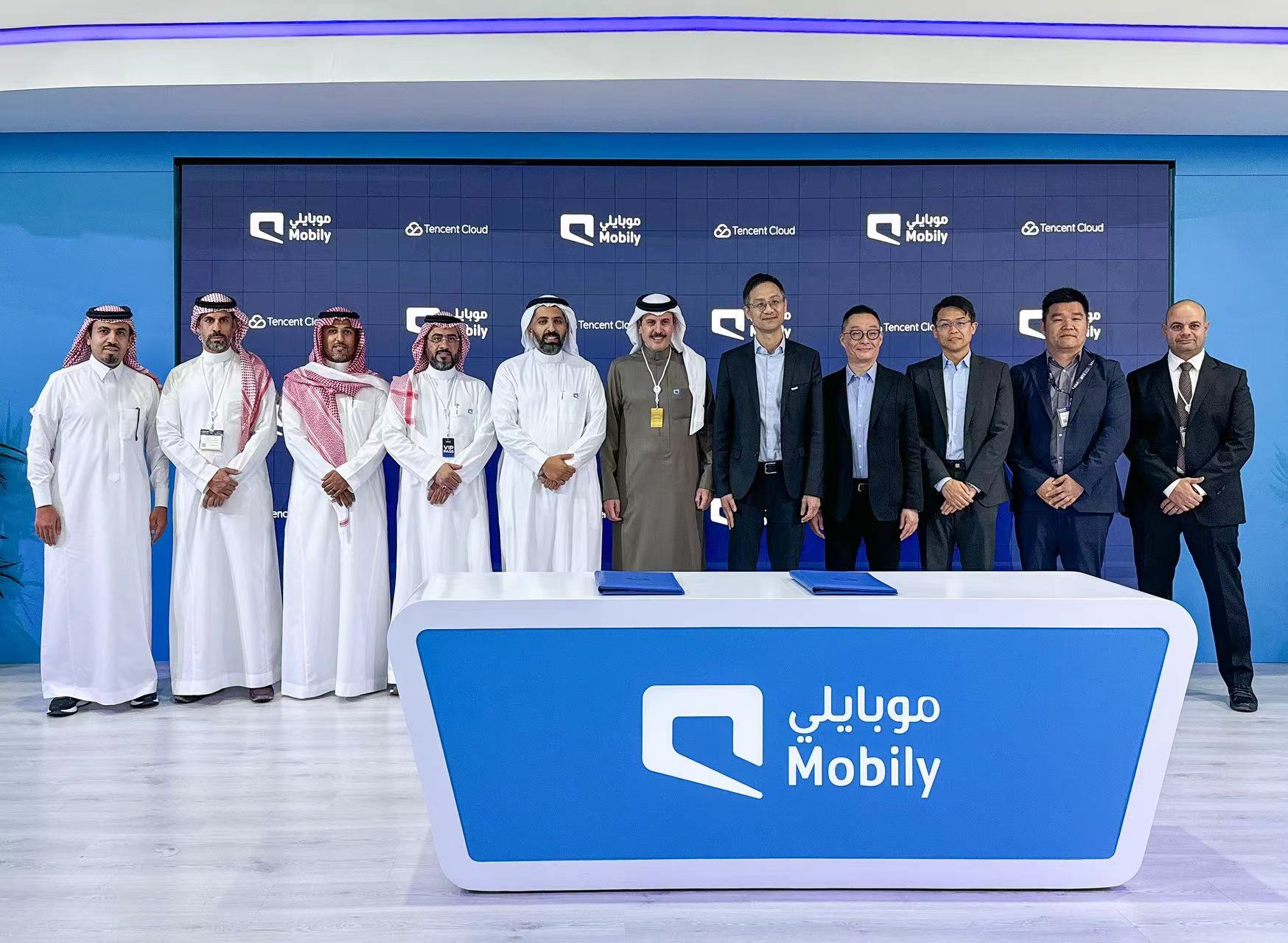
Tencent Cloud has unveiled plans to launch its inaugural Middle East Cloud Region in Saudi Arabia, marking a pivotal expansion in the company’s global infrastructure. Announced at the LEAP 2025 technology summit in Riyadh, the new cloud region will encompass two availability zones, each designed with full redundancy to ensure robust and reliable services. This development is slated to become operational by 2025, aligning with Saudi Arabia’s ambitious Vision 2030 objectives to foster digital transformation and economic diversification.

The strategic move includes an investment exceeding $150 million over the forthcoming years, underscoring Tencent Cloud’s commitment to bolstering the Kingdom’s burgeoning digital economy. Dan Hu, Vice President of Tencent Cloud International for the Middle East and North Africa, emphasized the significance of this initiative, stating, “We’re excited to have grown alongside the Kingdom of Saudi Arabia and look forward to ramping up cloud support for the Middle East. The new Cloud Region strengthens our ability to support the country’s digital transformation journey.”

This expansion will integrate Saudi Arabia into Tencent Cloud’s extensive global network, which currently comprises over 50 availability zones across 21 regions. The new infrastructure is poised to deliver a comprehensive suite of advanced cloud services, including artificial intelligence capabilities, data analytics, and digital media solutions. These offerings are tailored to meet the diverse needs of industries such as finance, gaming, media, and e-commerce within the region.

Saudi Arabia’s cloud computing market is experiencing rapid growth, driven by the government’s proactive digital initiatives and the private sector’s increasing adoption of cloud technologies. Projections indicate that annual spending on public cloud services in the Kingdom is expected to reach $2.5 billion by 2026, reflecting a compound annual growth rate of 25%. This surge is attributed to the nation’s focus on emerging technologies, including AI, cloud computing, and the Internet of Things , as integral components of its Vision 2030 plan.

The LEAP 2025 summit, where Tencent Cloud’s announcement was made, has emerged as a significant platform for technological collaboration and investment in Saudi Arabia. The event witnessed the Kingdom securing $14.9 billion in new investments aimed at advancing its digital infrastructure and AI capabilities. Notably, global cloud service providers are increasingly recognizing the potential of the Saudi market. For instance, Amazon Web Services has partnered with stc Group to accelerate cloud adoption and AI-driven innovation across various sectors, including healthcare, finance, and education.

Tencent Cloud’s entry into the Middle East market is anticipated to intensify competition among cloud service providers, offering businesses in the region a broader array of options to enhance their digital operations. The establishment of local data centers is particularly advantageous, as it addresses data residency requirements and reduces latency, thereby improving the performance of cloud-based applications and services.

In addition to infrastructure development, Tencent Cloud is expected to collaborate with local enterprises and governmental bodies to provide training and support, fostering a skilled workforce adept in cloud technologies. This initiative aligns with Saudi Arabia’s broader goals of nurturing innovation and entrepreneurship, ultimately contributing to a diversified and knowledge-based economy.

The Middle East’s strategic importance in the global technology landscape is increasingly evident, with countries like Saudi Arabia investing heavily in digital transformation. Tencent Cloud’s expansion into the region not only signifies confidence in the local market’s potential but also reinforces the Kingdom’s position as a burgeoning hub for technological advancement and innovation.

As the cloud computing landscape in Saudi Arabia continues to evolve, the presence of global players like Tencent Cloud is poised to accelerate the adoption of cutting-edge technologies. This development is expected to drive economic growth, enhance competitiveness, and pave the way for new business models and opportunities within the region.

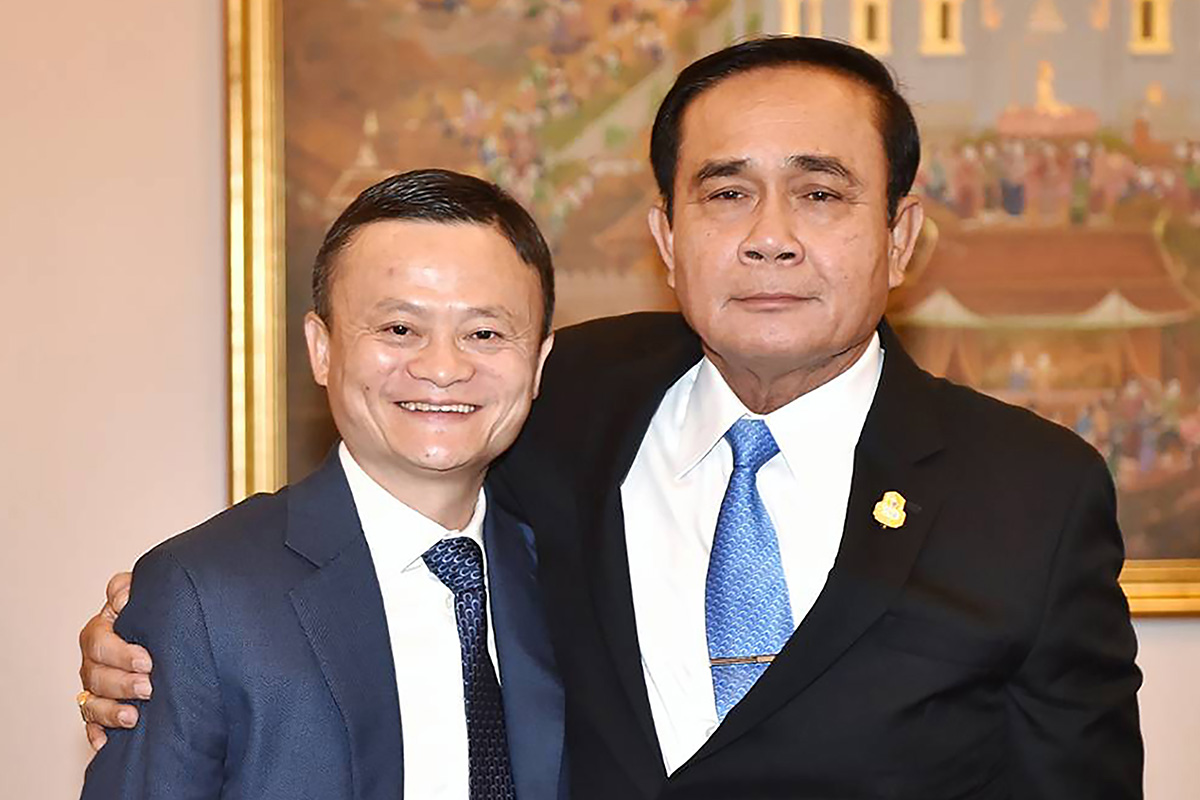
Alibaba Cloud has inaugurated its second data center in Thailand, aiming to meet the growing demand for cloud computing services and support the country’s digital transformation initiatives. This development aligns with Thailand’s strategic efforts to enhance its digital economy and infrastructure.

The new facility is designed to provide advanced cloud services, including support for artificial intelligence applications, to businesses and government agencies across Thailand. By expanding its data center footprint, Alibaba Cloud seeks to offer more robust and reliable services, catering to the increasing needs of enterprises adopting digital technologies.

Thailand has been actively pursuing a comprehensive digital transformation strategy, encapsulated in policies like “Thailand 4.0” and the “National Digital Economy and Society Development Plan.” These initiatives focus on building high-capacity digital infrastructure, promoting e-government solutions, and fostering innovation and technology adoption across various sectors. The government’s commitment is further evidenced by the approval of the national AI strategy and action plan , which aims to drive AI development and integration throughout the country.

The establishment of Alibaba Cloud’s second data center is poised to bolster these governmental efforts by providing the necessary infrastructure to support AI and other emerging technologies. This move is expected to enhance the competitiveness of Thai businesses, particularly small and medium-sized enterprises , by offering scalable and secure cloud solutions that facilitate innovation and efficiency.

In addition to infrastructure development, Thailand is focusing on digital skills enhancement and inclusivity. The government has launched initiatives to train individuals through community digital centers, aiming to bridge the digital divide and ensure that the benefits of digital transformation are accessible to all segments of the population. These efforts are crucial in creating a digitally literate workforce capable of leveraging new technologies to drive economic growth.

The collaboration between global technology providers like Alibaba Cloud and the Thai government signifies a strategic partnership that leverages international expertise to accelerate national digital goals. Such alliances are instrumental in positioning Thailand as a regional digital hub, attracting further investments, and fostering a vibrant ecosystem of innovation and technological advancement.

As Thailand continues to implement its digital economy strategies, the expansion of cloud infrastructure by industry leaders like Alibaba Cloud will play a pivotal role in supporting the nation’s objectives. This development not only addresses the immediate needs for advanced computing resources but also lays the foundation for sustainable digital growth in the years to come.

The integration of enhanced cloud services is anticipated to have a transformative impact on various sectors, including finance, healthcare, education, and manufacturing. By providing scalable and efficient cloud solutions, businesses can innovate more rapidly, improve operational efficiencies, and deliver better services to their customers. Moreover, the availability of local data centers ensures compliance with data sovereignty requirements, which is a critical consideration for many organizations.

In the financial sector, for instance, banks and fintech companies can leverage cloud-based AI analytics to offer personalized services and detect fraudulent activities more effectively. The healthcare industry can utilize cloud platforms to manage patient data securely and deploy telemedicine solutions, expanding access to medical services, especially in remote areas. Educational institutions can adopt e-learning platforms hosted on the cloud, providing students with flexible and interactive learning experiences. Manufacturers can implement IoT solutions to monitor production lines in real-time, enhancing productivity and reducing downtime.

New simple, powerful, affordable block storage systems power critical applications SINGAPORE – Media OutReach Newswire – 12 February 2025 – NetApp® (NASDAQ: NTAP), the intelligent data infrastructure company, today announced updates to its enterprise storage portfolio, expanding the NetApp ASA A-Series with new systems designed to accelerate and consolidate block workloads for organizations of any size. Alongside the announcement of new cyber resiliency capabilities, these systems enable […]

Saudi Arabia has solidified its position among the world’s top ten battery energy storage markets, marked by the commissioning of the 500 MW/2,000 MWh Bisha Battery Energy Storage System in the southwestern province of ‘Asir. This facility stands as one of the largest energy storage projects in the Middle East and Africa. The Bisha BESS, owned by Saudi Electric Company , comprises 122 prefabricated storage units designed […]

OpenAI has firmly declined a $97.4 billion acquisition proposal from a consortium led by Elon Musk, stating unequivocally that the organization is not for sale. The board’s unanimous decision underscores OpenAI’s commitment to its mission of developing artificial general intelligence for the benefit of all humanity. Elon Musk, who co-founded OpenAI in 2015 alongside CEO Sam Altman, has been vocal in his opposition to the company’s shift […]

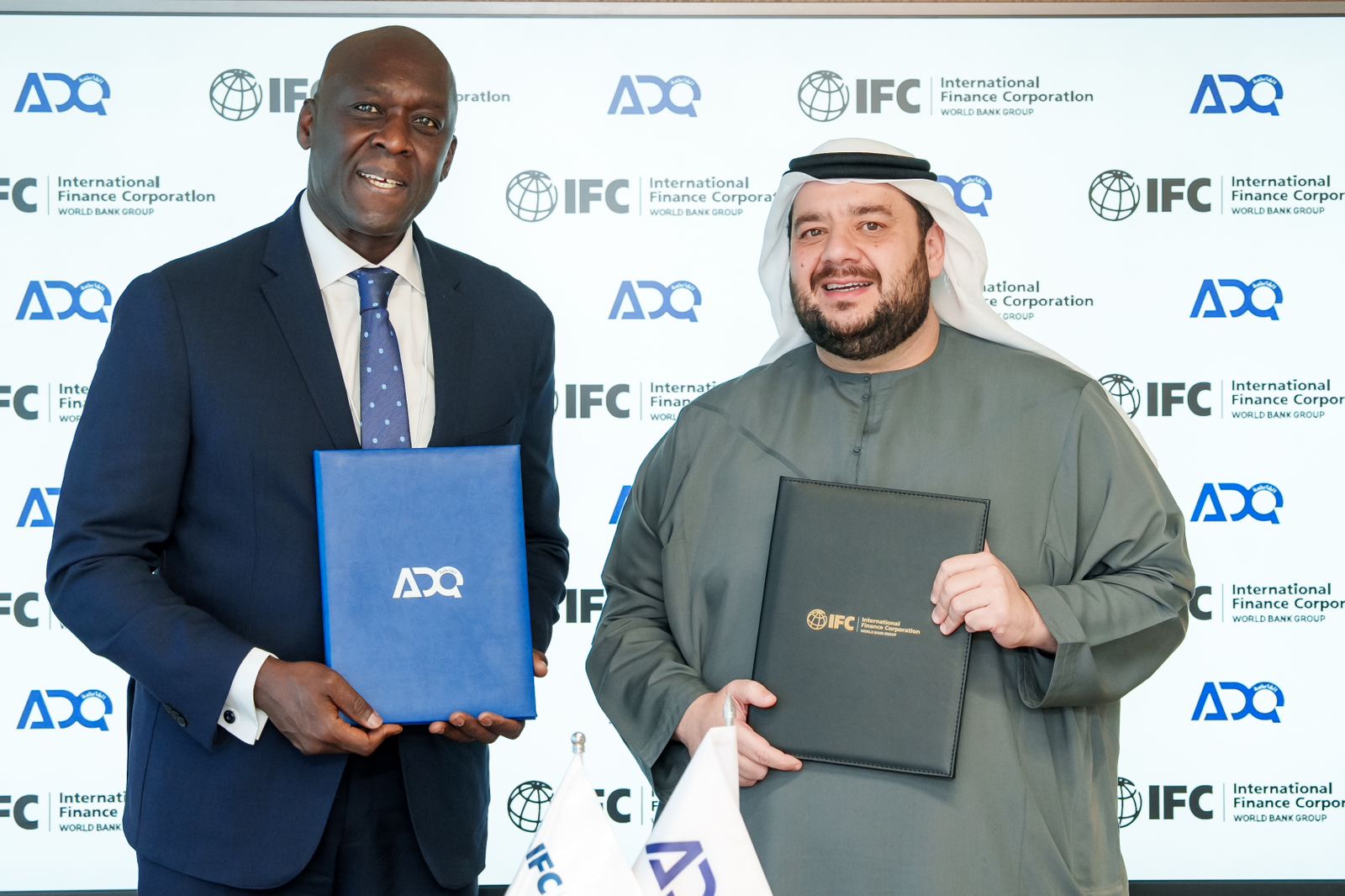
Abu Dhabi’s sovereign wealth fund, ADQ, has formalised a partnership with the International Finance Corporation to spearhead high-impact development projects across emerging markets. This collaboration aims to mobilise capital and expertise, focusing on sectors pivotal to sustainable economic growth.

The Memorandum of Understanding between ADQ and IFC establishes a framework for co-investment opportunities. By leveraging IFC’s proficiency in mobilising commercial capital and ADQ’s extensive experience in infrastructure development and supply chain resilience, the partnership seeks to address critical needs in various regions.

Key areas of focus include enhancing food security, promoting agricultural innovation, and strengthening healthcare infrastructure. These sectors are deemed essential for the socio-economic advancement of emerging markets, and the combined efforts of ADQ and IFC are poised to make significant contributions.

In addition to these sectors, the alliance will explore investments in energy security and sustainability, transport and logistics, as well as real estate and urban development. Such investments are intended to bolster economic resilience, improve quality of life, and enhance connectivity and competitiveness in a rapidly evolving global landscape.

His Excellency Mohamed Hassan Alsuwaidi, Managing Director and Group Chief Executive Officer of ADQ, emphasised the strategic importance of the partnership: “Collaborating with IFC reflects our shared commitment to creating enduring value and driving sustainable impact across emerging and developing markets. By combining our strengths, we aim to extend the expertise of our portfolio companies to new markets, undertaking transformative infrastructure projects that enhance communities and generate lasting economic benefits.”

Makhtar Diop, Managing Director of IFC, highlighted the role of sovereign wealth funds in fostering sustainable growth: “This partnership underscores the crucial role of sovereign wealth funds in promoting sustainable development in emerging markets. It also reflects the UAE’s leadership in facilitating South-South investments, enhancing economic cooperation, and creating global opportunities. By merging IFC’s global expertise with ADQ’s strategic investments, we aim to mobilise private capital and accelerate transformative, long-term development across key sectors.”

ADQ, established in 2018, manages a diverse portfolio spanning sectors such as energy and utilities, transport and logistics, food and agriculture, and healthcare and life sciences. With total assets amounting to USD 225 billion as of June 2024, ADQ has a track record of building strategic alliances and exporting the expertise of its portfolio companies to markets including Egypt, Turkey, Greece, Oman, and Jordan.

ROSHN Group, Saudi Arabia’s prominent multi-asset real estate developer and a Public Investment Fund company, has finalized a SAR 2 billion Shariah-compliant credit facility with Saudi National Bank . This seven-year financing arrangement is designated for the acquisition of ROSHN Front, a premier commercial and retail complex in Riyadh.

The strategic acquisition of ROSHN Front signifies ROSHN Group’s deliberate expansion into the commercial and retail sectors, complementing its existing residential projects. Opened in 2019, ROSHN Front has become a central hub for both shoppers and businesses, drawing over 7 million visitors annually. The development comprises two main sections: ROSHN Front—Retail, offering more than 81,800 square meters of leasable space occupied by leading retail and dining brands; and ROSHN Front—Business, providing over 78,900 square meters of office space housing esteemed government agencies, private enterprises, and multinational corporations.

Avinash Pangarkar, Group Chief Finance Officer of ROSHN Group, emphasized the importance of this financial partnership, stating that the agreement with Saudi National Bank is a pivotal milestone for ROSHN Group, enabling the unlocking of significant value from the acquisition and creating long-term benefits for stakeholders and the communities served.

The integration of ROSHN Front into ROSHN’s portfolio is poised to enhance the retail and commercial landscape of the area, elevate tenant experiences, and attract top-tier brands and businesses. This move aligns with ROSHN’s broader mission to develop integrated, human-centric communities that enrich the quality of life across the Kingdom.

The acquisition of ROSHN Front, formerly known as Riyadh Front, was initially announced in December 2022, with the rebranding to ROSHN Front occurring in September 2023. The complex is strategically located adjacent to ROSHN’s flagship SEDRA project in Riyadh, facilitating potential synergies between the developments. SEDRA is envisioned to house approximately 30,000 new homes upon completion, and the proximity to ROSHN Front is expected to provide residents with enhanced access to amenities, exclusive promotions, and diverse retail and commercial options.

The financing agreement with SNB not only underscores ROSHN’s commitment to expanding its footprint in the Kingdom’s real estate sector but also reflects the confidence of financial institutions in ROSHN’s strategic vision and operational capabilities. As a PIF-backed entity, ROSHN continues to play a vital role in advancing Saudi Arabia’s Vision 2030 objectives by developing sustainable and vibrant communities that cater to the evolving needs of its populace.

As Banyan Tree Residences Sichon breaks ground in Nakhon Si Thammarat, investors and travelers are recognizing the untapped potential of Thailand’s diverse coastal regions. NAKHON SI THAMMARAT, THAILAND – Media OutReach Newswire – 12 February 2025 – Today, Banyan Tree Residences Sichon, a new ultra-luxury branded residence, is set to redefine Southern Thailand’s resort landscape. The project broke ground today at a ceremony attended by senior government […]

A significant assembly of finance ministers and central bank governors from emerging markets is set to commence on February 16, 2025, in Al-Ula, Saudi Arabia. This high-level conference, jointly organized by the International Monetary Fund and the Kingdom of Saudi Arabia, aims to address the multifaceted challenges confronting emerging market and developing economies in the current global landscape. The gathering occurs against a backdrop of escalating trade […]

The Environmental, Social, and Governance sukuk market has achieved a significant milestone, with its outstanding value exceeding $50 billion by the end of 2024. This growth underscores the increasing integration of ethical and sustainable principles within Islamic finance. Data from the London Stock Exchange Group indicates that ESG sukuk issuances reached $15.2 billion in 2024, marking a 14.5% annual growth. This represents the eighth consecutive year of […]

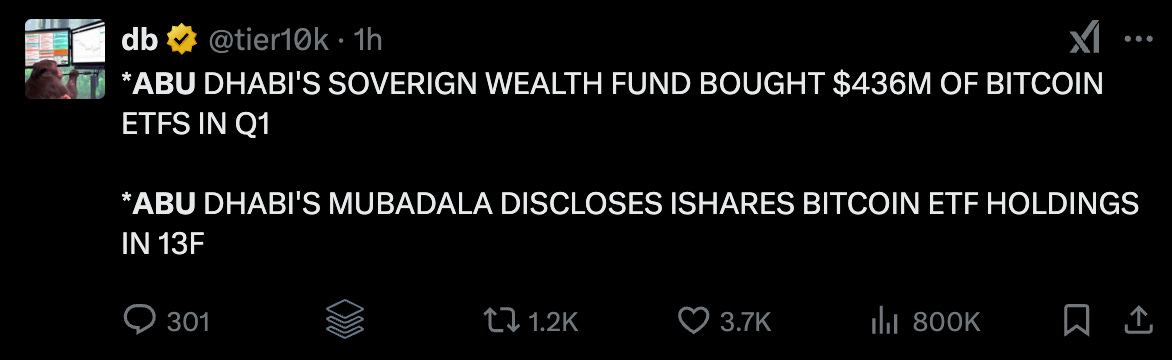
Abu Dhabi’s sovereign wealth fund, Mubadala Investment Company, has made a significant entry into the cryptocurrency market by acquiring $436.9 million worth of shares in BlackRock’s iShares Bitcoin Trust ETF during the fourth quarter of 2024. This move underscores the growing institutional interest in digital assets among sovereign wealth funds.

According to the latest 13F filings with the U.S. Securities and Exchange Commission, Mubadala purchased approximately 8.2 million shares of IBIT, marking its inaugural investment in a Bitcoin exchange-traded fund. This acquisition aligns with a broader trend of institutional investors increasing their exposure to cryptocurrency-linked financial products.

The fourth quarter of 2024 witnessed a surge in Bitcoin’s value, with the cryptocurrency appreciating by 47%. This upward trajectory has been a catalyst for various asset managers, including wealth management firms, hedge funds, and pension funds, to bolster their investments in Bitcoin ETFs. Notably, the State of Wisconsin Investment Board more than doubled its holdings in the iShares Bitcoin Trust ETF to 6 million shares by the end of December. Similarly, Tudor Investment Corp, a prominent hedge fund, increased its stake to 8 million shares, valued at $426.9 million at the close of the year.

Mubadala’s strategic investment reflects a growing confidence among sovereign wealth funds in the viability of digital assets. This move is particularly significant given the Middle East’s increasing engagement with blockchain technology and cryptocurrencies. In 2023, Abu Dhabi demonstrated its commitment to the digital asset space by investing in Bitcoin mining operations, collaborating with Marathon Digital and local firm Zero Two to develop a large-scale mining facility in the capital.

The iShares Bitcoin Trust ETF, managed by BlackRock, has emerged as a leading product in the market, amassing over $55 billion in assets under management. BlackRock’s expansion into Abu Dhabi in November 2024, securing a commercial license to operate, may have further facilitated Mubadala’s investment decision.

Industry experts view Mubadala’s substantial allocation to Bitcoin ETFs as a pivotal moment in the institutional adoption of digital assets. Anthony Pompliano, a well-known Bitcoin advocate, highlighted the strategic implications of such investments, suggesting that sovereign wealth funds’ involvement could prompt other nations to consider integrating Bitcoin into their reserves.

Financial advisory firms have also been active in this domain. Cetera Advisors and NewEdge Advisers, for instance, have increased their holdings across multiple Bitcoin ETFs, including those offered by Fidelity, ARK Investments, and Invesco. This trend indicates a rising demand from clients seeking exposure to digital assets through traditional investment vehicles.

While Mubadala’s investment marks a significant milestone, it is part of a broader pattern of institutional investors recognizing the potential of cryptocurrency assets. As digital currencies continue to gain mainstream acceptance, the involvement of sovereign wealth funds like Mubadala could signal a transformative shift in the global financial landscape.

The 13F filings provide a window into the investment strategies of large institutional players, offering insights into their positions at the end of each quarter. These disclosures, while not reflective of real-time holdings, are instrumental in understanding market dynamics and the evolving sentiment toward emerging asset classes like cryptocurrencies.

Mubadala’s foray into Bitcoin ETFs not only enhances its diversified investment portfolio but also positions Abu Dhabi as a forward-thinking participant in the rapidly evolving digital economy. As other sovereign wealth funds observe and assess the outcomes of such investments, a ripple effect leading to broader adoption of digital assets in institutional portfolios worldwide is plausible.

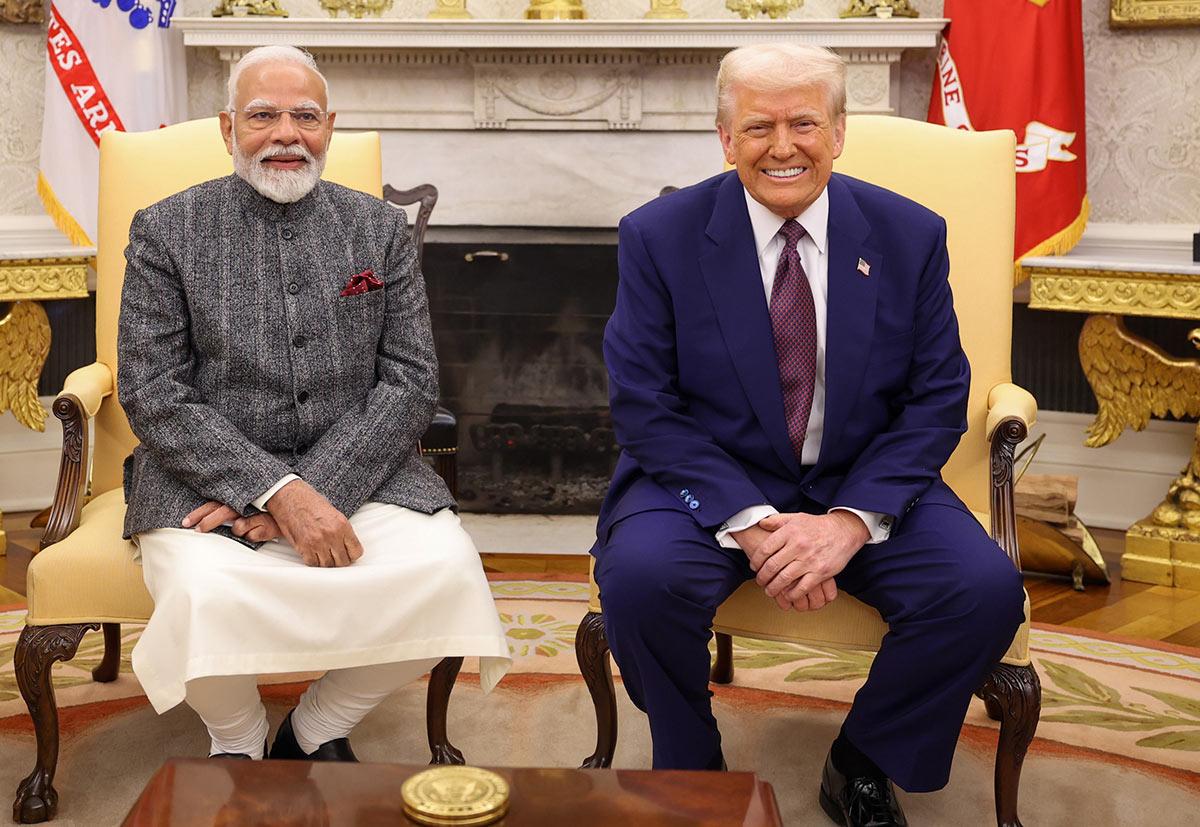
By T N Ashok WASHINGTON: Indian Prime Minister Narendra Modi’s visit the United States is more significant than ever at a time when the geo-political situation is fast changing, and new leaders take over in many countries. Modi’s scheduled meeting with US President Donald Trump on Thursday in White House offered positive results for the […]

New appointment to drive enhanced investment strategies and client-centric solutions HONG KONG SAR/SINGAPORE – Media OutReach Newswire – 14 February 2025 – WRISE Group announced today that Chen Jingwei has been appointed Regional Chief Investment Officer, effective immediately. In this expanded role, Jingwei will oversee all investment-related activities across the firm’s mass affluent segment, WRISE Prestige Hong Kong, in addition to his current responsibilities as Chief Investment […]

VISHNU RAJA
RYO YAMADA
HITORI GOTOH
IKUYO KITA