Just in:
Yicura BioMed Advances Dual Capital and Industrial Strategy: Completes First Closing of Series B Financing Led by Gobi Partners // Electoral register gains 2.17 lakh voters // The Honey Trap Is The Headline, The Chip Pipeline Is The Story // Fujairah highway pile-up leaves 14 dead and 30 injured // TORRAS Launches Two New iPhone Duo Cases from Its Popular Ostand Series, Addressing Foldable Phone Users’ Concerns About Difficult Stand Positioning and Scratches // From Dubai to the EU: how UAE-based crypto firms can expand under MiCA // Nvidia appoints Colette Kress interim chief after Huang departure // US authorities dismantle North Korean cryptocurrency deception infrastructure // IEA forecasts fourth-quarter oil surplus as Gulf shipments rebound // Rooftop solar planning gaps behind power shortages // 11 Boutique Xinjiang Wineries to Debut in Singapore // China Reconciled To U.S. Curbs On Chips Exports, Woos South Korea For Supply // Salik posts Dhs1.045bn profit despite lower toll traffic // Lego restores BrickLink marketplace after security investigation // L’OCCITANE Celebrates 50 Years Of Provençal Craftsmanship With Holiday 2026 Collection // Inpex reaffirms Gulf oil strategy despite shipping constraints // Crescent Enterprises venture arm funds Oyster Therapeutics development // Microsoft apologises as Outlook services recover after outage // Microsoft restores services gradually but gives no recovery deadline // Woman found dead as bank moves to repossess home //

News related to
Part

The United Arab Emirates (UAE) has made significant strides in its infrastructure sector throughout 2024, launching a series of transformative projects aimed at bolstering economic growth and fostering development across various industries. A cornerstone of these advancements is the Barakah Nuclear Energy Plant, which has achieved full operational status with the commencement of commercial operations for Unit 4. This milestone enables the plant to generate 40 terawatt-hours (TWh) of electricity annually, supplying up to 25% of the nation’s electricity needs with clean, carbon-free energy.

The Barakah Plant’s full operational capacity represents the largest decarbonization effort in the UAE and the region, positioning the country ahead of its 2030 climate commitments. The 22.4 million tonnes of annual carbon emissions prevented by the plant are equivalent to removing 4.6 million cars from the roads each year, contributing significantly to the nation’s environmental goals.

In addition to advancements in nuclear energy, the UAE has embarked on several ambitious infrastructure projects set to transform its urban landscape and enhance its global standing. One such project is the expansion of Al Maktoum International Airport in Dubai. Approved in April 2024, the expansion includes the construction of a new passenger terminal, with plans to make it the largest airport in the world, capable of handling up to 260 million passengers upon completion. This development underscores Dubai’s commitment to becoming a leading global hub for travel and commerce.

Another transformative initiative is “The Spine,” a 40-mile-long futuristic motorway in Dubai designed to incorporate robo-trams, shopping malls, and one million trees to support sustainable transportation. This project aims to replace the busy Sheikh Mohammed Bin Zayed Road, fostering smoother commutes and greener energy use as part of Dubai’s 2040 Urban Master Plan.

The UAE’s commitment to enhancing its infrastructure is further evidenced by the approval of significant investments in various sectors. Abu Dhabi, for instance, has approved infrastructure projects worth $18 billion in the first quarter of 2024, focusing on housing, education, and tourism. These investments are crucial for supporting the UAE’s long-term economic strategy and enhancing public services.

In the realm of transportation, the Dubai Roads and Transport Authority (RTA) has awarded a contract worth 20.5 billion dirhams ($5.6 billion) for the construction of the Dubai Metro Blue Line. This project includes a metro line extending 30 kilometers with 14 stations, further enhancing the city’s public transportation network and reducing traffic congestion.

The UAE’s construction industry is poised for substantial growth, with forecasts indicating a 5.6% expansion in real terms in 2024. This growth is supported by improving economic conditions and public and private sector investments in major projects across transportation, energy, and housing sectors. The commercial construction sector is expected to expand by 6.6% in real terms, driven by a recovery in tourism activities and investments in the hospitality sector.

These infrastructure developments are complemented by the UAE’s focus on sustainability and environmental conservation. Projects such as the Jebel Ali Beach development in Dubai, set to become the longest public open beach in the country, emphasize environmental conservation and recreational facilities, including turtle rehabilitation centers and mangrove ecosystems.

Abu Dhabi has announced plans to build the world’s second Sphere entertainment complex, modeled after the first Sphere in Las Vegas. This project aims to enhance Abu Dhabi’s distinction as a tourist destination, contributing to the diversification of the UAE’s economy.


100% Volunteer Participation Demonstrates Corporate Commitment HONG KONG SAR – Media OutReach Newswire – 30 December 2024 – Generali Hong Kong continues to make meaningful impact in the community by supporting more than 500 underprivileged families and young children through The Human Safety Net, a global initiative powered by the Generali Group. Recently, Generali Hong Kong organized a Family Hiking Day for families living in Sham Shui […]

By K Raveendran The year 2024 marked a historic period for gold, perhaps fit to be called the ‘Year of Gold’ due to the yellow metal’s remarkable performance across various metrics. Total demand for God surpassed an unprecedented US $100 billion, underpinned by robust investment activity and a supportive macroeconomic backdrop. This astounding demand surge […]

The Dubai Land Department (DLD) has announced the introduction of a ‘Smart Rental Index’ set to launch in January 2025, aiming to enhance transparency and trust within the emirate’s real estate sector. This initiative is designed to provide accurate, up-to-date rental data, benefiting landlords, tenants, and investors alike.

The Smart Rental Index will serve as a benchmark for assessing and calculating rents for new leases and renewals across Dubai. By utilizing advanced technologies, the index seeks to streamline rental valuations, ensuring they reflect current market conditions. This move is expected to foster confidence among all parties involved in rental transactions.

Dubai’s rental market has experienced significant growth over the past four years, driven by an influx of new residents and investors. The city’s population increased by over 100,000 this year, contributing to heightened demand for housing. In the third quarter of 2024, approximately 9,157 residential units were delivered, bringing the total for the year to 22,900 units, encompassing both apartments and villas.

According to real estate consultancy Cushman & Wakefield, city-wide rents rose by 18% year-on-year in the third quarter of 2024, marking the 15th consecutive quarter of significant growth. Apartment rents saw a sharper increase of 19% over the same period, while villa rents experienced a 13% rise, indicating a trend toward stabilization in the villa segment as prices approach affordability thresholds.

The DLD’s implementation of the Smart Rental Index aligns with its broader strategic plan to position Dubai as one of the world’s leading real estate markets through effective governance and innovation. By integrating cutting-edge technologies with accumulated real estate expertise, the DLD aims to meet the evolving needs of the market and its stakeholders.

In March 2024, the DLD updated the rental index to align rates with prevailing market conditions. The forthcoming Smart Rental Index represents a further evolution, offering a more dynamic and responsive tool for rental valuations. This initiative is anticipated to play a critical role in resolving disputes between tenants and landlords by providing a transparent reference point for fair rental assessments.

The introduction of the Smart Rental Index follows similar initiatives in the region. In August 2024, the Abu Dhabi Real Estate Centre launched the first residential Rental Index for the capital, aiming to increase transparency and support market stability. Dubai’s adoption of a smart index underscores the emirate’s commitment to leveraging technology to enhance market operations and stakeholder confidence.

German President Frank-Walter Steinmeier has dissolved the Bundestag, setting new federal elections for February 23, 2025. This decisive action follows the collapse of Chancellor Olaf Scholz’s coalition government and his subsequent loss in a vote of confidence. The political crisis intensified on November 6, 2024, when Chancellor Scholz dismissed Finance Minister Christian Lindner, leading to the disintegration of the three-party coalition comprising the Social Democrats (SPD), Free […]

SINGAPORE – Media OutReach Newswire – 28 December 2024 – The inaugural Yuewen Music Festival kicked off on Day 1, showcasing a mesmerizing array of performances that ignited Siloso Beach, Sentosa. DJ Tech’1 opened the event, energizing the crowd with a dynamic DJ performance that set the vibrant tone for the evening. His innovative mixes had everyone on their feet. Following him, Olivia Marsh dazzled the audience […]

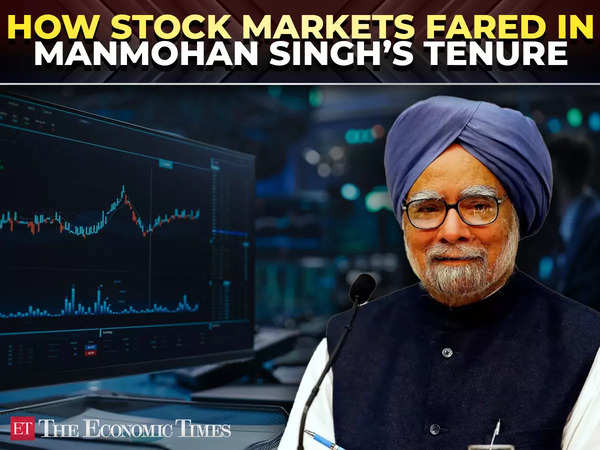
By Anjan Roy Thirty-three years are half a lifetime. Thirty-three years ago, Dr Manmohan Singh stepped into a high-profile limelight, well after his formal retirement from a senior government job. When he died last Friday at the age of 92, he was considered India’s greatest finance minister and the architect of India’s modern economy. There […]
Advertisements

Matein Khalid I am still puzzled by the frenzied selling in the bond market after the FOMC cut its dot-plot projections from 4 to 2 for 2025 at its Dec 18 conclave. Why? Mr. Market had already priced in two rate cuts in 2025 after he was spooked by the uptick in core PCE/CPI data. Inflation risk in Trumpnomics is exaggerated but with the President elect now […]

Despite the Gulf Cooperation Council (GCC) countries’ plans to implement a 15% corporate tax on large multinational enterprises (MNEs) by January 1, 2025, foreign direct investment (FDI) in the region continues to surge. This tax aligns with the Organisation for Economic Co-operation and Development’s (OECD) global minimum tax framework, aiming to ensure that MNEs pay a minimum effective tax rate on profits in every country where they […]

By Manish Rai While on my recent visit to Iraqi Kurdistan, I visited several frontline positions of the Peshmerga forces, where they are facing the Iraqi Army and active ISIS cells. Firstly, I visited Brigade 14 headquarters near Dibak, approximately 60 km from the Kurdistan capital, Erbil. There, I met with Brigadier General Almi Mzuri; he is a seasoned soldier who worked in the Iraqi Army for […]

Geopolitical tensions in the Middle East are intensifying, raising alarms about the stability of global oil supplies. Recent Israeli airstrikes targeting Yemen’s Houthi rebels have exacerbated fears of disruptions in the region’s critical oil flow. These developments have led to a surge in oil prices, with Brent crude reaching $75.98 per barrel and U.S. West Texas Intermediate climbing to $72.30.

The Middle East remains a pivotal hub for global oil production and exportation. Conflicts involving key players such as Israel, Iran, and Yemen have historically had significant implications for oil markets. The latest Israeli military actions against Houthi positions in Yemen have intensified concerns about the security of oil shipments through the Red Sea, a vital artery for global energy supplies.

Market analysts are closely monitoring these geopolitical developments. Bart Melek, a market strategist, emphasized the potential risks to oil shipments, noting that any escalation could lead to substantial disruptions in supply chains. Such disruptions can have cascading effects on global markets, influencing everything from fuel prices to broader economic indicators.

In response to the potential shortfall in oil supplies, particularly from Russia, Indian state refiners are exploring alternative sources. Companies like Indian Oil Corp, Bharat Petroleum Corp, and Hindustan Petroleum are considering purchasing spot crude from Middle Eastern suppliers to compensate for the deficit. This strategic move underscores the interconnectedness of global oil markets and how regional conflicts can prompt shifts in trade patterns.

The geopolitical landscape’s volatility has also prompted energy consultancies to reassess risk assessments. Rapidan Energy Group, for instance, has highlighted the increasing concerns that fresh tensions in the Middle East threaten to curtail vital energy resources. Such analyses are crucial for stakeholders aiming to navigate the complexities of the current energy market.

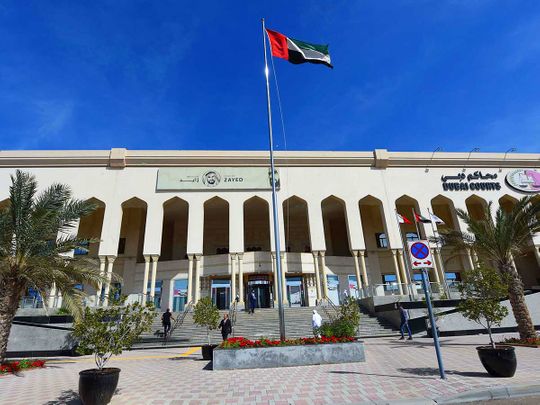
Dubai’s law enforcement agencies have successfully dismantled two major international money laundering networks, collectively responsible for illicit transactions exceeding AED 641 million. The Dubai Public Prosecution has charged 26 individuals, including a 21-year-old Emirati national, 21 British nationals, two Americans, a Czech national, and two companies owned by the Emirati, with laundering AED 461 million, forgery of official documents, and their use.

Investigations revealed that the networks smuggled funds from the United Kingdom into the United Arab Emirates, disguising the illicit money as legitimate business transactions. The funds were funneled through two local companies owned by the Emirati national, who is among those charged.

Dubai Police, in collaboration with international counterparts, conducted extensive surveillance and intelligence operations to uncover the complex financial activities of these networks. The accused employed sophisticated methods, including the use of cryptocurrencies and forged trade documents, to obscure the origins of the funds and integrate them into the financial system.

The successful operation underscores Dubai’s commitment to combating financial crimes and maintaining the integrity of its financial system. Authorities have emphasized that the UAE will not tolerate the misuse of its financial infrastructure for illicit activities and will continue to work closely with international partners to detect and dismantle such networks.

This crackdown is part of a broader initiative by Dubai to enhance its anti-money laundering (AML) and counter-terrorist financing (CTF) measures. The UAE has been under increased scrutiny by international bodies, such as the Financial Action Task Force (FATF), to strengthen its regulatory frameworks and enforcement actions against financial crimes.

In recent years, Dubai has been perceived as a hub for international money laundering activities, attracting criminal organizations seeking to exploit its financial system. The city’s strategic location, coupled with its status as a global financial center, has made it an attractive destination for illicit financial flows.

The dismantling of these networks serves as a warning to other criminal organizations that Dubai is intensifying its efforts to detect and prosecute financial crimes. Authorities have reiterated their commitment to implementing stringent AML and CTF measures, including enhanced due diligence procedures, increased transparency in financial transactions, and robust enforcement actions against violators.

The accused individuals are currently awaiting trial in the Dubai Criminal Court of First Instance. If convicted, they face severe penalties, including substantial fines and lengthy prison sentences, reflecting the serious nature of their offenses. The authorities have also initiated procedures to confiscate the illicit funds and any assets acquired through these criminal activities.

This operation highlights the importance of international cooperation in combating money laundering and other financial crimes. Dubai’s collaboration with foreign law enforcement agencies was instrumental in uncovering the complex operations of these networks, demonstrating the effectiveness of coordinated efforts in addressing transnational criminal activities.

The UAE has been taking significant steps to align its financial regulations with international standards. Recent legislative reforms have been introduced to enhance the country’s ability to prevent, detect, and prosecute financial crimes. These measures are aimed at reinforcing the UAE’s position as a secure and transparent global financial hub.

Financial institutions operating within the UAE are also being urged to strengthen their internal controls and compliance programs. Authorities have issued guidelines to ensure that banks and other financial entities implement effective customer due diligence, monitor transactions for suspicious activities, and report any potential violations to the relevant authorities.

SINGAPORE – Media OutReach Newswire – 27 December 2024 – Energea is revolutionizing wireless charging with the launch of its latest lineup, created to embrace the new open wireless charging standard, Qi2, by the Wireless Power Consortium (WPC). The innovative collection, featuring the MagTrio Plus, MagDuo, and MagPac Pro+, supports Apple’s most-loved devices, including the iPhone, Apple Watch and AirPods. Each product is officially Qi2-certified, guaranteeing superior […]

BANGKOK, THAILAND – Media OutReach Newswire – 27 December 2024 – The Ministry of Higher Education, Science, Research, and Innovation (MHESI), through the National Innovation Agency (Public Organization) or NIA, is forging ahead to support high-potential Thai startups and SMEs in the medical and health innovation sectors, granting them access to Germany, one of Europe’s largest and most significant MedTech markets. As part of the ‘Digital Innovation […]

Formulated with 90% naturally-derived ingredients and Dermal Precision Technology to maximise absorption and minimise irritation SINGAPORE – Media OutReach Newswire – 27 December 2024 – Pigeon, the go-to brand for mother-and-baby essentials, expands its support for mothers with the new Natural Botanical Maternity skincare range, designed to provide mothers with safe, effective, and eco-conscious, self-care solutions during pregnancy and postpartum. This unique range combines 90% naturally derived […]

Manmohan Singh, the former prime minister credited with steering India through one of its most transformative periods of economic reform, has passed away at the age of 92. A technocrat-turned-politician, Singh’s leadership in the late 1990s and early 2000s reshaped India’s global economic standing, laying the foundation for its emergence as a major player in the international arena.

Singh’s legacy as a pivotal figure in India’s economic history is unparalleled. Serving as finance minister in the early 1990s under Prime Minister P.V. Narasimha Rao, he orchestrated bold economic reforms that shifted the country away from a protectionist, state-driven economy to one that embraced liberalization, privatization, and globalization. This shift unlocked India’s vast potential, transforming it into one of the world’s fastest-growing major economies.

Under Singh’s leadership as prime minister from 2004 to 2014, India saw continued economic growth despite facing challenges such as the global financial crisis of 2008. His tenure also marked significant strides in foreign policy, healthcare, and social welfare, although his government was often criticized for inefficiency and corruption scandals. Despite these challenges, Singh’s image as a steady and pragmatic leader remained intact, earning him respect both domestically and internationally.

Born on September 26, 1932, in Gah, a village now in Pakistan, Singh was educated at the University of Cambridge and the University of Oxford, where he earned a doctorate in economics. His early career was steeped in academia and international organizations, including the United Nations and the World Bank, where he worked on developmental issues.

Singh’s journey into politics was unexpected. He was appointed as the finance minister by Rao during a time of severe economic crisis in 1991. Faced with a collapsing economy, Singh oversaw the liberalization of India’s trade policies, the reduction of import tariffs, and the reduction of government intervention in the market. These reforms, considered radical at the time, set India on a path of rapid economic growth that lasted for decades.

His tenure as prime minister began in 2004, when he became the first person from outside the Congress party’s political elite to hold the office. Initially seen as a “reluctant king” — a term used by many to describe his quiet and reserved nature — Singh proved his mettle by leading India through a series of crises. His ability to work within a coalition government, which included various regional and ideological factions, was vital to his success. Singh’s pragmatic approach helped balance India’s need for economic reforms with the demands of social welfare programs.

His government’s accomplishments included the expansion of social security programs, especially in rural areas, and efforts to modernize infrastructure. Singh was instrumental in securing India’s nuclear deal with the United States in 2008, a landmark agreement that further integrated India into the global economic and political system. Despite facing criticism from some quarters about his handling of domestic issues, including rampant corruption within his administration, Singh remained a respected figure in India’s political landscape.

Singh’s calm and measured demeanor stood in stark contrast to the often combative political environment of India. He was regarded as an intellectual, often eschewing the public spotlight and preferring a more subdued form of leadership. His style of governance, however, drew mixed reviews. While some appreciated his cautious approach to reform, others believed he was too passive in confronting challenges within his party and government.

Throughout his tenure, Singh navigated tensions between economic modernization and India’s deeply entrenched social issues. His policies aimed at expanding access to education, healthcare, and rural development were seen as critical in tackling the vast disparities that continue to exist across India’s population. Despite the political hurdles he faced, Singh’s vision for India was one of a globally integrated economy balanced with robust social safety nets.

Following his time as prime minister, Singh continued to remain an influential voice in Indian politics, though his political party, the Congress, faced challenges in the years after his leadership. His tenure, which ended with the 2014 elections, was marked by the rise of new political forces, most notably the Bharatiya Janata Party (BJP) and its leader Narendra Modi, who became prime minister in 2014. While Singh retired from active politics, his thoughts on the country’s future remained highly regarded, often offering critiques of the policies of his successors.

By Dr. Gyan Pathak The Indian National Congress has postponed the grand convention – Jai Gandhi, Jai Bhim, Jai Samvidhan – on the second day of the Extended Congress Working Committee Meet at Belagavi in Karnataka. Instead, a condolence meeting was held to mourn the sad demise of the former Prime Minister Manmohan Singh. But […]

Dubai’s law enforcement agencies have dismantled two international money-laundering operations involving the illicit transfer of funds and cryptocurrencies, leading to multiple arrests, according to official statements.

The first operation targeted a syndicate responsible for laundering approximately Dh400 million through a complex network of front companies and digital currency exchanges. Investigators revealed that the group utilized unlicensed platforms to convert illicit funds into cryptocurrencies, facilitating anonymous cross-border transfers. This method allowed the perpetrators to obscure the origins of the money, complicating detection efforts.

In the second operation, authorities intercepted a scheme involving the laundering of Dh240 million. This network employed traditional banking channels alongside shell corporations to move funds across multiple jurisdictions. The conspirators exploited regulatory gaps in international financial systems to evade scrutiny, making the trail difficult to trace.

Dubai’s Financial Intelligence Unit (FIU) played a pivotal role in these investigations, analyzing suspicious transaction reports and coordinating with international counterparts. The FIU’s enhanced monitoring capabilities have been instrumental in identifying and disrupting sophisticated money-laundering activities.

The arrested individuals, whose identities have not been disclosed pending further investigation, face charges under the UAE’s stringent anti-money laundering (AML) laws. Convictions could result in substantial fines and lengthy prison sentences, reflecting the country’s commitment to combating financial crimes.

These operations underscore Dubai’s ongoing efforts to strengthen its financial regulatory framework. In 2023, the UAE seized assets worth $639 million linked to money-laundering violations, demonstrating a robust stance against financial misconduct.

The UAE has also intensified scrutiny of high-risk sectors, including real estate and precious metals, which are often exploited for money-laundering purposes. Recent enforcement actions have targeted non-compliant entities within these industries, resulting in fines and operational suspensions.

International collaboration remains a cornerstone of the UAE’s AML strategy. The country has entered into multiple mutual legal assistance treaties to facilitate cross-border cooperation in financial crime investigations. These agreements enable the exchange of information and joint operations, enhancing the effectiveness of enforcement actions.

Experts note that while significant progress has been made, challenges persist due to the evolving nature of financial crimes. The increasing use of digital currencies and complex corporate structures necessitates continuous adaptation of regulatory and enforcement mechanisms.

The UAE’s commitment to combating money laundering is further evidenced by its efforts to align with international standards set by organizations such as the Financial Action Task Force (FATF). Ongoing legislative reforms aim to address identified vulnerabilities and enhance the transparency of financial transactions.

North Korean troops deployed in Russia’s Kursk region are experiencing significant casualties and logistical challenges due to Ukrainian military actions, according to Ukraine’s military intelligence agency, GUR. Ukrainian strikes near Novoivanovka have inflicted substantial losses on these units, which are also contending with supply shortages, including a lack of drinking water. Ukrainian President Volodymyr Zelenskyy reported that over 3,000 North Korean soldiers have been killed or wounded […]

The South Korean won has plunged to its lowest level against the U.S. dollar in over 15 years, trading at approximately 1,471.8 won per dollar. This significant depreciation is attributed to escalating political instability following President Yoon Suk Yeol’s declaration of martial law and subsequent impeachment.

The currency’s decline has had a pronounced impact on the cryptocurrency market, particularly on Upbit, South Korea’s leading exchange. Korean investors are now paying a premium of 3% to 5% to exchange won for Bitcoin (BTC) and Tether (USDT) on the platform.

This premium, often referred to as the “Kimchi Premium,” indicates a higher trading price for cryptocurrencies in South Korea compared to global markets. Such disparities typically emerge during periods of heightened demand or market volatility. The current economic and political climate has intensified investor interest in digital assets as alternative investment vehicles.

The Bank of Korea has expressed concerns over the rapid depreciation of the won, highlighting potential risks to economic growth. In response, the central bank is considering measures to stabilize the financial markets, including flexible management of foreign exchange transactions and expanding foreign exchange swap lines.

The cryptocurrency market in South Korea has historically been influenced by domestic economic conditions and regulatory developments. The current premiums on Upbit suggest a surge in demand for digital assets, possibly as a hedge against the weakening won and the prevailing political uncertainties.

Syria’s newly established government forces intensified their security operations across the coastal region on Thursday following an attack that killed 14 policemen the day before. State media reported that the authorities vowed to root out the remnants of the former Bashar al-Assad government, holding them responsible for the deadly assault. The crackdown marks a significant shift in Syria’s internal power dynamics, as the new regime seeks to […]

HANOI, VIETNAM – Media OutReach Newswire – 27 December 2024 – Driven by the vision of widespread electrification, VinFast is dedicated to making electric vehicles accessible to everyone. To achieve this, the company is actively building a robust green ecosystem across Asia while simultaneously enhancing its sustainable manufacturing processes to meet the surging and undeniable demand for electric mobility. Asia’s booming industries and growing population have made […]

US expatriates, already burdened with complex tax obligations, are expressing growing optimism following the introduction of a bill aimed at offering tax relief for Americans living abroad. The bill, which seeks to address the long-standing issue of double taxation, is being viewed as a potential game-changer for millions of US citizens who are taxed by both the United States and their host countries. This new development has also sparked hope that relief could be on the horizon, particularly after President-elect Donald Trump’s campaign promise to end double taxation.

For US citizens living abroad, the tax situation has been a source of frustration for many years. Unlike most countries, the United States imposes taxes on its citizens’ worldwide income, regardless of where they reside. As a result, Americans living abroad are required to file tax returns in both their country of residence and the United States, which can lead to double taxation, unless they claim specific exemptions. While certain tax relief provisions, like the Foreign Earned Income Exclusion (FEIE) and the Foreign Tax Credit (FTC), exist to mitigate this burden, the process is still overwhelmingly complex and costly. The tax compliance costs, legal fees, and the administrative burden involved in navigating both systems are often cited as major deterrents for many expatriates.

The newly proposed bill seeks to address these issues by allowing US citizens abroad to declare themselves as non-citizens for tax purposes. If passed, this legislation could drastically reduce the tax obligations of expatriates by eliminating the need to file US tax returns altogether. This proposal has been met with considerable enthusiasm, especially among expatriates who view it as a promising step toward ending what they consider an outdated and unfair taxation system.

Currently, the US is the only developed country that taxes its citizens on the basis of citizenship rather than residency. This unique tax policy has led to significant financial and emotional strain for millions of expatriates, many of whom have built lives and businesses abroad. The law forces expatriates to navigate two separate tax systems, which often results in confusion and inadvertent mistakes. For example, many expatriates struggle to comply with the complex reporting requirements of the Foreign Account Tax Compliance Act (FATCA), which mandates US citizens to disclose foreign bank accounts and assets over a certain threshold. Non-compliance can lead to severe penalties, further adding to the stress of managing multiple tax jurisdictions.

In contrast, most other nations tax their citizens based on residency, not citizenship. This system allows individuals to only pay taxes in the country where they live and work, reducing the potential for double taxation. For instance, countries like the United Kingdom, Canada, and Australia all follow residency-based taxation, which simplifies the tax process for their expatriates. While these countries may still require individuals to report foreign income, they do not enforce taxation on it in the same way the US does.

Proponents of the proposed bill argue that this change is long overdue. They point to the increasing number of Americans who are choosing to renounce their citizenship due to the financial and administrative burdens imposed by the current tax system. According to some estimates, more than 5,000 Americans renounced their citizenship in 2023 alone, a figure that has been steadily rising in recent years. Many of these individuals cite the cost and complexity of managing their taxes in two countries as a primary reason for their decision to relinquish their US nationality.

The prospect of tax relief has not only generated excitement among expatriates but has also garnered support from US lawmakers. Several bipartisan sponsors have expressed a commitment to pushing the bill through Congress, with advocates arguing that it will help level the playing field for Americans living abroad. By reducing the burden on expatriates, they contend, the US can foster stronger relationships with its citizens overseas and promote greater international business ties.

However, the proposal is not without its critics. Some lawmakers argue that the bill could result in lost revenue for the US government, as expatriates would no longer be required to pay taxes on their worldwide income. The US government has long relied on taxes from its citizens abroad as a significant source of income. These concerns are especially heightened as the country faces increasing budgetary pressures and a growing national debt. Some fear that the loss of tax revenue could exacerbate the US’s financial challenges.

There are concerns about the potential for abuse under the new tax framework. Some critics worry that it could open the door for high-income earners or wealthy individuals to avoid taxes by declaring themselves as non-citizens while still maintaining strong ties to the US. To address this, some provisions may be introduced to prevent individuals from taking advantage of the new system by establishing stricter criteria for declaring non-citizenship.

Sheikh Mohammed bin Rashid Al Maktoum, Vice President and Prime Minister of the UAE and Ruler of Dubai, recently conducted a comprehensive review of the progress of multiple development initiatives in Hatta, a picturesque enclave situated in the UAE’s Hajar Mountains. These initiatives, part of a broader $980 million revitalization program, aim to transform the region into a prime tourism and economic hub, enhancing the quality of […]

VISHNU RAJA
RYO YAMADA
HITORI GOTOH
IKUYO KITA
Just in:
Fujairah highway pile-up leaves 14 dead and 30 injured // Microsoft apologises as Outlook services recover after outage // Lego restores BrickLink marketplace after security investigation // Crescent Enterprises venture arm funds Oyster Therapeutics development // From Dubai to the EU: how UAE-based crypto firms can expand under MiCA // OpenAI unveils ChatGPT Wallet for agent-led purchases // L’OCCITANE Celebrates 50 Years Of Provençal Craftsmanship With Holiday 2026 Collection // The Honey Trap Is The Headline, The Chip Pipeline Is The Story // China’s Taiwan warning tests Washington’s defence commitments // Yicura BioMed Advances Dual Capital and Industrial Strategy: Completes First Closing of Series B Financing Led by Gobi Partners // Saudi fund assets forecast to cross $400 billion // Woman found dead as bank moves to repossess home // TORRAS Launches Two New iPhone Duo Cases from Its Popular Ostand Series, Addressing Foldable Phone Users’ Concerns About Difficult Stand Positioning and Scratches // China Reconciled To U.S. Curbs On Chips Exports, Woos South Korea For Supply // US authorities dismantle North Korean cryptocurrency deception infrastructure // Microsoft outage leaves Outlook and Teams users disconnected // Messi affair SIT finds all-round violations // 11 Boutique Xinjiang Wineries to Debut in Singapore // Sun World Ba Den Mountain marks Vietnam Culture Day, welcoming Cambodian visitors over Bon Om Touk // Nvidia appoints Colette Kress interim chief after Huang departure //